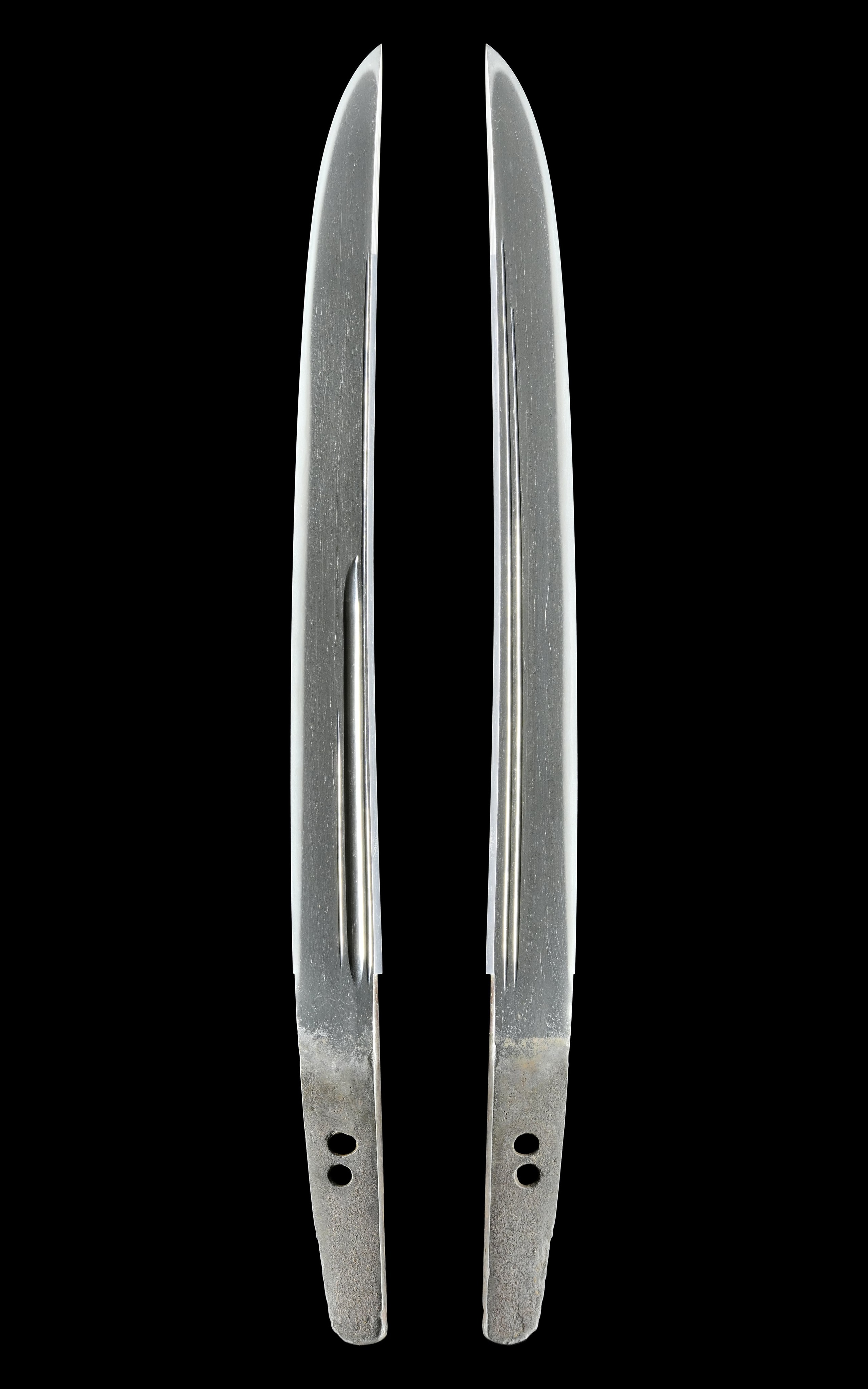
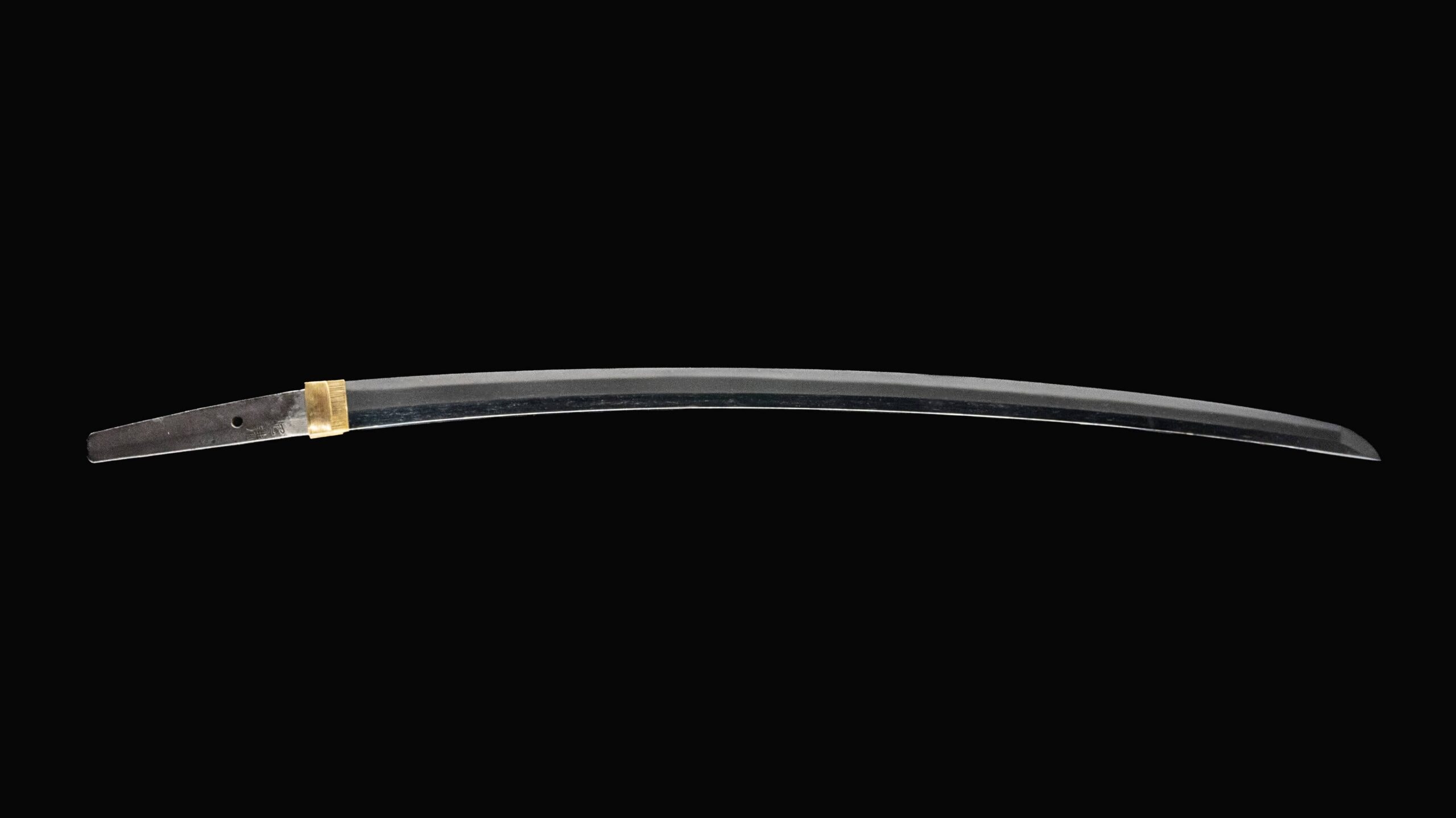
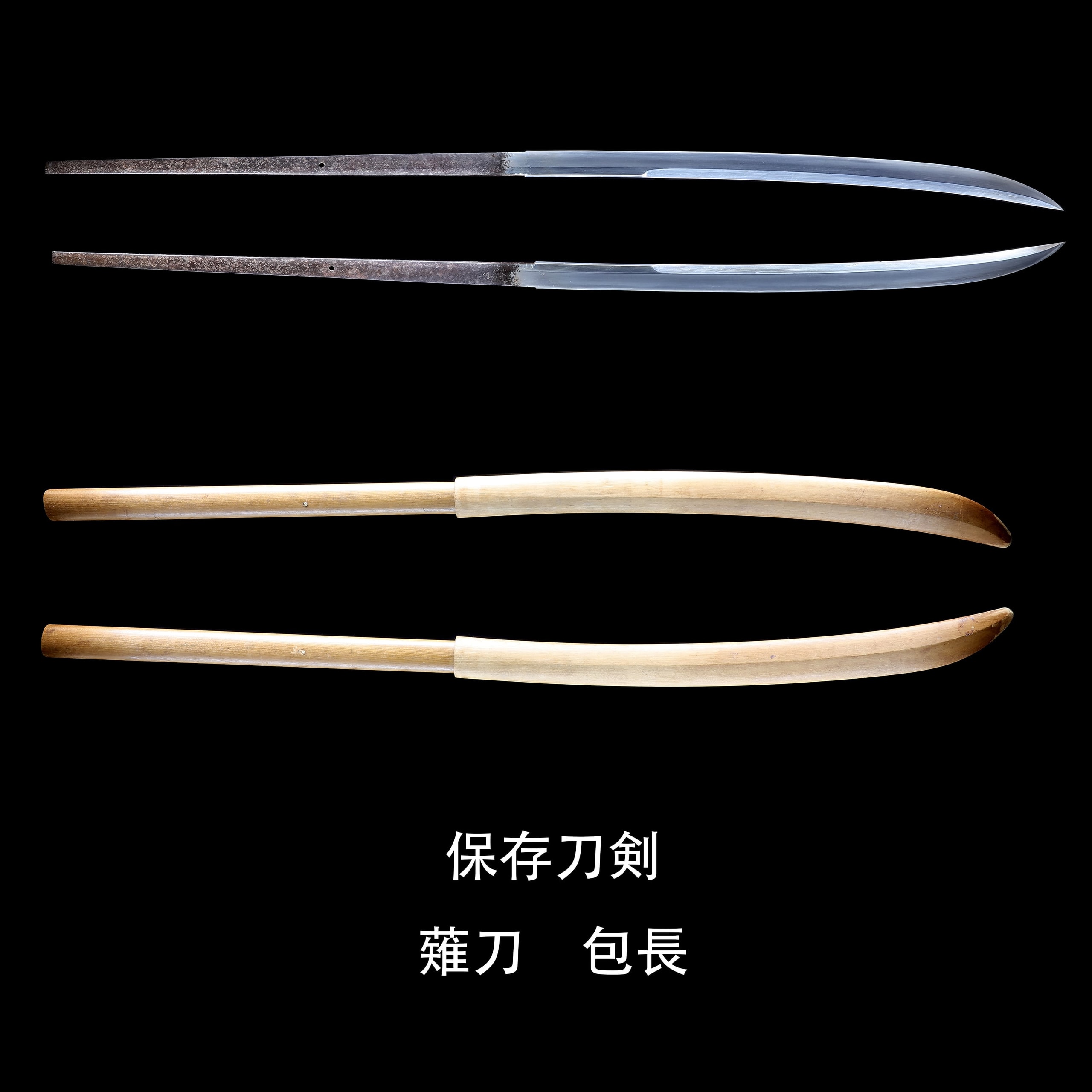
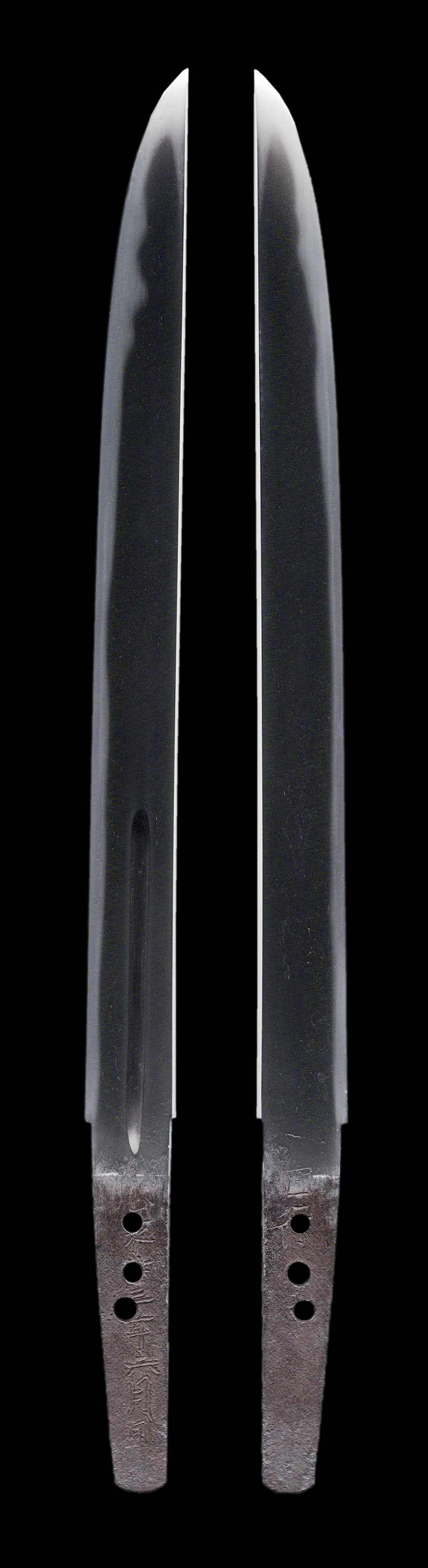
Kanetsada worked within the Tegai branch of Yamato Province, a school whose origins trace to the founder Kanenaga, traditionally placed around the Shoo era of the late Kamakura period. Reference works record the first-generation Kanetsada as a disciple of Kanenaga, active in the Bunpo era (1317-1319), and the lineage continued without interruption through the Nanbokucho period and onward into the Muromachi era. The Tegai school's close relationship with the Buddhist temples of Nara is reflected in the name itself, derived from the Tenkaimon Gate on the western approach of Todaiji, near which smiths resided and forged blades.
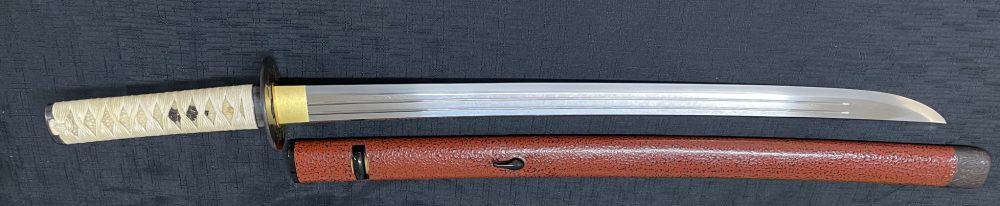
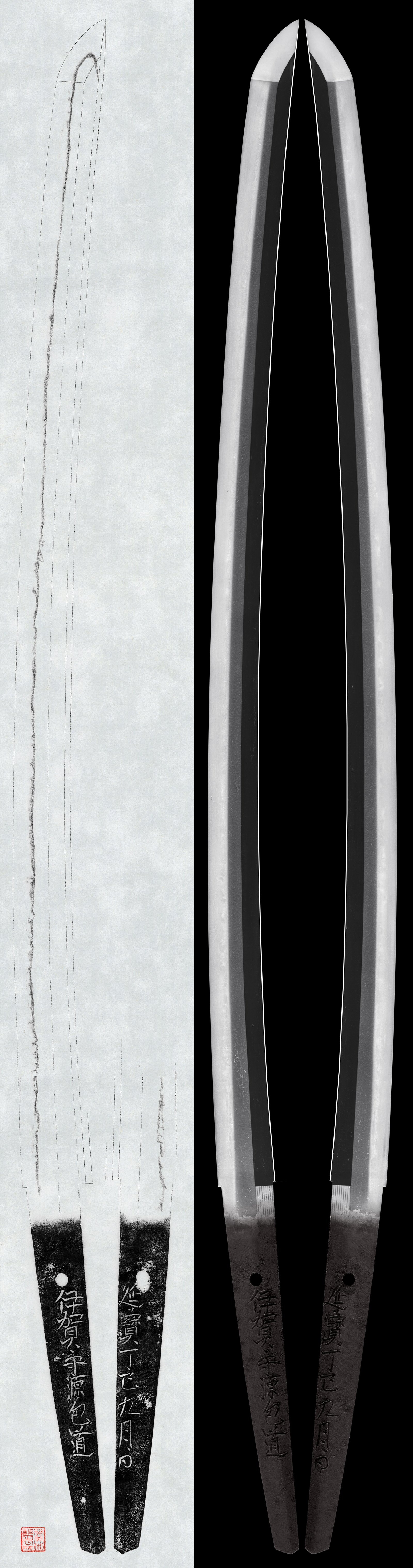
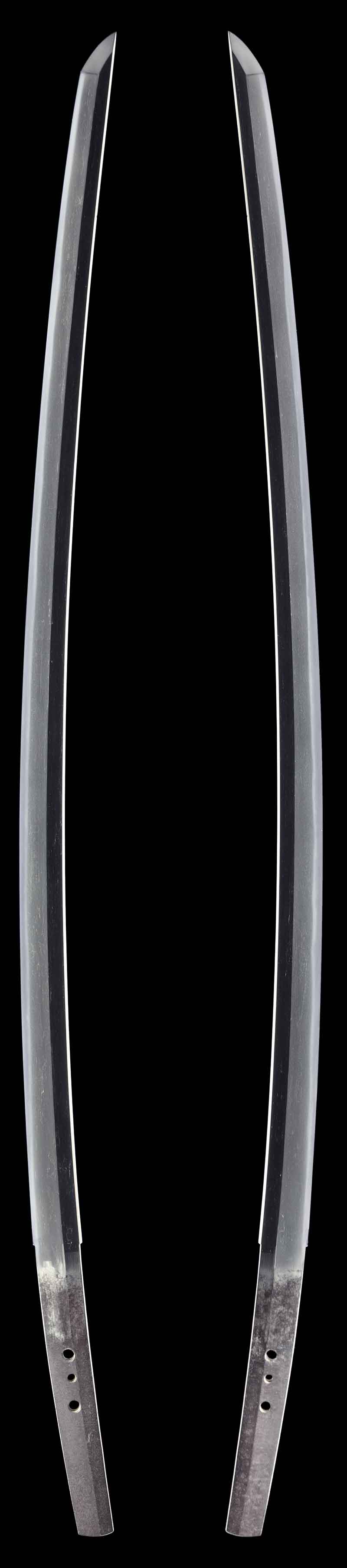
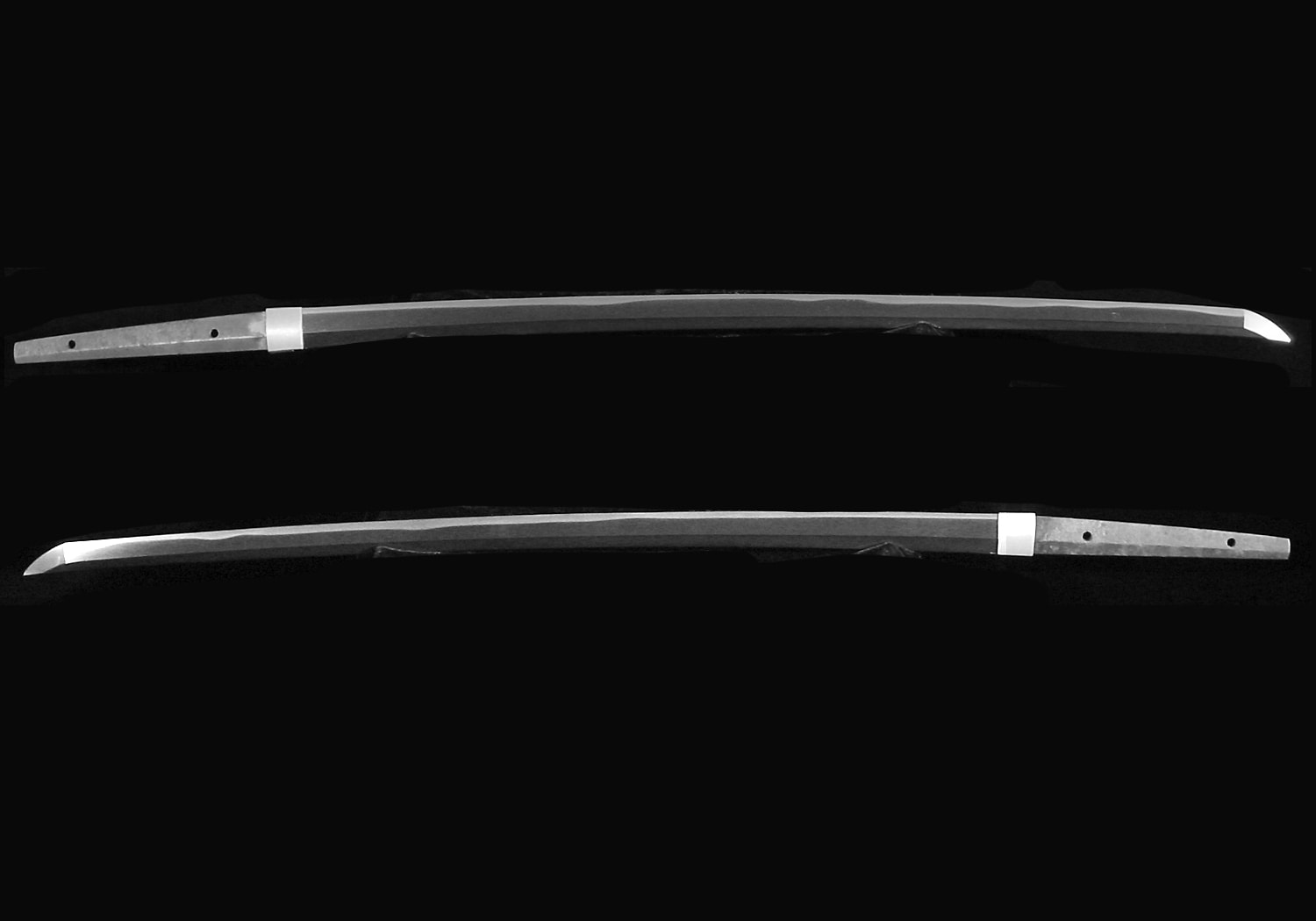
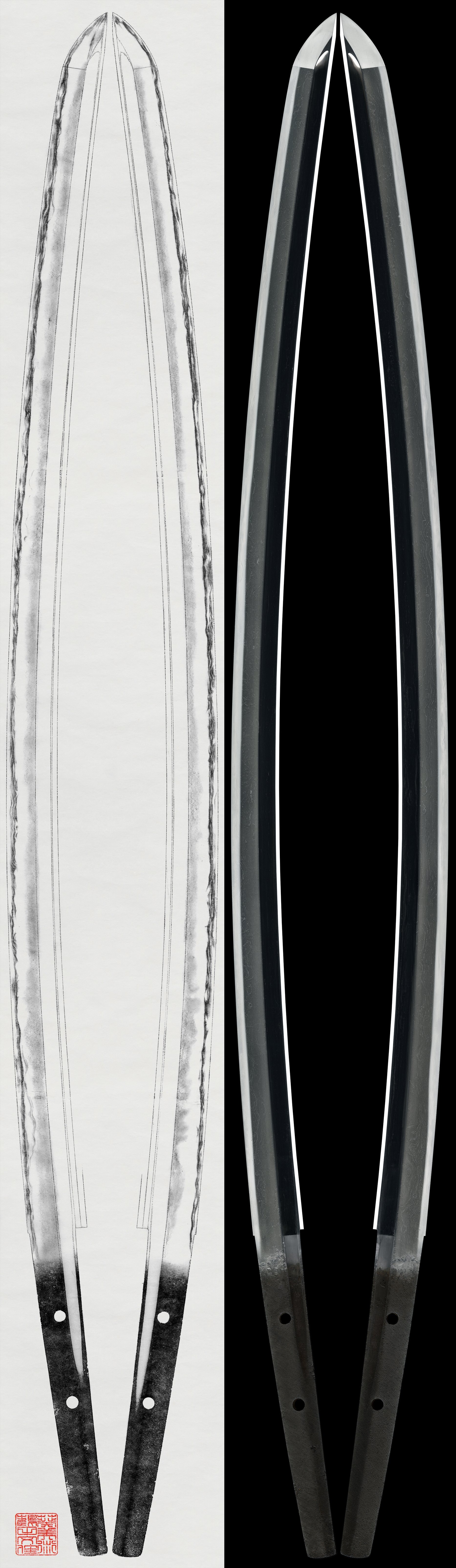
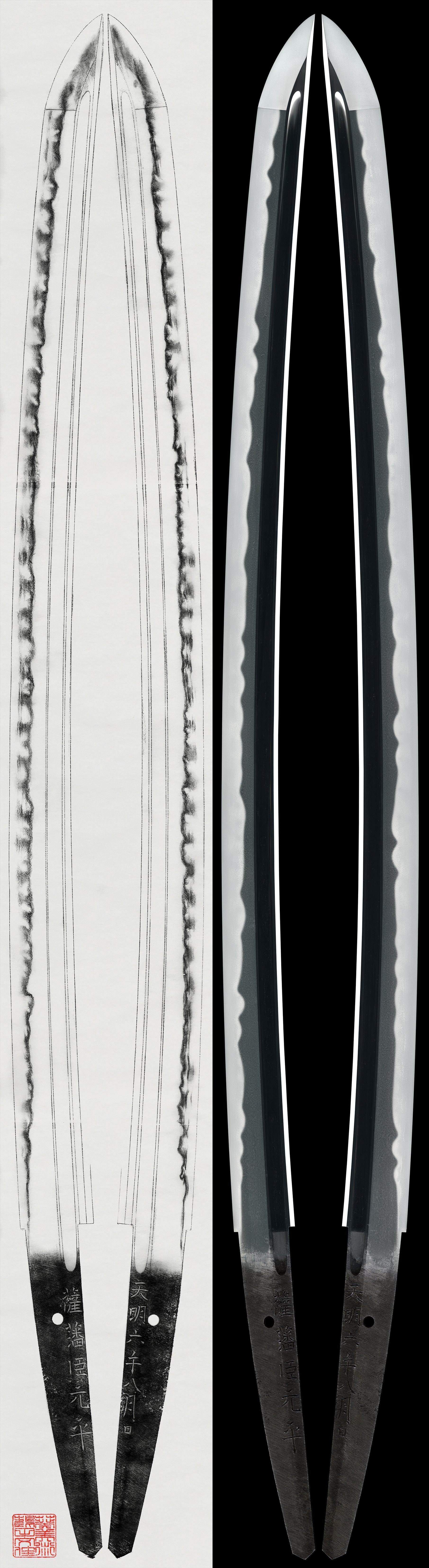
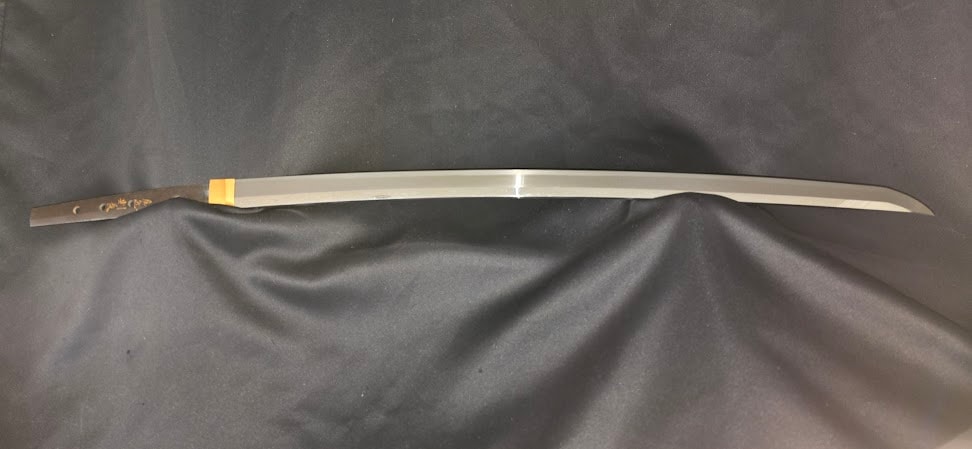
The designated works attributed to the Kanetsada lineage span from the Nanbokucho period through the late Muromachi and demonstrate the enduring characteristics of Yamato craftsmanship. The Nanbokucho-period tachi is notably slender in build, a quality the NBTHK attributes to Yamato workmanship being "originally classical in spirit," possessing "a notably archaic elegance" when compared with contemporary works from other provinces. Its suguha-based temper mixes ko-notare, ko-gunome, and ko-midare with uchi-noke, sunagashi, and kinsuji — the active habuchi typical of the Yamato manner. A rare moroha-zukuri tanto from the Sue-Tegai period contains "abundant internal activities filled with martial vitality" with a nioiguchi described as "strikingly clear."
Among Sue-Tegai works, two-character signatures are common, yet the katana by Kanesada bears an unusual long inscription including the place name "Nanto-ju" and the honorific "Fujiwara," making it an especially valuable reference piece. This blade further distinguishes itself through gyaku-taka-no-ha file marks on the omote — exceptional for a school where taka-no-ha on both sides is standard — and through workmanship exhibiting "a character not seen among other Sue-Tegai pieces," confirming the Tegai lineage's continued vitality into the final phase of Muromachi production.