


The twentieth century nearly killed the craft twice: wartime distortion, then the occupation ban. The NBTHK’s founding in 1948 and licensed forging from 1953 rebuilt the sword as an art, crowned by Living National Treasures and the mukansa rank.
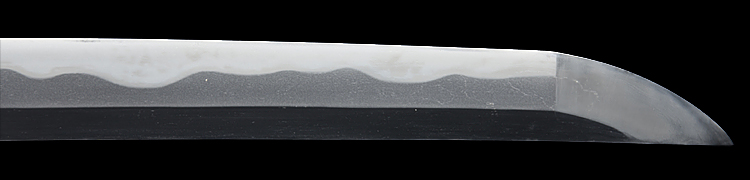
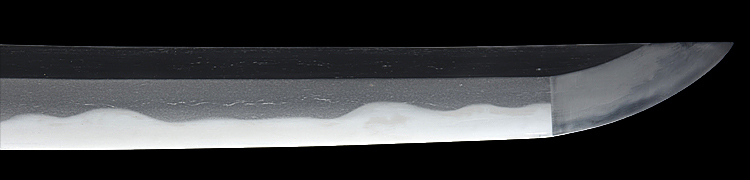
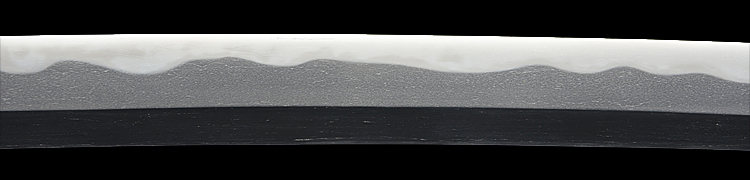
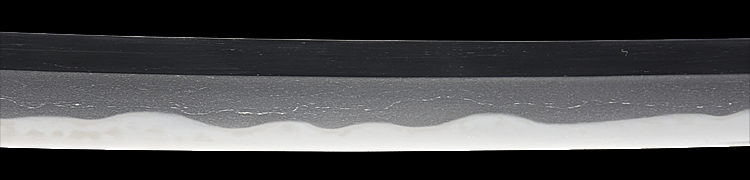
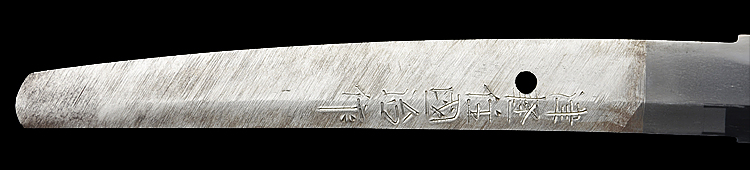
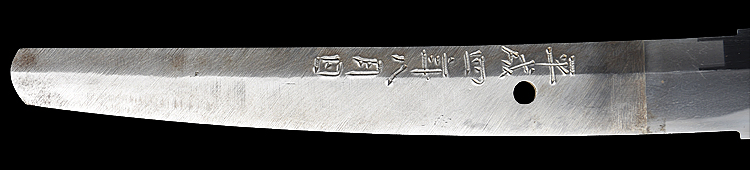
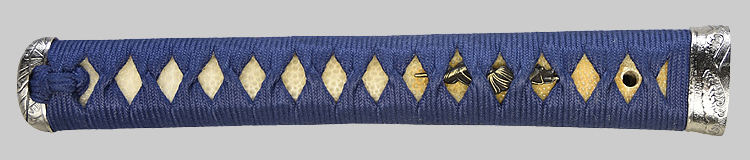
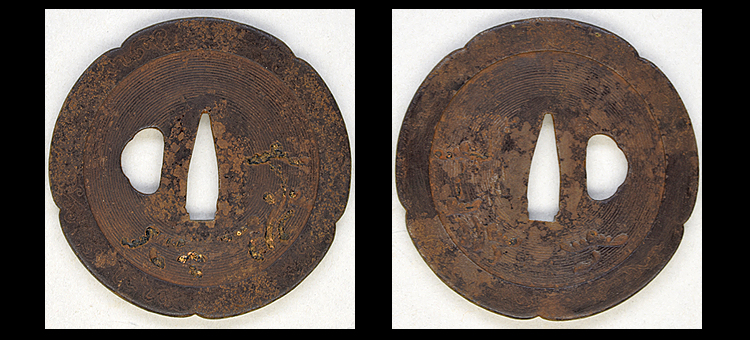
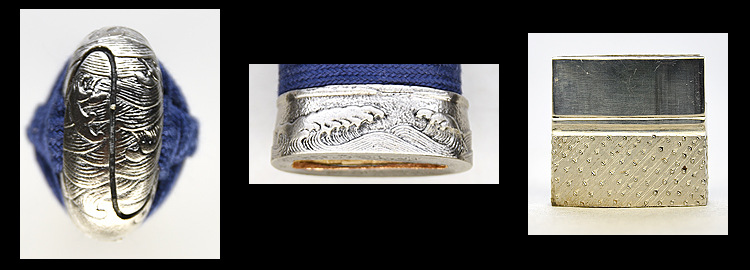
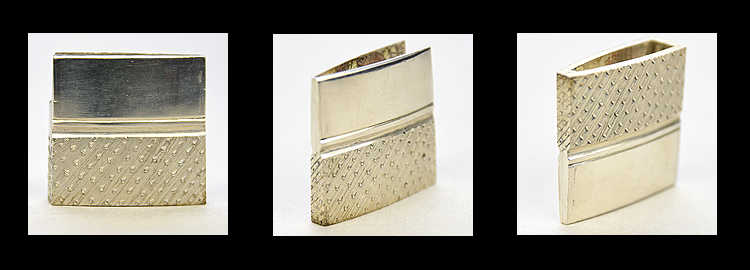
Hon-zukuri, iori-mune. Ubu-nakago. Itame-hada mixed with moku, ji-nie attaches, and chikei enters. Hamon is notare with gunome, mixed with togari-ba. Nioi is somewhat deep with kinsuji and sunagashi. Nioiguchi is slightly subdued but clear. Real name is Yamauchi Taroji. Former Army commissioned tosho. Student of Yamauchi Kiyomitsu and Nigara Kunitoshi. Son of the third generation Kiyomitsu. In a kuro-ro-nuri-saya uchigatana-koshirae.
Offered by Token-Net


Machine translation of the shop's Japanese ·
Machine translation from the shop's Japanese · may contain errors ·
Mutsu · around 1926-1989
1 piece on the market now
Shōwa to the present: destruction and revival
The twentieth century nearly killed the craft twice: wartime distortion, then the occupation ban. The NBTHK’s founding in 1948 and licensed forging from 1953 rebuilt the sword as an art, crowned by Living National Treasures and the mukansa rank.
We could not find an authenticity certificate on the seller’s listing. Japanese swords and fittings are normally papered by the NBTHK (or the NTHK). Without one, the attribution is the seller’s own assessment and has not been independently verified — treat it with caution and ask the dealer about certification before buying.
Within one week of the item's arrival (cooling-off is possible within Japan only). For defects that differ from the purchase conditions, we will accept the return and refund the payment. For other cases such as overseas, we will consult separately.
¥430,000