Edo was the sword’s age of connoisseurship: the Hon’ami appraisers, the shogunal register of famous blades of 1719, and a thriving literature turned the sword into an object of study even as it ceased to be drawn in war.
 NihontoWatchNihontoWatch
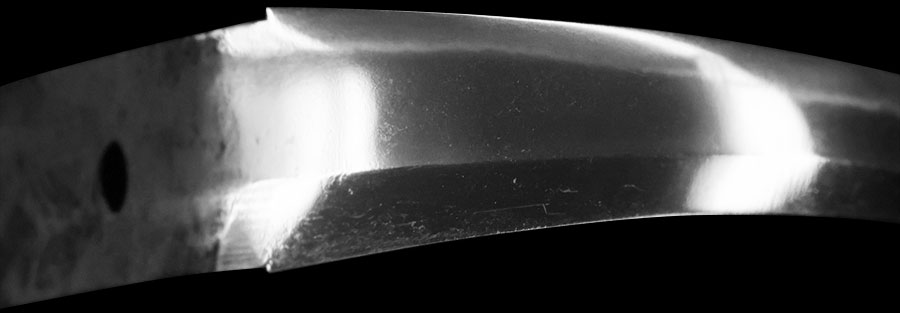
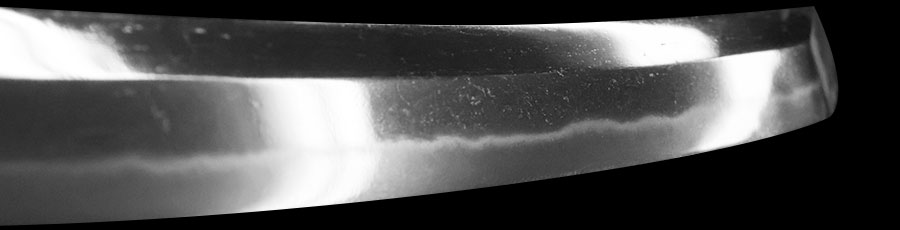
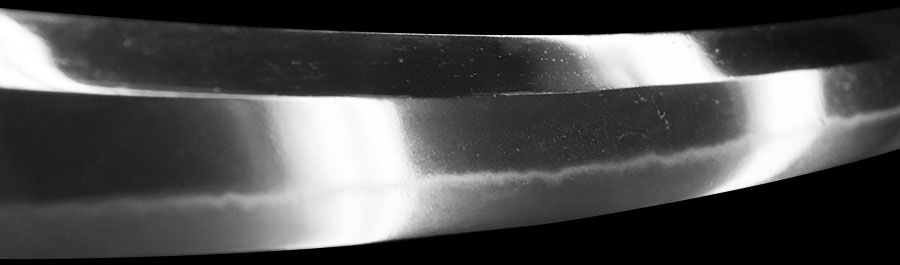
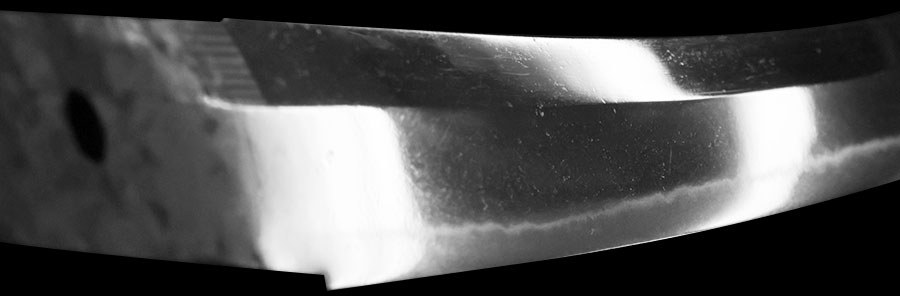
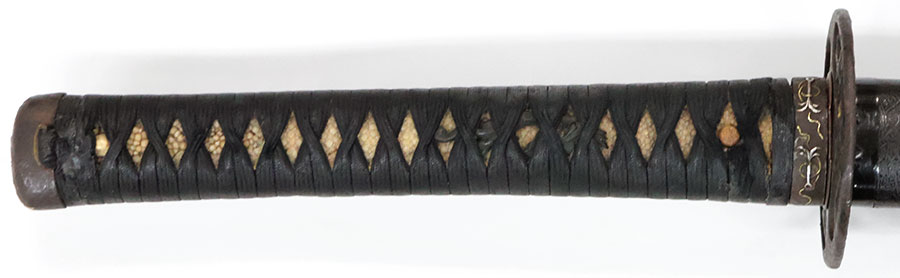
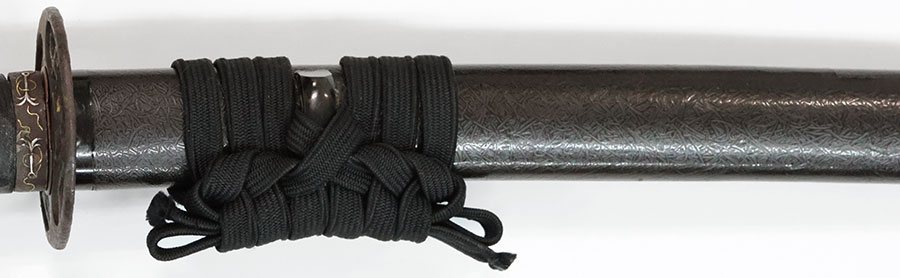
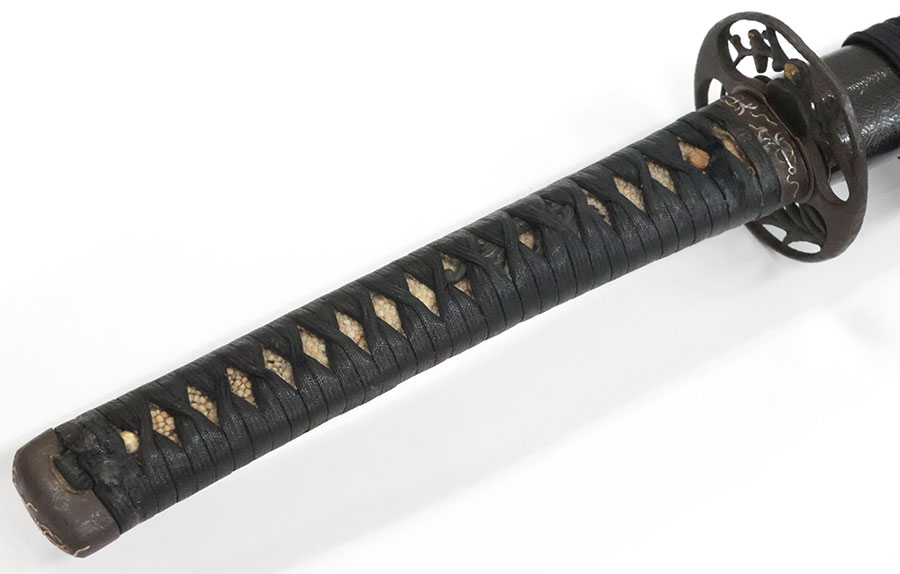
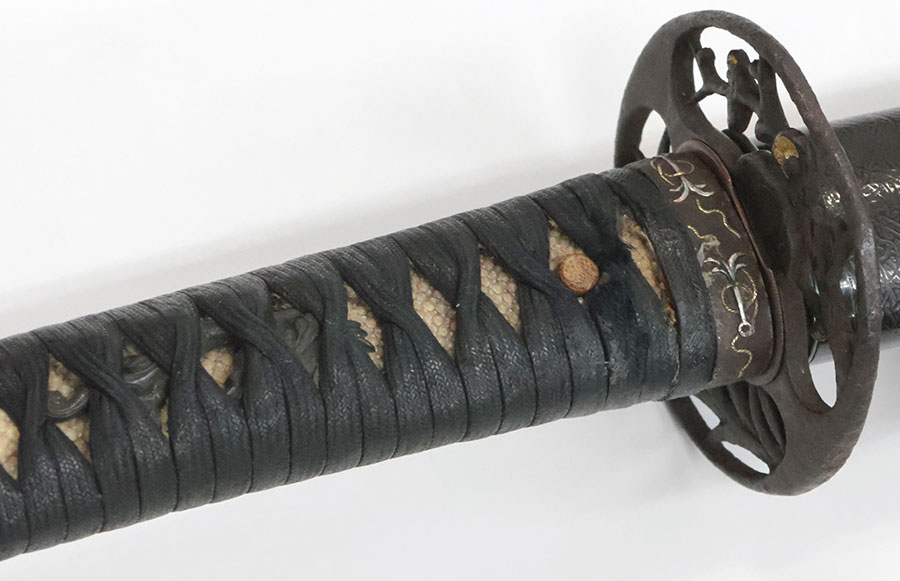
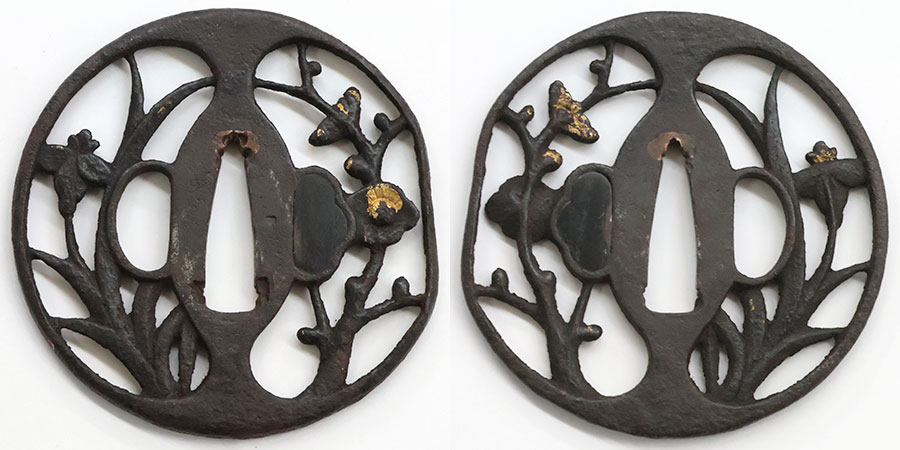
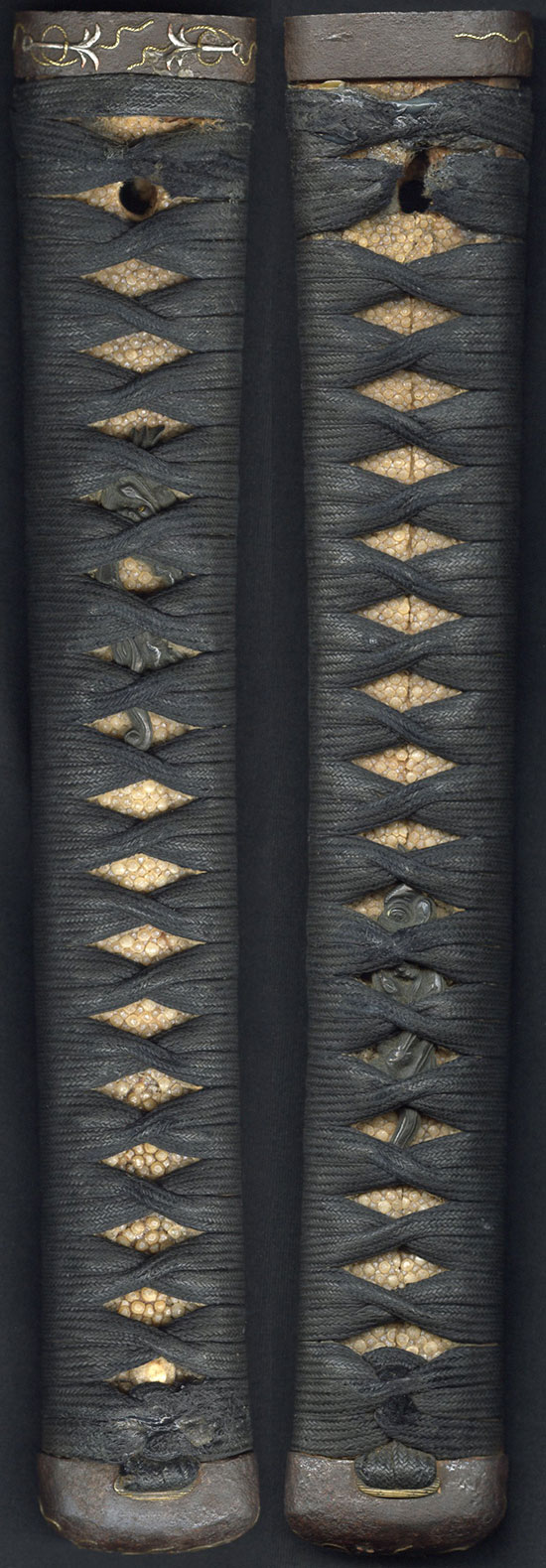
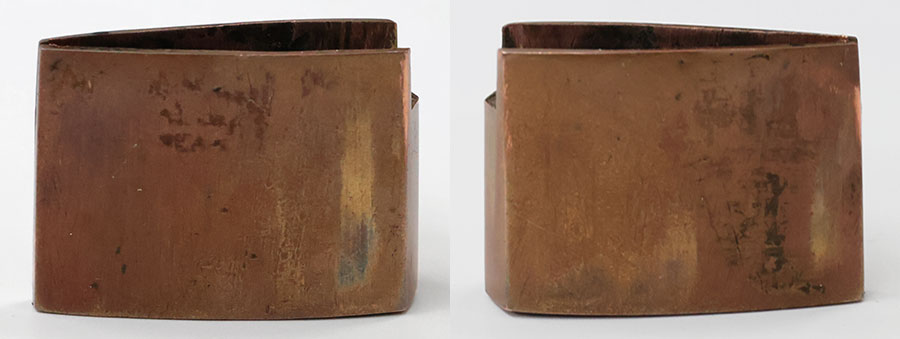
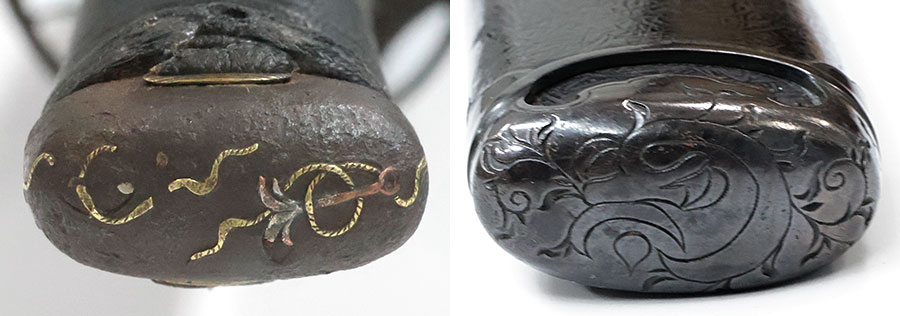
Here it is, here it is, a masterpiece sword by Echizen Shimousa no Daijo Fujiwara Kanemasa from the Enpo era (1673) (353 years ago) of the Edo period, which looks just like Nagasone Kotetsu, has appeared. Swordsmith Kanemasa is the child of the master craftsman Echizen Kanenori, who was the retained swordsmith for Yuki Hideyasu, the lord of the 620,000 koku Echizen domain, who was the second son of Tokugawa Ieyasu and the adopted son of Toyotomi Hideyoshi. This sword is a masterpiece that looks like a Nagasone Kotetsu, with the valuable additional mei of Echizen-ju. The sugata shows the same magnificent Kanbun shinto sword sugata as a Kotetsu, with a wide motohaba and sakihaba and a shallow sori; the jigane is forged in ko-itame-hada with many ji-nie appearing in the ji; the hamon is a notare-midare-ba with nie in a nioi-deki, just like a Kotetsu; the boshi is a deep kaeri ko-maru in the style of a Kotetsu boshi, creating a wonderfully spirited blade that looks very much like a Nagasone Kotetsu and is very well made; it is a wonderfully healthy masterpiece by swordsmith Kanemasa. The Edo period koshirae also has some damage from aging, but that is exactly as it was in the Edo period, adding even more splendor to this masterpiece by Shimousa no Daijo Fujiwara Kanemasa. This sword has been passed down through an old family for generations, but because it was entrusted to us with the request to sell it cheaply to someone who likes it, thinking it would be better for the sword if it were held by someone who would cherish it rather than keeping it ourselves, we are offering it at a special, super-low price as a courtesy. Please enjoy this wonderfully healthy masterpiece by Kanemasa, which is thought to be in the same condition as when it was made and which, if newly polished, will look even more like a masterpiece by Nagasone Kotetsu, at an exceptional price equal to that of a gendaito.
NihontoWatchKanemasa兼正
Offered by Nipponto







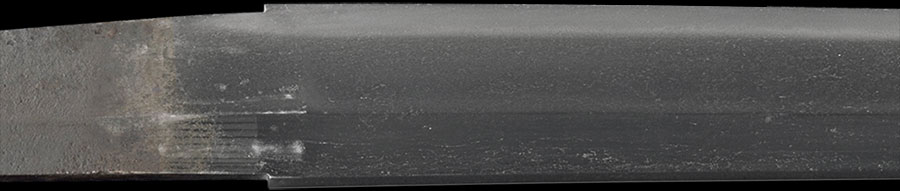





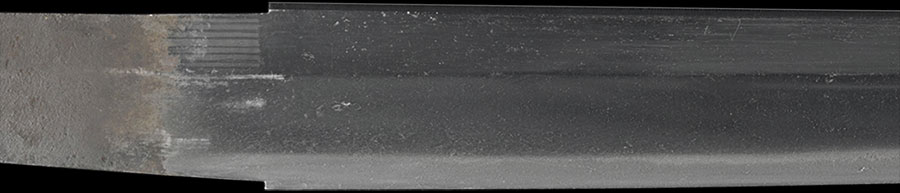

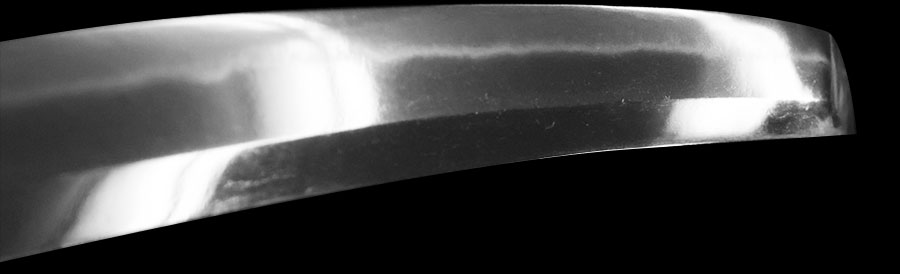
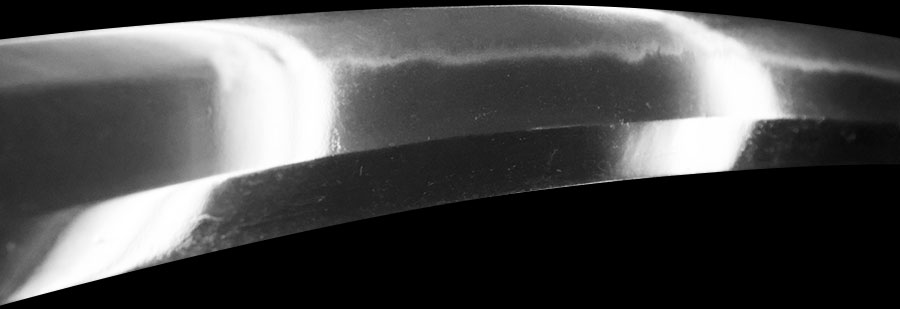



Machine translation of the shop's Japanese ·
Machine translation from the shop's Japanese · may contain errors ·
Echizen · around 1661-1673
Fujishiro Chu-jo saku · Tōken Taikan top 76%
4 pieces on the market now
The Edo period (1615 to 1868)
Edo was the sword’s age of connoisseurship: the Hon’ami appraisers, the shogunal register of famous blades of 1719, and a thriving literature turned the sword into an object of study even as it ceased to be drawn in war.
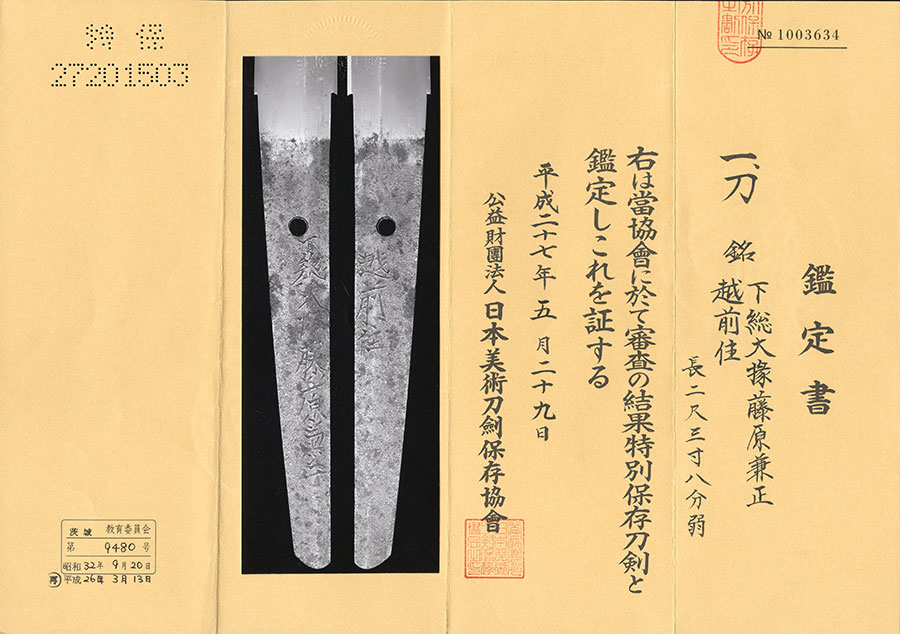
A Hozon-certified blade judged to show notably superior workmanship and a better state of preservation. The bar is higher: re-tempered blades and most unsigned Muromachi/Edo works are excluded.
The NBTHK (Nihon Bijutsu Tōken Hozon Kyōkai, the Society for the Preservation of Japanese Art Swords) is a public-interest incorporated foundation founded in 1948 and supervised by Japan’s Agency for Cultural Affairs (Bunkachō); it is based at the Japanese Sword Museum in Tokyo. Its expert panels physically examine each submitted work (shinsa) and issue a certificate (kanteishō) ranking it by artistic and historical merit. NBTHK papers are the most widely recognized standard of authentication for Japanese swords and fittings.
NBTHK official siteFor returns due to customer circumstances, the cost is the customer's responsibility. For returns due to our mis-shipment or a defective item, we bear the cost.
¥850,000