Muromachi turned sword making into an industry: the uchigatana rose with massed infantry warfare, Osafune and Seki produced bundle swords beside custom orders, and the Ming trade carried Japanese blades abroad by the tens of thousands.
 NihontoWatchNihontoWatch
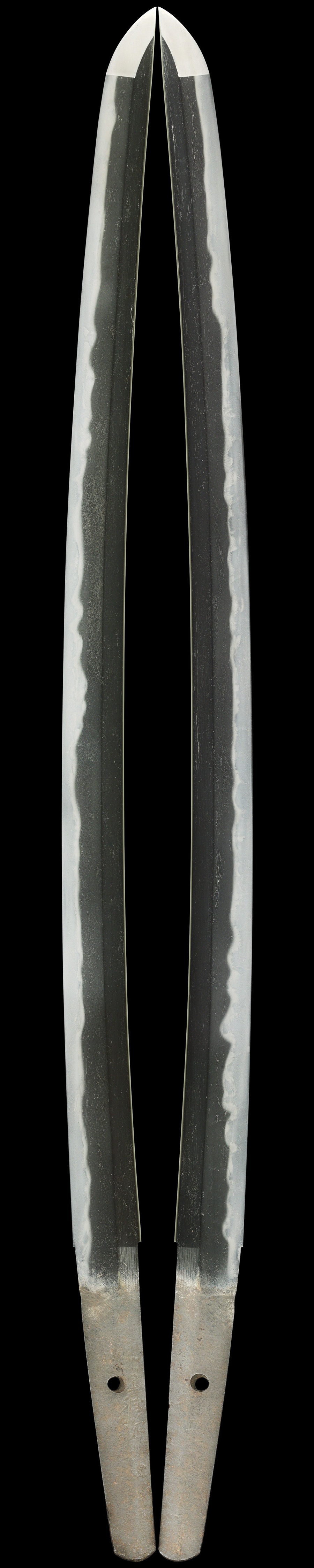
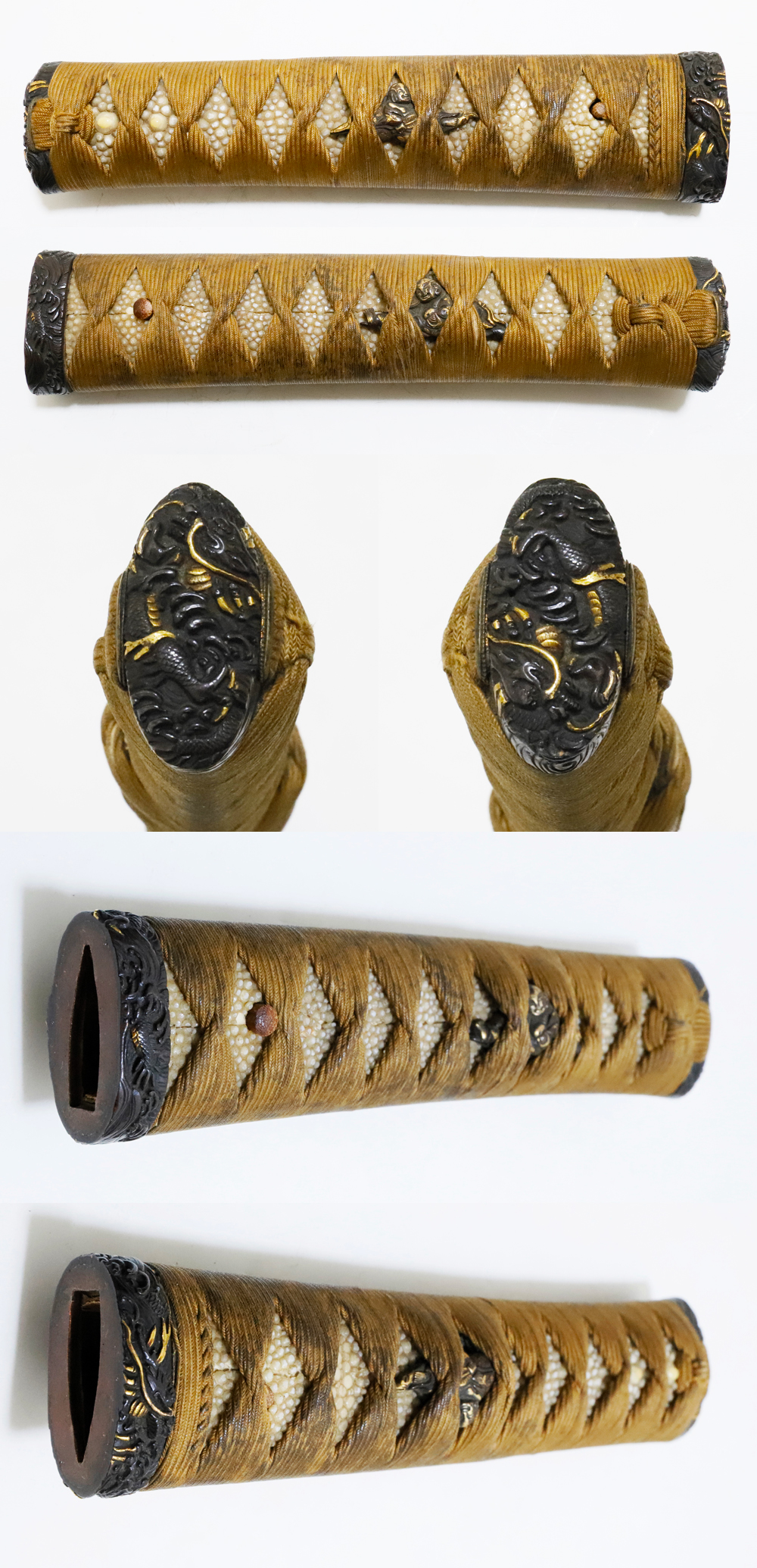
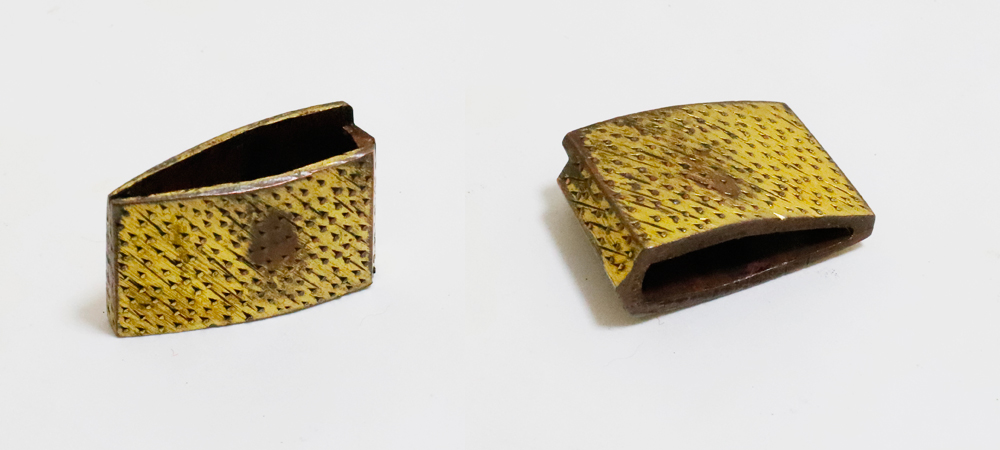
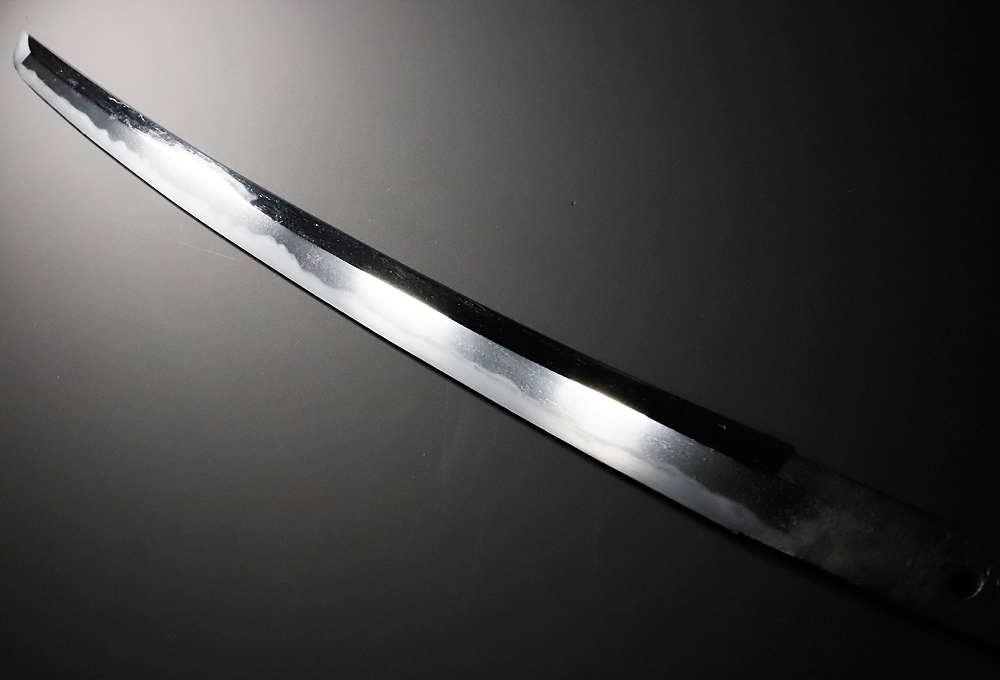
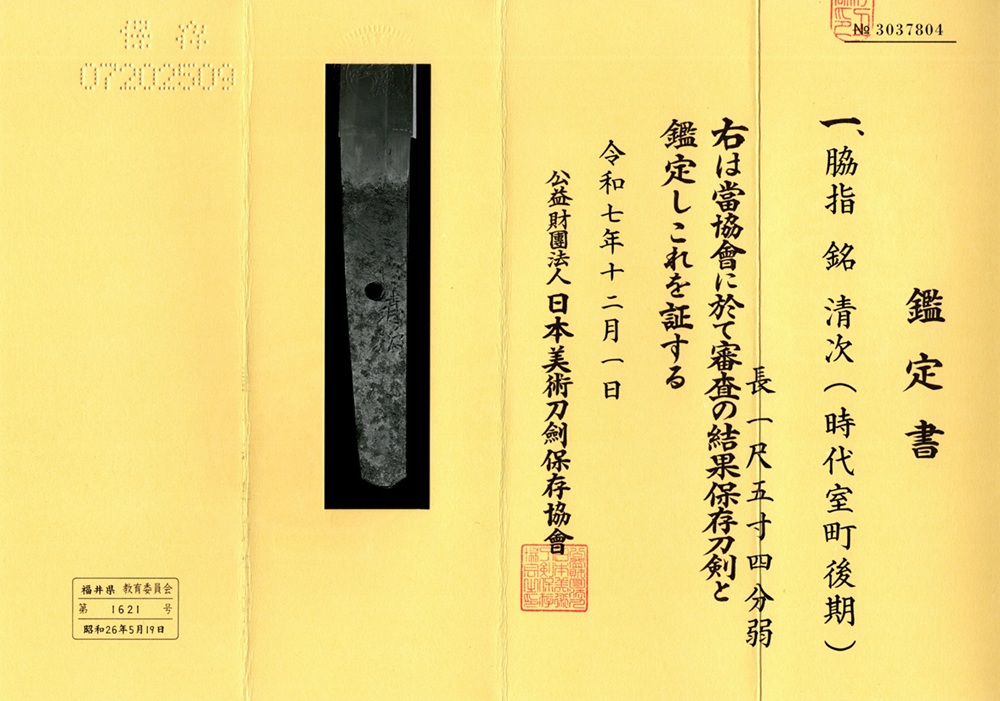
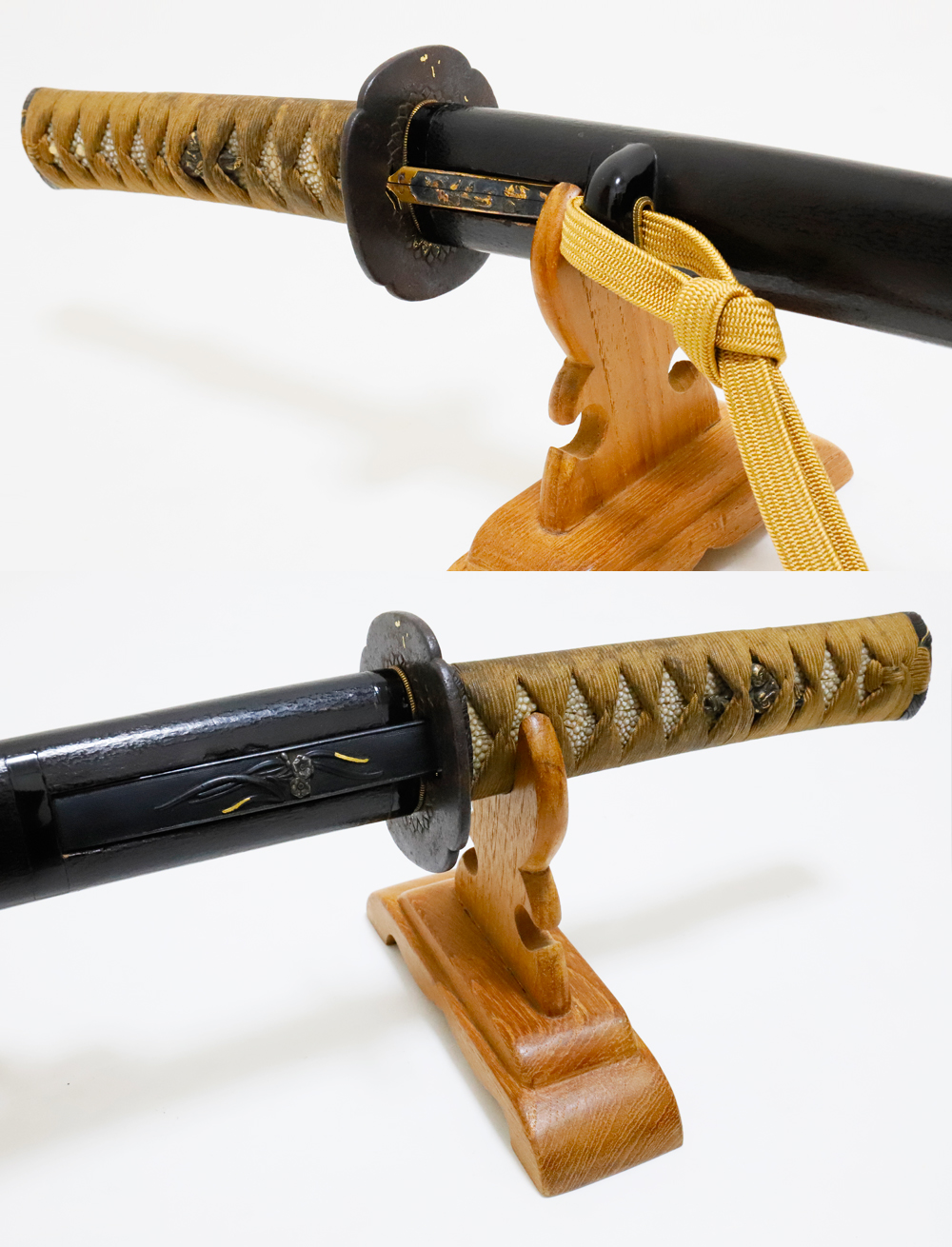
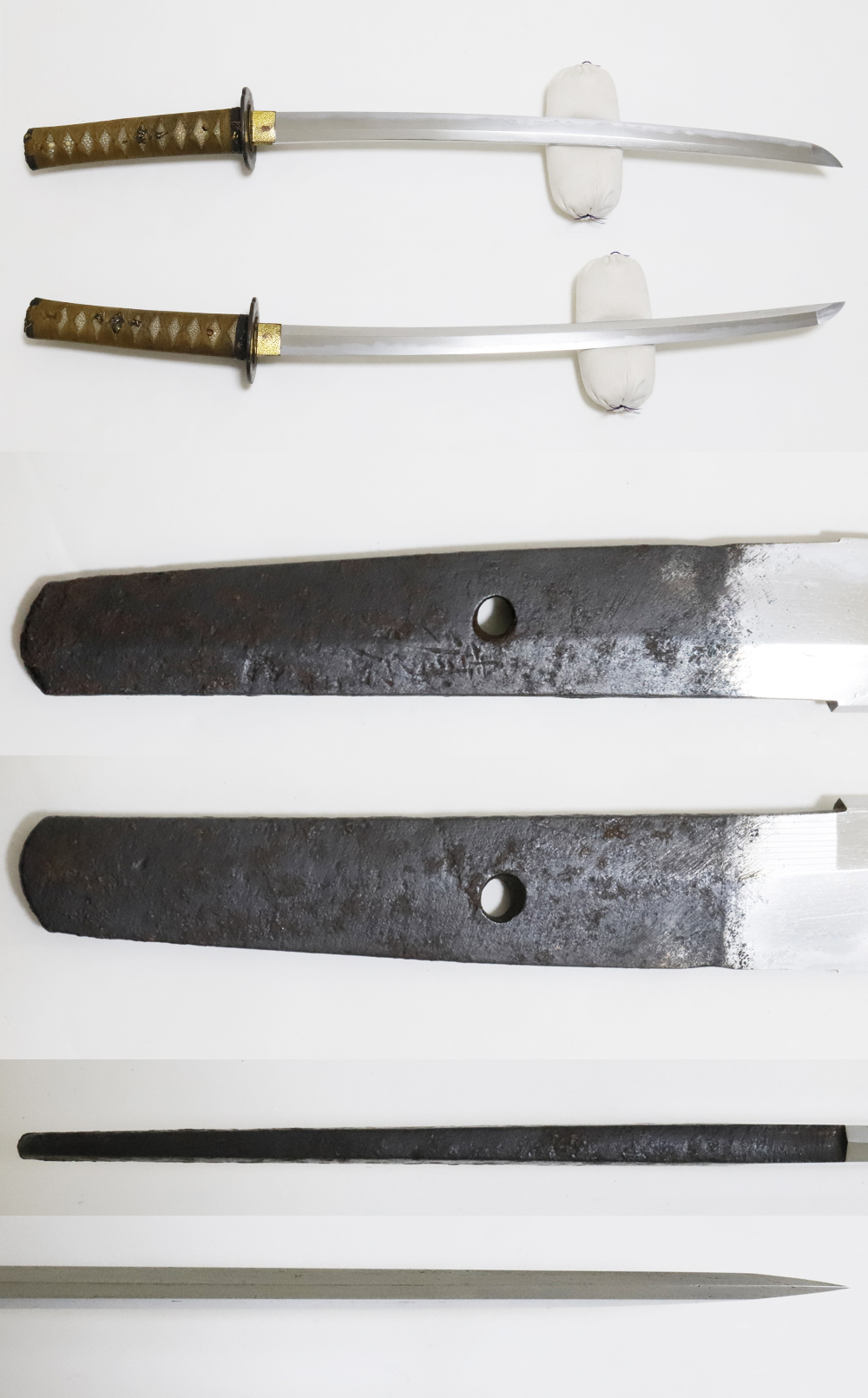
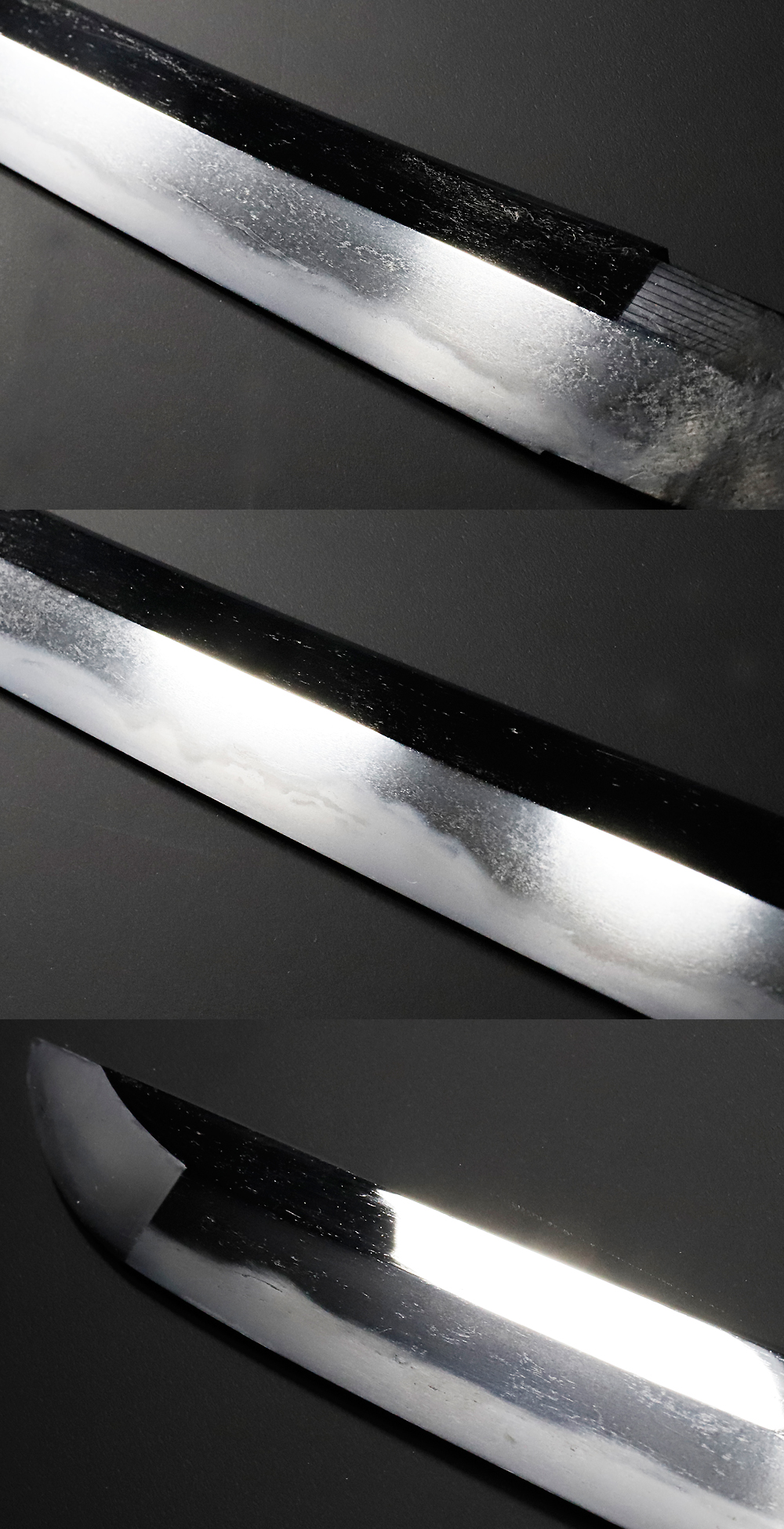
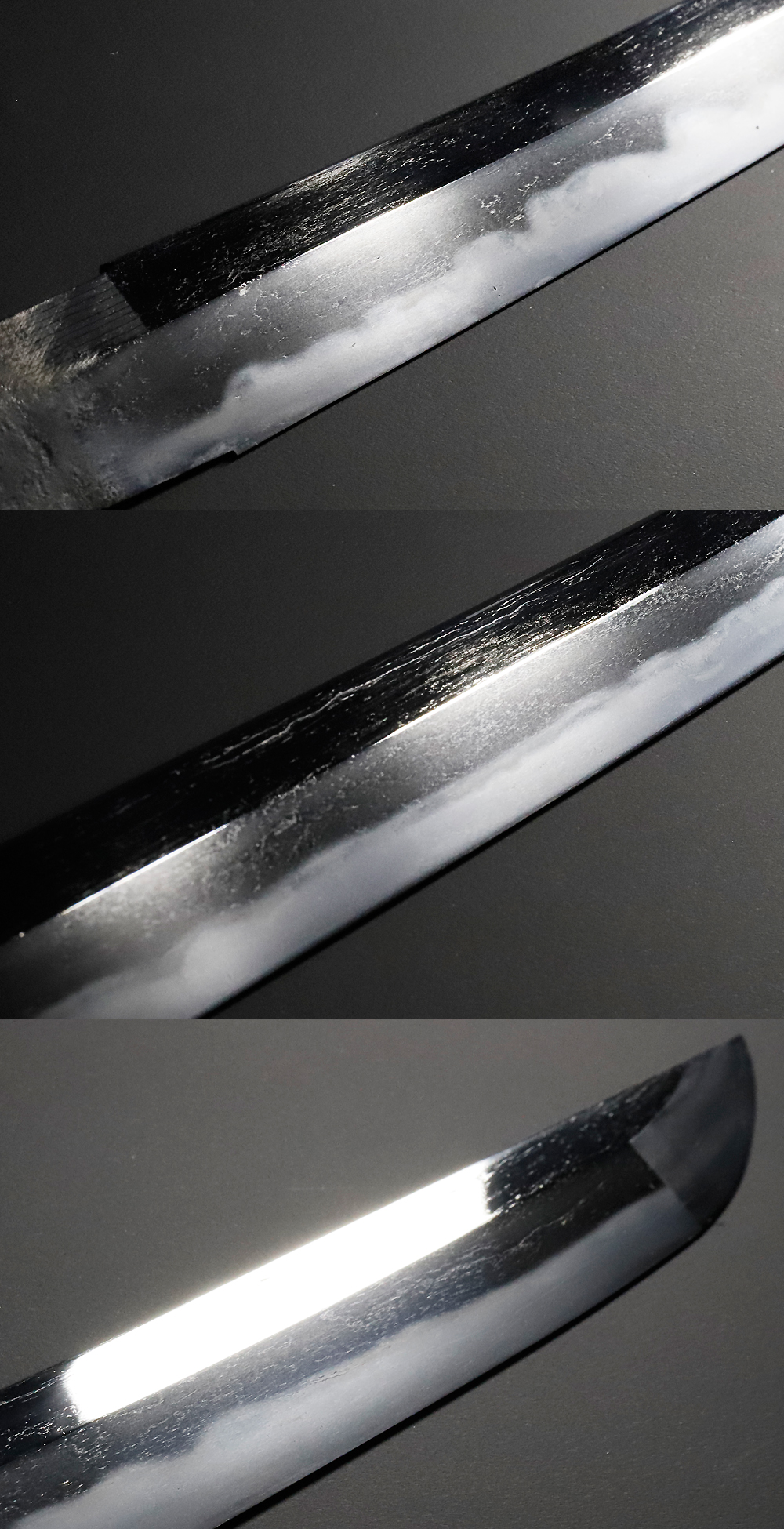
本作清次は、鎬造り、庵棟、反り浅く先反りごころを呈した、実用的な姿で室町時代後期の脇指。茎は生ぶ、目釘孔一個で、佩表に素朴な鏨使いの「清次」二字銘を切る。 清次銘の刀工は諸国に見られ、本作二字銘清次の特定は困難であるが、銘「清」の特徴と作風から美濃国関の清次(永正頃)か。今後の研究を待ちたい。 趣向を凝らした黒蝋色木肌文塗鞘脇指拵が付されている。令和7年(2025)12月、保存刀剣審査合格。
NihontoWatchOffered by Touken Matsumoto


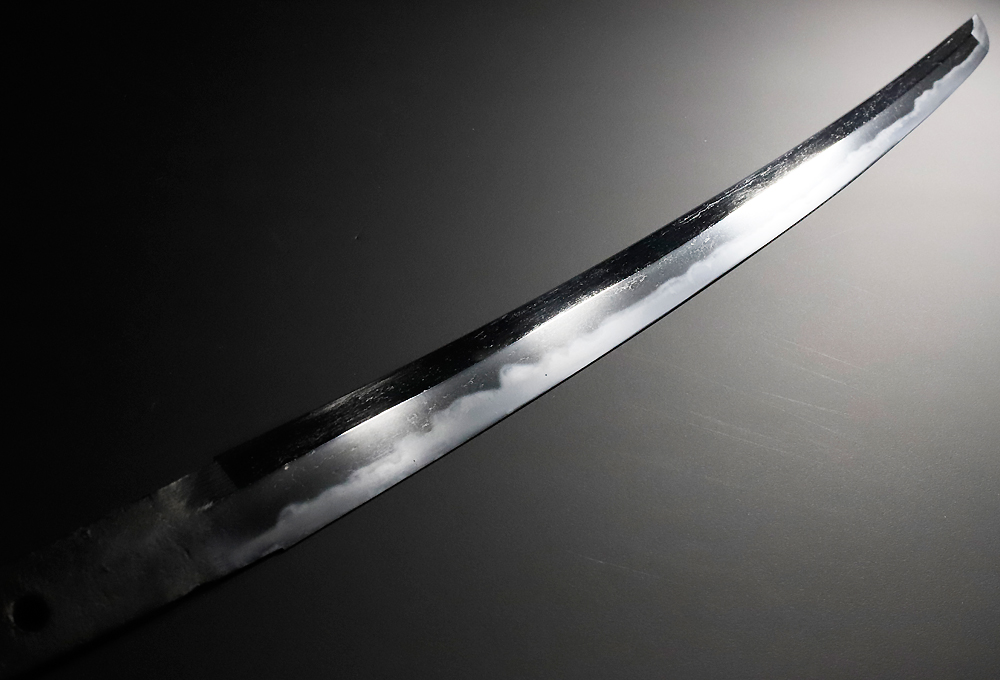
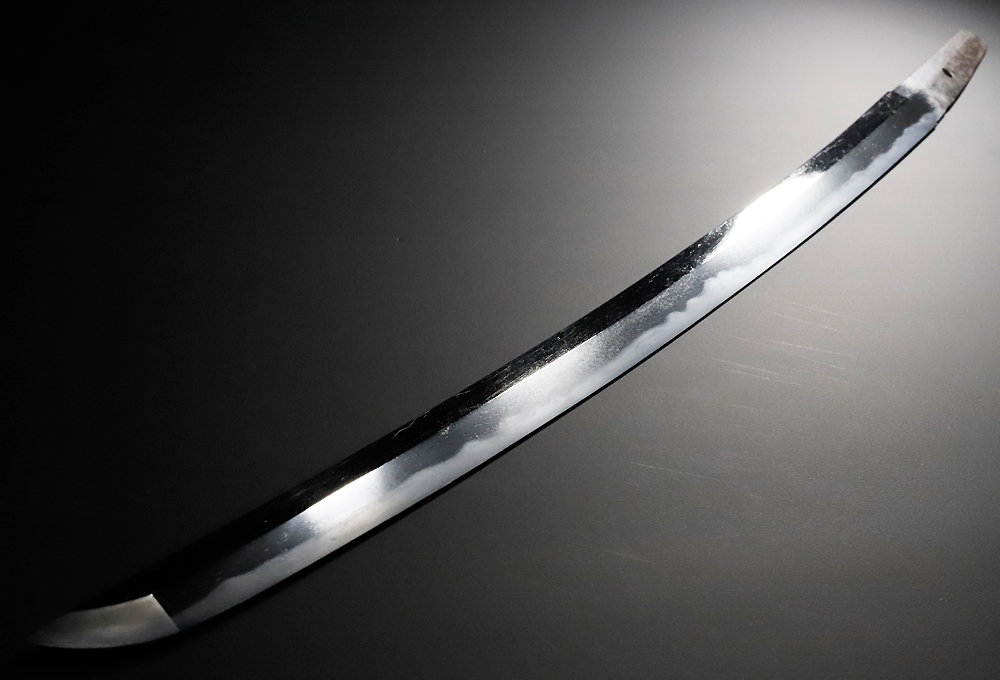
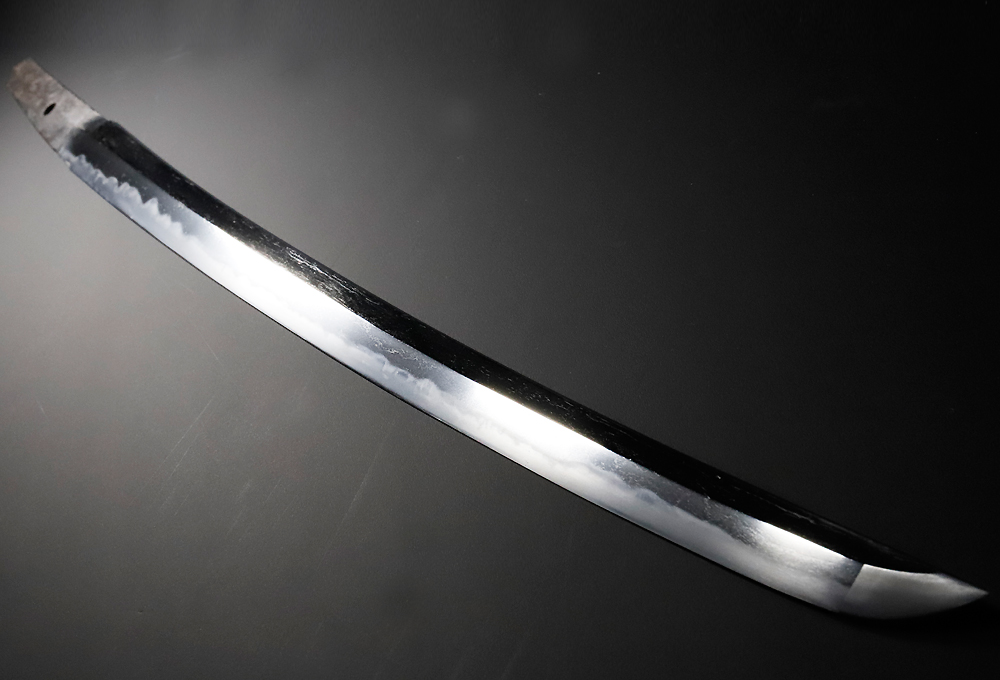
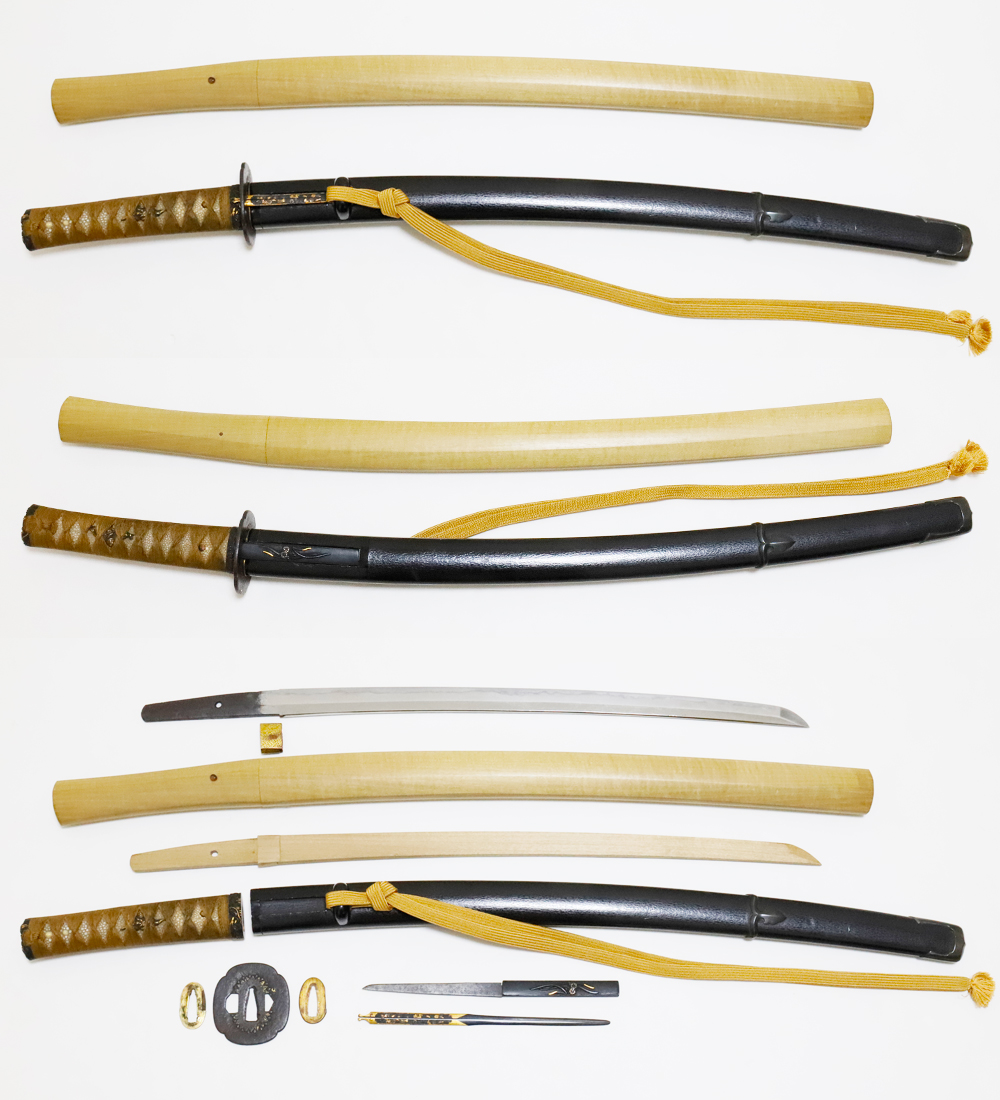
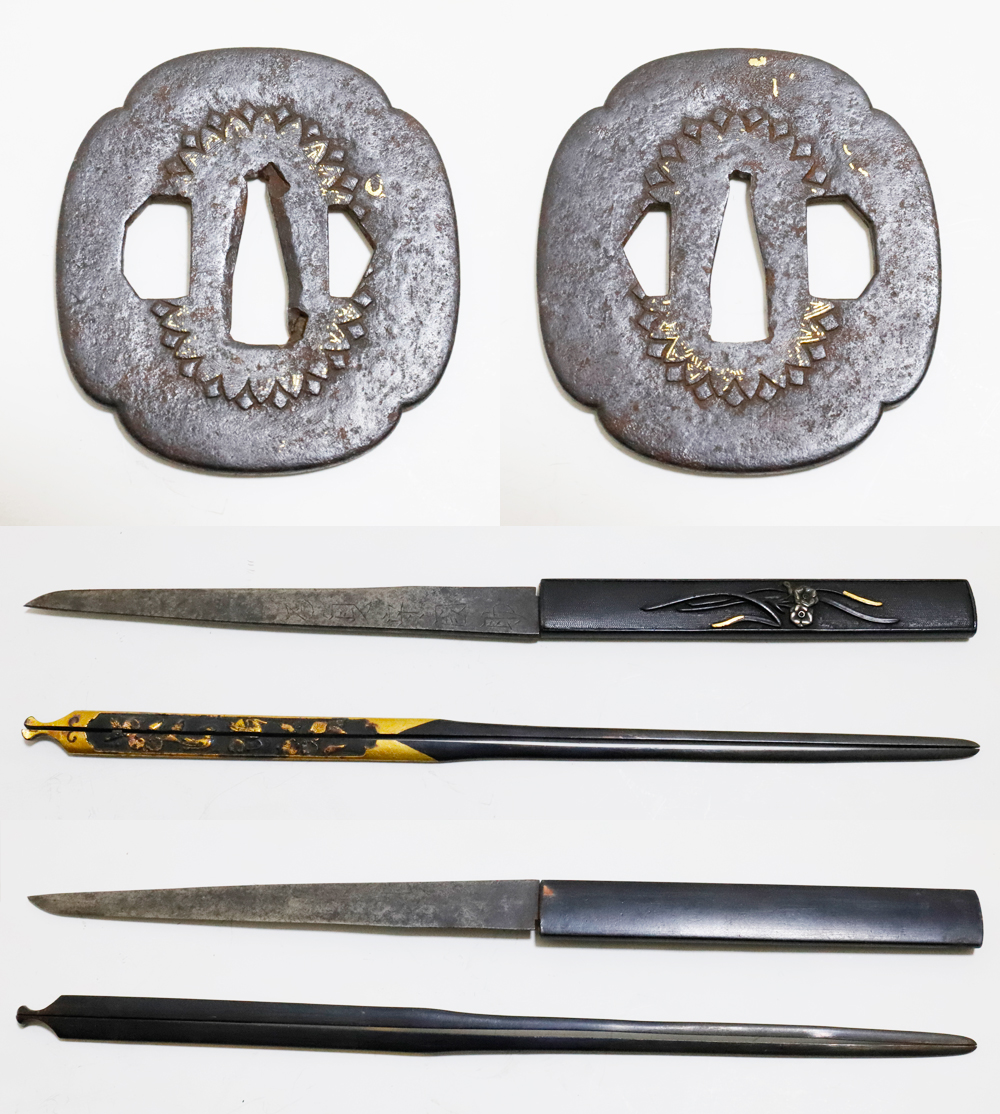
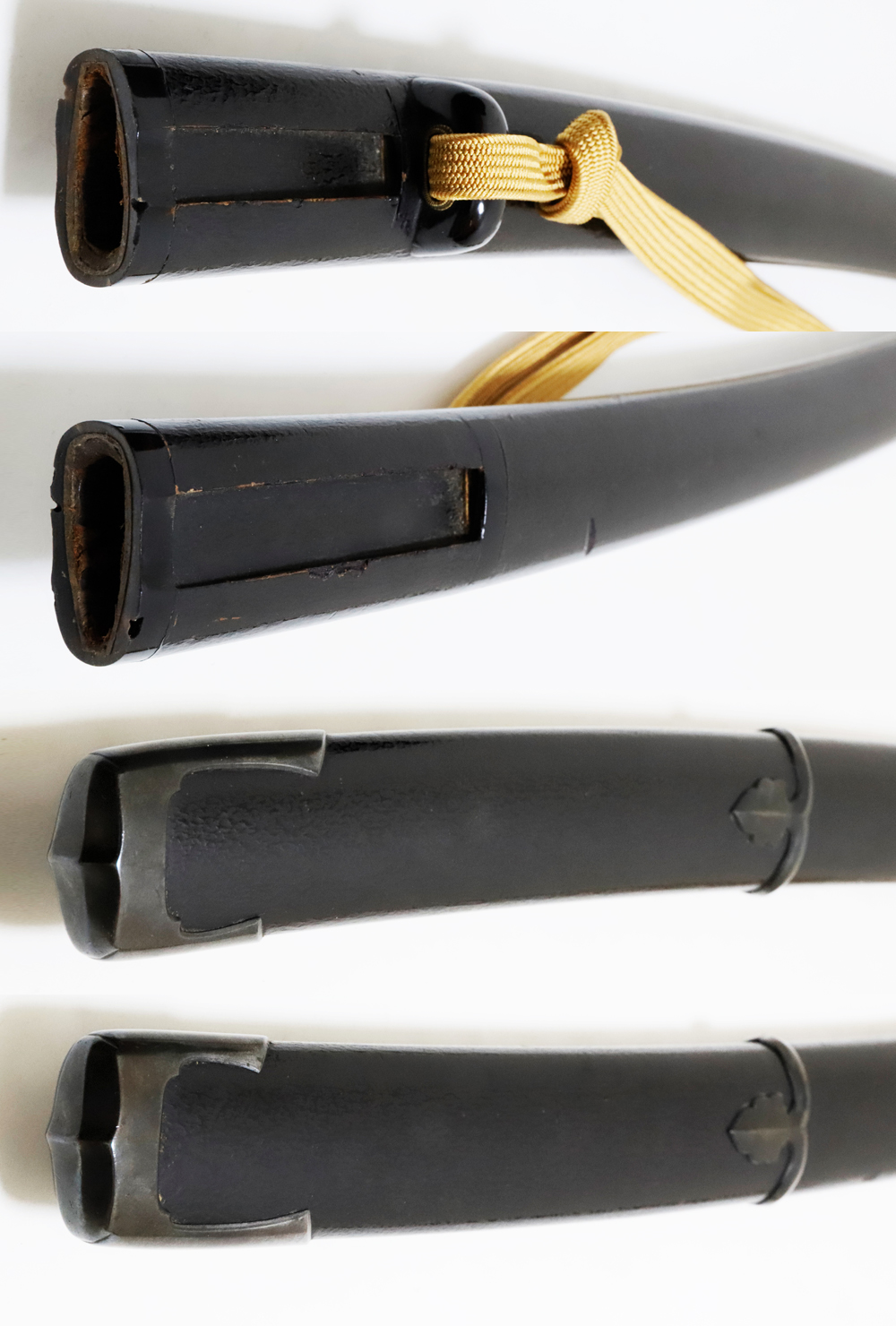
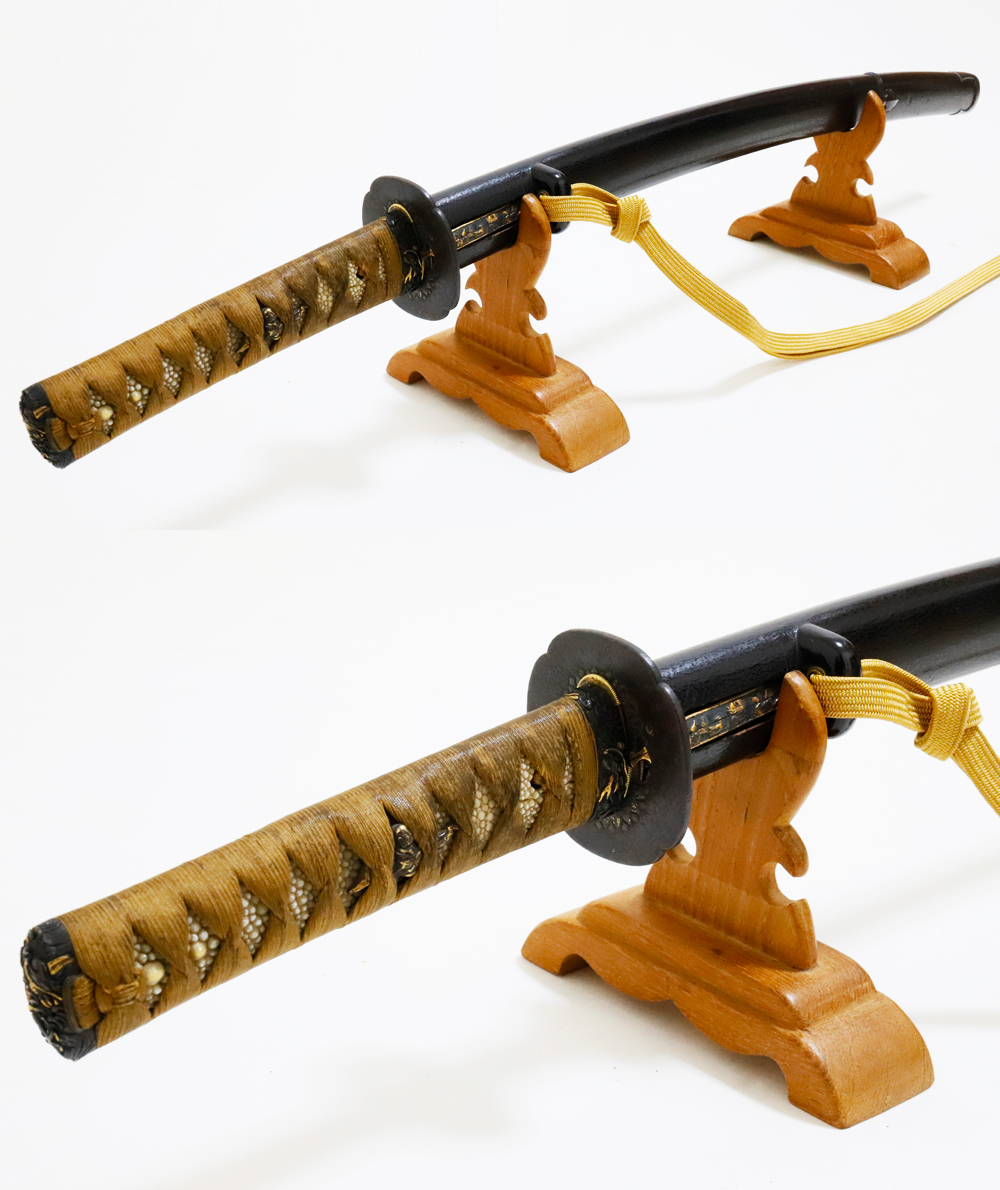
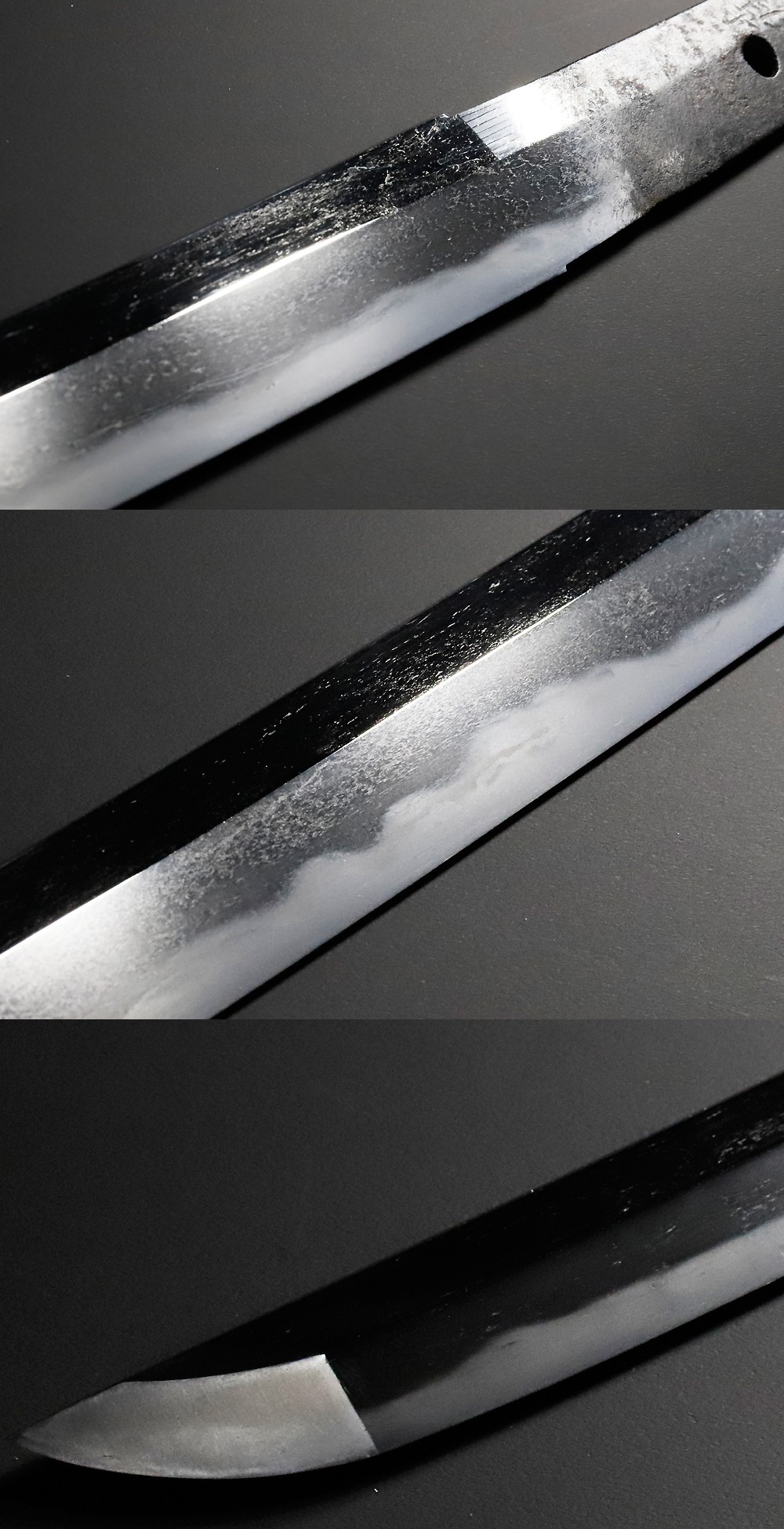
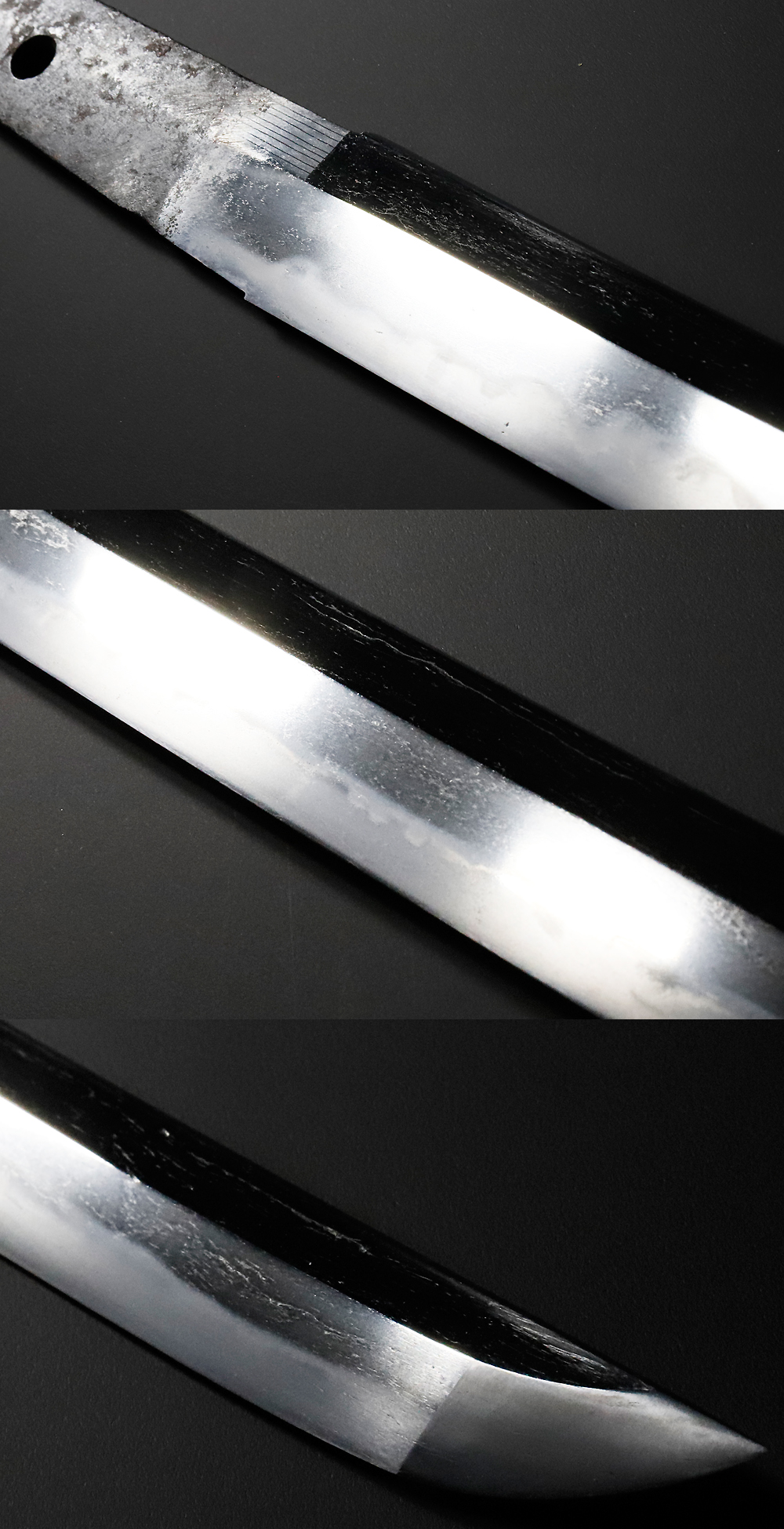
Machine translation of the shop's Japanese ·
Rows still in Japanese are as written by the shop
Mino · around 1504-1521
Tōken Taikan top 87%
1 piece on the market now
The Muromachi period (1392 to 1573)
Muromachi turned sword making into an industry: the uchigatana rose with massed infantry warfare, Osafune and Seki produced bundle swords beside custom orders, and the Ming trade carried Japanese blades abroad by the tens of thousands.
Certifies a genuine blade worth preserving: a signature confirmed correct, or, if unsigned, an era, province, and school that the NBTHK can reliably identify.
The NBTHK (Nihon Bijutsu Tōken Hozon Kyōkai, the Society for the Preservation of Japanese Art Swords) is a public-interest incorporated foundation founded in 1948 and supervised by Japan’s Agency for Cultural Affairs (Bunkachō); it is based at the Japanese Sword Museum in Tokyo. Its expert panels physically examine each submitted work (shinsa) and issue a certificate (kanteishō) ranking it by artistic and historical merit. NBTHK papers are the most widely recognized standard of authentication for Japanese swords and fittings.
NBTHK official siteReturns within 7 days of the item's arrival. Returns are not possible if (1) the item has been altered, or (2) for overseas transactions.