Muromachi turned sword making into an industry: the uchigatana rose with massed infantry warfare, Osafune and Seki produced bundle swords beside custom orders, and the Ming trade carried Japanese blades abroad by the tens of thousands.
 NihontoWatchNihontoWatch
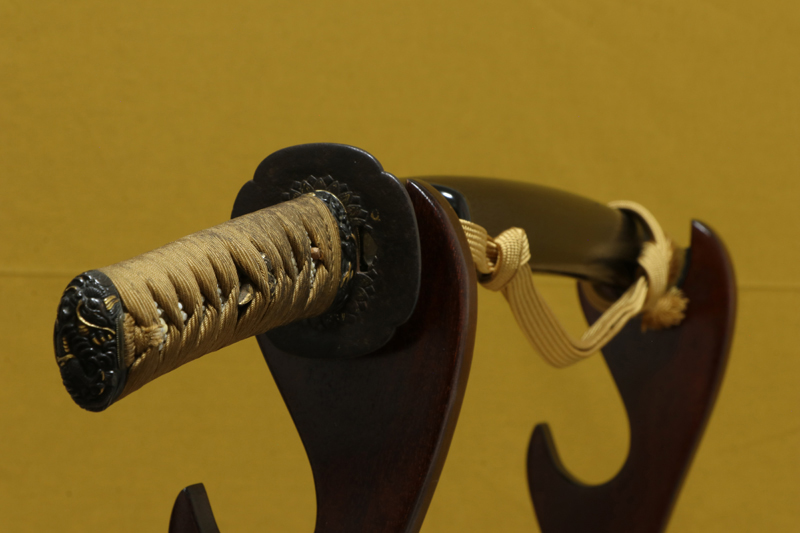
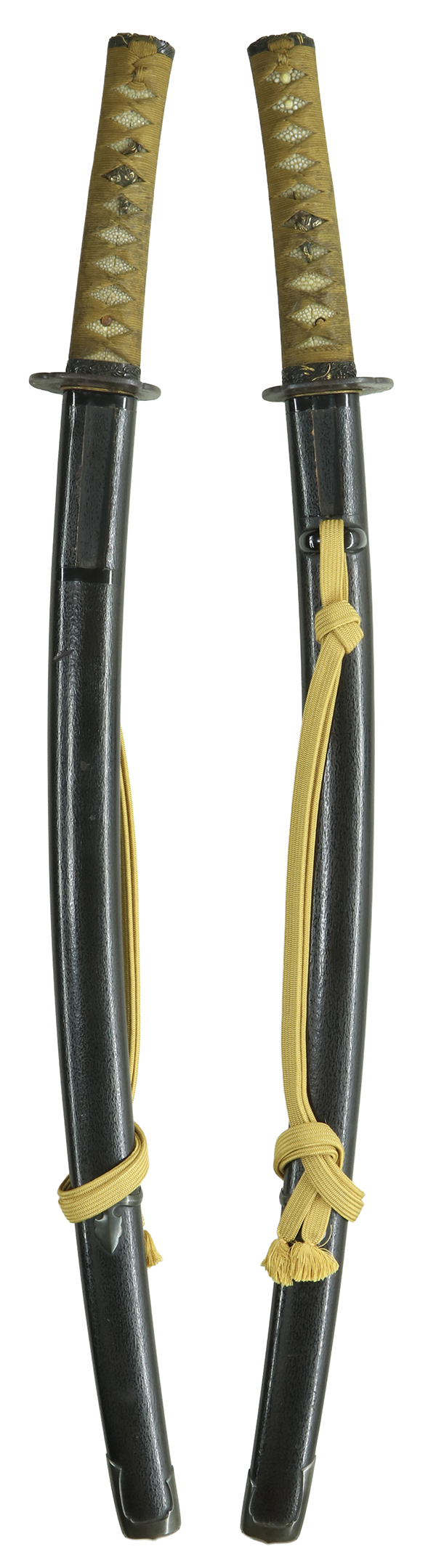
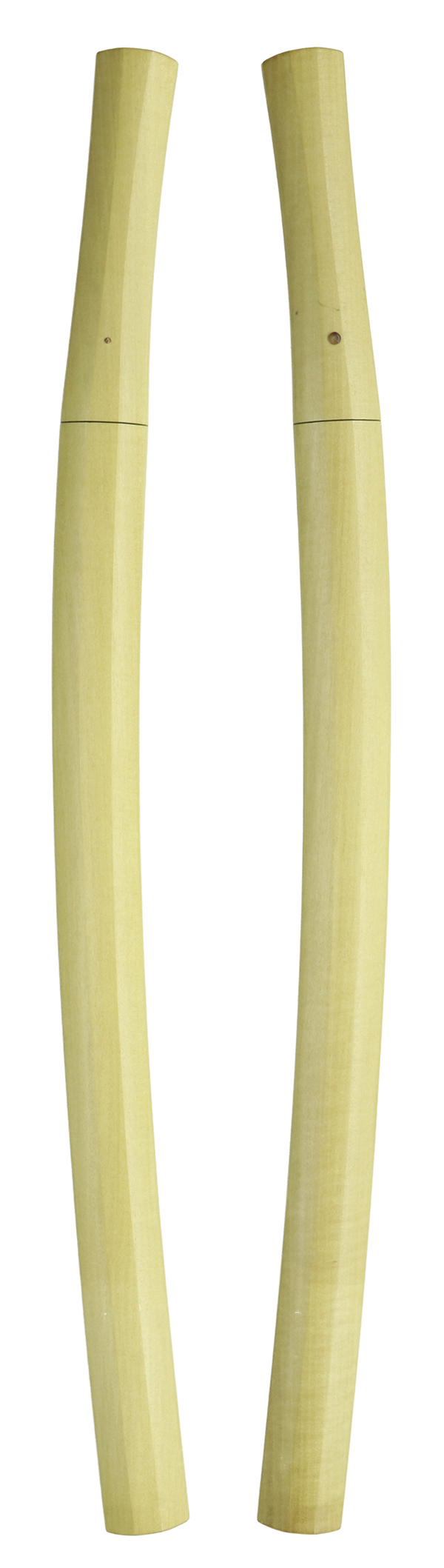
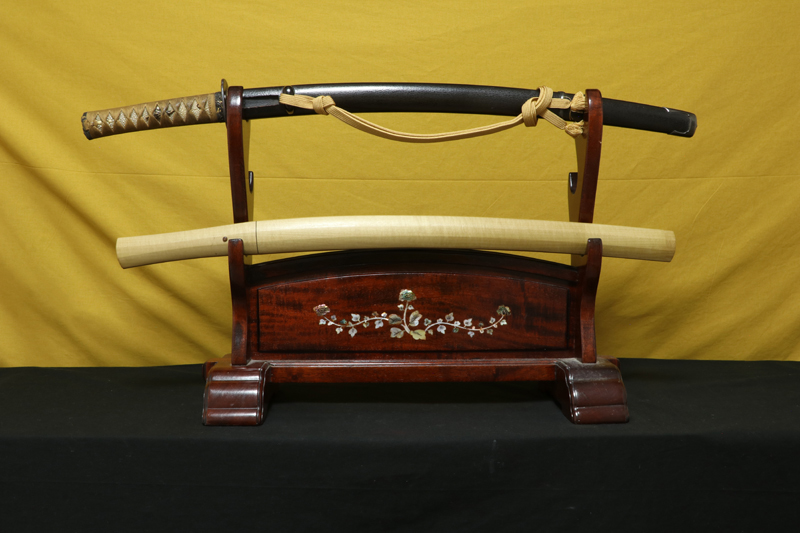
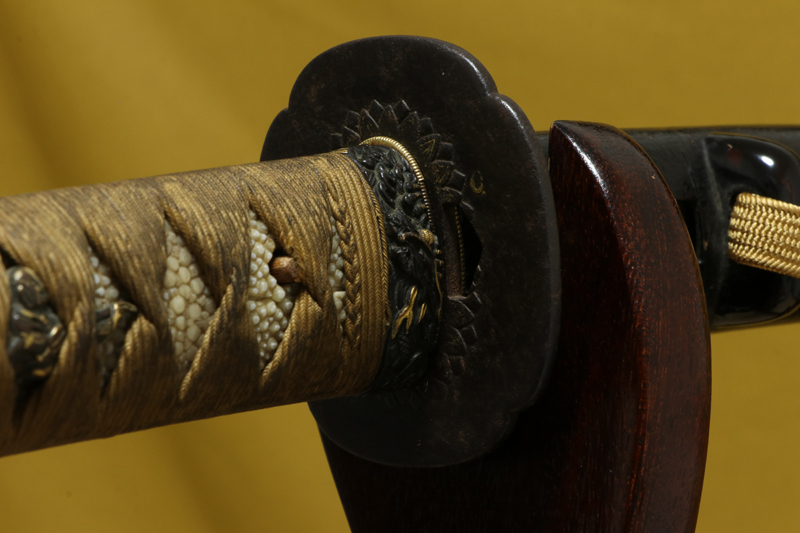
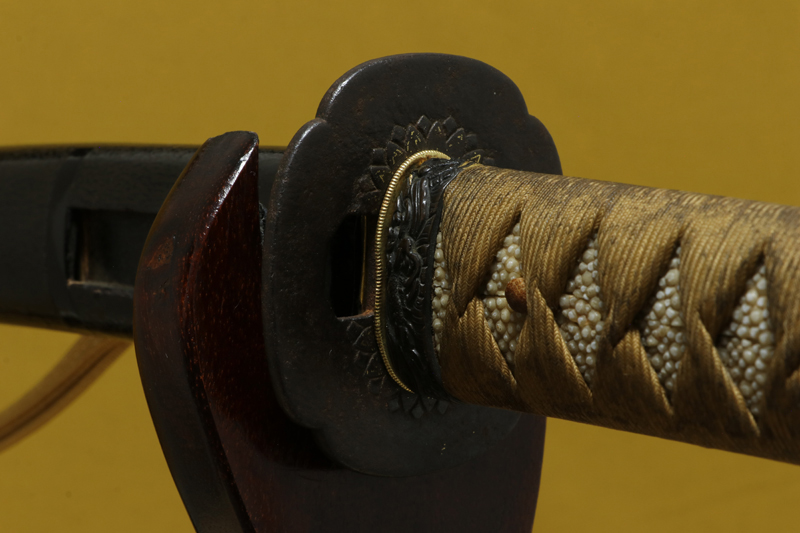
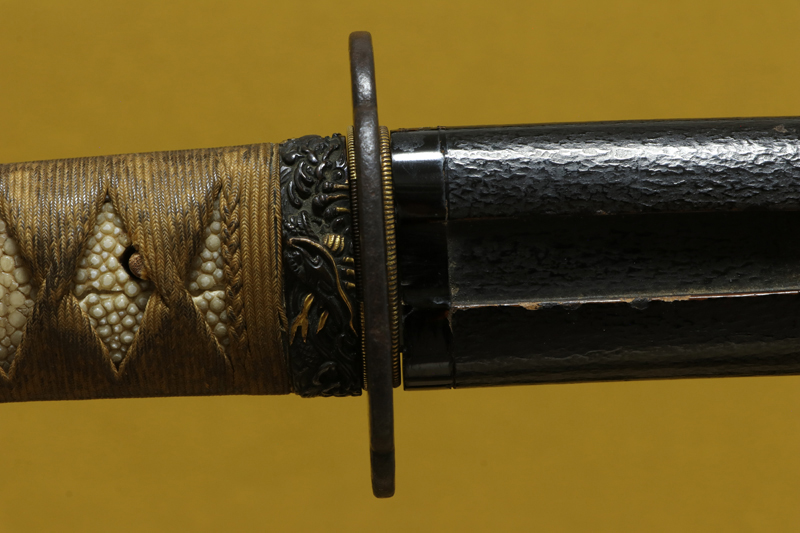
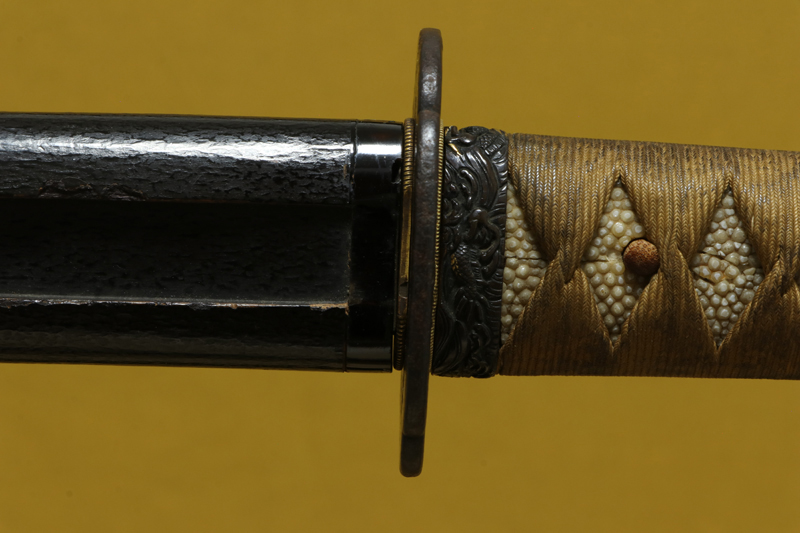
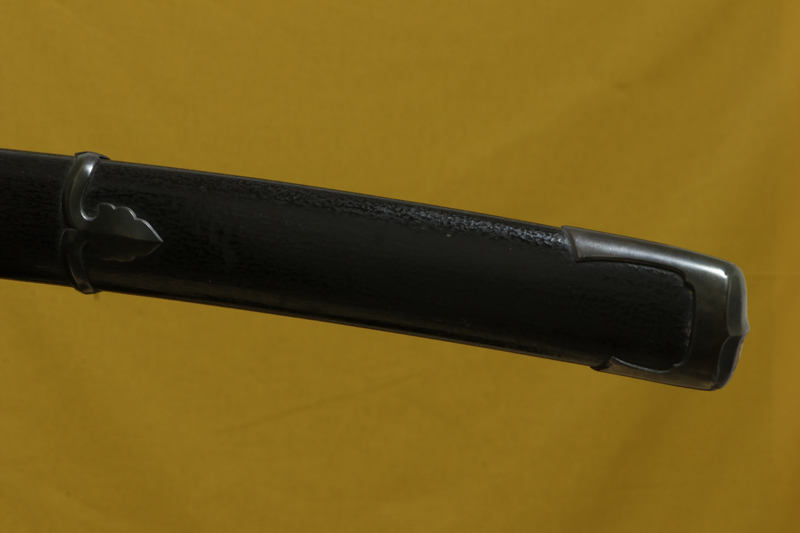
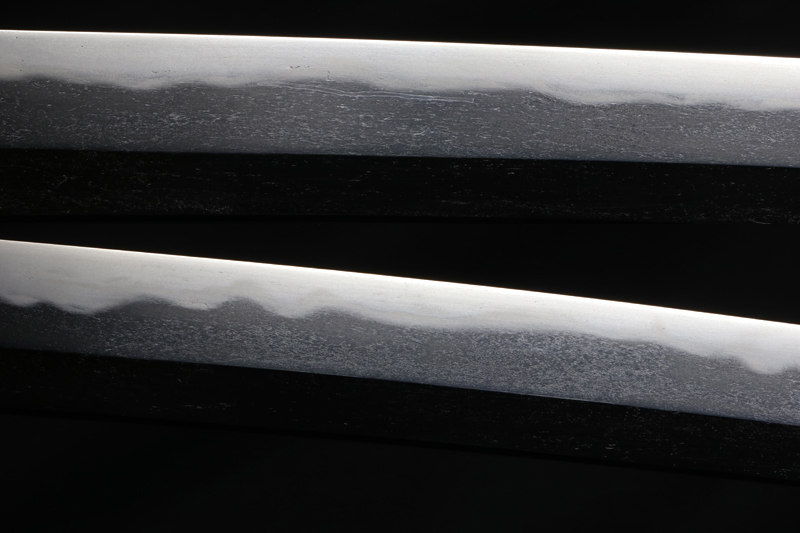
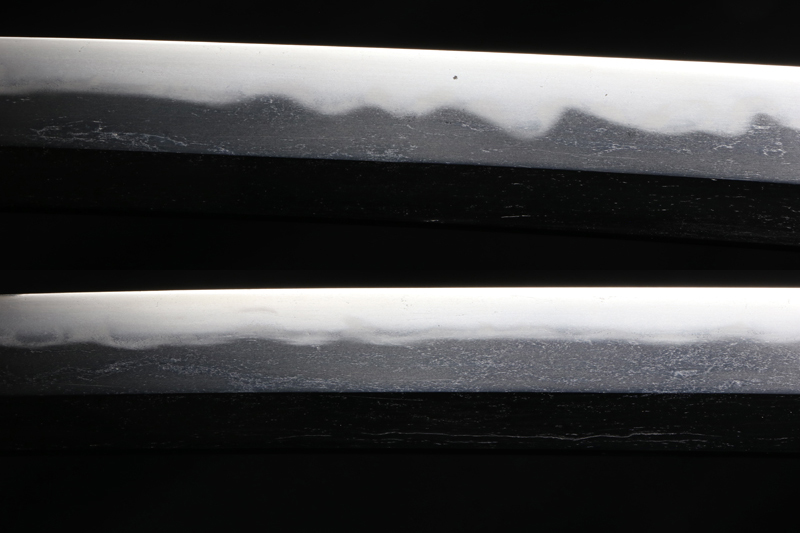
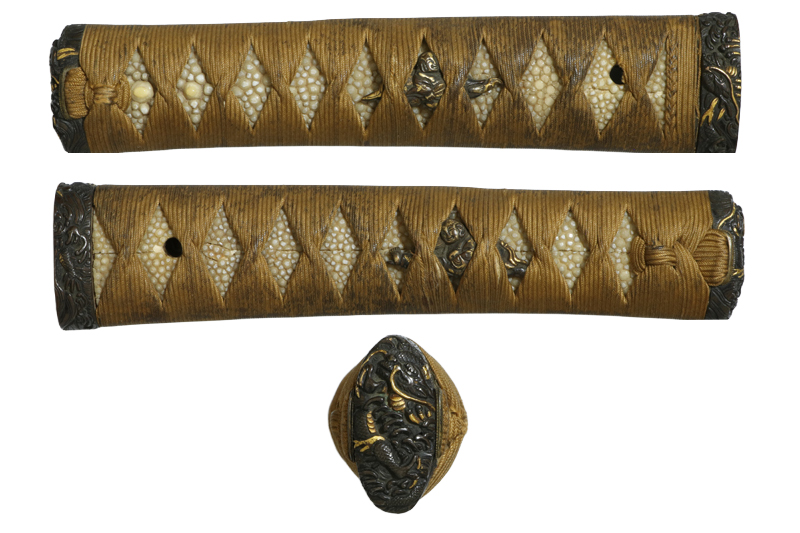
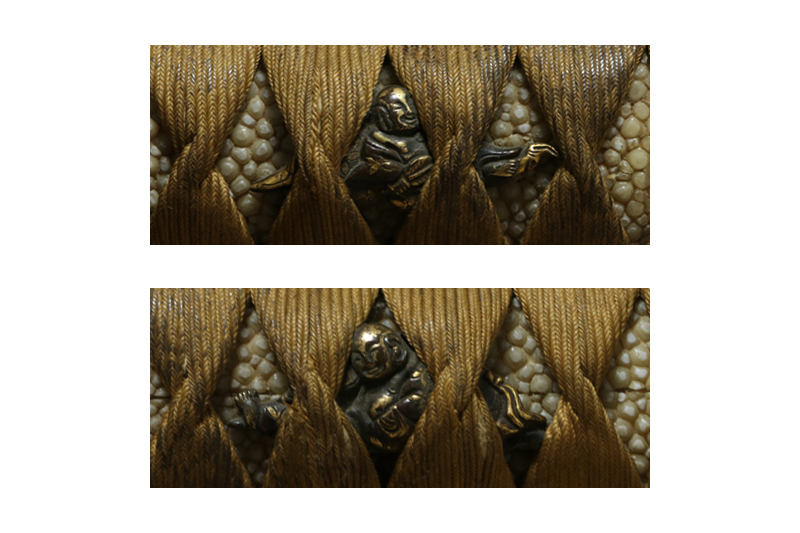
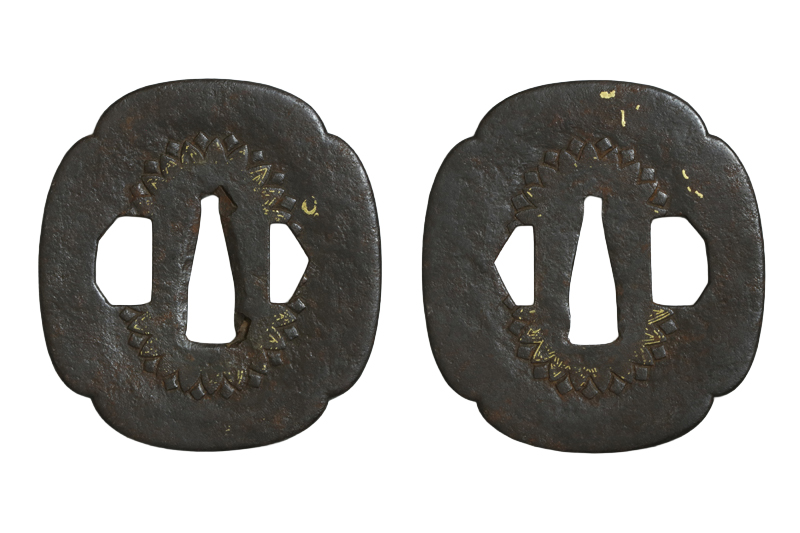
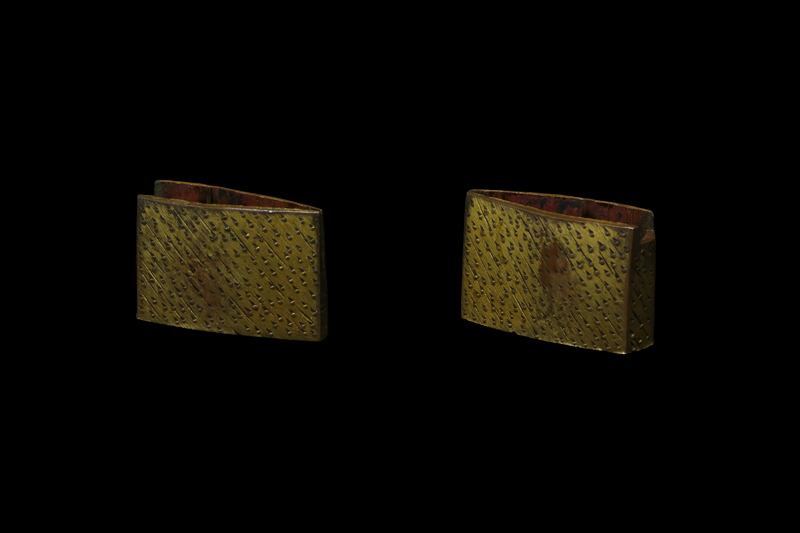
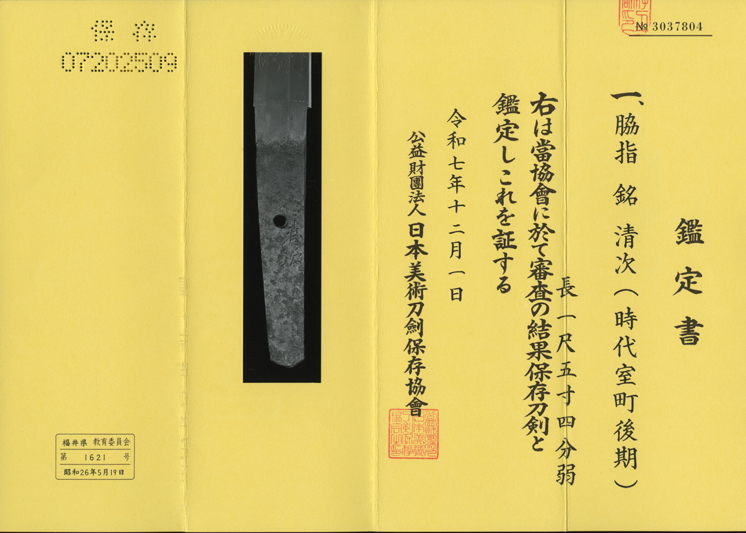
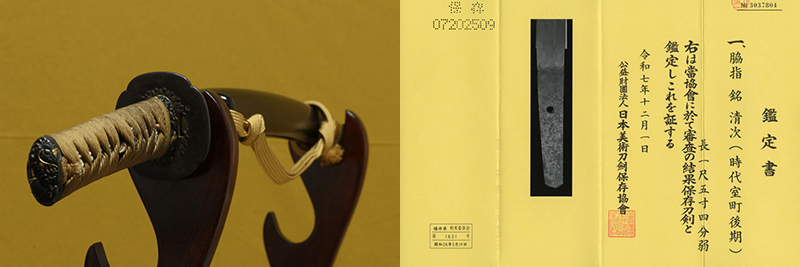
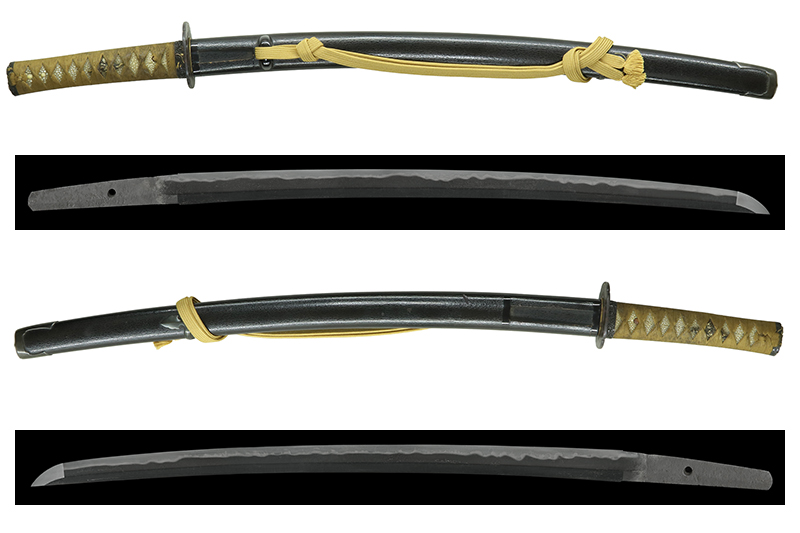
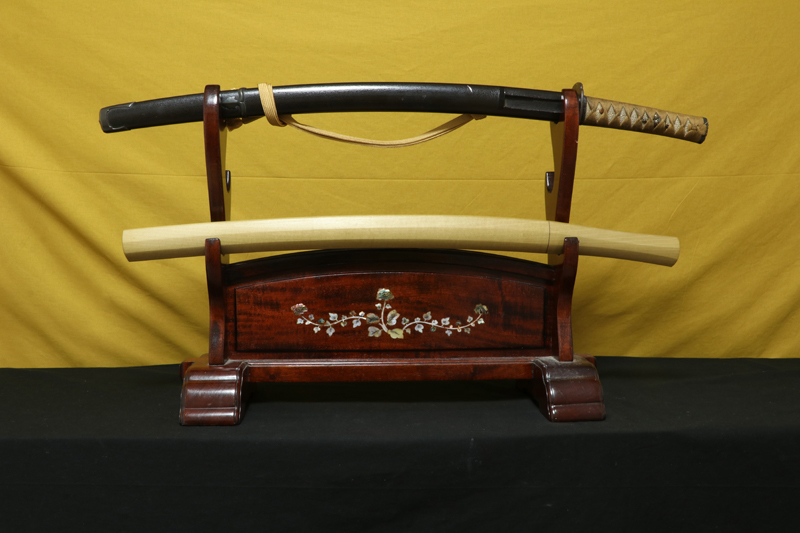
Hozon Token Koto Kiyotsugu with Koshirae and Shirosaya This is a mei wakizashi by Kiyotsugu, a swordsmith of the late Muromachi period, around Eisho. A fine work with itame hada that has a flowing masame quality, and a gunome midare hamon with kinsuji and nijuba activity. It comes with high-quality Edo koshirae featuring dragon motif fittings; both the blade and koshirae are in good condition. A rare mei Koto with Hozon Token kanteisho, this is an excellent piece recommended for a collection. This is a signed wakizashi by Kiyotsugu, a swordsmith active around the Eisho era during the late Muromachi period. A fine blade featuring flowing itame-hada with masame patterns and a gunome-midare hamon with kinsuji and nijuba. Accompanied by high-quality Edo-period koshirae with dragon-themed fittings. Both the blade and koshirae are in good condition. A rare signed Koto wakizashi with NBTHK Hozon Token certification, highly recommended for collectors. "sword figure" Shinogi-zukuri, iori mune, mihaba and kasane are ordinary, torii sori, chu-kissaki. Nakago is ubu with sujikai yasurime, and the nakago-jiri is kurijiri. "jigane" Jigane is itame hada with flowing masame and ji-nie. "hamon" Hamon is gunome midare, the habuchi has ko-nie and sunagashi, and inside the ha there are yo, kinsuji activity, and it becomes nijuba. Boshi is midare-komi with hakikake and a pointed kaeri. "detailed" Kiyotsugu was a swordsmith who was active around Eisho in the late Muromachi period, and also signed mei as "Seki ju Kiyotsugu". This work is a wakizashi rich in highlights, with itame hada that has a flowing masame quality and a gunome midare hamon, with kinsuji and nijuba activity within the ha. Although it is in old togishi, the jigane and ha are clearly visible, and it maintains a condition sufficient for appreciation. The koshirae is from the Edo period; the fuchi-kashira are decorated with dragon carvings full of three-dimensional presence, and the saya is a high-quality tailoring equipped with shakudo kashiwaba and kojiri. The state of preservation is also generally good. In recent years, mei wakizashi provided with Hozon Token kanteisho have become few, and it is even more rare when it is Koto. It is a precious mei Koto with Hozon Token kanteisho, an excellent piece recommended for appreciation and collection. Kiyotsugu was a swordsmith active around the Eisho era (1504-1521) during the late Muromachi period. He also signed his works "Seki-ju Kiyotsugu." This wakizashi features an itame-hada with flowing masame patterns and a gunome-midare hamon, displaying remarkable activities such as kinsuji and nijuba. Although the blade retains an old polish, the jigane and hamon remain clearly visible and in good condition for appreciation. The Edo-period koshirae features fuchi-kashira decorated with deeply carved, three-dimensional dragon motifs. The saya is fitted with high-quality shakudo kashiwaba and kojiri fittings. The overall condition is also quite good. Signed wakizashi accompanied by NBTHK Hozon Token certification are becoming increasingly scarce, especially those dating from the Koto period. A rare and valuable signed Koto wakizashi with NBTHK Hozon Token certification, highly recommended for appreciation and collection. "koshirae" habaki: Su-akagane base with gold plating and samidare yasurime. tsuba: Tetsu base, tsuchime, mokko shape, hiiragi design. fuchikashira: Shakudo base, dragon design. menuki: Hotei design. tsuka: Same has an oya-tsubu and is makisame; tsukamaki is pure silk, golden-brown color, morotsumi-maki. saya: Kuro-ishime-nuri, with kodzuka-hitsu and kogai-hitsu. "condition of blade" Togi: Old togi, but the jigane and ha are clearly visible. Kizu: There are no kizu that would constitute a defect.
Offered by Giheiya


Machine translation of the shop's Japanese ·
Machine translation from the shop's Japanese · may contain errors ·
Mino · around 1504-1521
Tōken Taikan top 87%
1 piece on the market now
The Muromachi period (1392 to 1573)
Muromachi turned sword making into an industry: the uchigatana rose with massed infantry warfare, Osafune and Seki produced bundle swords beside custom orders, and the Ming trade carried Japanese blades abroad by the tens of thousands.
Certifies a genuine blade worth preserving: a signature confirmed correct, or, if unsigned, an era, province, and school that the NBTHK can reliably identify.
The NBTHK (Nihon Bijutsu Tōken Hozon Kyōkai, the Society for the Preservation of Japanese Art Swords) is a public-interest incorporated foundation founded in 1948 and supervised by Japan’s Agency for Cultural Affairs (Bunkachō); it is based at the Japanese Sword Museum in Tokyo. Its expert panels physically examine each submitted work (shinsa) and issue a certificate (kanteishō) ranking it by artistic and historical merit. NBTHK papers are the most widely recognized standard of authentication for Japanese swords and fittings.
NBTHK official siteWithin 3 days of the item's arrival, we offer a refund or an exchange. Return shipping and the bank transfer fee for the refund are at the customer's expense.
¥280,000