The twentieth century nearly killed the craft twice: wartime distortion, then the occupation ban. The NBTHK’s founding in 1948 and licensed forging from 1953 rebuilt the sword as an art, crowned by Living National Treasures and the mukansa rank.
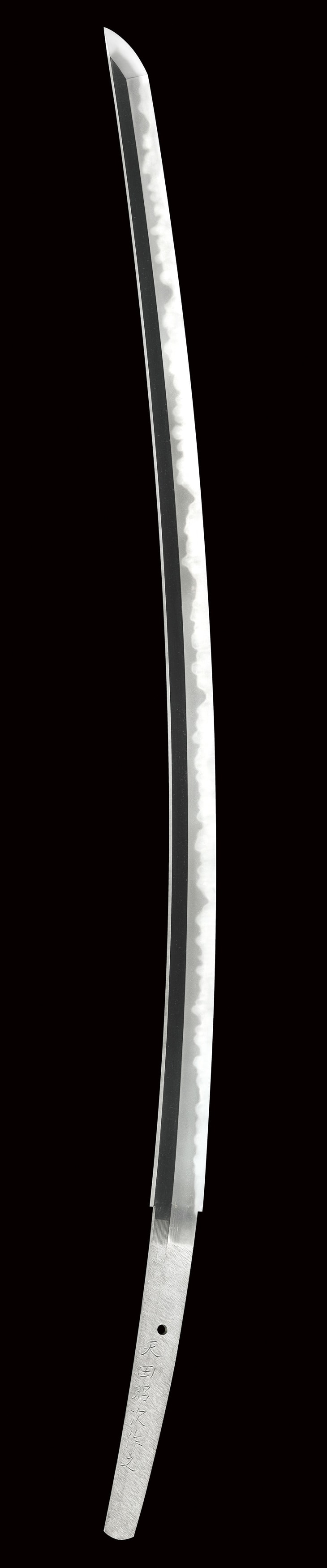
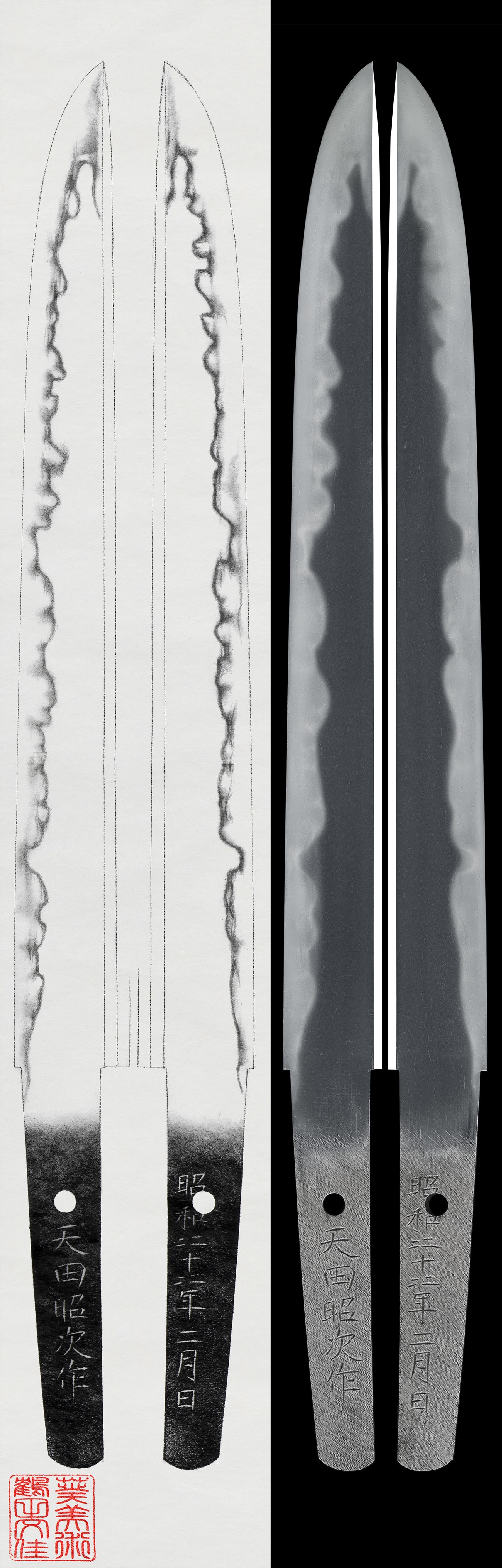
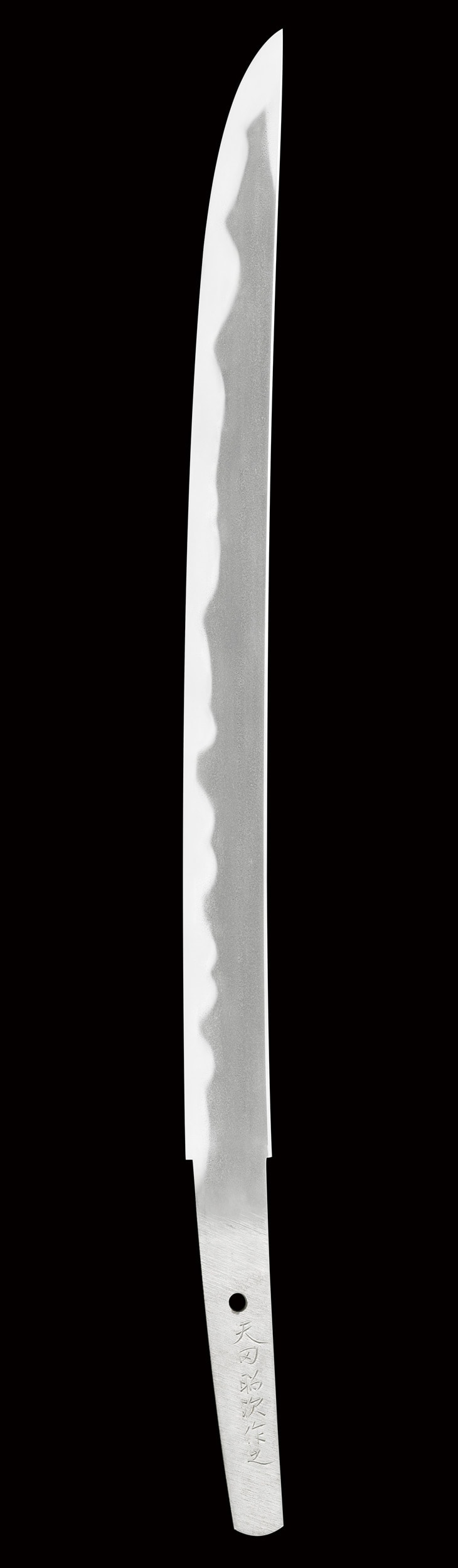
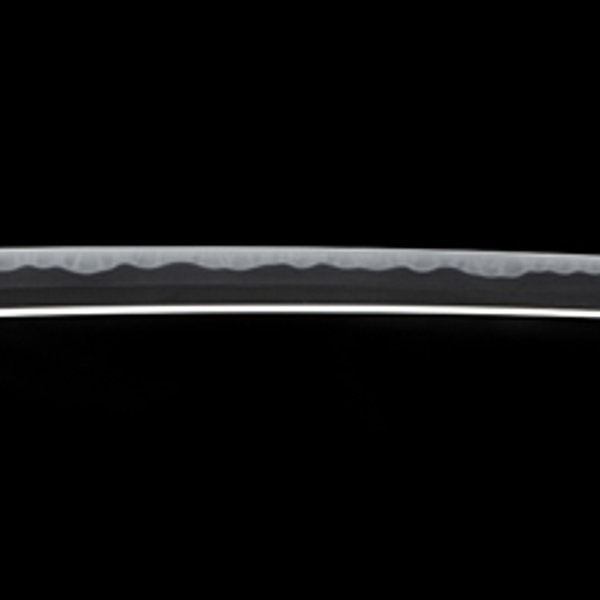
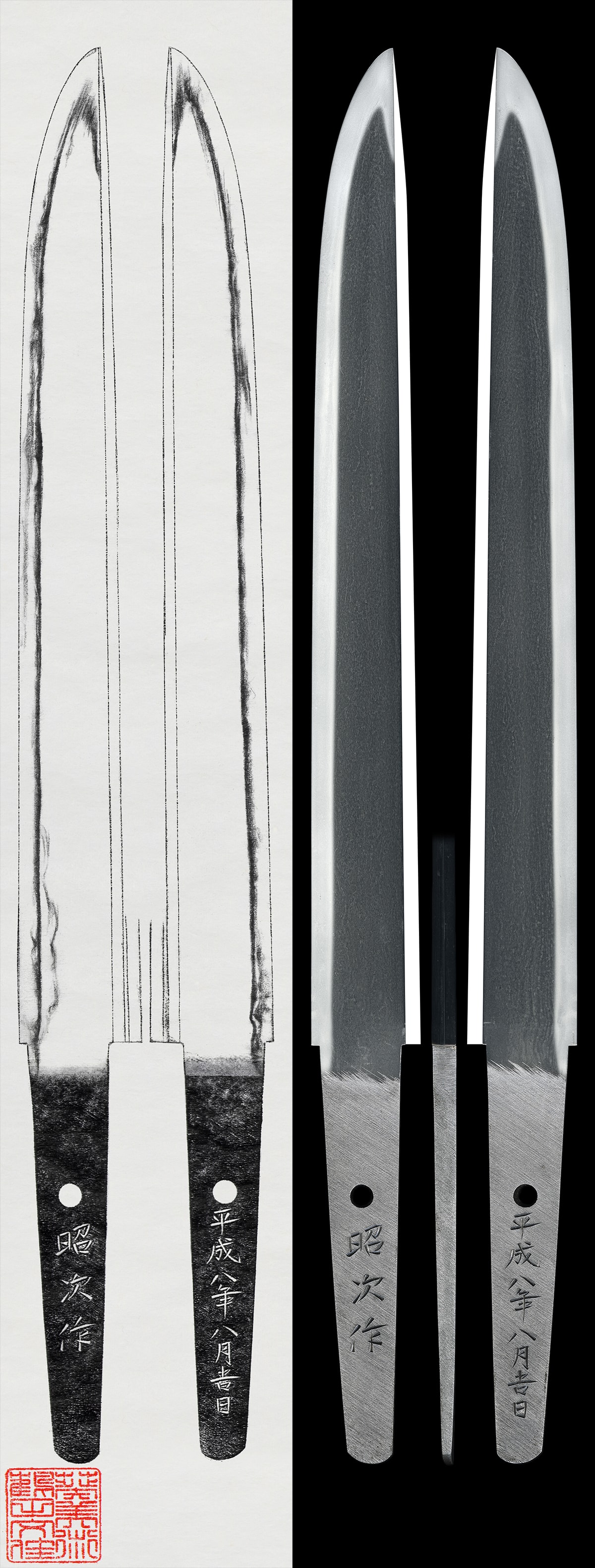
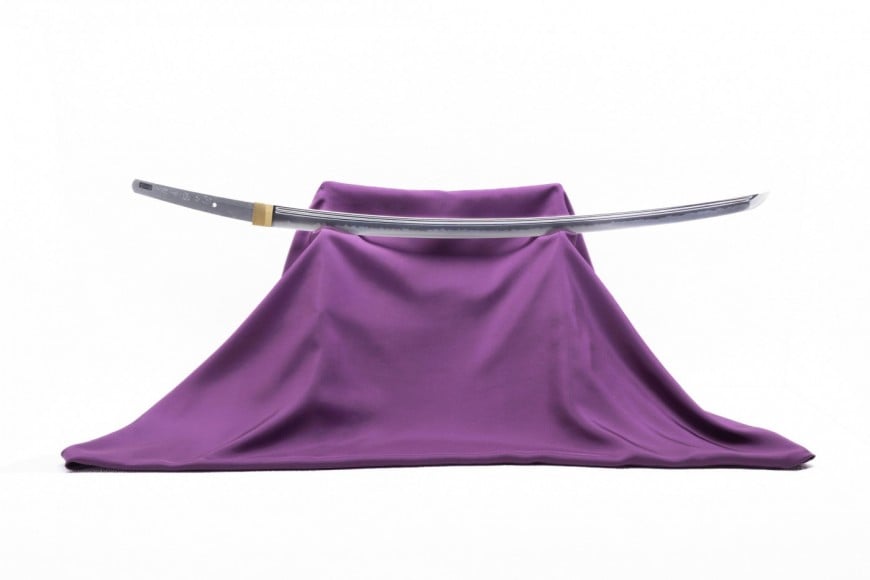
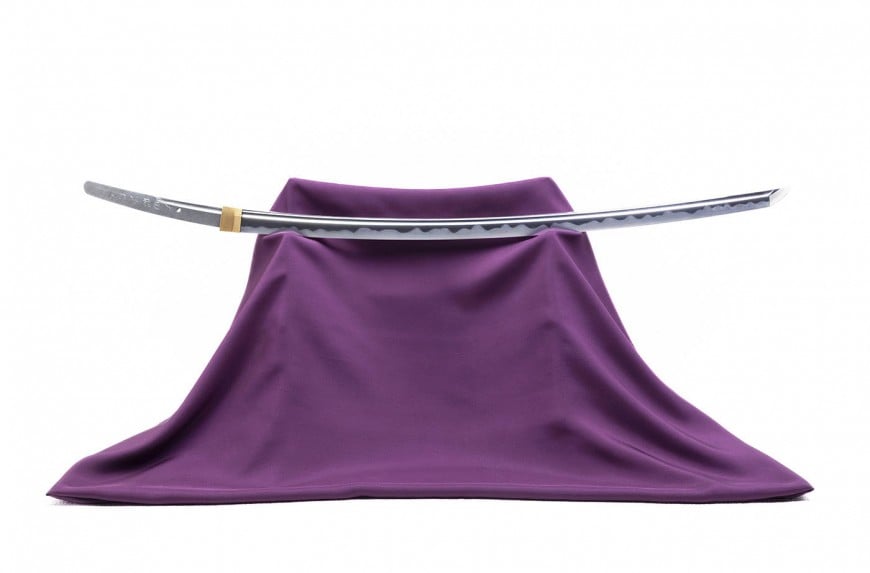
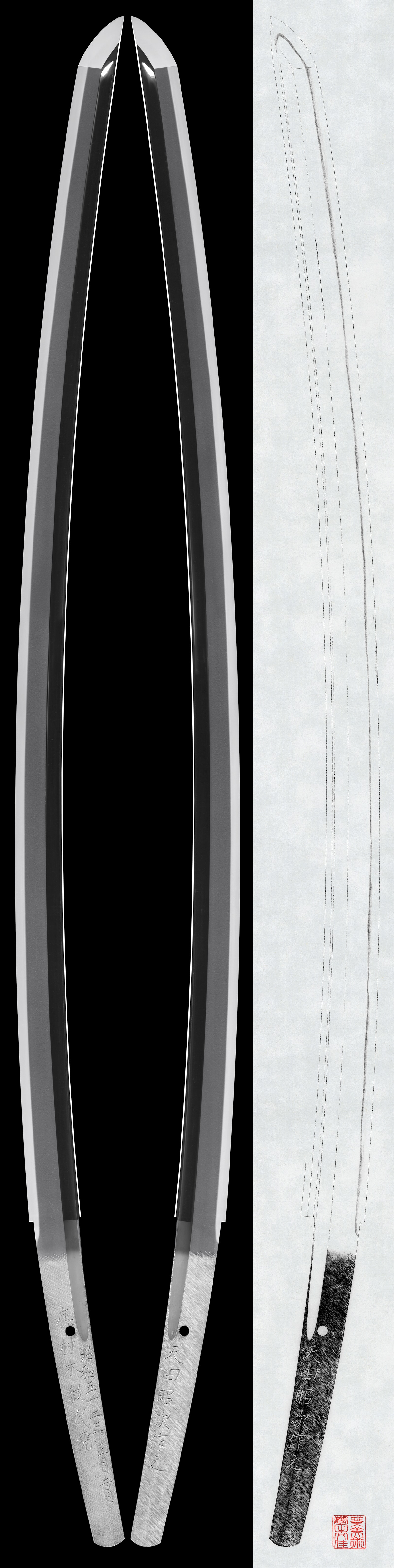
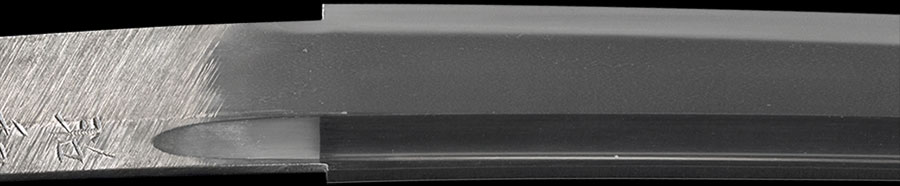
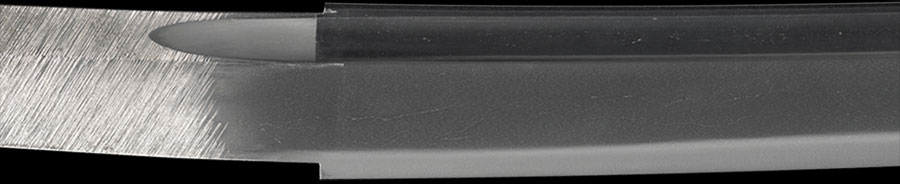
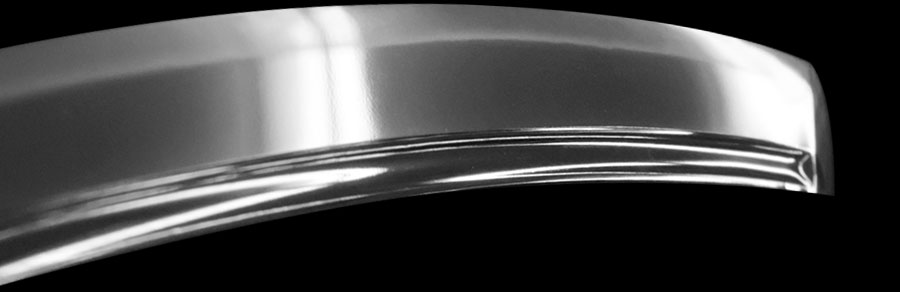
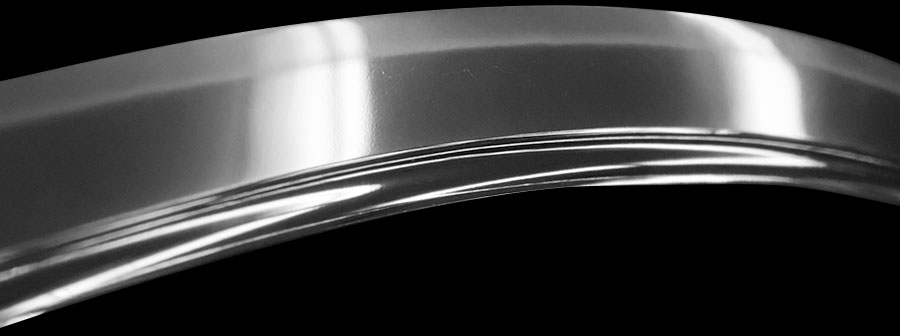
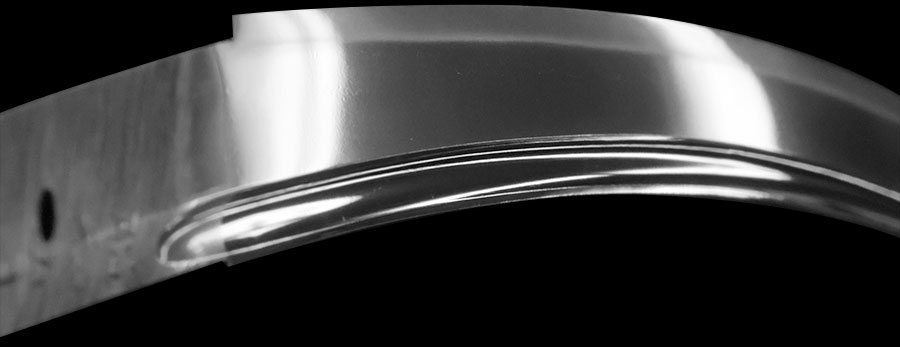
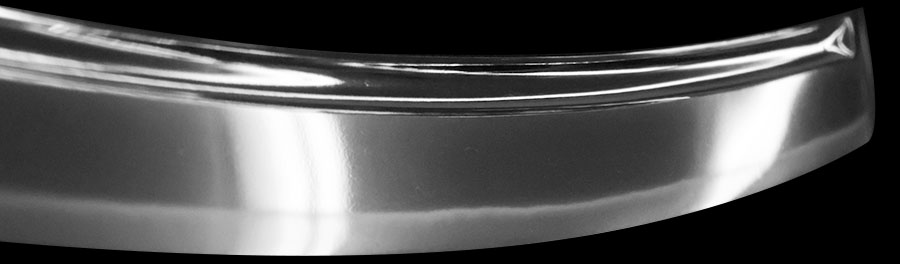
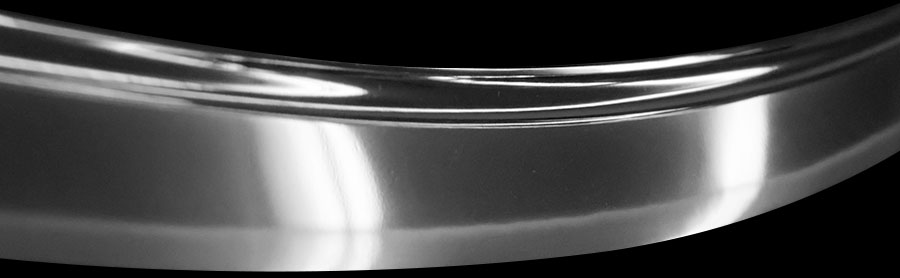
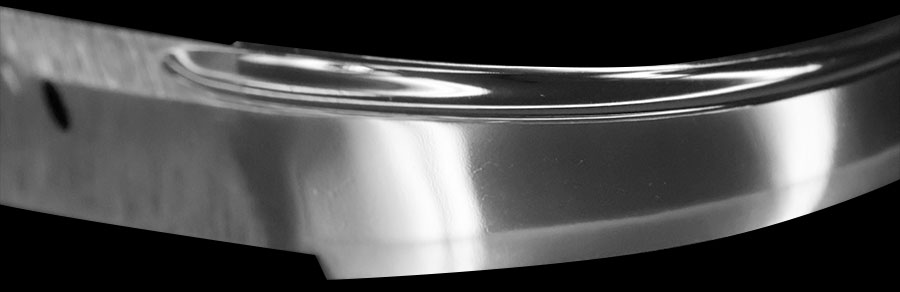
It has arrived, it has arrived. The Ningen Kokuho (Living National Treasure) swordsmith Amada Akitsugu won the Masamune-sho, the highest possible award, three times. This is a masterpiece and a replica of Yamashiro-den Rai Kunitoshi, identical to the sword that won the very first Masamune-sho in Showa 52 (1977), produced as one of two swords made at that same time. Because the Amada Akitsugu Memorial Museum currently exists in Niigata Prefecture, the museum collects as many of Amada Akitsugu Sensei's swords as possible. Consequently, his works rarely appear on the open market, making this a very rare and precious masterpiece by the Ningen Kokuho Amada Akitsugu. Amada Akitsugu was a master smith who was reticent, sincere, and dedicated to research with a strong artisan spirit; his intense obsession with iron and his powerful stance in challenging the reproduction of ancient masterpieces gave people a wonderful and profound impression. His real name was Amada Seiichi, born on August 4, Showa 2. In Showa 15, he entered the Nihonto Tanren Denshusho located at the former residence of Katsu Kaishu under master Kurihara Hikosaburo. In Showa 30, he submitted to the 1st Sakuto Gijutsu Hyokai and won the Yushu-sho (Award of Excellence). Thereafter, he won the highest Masamune-sho three times, along with numerous other special prizes. In Showa 53, he was designated a Niigata Prefecture Jyuyo Mukei Bunkazai (Important Intangible Cultural Property), and in Heisei 7, he was designated a Ningen Kokuho. This sword is famous as a masterpiece, one of the two swords made simultaneously when Amada Akitsugu Sensei won his first Masamune-sho. It is a replica of a masterpiece by Yamashiro Rai Kunitoshi from the Kamakura period. The sugata features an ikubi-kissaki, showing a Kamakura mid-period tachi style where there is little difference between the moto and saki. The jigane is a finely packed ko-itame hada with healthy haniku, and the horimono consists of skillfully carved bo-hi. The hamon is in nioi-deki with ko-nie, a suguha style based on Yamashiro-den Rai Kunitoshi, tempered evenly from moto to saki; it is a kaishin-saku (masterpiece of personal satisfaction) by Amada Akitsugu Sensei. Because the "Token Denshokan Amada Akitsugu Memorial Museum" was built in Niigata Prefecture, Amada Akitsugu's works are not sold externally and almost never appear on the market today. Please truly enjoy this masterpiece replica of Yamashiro Rai Kunitoshi, made at the same time as the Masamune-sho winning sword by the precious Ningen Kokuho Amada Akitsugu Sensei.
 NihontoWatch
signed · 山城伝 · Showa (1926-1989) · nagasa 72cm · sori 2cm












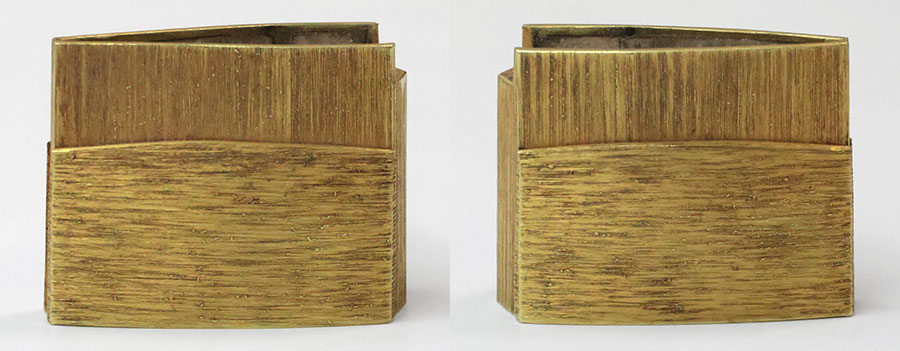
Niigata · around 1926-1989
Tōken Taikan top 87%
6 pieces on the market now
Shōwa to the present: destruction and revival
The twentieth century nearly killed the craft twice: wartime distortion, then the occupation ban. The NBTHK’s founding in 1948 and licensed forging from 1953 rebuilt the sword as an art, crowned by Living National Treasures and the mukansa rank.
We could not find an authenticity certificate on the seller’s listing. Japanese swords and fittings are normally papered by the NBTHK (or the NTHK). Without one, the attribution is the seller’s own assessment and has not been independently verified — treat it with caution and ask the dealer about certification before buying.
For returns due to customer circumstances, the cost is the customer's responsibility. For returns due to our mis-shipment or a defective item, we bear the cost.
Price on request
It has arrived, it has arrived. The Ningen Kokuho (Living National Treasure) swordsmith Amada Akitsugu won the Masamune-sho, the highest possible award, three times. This is a masterpiece and a replica of Yamashiro-den Rai Kunitoshi, identical to the sword that won the very first Masamune-sho in Showa 52 (1977), produced as one of two swords made at that same time. Because the Amada Akitsugu Memorial Museum currently exists in Niigata Prefecture, the museum collects as many of Amada Akitsugu Sensei's swords as possible. Consequently, his works rarely appear on the open market, making this a very rare and precious masterpiece by the Ningen Kokuho Amada Akitsugu. Amada Akitsugu was a master smith who was reticent, sincere, and dedicated to research with a strong artisan spirit; his intense obsession with iron and his powerful stance in challenging the reproduction of ancient masterpieces gave people a wonderful and profound impression. His real name was Amada Seiichi, born on August 4, Showa 2. In Showa 15, he entered the Nihonto Tanren Denshusho located at the former residence of Katsu Kaishu under master Kurihara Hikosaburo. In Showa 30, he submitted to the 1st Sakuto Gijutsu Hyokai and won the Yushu-sho (Award of Excellence). Thereafter, he won the highest Masamune-sho three times, along with numerous other special prizes. In Showa 53, he was designated a Niigata Prefecture Jyuyo Mukei Bunkazai (Important Intangible Cultural Property), and in Heisei 7, he was designated a Ningen Kokuho. This sword is famous as a masterpiece, one of the two swords made simultaneously when Amada Akitsugu Sensei won his first Masamune-sho. It is a replica of a masterpiece by Yamashiro Rai Kunitoshi from the Kamakura period. The sugata features an ikubi-kissaki, showing a Kamakura mid-period tachi style where there is little difference between the moto and saki. The jigane is a finely packed ko-itame hada with healthy haniku, and the horimono consists of skillfully carved bo-hi. The hamon is in nioi-deki with ko-nie, a suguha style based on Yamashiro-den Rai Kunitoshi, tempered evenly from moto to saki; it is a kaishin-saku (masterpiece of personal satisfaction) by Amada Akitsugu Sensei. Because the "Token Denshokan Amada Akitsugu Memorial Museum" was built in Niigata Prefecture, Amada Akitsugu's works are not sold externally and almost never appear on the market today. Please truly enjoy this masterpiece replica of Yamashiro Rai Kunitoshi, made at the same time as the Masamune-sho winning sword by the precious Ningen Kokuho Amada Akitsugu Sensei.
NihontoWatchsigned · 山城伝 · Showa (1926-1989) · nagasa 72cm · sori 2cm
Niigata · around 1926-1989
Tōken Taikan top 87%
6 pieces on the market now
Shōwa to the present: destruction and revival
The twentieth century nearly killed the craft twice: wartime distortion, then the occupation ban. The NBTHK’s founding in 1948 and licensed forging from 1953 rebuilt the sword as an art, crowned by Living National Treasures and the mukansa rank.
We could not find an authenticity certificate on the seller’s listing. Japanese swords and fittings are normally papered by the NBTHK (or the NTHK). Without one, the attribution is the seller’s own assessment and has not been independently verified — treat it with caution and ask the dealer about certification before buying.
For returns due to customer circumstances, the cost is the customer's responsibility. For returns due to our mis-shipment or a defective item, we bear the cost.
Price on request