This work is by the swordsmith Amada Akitsugu, a Preserver of Important Intangible Cultural Properties (Living National Treasure), the highest rank for a modern swordsmith. Amada Akitsugu (Amada Seiichi) was born on August 4, Showa 2, as the eldest son of the swordsmith Amada Sadayoshi in what is now Shibata City, Niigata Prefecture. Having lost his father at the age of nine, Akitsugu went to Tokyo in Showa 15 at the age of thirteen and entered the Nihonto Tanren Denshu-jo. After receiving a sword-making license from the Committee for the Protection of Cultural Properties in Showa 29, he won the Award for Excellence at the 1st Sakuto Gijutsu Hyokai the following year. Showing his talent from a young age, Akitsugu was honored with the Masamune-sho three times at Meito-ten exhibitions (Showa 52, 60, and Heisei 8), and in Heisei 2, he was appointed Chairman of the All Japan Swordsmith Association. In Heisei 9, he was designated a Preserver of Important Intangible Cultural Properties (Living National Treasure). In Heisei 11, he received the Order of the Rising Sun, Gold Rays with Rosette, 4th Class. Over many years, he performed his own iron-making, researched tamahagane, devised forging methods, and mastered various traditions such as Yamashiro-den, Soshu-den, and Bizen-den. He was a master craftsman who left behind many masterpieces until his passing at the age of eighty-five on June 26, Heisei 25.
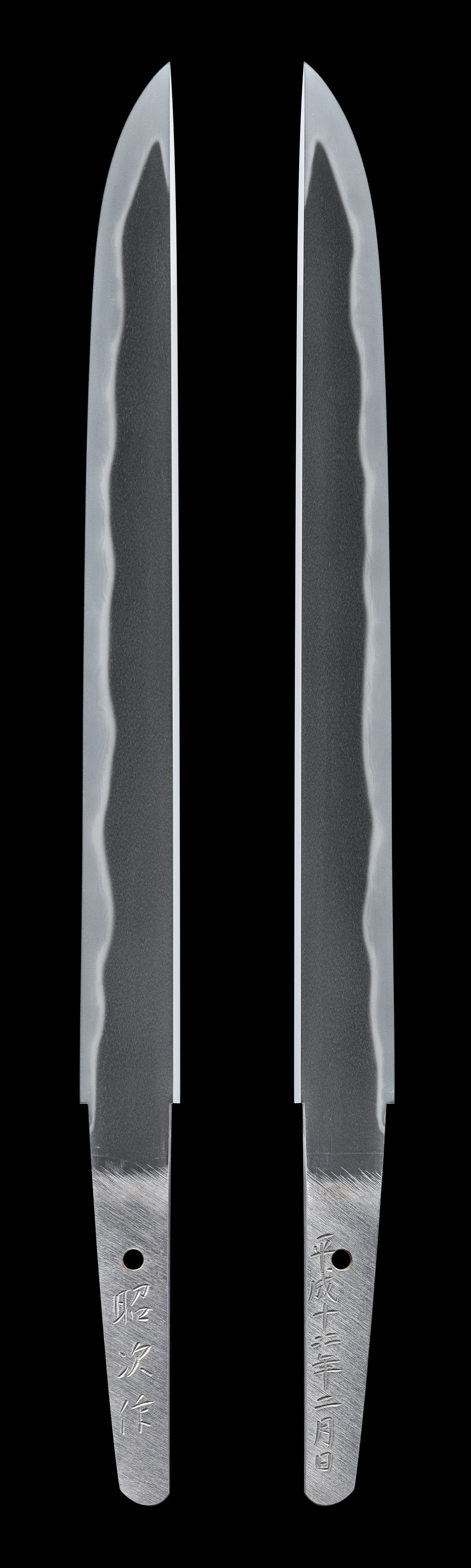
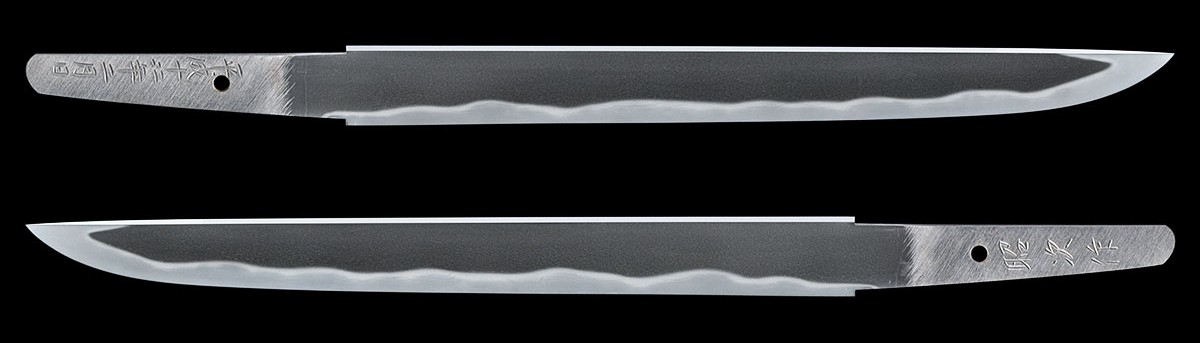
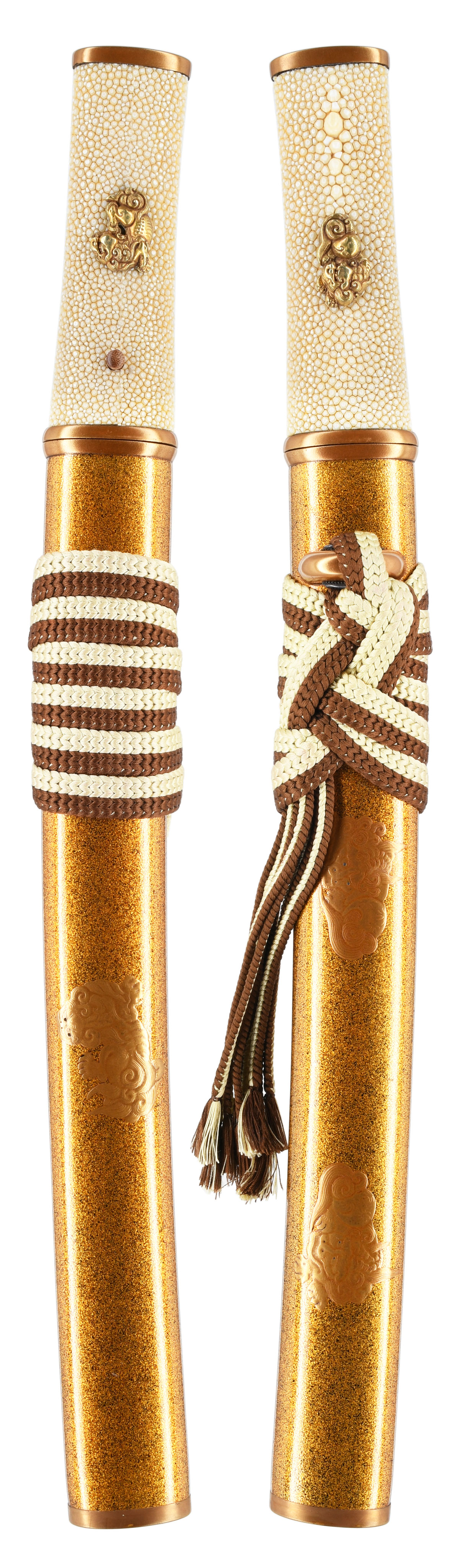
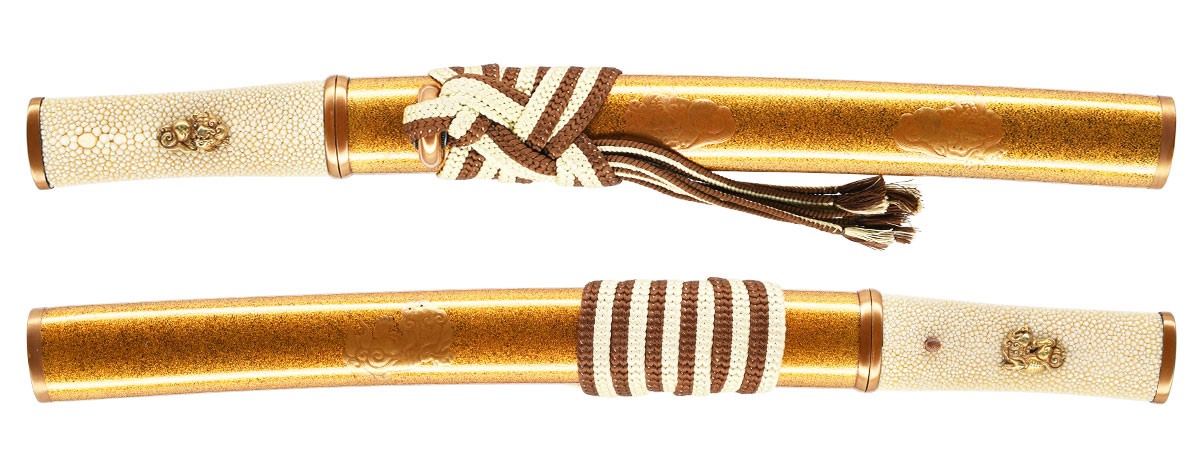
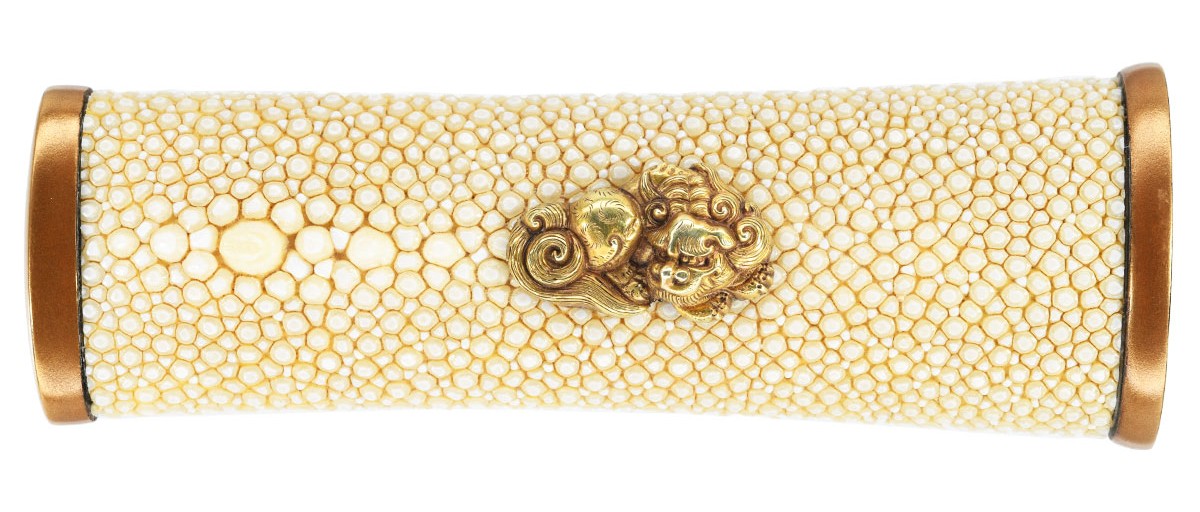
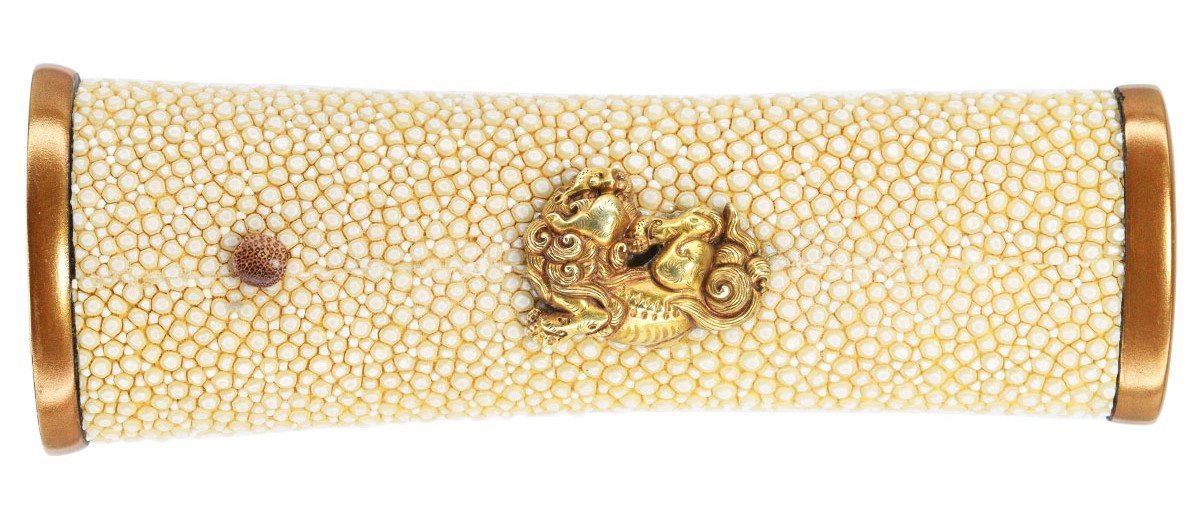
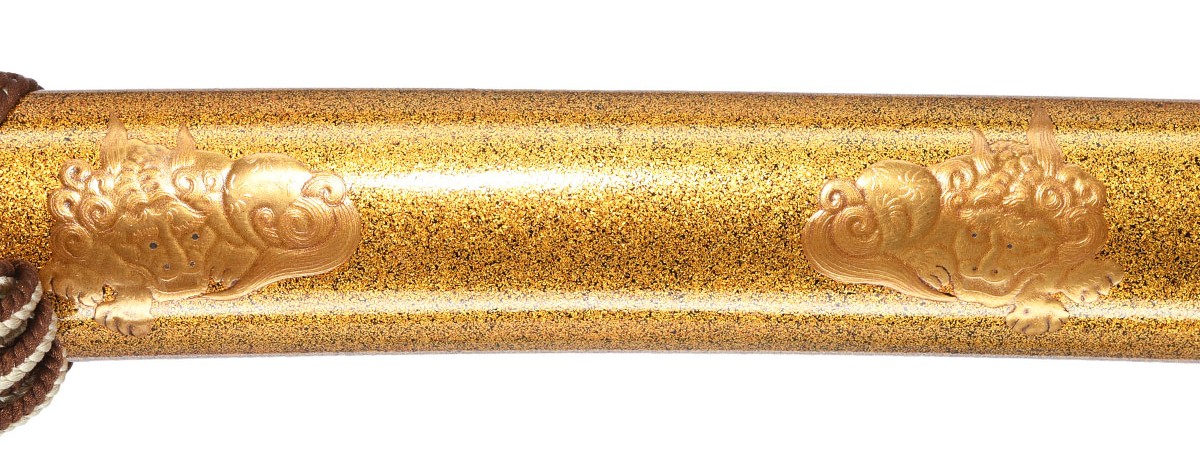
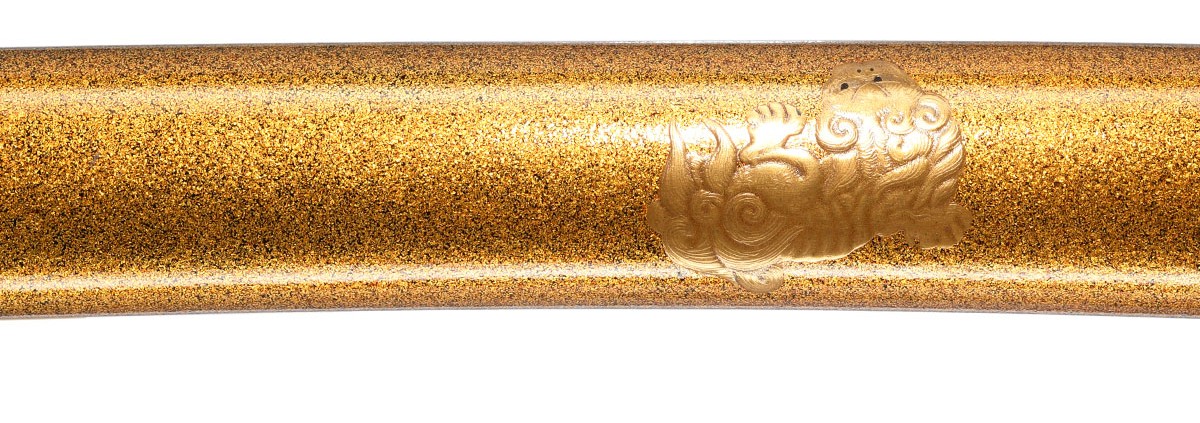
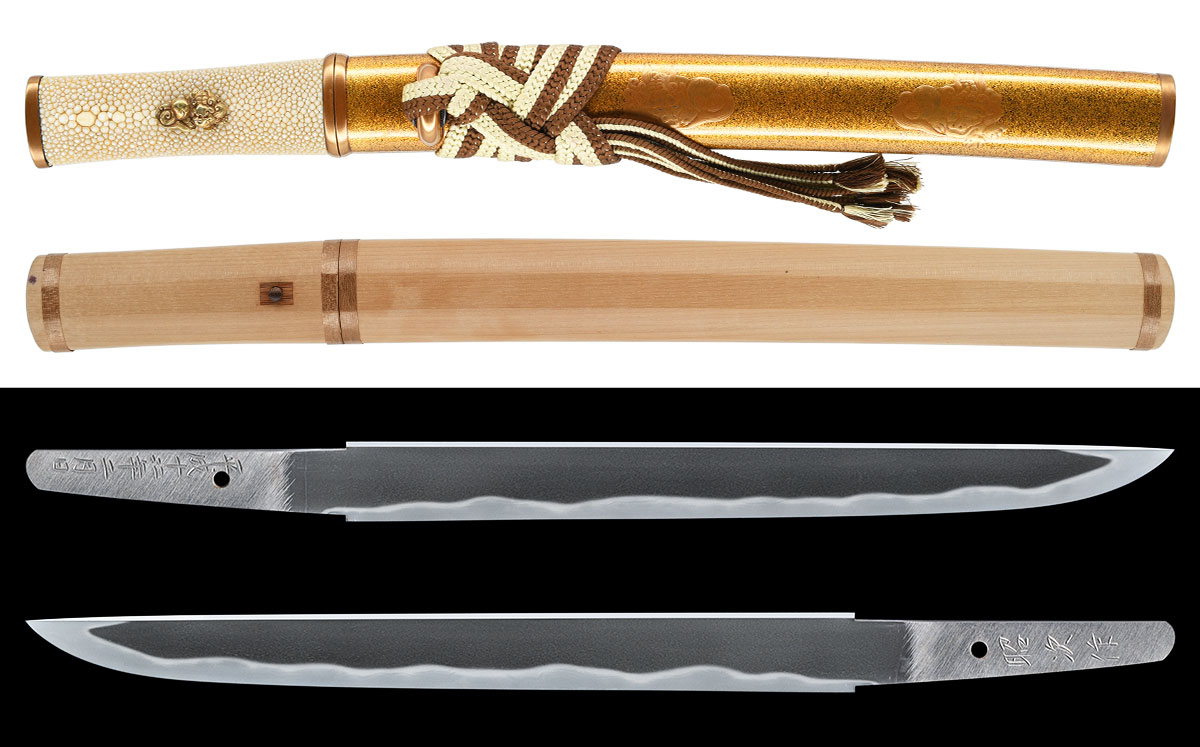
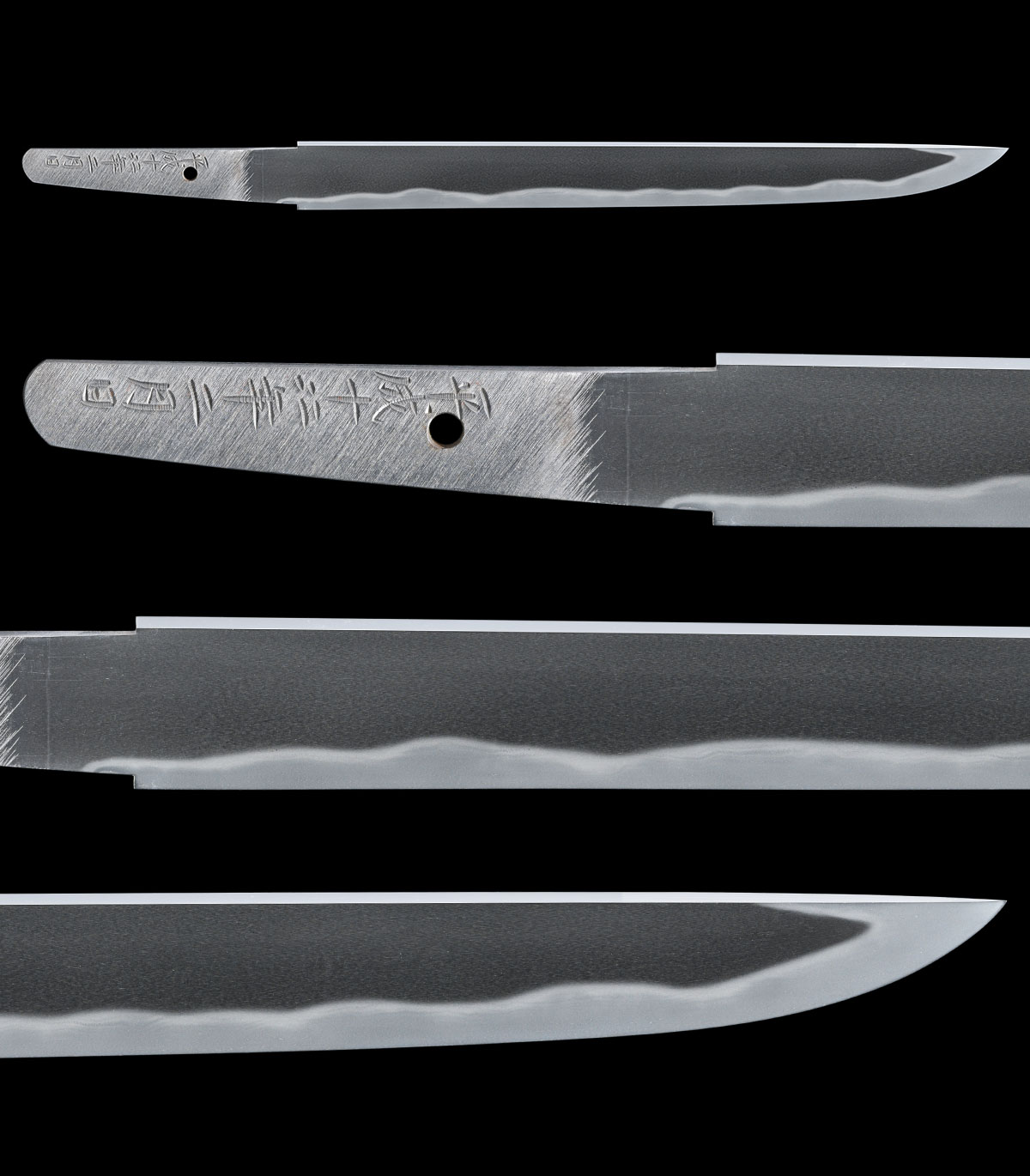
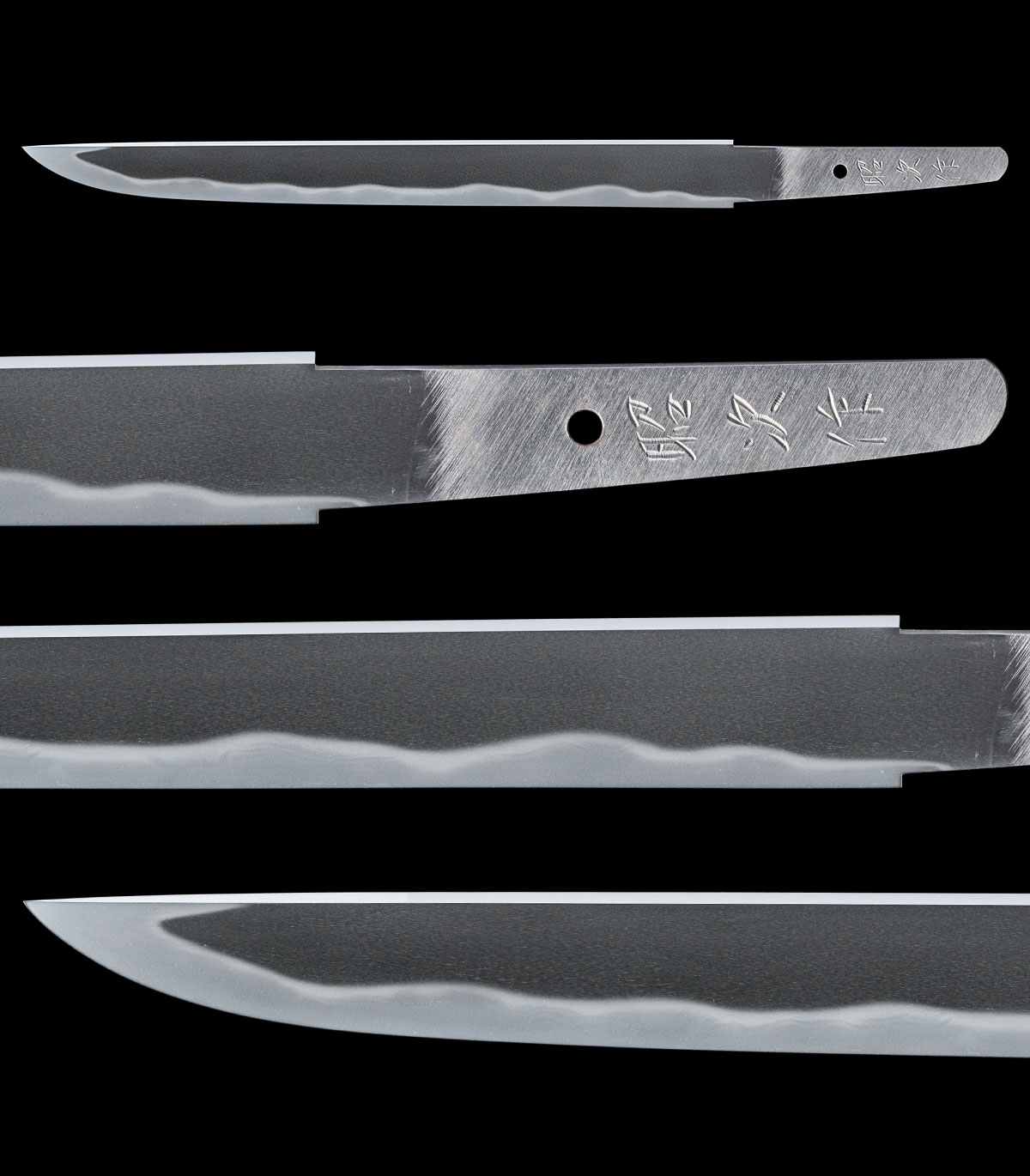
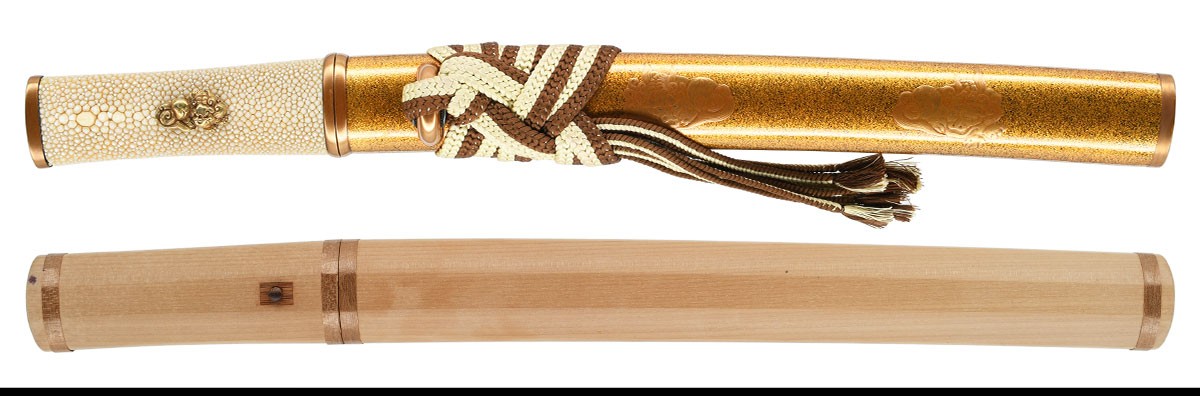
The taihai of this work is a hira-zukuri style tanto with a nagasa of just under 8 sun 9 bu. The kitae is ko-itame hada mixed with ko-mokume, with thick ji-nie and fine chikei, presenting a refined jigane. The hamon is a notare-ba with hataraki such as hotsure in parts of the habuchi, gunome-ashi, and a tendency toward niju-ba. The boshi is sugu, returning in ko-maru. The koshirae is a luxurious item featuring shishi makie on kin-nashiji. A work from Heisei 14 by the Living National Treasure Amada Akitsugu. The jigane has a beautifully ordered texture, and the yakiba is very clear. This is an excellent sword where one can feel the high level of skill of a Living National Treasure, to be enjoyed for a long time along with the gorgeous and magnificent tanto koshirae.
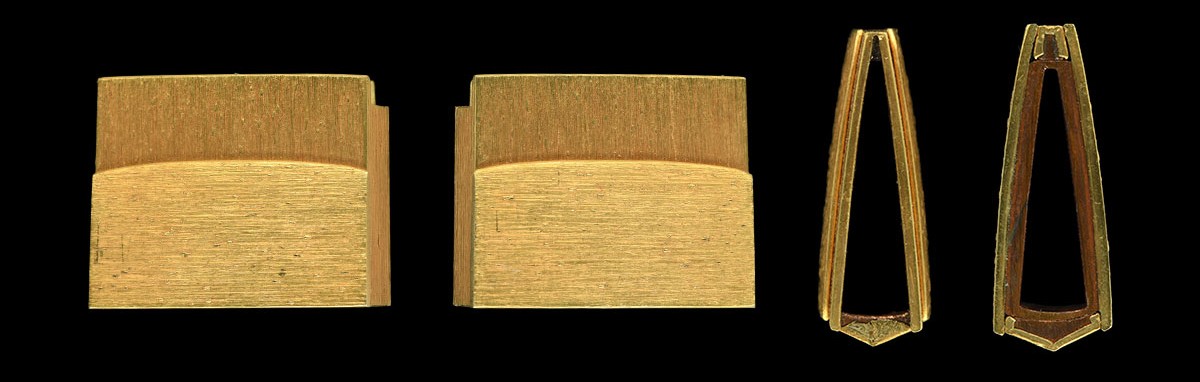
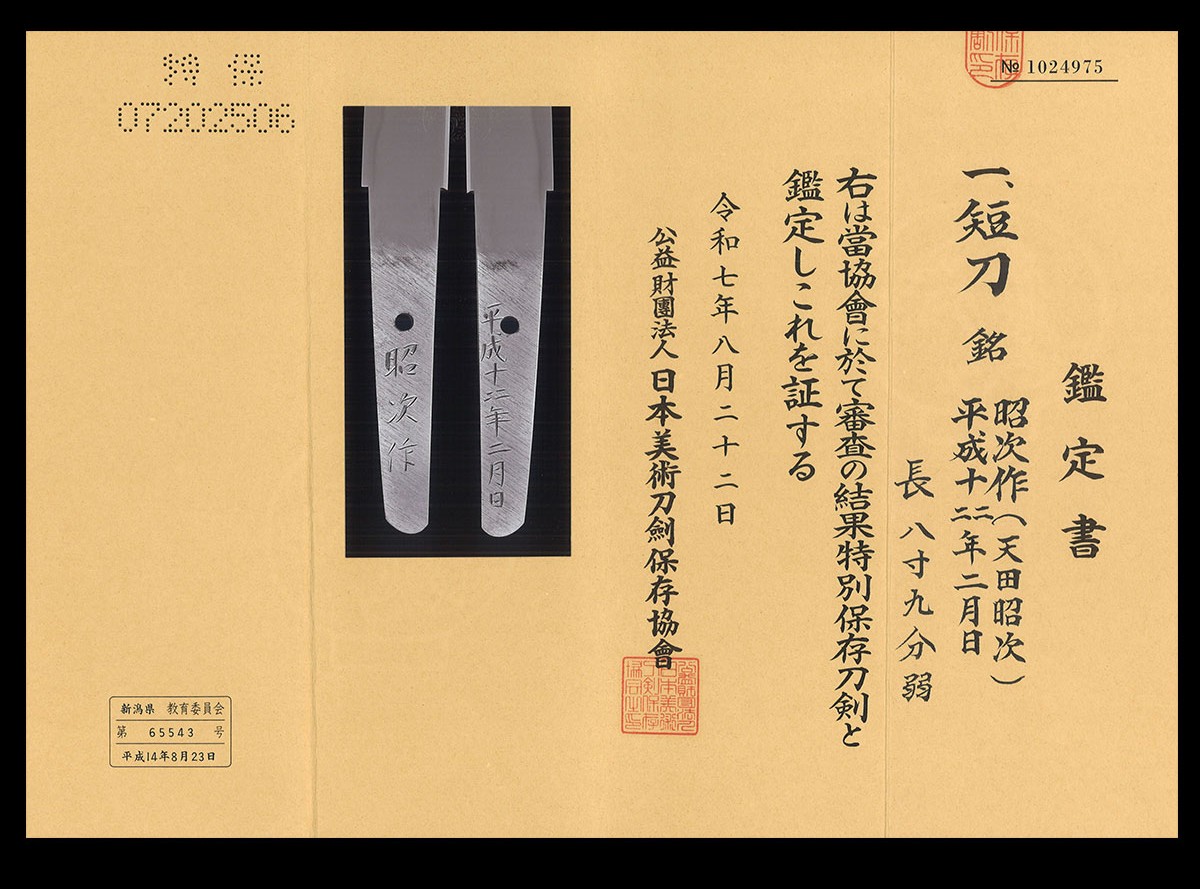
Shirasaya, gold-clad niju habaki, kin-nashiji shishi makie saya aikuchi tanto koshirae, Tokubetsu Hozon Token Kanteisho.
Machine translation from the shop's Japanese · may contain errors ·
This work is by the swordsmith Amada Akitsugu, a Preserver of Important Intangible Cultural Properties (Living National Treasure), the highest rank for a modern swordsmith. Amada Akitsugu (Amada Seiichi) was born on August 4, Showa 2, as the eldest son of the swordsmith Amada Sadayoshi in what is now Shibata City, Niigata Prefecture. Having lost his father at the age of nine, Akitsugu went to Tokyo in Showa 15 at the age of thirteen and entered the Nihonto Tanren Denshu-jo. After receiving a sword-making license from the Committee for the Protection of Cultural Properties in Showa 29, he won the Award for Excellence at the 1st Sakuto Gijutsu Hyokai the following year. Showing his talent from a young age, Akitsugu was honored with the Masamune-sho three times at Meito-ten exhibitions (Showa 52, 60, and Heisei 8), and in Heisei 2, he was appointed Chairman of the All Japan Swordsmith Association. In Heisei 9, he was designated a Preserver of Important Intangible Cultural Properties (Living National Treasure). In Heisei 11, he received the Order of the Rising Sun, Gold Rays with Rosette, 4th Class. Over many years, he performed his own iron-making, researched tamahagane, devised forging methods, and mastered various traditions such as Yamashiro-den, Soshu-den, and Bizen-den. He was a master craftsman who left behind many masterpieces until his passing at the age of eighty-five on June 26, Heisei 25.
The taihai of this work is a hira-zukuri style tanto with a nagasa of just under 8 sun 9 bu. The kitae is ko-itame hada mixed with ko-mokume, with thick ji-nie and fine chikei, presenting a refined jigane. The hamon is a notare-ba with hataraki such as hotsure in parts of the habuchi, gunome-ashi, and a tendency toward niju-ba. The boshi is sugu, returning in ko-maru. The koshirae is a luxurious item featuring shishi makie on kin-nashiji. A work from Heisei 14 by the Living National Treasure Amada Akitsugu. The jigane has a beautifully ordered texture, and the yakiba is very clear. This is an excellent sword where one can feel the high level of skill of a Living National Treasure, to be enjoyed for a long time along with the gorgeous and magnificent tanto koshirae.
Shirasaya, gold-clad niju habaki, kin-nashiji shishi makie saya aikuchi tanto koshirae, Tokubetsu Hozon Token Kanteisho.
The twentieth century nearly killed the craft twice: wartime distortion, then the occupation ban. The NBTHK’s founding in 1948 and licensed forging from 1953 rebuilt the sword as an art, crowned by Living National Treasures and the mukansa rank.
A Hozon-certified blade judged to show notably superior workmanship and a better state of preservation. The bar is higher: re-tempered blades and most unsigned Muromachi/Edo works are excluded.
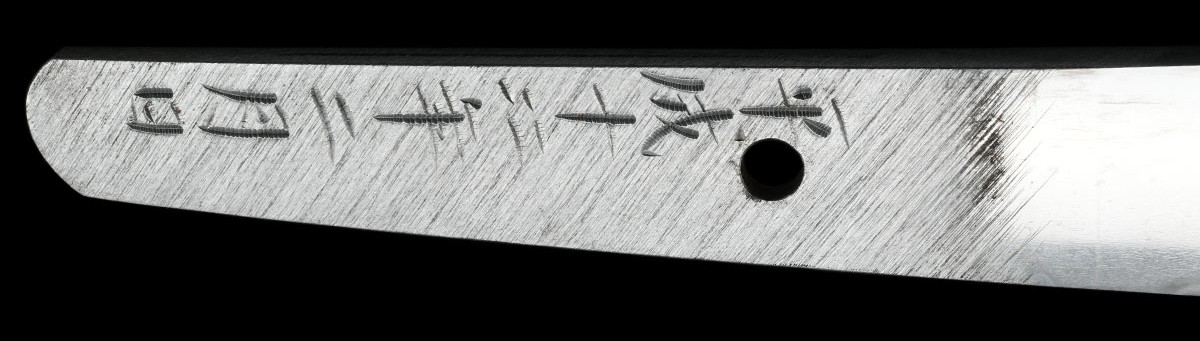
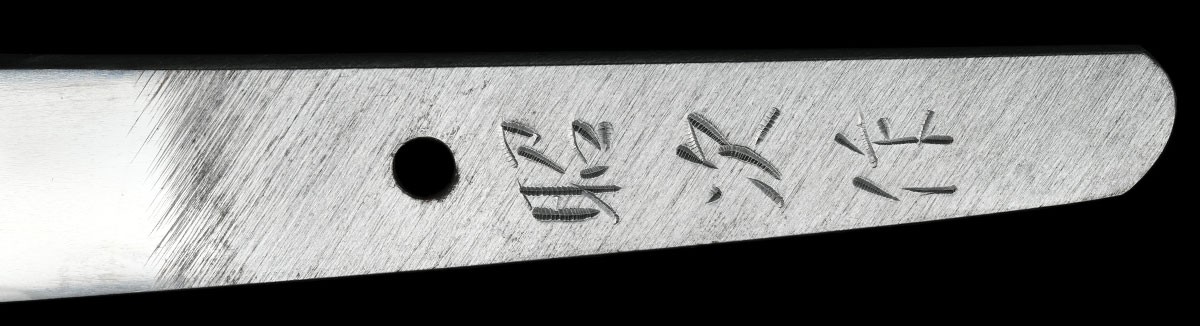
Signed: 昭次作(天田昭次) 平成十二年二月日 (Miyairi Akitsugu)
As written on the certificate
About the NBTHK›
The NBTHK (Nihon Bijutsu Tōken Hozon Kyōkai, the Society for the Preservation of Japanese Art Swords) is a public-interest incorporated foundation founded in 1948 and supervised by Japan’s Agency for Cultural Affairs (Bunkachō); it is based at the Japanese Sword Museum in Tokyo. Its expert panels physically examine each submitted work (shinsa) and issue a certificate (kanteishō) ranking it by artistic and historical merit. NBTHK papers are the most widely recognized standard of authentication for Japanese swords and fittings.
No cooling-off period or returns; refund only if the purchased sword is proven fake, capped at purchase price (excludes commission sales, accessories, auction items).

 NihontoWatch