NihontoWatch Mon

NihontoWatch

MarketAuctions
Encyclopedia
NihontoWatch Mon

NihontoWatch

MarketAuctions
Encyclopedia

Description

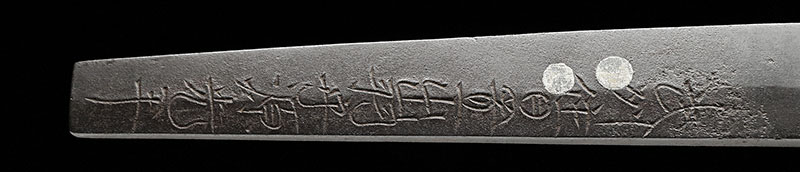
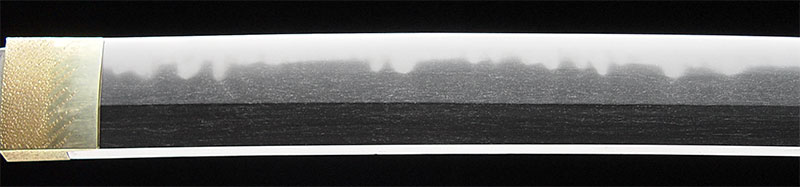
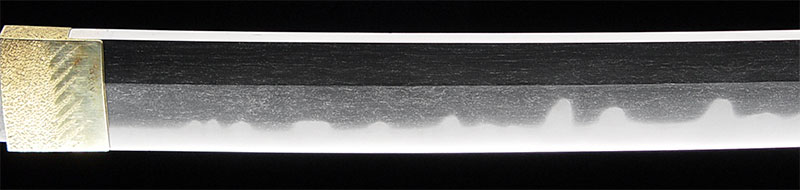
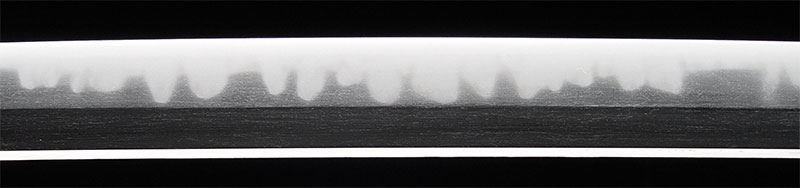
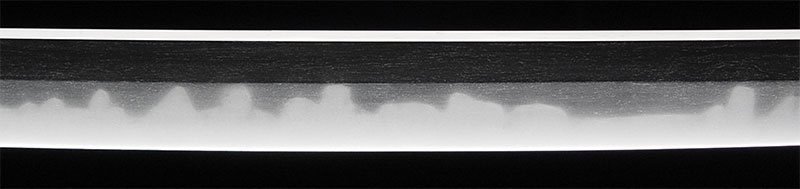
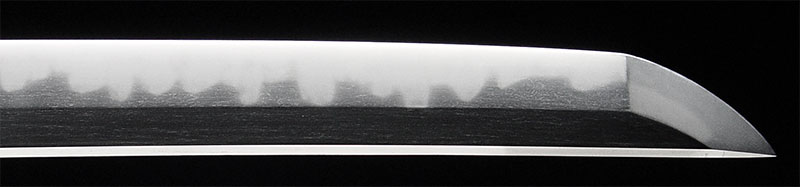
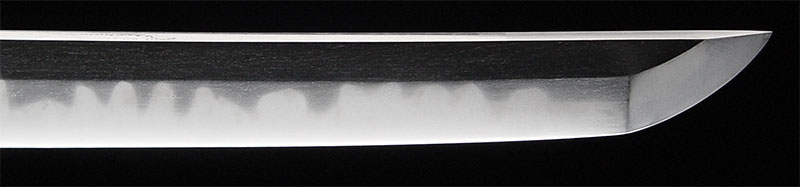
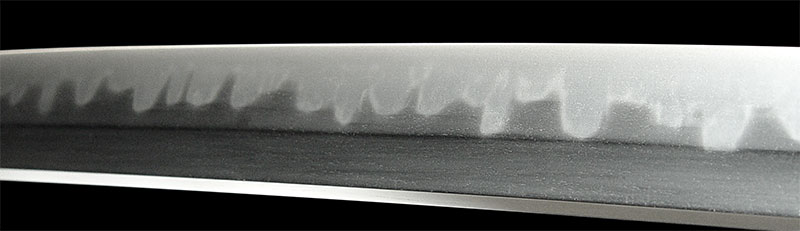
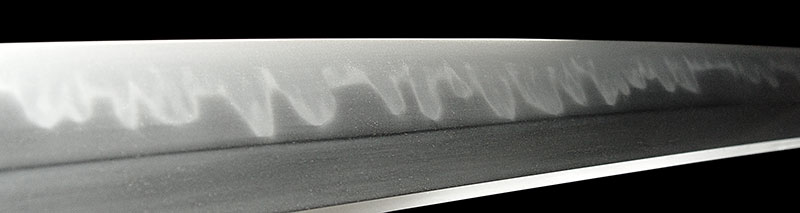
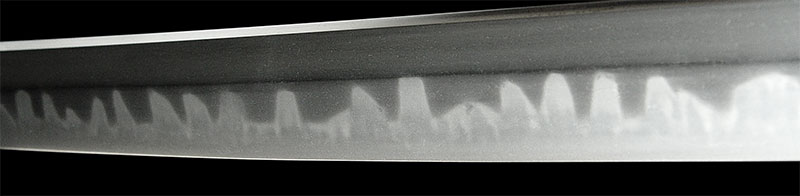
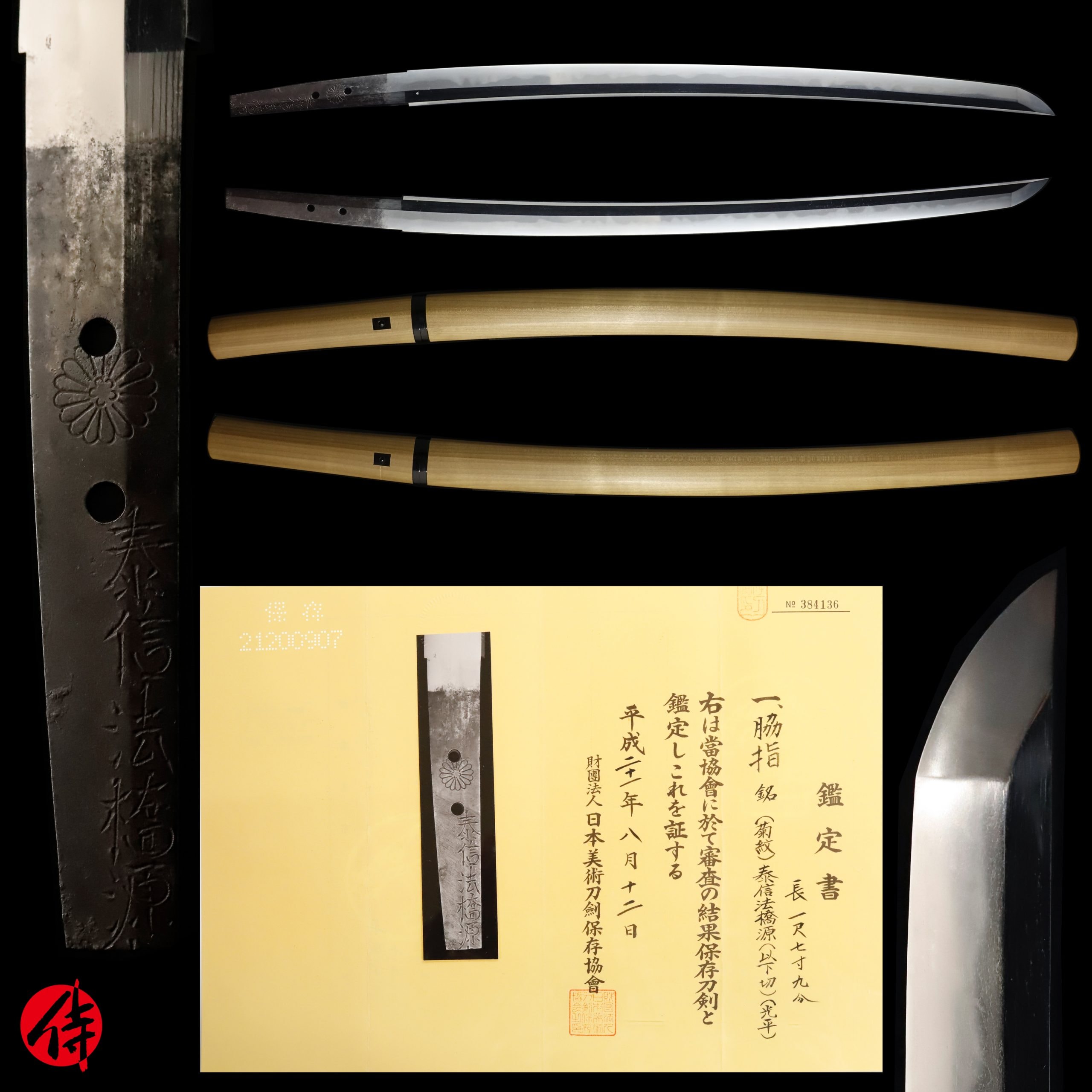
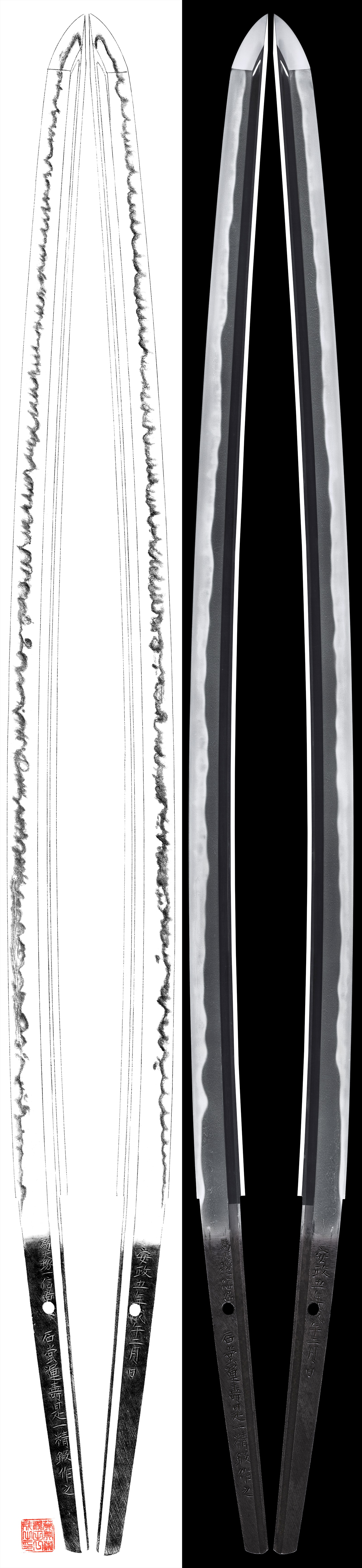
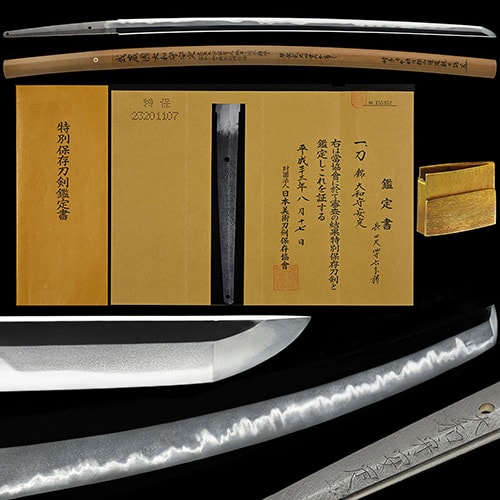
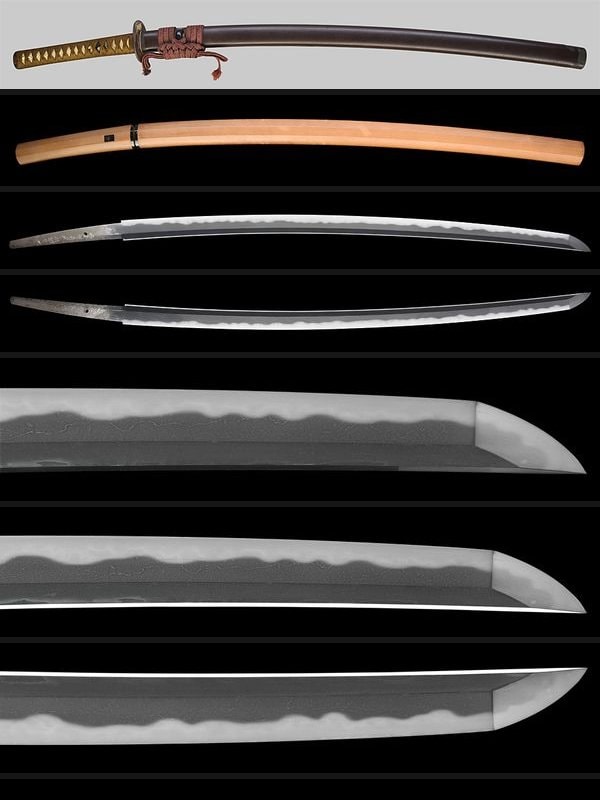
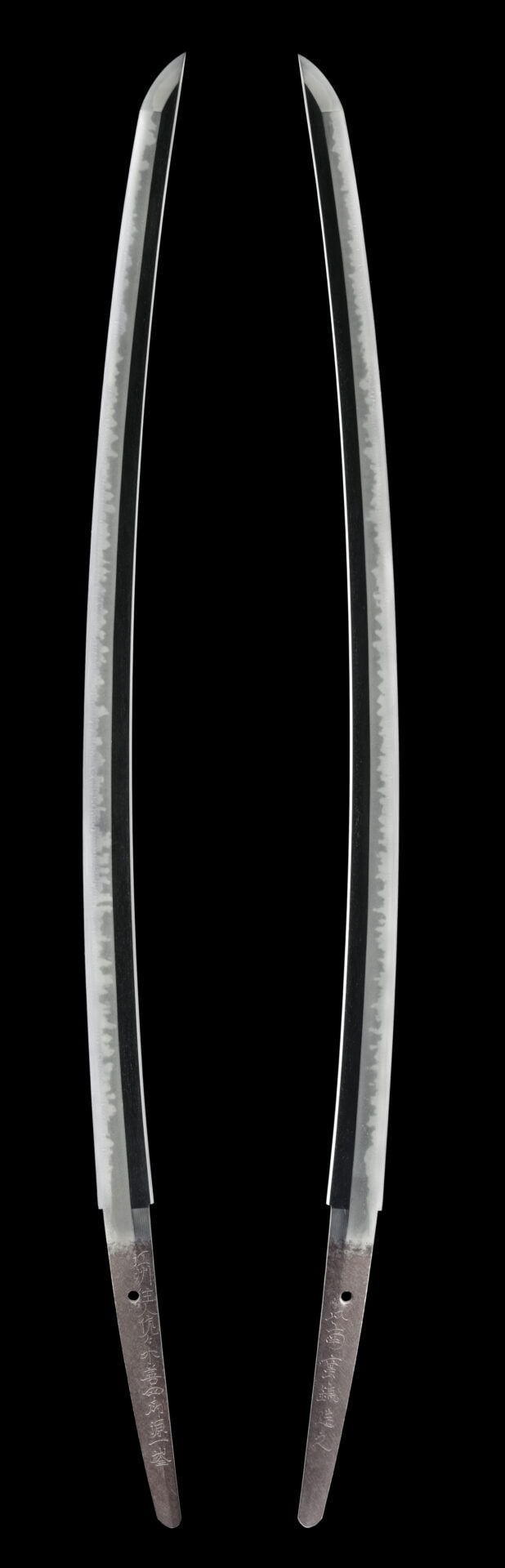
This is a katana made by Heki Dewa no kami Minamoto Mitsuhira in Musashi province during the early Edo period (circa 1652). The blade features a choji midare hamon and itame jigane. It comes with both a koshirae with peony-themed lacquer and silver fittings, and a shirasaya with a sayagaki by Kanzan.

NihontoWatch MonNihontoWatch
MarketAuctionsEncyclopedia
Swords›Ishido›Edo Ishido›Mitsuhira›Katana: Bushu Heki Dewa no kami Minamoto Mitsuhira
katanaTokubetsu Hozon
Ishido Mitsuhira

Katana: Bushu Heki Dewa no kami Minamoto Mitsuhira

mei · Ishido · Keian (1648-1652) · nagasa 72.6cm · sori 1.2cm

SOLD
Ishido Mitsuhira — 1 of 15
Ishido Mitsuhira — 2 of 15
Ishido Mitsuhira — 3 of 15
Ishido Mitsuhira — 4 of 15
Ishido Mitsuhira — 5 of 15
Ishido Mitsuhira — 6 of 15
Ishido Mitsuhira — 7 of 15
Ishido Mitsuhira — 8 of 15
Ishido Mitsuhira — 9 of 15
Ishido Mitsuhira — 10 of 15
Ishido Mitsuhira — 11 of 15
Ishido Mitsuhira — 12 of 15
Ishido Mitsuhira — 13 of 15
Ishido Mitsuhira — 14 of 15
Ishido Mitsuhira — 15 of 15
1 / 15
1 / 15
Ishido Mitsuhira — 1 of 15Ishido Mitsuhira — 2 of 15Ishido Mitsuhira — 3 of 15Ishido Mitsuhira — 4 of 15Ishido Mitsuhira — 5 of 15Ishido Mitsuhira — 6 of 15Ishido Mitsuhira — 7 of 15Ishido Mitsuhira — 8 of 15Ishido Mitsuhira — 9 of 15Ishido Mitsuhira — 10 of 15Ishido Mitsuhira — 11 of 15Ishido Mitsuhira — 12 of 15Ishido Mitsuhira — 13 of 15Ishido Mitsuhira — 14 of 15Ishido Mitsuhira — 15 of 15
Measurements & details
Smith
Ishido Mitsuhira
Type
Katana
School
Edo Ishido
Period
Around 1619–1685(Genna 5 , act. Jōō–Enpō)
Province
Musashi
Signature
Signed(100% of this smith's designated works are signed)
Measurements
Nagasa 72.6cmSori 1.2cmMotohaba 3.1cmSakihaba 2.25cmKasane 0.65cm
Description

This is a katana made by Heki Dewa no kami Minamoto Mitsuhira in Musashi province during the early Edo period (circa 1652). The blade features a choji midare hamon and itame jigane. It comes with both a koshirae with peony-themed lacquer and silver fittings, and a shirasaya with a sayagaki by Kanzan.

About the maker

Mitsuhira

光平

Edo Ishido, Musashi (Edo): Heki Mitsuhira, signing Minamoto, eldest son of Yamashiro-no-kami Ippo of the Kyo-Ishido, one of the two leading masters of the Edo Ishido beside Tsushima-no-kami Tsunemitsu · Musashi · around 1619-1685

Fujishiro Jo-jo saku · Tōken Taikan top 21%

2 pieces on the market now

›

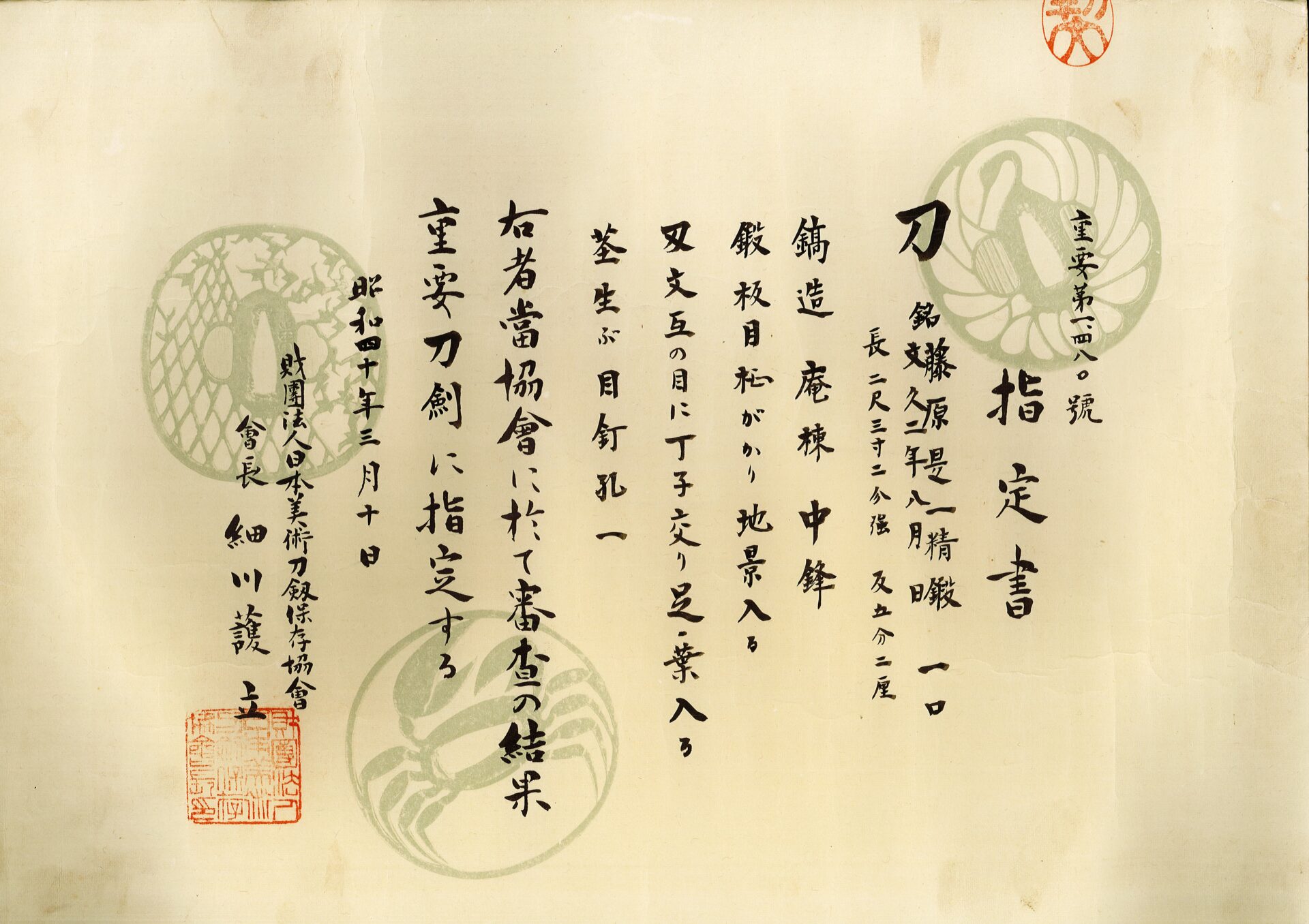
On the omote of a katana dated Shoho 3 (1646), eighth month, cut on the shinogi-suji in a large, bold five-character hand and joined on the reverse by a gold-inlaid cutting test, stands the earliest dated work that survives from Heki Mitsuhira, the Tokubetsu Juyo blade the published sources call the most retrograde of his dated pieces and a resource of exceptional value for the study of him. Mitsuhira signed Minamoto Mitsuhira, and sometimes Heki Dewa-no-kami Minamoto Mitsuhira beneath a chrysanthemum crest; he was born in Gamo district of Omi[[c:1]], eldest son of Yamashiro-no-kami Ippo of the Kyo-Ishido line, and first styled himself Heki Shichirobei. He stands, the NBTHK states plainly, as one of the most outstandingly skilled smiths who represent the Edo Ishido[[c:2]], the equal and senior of Tsushima-no-kami Tsunemitsu and one of the two pillars of that school. His program was a revival: to forge again, in the bright nioi of the early-Edo workshops, the gorgeous choji-midare of the old Bizen Fukuoka-Ichimonji that the medieval makers had carried over a midare-utsuri jigane.

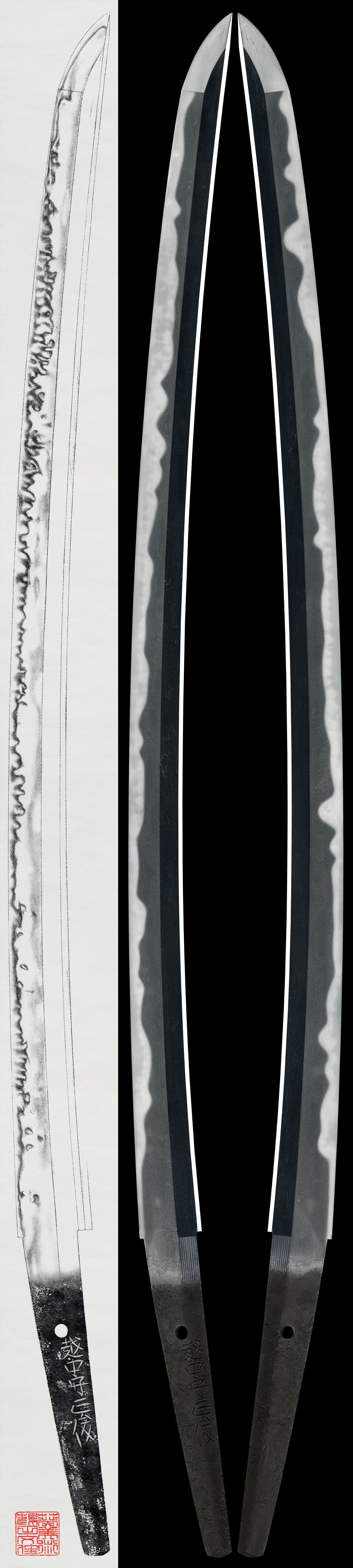
The feature that names his work is the choji-midare itself, and the published sources read it as his forte. He tempers it chiefly in nioi, mixing many kinds of teeth into one lively, crowded line: gunome and ko-gunome, round-topped choji and small choji, angular elements and others tending to a point. The yakiba rises and falls in marked height, ashi and yo enter vigorously, and the nioiguchi runs bright and clear. The result is what the institution calls a splendid choji-midare that recalls the old Ichimonji[[c:3]], and across his blades the NBTHK names the achievement the same way each time, a piece in which he privately emulated the old Ichimonji and succeeded[[c:4]]. On his most florid katana small tobiyaki gather at the heads of the temper and fine sunagashi is drawn through it, touches the sources read as lending an antique flavor to the otherwise new-sword brightness.

The jigane beneath that temper is what carries the Ichimonji comparison the rest of the way. He forges a ko-itame or an itame mixed with mokume and flowing hada, tightly worked, with the ji-nie gathered dust-fine, and over it stands a clear midare-utsuri, the koto-Bizen reflection that almost no other Edo hand reaches with such conviction. It is the single feature of the jigane that most marks his revival, the old reflection raised again on a shinto blade, and the published sources note it as prominent on piece after piece. The boshi answers the flamboyance of the ha quietly, running straight or in a small midare into a ko-maru, turning back shallowly, often with a touch of hakikake at the point. Ji and ha alike are described as sound, the steel bright rather than dark, the whole reading as Bizen seen through the cleaner light of the Kanbun forges.

Mitsuhira is best understood not through dated periods, since his dated blades are few, but as one perfected manner read at two intensities and set on the build of his age. The constant is the choji-midare over its utsuri; the variation is the nioiguchi. On his finest pieces the published sources mark a tightening and a further brightening, writing of the Tokubetsu Juyo katana that, in comparison with his usual works, the nioiguchi is somewhat tighter and shines with a particularly bright clarity[[c:5]], and that even among his oeuvre it shows an exceptional sharpness of effect[[c:6]]. His blades carry the broad body, the thick kasane and the contracted chu-kissaki of the Kanbun era, yet the sources read the silhouette carefully as a transitional one: at a glance it recalls the Kanbun-shinto shape, but the sori stands somewhat more and a touch of funbari remains at the base, a transitional shape in the shift from Keicho-shinto toward Kanbun-shinto[[c:7]] common to the smiths of the Kan'ei and Shoho years. He signs a long mei of distinctive script in bold, thick chisel strokes on the ubu nakago, sometimes under the chrysanthemum crest with his titles Dewa-no-kami and Dewa-nyudo Taishin hokkyo.

What sets him apart within his own school is finally a matter of the signature, and the published sources make the point through the very biography they repeat. By the common account Mitsuhira moved from Omi to Edo alongside Tsunemitsu, Echizen-no-kami Munehiro and the first Ishido Korekazu, but the NBTHK corrects both the route and the kinship from surviving inscriptions. The Akasaka-signed blades show that the Edo Ishido smiths went first from Omi to Kyoto and only afterward on to Edo rather than directly; and the old tradition that Mitsuhira was Tsunemitsu's younger brother is set aside, since dated pieces worked back show that he was in fact six years the elder[[c:8]]. He used the Minamoto surname while Tsunemitsu used Tachibana, and for that reason, though their workmanship is granted to share much, the brotherhood is doubted. The two are thus the twin masters of the Edo Ishido whose hands run close and whose names part only at the mei, and it is in Mitsuhira's that the Ichimonji revival is reckoned to have succeeded most fully.

Mitsuhira's record on the official rolls is concentrated and high in quality rather than large: of his designated works ten stand in the Tokubetsu Juyo and Juyo tiers, the single Tokubetsu Juyo being the Shoho 3 katana with its gold-inlaid three-body cutting test, the rest Juyo. His designations rise no higher than these, and his blades enter the records signed, every one of them, so that his oeuvre is an open book read off the long mei rather than a body of mumei attributions. Fujishiro rates him Jo-jo saku, the upper-superior grade. The provenance recorded on these blades is thin, with no daimyo house or museum named in their own data, and what survives of him is held quietly in private and public hands. For the collector this is a smith encountered from time to time rather than freely: a designated Edo Ishido katana of his comes to market only now and again, a landmark when one does, prized as the high point of the school's Ichimonji revival and recognized at sight by the bright choji-midare standing over its old-Bizen utsuri.


Historical importance

Where Mitsuhira stands among comparable artisans: across all of nihontō, and within tradition, era, and period. The tiers (Foremost · Leading · Major · Notable) weigh official designations from the NBTHK and Japan's Agency for Cultural Affairs, together with historical honors of lasting repute such as the Sansaku and Meibutsu-chō.

随一
Foremost
屈指
Leading
有数
Major
著名
Notable

Select a lens to see how it's measured.

Designation record
10 designated works
Tokubetsu Jūyō
1
Jūyō
9
2 works by Mitsuhira on the market→
Mitsuhira — full profileEdo Ishido, Musashi (Edo): Heki Mitsuhira, signing Minamoto, eldest son of Yamashiro-no-kami Ippo of the Kyo-Ishido, one of the two leading masters of the Edo Ishido beside Tsushima-no-kami Tsunemitsu school

Dated Works

Years he was demonstrably active, proven by signed-and-dated blades

Active period
1653Editorial estimate: 1619–1685
1 of 10 designated works carry a date
About the school

Edo Ishido

江戸石堂

Shinto · Musashi

15 pieces on the market now

›

The Edo Ishido school (江戸石堂) is the capital branch of the Ishido lineage, a body of shinto-era smiths who carried the Bizen choji tradition into Edo and there pursued a single deliberate project: the revival, in the brighter steel of the early-Edo forges, of the flamboyant choji-midare worked by the medieval Fukuoka-Ichimonji masters of Bizen. Learn more →

4 recorded smiths55 designated works
Leading smiths
SmithEraDesignated
Korekazu是一1817-189125
Yasusada安定1618-168511
Yasusada安定1673-16819
Mitsuhira光平1619-168510
Explore the Edo Ishido school →
✓N.B.T.H.K Tokuho
Seller
T
Tokka Biz
🇯🇵Ships from Japan
›
✓Verified dealertokka.biz
·Domestic shipping onlyWire transferCredit card
Return policy

If the item is not to your liking, please feel free to return it for any reason. Return shipping is the customer's responsibility. After the item arrives and we confirm it is in the same condition as at the time of sale, we transfer the refund to your designated account the same day. Purchases made at the store are outside the scope of cooling-off.

View all of Tokka Biz’s listings→View this item on the dealer’s site→

More works by Ishido Mitsuhira

View all →
Shoubudou
Tokuho
Katana - Tokuho - by Ishido Mitsuhira - Heki Dewa no kami MitsuhiraKatana - Tokuho - by Ishido Mitsuhira - Heki Dewa no kami Mitsuhira

Katana

ByIshido Mitsuhira
¥1,600,000
World Seiyudo
Tokuho
Wakizashi - Tokuho - by Ishido Mitsuhira - Taishin Hokkyo Minamoto Mitsuhira (Heki Mitsuhira) - Tokubetsu Hozon TokenWakizashi - Tokuho - by Ishido Mitsuhira - Taishin Hokkyo Minamoto Mitsuhira (Heki Mitsuhira) - Tokubetsu Hozon Token

Wakizashi

ByIshido Mitsuhira
¥1,600,000

Previously sold by Ishido Mitsuhira

World Seiyudo
Hozon
Katana - Hozon - by Ishido Mitsuhira - Mumei Dewa-no-kami Mitsuhira (Good Cutting Ability) - NBTHK Hozon TokenKatana - Hozon - by Ishido Mitsuhira - Mumei Dewa-no-kami Mitsuhira (Good Cutting Ability) - NBTHK Hozon Token
Sold

Katana

ByIshido Mitsuhira
SOLD
Samurai Museum
Hozon
Wakizashi - Hozon - by Ishido Mitsuhira - Antique Japanese Sword Wakizashi Signed by Mitsuhira NBTHK Hozon CertificateWakizashi - Hozon - by Ishido Mitsuhira - Antique Japanese Sword Wakizashi Signed by Mitsuhira NBTHK Hozon Certificate
Sold

Wakizashi

ByIshido Mitsuhira
SOLD
Tokka Biz
Tokuho
Katana - Tokuho - by Ishido Mitsuhira - Heki Mitsuhira - Choji Midare HamonKatana - Tokuho - by Ishido Mitsuhira - Heki Mitsuhira - Choji Midare Hamon
Sold

Katana

ByIshido Mitsuhira
SOLD
World Seiyudo
Tokuho
Wakizashi - Tokuho - by Ishido Mitsuhira - Taishinhokkyo Minamoto-no Mitsuhira - NBTHK Tokubetsu Hozon TokenWakizashi - Tokuho - by Ishido Mitsuhira - Taishinhokkyo Minamoto-no Mitsuhira - NBTHK Tokubetsu Hozon Token
Sold

Wakizashi

ByIshido Mitsuhira
SOLD

More from the Edo Ishido school

View all →
Aoi Art
Jūyō
Katana - Jūyō - by Ishido Korekazu - Sekido Unju KorekazuKatana - Jūyō - by Ishido Korekazu - Sekido Unju Korekazu

Katana

ByIshido Korekazu
¥4,500,000
Token-Net
Jūyō
Katana - Jūyō - by Ishido Korekazu - Ishido Unju Korekazu, Bunkyu Gannen Hachigatsu HiKatana - Jūyō - by Ishido Korekazu - Ishido Unju Korekazu, Bunkyu Gannen Hachigatsu Hi

Katana

ByIshido Korekazu
¥5,500,000
Token-Net
Jūyō
Katana - Jūyō - by Ishido Korekazu - Fujiwara Koreichi, Bunkyu 2nd Year, 8th MonthKatana - Jūyō - by Ishido Korekazu - Fujiwara Koreichi, Bunkyu 2nd Year, 8th Month

Katana

ByIshido Korekazu
¥5,500,000
Eirakudo
Tokuho
Katana - Tokuho - by Ishido Yasusada - Yamatonokami Yasusada - Tokubetsu Hozon TokenKatana - Tokuho - by Ishido Yasusada - Yamatonokami Yasusada - Tokubetsu Hozon Token

Katana

ByIshido Yasusada
¥3,300,000
E-sword
Tokuho
Katana - Tokuho - by Ishido Yasusada - Yamato no Kami YasusadaKatana - Tokuho - by Ishido Yasusada - Yamato no Kami Yasusada

Katana

ByIshido Yasusada
¥1,980,000
Goushuya
Jūyō
Katana - Jūyō - by Ishido Korekazu - Ishido Unju KorekazuKatana - Jūyō - by Ishido Korekazu - Ishido Unju Korekazu

Katana

ByIshido Korekazu
Ask
Nihonto Australia
Tokuho
Katana - Tokuho - by Ishido Yasusada - YasusadaKatana - Tokuho - by Ishido Yasusada - Yasusada

Katana

ByIshido Yasusada
Ask
Nihonto Australia
Hozon
Tanto - Hozon - by Ishido Korekazu - Korekazu with NBTHK Hozon CertificateTanto - Hozon - by Ishido Korekazu - Korekazu with NBTHK Hozon Certificate

Tantō

ByIshido Korekazu
¥4,500

More from the Ishido school

View all →
Hyozaemon
Tokuho
Katana - Tokuho - by Ishido School - Katana by Tatarachōkō, a master of the Shinto Bizen tradition and Saijo Owazamono smithKatana - Tokuho - by Ishido School - Katana by Tatarachōkō, a master of the Shinto Bizen tradition and Saijo Owazamono smith

Katana

ByIshido School
Ask
Iida Koendo
Jūyō
Katana - Jūyō - by Ishido Tsunemitsu - Tsushima no Kami TsunemitsuKatana - Jūyō - by Ishido Tsunemitsu - Tsushima no Kami Tsunemitsu

Katana

ByIshido Tsunemitsu
¥7,700,000
Nihonto Australia
Tokuho
Katana - Tokuho - by Fukuoka Ishido Koretsugu - Chikuzen Koretsugu with Nagahisa 2 Body Gold TestKatana - Tokuho - by Fukuoka Ishido Koretsugu - Chikuzen Koretsugu with Nagahisa 2 Body Gold Test

Katana

ByFukuoka Ishido Koretsugu
Ask
Touken Komachi
NTHK
Katana - NTHK - by Ishido School - Katana with KoshiraeKatana - NTHK - by Ishido School - Katana with Koshirae

Katana

ByIshido School
¥380,000
Asahi Token
Tokuho
Wakizashi - Tokuho - by Ishido Yasunaga - Settsu YasunagaWakizashi - Tokuho - by Ishido Yasunaga - Settsu Yasunaga

Wakizashi

ByIshido Yasunaga
¥308,000
Toushin
Hozon
Katana - Hozon - by Ishido School - Mumei (Musashi Daijo Korekazu)Katana - Hozon - by Ishido School - Mumei (Musashi Daijo Korekazu)

Katana

ByIshido School
¥385,000
Touken Matsumoto
Tokuho
Katana - Tokuho - by Ishido School - Ishido Unju KorekazuKatana - Tokuho - by Ishido School - Ishido Unju Korekazu

Katana

ByIshido School
¥3,500,000
Touken Hataya
Tokuho
Katana - Tokuho - by Ishido Yasutsuna - Tokubetsu Hozon Katana by Yasutsuna of KinokuniKatana - Tokuho - by Ishido Yasutsuna - Tokubetsu Hozon Katana by Yasutsuna of Kinokuni

Katana

ByIshido Yasutsuna
¥770,000

Swords

  • Katana
  • Wakizashi
  • Tantō
  • Tachi
  • Naginata
  • Yari

Fittings

  • Tsuba
  • Fuchi-Kashira
  • Kozuka
  • Menuki

By Certification

  • Tokujū
  • Jūyō
  • Tokuho
  • Hozon

Resources

  • Dealer Directory
  • Artist Directory
  • Glossary
  • Browse All
Nihontowatch© 2026
TermsPrivacyCookiesAbout

Description

This is a katana made by Heki Dewa no kami Minamoto Mitsuhira in Musashi province during the early Edo period (circa 1652). The blade features a choji midare hamon and itame jigane. It comes with both a koshirae with peony-themed lacquer and silver fittings, and a shirasaya with a sayagaki by Kanzan.

NihontoWatch MonNihontoWatch
MarketAuctionsEncyclopedia
Swords›Ishido›Edo Ishido›Mitsuhira›Katana: Bushu Heki Dewa no kami Minamoto Mitsuhira
katanaTokubetsu Hozon
Ishido Mitsuhira

Katana: Bushu Heki Dewa no kami Minamoto Mitsuhira

mei · Ishido · Keian (1648-1652) · nagasa 72.6cm · sori 1.2cm

SOLD
Ishido Mitsuhira — 1 of 15
Ishido Mitsuhira — 2 of 15
Ishido Mitsuhira — 3 of 15
Ishido Mitsuhira — 4 of 15
Ishido Mitsuhira — 5 of 15
Ishido Mitsuhira — 6 of 15
Ishido Mitsuhira — 7 of 15
Ishido Mitsuhira — 8 of 15
Ishido Mitsuhira — 9 of 15
Ishido Mitsuhira — 10 of 15
Ishido Mitsuhira — 11 of 15
Ishido Mitsuhira — 12 of 15
Ishido Mitsuhira — 13 of 15
Ishido Mitsuhira — 14 of 15
Ishido Mitsuhira — 15 of 15
1 / 15
1 / 15
Ishido Mitsuhira — 1 of 15Ishido Mitsuhira — 2 of 15Ishido Mitsuhira — 3 of 15Ishido Mitsuhira — 4 of 15Ishido Mitsuhira — 5 of 15Ishido Mitsuhira — 6 of 15Ishido Mitsuhira — 7 of 15Ishido Mitsuhira — 8 of 15Ishido Mitsuhira — 9 of 15Ishido Mitsuhira — 10 of 15Ishido Mitsuhira — 11 of 15Ishido Mitsuhira — 12 of 15Ishido Mitsuhira — 13 of 15Ishido Mitsuhira — 14 of 15Ishido Mitsuhira — 15 of 15
Measurements & details
Smith
Ishido Mitsuhira
Type
Katana
School
Edo Ishido
Period
Around 1619–1685(Genna 5 , act. Jōō–Enpō)
Province
Musashi
Signature
Signed(100% of this smith's designated works are signed)
Measurements
Nagasa 72.6cmSori 1.2cmMotohaba 3.1cmSakihaba 2.25cmKasane 0.65cm
Description

This is a katana made by Heki Dewa no kami Minamoto Mitsuhira in Musashi province during the early Edo period (circa 1652). The blade features a choji midare hamon and itame jigane. It comes with both a koshirae with peony-themed lacquer and silver fittings, and a shirasaya with a sayagaki by Kanzan.

About the maker

Mitsuhira

光平

Edo Ishido, Musashi (Edo): Heki Mitsuhira, signing Minamoto, eldest son of Yamashiro-no-kami Ippo of the Kyo-Ishido, one of the two leading masters of the Edo Ishido beside Tsushima-no-kami Tsunemitsu · Musashi · around 1619-1685

Fujishiro Jo-jo saku · Tōken Taikan top 21%

2 pieces on the market now

›

On the omote of a katana dated Shoho 3 (1646), eighth month, cut on the shinogi-suji in a large, bold five-character hand and joined on the reverse by a gold-inlaid cutting test, stands the earliest dated work that survives from Heki Mitsuhira, the Tokubetsu Juyo blade the published sources call the most retrograde of his dated pieces and a resource of exceptional value for the study of him. Mitsuhira signed Minamoto Mitsuhira, and sometimes Heki Dewa-no-kami Minamoto Mitsuhira beneath a chrysanthemum crest; he was born in Gamo district of Omi[[c:1]], eldest son of Yamashiro-no-kami Ippo of the Kyo-Ishido line, and first styled himself Heki Shichirobei. He stands, the NBTHK states plainly, as one of the most outstandingly skilled smiths who represent the Edo Ishido[[c:2]], the equal and senior of Tsushima-no-kami Tsunemitsu and one of the two pillars of that school. His program was a revival: to forge again, in the bright nioi of the early-Edo workshops, the gorgeous choji-midare of the old Bizen Fukuoka-Ichimonji that the medieval makers had carried over a midare-utsuri jigane.

The feature that names his work is the choji-midare itself, and the published sources read it as his forte. He tempers it chiefly in nioi, mixing many kinds of teeth into one lively, crowded line: gunome and ko-gunome, round-topped choji and small choji, angular elements and others tending to a point. The yakiba rises and falls in marked height, ashi and yo enter vigorously, and the nioiguchi runs bright and clear. The result is what the institution calls a splendid choji-midare that recalls the old Ichimonji[[c:3]], and across his blades the NBTHK names the achievement the same way each time, a piece in which he privately emulated the old Ichimonji and succeeded[[c:4]]. On his most florid katana small tobiyaki gather at the heads of the temper and fine sunagashi is drawn through it, touches the sources read as lending an antique flavor to the otherwise new-sword brightness.

The jigane beneath that temper is what carries the Ichimonji comparison the rest of the way. He forges a ko-itame or an itame mixed with mokume and flowing hada, tightly worked, with the ji-nie gathered dust-fine, and over it stands a clear midare-utsuri, the koto-Bizen reflection that almost no other Edo hand reaches with such conviction. It is the single feature of the jigane that most marks his revival, the old reflection raised again on a shinto blade, and the published sources note it as prominent on piece after piece. The boshi answers the flamboyance of the ha quietly, running straight or in a small midare into a ko-maru, turning back shallowly, often with a touch of hakikake at the point. Ji and ha alike are described as sound, the steel bright rather than dark, the whole reading as Bizen seen through the cleaner light of the Kanbun forges.

Mitsuhira is best understood not through dated periods, since his dated blades are few, but as one perfected manner read at two intensities and set on the build of his age. The constant is the choji-midare over its utsuri; the variation is the nioiguchi. On his finest pieces the published sources mark a tightening and a further brightening, writing of the Tokubetsu Juyo katana that, in comparison with his usual works, the nioiguchi is somewhat tighter and shines with a particularly bright clarity[[c:5]], and that even among his oeuvre it shows an exceptional sharpness of effect[[c:6]]. His blades carry the broad body, the thick kasane and the contracted chu-kissaki of the Kanbun era, yet the sources read the silhouette carefully as a transitional one: at a glance it recalls the Kanbun-shinto shape, but the sori stands somewhat more and a touch of funbari remains at the base, a transitional shape in the shift from Keicho-shinto toward Kanbun-shinto[[c:7]] common to the smiths of the Kan'ei and Shoho years. He signs a long mei of distinctive script in bold, thick chisel strokes on the ubu nakago, sometimes under the chrysanthemum crest with his titles Dewa-no-kami and Dewa-nyudo Taishin hokkyo.

What sets him apart within his own school is finally a matter of the signature, and the published sources make the point through the very biography they repeat. By the common account Mitsuhira moved from Omi to Edo alongside Tsunemitsu, Echizen-no-kami Munehiro and the first Ishido Korekazu, but the NBTHK corrects both the route and the kinship from surviving inscriptions. The Akasaka-signed blades show that the Edo Ishido smiths went first from Omi to Kyoto and only afterward on to Edo rather than directly; and the old tradition that Mitsuhira was Tsunemitsu's younger brother is set aside, since dated pieces worked back show that he was in fact six years the elder[[c:8]]. He used the Minamoto surname while Tsunemitsu used Tachibana, and for that reason, though their workmanship is granted to share much, the brotherhood is doubted. The two are thus the twin masters of the Edo Ishido whose hands run close and whose names part only at the mei, and it is in Mitsuhira's that the Ichimonji revival is reckoned to have succeeded most fully.

Mitsuhira's record on the official rolls is concentrated and high in quality rather than large: of his designated works ten stand in the Tokubetsu Juyo and Juyo tiers, the single Tokubetsu Juyo being the Shoho 3 katana with its gold-inlaid three-body cutting test, the rest Juyo. His designations rise no higher than these, and his blades enter the records signed, every one of them, so that his oeuvre is an open book read off the long mei rather than a body of mumei attributions. Fujishiro rates him Jo-jo saku, the upper-superior grade. The provenance recorded on these blades is thin, with no daimyo house or museum named in their own data, and what survives of him is held quietly in private and public hands. For the collector this is a smith encountered from time to time rather than freely: a designated Edo Ishido katana of his comes to market only now and again, a landmark when one does, prized as the high point of the school's Ichimonji revival and recognized at sight by the bright choji-midare standing over its old-Bizen utsuri.

Historical importance

Where Mitsuhira stands among comparable artisans: across all of nihontō, and within tradition, era, and period. The tiers (Foremost · Leading · Major · Notable) weigh official designations from the NBTHK and Japan's Agency for Cultural Affairs, together with historical honors of lasting repute such as the Sansaku and Meibutsu-chō.

随一
Foremost
屈指
Leading
有数
Major
著名
Notable

Select a lens to see how it's measured.

Designation record
10 designated works
Tokubetsu Jūyō
1
Jūyō
9
2 works by Mitsuhira on the market→
Mitsuhira — full profileEdo Ishido, Musashi (Edo): Heki Mitsuhira, signing Minamoto, eldest son of Yamashiro-no-kami Ippo of the Kyo-Ishido, one of the two leading masters of the Edo Ishido beside Tsushima-no-kami Tsunemitsu school

Dated Works

Years he was demonstrably active, proven by signed-and-dated blades

Active period
1653Editorial estimate: 1619–1685
1 of 10 designated works carry a date
About the school

Edo Ishido

江戸石堂

Shinto · Musashi

15 pieces on the market now

›

The Edo Ishido school (江戸石堂) is the capital branch of the Ishido lineage, a body of shinto-era smiths who carried the Bizen choji tradition into Edo and there pursued a single deliberate project: the revival, in the brighter steel of the early-Edo forges, of the flamboyant choji-midare worked by the medieval Fukuoka-Ichimonji masters of Bizen. Learn more →

4 recorded smiths55 designated works
Leading smiths
SmithEraDesignated
Korekazu是一1817-189125
Yasusada安定1618-168511
Yasusada安定1673-16819
Mitsuhira光平1619-168510
Explore the Edo Ishido school →
✓N.B.T.H.K Tokuho
Seller
T
Tokka Biz
🇯🇵Ships from Japan
›
✓Verified dealertokka.biz
·Domestic shipping onlyWire transferCredit card
Return policy

If the item is not to your liking, please feel free to return it for any reason. Return shipping is the customer's responsibility. After the item arrives and we confirm it is in the same condition as at the time of sale, we transfer the refund to your designated account the same day. Purchases made at the store are outside the scope of cooling-off.

View all of Tokka Biz’s listings→View this item on the dealer’s site→

More works by Ishido Mitsuhira

View all →
Shoubudou
Tokuho
Katana - Tokuho - by Ishido Mitsuhira - Heki Dewa no kami MitsuhiraKatana - Tokuho - by Ishido Mitsuhira - Heki Dewa no kami Mitsuhira

Katana

ByIshido Mitsuhira
¥1,600,000
World Seiyudo
Tokuho
Wakizashi - Tokuho - by Ishido Mitsuhira - Taishin Hokkyo Minamoto Mitsuhira (Heki Mitsuhira) - Tokubetsu Hozon TokenWakizashi - Tokuho - by Ishido Mitsuhira - Taishin Hokkyo Minamoto Mitsuhira (Heki Mitsuhira) - Tokubetsu Hozon Token

Wakizashi

ByIshido Mitsuhira
¥1,600,000

Previously sold by Ishido Mitsuhira

World Seiyudo
Hozon
Katana - Hozon - by Ishido Mitsuhira - Mumei Dewa-no-kami Mitsuhira (Good Cutting Ability) - NBTHK Hozon TokenKatana - Hozon - by Ishido Mitsuhira - Mumei Dewa-no-kami Mitsuhira (Good Cutting Ability) - NBTHK Hozon Token
Sold

Katana

ByIshido Mitsuhira
SOLD
Samurai Museum
Hozon
Wakizashi - Hozon - by Ishido Mitsuhira - Antique Japanese Sword Wakizashi Signed by Mitsuhira NBTHK Hozon CertificateWakizashi - Hozon - by Ishido Mitsuhira - Antique Japanese Sword Wakizashi Signed by Mitsuhira NBTHK Hozon Certificate
Sold

Wakizashi

ByIshido Mitsuhira
SOLD
Tokka Biz
Tokuho
Katana - Tokuho - by Ishido Mitsuhira - Heki Mitsuhira - Choji Midare HamonKatana - Tokuho - by Ishido Mitsuhira - Heki Mitsuhira - Choji Midare Hamon
Sold

Katana

ByIshido Mitsuhira
SOLD
World Seiyudo
Tokuho
Wakizashi - Tokuho - by Ishido Mitsuhira - Taishinhokkyo Minamoto-no Mitsuhira - NBTHK Tokubetsu Hozon TokenWakizashi - Tokuho - by Ishido Mitsuhira - Taishinhokkyo Minamoto-no Mitsuhira - NBTHK Tokubetsu Hozon Token
Sold

Wakizashi

ByIshido Mitsuhira
SOLD

More from the Edo Ishido school

View all →
Aoi Art
Jūyō
Katana - Jūyō - by Ishido Korekazu - Sekido Unju KorekazuKatana - Jūyō - by Ishido Korekazu - Sekido Unju Korekazu

Katana

ByIshido Korekazu
¥4,500,000
Token-Net
Jūyō
Katana - Jūyō - by Ishido Korekazu - Ishido Unju Korekazu, Bunkyu Gannen Hachigatsu HiKatana - Jūyō - by Ishido Korekazu - Ishido Unju Korekazu, Bunkyu Gannen Hachigatsu Hi

Katana

ByIshido Korekazu
¥5,500,000
Token-Net
Jūyō
Katana - Jūyō - by Ishido Korekazu - Fujiwara Koreichi, Bunkyu 2nd Year, 8th MonthKatana - Jūyō - by Ishido Korekazu - Fujiwara Koreichi, Bunkyu 2nd Year, 8th Month

Katana

ByIshido Korekazu
¥5,500,000
Eirakudo
Tokuho
Katana - Tokuho - by Ishido Yasusada - Yamatonokami Yasusada - Tokubetsu Hozon TokenKatana - Tokuho - by Ishido Yasusada - Yamatonokami Yasusada - Tokubetsu Hozon Token

Katana

ByIshido Yasusada
¥3,300,000
E-sword
Tokuho
Katana - Tokuho - by Ishido Yasusada - Yamato no Kami YasusadaKatana - Tokuho - by Ishido Yasusada - Yamato no Kami Yasusada

Katana

ByIshido Yasusada
¥1,980,000
Goushuya
Jūyō
Katana - Jūyō - by Ishido Korekazu - Ishido Unju KorekazuKatana - Jūyō - by Ishido Korekazu - Ishido Unju Korekazu

Katana

ByIshido Korekazu
Ask
Nihonto Australia
Tokuho
Katana - Tokuho - by Ishido Yasusada - YasusadaKatana - Tokuho - by Ishido Yasusada - Yasusada

Katana

ByIshido Yasusada
Ask
Nihonto Australia
Hozon
Tanto - Hozon - by Ishido Korekazu - Korekazu with NBTHK Hozon CertificateTanto - Hozon - by Ishido Korekazu - Korekazu with NBTHK Hozon Certificate

Tantō

ByIshido Korekazu
¥4,500

More from the Ishido school

View all →
Hyozaemon
Tokuho
Katana - Tokuho - by Ishido School - Katana by Tatarachōkō, a master of the Shinto Bizen tradition and Saijo Owazamono smithKatana - Tokuho - by Ishido School - Katana by Tatarachōkō, a master of the Shinto Bizen tradition and Saijo Owazamono smith

Katana

ByIshido School
Ask
Iida Koendo
Jūyō
Katana - Jūyō - by Ishido Tsunemitsu - Tsushima no Kami TsunemitsuKatana - Jūyō - by Ishido Tsunemitsu - Tsushima no Kami Tsunemitsu

Katana

ByIshido Tsunemitsu
¥7,700,000
Nihonto Australia
Tokuho
Katana - Tokuho - by Fukuoka Ishido Koretsugu - Chikuzen Koretsugu with Nagahisa 2 Body Gold TestKatana - Tokuho - by Fukuoka Ishido Koretsugu - Chikuzen Koretsugu with Nagahisa 2 Body Gold Test

Katana

ByFukuoka Ishido Koretsugu
Ask
Touken Komachi
NTHK
Katana - NTHK - by Ishido School - Katana with KoshiraeKatana - NTHK - by Ishido School - Katana with Koshirae

Katana

ByIshido School
¥380,000
Asahi Token
Tokuho
Wakizashi - Tokuho - by Ishido Yasunaga - Settsu YasunagaWakizashi - Tokuho - by Ishido Yasunaga - Settsu Yasunaga

Wakizashi

ByIshido Yasunaga
¥308,000
Toushin
Hozon
Katana - Hozon - by Ishido School - Mumei (Musashi Daijo Korekazu)Katana - Hozon - by Ishido School - Mumei (Musashi Daijo Korekazu)

Katana

ByIshido School
¥385,000
Touken Matsumoto
Tokuho
Katana - Tokuho - by Ishido School - Ishido Unju KorekazuKatana - Tokuho - by Ishido School - Ishido Unju Korekazu

Katana

ByIshido School
¥3,500,000
Touken Hataya
Tokuho
Katana - Tokuho - by Ishido Yasutsuna - Tokubetsu Hozon Katana by Yasutsuna of KinokuniKatana - Tokuho - by Ishido Yasutsuna - Tokubetsu Hozon Katana by Yasutsuna of Kinokuni

Katana

ByIshido Yasutsuna
¥770,000

Swords

  • Katana
  • Wakizashi
  • Tantō
  • Tachi
  • Naginata
  • Yari

Fittings

  • Tsuba
  • Fuchi-Kashira
  • Kozuka
  • Menuki

By Certification

  • Tokujū
  • Jūyō
  • Tokuho
  • Hozon

Resources

  • Dealer Directory
  • Artist Directory
  • Glossary
  • Browse All
Nihontowatch© 2026
TermsPrivacyCookiesAbout
NihontoWatch Mon

NihontoWatch

MarketAuctions
Encyclopedia
NihontoWatch Mon

NihontoWatch

MarketAuctions
Encyclopedia