Around 1800 Suishinshi Masahide argued in his writings that the craft must return to the old masters’ methods: the fukkotō revival. His greatest successor Naotane worked convincingly in Bizen and Sōshū manners that had been dead for centuries.
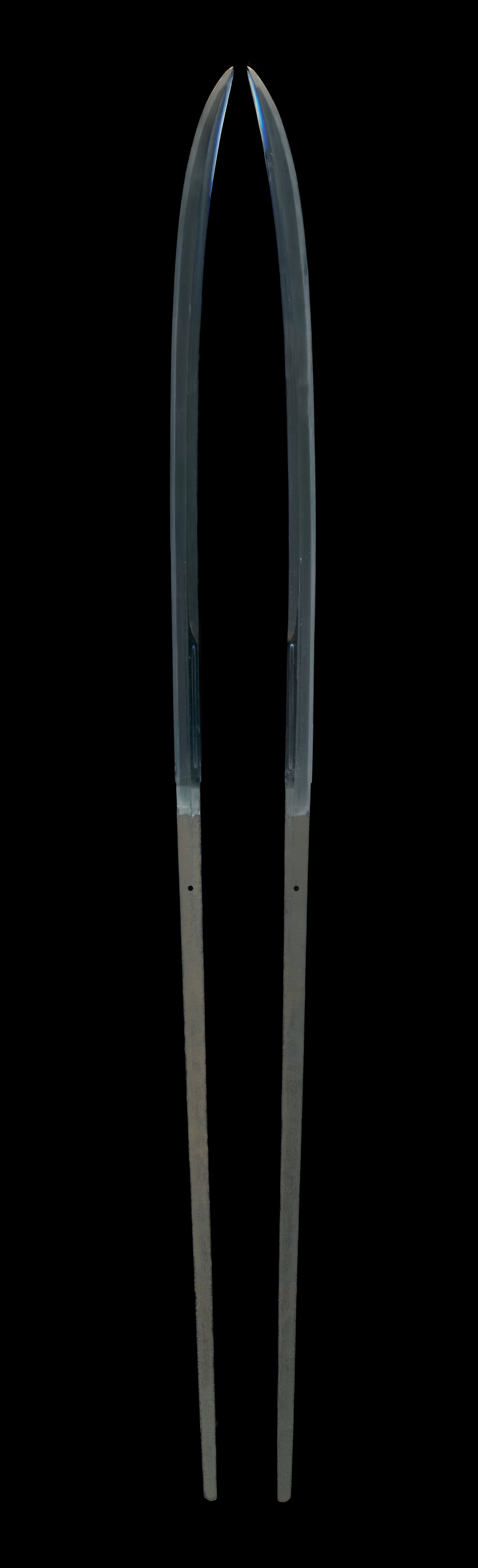
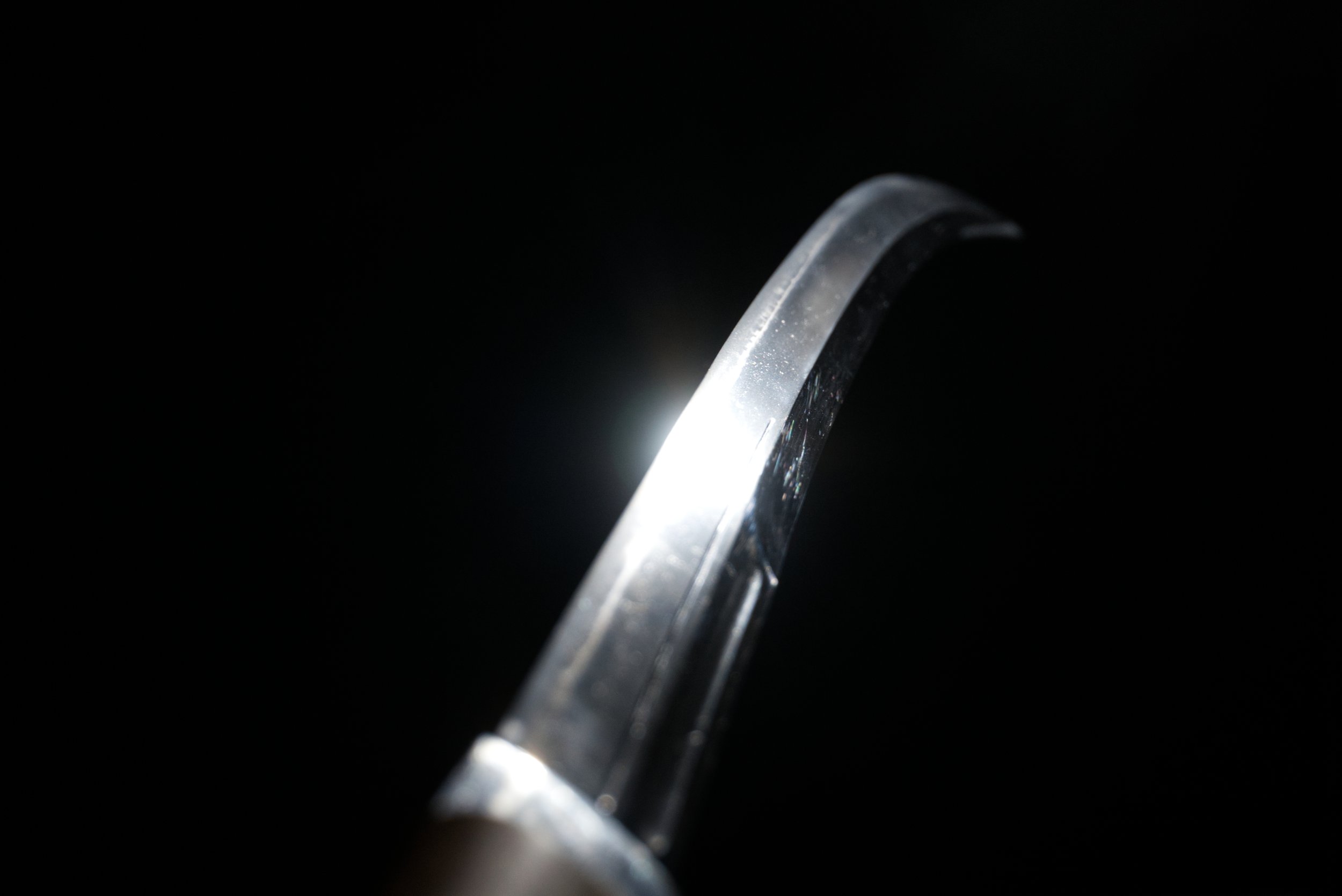
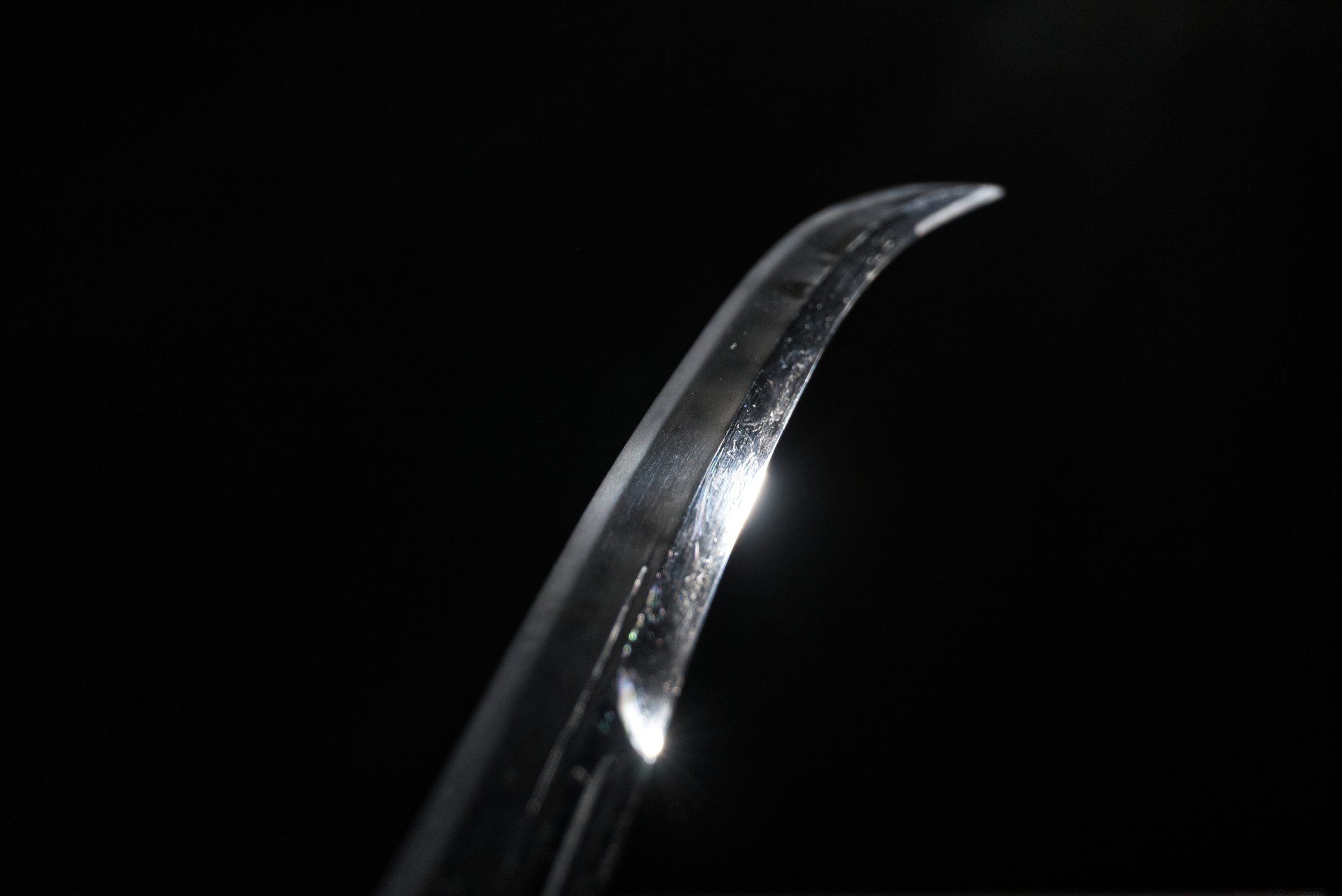
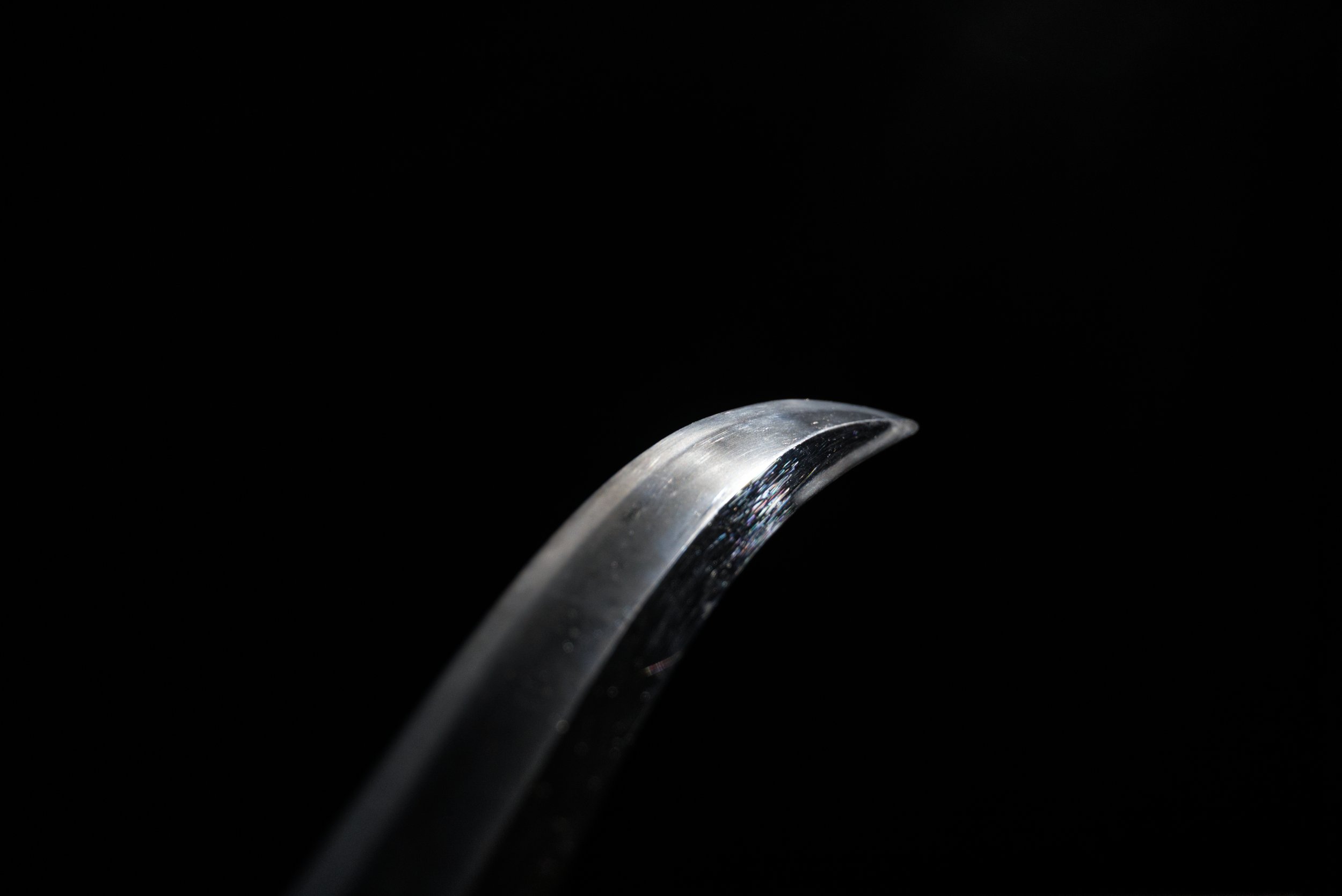
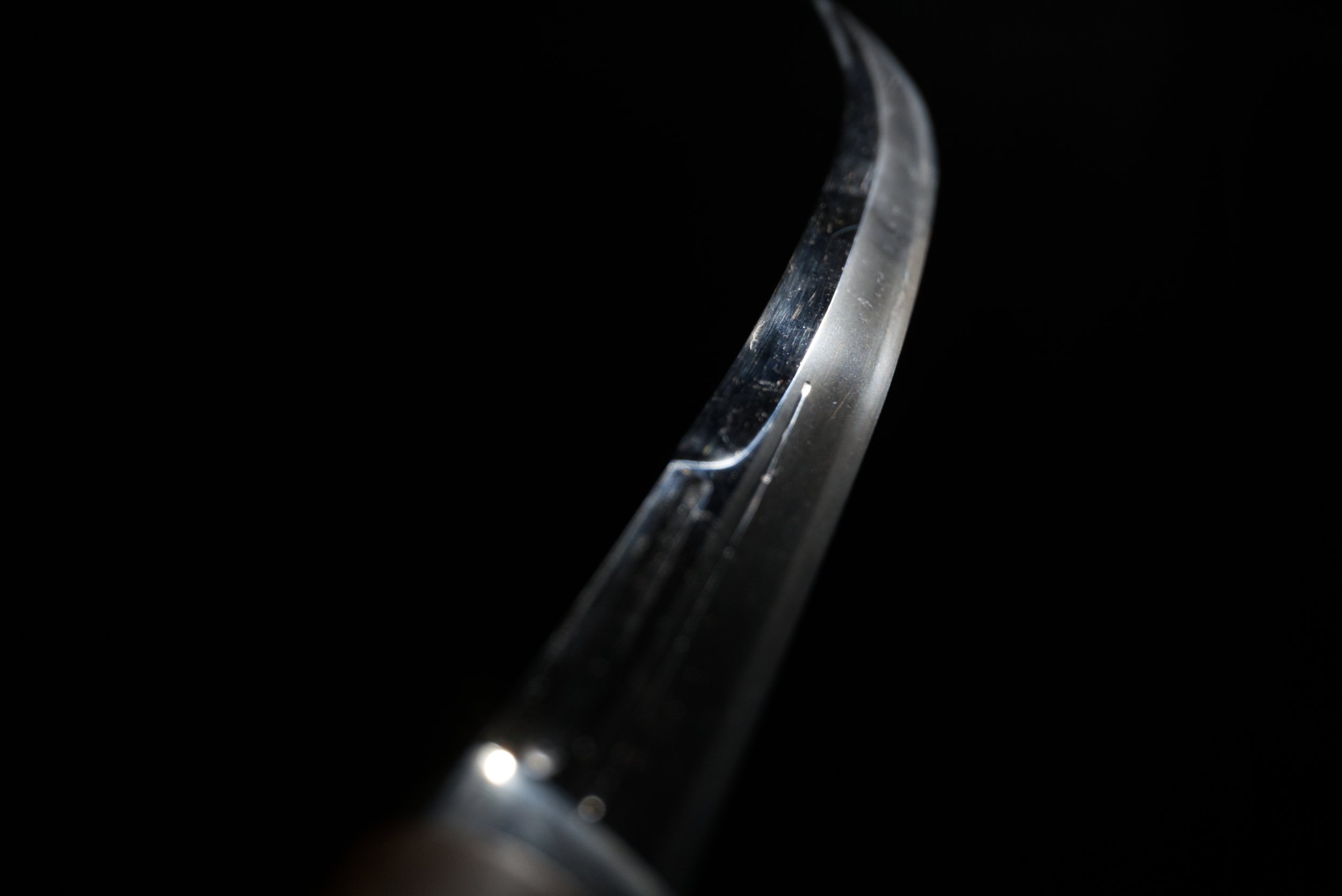
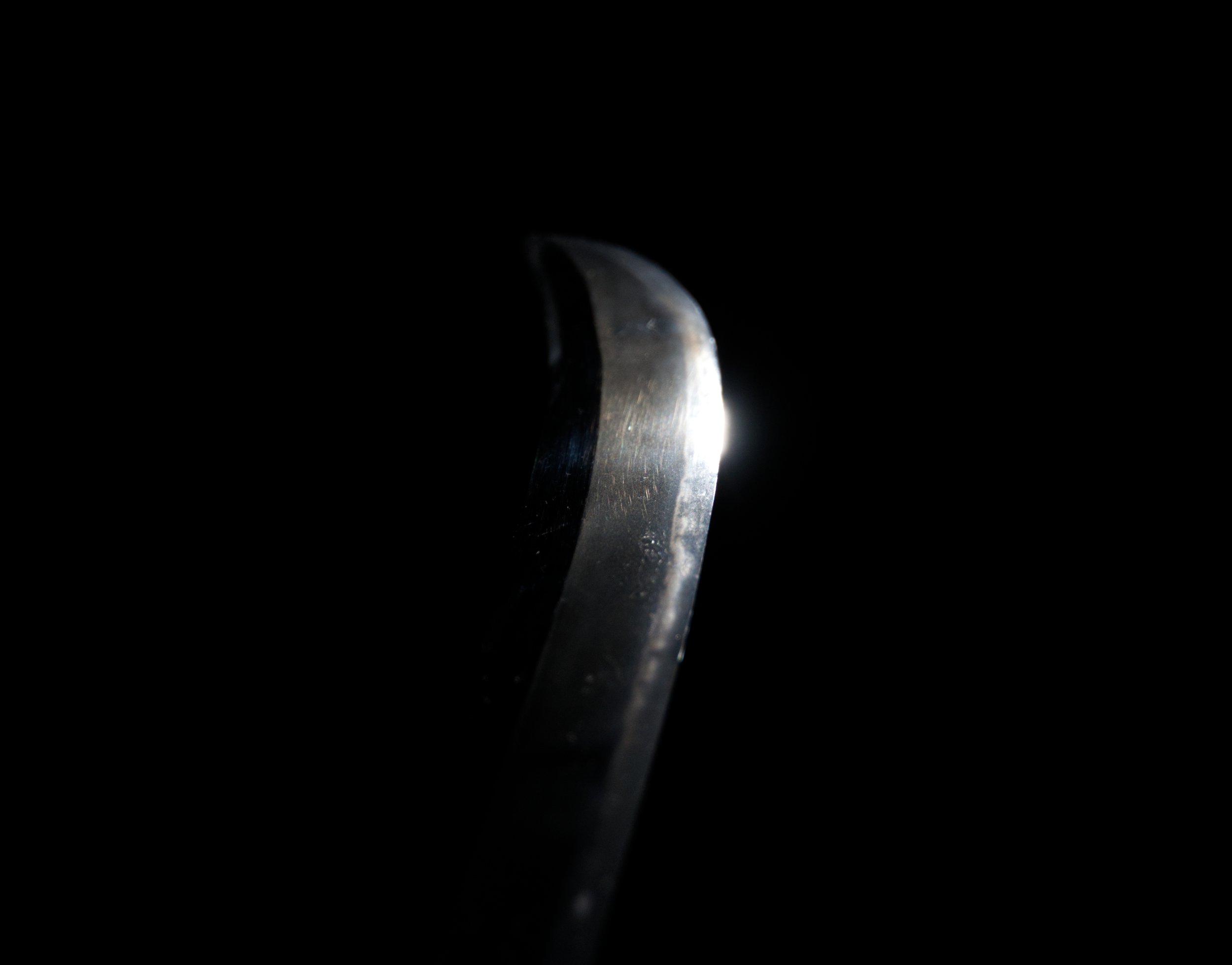
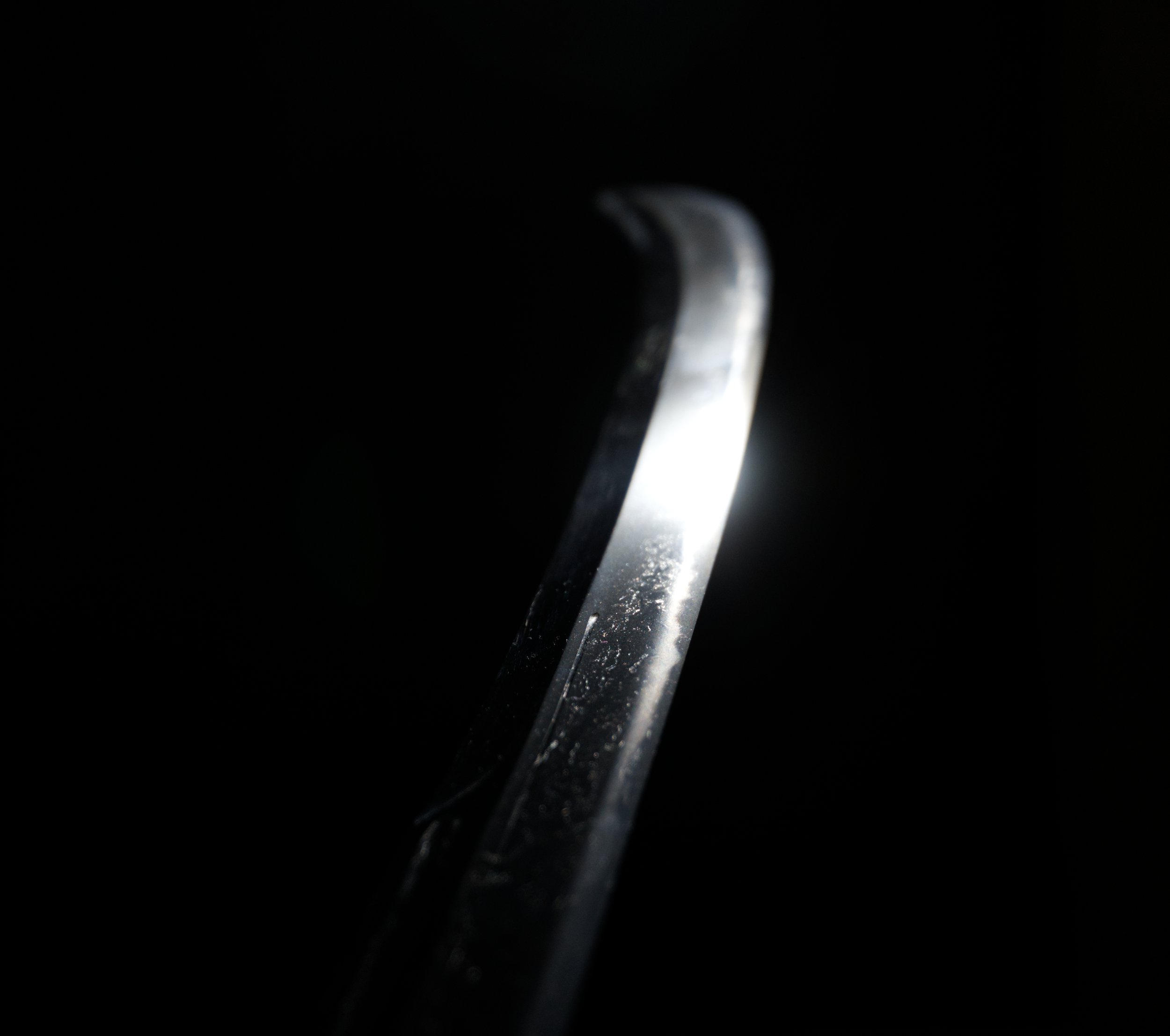
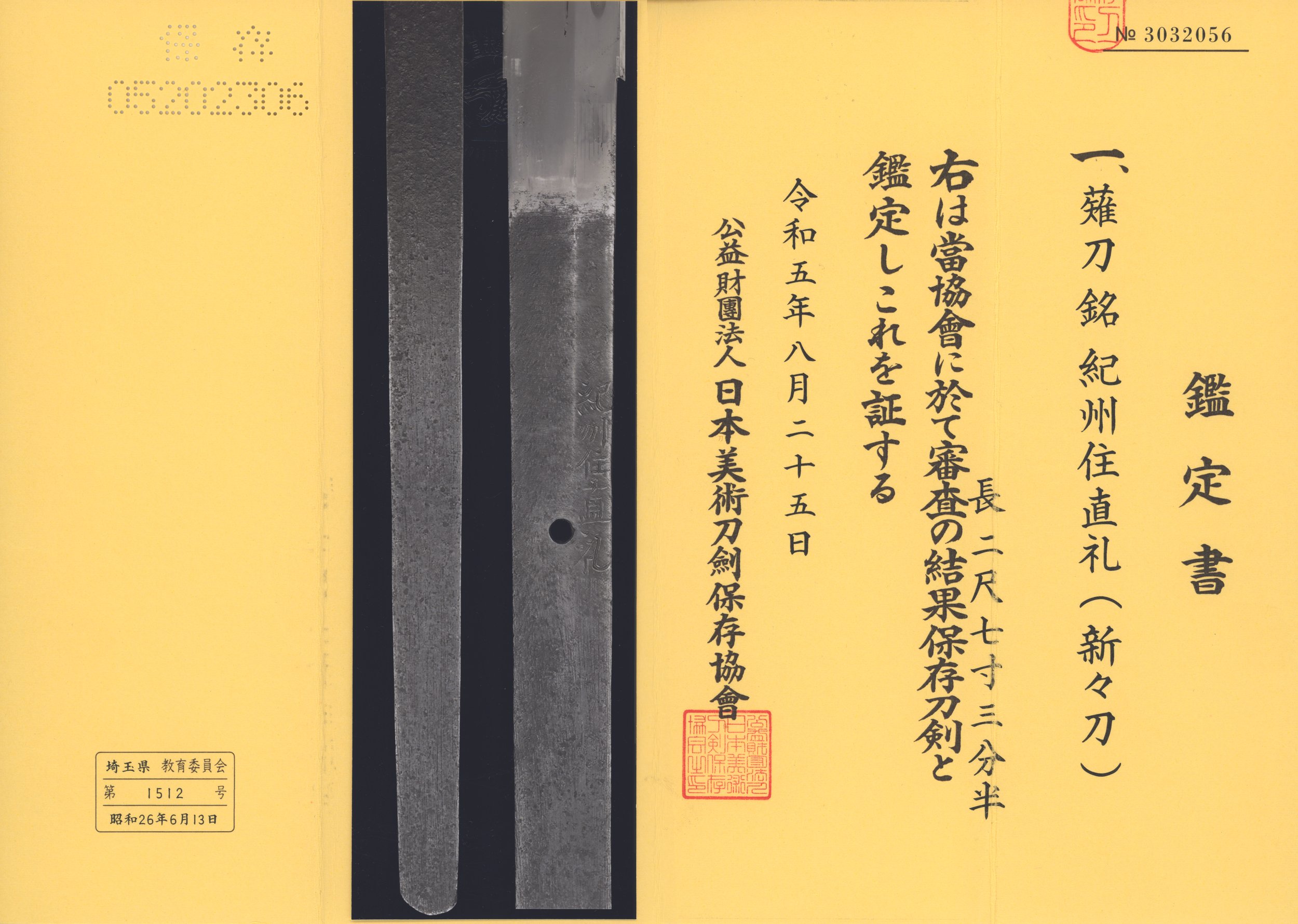
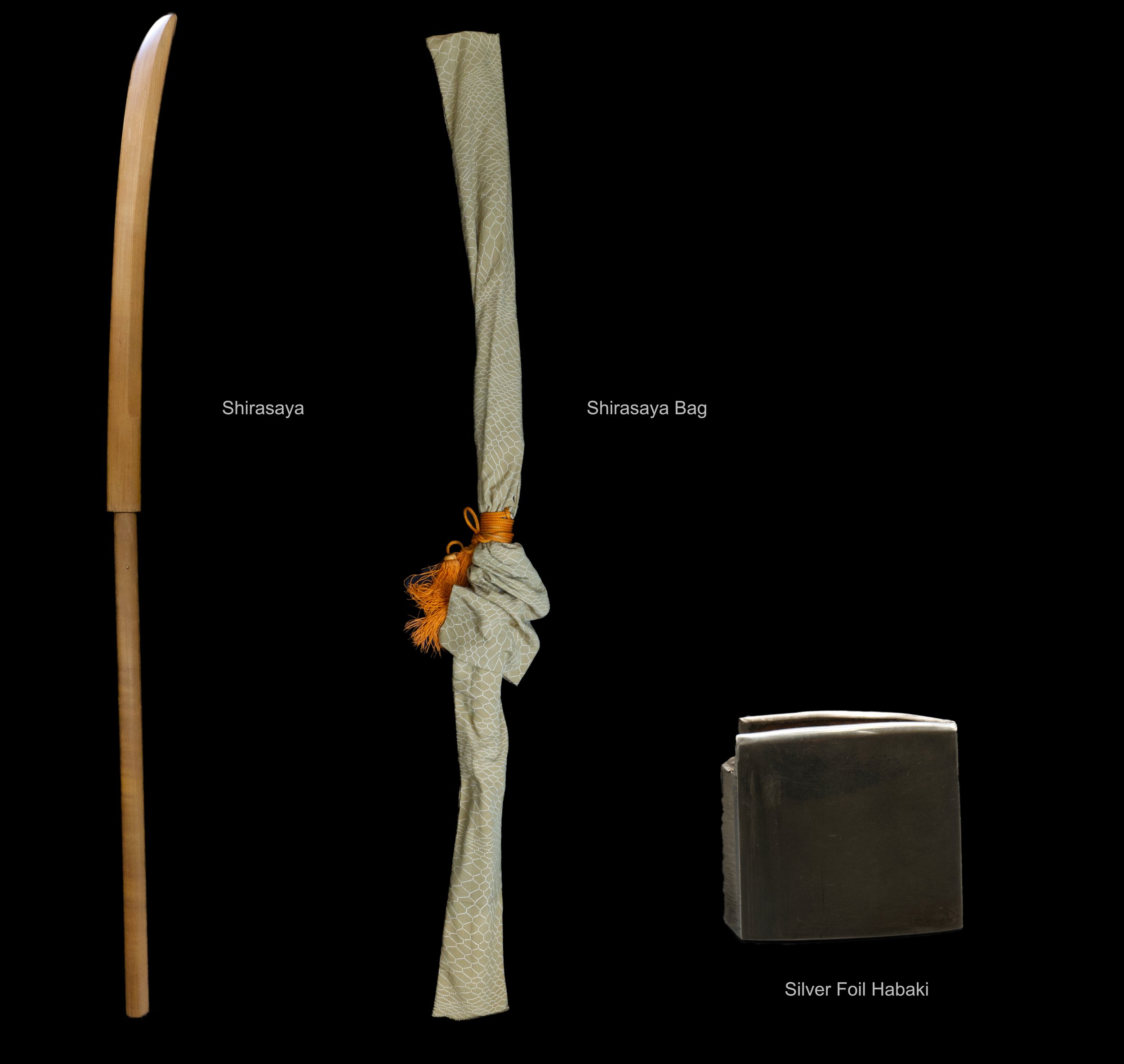
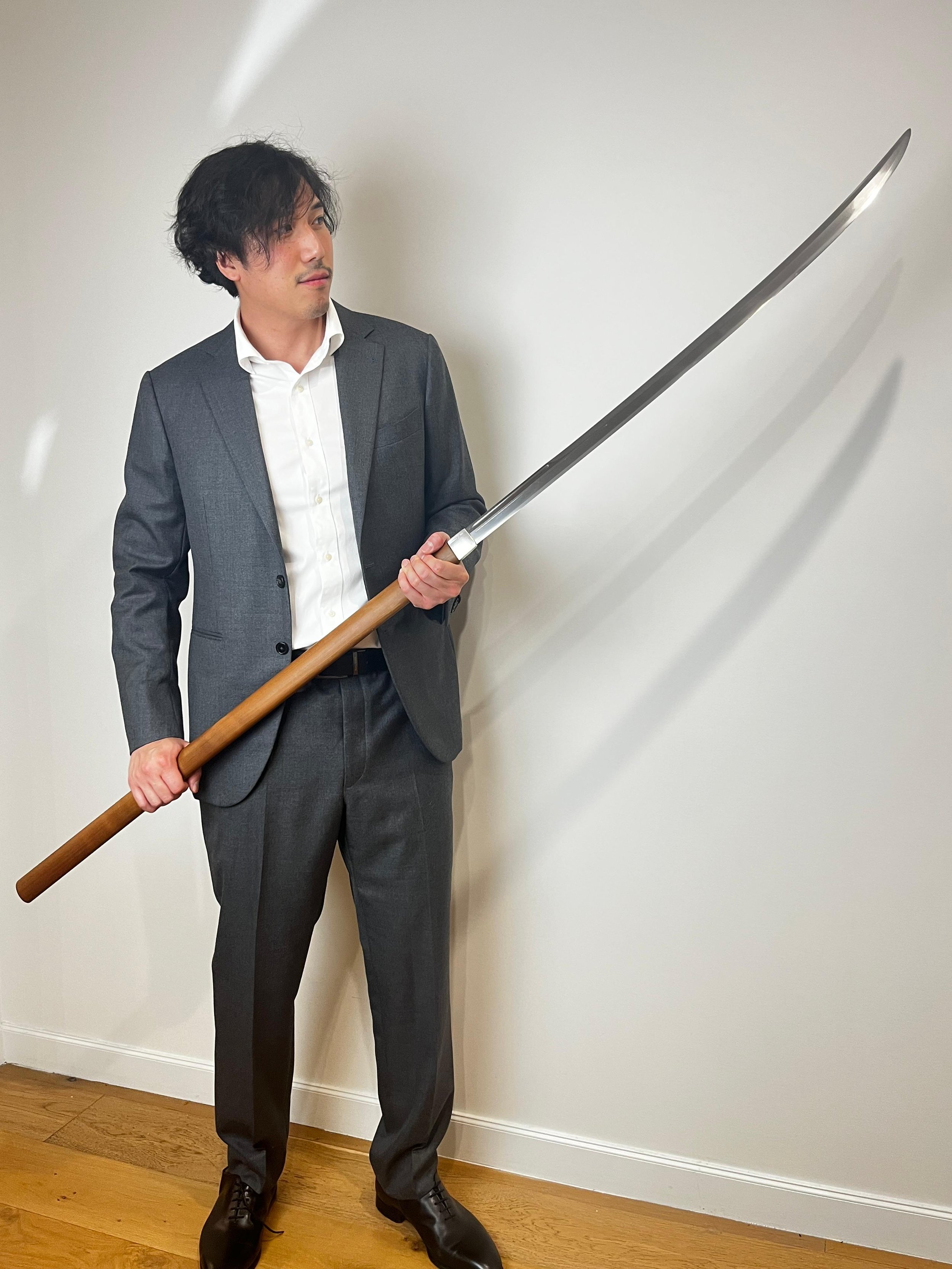
Shinshinto O-Naginata This is a substantial Shinshintō-period naginata signed Kishū-jū Naotomo. the blade is of exceptional size, condition, and form. Naginata of this length are extremely uncommon, particularly those made during the Edo period. Most surviving naginata typically have blade lengths in the range of 40–50 cm, whereas this example retains an impressive nagasa of 83.2 cm. The blade is notably wide and thick, with a strong motokasane that gives it a powerful and authoritative presence. Despite its size and substantial kasane, the naginata remains well balanced in hand, suggesting it was forged with practical use in mind rather than as a purely ceremonial piece. The curvature is moderate and well proportioned to the long nagasa, contributing to both visual presence and functional reach. The nakago is long and ubu, retaining its original shape, with a single mekugi-ana. The blade has been recognized by the NBTHK with Hozon papers, confirming its authenticity and period attribution. Signed, papered Naginata of this scale are seldom seen on the market, making this a particularly rare and desirable example for collectors of Japanese polearms. Overall, this is an impressive Edo-period naginata with commanding proportions, suited for the serious collector seeking a rare, large-scale, and properly authenticated example.
Offered by Toukentakarado
This piece has sold


As written by the shop
The Shinshintō revival
Around 1800 Suishinshi Masahide argued in his writings that the craft must return to the old masters’ methods: the fukkotō revival. His greatest successor Naotane worked convincingly in Bizen and Sōshū manners that had been dead for centuries.
Certifies a genuine blade worth preserving: a signature confirmed correct, or, if unsigned, an era, province, and school that the NBTHK can reliably identify.
The NBTHK (Nihon Bijutsu Tōken Hozon Kyōkai, the Society for the Preservation of Japanese Art Swords) is a public-interest incorporated foundation founded in 1948 and supervised by Japan’s Agency for Cultural Affairs (Bunkachō); it is based at the Japanese Sword Museum in Tokyo. Its expert panels physically examine each submitted work (shinsa) and issue a certificate (kanteishō) ranking it by artistic and historical merit. NBTHK papers are the most widely recognized standard of authentication for Japanese swords and fittings.
NBTHK official siteWe offer a three-day inspection period. To initiate a return, you must notify us within three days of the package being delivered. Once we confirm your request, you have seven days to ship the item back to us. The item must be returned in its original condition, including all accompanying documents, certificates, and packaging materials. The buyer is responsible for covering the shipping costs and insurance for the return shipment.