Perry’s arrival in 1853 unraveled the Tokugawa peace and created the first mass demand for working swords in two centuries. Kiyomaro, called the Masamune of Yotsuya, died on its eve; Munetsugu and Yukihide carried the boom to the end.
 NihontoWatchNihontoWatch
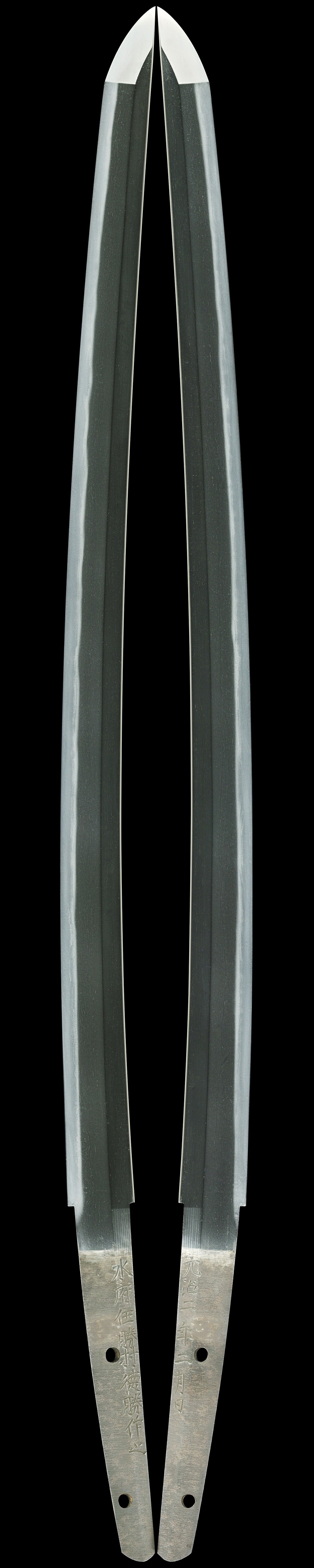
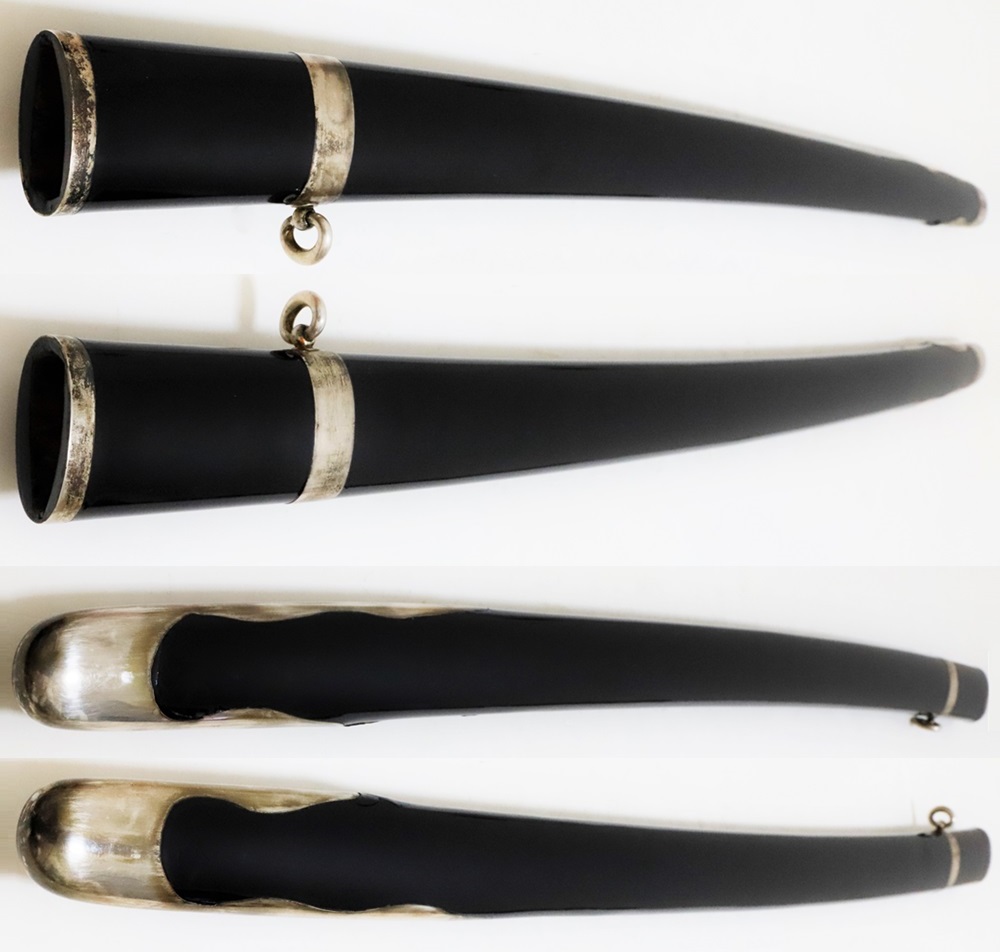
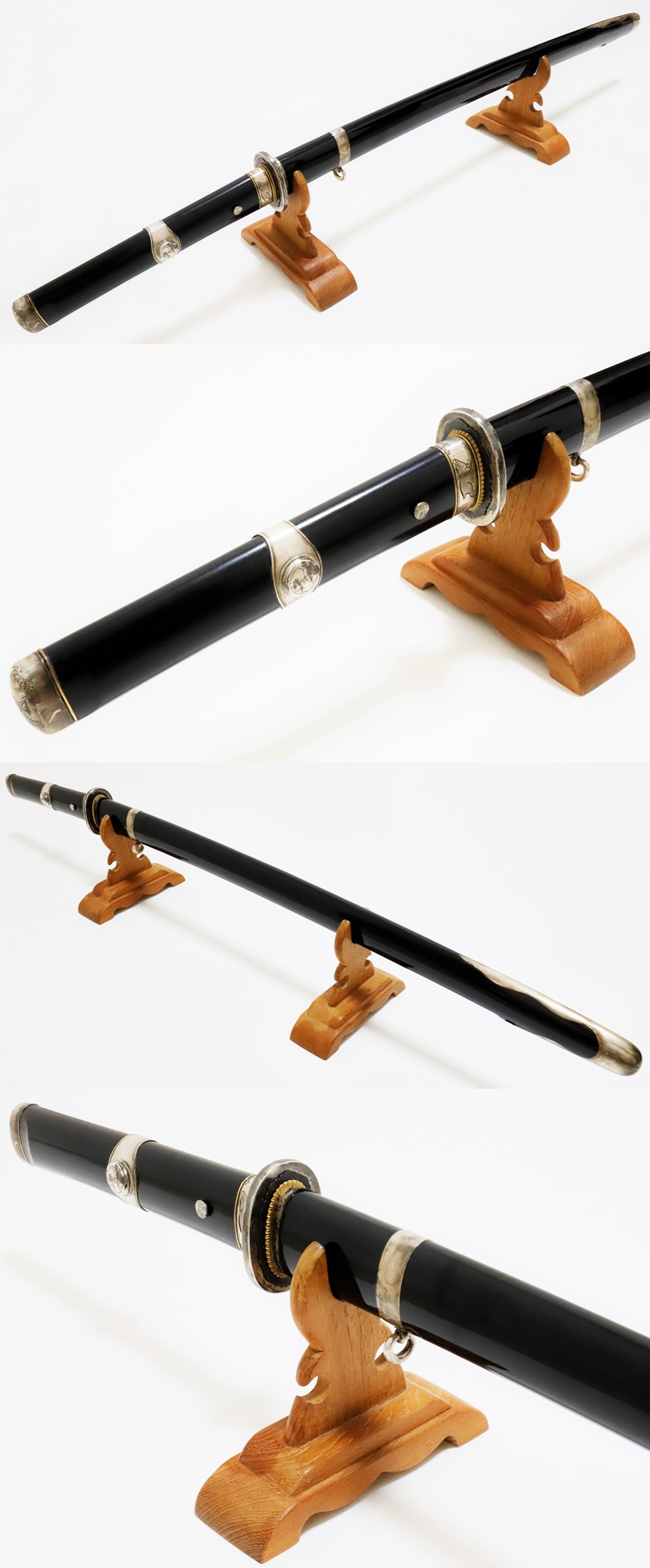
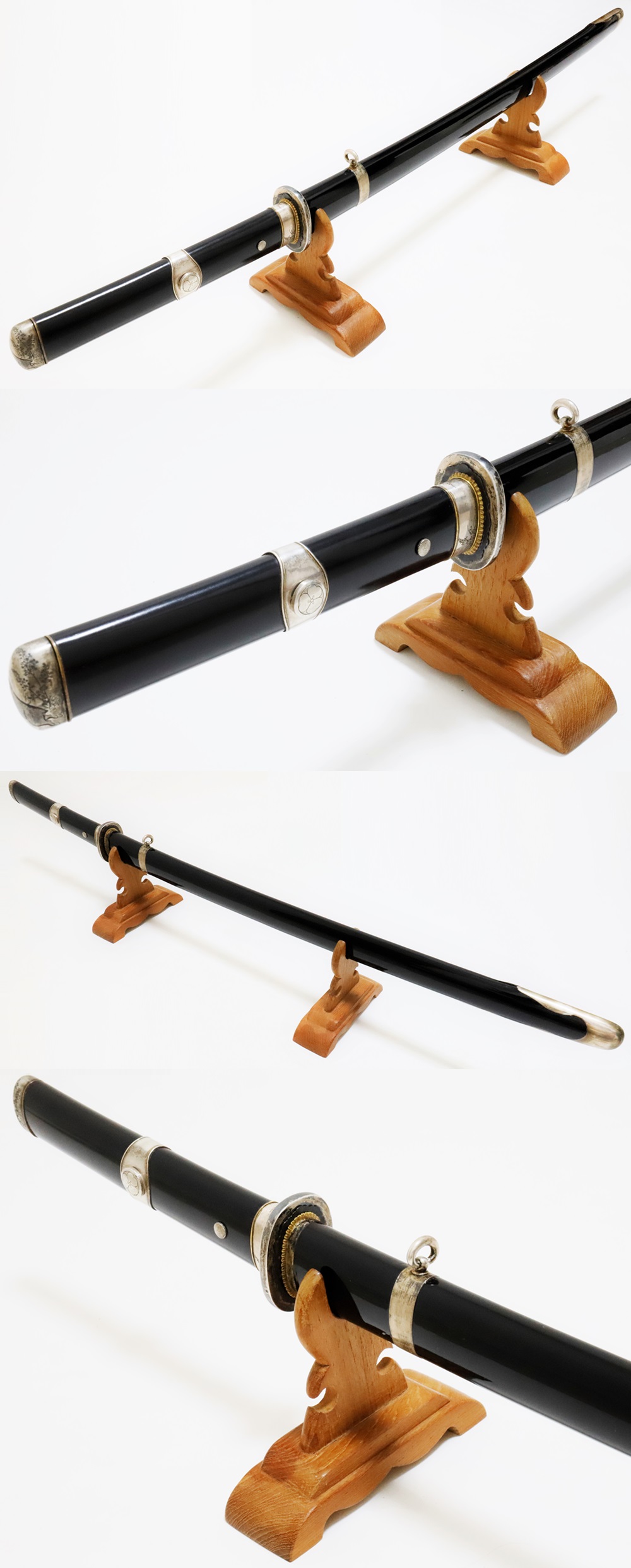
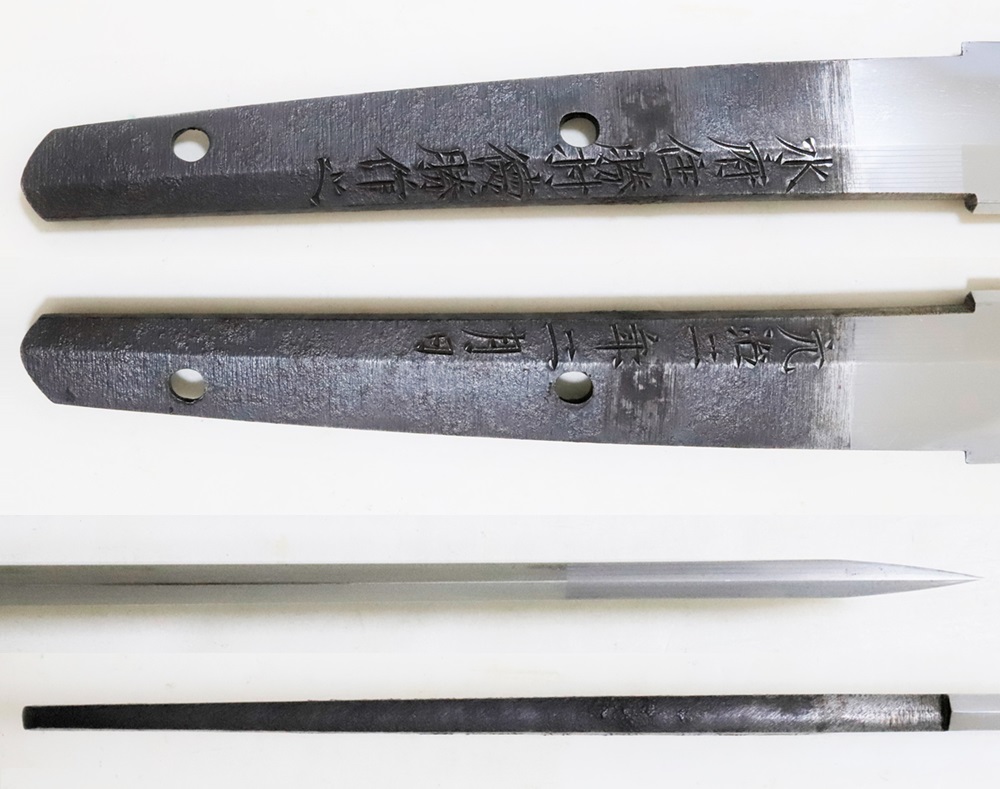
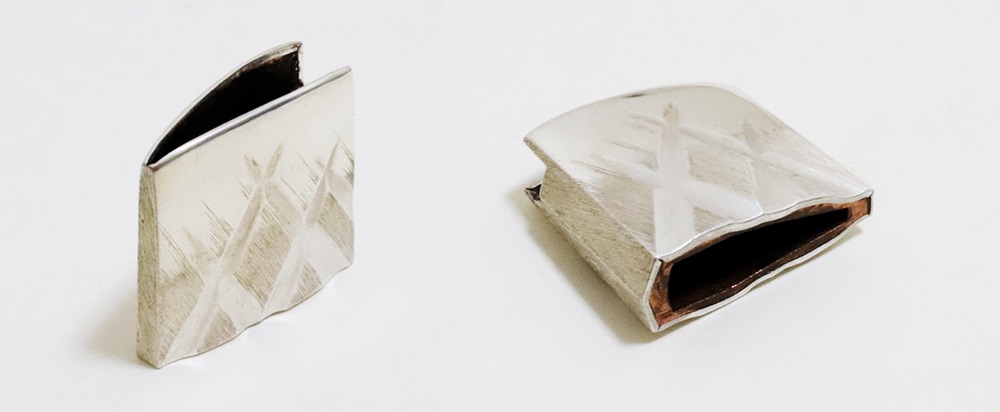
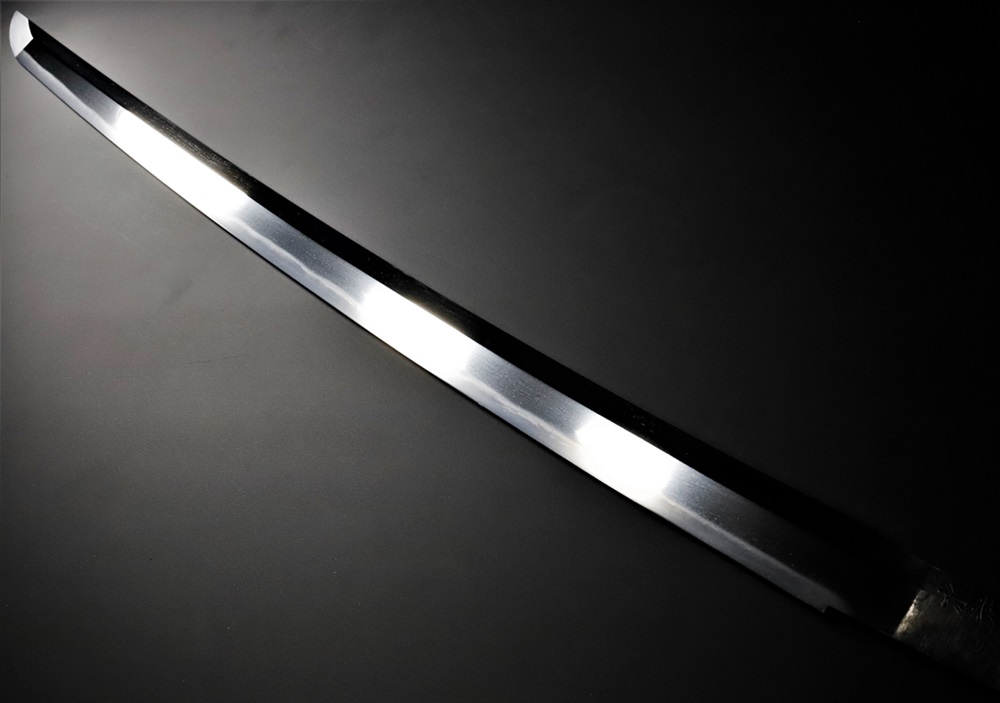
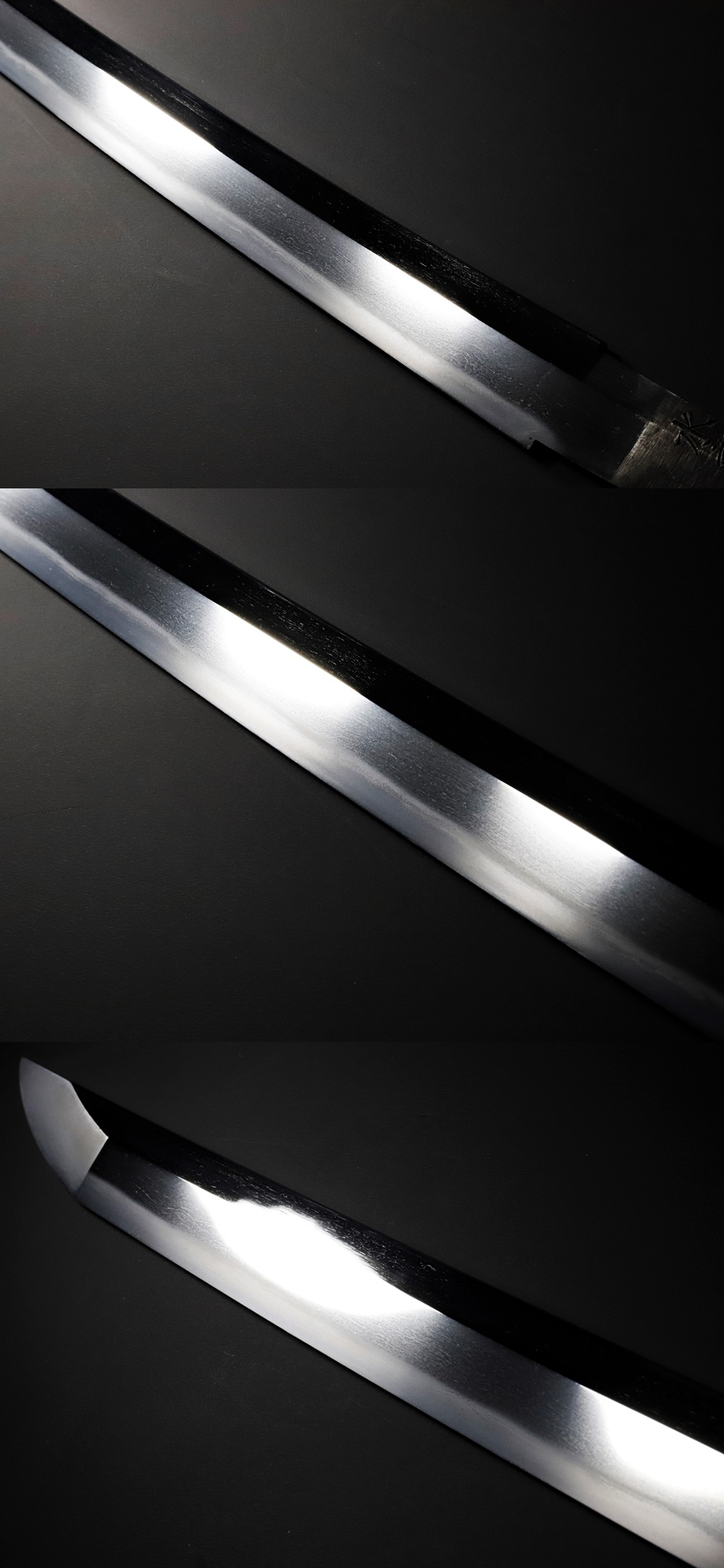
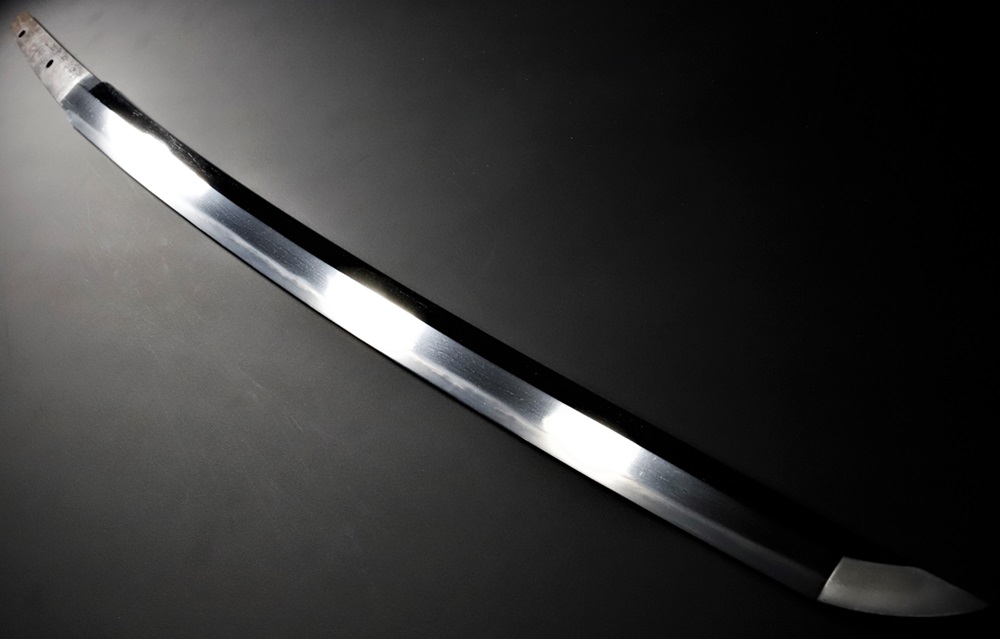
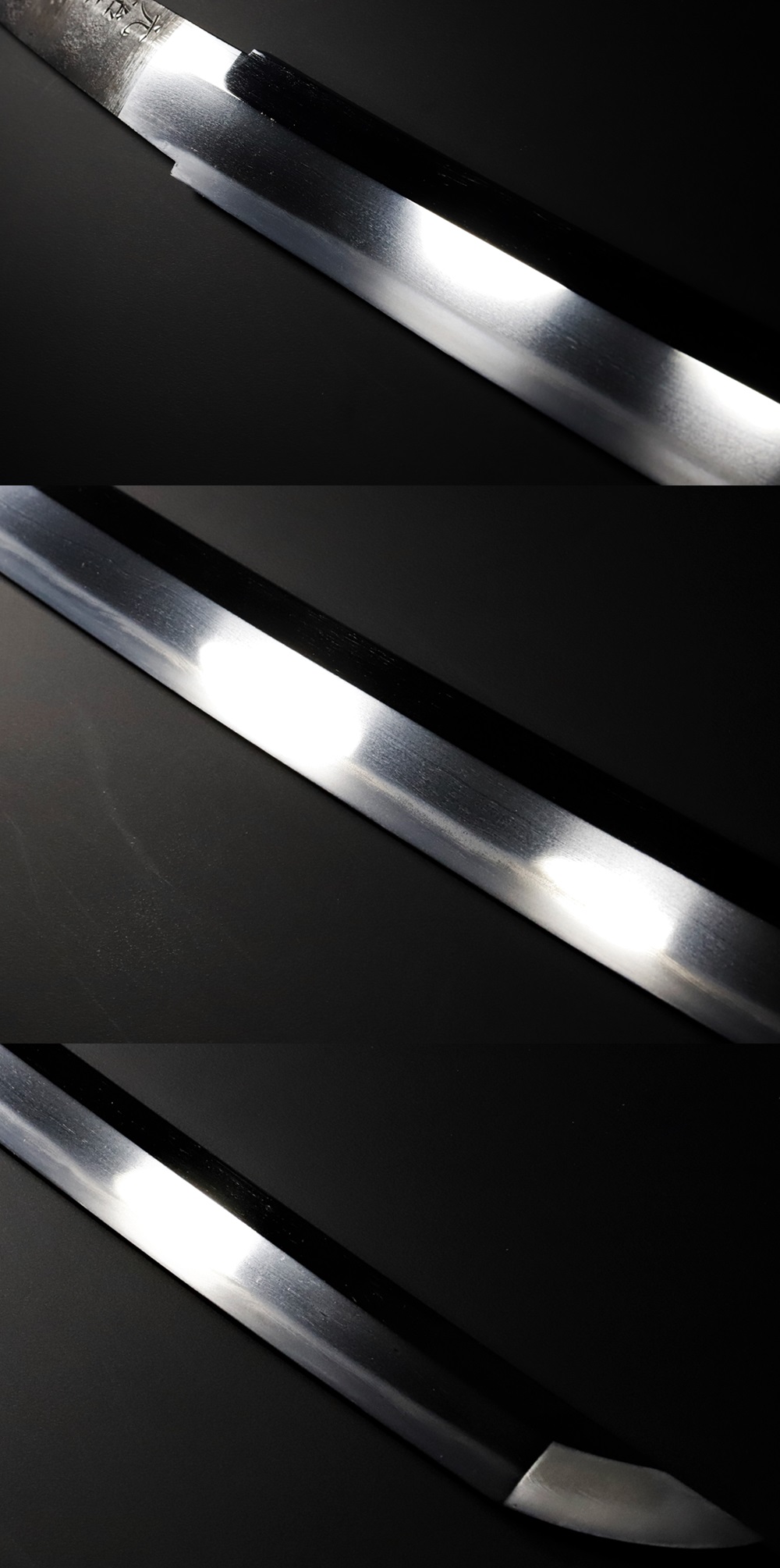
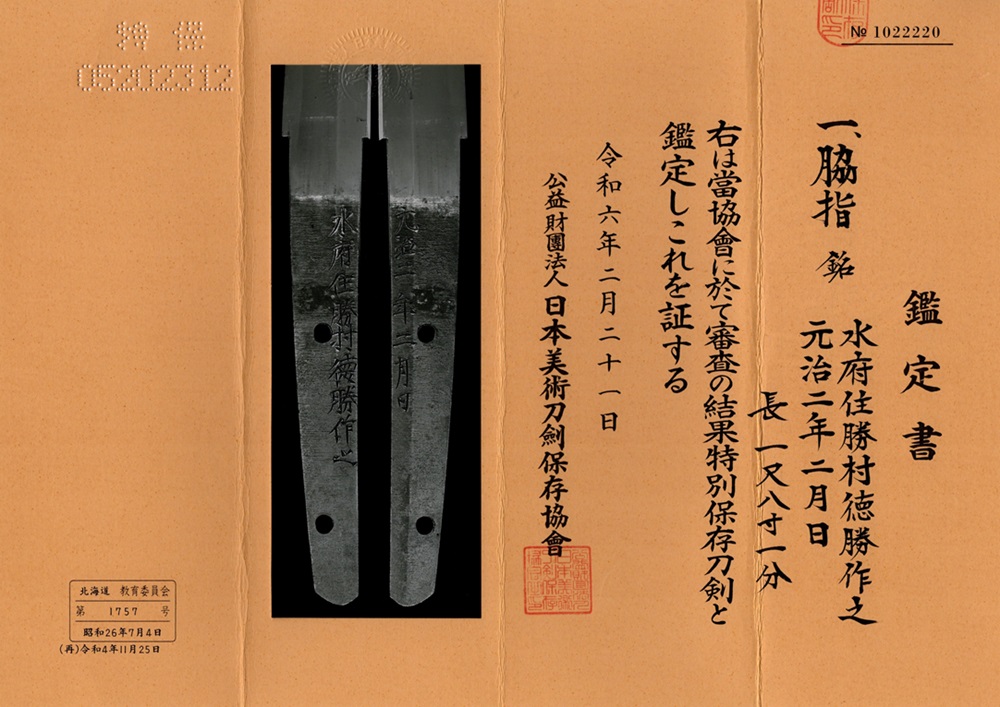
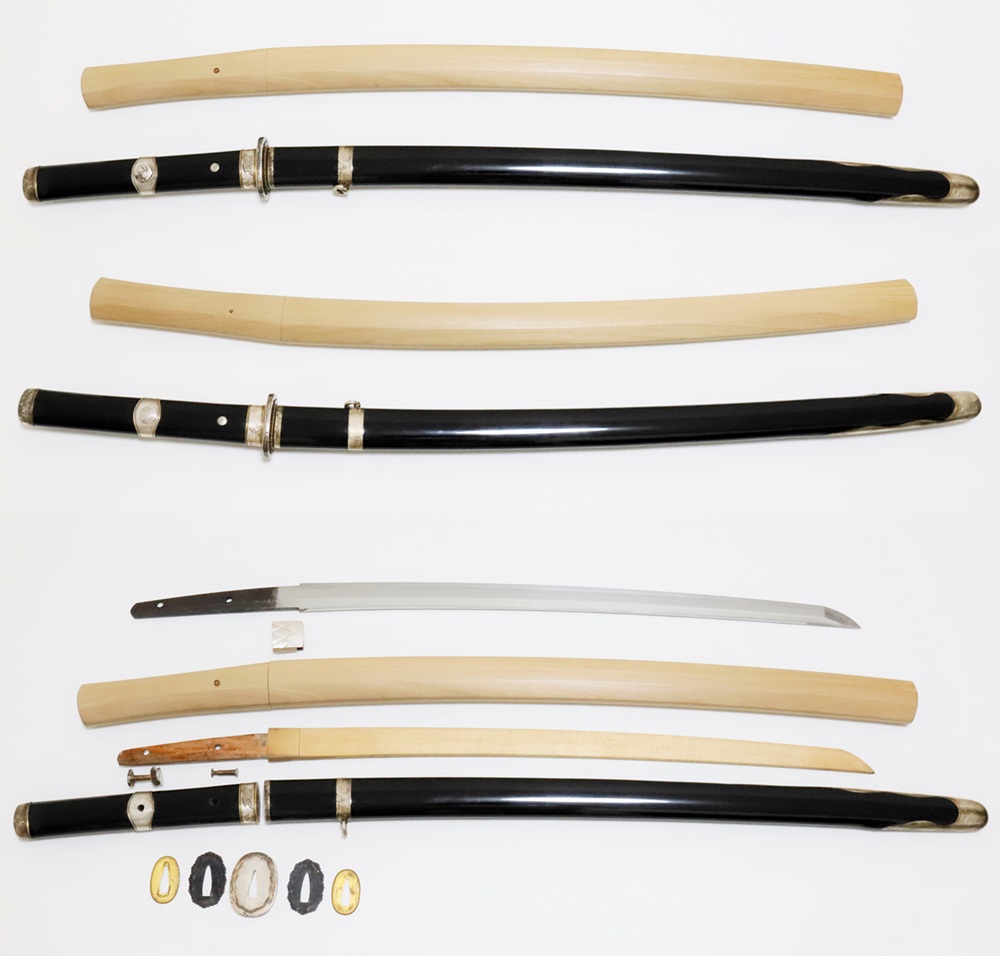
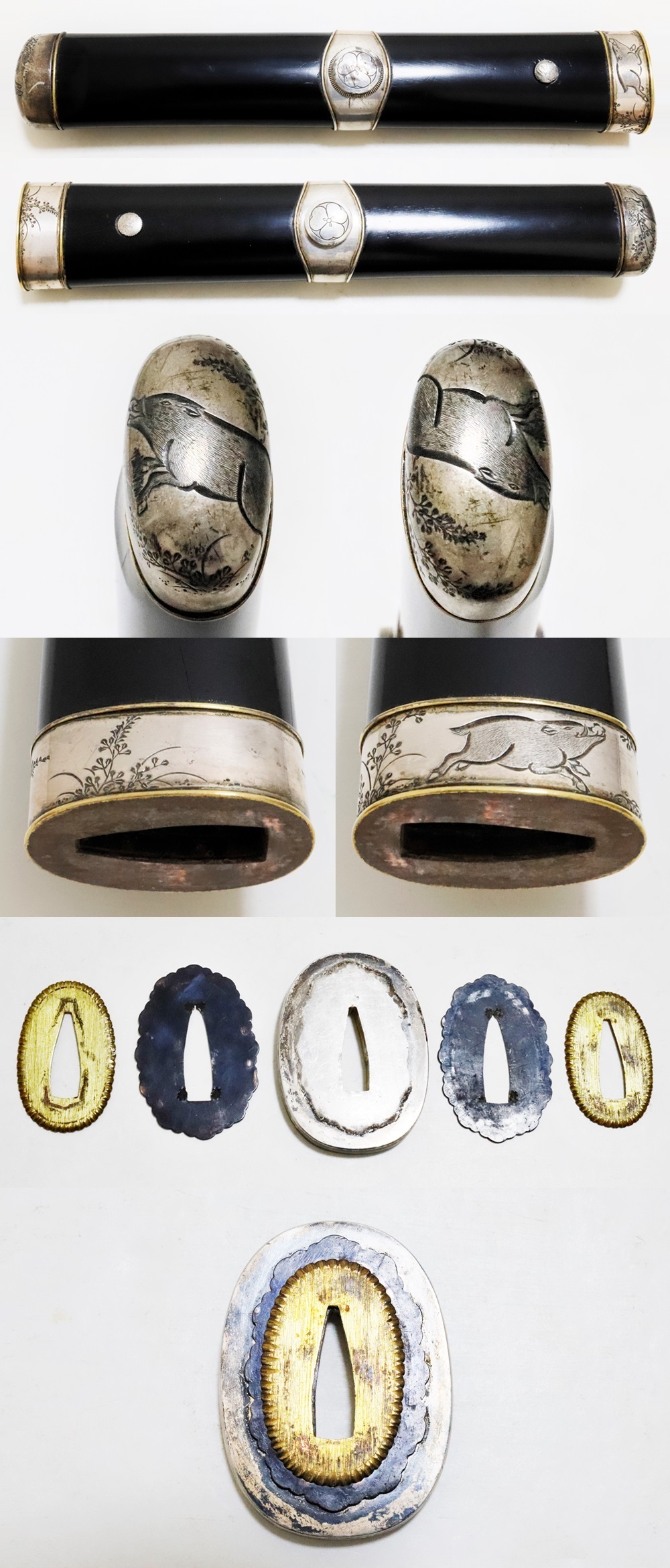
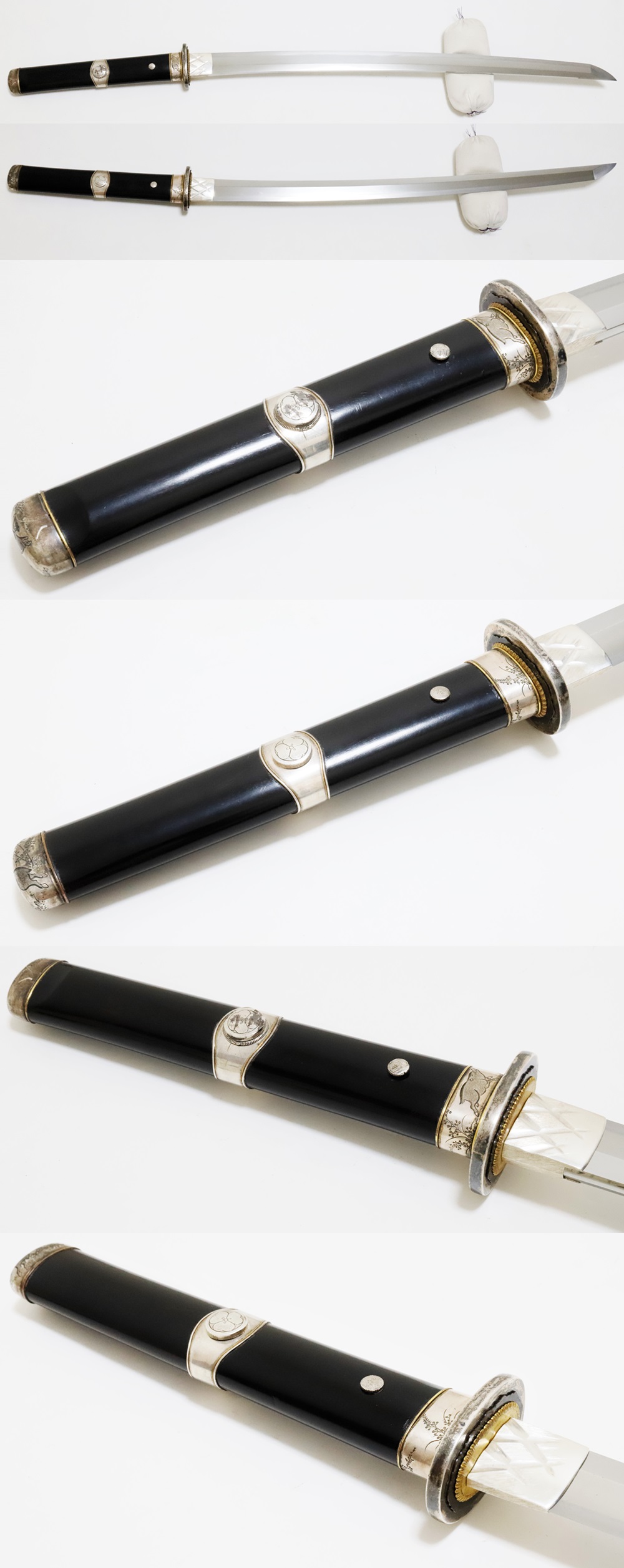
This wakizashi is by Katsumura Tokukatsu, a Mito domain samurai born in 1809. He studied under Sekinai Tokuso and later received forging secrets from Hosokawa Masayoshi, Koyama Munetsugu, and Unju Korekazu. This piece, dated 1865 when Tokukatsu was 56, showcases his characteristic fine masame-hada. It comes with a late Edo period Toppei koshirae and passed Tokubetsu Hozon in 2024.
Certificate reading — 銘 水府住勝村徳勝作之 元治二年二月日
NihontoWatchMito (Swordsmiths) School水戸鍛冶派
Offered by Touken Matsumoto


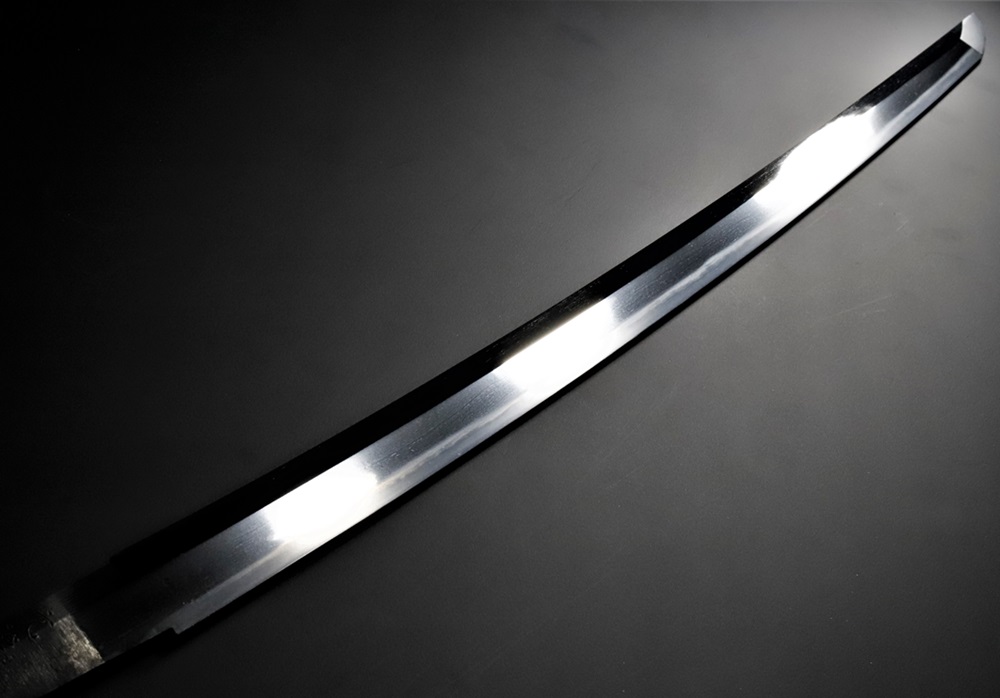
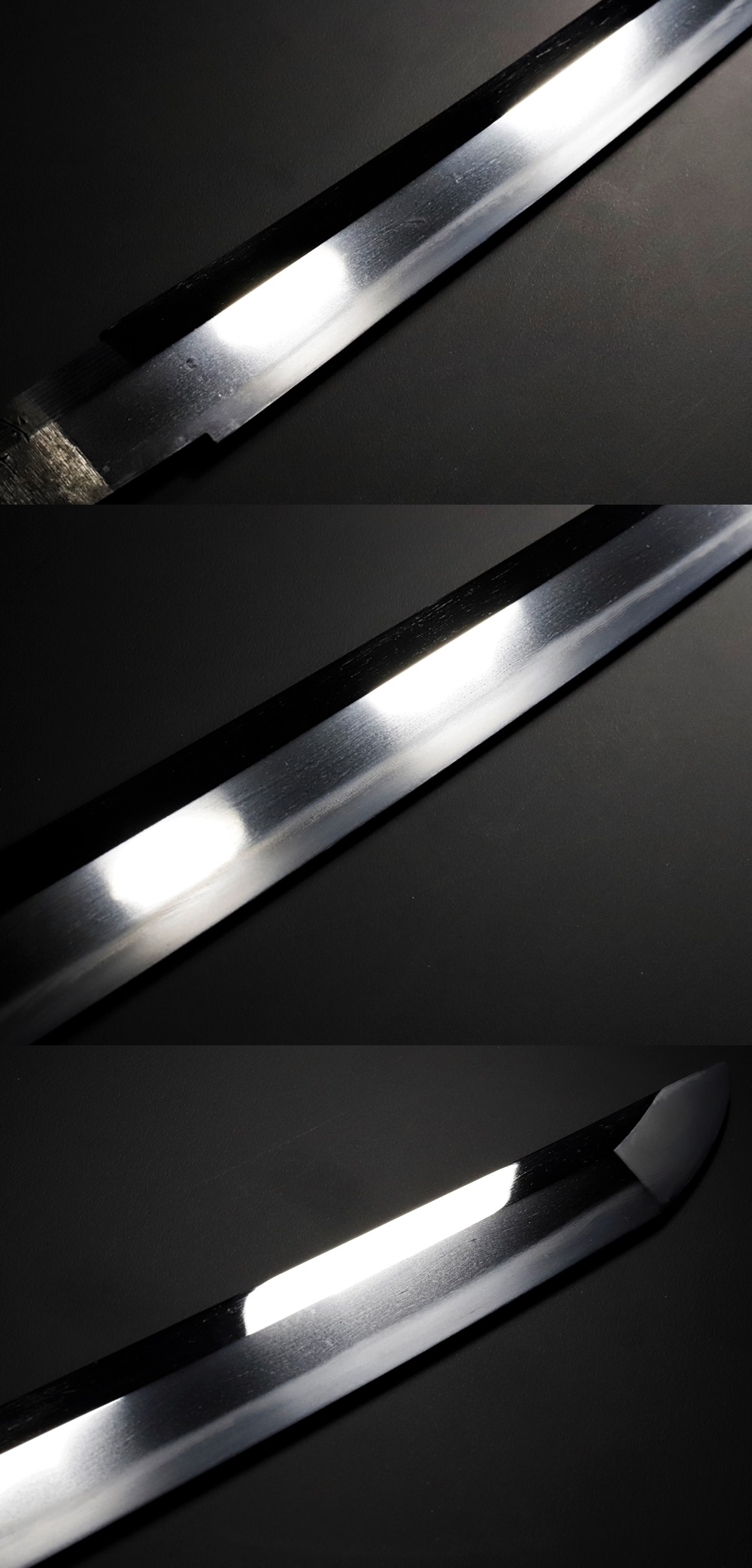
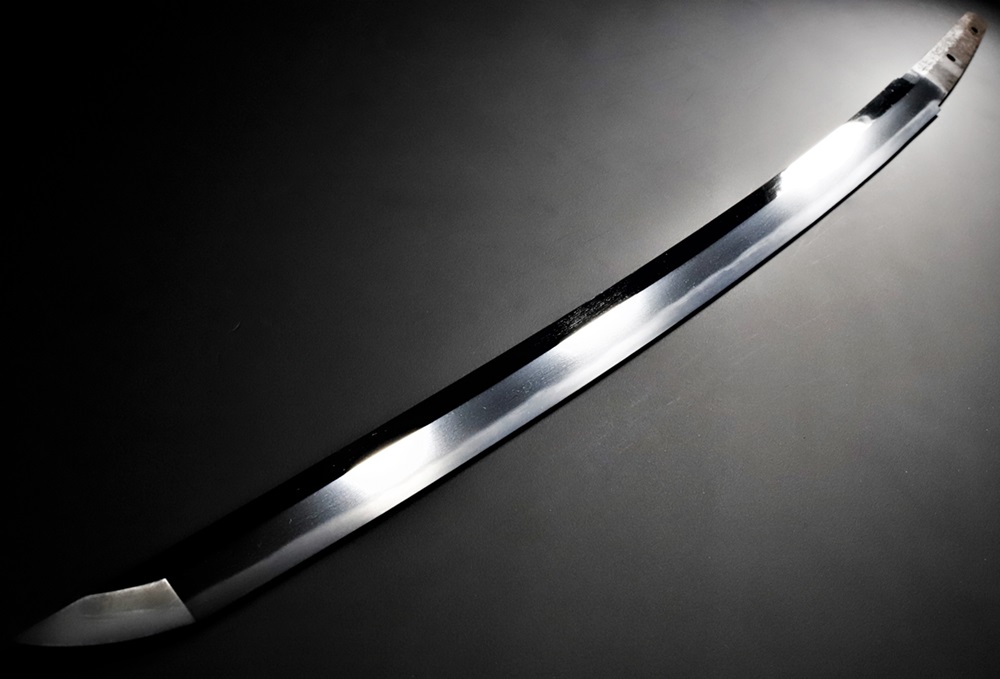
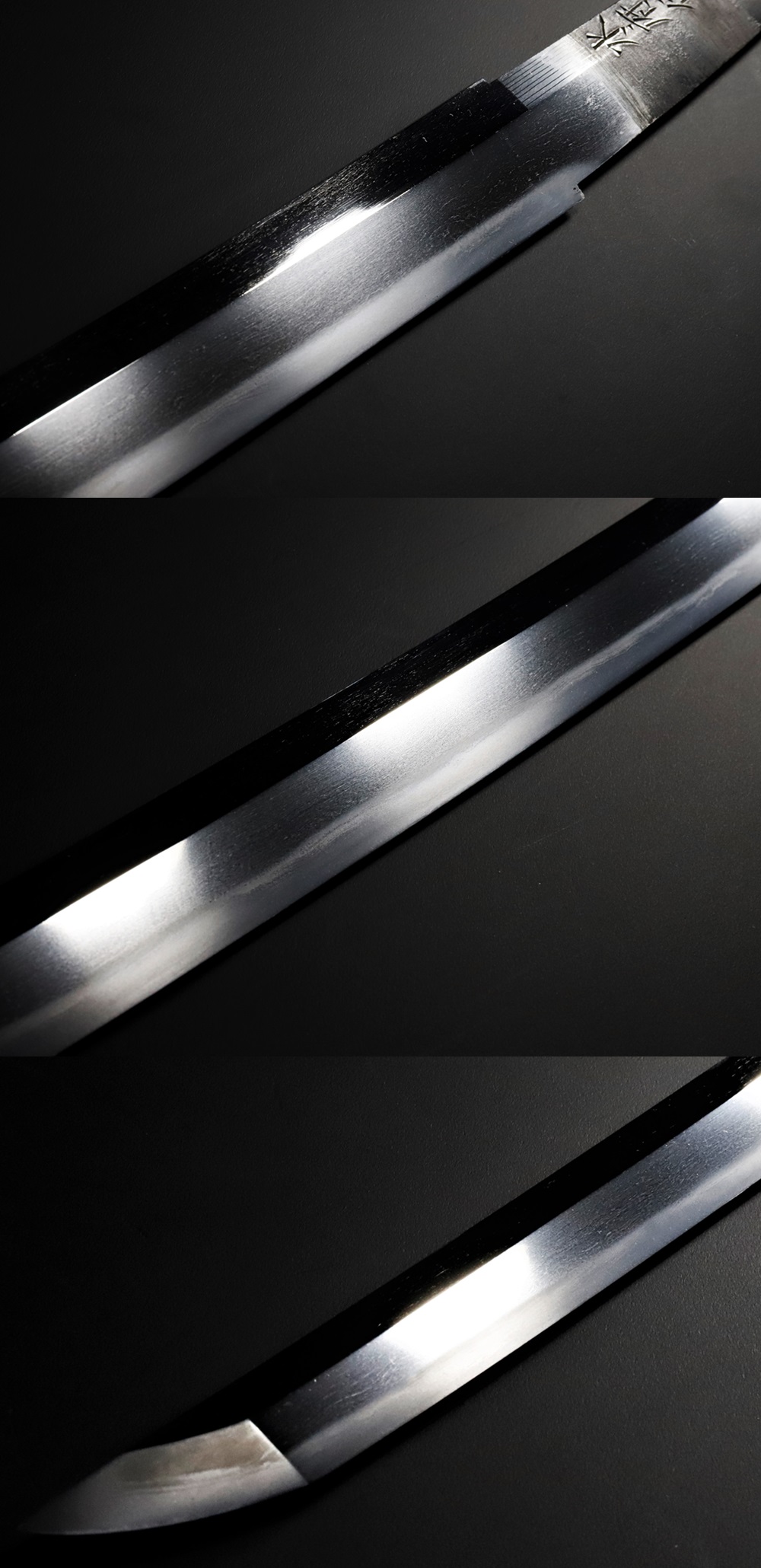
Shinshinto · Hitachi
5 pieces on the market now
The Mito swordsmiths worked under the Tokugawa branch house that governed Suifu (水府) in Hitachi province during the closing decades of the Edo period. The setsumei gather two principal hands whose blades carry the shinshintō date inscriptions of the Bunka through Keiō years, together with a daishō by the tenth lord of the domain. Ichige Tokuchika (市毛徳鄰, also recorded with the title Ōmi-no-suke and at times read Tokurin), common name Genzaemon, was born in An'ei 6 (1777); he first studied under the domain smith Kume Naganori, then traveled to Osaka to train in the school of Ozaki Suketaka, and in Bunka 6 (1809) was taken on as an officially retained smith of the domain. Katsumura Tokukatsu (勝村徳勝), common name Hikoroku, was born in Bunka 6 (1809) in Mito and learned first from the domain smith Sekinai Tokumune; in Kaei 5 (1852) he was sent by domain order up to Edo, where the records say he entered the circles of Hosokawa Masayoshi and the Ishidō smith Unju Korekazu, and in the Bunkyū years he relocated to the Mito residence at Koishikawa. The third name is Tokugawa Keitoku (順公, Junkō), tenth lord of the domain, whose daishō survives in a black wax-lacquer mounting with hollyhock-crested fittings by the domain artisan Tamagawa Yoshihisa. The setsumei place all of this within the bakumatsu service of a domain whose Tokugawa loyalist temper is felt in the martial bearing of its blades. The two productive hands do not share a single style, and the setsumei keep them apart. Tokuchika is read primarily through his Osaka schooling: a tightly forged ko-itame with dense ji-nie and fine chikei, and a tempering range that runs from large gunome-midare swept into a billowing tōran manner after Suketaka, to a quieter suguha with shallow notare that the writers compare to Shinkai and to Suishinshi Naotane. His hamon characteristically opens with a yakidashi, carries deep nioi and thick nie, and shows kinsuji and sunagashi against a bright nioiguchi; the bōshi turns in ko-maru with a long kaeri.
Tokukatsu reads as the opposite temperament. The setsumei describe broad, long blades of thick kasane and shallow sori with an imposing martial form, forged in masame-hada that tends toward standing grain, tempered in a chū-suguha base with shallow notare and intermittent ko-gunome, the habuchi breaking into hotsure with abundant sunagashi and kinsuji, and a bōshi swept with vigorous hakikake. The writers read in this a Yamato temperament and link his later work directly to the Shikkake tradition, noting that his early period followed Sekinai's itame and gunome before he settled into the masame and suguha of Yamato-den. For kantei, the recurring inscriptions Suifu-jū, Mito-jū, and Tosumi anchor the signatures, with Tokuchika's wording shifting from Mito-jū to Suifu-jū around the Bunsei era, a marker the writers use to date the work. Several blades carry named or recorded provenance: a Tokukatsu katana bears the inscription naming Sakai Tadahiro of Shizuoka, another is styled with the gō Shōri-ken (勝利剣, "Victory"), and a third was judged to carry a daimei by his disciple Masakatsu. The setsumei also record the Imperial line: a wakizashi signed Mito Hachiman-jū Ichige Tokurin, presented through the Governor of Ibaraki, is recorded in Honma's inventory of the Imperial collection, and there the writers name Tokuchika the finest of the Mito shinshintō smiths. Horimono appear rarely, the Tokukatsu katana with bonji and sankō-ken in ukibori being noted as unusual for his hand. Across the corpus the writers treat Tokuchika's tōran and Shinkai-toned work and Tokukatsu's Yamato-den masame as the two distinct registers by which Mito blades of the bakumatsu are recognized. Learn more →
| Smith | Era | Designated |
|---|---|---|
| Tokurin徳鄰 | 1812-1830 | 11 |
| Norikatsu徳勝 | 1848-1872 | 5 |
| Norikatsu徳勝 | 1868-1912 | 0 |
| Yoshiatsu慶篤 | — | 1 |
| Tokurin徳隣 | 1818-1830 | 1 |
Bakumatsu: the last war market
Perry’s arrival in 1853 unraveled the Tokugawa peace and created the first mass demand for working swords in two centuries. Kiyomaro, called the Masamune of Yotsuya, died on its eve; Munetsugu and Yukihide carried the boom to the end.
A Hozon-certified blade judged to show notably superior workmanship and a better state of preservation. The bar is higher: re-tempered blades and most unsigned Muromachi/Edo works are excluded.
The NBTHK (Nihon Bijutsu Tōken Hozon Kyōkai, the Society for the Preservation of Japanese Art Swords) is a public-interest incorporated foundation founded in 1948 and supervised by Japan’s Agency for Cultural Affairs (Bunkachō); it is based at the Japanese Sword Museum in Tokyo. Its expert panels physically examine each submitted work (shinsa) and issue a certificate (kanteishō) ranking it by artistic and historical merit. NBTHK papers are the most widely recognized standard of authentication for Japanese swords and fittings.
NBTHK official siteDomestic: items may be returned within 7 days in original condition for a full refund (buyer covers transport). Overseas orders: no-refunds, no-returns.