Two courts, sixty years of war, and the most dramatic silhouettes in the sword’s history: broad blades, extended points, true ōdachi later cut down into the majestic katana collectors prize. The Sōshū manner was the style of the age.
 NihontoWatchNihontoWatch
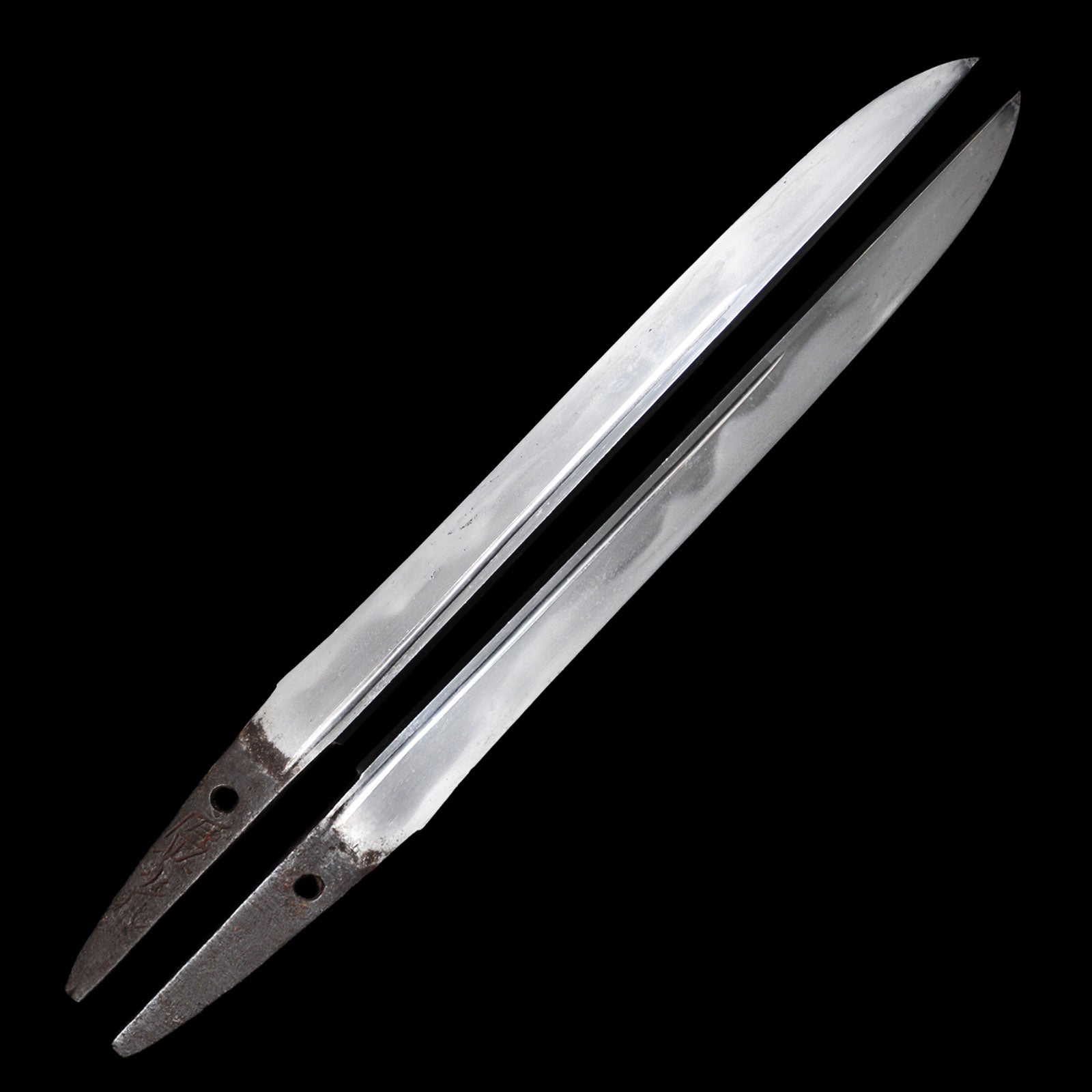
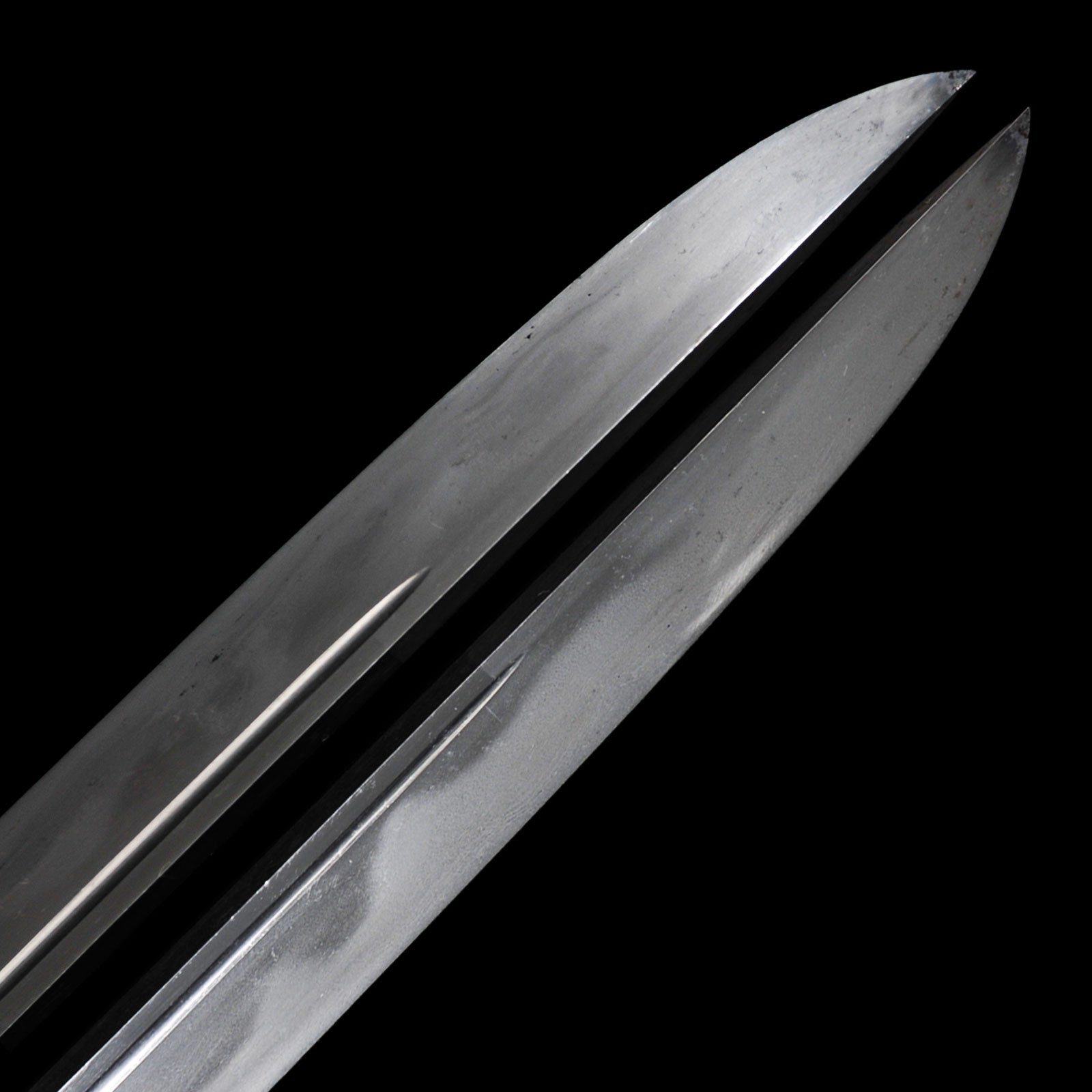
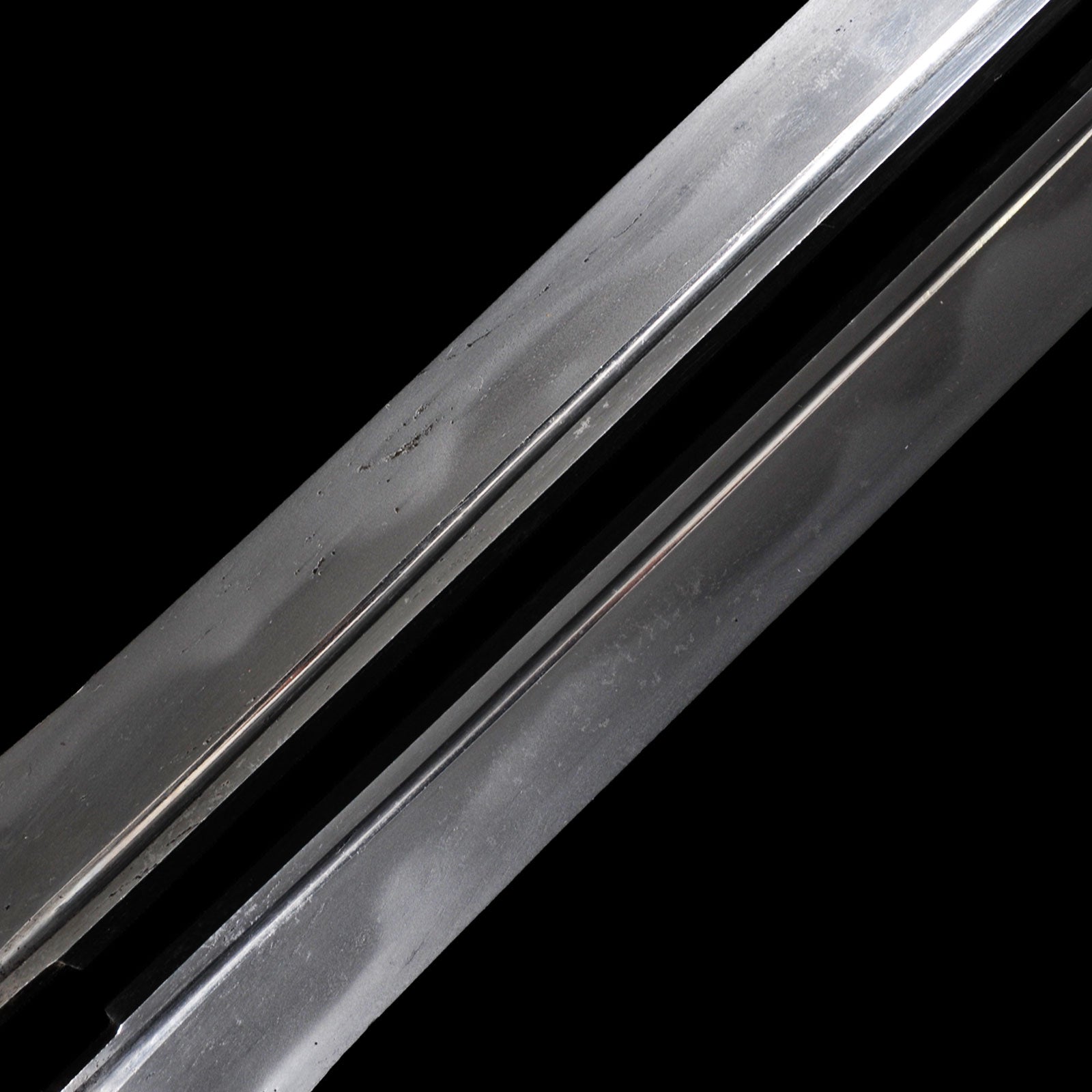
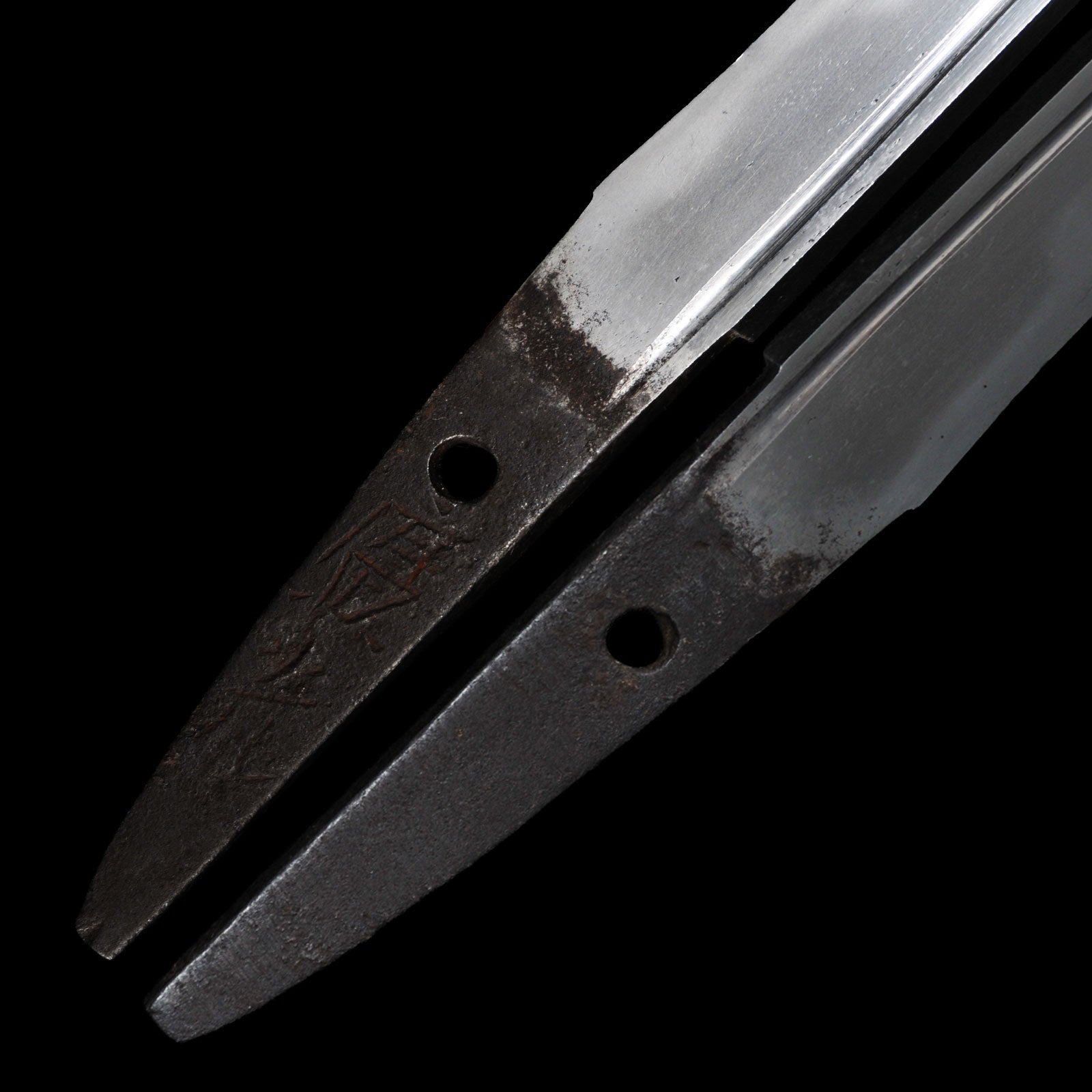
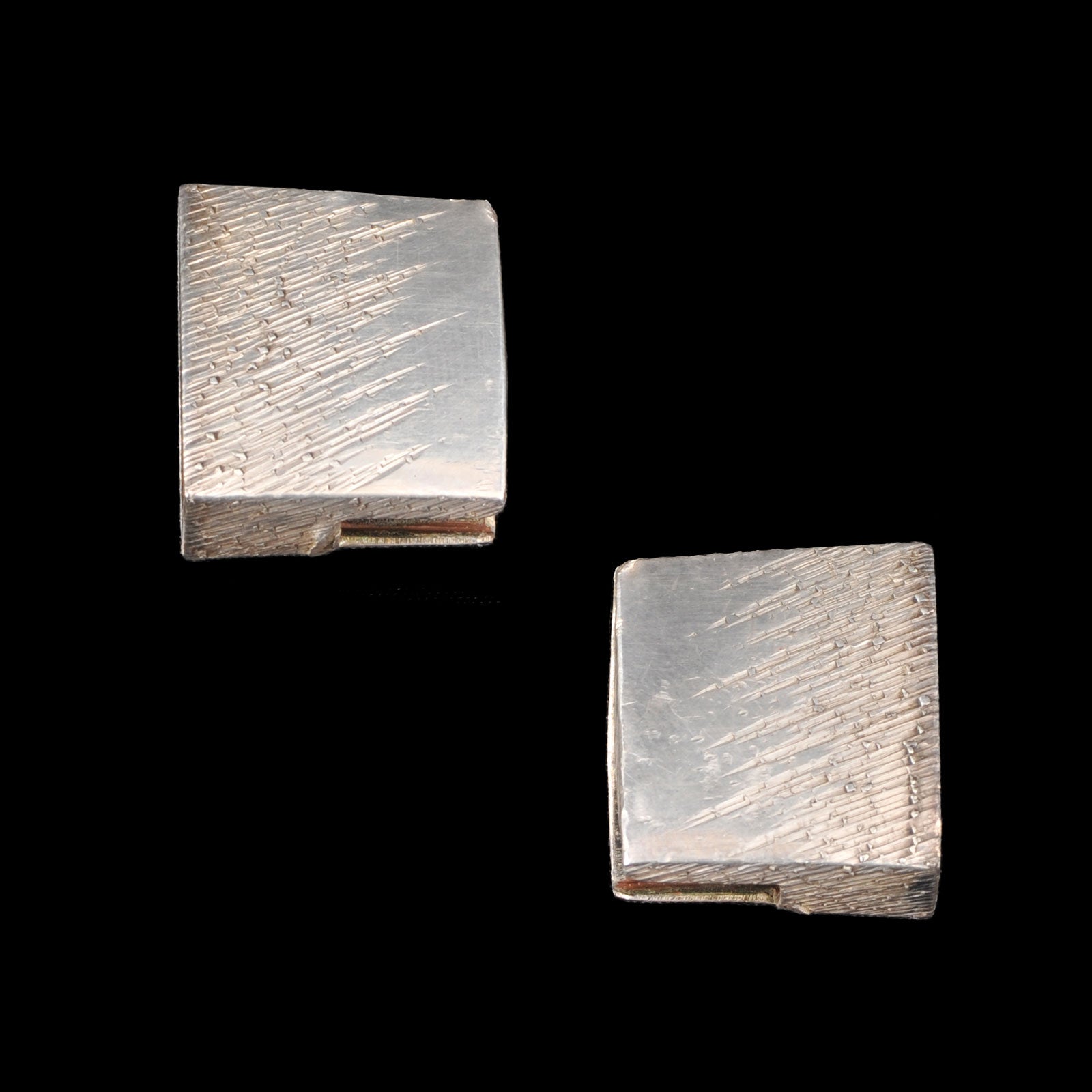
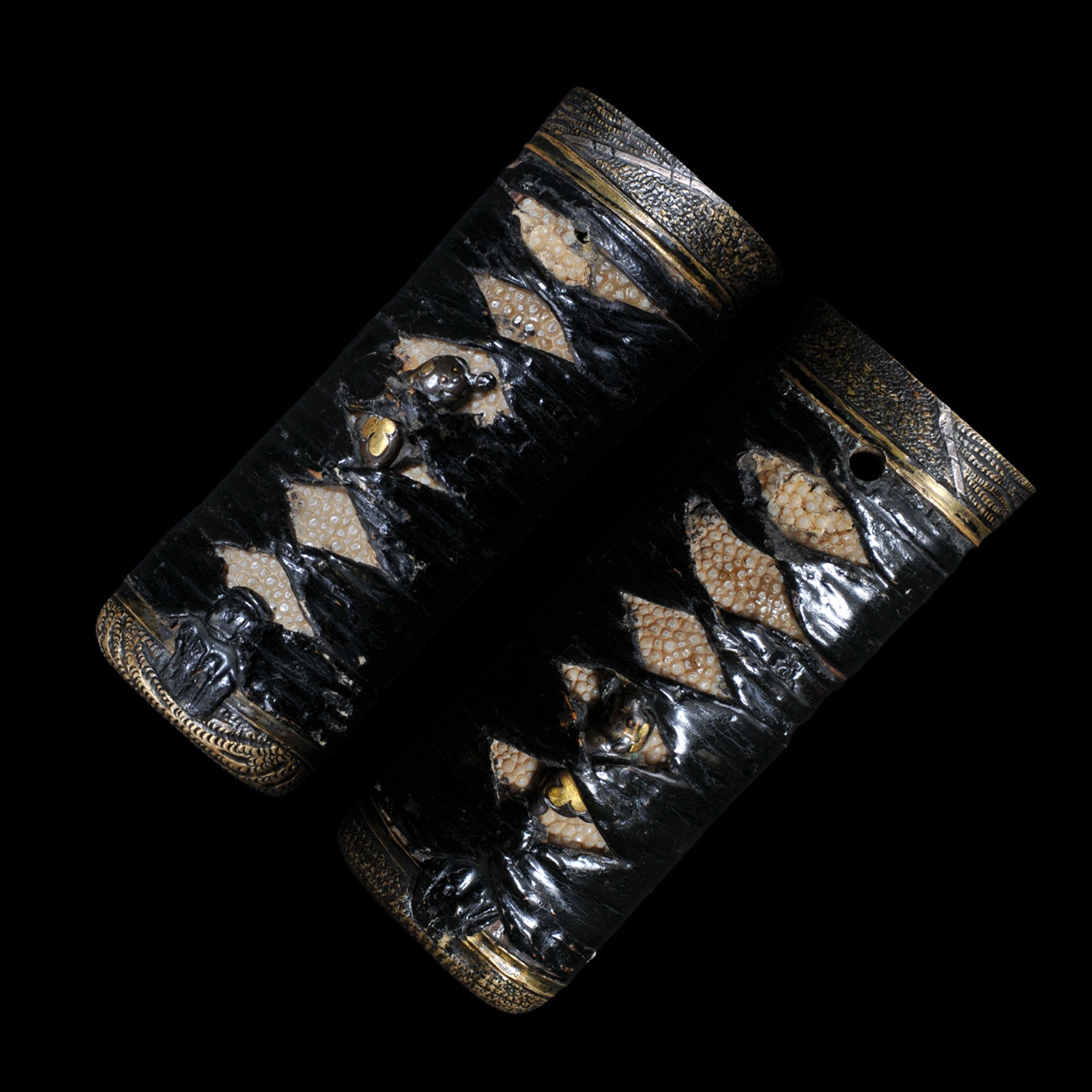
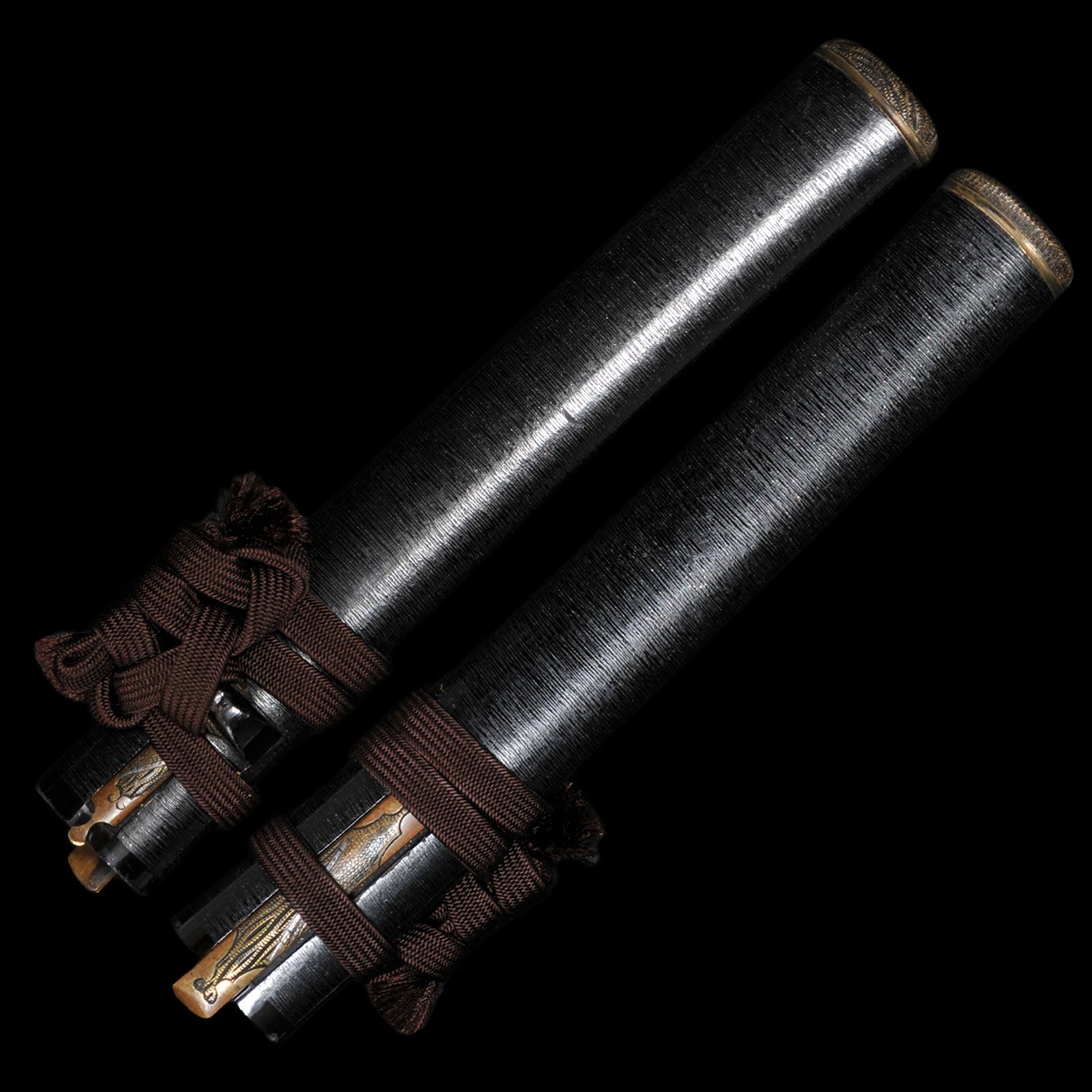
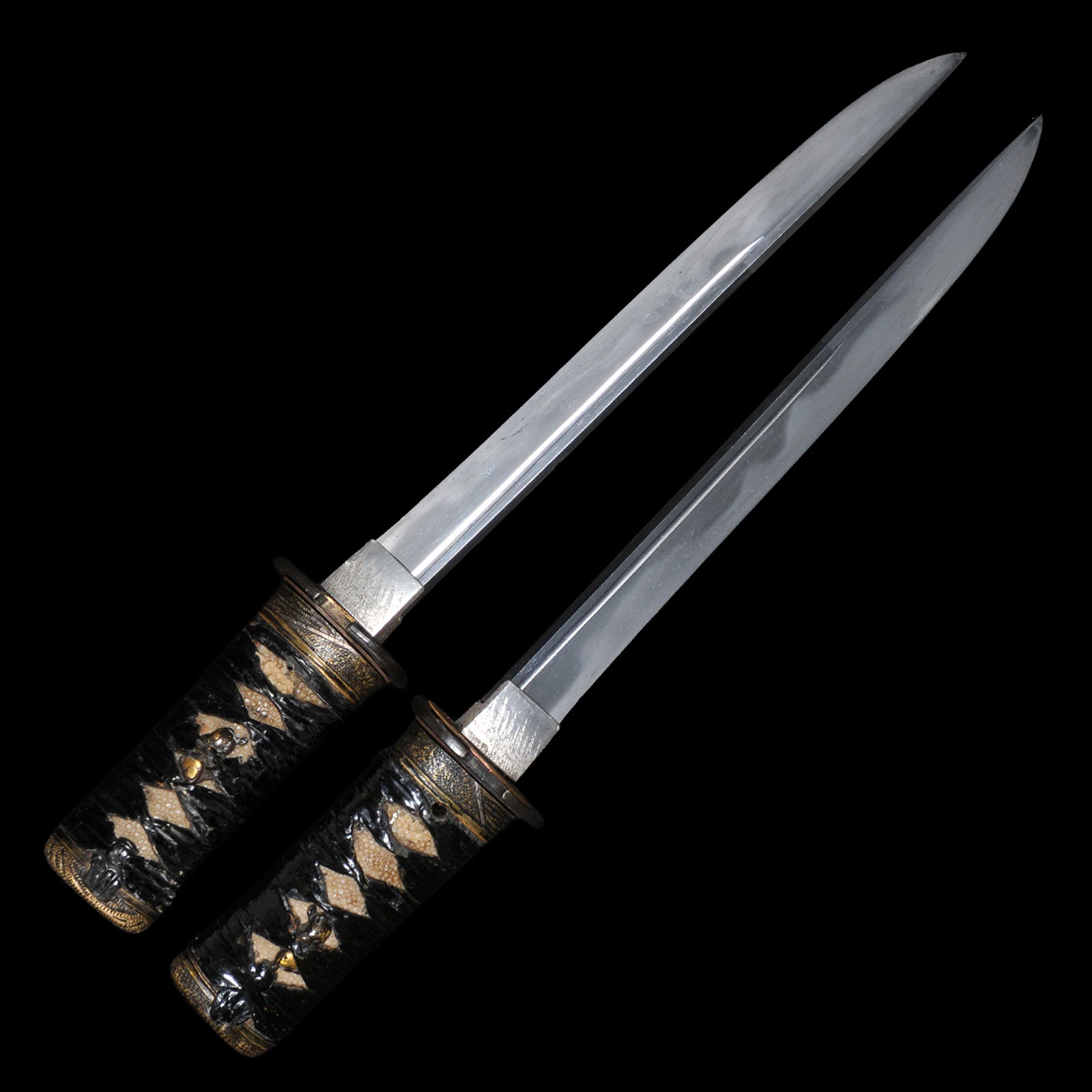
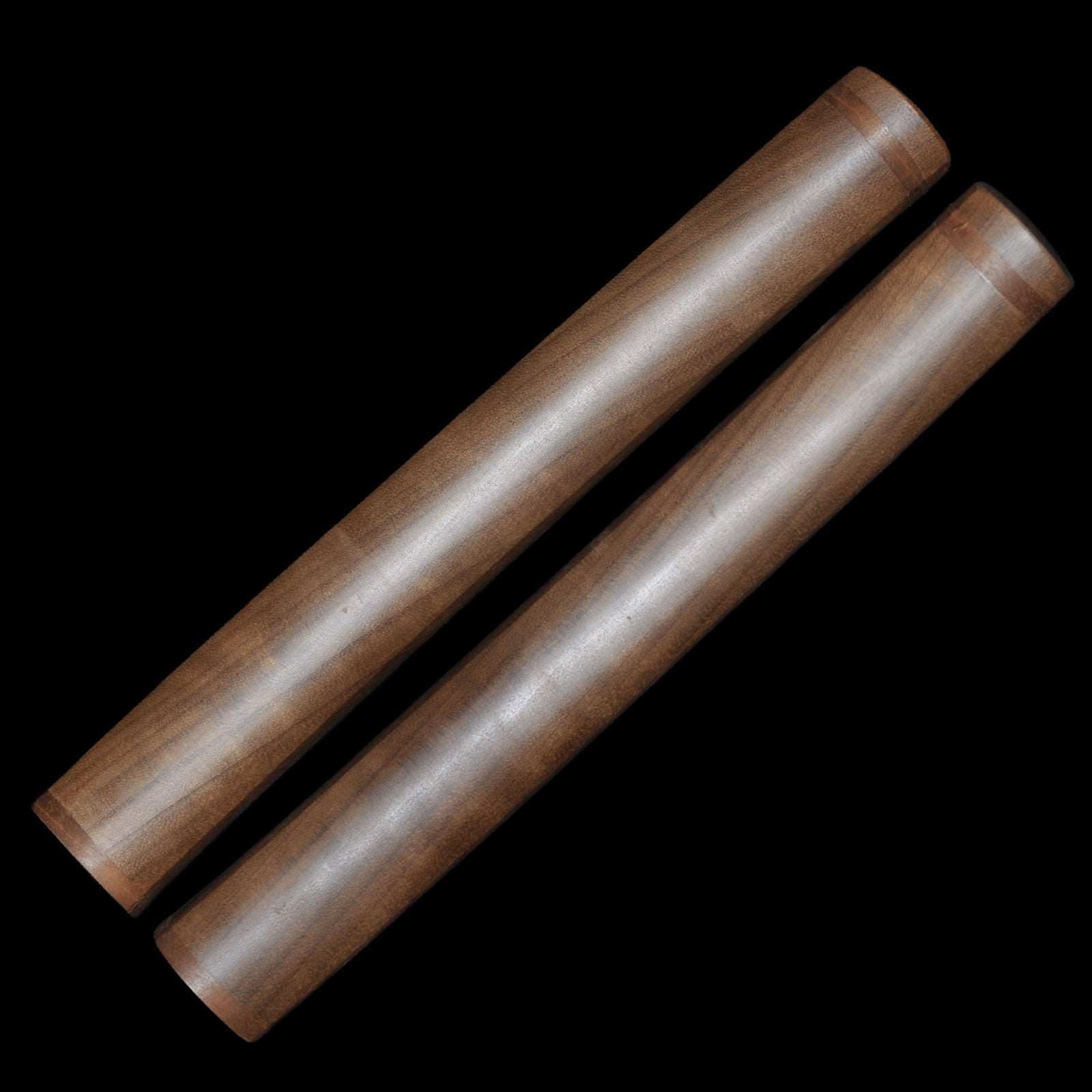
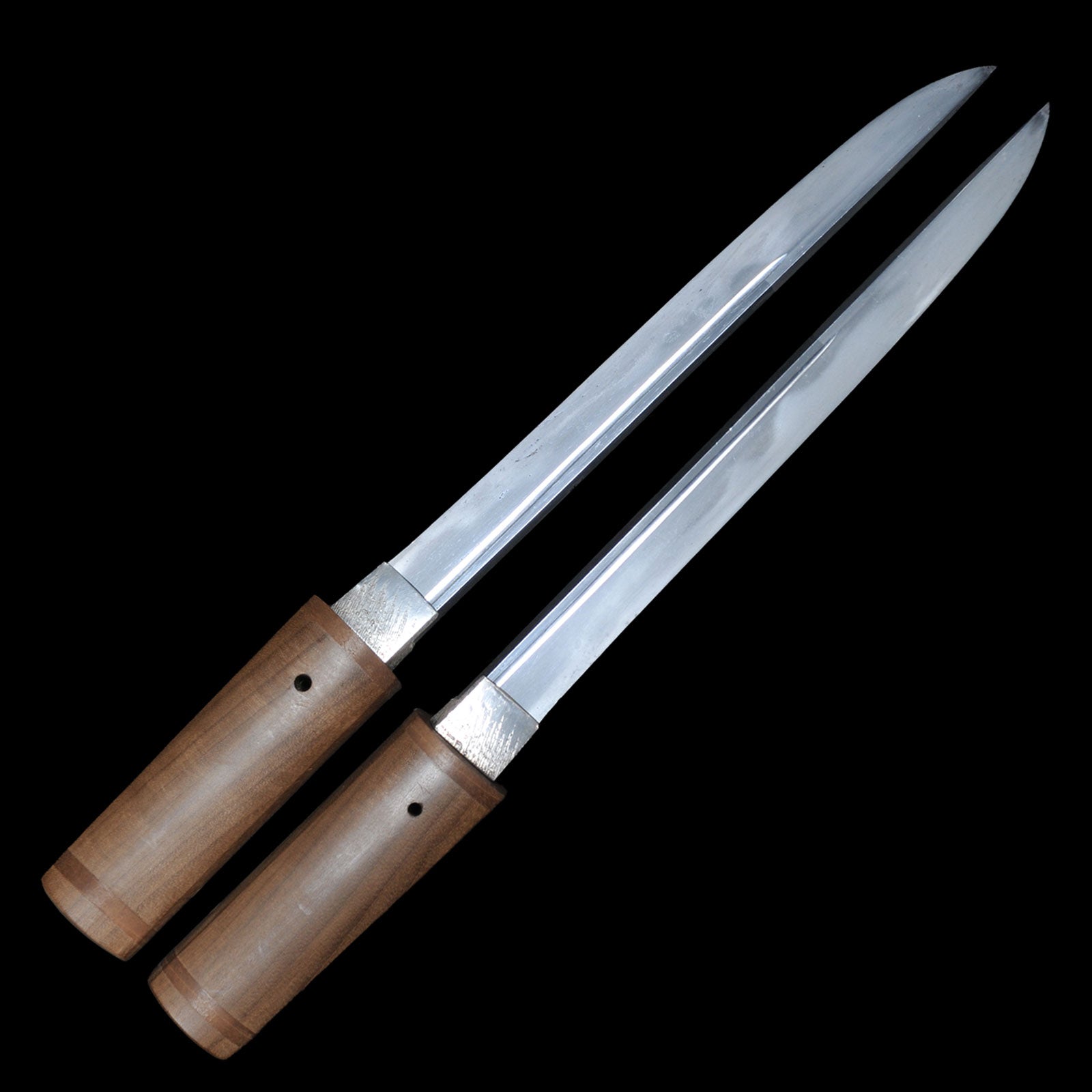
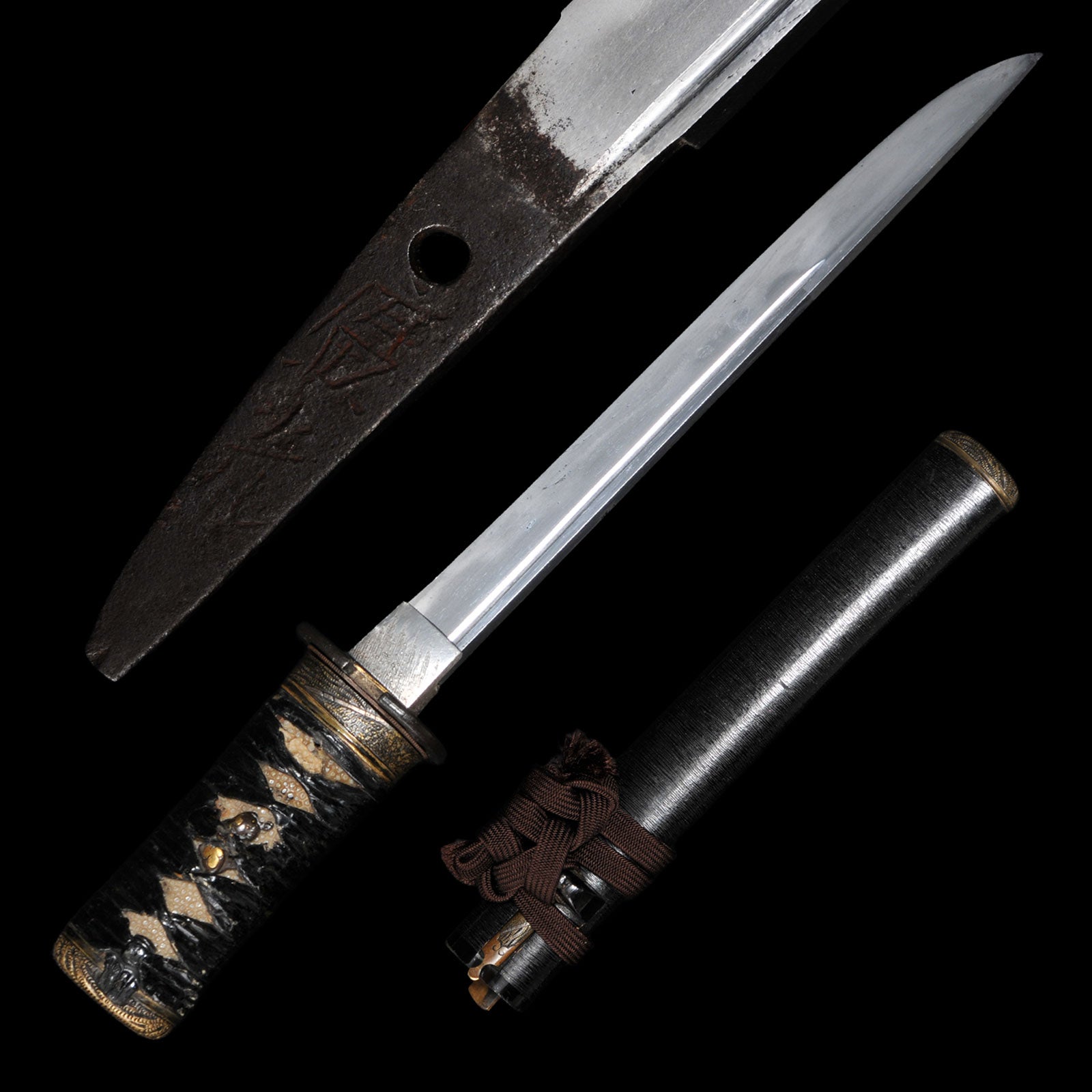
Signed Sōshū Hiromitsu tanto · itame mixed with flowing (nagare) hada and ji-nie · a shallow ko-notare with gunome, ko-nie and kinsuji · a refined hira-zukuri with delicate hi both faces · complete period mounting with dog menuki A high-toned hira-zukuri masterpiece bearing the signature of Hiromitsu, a master of Sagami province (Sōshū). A delicate groove (hi) is carved through its refined form, and both ground and edge are full of things to see. It is accompanied by a fine period mounting set with a lovable yet dignified puppy/dog (kuji) menuki — a piece that deeply rewards the pleasures of appreciation and possession. Workmanship and condition The state of polish is exceptionally good, drawing out the blade's beauty and soundness to the full; the one regret is a light scuff mark at the kissaki (point). The jigane is an itame mixed with flowing (nagare) grain, tending to stand, with fine ji-nie and a strong flavor of the forging. The hamon is a shallow, gently waving ko-notare mixed with gunome; ko-nie gather along the temper edge, and delicate activity such as kinsuji flows out along it. The tang (nakago) is cut with the two-character signature Hiromitsu. Form A beautifully balanced hira-zukuri figure, with a solid mihaba and a moderate kasane. A delicate hi is run cleanly through both faces, tightening the whole figure while improving the feel in the hand. Down to its ha-agari kurijiri tang, the construction is refined and evenly fleshed — a meticulous design, only to be expected of a master, that raises both practicality and artistry to a high level. On the smith — Hiromitsu Hiromitsu is a line of distinguished smiths who carried on the tradition of the Sōshū greats Masamune and Sadamune, winning fame in the Nanbokuchō period for a bold, Nanbokuchō-style workmanship and outstanding mastery of nie. The work of the successive generations strongly reflects the nie-laden skin and rich activity characteristic of the Sōshū tradition, and enjoys high popularity among later smiths and collectors alike. The koshirae A period mounting that further raises the dignity of the blade is included. The hilt is set with a puppy/dog (kuji) menuki, adding a note of color to the fittings as a symbol of protection against evil, of loyalty, and of good fortune. The saya is finished in black lacquer with a finely step-carved hakeme (brush-mark) texture, conveying a high-toned aesthetic within its quiet restraint; the silk twisted hilt wrap (tsuka-ito) is coated in black lacquer. A solid-silver-appearance silver habaki and elegantly designed fittings are harmonized as a matched set (issaku), and a kozuka and kōgai complete the ensemble as a full package of exceptional finish. A superb Hiromitsu in which a refined hira-zukuri form set off by its groove, the lucid activity of the ground and edge, and a period koshirae with charming puppy menuki all come together as one. A supreme piece to take in hand and savor at leisure, immersed in the craftsman's design and the beauty of history.
Offered by Tozando

We couldn’t find current papers for this piece. Ask the dealer whether it has been, or can be, submitted to shinsa. — Hoshi

As written by the shop
The Nanbokuchō period (1333 to 1392)
Two courts, sixty years of war, and the most dramatic silhouettes in the sword’s history: broad blades, extended points, true ōdachi later cut down into the majestic katana collectors prize. The Sōshū manner was the style of the age.
We could not find an authenticity certificate on the seller’s listing. Japanese swords and fittings are normally papered by the NBTHK (or the NTHK). Without one, the attribution is the seller’s own assessment and has not been independently verified — treat it with caution and ask the dealer about certification before buying.
As a general rule, returns/exchanges are not accepted on Japanese sword orders unless damaged upon delivery. Other items: returns/exchanges accepted within 7 days of delivery. Cancellation for personal reasons incurs a 30% restocking fee (70% refunded). Return shipping must be prepaid and insured by the buyer; shipping/handling fees are non-refundable. Contact katana@tozando.co.jp to initiate a return.
¥290,000