Muromachi turned sword making into an industry: the uchigatana rose with massed infantry warfare, Osafune and Seki produced bundle swords beside custom orders, and the Ming trade carried Japanese blades abroad by the tens of thousands.
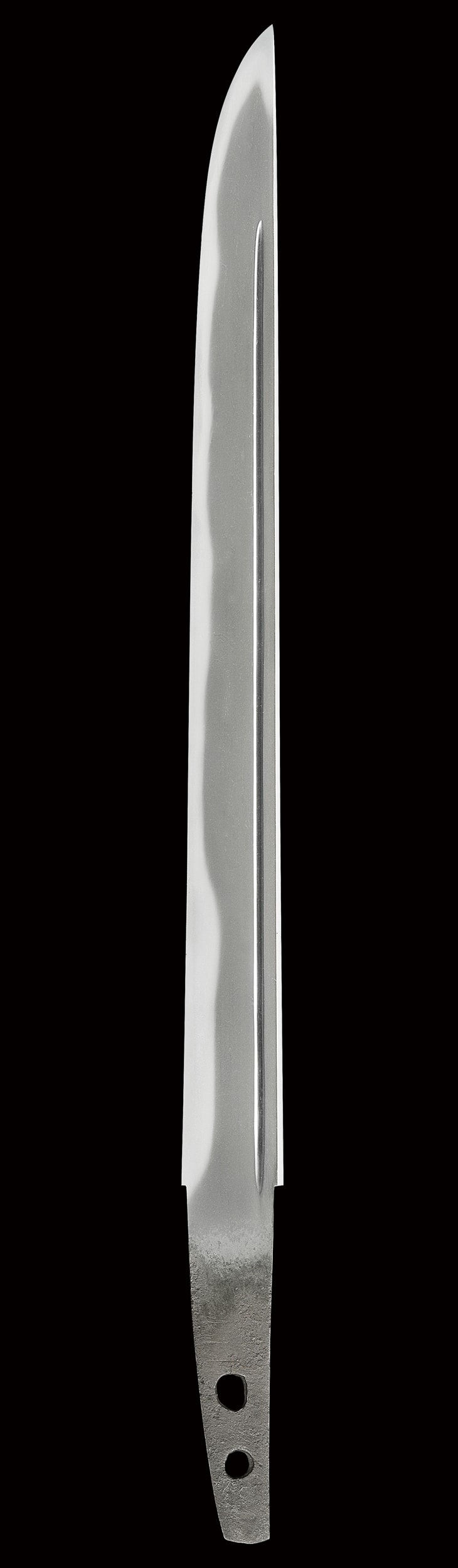
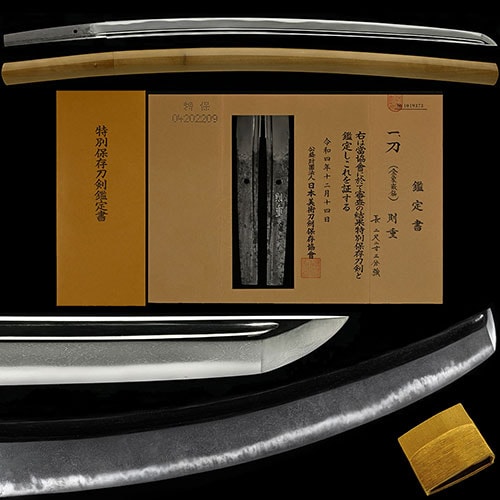
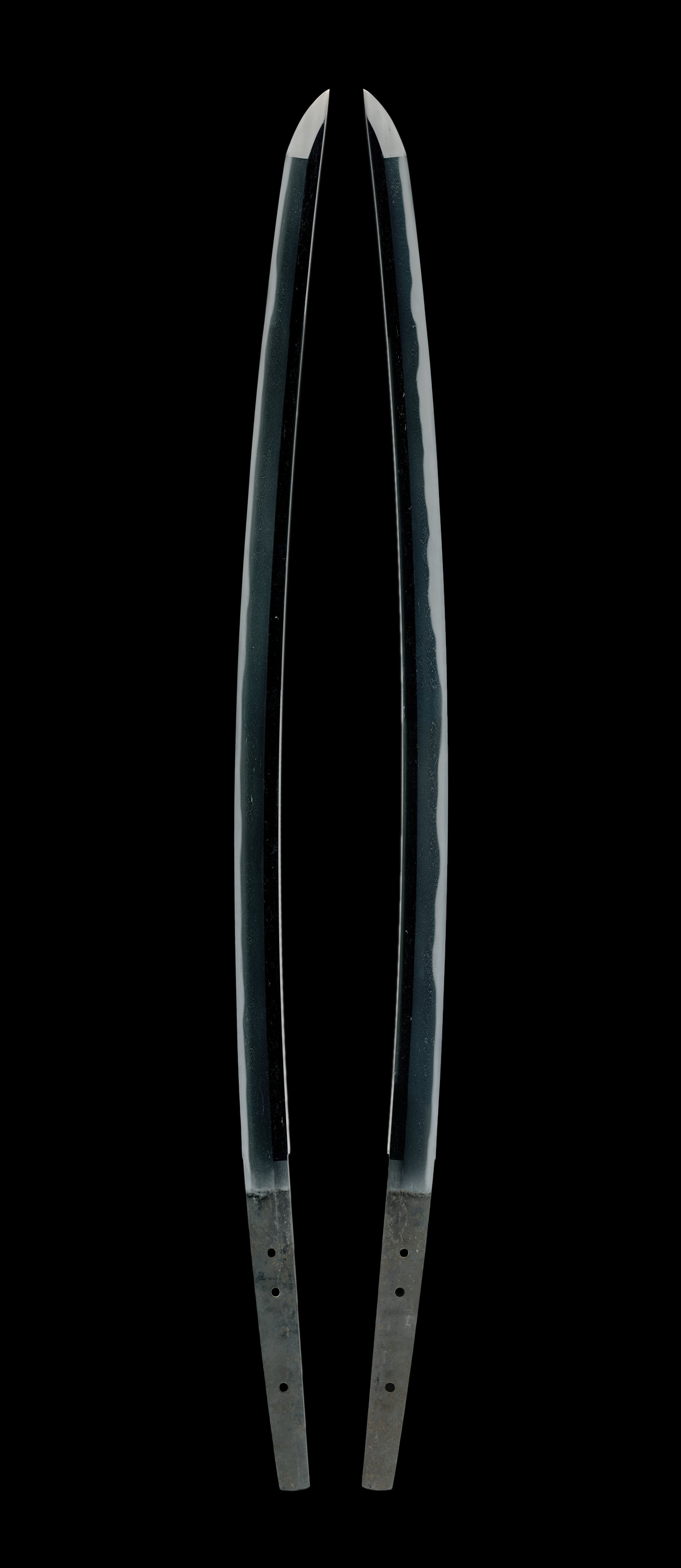
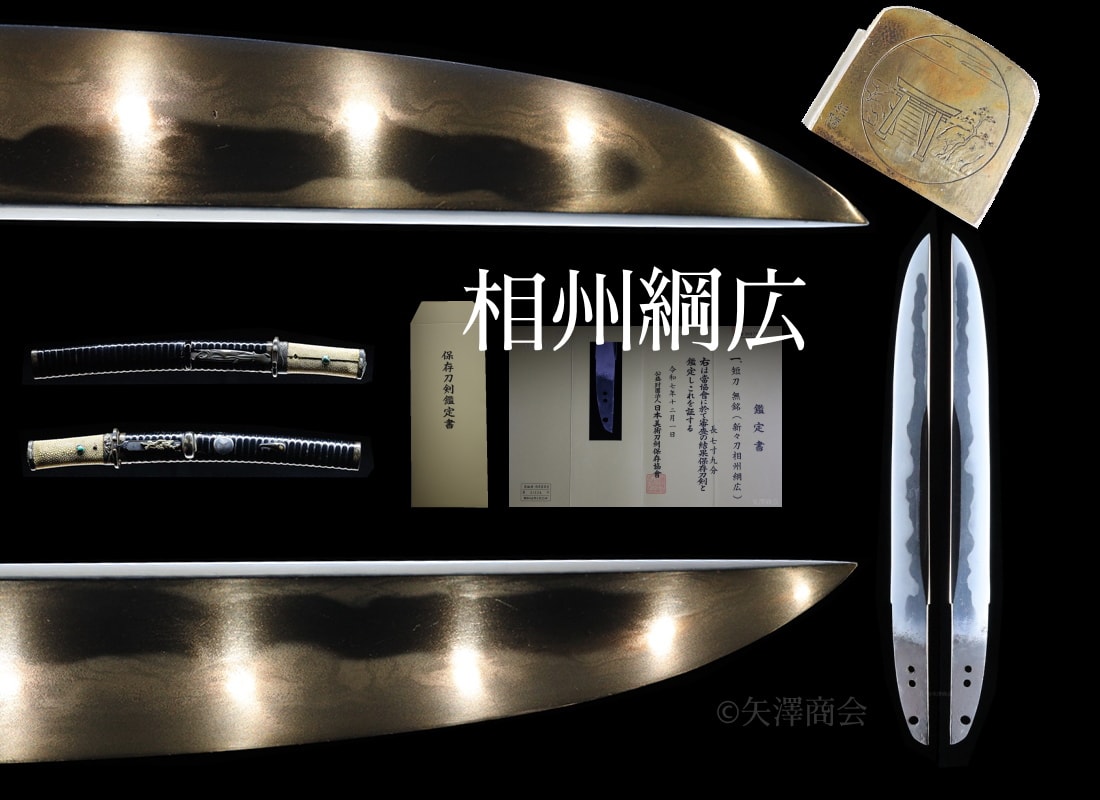
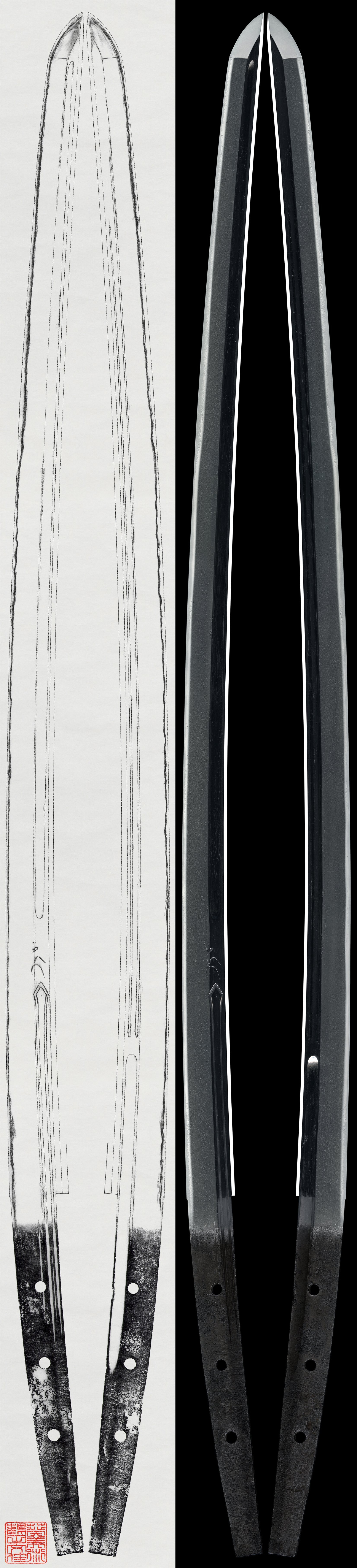
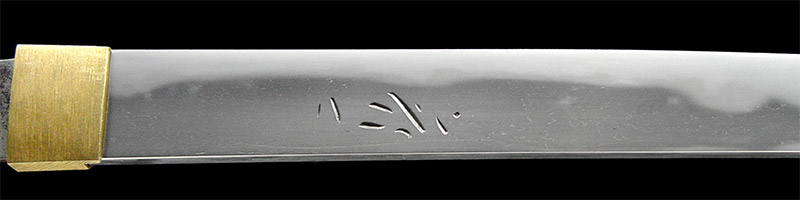
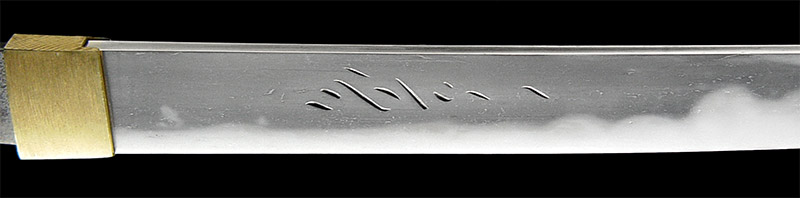
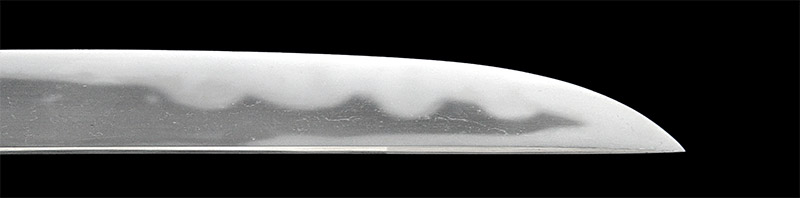
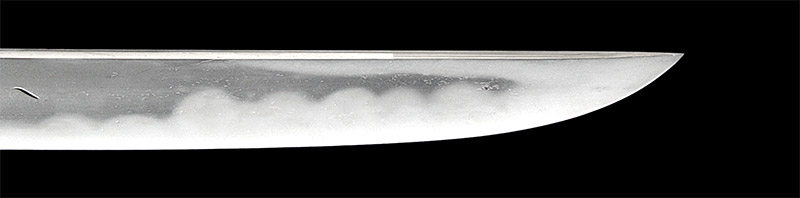
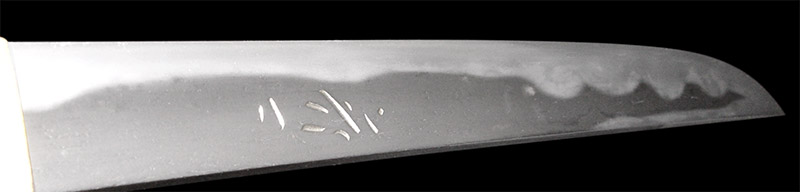
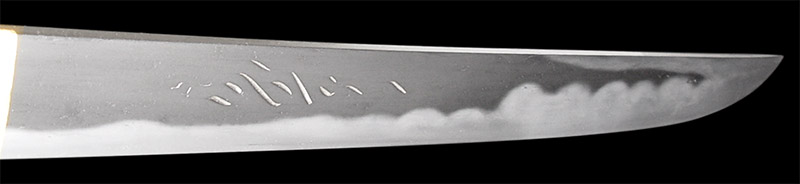
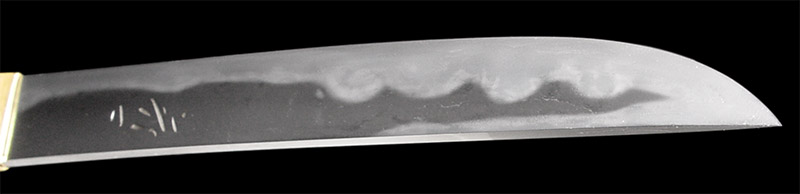
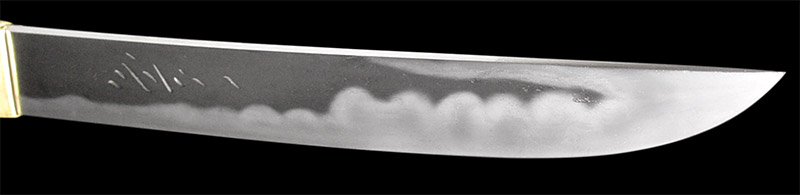
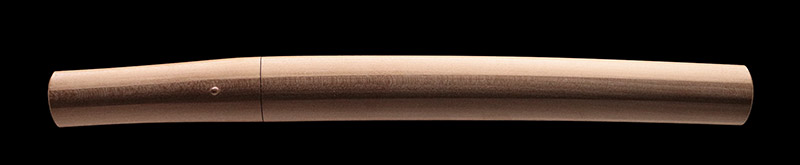
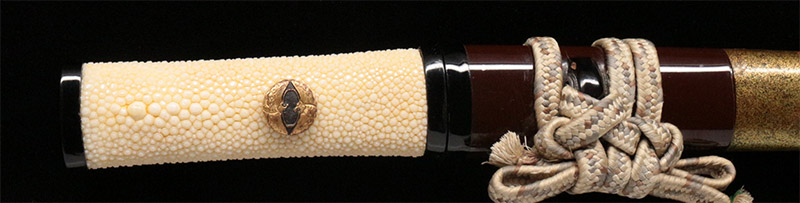
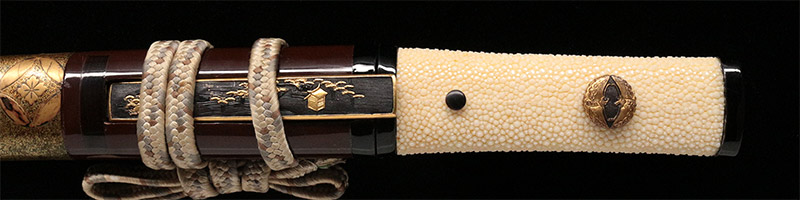
This is a tanto by Takahiro of Soshu school, active around mid Muromachi period (1469). The blade features a midare hamon and itame jigane. It comes with a koshirae with gold makie and a shirasaya, and is accompanied by a Tokubetsu Hozon Token certificate from NBTHK.
 NihontoWatch


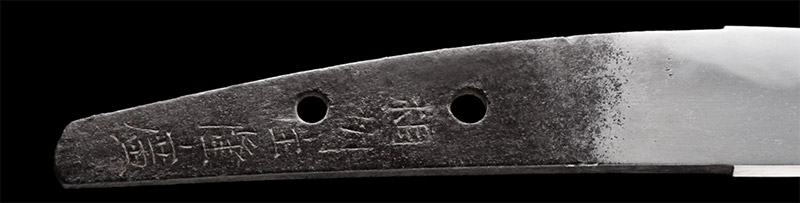
Sagami · around 1441-1444
The Muromachi period (1392 to 1573)
Muromachi turned sword making into an industry: the uchigatana rose with massed infantry warfare, Osafune and Seki produced bundle swords beside custom orders, and the Ming trade carried Japanese blades abroad by the tens of thousands.
A Hozon-certified blade judged to show notably superior workmanship and a better state of preservation. The bar is higher: re-tempered blades and most unsigned Muromachi/Edo works are excluded.
The NBTHK (Nihon Bijutsu Tōken Hozon Kyōkai, the Society for the Preservation of Japanese Art Swords) is a public-interest incorporated foundation founded in 1948 and supervised by Japan’s Agency for Cultural Affairs (Bunkachō); it is based at the Japanese Sword Museum in Tokyo. Its expert panels physically examine each submitted work (shinsa) and issue a certificate (kanteishō) ranking it by artistic and historical merit. NBTHK papers are the most widely recognized standard of authentication for Japanese swords and fittings.
NBTHK official siteIf the item is not to your liking, please feel free to return it for any reason. Return shipping is the customer's responsibility. After the item arrives and we confirm it is in the same condition as at the time of sale, we transfer the refund to your designated account the same day. Purchases made at the store are outside the scope of cooling-off.