NihontoWatch MonNihontoWatch
Market
Encyclopedia
Kantei
NihontoWatch MonNihontoWatch
Market
Encyclopedia
Kantei

Description

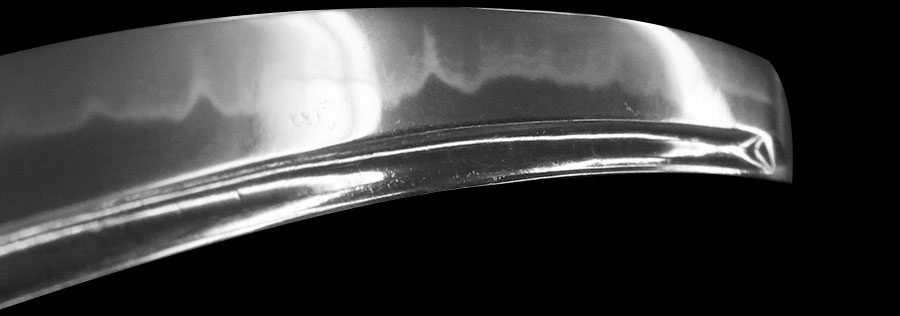
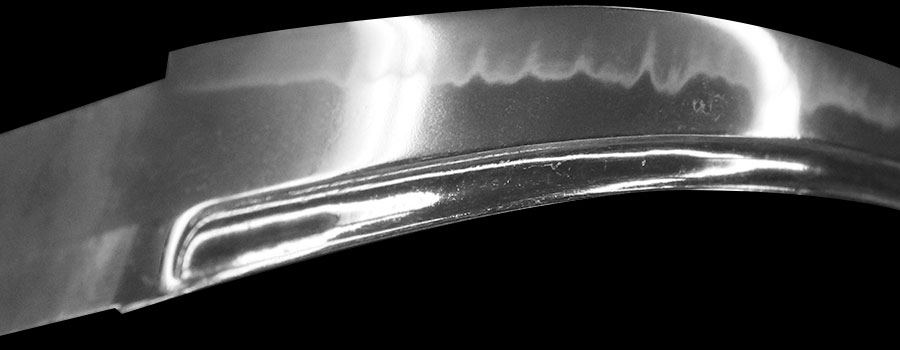
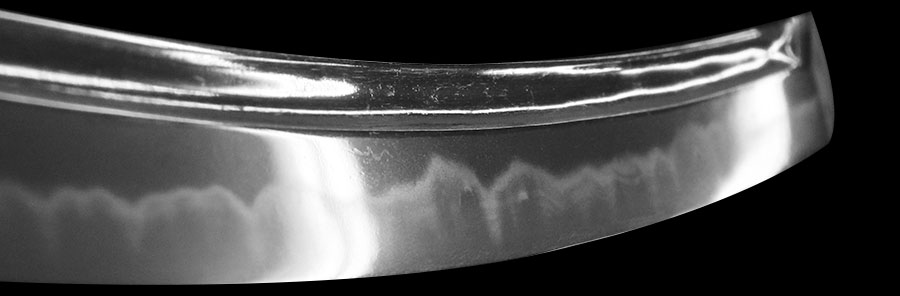
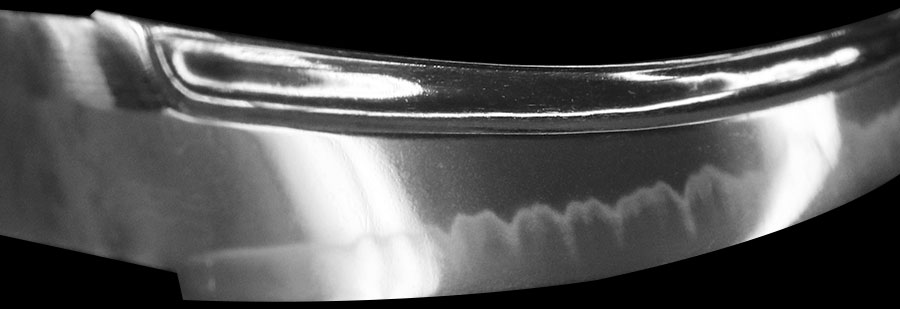
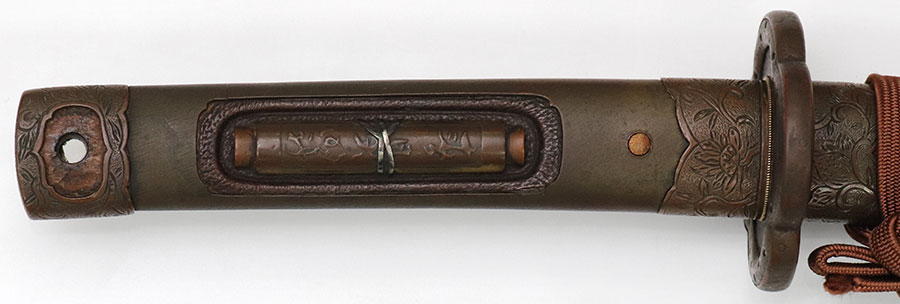
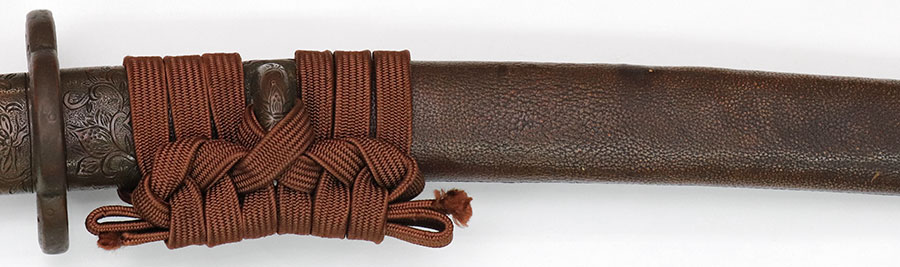
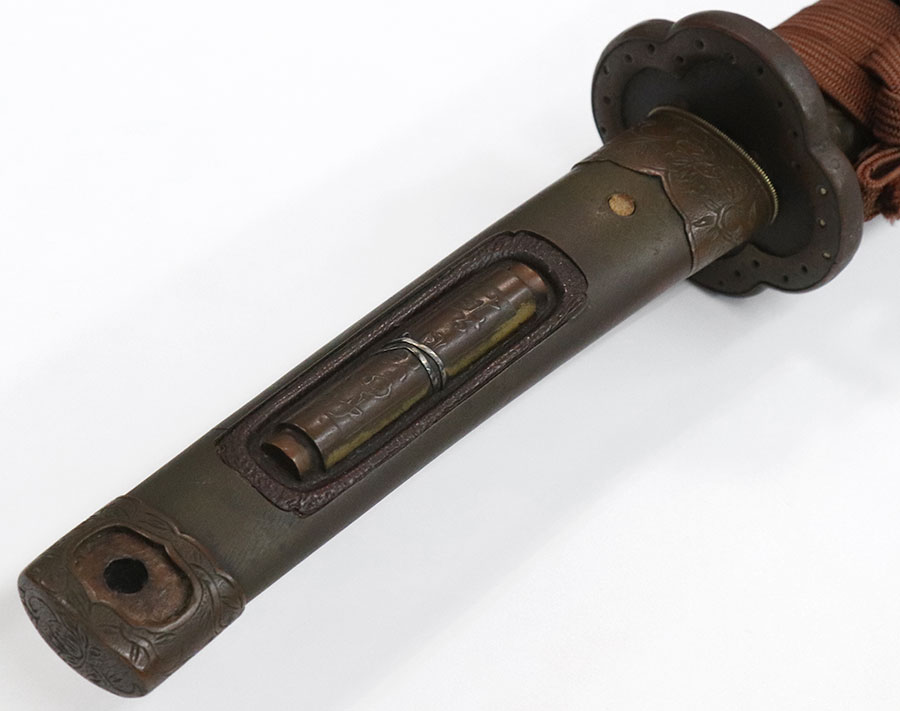
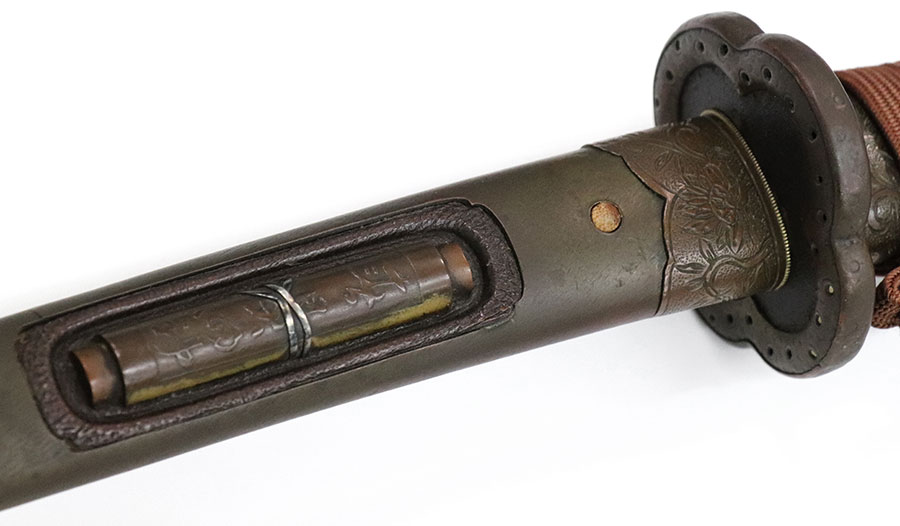
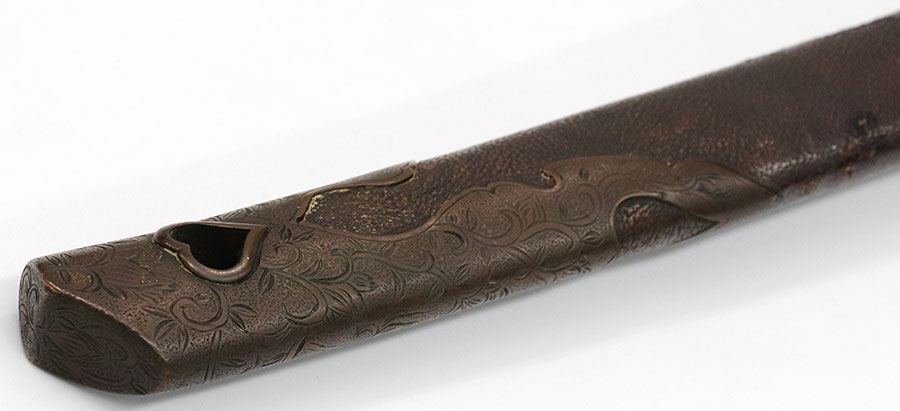
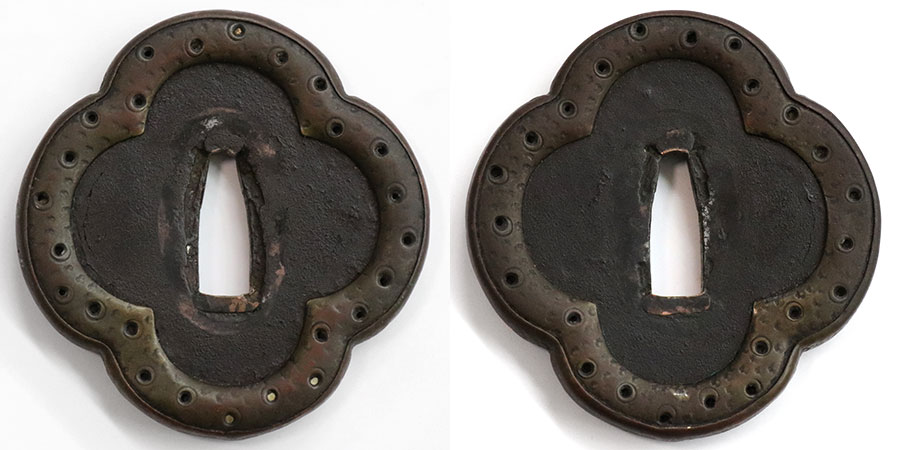
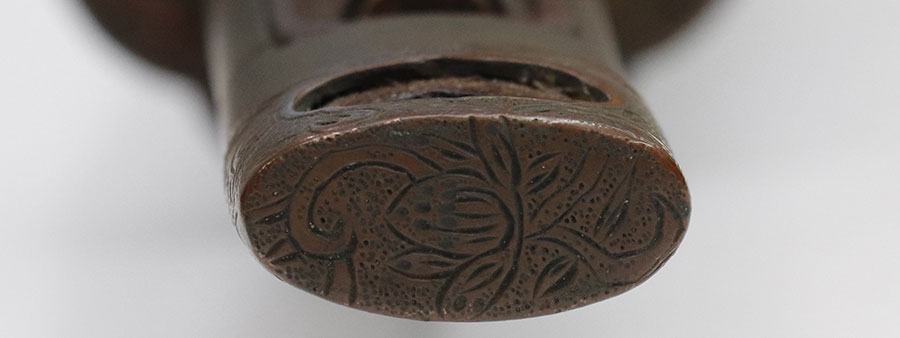
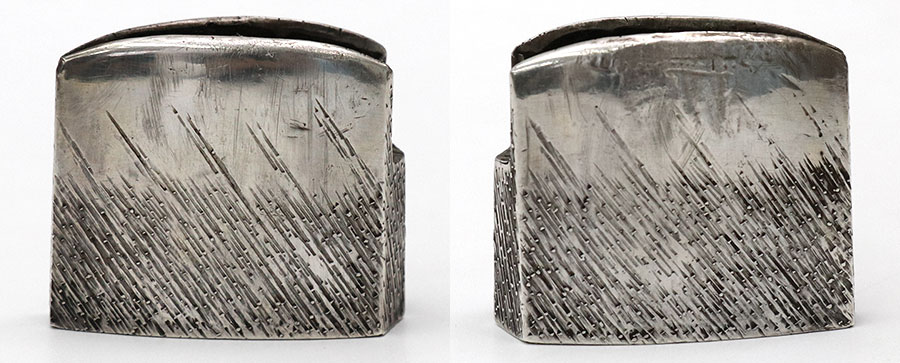
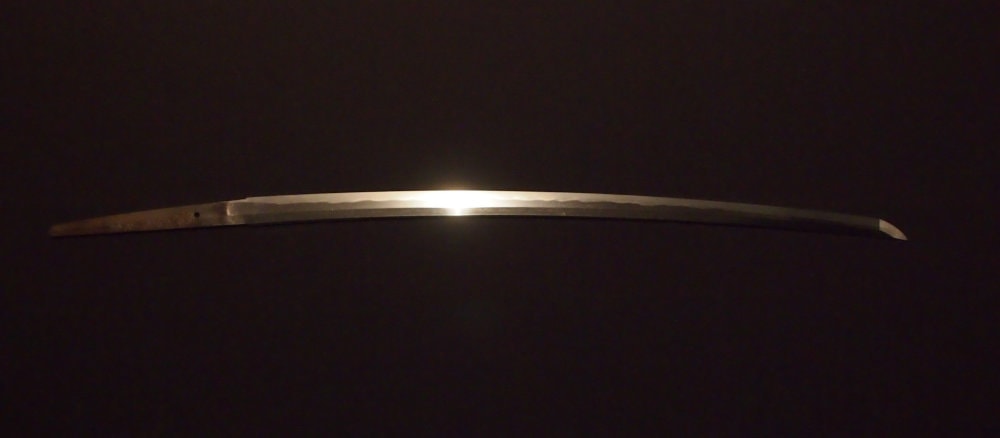
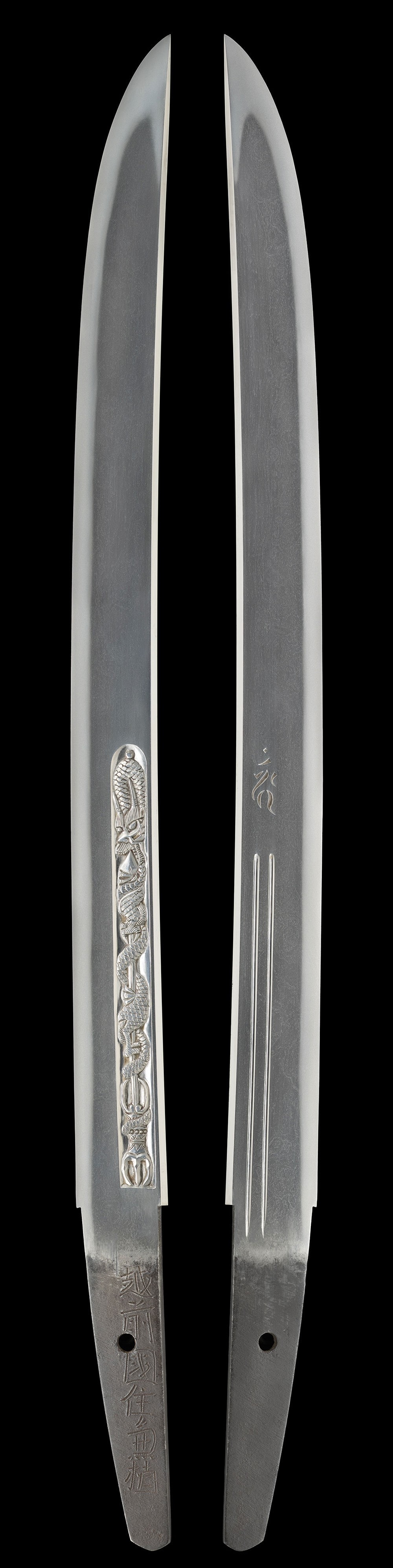
It has arrived! The author of this wakizashi, Kazusa no Kami Kaneshige, became a retained smith for the famous Sengoku Daimyo Todo Takatora—the master castle builder who served Oda Nobunaga, Toyotomi Hideyoshi, and Tokugawa Ieyasu, and constructed over 20 castles including Kyoto Jurakudai, Fushimi Castle, Uwajima Castle, Iyo Ozu Castle, Imabari Castle, Edo Castle, Nijo Castle, Wakayama Castle, and Osaka Castle—upon the recommendation of his close friend, the master swordsman Miyamoto Musashi. While it was said since ancient times that he was the teacher of Nagasone Kotetsu Nyudo Okisato, it is now believed that the father, Izumi no Kami Kaneshige, was Kotetsu's teacher, and the son, this Kazusa no Kami Kaneshige, was a close senior disciple who worked alongside Kotetsu to refine their craft. Kazusa no Kami Kaneshige is also particularly famous as a loyal and cultured swordsmith who later changed his name to Kazusa no Suke Kaneshige out of deference to his lord, Todo Takatora, who also held the title of Kazusa no Kami. This wakizashi exhibits a grand sugata with a wide moto-mihaba and a slight tapering toward the saki-mihaba, featuring sori and a slightly extended kissaki. The jigane is a finely packed ko-itame hada mixed with masame hada, and the horimono consists of a skillfully executed bo-hi with maru-dome. The hamon, much like Kotetsu’s, is in nioi-deki with ko-nie, featuring a continuous gunome-ba forming a juzu-ba pattern with thick ashi entering the ha; it is bright and exceptionally well-made, appearing exactly like a masterpiece wakizashi by Nagasone Kotetsu Nyudo Okisato. As you can see, the Edo-period koshirae is a lavish, matching soganagu-issaku set of a quality that cannot be replicated today, adding further splendor as the sashi-ryo of a "super" high-ranking samurai. On this occasion, an elderly connoisseur who cherished this masterpiece by Kazusa no Kami Kaneshige for many years—believing it to be even better made than a Kotetsu—has entrusted it to us, saying, "I have grown old, so please pass it on to the next generation at a low price." Therefore, we are offering it at a special bargain price, one-third of what it was originally purchased for. Please enjoy this masterpiece wakizashi by Kazusa no Kami Kaneshige, the likes of which are rarely seen.

Certificate Reading

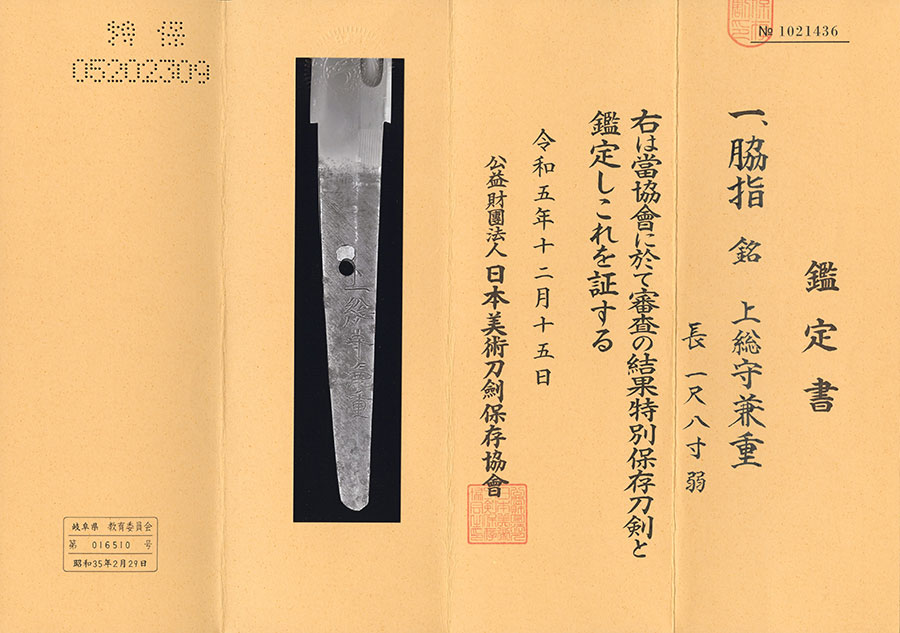
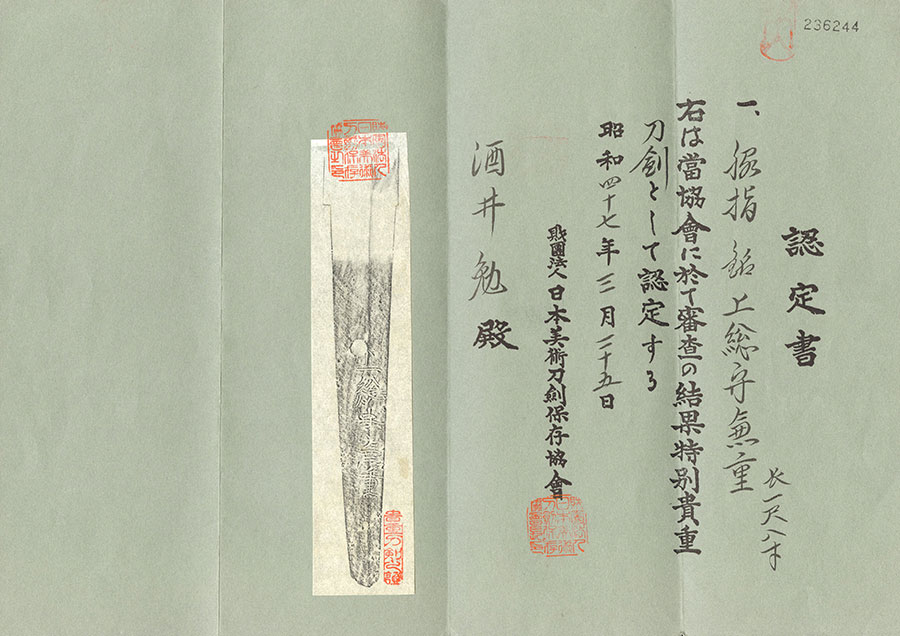
Certificate reading — 銘 上総守兼重

NihontoWatch MonNihontoWatch
MarketEncyclopediaKantei
Swords›Edo Kaneshige›山城›Wakizashi by Kazusanokami Kaneshige, Kotetsu's senior apprentice, Tokubetsu Hozon
wakizashiTokubetsu Hozon
Edo Kaneshige School

Wakizashi by Kazusanokami Kaneshige, Kotetsu's senior apprentice, Tokubetsu Hozon

Edo · nagasa 54.6cm · sori 1.2cm

¥1,100,000
Visit seller website →
Wakizashi
Could you name the smith from the blade alone? Today’s kantei →
Edo Kaneshige School — 1 of 27
Edo Kaneshige School — 2 of 27
Edo Kaneshige School — 3 of 27
Edo Kaneshige School — 4 of 27
Edo Kaneshige School — 5 of 27
Edo Kaneshige School — 6 of 27
Edo Kaneshige School — 7 of 27
Edo Kaneshige School — 8 of 27
Edo Kaneshige School — 9 of 27
Edo Kaneshige School — 10 of 27
Edo Kaneshige School — 11 of 27
Edo Kaneshige School — 12 of 27
Edo Kaneshige School — 13 of 27
Edo Kaneshige School — 14 of 27
Edo Kaneshige School — 15 of 27
Edo Kaneshige School — 16 of 27
Edo Kaneshige School — 17 of 27
Edo Kaneshige School — 18 of 27
Edo Kaneshige School — 19 of 27
Edo Kaneshige School — 20 of 27
Edo Kaneshige School — 21 of 27
Edo Kaneshige School — 22 of 27
Edo Kaneshige School — 23 of 27
Edo Kaneshige School — 24 of 27
Edo Kaneshige School — 25 of 27
Edo Kaneshige School — 26 of 27
Edo Kaneshige School — 27 of 27
1 / 27
1 / 27
Edo Kaneshige School — 1 of 27Edo Kaneshige School — 2 of 27Edo Kaneshige School — 3 of 27Edo Kaneshige School — 4 of 27Edo Kaneshige School — 5 of 27Edo Kaneshige School — 6 of 27Edo Kaneshige School — 7 of 27Edo Kaneshige School — 8 of 27Edo Kaneshige School — 9 of 27Edo Kaneshige School — 10 of 27Edo Kaneshige School — 11 of 27Edo Kaneshige School — 12 of 27Edo Kaneshige School — 13 of 27Edo Kaneshige School — 14 of 27Edo Kaneshige School — 15 of 27Edo Kaneshige School — 16 of 27Edo Kaneshige School — 17 of 27Edo Kaneshige School — 18 of 27Edo Kaneshige School — 19 of 27Edo Kaneshige School — 20 of 27Edo Kaneshige School — 21 of 27Edo Kaneshige School — 22 of 27Edo Kaneshige School — 23 of 27Edo Kaneshige School — 24 of 27Edo Kaneshige School — 25 of 27Edo Kaneshige School — 26 of 27Edo Kaneshige School — 27 of 27
Wakizashi
Could you name the smith from the blade alone? Today’s kantei →
Measurements & details
Smith
Edo Kaneshige School
Type
Wakizashi
School
Edo Kaneshige
Period
Edo(1624-1684)
Province
山城
Measurements
Nagasa 54.6cmSori 1.2cmMotohaba 3.19cmSakihaba 2.14cmKasane 0.67cm
Description

It has arrived! The author of this wakizashi, Kazusa no Kami Kaneshige, became a retained smith for the famous Sengoku Daimyo Todo Takatora—the master castle builder who served Oda Nobunaga, Toyotomi Hideyoshi, and Tokugawa Ieyasu, and constructed over 20 castles including Kyoto Jurakudai, Fushimi Castle, Uwajima Castle, Iyo Ozu Castle, Imabari Castle, Edo Castle, Nijo Castle, Wakayama Castle, and Osaka Castle—upon the recommendation of his close friend, the master swordsman Miyamoto Musashi. While it was said since ancient times that he was the teacher of Nagasone Kotetsu Nyudo Okisato, it is now believed that the father, Izumi no Kami Kaneshige, was Kotetsu's teacher, and the son, this Kazusa no Kami Kaneshige, was a close senior disciple who worked alongside Kotetsu to refine their craft. Kazusa no Kami Kaneshige is also particularly famous as a loyal and cultured swordsmith who later changed his name to Kazusa no Suke Kaneshige out of deference to his lord, Todo Takatora, who also held the title of Kazusa no Kami. This wakizashi exhibits a grand sugata with a wide moto-mihaba and a slight tapering toward the saki-mihaba, featuring sori and a slightly extended kissaki. The jigane is a finely packed ko-itame hada mixed with masame hada, and the horimono consists of a skillfully executed bo-hi with maru-dome. The hamon, much like Kotetsu’s, is in nioi-deki with ko-nie, featuring a continuous gunome-ba forming a juzu-ba pattern with thick ashi entering the ha; it is bright and exceptionally well-made, appearing exactly like a masterpiece wakizashi by Nagasone Kotetsu Nyudo Okisato. As you can see, the Edo-period koshirae is a lavish, matching soganagu-issaku set of a quality that cannot be replicated today, adding further splendor as the sashi-ryo of a "super" high-ranking samurai. On this occasion, an elderly connoisseur who cherished this masterpiece by Kazusa no Kami Kaneshige for many years—believing it to be even better made than a Kotetsu—has entrusted it to us, saying, "I have grown old, so please pass it on to the next generation at a low price." Therefore, we are offering it at a special bargain price, one-third of what it was originally purchased for. Please enjoy this masterpiece wakizashi by Kazusa no Kami Kaneshige, the likes of which are rarely seen.

About the school

Edo Kaneshige

和泉守兼重

Shinto · Musashi

8 pieces on the market now

›

Edo was the base of the Kaneshige line, whose first master, Izumi no Kami Fujiwara Kaneshige, emerged among the city's swordsmiths after the shodai Yasutsugu and Hankei. The setsumei follow the account in the Kokon Kajibikō that he began as an arrowhead smith (yanone-kaji) in Echizen, then moved to Edo and turned to forging blades; his earliest dated work is a naginata inscribed Kan'ei 2 (1625), with dated pieces running into the Meireki era. A second smith signing Kazusa no Suke (and at times Kazusa no Kami) Fujiwara Kaneshige, whose common name is given as Tsuji Sukeemon, is treated as the son or pupil of the first and the second generation, born in Kan'ei 3 (1626) and most active in the Kanbun and Enpō years. The two were long held to be one man, the story being that, retained by the Tōdō house under Izumi no Kami, he changed his title to avoid sharing his lord's court designation; signed and age-dated works by Tsuji Kazusa no Suke alongside Yasutsugu and Shimosaka Ichinojō have since shown them to be separate individuals. The second generation also worked Ise pieces inscribed "made at Anotsu in Seshū," and recent comparison of the signatures has raised the possibility of substitute signing by Sukekurō Kanetsune. Recognition of the hand rests on a small set of recurring traits. The jihada is a tight ko-itame, sometimes standing or flowing toward masame, with fine ji-nie densely applied and chikei entering.

The first generation divides into two modes: a notare base carrying linked gunome and entering ashi, and a wide suguha bearing shallow notare in which the nioi is deep, the nie thick, and the nioiguchi bright and saeru, with kinsuji and sunagashi. The second generation concentrates on juzu-ba, a suguha-toned temper of linked gunome with aligned heads; the setsumei single out a fixed one-two rhythm, in which a single gunome is followed by two, as a principal point of appreciation, together with thick ashi, deep nioi, abundant nie, and fine kinsuji and sunagashi. Across both hands the sugata is the standard width with marked taper, shallow sori, and a compact chū-kissaki of the Kanbun shintō period, the bōshi mostly sugu with ko-maru and hakikake, and the long signature cut in a reishō clerical script with sujikai keshō-tending file marks read as an early form of the later decorative finish. The setsumei repeatedly place Kaneshige beside Nagasone Kotetsu, rendered also as Tōru, Batetsu, and Matetsu in these records, and beside the Hōjōji group of the same Edo circle; one notes the tradition that the second generation was Kotetsu's teacher, and a wakizashi with a Yamano cutting-test inscription dated Manji 4 (1661) carries a fully realized juzu-ba held to precede Kotetsu's own. Cutting-test inscriptions are a frequent feature of the line: gold-inlaid setsudan-mei by Yamano Ka'emon no Jō Nagahisa appear often, with Yamano Kanjūrō named as Ka'emon's earlier form before the Shōhō era, alongside mitsudō and stacked-body tests by Shibasaki Denzaemon Masatsugu and Maejima Hachirō Tomotsugu. The dated and provenanced blades in the NBTHK register, signed Izumi no Kami, Kazusa no Suke, and Kazusa no Kami, document a coherent two-generation Edo workshop whose juzu-ba and bright nie secured its standing among the leading shinto smiths of Musashi. Learn more →


2 recorded smiths28 designated works
Leading smiths
SmithEraDesignated
Kaneshige兼重1661-167321
Kaneshige兼重1624-16617
Explore the Edo Kaneshige school →

Historical context

Edo: the shogun’s market

›

Edo held Japan’s largest sword-wearing population, gathered by the alternate attendance system. The shogunal smith Yasutsugu was granted the Aoi crest for his tangs; many of Kotetsu’s blades carry gold-inlaid cutting attestations. Proof mattered here.

Edo: the shogun’s market →

NBTHK Certificate
Tokubetsu Hozon Tōken特別保存刀剣
Sword Especially Worthy of Preservation
›

A Hozon-certified blade judged to show notably superior workmanship and a better state of preservation. The bar is higher: re-tempered blades and most unsigned Muromachi/Edo works are excluded.

Signed: 上総守兼重 (Edo Kaneshige School)
As written on the certificate
About the NBTHK›

The NBTHK (Nihon Bijutsu Tōken Hozon Kyōkai, the Society for the Preservation of Japanese Art Swords) is a public-interest incorporated foundation founded in 1948 and supervised by Japan’s Agency for Cultural Affairs (Bunkachō); it is based at the Japanese Sword Museum in Tokyo. Its expert panels physically examine each submitted work (shinsa) and issue a certificate (kanteishō) ranking it by artistic and historical merit. NBTHK papers are the most widely recognized standard of authentication for Japanese swords and fittings.

NBTHK official site→
Seller
N
Nipponto
Established 1953 · 73 yrs on the market
🇯🇵Ships from Japan
›
✓Verified dealernipponto.co.jp
Settles in JPY
✓Ships worldwide✓English supportPayPalCredit card
Return policy

For returns due to customer circumstances, the cost is the customer's responsibility. For returns due to our mis-shipment or a defective item, we bear the cost.

View all of Nipponto’s listings→View this item on the dealer’s site→

Previously sold — Edo Kaneshige School

View all →
E-sword
Tokuho
Katana - Tokuho - by Edo Kaneshige School - Izumi no Kami KaneshigeKatana - Tokuho - by Edo Kaneshige School - Izumi no Kami Kaneshige
Sold

Katana

ByEdo Kaneshige School
SOLD
Samurai Museum
Hozon
Tanto - Hozon - by Edo Kaneshige School - Antique Japanese Sword Tanto signed by Yamato Daijo Kaneshige NBTHK Hozon CertificateTanto - Hozon - by Edo Kaneshige School - Antique Japanese Sword Tanto signed by Yamato Daijo Kaneshige NBTHK Hozon Certificate
Sold

Tantō

ByEdo Kaneshige School
SOLD
Touken Komachi
Hozon
Katana - Hozon - by Edo Kaneshige School - Izumi no Kami KaneshigeKatana - Hozon - by Edo Kaneshige School - Izumi no Kami Kaneshige
Sold

Katana

ByEdo Kaneshige School
SOLD

More from the Edo Kaneshige school

View all →
Kanda Toukodo
Jūyō
Katana - Jūyō - by Edo Kaneshige - Izumi no Kami Fujiwara KaneshigeKatana - Jūyō - by Edo Kaneshige - Izumi no Kami Fujiwara Kaneshige

Katana

ByEdo Kaneshige
Ask
Eirakudo
Tokuho
Wakizashi - Tokuho - by Edo Kaneshige - Kanetane Wakizashi - Tokubetsu Hozon TokenWakizashi - Tokuho - by Edo Kaneshige - Kanetane Wakizashi - Tokubetsu Hozon Token

Wakizashi

ByEdo Kaneshige
¥800,000
Nihonto Australia
Tokuho
Wakizashi - Tokuho - by Edo Kaneshige - KaneshigeWakizashi - Tokuho - by Edo Kaneshige - Kaneshige

Wakizashi

ByEdo Kaneshige
Ask
Nipponto
Tokuho
Wakizashi - Tokuho - by Edo Kaneshige School - Wakizashi by Kazusanosuke Fujiwara KaneshigeWakizashi - Tokuho - by Edo Kaneshige School - Wakizashi by Kazusanosuke Fujiwara Kaneshige

Wakizashi

ByEdo Kaneshige School
¥580,000
Nipponto
Tokuho
Katana - Tokuho - by Edo Kaneshige - Izuminokami Kaneshige (Master of Kotetsu), Kanei 21st year, 2nd month, 8th day. Cutting test at Bushu Kanda: Kenashiwaki, offender Tsujimura Denzaemon Masatsugu (Kaō).Katana - Tokuho - by Edo Kaneshige - Izuminokami Kaneshige (Master of Kotetsu), Kanei 21st year, 2nd month, 8th day. Cutting test at Bushu Kanda: Kenashiwaki, offender Tsujimura Denzaemon Masatsugu (Kaō).

Katana

ByEdo Kaneshige
Ask
Nipponto
Tokuho
Wakizashi - Tokuho - by Edo Kaneshige - Wakizashi by Izuminokami Fujiwara Kaneshige with Tokubetsu Hozon CertificateWakizashi - Tokuho - by Edo Kaneshige - Wakizashi by Izuminokami Fujiwara Kaneshige with Tokubetsu Hozon Certificate

Wakizashi

ByEdo Kaneshige
Ask
Nihonto Australia
Yari - by Edo Kaneshige School - Mumei Omi Yari Attributed to Kaneshige With NTHK CertificateYari - by Edo Kaneshige School - Mumei Omi Yari Attributed to Kaneshige With NTHK Certificate

Yari

ByEdo Kaneshige School
¥4,500

Swords

  • Katana
  • Wakizashi
  • Tantō
  • Tachi
  • Naginata
  • Yari
  • Japanese Swords
  • Samurai Swords

Fittings

  • Tsuba
  • Fuchi-Kashira
  • Kozuka
  • Menuki
  • Sword Guards (Tsuba)

Armor

  • Kabuto
  • Samurai Armor
  • All Samurai Armor

By Certification

  • Tokujū
  • Jūyō
  • Tokuho
  • Hozon

Resources

  • Dealer Directory
  • Artist Directory
  • The Daily Kantei
  • Glossary
  • Browse All
Nihontowatch© 2026
TermsPrivacyCookiesAbout

¥1,100,000

View on Nipponto

Description

It has arrived! The author of this wakizashi, Kazusa no Kami Kaneshige, became a retained smith for the famous Sengoku Daimyo Todo Takatora—the master castle builder who served Oda Nobunaga, Toyotomi Hideyoshi, and Tokugawa Ieyasu, and constructed over 20 castles including Kyoto Jurakudai, Fushimi Castle, Uwajima Castle, Iyo Ozu Castle, Imabari Castle, Edo Castle, Nijo Castle, Wakayama Castle, and Osaka Castle—upon the recommendation of his close friend, the master swordsman Miyamoto Musashi. While it was said since ancient times that he was the teacher of Nagasone Kotetsu Nyudo Okisato, it is now believed that the father, Izumi no Kami Kaneshige, was Kotetsu's teacher, and the son, this Kazusa no Kami Kaneshige, was a close senior disciple who worked alongside Kotetsu to refine their craft. Kazusa no Kami Kaneshige is also particularly famous as a loyal and cultured swordsmith who later changed his name to Kazusa no Suke Kaneshige out of deference to his lord, Todo Takatora, who also held the title of Kazusa no Kami. This wakizashi exhibits a grand sugata with a wide moto-mihaba and a slight tapering toward the saki-mihaba, featuring sori and a slightly extended kissaki. The jigane is a finely packed ko-itame hada mixed with masame hada, and the horimono consists of a skillfully executed bo-hi with maru-dome. The hamon, much like Kotetsu’s, is in nioi-deki with ko-nie, featuring a continuous gunome-ba forming a juzu-ba pattern with thick ashi entering the ha; it is bright and exceptionally well-made, appearing exactly like a masterpiece wakizashi by Nagasone Kotetsu Nyudo Okisato. As you can see, the Edo-period koshirae is a lavish, matching soganagu-issaku set of a quality that cannot be replicated today, adding further splendor as the sashi-ryo of a "super" high-ranking samurai. On this occasion, an elderly connoisseur who cherished this masterpiece by Kazusa no Kami Kaneshige for many years—believing it to be even better made than a Kotetsu—has entrusted it to us, saying, "I have grown old, so please pass it on to the next generation at a low price." Therefore, we are offering it at a special bargain price, one-third of what it was originally purchased for. Please enjoy this masterpiece wakizashi by Kazusa no Kami Kaneshige, the likes of which are rarely seen.

Certificate Reading

Certificate reading — 銘 上総守兼重

NihontoWatch MonNihontoWatch
MarketEncyclopediaKantei
Swords›Edo Kaneshige›山城›Wakizashi by Kazusanokami Kaneshige, Kotetsu's senior apprentice, Tokubetsu Hozon
wakizashiTokubetsu Hozon
Edo Kaneshige School

Wakizashi by Kazusanokami Kaneshige, Kotetsu's senior apprentice, Tokubetsu Hozon

Edo · nagasa 54.6cm · sori 1.2cm

¥1,100,000
Visit seller website →
Wakizashi
Could you name the smith from the blade alone? Today’s kantei →
Edo Kaneshige School — 1 of 27
Edo Kaneshige School — 2 of 27
Edo Kaneshige School — 3 of 27
Edo Kaneshige School — 4 of 27
Edo Kaneshige School — 5 of 27
Edo Kaneshige School — 6 of 27
Edo Kaneshige School — 7 of 27
Edo Kaneshige School — 8 of 27
Edo Kaneshige School — 9 of 27
Edo Kaneshige School — 10 of 27
Edo Kaneshige School — 11 of 27
Edo Kaneshige School — 12 of 27
Edo Kaneshige School — 13 of 27
Edo Kaneshige School — 14 of 27
Edo Kaneshige School — 15 of 27
Edo Kaneshige School — 16 of 27
Edo Kaneshige School — 17 of 27
Edo Kaneshige School — 18 of 27
Edo Kaneshige School — 19 of 27
Edo Kaneshige School — 20 of 27
Edo Kaneshige School — 21 of 27
Edo Kaneshige School — 22 of 27
Edo Kaneshige School — 23 of 27
Edo Kaneshige School — 24 of 27
Edo Kaneshige School — 25 of 27
Edo Kaneshige School — 26 of 27
Edo Kaneshige School — 27 of 27
1 / 27
1 / 27
Edo Kaneshige School — 1 of 27Edo Kaneshige School — 2 of 27Edo Kaneshige School — 3 of 27Edo Kaneshige School — 4 of 27Edo Kaneshige School — 5 of 27Edo Kaneshige School — 6 of 27Edo Kaneshige School — 7 of 27Edo Kaneshige School — 8 of 27Edo Kaneshige School — 9 of 27Edo Kaneshige School — 10 of 27Edo Kaneshige School — 11 of 27Edo Kaneshige School — 12 of 27Edo Kaneshige School — 13 of 27Edo Kaneshige School — 14 of 27Edo Kaneshige School — 15 of 27Edo Kaneshige School — 16 of 27Edo Kaneshige School — 17 of 27Edo Kaneshige School — 18 of 27Edo Kaneshige School — 19 of 27Edo Kaneshige School — 20 of 27Edo Kaneshige School — 21 of 27Edo Kaneshige School — 22 of 27Edo Kaneshige School — 23 of 27Edo Kaneshige School — 24 of 27Edo Kaneshige School — 25 of 27Edo Kaneshige School — 26 of 27Edo Kaneshige School — 27 of 27
Wakizashi
Could you name the smith from the blade alone? Today’s kantei →
Measurements & details
Smith
Edo Kaneshige School
Type
Wakizashi
School
Edo Kaneshige
Period
Edo(1624-1684)
Province
山城
Measurements
Nagasa 54.6cmSori 1.2cmMotohaba 3.19cmSakihaba 2.14cmKasane 0.67cm
Description

It has arrived! The author of this wakizashi, Kazusa no Kami Kaneshige, became a retained smith for the famous Sengoku Daimyo Todo Takatora—the master castle builder who served Oda Nobunaga, Toyotomi Hideyoshi, and Tokugawa Ieyasu, and constructed over 20 castles including Kyoto Jurakudai, Fushimi Castle, Uwajima Castle, Iyo Ozu Castle, Imabari Castle, Edo Castle, Nijo Castle, Wakayama Castle, and Osaka Castle—upon the recommendation of his close friend, the master swordsman Miyamoto Musashi. While it was said since ancient times that he was the teacher of Nagasone Kotetsu Nyudo Okisato, it is now believed that the father, Izumi no Kami Kaneshige, was Kotetsu's teacher, and the son, this Kazusa no Kami Kaneshige, was a close senior disciple who worked alongside Kotetsu to refine their craft. Kazusa no Kami Kaneshige is also particularly famous as a loyal and cultured swordsmith who later changed his name to Kazusa no Suke Kaneshige out of deference to his lord, Todo Takatora, who also held the title of Kazusa no Kami. This wakizashi exhibits a grand sugata with a wide moto-mihaba and a slight tapering toward the saki-mihaba, featuring sori and a slightly extended kissaki. The jigane is a finely packed ko-itame hada mixed with masame hada, and the horimono consists of a skillfully executed bo-hi with maru-dome. The hamon, much like Kotetsu’s, is in nioi-deki with ko-nie, featuring a continuous gunome-ba forming a juzu-ba pattern with thick ashi entering the ha; it is bright and exceptionally well-made, appearing exactly like a masterpiece wakizashi by Nagasone Kotetsu Nyudo Okisato. As you can see, the Edo-period koshirae is a lavish, matching soganagu-issaku set of a quality that cannot be replicated today, adding further splendor as the sashi-ryo of a "super" high-ranking samurai. On this occasion, an elderly connoisseur who cherished this masterpiece by Kazusa no Kami Kaneshige for many years—believing it to be even better made than a Kotetsu—has entrusted it to us, saying, "I have grown old, so please pass it on to the next generation at a low price." Therefore, we are offering it at a special bargain price, one-third of what it was originally purchased for. Please enjoy this masterpiece wakizashi by Kazusa no Kami Kaneshige, the likes of which are rarely seen.

About the school

Edo Kaneshige

和泉守兼重

Shinto · Musashi

8 pieces on the market now

›

Edo was the base of the Kaneshige line, whose first master, Izumi no Kami Fujiwara Kaneshige, emerged among the city's swordsmiths after the shodai Yasutsugu and Hankei. The setsumei follow the account in the Kokon Kajibikō that he began as an arrowhead smith (yanone-kaji) in Echizen, then moved to Edo and turned to forging blades; his earliest dated work is a naginata inscribed Kan'ei 2 (1625), with dated pieces running into the Meireki era. A second smith signing Kazusa no Suke (and at times Kazusa no Kami) Fujiwara Kaneshige, whose common name is given as Tsuji Sukeemon, is treated as the son or pupil of the first and the second generation, born in Kan'ei 3 (1626) and most active in the Kanbun and Enpō years. The two were long held to be one man, the story being that, retained by the Tōdō house under Izumi no Kami, he changed his title to avoid sharing his lord's court designation; signed and age-dated works by Tsuji Kazusa no Suke alongside Yasutsugu and Shimosaka Ichinojō have since shown them to be separate individuals. The second generation also worked Ise pieces inscribed "made at Anotsu in Seshū," and recent comparison of the signatures has raised the possibility of substitute signing by Sukekurō Kanetsune. Recognition of the hand rests on a small set of recurring traits. The jihada is a tight ko-itame, sometimes standing or flowing toward masame, with fine ji-nie densely applied and chikei entering.

The first generation divides into two modes: a notare base carrying linked gunome and entering ashi, and a wide suguha bearing shallow notare in which the nioi is deep, the nie thick, and the nioiguchi bright and saeru, with kinsuji and sunagashi. The second generation concentrates on juzu-ba, a suguha-toned temper of linked gunome with aligned heads; the setsumei single out a fixed one-two rhythm, in which a single gunome is followed by two, as a principal point of appreciation, together with thick ashi, deep nioi, abundant nie, and fine kinsuji and sunagashi. Across both hands the sugata is the standard width with marked taper, shallow sori, and a compact chū-kissaki of the Kanbun shintō period, the bōshi mostly sugu with ko-maru and hakikake, and the long signature cut in a reishō clerical script with sujikai keshō-tending file marks read as an early form of the later decorative finish. The setsumei repeatedly place Kaneshige beside Nagasone Kotetsu, rendered also as Tōru, Batetsu, and Matetsu in these records, and beside the Hōjōji group of the same Edo circle; one notes the tradition that the second generation was Kotetsu's teacher, and a wakizashi with a Yamano cutting-test inscription dated Manji 4 (1661) carries a fully realized juzu-ba held to precede Kotetsu's own. Cutting-test inscriptions are a frequent feature of the line: gold-inlaid setsudan-mei by Yamano Ka'emon no Jō Nagahisa appear often, with Yamano Kanjūrō named as Ka'emon's earlier form before the Shōhō era, alongside mitsudō and stacked-body tests by Shibasaki Denzaemon Masatsugu and Maejima Hachirō Tomotsugu. The dated and provenanced blades in the NBTHK register, signed Izumi no Kami, Kazusa no Suke, and Kazusa no Kami, document a coherent two-generation Edo workshop whose juzu-ba and bright nie secured its standing among the leading shinto smiths of Musashi. Learn more →

2 recorded smiths28 designated works
Leading smiths
SmithEraDesignated
Kaneshige兼重1661-167321
Kaneshige兼重1624-16617
Explore the Edo Kaneshige school →

Historical context

Edo: the shogun’s market

›

Edo held Japan’s largest sword-wearing population, gathered by the alternate attendance system. The shogunal smith Yasutsugu was granted the Aoi crest for his tangs; many of Kotetsu’s blades carry gold-inlaid cutting attestations. Proof mattered here.

Edo: the shogun’s market →

NBTHK Certificate
Tokubetsu Hozon Tōken特別保存刀剣
Sword Especially Worthy of Preservation
›

A Hozon-certified blade judged to show notably superior workmanship and a better state of preservation. The bar is higher: re-tempered blades and most unsigned Muromachi/Edo works are excluded.

Signed: 上総守兼重 (Edo Kaneshige School)
As written on the certificate
About the NBTHK›

The NBTHK (Nihon Bijutsu Tōken Hozon Kyōkai, the Society for the Preservation of Japanese Art Swords) is a public-interest incorporated foundation founded in 1948 and supervised by Japan’s Agency for Cultural Affairs (Bunkachō); it is based at the Japanese Sword Museum in Tokyo. Its expert panels physically examine each submitted work (shinsa) and issue a certificate (kanteishō) ranking it by artistic and historical merit. NBTHK papers are the most widely recognized standard of authentication for Japanese swords and fittings.

NBTHK official site→
Seller
N
Nipponto
Established 1953 · 73 yrs on the market
🇯🇵Ships from Japan
›
✓Verified dealernipponto.co.jp
Settles in JPY
✓Ships worldwide✓English supportPayPalCredit card
Return policy

For returns due to customer circumstances, the cost is the customer's responsibility. For returns due to our mis-shipment or a defective item, we bear the cost.

View all of Nipponto’s listings→View this item on the dealer’s site→

Previously sold — Edo Kaneshige School

View all →
E-sword
Tokuho
Katana - Tokuho - by Edo Kaneshige School - Izumi no Kami KaneshigeKatana - Tokuho - by Edo Kaneshige School - Izumi no Kami Kaneshige
Sold

Katana

ByEdo Kaneshige School
SOLD
Samurai Museum
Hozon
Tanto - Hozon - by Edo Kaneshige School - Antique Japanese Sword Tanto signed by Yamato Daijo Kaneshige NBTHK Hozon CertificateTanto - Hozon - by Edo Kaneshige School - Antique Japanese Sword Tanto signed by Yamato Daijo Kaneshige NBTHK Hozon Certificate
Sold

Tantō

ByEdo Kaneshige School
SOLD
Touken Komachi
Hozon
Katana - Hozon - by Edo Kaneshige School - Izumi no Kami KaneshigeKatana - Hozon - by Edo Kaneshige School - Izumi no Kami Kaneshige
Sold

Katana

ByEdo Kaneshige School
SOLD

More from the Edo Kaneshige school

View all →
Kanda Toukodo
Jūyō
Katana - Jūyō - by Edo Kaneshige - Izumi no Kami Fujiwara KaneshigeKatana - Jūyō - by Edo Kaneshige - Izumi no Kami Fujiwara Kaneshige

Katana

ByEdo Kaneshige
Ask
Eirakudo
Tokuho
Wakizashi - Tokuho - by Edo Kaneshige - Kanetane Wakizashi - Tokubetsu Hozon TokenWakizashi - Tokuho - by Edo Kaneshige - Kanetane Wakizashi - Tokubetsu Hozon Token

Wakizashi

ByEdo Kaneshige
¥800,000
Nihonto Australia
Tokuho
Wakizashi - Tokuho - by Edo Kaneshige - KaneshigeWakizashi - Tokuho - by Edo Kaneshige - Kaneshige

Wakizashi

ByEdo Kaneshige
Ask
Nipponto
Tokuho
Wakizashi - Tokuho - by Edo Kaneshige School - Wakizashi by Kazusanosuke Fujiwara KaneshigeWakizashi - Tokuho - by Edo Kaneshige School - Wakizashi by Kazusanosuke Fujiwara Kaneshige

Wakizashi

ByEdo Kaneshige School
¥580,000
Nipponto
Tokuho
Katana - Tokuho - by Edo Kaneshige - Izuminokami Kaneshige (Master of Kotetsu), Kanei 21st year, 2nd month, 8th day. Cutting test at Bushu Kanda: Kenashiwaki, offender Tsujimura Denzaemon Masatsugu (Kaō).Katana - Tokuho - by Edo Kaneshige - Izuminokami Kaneshige (Master of Kotetsu), Kanei 21st year, 2nd month, 8th day. Cutting test at Bushu Kanda: Kenashiwaki, offender Tsujimura Denzaemon Masatsugu (Kaō).

Katana

ByEdo Kaneshige
Ask
Nipponto
Tokuho
Wakizashi - Tokuho - by Edo Kaneshige - Wakizashi by Izuminokami Fujiwara Kaneshige with Tokubetsu Hozon CertificateWakizashi - Tokuho - by Edo Kaneshige - Wakizashi by Izuminokami Fujiwara Kaneshige with Tokubetsu Hozon Certificate

Wakizashi

ByEdo Kaneshige
Ask
Nihonto Australia
Yari - by Edo Kaneshige School - Mumei Omi Yari Attributed to Kaneshige With NTHK CertificateYari - by Edo Kaneshige School - Mumei Omi Yari Attributed to Kaneshige With NTHK Certificate

Yari

ByEdo Kaneshige School
¥4,500

Swords

  • Katana
  • Wakizashi
  • Tantō
  • Tachi
  • Naginata
  • Yari
  • Japanese Swords
  • Samurai Swords

Fittings

  • Tsuba
  • Fuchi-Kashira
  • Kozuka
  • Menuki
  • Sword Guards (Tsuba)

Armor

  • Kabuto
  • Samurai Armor
  • All Samurai Armor

By Certification

  • Tokujū
  • Jūyō
  • Tokuho
  • Hozon

Resources

  • Dealer Directory
  • Artist Directory
  • The Daily Kantei
  • Glossary
  • Browse All
Nihontowatch© 2026
TermsPrivacyCookiesAbout

¥1,100,000

View on Nipponto
NihontoWatch MonNihontoWatch
Market
Encyclopedia
Kantei
NihontoWatch MonNihontoWatch
Market
Encyclopedia
Kantei