
















The twentieth century nearly killed the craft twice: wartime distortion, then the occupation ban. The NBTHK’s founding in 1948 and licensed forging from 1953 rebuilt the sword as an art, crowned by Living National Treasures and the mukansa rank.
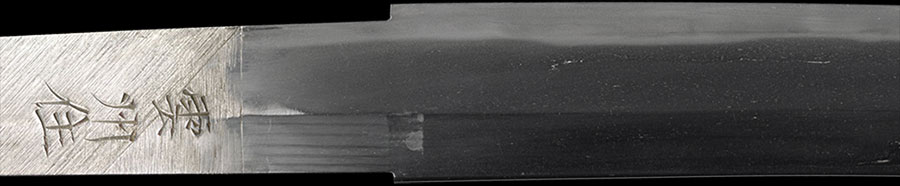
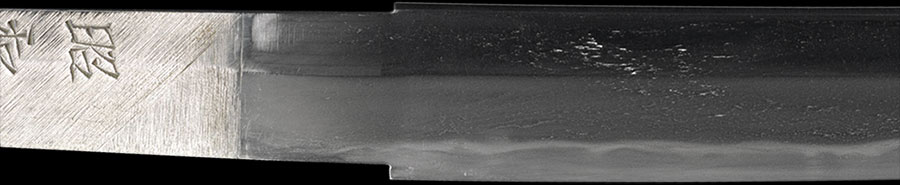
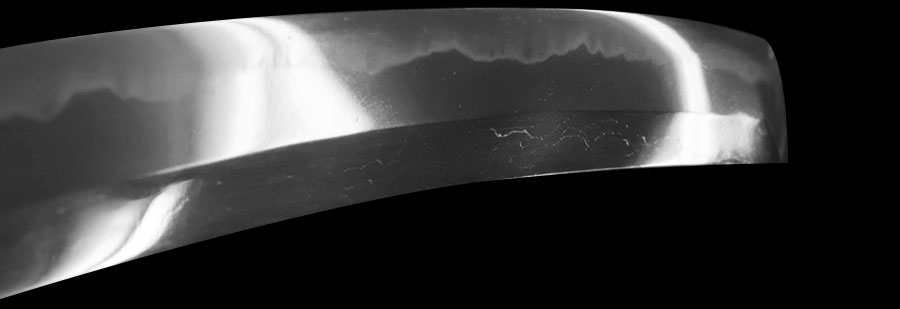
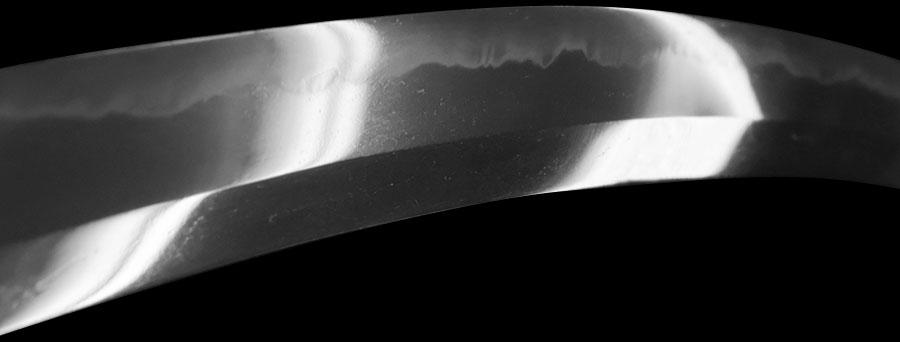
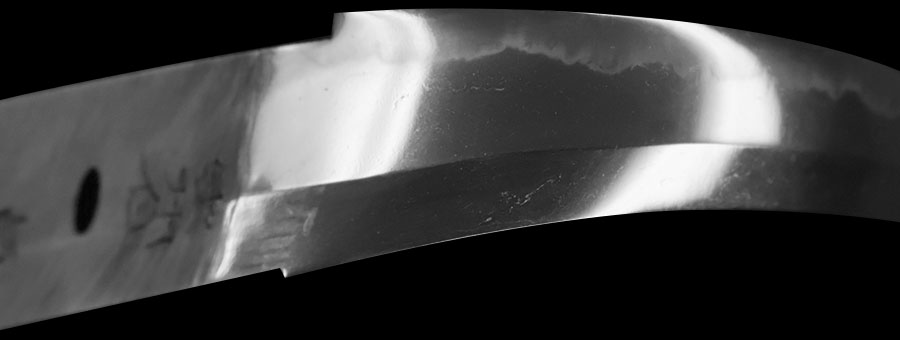
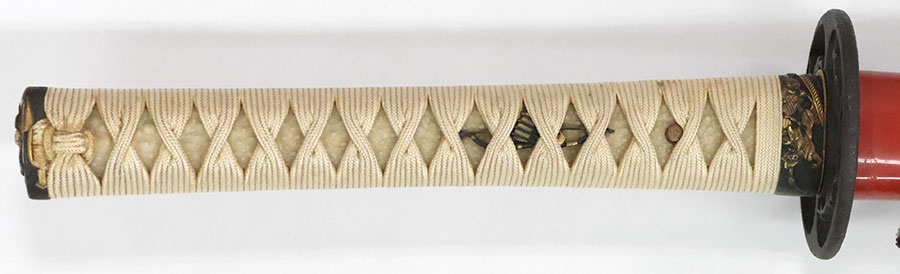
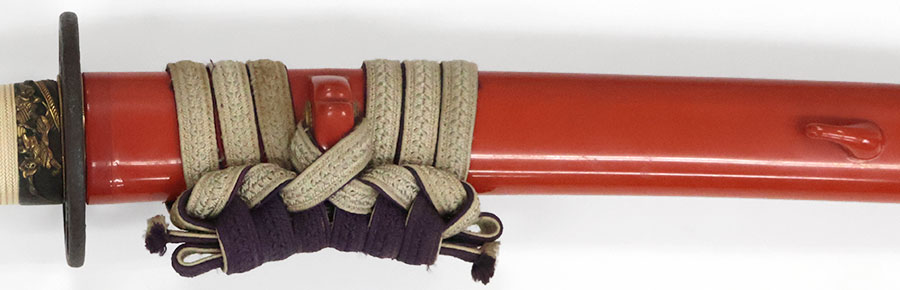
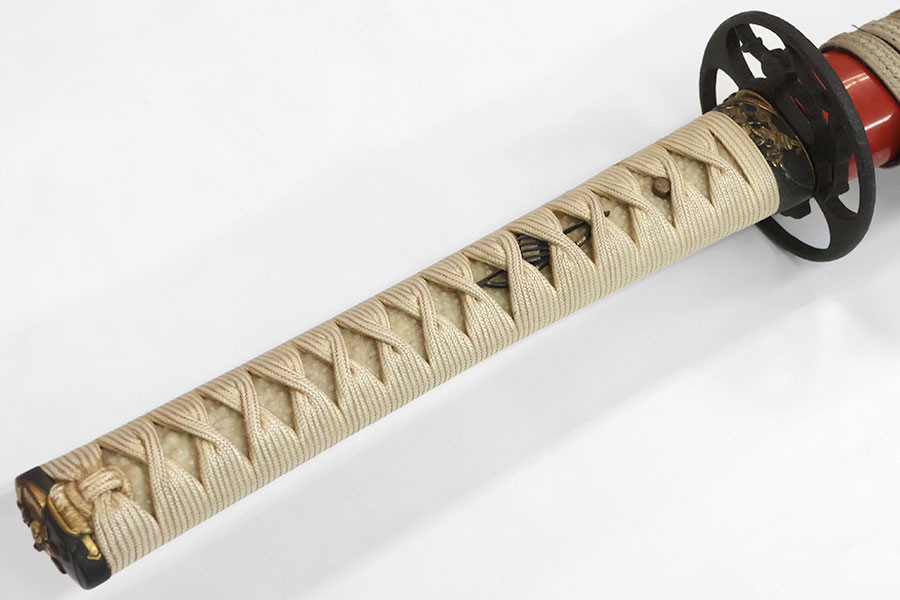
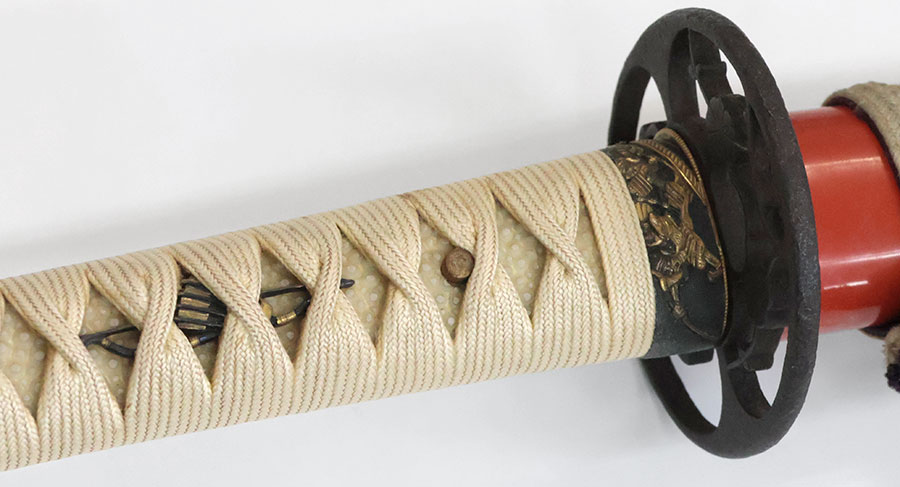
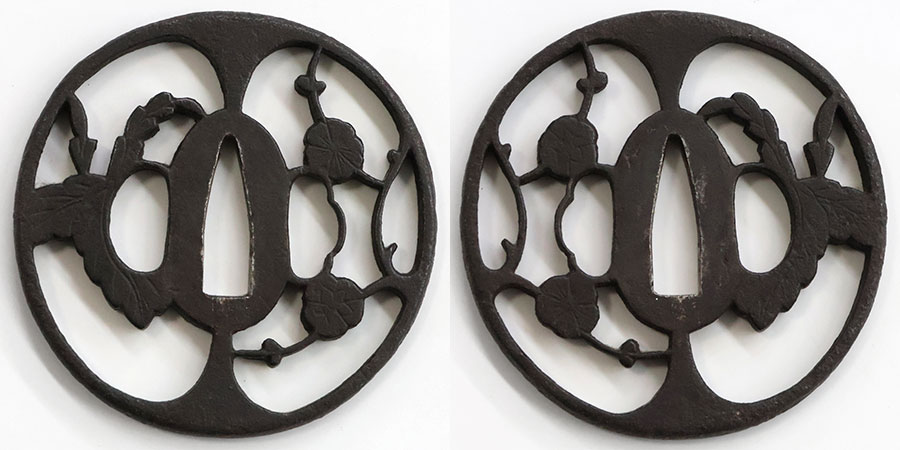
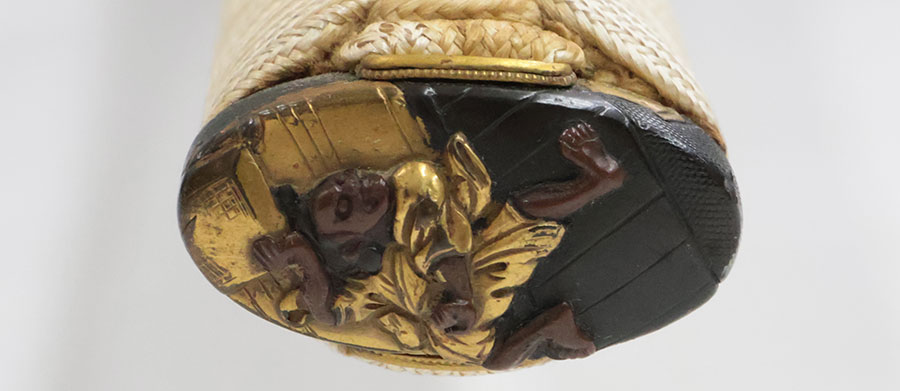
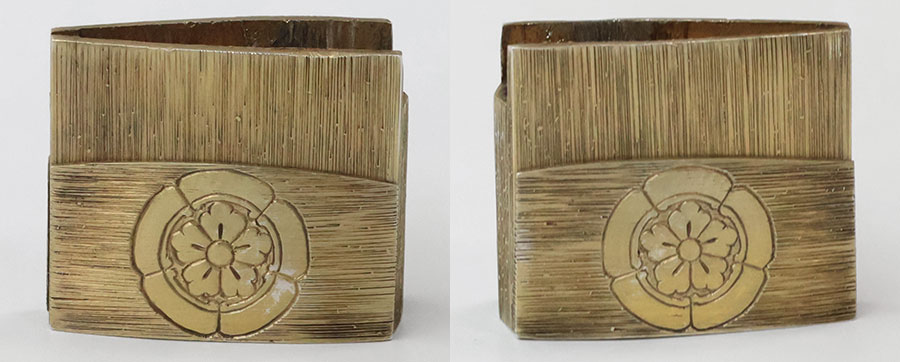
Weight: 980g (excluding saya) It has arrived, it has arrived—a masterpiece Soshu Masamune-utsushi by the famous swordsmith Unshu Ju Sadanori. Sadanori is a master smith designated as an Important Intangible Cultural Property of Shimane Prefecture. He is a master who receives awards every year, including the Special Prize at the Shinsaku Meito-ten (New Masterpiece Sword Exhibition). This katana exhibits a sugata from the late Kamakura period, with a distinct difference between the motohaba and sakihaba. The jigane is itame-hada mixed with masame-hada. The hamon is a Masamune-utsushi in nioi-deki with konie, featuring a gunome-midare-ba with the uninhibited variations unique to Masamune. The interior of the yaiba is mixed with many kinsuji, beautifully manifesting the Kamakura-period Soshu Masamune that everyone knows. The koshirae is also a luxurious set featuring a shunuri-saya and Edo-period kanagu. It includes a tetsu-sukashi tsuba with a design of plum and paulownia, fuchi-kashira of shakudo-ji with a warrior motif, and menuki of shakudo-ji with gold zogan in a bow-and-arrow motif. This high-cost, extravagant koshirae further adds a layer of splendor to this Masamune-utsushi. Because Sadanori’s father, Sadayoshi, was a fellow apprentice under the Osaka Gassan smith Sadakatsu, all the brothers in the lineage were given the character "Sada" (貞) as members of the Gassan school. This masterpiece Masamune-utsushi was specially commissioned by an old connoisseur, but as he has aged, he has entrusted it to us to pass on to the next generation at a low price. Therefore, we are offering it at a special bargain price. Swords by Unshu Ju Sadanori are a target of envy for enthusiasts; please enjoy it.
Offered by Nipponto


Izumo · around 1989-2019
4 pieces on the market now
Shōwa to the present: destruction and revival
The twentieth century nearly killed the craft twice: wartime distortion, then the occupation ban. The NBTHK’s founding in 1948 and licensed forging from 1953 rebuilt the sword as an art, crowned by Living National Treasures and the mukansa rank.
We could not find an authenticity certificate on the seller’s listing. Japanese swords and fittings are normally papered by the NBTHK (or the NTHK). Without one, the attribution is the seller’s own assessment and has not been independently verified — treat it with caution and ask the dealer about certification before buying.
For returns due to customer circumstances, the cost is the customer's responsibility. For returns due to our mis-shipment or a defective item, we bear the cost.
¥580,000