Weight: 991g (excluding saya)
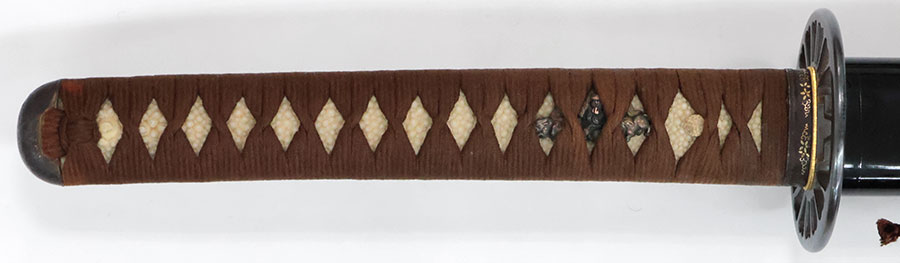
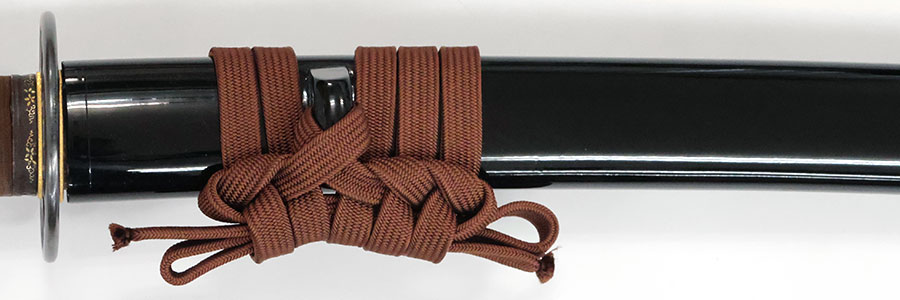
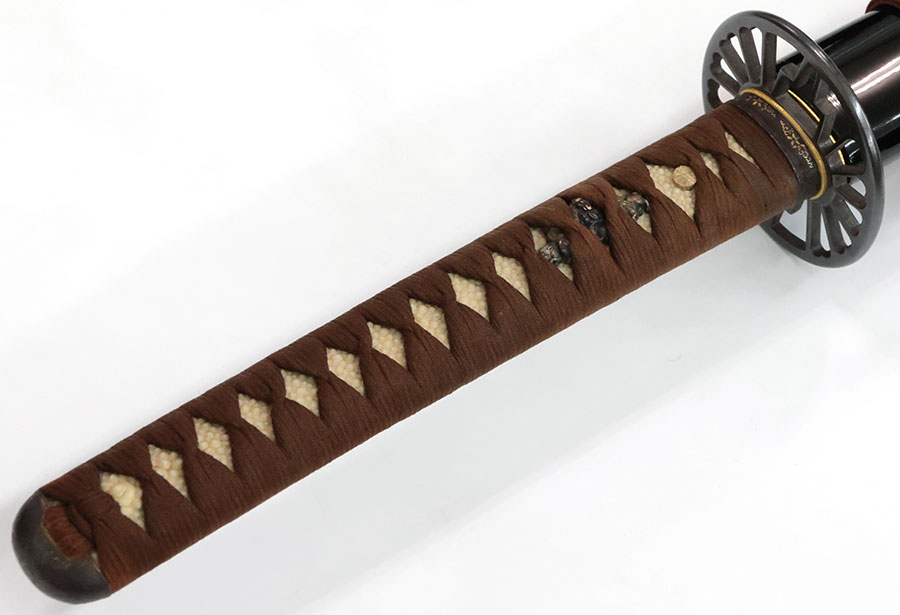
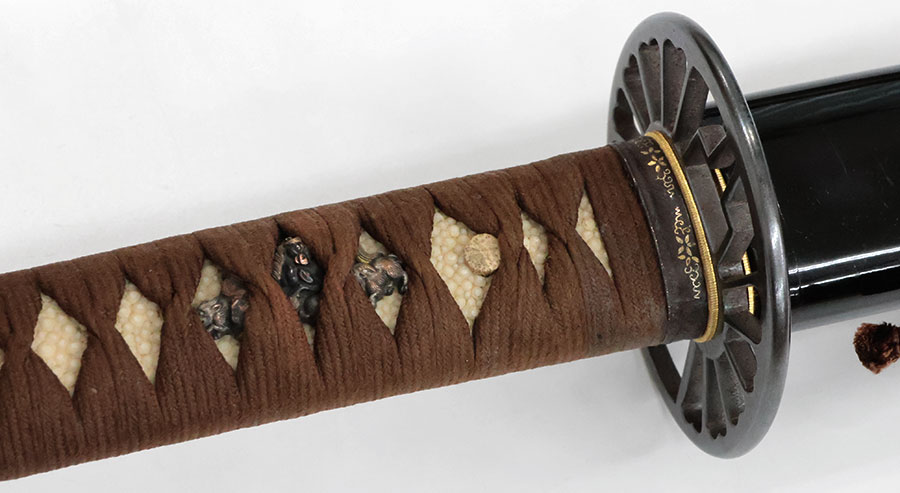
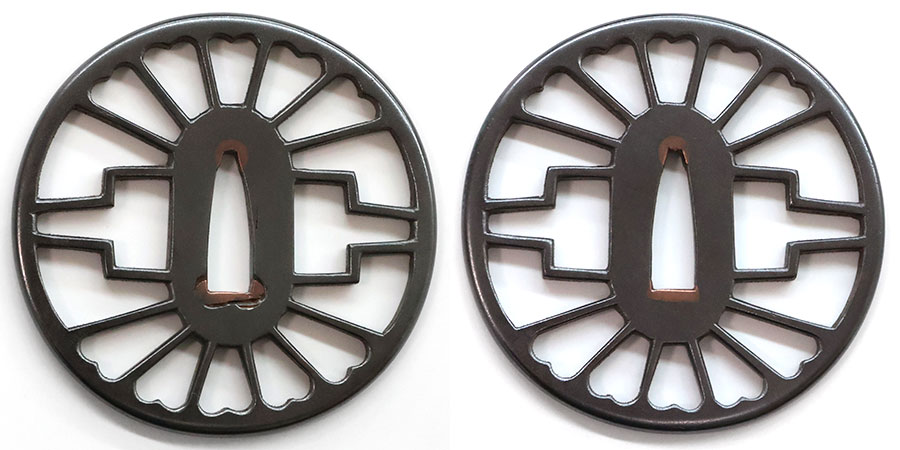
It has arrived, it has arrived—a famous sword by the renowned Unshu Ju Sadanori, replicating the work of the famous Nagasone Kotetsu Nyudo Okisato. Sadanori is a master swordsmith designated as an Important Intangible Cultural Property of Shimane Prefecture. He is a master craftsman who received special prizes every year at the Shinsaku Meito Ten (New Masterpiece Sword Exhibition).
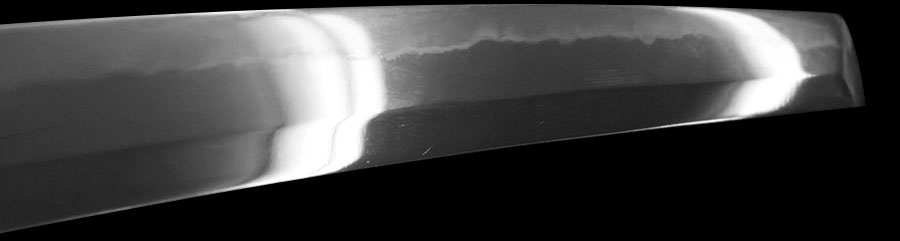
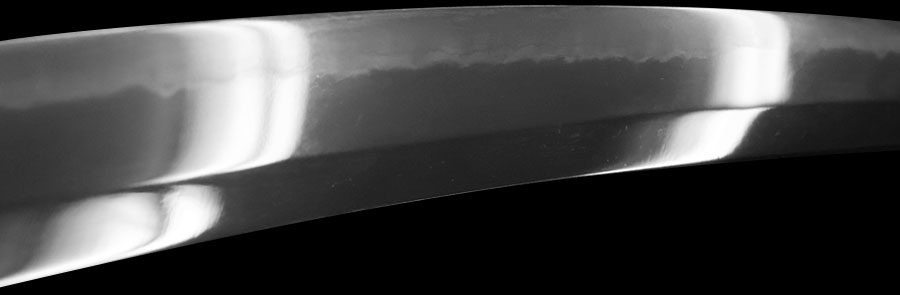
This sword is a masterpiece replicating the work of the famous Edo period smith, Nagasone Kotetsu Nyudo Okisato. This blade exhibits a Kanbun Shinto sugata, typical of the era when Kotetsu lived and when thrusting techniques (tsuki-waza) were popular in kendo dojos, characterized by a noticeable difference between the moto-mihaba and saki-mihaba with shallow sori.
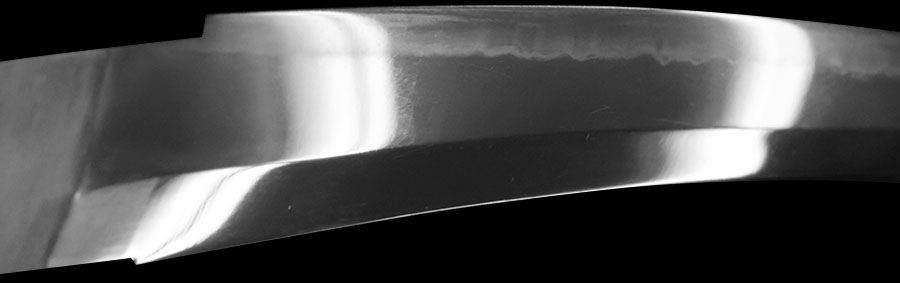
The jigane is a wonderful, tightly forged ko-itame hada, displaying a powerful steel. The hamon is composed of nioi-deki with ko-nie, featuring a notare-ba with gunome-ashi, successfully recreating Kotetsu's signature juzu-ba. The boshi is also tempered in the "Kotetsu boshi" style, resembling the jaw of a tiger, faithfully replicating Kotetsu with excellent skill.
Because Sadanori's father, Sadayoshi, and the Osaka Gassan smith Sadakatsu were fellow apprentices, all the brothers in this lineage carry the character "Sada" (貞) in connection to the Gassan school.
On this occasion, an elderly collector has entrusted us with this piece, saying, "I have grown old, so please pass this on to the next generation at a low price." Therefore, we are offering it at a special, discounted price. Swords by the master Sadanori, designated as an Important Intangible Cultural Property of Shimane Prefecture, are an object of envy for enthusiasts. Please enjoy this piece.
The twentieth century nearly killed the craft twice: wartime distortion, then the occupation ban. The NBTHK’s founding in 1948 and licensed forging from 1953 rebuilt the sword as an art, crowned by Living National Treasures and the mukansa rank.
For returns due to customer circumstances, the cost is the customer's responsibility. For returns due to our mis-shipment or a defective item, we bear the cost.



















 NihontoWatch