














The twentieth century nearly killed the craft twice: wartime distortion, then the occupation ban. The NBTHK’s founding in 1948 and licensed forging from 1953 rebuilt the sword as an art, crowned by Living National Treasures and the mukansa rank.
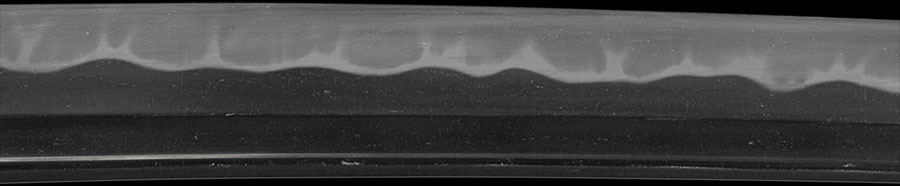
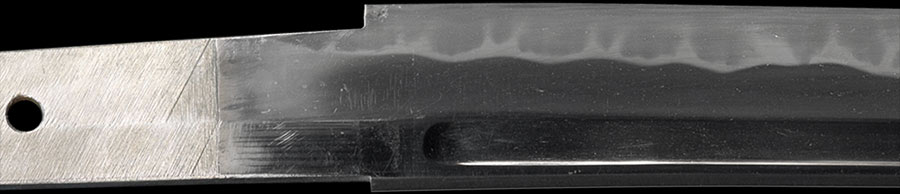
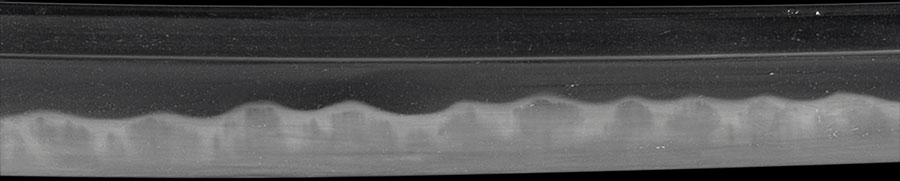
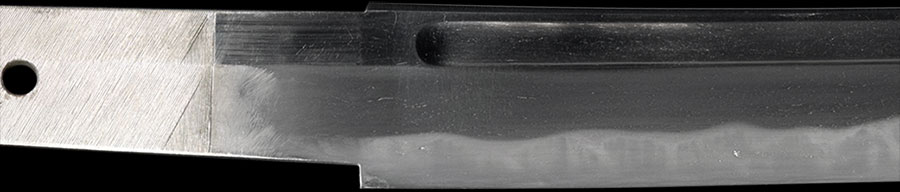
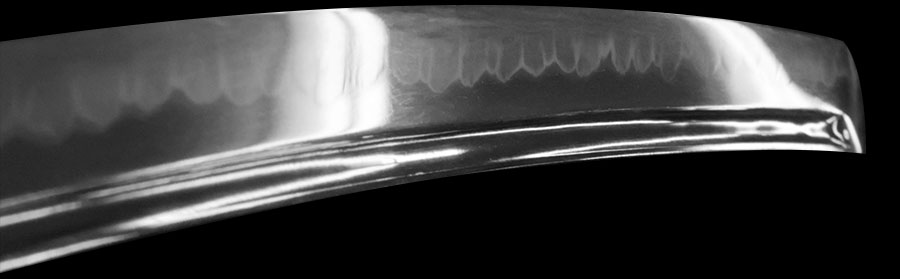
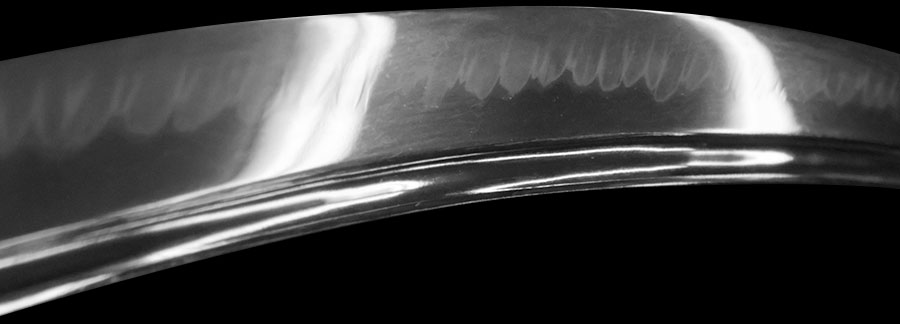
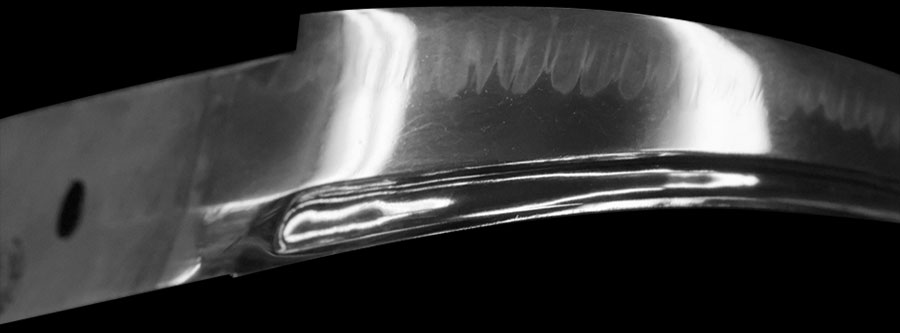
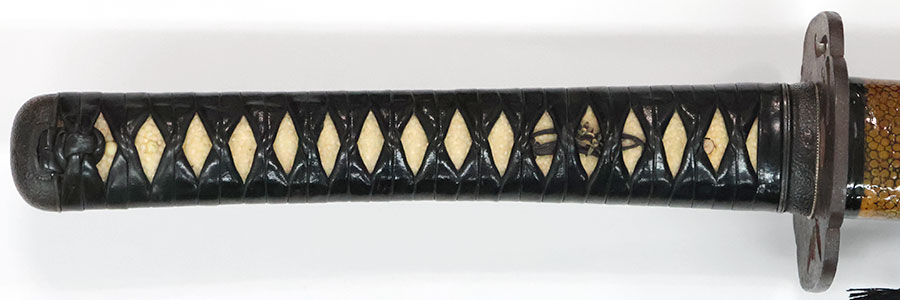
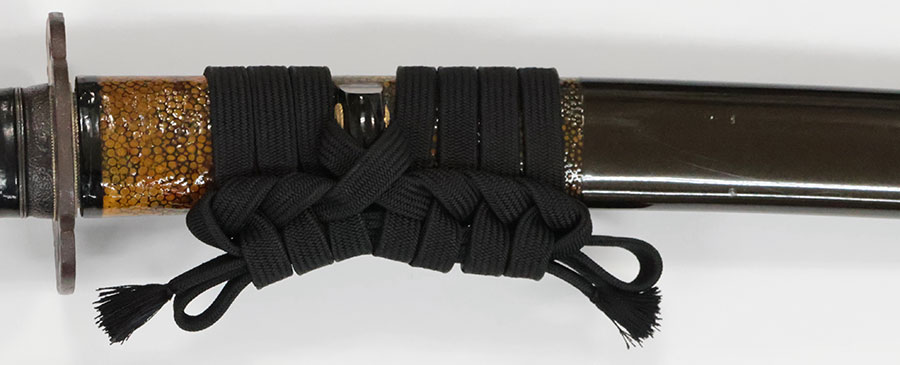
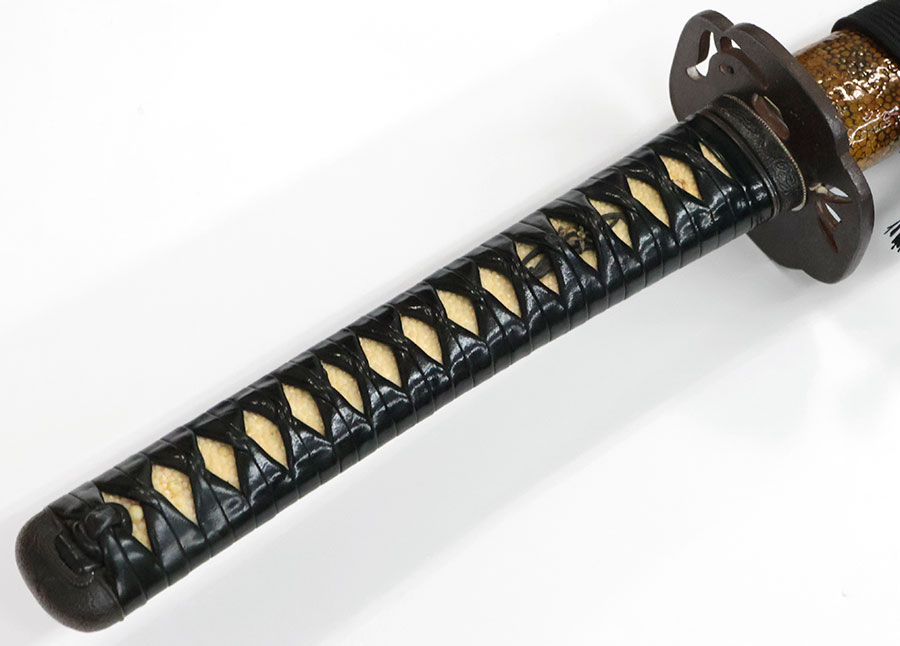
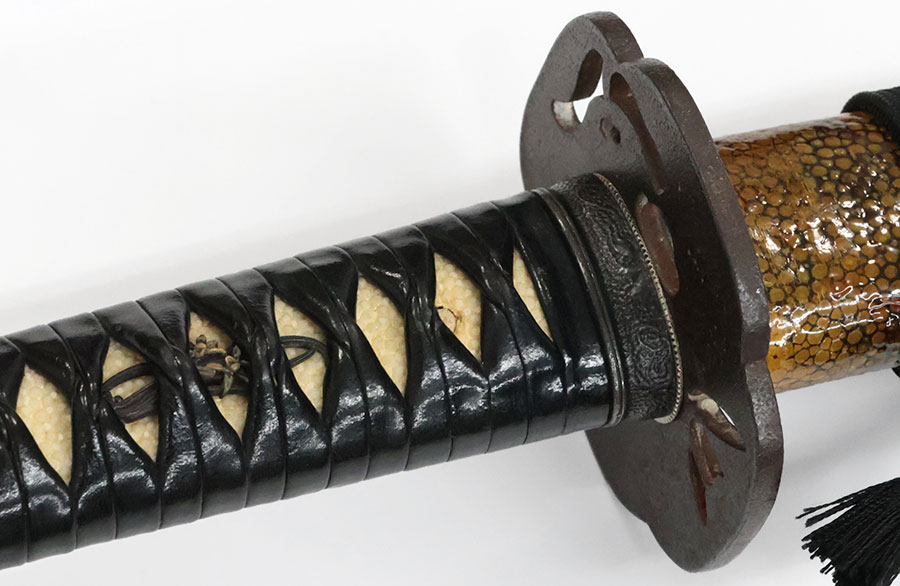
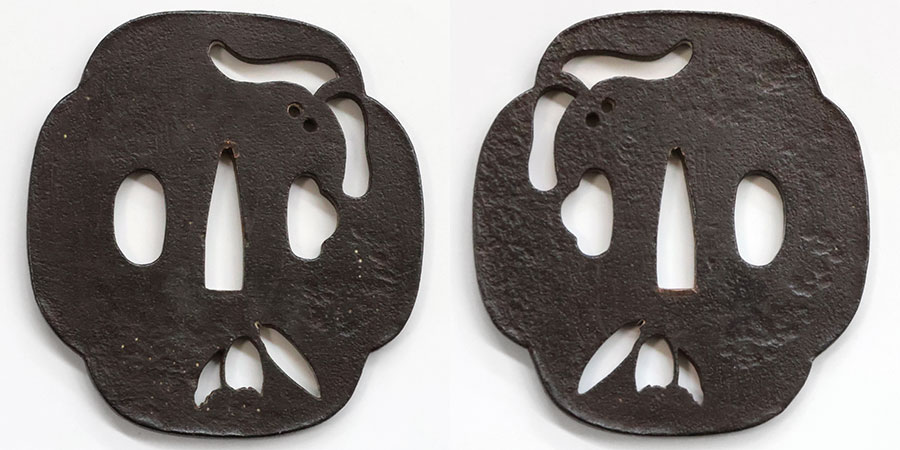
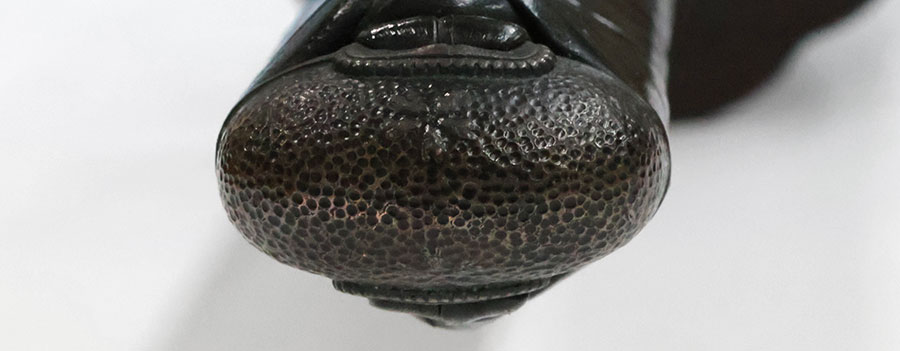
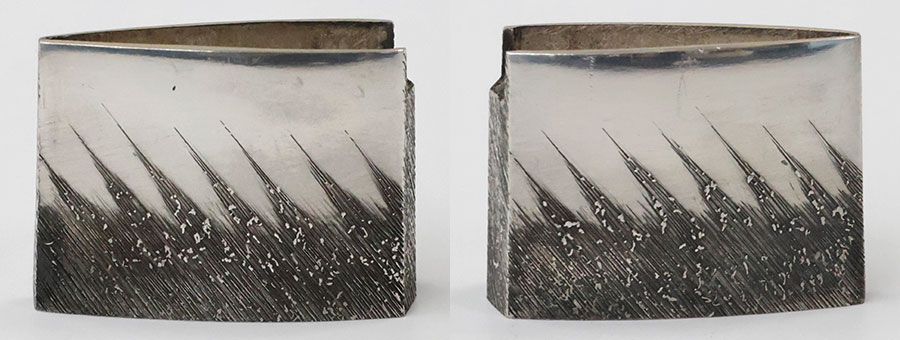
Weight: 1013g (excluding saya) It has arrived, it has arrived—a masterpiece by the popular and famous swordsmith Unshu Ju Sadanori, replicating the Bizen Fukuoka Ichimonji style, which is hailed as the flower of Kamakura period swords. Sadanori is a master smith designated as an Important Intangible Cultural Property of Shimane Prefecture. He is a master craftsman who wins special prizes every year at the Shinsaku Meito Ten (New Masterpiece Sword Exhibition). The sugata of this katana displays a magnificent mid-Kamakura period form with a noticeable difference between the motohaba and sakihaba. The jigane is a superb, tightly packed ko-itame hada, forged into a powerful steel, and the horimono features skillfully carved bo-hi. The hamon is in nioi-deki with ko-nie, manifesting a Fukuoka Ichimonji style with high-reaching o-gunome choji-ba, containing many ashi and yo within the ha; it is wonderfully bright and exceptionally well-made. Because Sadanori’s father, Sadayoshi, and the Osaka Gassan smith Sadakatsu were fellow apprentices, all the brothers in this lineage carry the character "Sada," linking them to the prestigious Gassan school. This sword was specially commissioned by an old sukyosha (connoisseur), but as he has aged, he has entrusted it to us to pass on to the next generation at a low price. Therefore, we are offering it at a special bargain price. Swords by the master Sadanori, an Important Intangible Cultural Property of Shimane Prefecture, are an object of envy for enthusiasts. Please enjoy this piece.
Offered by Nipponto


Izumo · around 1989-2019
4 pieces on the market now
Shōwa to the present: destruction and revival
The twentieth century nearly killed the craft twice: wartime distortion, then the occupation ban. The NBTHK’s founding in 1948 and licensed forging from 1953 rebuilt the sword as an art, crowned by Living National Treasures and the mukansa rank.
We could not find an authenticity certificate on the seller’s listing. Japanese swords and fittings are normally papered by the NBTHK (or the NTHK). Without one, the attribution is the seller’s own assessment and has not been independently verified — treat it with caution and ask the dealer about certification before buying.
For returns due to customer circumstances, the cost is the customer's responsibility. For returns due to our mis-shipment or a defective item, we bear the cost.
¥560,000