NihontoWatch MonNihontoWatch
Market
Encyclopedia
Kantei

Description

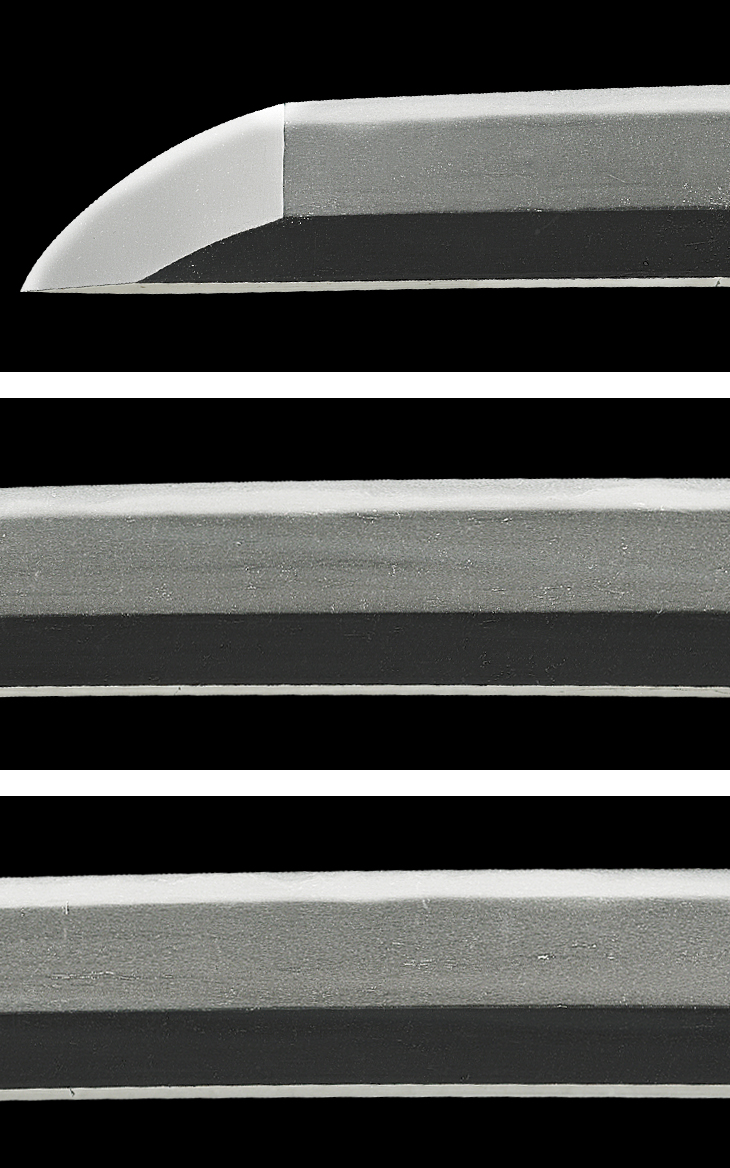
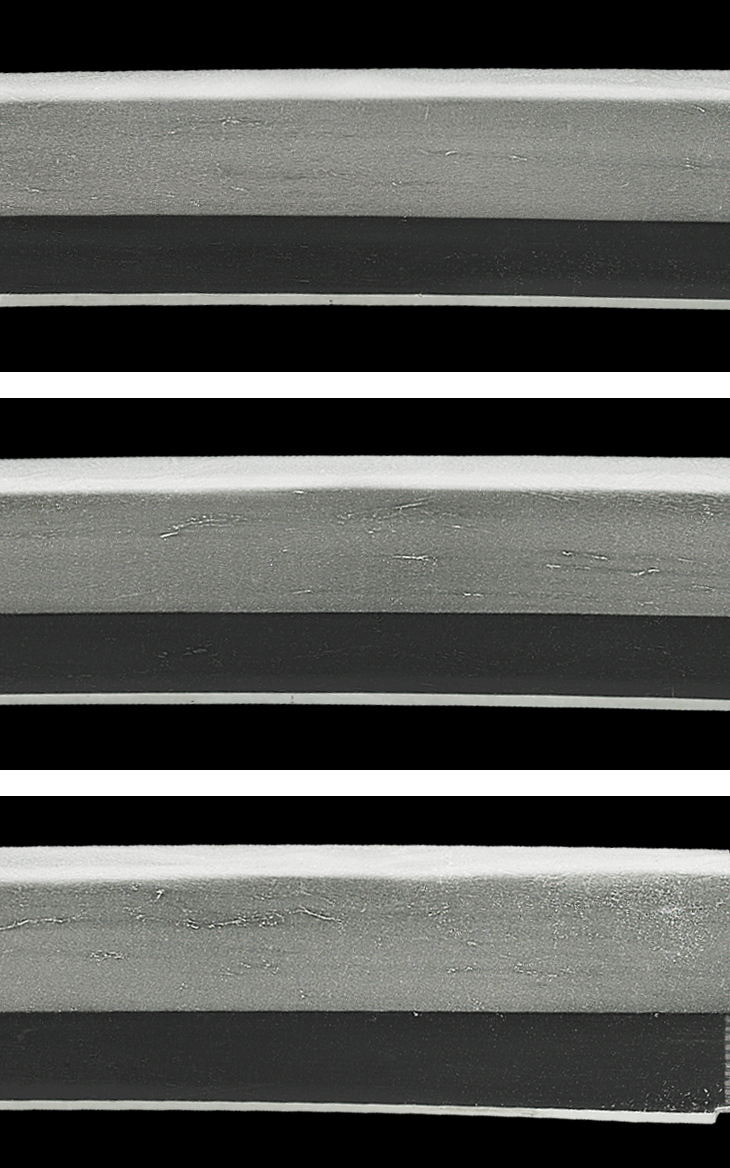
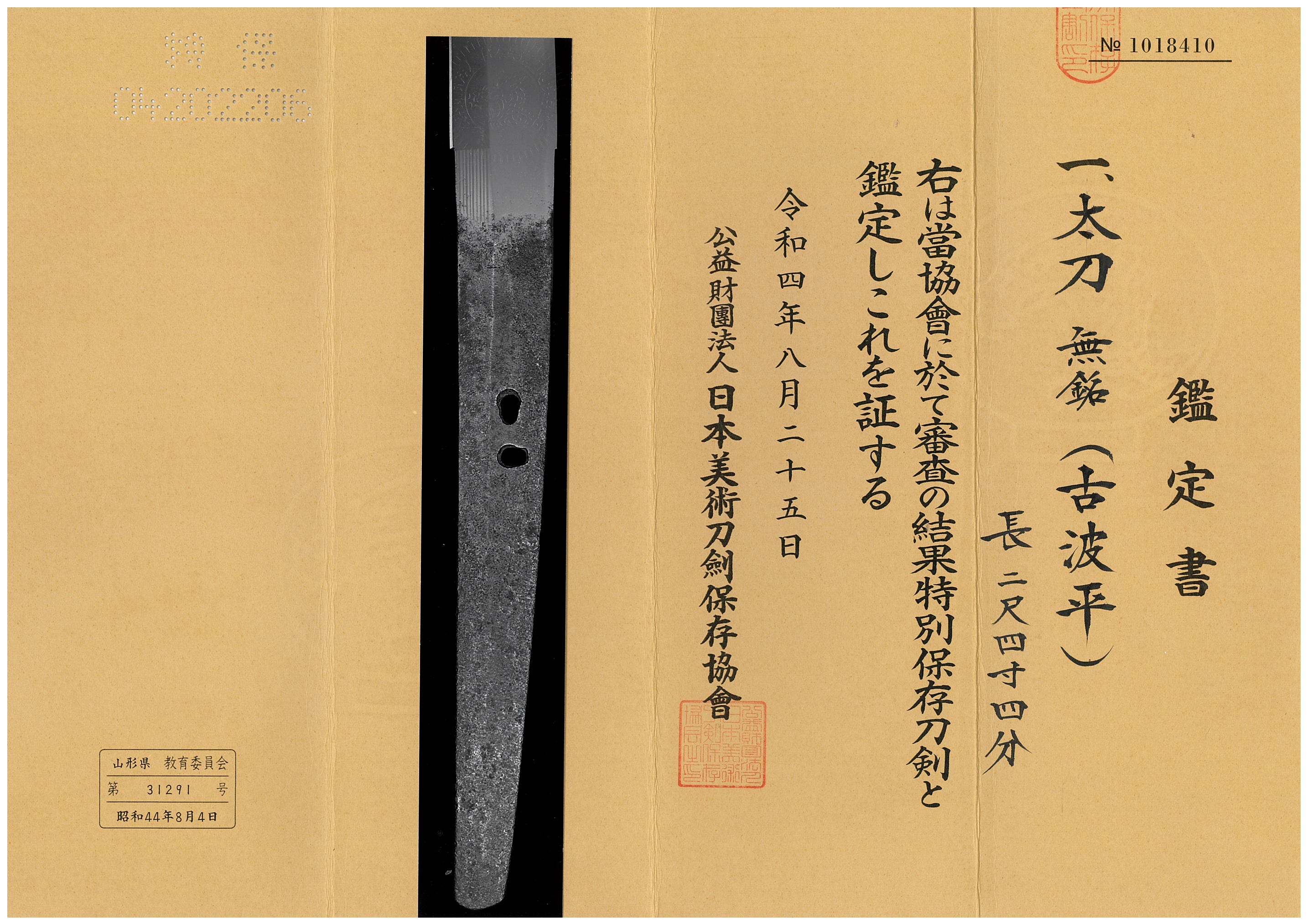
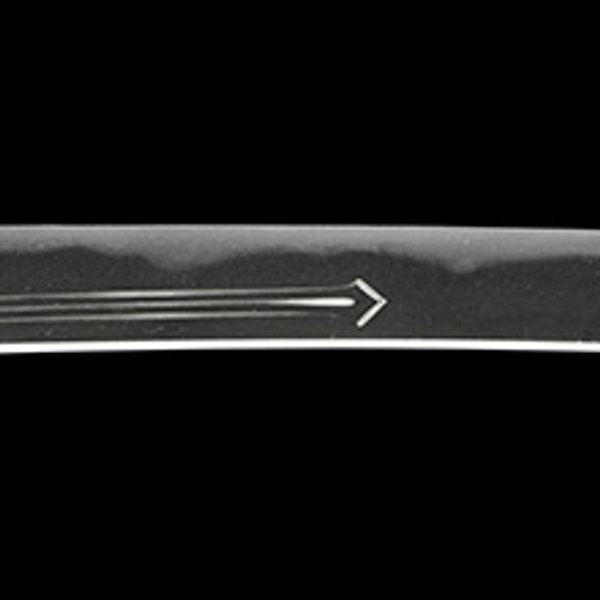
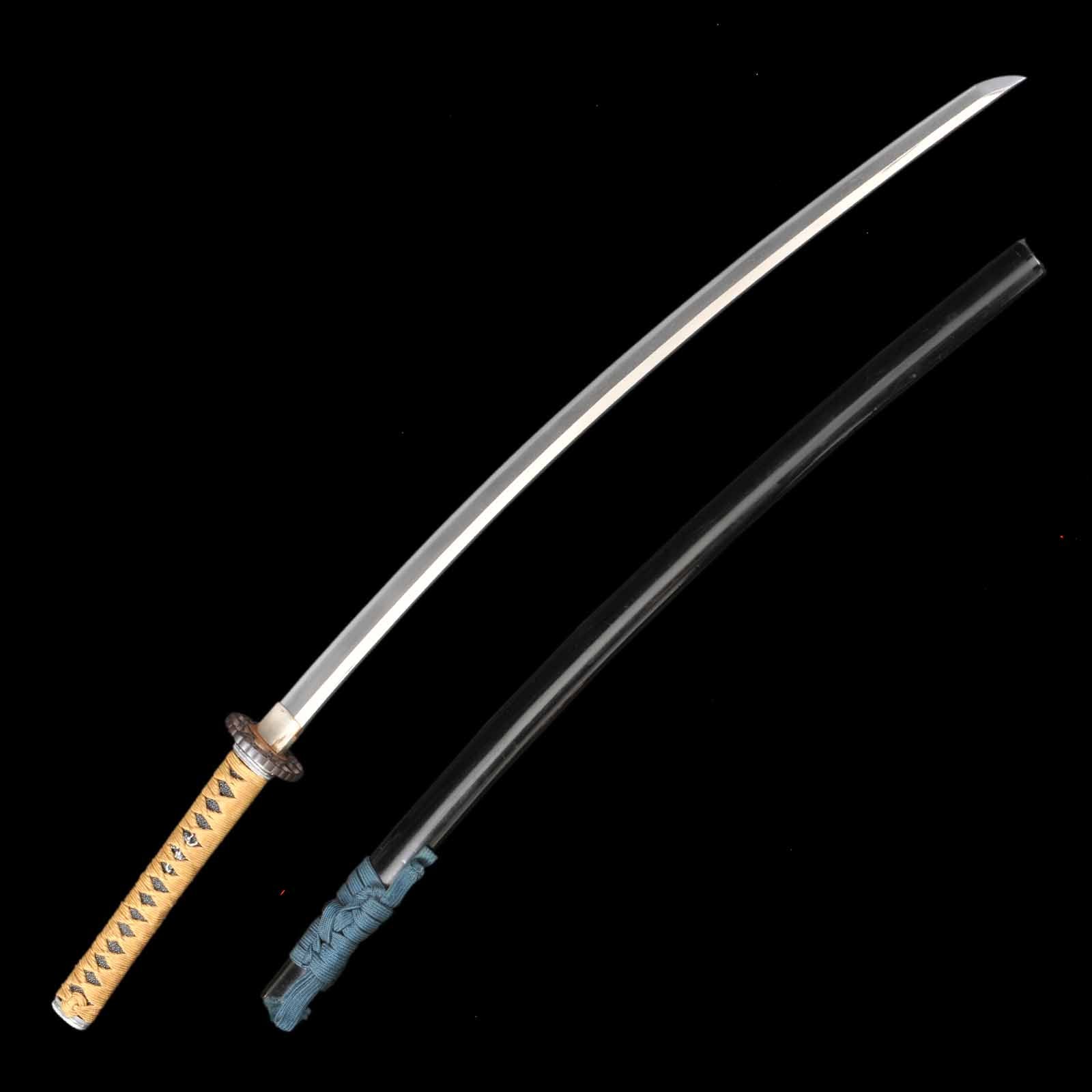
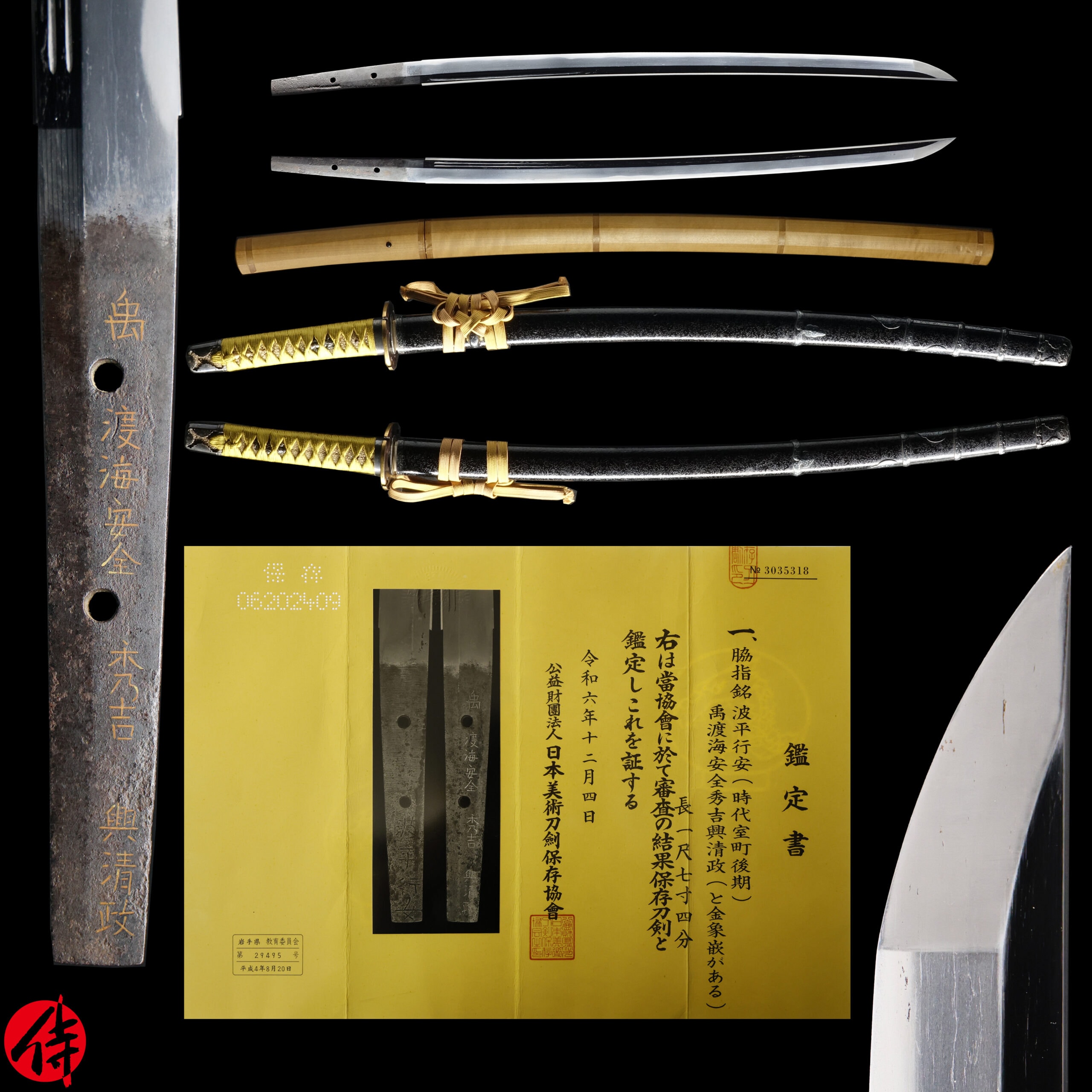
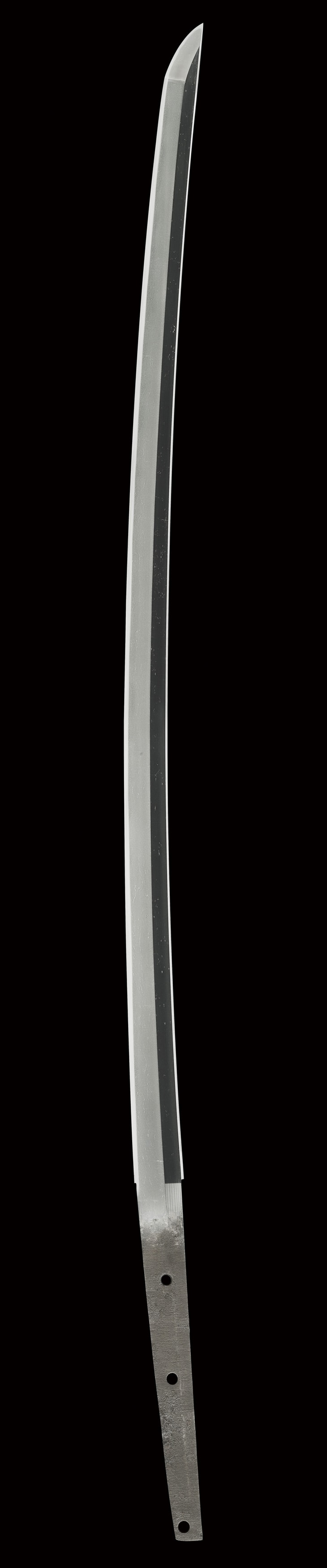
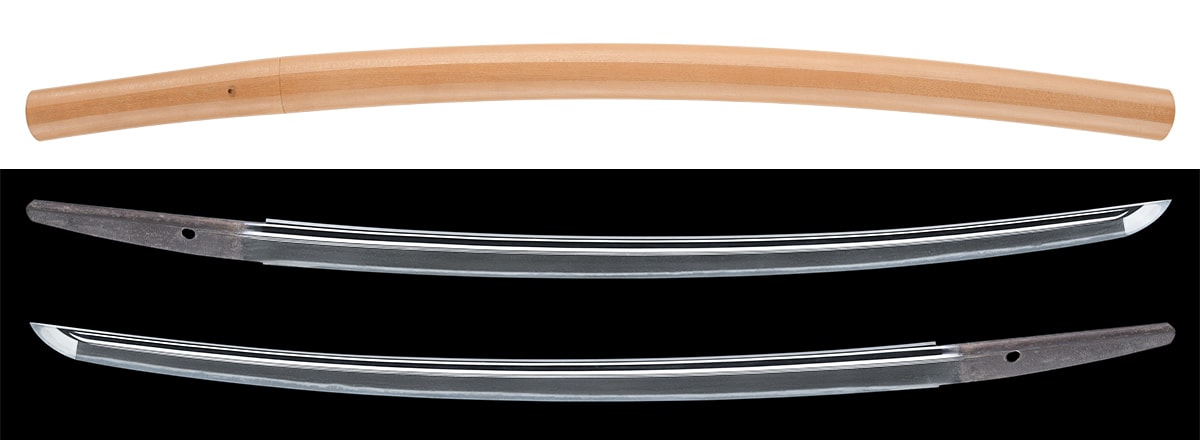
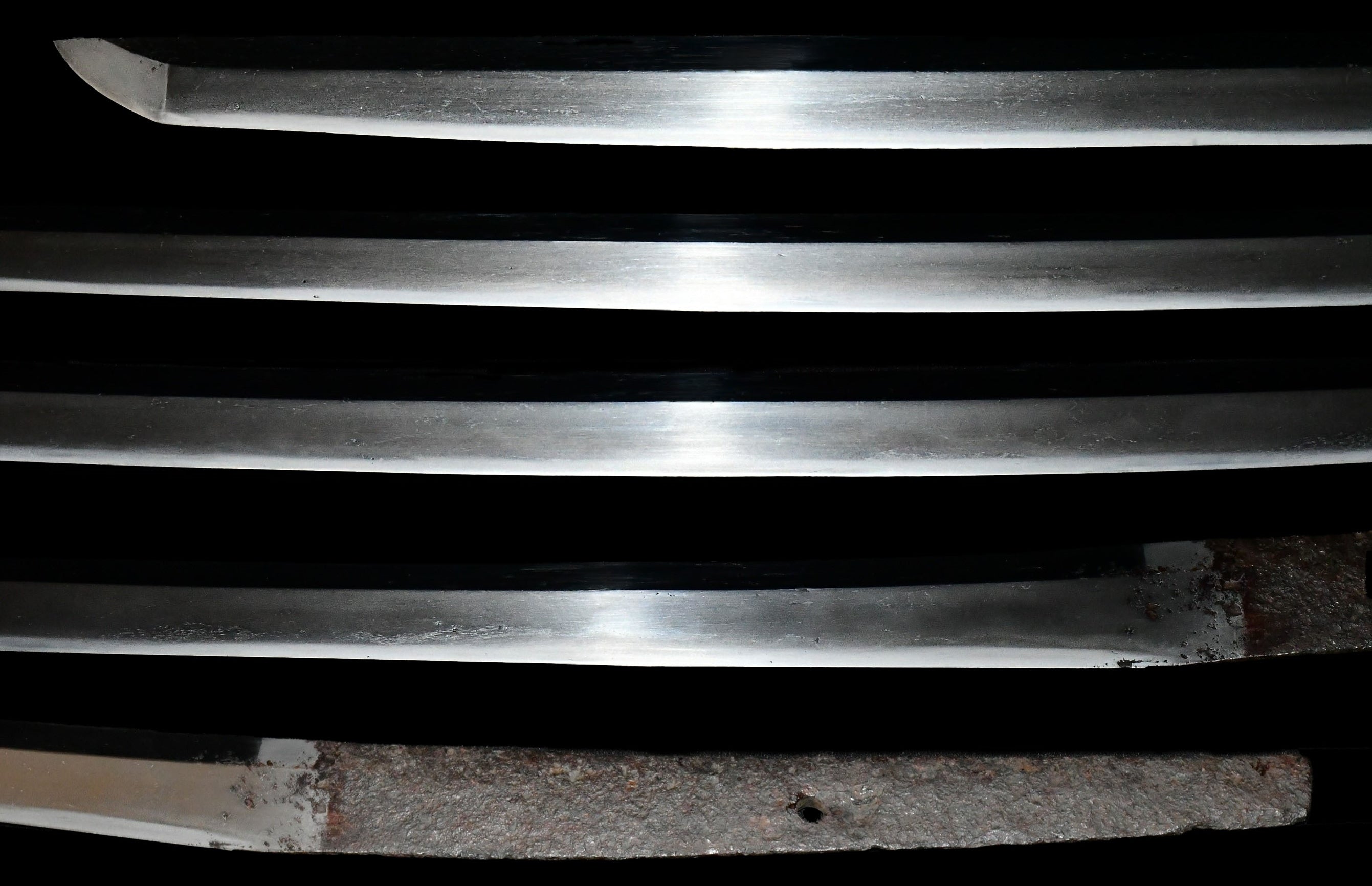
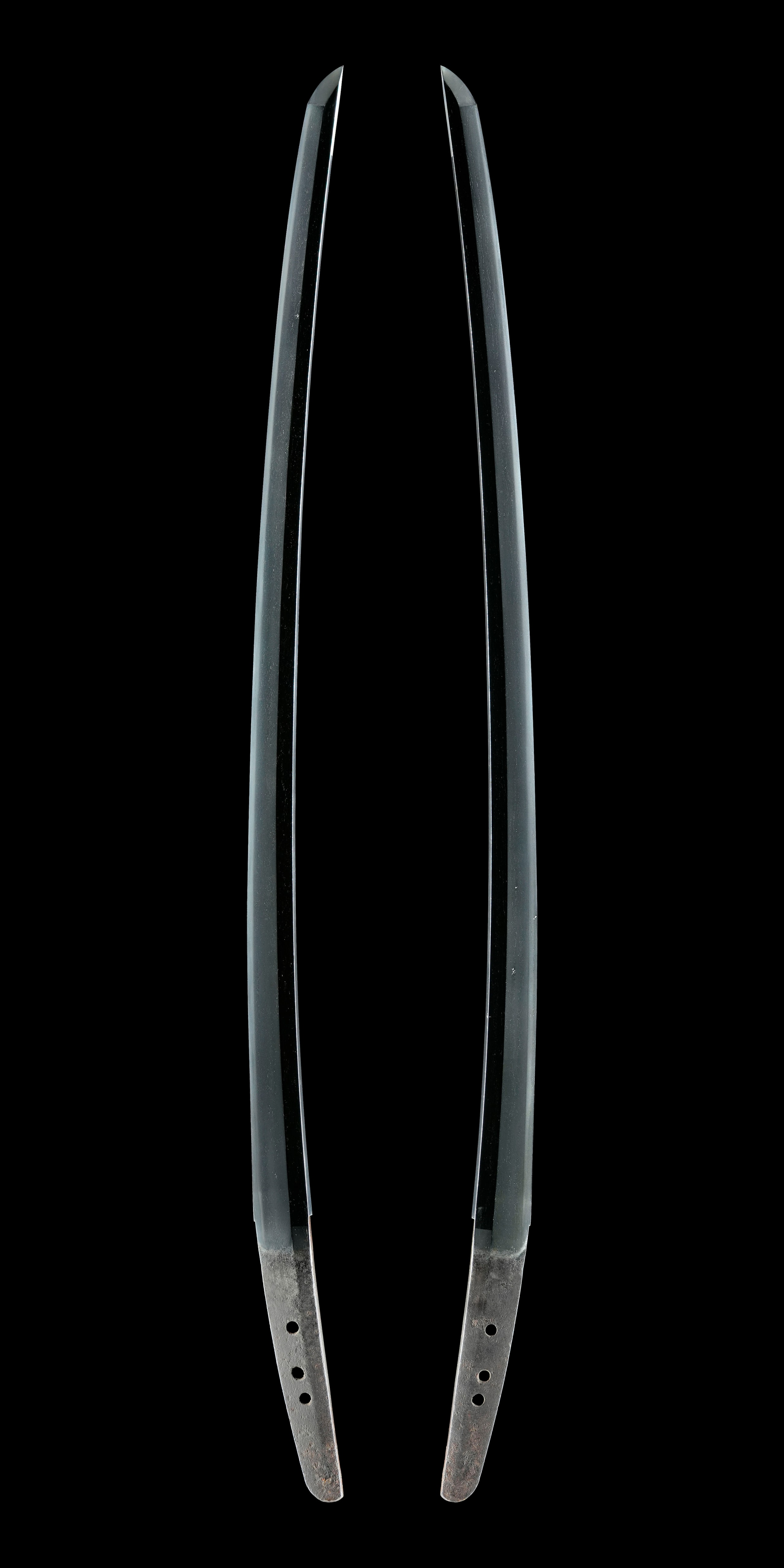
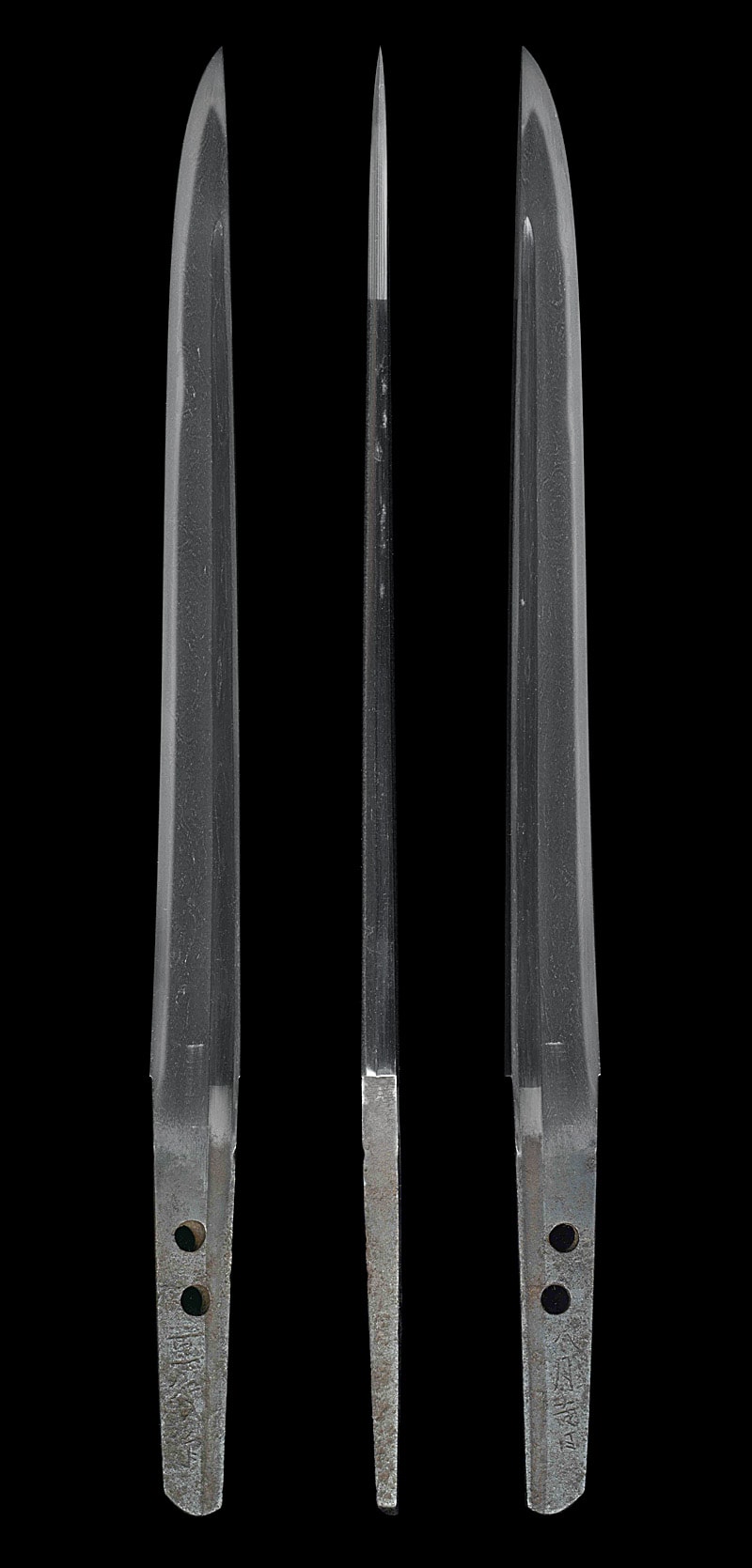
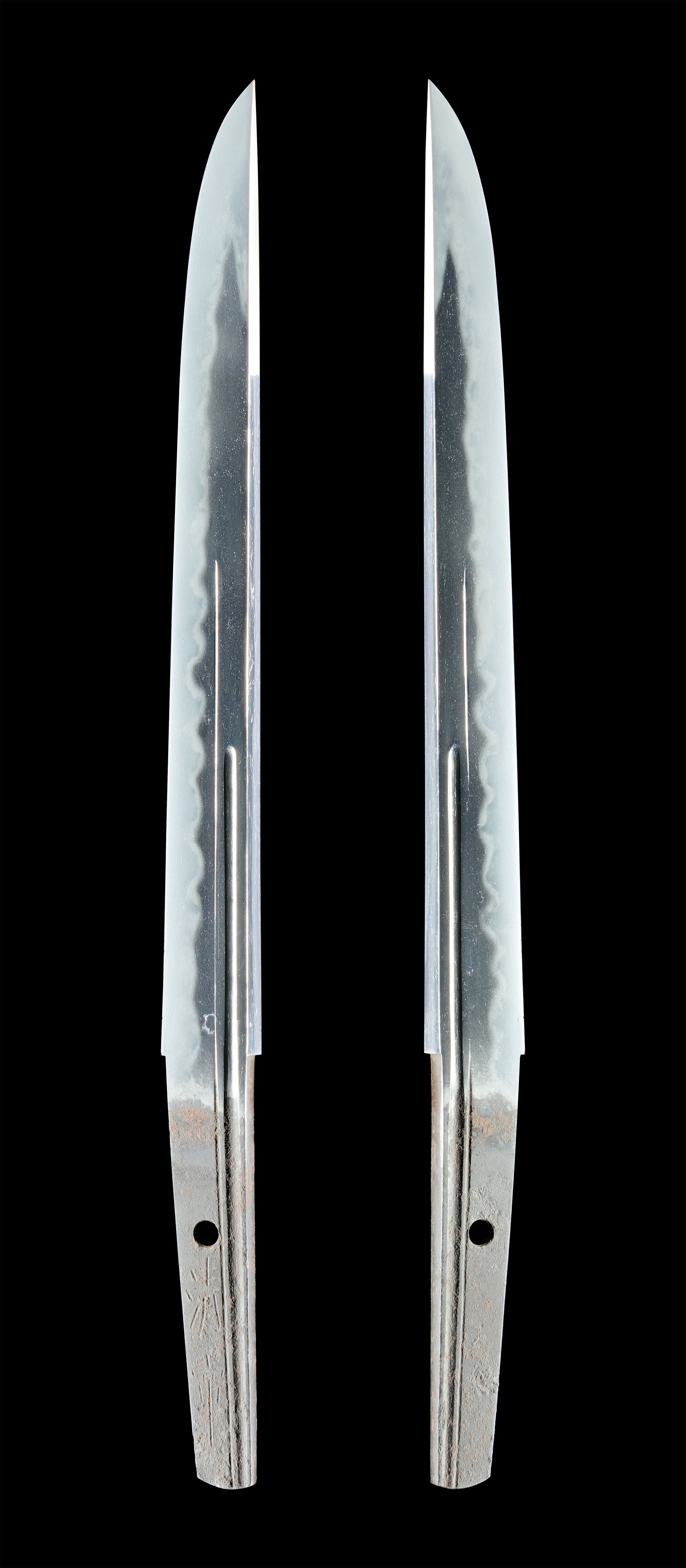
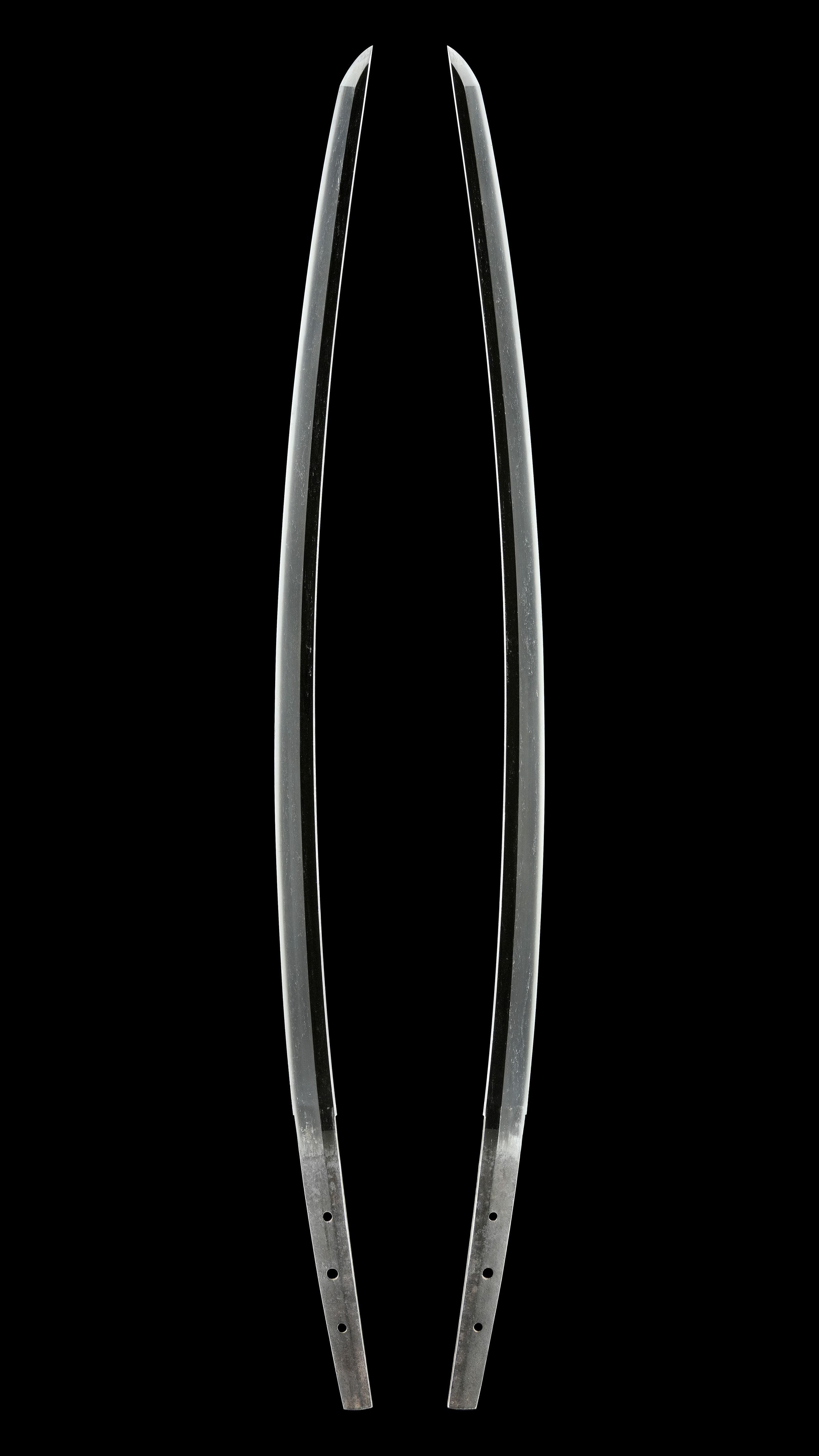
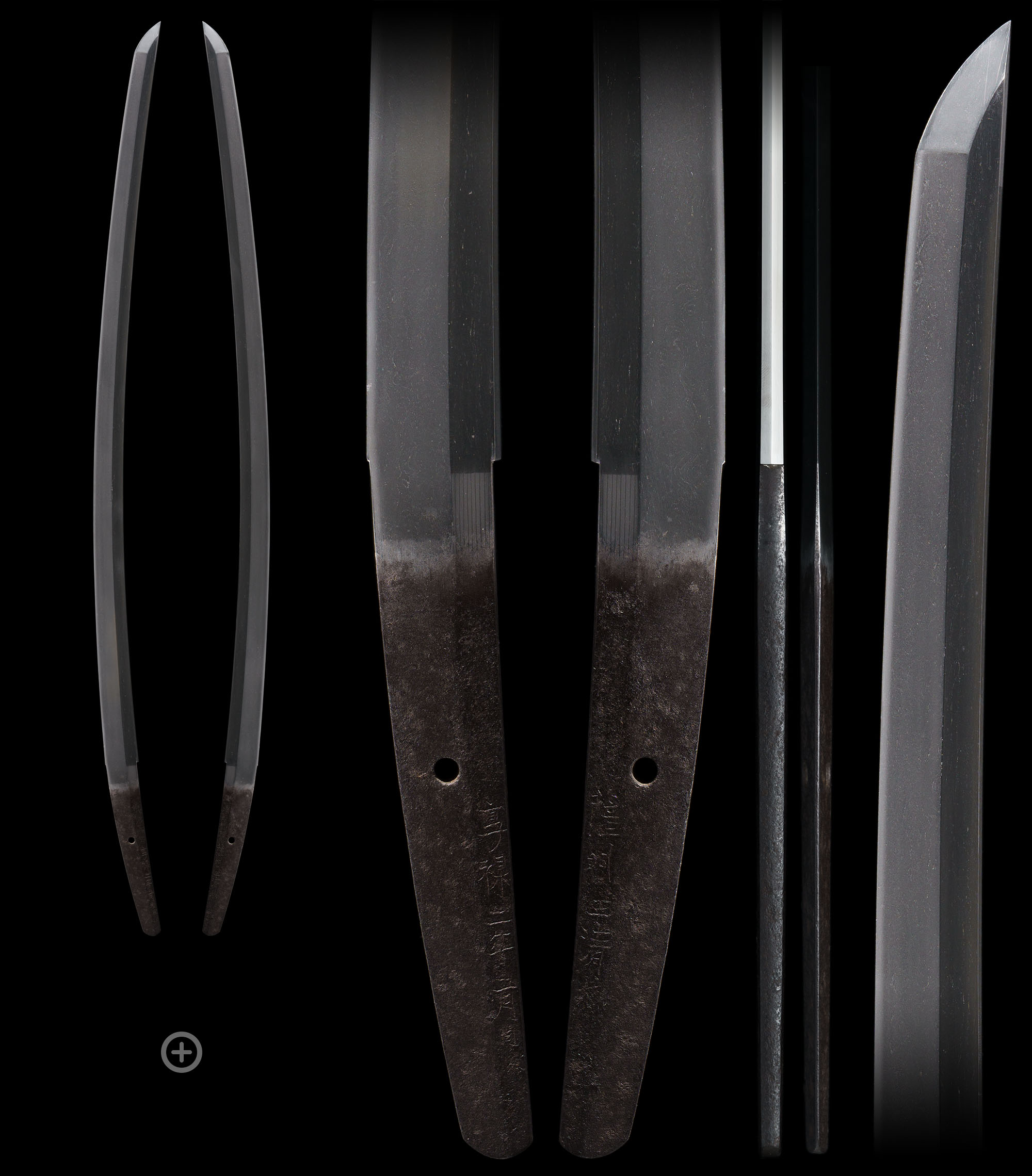
This is an unsigned Tachi attributed to Ko Naminohira, measuring 74.0 cm with a deep sori, and is judged to be from the late Kamakura period. The blade features a well-packed ko-itame hada with masame flowing in a wave-like pattern, a fine suguha-cho hamon mixed with ko-gunome, and delicate kinsuji and sunagashi. It comes with an NBTHK Tokubetsu Hozon certificate and is housed in a shirasaya.

NihontoWatch MonNihontoWatch
MarketEncyclopediaKantei
Swords›Naminohira›Tachi: Ko Naminohira (Unsigned)
tachiTokubetsu Hozon
Naminohira School

Tachi: Ko Naminohira (Unsigned)

mumei · Naminohira · Kamakura · nagasa 74cm · sori 2.9cm

SOLD
Tachi
Could you name the smith from the blade alone? Today’s kantei →
Naminohira School — 1 of 4
Naminohira School — 2 of 4
Naminohira School — 3 of 4
Naminohira School — 4 of 4
1 / 4
1 / 4
Naminohira School — 1 of 4Naminohira School — 2 of 4Naminohira School — 3 of 4Naminohira School — 4 of 4
Tachi
Could you name the smith from the blade alone? Today’s kantei →
Measurements & details
Smith
Naminohira School
Type
Tachi
School
Naminohira
Period
Kamakura
Province
Satsuma
Signature
Unsigned(0% of this smith's designated works are signed)
Measurements
Nagasa 74cmSori 2.9cmMotohaba 2.95cmSakihaba 2.01cmKasane 0.65cm
Description

This is an unsigned Tachi attributed to Ko Naminohira, measuring 74.0 cm with a deep sori, and is judged to be from the late Kamakura period. The blade features a well-packed ko-itame hada with masame flowing in a wave-like pattern, a fine suguha-cho hamon mixed with ko-gunome, and delicate kinsuji and sunagashi. It comes with an NBTHK Tokubetsu Hozon certificate and is housed in a shirasaya.

About the school

Naminohira

波平

Wakimono · Satsuma

13 pieces on the market now

›

The Naminohira school traces its origins to the late Heian period, when a swordsmith named Masakuni migrated from Yamato Province and established himself at Naminohira in Taniyama District, Satsuma Province. His son Yukiyasu succeeded him, and the lineage continued unbroken into the late Edo shinshintō era. The collective term Ko-Naminohira designates smiths and works dating no later than the Nanbokuchō period, distinguishing the school's formative generations from later practitioners. This geographic isolation in southern Kyushu allowed the development of a distinctive regional aesthetic that balanced mainland influences with local forging traditions. The school's technical identity reveals a pronounced Yamato character in both construction and tempering, yet the forging exhibits a characteristic density and slight tenacity (nebari) that distinguishes Naminohira work from its Yamato antecedents. The jigane typically shows strongly flowing itame-hada, often with a whitish cast and well-adhering ji-nie, while thick chikei appear throughout the ground. In the hamon, a fine hoso-suguha or narrow suguha-based temper predominates, with the nioiguchi displaying a distinctive urumi tendency—a moist, soft quality that creates a subdued, somewhat shizumi-inclined appearance.

A diagnostic feature appears at the hamachi, where slight yaki-otoshi marks the transition from untempered to tempered steel. The school's Nanbokuchō-period works often present extended ō-kissaki and deep koshizori, embodying the martial aesthetic of that turbulent age. The Naminohira tradition experienced a renaissance during the Edo period, producing masters such as Ichi Heian Yasushiro, who in Kyōhō 6 (1721) was summoned to forge for Shōgun Tokugawa Yoshimune. His exceptional skill earned him the privilege of engraving the ichiyō aoi crest on his nakago and the court appointment of Shume no Suke. His work and that of his contemporary Masakiyo represent the apex of Satsuma shintō, demonstrating how provincial schools could achieve recognition at the highest levels of Tokugawa society. The scarcity of early signed works, particularly from the Kamakura and Nanbokuchō periods, renders extant examples invaluable for understanding the school's development and its role in transmitting Yamato forging methods to Japan's southern frontier. Learn more →

21 recorded smiths46 designated works
Leading smiths
SmithEraDesignated
Yukiyasu行安1308-131110
Yasutsugu安次1375-13810
Yasuyoshi安吉1469-14870
Fuji藤1394-14280
Yasutsugu安次1224-12250
Explore the Naminohira school →

Historical context

The Kamakura period (1185 to 1333)

›

Nearly every later authority calls Kamakura the golden age of the sword: the first warrior government as patron, the great traditions at full strength simultaneously, and, tradition holds, the finest smiths of the realm rotating through Go-Toba’s court.

The Kamakura period (1185 to 1333) →

NBTHK Certificate
Tokubetsu Hozon Tōken特別保存刀剣
Sword Especially Worthy of Preservation
›

A Hozon-certified blade judged to show notably superior workmanship and a better state of preservation. The bar is higher: re-tempered blades and most unsigned Muromachi/Edo works are excluded.

About the NBTHK›

The NBTHK (Nihon Bijutsu Tōken Hozon Kyōkai, the Society for the Preservation of Japanese Art Swords) is a public-interest incorporated foundation founded in 1948 and supervised by Japan’s Agency for Cultural Affairs (Bunkachō); it is based at the Japanese Sword Museum in Tokyo. Its expert panels physically examine each submitted work (shinsa) and issue a certificate (kanteishō) ranking it by artistic and historical merit. NBTHK papers are the most widely recognized standard of authentication for Japanese swords and fittings.

NBTHK official site→
Seller
S
Samurai Nippon
Established 1977 · 49 yrs on the market
🇯🇵Ships from Japan
›
✓Verified dealersamurai-nippon.net
✓Ships worldwide✓English supportWire transferPayPalCredit card
Return policy

For one-of-a-kind items such as swords, sword fittings, and antiques, please contact us about a return within 3 days of the item's arrival and ship it back within 8 days. Refunds are issued the same day the returned item arrives.

View all of Samurai Nippon’s listings→

Previously sold — Naminohira School

View all →
Nihonto Australia
Hozon
Katana - Hozon - by Naminohira School - A Historically Important Naminohira Katana Owned by Oishi Kuwajiro, Member of the ShinsengumiKatana - Hozon - by Naminohira School - A Historically Important Naminohira Katana Owned by Oishi Kuwajiro, Member of the Shinsengumi
Sold

Katana

ByNaminohira School
SOLD
Choshuya
Wakizashi - by Naminohira School - Naminohira Masayuki YasunariWakizashi - by Naminohira School - Naminohira Masayuki Yasunari
Sold

Wakizashi

ByNaminohira School
SOLD
Tozando
Tokubetsu Kichō
Katana - Tokubetsu Kichō - by Naminohira School - Katana Mumeino (Signature) NBTHK Tokubetsu Kicho Certificate Naminohira Uchigatana Koshirae Suriage Nakago Koto Era Akita 5661Katana - Tokubetsu Kichō - by Naminohira School - Katana Mumeino (Signature) NBTHK Tokubetsu Kicho Certificate Naminohira Uchigatana Koshirae Suriage Nakago Koto Era Akita 5661
Sold

Katana

ByNaminohira School
SOLD
Samurai Museum
Hozon
Wakizashi - Hozon - by Naminohira School - Naminohira Yukiyasu - NBTHK Hozon CertificateWakizashi - Hozon - by Naminohira School - Naminohira Yukiyasu - NBTHK Hozon Certificate
Sold

Wakizashi

ByNaminohira School
SOLD
Choshuya
Tanto - by Naminohira School - Mumei Naminohira (Early Muromachi Period)Tanto - by Naminohira School - Mumei Naminohira (Early Muromachi Period)
Sold

Tantō

ByNaminohira School
SOLD
Samurai Nippon
Hozon
Katana - Hozon - by Naminohira School - Naminohira (Unsigned)Katana - Hozon - by Naminohira School - Naminohira (Unsigned)
Sold

Katana

ByNaminohira School
SOLD
Mandarin Mansion
Hozon
Tachi - Hozon - by Naminohira School - Ubu Naminohira TachiTachi - Hozon - by Naminohira School - Ubu Naminohira Tachi
Sold

Tachi

ByNaminohira School
SOLD
World Seiyudo
Hozon
Katana - Hozon - by Naminohira School - Mumei Naminohira with NBTHK Hozon TokenKatana - Hozon - by Naminohira School - Mumei Naminohira with NBTHK Hozon Token
Sold

Katana

ByNaminohira School
SOLD

More from the Naminohira school

View all →
Toyuukai
Hozon
Tachi - Hozon - by Naminohira School - Mumei (Ko Naminohira) - NBTHK HozonTachi - Hozon - by Naminohira School - Mumei (Ko Naminohira) - NBTHK Hozon

Tachi

ByNaminohira School
¥1,500,000
Toushin
Tokuho
Kodachi - Tokuho - by Naminohira - Kodachi: Ko NaminohiraKodachi - Tokuho - by Naminohira - Kodachi: Ko Naminohira

Kodachi

ByNaminohira
¥1,100,000
Choshuya
Tokuho
Katana - Tokuho - by Naminohira School - Naminohira YasuhiroKatana - Tokuho - by Naminohira School - Naminohira Yasuhiro

Katana

ByNaminohira School
¥1,200,000
E-sword
Hozon
Tanto - Hozon - by Naminohira School - Shigeyuki (Attributed to Naminohira)Tanto - Hozon - by Naminohira School - Shigeyuki (Attributed to Naminohira)

Tantō

ByNaminohira School
¥280,000
Toushin
Hozon
Tanto - Hozon - by Naminohira School - Tsunekiyo (Attributed to Namihira)Tanto - Hozon - by Naminohira School - Tsunekiyo (Attributed to Namihira)

Tantō

ByNaminohira School
¥495,000
World Seiyudo
Jūyō
Katana - Jūyō - by Naminohira School - Mumei Ko-Naminohira - NBTHK Juyo TokenKatana - Jūyō - by Naminohira School - Mumei Ko-Naminohira - NBTHK Juyo Token

Katana

ByNaminohira School
¥4,800,000
Toushin
Hozon
Tachi - Hozon - by Naminohira - Mumei (Naminohira)Tachi - Hozon - by Naminohira - Mumei (Naminohira)
Koshirae

Tachi

ByNaminohira
¥935,000
Asahi Token
Tokuho
Katana - Tokuho - by Sue-Naminohira Kiyosuke - Satsuma Sato Kiyosa, dated February 1529Katana - Tokuho - by Sue-Naminohira Kiyosuke - Satsuma Sato Kiyosa, dated February 1529

Katana

BySue-Naminohira Kiyosuke
¥1,760,000

Swords

  • Katana
  • Wakizashi
  • Tantō
  • Tachi
  • Naginata
  • Yari
  • Japanese Swords
  • Samurai Swords

Fittings

  • Tsuba
  • Fuchi-Kashira
  • Kozuka
  • Menuki
  • Sword Guards (Tsuba)

Armor

  • Kabuto
  • Samurai Armor
  • All Samurai Armor

By Certification

  • Tokujū
  • Jūyō
  • Tokuho
  • Hozon

Resources

  • Dealer Directory
  • Artist Directory
  • The Daily Kantei
  • Glossary
  • Browse All
Nihontowatch© 2026
TermsPrivacyCookiesAbout
Sold
NihontoWatch MonNihontoWatch
Market
Encyclopedia
Kantei