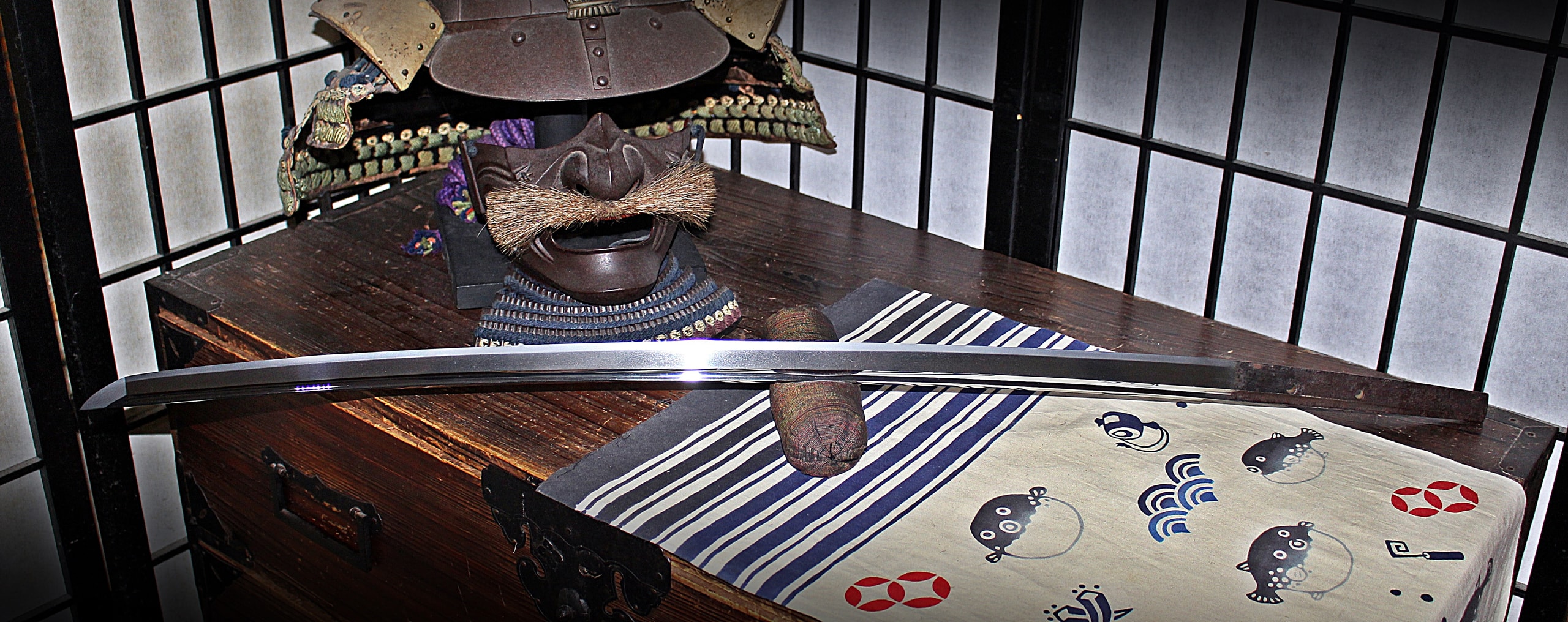
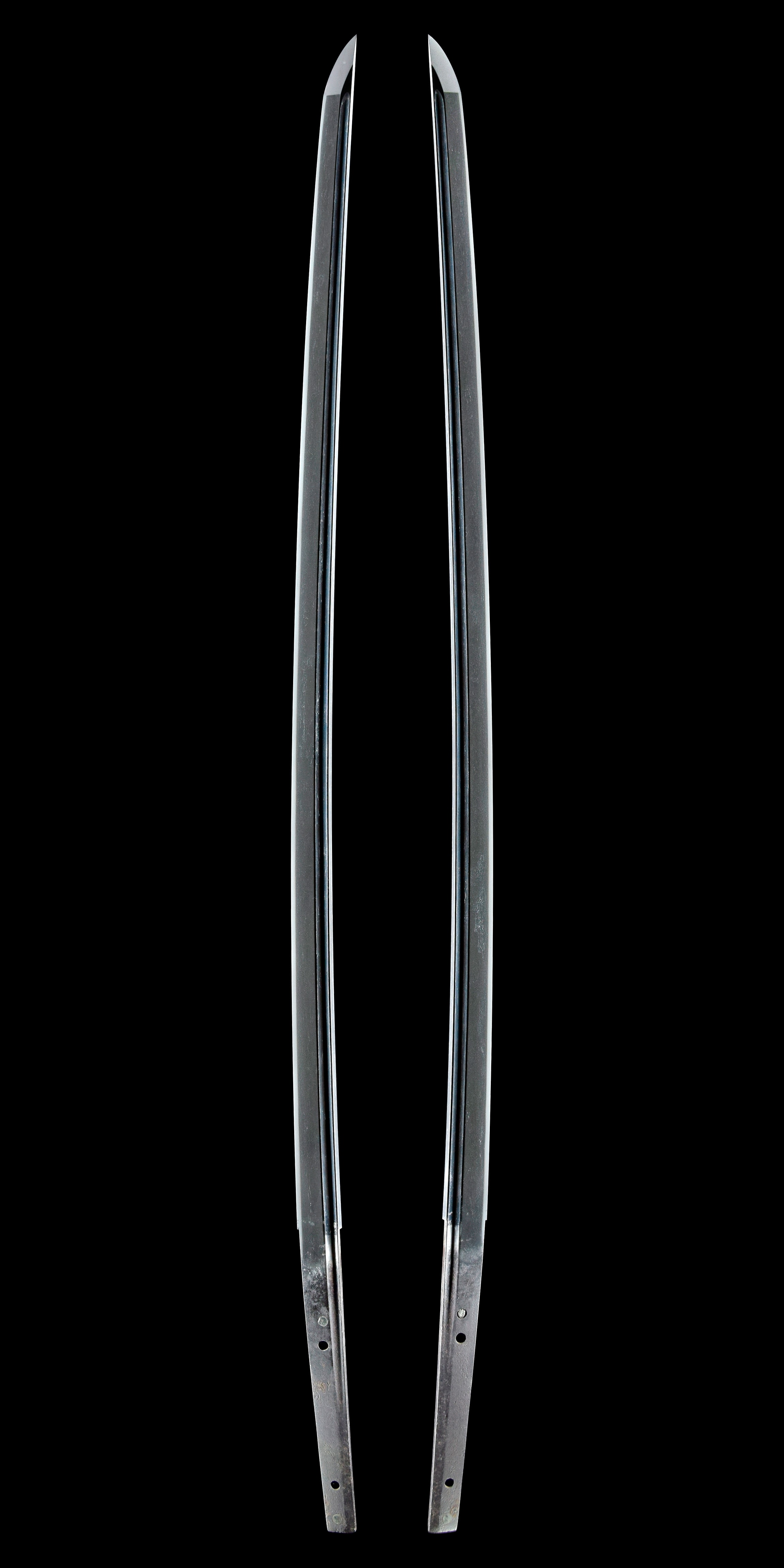
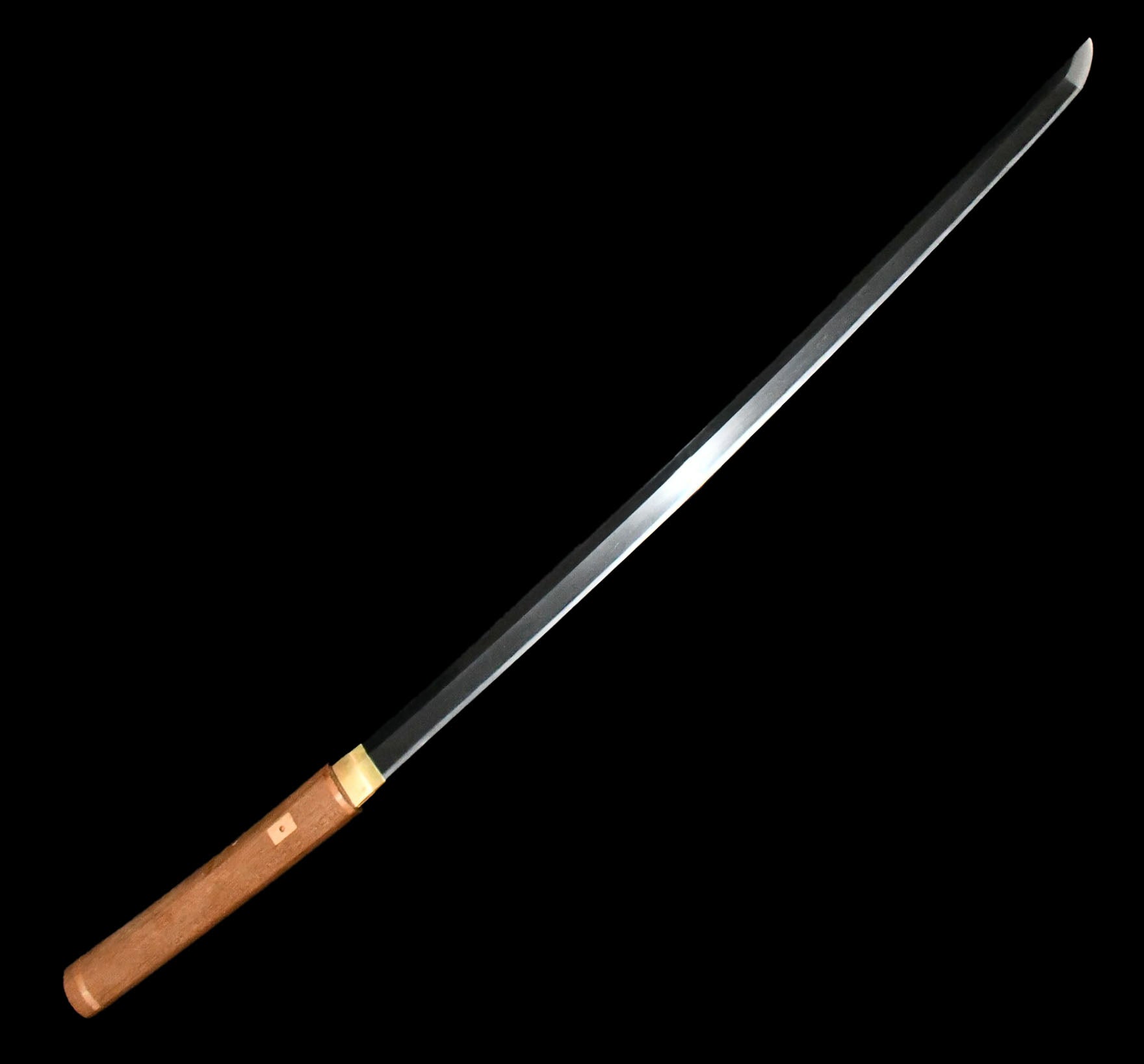
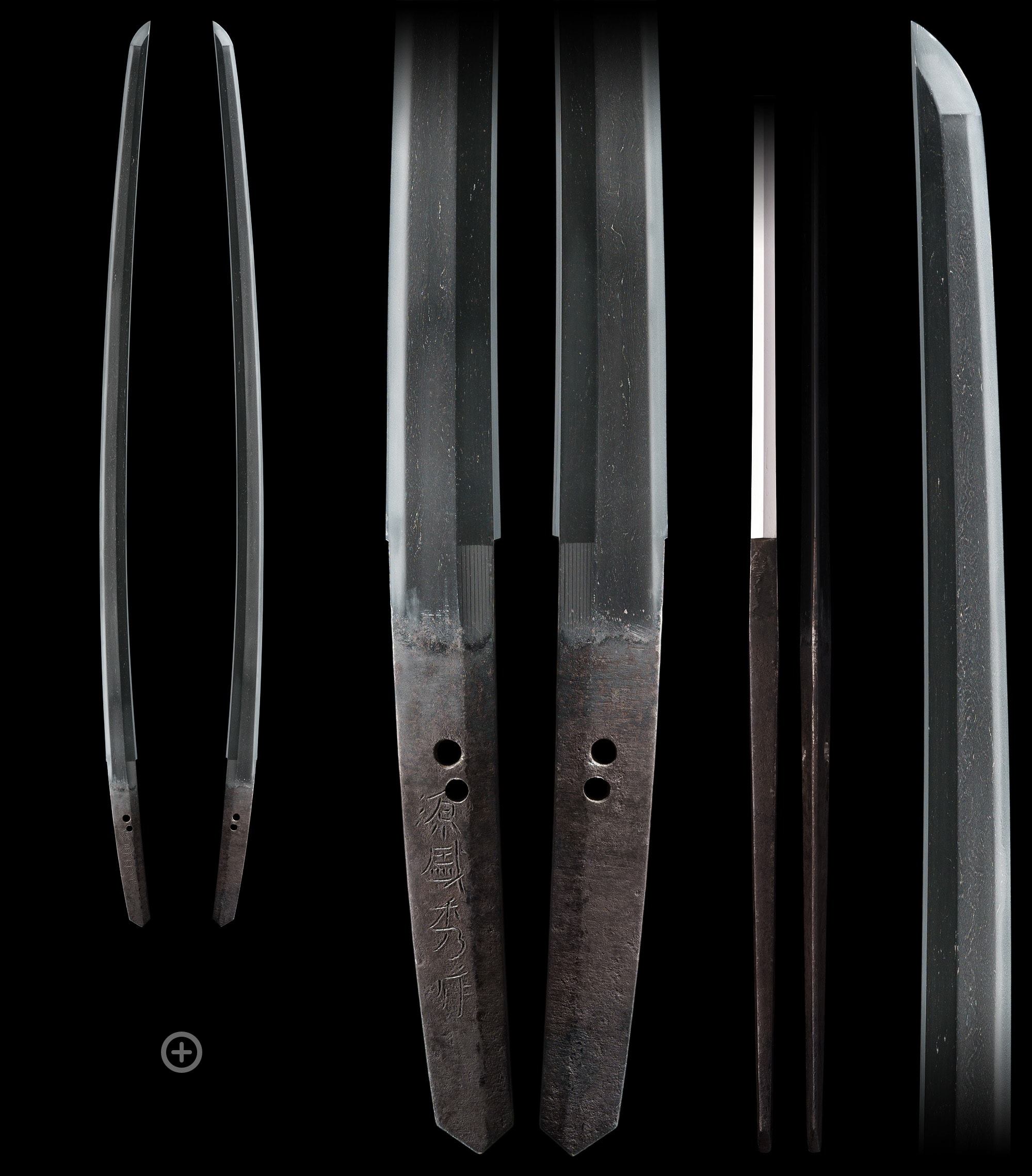
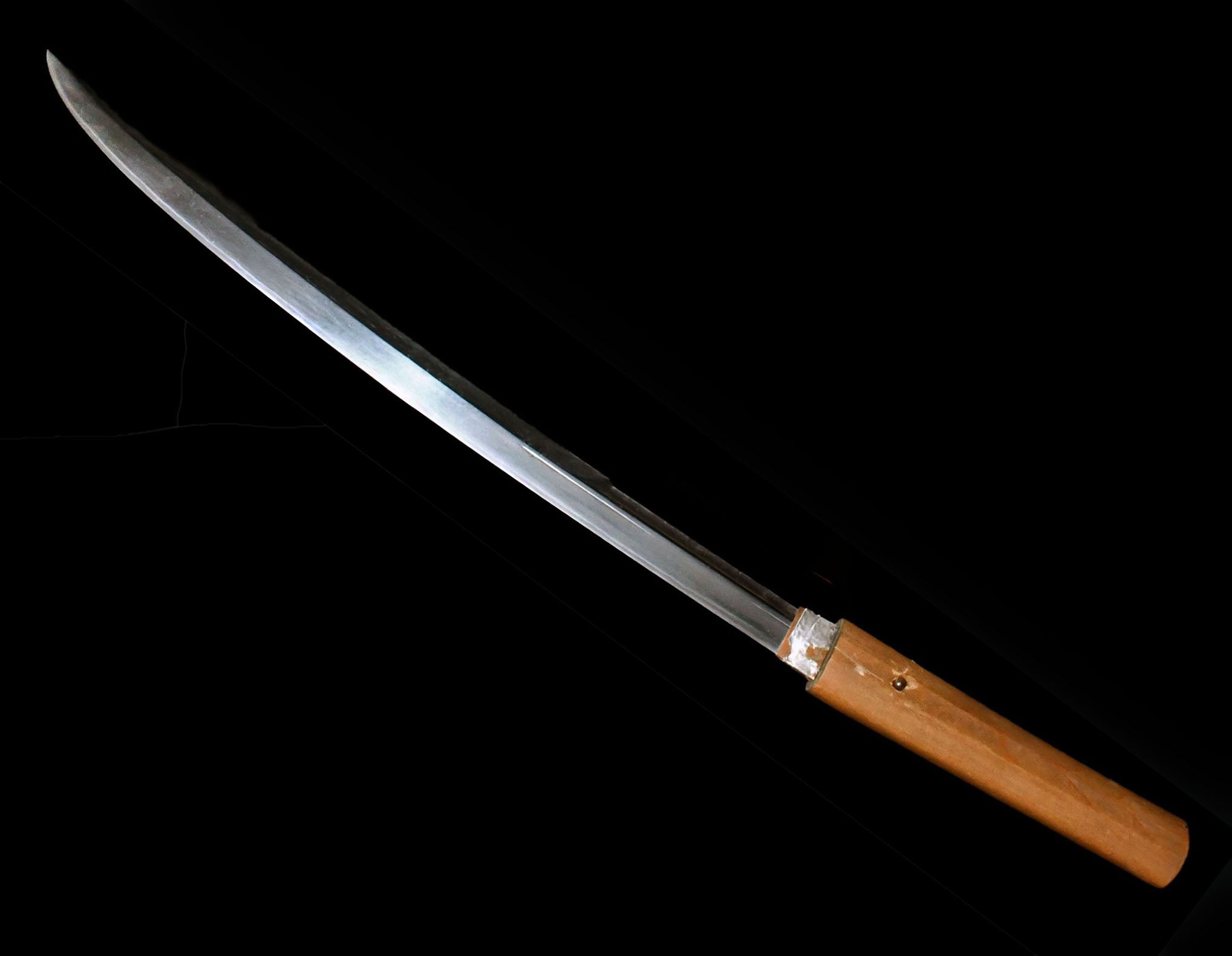
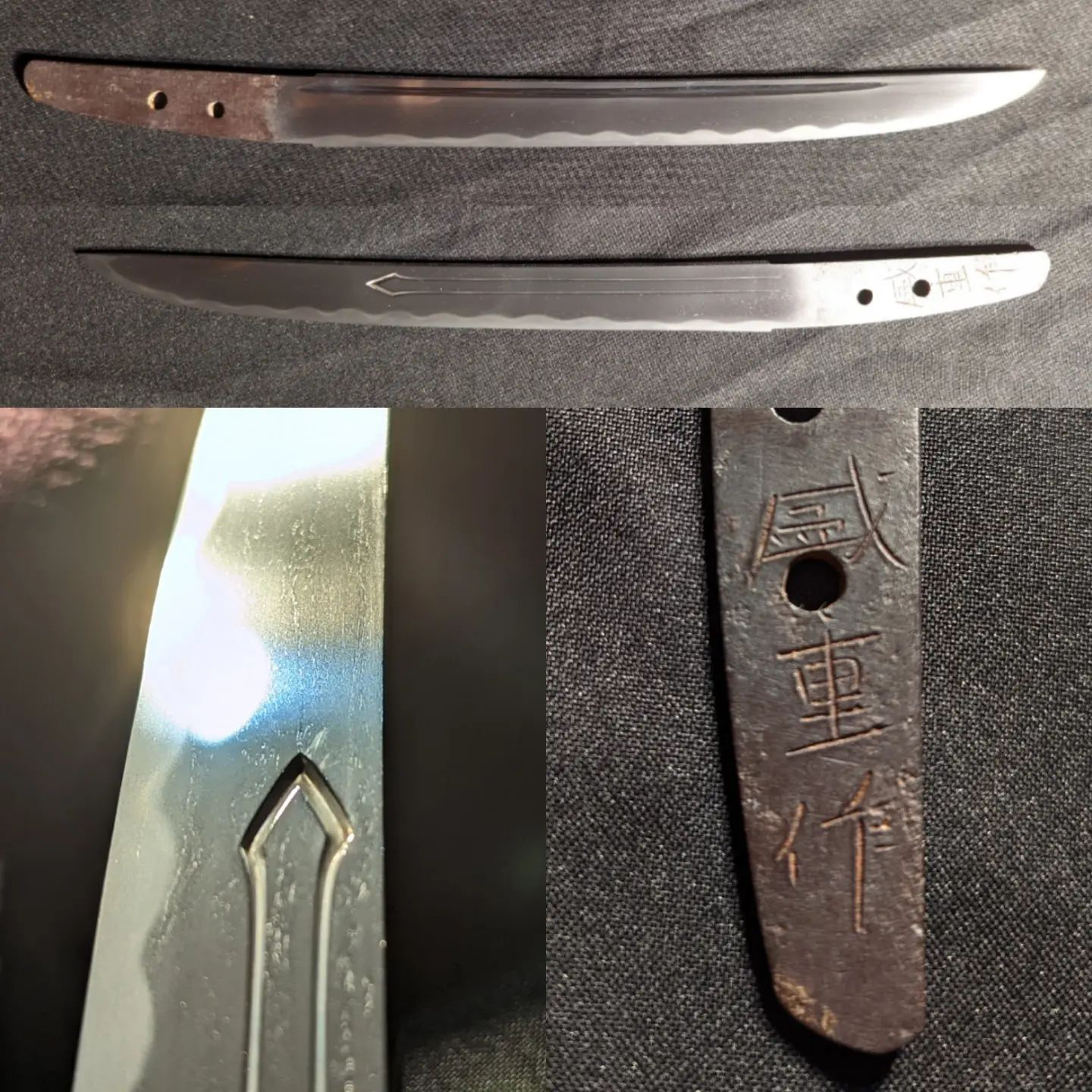
This is a tanto by the first generation Morishige of the Kongobyoe school, active during the Bunmei era (1469-1487). He was either a Chikuzen Morishige who moved to Bungo or a local successor. The blade is signed with variations like "Bungo no Kuni Morishige saku" or "Bungo no Kuni-jū Minamoto Morishige".
 NihontoWatchBETA
mei · Kongobyoe · Eisho (1504-1521)
Wakimono · Chikuzen · around 1384-1387
Tōken Taikan top 37%
1 piece on the market now
Wakimono · Chikuzen
Phase: Ko-Kongobyoe古金剛兵衛· 1200–1393
10 pieces on the market now
During the Nanbokuchō period two groups of smiths worked in Chikuzen Province: the Samonji line and the Kongōbyōe line, named for the temple-associated smiths from whom the lineage descends. The setsumei trace the line to the shodai Kongōbyōe Moritaka (初代金剛兵衛盛高) and frame this early chapter, Ko-Kongōbyōe, as the Nanbokuchō founding generations rather than the Muromachi continuation. Learn more →
| Smith | Era | Designated |
|---|---|---|
| Sadamori貞盛 | 1345-1350 | 24 |
| Morimitsu盛光 | 1558-1570 | 0 |
| Moriyasu盛安 | 1532-1555 | 0 |
| Moriyoshi盛吉 | 1532-1555 | 0 |
| Morihisa盛久 | 1521-1528 | 0 |
We could not find an authenticity certificate on the seller’s listing. Japanese swords and fittings are normally papered by the NBTHK (or the NTHK). Without one, the attribution is the seller’s own assessment and has not been independently verified — treat it with caution and ask the dealer about certification before buying.
This is a tanto by the first generation Morishige of the Kongobyoe school, active during the Bunmei era (1469-1487). He was either a Chikuzen Morishige who moved to Bungo or a local successor. The blade is signed with variations like "Bungo no Kuni Morishige saku" or "Bungo no Kuni-jū Minamoto Morishige".
NihontoWatchBETAmei · Kongobyoe · Eisho (1504-1521)
Wakimono · Chikuzen · around 1384-1387
Tōken Taikan top 37%
1 piece on the market now
Wakimono · Chikuzen
Phase: Ko-Kongobyoe古金剛兵衛· 1200–1393
10 pieces on the market now
During the Nanbokuchō period two groups of smiths worked in Chikuzen Province: the Samonji line and the Kongōbyōe line, named for the temple-associated smiths from whom the lineage descends. The setsumei trace the line to the shodai Kongōbyōe Moritaka (初代金剛兵衛盛高) and frame this early chapter, Ko-Kongōbyōe, as the Nanbokuchō founding generations rather than the Muromachi continuation. Learn more →
| Smith | Era | Designated |
|---|---|---|
| Sadamori貞盛 | 1345-1350 | 24 |
| Morimitsu盛光 | 1558-1570 | 0 |
| Moriyasu盛安 | 1532-1555 | 0 |
| Moriyoshi盛吉 | 1532-1555 | 0 |
| Morihisa盛久 | 1521-1528 | 0 |
We could not find an authenticity certificate on the seller’s listing. Japanese swords and fittings are normally papered by the NBTHK (or the NTHK). Without one, the attribution is the seller’s own assessment and has not been independently verified — treat it with caution and ask the dealer about certification before buying.