Edo was the sword’s age of connoisseurship: the Hon’ami appraisers, the shogunal register of famous blades of 1719, and a thriving literature turned the sword into an object of study even as it ceased to be drawn in war.
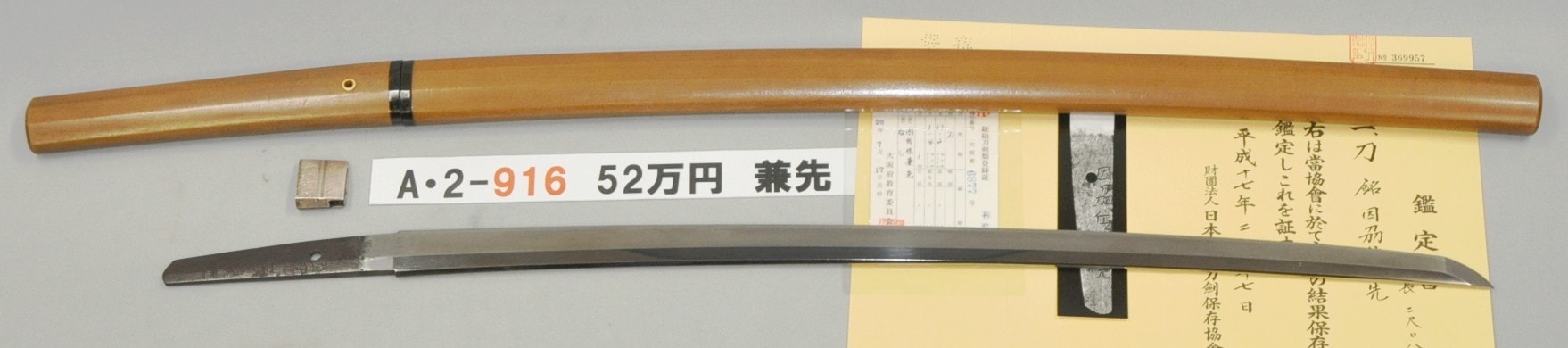
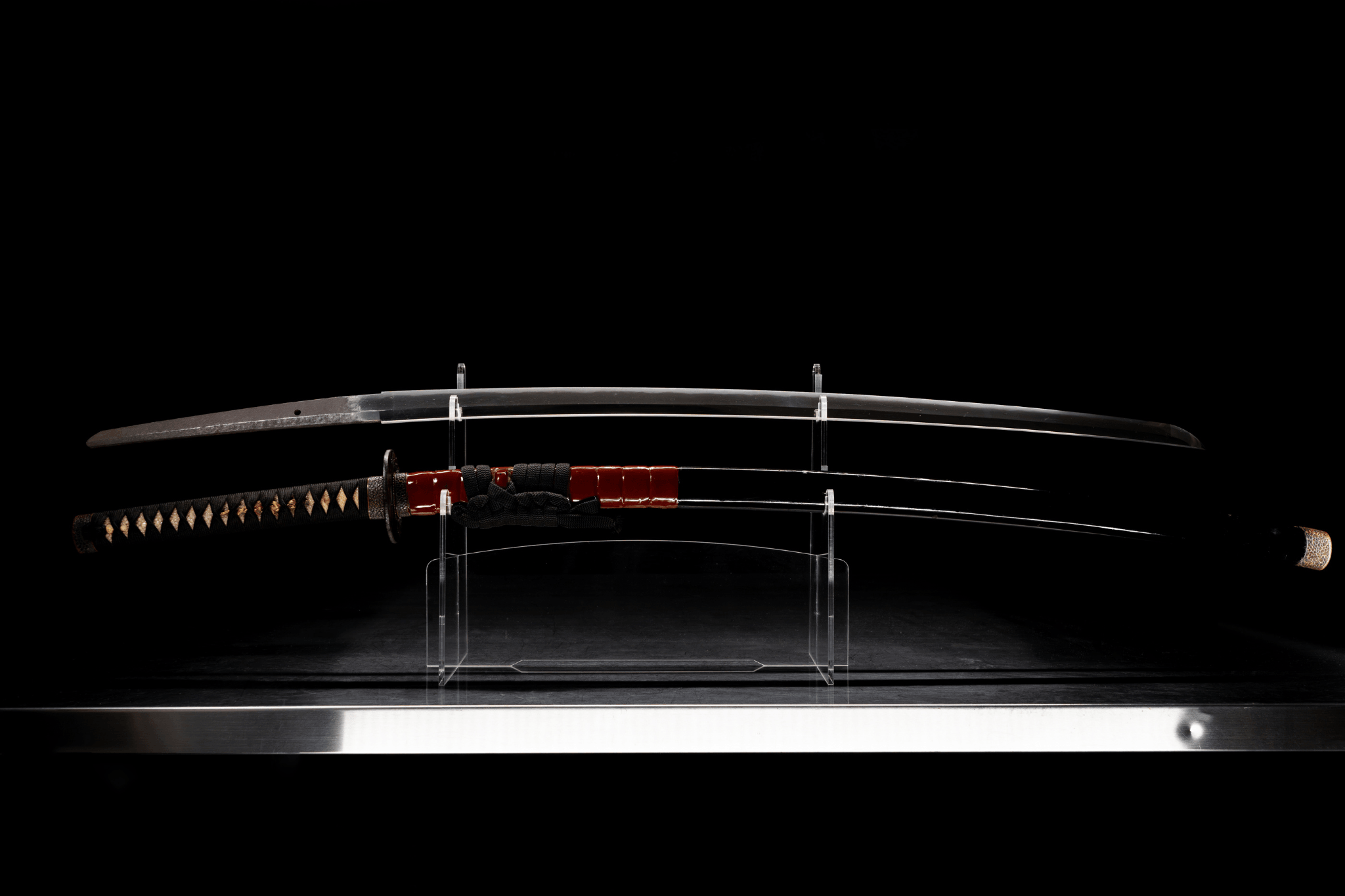
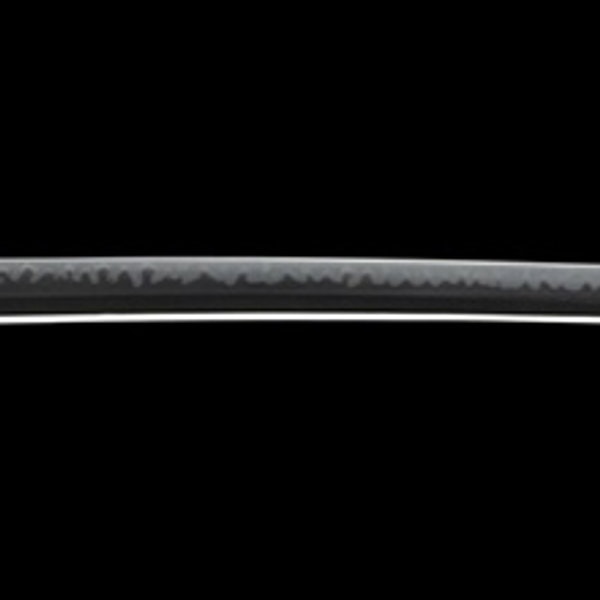
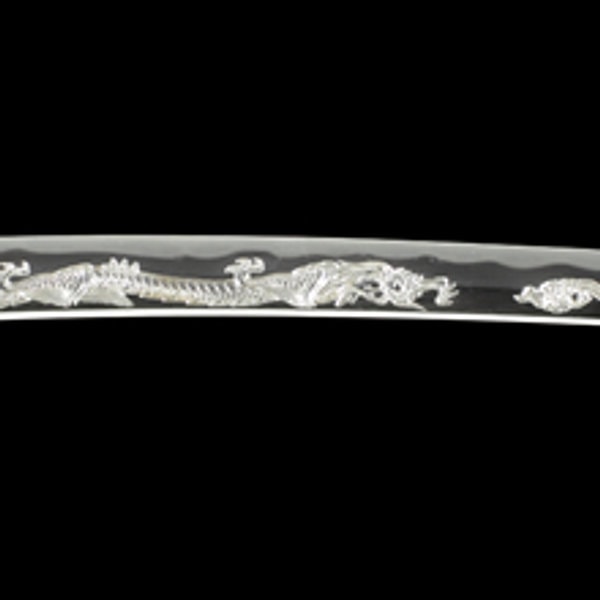
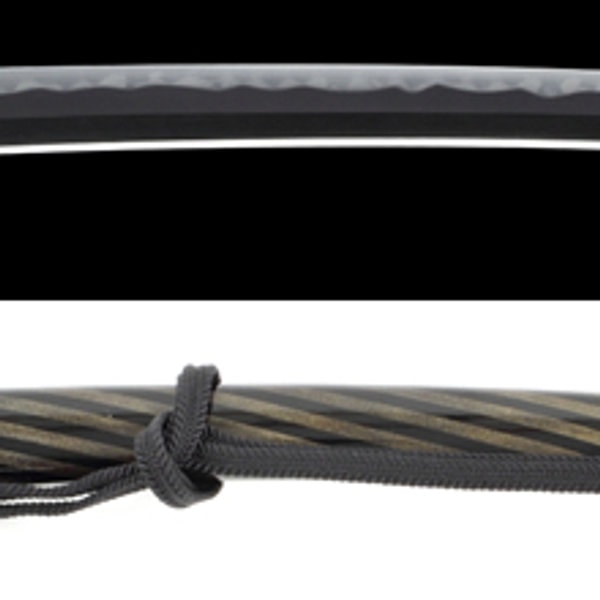
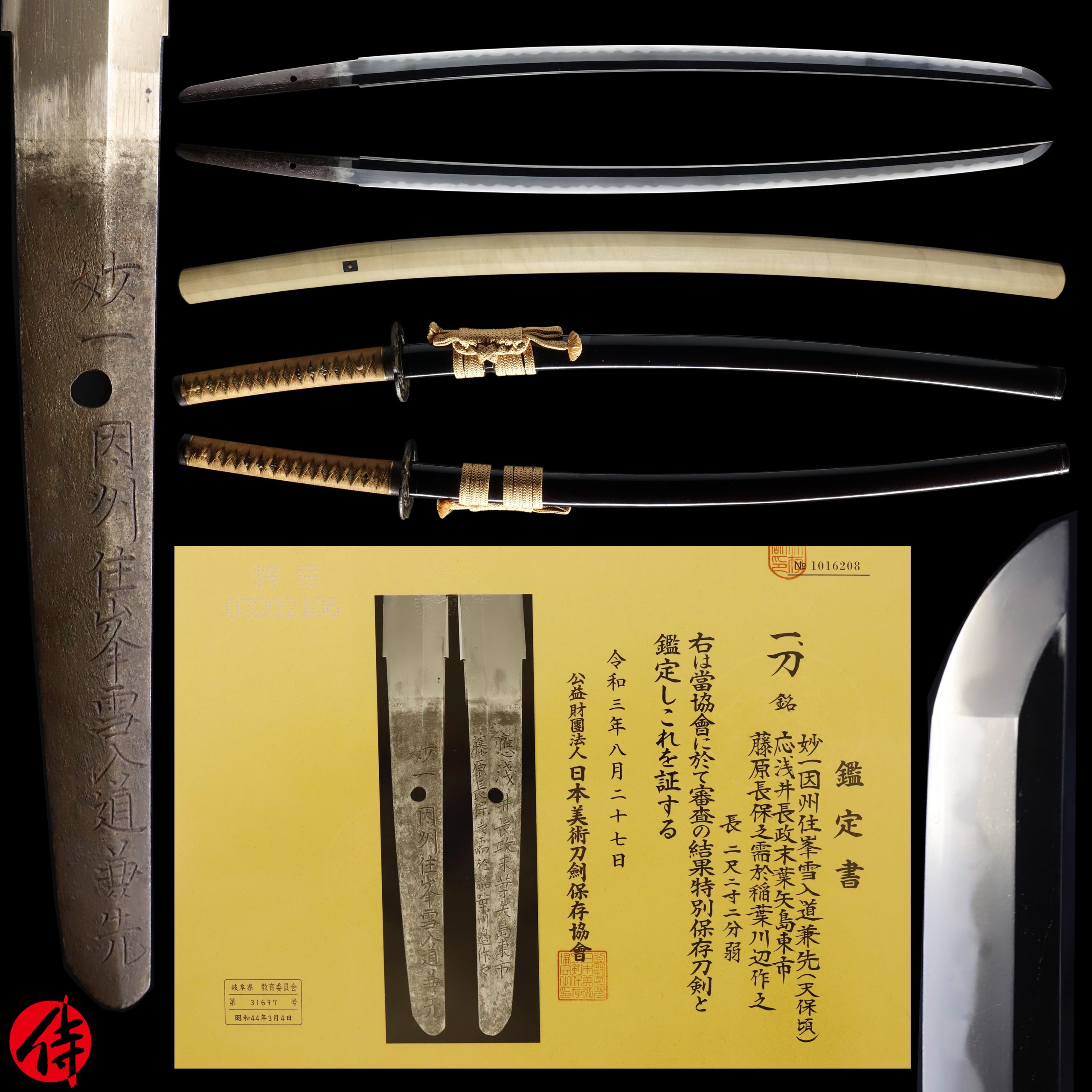
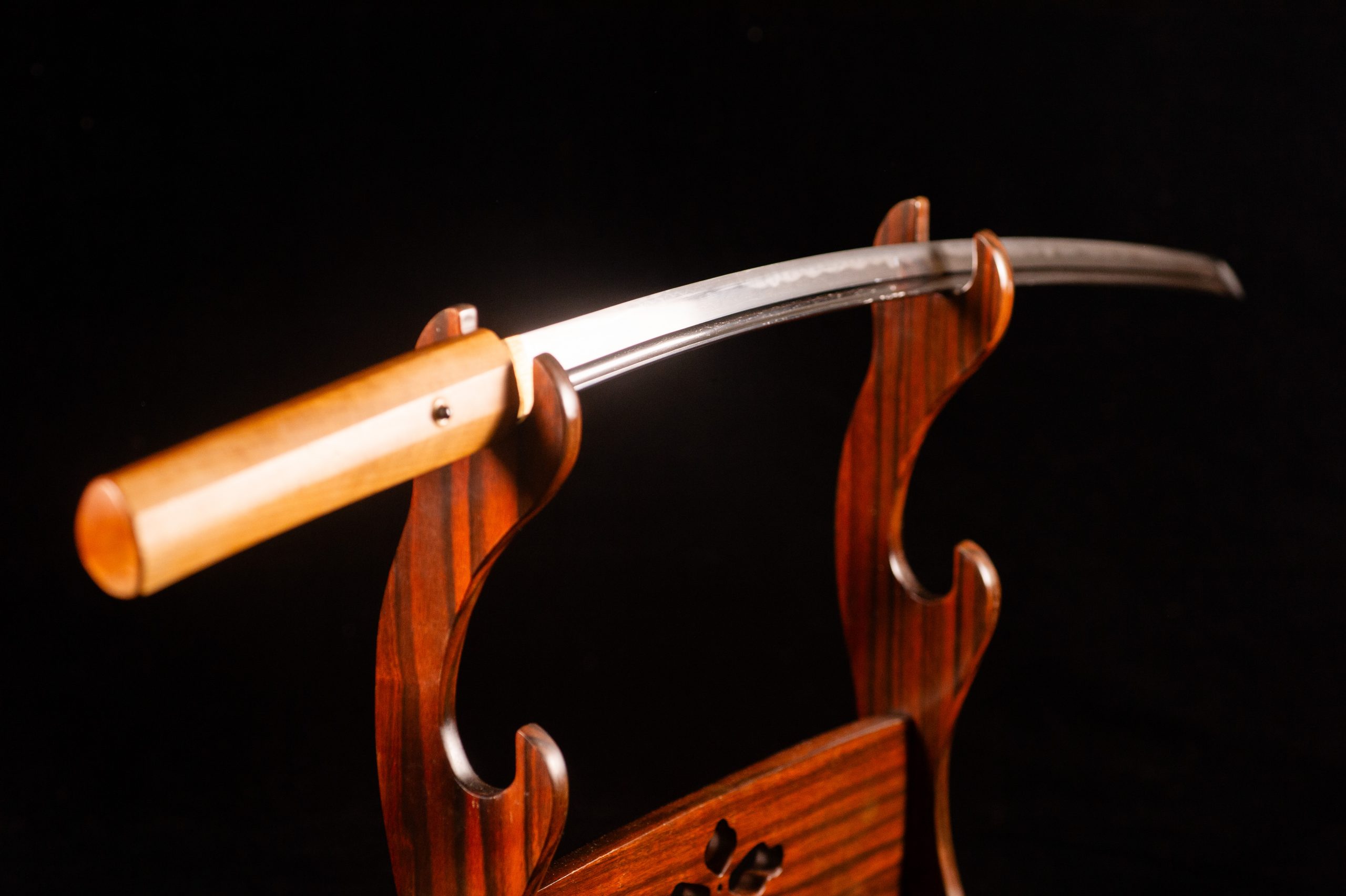
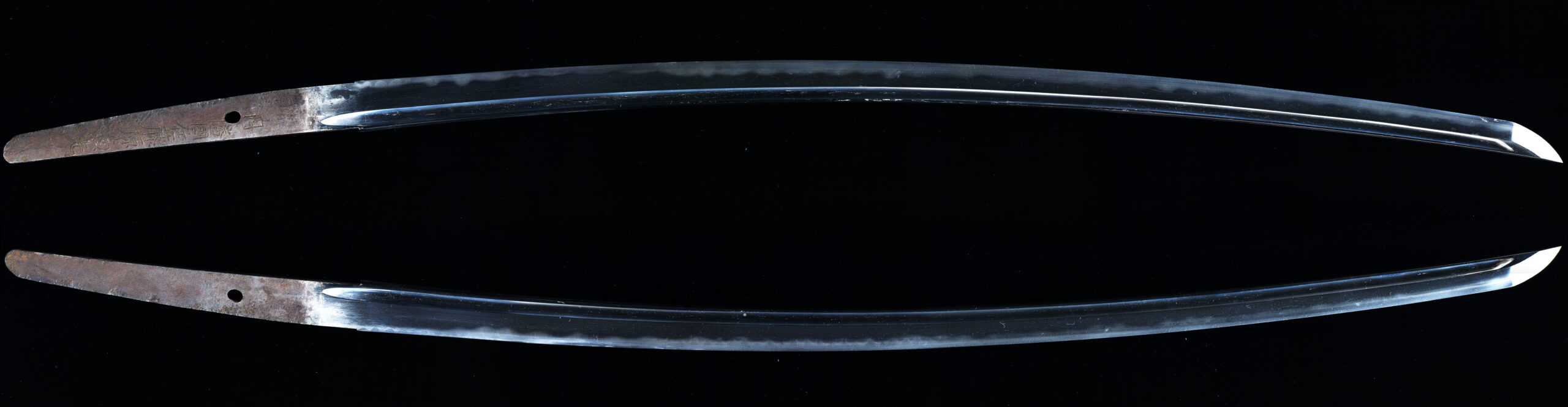
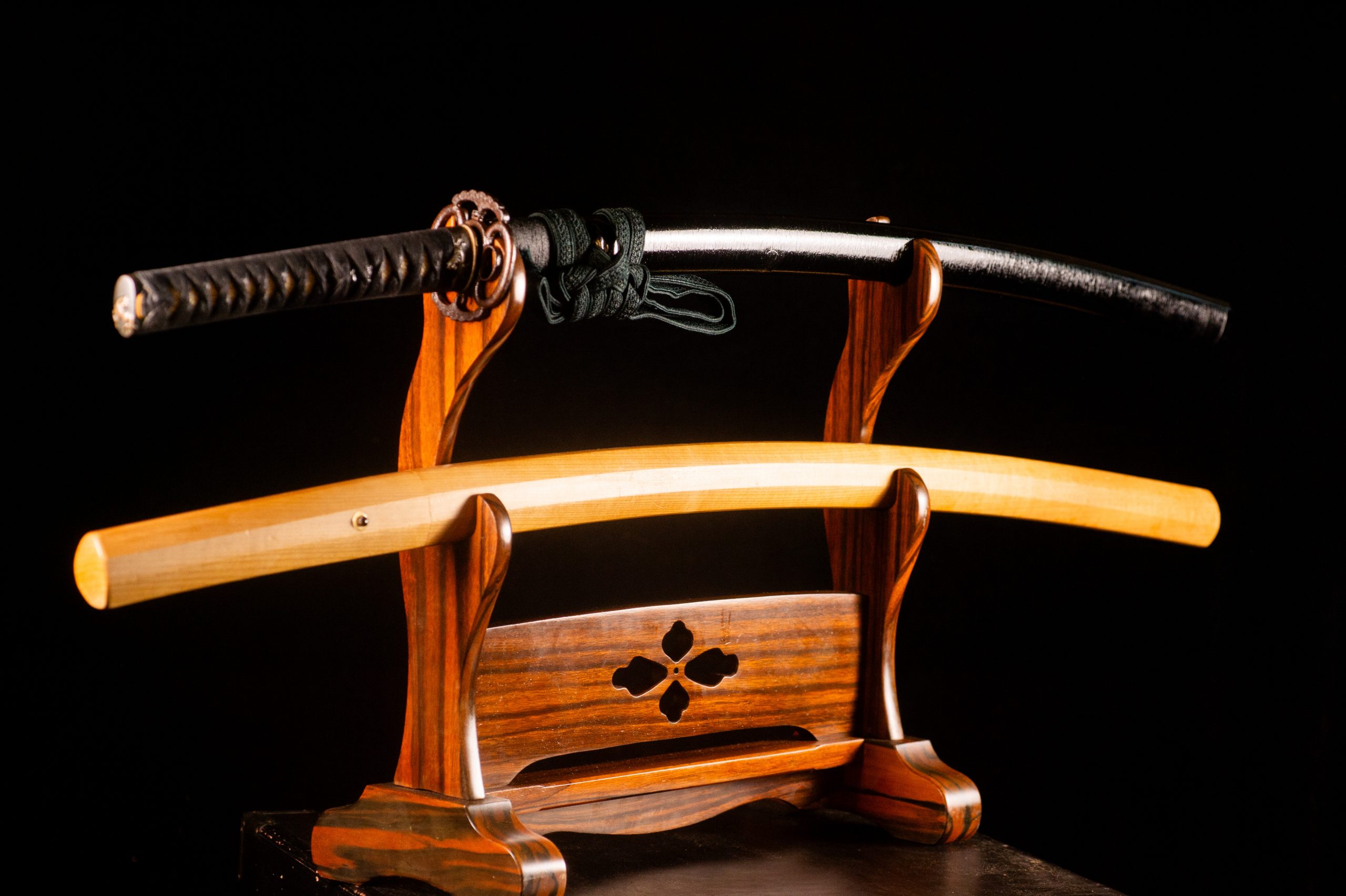
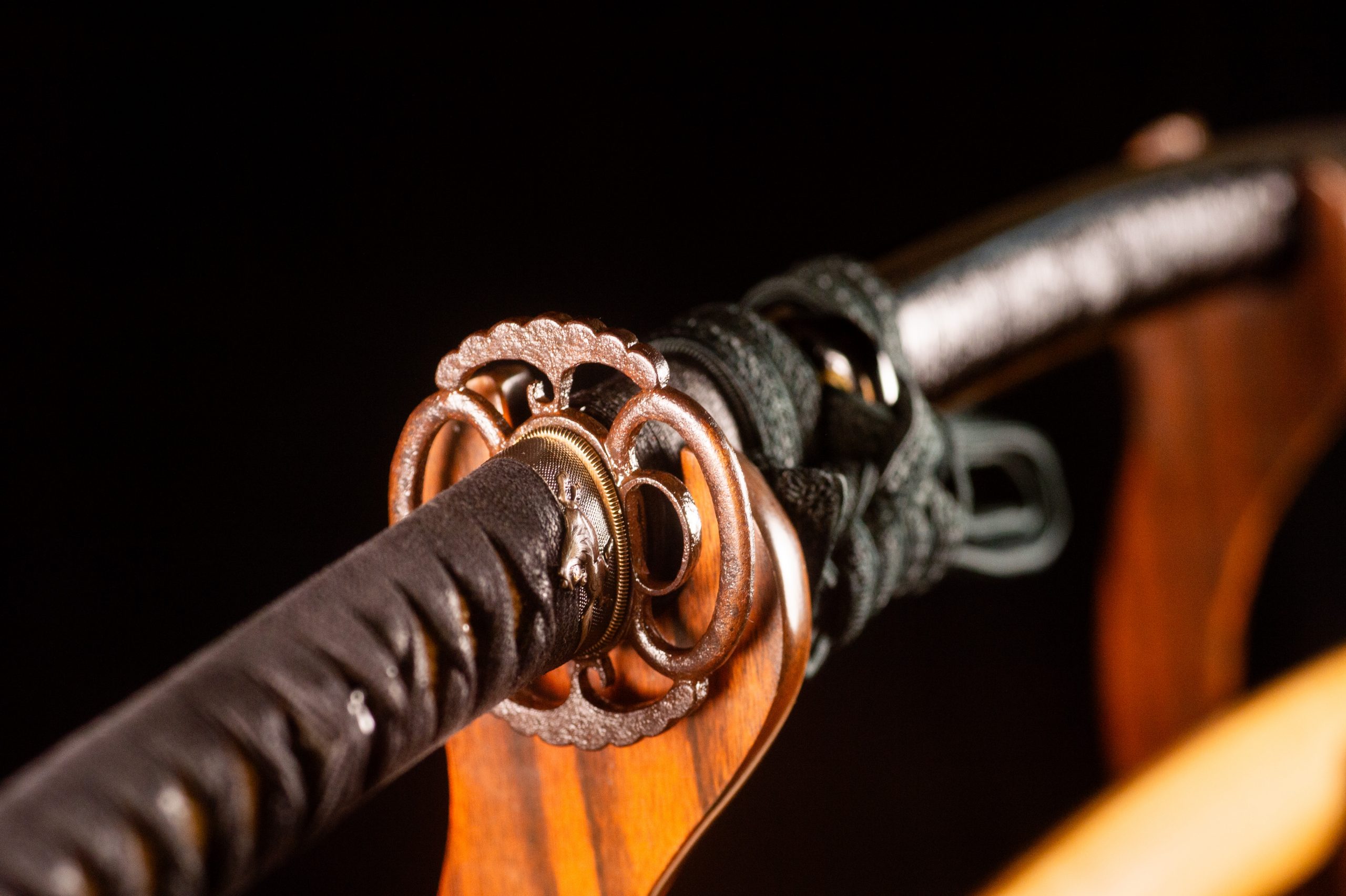
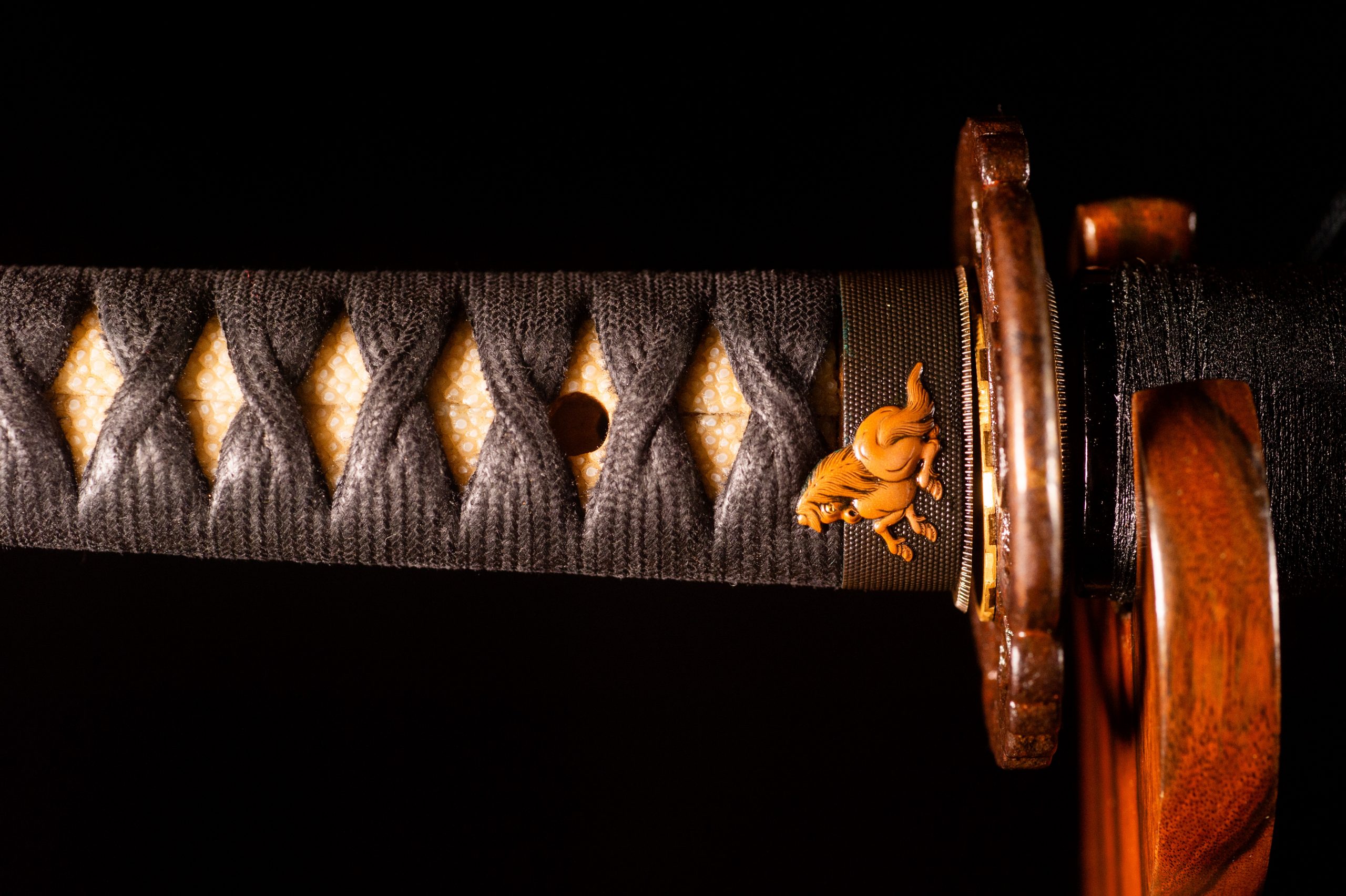
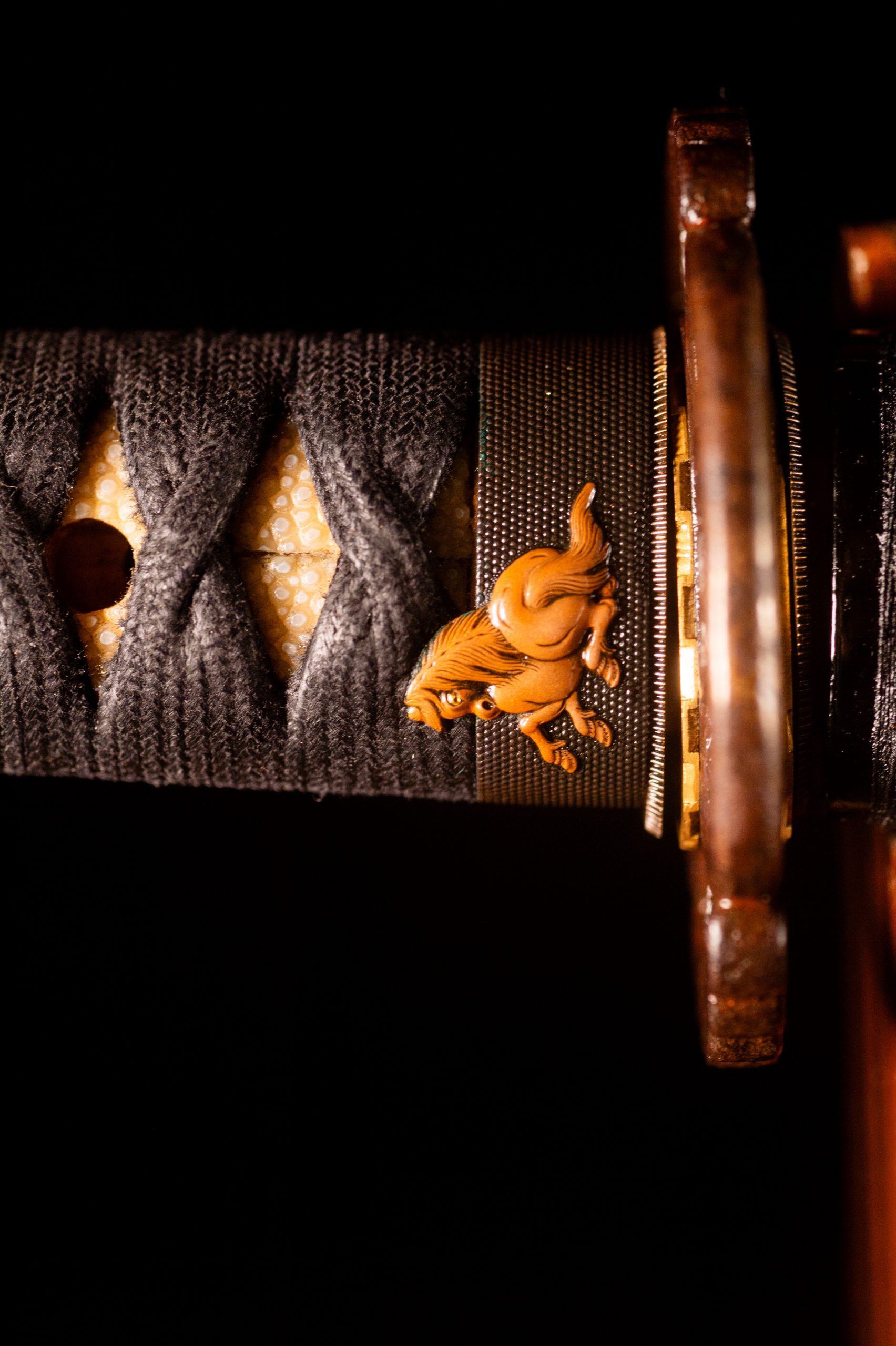
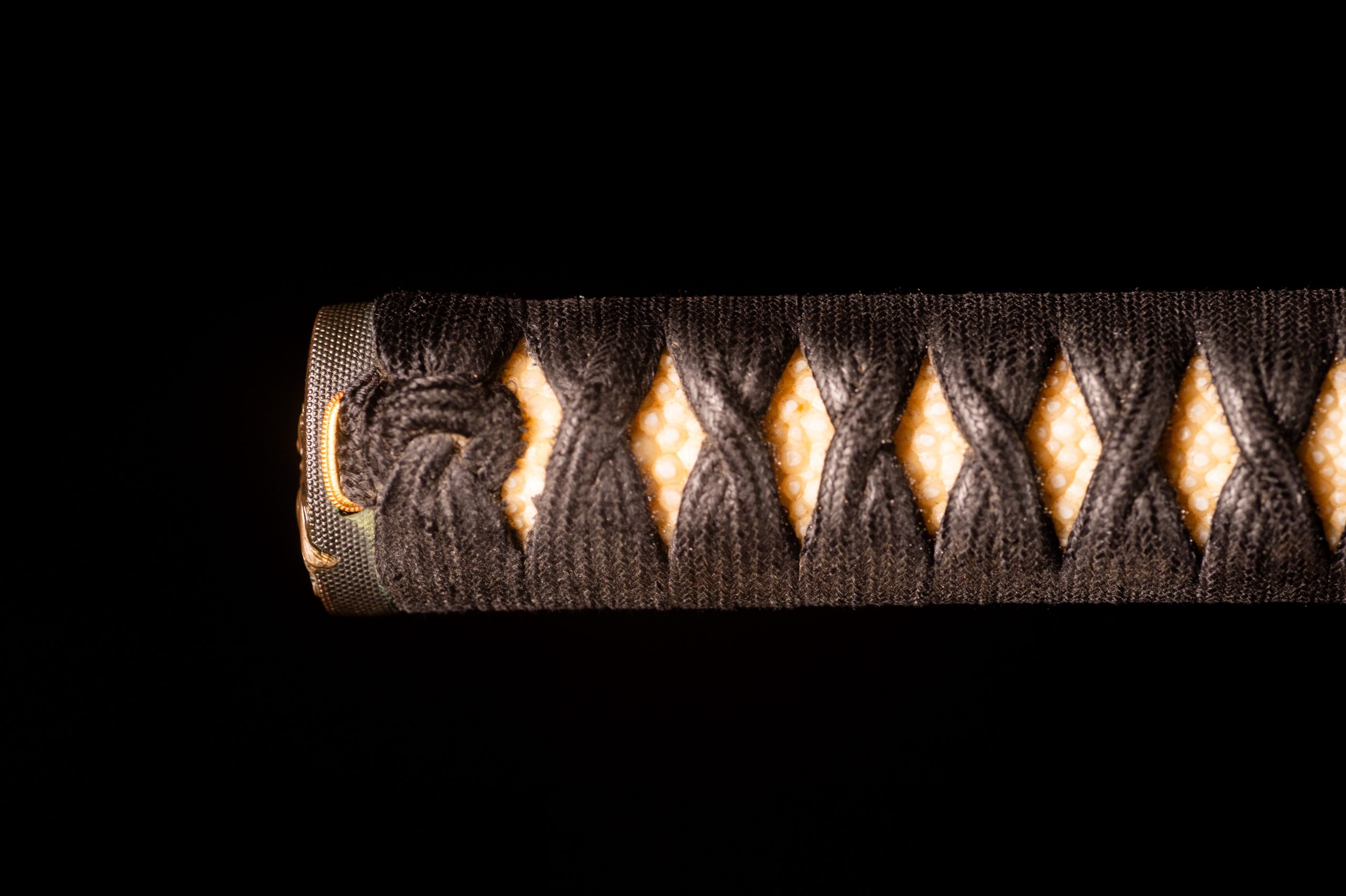
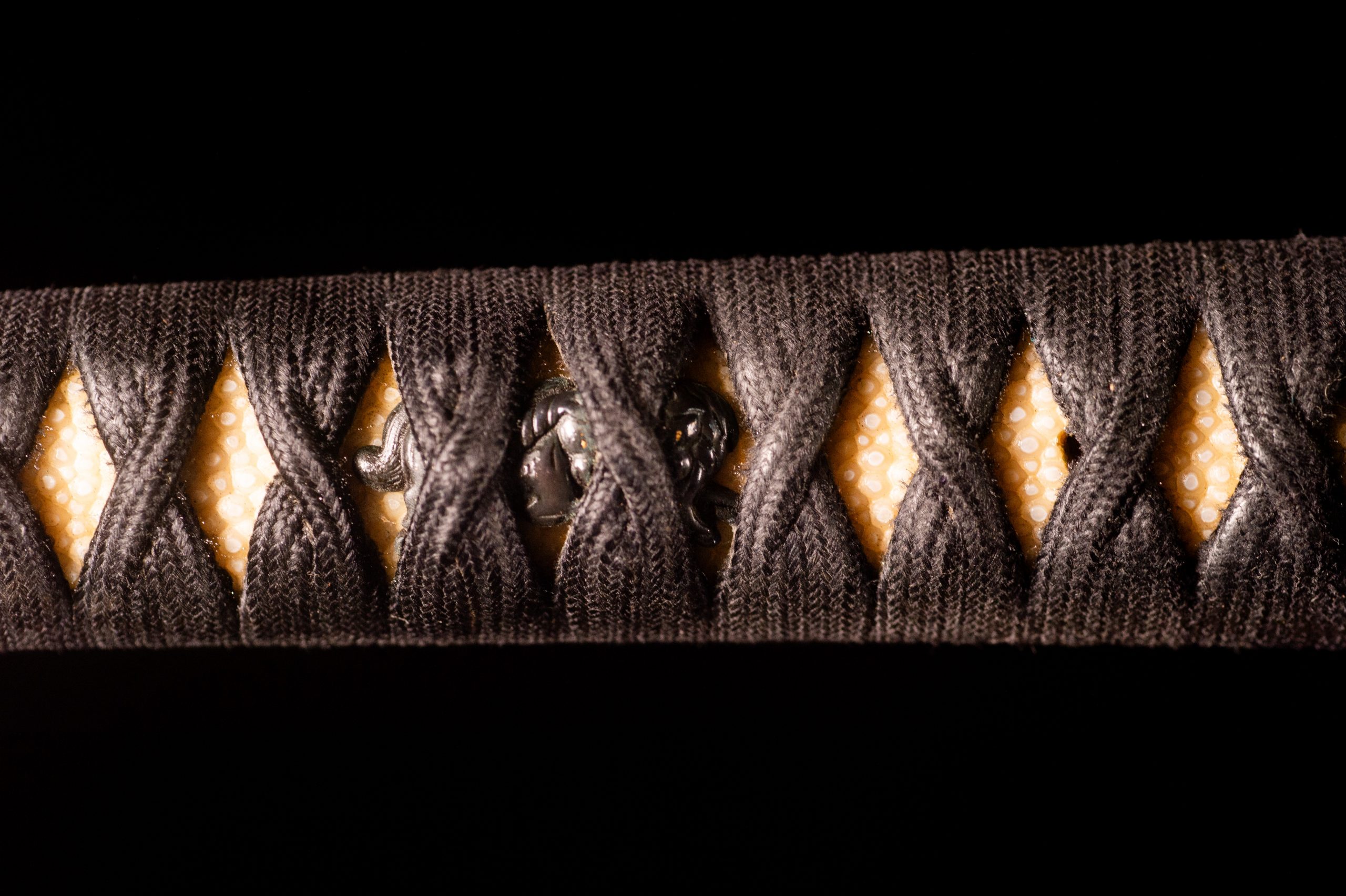
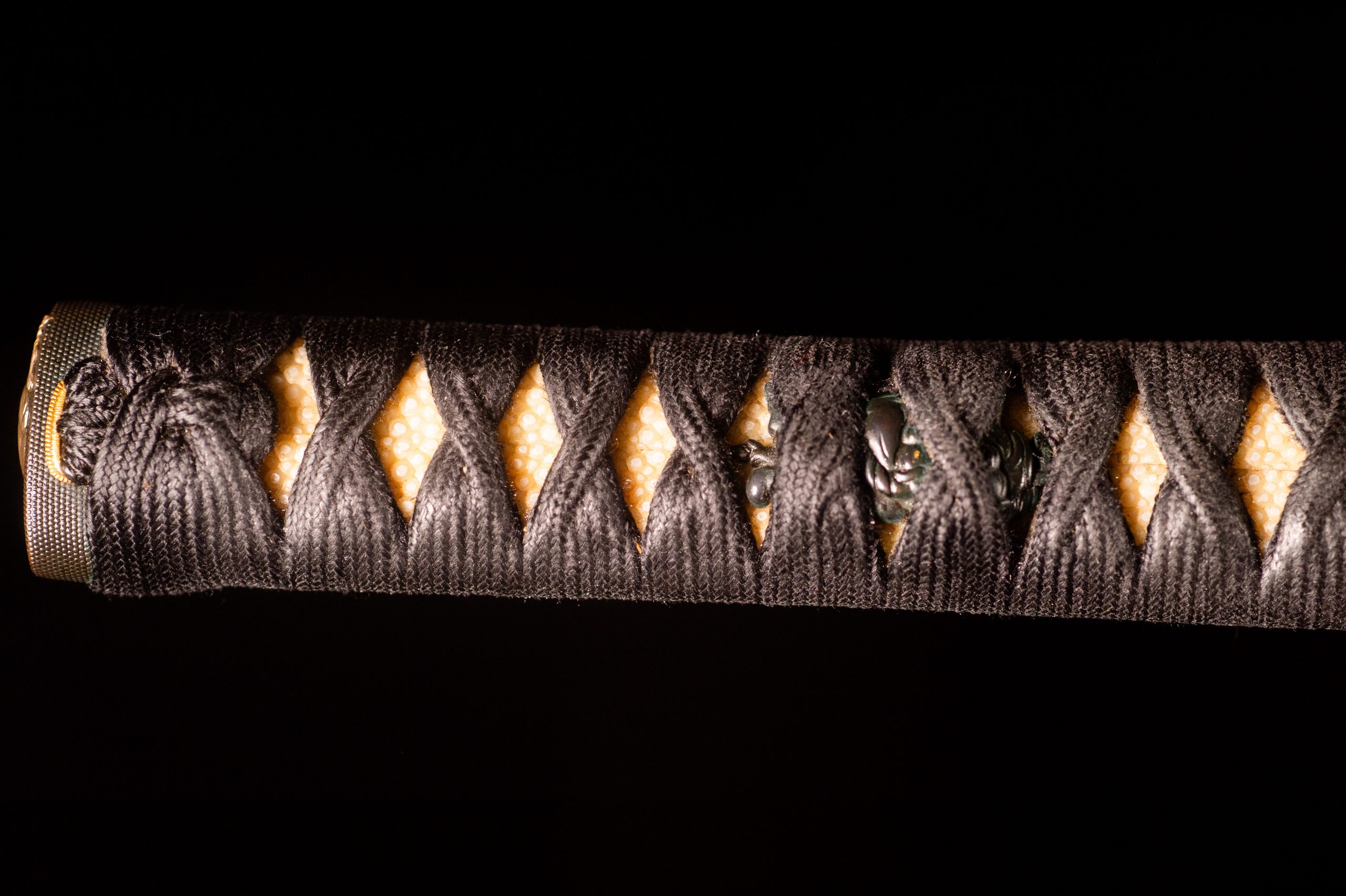
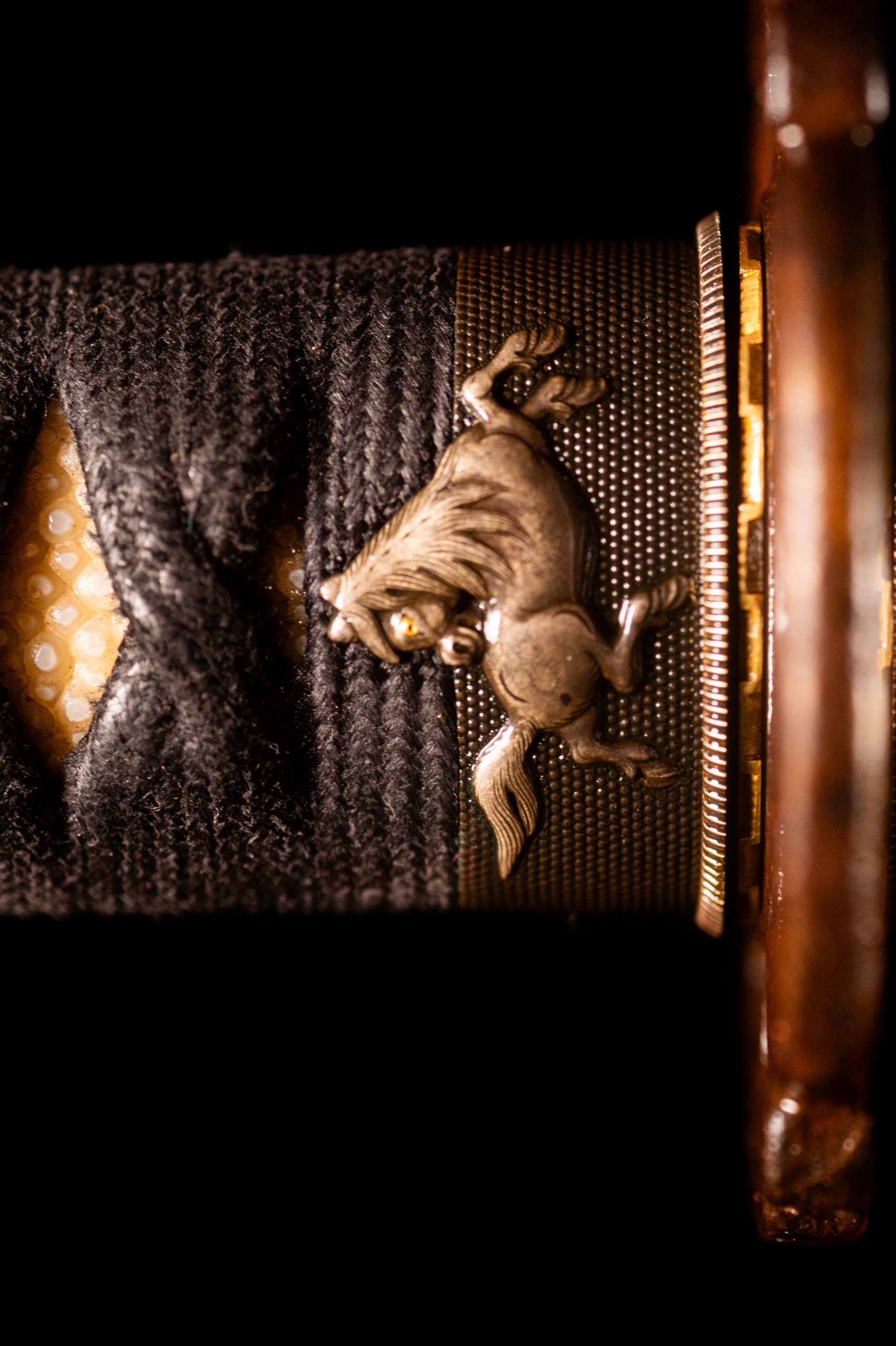
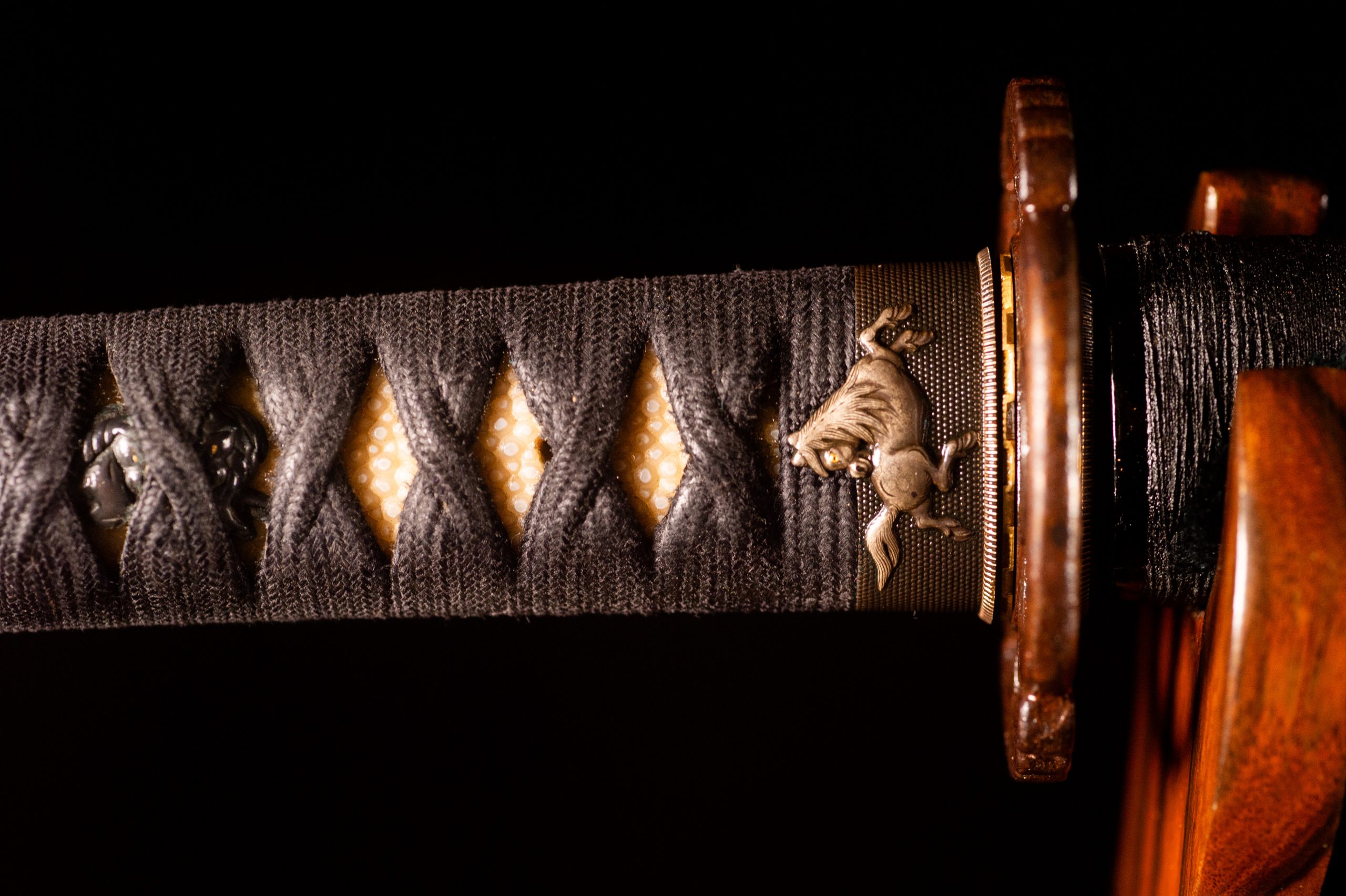
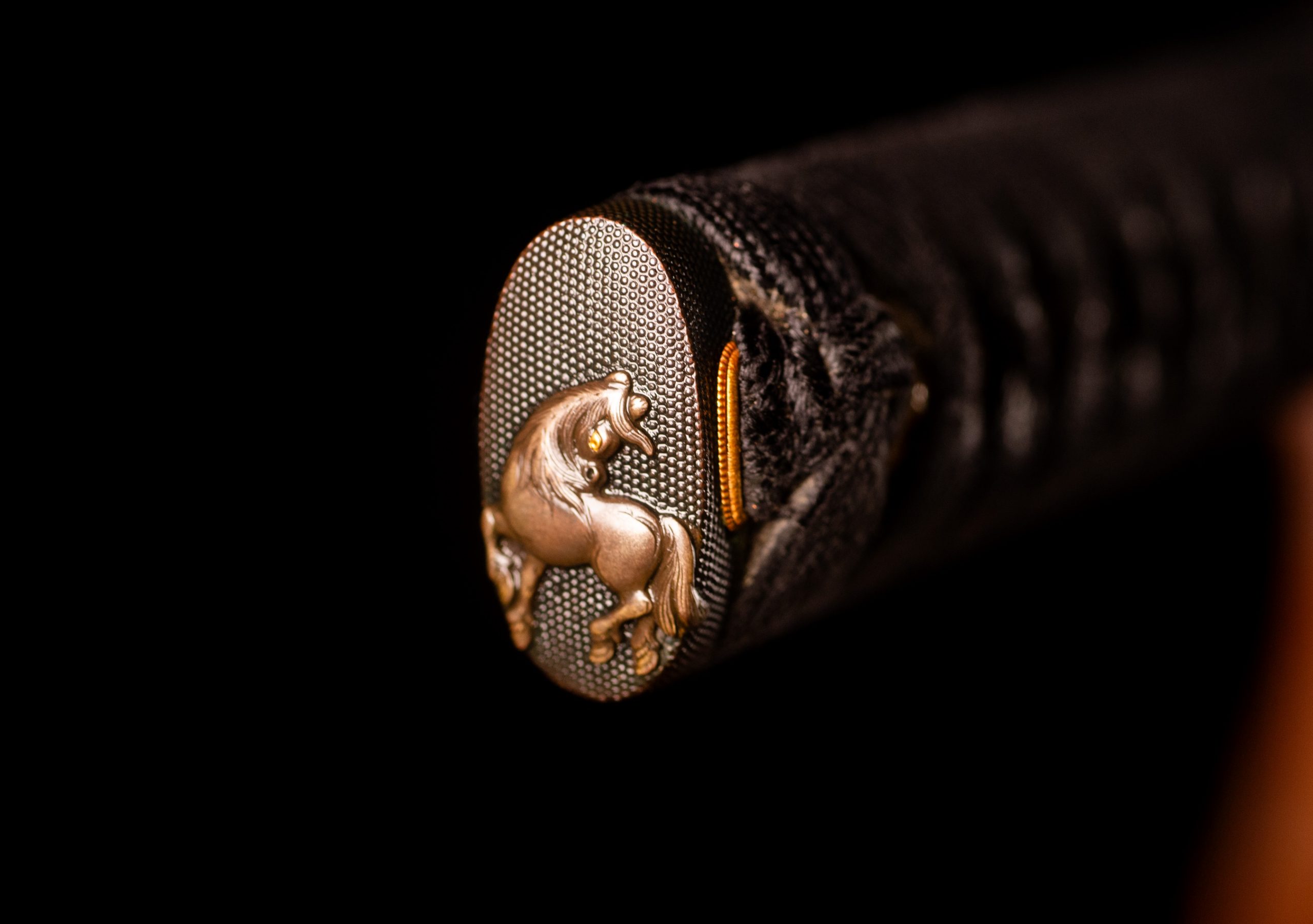
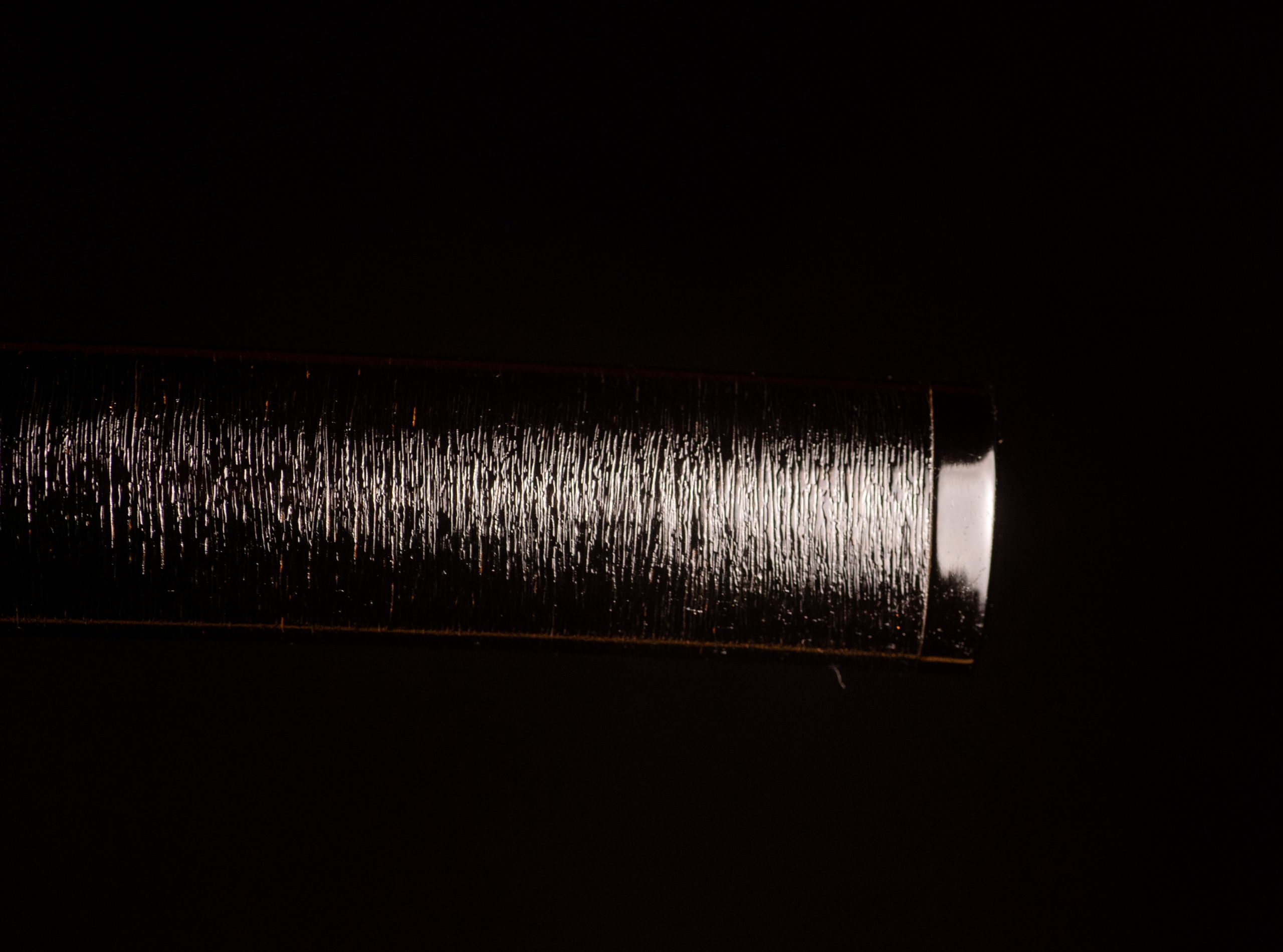
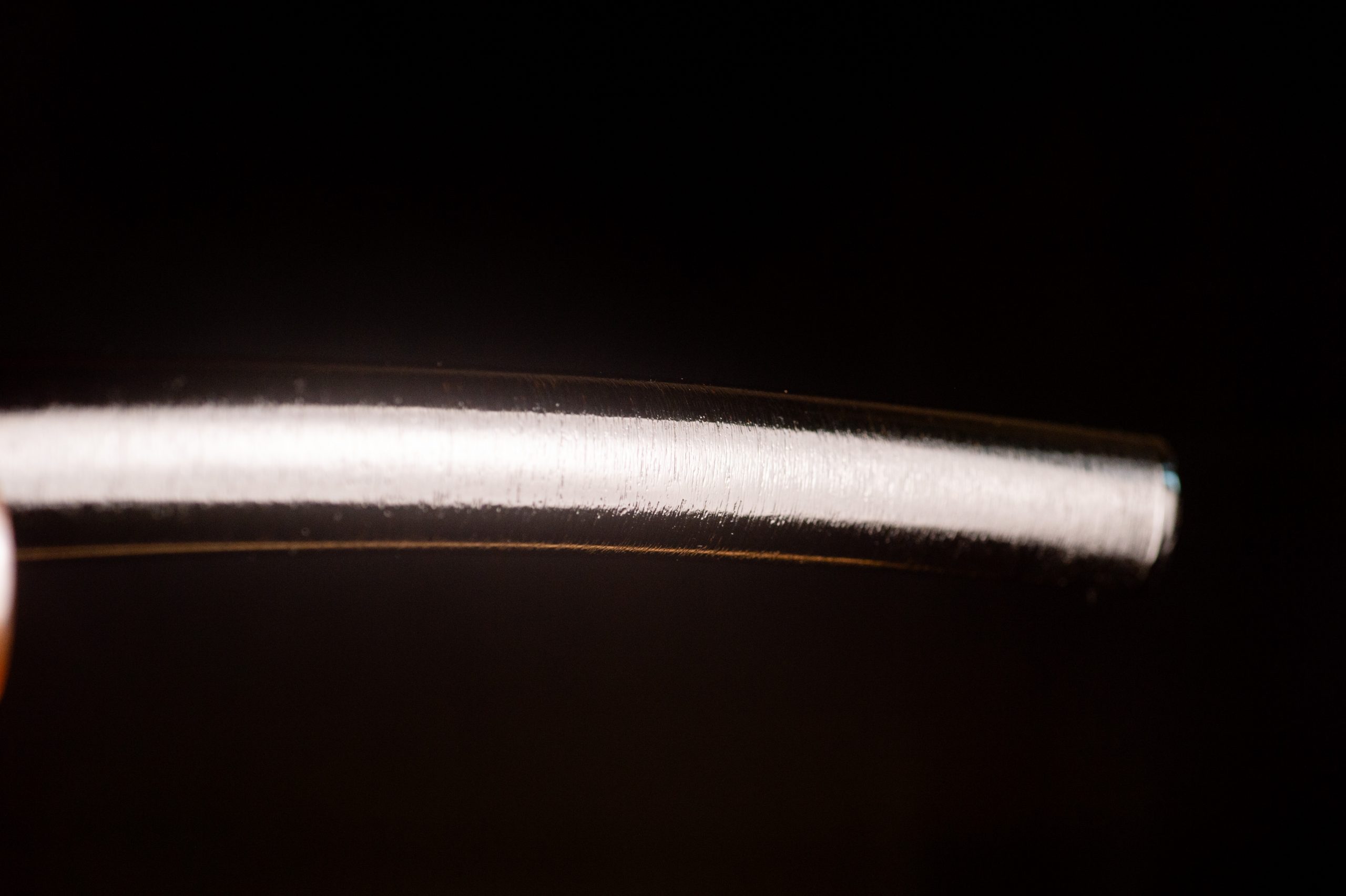
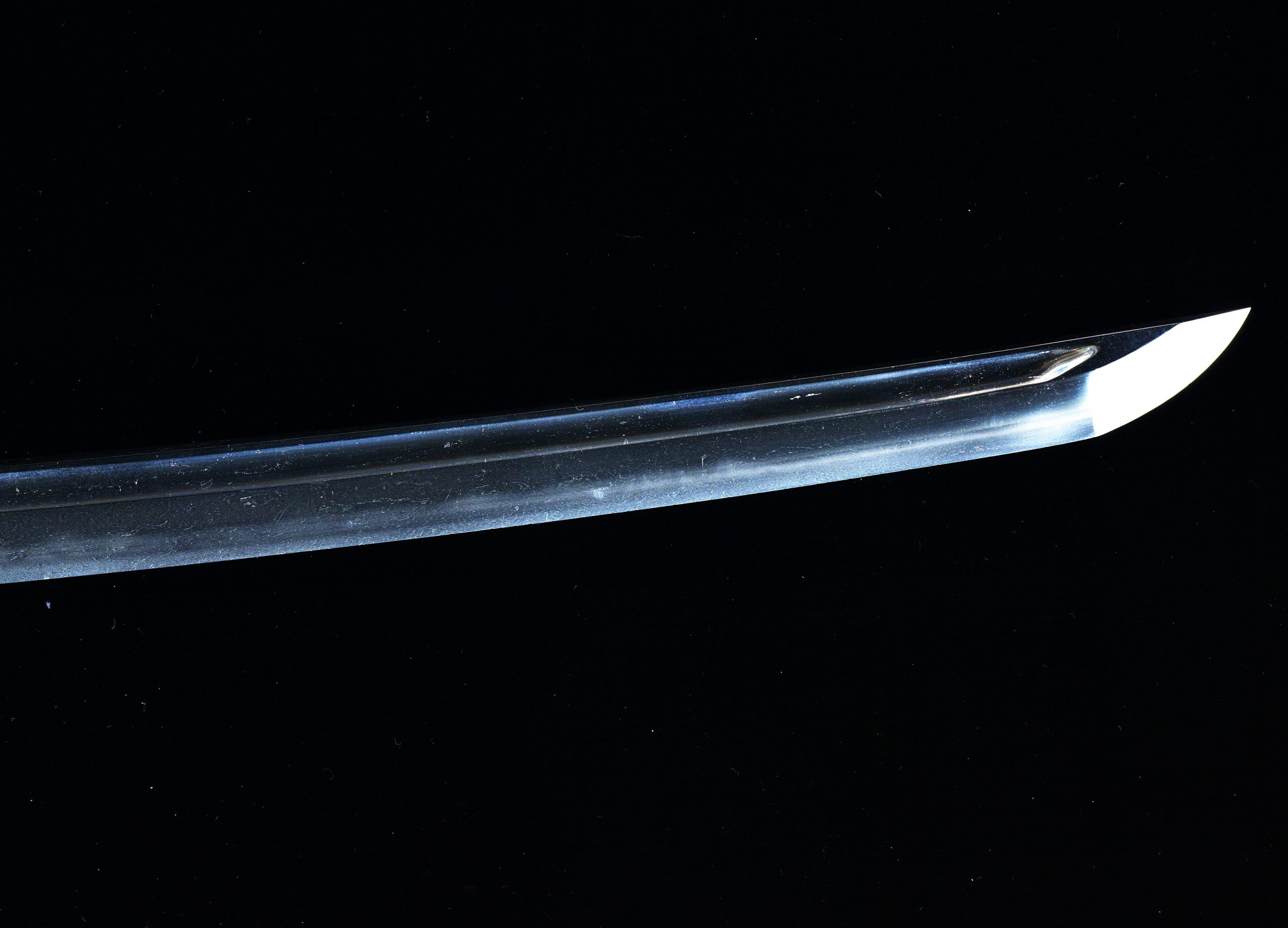
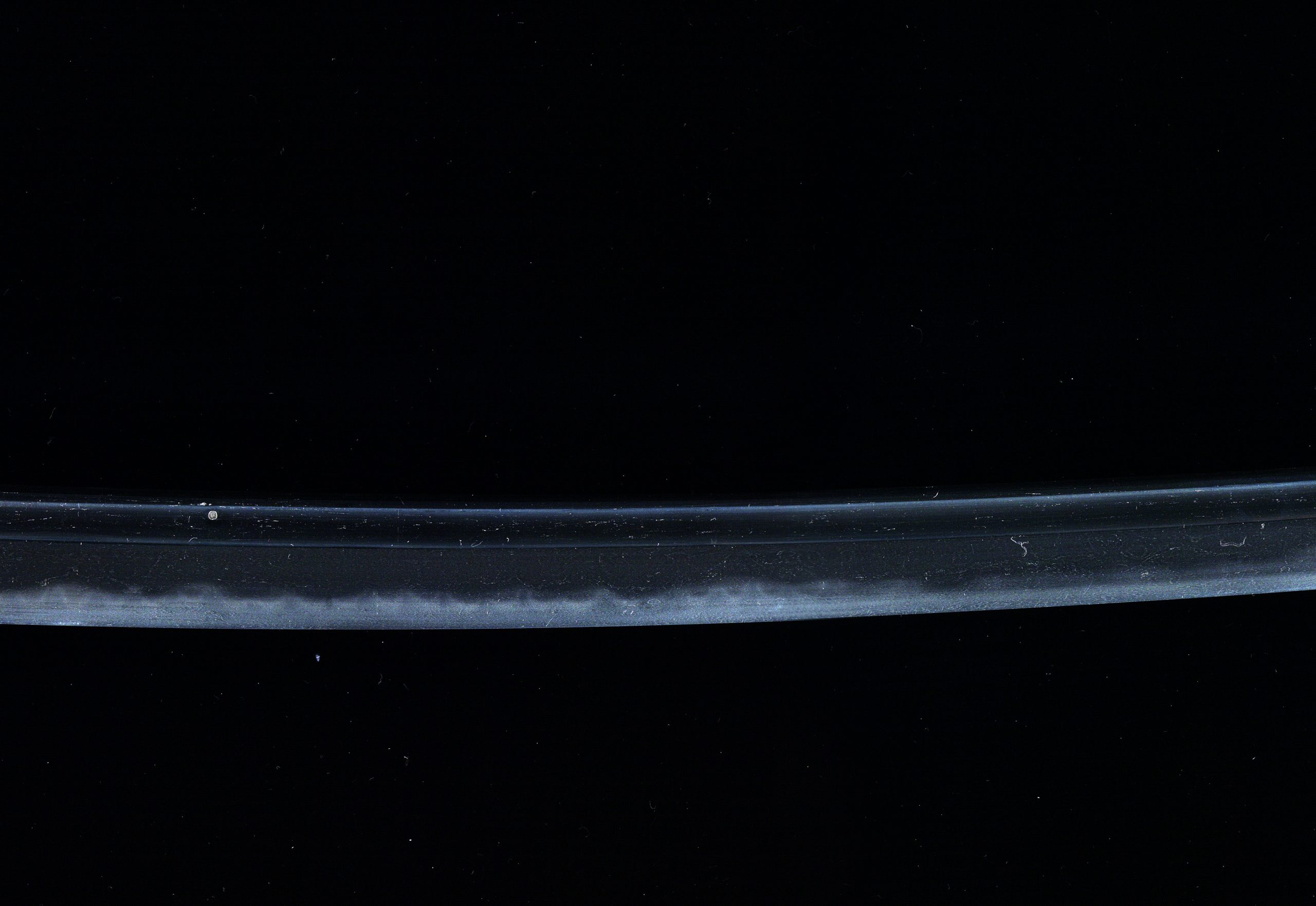
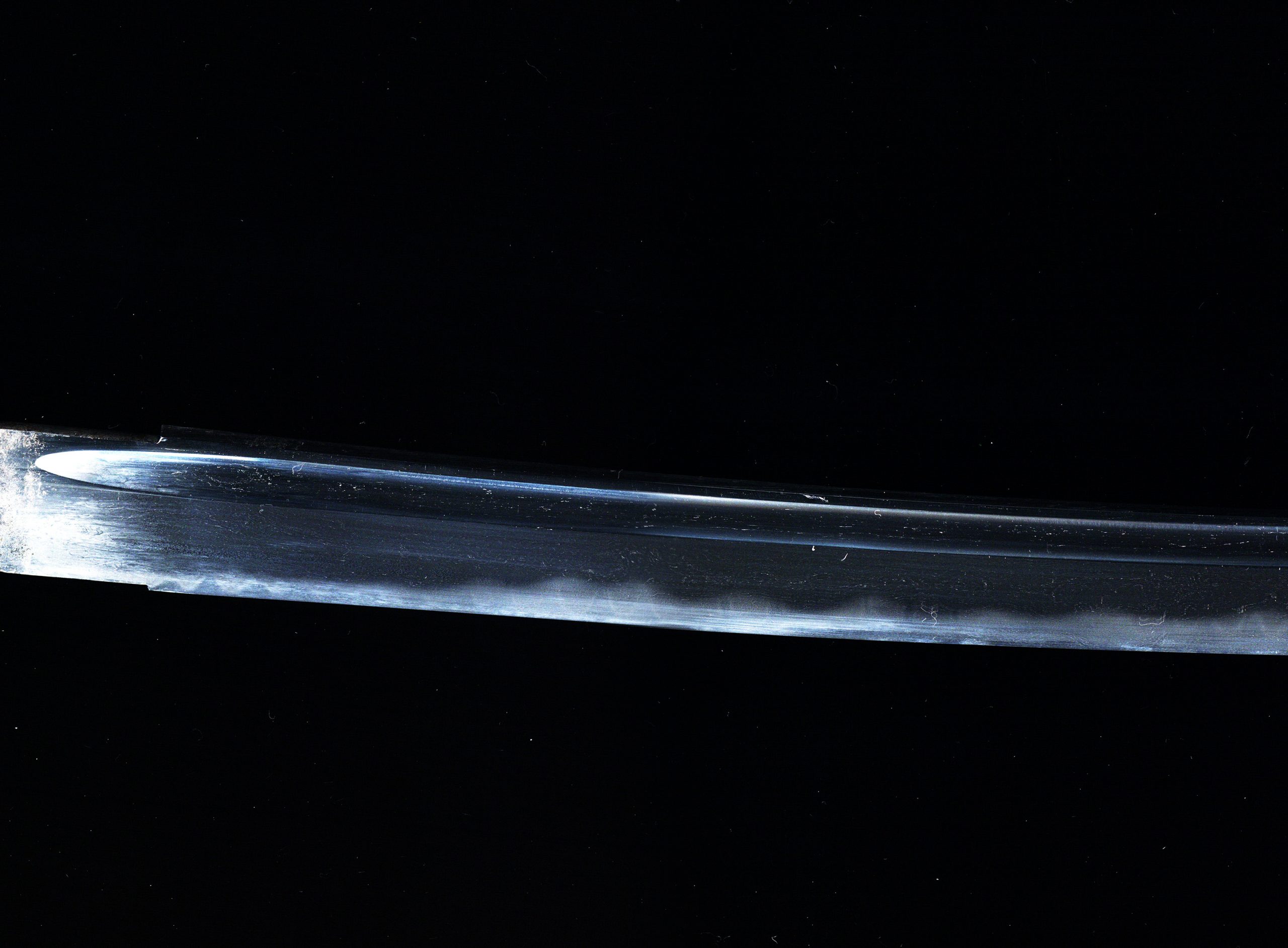
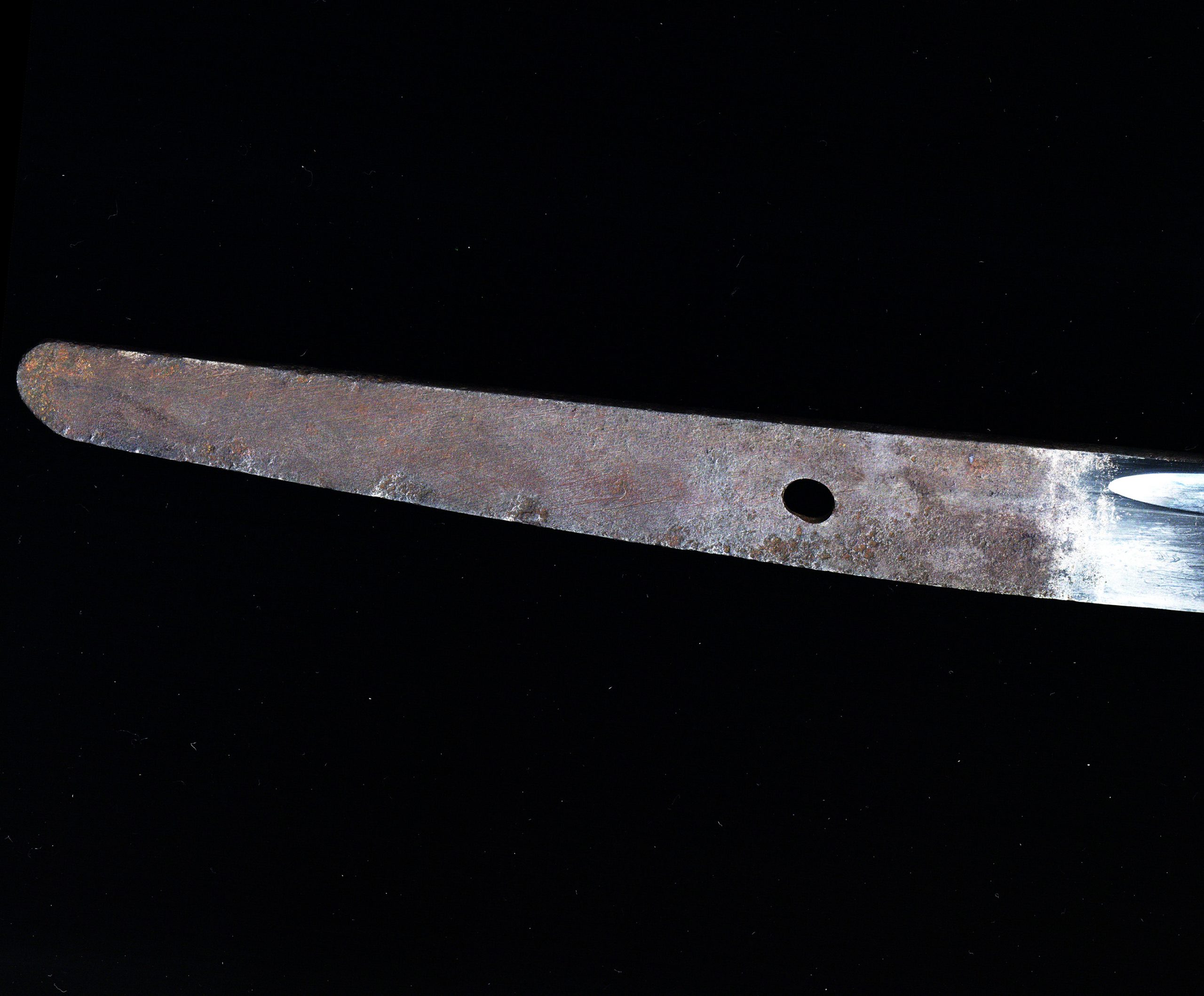
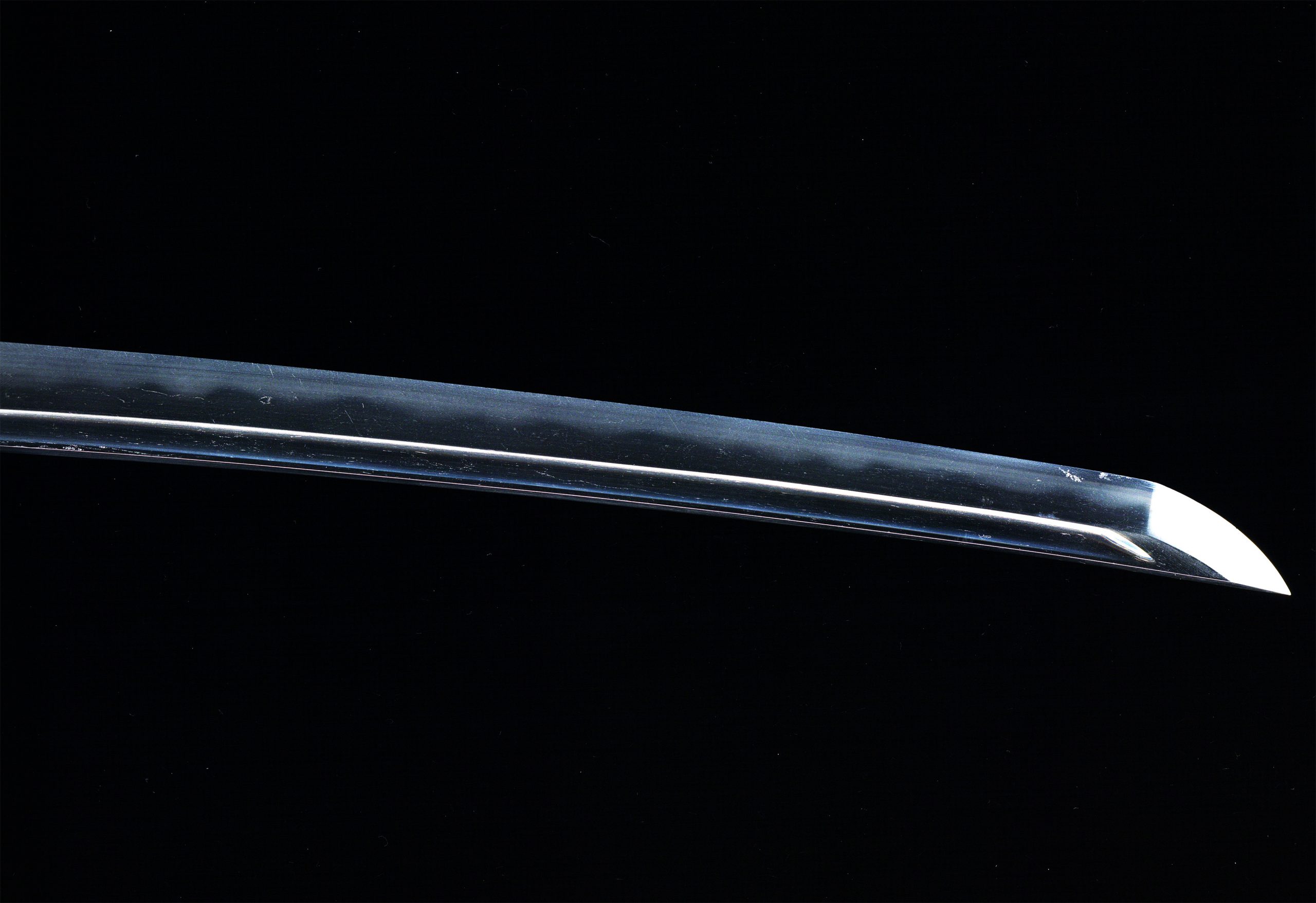
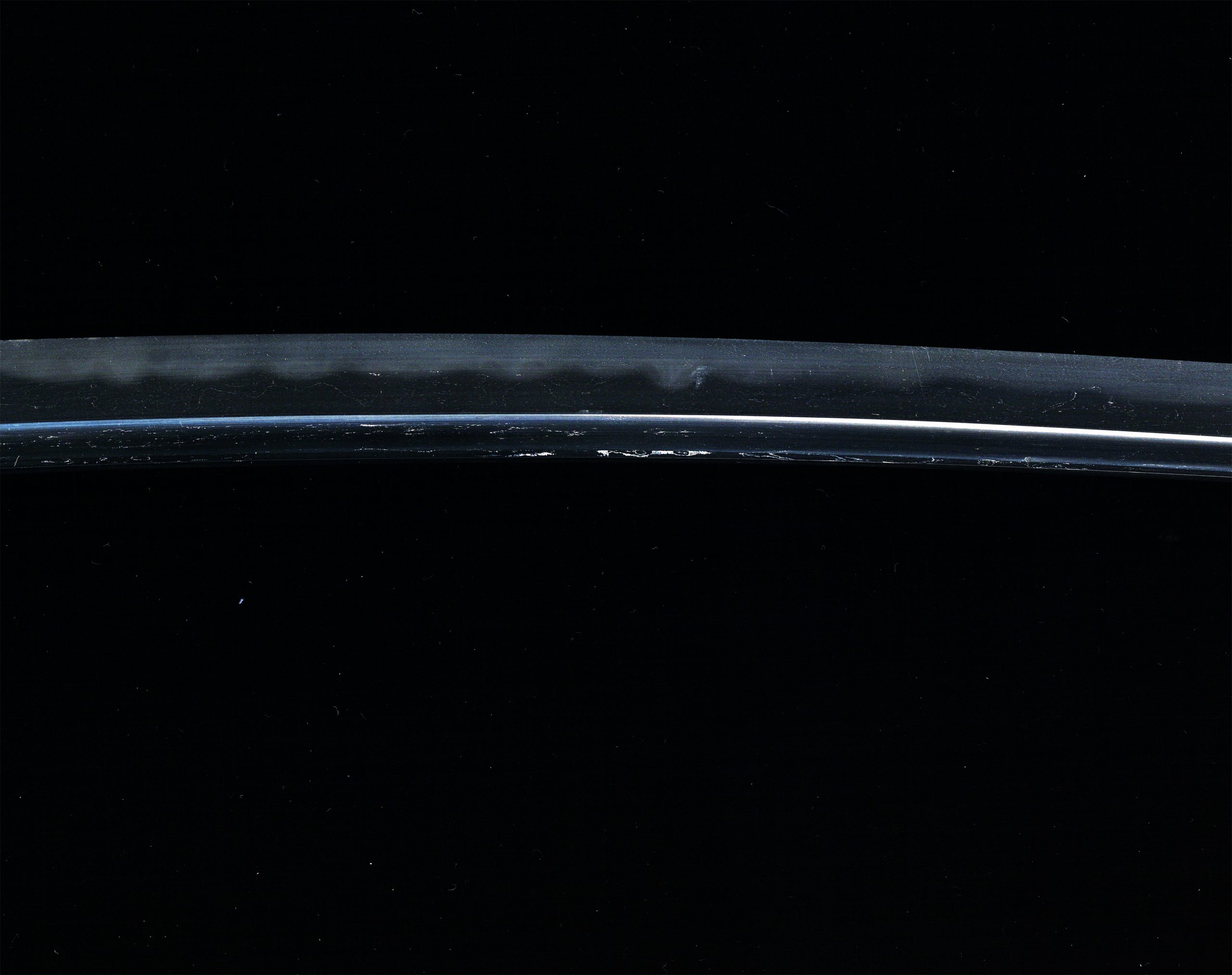
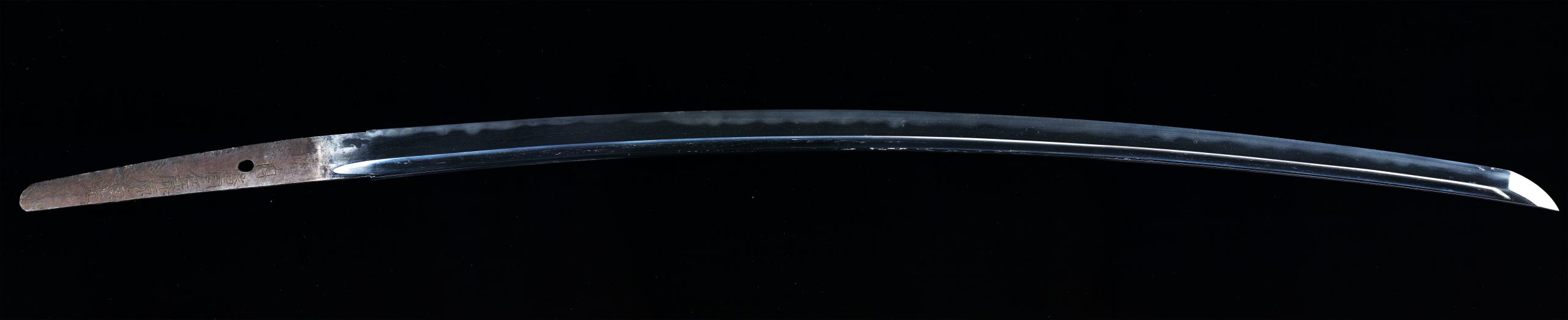
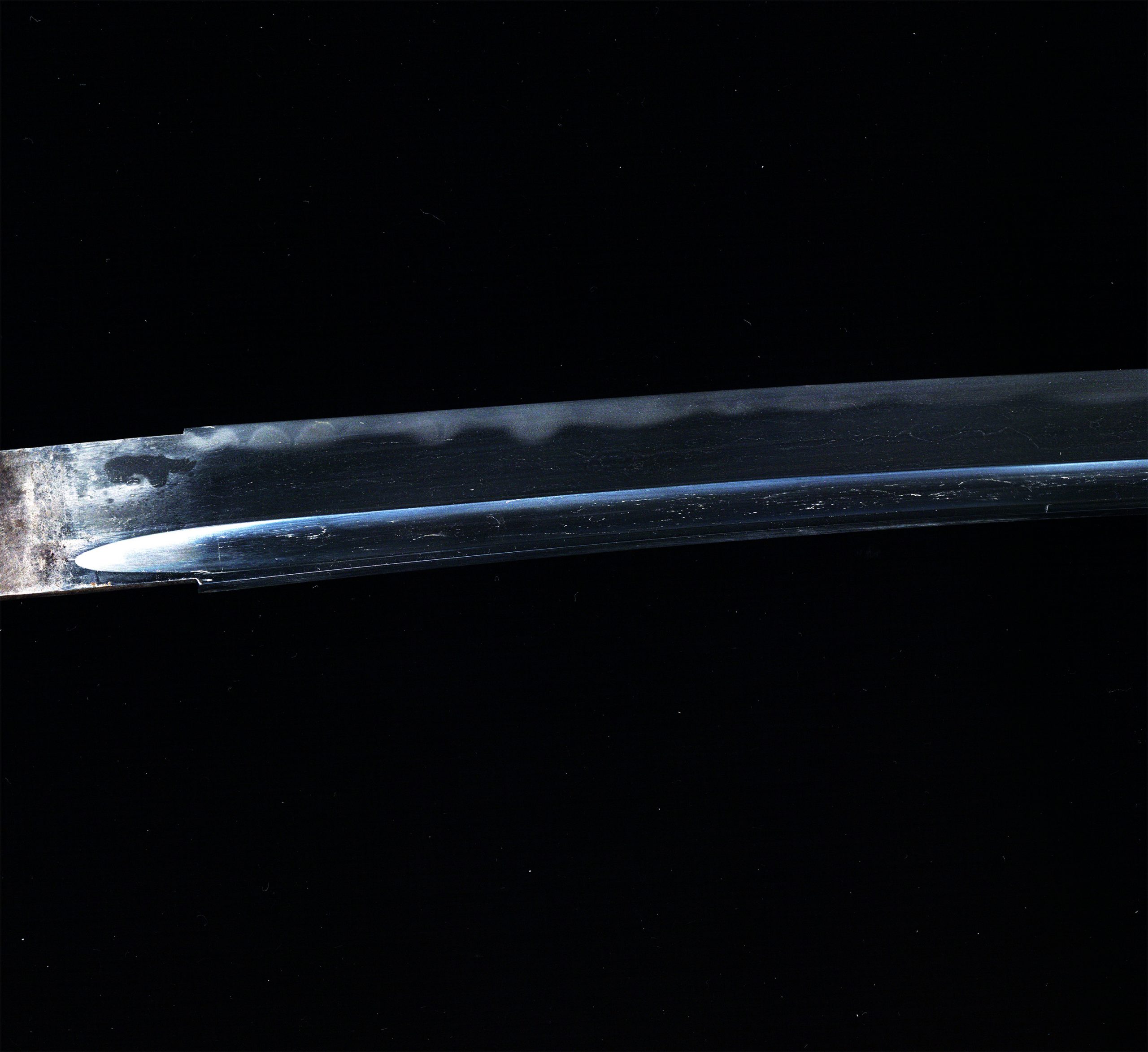
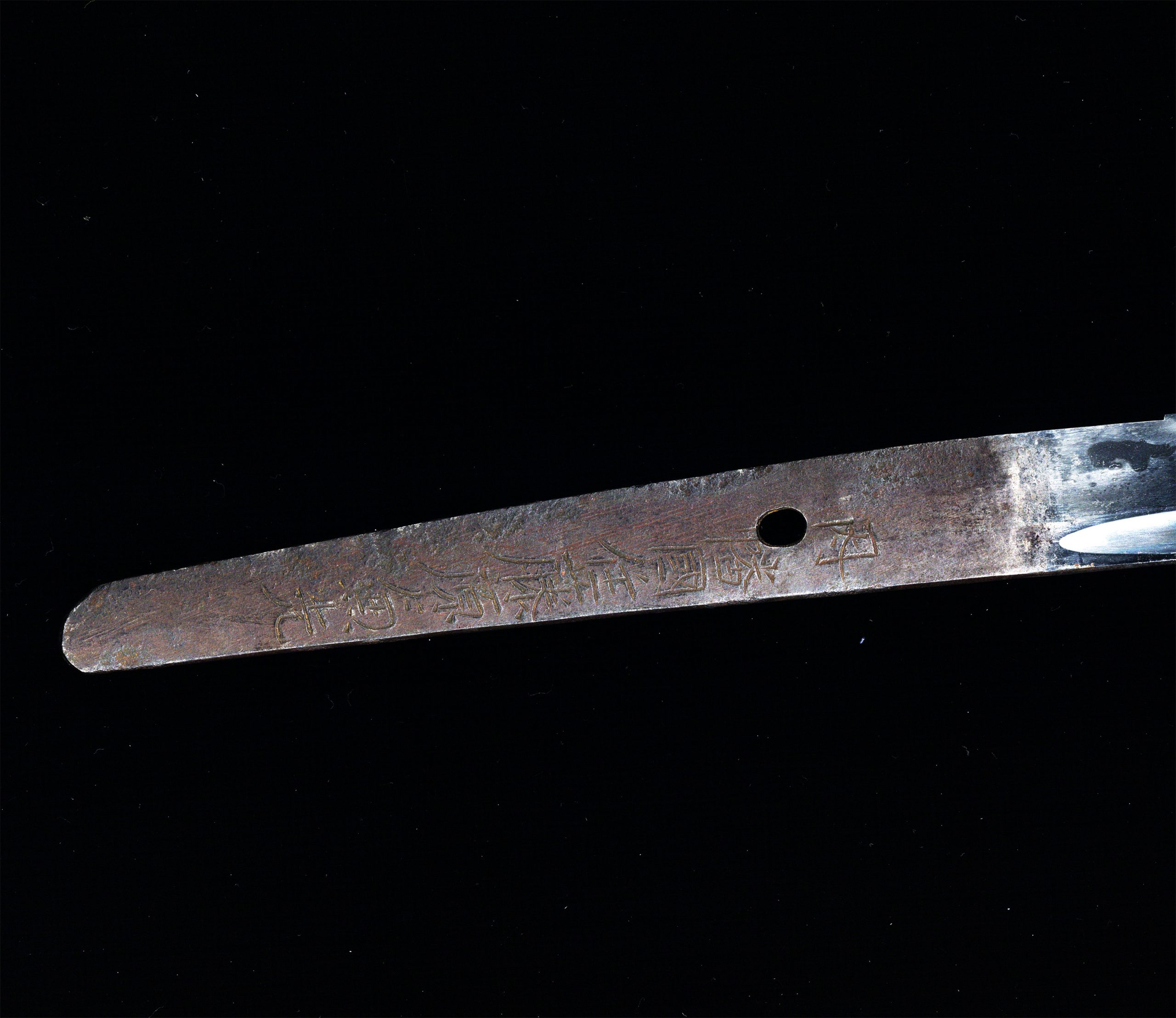
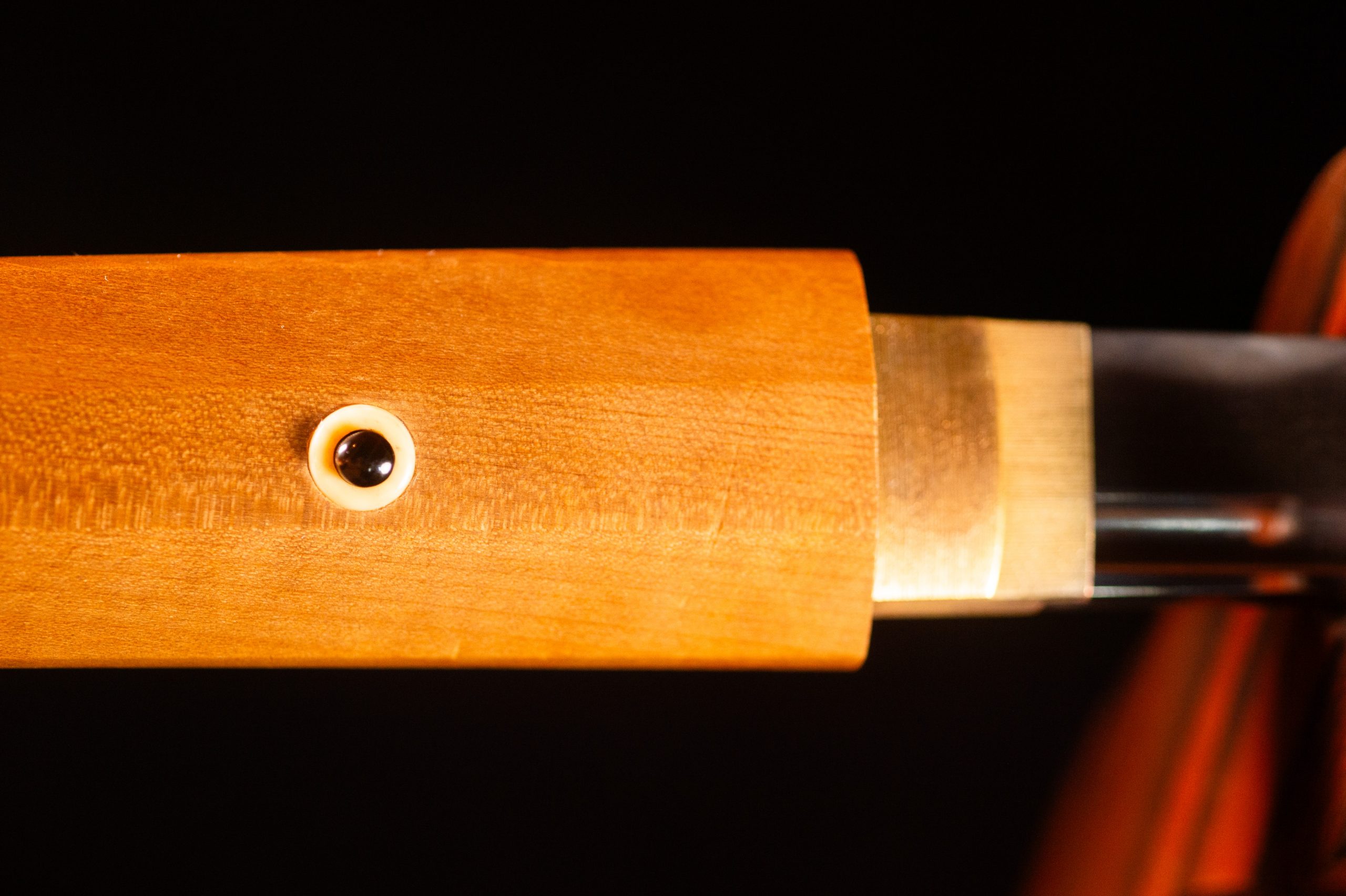
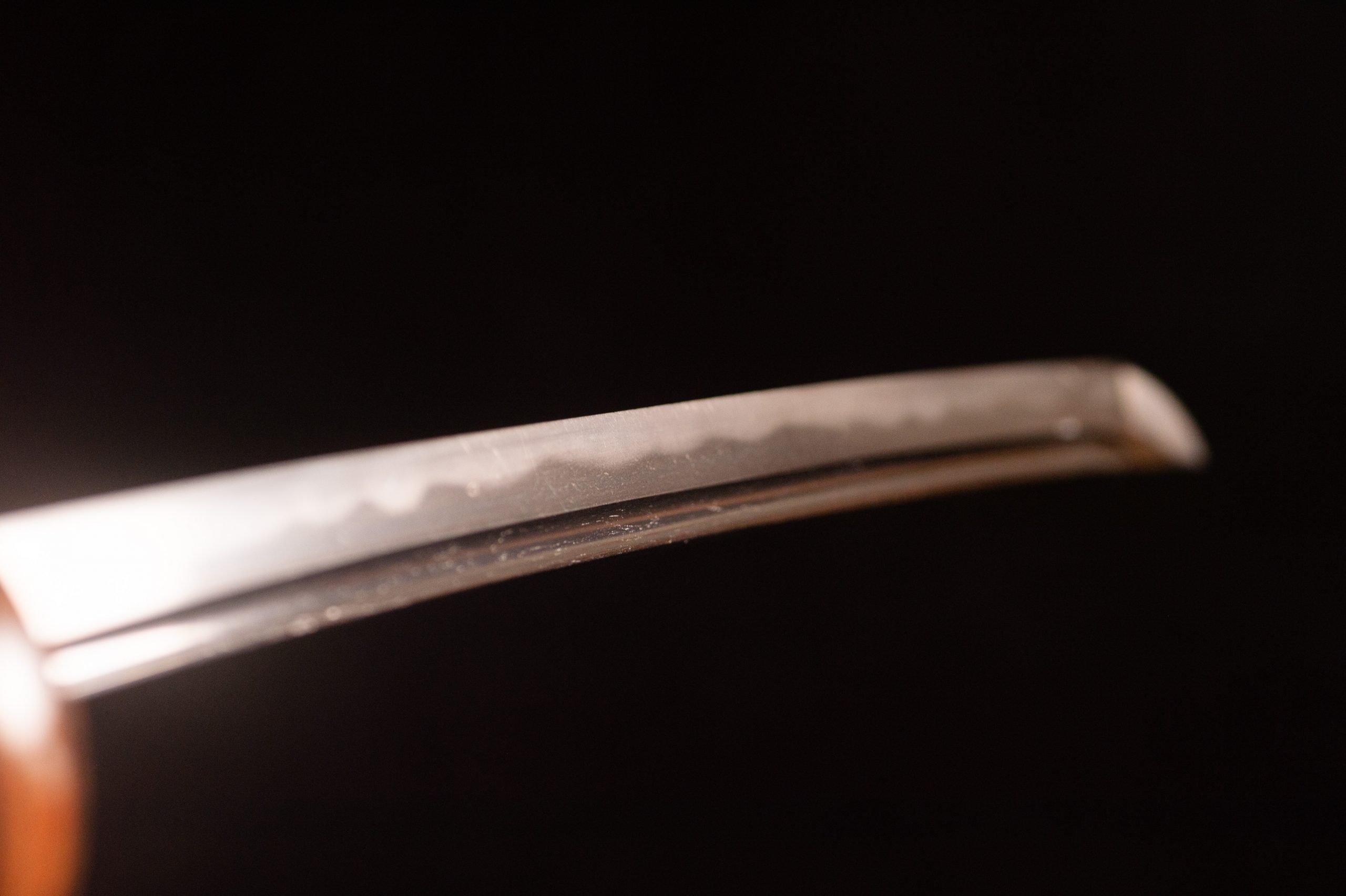
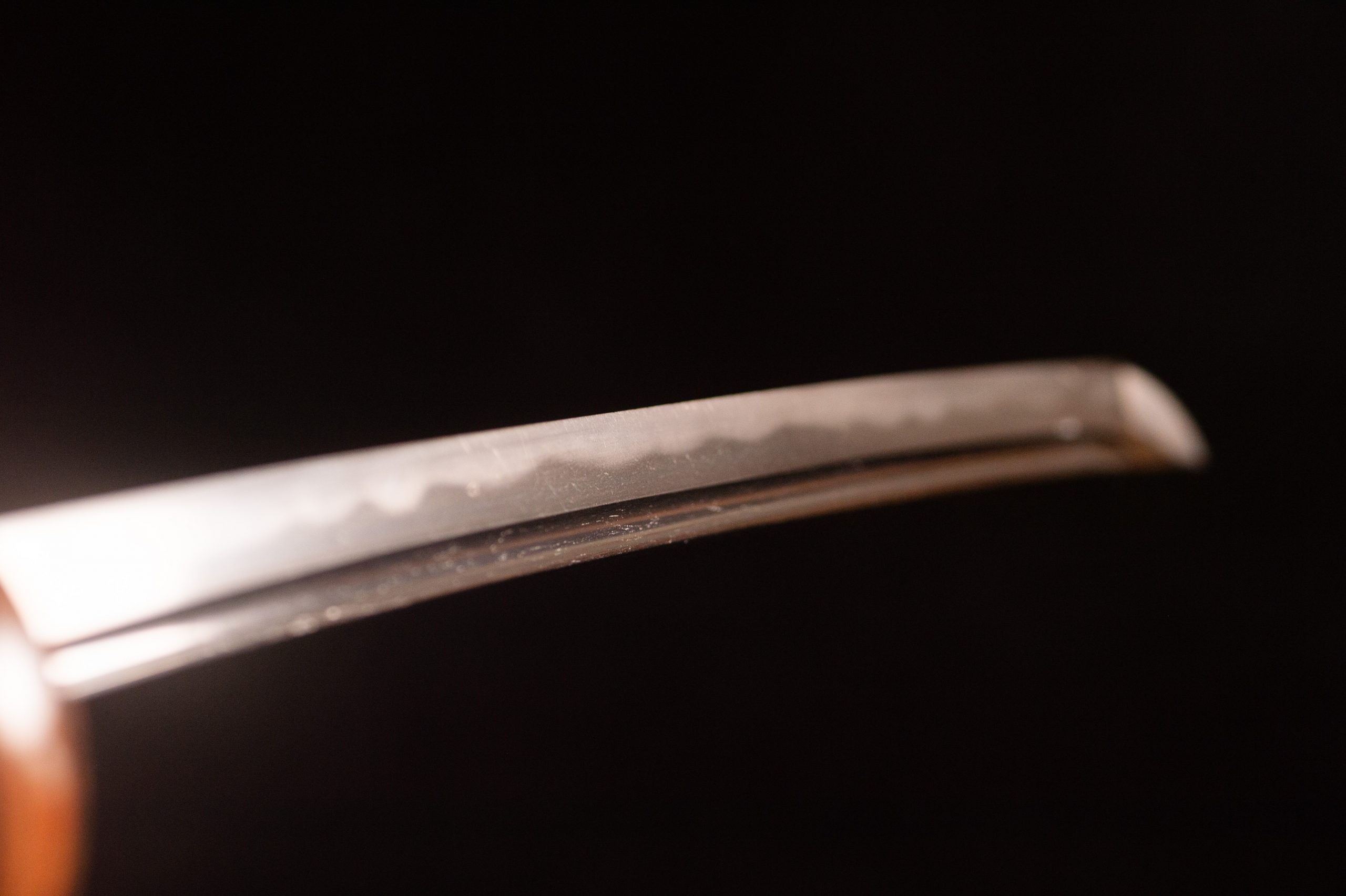
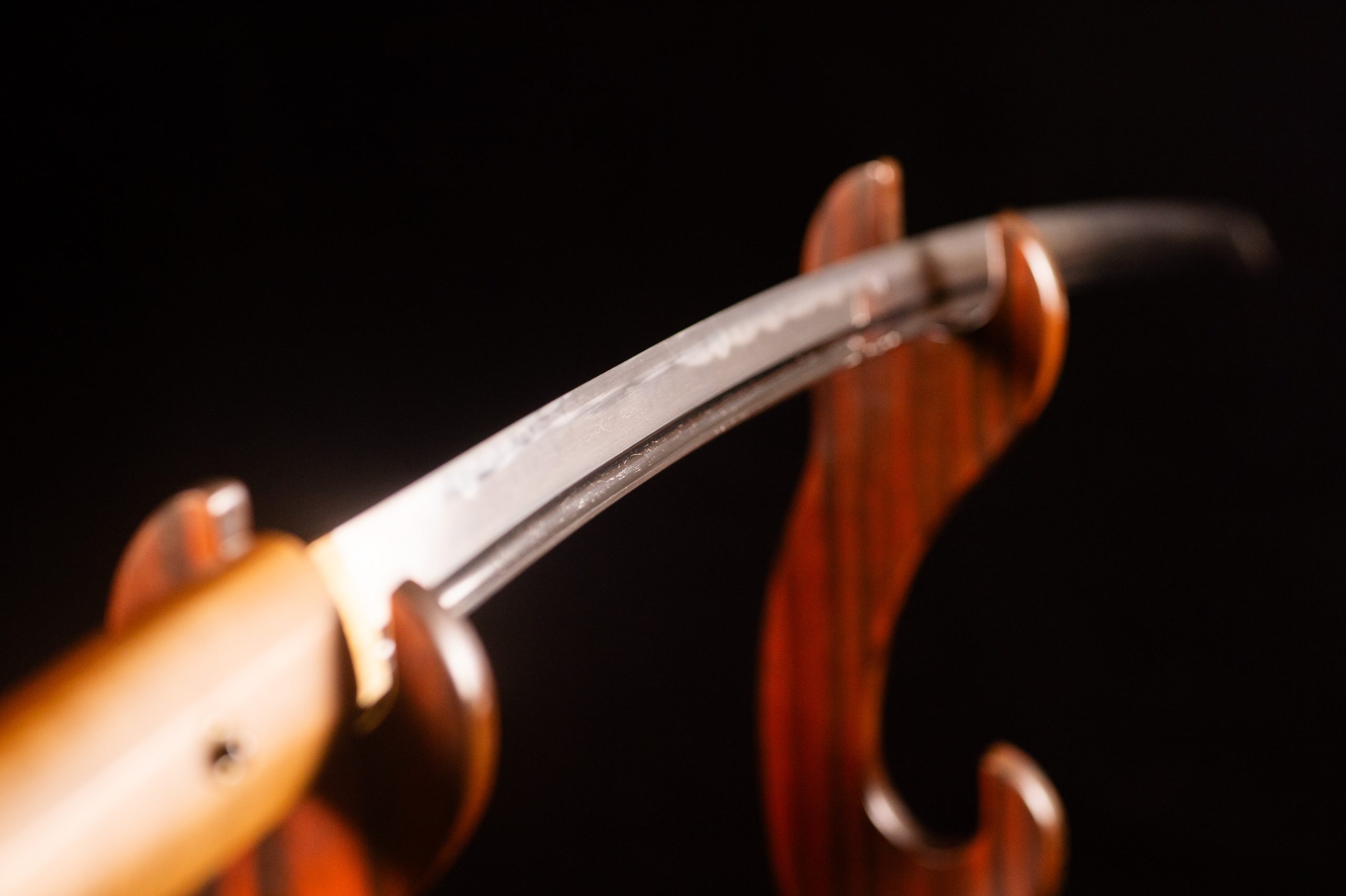
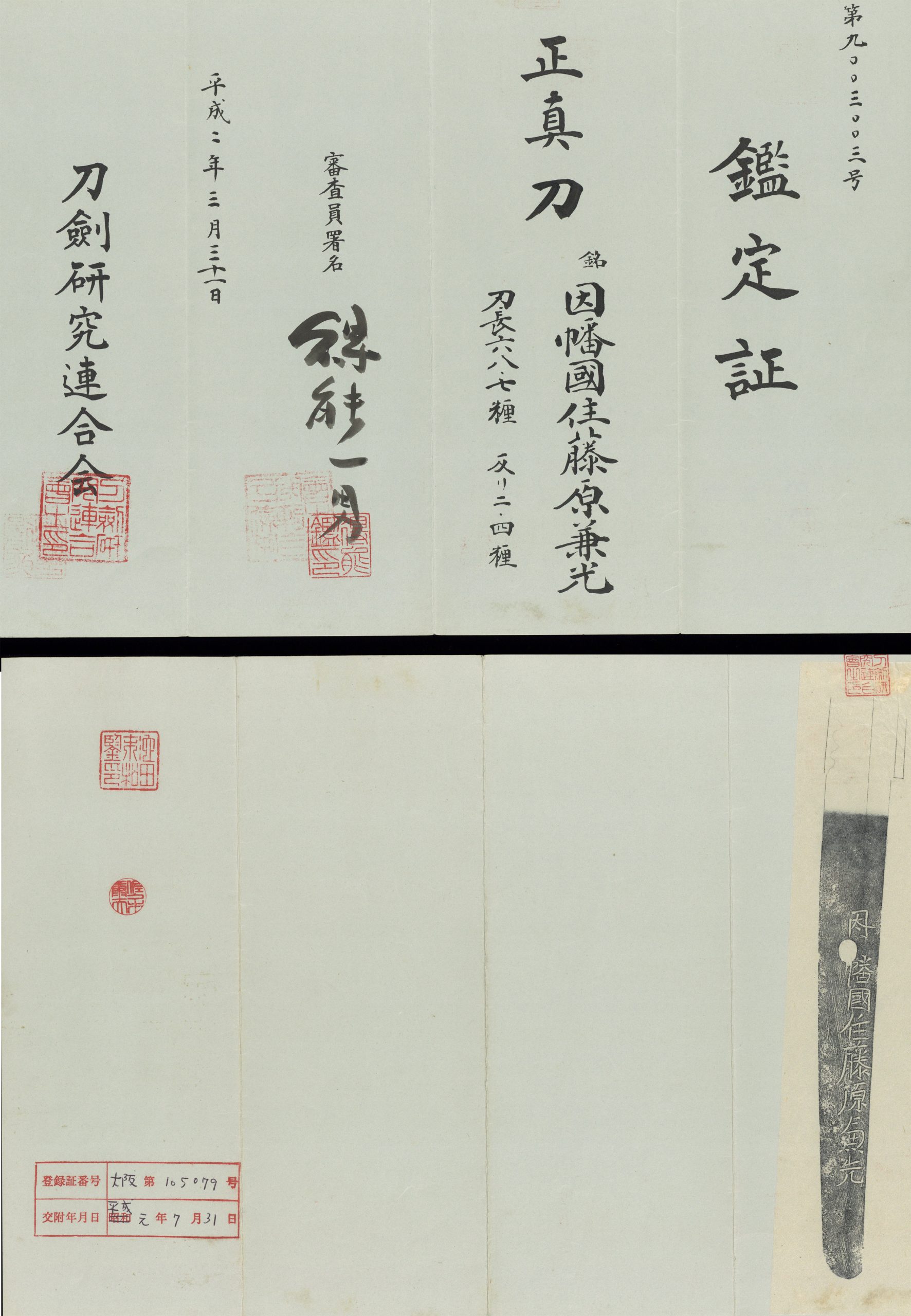
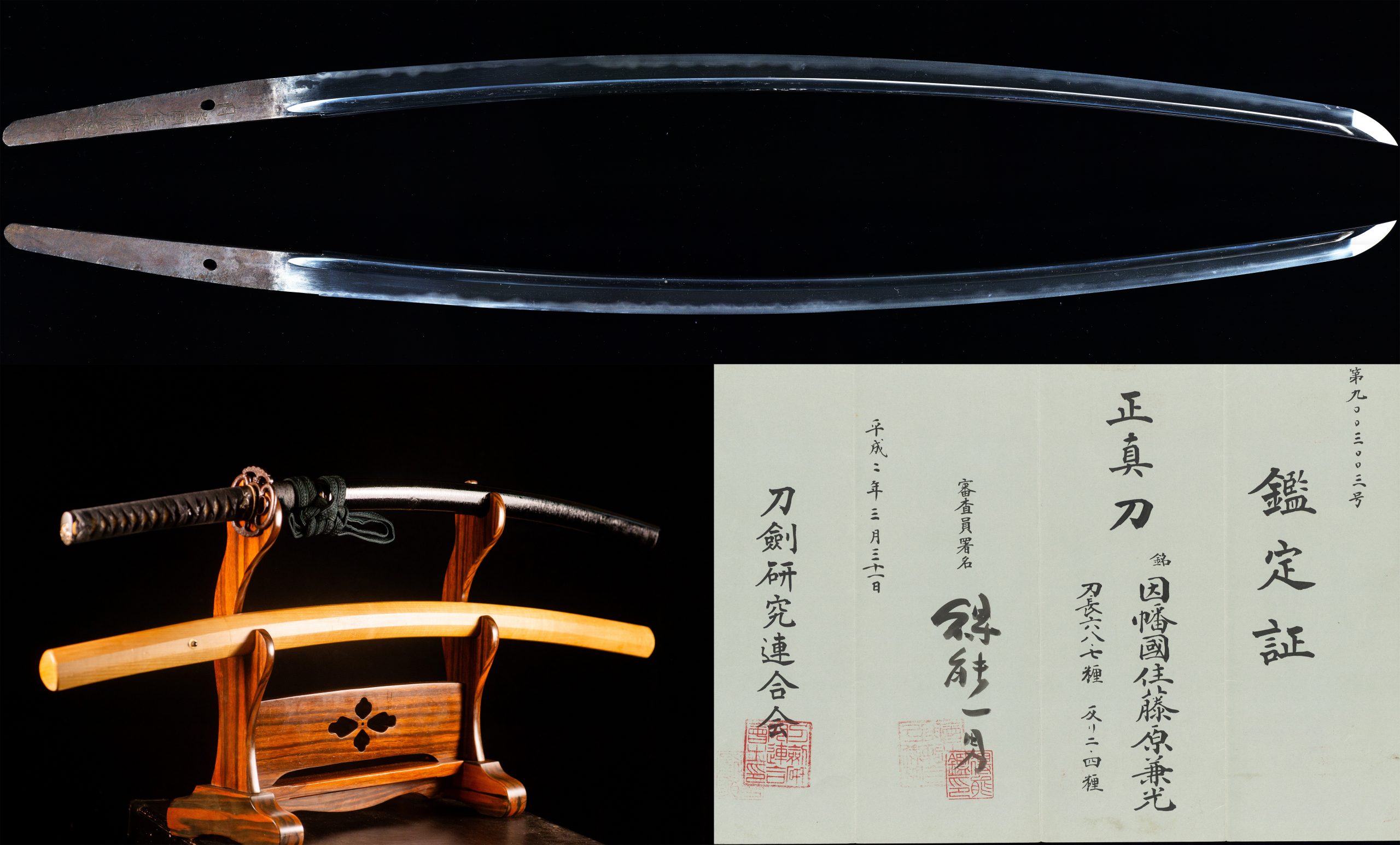
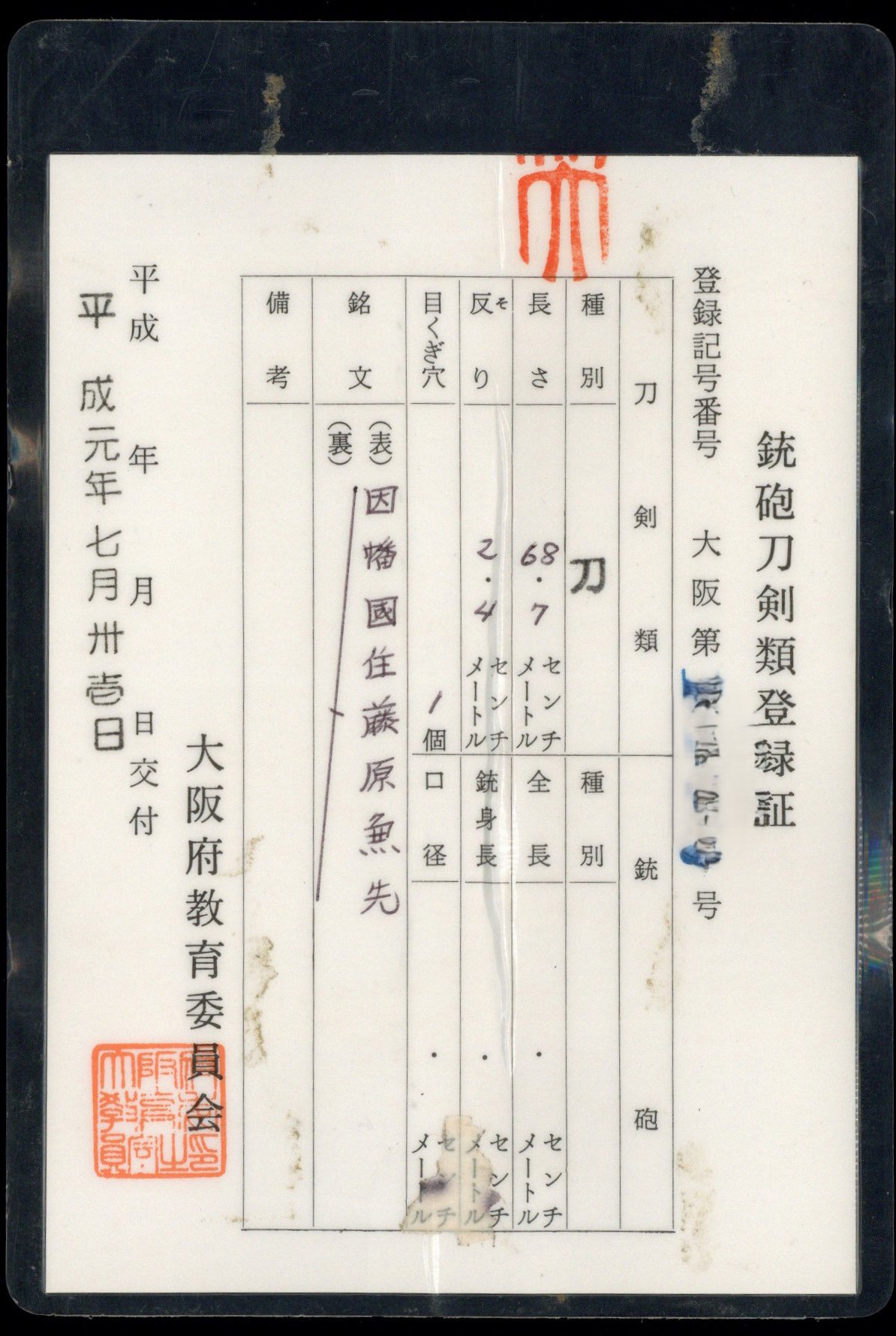
This is an authentic Japanese Edo period katana signed Inaba no Kuni jū Fujiwara Kanesaki. It comes with a copy of the Japanese torokusho (official registration) and a kanteishō (appraisal certificate) from a sword study organization, confirming its authenticity and signature. The blade features classical katana proportions with a pronounced sori and a long bō-hi, showing a gently undulating temper line.
 NihontoWatch
mei · Edo · nagasa 68.7cm · sori 2.4cm

Inaba · around 1804-1844
2 pieces on the market now
Edo was the sword’s age of connoisseurship: the Hon’ami appraisers, the shogunal register of famous blades of 1719, and a thriving literature turned the sword into an object of study even as it ceased to be drawn in war.
We could not find an authenticity certificate on the seller’s listing. Japanese swords and fittings are normally papered by the NBTHK (or the NTHK). Without one, the attribution is the seller’s own assessment and has not been independently verified — treat it with caution and ask the dealer about certification before buying.
14-day return if items arrive damaged or in unexpected condition; customer bears return shipping + insurance; items returned in original condition with all accessories; antique armour non-returnable; only regular priced items refundable; shipping costs non-refundable.
This is an authentic Japanese Edo period katana signed Inaba no Kuni jū Fujiwara Kanesaki. It comes with a copy of the Japanese torokusho (official registration) and a kanteishō (appraisal certificate) from a sword study organization, confirming its authenticity and signature. The blade features classical katana proportions with a pronounced sori and a long bō-hi, showing a gently undulating temper line.
NihontoWatchmei · Edo · nagasa 68.7cm · sori 2.4cm
Inaba · around 1804-1844
2 pieces on the market now
Edo was the sword’s age of connoisseurship: the Hon’ami appraisers, the shogunal register of famous blades of 1719, and a thriving literature turned the sword into an object of study even as it ceased to be drawn in war.
We could not find an authenticity certificate on the seller’s listing. Japanese swords and fittings are normally papered by the NBTHK (or the NTHK). Without one, the attribution is the seller’s own assessment and has not been independently verified — treat it with caution and ask the dealer about certification before buying.
14-day return if items arrive damaged or in unexpected condition; customer bears return shipping + insurance; items returned in original condition with all accessories; antique armour non-returnable; only regular priced items refundable; shipping costs non-refundable.