The Haitōrei edict of 1876 ended sword wearing and nearly ended the craft itself. Military demand and imperial patronage kept a remnant alive, and in 1906 Gassan Sadakazu and Miyamoto Kanenori were named Artists to the Imperial Household.
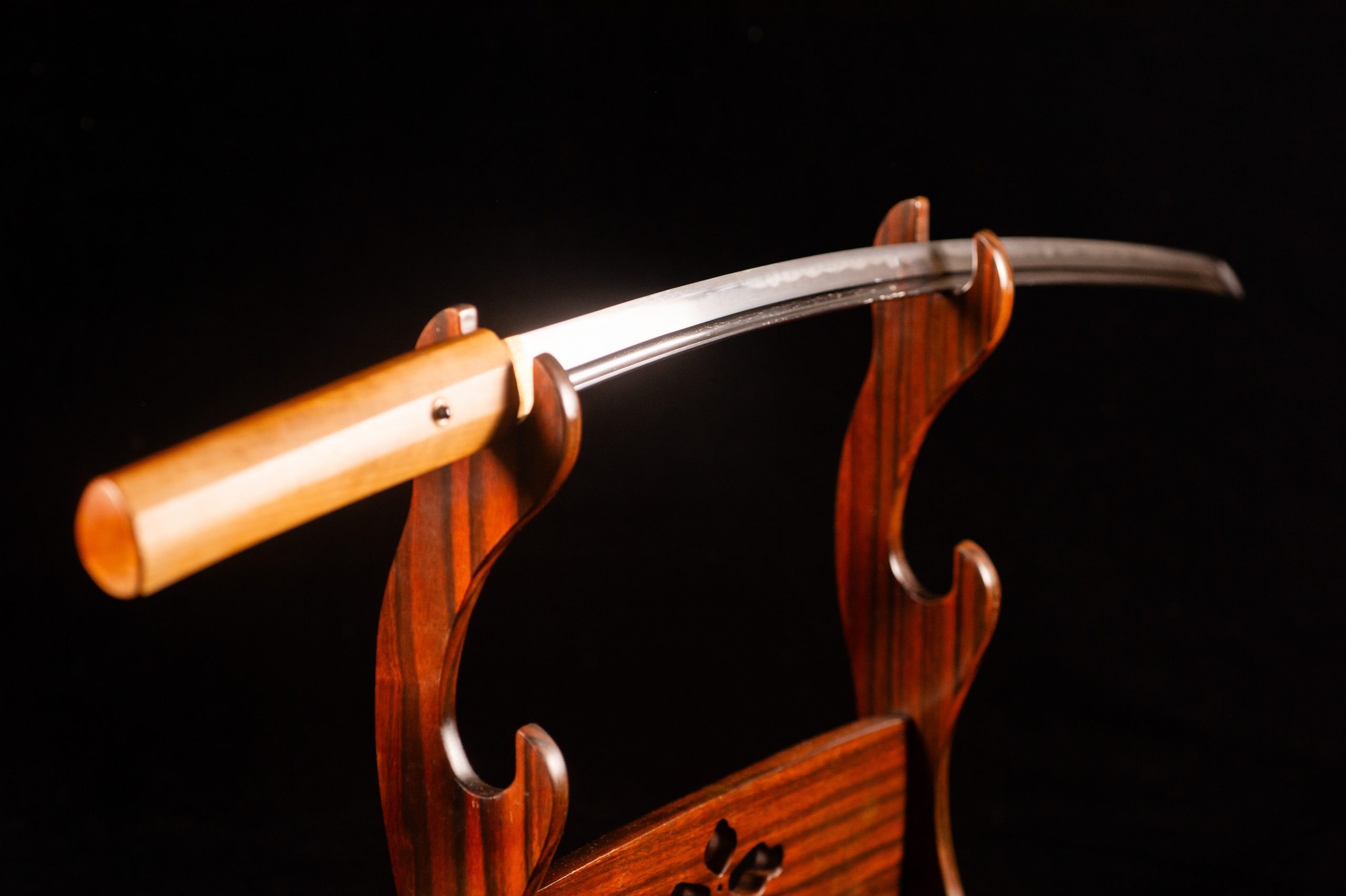
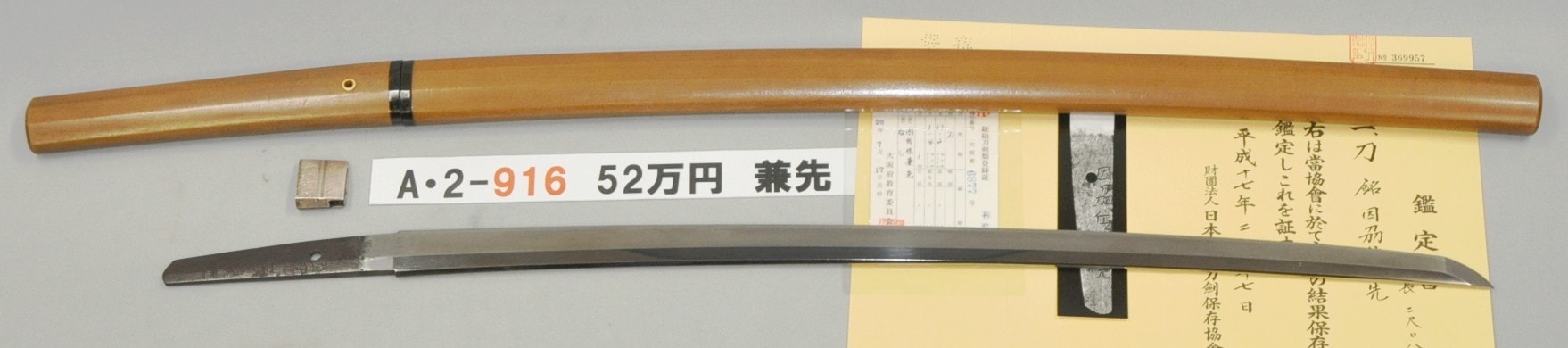
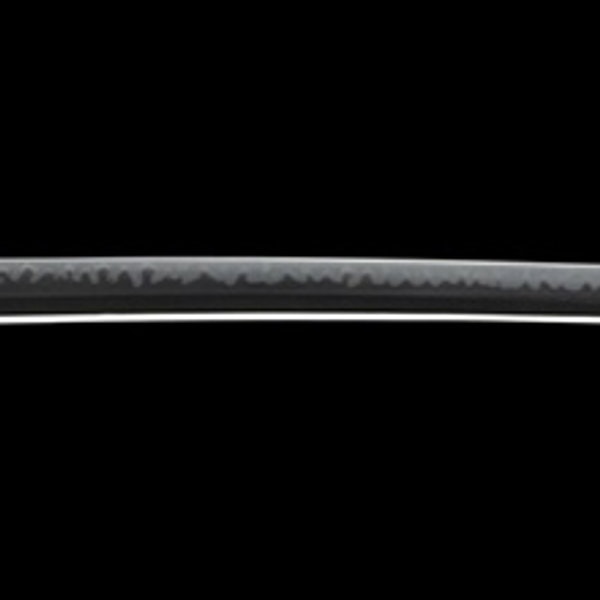
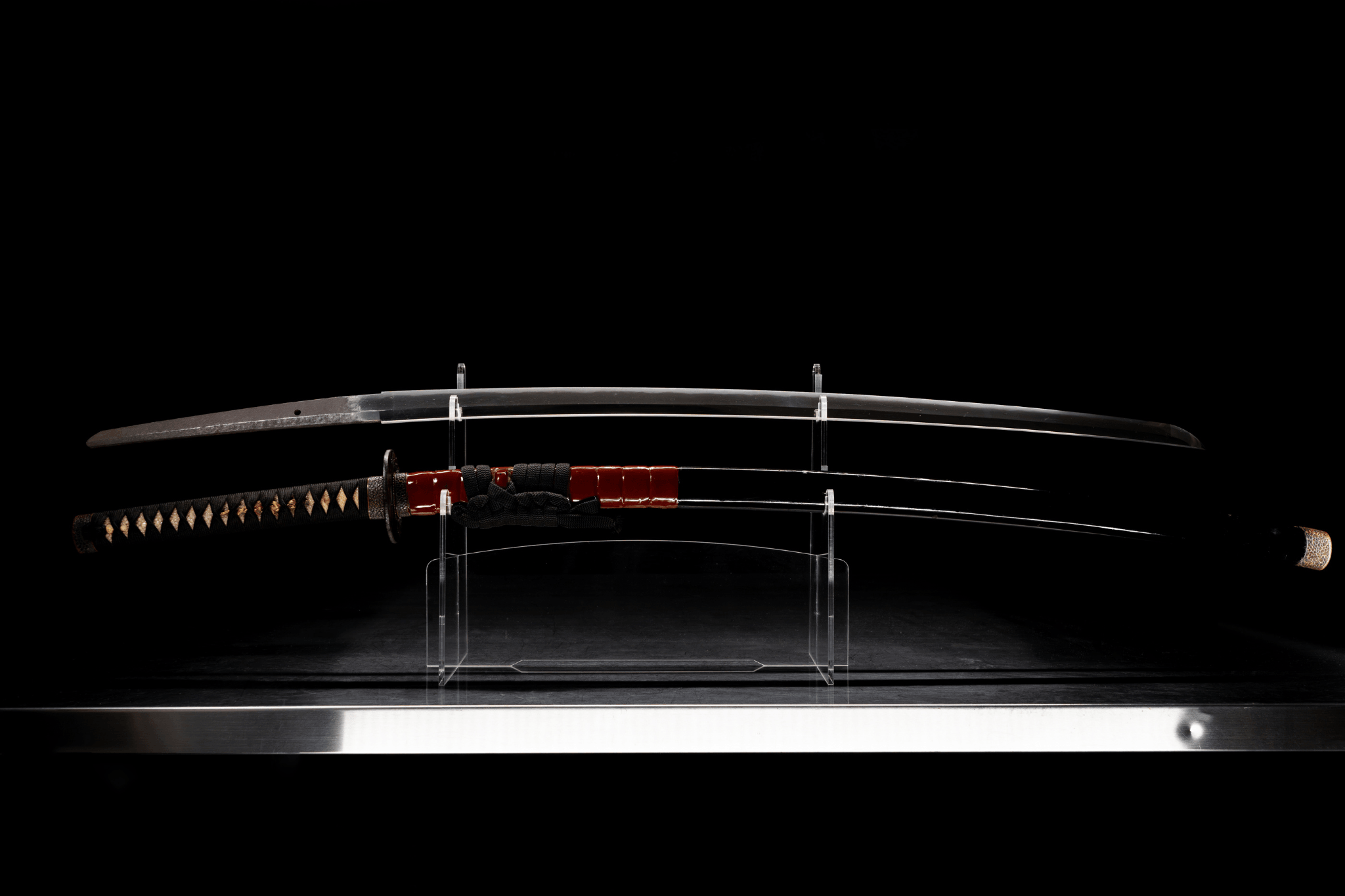
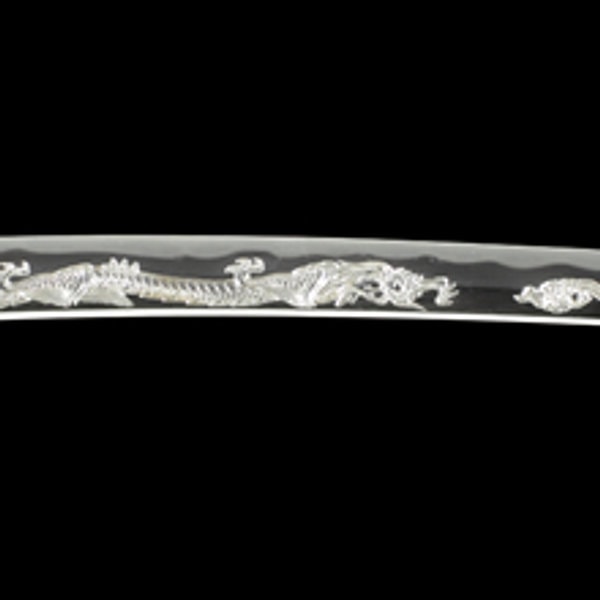
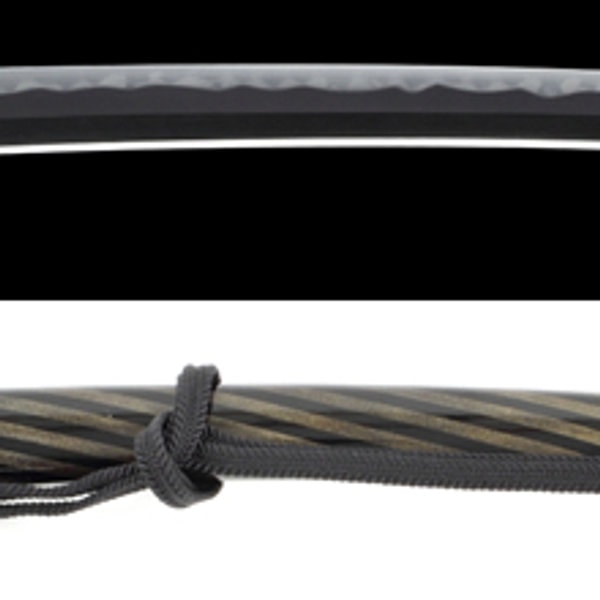
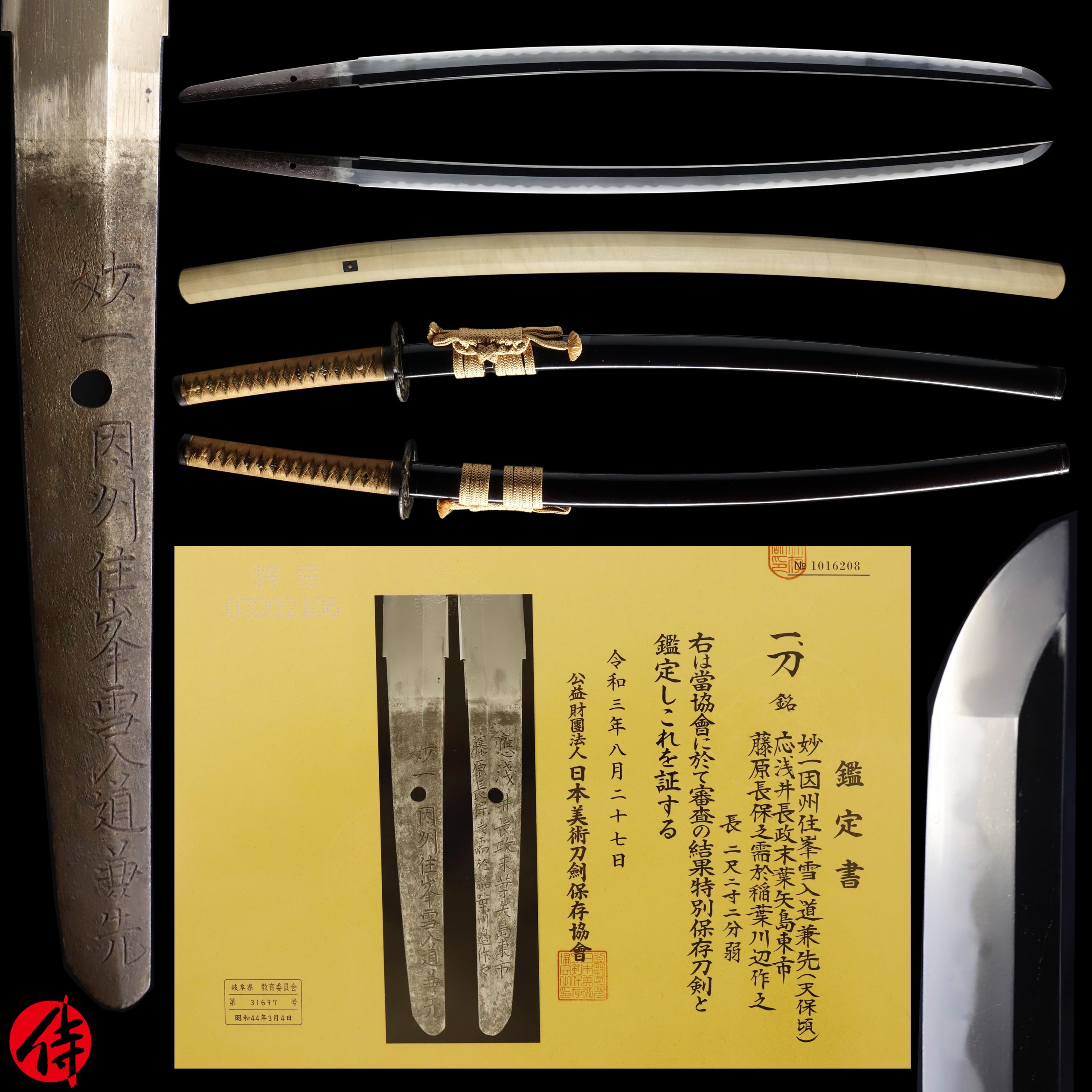
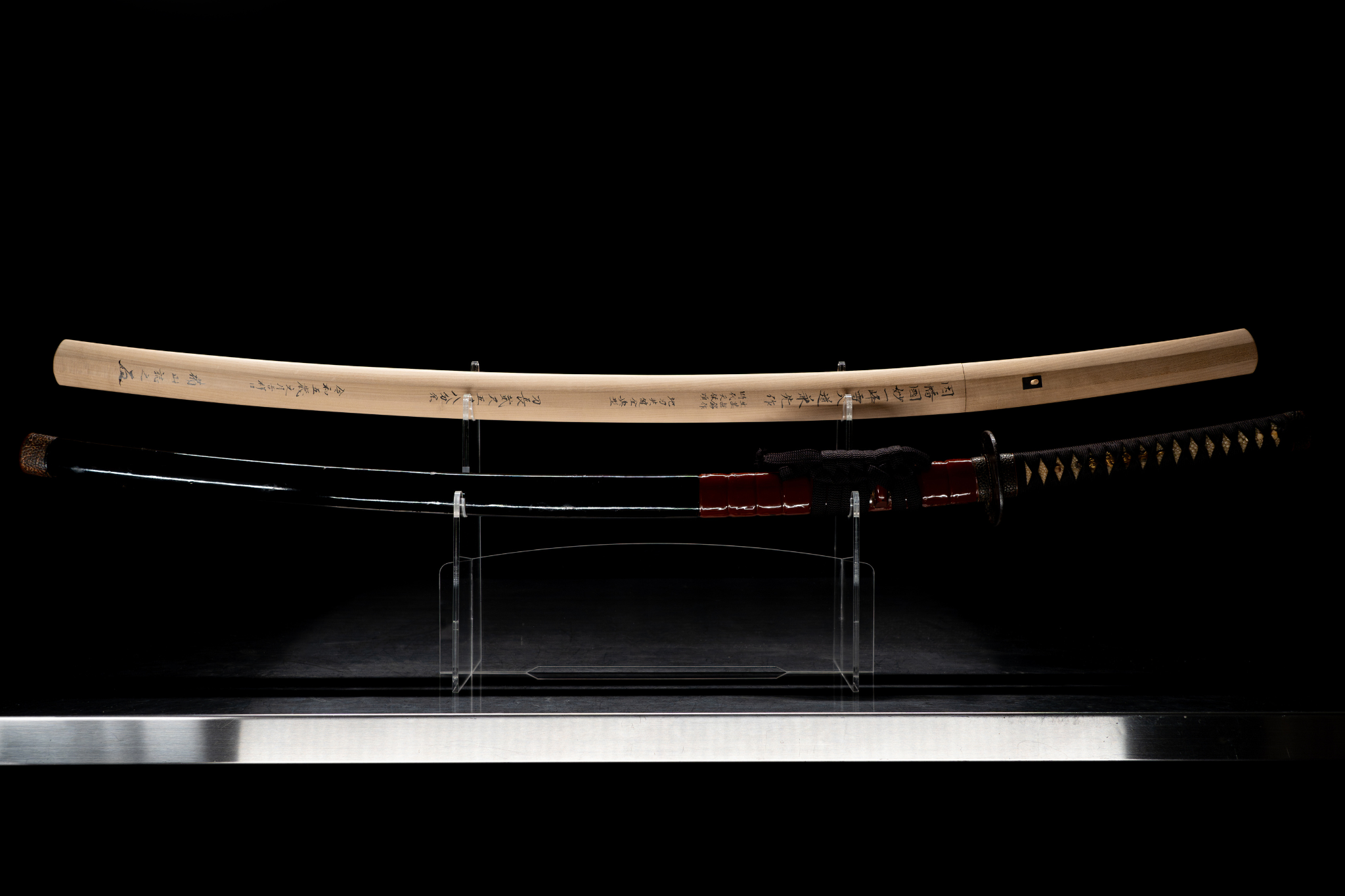
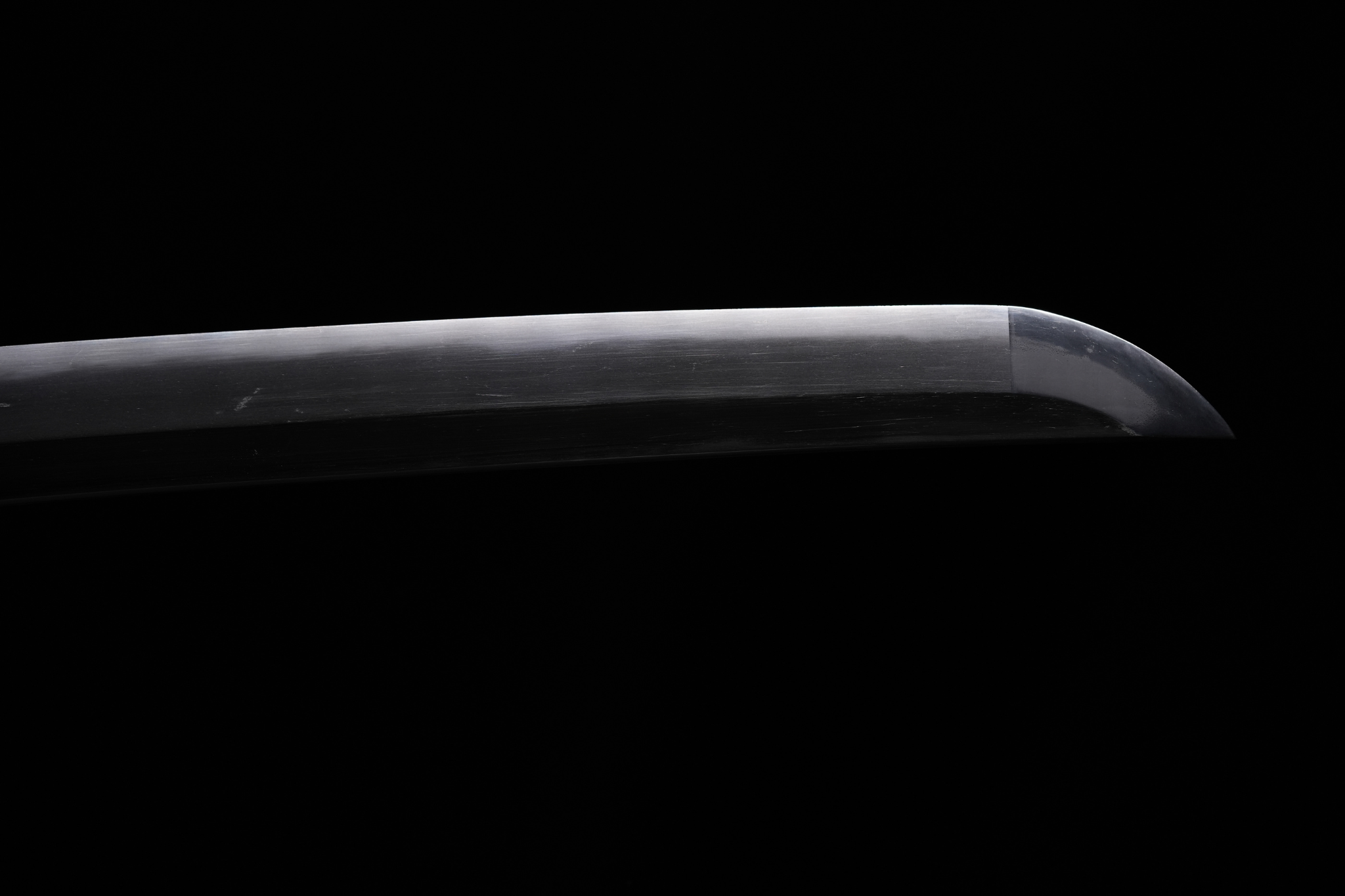
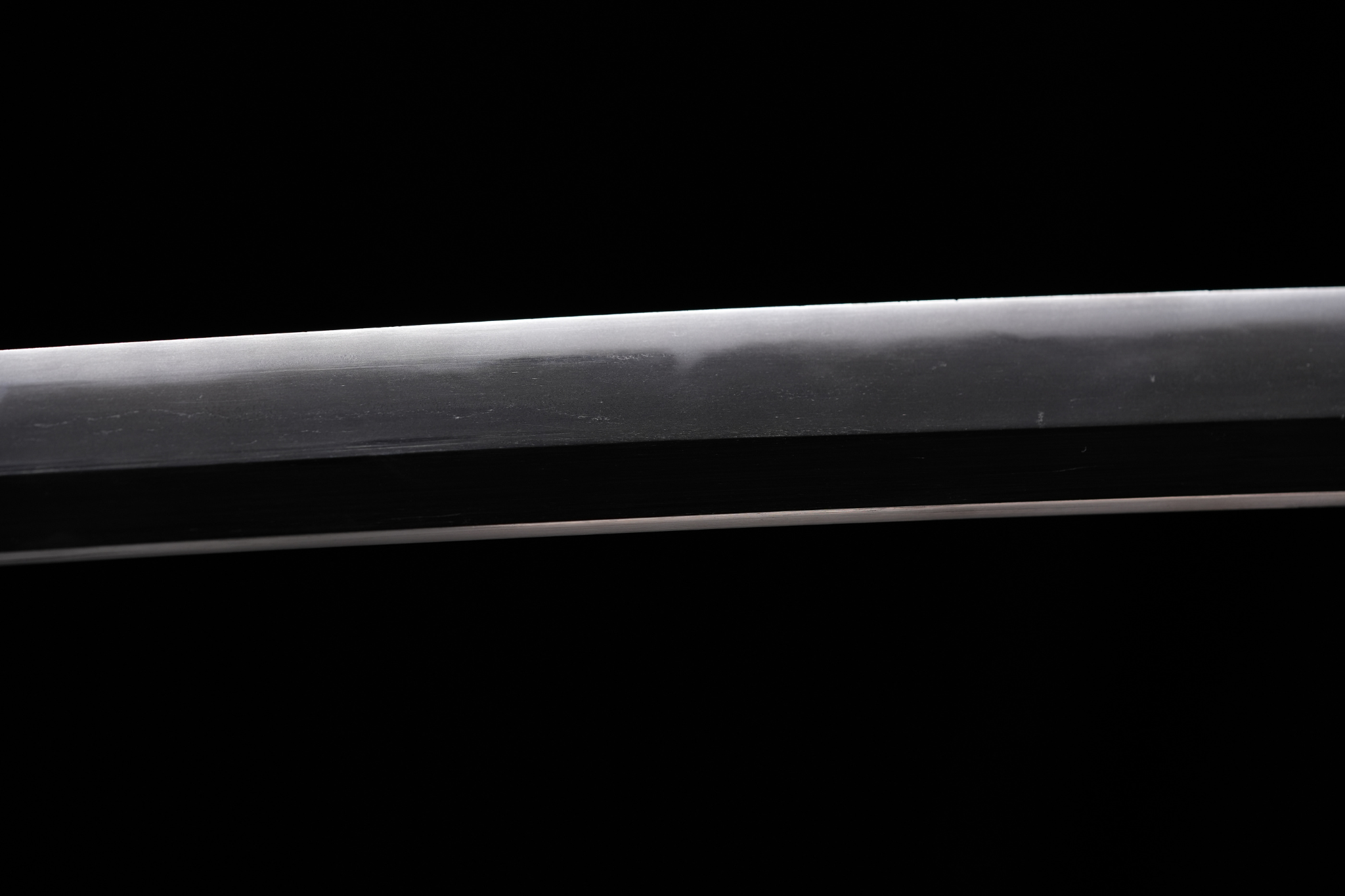
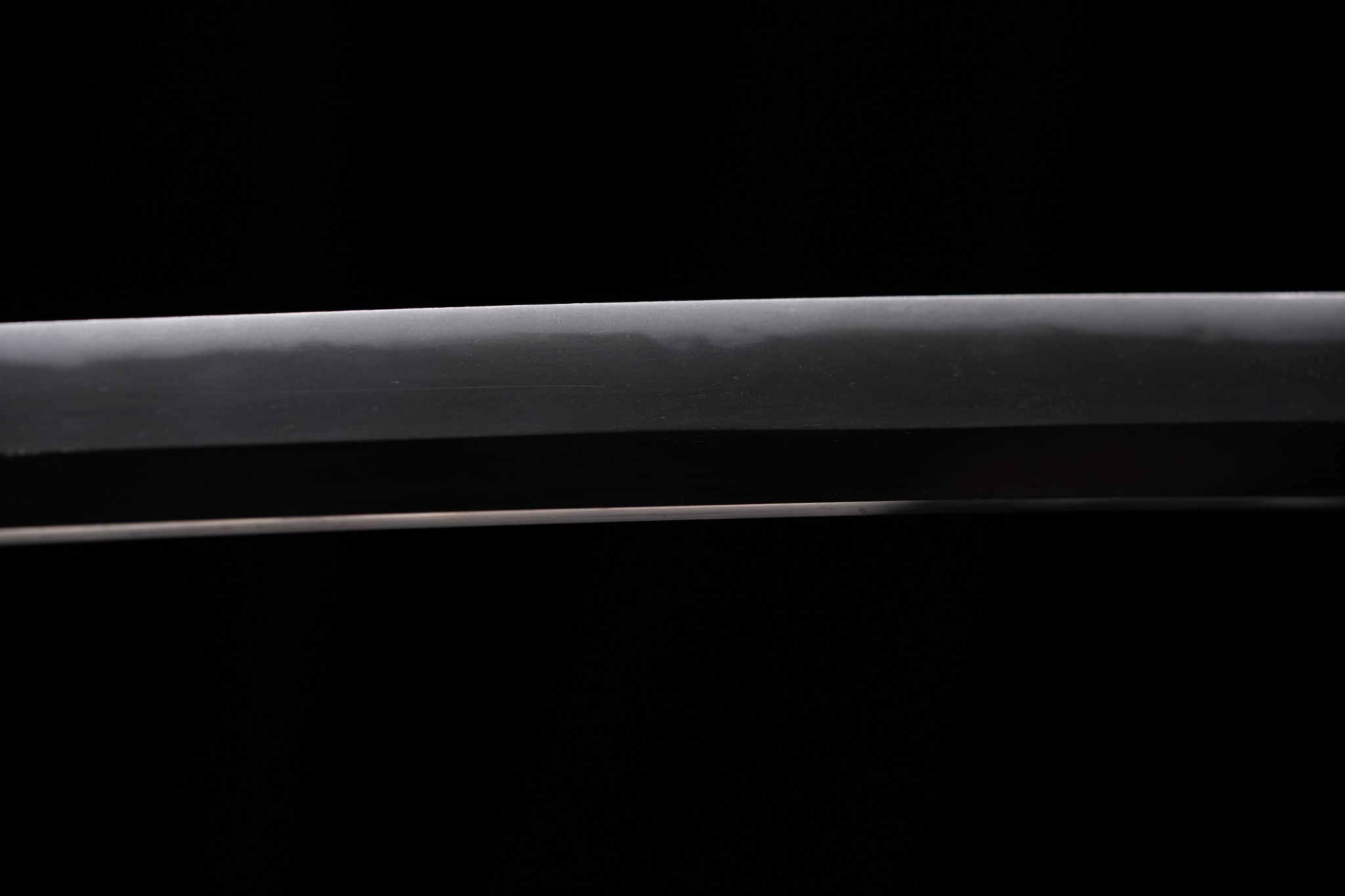
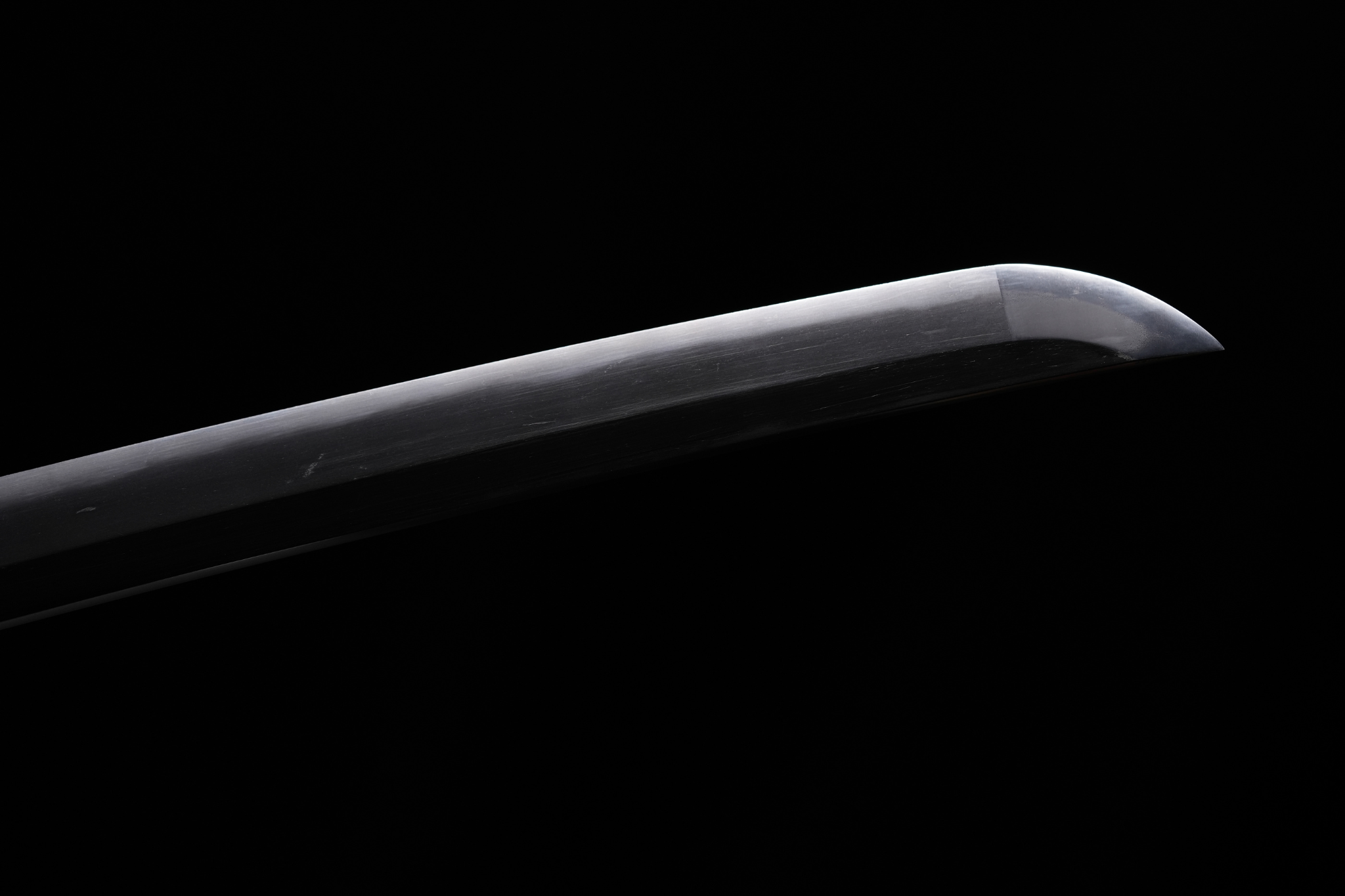
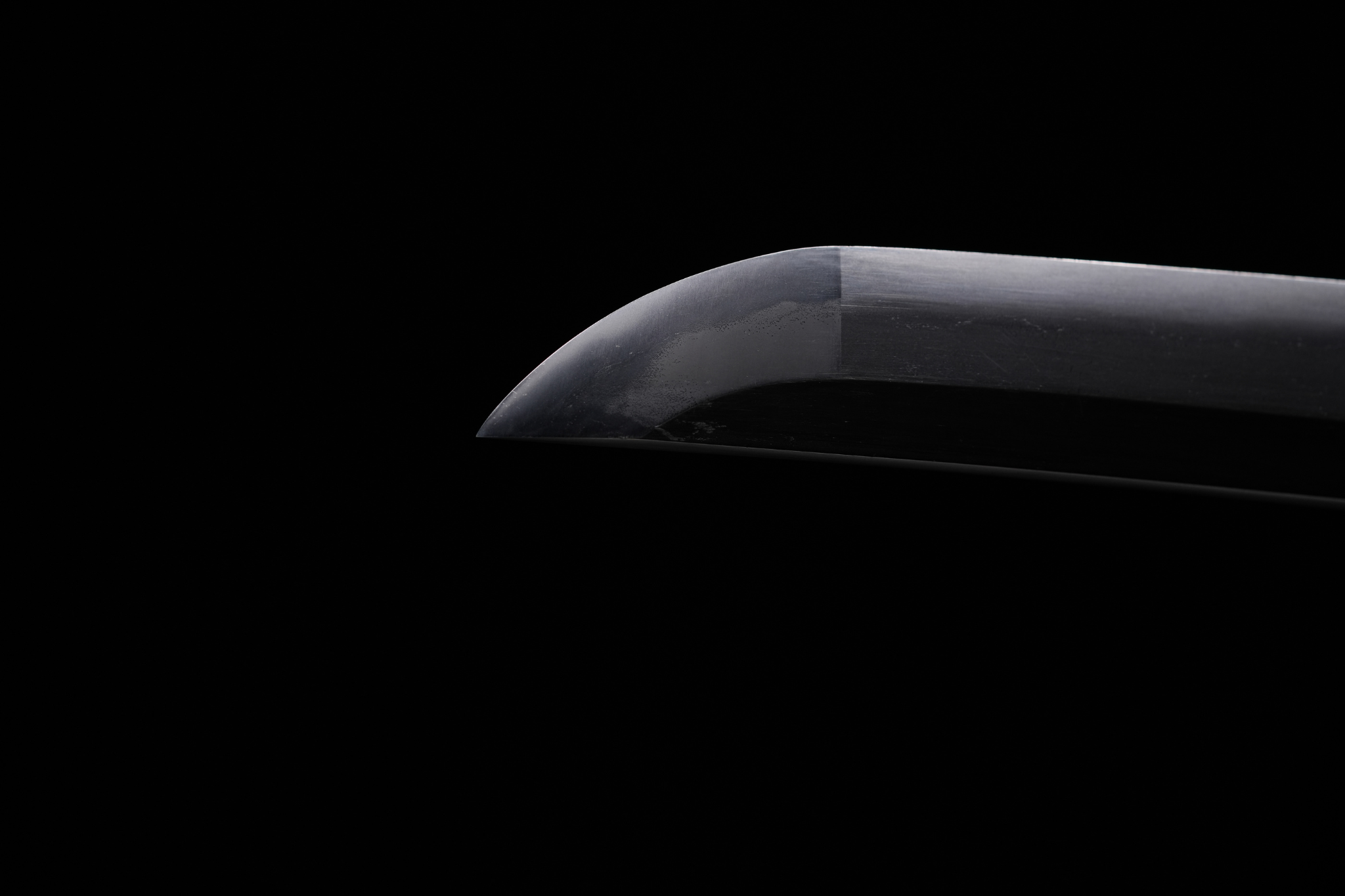
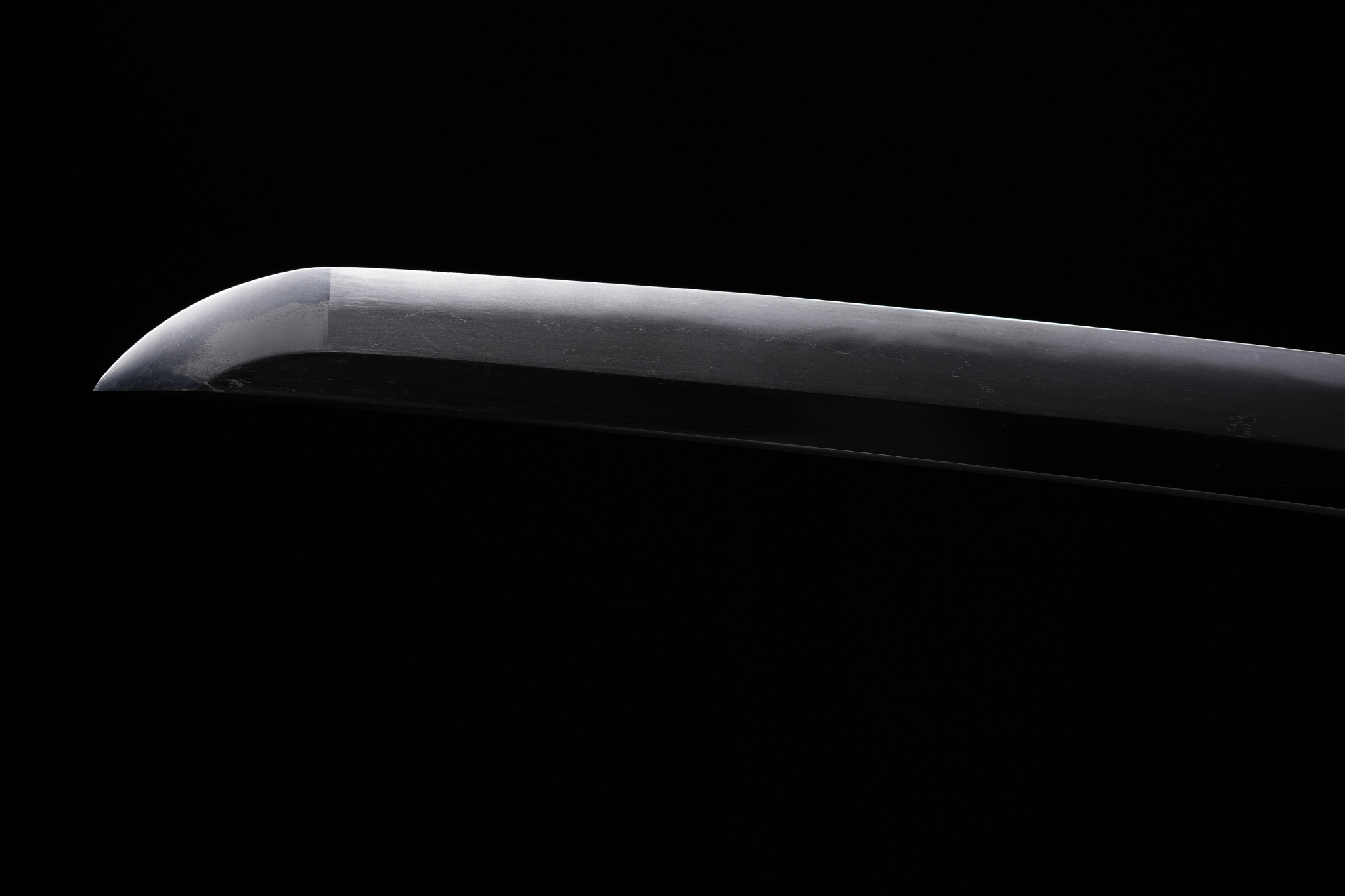
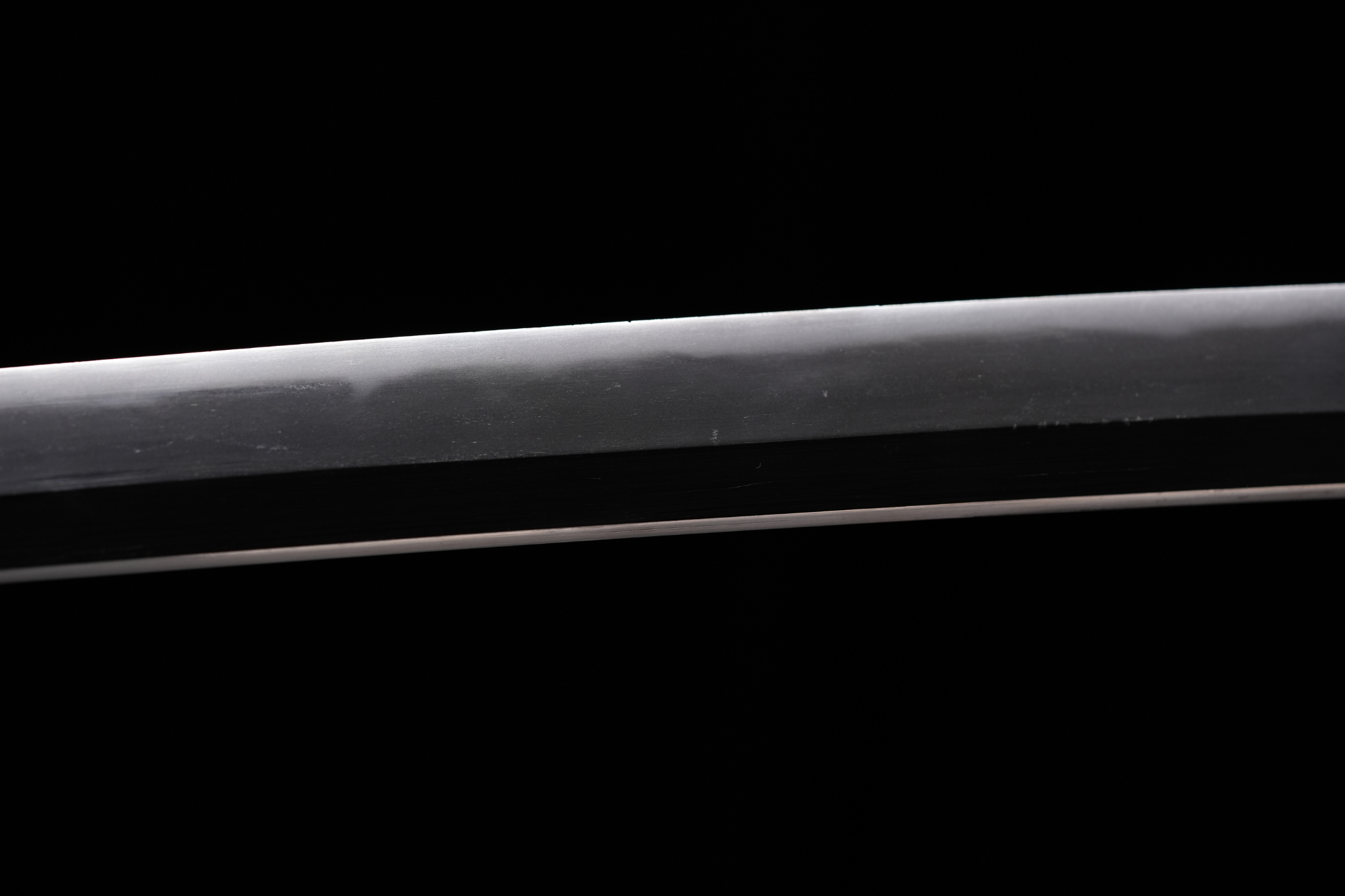
This katana was crafted by Kanesaki from the Inaba domain, present-day Tottori prefecture, during the Tempo era (1830-1844). The blade weighs 1166g and spans 78.3 cm. The seventh-generation Kanesaki, whose birth name was Heki Yazaburo, crafted this blade, having apprenticed under Kanemoto during the late Muromachi period.
 NihontoWatch
mei · Meiji (1868-1912) · nagasa 78.3cm · sori 1.8cm
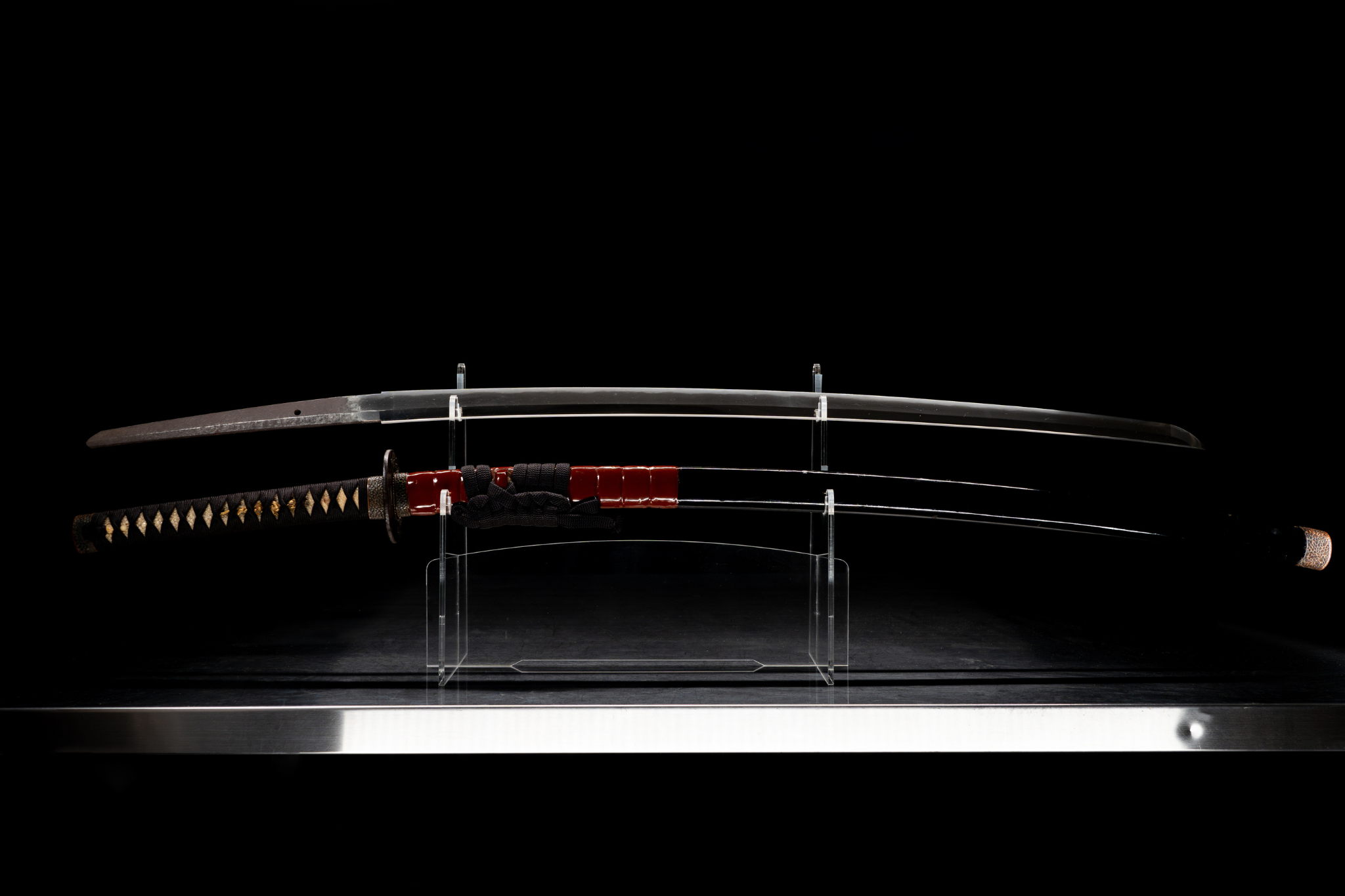
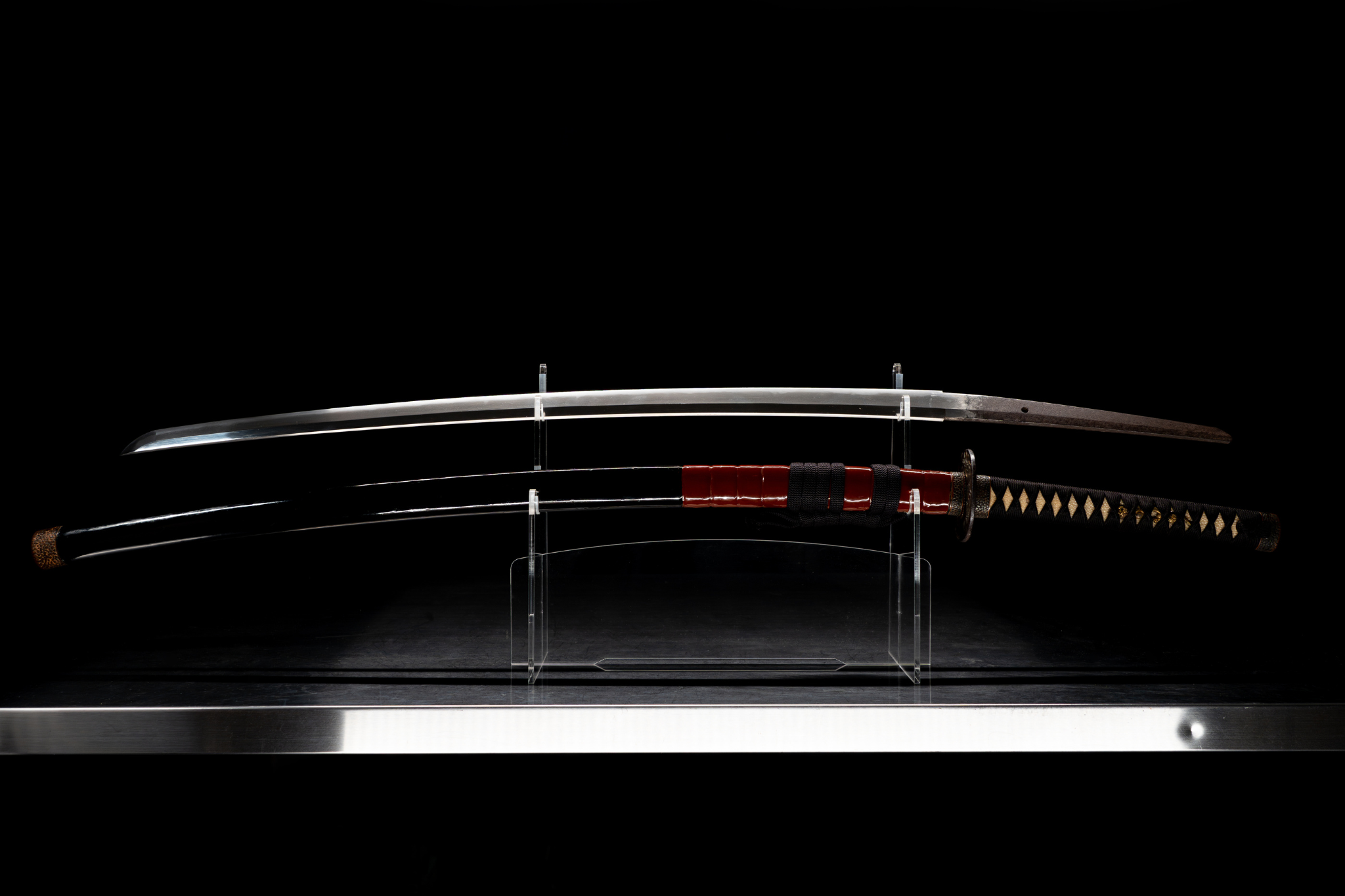
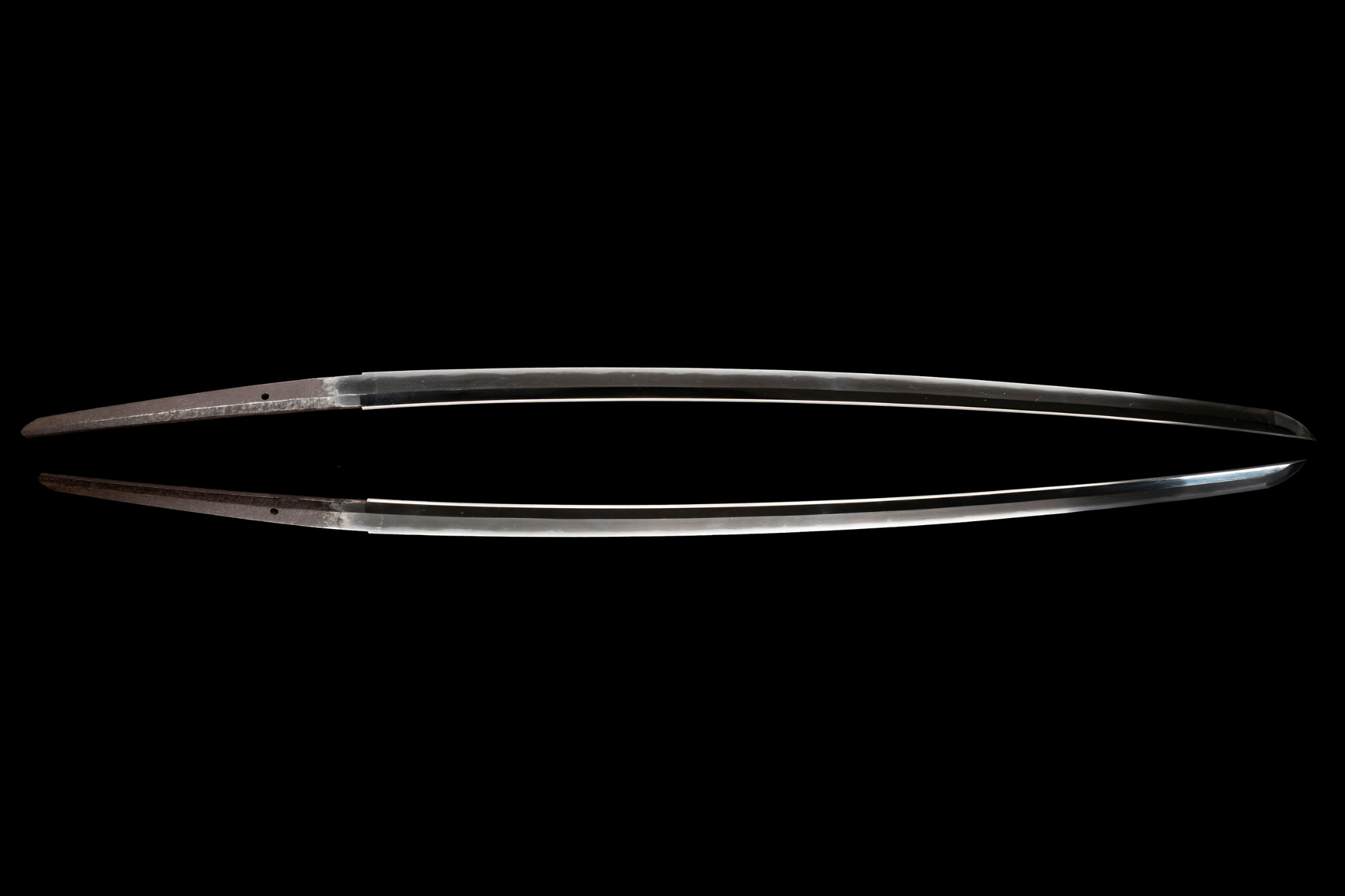
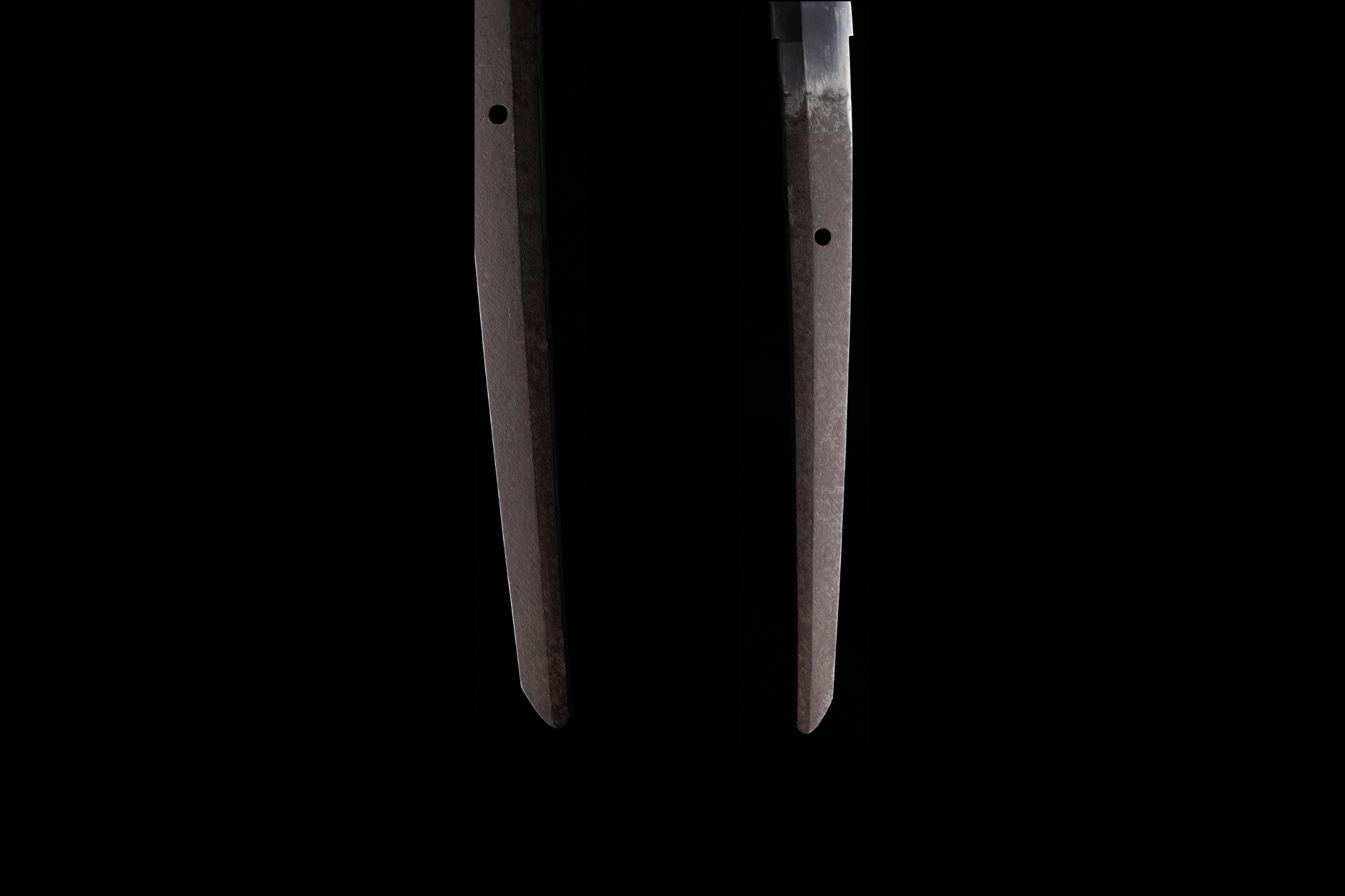
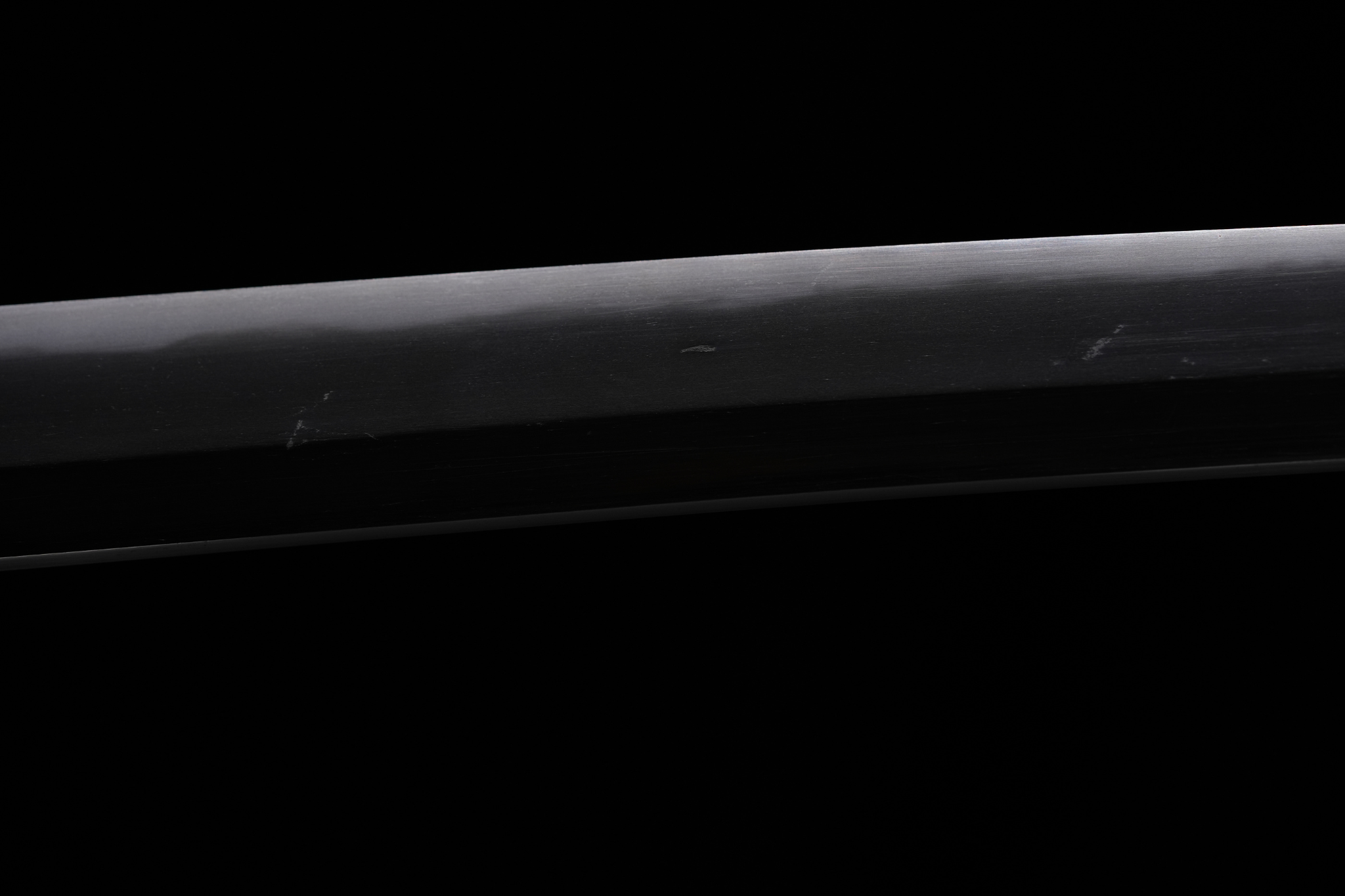
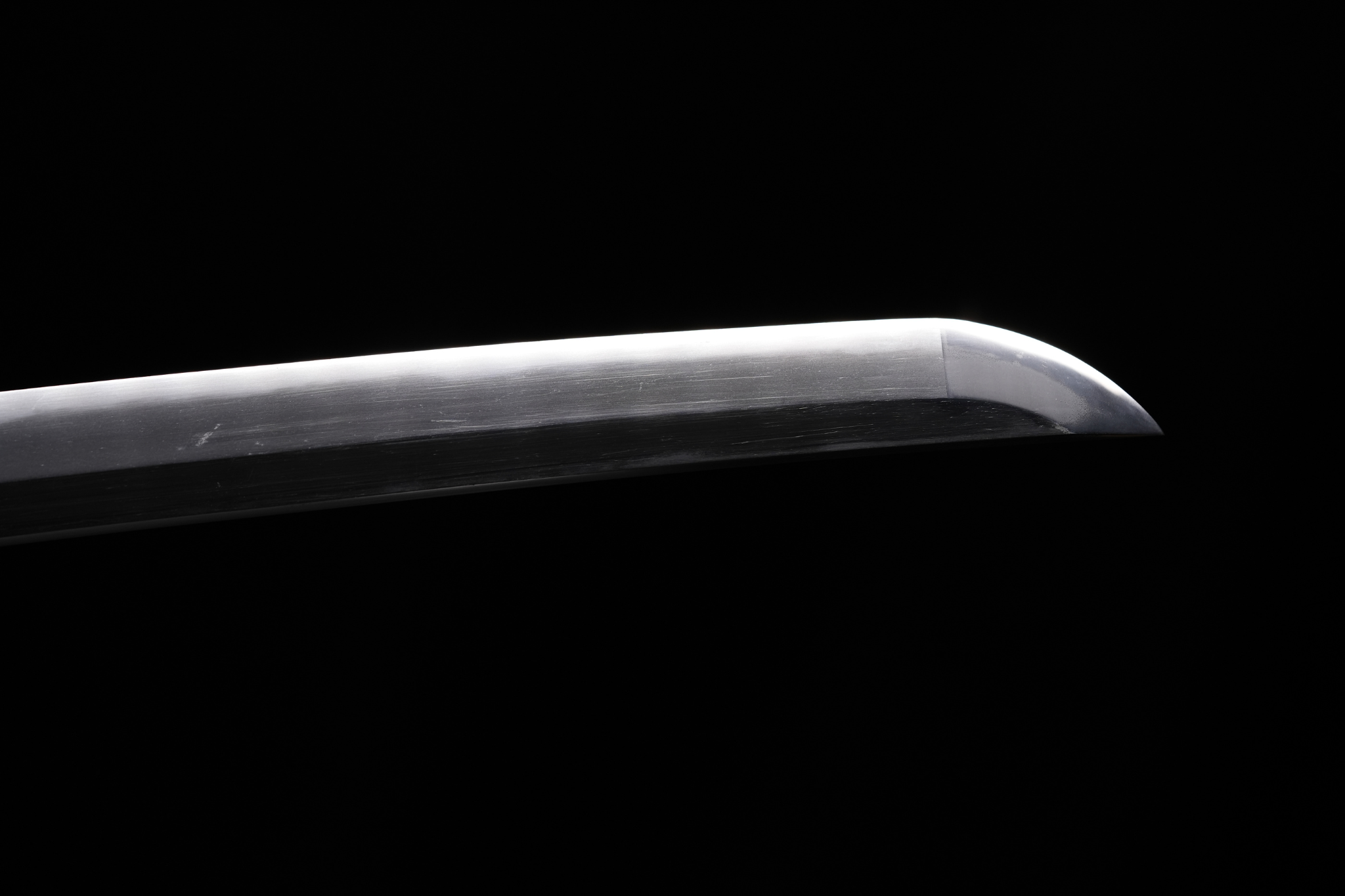
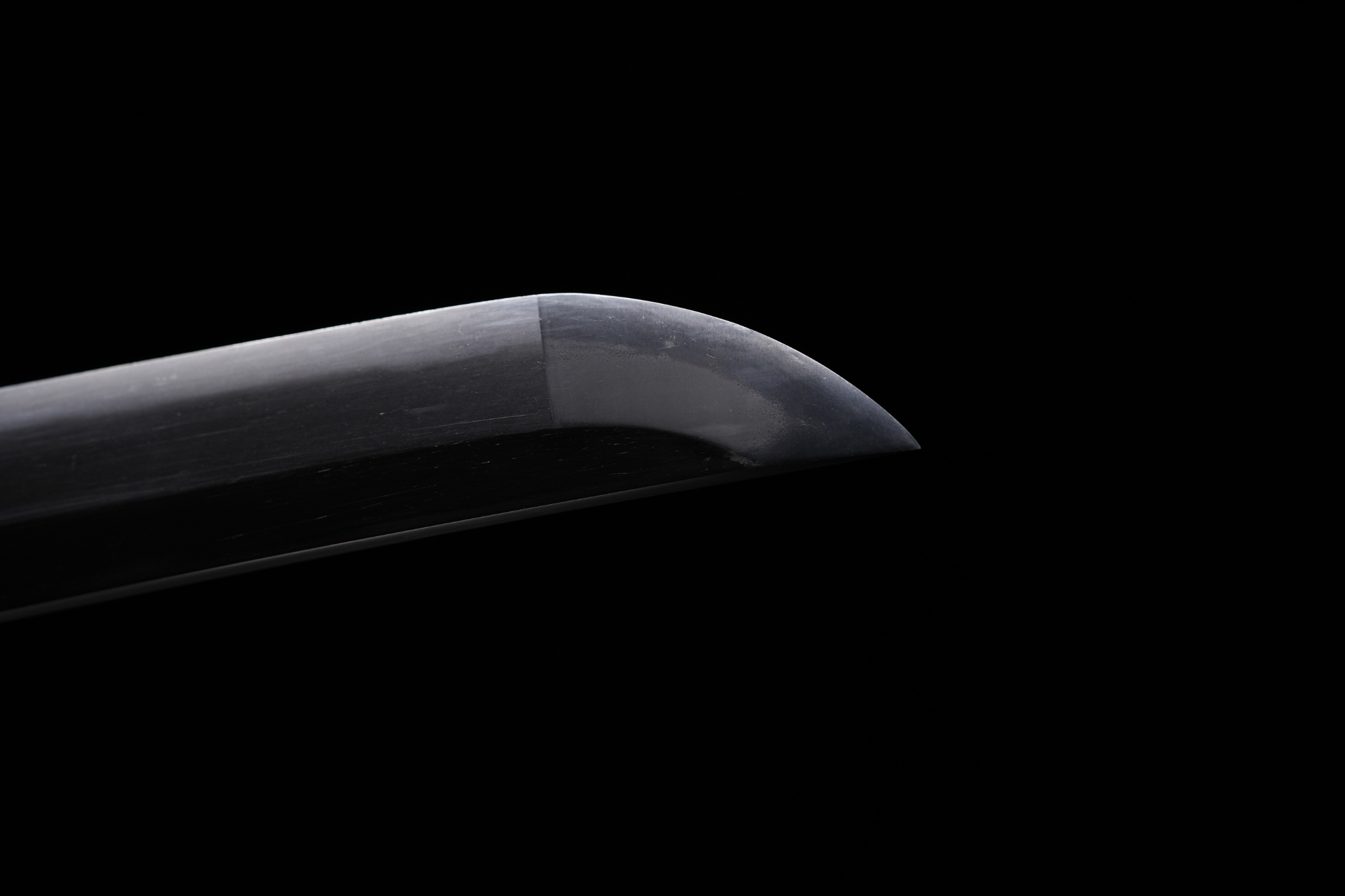
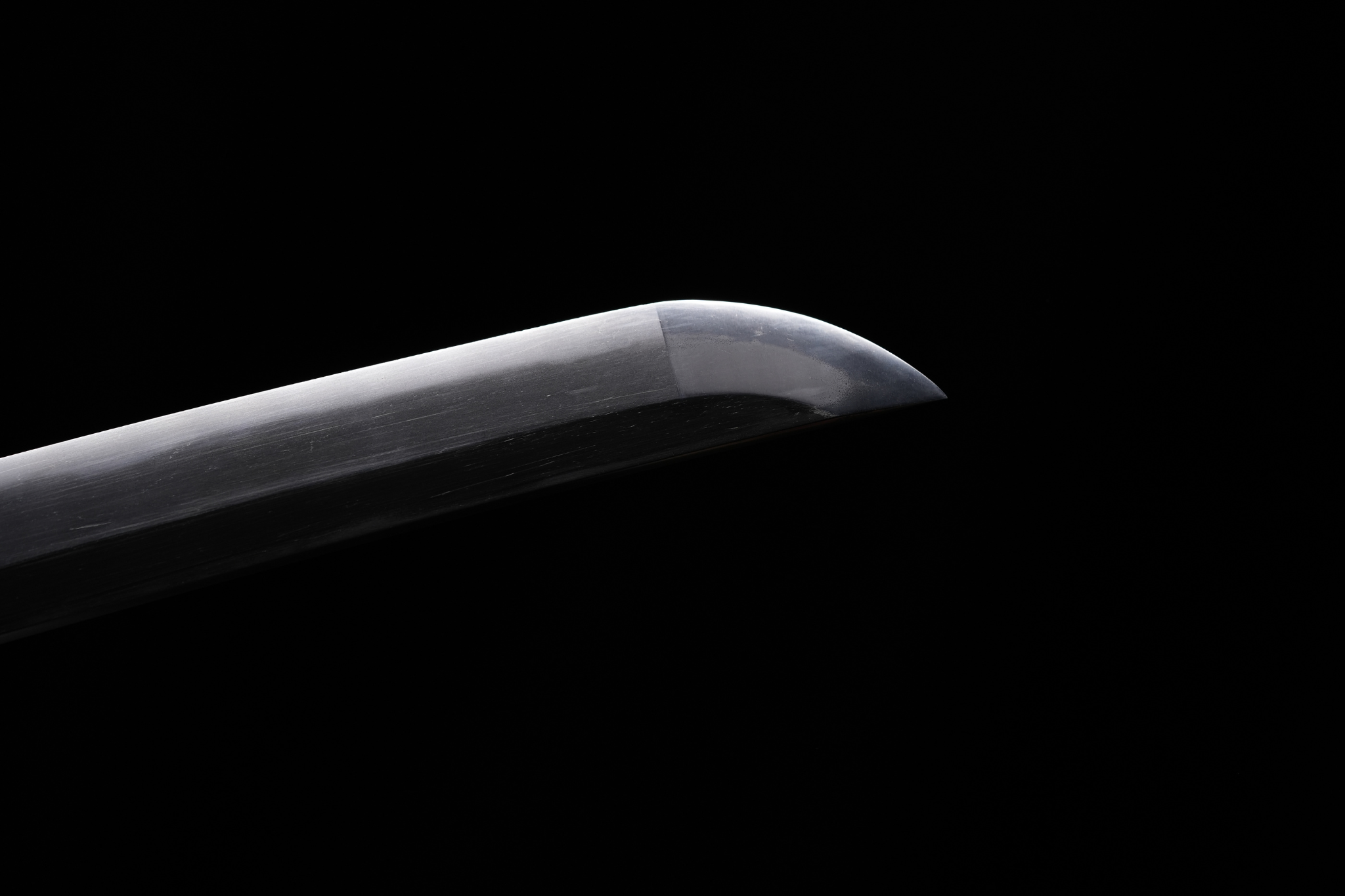
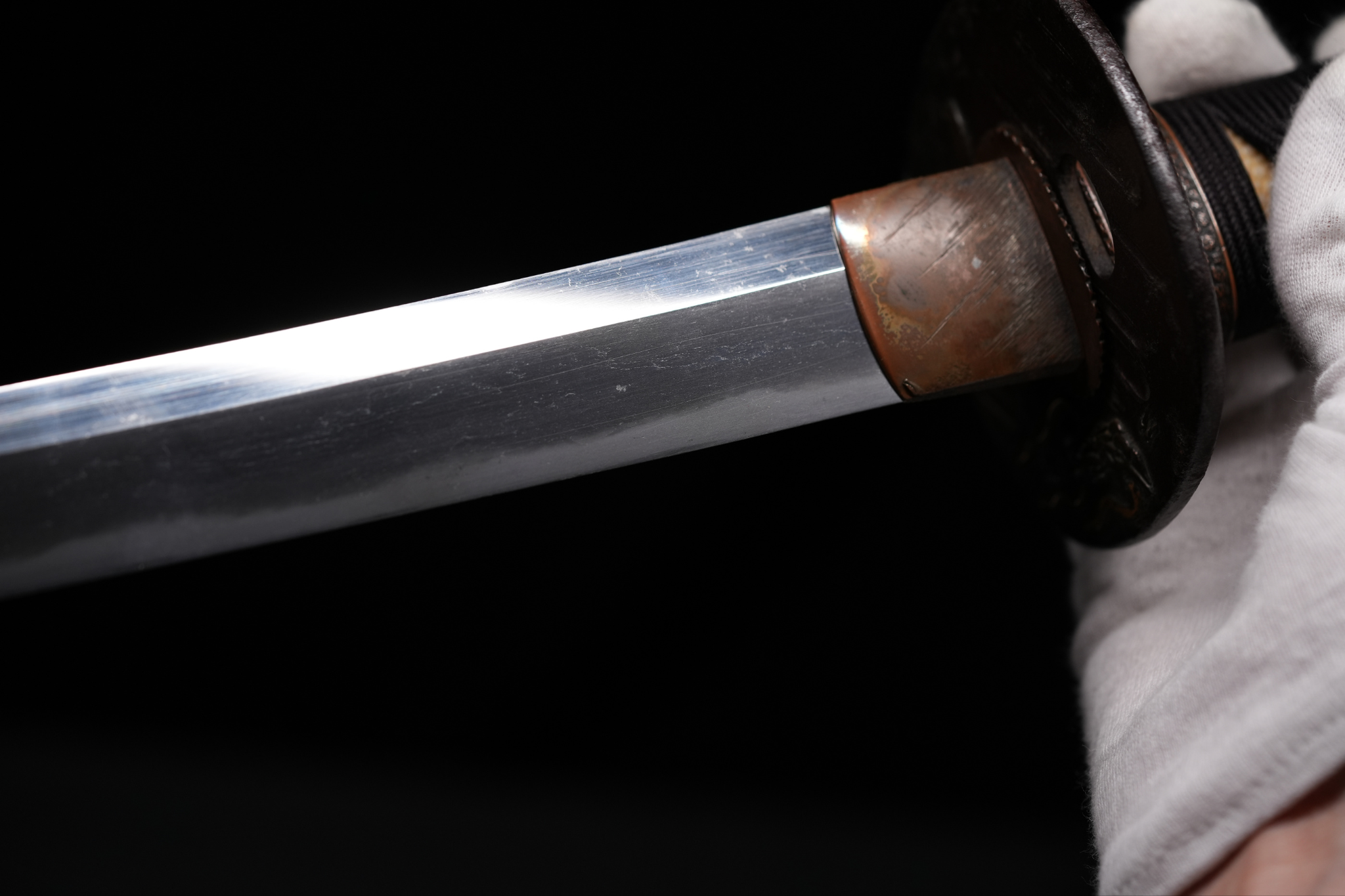
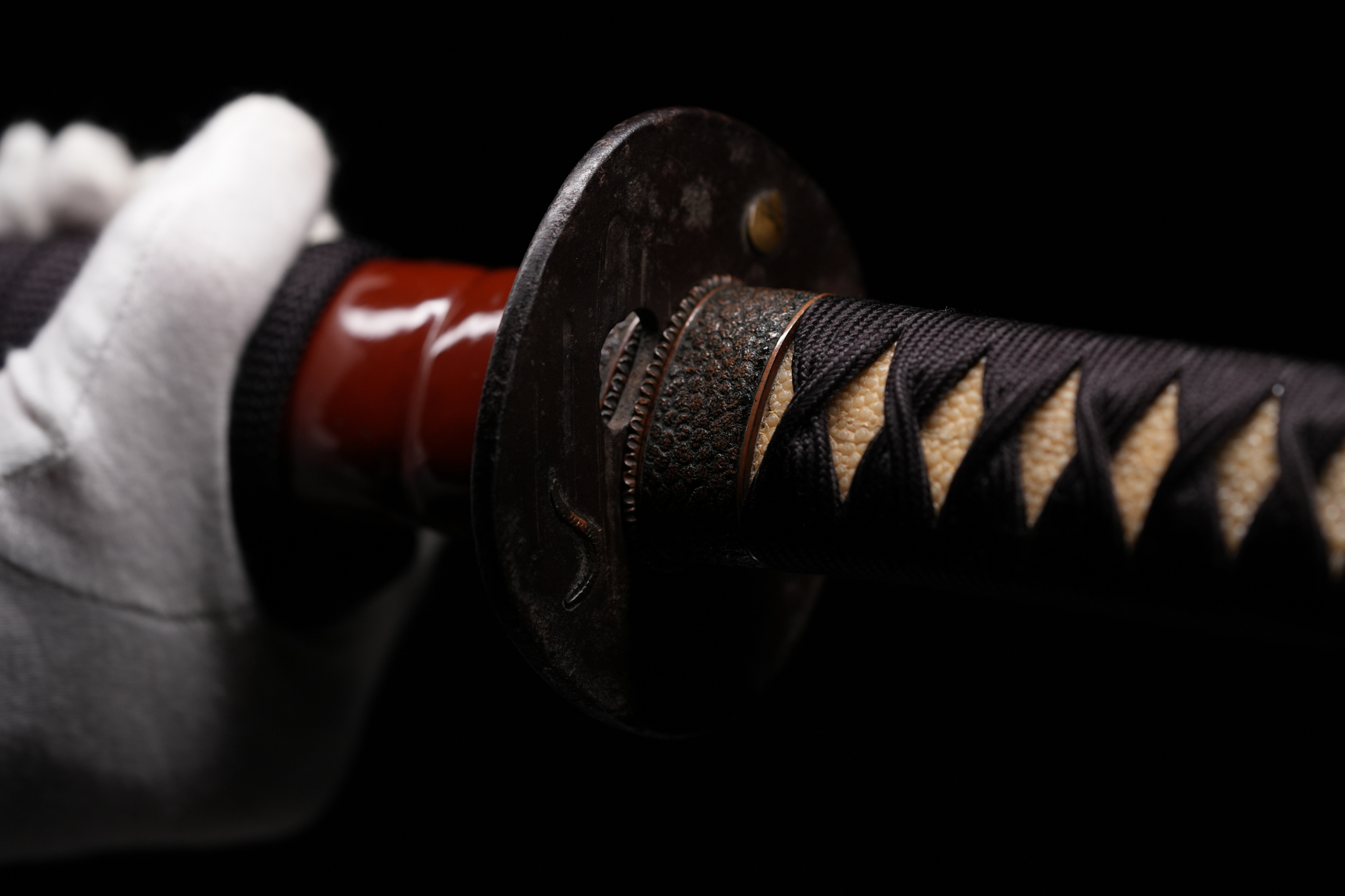
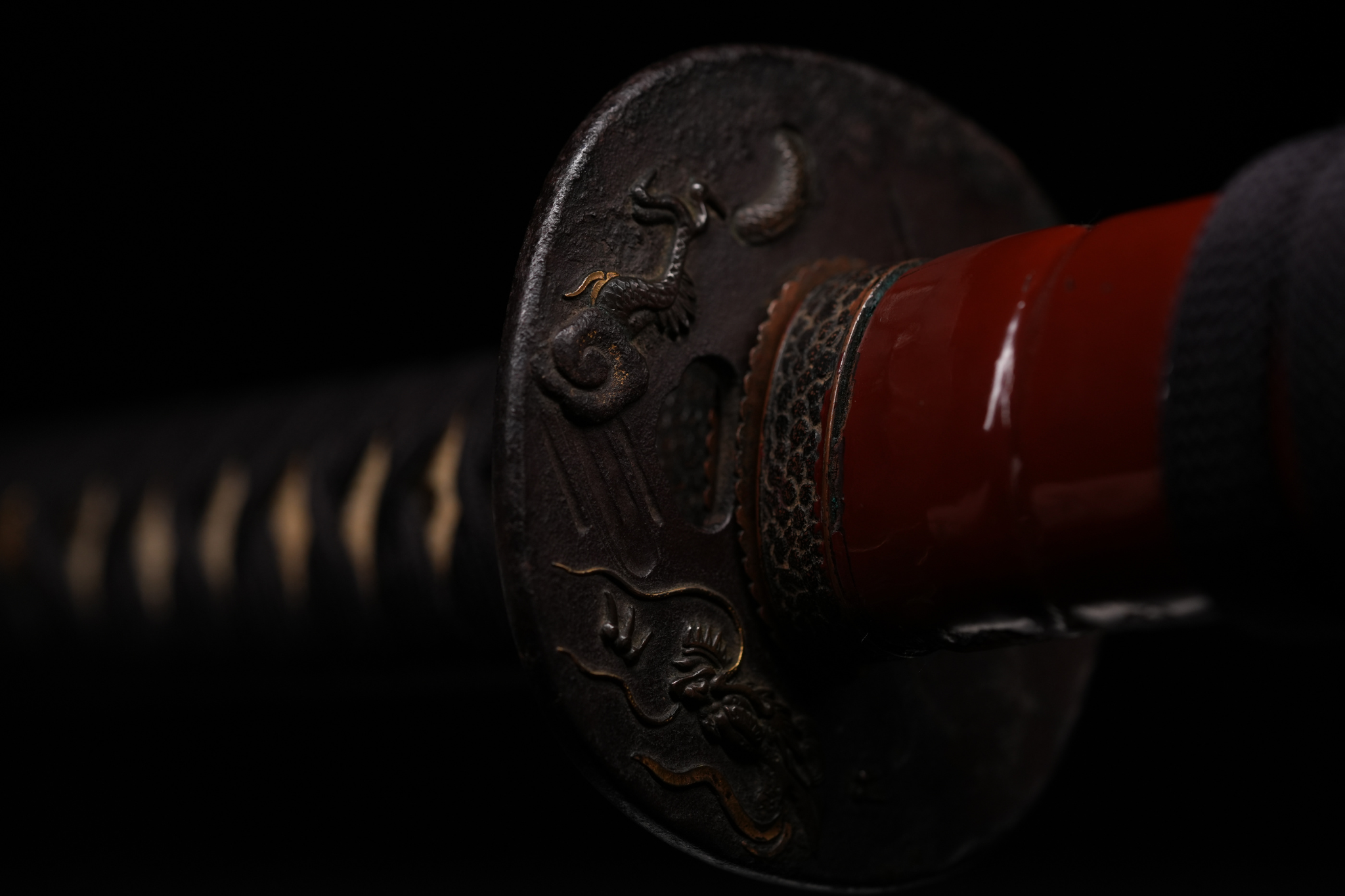
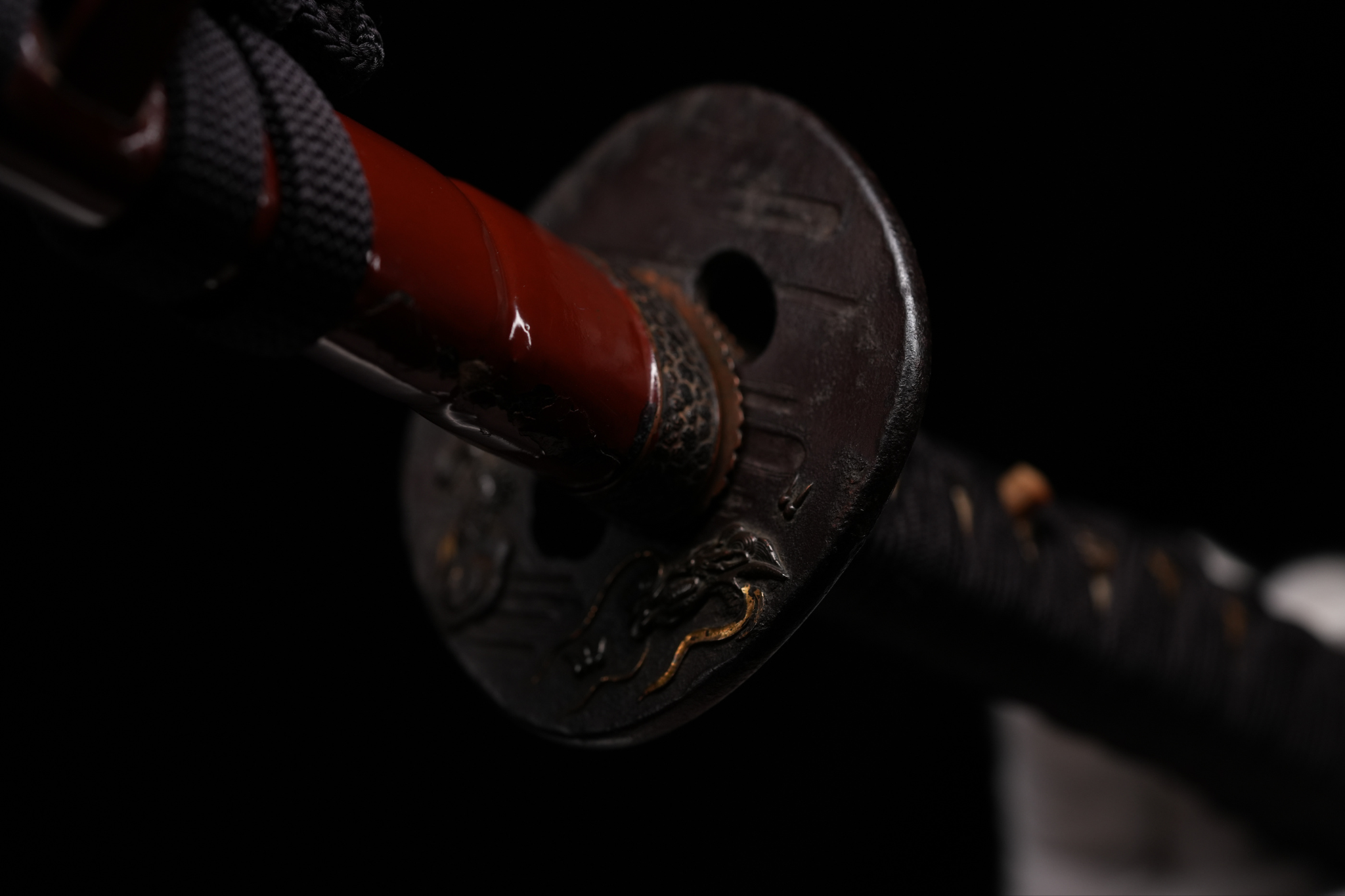
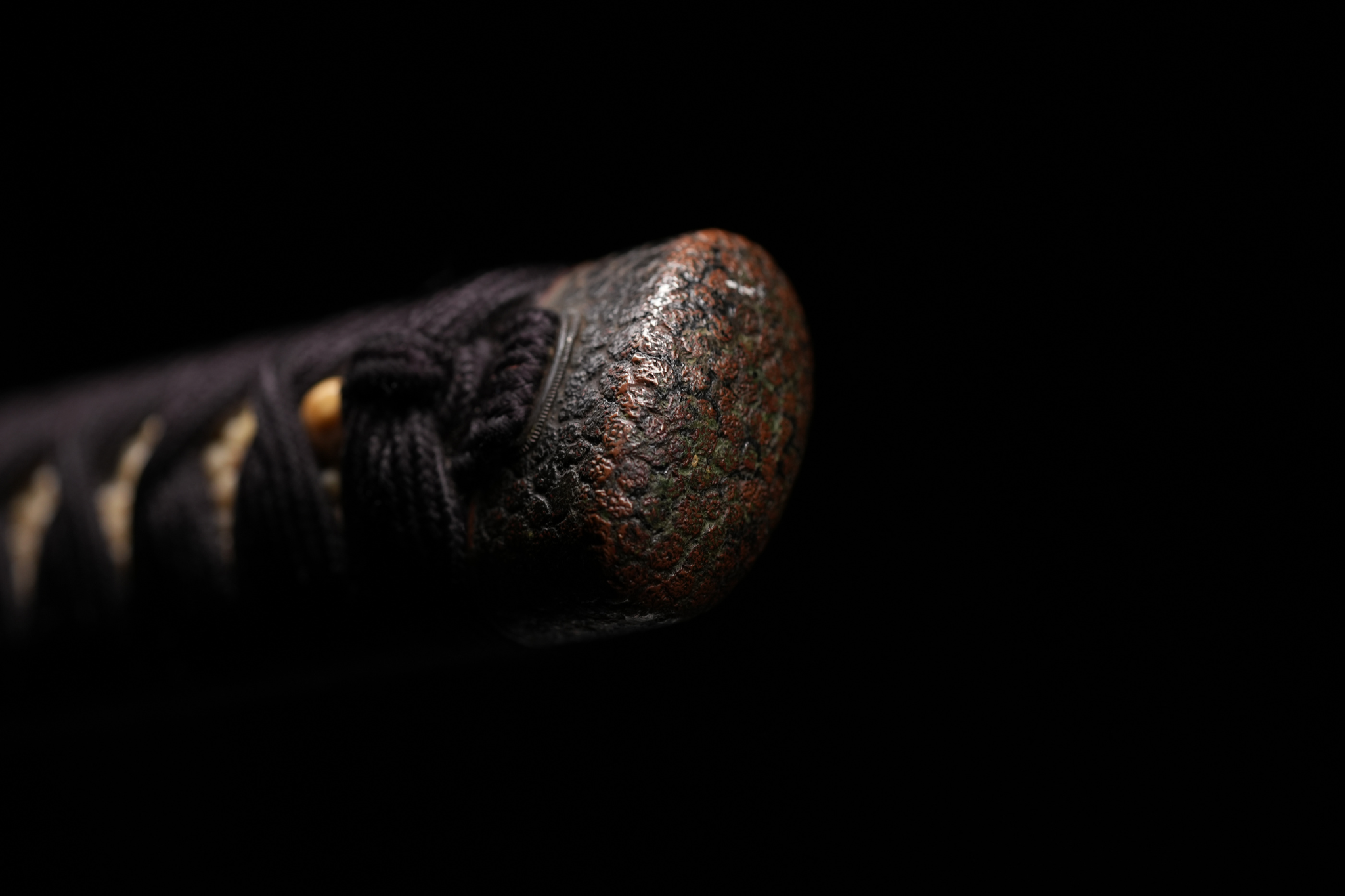
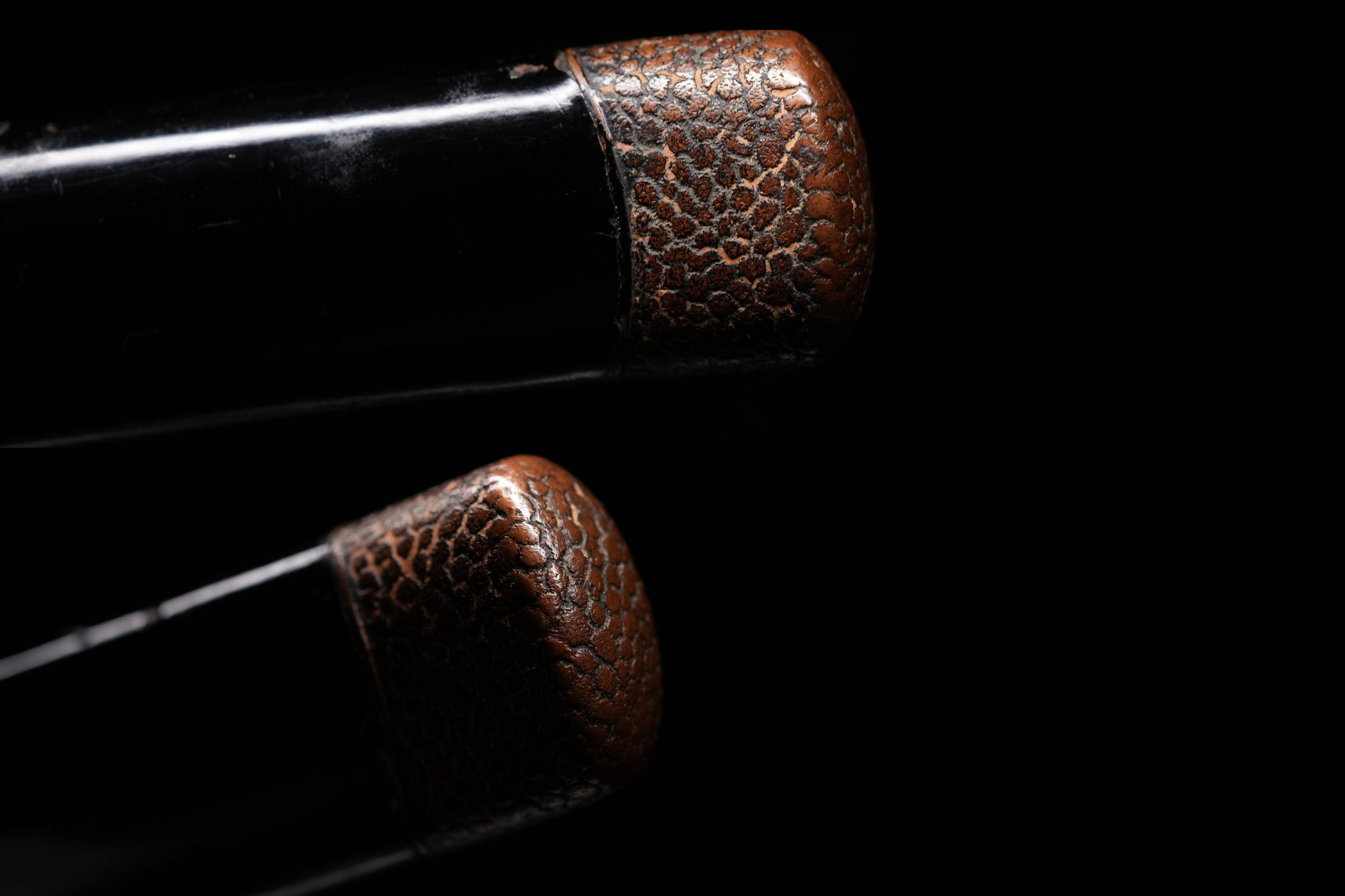
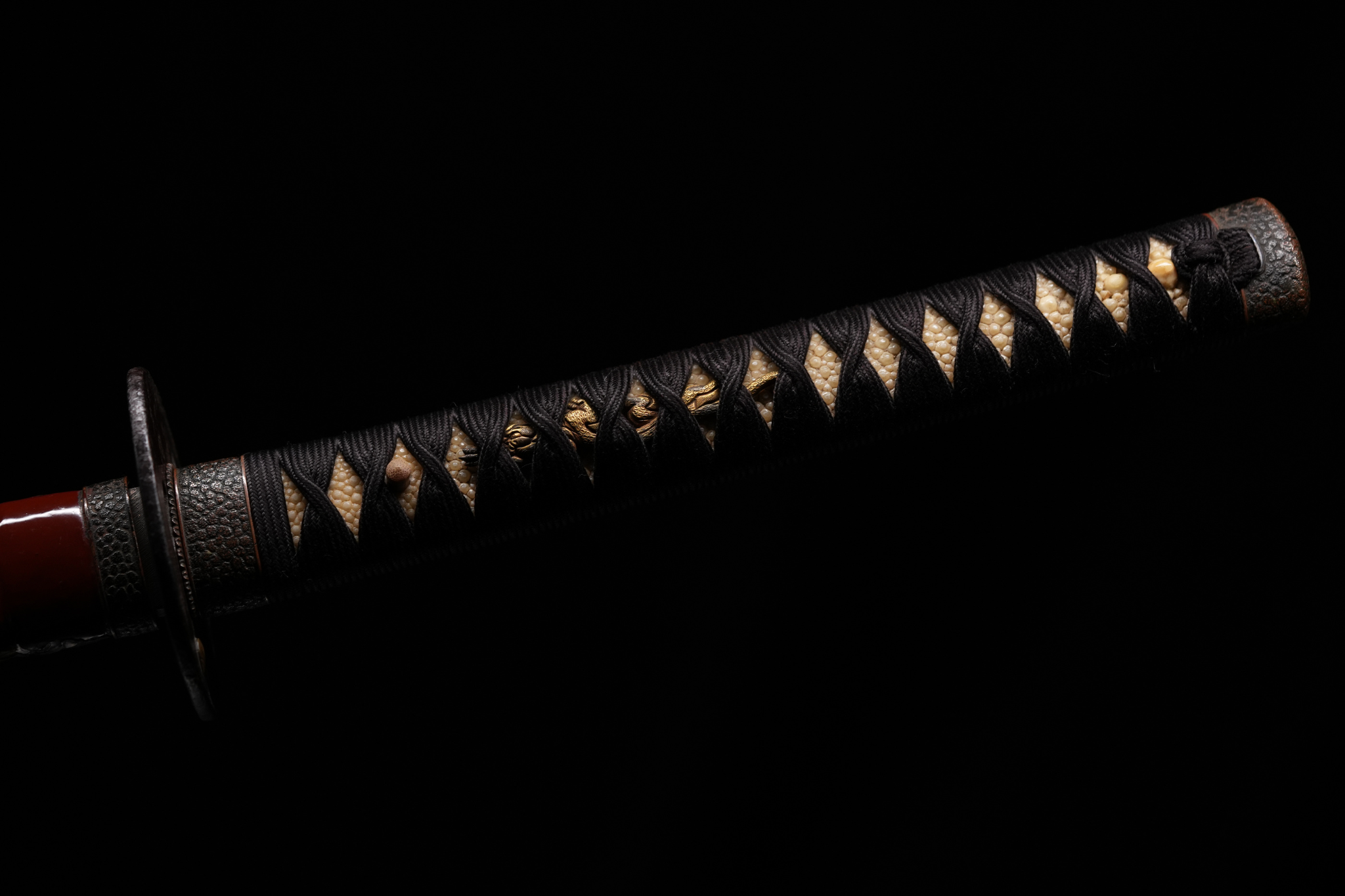
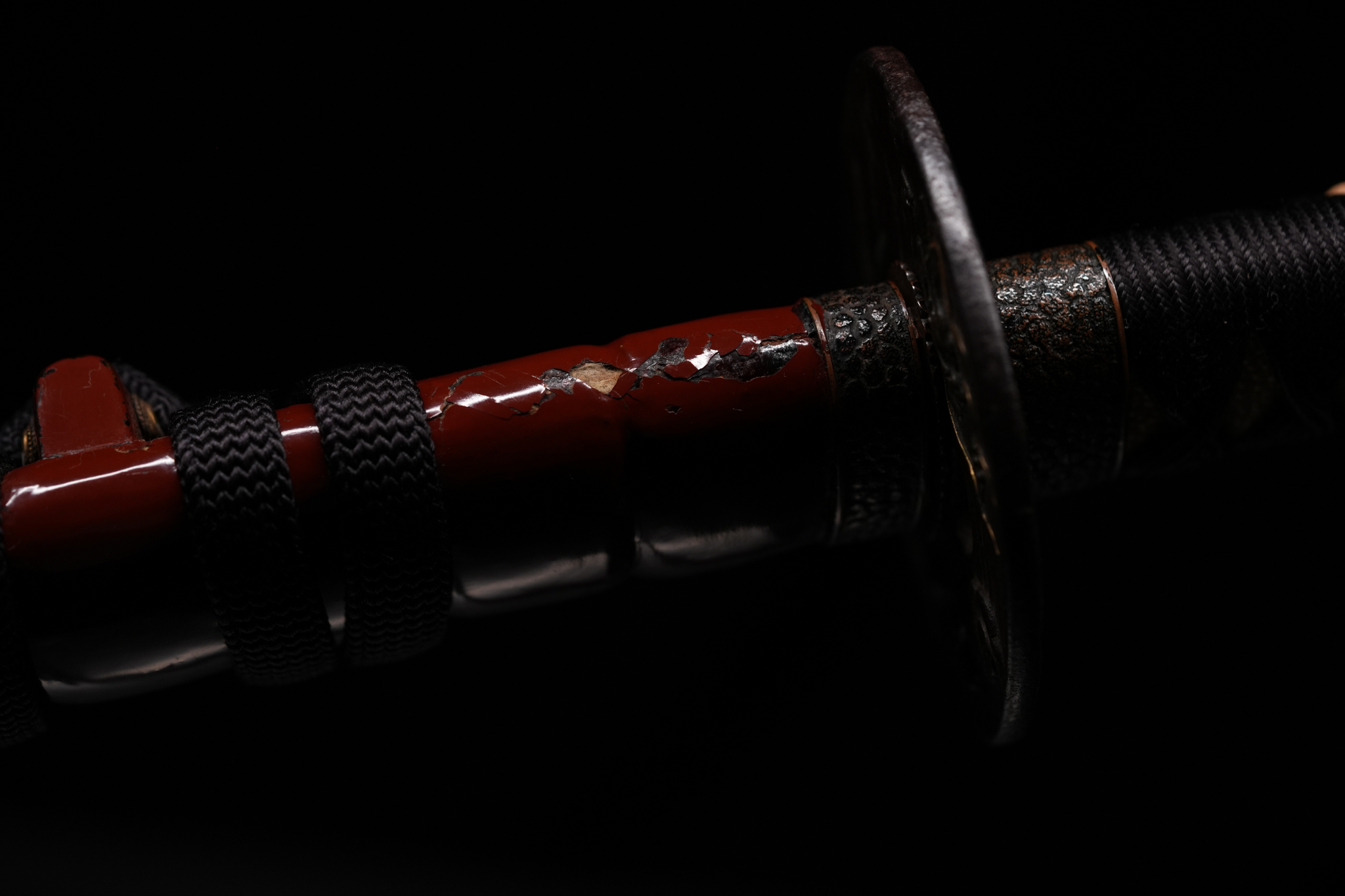
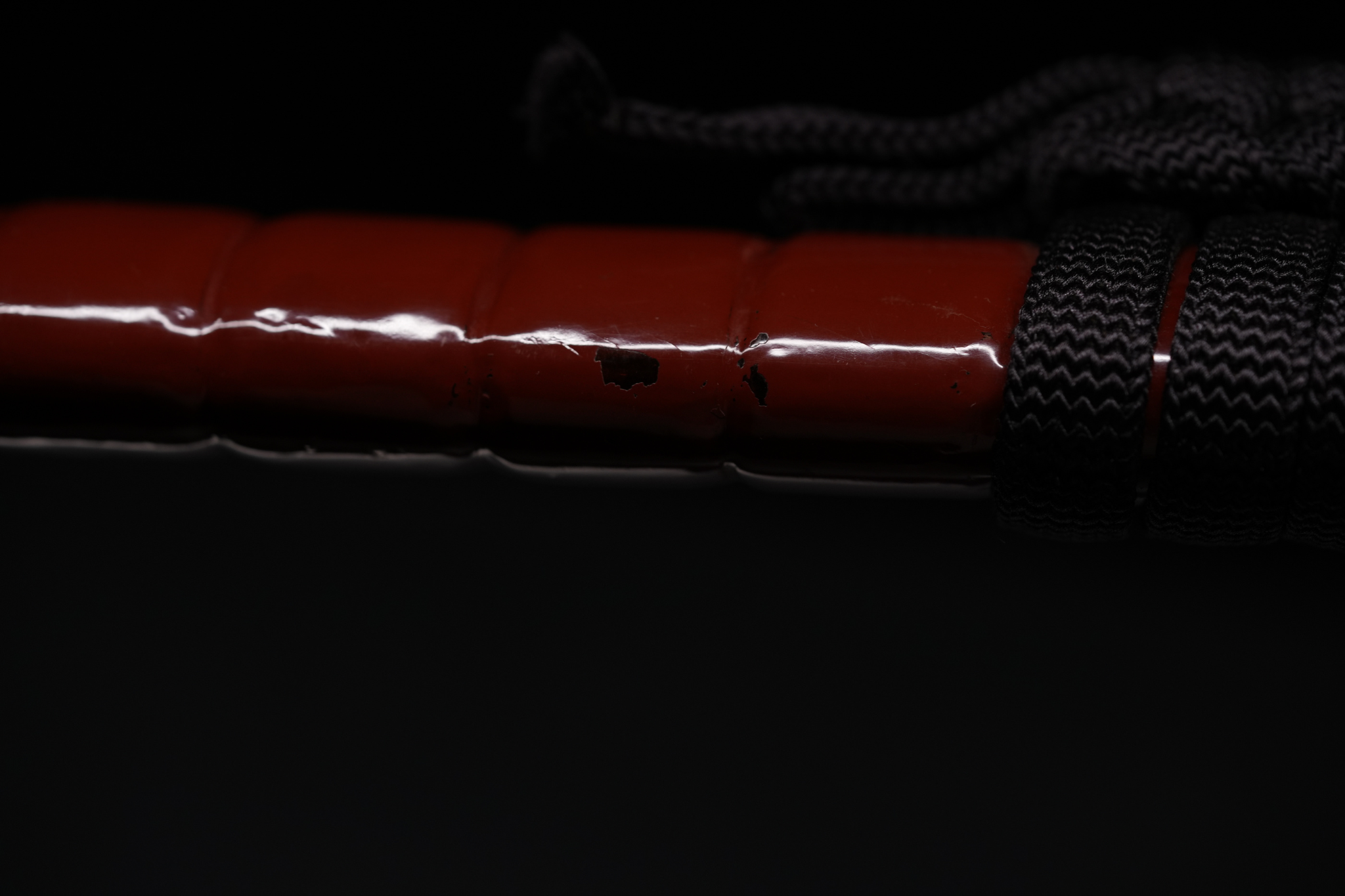
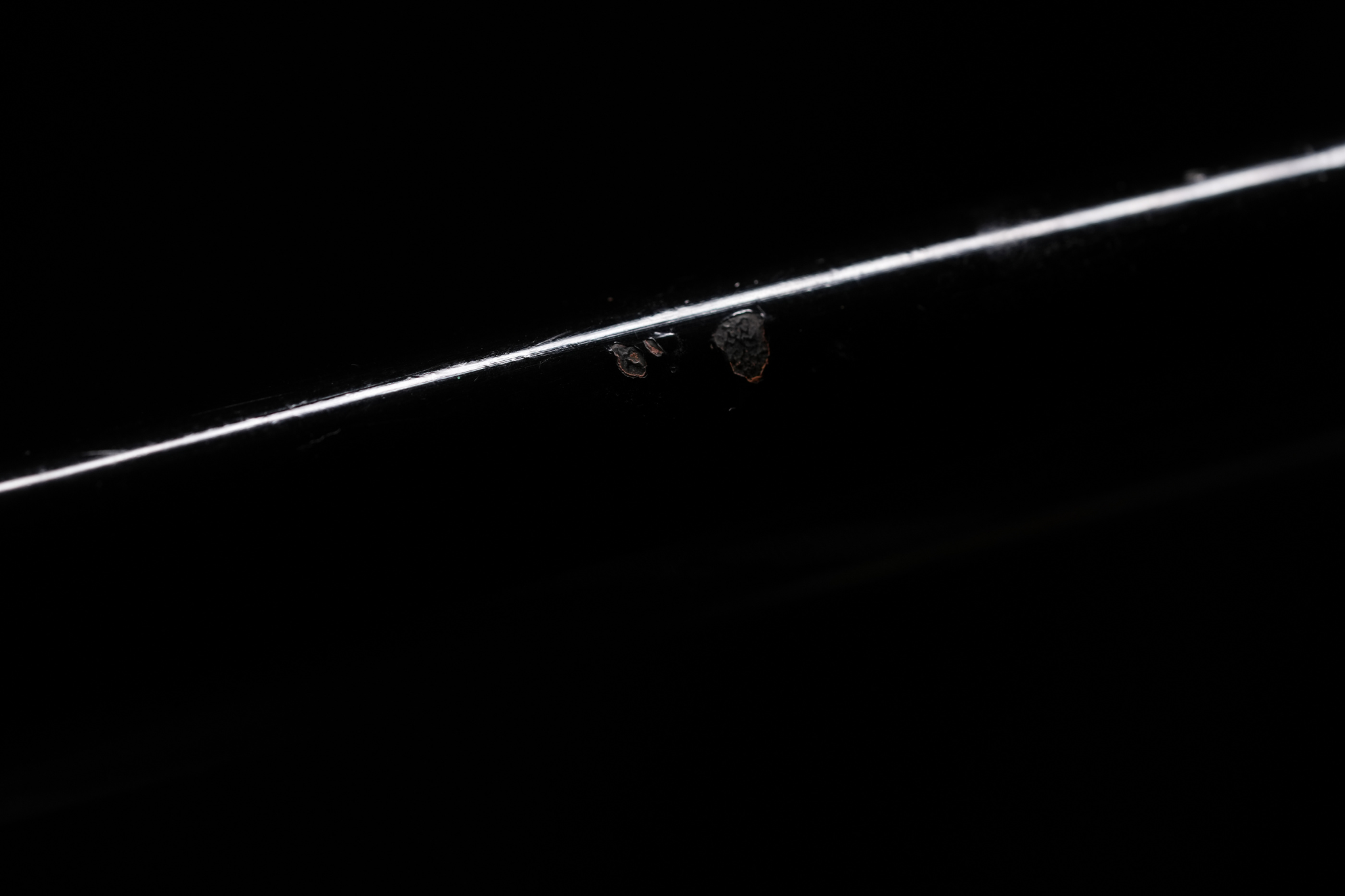
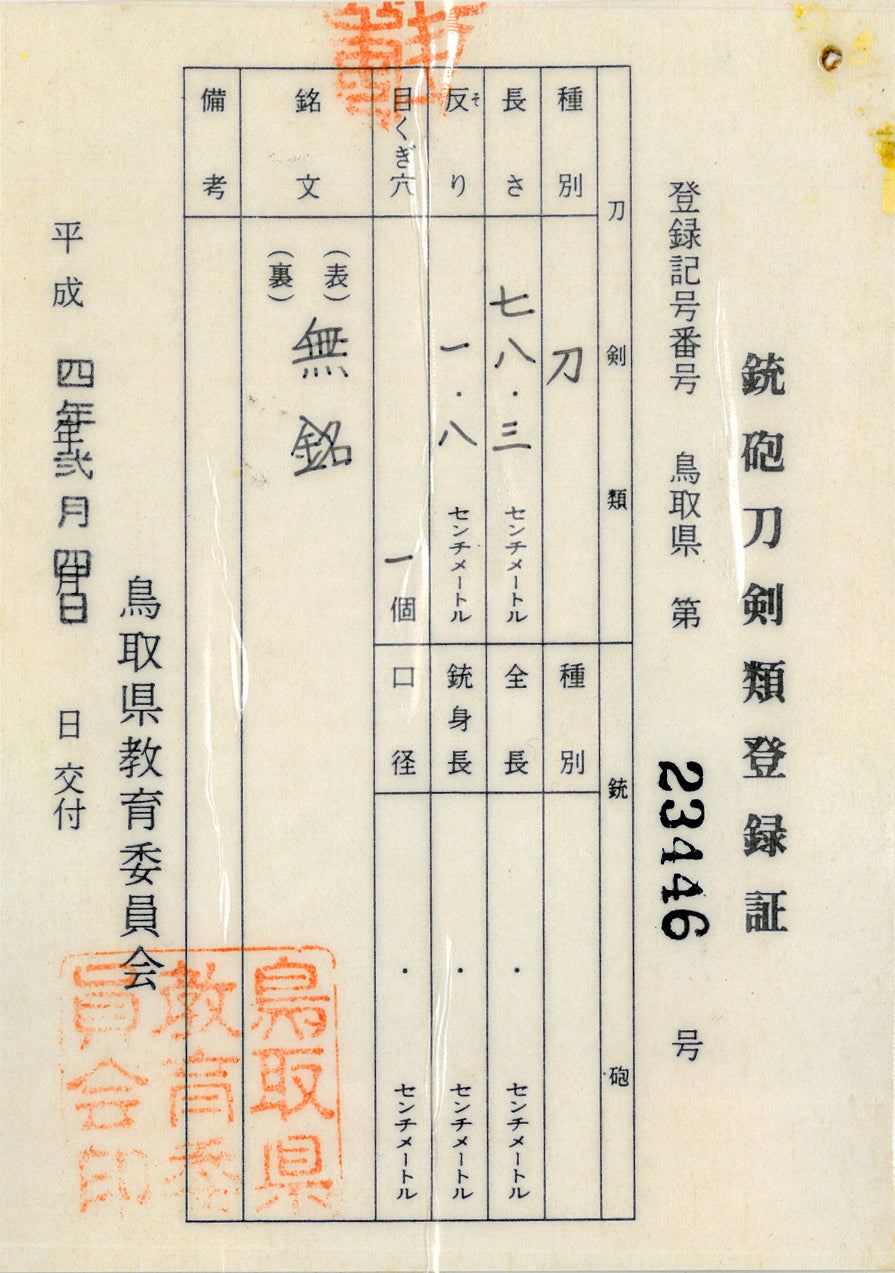
Inaba · around 1804-1844
2 pieces on the market now
The Haitōrei edict of 1876 ended sword wearing and nearly ended the craft itself. Military demand and imperial patronage kept a remnant alive, and in 1906 Gassan Sadakazu and Miyamoto Kanenori were named Artists to the Imperial Household.
We could not find an authenticity certificate on the seller’s listing. Japanese swords and fittings are normally papered by the NBTHK (or the NTHK). Without one, the attribution is the seller’s own assessment and has not been independently verified — treat it with caution and ask the dealer about certification before buying.
Returns/exchanges only for manufactured defects or incorrect products; notify within 72 hours of delivery. Cancellation only within 2 hours of placing. Customer pays return shipping. Refund within 3 business days of package arrival.
This katana was crafted by Kanesaki from the Inaba domain, present-day Tottori prefecture, during the Tempo era (1830-1844). The blade weighs 1166g and spans 78.3 cm. The seventh-generation Kanesaki, whose birth name was Heki Yazaburo, crafted this blade, having apprenticed under Kanemoto during the late Muromachi period.
NihontoWatchmei · Meiji (1868-1912) · nagasa 78.3cm · sori 1.8cm
Inaba · around 1804-1844
2 pieces on the market now
The Haitōrei edict of 1876 ended sword wearing and nearly ended the craft itself. Military demand and imperial patronage kept a remnant alive, and in 1906 Gassan Sadakazu and Miyamoto Kanenori were named Artists to the Imperial Household.
We could not find an authenticity certificate on the seller’s listing. Japanese swords and fittings are normally papered by the NBTHK (or the NTHK). Without one, the attribution is the seller’s own assessment and has not been independently verified — treat it with caution and ask the dealer about certification before buying.
Returns/exchanges only for manufactured defects or incorrect products; notify within 72 hours of delivery. Cancellation only within 2 hours of placing. Customer pays return shipping. Refund within 3 business days of package arrival.