Edo was the sword’s age of connoisseurship: the Hon’ami appraisers, the shogunal register of famous blades of 1719, and a thriving literature turned the sword into an object of study even as it ceased to be drawn in war.
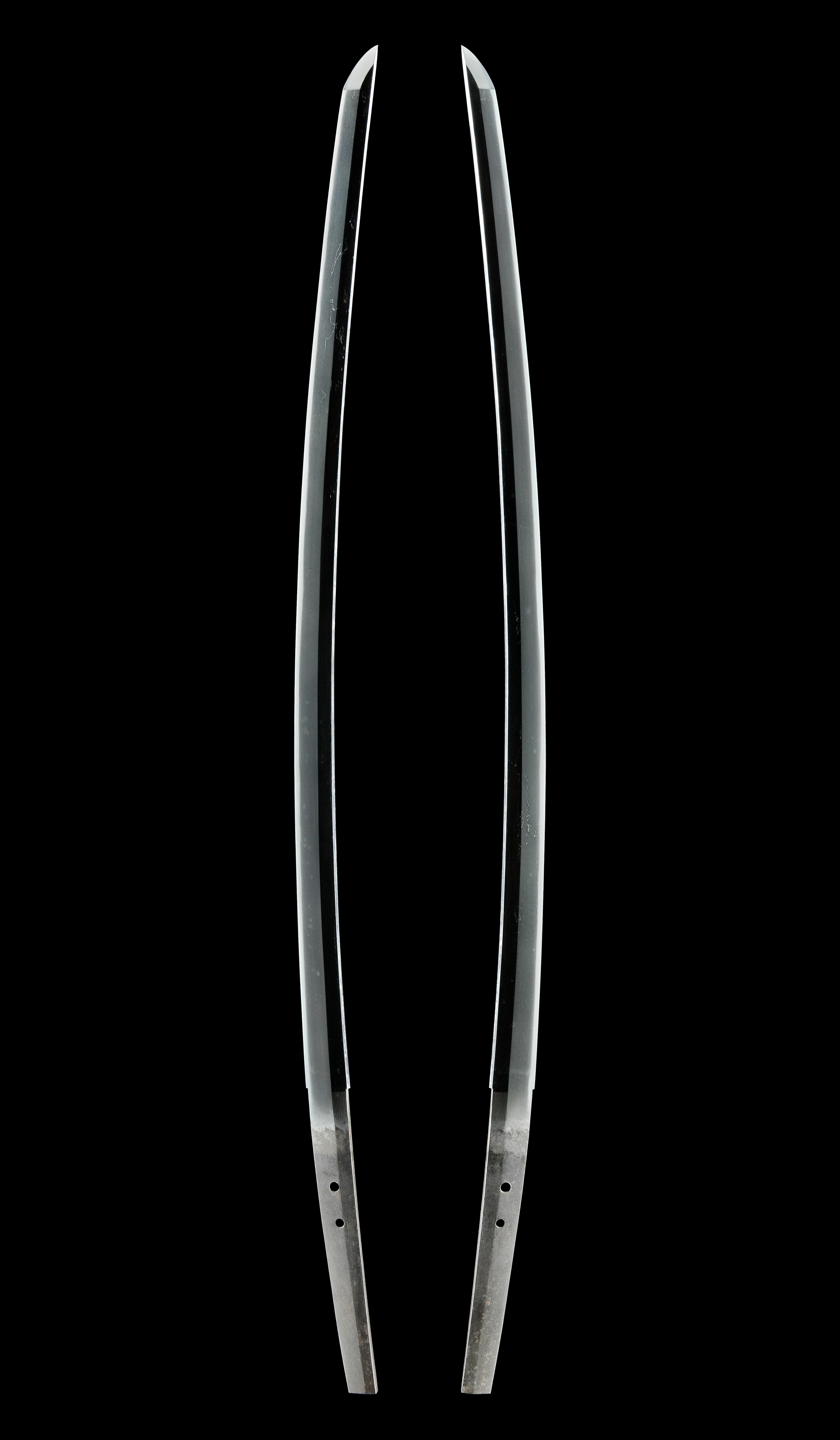
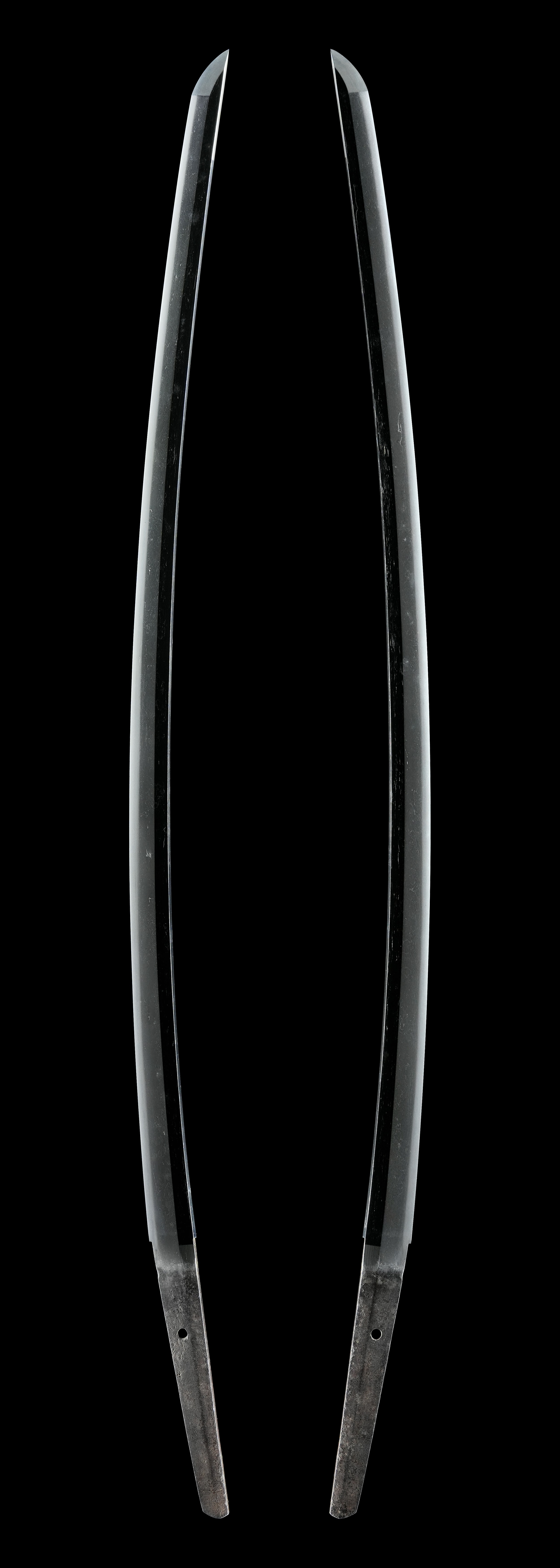
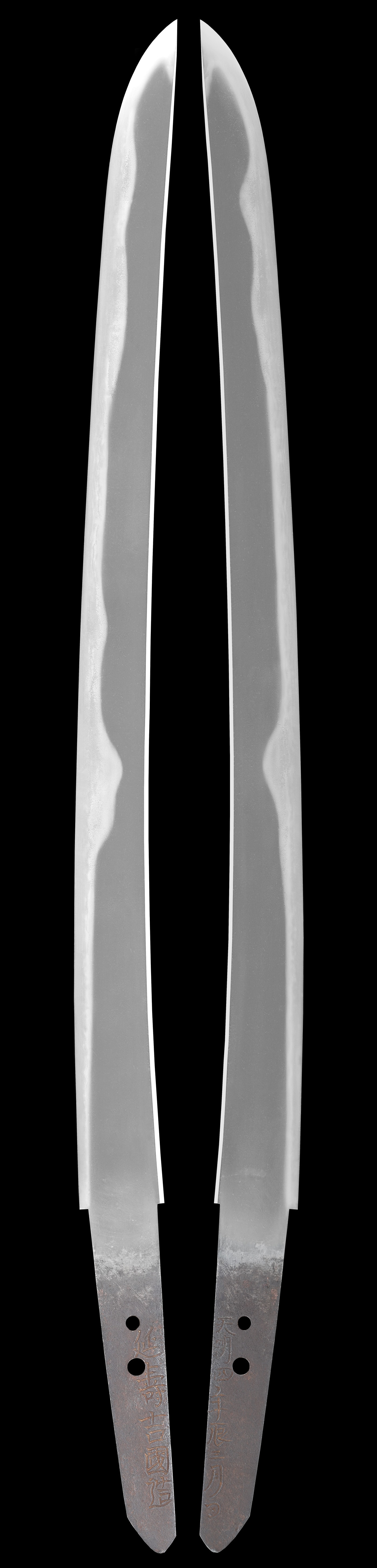
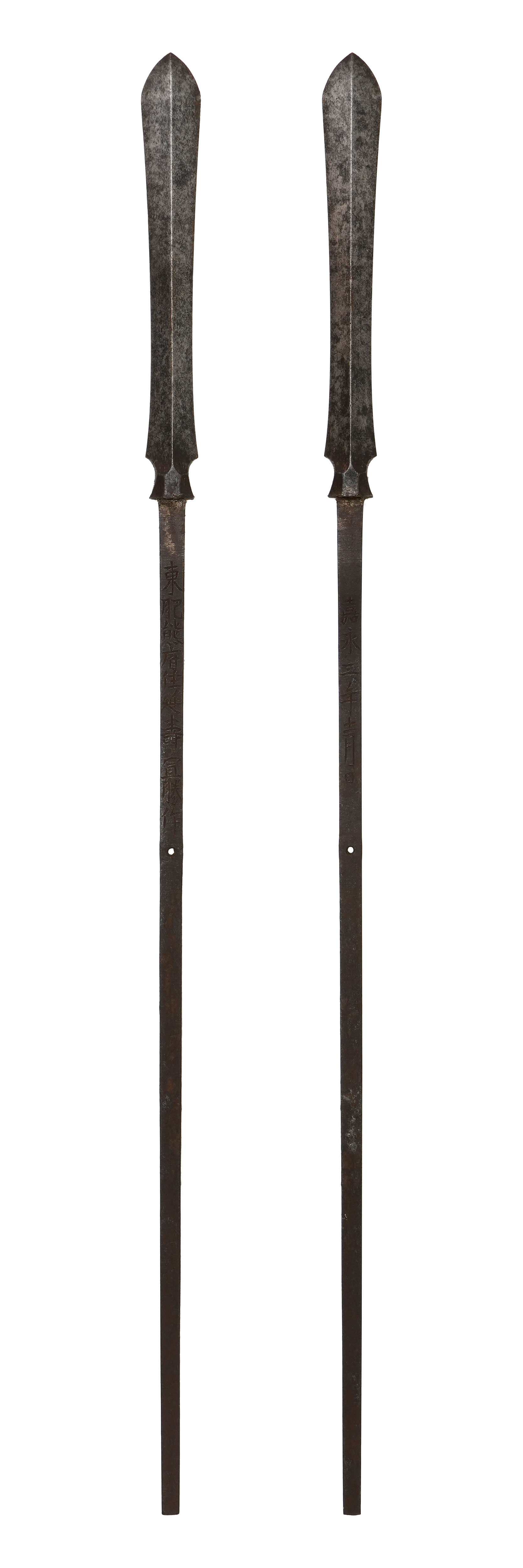
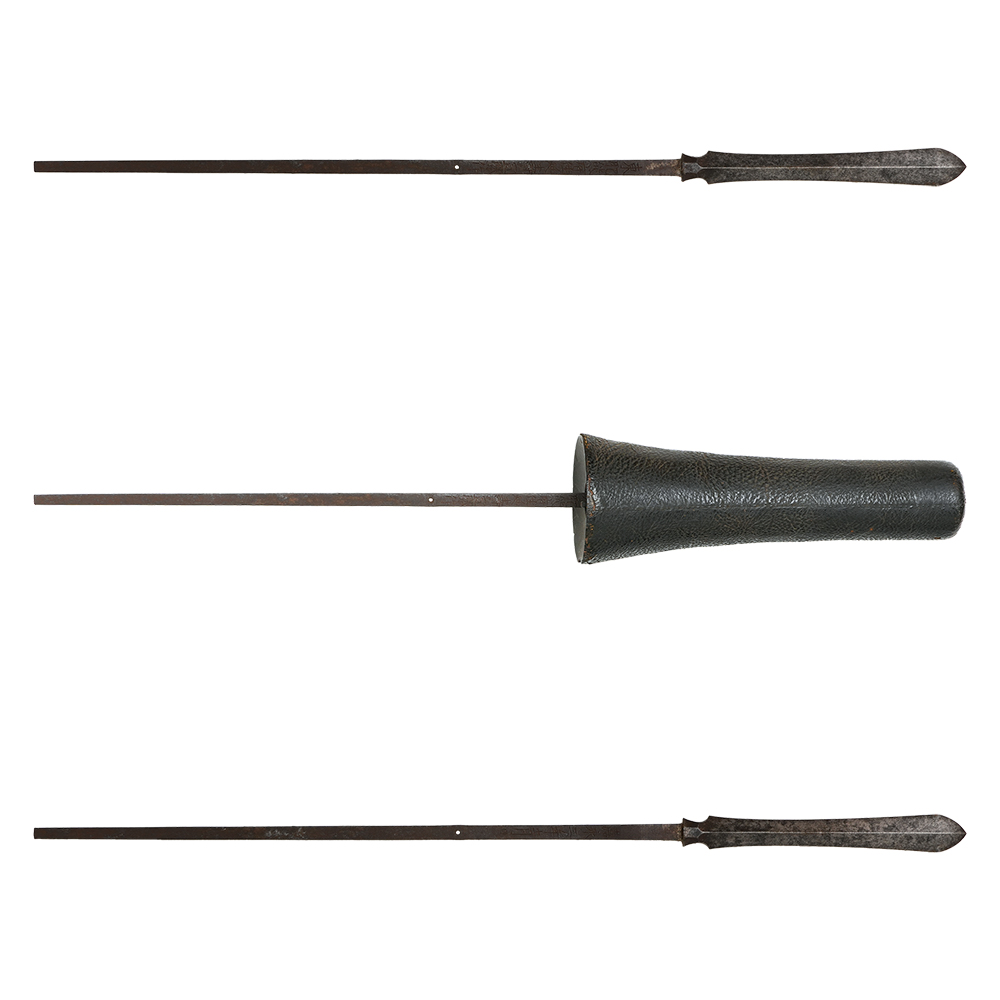
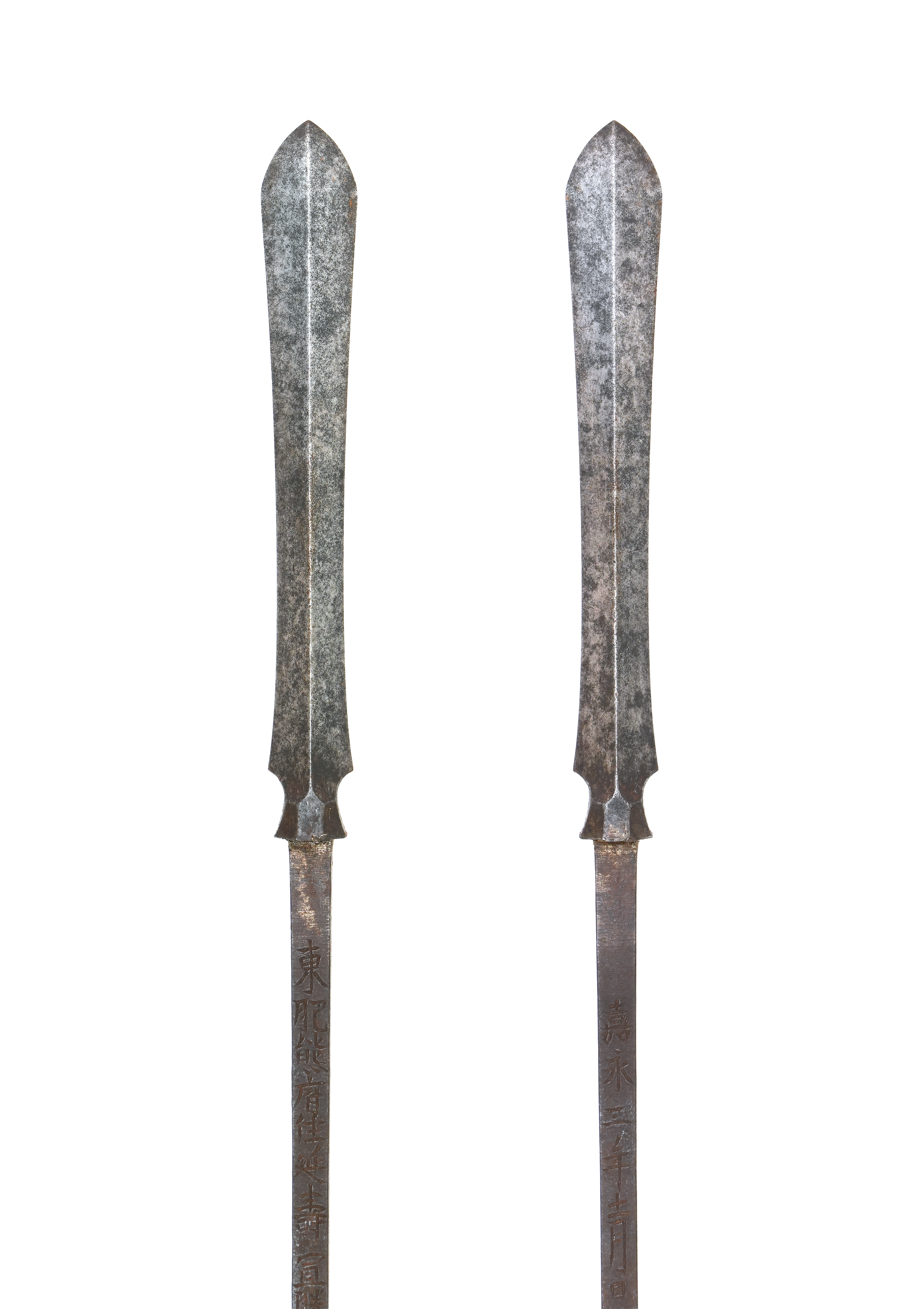
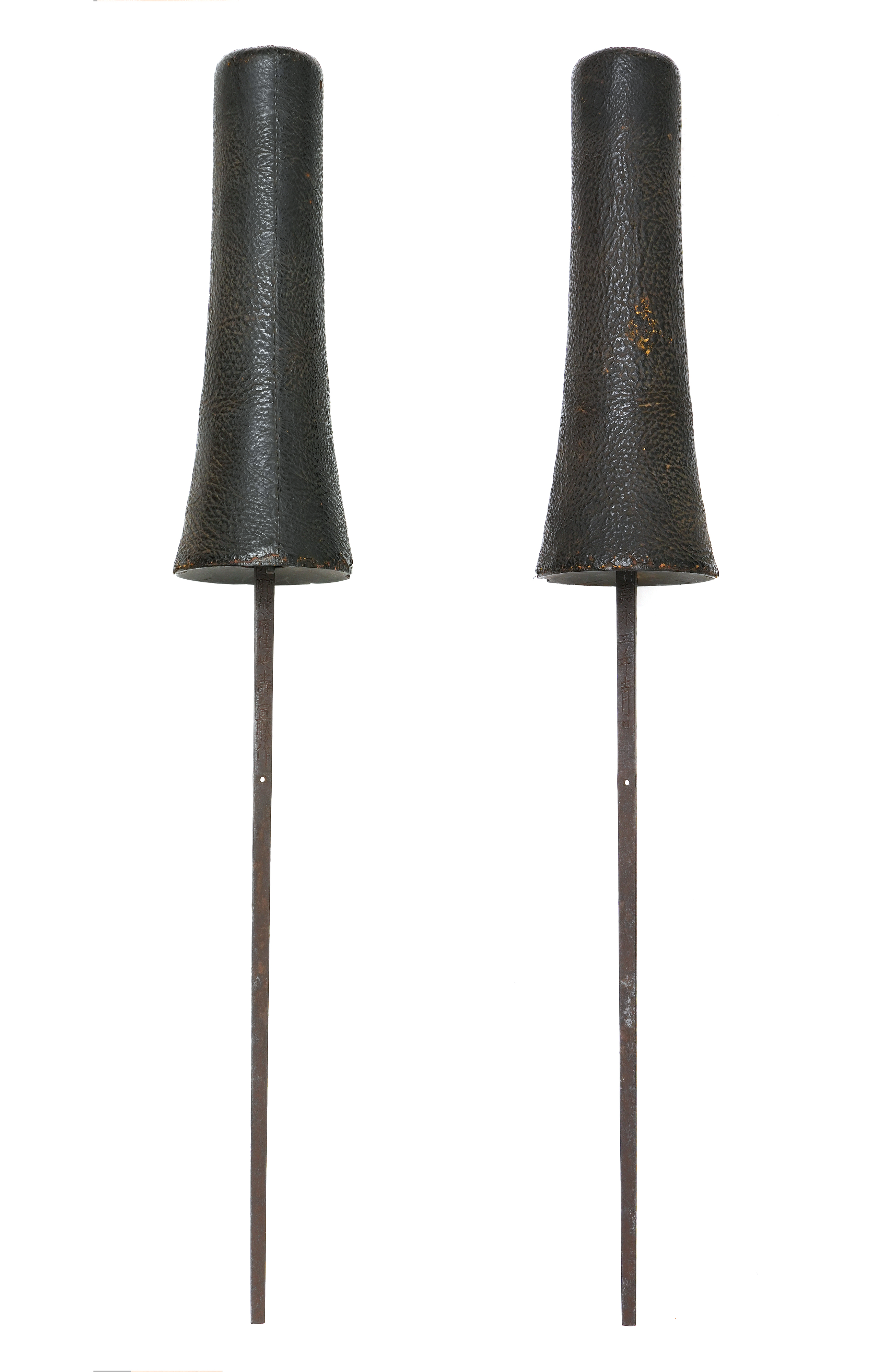
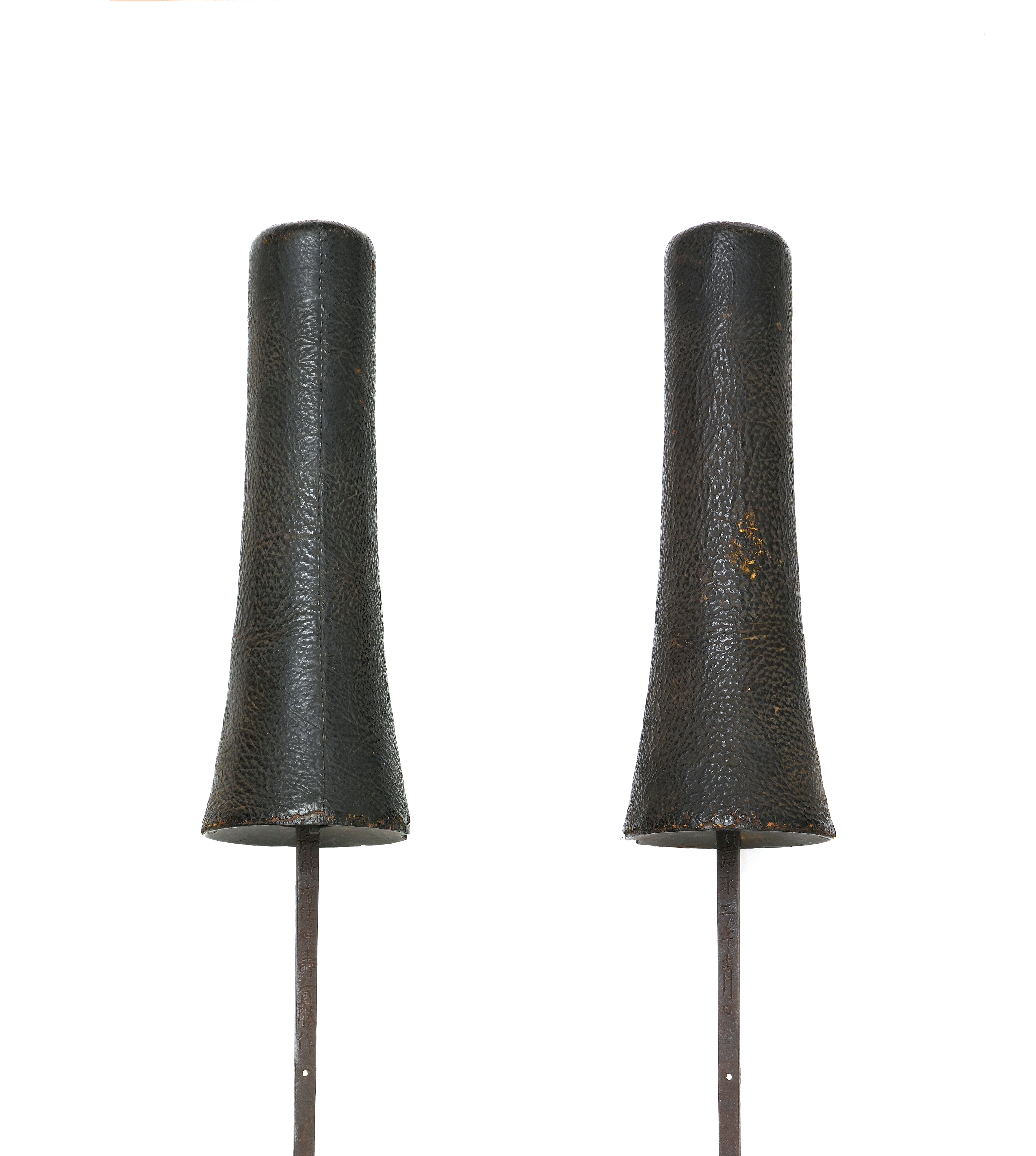
This is a su-yari (plain spear) made by Enju Nobukatsu in Kaei 3 (1850), when he was 54 years old. Nobukatsu was a descendant of the Enju smiths and worked as a smith for the Kumamoto domain. The spear features an elegant ryoshinogi-zukuri form with a tightly constricted central section and a robust tip, though the jigane and hamon are currently obscured by rust. It is a valuable piece with an ubu (original) mei and date.
 NihontoWatch
mei · Enju · Koka (1844-1848) · nagasa 15cm
Higo · around 1844-1848
Tōken Taikan top 95%
2 pieces on the market now
The Edo period (1615 to 1868)
Edo was the sword’s age of connoisseurship: the Hon’ami appraisers, the shogunal register of famous blades of 1719, and a thriving literature turned the sword into an object of study even as it ceased to be drawn in war.
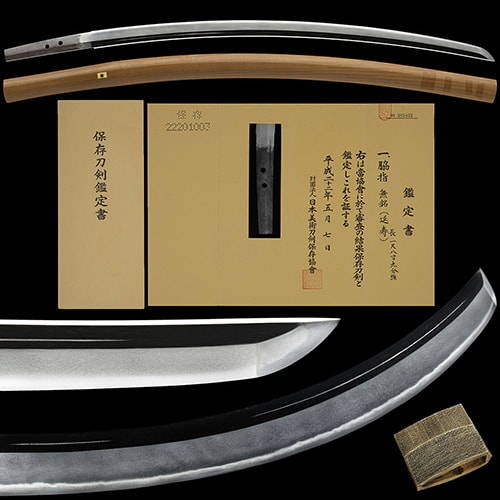
We could not find an authenticity certificate on the seller’s listing. Japanese swords and fittings are normally papered by the NBTHK (or the NTHK). Without one, the attribution is the seller’s own assessment and has not been independently verified — treat it with caution and ask the dealer about certification before buying.
Returns accepted within 3 days of delivery for defective items or significant discrepancies; customer bears return shipping and bank fees.
¥121,000
This is a su-yari (plain spear) made by Enju Nobukatsu in Kaei 3 (1850), when he was 54 years old. Nobukatsu was a descendant of the Enju smiths and worked as a smith for the Kumamoto domain. The spear features an elegant ryoshinogi-zukuri form with a tightly constricted central section and a robust tip, though the jigane and hamon are currently obscured by rust. It is a valuable piece with an ubu (original) mei and date.
NihontoWatchmei · Enju · Koka (1844-1848) · nagasa 15cm
Higo · around 1844-1848
Tōken Taikan top 95%
2 pieces on the market now
The Edo period (1615 to 1868)
Edo was the sword’s age of connoisseurship: the Hon’ami appraisers, the shogunal register of famous blades of 1719, and a thriving literature turned the sword into an object of study even as it ceased to be drawn in war.
We could not find an authenticity certificate on the seller’s listing. Japanese swords and fittings are normally papered by the NBTHK (or the NTHK). Without one, the attribution is the seller’s own assessment and has not been independently verified — treat it with caution and ask the dealer about certification before buying.
Returns accepted within 3 days of delivery for defective items or significant discrepancies; customer bears return shipping and bank fees.
¥121,000