Around 1800 Suishinshi Masahide argued in his writings that the craft must return to the old masters’ methods: the fukkotō revival. His greatest successor Naotane worked convincingly in Bizen and Sōshū manners that had been dead for centuries.
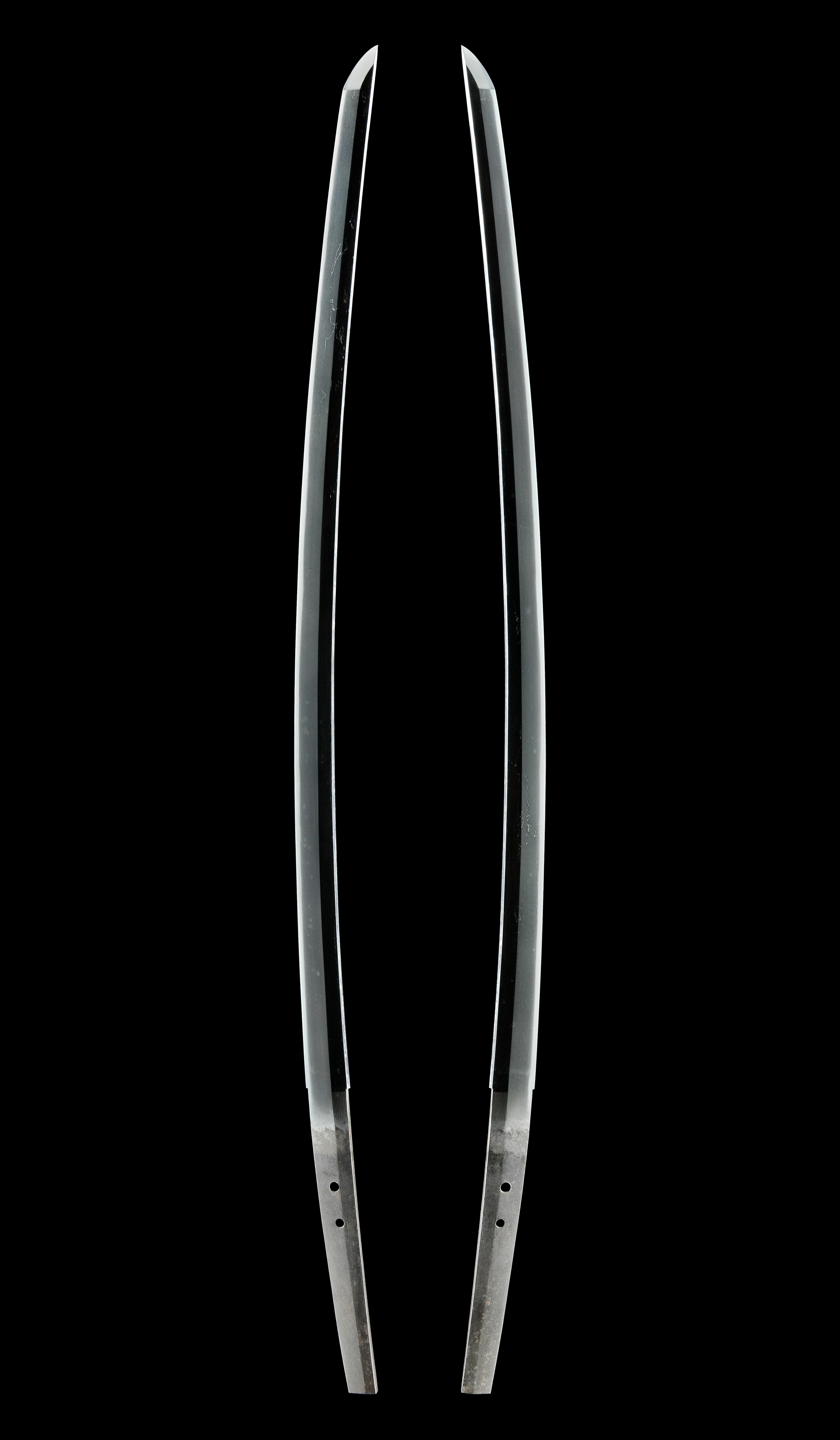
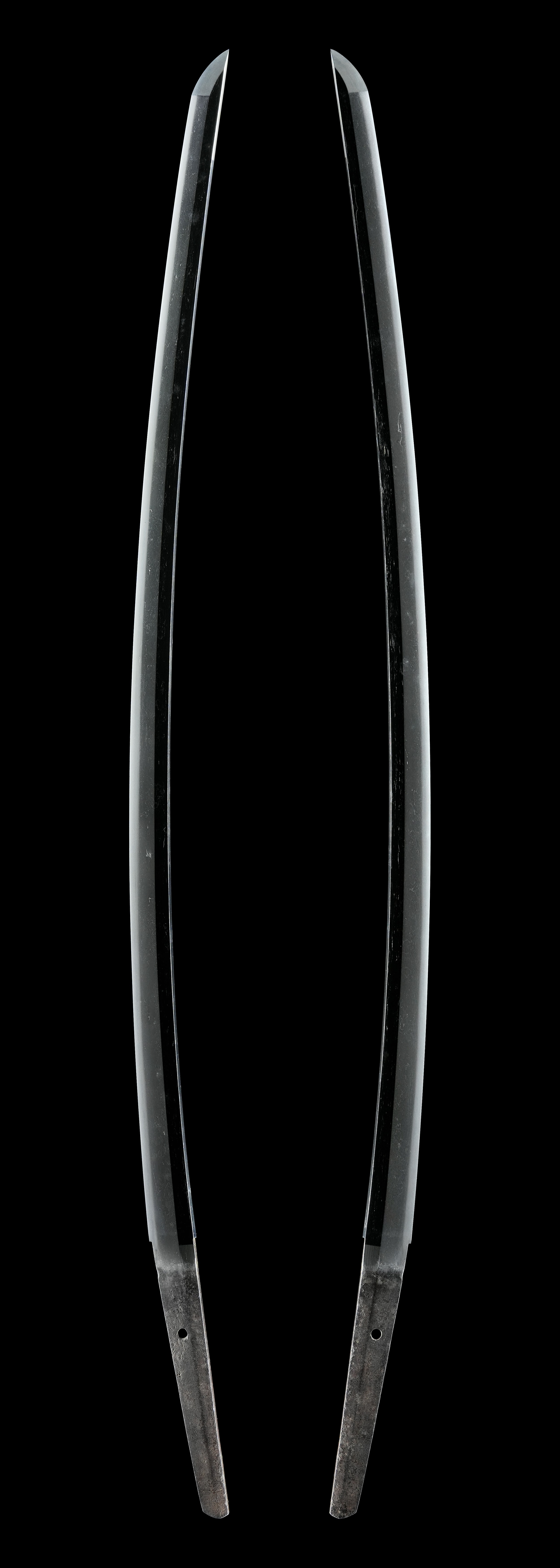
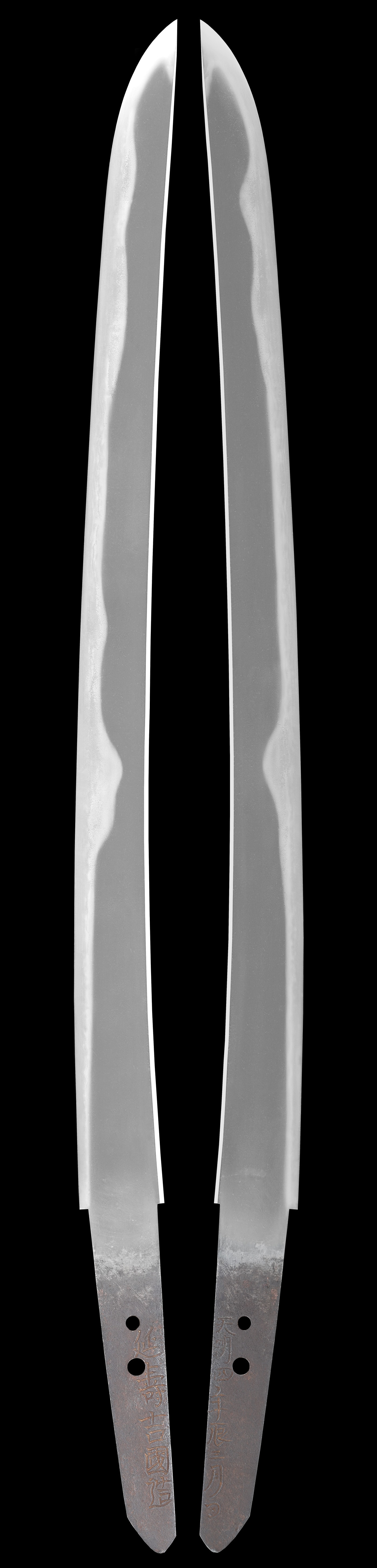
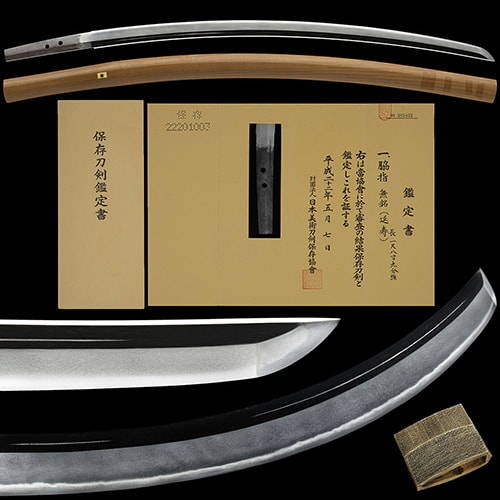
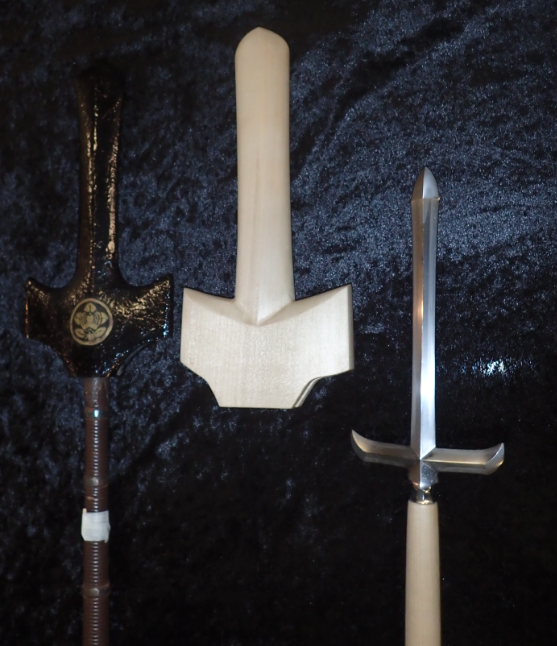
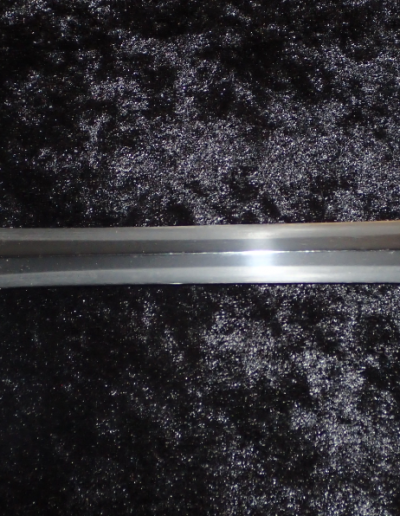
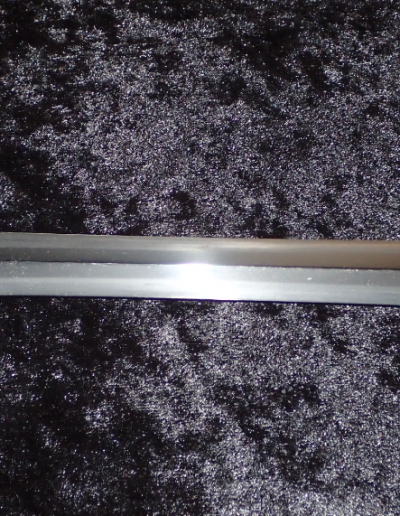
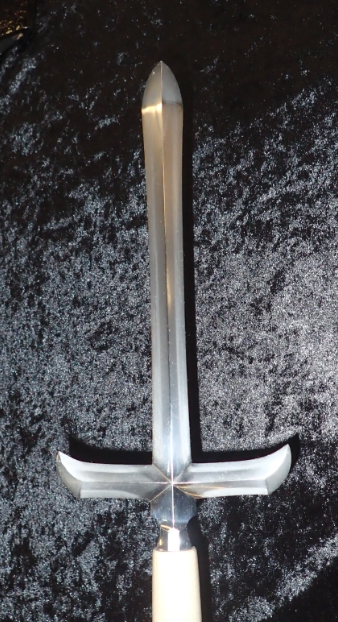
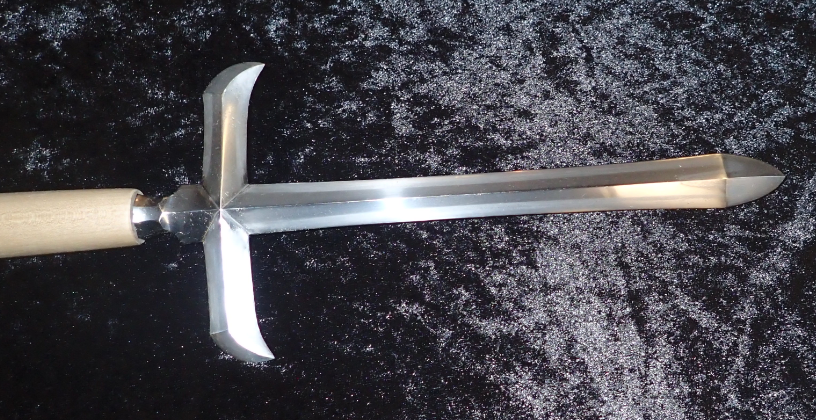
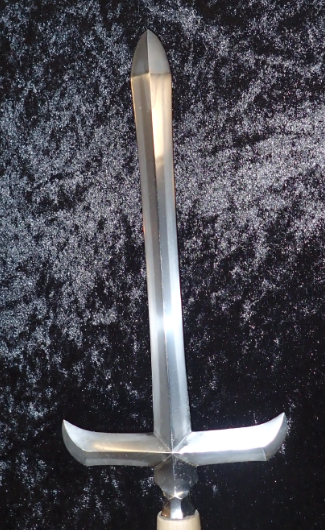
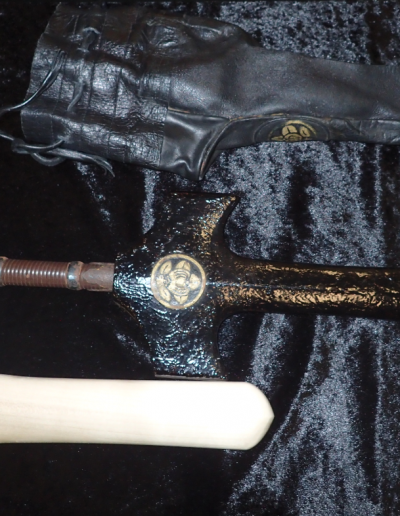
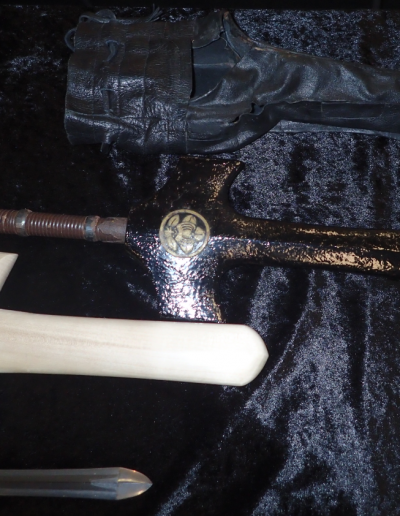
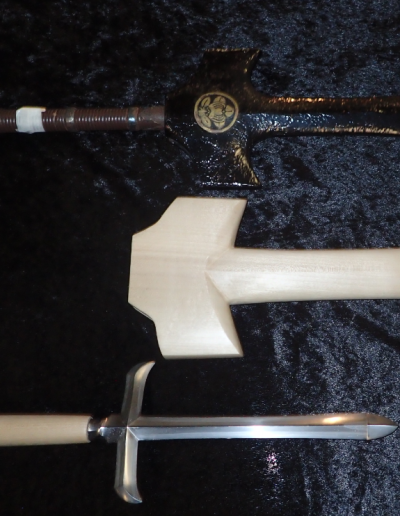
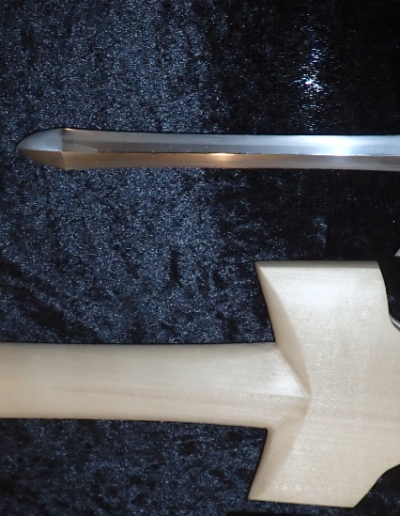
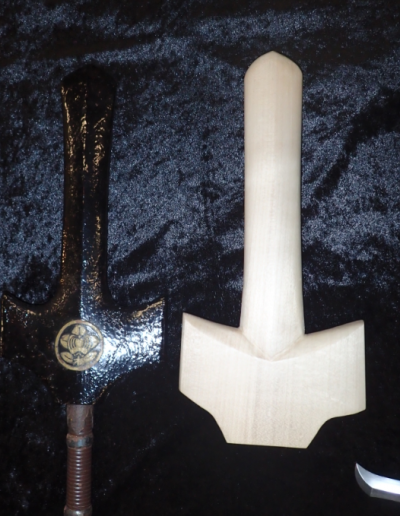
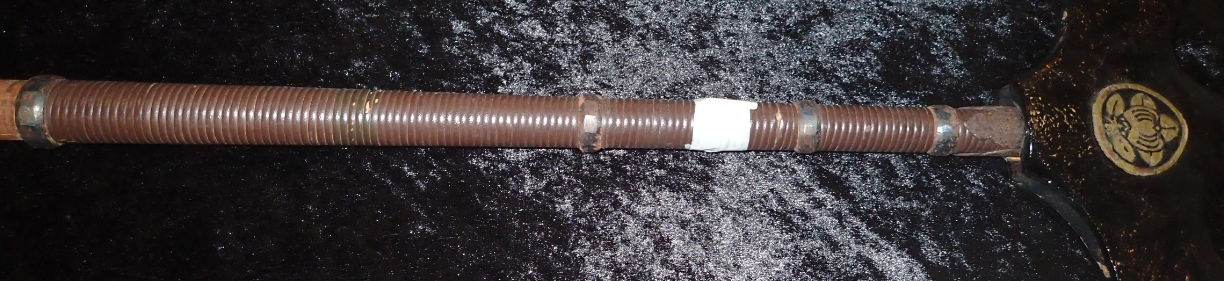
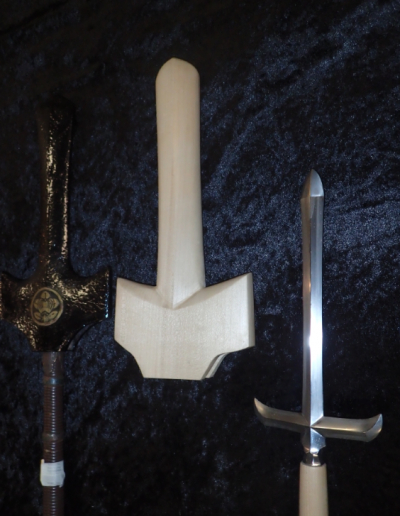
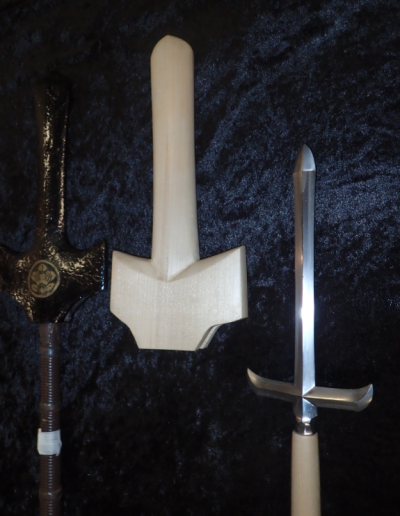
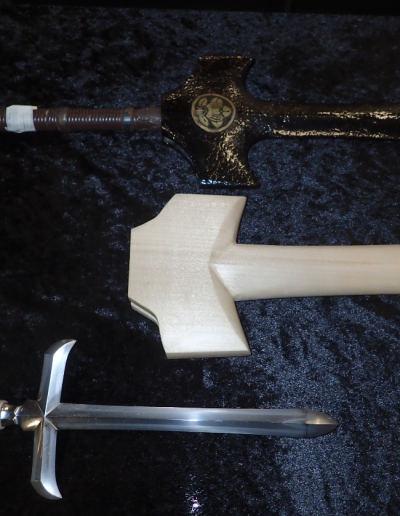
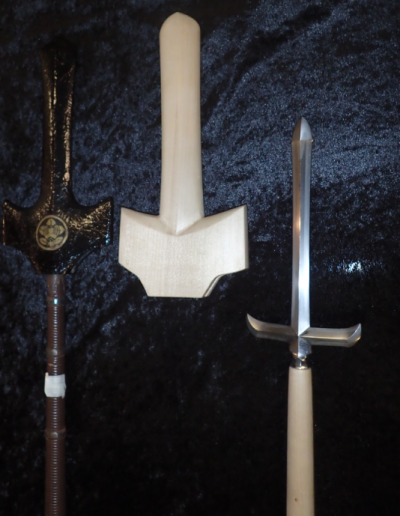
A well-forged Jumonji Yari by Higo Enju Nobukatsu, fully polished and accompanied by its original pole, saya with mon, and leather saya cover. The yari is mounted in shirasaya and signed 'Enju Nobukatsu saku' with a date of Kaei 1 (1848). The blade features a chidori-jūmonji-zukuri shape, dense itame forging, chū-suguha hamon, and sugu with kaeri bōshi.
 NihontoWatch
mei · Enju · Shin-shinto · nagasa 25.1cm
Higo · around 1844-1848
Tōken Taikan top 95%
2 pieces on the market now
The Shinshintō revival
Around 1800 Suishinshi Masahide argued in his writings that the craft must return to the old masters’ methods: the fukkotō revival. His greatest successor Naotane worked convincingly in Bizen and Sōshū manners that had been dead for centuries.
We could not find an authenticity certificate on the seller’s listing. Japanese swords and fittings are normally papered by the NBTHK (or the NTHK). Without one, the attribution is the seller’s own assessment and has not been independently verified — treat it with caution and ask the dealer about certification before buying.
A well-forged Jumonji Yari by Higo Enju Nobukatsu, fully polished and accompanied by its original pole, saya with mon, and leather saya cover. The yari is mounted in shirasaya and signed 'Enju Nobukatsu saku' with a date of Kaei 1 (1848). The blade features a chidori-jūmonji-zukuri shape, dense itame forging, chū-suguha hamon, and sugu with kaeri bōshi.
NihontoWatchmei · Enju · Shin-shinto · nagasa 25.1cm
Higo · around 1844-1848
Tōken Taikan top 95%
2 pieces on the market now
The Shinshintō revival
Around 1800 Suishinshi Masahide argued in his writings that the craft must return to the old masters’ methods: the fukkotō revival. His greatest successor Naotane worked convincingly in Bizen and Sōshū manners that had been dead for centuries.
We could not find an authenticity certificate on the seller’s listing. Japanese swords and fittings are normally papered by the NBTHK (or the NTHK). Without one, the attribution is the seller’s own assessment and has not been independently verified — treat it with caution and ask the dealer about certification before buying.