Muromachi turned sword making into an industry: the uchigatana rose with massed infantry warfare, Osafune and Seki produced bundle swords beside custom orders, and the Ming trade carried Japanese blades abroad by the tens of thousands.
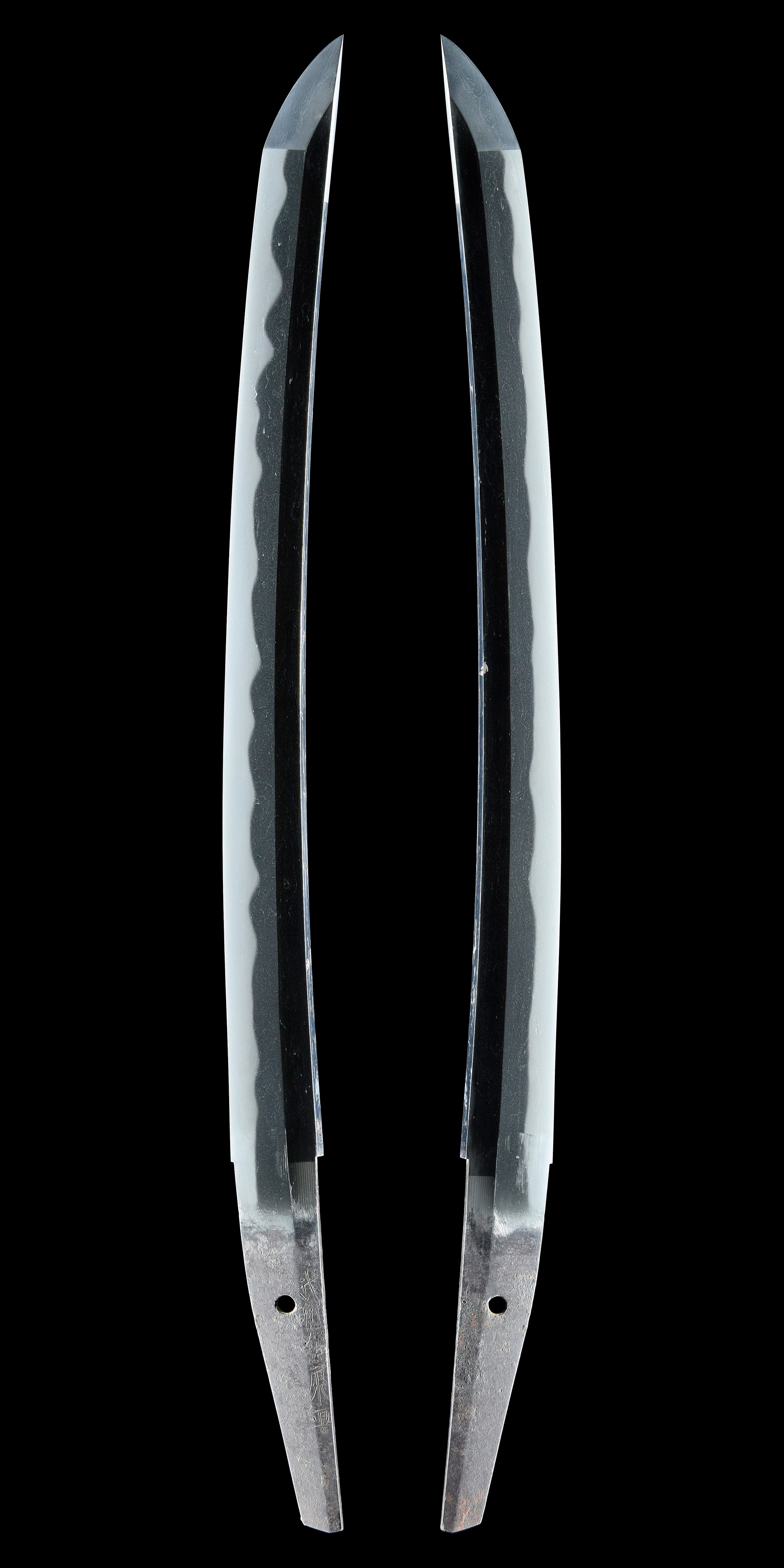
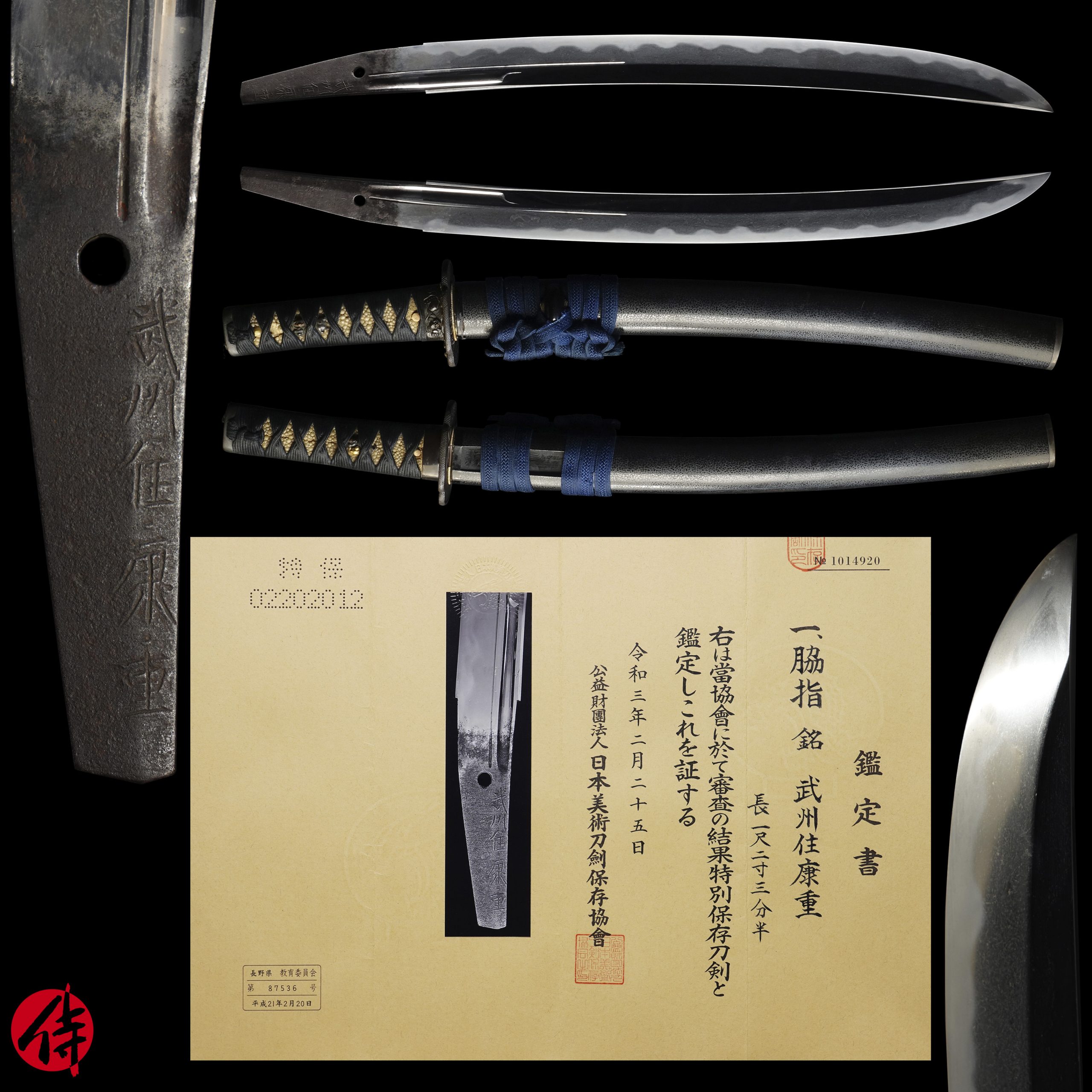
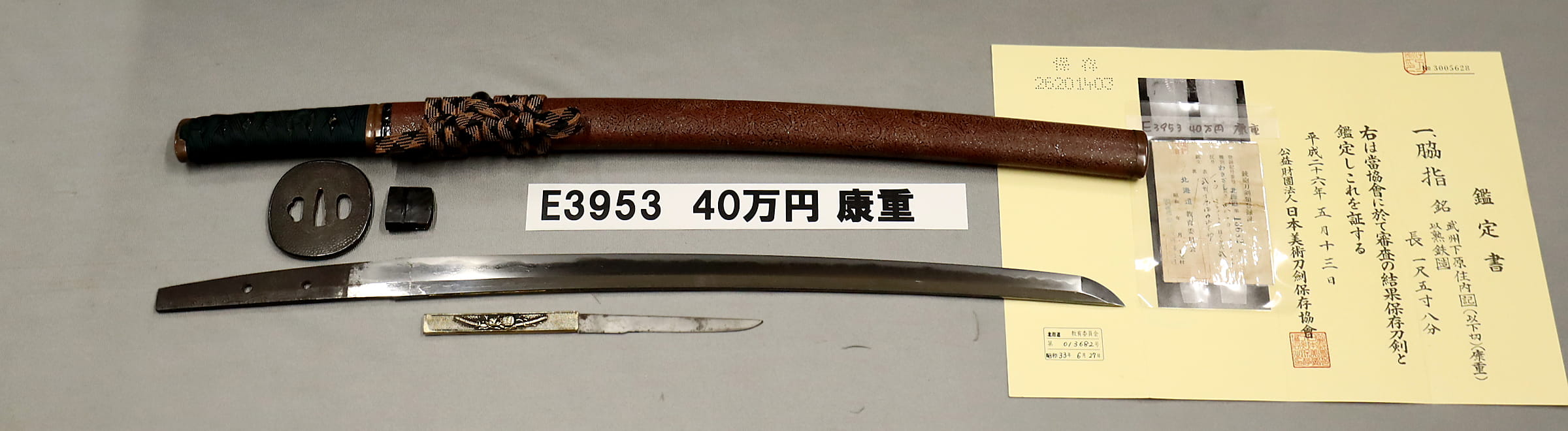
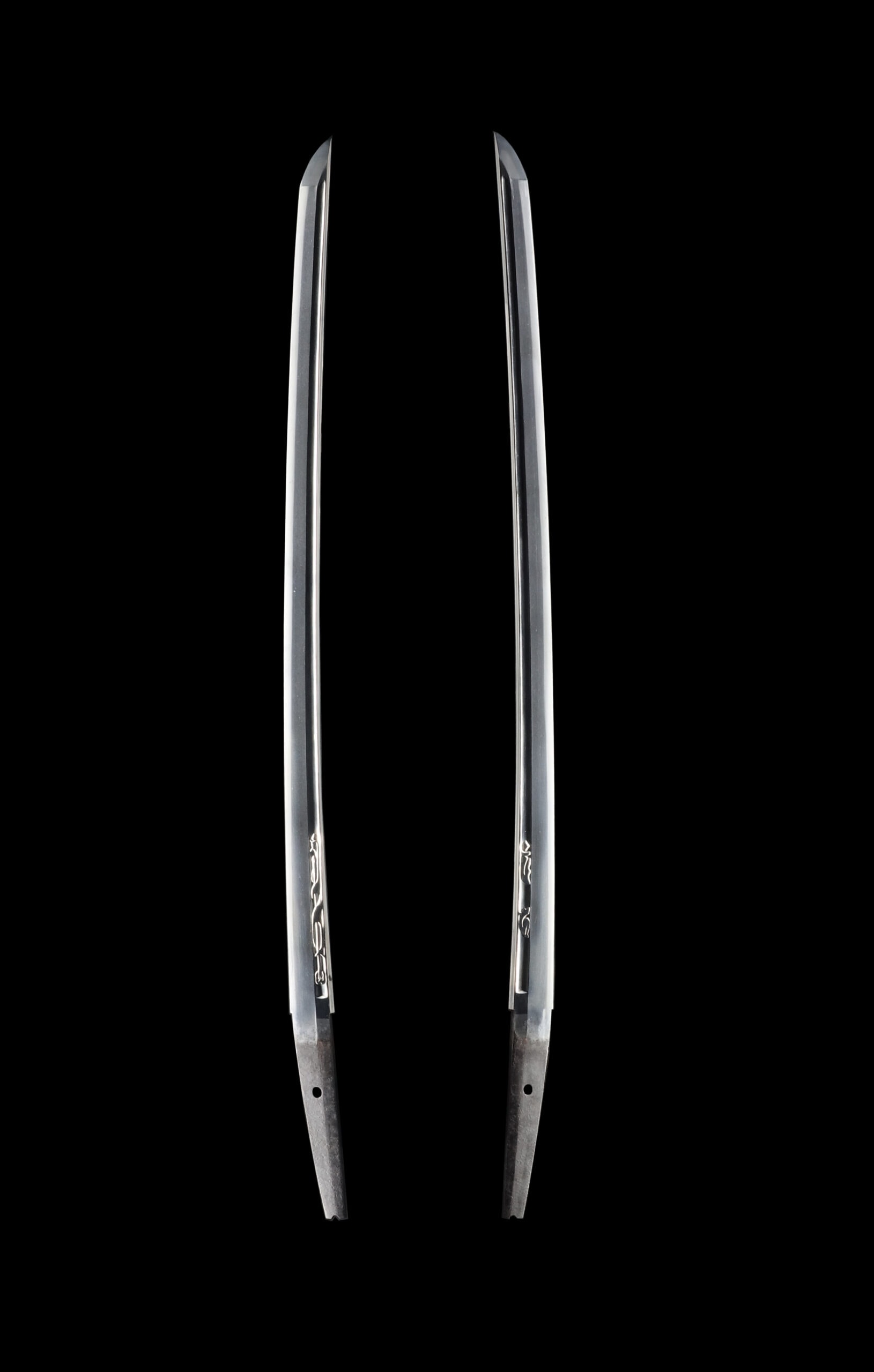
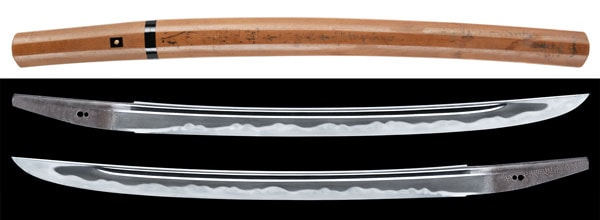
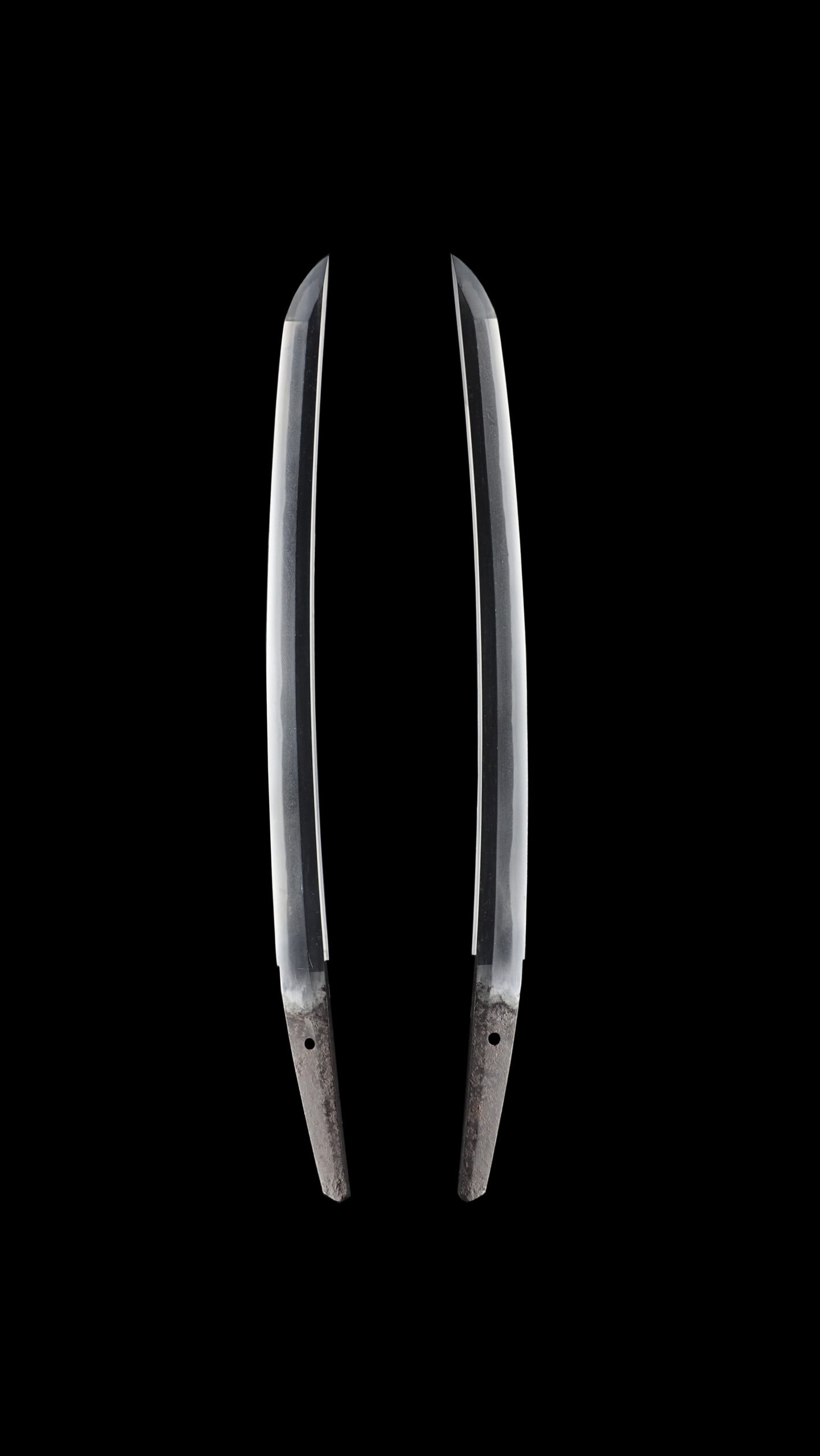
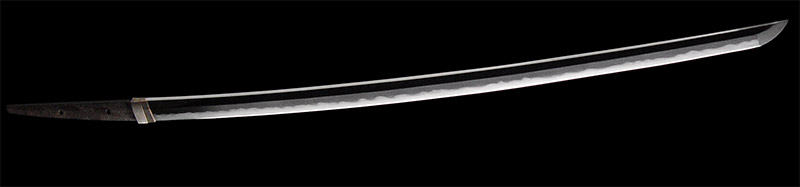
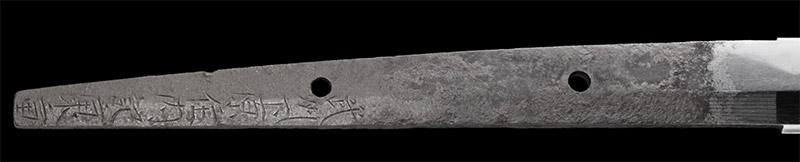
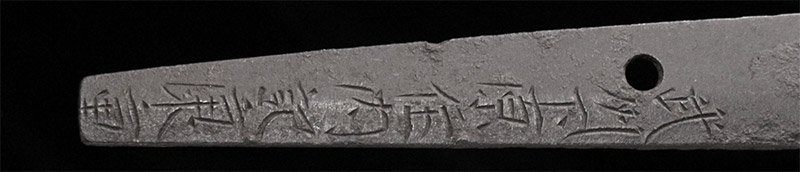
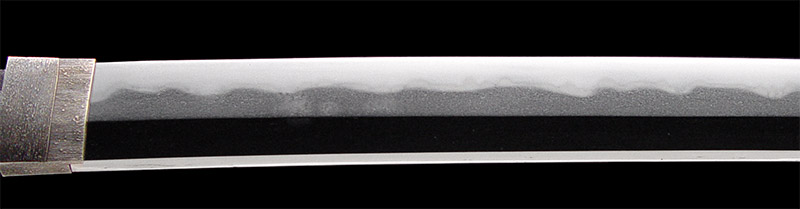
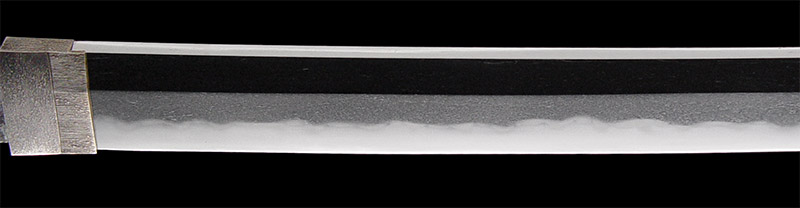
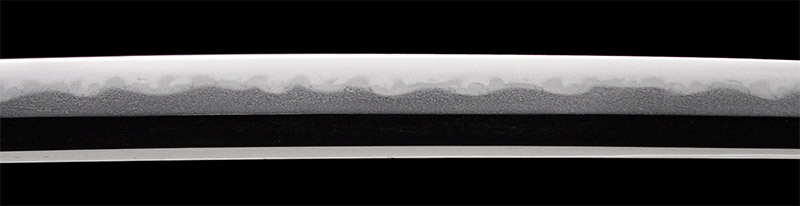
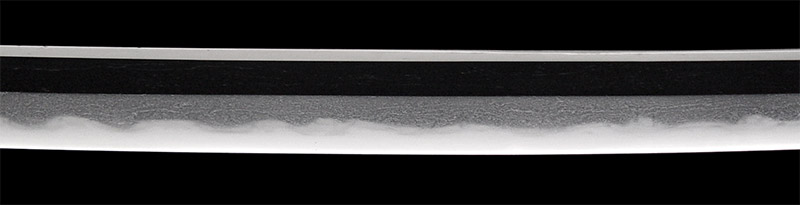
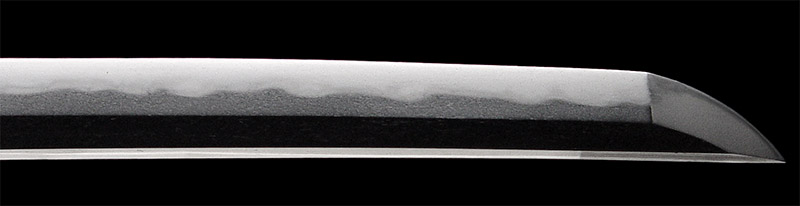
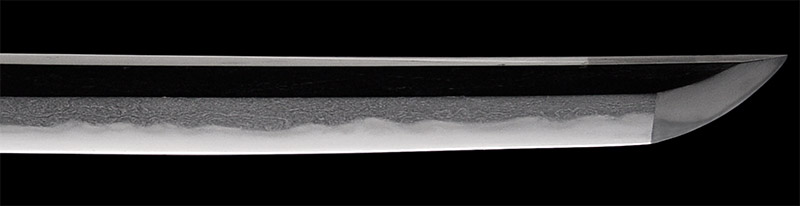
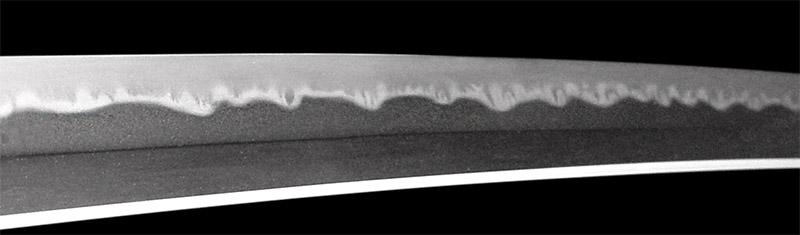
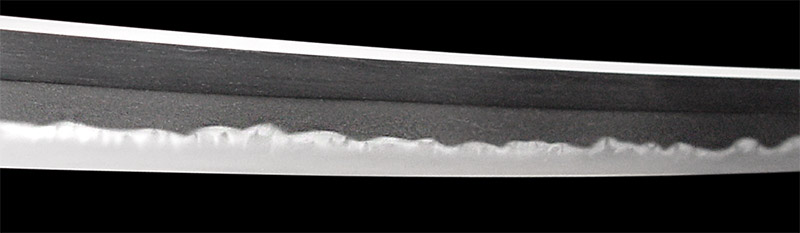
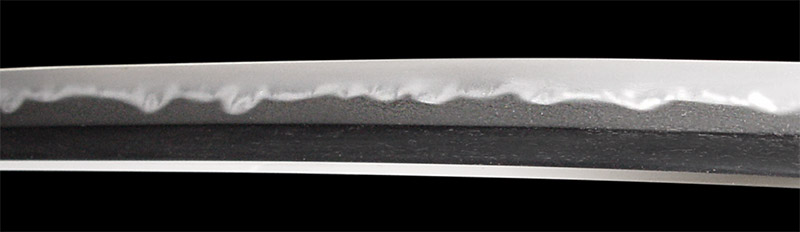
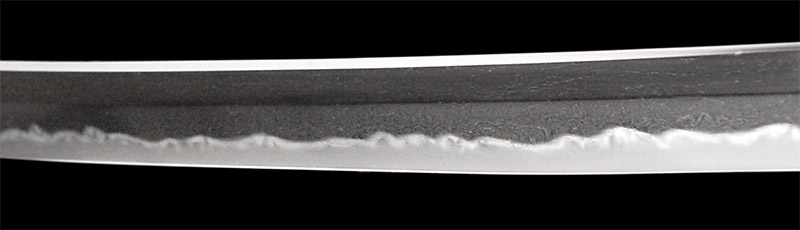
This is a katana by the 4th generation Naiki Yasushige of the Bushu Shitahara school, dating to the early Edo period (around 1624). It features a gunome choji hamon with fine details and an itame jigane with chikei. The blade comes with an attractive koshirae featuring a dark vermillion spiral lacquer saya and is accompanied by an NBTHK Hozon Token certificate.
 NihontoWatch
mei · Shitahara · Shinto · nagasa 71.5cm · sori 0.6cm


Shinto · Musashi · around 1558-1570
Tōken Taikan top 60%
3 pieces on the market now
Where Yasushige stands among comparable artisans: across all of nihontō, and within tradition, era, and period. The tiers (Foremost · Leading · Major · Notable) weigh official designations from the NBTHK and Japan's Agency for Cultural Affairs, together with historical honors of lasting repute such as the Sansaku and Meibutsu-chō.
Select a lens to see how it's measured.
Shinto · Musashi
12 pieces on the market now
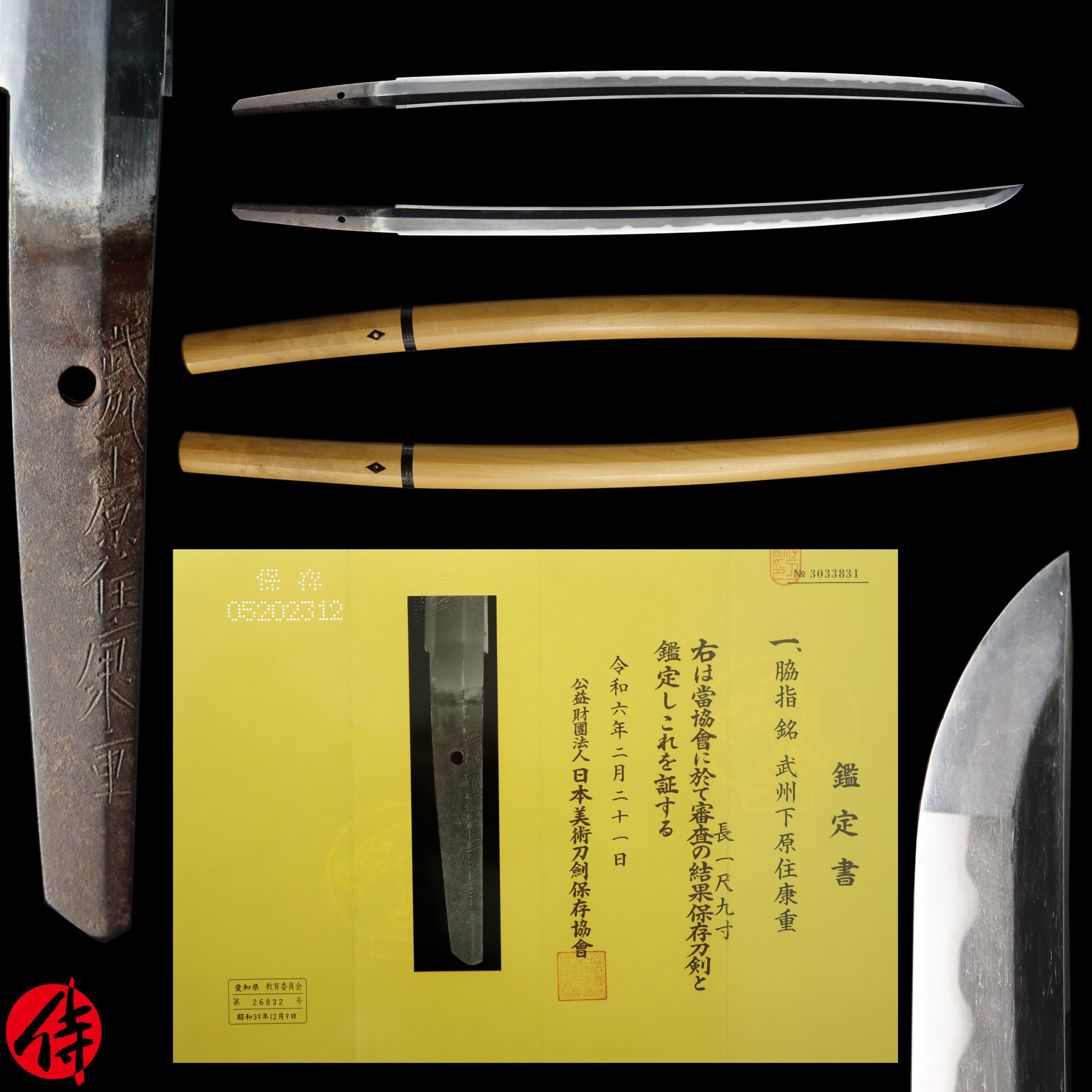
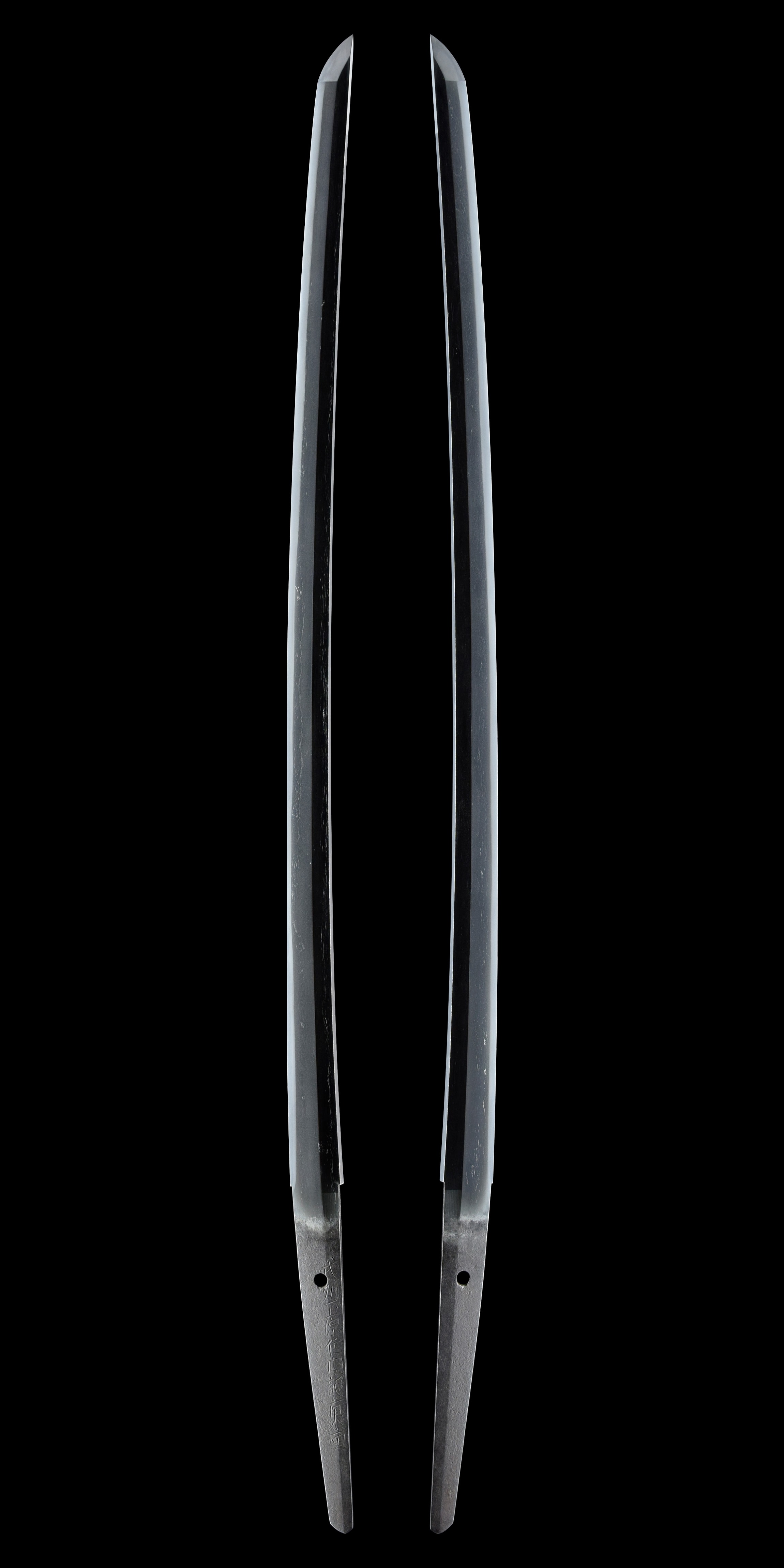
The Shitahara group (下原) worked at Hachiōji in Bushū, the old province of Musashi, from the end of the Muromachi period and carried its forge on into the Edo period. The setsumei place the lineage among the swordmakers of Musashi in the kotō age and name Terushige, Yasushige, Hiroshige, and Chikashige as its leading hands, with the meikan recording Terushige across three generations: a shodai in Kyōroku, a nidai in Eiroku, and a sandai in Tenshō. " That same blade was made to order, in this case from Hagiwara Kaminao of Kōshū, marking the group as a working provincial forge serving its region. In the forging the setsumei return repeatedly to an itame-hada freely mixed with mokume that stands up rather than lying flat, the grain described as hada-datsu, often running to nagare near the edge and taking on an ayasugi-like, whorled or vortex-like cast in the jigane. The temper is a moderately undulating notare into which gunome enter, frequently in regular paired sequences, with pointed togariba, a chōji-like feeling at times, and ko-nie clinging along a nioiguchi that can settle into a subdued shizumi tone; sunagashi and ashi appear within the ha, and the bōshi tends to run midare-komi and turn back in maru. One katana shows a wet-looking nureba surface with angular irregularities and hakikake.
The setsumei read this hand as a synthesis drawing on late Sōshū and the Muramasa line together with late Mino tendencies, which together account for the standing grain and the paired gunome. For kantei the markers are consistent: the risen mokume with its ayasugi turn, the regularly paired gunome, and a build suited to the uchigatana of the closing Muromachi years, often with pronounced sakizori and an extended chū-kissaki. Carving recurs, including bō-hi, bonji, gomabashi, and a deeply cut kurikara-ryū whose coiling tail the NBTHK singles out as characteristic. Named and dated pieces anchor the group: the Yamamoto Genjirō Terushige naginata, uncommon as a double-edged ryōba form, and a Terushige katana appraised between Eiroku and Tenshō that the register calls the hakubi of the school. The setsumei note that Shitahara work survives in number into the shintō period while outstanding examples remain few, which sets these designated blades apart within the lineage. Learn more →
| Smith | Era | Designated |
|---|---|---|
| Terushige照重 | 1558-1570 | 2 |
| Terushige照重 | 1596-1615 | 1 |
| Yasushige康重 | 1558-1570 | 1 |
| Morishige盛重 | 1661-1673 | 0 |
| Yasushige康重 | 1661-1704 | 0 |
The Muromachi period (1392 to 1573)
Muromachi turned sword making into an industry: the uchigatana rose with massed infantry warfare, Osafune and Seki produced bundle swords beside custom orders, and the Ming trade carried Japanese blades abroad by the tens of thousands.
Certifies a genuine blade worth preserving: a signature confirmed correct, or, if unsigned, an era, province, and school that the NBTHK can reliably identify.
The NBTHK (Nihon Bijutsu Tōken Hozon Kyōkai, the Society for the Preservation of Japanese Art Swords) is a public-interest incorporated foundation founded in 1948 and supervised by Japan’s Agency for Cultural Affairs (Bunkachō); it is based at the Japanese Sword Museum in Tokyo. Its expert panels physically examine each submitted work (shinsa) and issue a certificate (kanteishō) ranking it by artistic and historical merit. NBTHK papers are the most widely recognized standard of authentication for Japanese swords and fittings.
NBTHK official siteIf the item is not to your liking, please feel free to return it for any reason. Return shipping is the customer's responsibility. After the item arrives and we confirm it is in the same condition as at the time of sale, we transfer the refund to your designated account the same day. Purchases made at the store are outside the scope of cooling-off.
This is a katana by the 4th generation Naiki Yasushige of the Bushu Shitahara school, dating to the early Edo period (around 1624). It features a gunome choji hamon with fine details and an itame jigane with chikei. The blade comes with an attractive koshirae featuring a dark vermillion spiral lacquer saya and is accompanied by an NBTHK Hozon Token certificate.
NihontoWatchmei · Shitahara · Shinto · nagasa 71.5cm · sori 0.6cm
Shinto · Musashi · around 1558-1570
Tōken Taikan top 60%
3 pieces on the market now
Where Yasushige stands among comparable artisans: across all of nihontō, and within tradition, era, and period. The tiers (Foremost · Leading · Major · Notable) weigh official designations from the NBTHK and Japan's Agency for Cultural Affairs, together with historical honors of lasting repute such as the Sansaku and Meibutsu-chō.
Select a lens to see how it's measured.
Shinto · Musashi
12 pieces on the market now
The Shitahara group (下原) worked at Hachiōji in Bushū, the old province of Musashi, from the end of the Muromachi period and carried its forge on into the Edo period. The setsumei place the lineage among the swordmakers of Musashi in the kotō age and name Terushige, Yasushige, Hiroshige, and Chikashige as its leading hands, with the meikan recording Terushige across three generations: a shodai in Kyōroku, a nidai in Eiroku, and a sandai in Tenshō. " That same blade was made to order, in this case from Hagiwara Kaminao of Kōshū, marking the group as a working provincial forge serving its region. In the forging the setsumei return repeatedly to an itame-hada freely mixed with mokume that stands up rather than lying flat, the grain described as hada-datsu, often running to nagare near the edge and taking on an ayasugi-like, whorled or vortex-like cast in the jigane. The temper is a moderately undulating notare into which gunome enter, frequently in regular paired sequences, with pointed togariba, a chōji-like feeling at times, and ko-nie clinging along a nioiguchi that can settle into a subdued shizumi tone; sunagashi and ashi appear within the ha, and the bōshi tends to run midare-komi and turn back in maru. One katana shows a wet-looking nureba surface with angular irregularities and hakikake.
The setsumei read this hand as a synthesis drawing on late Sōshū and the Muramasa line together with late Mino tendencies, which together account for the standing grain and the paired gunome. For kantei the markers are consistent: the risen mokume with its ayasugi turn, the regularly paired gunome, and a build suited to the uchigatana of the closing Muromachi years, often with pronounced sakizori and an extended chū-kissaki. Carving recurs, including bō-hi, bonji, gomabashi, and a deeply cut kurikara-ryū whose coiling tail the NBTHK singles out as characteristic. Named and dated pieces anchor the group: the Yamamoto Genjirō Terushige naginata, uncommon as a double-edged ryōba form, and a Terushige katana appraised between Eiroku and Tenshō that the register calls the hakubi of the school. The setsumei note that Shitahara work survives in number into the shintō period while outstanding examples remain few, which sets these designated blades apart within the lineage. Learn more →
| Smith | Era | Designated |
|---|---|---|
| Terushige照重 | 1558-1570 | 2 |
| Terushige照重 | 1596-1615 | 1 |
| Yasushige康重 | 1558-1570 | 1 |
| Morishige盛重 | 1661-1673 | 0 |
| Yasushige康重 | 1661-1704 | 0 |
The Muromachi period (1392 to 1573)
Muromachi turned sword making into an industry: the uchigatana rose with massed infantry warfare, Osafune and Seki produced bundle swords beside custom orders, and the Ming trade carried Japanese blades abroad by the tens of thousands.
Certifies a genuine blade worth preserving: a signature confirmed correct, or, if unsigned, an era, province, and school that the NBTHK can reliably identify.
The NBTHK (Nihon Bijutsu Tōken Hozon Kyōkai, the Society for the Preservation of Japanese Art Swords) is a public-interest incorporated foundation founded in 1948 and supervised by Japan’s Agency for Cultural Affairs (Bunkachō); it is based at the Japanese Sword Museum in Tokyo. Its expert panels physically examine each submitted work (shinsa) and issue a certificate (kanteishō) ranking it by artistic and historical merit. NBTHK papers are the most widely recognized standard of authentication for Japanese swords and fittings.
NBTHK official siteIf the item is not to your liking, please feel free to return it for any reason. Return shipping is the customer's responsibility. After the item arrives and we confirm it is in the same condition as at the time of sale, we transfer the refund to your designated account the same day. Purchases made at the store are outside the scope of cooling-off.