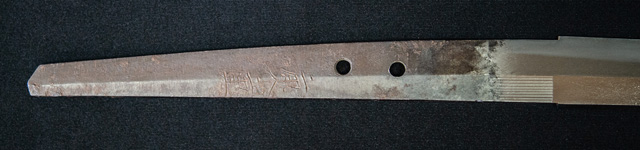
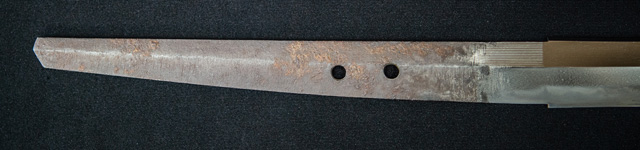
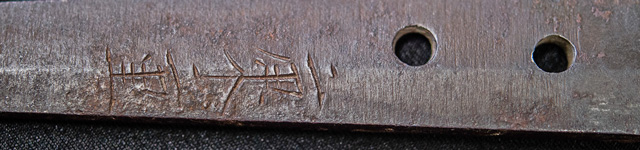
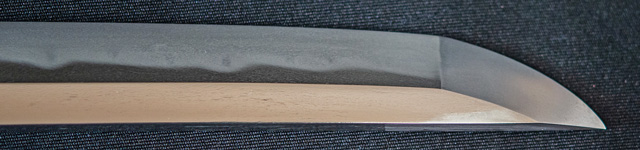
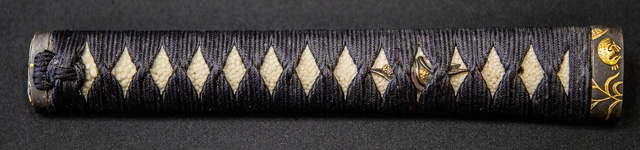
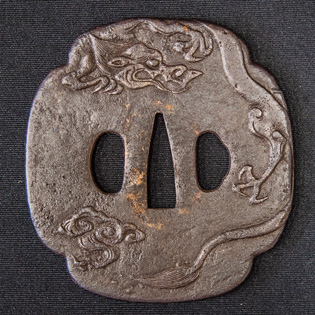
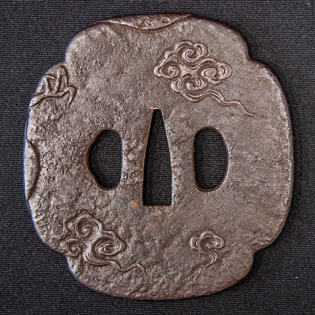
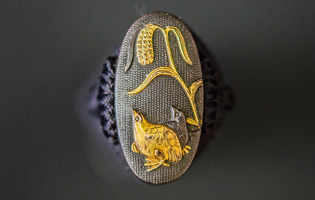
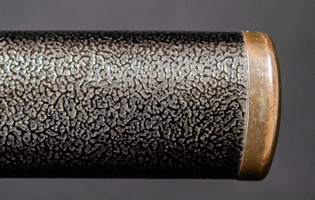
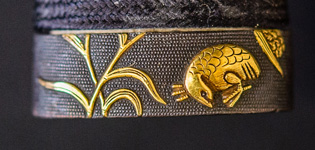
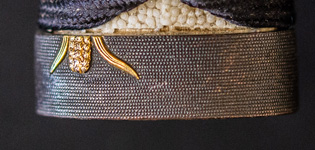
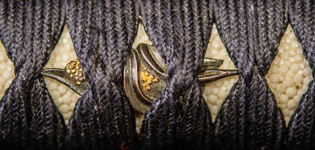
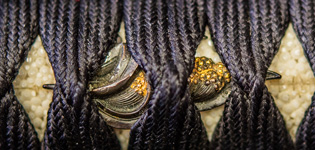
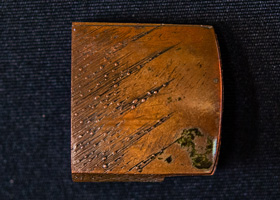
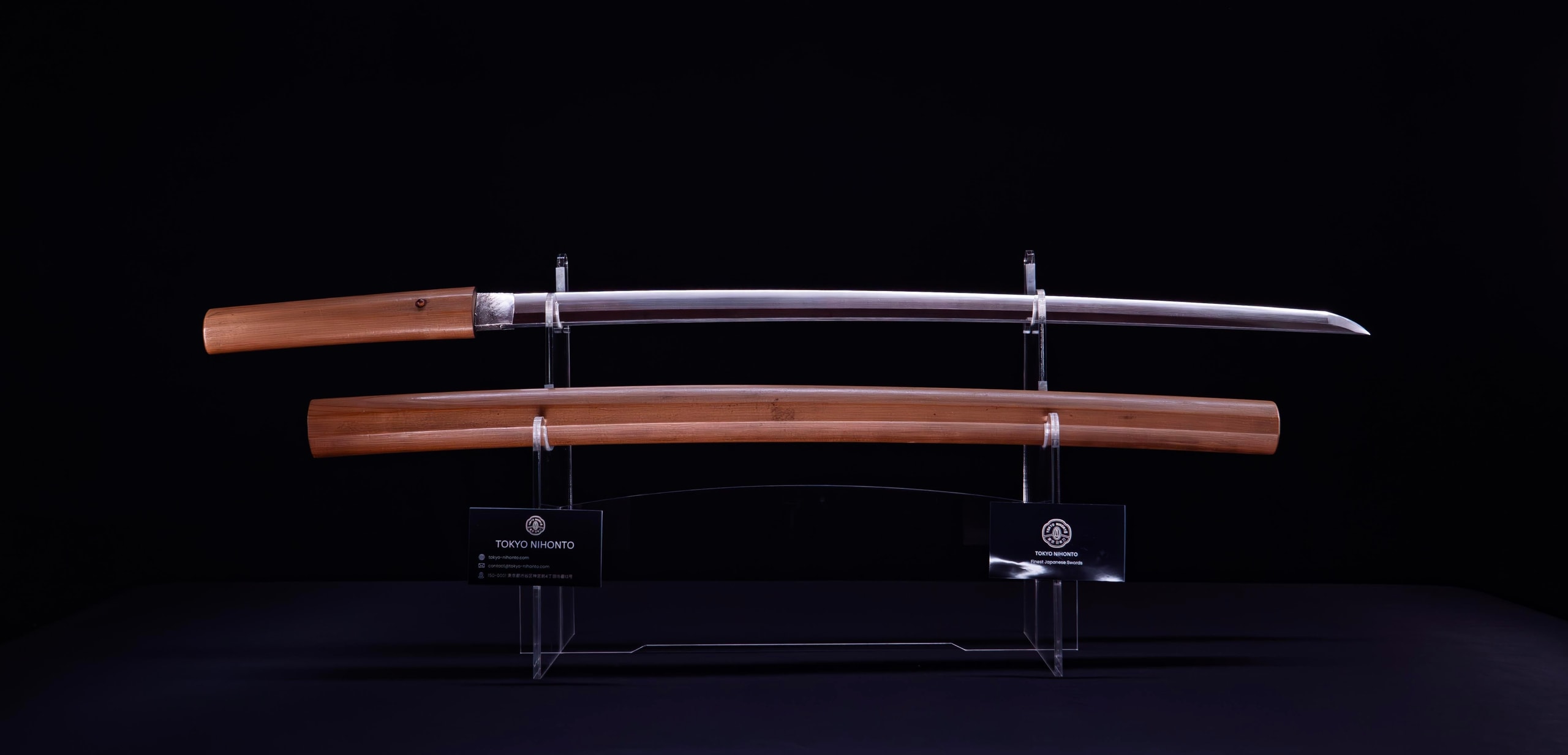
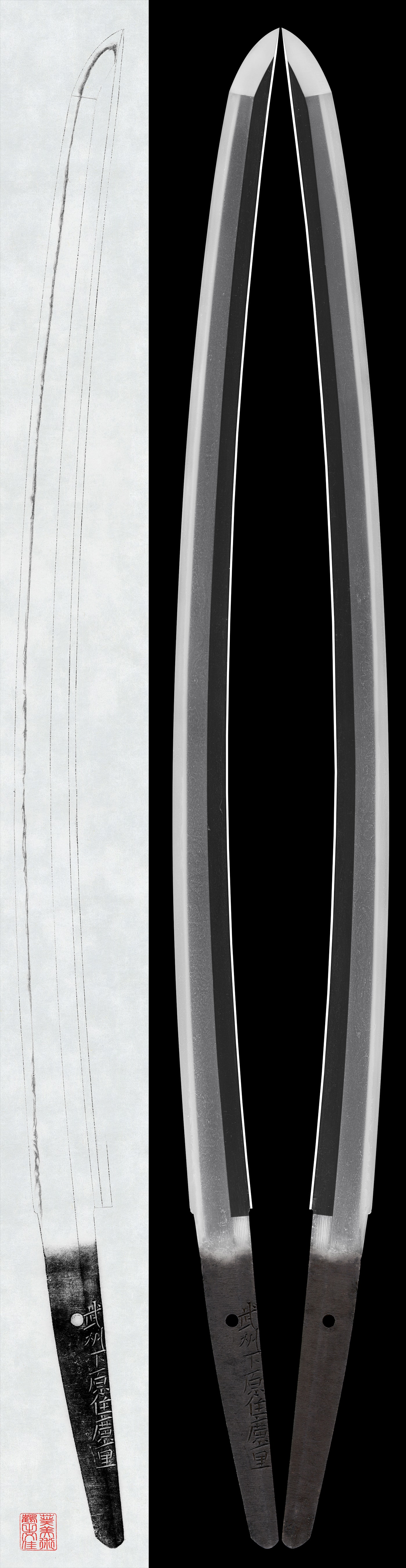
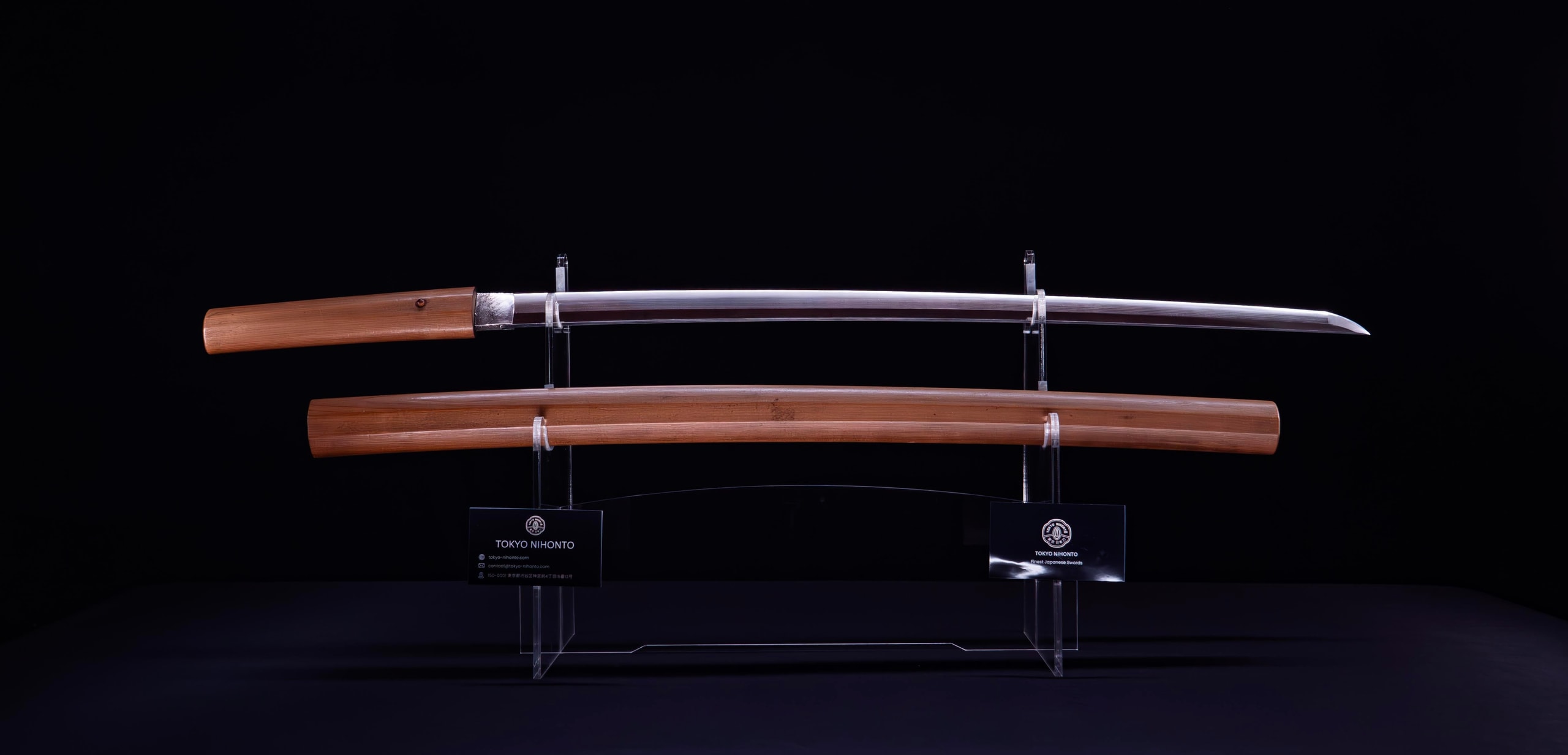
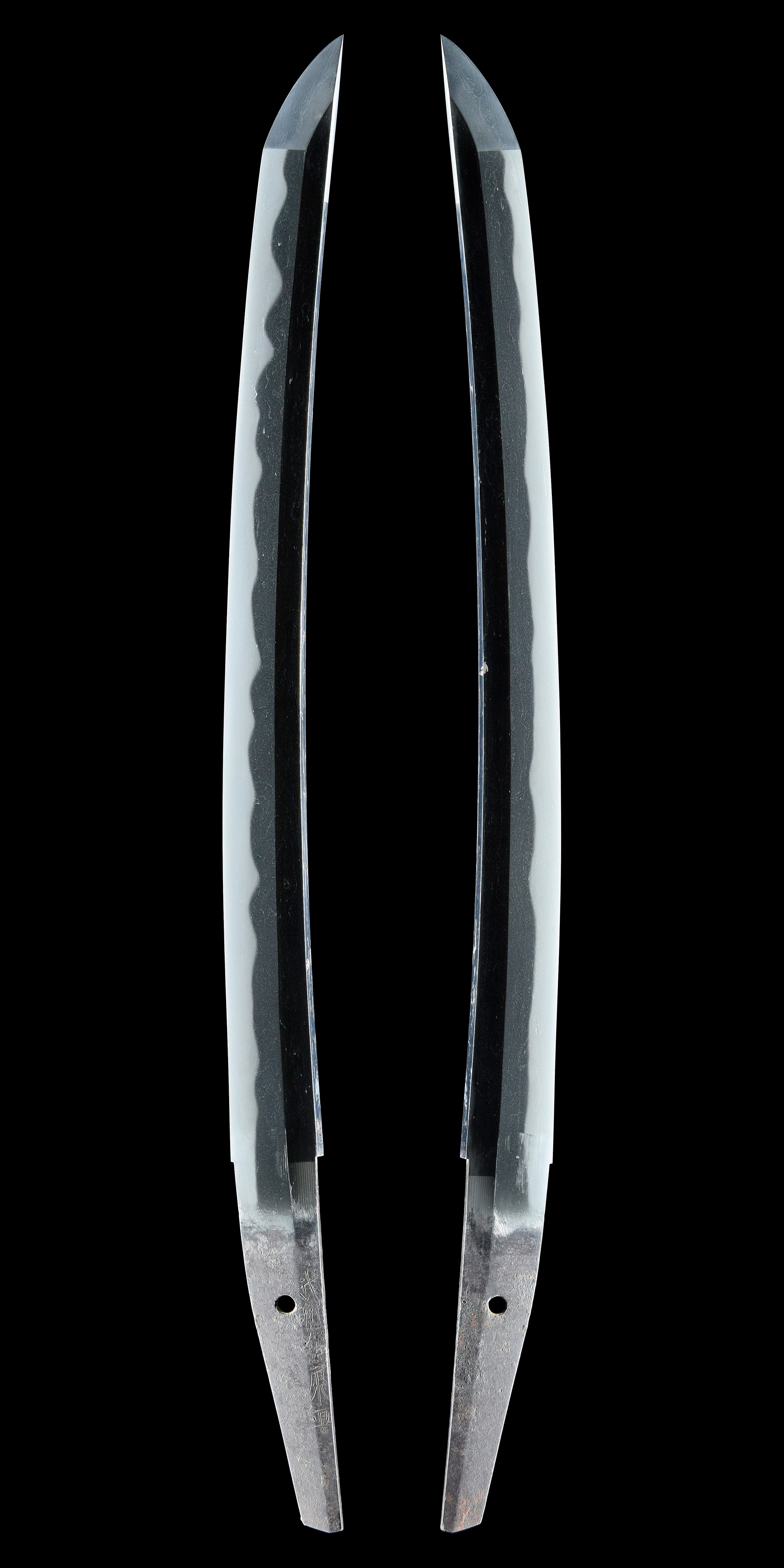
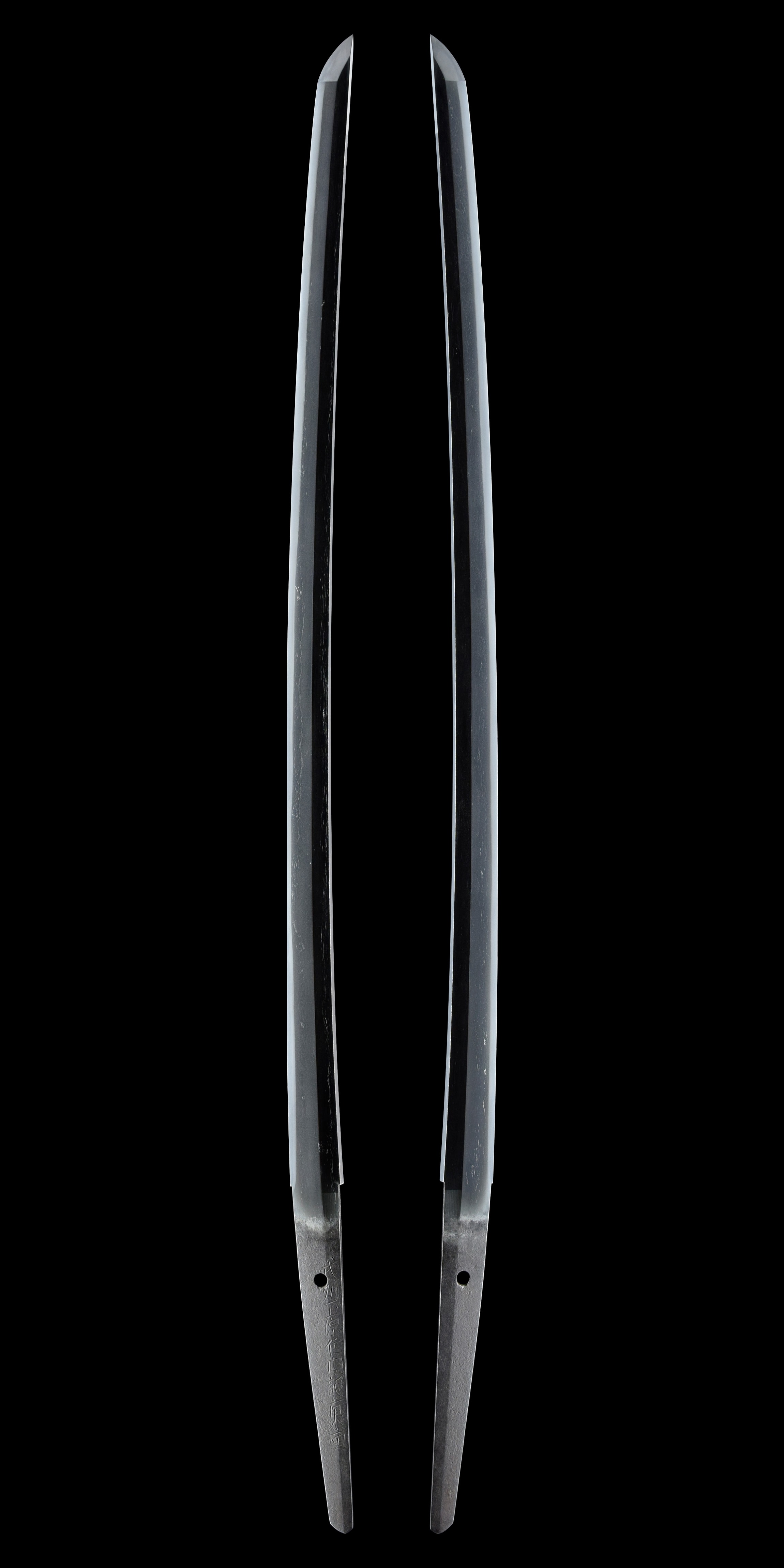
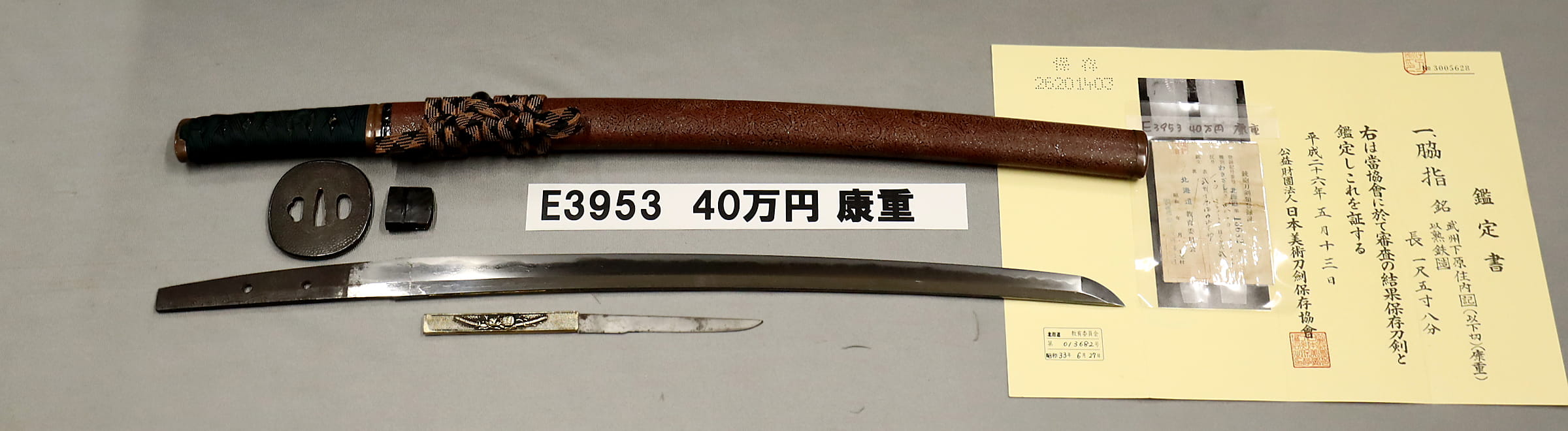
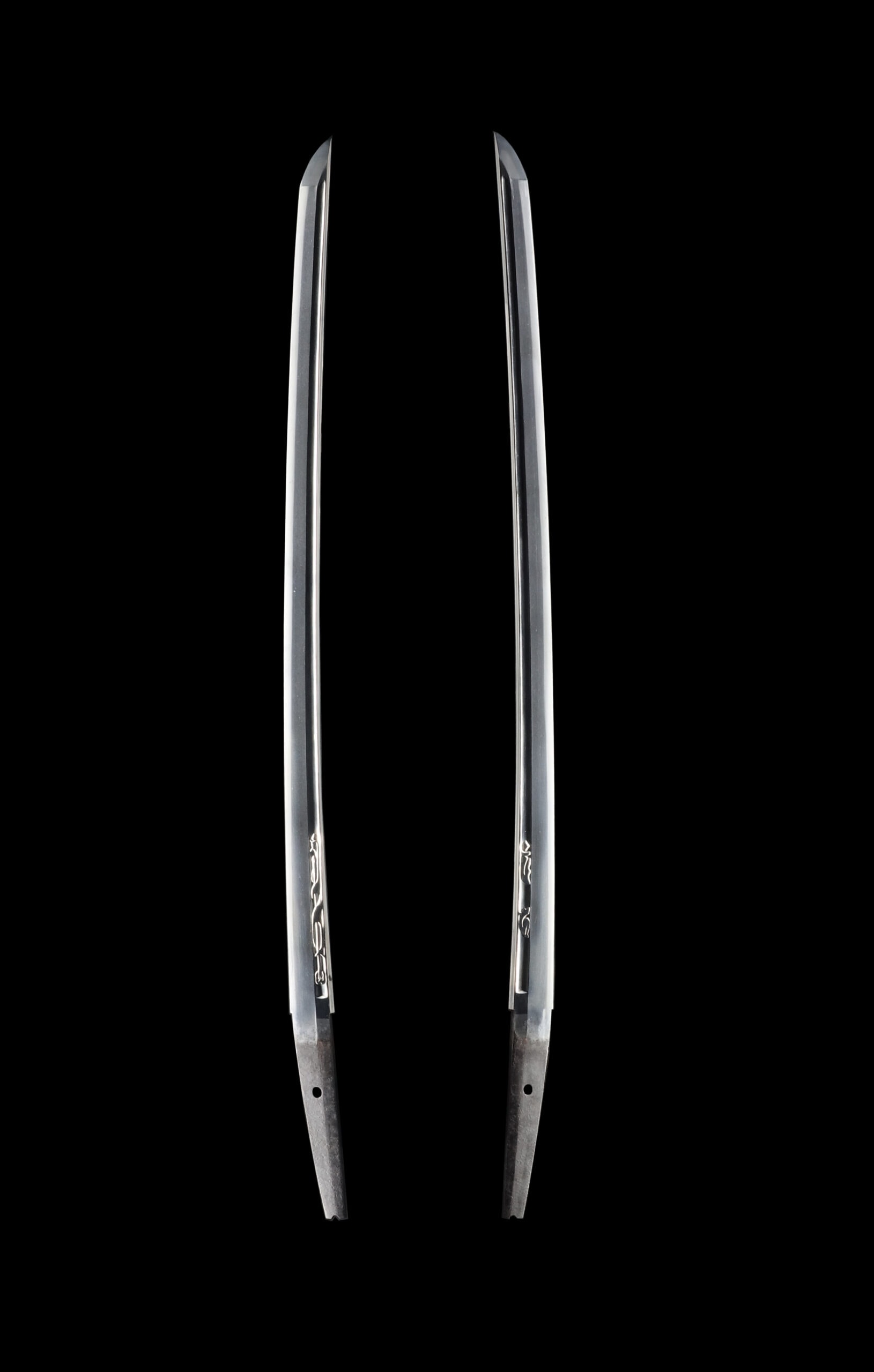
Tokubetsu Hozon Katana YASUSHIGE Item Number 31-2051 Katana YASUSHIGE Country/Period Late Muromachi, Hachioji With Koshirae, in Shirasaya Nagasa 67.3cm (2 shaku 2 sun 2 bu 8 rin) Sori 1.8cm (6 bu) Motohaba 2.83cm Sakihaba 2.30cm Motokasane 6.9mm Sakikasane 5.9mm Toshin Weight Bare blade 720g Excluding saya 1,080g Nakago Slightly machi-okuri Mekugi-ana 2 Hamon Midare-ba Price 660,000 Yen (Tax included) This is the head of the Shimohara school, Yasushige. He was known as Yamamoto Naiki. Around the Tenbun era, he was granted the character "Yasu" from Hojo Ujiyasu, and changed his name from Chikashige to Yasushige. This work is by the first generation Yasushige; the jigane shows a well-forged mokume-hada, and the hamon is a midare-ba with a clear, vibrant habuchi. It is a high-quality piece that we especially recommend to those from Hachioji.
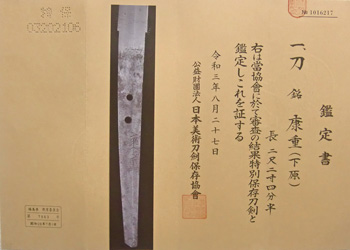
Certificate reading — 銘 康重
null · Shimohara · 1558-1615 · nagasa 67.3cm · sori 1.8cm


Shinto · Musashi
9 pieces on the market now
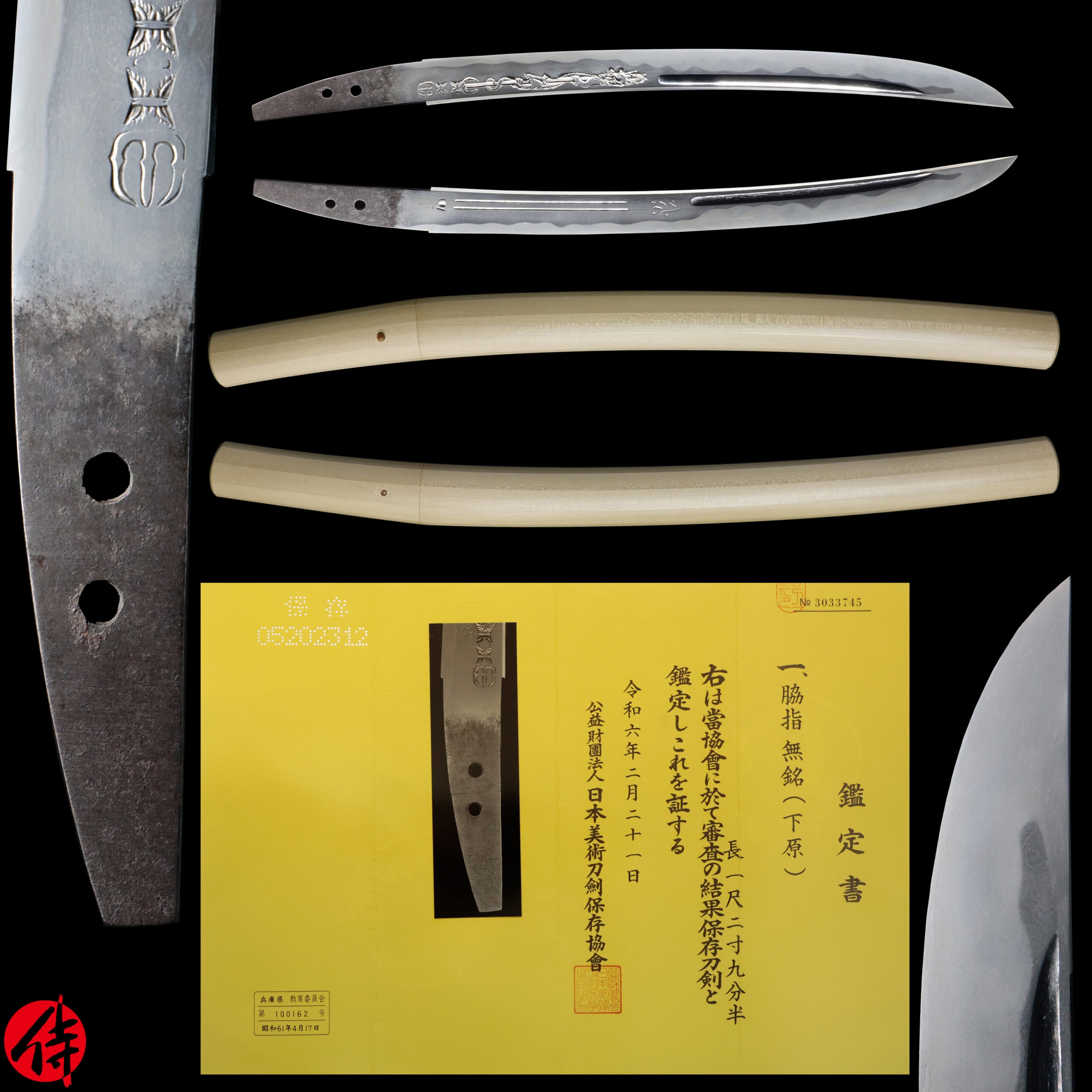
The Shitahara group (下原) worked at Hachiōji in Bushū, the old province of Musashi, from the end of the Muromachi period and carried its forge on into the Edo period. The setsumei place the lineage among the swordmakers of Musashi in the kotō age and name Terushige, Yasushige, Hiroshige, and Chikashige as its leading hands, with the meikan recording Terushige across three generations: a shodai in Kyōroku, a nidai in Eiroku, and a sandai in Tenshō. Learn more →
| Smith | Era | Designated |
|---|---|---|
| Terushige照重 | 1558-1570 | 2 |
| Terushige照重 | 1596-1615 | 1 |
| Yasushige康重 | 1558-1570 | 1 |
| Morishige盛重 | 1661-1673 | 0 |
| Yasushige康重 | 1661-1704 | 0 |
A Hozon-certified blade judged to show notably superior workmanship and a better state of preservation. The bar is higher: re-tempered blades and most unsigned Muromachi/Edo works are excluded.
The NBTHK (Nihon Bijutsu Tōken Hozon Kyōkai, the Society for the Preservation of Japanese Art Swords) is a public-interest incorporated foundation founded in 1948 and supervised by Japan’s Agency for Cultural Affairs (Bunkachō); it is based at the Japanese Sword Museum in Tokyo. Its expert panels physically examine each submitted work (shinsa) and issue a certificate (kanteishō) ranking it by artistic and historical merit. NBTHK papers are the most widely recognized standard of authentication for Japanese swords and fittings.
NBTHK official sitePlease request cooling-off within 8 days of the item's arrival. Items that have been altered cannot be handled. Return shipping is the customer's responsibility. If the destination is overseas, returns and refunds are not available.
Tokubetsu Hozon Katana YASUSHIGE Item Number 31-2051 Katana YASUSHIGE Country/Period Late Muromachi, Hachioji With Koshirae, in Shirasaya Nagasa 67.3cm (2 shaku 2 sun 2 bu 8 rin) Sori 1.8cm (6 bu) Motohaba 2.83cm Sakihaba 2.30cm Motokasane 6.9mm Sakikasane 5.9mm Toshin Weight Bare blade 720g Excluding saya 1,080g Nakago Slightly machi-okuri Mekugi-ana 2 Hamon Midare-ba Price 660,000 Yen (Tax included) This is the head of the Shimohara school, Yasushige. He was known as Yamamoto Naiki. Around the Tenbun era, he was granted the character "Yasu" from Hojo Ujiyasu, and changed his name from Chikashige to Yasushige. This work is by the first generation Yasushige; the jigane shows a well-forged mokume-hada, and the hamon is a midare-ba with a clear, vibrant habuchi. It is a high-quality piece that we especially recommend to those from Hachioji.
Certificate reading — 銘 康重
null · Shimohara · 1558-1615 · nagasa 67.3cm · sori 1.8cm


Shinto · Musashi
9 pieces on the market now
The Shitahara group (下原) worked at Hachiōji in Bushū, the old province of Musashi, from the end of the Muromachi period and carried its forge on into the Edo period. The setsumei place the lineage among the swordmakers of Musashi in the kotō age and name Terushige, Yasushige, Hiroshige, and Chikashige as its leading hands, with the meikan recording Terushige across three generations: a shodai in Kyōroku, a nidai in Eiroku, and a sandai in Tenshō. Learn more →
| Smith | Era | Designated |
|---|---|---|
| Terushige照重 | 1558-1570 | 2 |
| Terushige照重 | 1596-1615 | 1 |
| Yasushige康重 | 1558-1570 | 1 |
| Morishige盛重 | 1661-1673 | 0 |
| Yasushige康重 | 1661-1704 | 0 |
A Hozon-certified blade judged to show notably superior workmanship and a better state of preservation. The bar is higher: re-tempered blades and most unsigned Muromachi/Edo works are excluded.
The NBTHK (Nihon Bijutsu Tōken Hozon Kyōkai, the Society for the Preservation of Japanese Art Swords) is a public-interest incorporated foundation founded in 1948 and supervised by Japan’s Agency for Cultural Affairs (Bunkachō); it is based at the Japanese Sword Museum in Tokyo. Its expert panels physically examine each submitted work (shinsa) and issue a certificate (kanteishō) ranking it by artistic and historical merit. NBTHK papers are the most widely recognized standard of authentication for Japanese swords and fittings.
NBTHK official sitePlease request cooling-off within 8 days of the item's arrival. Items that have been altered cannot be handled. Return shipping is the customer's responsibility. If the destination is overseas, returns and refunds are not available.