Edo was the sword’s age of connoisseurship: the Hon’ami appraisers, the shogunal register of famous blades of 1719, and a thriving literature turned the sword into an object of study even as it ceased to be drawn in war.
 NihontoWatchNihontoWatch
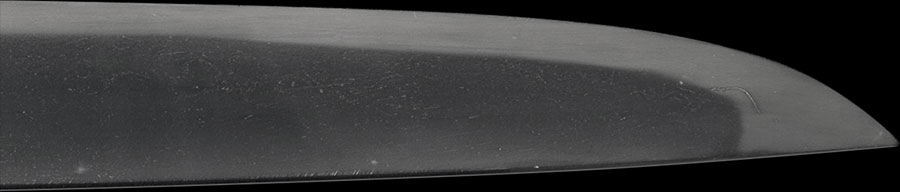
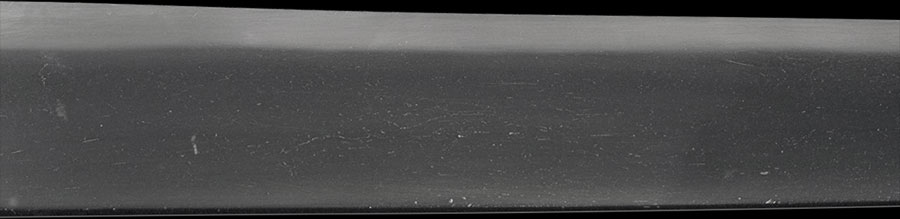
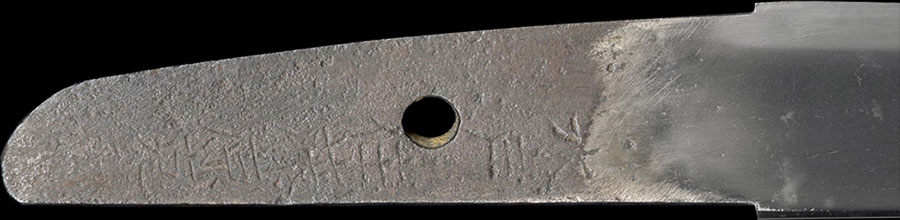
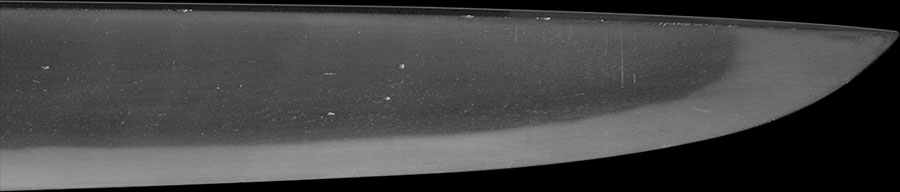
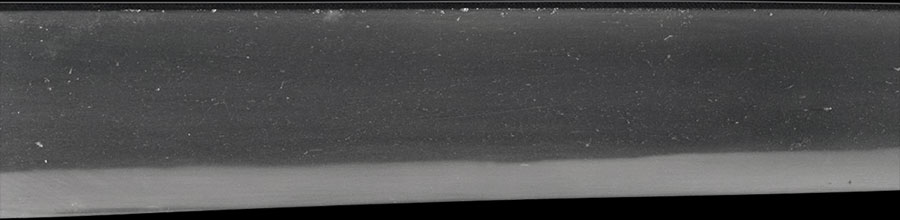
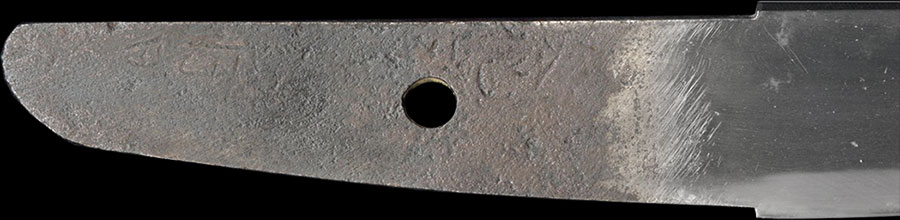
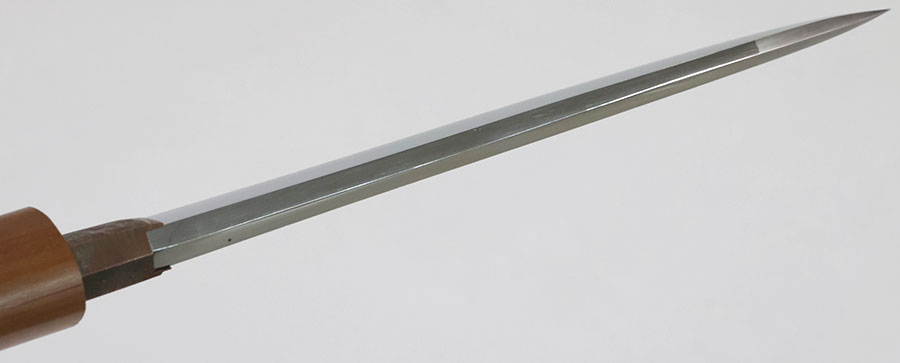
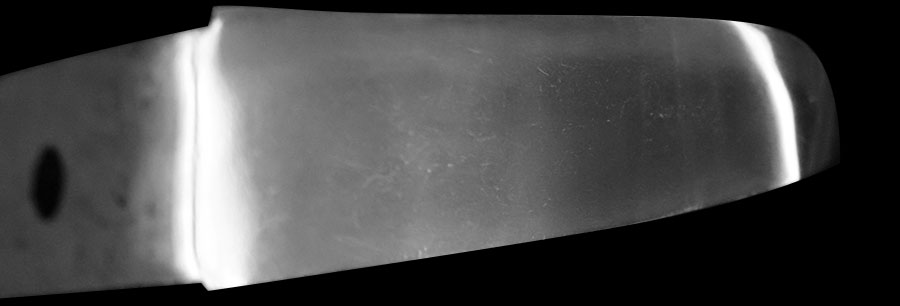
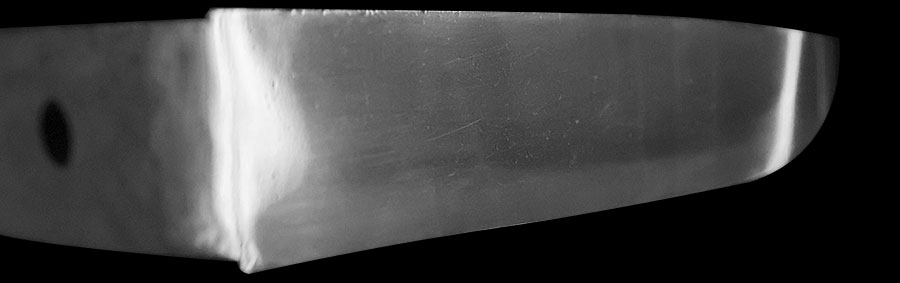
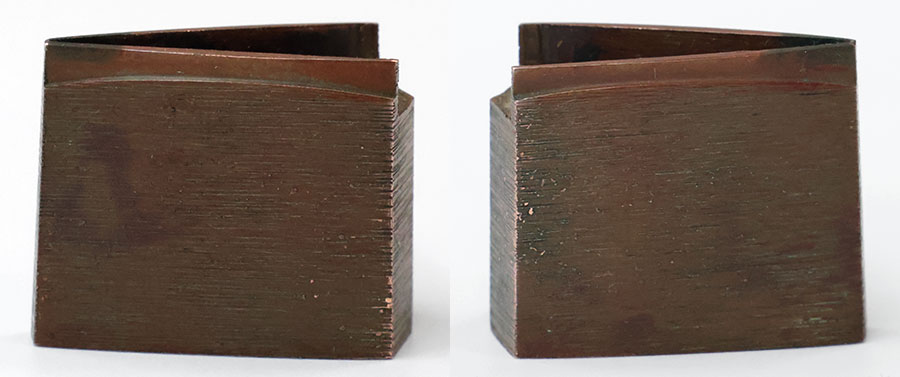
It has appeared, it has appeared, a wonderfully grand yoroidoshi tanto by the swordsmith Mito Ju Fujiwara Katsuichi. Katsuichi was a pupil of the swordsmith Tegarayama Masashige, and his real name was Kojima Rikiemon. He was a smith for the Takasaki clan. He signs his mei as Jomo Takasaki Kashi Shinrinshi Katsuichi. Later, possessing high aspirations similar to Sakamoto Ryoma who left the Tosa clan, he left the Takasaki clan and headed to various regions. This tanto is a work from Bunka 1 (1804) (222 years ago), the time when Rezanov of Russia came to Japan seeking trade and many foreign ships began to appear in the waters near Japan. The sugata of this tanto shows a grand yoroidoshi tanto form with a thick motokasane and thin sakikasane, the jigane is forged in ko-itame hada, and the hamon is a sugu-cho blade tempered in nioi-deki with faint nie, forging a truly sturdy tanto. This time, we received this tanto from an old family where it had been carefully passed down for generations; because they have grown old and asked us to pass it on at a low price to someone who will cherish it, we are offering it at a specially discounted price, so please enjoy it.
NihontoWatch水戸住藤原克「一」 文化元年八月日 Mitoju Fujiwara Katsuichi
Offered by Nipponto

We couldn’t find current papers for this piece. Ask the dealer whether it has been, or can be, submitted to shinsa. — Hoshi



As written by the shop
Machine translation from the shop's Japanese · may contain errors ·
The Edo period (1615 to 1868)
Edo was the sword’s age of connoisseurship: the Hon’ami appraisers, the shogunal register of famous blades of 1719, and a thriving literature turned the sword into an object of study even as it ceased to be drawn in war.
We could not find an authenticity certificate on the seller’s listing. Japanese swords and fittings are normally papered by the NBTHK (or the NTHK). Without one, the attribution is the seller’s own assessment and has not been independently verified — treat it with caution and ask the dealer about certification before buying.
For returns due to customer circumstances, the cost is the customer's responsibility. For returns due to our mis-shipment or a defective item, we bear the cost.
¥95,000