Two courts, sixty years of war, and the most dramatic silhouettes in the sword’s history: broad blades, extended points, true ōdachi later cut down into the majestic katana collectors prize. The Sōshū manner was the style of the age.
 NihontoWatchNihontoWatch
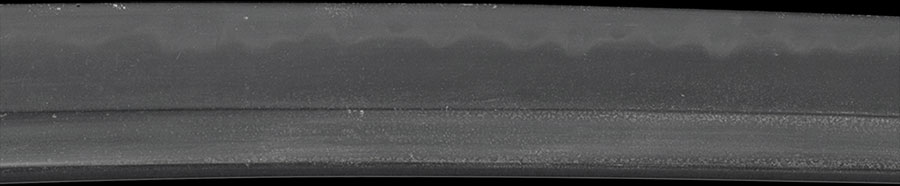
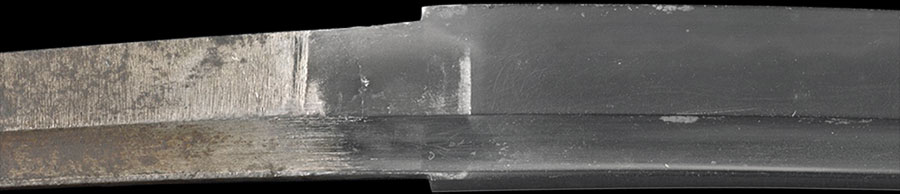
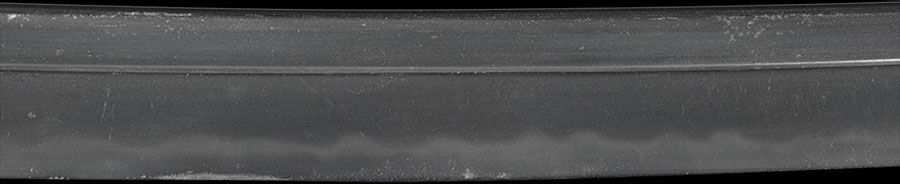
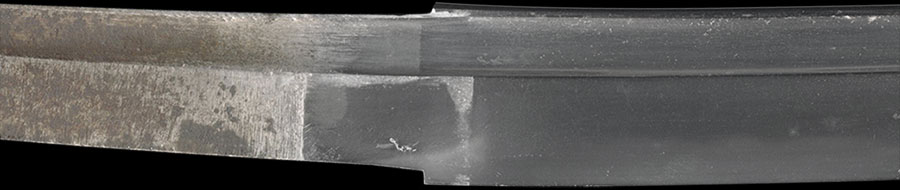
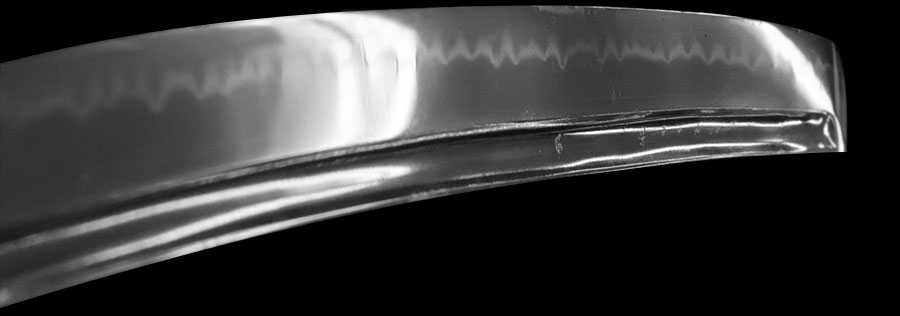
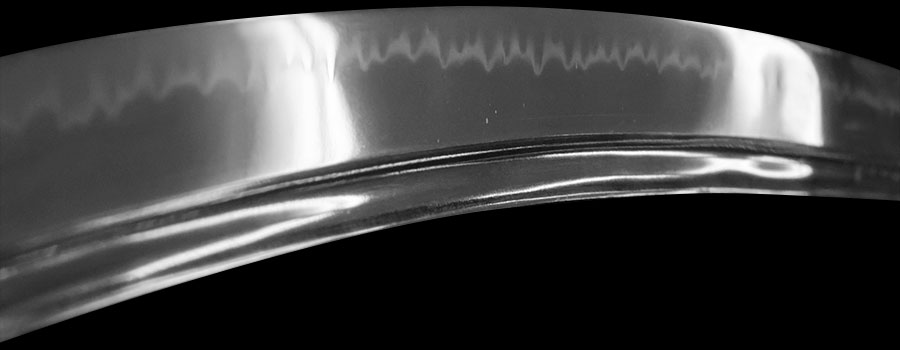
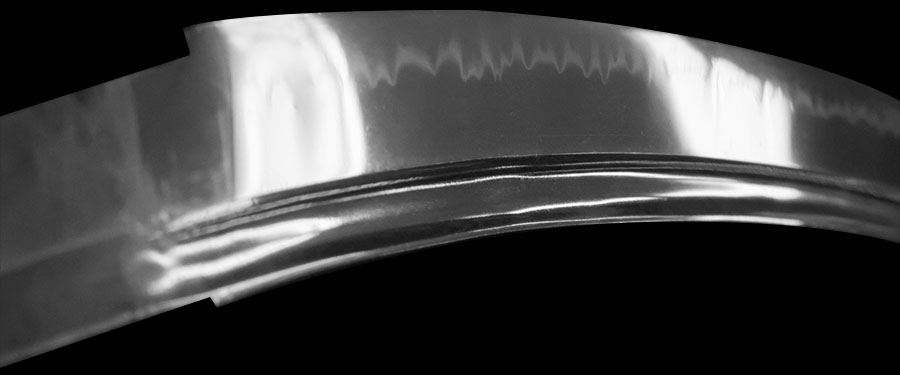
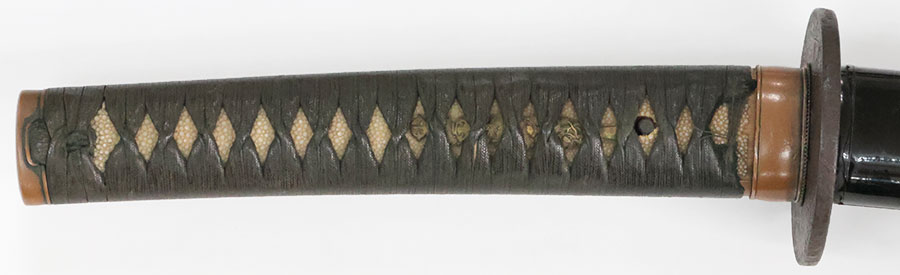
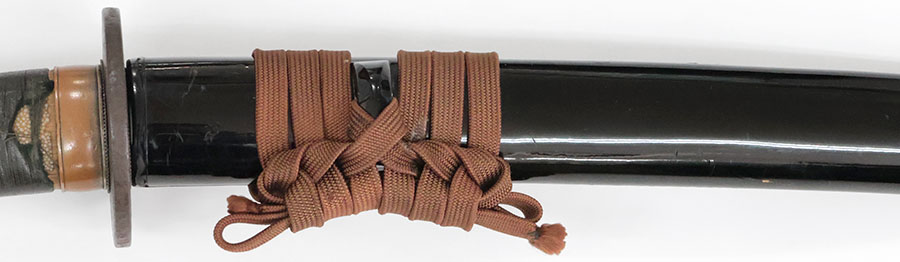
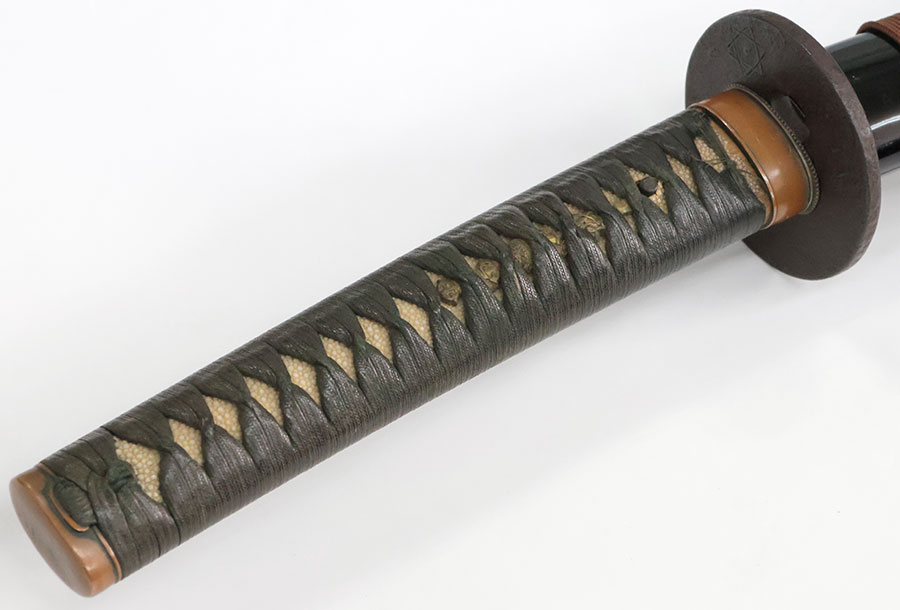
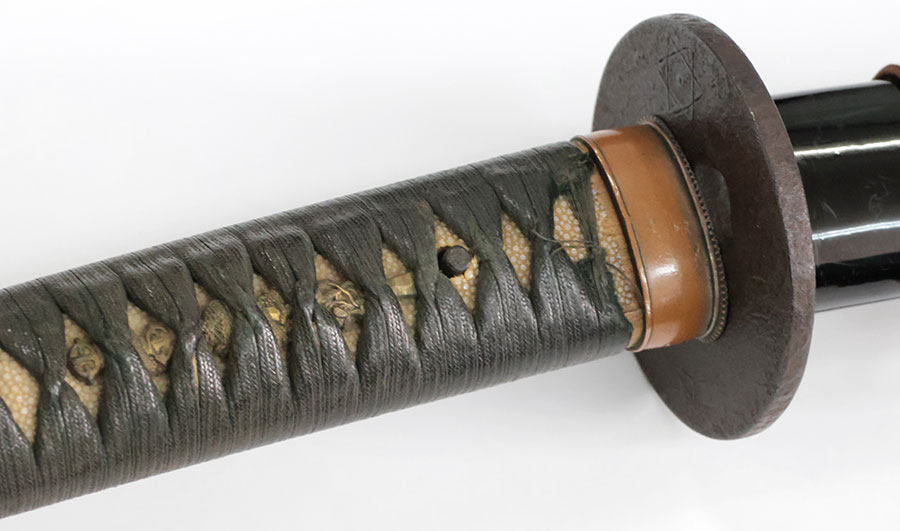
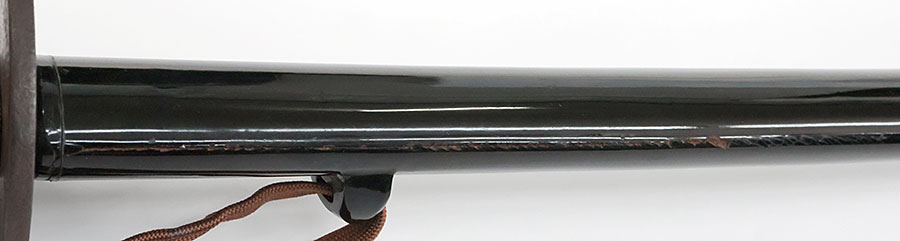
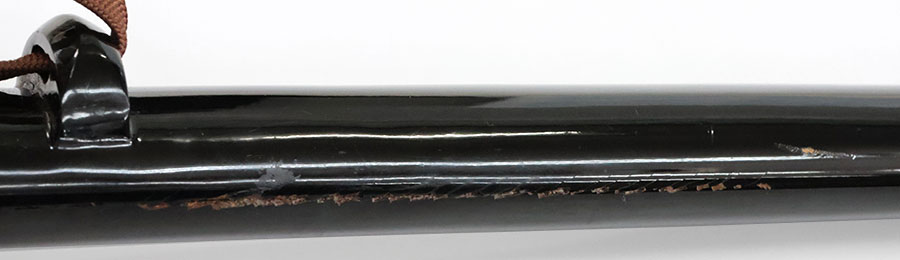
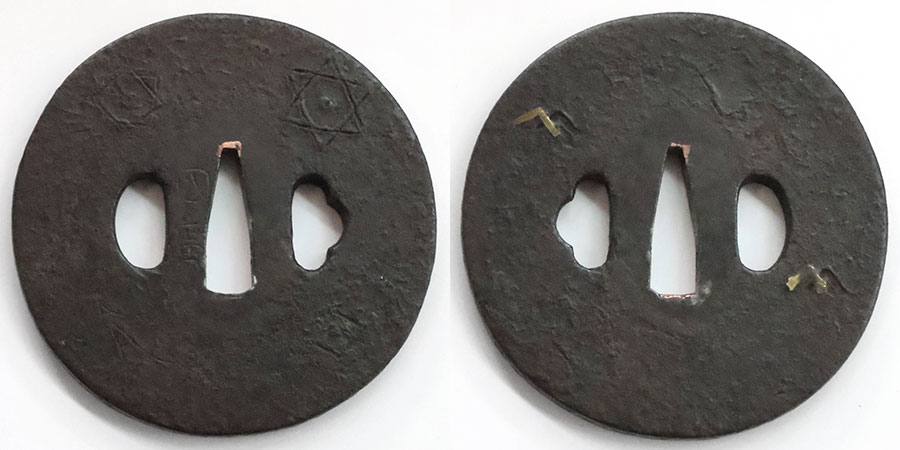
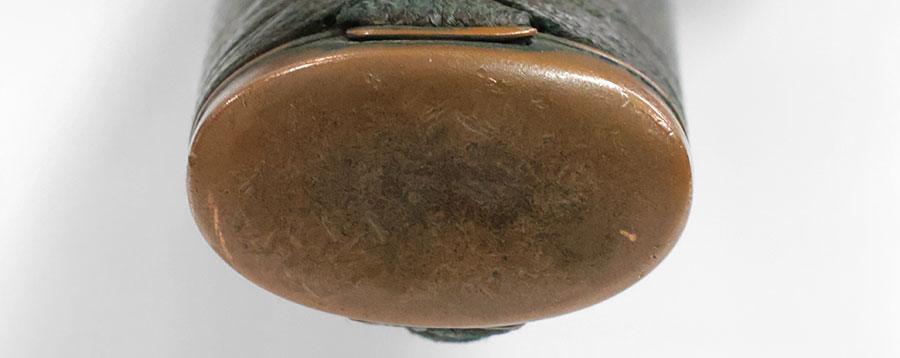
Weight of the toshin alone: 665g. Weight excluding the saya: 1090g. It has arrived, it has arrived—a katana with a tachi-mei by Kanehisa. The Kanehisa of Mino-Seki began with Kanehisa, the son of Naoe Shizu Kanetoshi, around the Eiwa era of the Nanbokucho period (1375, 651 years ago). In the Edo period, the descendants of Kanehisa migrated to various regions. This Kanehisa is signed "Goshazanrokuju Matsunaga Kanehisa," residing in Hirono-machi, Futaba-gun, Fukushima Prefecture. Living at the foot of Mt. Gosha (elevation 685.2 meters), Mr. Matsunaga Hisaichi was born in the first year of Taisho. Before the war, he was selected as an honored Rikugun Jumei Tosho (Army Commissioned Swordsmith). Despite the nine-year ban on Japanese sword production by the occupation forces after the war, he overcame those hardships and was revived to be active as a Gendai Tosho. This katana exhibits a gokai (heroic) sugata with a thick motokasane and a distinct difference between the motohaba and sakihaba, featuring a graceful sori. The jigane is forged in ko-itame hada, and the horimono consists of a thick and deeply carved bo-hi, showing great skill. The hamon is a nioi-deki gunome-midare, interspersed with the togari-ba traditional to the Mino-Seki school, and is brightly and well-tempered. The koshirae features a kuro-ro saya, with the fuchi-kashira made of plain suaka-ji, the menuki depicting a kenmaki-ryu (dragon wrapped around a sword), and a thick tetsu-tsuba. This very bukotsu (rugged) koshirae adds elegance to this tachi-mei Kanehisa katana. As we have received this sword from an old family who recently obtained the token torokusho (registration certificate), with their request to pass it on cheaply to someone who will cherish it, we are offering this tachi-mei Kanehisa katana at a special, ultra-low price through their kindness. Please enjoy it.
NihontoWatchOffered by Nipponto
We couldn’t find current papers for this piece. Ask the dealer whether it has been, or can be, submitted to shinsa. — Hoshi
















The Nanbokuchō period (1333 to 1392)
Two courts, sixty years of war, and the most dramatic silhouettes in the sword’s history: broad blades, extended points, true ōdachi later cut down into the majestic katana collectors prize. The Sōshū manner was the style of the age.
We could not find an authenticity certificate on the seller’s listing. Japanese swords and fittings are normally papered by the NBTHK (or the NTHK). Without one, the attribution is the seller’s own assessment and has not been independently verified — treat it with caution and ask the dealer about certification before buying.
For returns due to customer circumstances, the cost is the customer's responsibility. For returns due to our mis-shipment or a defective item, we bear the cost.
¥180,000