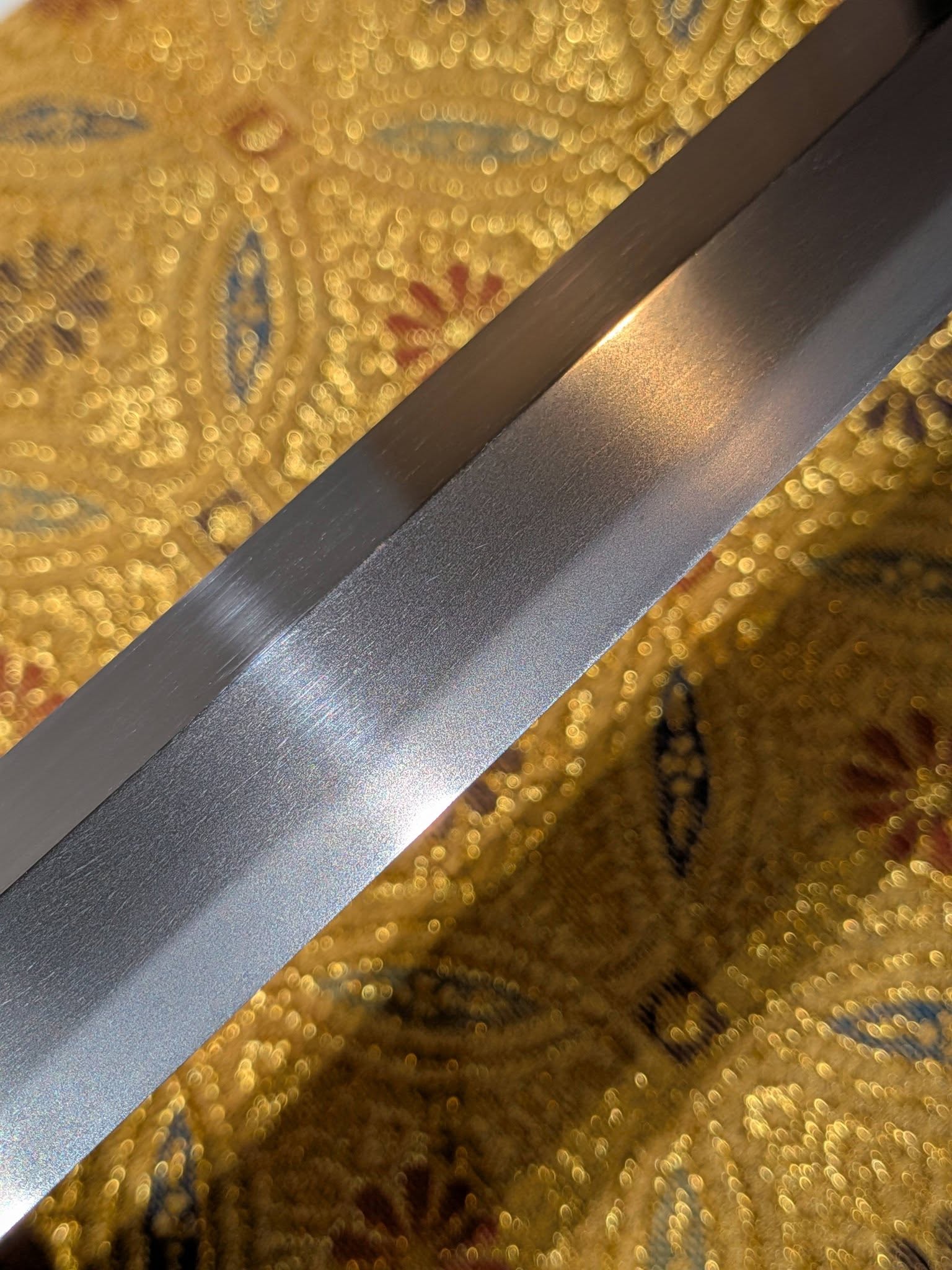
Modern Japan made the sword an exile, then an artwork: the 1876 Haitōrei ended sword wearing, the postwar ban nearly ended the craft, and the revival built on the NBTHK’s founding in 1948 remade it as a licensed art.
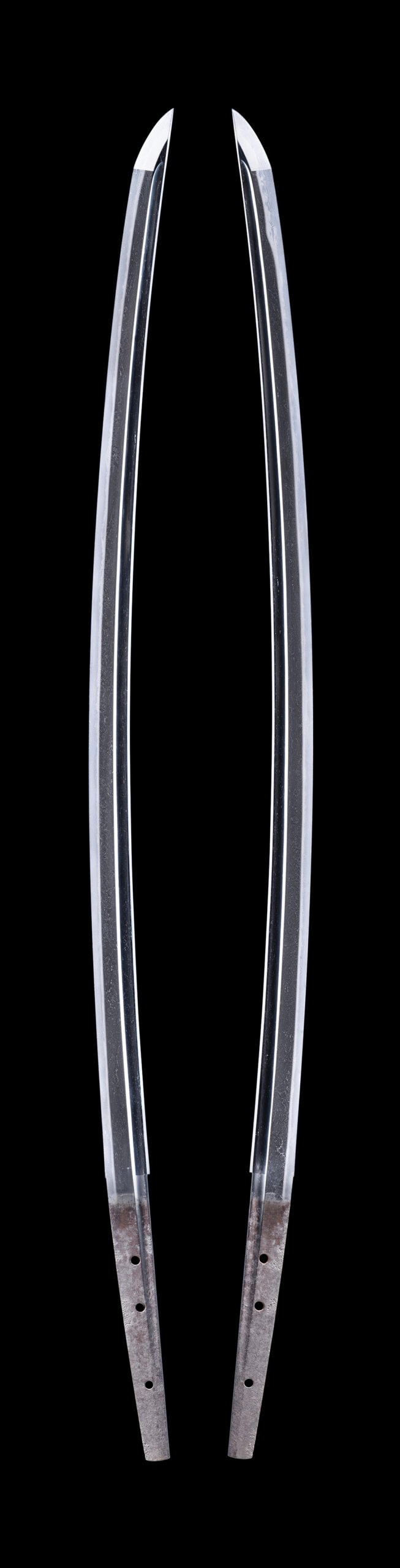
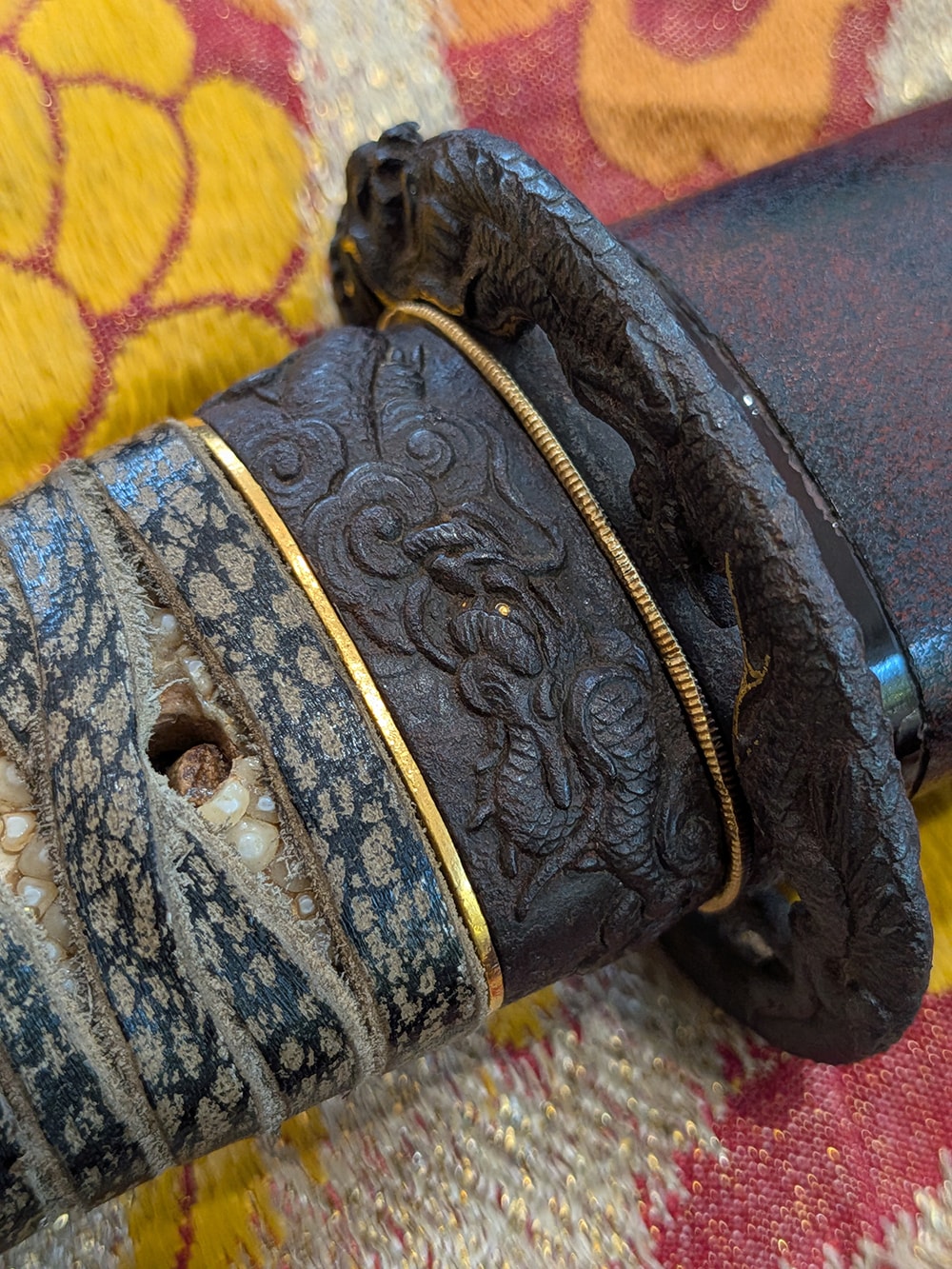
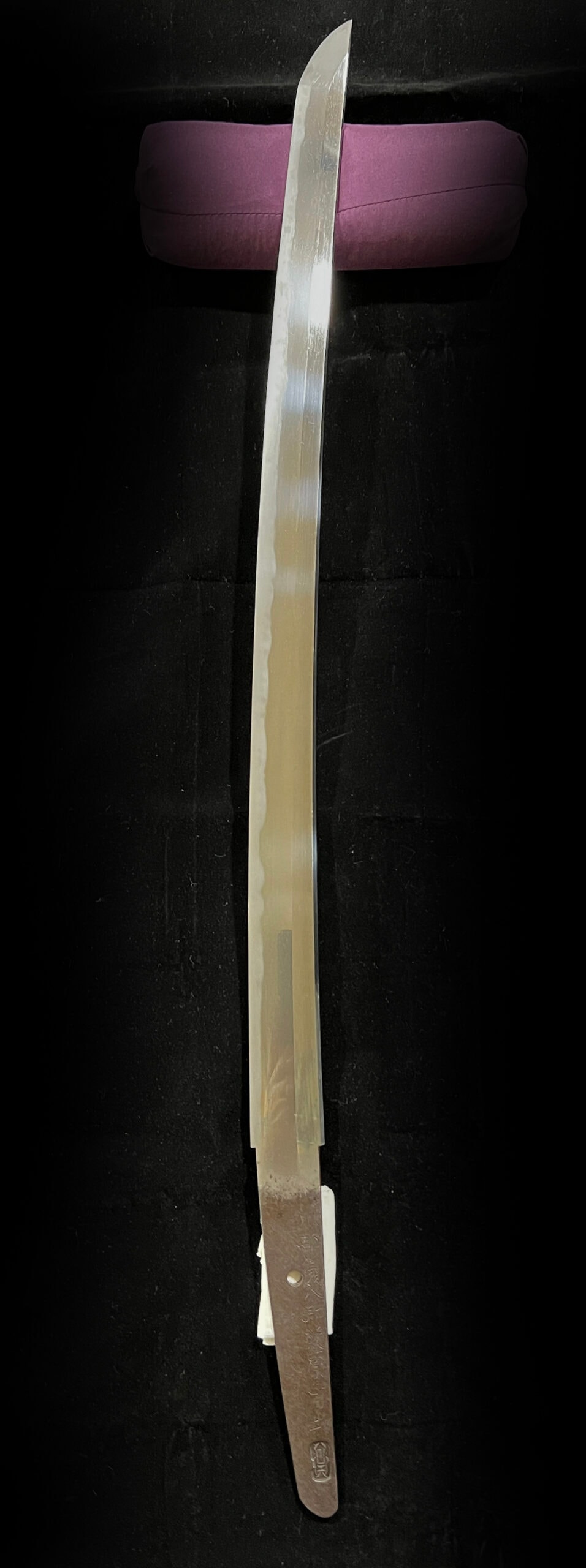
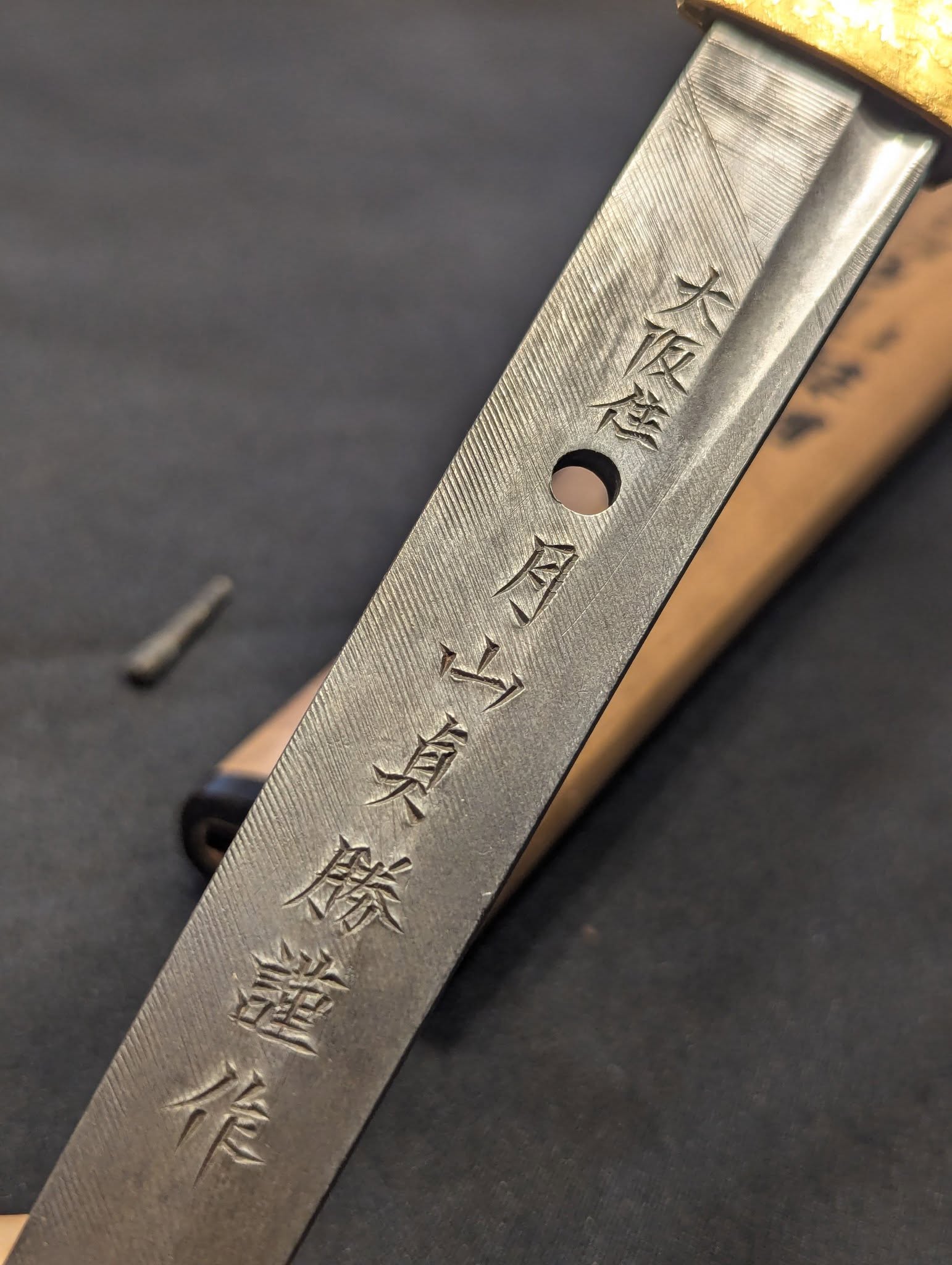
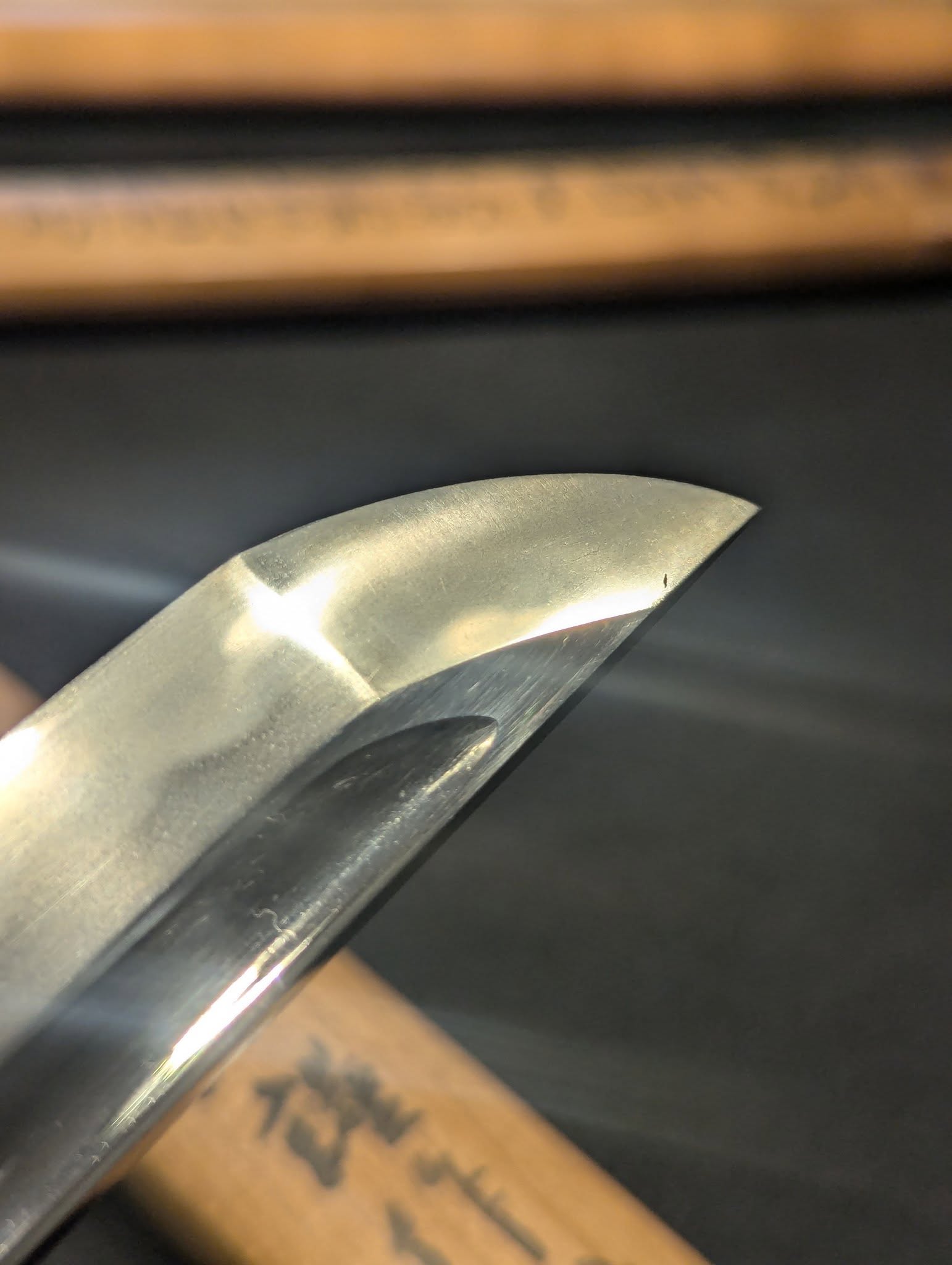
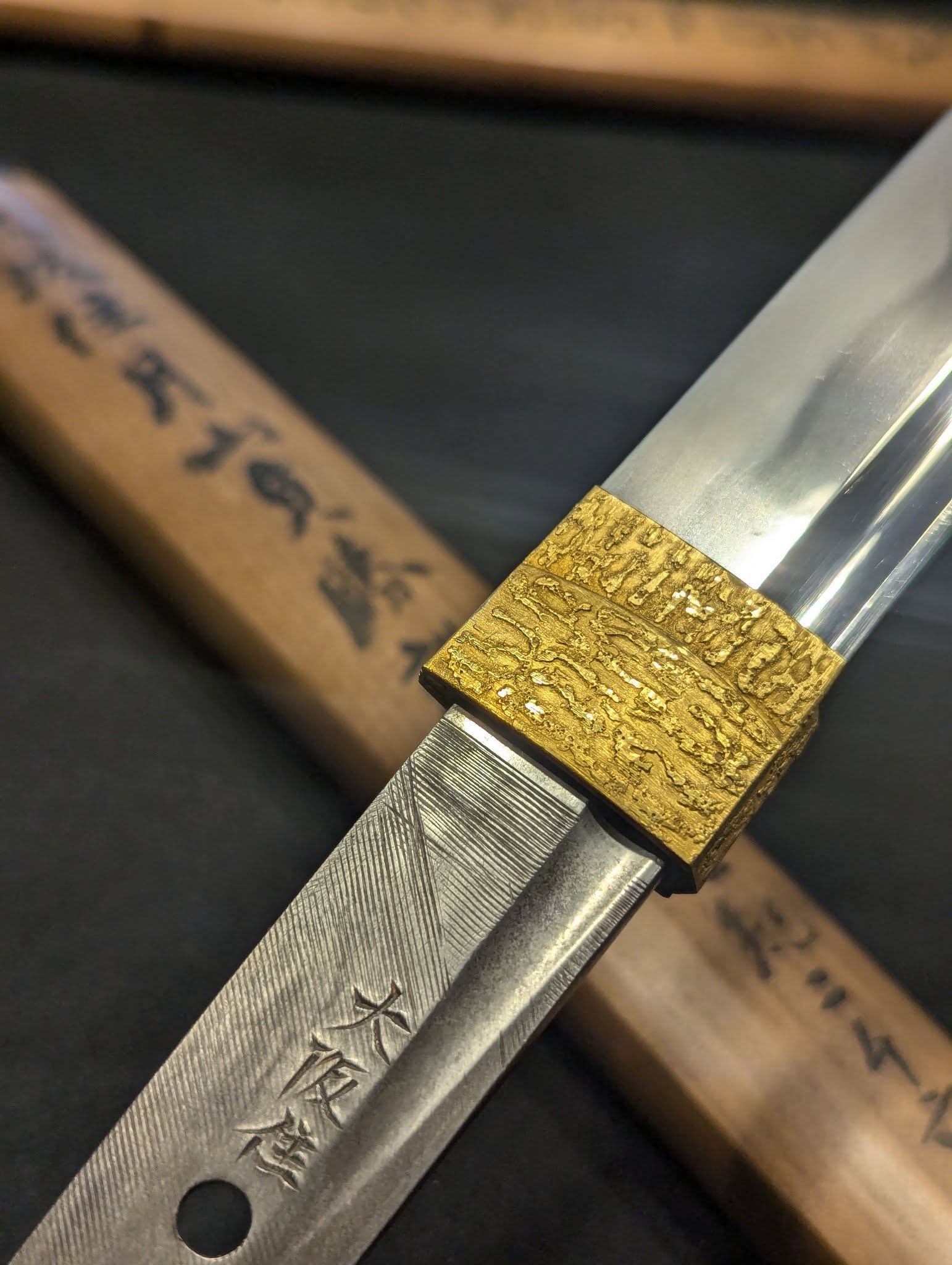
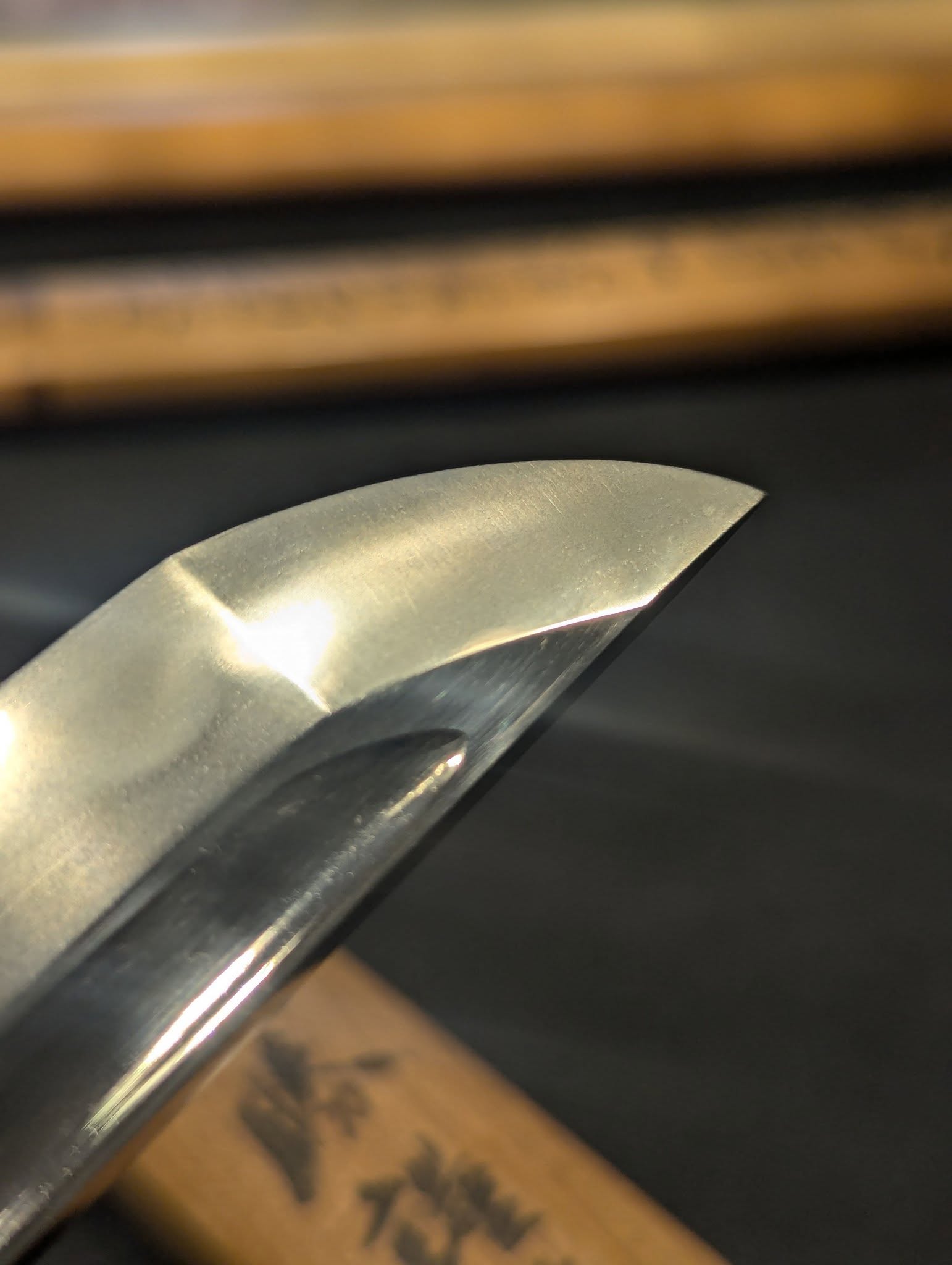
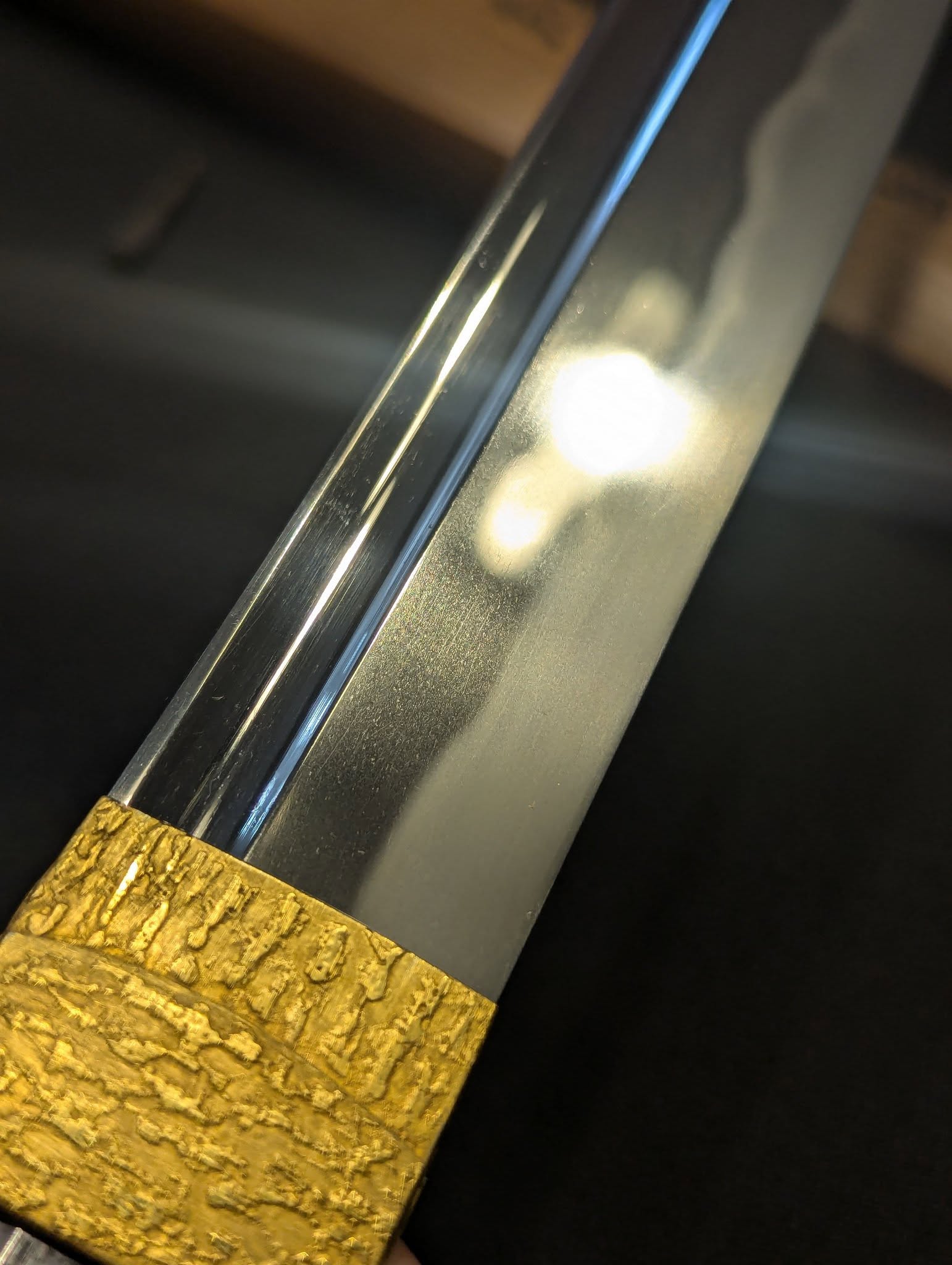
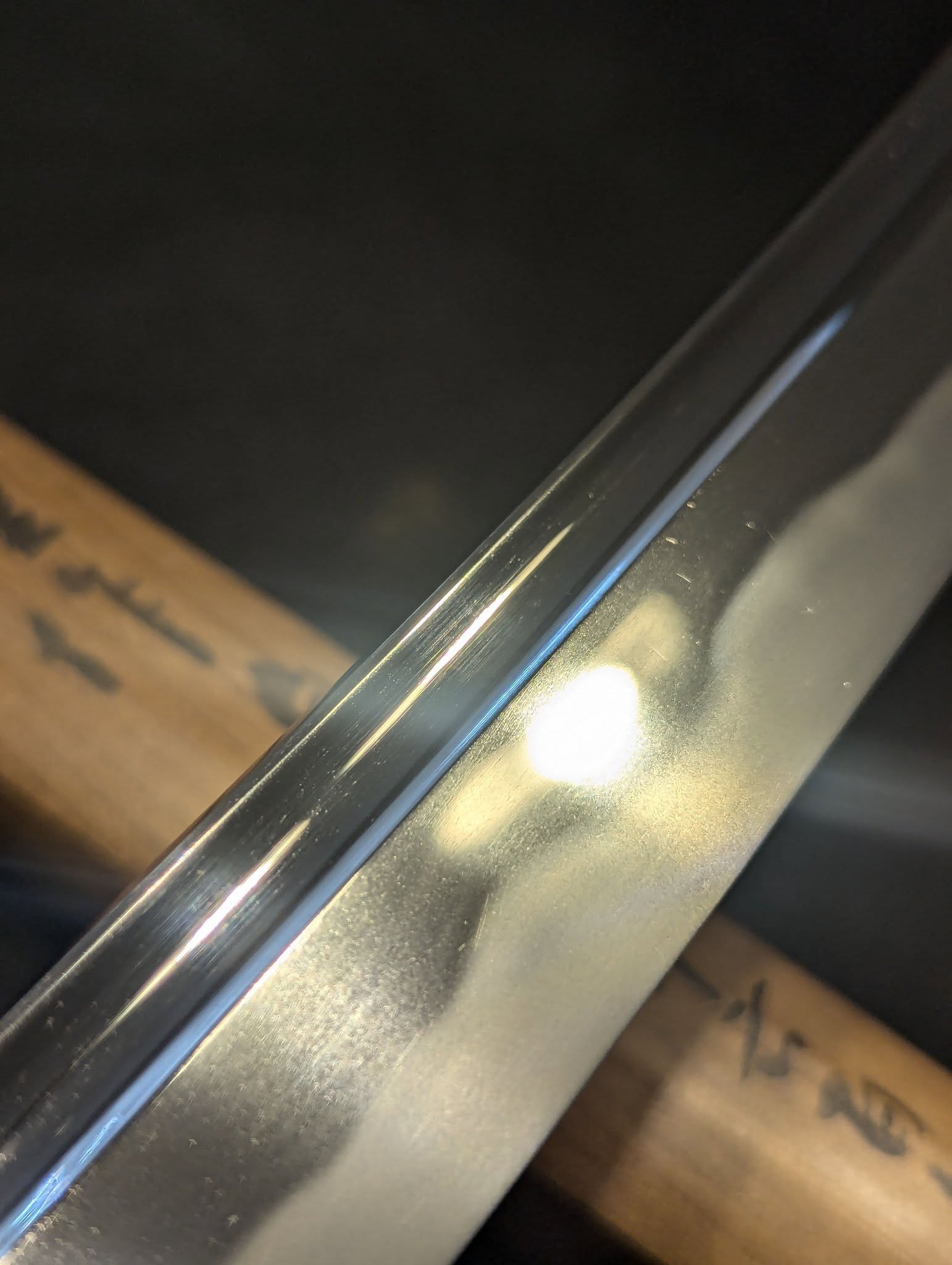
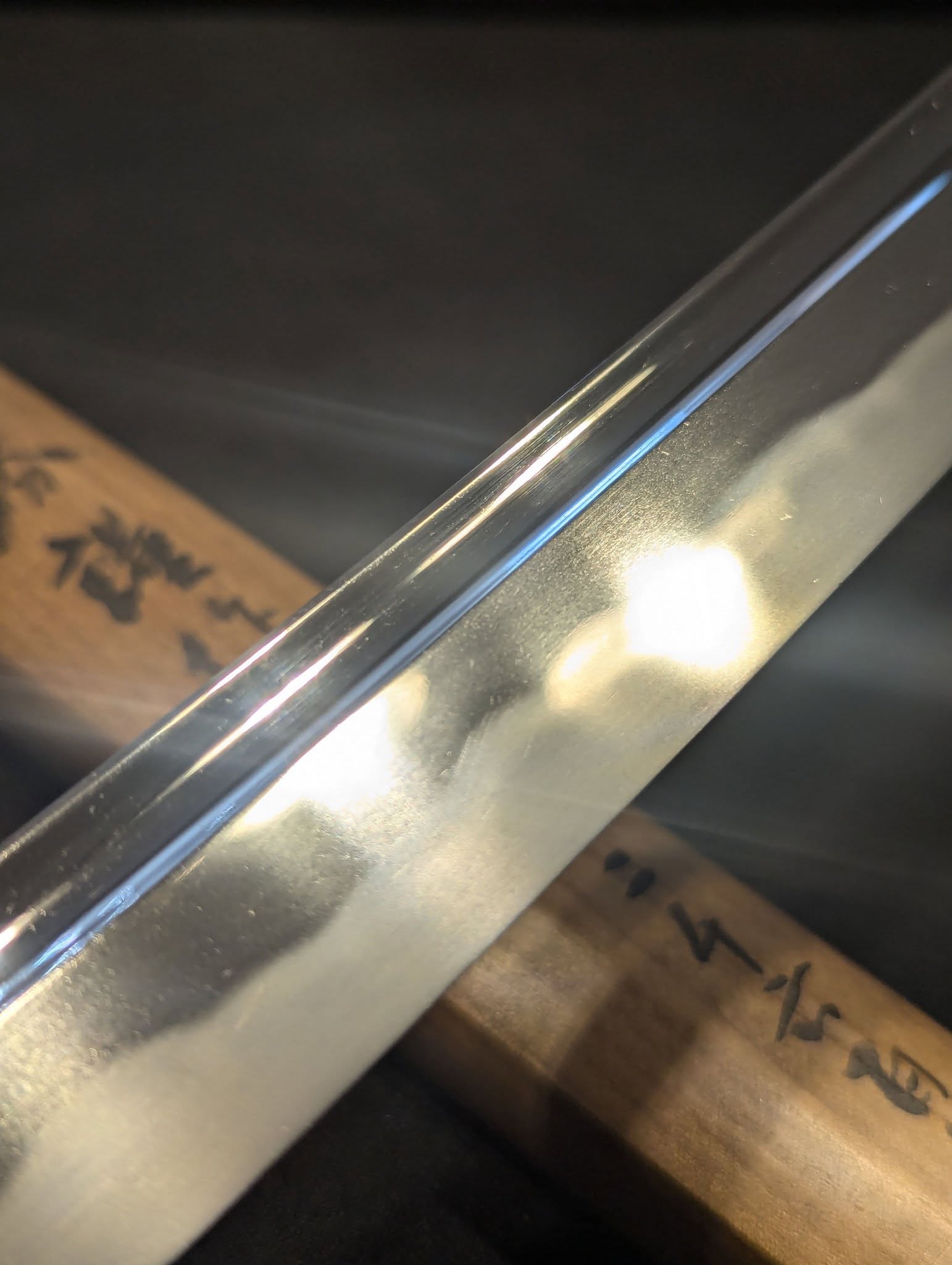
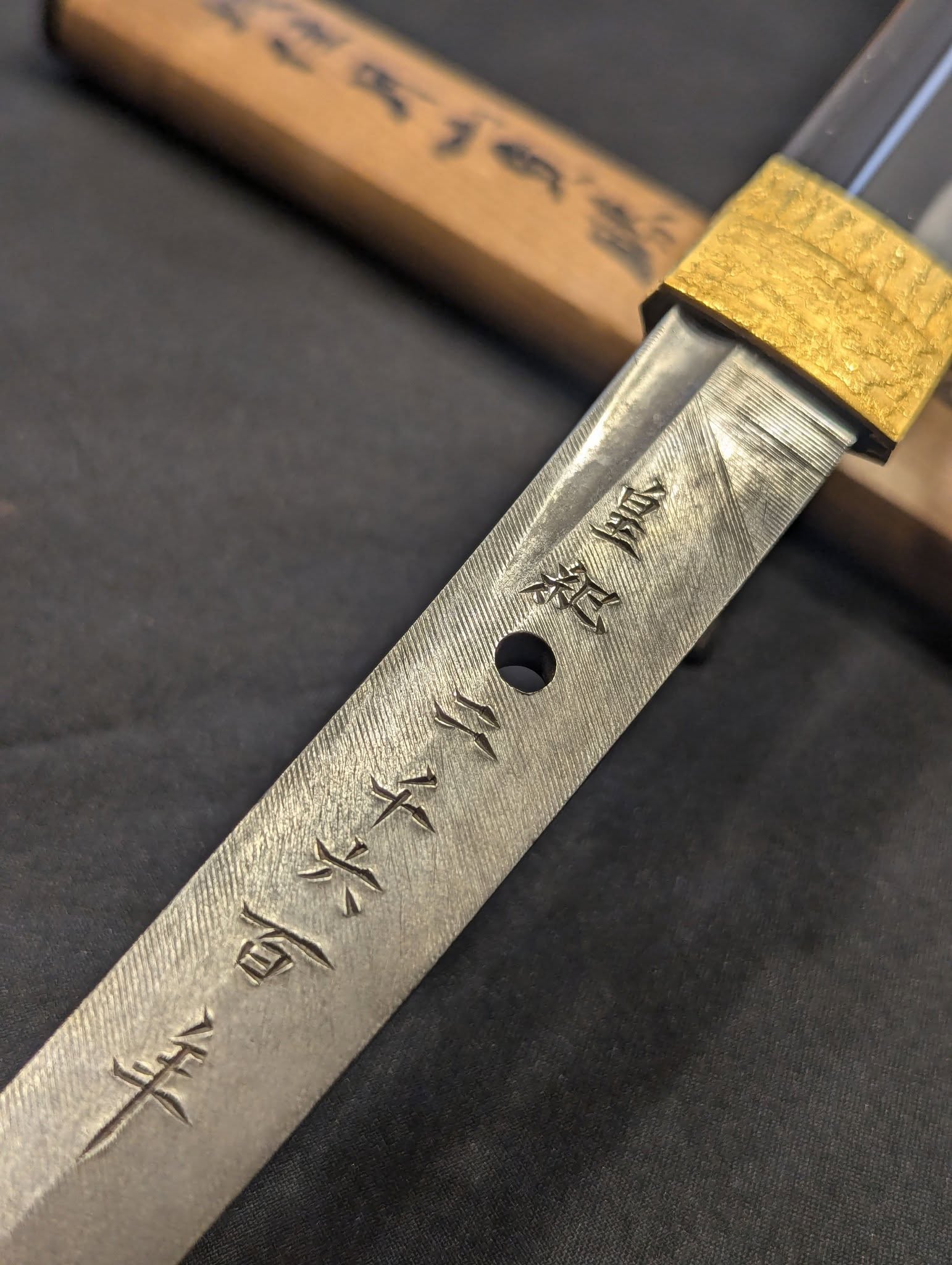
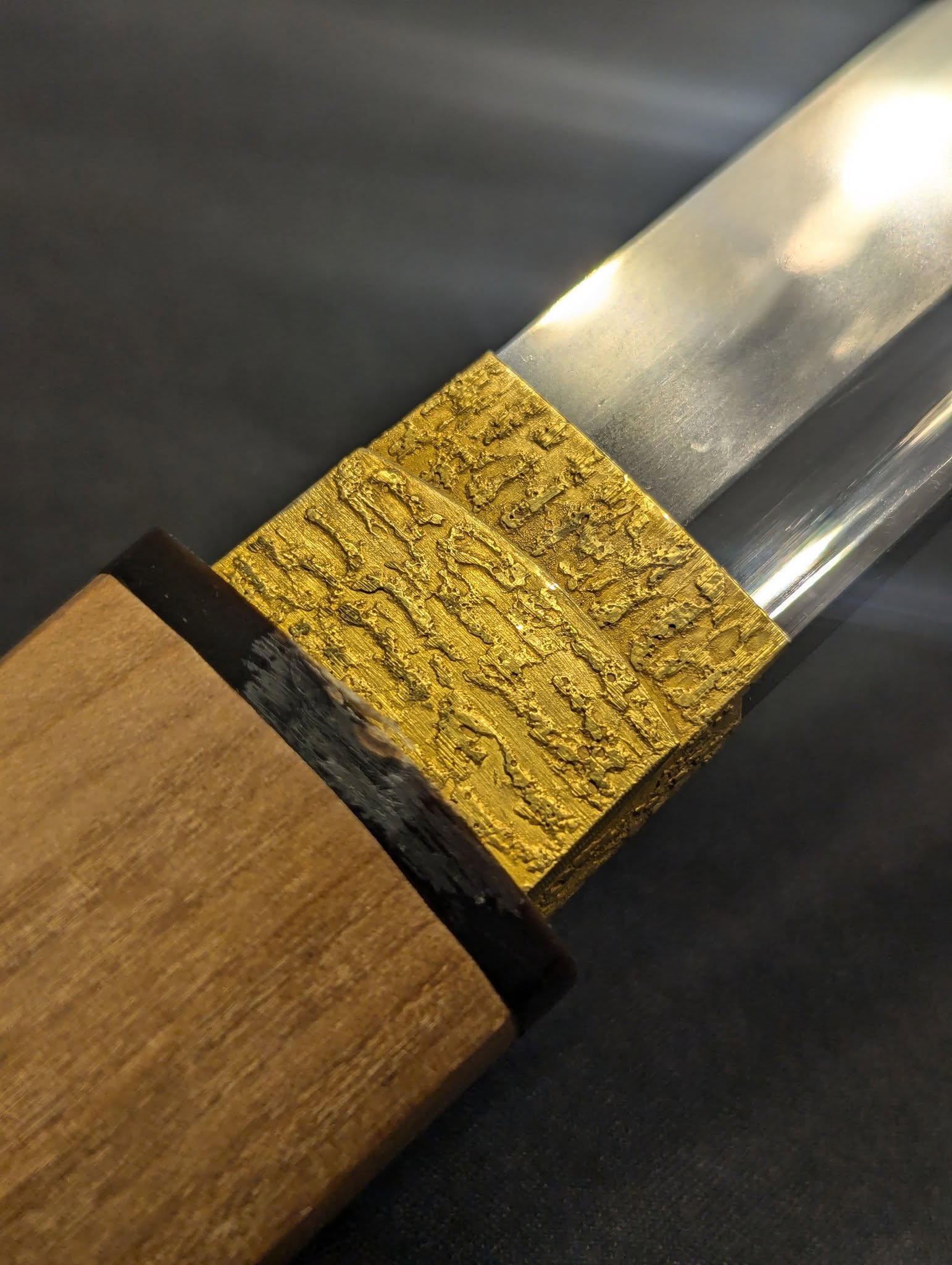
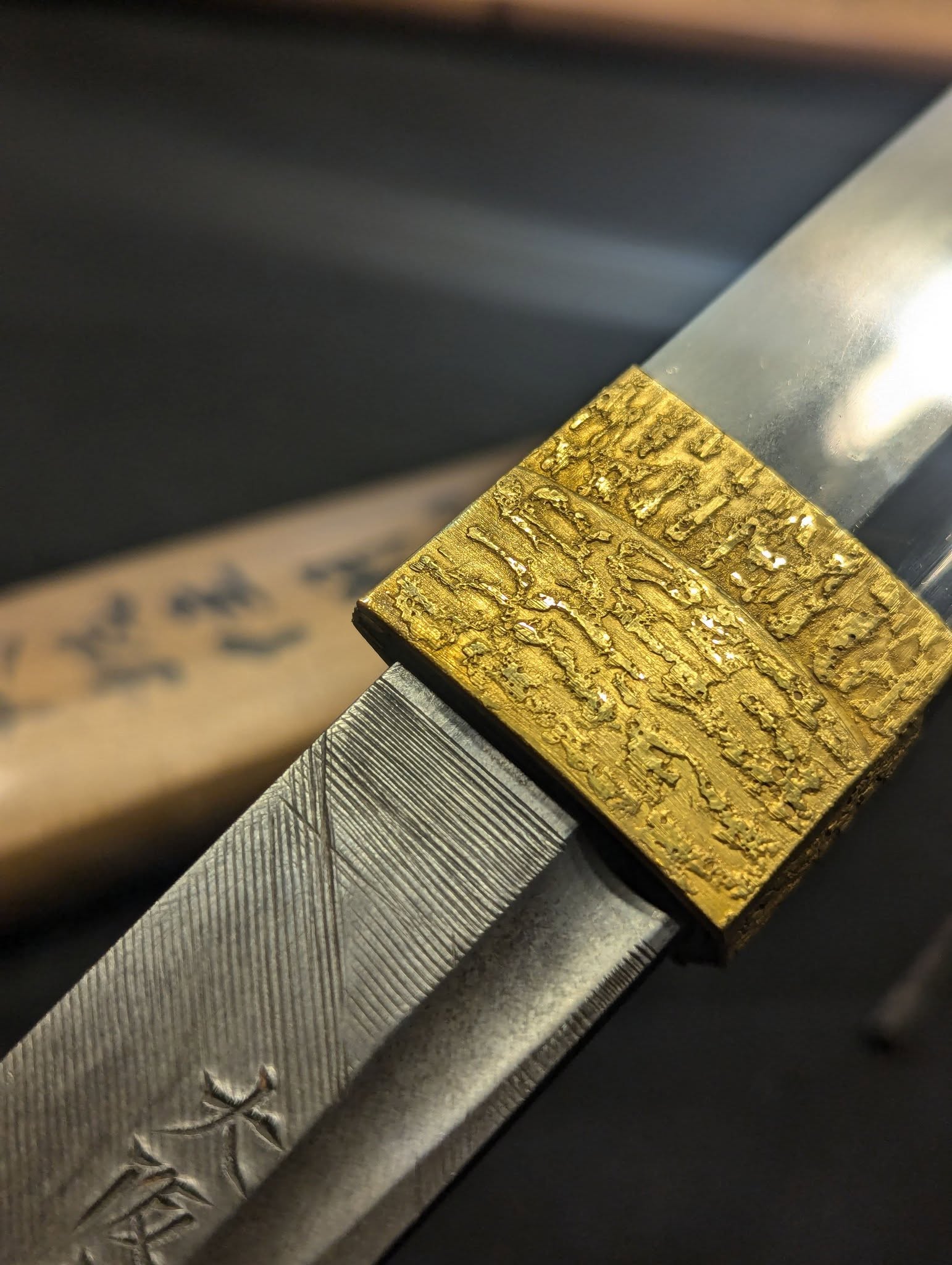
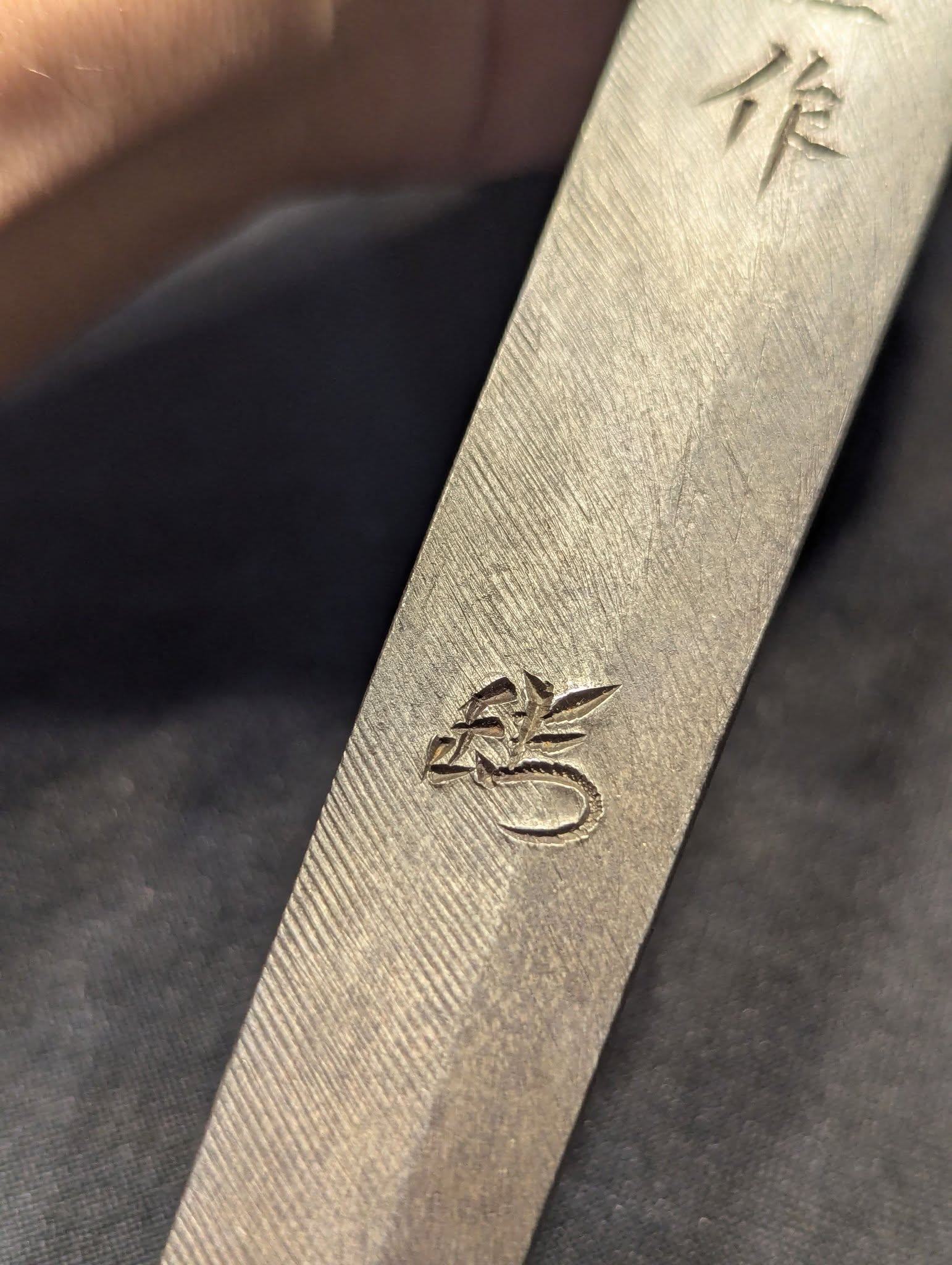
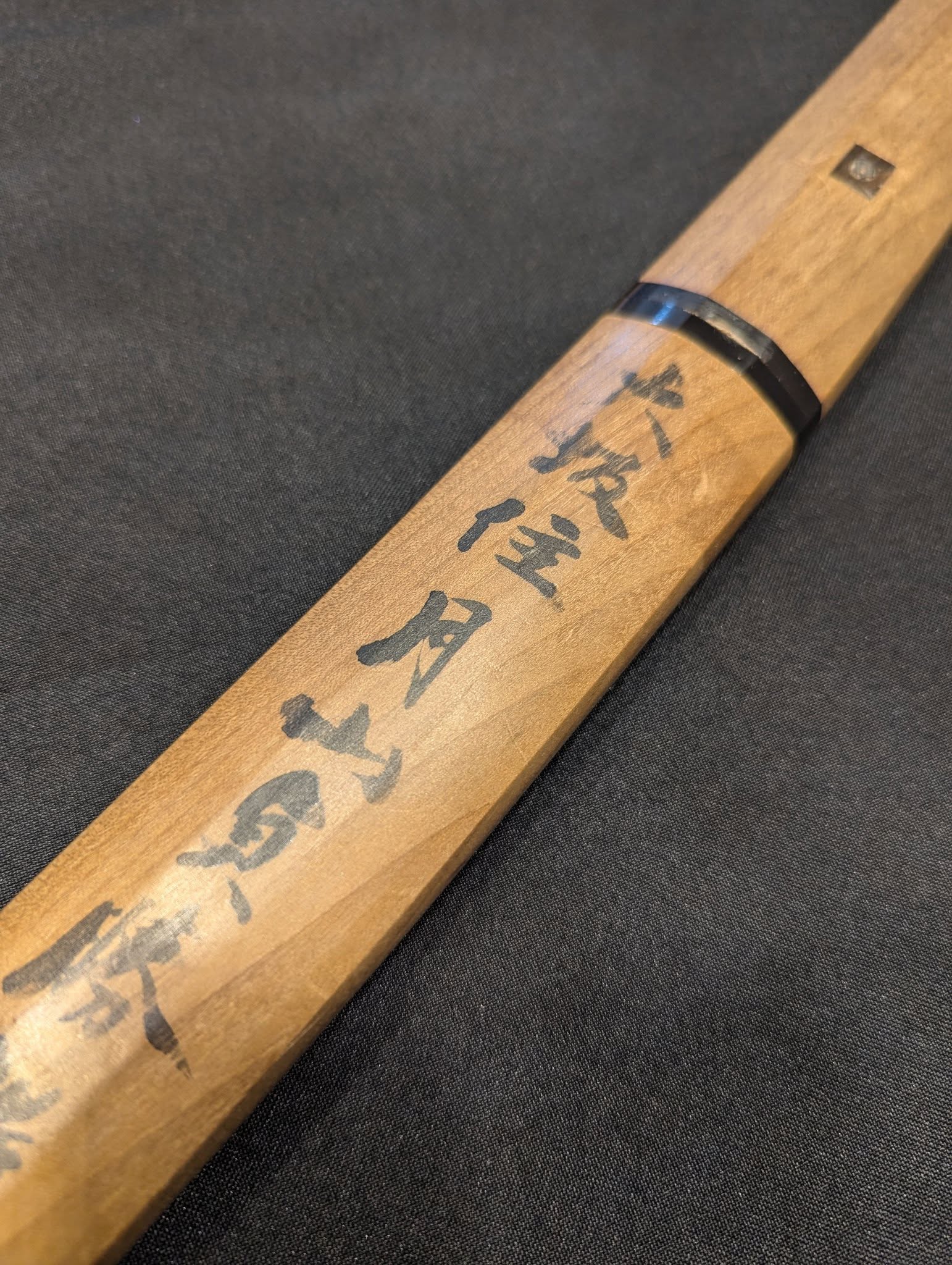
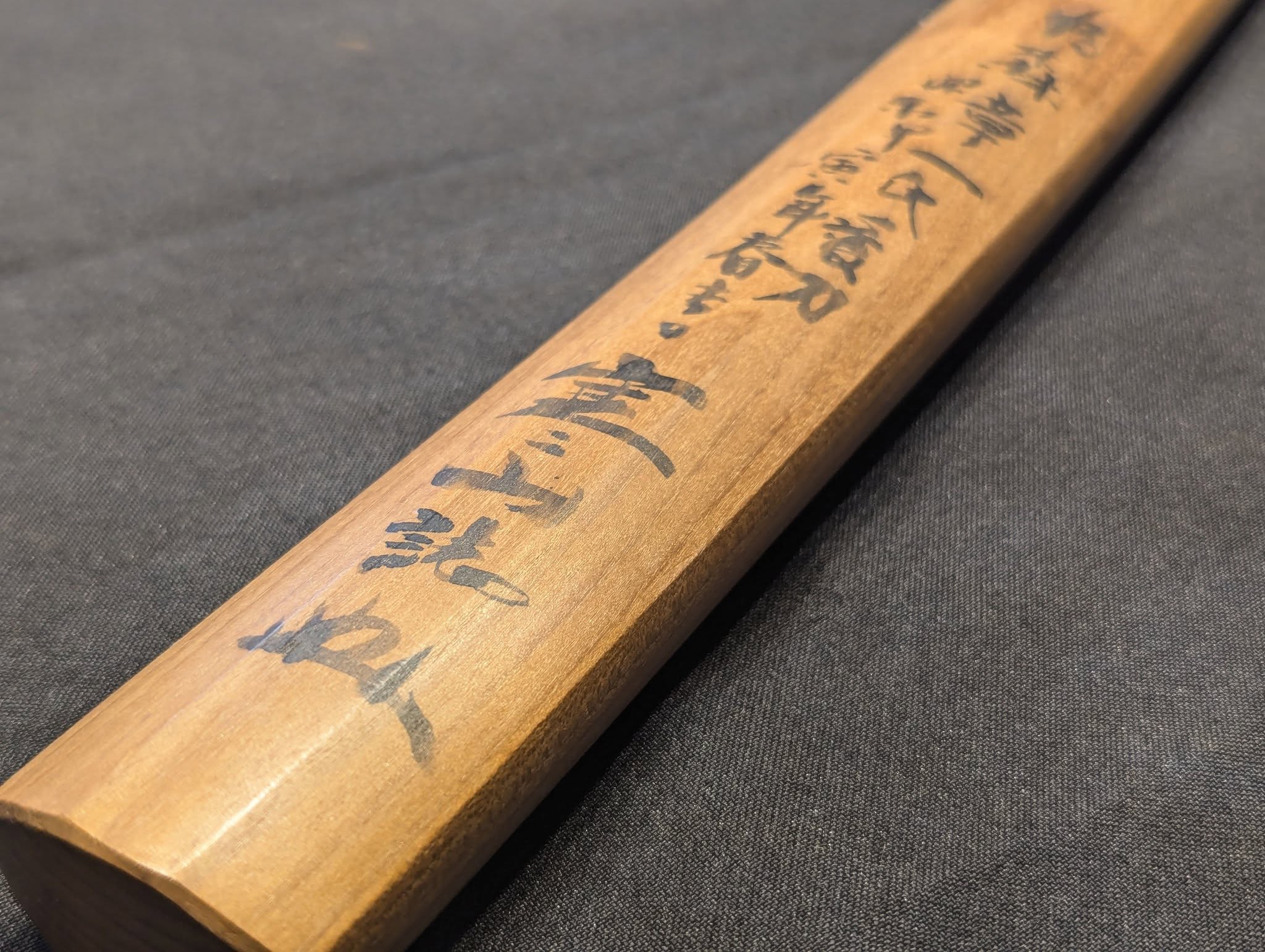
This is a katana made by Gassan Sadakatsu, a renowned smith active during the Taisho period. He was known for his saka-chōji-midare hamon and ayasugi-hada, and was an excellent horimono artist. The blade features a sayagaki by Kanzan, indicating its quality and historical significance.
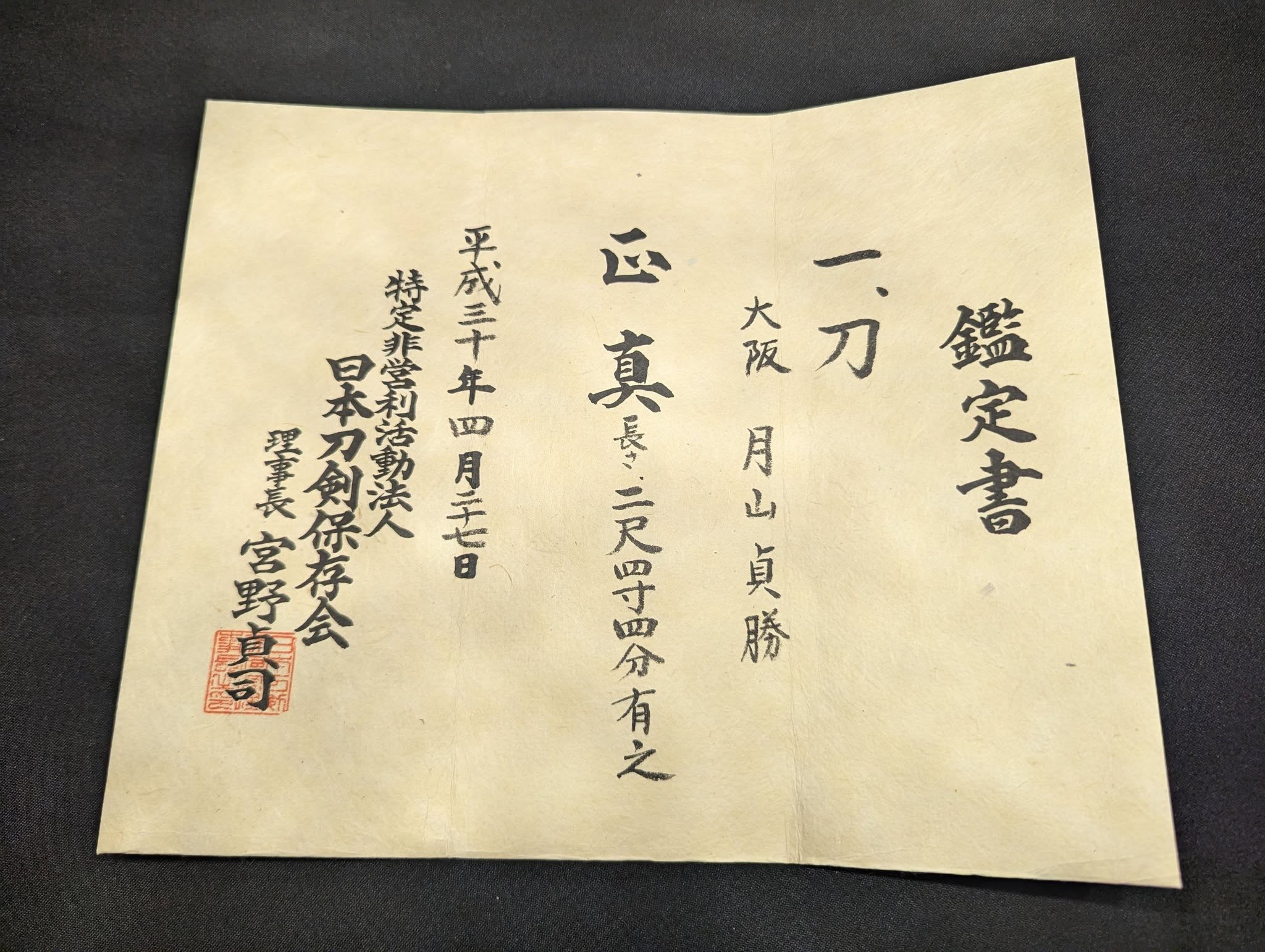
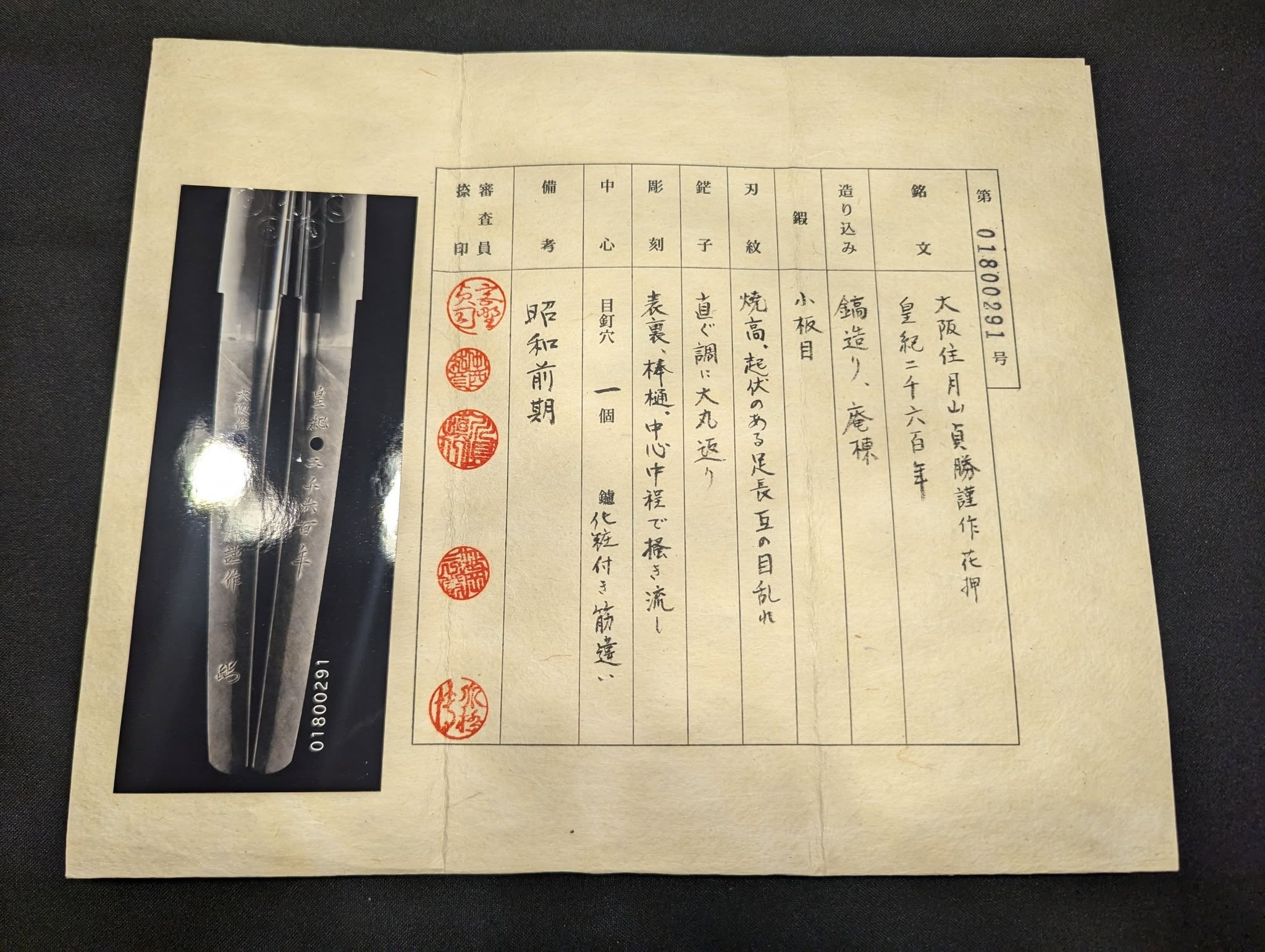
Certificate reading — 銘 大阪 月山貞勝
 NihontoWatch
mei · Gassan · Taisho
Shinshinto · Osaka · around 1926-1989
Fujishiro Jo saku · Tōken Taikan top 60%
13 pieces on the market now
Shinshinto · Settsu
41 pieces on the market now
| Smith | Era | Designated |
|---|---|---|
| Sadaharu貞晴 | 1865-1868 | 0 |
| Sadayoshi貞吉 | 1926-1989 | 0 |
| Yoshiaki吉明 | 1844-1848 | 0 |
| Naonobu直信 | 1854-1860 | 0 |
| Sadayoshi貞吉 | 1830-1863 | 0 |
Modern Japan made the sword an exile, then an artwork: the 1876 Haitōrei ended sword wearing, the postwar ban nearly ended the craft, and the revival built on the NBTHK’s founding in 1948 remade it as a licensed art.
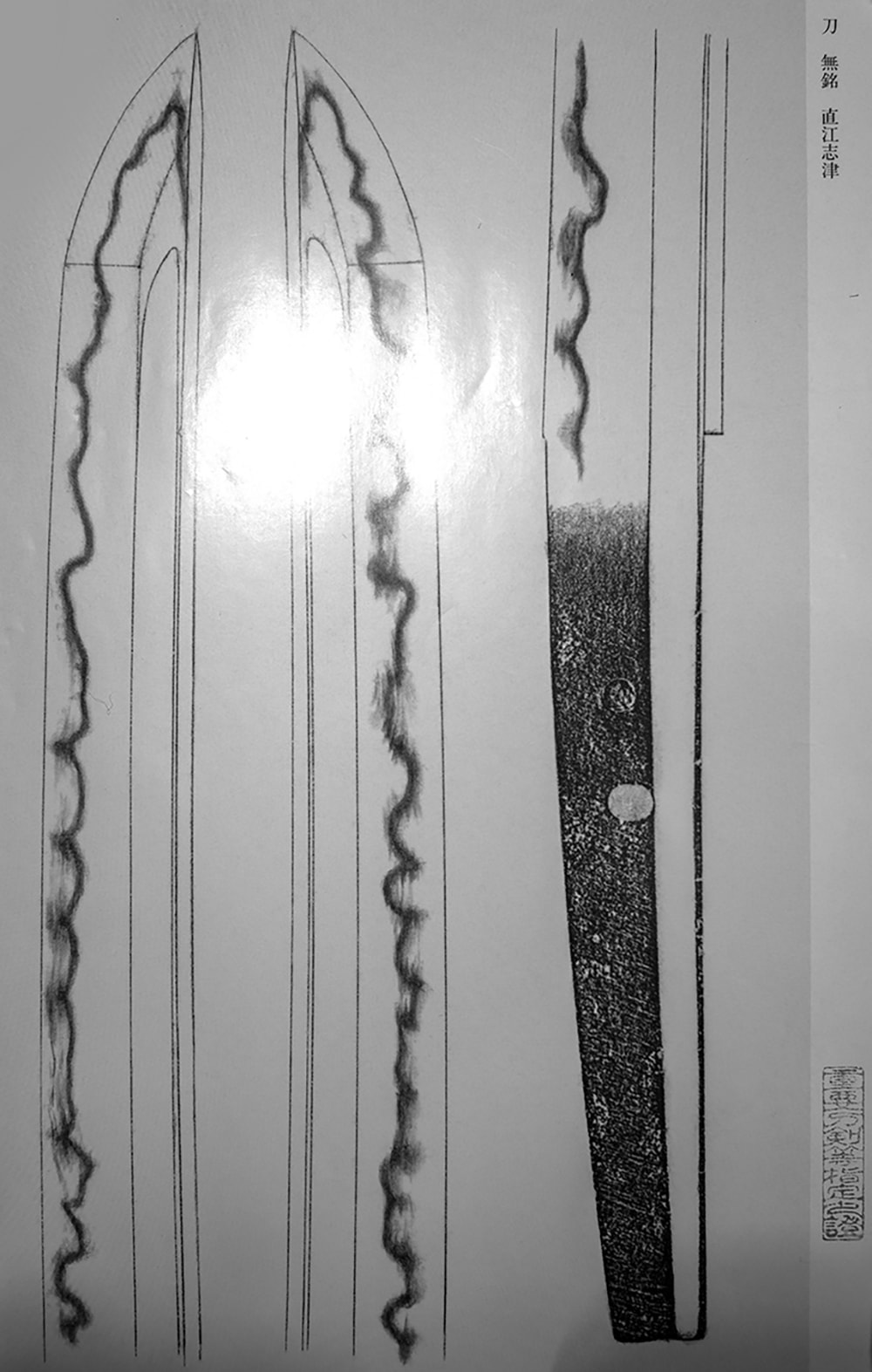
The NTHK’s principal certificate, issued for a blade of considerable quality. It confirms a genuine signature, or, for an unsigned (mumei) work, records the judges’ attribution to a smith or school. The paper carries a detailed worksheet with a numerical point score.
The NTHK (Nihon Tōken Hozon Kai, the Society for the Preservation of the Japanese Sword) is the oldest of Japan’s sword-appraisal bodies, founded in 1910, decades before the NBTHK. After the death of its long-serving head it divided into two successor societies, the NTHK and the NTHK-NPO, both of which continue to hold shinsa. NTHK certificates are known for a detailed worksheet that records a numerical point score alongside the judges’ written opinion, and the society is especially respected for its attribution of unsigned (mumei) work.
This is a katana made by Gassan Sadakatsu, a renowned smith active during the Taisho period. He was known for his saka-chōji-midare hamon and ayasugi-hada, and was an excellent horimono artist. The blade features a sayagaki by Kanzan, indicating its quality and historical significance.
Certificate reading — 銘 大阪 月山貞勝
NihontoWatchmei · Gassan · Taisho
Shinshinto · Osaka · around 1926-1989
Fujishiro Jo saku · Tōken Taikan top 60%
13 pieces on the market now
Shinshinto · Settsu
41 pieces on the market now
| Smith | Era | Designated |
|---|---|---|
| Sadaharu貞晴 | 1865-1868 | 0 |
| Sadayoshi貞吉 | 1926-1989 | 0 |
| Yoshiaki吉明 | 1844-1848 | 0 |
| Naonobu直信 | 1854-1860 | 0 |
| Sadayoshi貞吉 | 1830-1863 | 0 |
Modern Japan made the sword an exile, then an artwork: the 1876 Haitōrei ended sword wearing, the postwar ban nearly ended the craft, and the revival built on the NBTHK’s founding in 1948 remade it as a licensed art.
The NTHK’s principal certificate, issued for a blade of considerable quality. It confirms a genuine signature, or, for an unsigned (mumei) work, records the judges’ attribution to a smith or school. The paper carries a detailed worksheet with a numerical point score.
The NTHK (Nihon Tōken Hozon Kai, the Society for the Preservation of the Japanese Sword) is the oldest of Japan’s sword-appraisal bodies, founded in 1910, decades before the NBTHK. After the death of its long-serving head it divided into two successor societies, the NTHK and the NTHK-NPO, both of which continue to hold shinsa. NTHK certificates are known for a detailed worksheet that records a numerical point score alongside the judges’ written opinion, and the society is especially respected for its attribution of unsigned (mumei) work.