NihontoWatch Mon

NihontoWatch

Market
Encyclopedia
Kantei
NihontoWatch Mon

NihontoWatch

Market
Encyclopedia
Kantei

Description

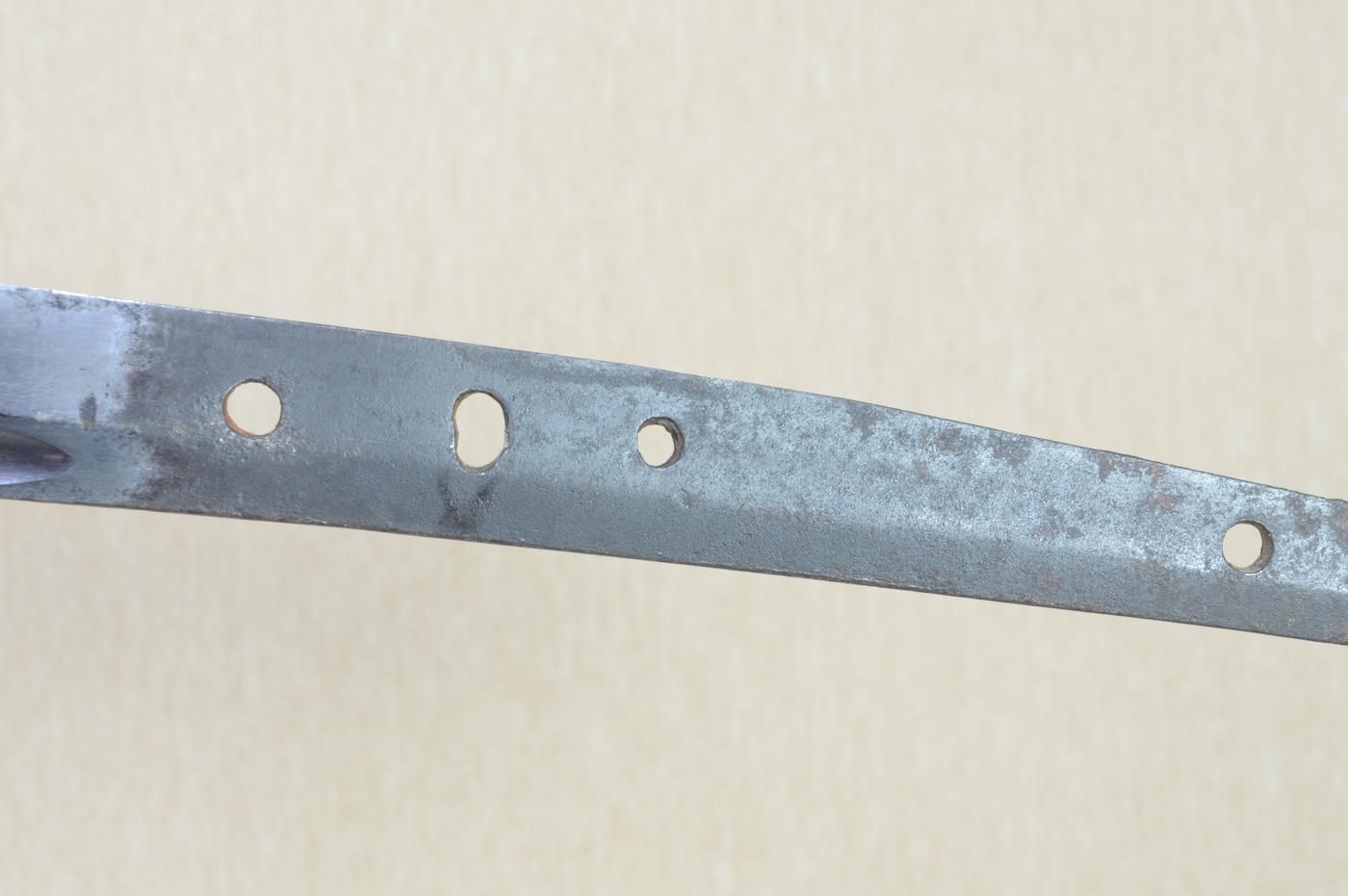
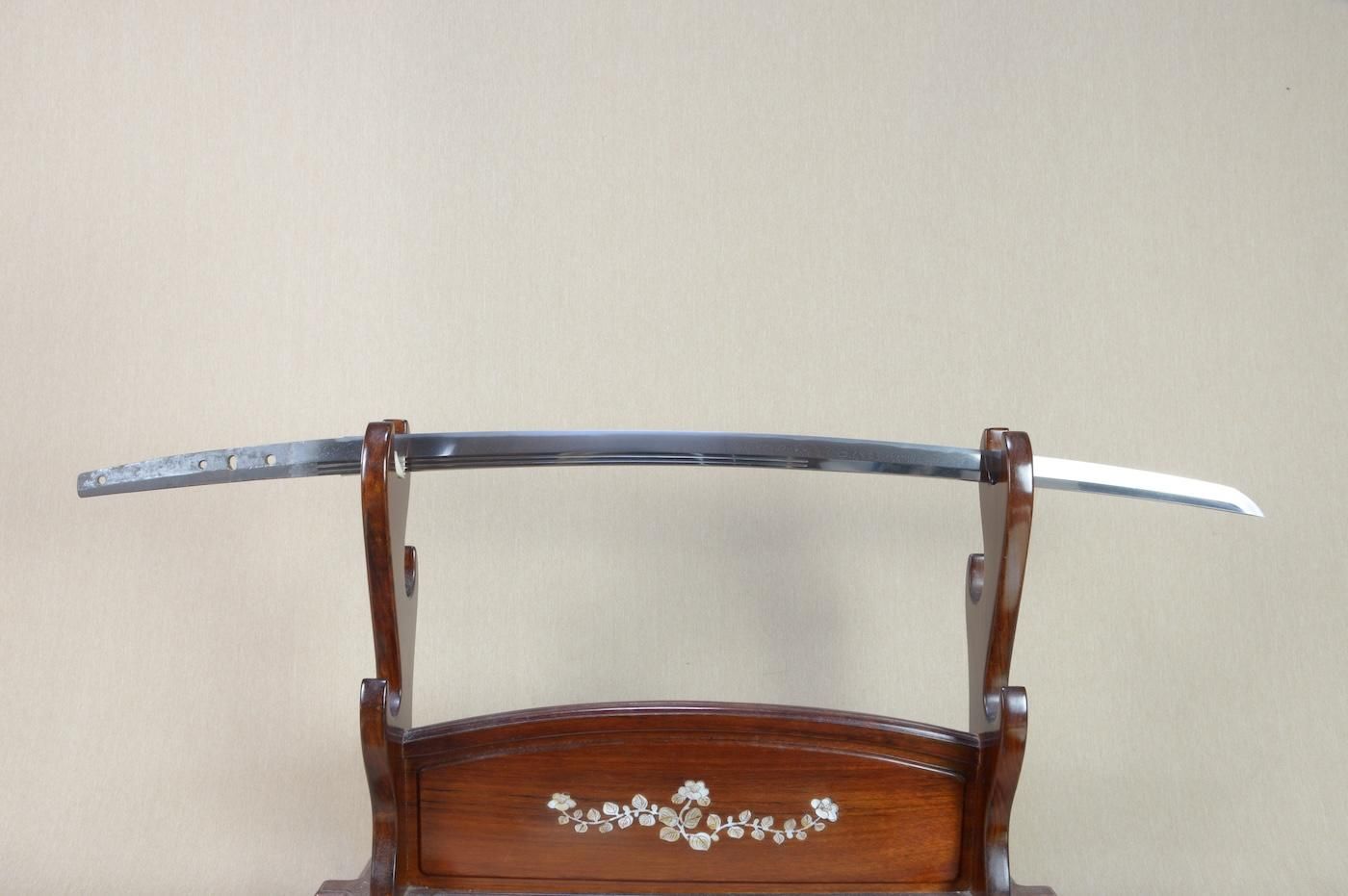
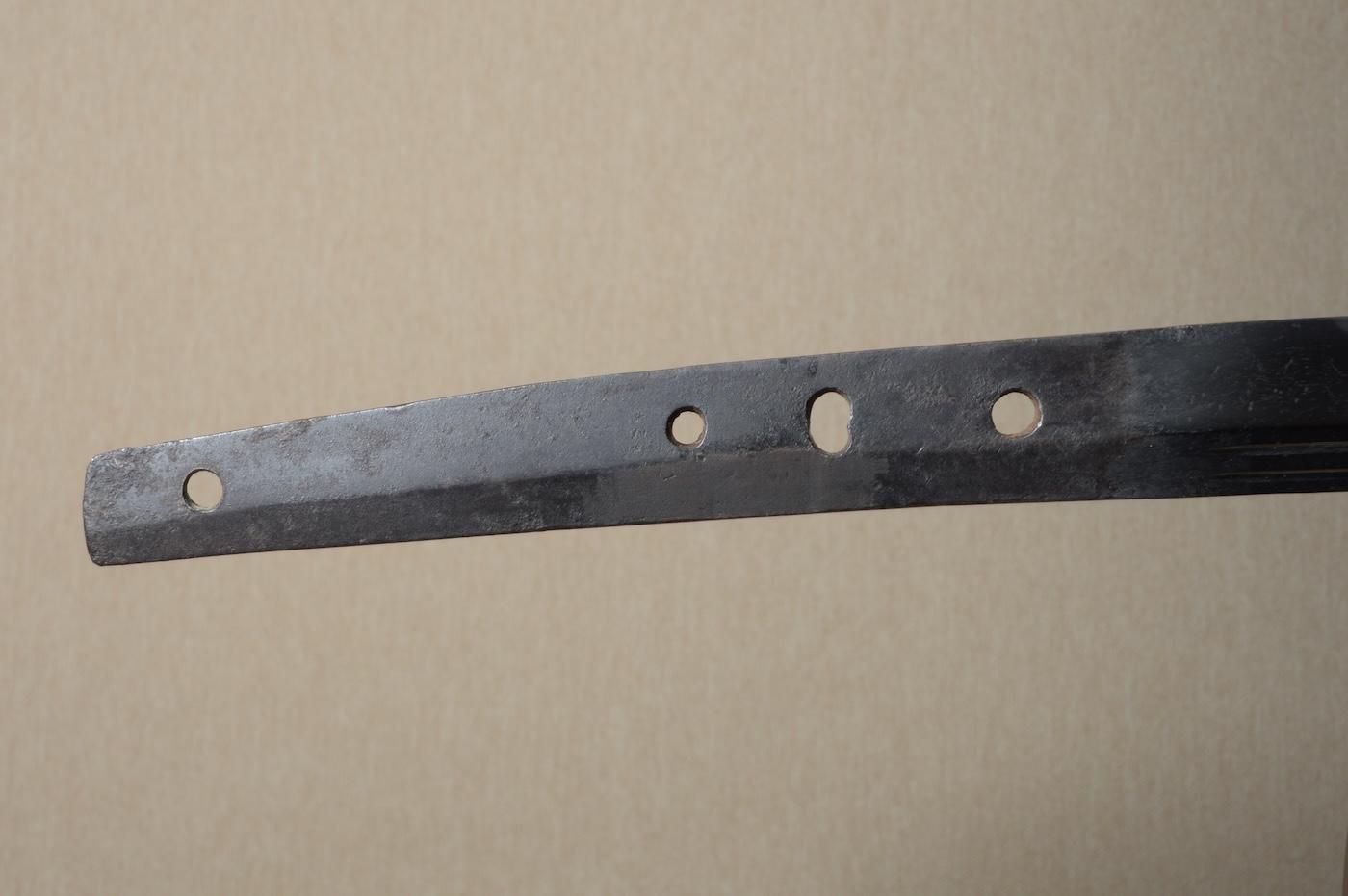
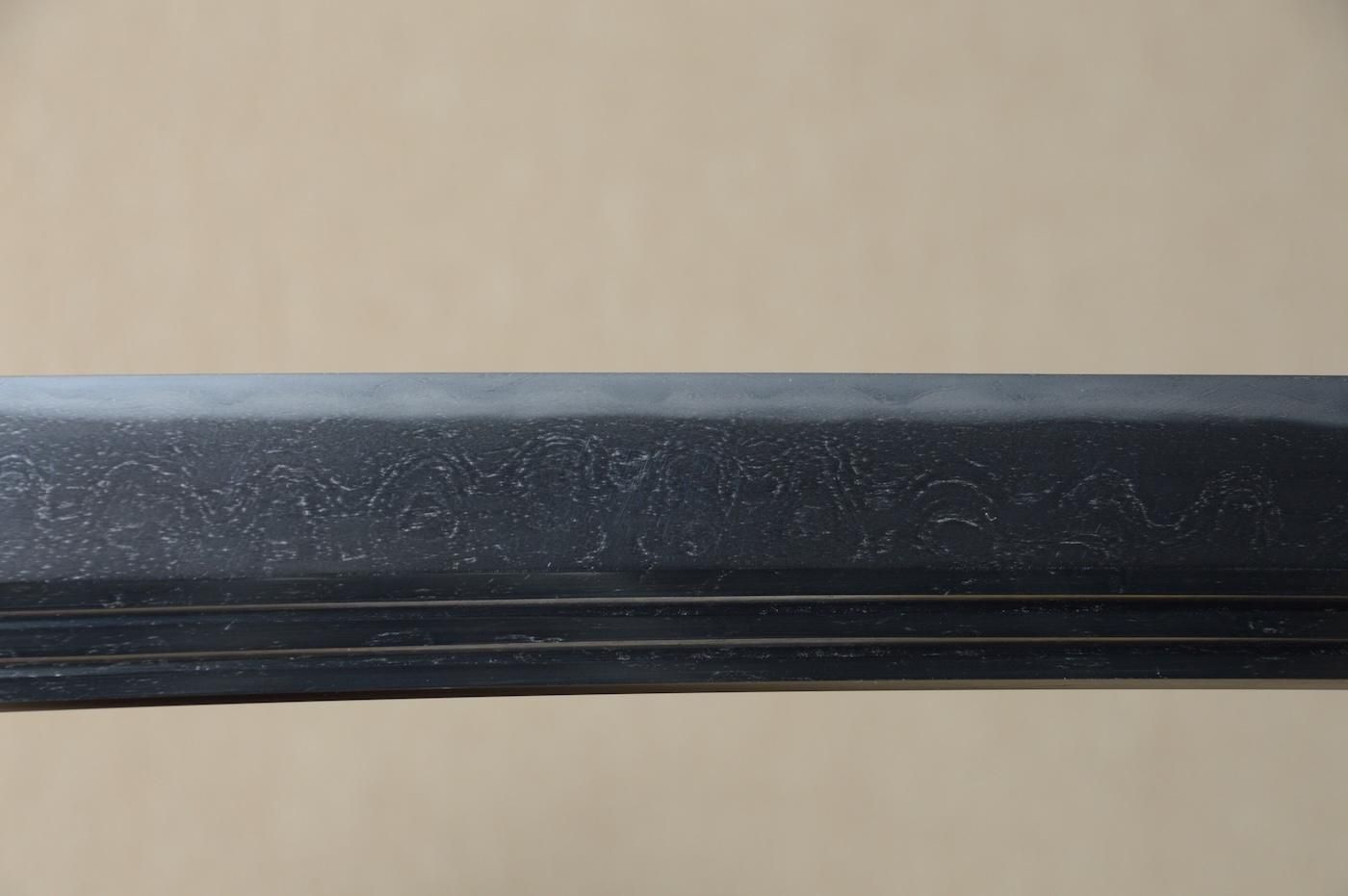
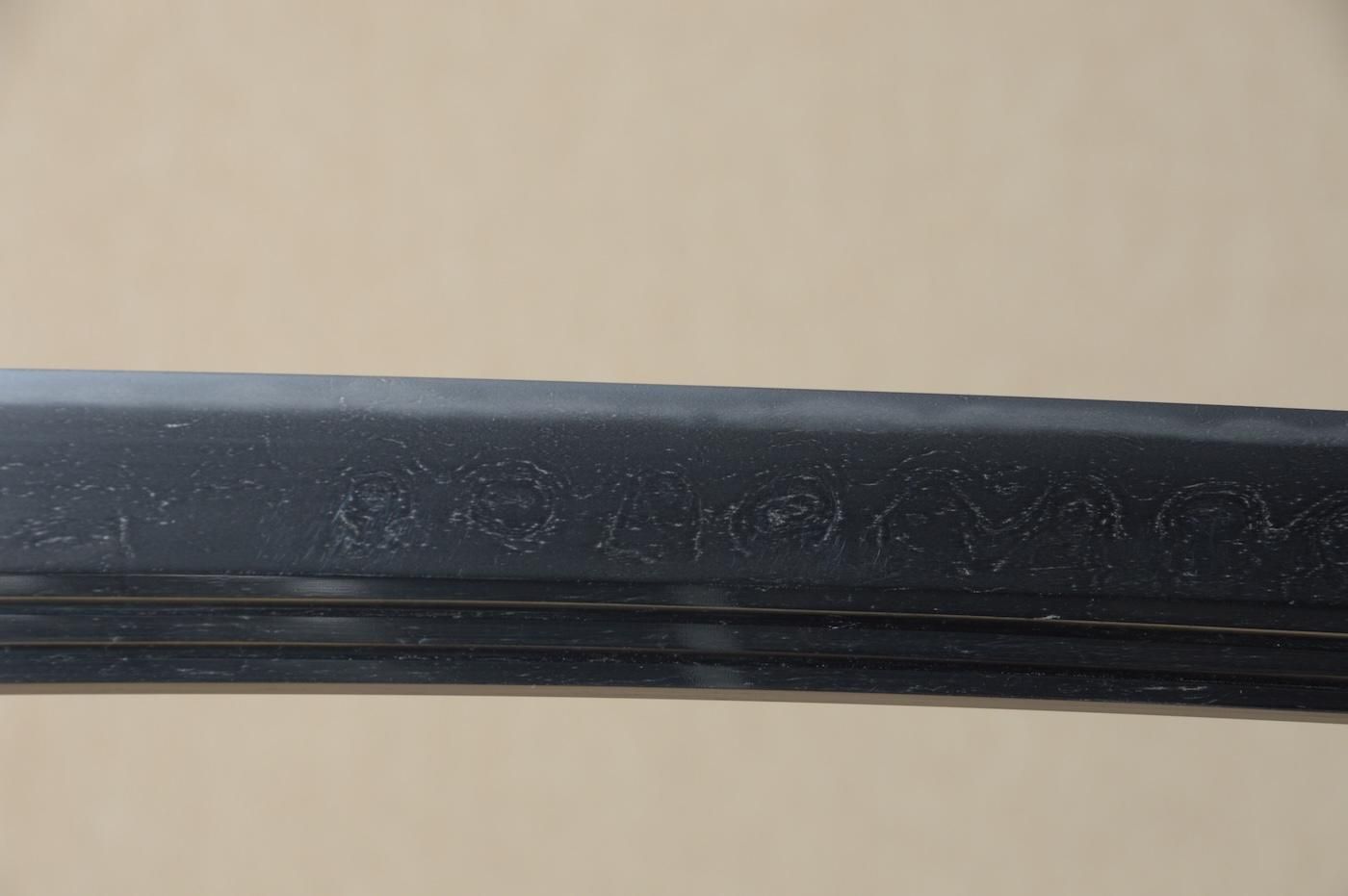
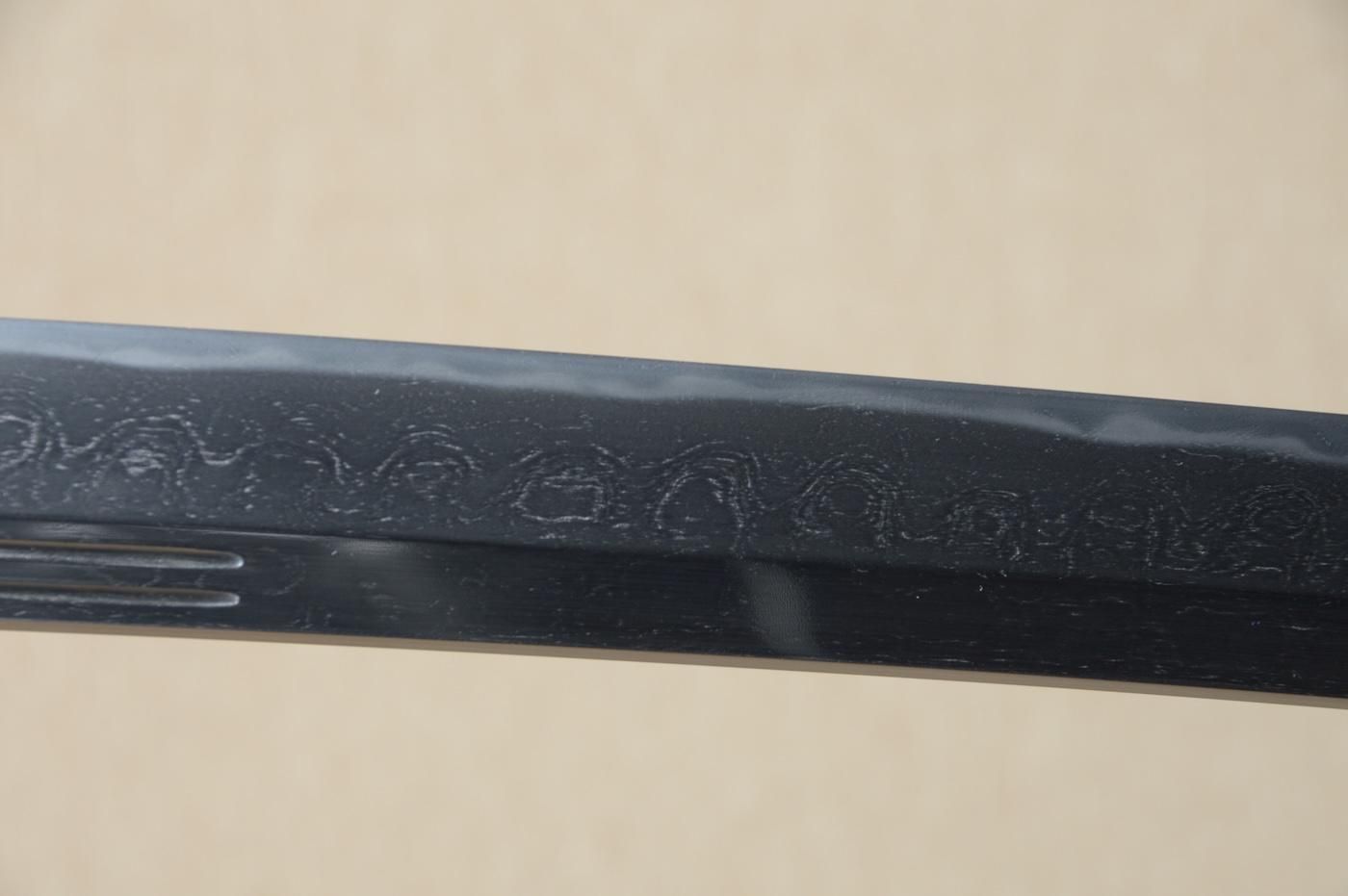
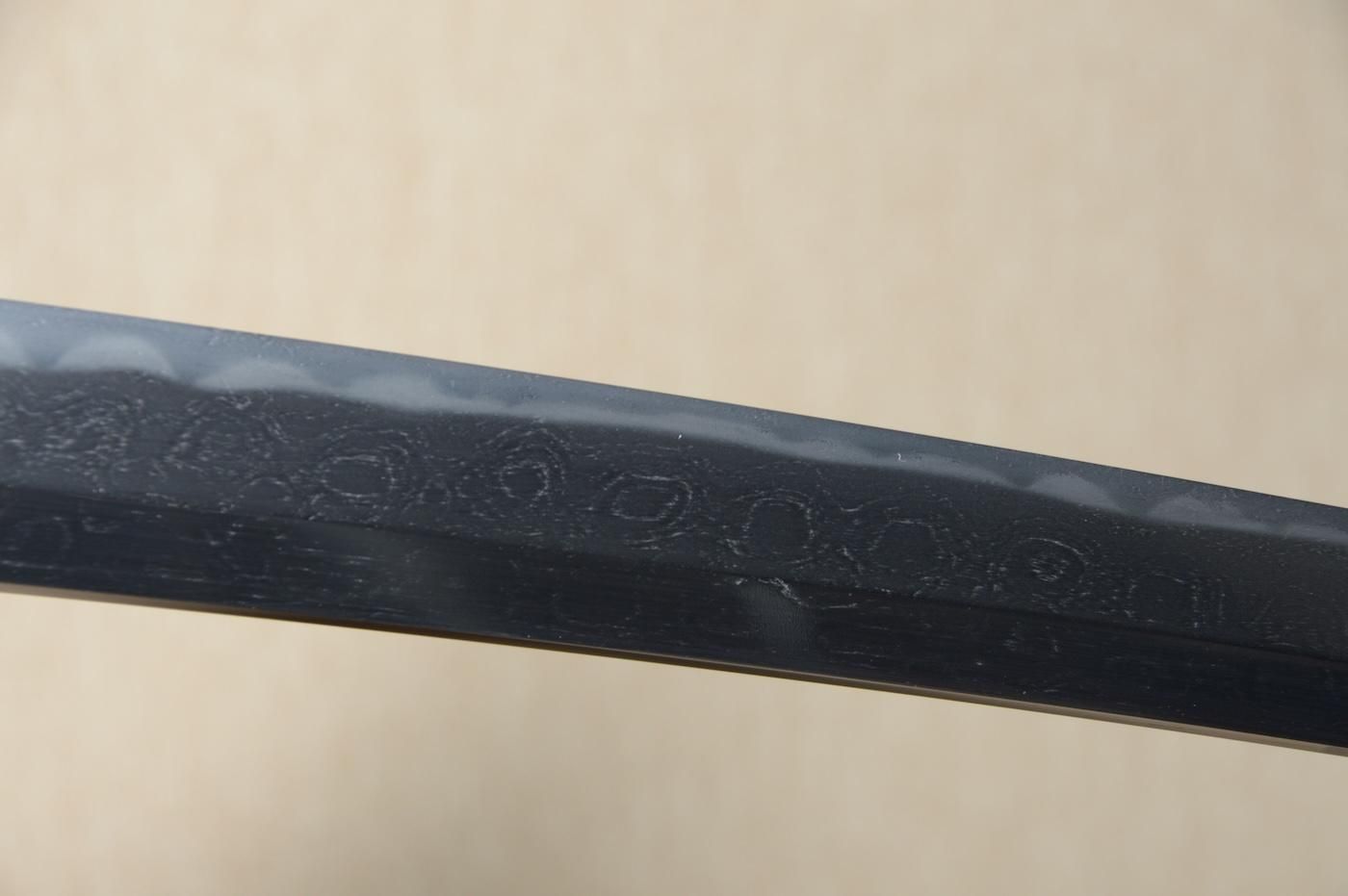
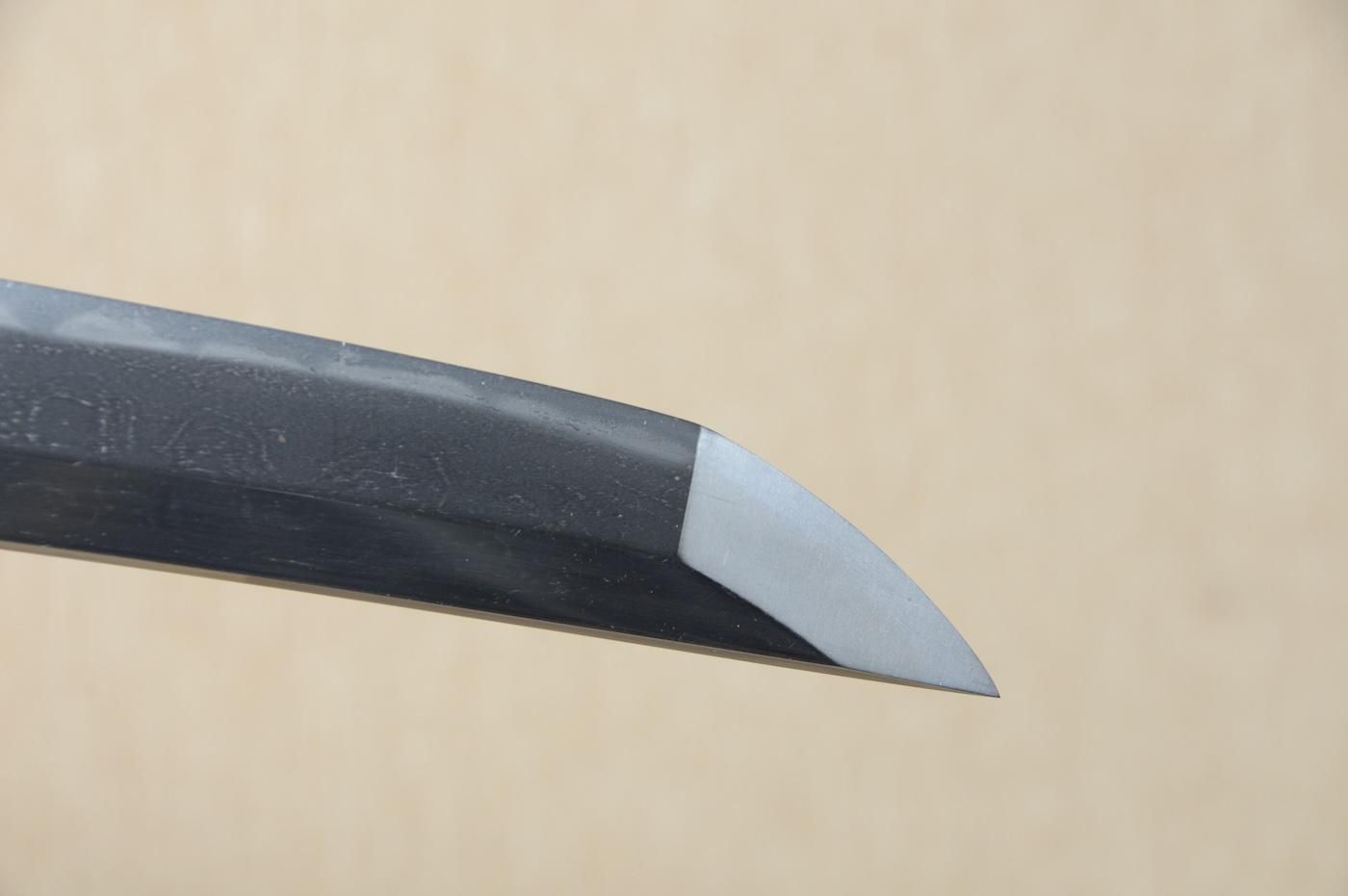
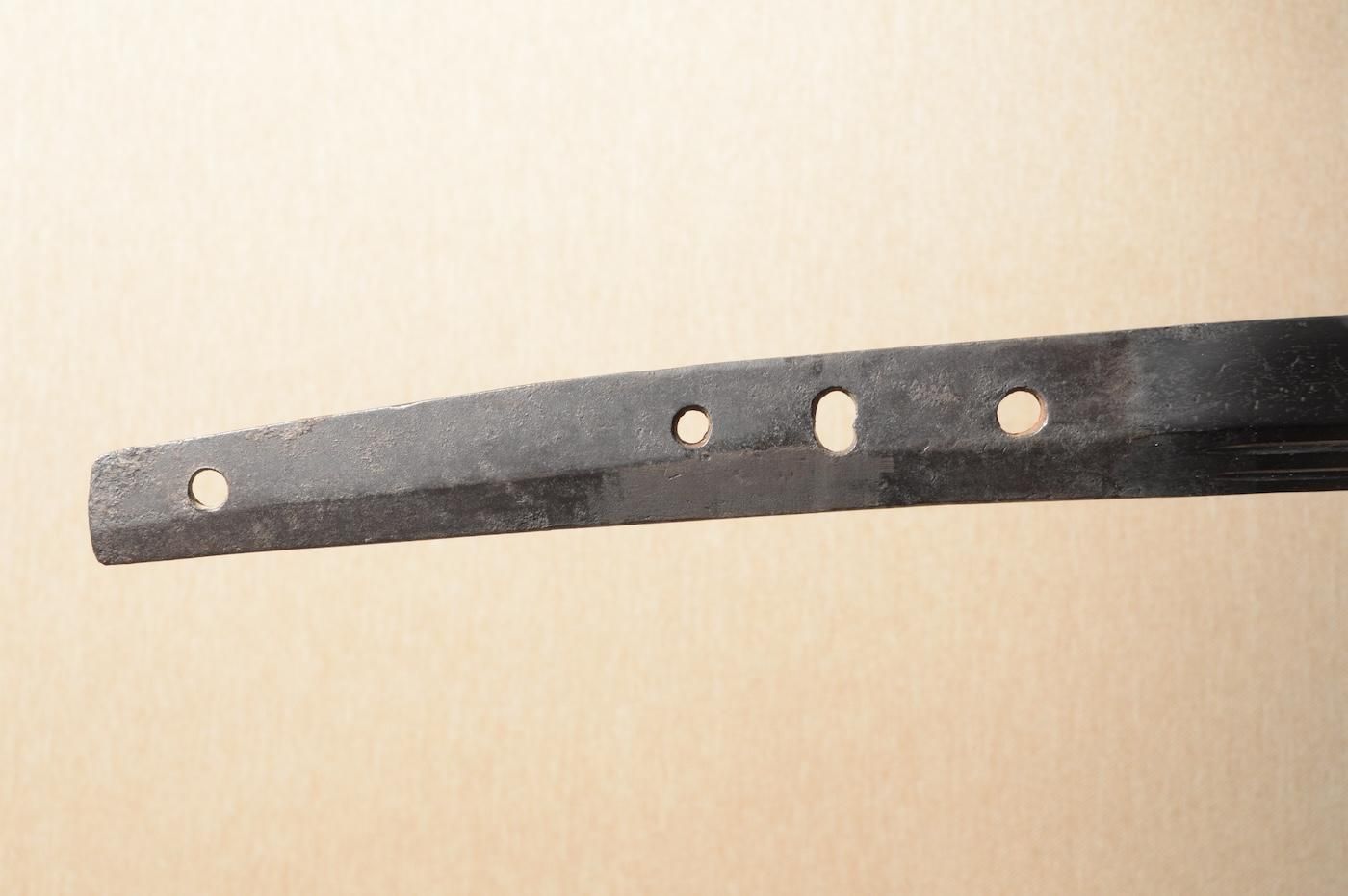
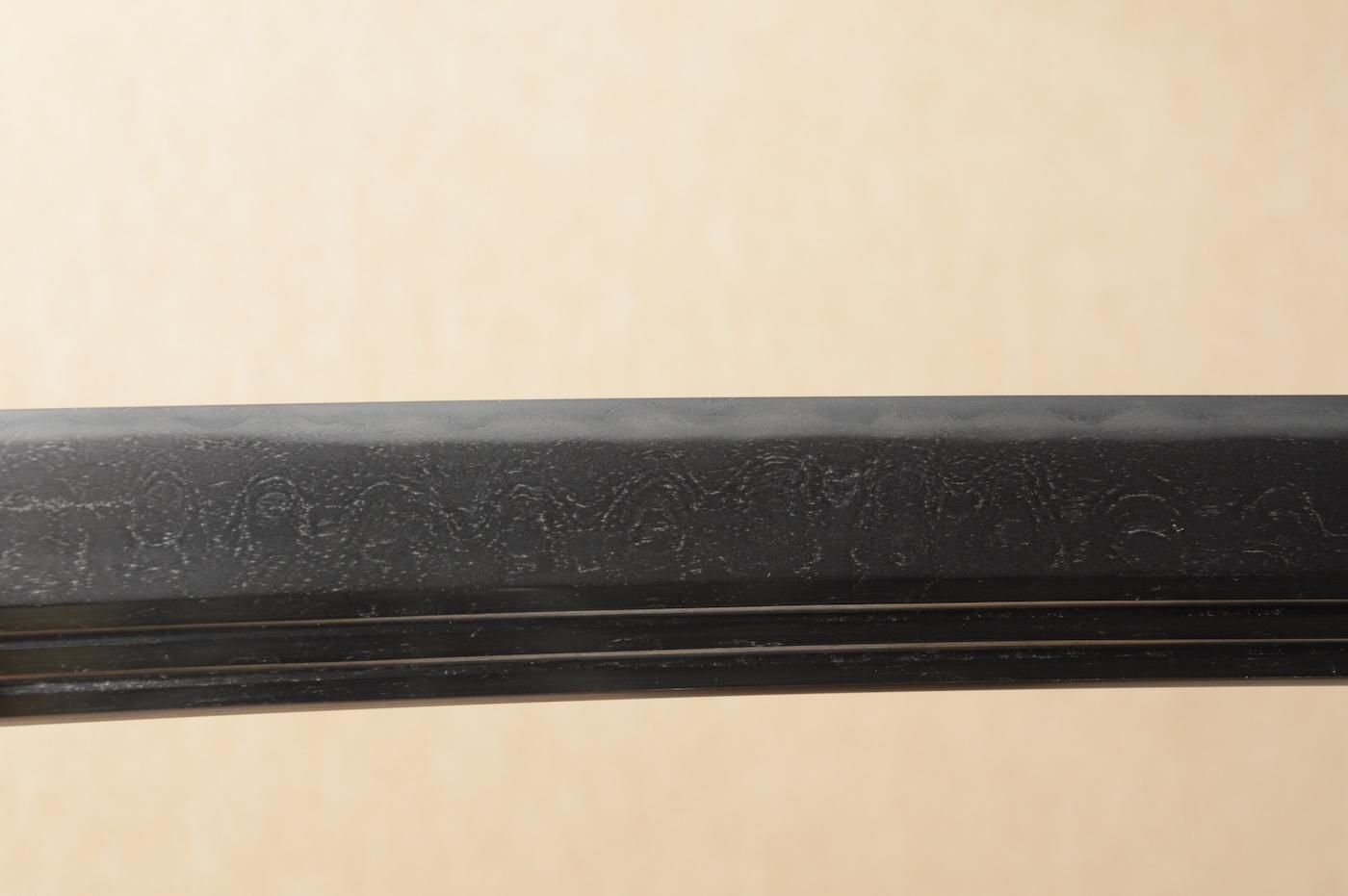
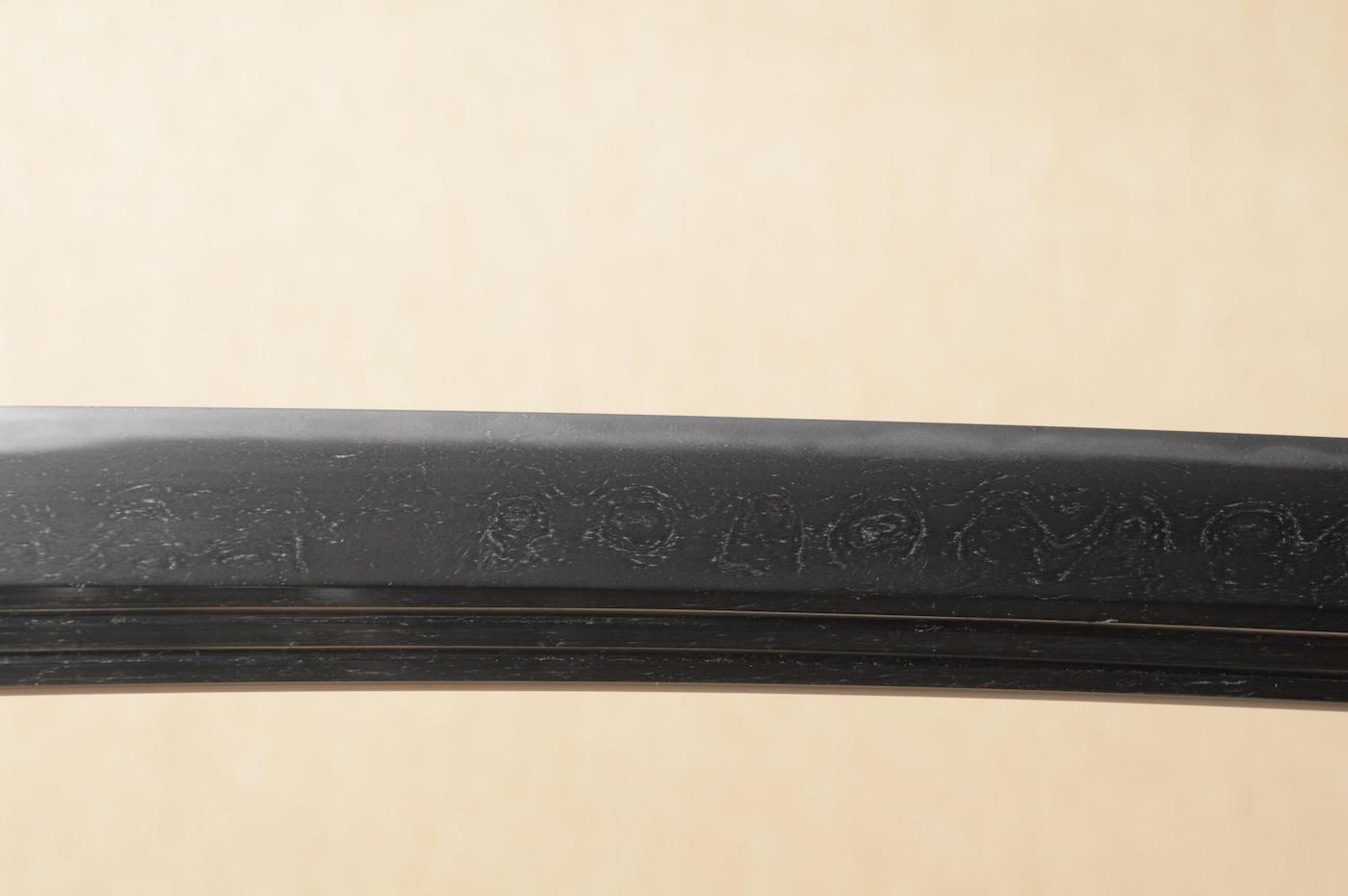
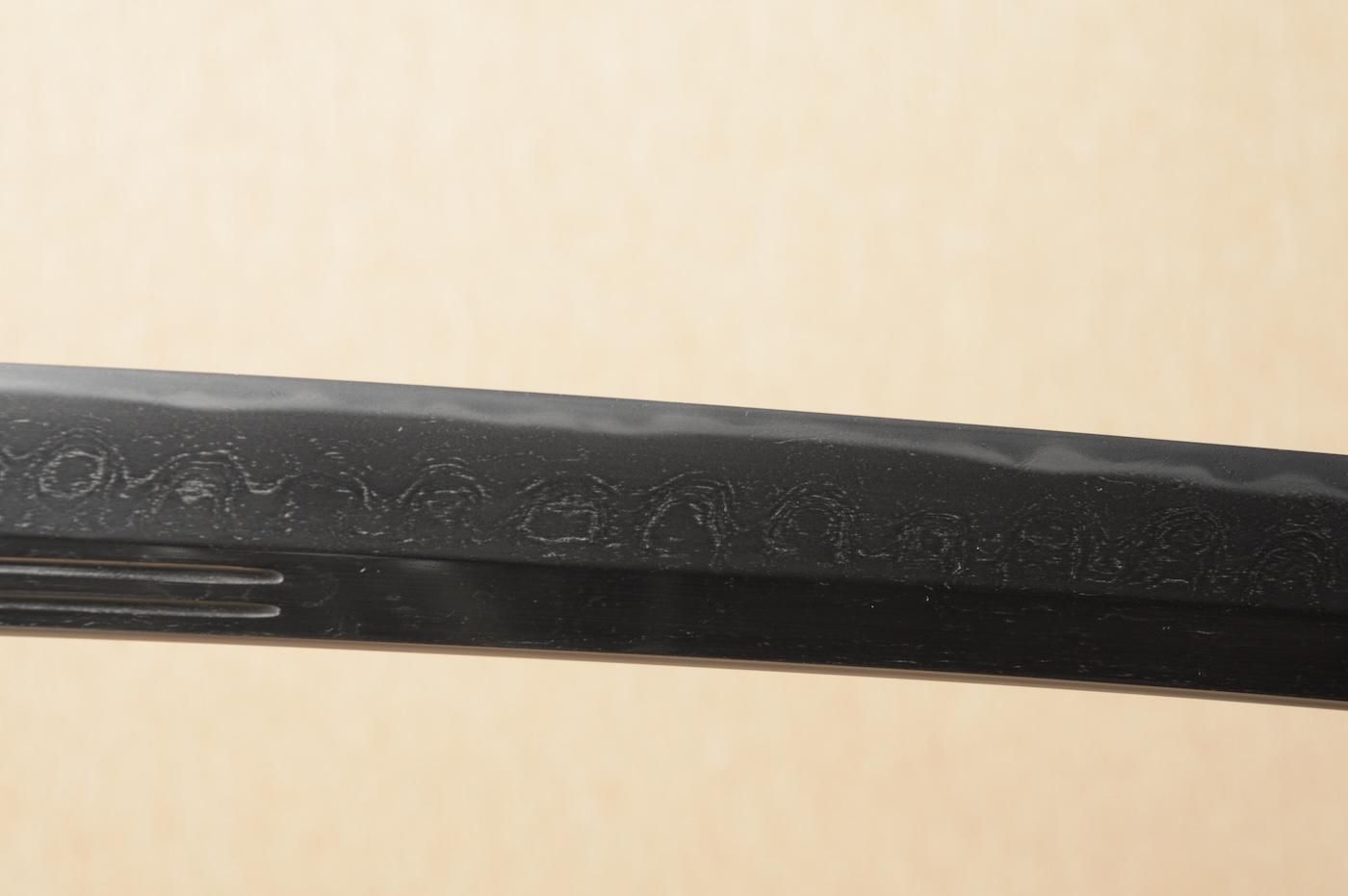
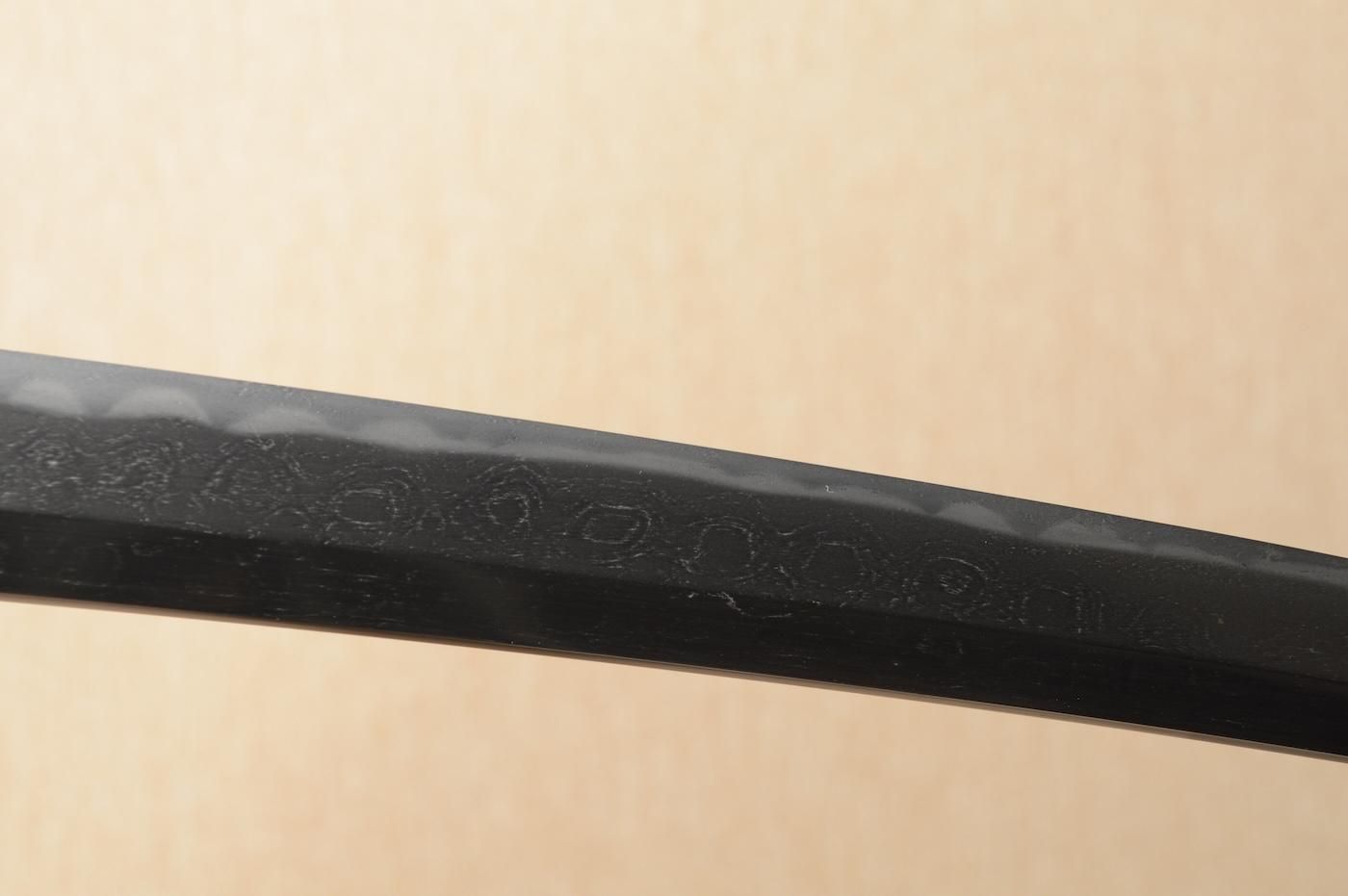
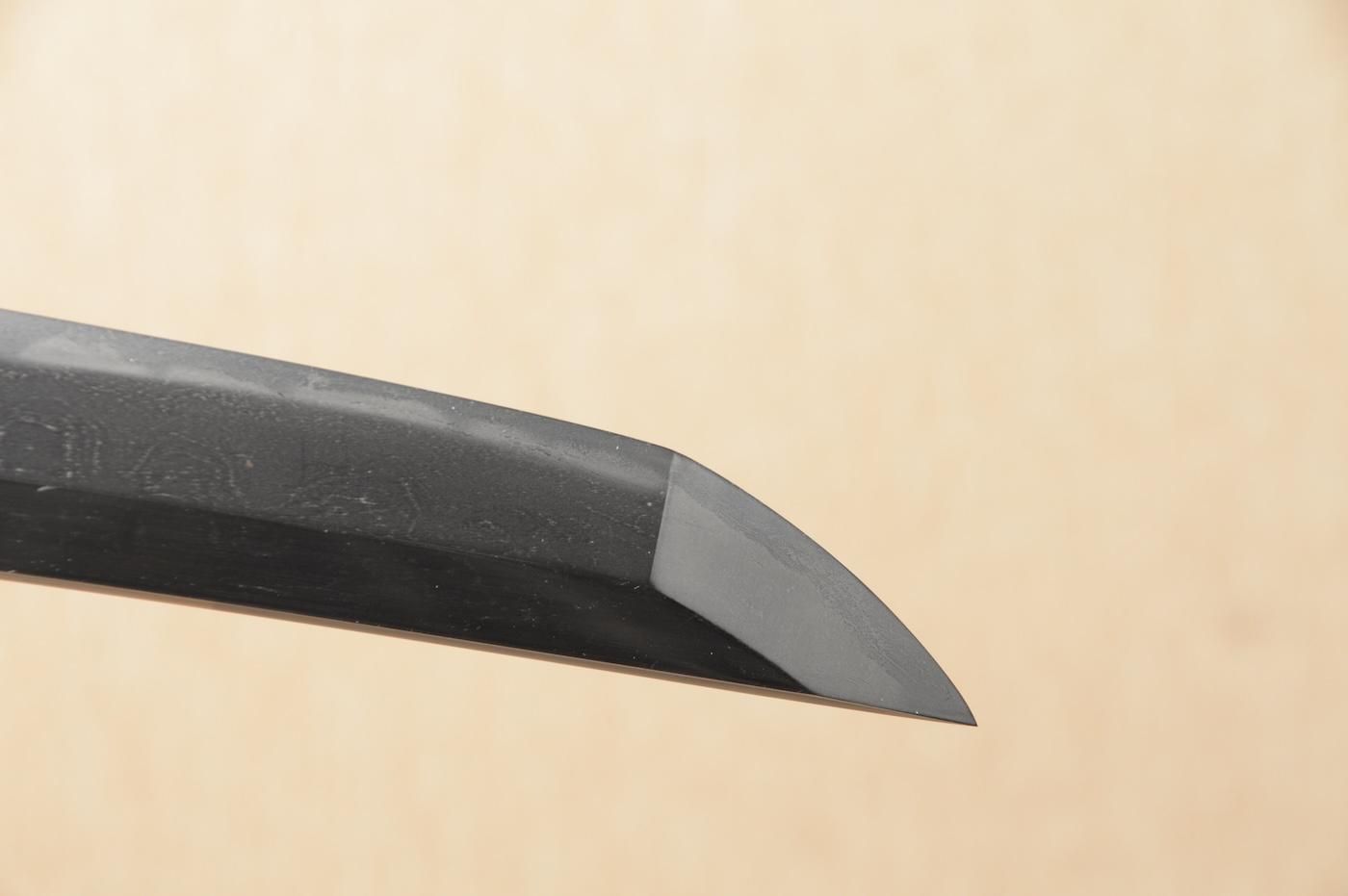
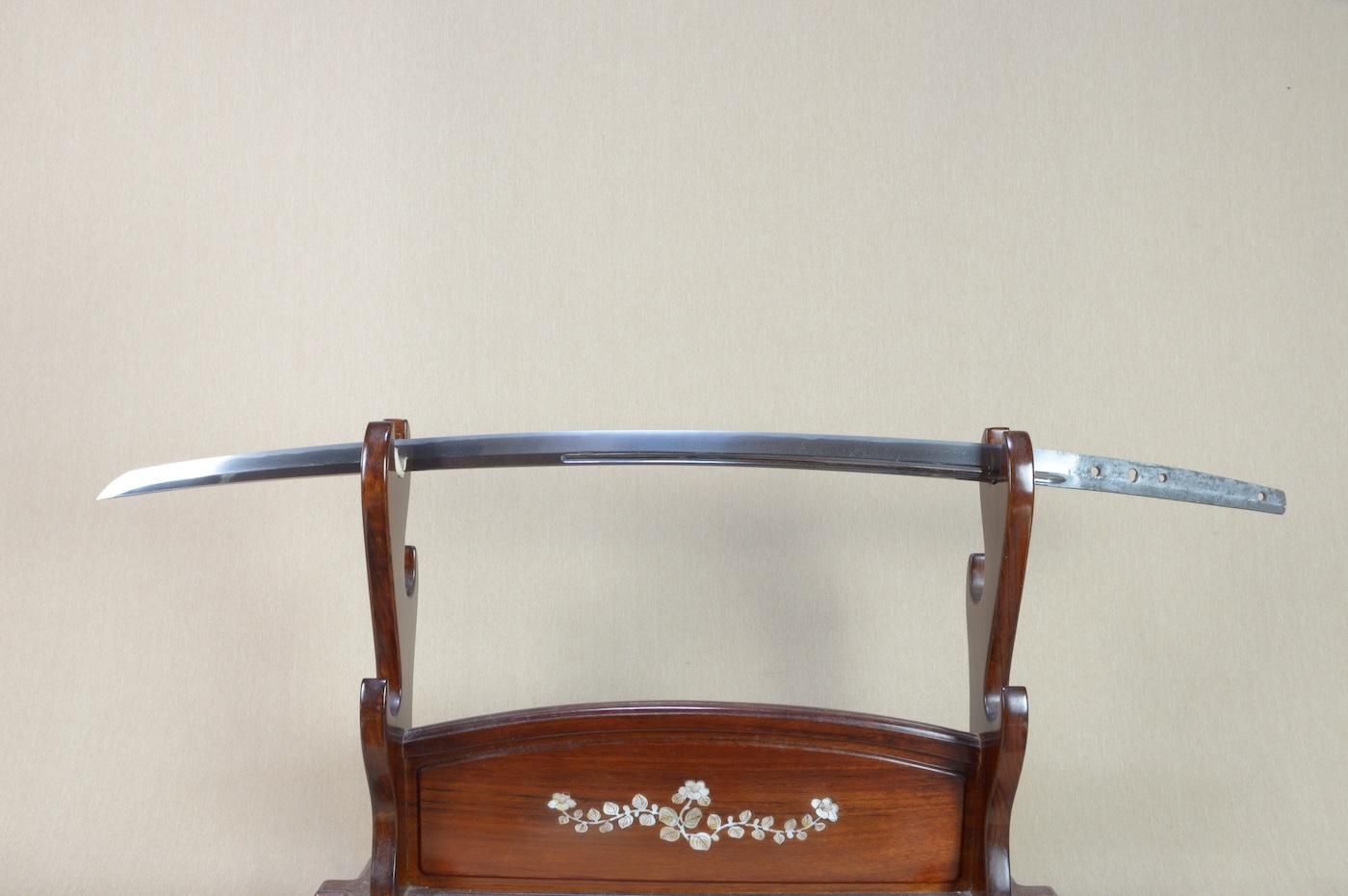
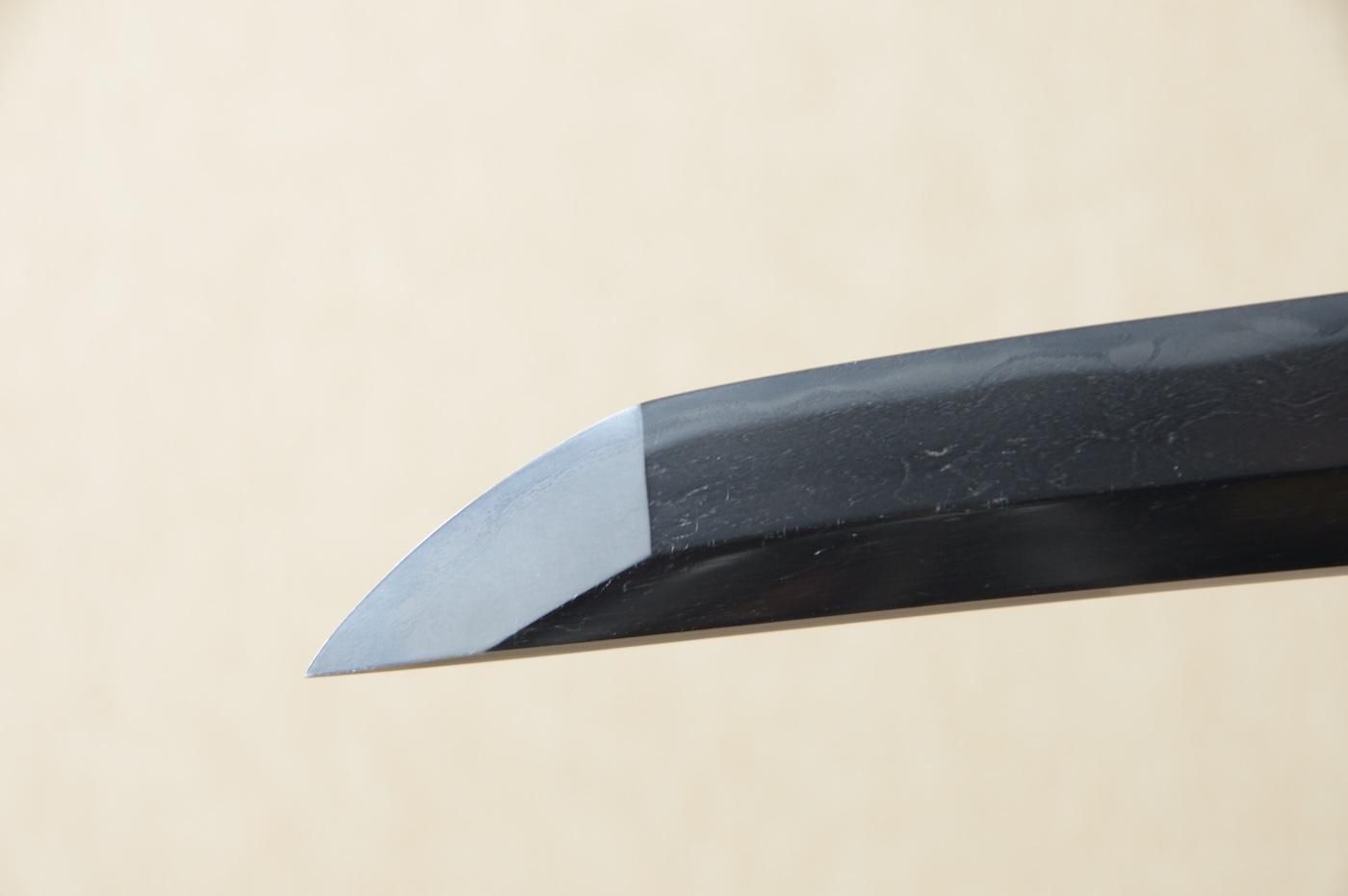
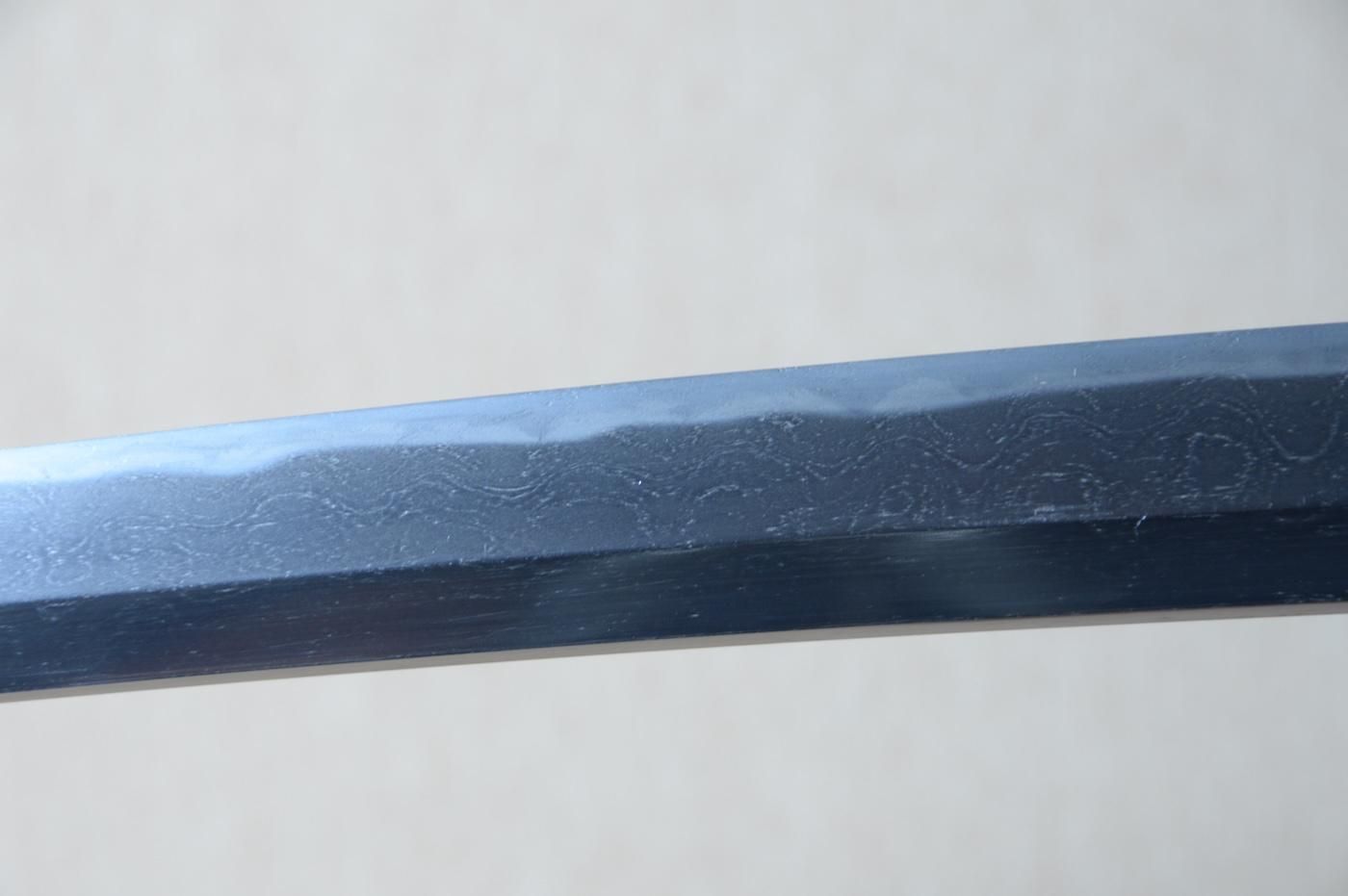
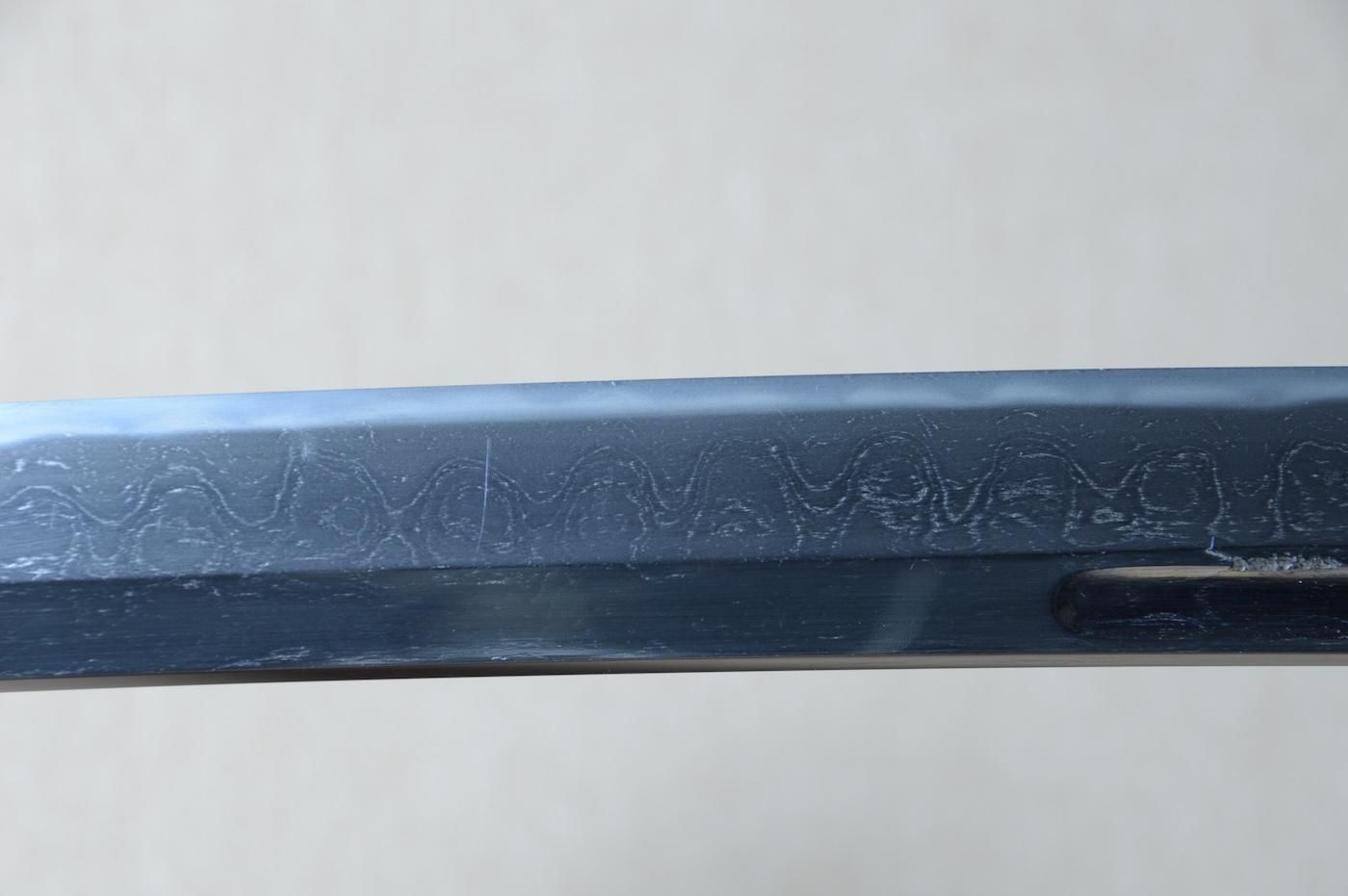
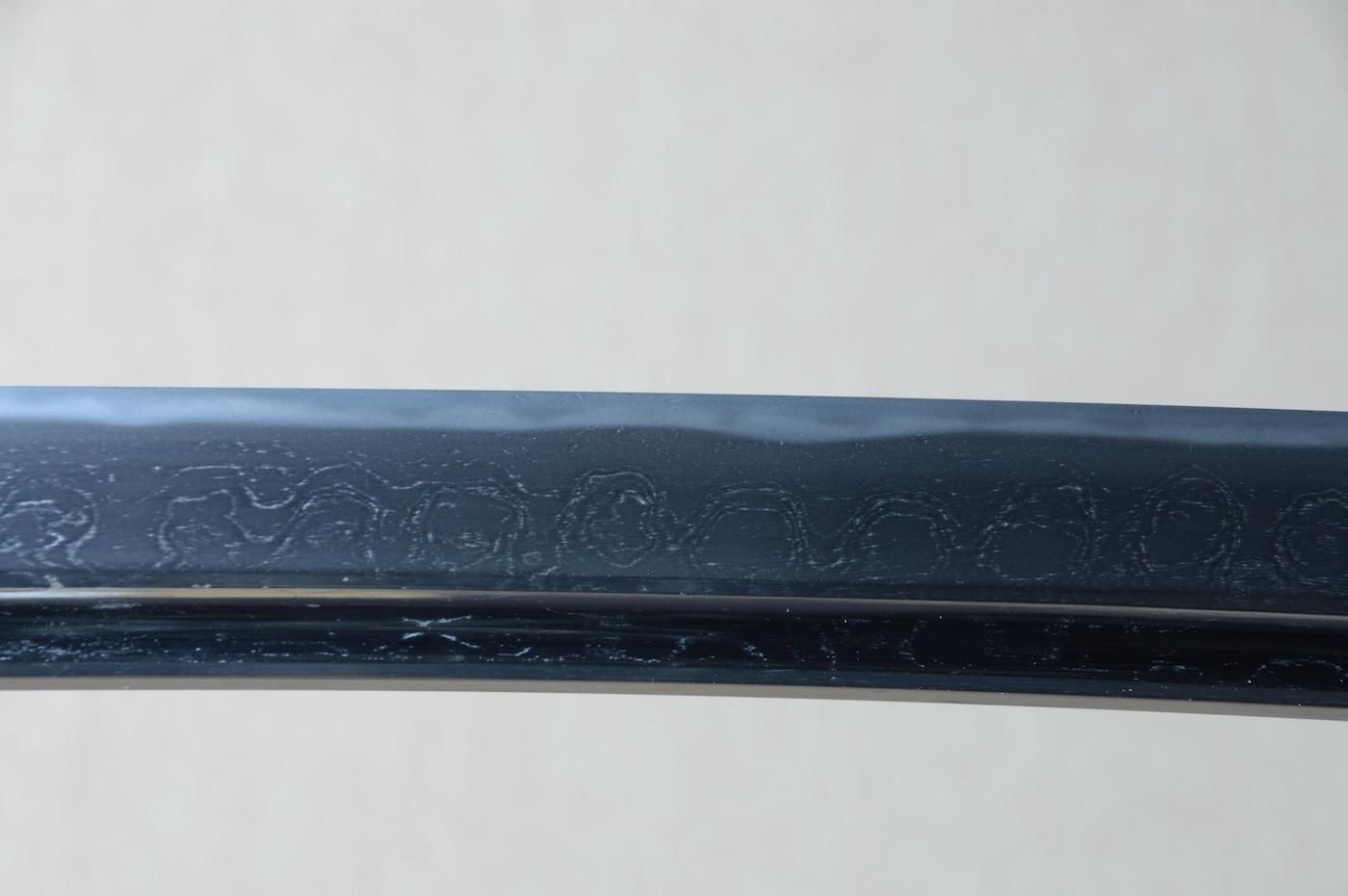
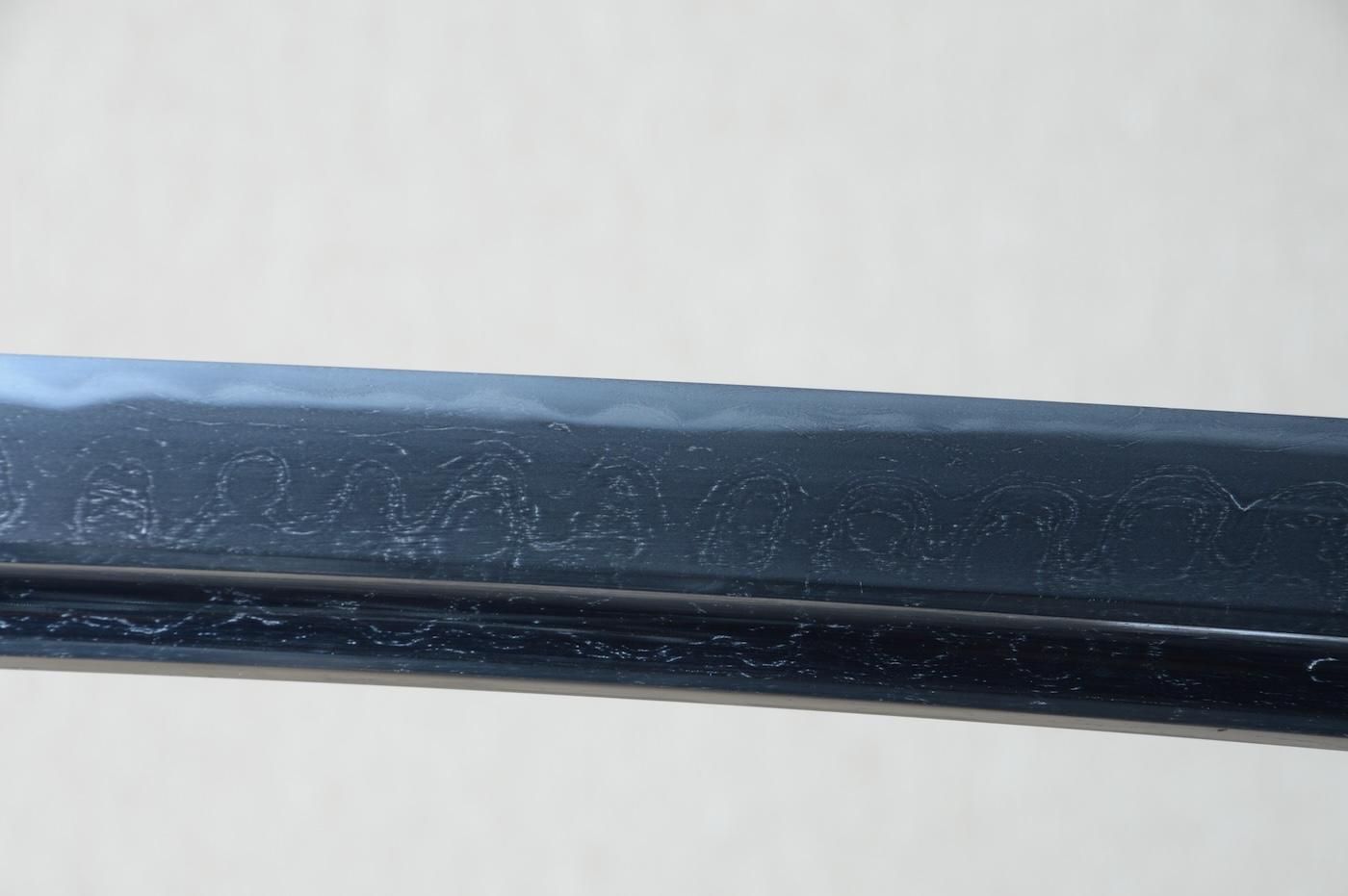
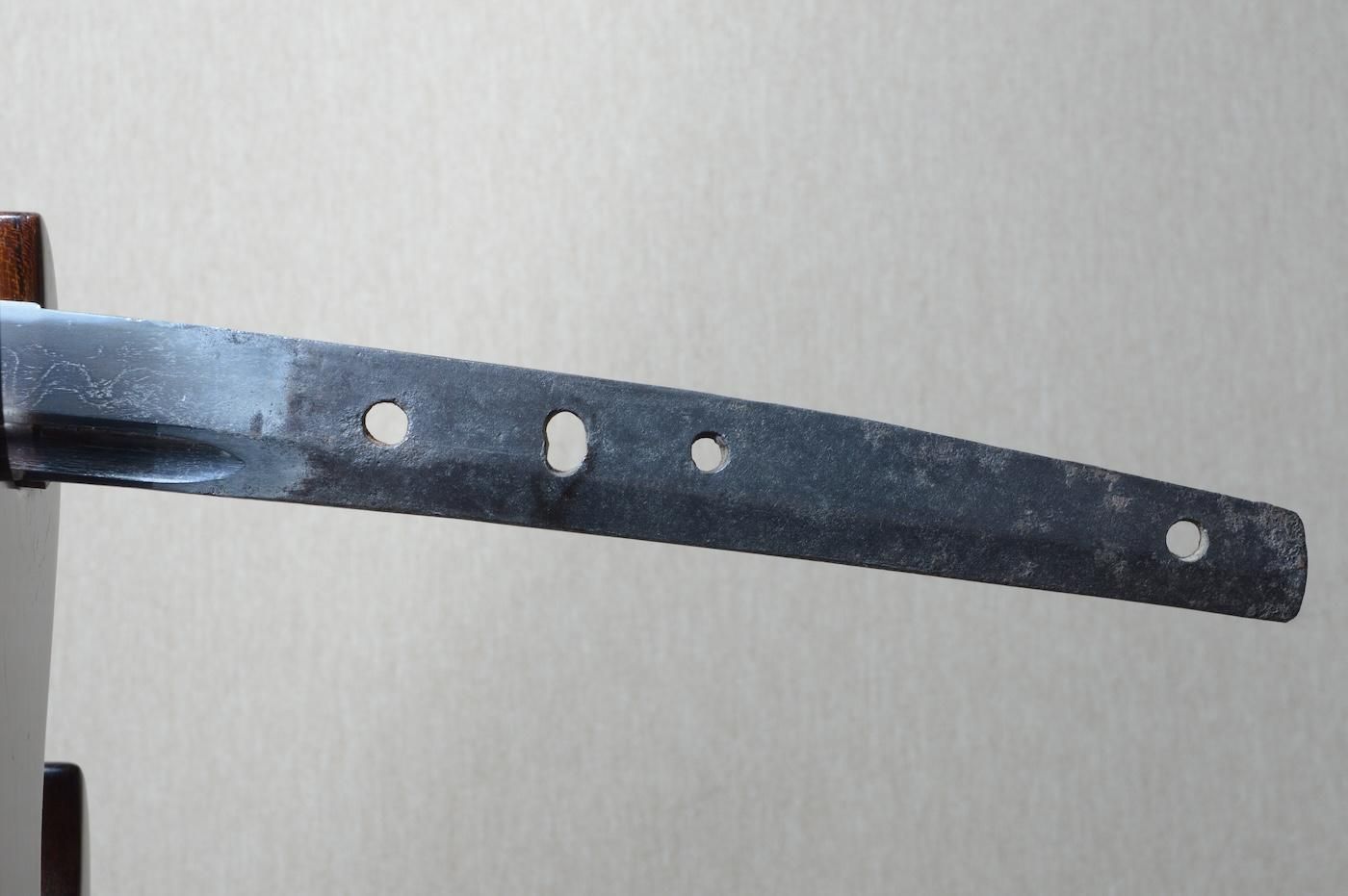
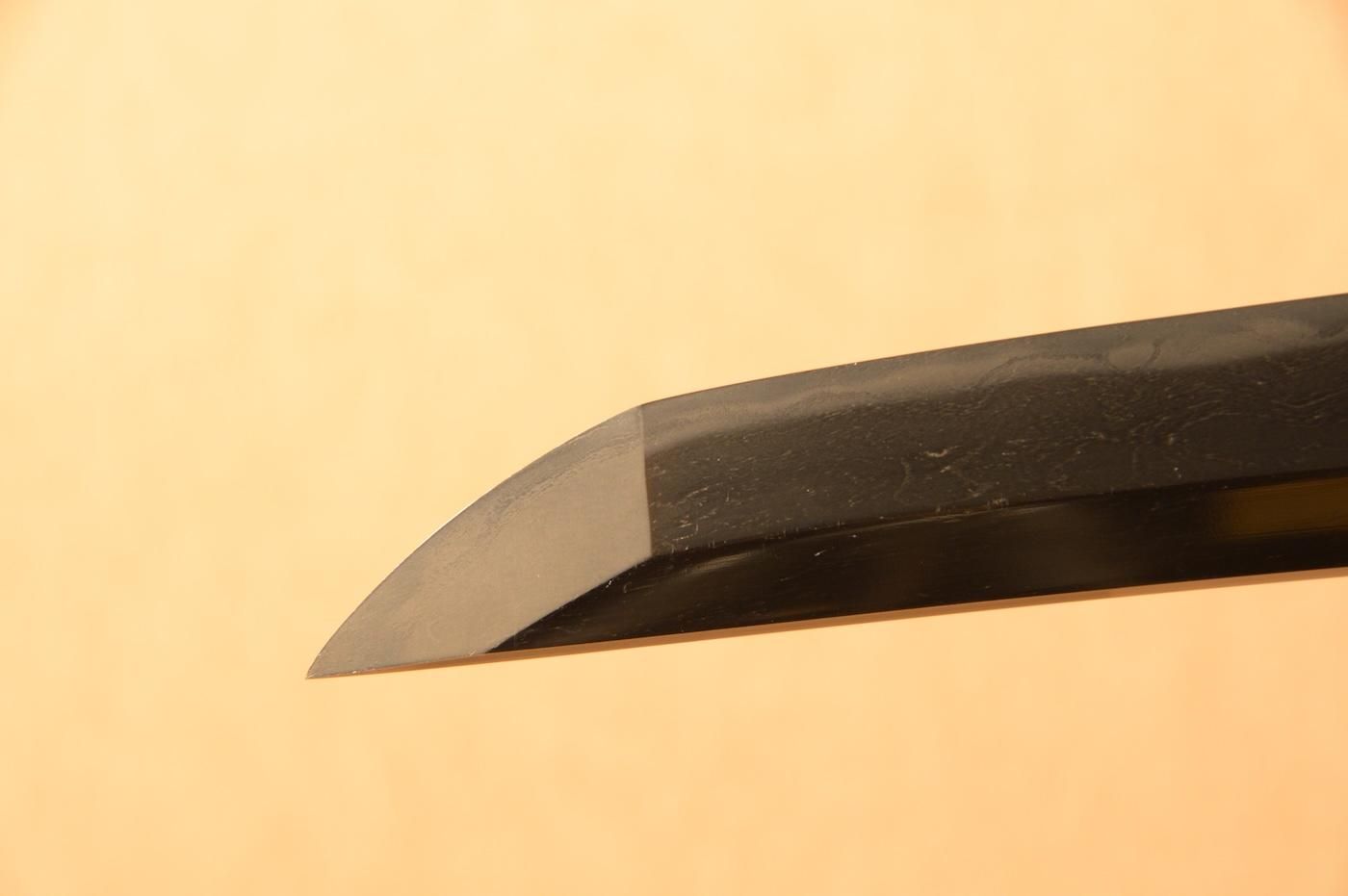
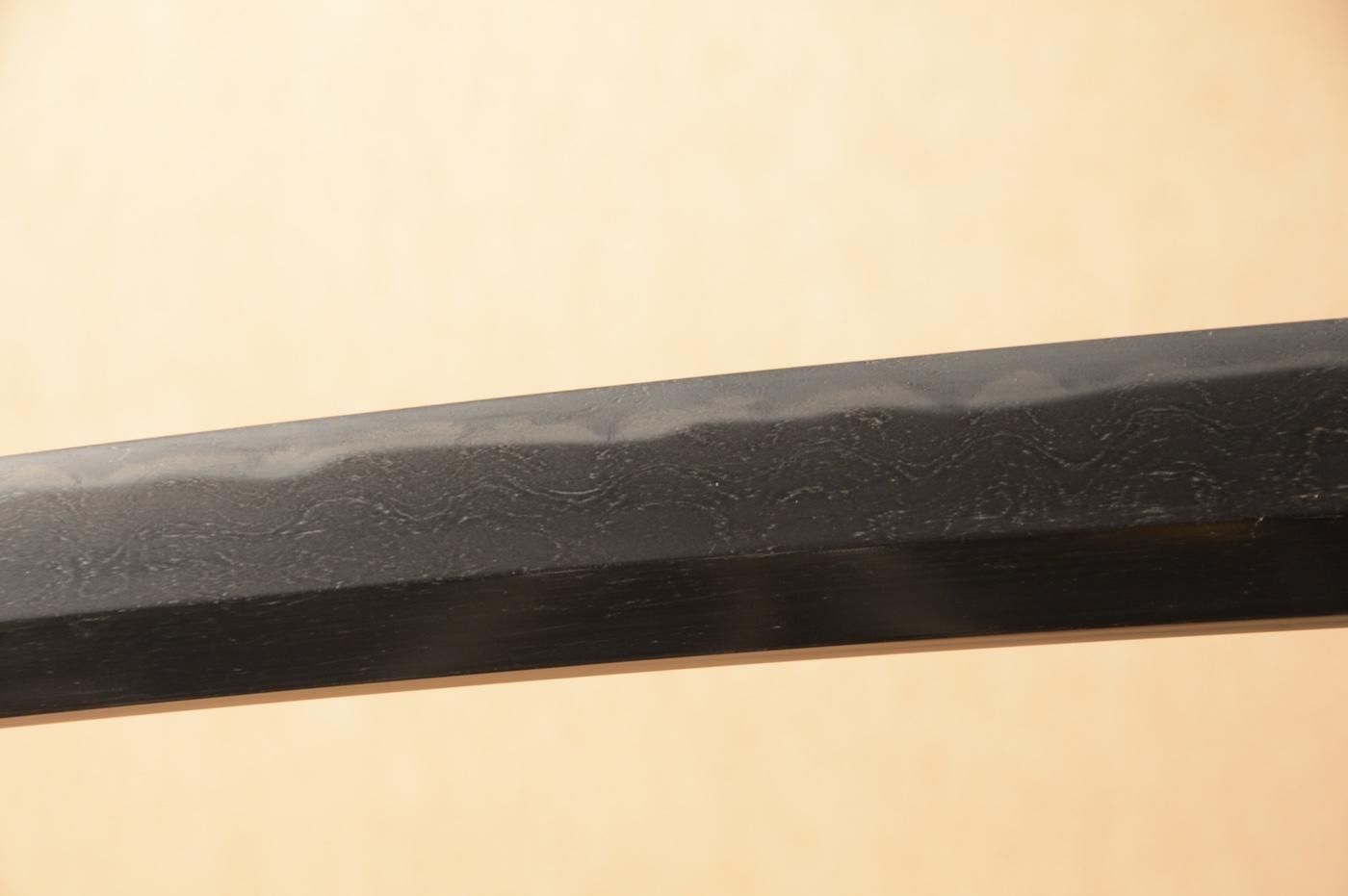
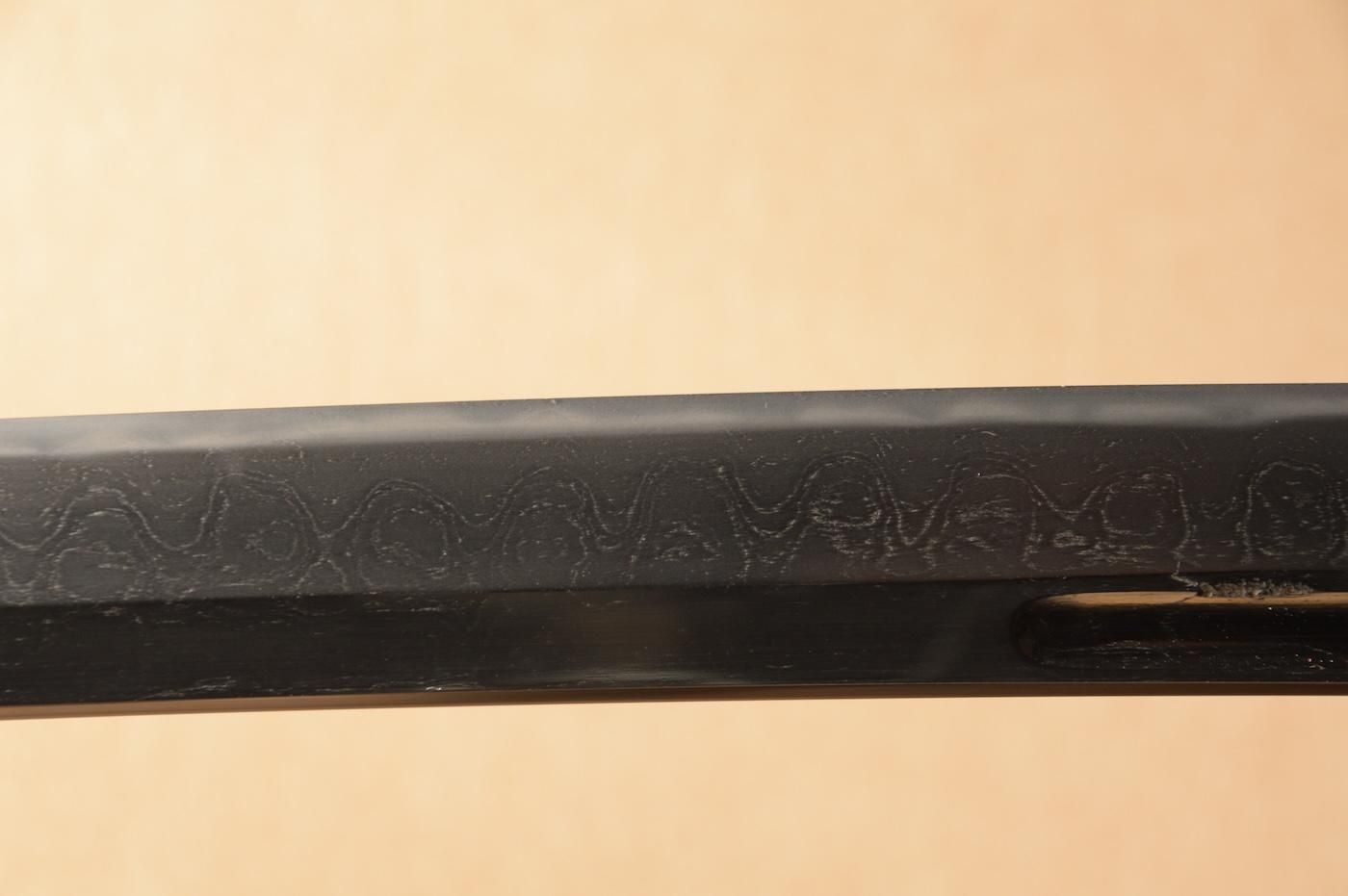
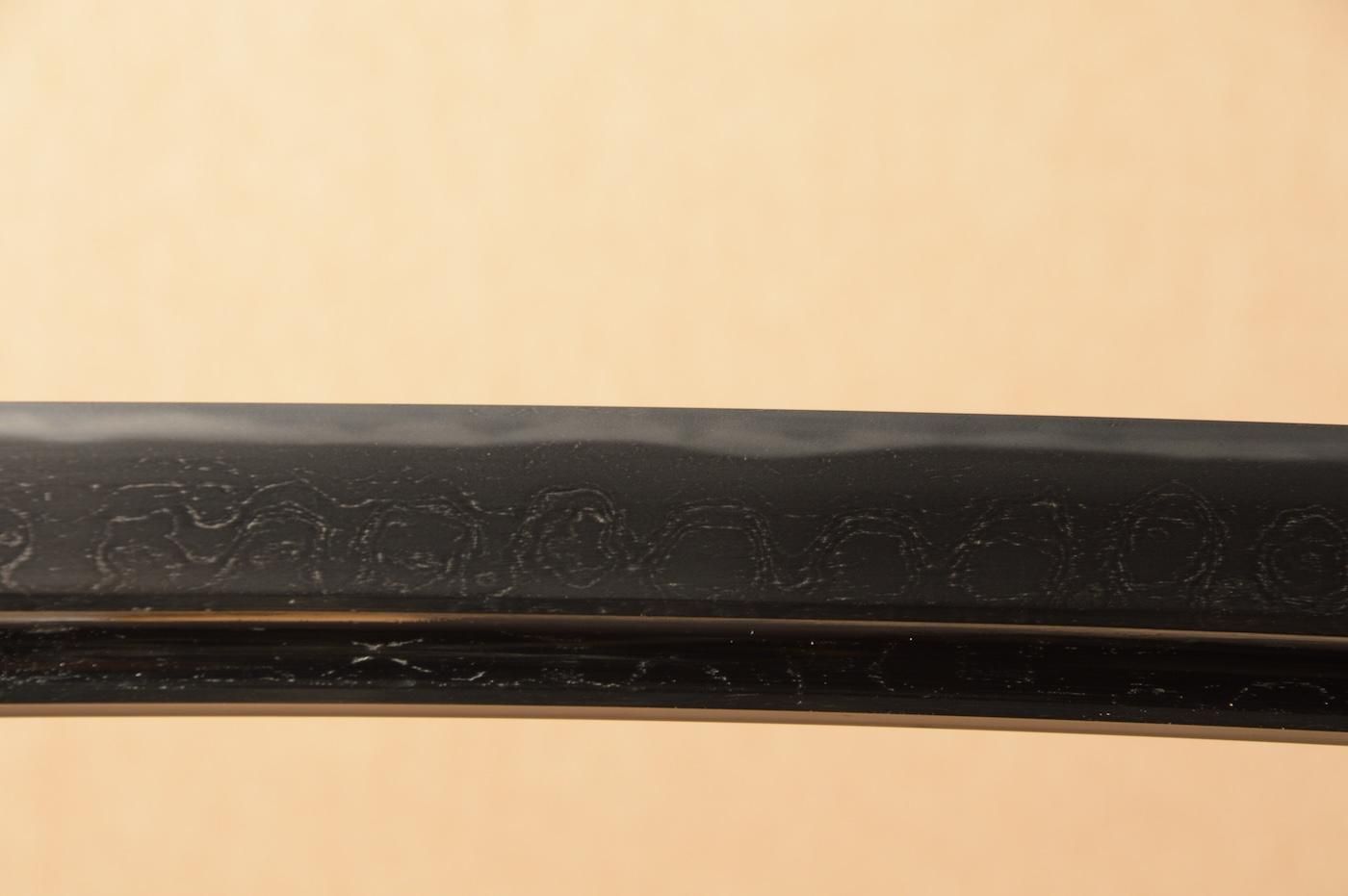
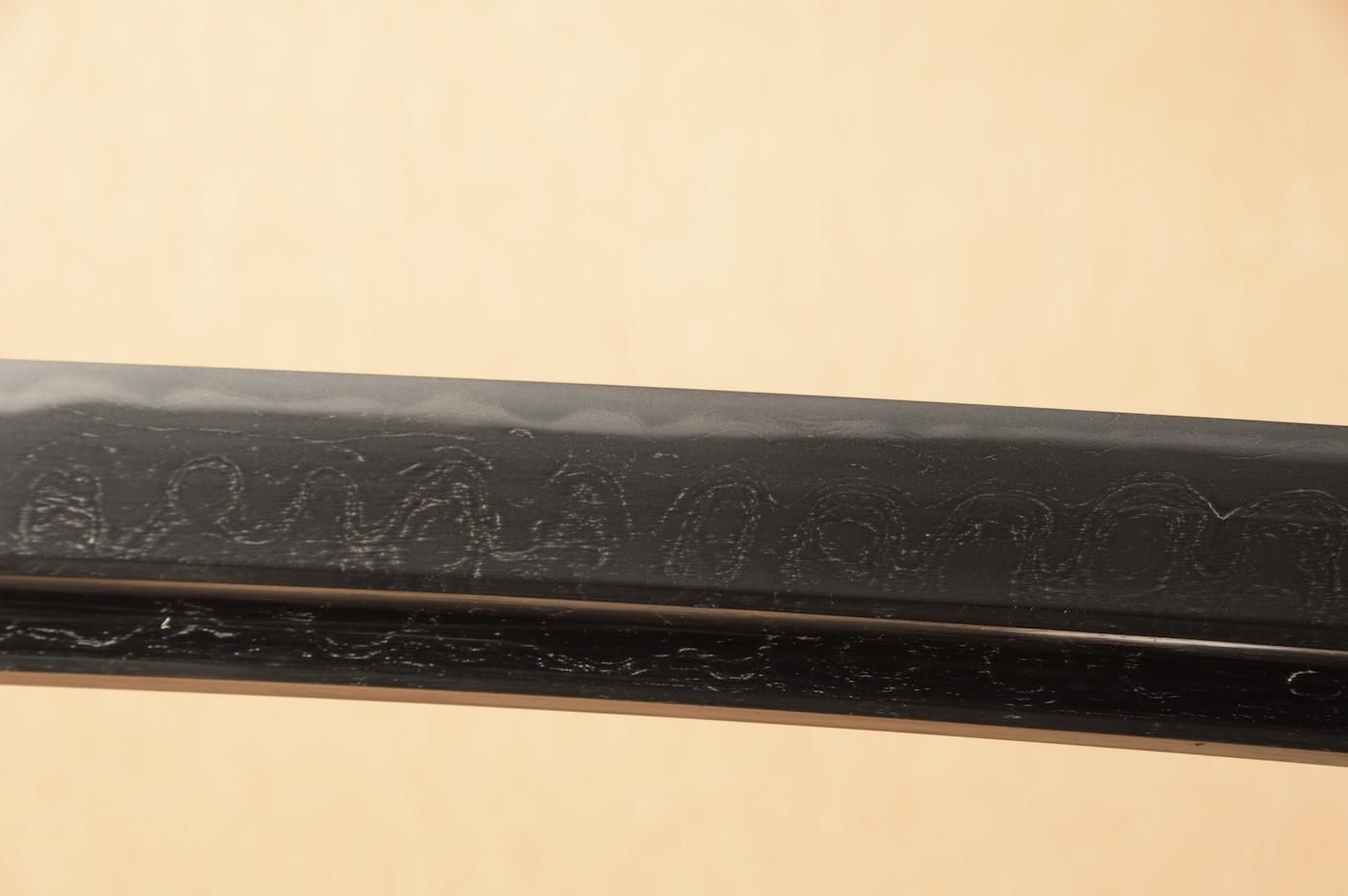
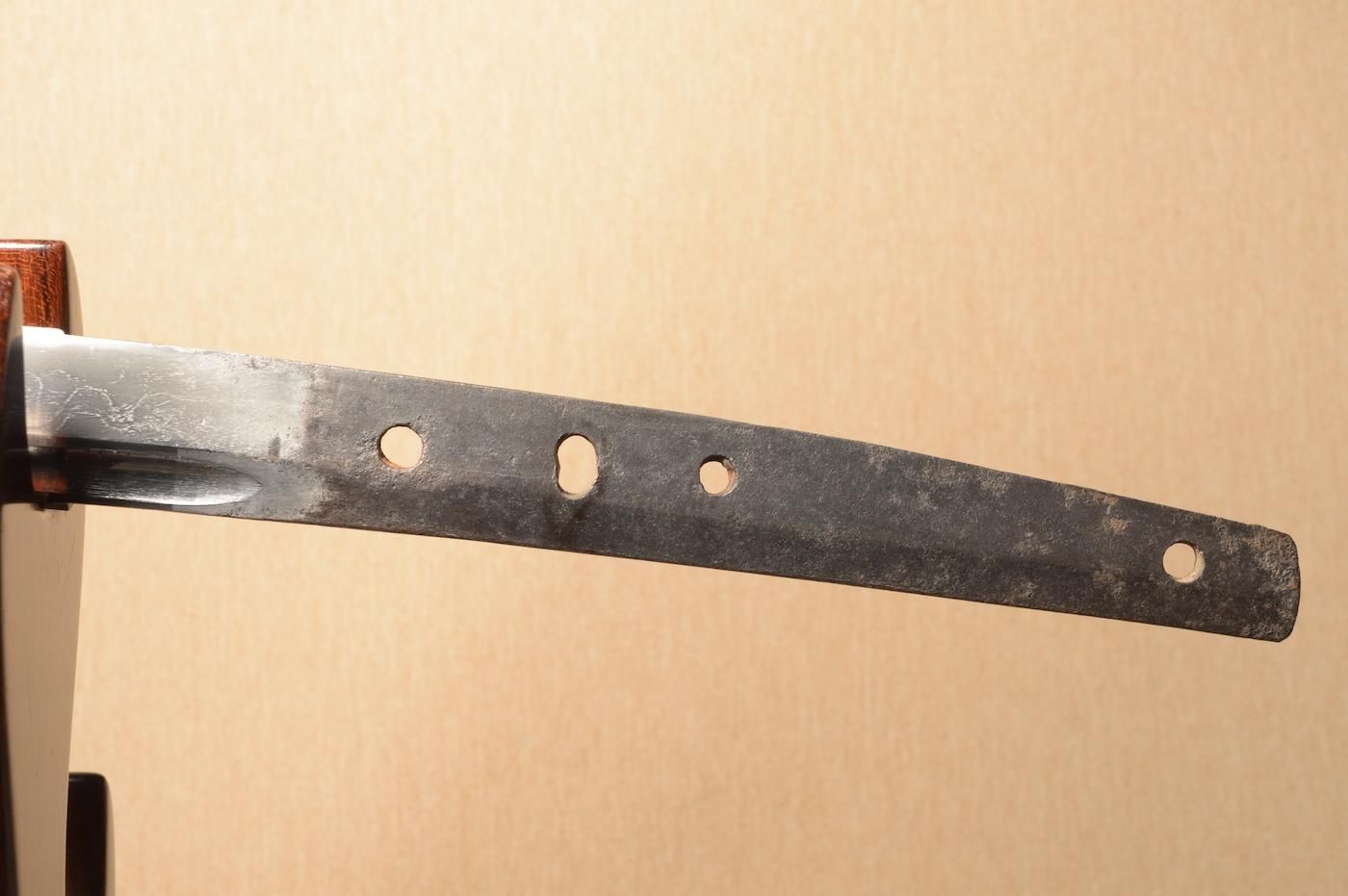
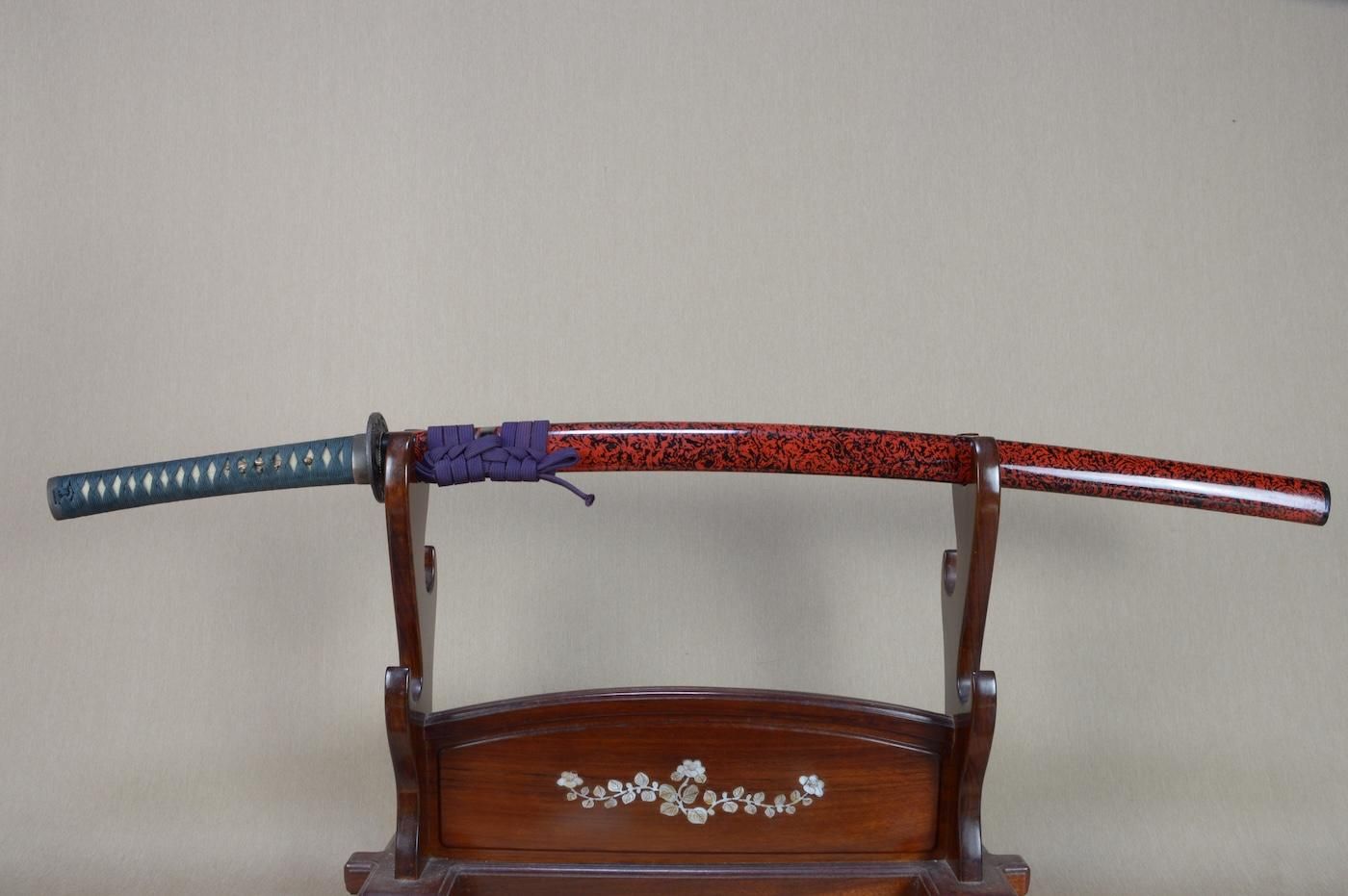
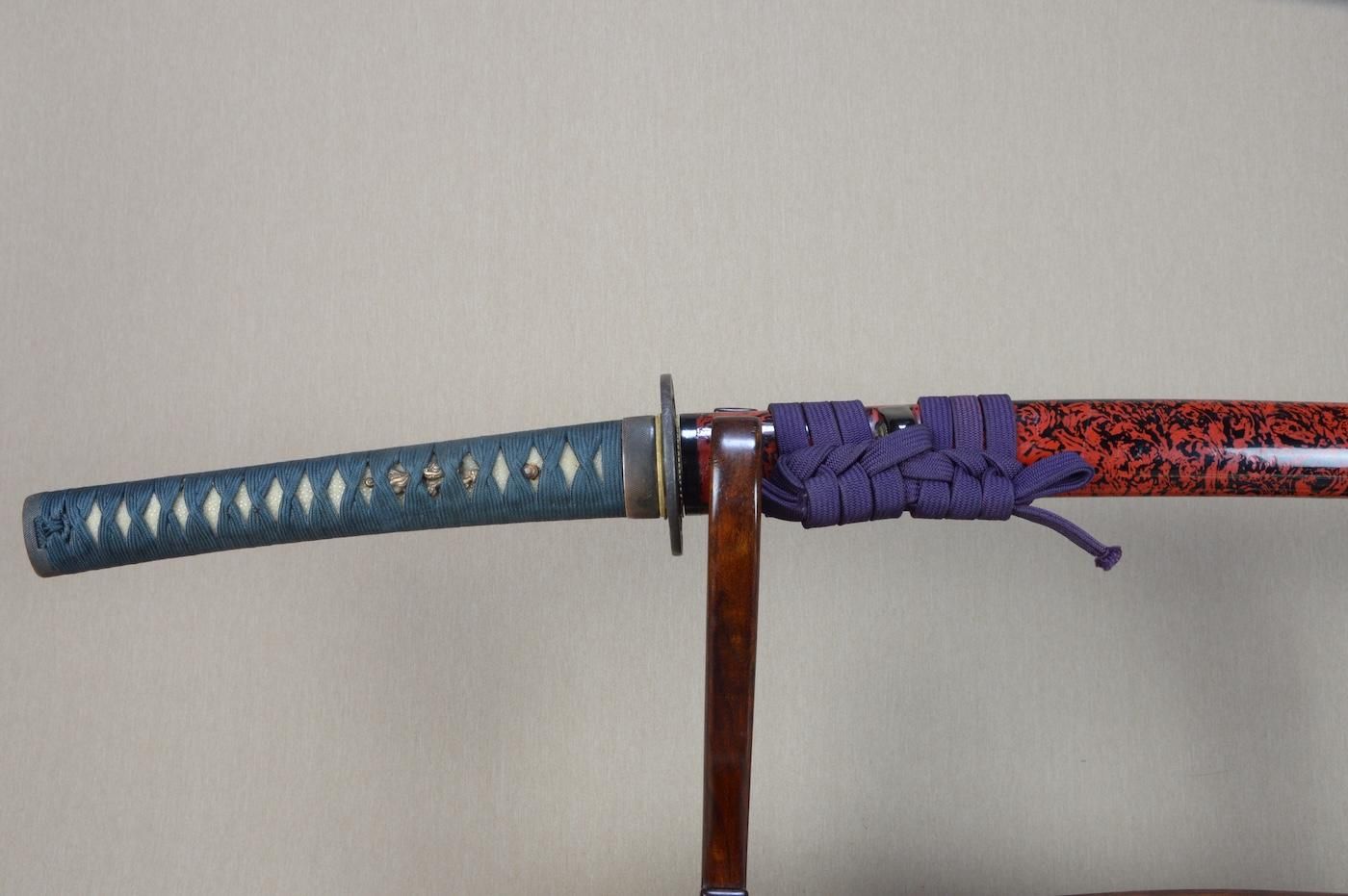
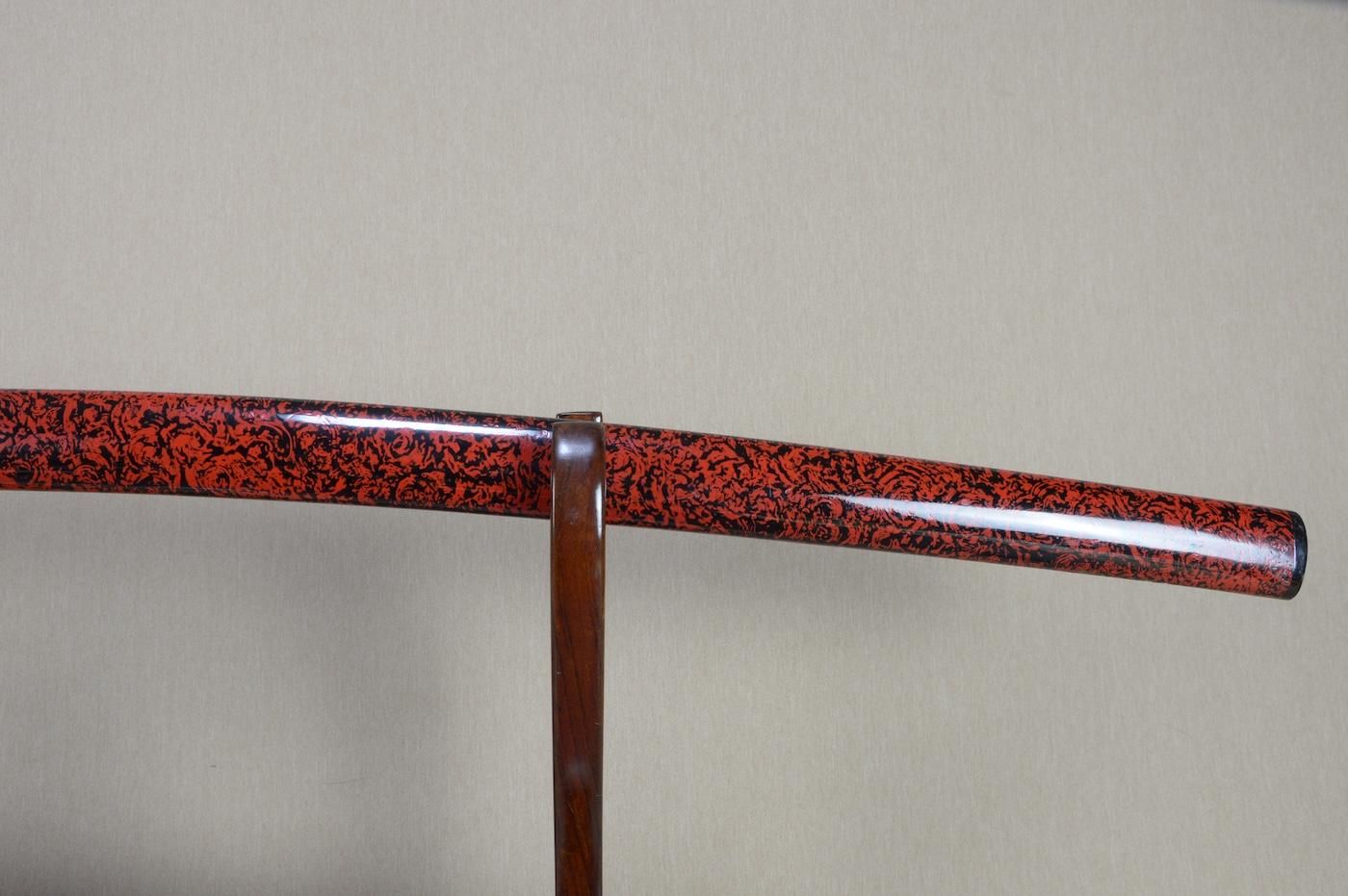
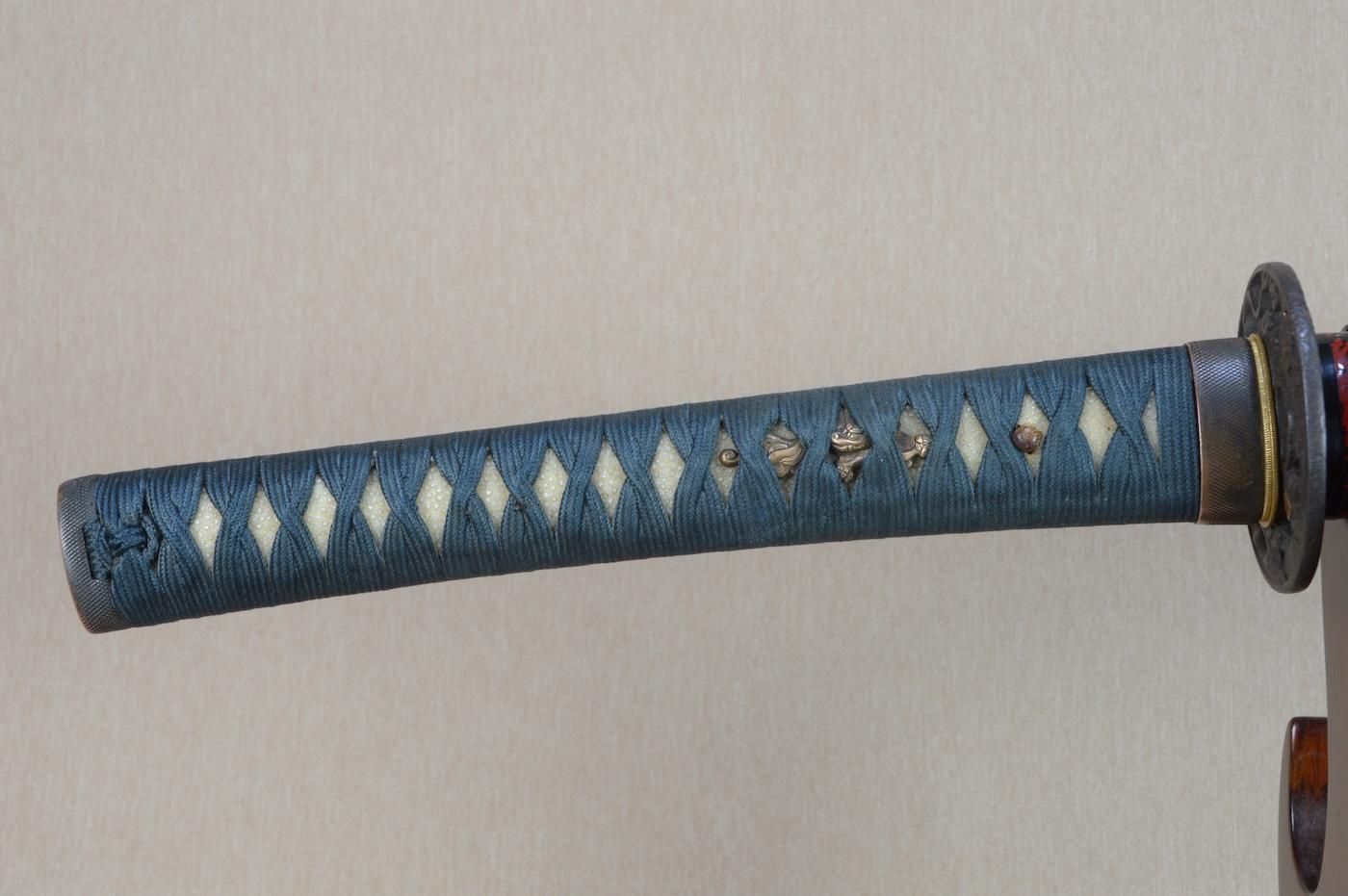
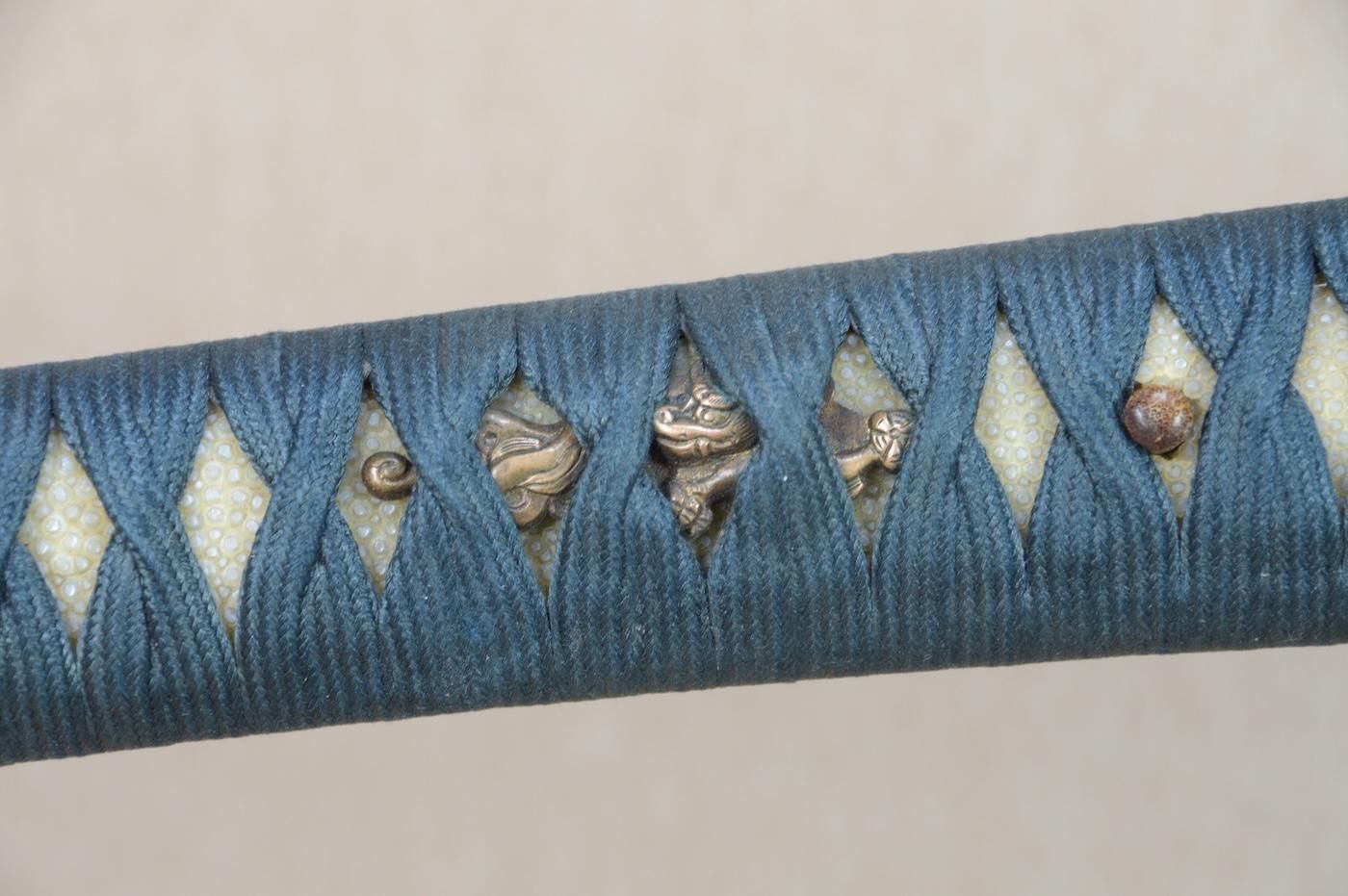
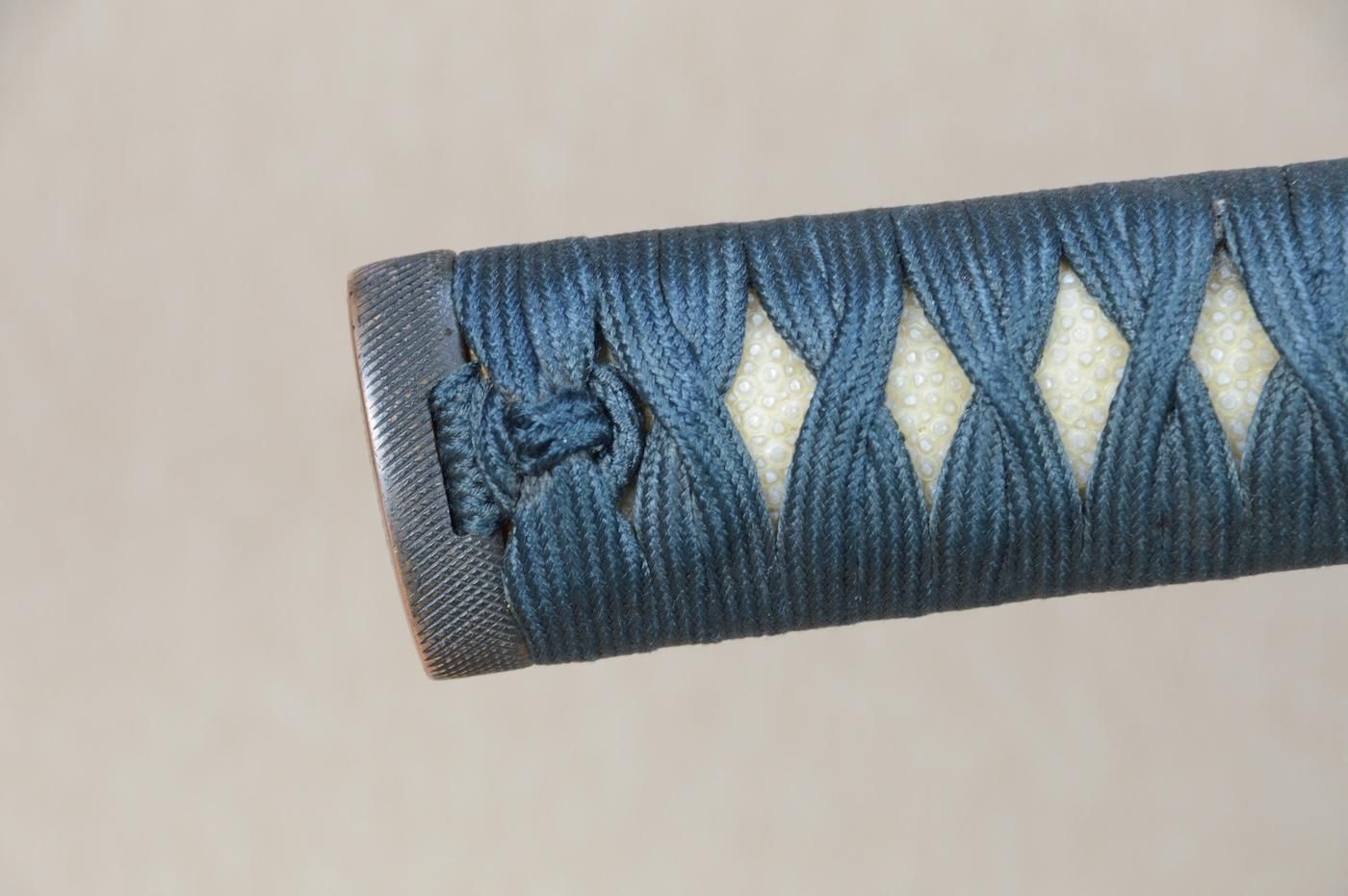
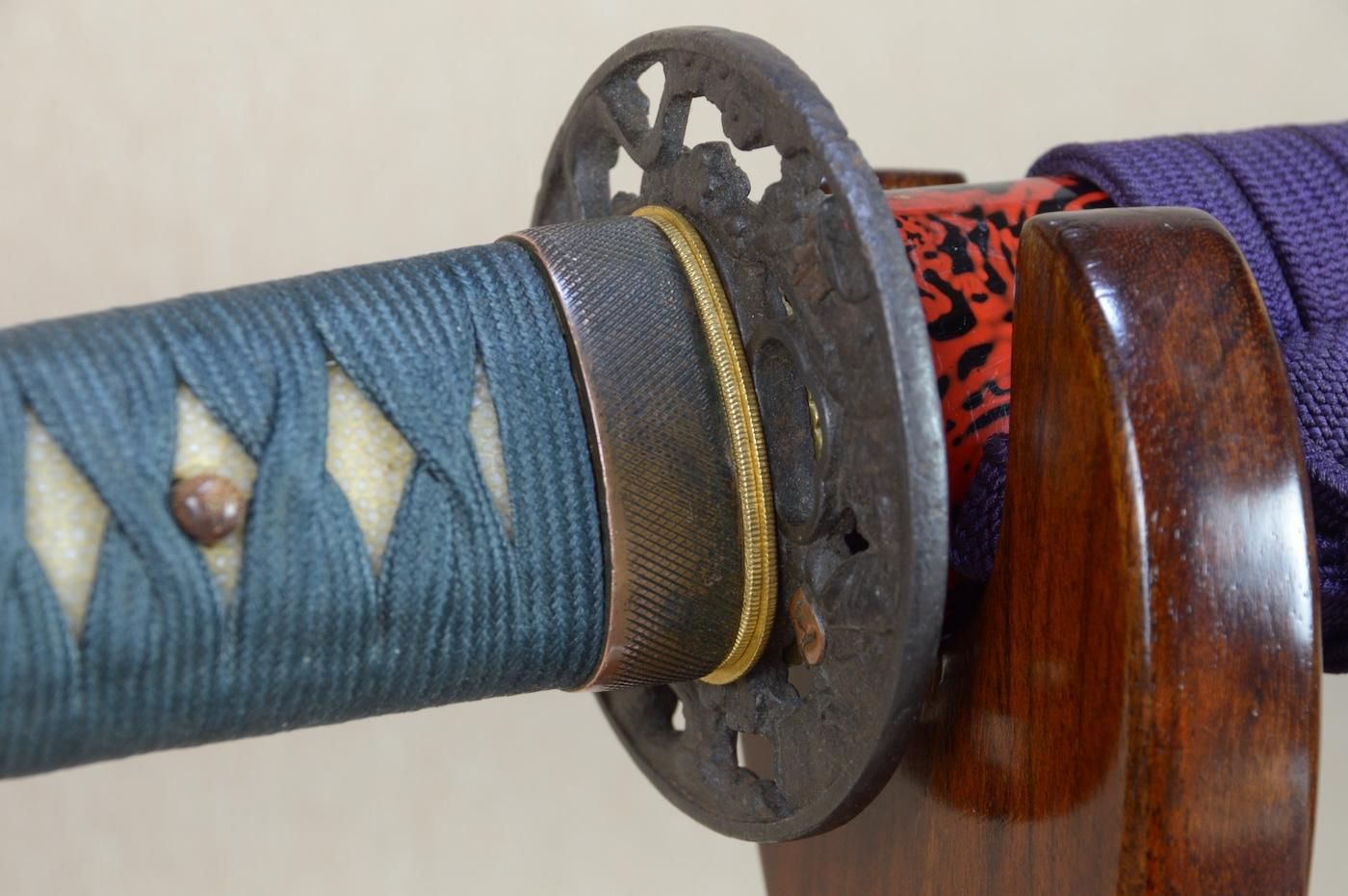
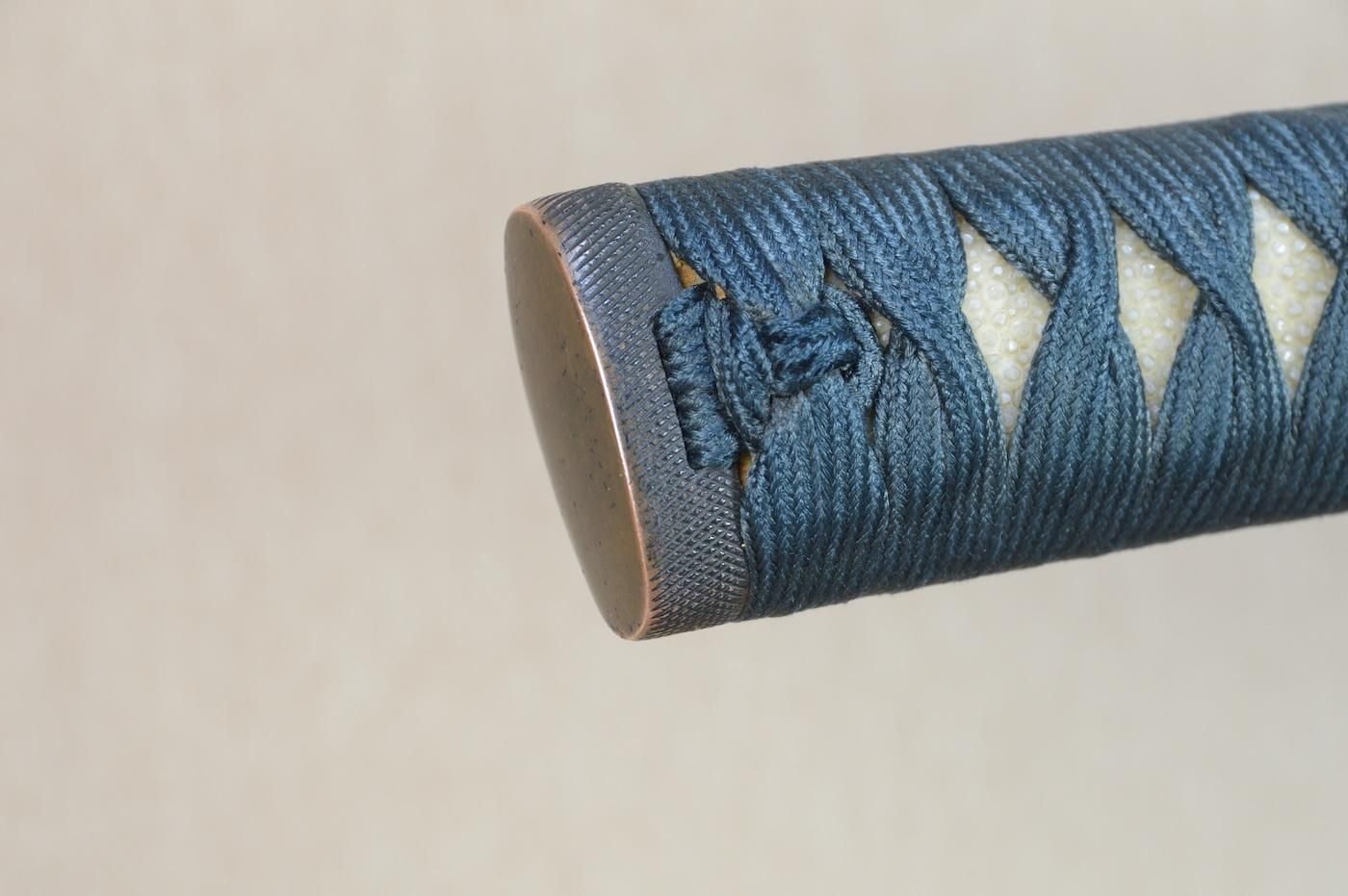
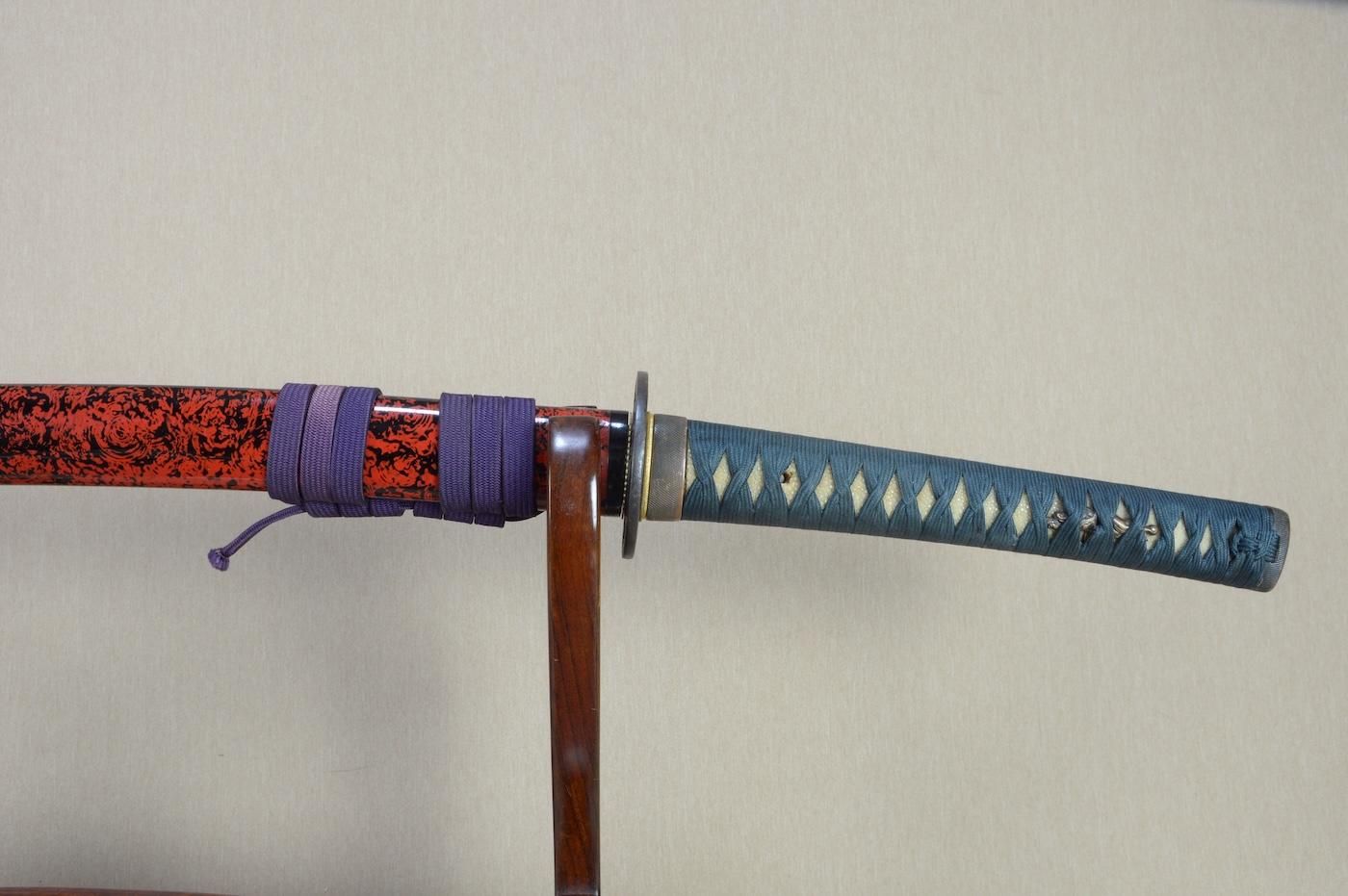
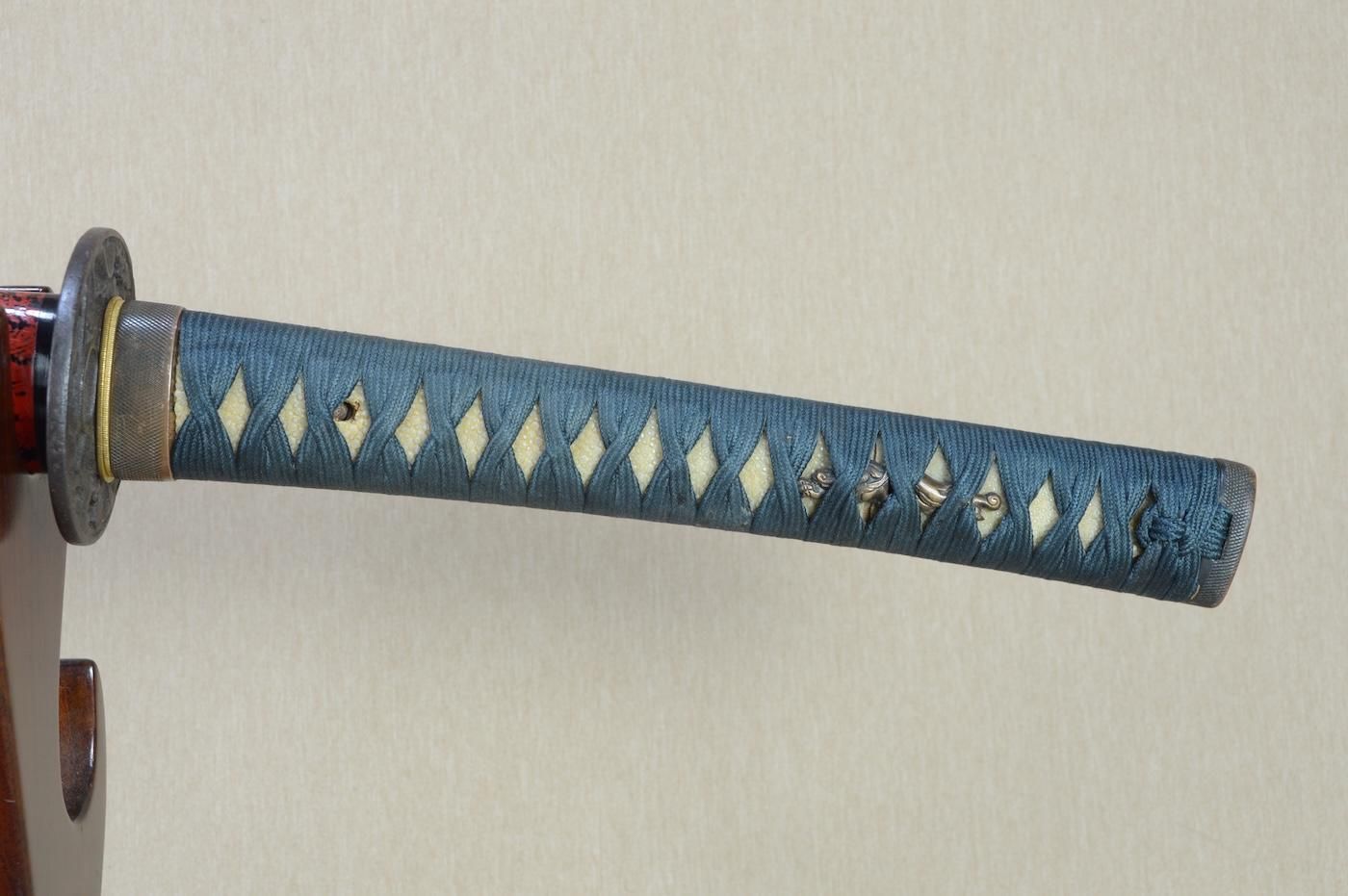
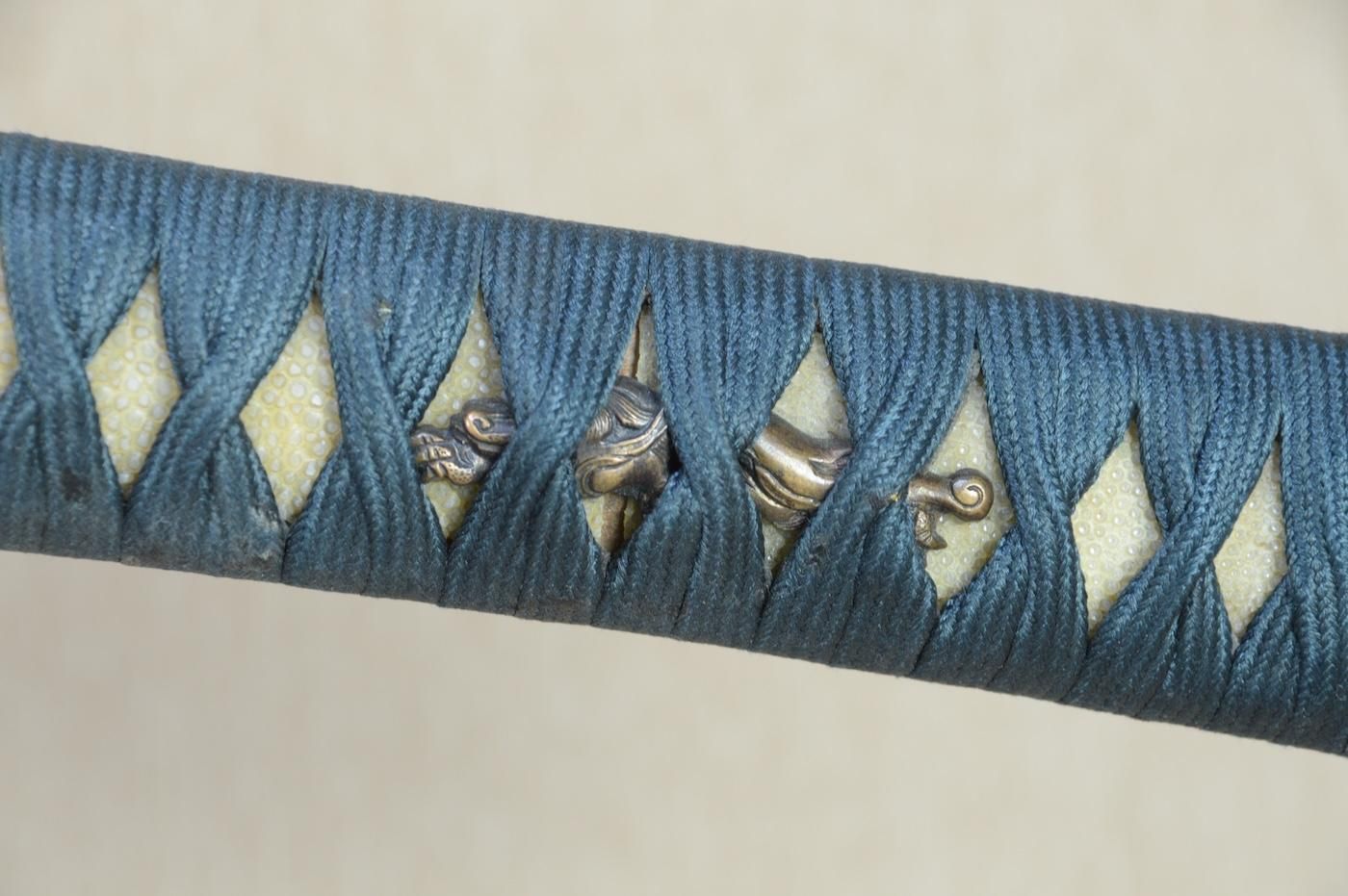
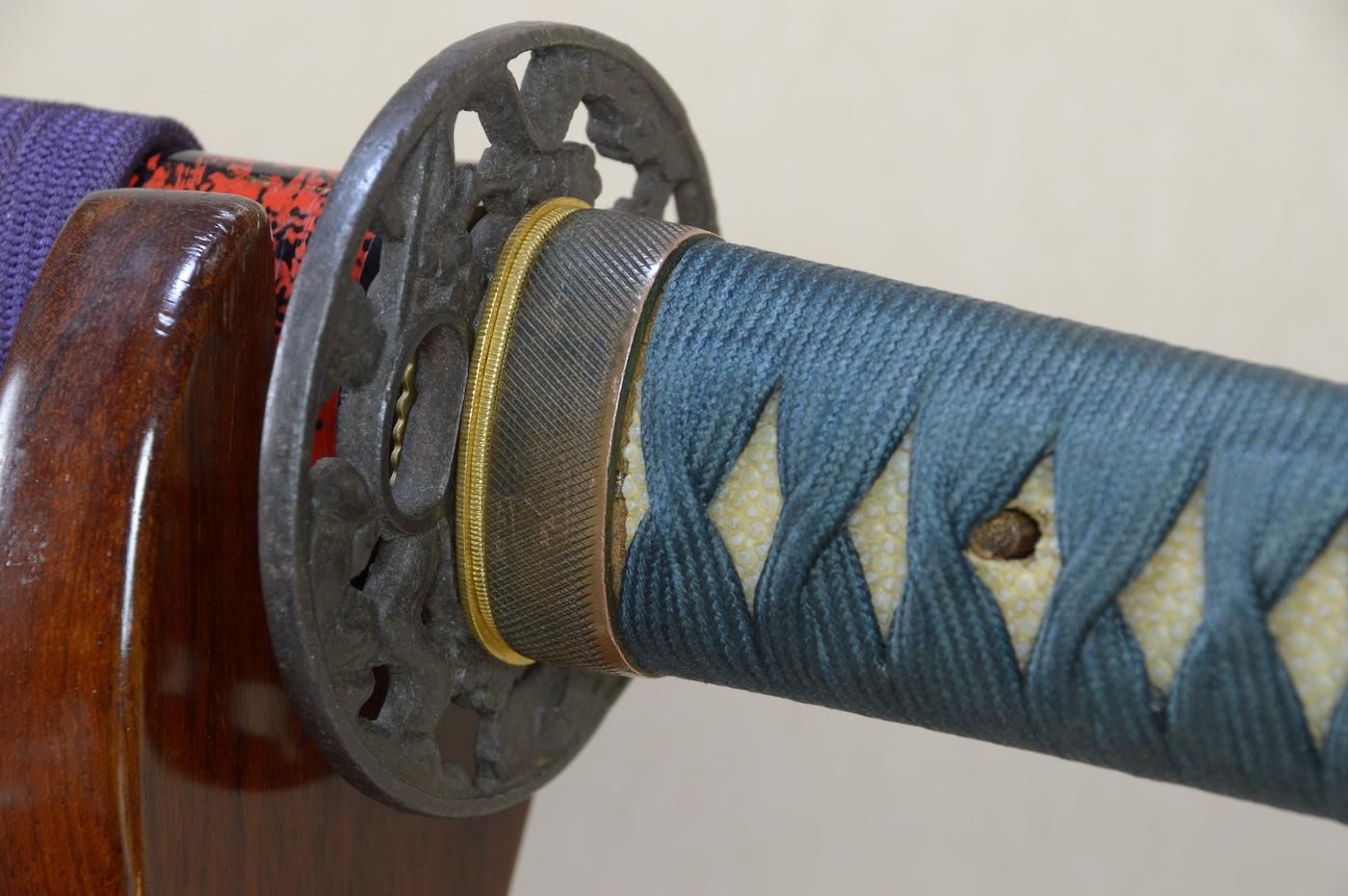
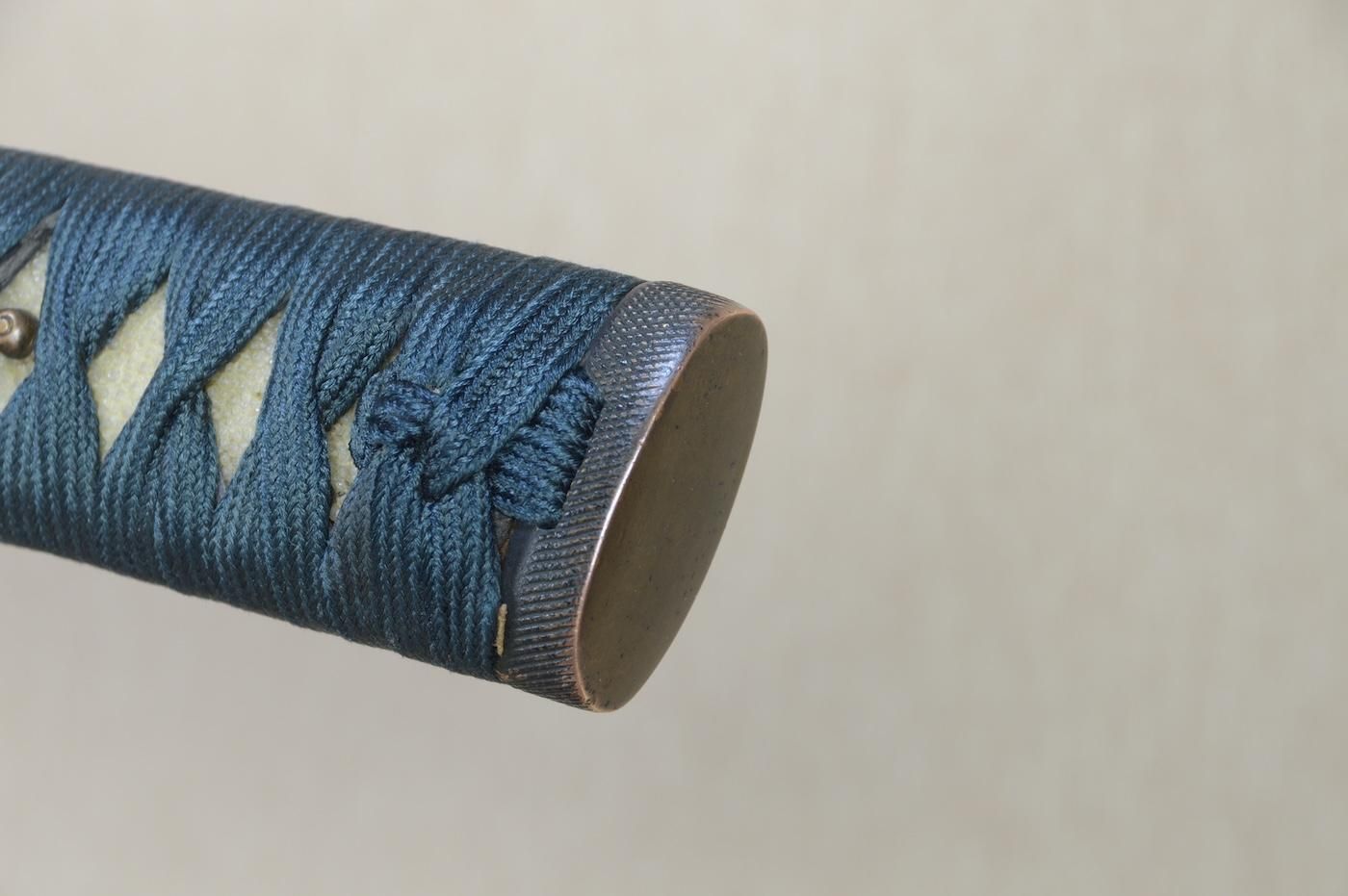
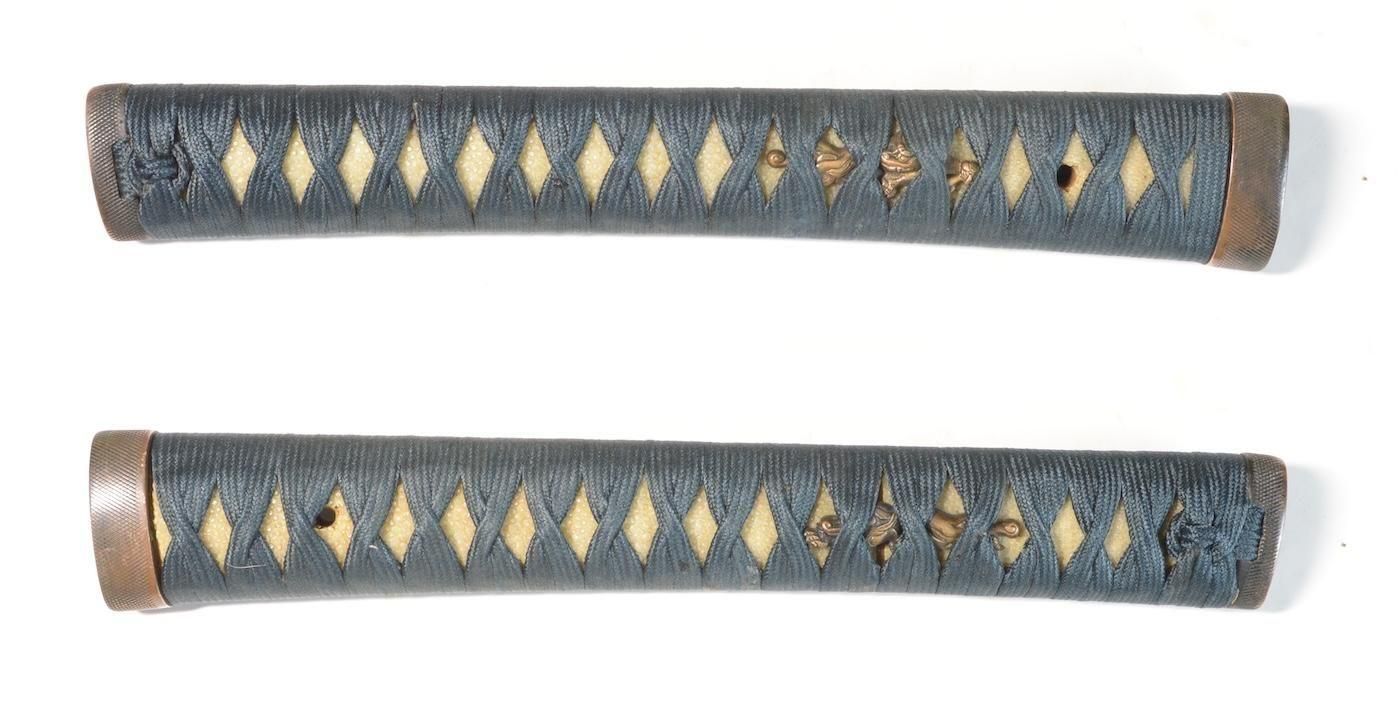
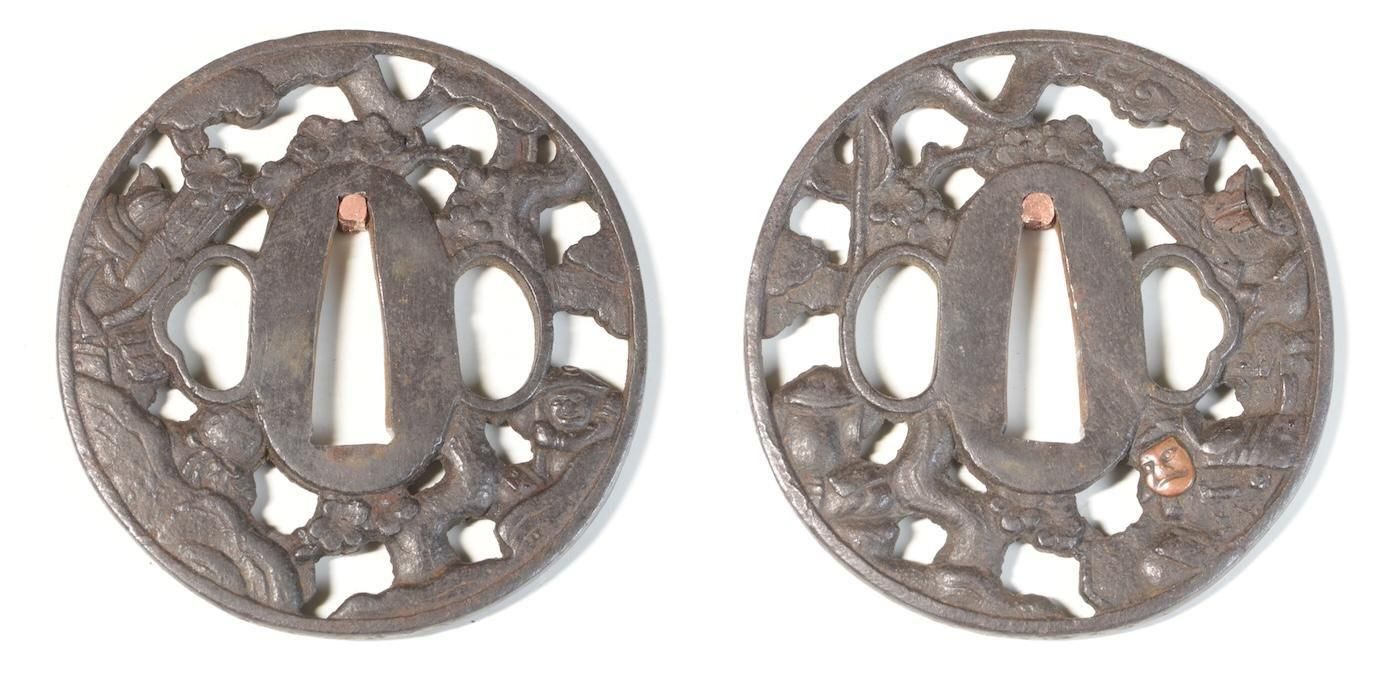
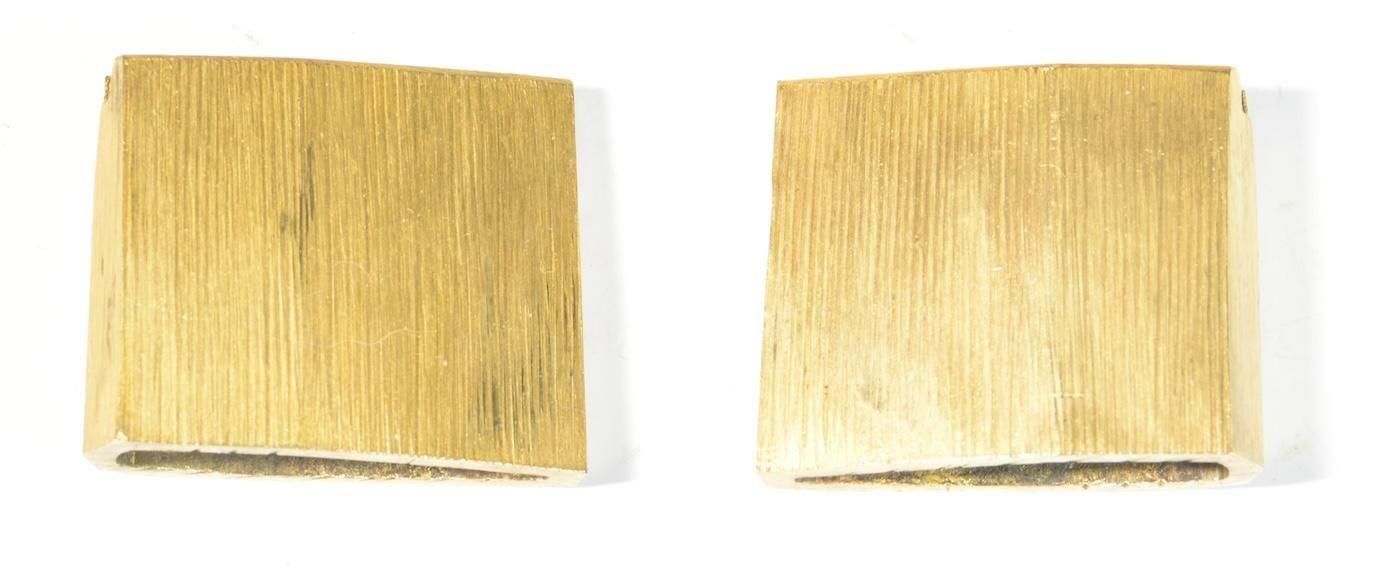
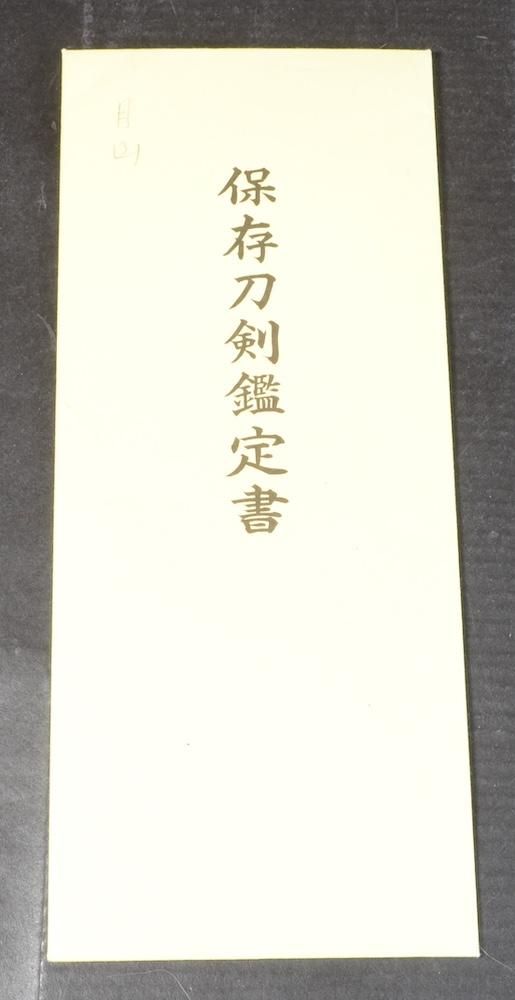
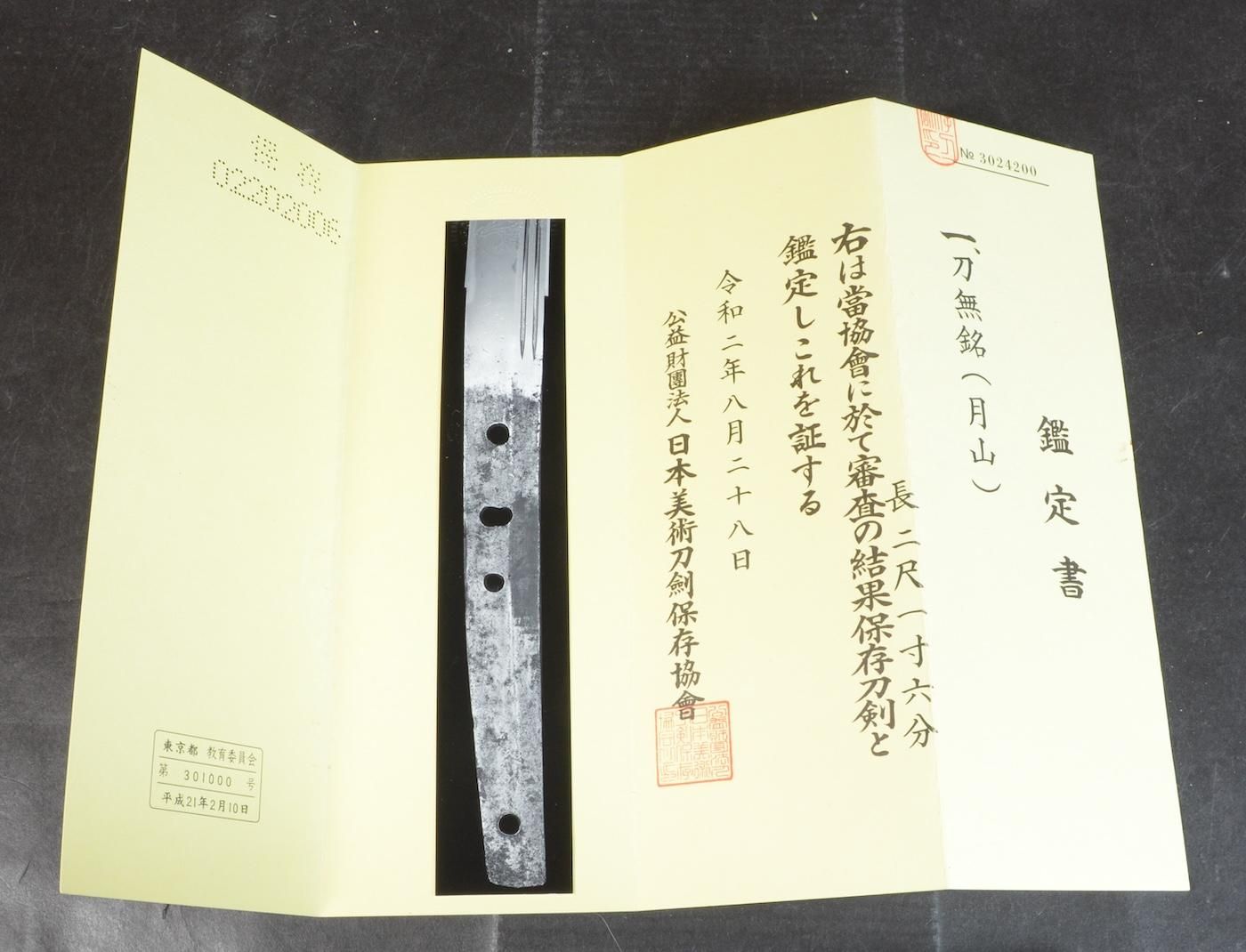
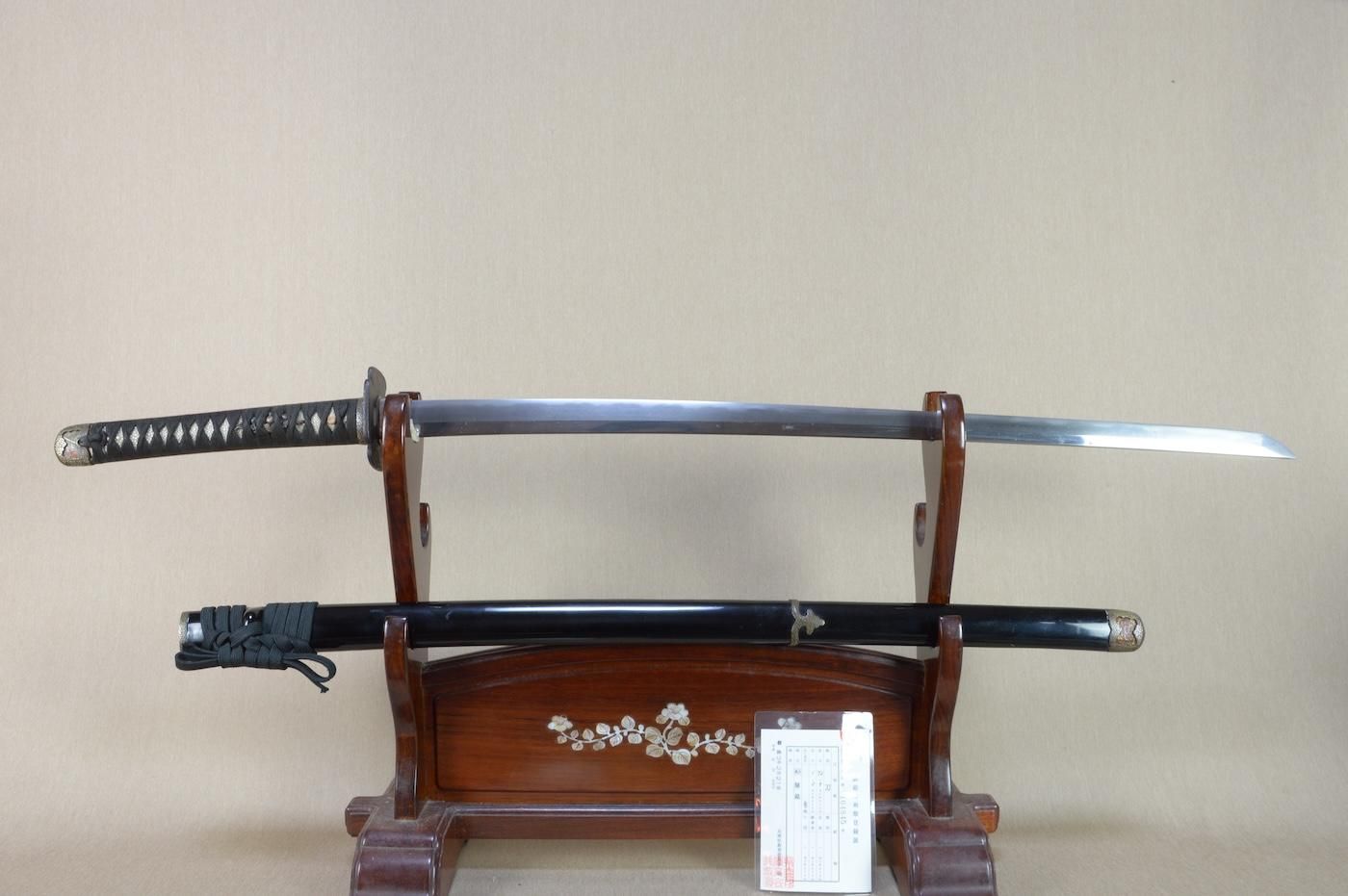
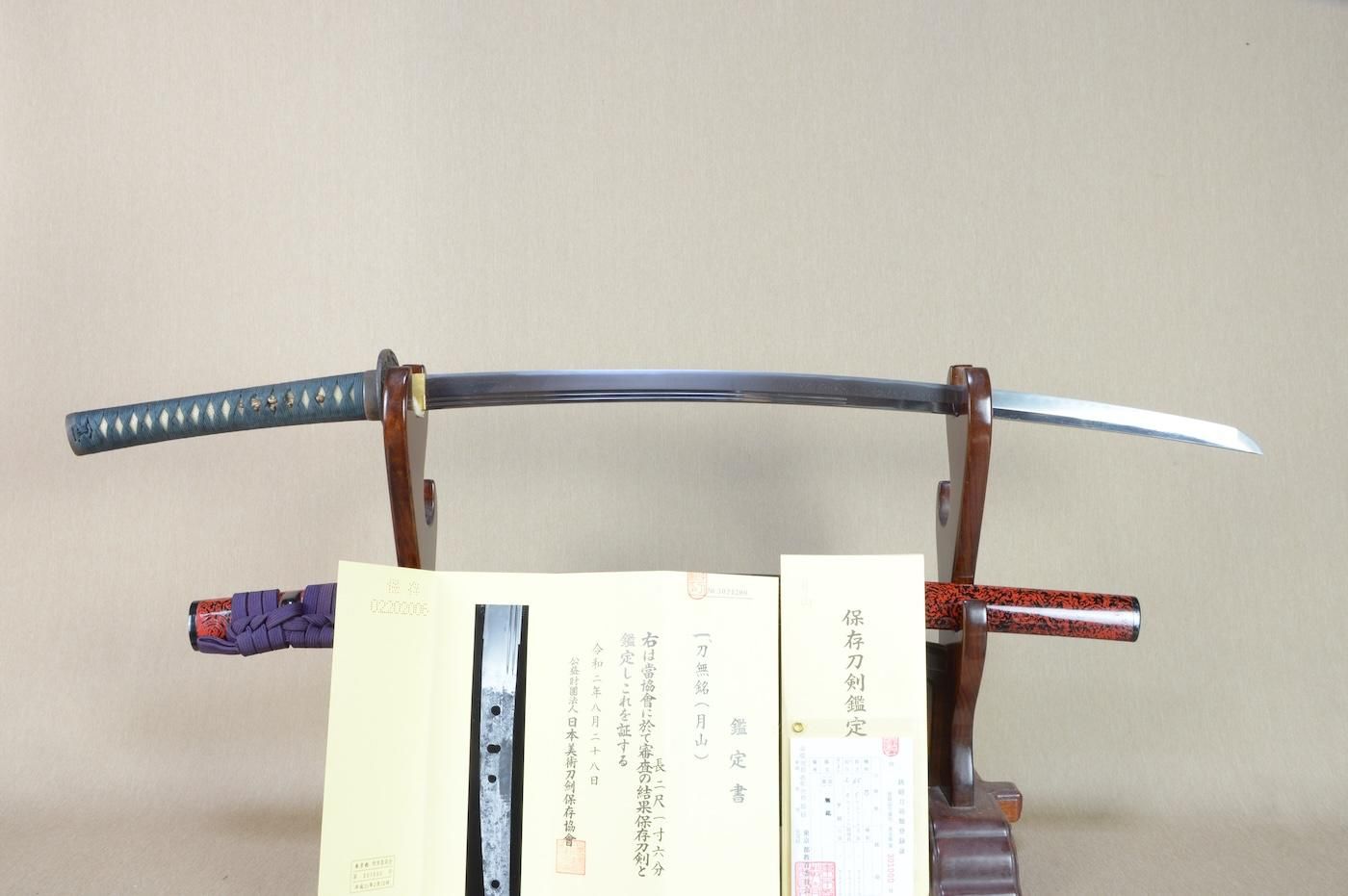
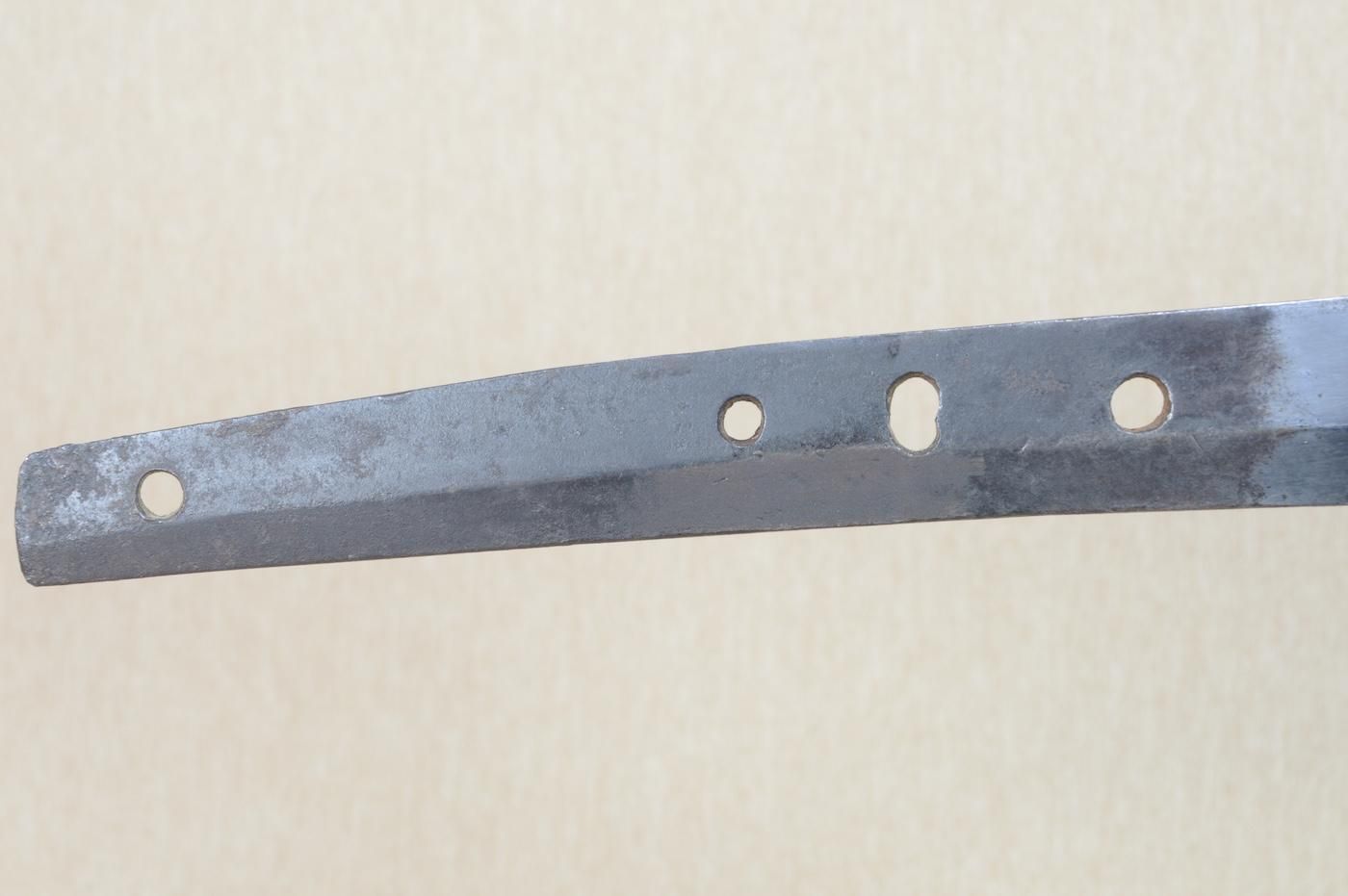
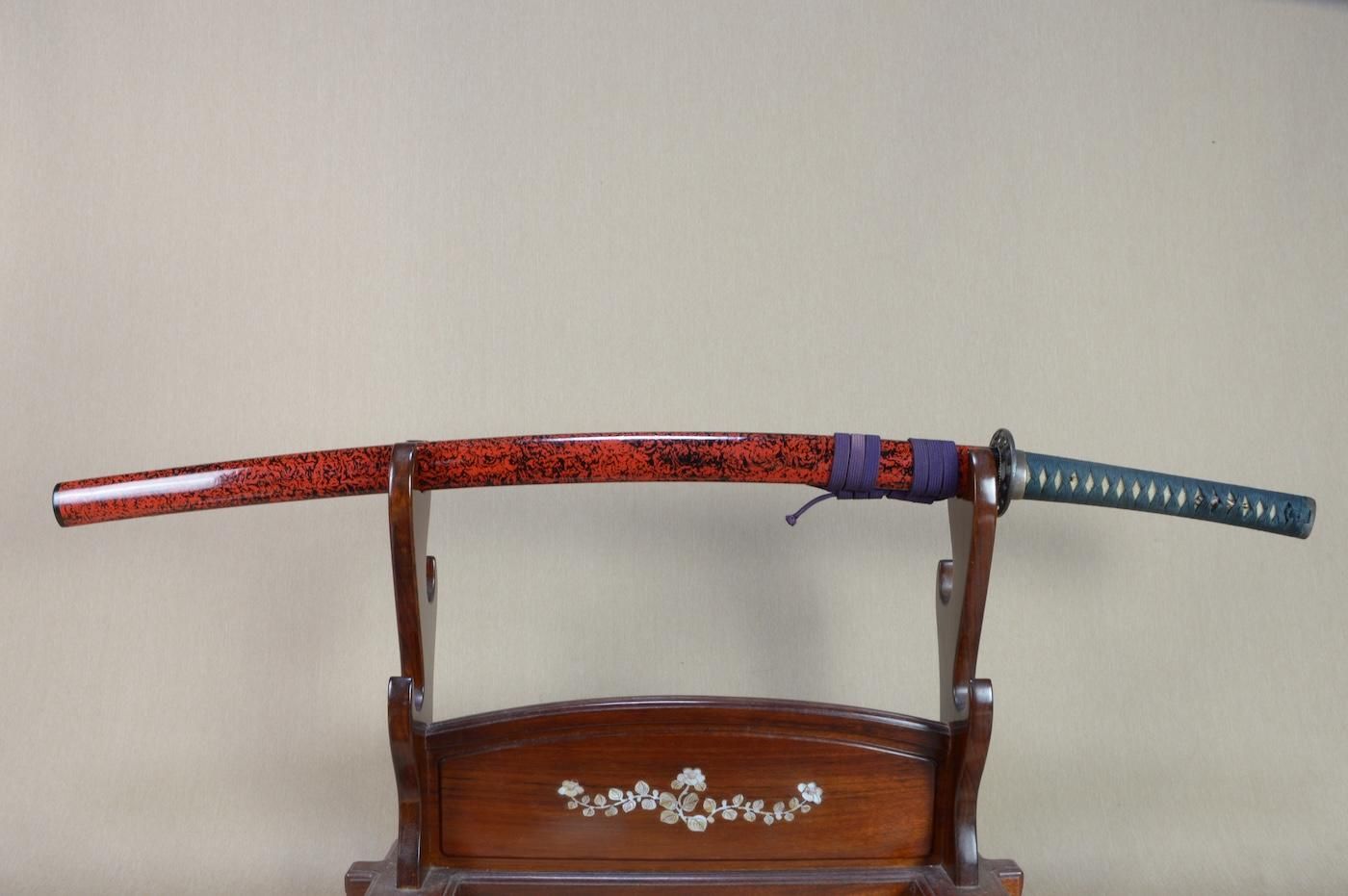
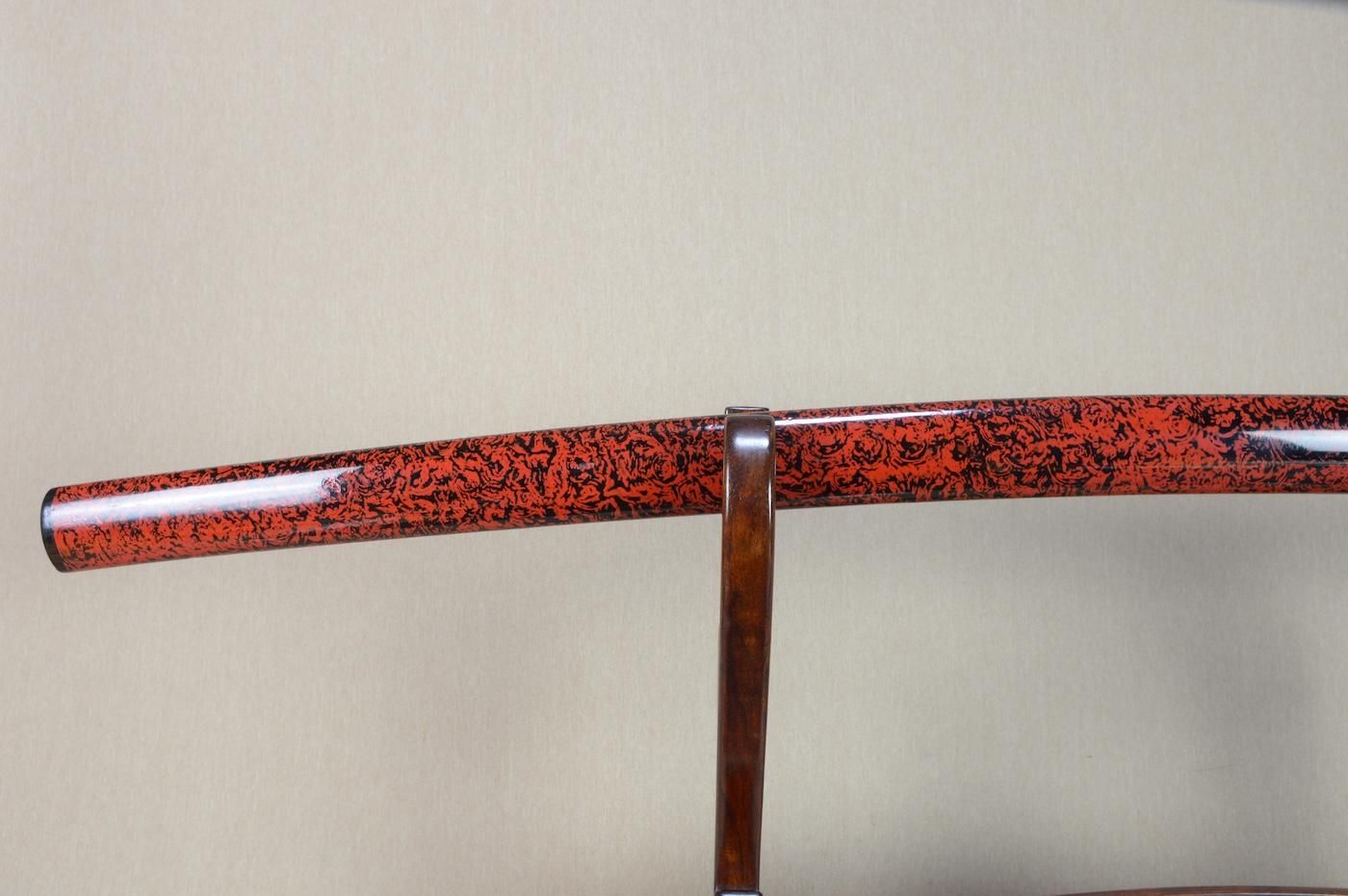
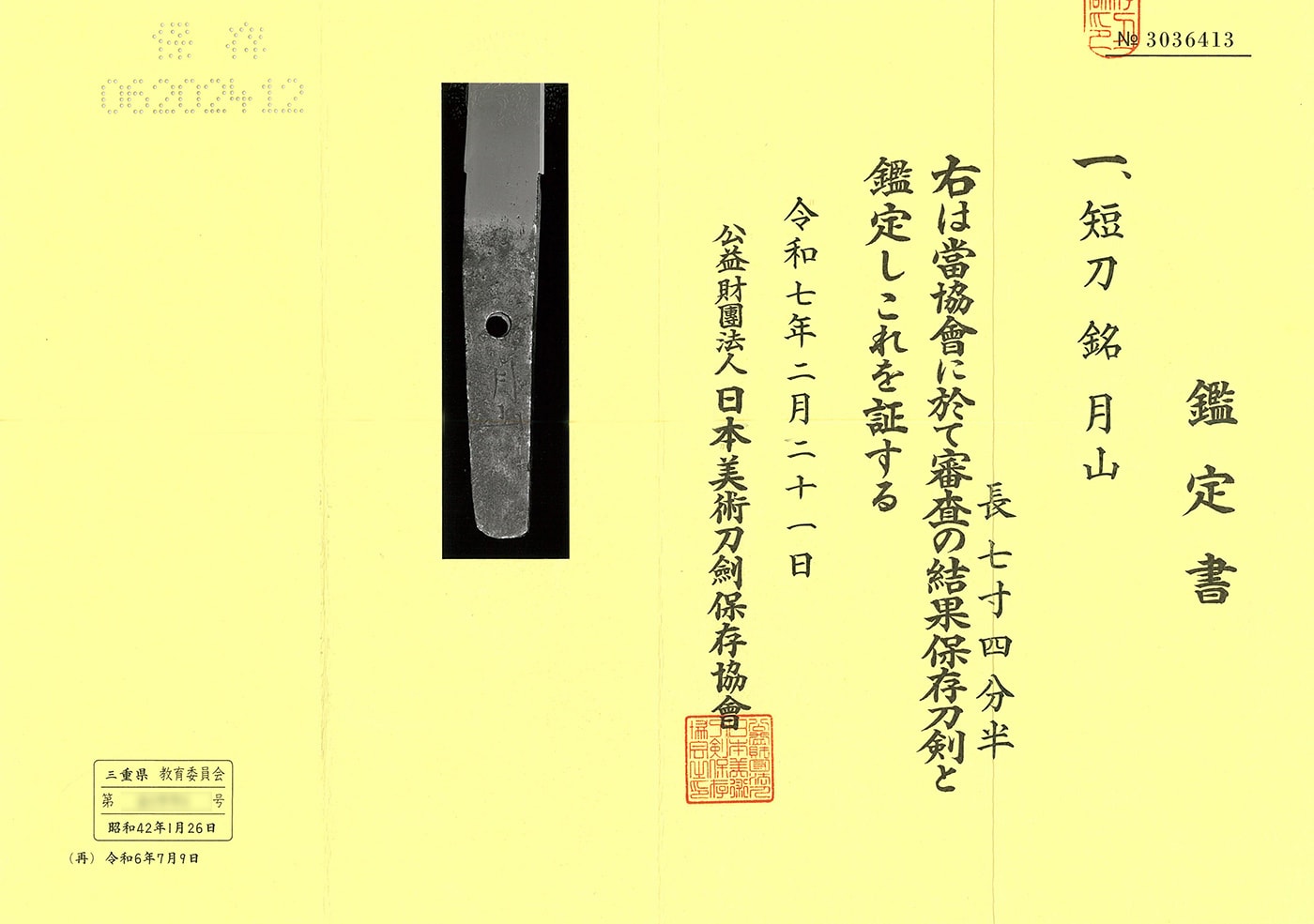
This is a katana attributed to the Gassan school, dating from the Nanbokucho to early Muromachi period. The blade has a nagasa of 65.5cm and comes with a koshirae featuring period fittings and a tsuba modeled after Soten. It has been designated as a Hozon Token.

NihontoWatch MonNihontoWatch
MarketEncyclopediaKantei
Swords›Gassan›Katana: Mumei Gassan, 65.5cm, for appreciation
katanaHozon
Gassan

Katana: Mumei Gassan, 65.5cm, for appreciation

mumei · Nanbokucho · nagasa 65.5cm · sori 2cm
SOLD
Gassan — 1 of 50
Gassan — 2 of 50
Gassan — 3 of 50
Gassan — 4 of 50
Gassan — 5 of 50
Gassan — 6 of 50
Gassan — 7 of 50
Gassan — 8 of 50
Gassan — 9 of 50
Gassan — 10 of 50
Gassan — 11 of 50
Gassan — 12 of 50
Gassan — 13 of 50
Gassan — 14 of 50
Gassan — 15 of 50
Gassan — 16 of 50
Gassan — 17 of 50
Gassan — 18 of 50
Gassan — 19 of 50
Gassan — 20 of 50
Gassan — 21 of 50
Gassan — 22 of 50
Gassan — 23 of 50
Gassan — 24 of 50
Gassan — 25 of 50
Gassan — 26 of 50
Gassan — 27 of 50
Gassan — 28 of 50
Gassan — 29 of 50
Gassan — 30 of 50
Gassan — 31 of 50
Gassan — 32 of 50
Gassan — 33 of 50
Gassan — 34 of 50
Gassan — 35 of 50
Gassan — 36 of 50
Gassan — 37 of 50
Gassan — 38 of 50
Gassan — 39 of 50
Gassan — 40 of 50
Gassan — 41 of 50
Gassan — 42 of 50
Gassan — 43 of 50
Gassan — 44 of 50
Gassan — 45 of 50
Gassan — 46 of 50
Gassan — 47 of 50
Gassan — 48 of 50
Gassan — 49 of 50
Gassan — 50 of 50
1 / 50
1 / 50
Gassan — 1 of 50Gassan — 2 of 50Gassan — 3 of 50Gassan — 4 of 50Gassan — 5 of 50Gassan — 6 of 50Gassan — 7 of 50Gassan — 8 of 50Gassan — 9 of 50Gassan — 10 of 50Gassan — 11 of 50Gassan — 12 of 50Gassan — 13 of 50Gassan — 14 of 50Gassan — 15 of 50Gassan — 16 of 50Gassan — 17 of 50Gassan — 18 of 50Gassan — 19 of 50Gassan — 20 of 50Gassan — 21 of 50Gassan — 22 of 50Gassan — 23 of 50Gassan — 24 of 50Gassan — 25 of 50Gassan — 26 of 50Gassan — 27 of 50Gassan — 28 of 50Gassan — 29 of 50Gassan — 30 of 50Gassan — 31 of 50Gassan — 32 of 50Gassan — 33 of 50Gassan — 34 of 50Gassan — 35 of 50Gassan — 36 of 50Gassan — 37 of 50Gassan — 38 of 50Gassan — 39 of 50Gassan — 40 of 50Gassan — 41 of 50Gassan — 42 of 50Gassan — 43 of 50Gassan — 44 of 50Gassan — 45 of 50Gassan — 46 of 50Gassan — 47 of 50Gassan — 48 of 50Gassan — 49 of 50Gassan — 50 of 50
Measurements & details
Smith
Gassan
Type
Katana
School
Gassan
Period
Around 1394–1428(Oei)
Signature
Unsigned(100% of this smith's designated works are signed)
Measurements
Nagasa 65.5cmSori 2cmMotohaba 2.77cmSakihaba 1.73cmKasane 0.58cmWeight 550g
Description

This is a katana attributed to the Gassan school, dating from the Nanbokucho to early Muromachi period. The blade has a nagasa of 65.5cm and comes with a koshirae featuring period fittings and a tsuba modeled after Soten. It has been designated as a Hozon Token.

About the maker

Gassan

月山

Wakimono · Dewa · around 1394-1428

Tōken Taikan top 60%

2 pieces on the market now

›

Historical importance

Where Gassan stands among comparable artisans: across all of nihontō, and within tradition, era, and period. The tiers (Foremost · Leading · Major · Notable) weigh official designations from the NBTHK and Japan's Agency for Cultural Affairs, together with historical honors of lasting repute such as the Sansaku and Meibutsu-chō.

随一
Foremost
屈指
Leading
有数
Major
著名
Notable

Select a lens to see how it's measured.

Designation record
1 designated works
Jūyō Bijutsuhin
1
2 works by Gassan on the market→
Gassan — full profileWakimono school
About the school

Gassan

月山

Wakimono · Dewa

52 pieces on the market now

›

Mount Gassan rises among the Dewa Sanzan, the three sacred peaks of northern Japan bound to the mountain asceticism of Shugendō, and the swordsmiths who took the mountain's name worked in its shadow in Ōshū, Dewa Province. The setsumei record that smiths signing "Gassan" are noted in the Kanchiin-bon Meizukushi as early as the Heian period, and the lineage's oldest surviving signed blade is a tachi simply signed Gassan, kept at the Gassan Shrine and judged to date from the late Nanbokuchō to early Muromachi period. Around that same early Nanbokuchō moment the corpus places Gassan Nagamitsu, whose signed tachi answers to the "Ushū Gassan group, around the Ryakuō era" recorded in the Meikan, and Shōgun, a Nanbokuchō hand sometimes identified with Gunshō, dated Genchū 3 (1386). A later branch is carried by Gassan Chikanori, working into the mid and late Muromachi (an ubu wakizashi dated Eishō 9, 1512). The line was revived in Osaka in the closing Tokugawa and Meiji years by Gassan Sadayoshi and his adopted son Gassan Sadakazu, who endured the Haitōrei edict and was appointed Teishitsu Gigei-in (Artist to the Imperial Household) in Meiji 39; his own adopted son Gassan Sadaichi continued the title into Taishō. The forging is the school's signature. " Over the itame base the grain flows (nagare) and tends to stand; ji-nie adheres and chikei enter, and the northern steel takes a dark, metal-like (kana-iro) hue read as Ōshū temperament.

The temper of the old line is a suguha whose nioiguchi is shizumi (subdued), at times mixed with gunome and ko-midare and softened toward urumi, the bōshi turning back in ko-maru. Departures within the corpus mark the lineage's range: Chikanori's late work can drop the ayasugi entirely and absorb Sue-Bizen and Osafune manners, while the Osaka revival smiths command itame with thick ji-nie, flamboyant nie-laden midare, kinsuji, and sunagashi in a full Sōshū idiom, and both Sadakazu and Sadaichi added meticulous horimono, from Bishamonten kurikara to taki kaen Fudō and dragon carvings carved by the same hand that forged the blade. For recognition the setsumei point first to the wave-grain ayasugi and the subdued, often slightly urumi northern nioiguchi, and where these recede, to the dark steel and standing grain that still betray an Ōshū hand. Signed examples of the old line are described as extremely rare, which raises the documentary weight of Nagamitsu's tachi and Shōgun's dated tantō. Provenance threads through the school's own sanctuary: the founding tachi and an Important Art Object tachi both reside at the Dewa Sanzan and Gassan Shrines. The Osaka revival is anchored in the Imperial collection, where Sadaichi tantō signed Teishitsu Gigeiin survive, alongside a Sadakazu wakizashi made on commission for Prince Kuni. Across six centuries the setsumei track a single mountain workshop, from the subdued ayasugi of the Dewa founders through a Muromachi offshoot that turned toward Bizen, to the Imperial-rank carvers of Osaka who reproduced the old wave-grain while mastering the wider traditions. Learn more →

8 recorded smiths10 designated works
Leading smiths
SmithEraDesignated
Naonori直則1830-18440
Toshiyasu俊安1504-15210
Nagahisa長久1334-13380
Kiyoyasu清安1532-15550
Tomosada友定1532-15550
Explore the Gassan school →

Historical context

Two courts, sixty years of war, and the most dramatic silhouettes in the sword’s history: broad blades, extended points, true ōdachi later cut down into the majestic katana collectors prize. The Sōshū manner was the style of the age.

The Nanbokuchō period (1333 to 1392) →

NBTHK Certificate
Hozon Tōken保存刀剣
Sword Worthy of Preservation
›

Certifies a genuine blade worth preserving: a signature confirmed correct, or, if unsigned, an era, province, and school that the NBTHK can reliably identify.

About the NBTHK›

The NBTHK (Nihon Bijutsu Tōken Hozon Kyōkai, the Society for the Preservation of Japanese Art Swords) is a public-interest incorporated foundation founded in 1948 and supervised by Japan’s Agency for Cultural Affairs (Bunkachō); it is based at the Japanese Sword Museum in Tokyo. Its expert panels physically examine each submitted work (shinsa) and issue a certificate (kanteishō) ranking it by artistic and historical merit. NBTHK papers are the most widely recognized standard of authentication for Japanese swords and fittings.

NBTHK official site→
Seller
I
Ikeda Art
🇯🇵Ships from Japan
›
✓Verified dealerikedaart.net
Wire transferPayPal
Return policy

Please contact us promptly after the item's arrival. Except where the item is defective, we cannot accept returns. For returns due to customer circumstances, the cost is the customer's responsibility. In the case of a defective item, we bear the cost.

View all of Ikeda Art’s listings→View this item on the dealer’s site→

More works by Gassan

View all →
Samurai Shokai
Hozon
Katana - Hozon - by Gassan - Kinpun Mei GassanKatana - Hozon - by Gassan - Kinpun Mei Gassan

Katana

ByGassan
¥980,000
Choshuya
刀
Katana - by Gassan - Mumei Gassan (Late Nanbokucho to Early Muromachi Period)

Katana

ByGassan
Ask

Previously sold by Gassan

E-sword
Hozon
Tanto - Hozon - by Gassan - Gassan (Ko-Gassan)Tanto - Hozon - by Gassan - Gassan (Ko-Gassan)
Sold

Tantō

ByGassan
SOLD
Samurai Shokai
Hozon
Tanto - Hozon - by Gassan - GassanTanto - Hozon - by Gassan - Gassan
Sold

Tantō

ByGassan
SOLD
Choshuya
Tanto - by Gassan - GassanTanto - by Gassan - Gassan
Sold

Tantō

ByGassan
SOLD
Iida Koendo
Hozon
Tanto - Hozon - by Gassan - Koto: Gassan TantoTanto - Hozon - by Gassan - Koto: Gassan Tanto
Sold

Tantō

ByGassan
SOLD

Swords

  • Katana
  • Wakizashi
  • Tantō
  • Tachi
  • Naginata
  • Yari

Fittings

  • Tsuba
  • Fuchi-Kashira
  • Kozuka
  • Menuki

Armor

  • Kabuto
  • Samurai Armor

By Certification

  • Tokujū
  • Jūyō
  • Tokuho
  • Hozon

Resources

  • Dealer Directory
  • Artist Directory
  • The Daily Kantei
  • Glossary
  • Browse All
Nihontowatch© 2026
TermsPrivacyCookiesAbout

Description

This is a katana attributed to the Gassan school, dating from the Nanbokucho to early Muromachi period. The blade has a nagasa of 65.5cm and comes with a koshirae featuring period fittings and a tsuba modeled after Soten. It has been designated as a Hozon Token.

NihontoWatch MonNihontoWatch
MarketEncyclopediaKantei
Swords›Gassan›Katana: Mumei Gassan, 65.5cm, for appreciation
katanaHozon
Gassan

Katana: Mumei Gassan, 65.5cm, for appreciation

mumei · Nanbokucho · nagasa 65.5cm · sori 2cm
SOLD
Gassan — 1 of 50
Gassan — 2 of 50
Gassan — 3 of 50
Gassan — 4 of 50
Gassan — 5 of 50
Gassan — 6 of 50
Gassan — 7 of 50
Gassan — 8 of 50
Gassan — 9 of 50
Gassan — 10 of 50
Gassan — 11 of 50
Gassan — 12 of 50
Gassan — 13 of 50
Gassan — 14 of 50
Gassan — 15 of 50
Gassan — 16 of 50
Gassan — 17 of 50
Gassan — 18 of 50
Gassan — 19 of 50
Gassan — 20 of 50
Gassan — 21 of 50
Gassan — 22 of 50
Gassan — 23 of 50
Gassan — 24 of 50
Gassan — 25 of 50
Gassan — 26 of 50
Gassan — 27 of 50
Gassan — 28 of 50
Gassan — 29 of 50
Gassan — 30 of 50
Gassan — 31 of 50
Gassan — 32 of 50
Gassan — 33 of 50
Gassan — 34 of 50
Gassan — 35 of 50
Gassan — 36 of 50
Gassan — 37 of 50
Gassan — 38 of 50
Gassan — 39 of 50
Gassan — 40 of 50
Gassan — 41 of 50
Gassan — 42 of 50
Gassan — 43 of 50
Gassan — 44 of 50
Gassan — 45 of 50
Gassan — 46 of 50
Gassan — 47 of 50
Gassan — 48 of 50
Gassan — 49 of 50
Gassan — 50 of 50
1 / 50
1 / 50
Gassan — 1 of 50Gassan — 2 of 50Gassan — 3 of 50Gassan — 4 of 50Gassan — 5 of 50Gassan — 6 of 50Gassan — 7 of 50Gassan — 8 of 50Gassan — 9 of 50Gassan — 10 of 50Gassan — 11 of 50Gassan — 12 of 50Gassan — 13 of 50Gassan — 14 of 50Gassan — 15 of 50Gassan — 16 of 50Gassan — 17 of 50Gassan — 18 of 50Gassan — 19 of 50Gassan — 20 of 50Gassan — 21 of 50Gassan — 22 of 50Gassan — 23 of 50Gassan — 24 of 50Gassan — 25 of 50Gassan — 26 of 50Gassan — 27 of 50Gassan — 28 of 50Gassan — 29 of 50Gassan — 30 of 50Gassan — 31 of 50Gassan — 32 of 50Gassan — 33 of 50Gassan — 34 of 50Gassan — 35 of 50Gassan — 36 of 50Gassan — 37 of 50Gassan — 38 of 50Gassan — 39 of 50Gassan — 40 of 50Gassan — 41 of 50Gassan — 42 of 50Gassan — 43 of 50Gassan — 44 of 50Gassan — 45 of 50Gassan — 46 of 50Gassan — 47 of 50Gassan — 48 of 50Gassan — 49 of 50Gassan — 50 of 50
Measurements & details
Smith
Gassan
Type
Katana
School
Gassan
Period
Around 1394–1428(Oei)
Signature
Unsigned(100% of this smith's designated works are signed)
Measurements
Nagasa 65.5cmSori 2cmMotohaba 2.77cmSakihaba 1.73cmKasane 0.58cmWeight 550g
Description

This is a katana attributed to the Gassan school, dating from the Nanbokucho to early Muromachi period. The blade has a nagasa of 65.5cm and comes with a koshirae featuring period fittings and a tsuba modeled after Soten. It has been designated as a Hozon Token.
About the maker

Gassan

月山

Wakimono · Dewa · around 1394-1428

Tōken Taikan top 60%

2 pieces on the market now

›

Historical importance

Where Gassan stands among comparable artisans: across all of nihontō, and within tradition, era, and period. The tiers (Foremost · Leading · Major · Notable) weigh official designations from the NBTHK and Japan's Agency for Cultural Affairs, together with historical honors of lasting repute such as the Sansaku and Meibutsu-chō.
随一
Foremost
屈指
Leading
有数
Major
著名
Notable

Select a lens to see how it's measured.

Designation record
1 designated works
Jūyō Bijutsuhin
1
2 works by Gassan on the market→
Gassan — full profileWakimono school
About the school

Gassan

月山

Wakimono · Dewa

52 pieces on the market now

›

Mount Gassan rises among the Dewa Sanzan, the three sacred peaks of northern Japan bound to the mountain asceticism of Shugendō, and the swordsmiths who took the mountain's name worked in its shadow in Ōshū, Dewa Province. The setsumei record that smiths signing "Gassan" are noted in the Kanchiin-bon Meizukushi as early as the Heian period, and the lineage's oldest surviving signed blade is a tachi simply signed Gassan, kept at the Gassan Shrine and judged to date from the late Nanbokuchō to early Muromachi period. Around that same early Nanbokuchō moment the corpus places Gassan Nagamitsu, whose signed tachi answers to the "Ushū Gassan group, around the Ryakuō era" recorded in the Meikan, and Shōgun, a Nanbokuchō hand sometimes identified with Gunshō, dated Genchū 3 (1386). A later branch is carried by Gassan Chikanori, working into the mid and late Muromachi (an ubu wakizashi dated Eishō 9, 1512). The line was revived in Osaka in the closing Tokugawa and Meiji years by Gassan Sadayoshi and his adopted son Gassan Sadakazu, who endured the Haitōrei edict and was appointed Teishitsu Gigei-in (Artist to the Imperial Household) in Meiji 39; his own adopted son Gassan Sadaichi continued the title into Taishō. The forging is the school's signature. " Over the itame base the grain flows (nagare) and tends to stand; ji-nie adheres and chikei enter, and the northern steel takes a dark, metal-like (kana-iro) hue read as Ōshū temperament.

The temper of the old line is a suguha whose nioiguchi is shizumi (subdued), at times mixed with gunome and ko-midare and softened toward urumi, the bōshi turning back in ko-maru. Departures within the corpus mark the lineage's range: Chikanori's late work can drop the ayasugi entirely and absorb Sue-Bizen and Osafune manners, while the Osaka revival smiths command itame with thick ji-nie, flamboyant nie-laden midare, kinsuji, and sunagashi in a full Sōshū idiom, and both Sadakazu and Sadaichi added meticulous horimono, from Bishamonten kurikara to taki kaen Fudō and dragon carvings carved by the same hand that forged the blade. For recognition the setsumei point first to the wave-grain ayasugi and the subdued, often slightly urumi northern nioiguchi, and where these recede, to the dark steel and standing grain that still betray an Ōshū hand. Signed examples of the old line are described as extremely rare, which raises the documentary weight of Nagamitsu's tachi and Shōgun's dated tantō. Provenance threads through the school's own sanctuary: the founding tachi and an Important Art Object tachi both reside at the Dewa Sanzan and Gassan Shrines. The Osaka revival is anchored in the Imperial collection, where Sadaichi tantō signed Teishitsu Gigeiin survive, alongside a Sadakazu wakizashi made on commission for Prince Kuni. Across six centuries the setsumei track a single mountain workshop, from the subdued ayasugi of the Dewa founders through a Muromachi offshoot that turned toward Bizen, to the Imperial-rank carvers of Osaka who reproduced the old wave-grain while mastering the wider traditions. Learn more →

8 recorded smiths10 designated works
Leading smiths
SmithEraDesignated
Naonori直則1830-18440
Toshiyasu俊安1504-15210
Nagahisa長久1334-13380
Kiyoyasu清安1532-15550
Tomosada友定1532-15550
Explore the Gassan school →

Historical context

Two courts, sixty years of war, and the most dramatic silhouettes in the sword’s history: broad blades, extended points, true ōdachi later cut down into the majestic katana collectors prize. The Sōshū manner was the style of the age.

The Nanbokuchō period (1333 to 1392) →

NBTHK Certificate
Hozon Tōken保存刀剣
Sword Worthy of Preservation
›

Certifies a genuine blade worth preserving: a signature confirmed correct, or, if unsigned, an era, province, and school that the NBTHK can reliably identify.

About the NBTHK›

The NBTHK (Nihon Bijutsu Tōken Hozon Kyōkai, the Society for the Preservation of Japanese Art Swords) is a public-interest incorporated foundation founded in 1948 and supervised by Japan’s Agency for Cultural Affairs (Bunkachō); it is based at the Japanese Sword Museum in Tokyo. Its expert panels physically examine each submitted work (shinsa) and issue a certificate (kanteishō) ranking it by artistic and historical merit. NBTHK papers are the most widely recognized standard of authentication for Japanese swords and fittings.

NBTHK official site→
Seller
I
Ikeda Art
🇯🇵Ships from Japan
›
✓Verified dealerikedaart.net
Wire transferPayPal
Return policy

Please contact us promptly after the item's arrival. Except where the item is defective, we cannot accept returns. For returns due to customer circumstances, the cost is the customer's responsibility. In the case of a defective item, we bear the cost.

View all of Ikeda Art’s listings→View this item on the dealer’s site→

More works by Gassan

View all →
Samurai Shokai
Hozon
Katana - Hozon - by Gassan - Kinpun Mei GassanKatana - Hozon - by Gassan - Kinpun Mei Gassan

Katana

ByGassan
¥980,000
Choshuya
刀
Katana - by Gassan - Mumei Gassan (Late Nanbokucho to Early Muromachi Period)

Katana

ByGassan
Ask

Previously sold by Gassan

E-sword
Hozon
Tanto - Hozon - by Gassan - Gassan (Ko-Gassan)Tanto - Hozon - by Gassan - Gassan (Ko-Gassan)
Sold

Tantō

ByGassan
SOLD
Samurai Shokai
Hozon
Tanto - Hozon - by Gassan - GassanTanto - Hozon - by Gassan - Gassan
Sold

Tantō

ByGassan
SOLD
Choshuya
Tanto - by Gassan - GassanTanto - by Gassan - Gassan
Sold

Tantō

ByGassan
SOLD
Iida Koendo
Hozon
Tanto - Hozon - by Gassan - Koto: Gassan TantoTanto - Hozon - by Gassan - Koto: Gassan Tanto
Sold

Tantō

ByGassan
SOLD

Swords

  • Katana
  • Wakizashi
  • Tantō
  • Tachi
  • Naginata
  • Yari

Fittings

  • Tsuba
  • Fuchi-Kashira
  • Kozuka
  • Menuki

Armor

  • Kabuto
  • Samurai Armor

By Certification

  • Tokujū
  • Jūyō
  • Tokuho
  • Hozon

Resources

  • Dealer Directory
  • Artist Directory
  • The Daily Kantei
  • Glossary
  • Browse All
Nihontowatch© 2026
TermsPrivacyCookiesAbout
NihontoWatch Mon

NihontoWatch

Market
Encyclopedia
Kantei
NihontoWatch Mon

NihontoWatch

Market
Encyclopedia
Kantei