The monasteries that had sustained Yamato lost ground through the Muromachi period, and the schools thinned with them; Sue-Tegai kept the old masame manner alive in quantity. The burning of Tōdaiji’s Great Buddha hall in 1567 closed the temple age.
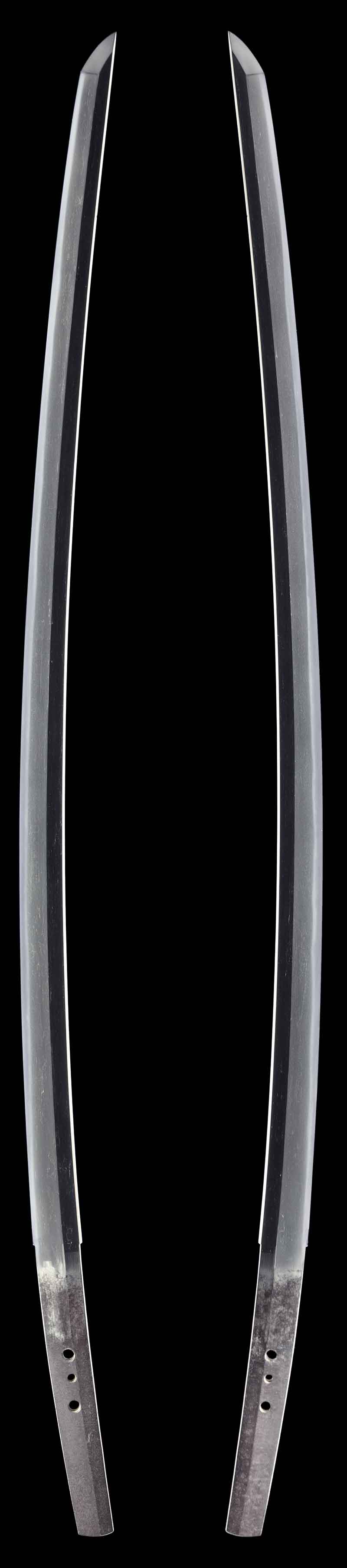
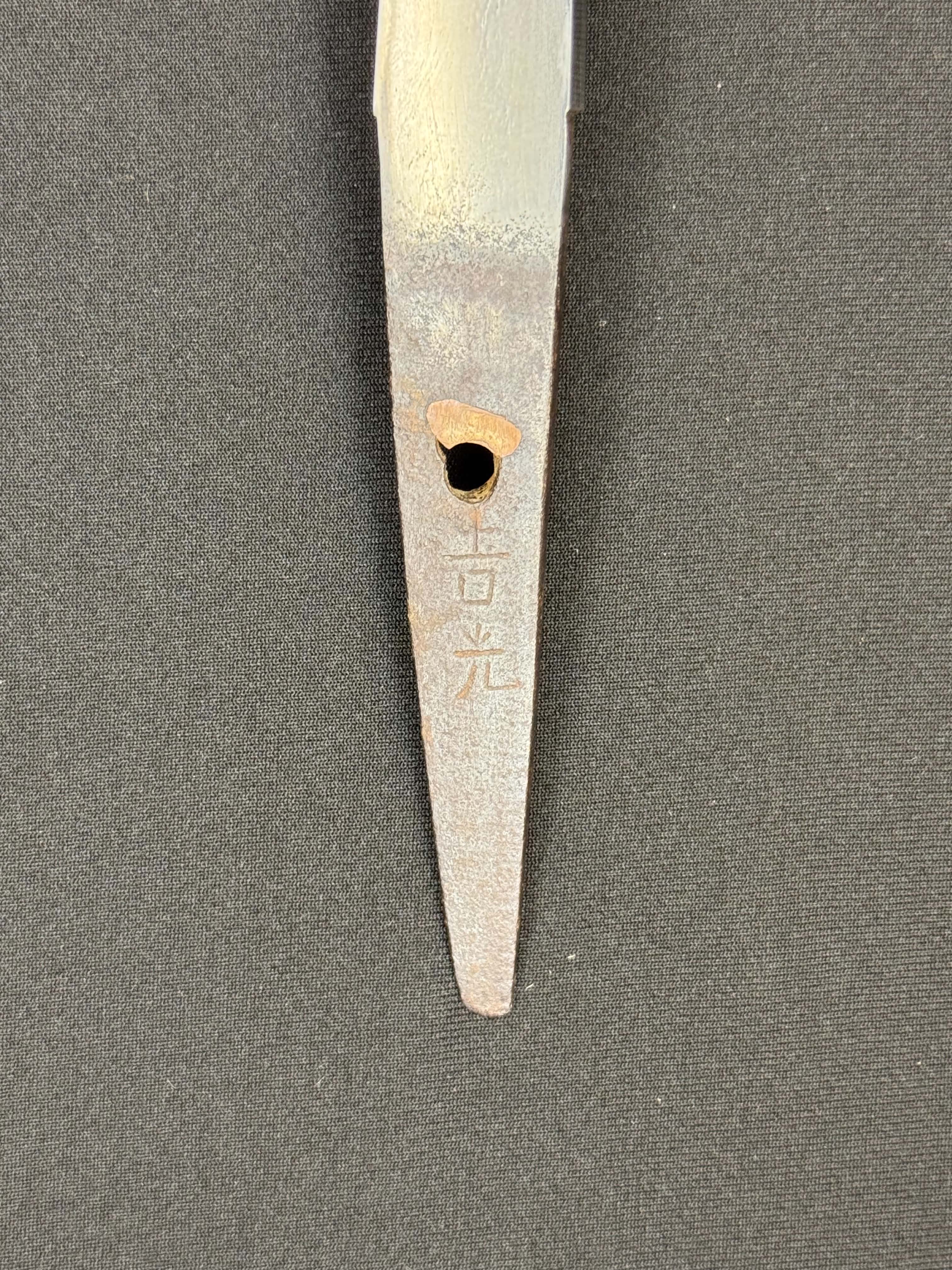
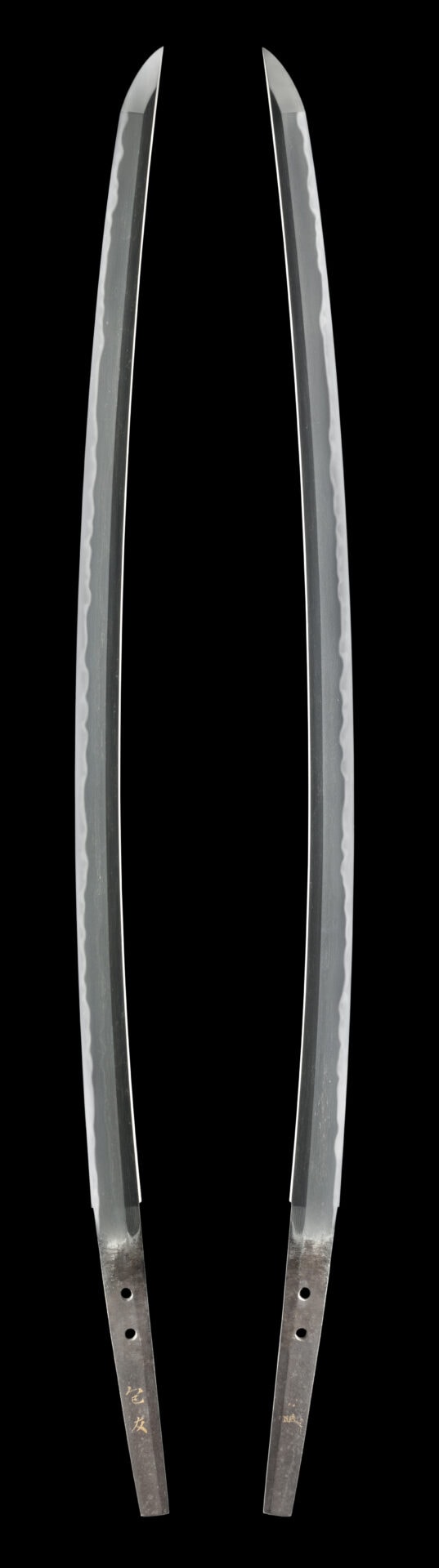
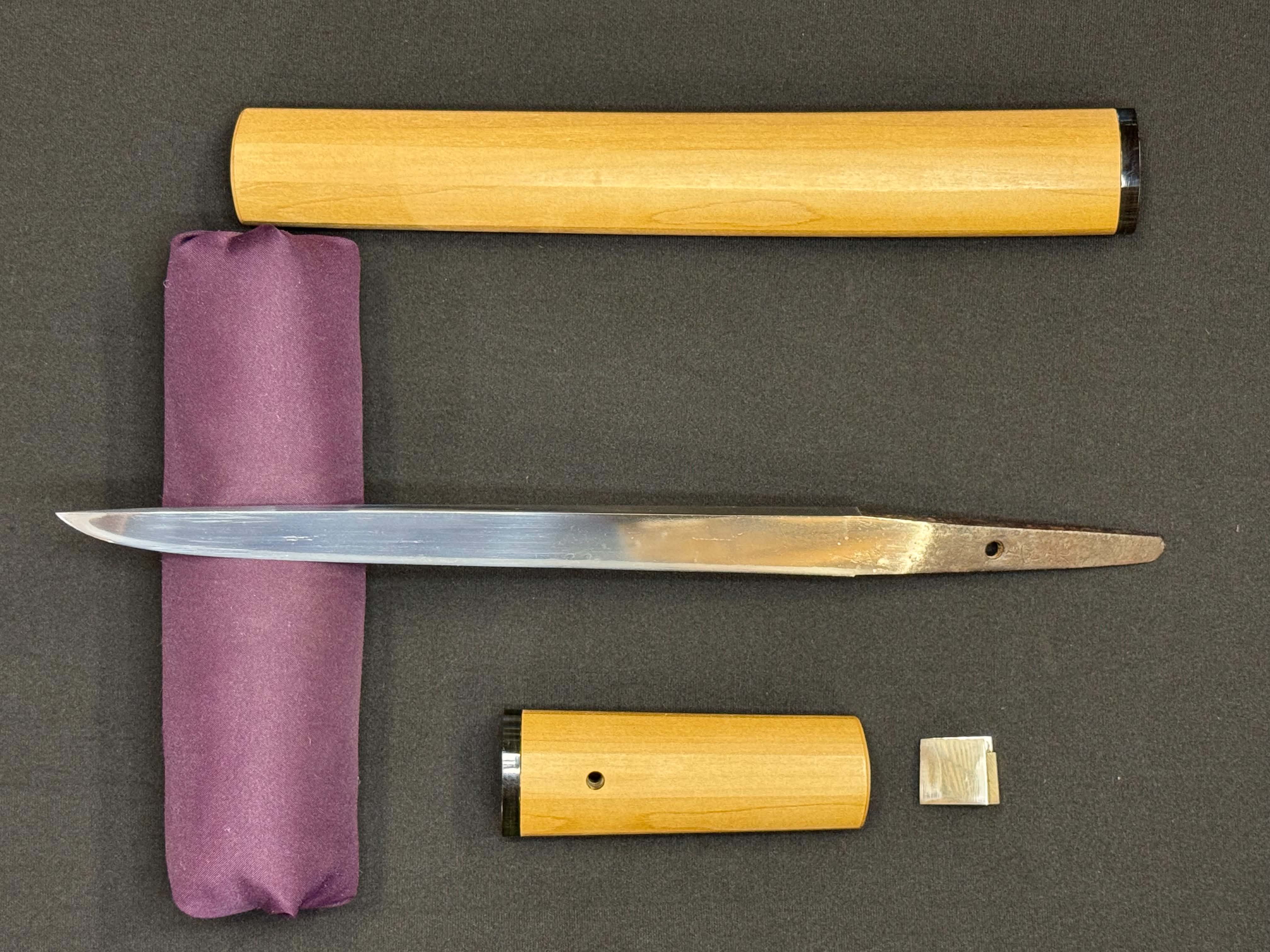
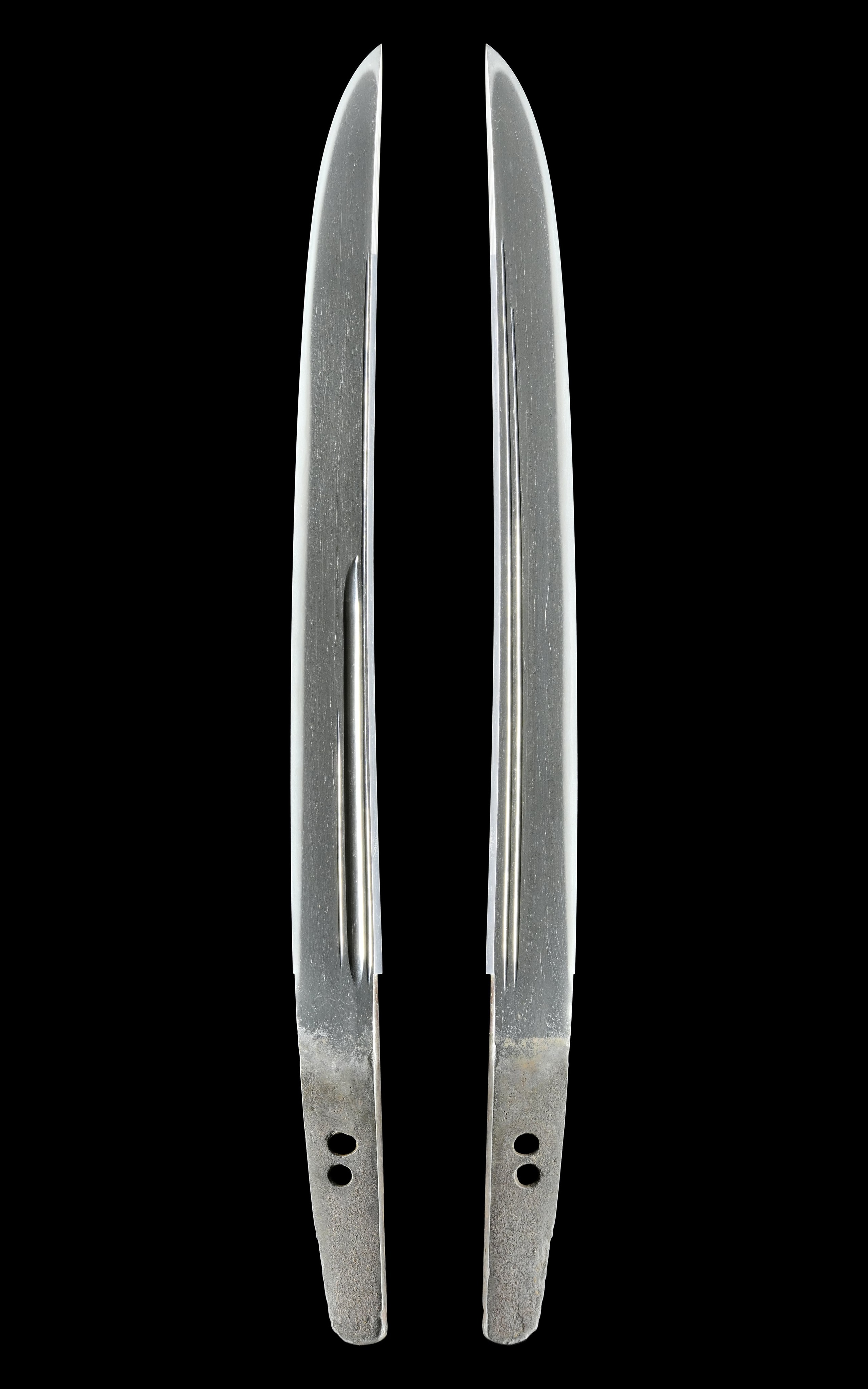
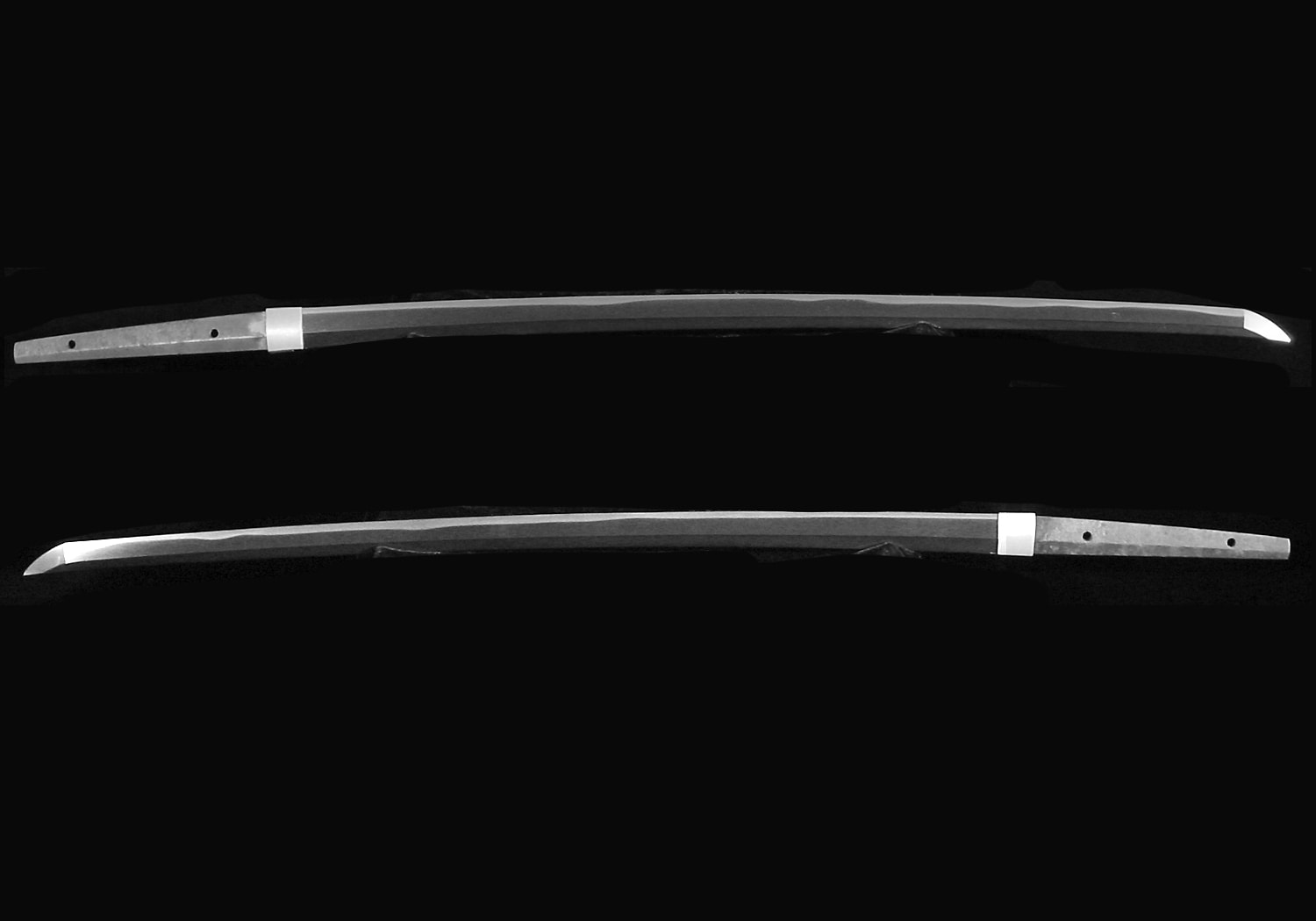
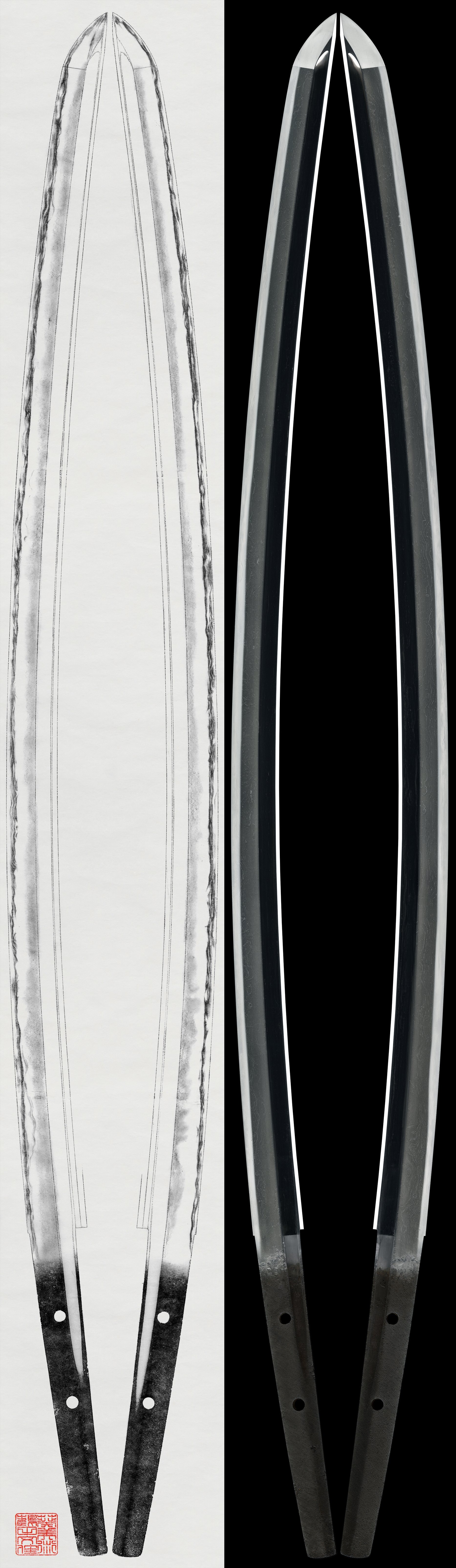
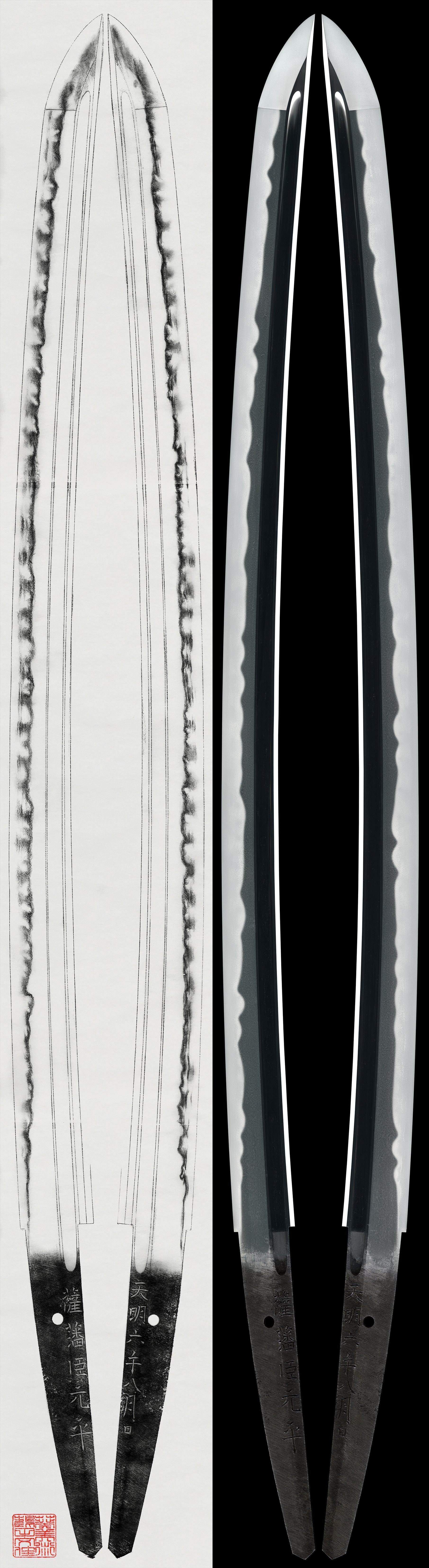
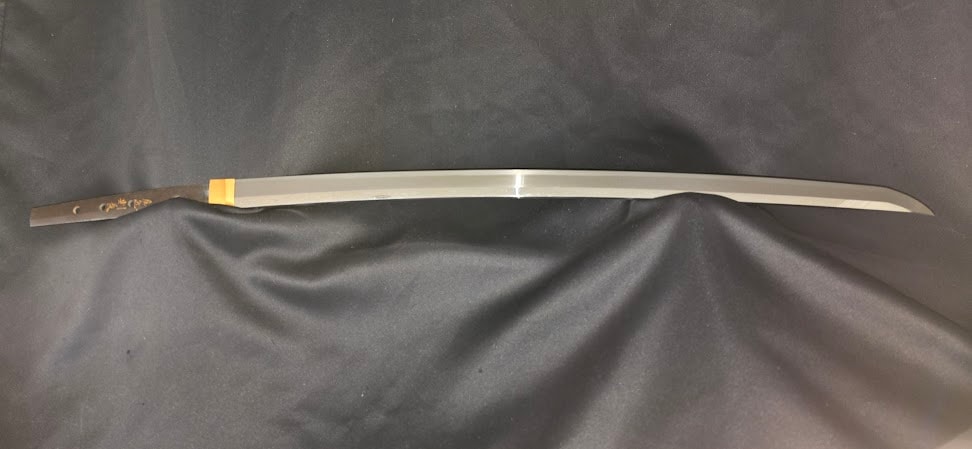
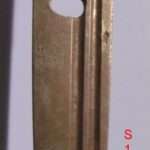
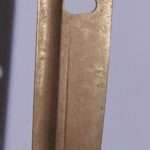
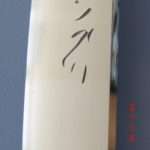
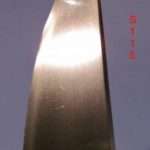
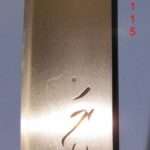
This is an o-suriage hira zukuri tanto in shirasaya, attributed to the Chikuzen Ryokai School from the mid-Muromachi period. It features a hoso suguba hamon in ko-nie with a ko-maru boshi, and an itame hada with some ko mokume and a wide band of bo-utsuri. The blade comes with an NTHK paper issued in 1997 and a gold foil habaki, offered at an attractive price despite a minor scuff.
 NihontoWatch
o-suriage · Chikuzen Ryokai · Muromachi · nagasa 28.8cm · sori 0.3cm

Yamato-den · Yamato · around 1326-1329
Tōken Taikan top 14%
1 piece on the market now
Yamato-den · Yamato
Phase: Ko-Tegai古手掻· 1200–1394
36 pieces on the market now
Ko-Tegai (古手掻) is the founding and classical phase of the Tegai school, spanning the late Kamakura period through the Nanbokuchō era. 1288-1293). Kanenaga is reckoned among the foremost Yamato masters: his signed tachi are celebrated for combining the dignity of Kamakura form with the disciplined grain of the Yamato tradition, and several are designated at the highest levels. The mainline continued through a second-generation Kanenaga and the founder's sons and pupils — Kanetsugu (包次), Kanekiyo (包清), and the early Kanezane (包眞) — into the Nanbokuchō period. In workmanship Ko-Tegai is orthodox Yamato-den.
The jigane is itame with conspicuous masame, especially along the shinogi-ji, thick with ji-nie and threaded by chikei. The hamon is built on a narrow, nie-laden suguha, frequently broken by ko-midare and ko-gunome, with nijūba and hotsure along the habuchi and abundant kinsuji and sunagashi; the bōshi runs sugu to a ko-maru or hakikake finish, often continuing into muneyaki. Early works show a slender, deeply koshizori tachi-sugata with a small kissaki, broadening into the more powerful forms of the Nanbokuchō period. The school's masame-rich grain and quiet, nie-active suguha distinguish its blades from the choji-based exuberance of contemporaneous Bizen work and place Tegai squarely within the five Yamato schools. Learn more →
| Smith | Era | Designated |
|---|---|---|
| Kanenaga包永 | 1288-1312 | 62 |
| Kanekiyo包清 | 1362-1370 | 8 |
| Kanetoshi包俊 | 1381-1384 | 4 |
| Kanetsugu包次 | 1317-1333 | 4 |
| Kanekiyo包清 | 1429-1441 | 3 |
Yamato in the Muromachi period
The monasteries that had sustained Yamato lost ground through the Muromachi period, and the schools thinned with them; Sue-Tegai kept the old masame manner alive in quantity. The burning of Tōdaiji’s Great Buddha hall in 1567 closed the temple age.
We could not find an authenticity certificate on the seller’s listing. Japanese swords and fittings are normally papered by the NBTHK (or the NTHK). Without one, the attribution is the seller’s own assessment and has not been independently verified — treat it with caution and ask the dealer about certification before buying.
3-day return window from receipt.
This is an o-suriage hira zukuri tanto in shirasaya, attributed to the Chikuzen Ryokai School from the mid-Muromachi period. It features a hoso suguba hamon in ko-nie with a ko-maru boshi, and an itame hada with some ko mokume and a wide band of bo-utsuri. The blade comes with an NTHK paper issued in 1997 and a gold foil habaki, offered at an attractive price despite a minor scuff.
NihontoWatcho-suriage · Chikuzen Ryokai · Muromachi · nagasa 28.8cm · sori 0.3cm
Yamato-den · Yamato · around 1326-1329
Tōken Taikan top 14%
1 piece on the market now
Yamato-den · Yamato
Phase: Ko-Tegai古手掻· 1200–1394
36 pieces on the market now
Ko-Tegai (古手掻) is the founding and classical phase of the Tegai school, spanning the late Kamakura period through the Nanbokuchō era. 1288-1293). Kanenaga is reckoned among the foremost Yamato masters: his signed tachi are celebrated for combining the dignity of Kamakura form with the disciplined grain of the Yamato tradition, and several are designated at the highest levels. The mainline continued through a second-generation Kanenaga and the founder's sons and pupils — Kanetsugu (包次), Kanekiyo (包清), and the early Kanezane (包眞) — into the Nanbokuchō period. In workmanship Ko-Tegai is orthodox Yamato-den.
The jigane is itame with conspicuous masame, especially along the shinogi-ji, thick with ji-nie and threaded by chikei. The hamon is built on a narrow, nie-laden suguha, frequently broken by ko-midare and ko-gunome, with nijūba and hotsure along the habuchi and abundant kinsuji and sunagashi; the bōshi runs sugu to a ko-maru or hakikake finish, often continuing into muneyaki. Early works show a slender, deeply koshizori tachi-sugata with a small kissaki, broadening into the more powerful forms of the Nanbokuchō period. The school's masame-rich grain and quiet, nie-active suguha distinguish its blades from the choji-based exuberance of contemporaneous Bizen work and place Tegai squarely within the five Yamato schools. Learn more →
| Smith | Era | Designated |
|---|---|---|
| Kanenaga包永 | 1288-1312 | 62 |
| Kanekiyo包清 | 1362-1370 | 8 |
| Kanetoshi包俊 | 1381-1384 | 4 |
| Kanetsugu包次 | 1317-1333 | 4 |
| Kanekiyo包清 | 1429-1441 | 3 |
Yamato in the Muromachi period
The monasteries that had sustained Yamato lost ground through the Muromachi period, and the schools thinned with them; Sue-Tegai kept the old masame manner alive in quantity. The burning of Tōdaiji’s Great Buddha hall in 1567 closed the temple age.
We could not find an authenticity certificate on the seller’s listing. Japanese swords and fittings are normally papered by the NBTHK (or the NTHK). Without one, the attribution is the seller’s own assessment and has not been independently verified — treat it with caution and ask the dealer about certification before buying.
3-day return window from receipt.