NihontoWatch Mon

NihontoWatch

MarketAuctions
Encyclopedia
NihontoWatch Mon

NihontoWatch

MarketAuctions
Encyclopedia

Description

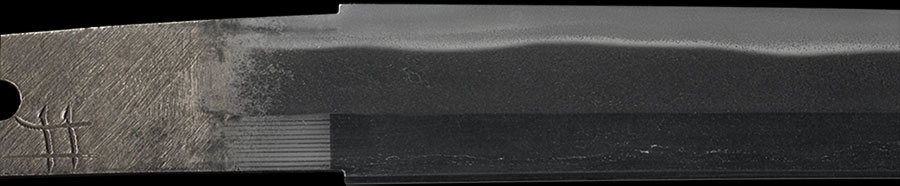
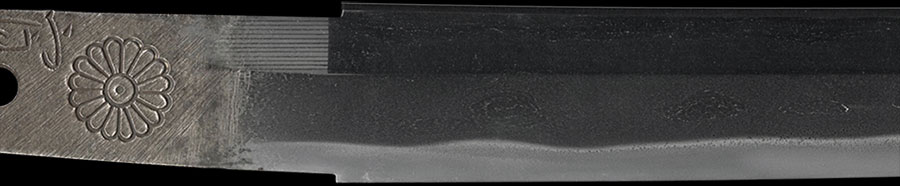
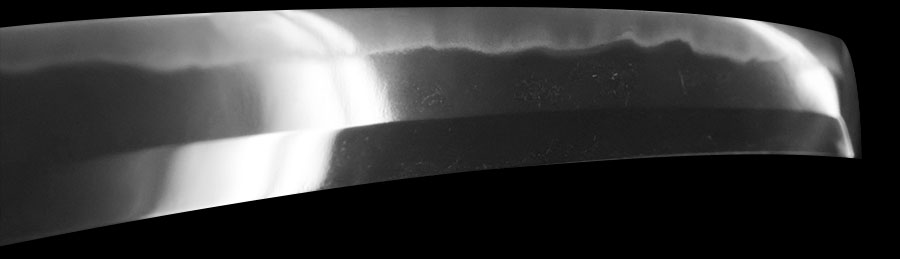
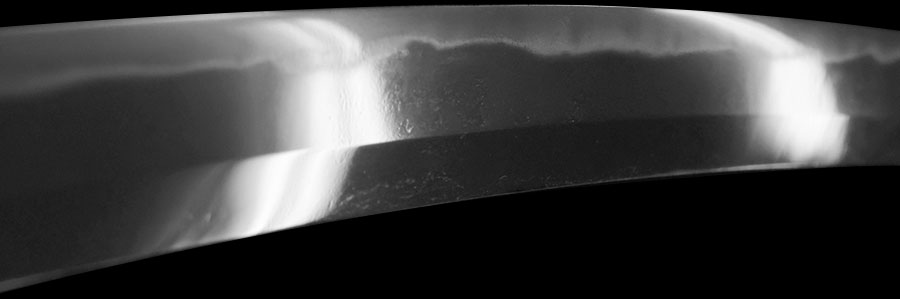
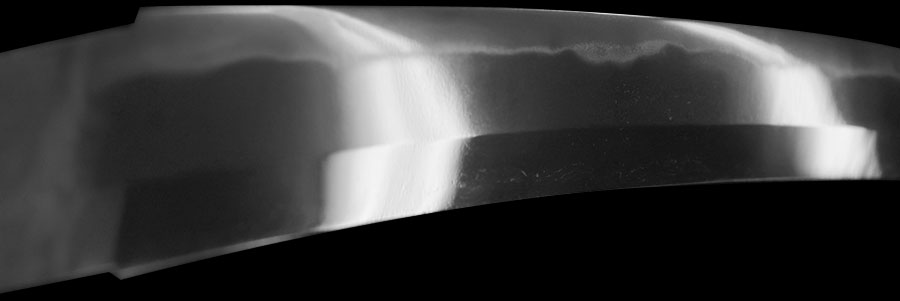
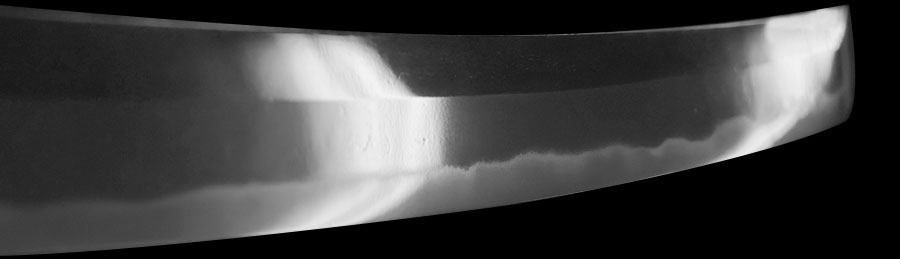
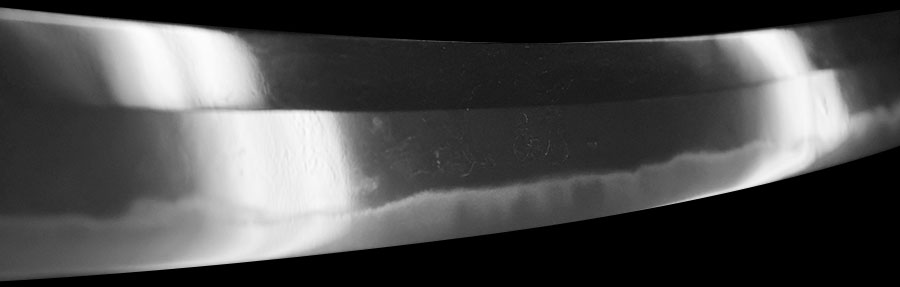
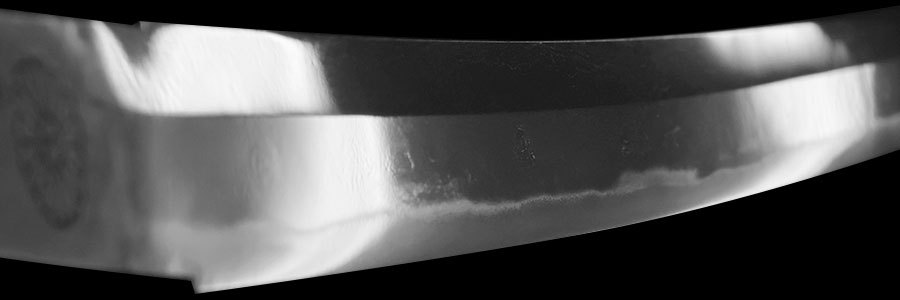
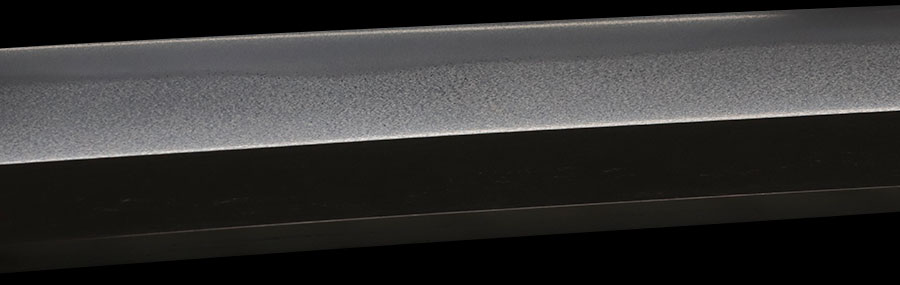
It has appeared, it has appeared! A celebrated *meito* from the *Shinto* period, cherished for generations by an old family, has emerged. It features a *kin-zogan* (gold inlay) of the character "Okina" (Old Man), signifying longevity. The Inoue family of Inoue Shinkai was of samurai lineage; from a young age, he was a dedicated scholar and a man of learning who traveled from Osaka to Shiga to study under the famous Yomeigaku scholar Nakae Toju. In August of the 12th year of Kanbun, he changed his *mei* from Inoue Izumi no Kami Kunisada to Inoue Shinkai. This followed the advice of his fellow scholar Kumazawa Banzan, who argued that "for a *toko* (swordsmith) to carry the same *Kami* title as a *daimyo* (lord of a province) is insolent and a sign of insufficient academic discipline." This sword dates to the 10th year of Kanbun (1670) (356 years ago), two years before his name change, and is an outstanding *meito* from his 40th year—a prime period in which many of his works are designated as *Juyo Token*. The sword is in *shinogi-zukuri* style with a wide *moto-mihaba*, a distinct difference between the *moto* and *saki-mihaba*, and a shallow *sori*, presenting a *goso* (magnificent) *sugata*. The *jigane* features a beautiful *ko-itame hada* that appears to "sink," a characteristic of *Osaka Shinto*; among these, Shinkai’s *jitetsu* is considered the representative standard. Like this blade, the *ji-nie* is strong, *chikei* is interspersed, and the *nie* grains sparkle brilliantly. The *hamon* is *notare* mixed with *gunome*, with a deep *nioi-guchi* and thick *ko-nie*. Both the *ji* and *ha* are wonderfully *sae* (clear). This refined *jigane* and the bright, clear *hamon* with deep *nie* and *nioi* are truly the *shinkoccho* (true essence) of Inoue Shinkai, who was rightfully praised as the "Osaka Masamune." We have received this sword from an old family who stated, "We have grown old, so please pass this to someone who will cherish it." For sword enthusiasts who dream of owning a work by the genius *toko* and "Yokozuna of the West," Inoue Shinkai, this is highly recommended. Please enjoy this *meito*, which holds the promise of great future advancement.

Certificate Reading

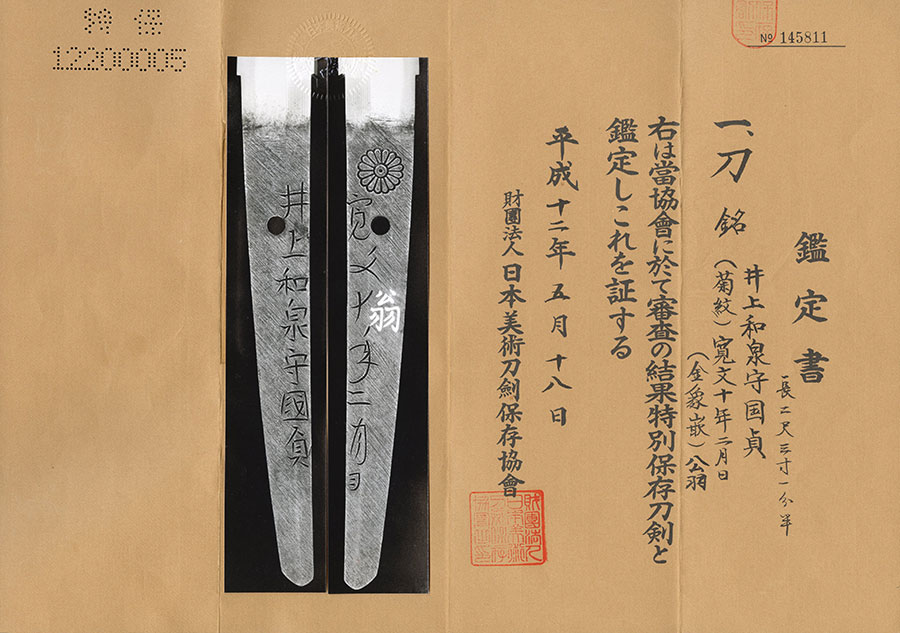
Certificate reading — 銘 井上和泉守国貞(菊紋)寛文十年二月日(金象嵌)公羽

NihontoWatch MonNihontoWatch
MarketAuctionsEncyclopedia
Swords›Osaka Shinto›Shinkai›Katana by Inoue Izuminokami Kunisada with Chrysanthemum Mon, Kanbun 10th Year 2nd Month (Gold Inlay Inscription) Okina (Inoue Shinkai), Tokubetsu Hozon
katanaTokubetsu Hozon
Osaka Shinkai

Katana by Inoue Izuminokami Kunisada with Chrysanthemum Mon, Kanbun 10th Year 2nd Month (Gold Inlay Inscription) Okina (Inoue Shinkai), Tokubetsu Hozon

Edo · nagasa 70.1cm · sori 1.1cm

Price on request
Visit seller website →
Osaka Shinkai — 1 of 23
Osaka Shinkai — 2 of 23
Osaka Shinkai — 3 of 23
Osaka Shinkai — 4 of 23
Osaka Shinkai — 5 of 23
Osaka Shinkai — 6 of 23
Osaka Shinkai — 7 of 23
Osaka Shinkai — 8 of 23
Osaka Shinkai — 9 of 23
Osaka Shinkai — 10 of 23
Osaka Shinkai — 11 of 23
Osaka Shinkai — 12 of 23
Osaka Shinkai — 13 of 23
Osaka Shinkai — 14 of 23
Osaka Shinkai — 15 of 23
Osaka Shinkai — 16 of 23
Osaka Shinkai — 17 of 23
Osaka Shinkai — 18 of 23
Osaka Shinkai — 19 of 23
Osaka Shinkai — 20 of 23
Osaka Shinkai — 21 of 23
Osaka Shinkai — 22 of 23
Osaka Shinkai — 23 of 23
1 / 23
1 / 23
Osaka Shinkai — 1 of 23Osaka Shinkai — 2 of 23Osaka Shinkai — 3 of 23Osaka Shinkai — 4 of 23Osaka Shinkai — 5 of 23Osaka Shinkai — 6 of 23Osaka Shinkai — 7 of 23Osaka Shinkai — 8 of 23Osaka Shinkai — 9 of 23Osaka Shinkai — 10 of 23Osaka Shinkai — 11 of 23Osaka Shinkai — 12 of 23Osaka Shinkai — 13 of 23Osaka Shinkai — 14 of 23Osaka Shinkai — 15 of 23Osaka Shinkai — 16 of 23Osaka Shinkai — 17 of 23Osaka Shinkai — 18 of 23Osaka Shinkai — 19 of 23Osaka Shinkai — 20 of 23Osaka Shinkai — 21 of 23Osaka Shinkai — 22 of 23Osaka Shinkai — 23 of 23
Measurements & details
Smith
Osaka Shinkai
Type
Katana
School
Osaka Shinto
Period
Around 1649–1682(Enpo)
Measurements
Nagasa 70.1cmSori 1.1cmMotohaba 3.2cmSakihaba 2.21cmKasane 0.66cm
Description

It has appeared, it has appeared! A celebrated meito from the Shinto period, cherished for generations by an old family, has emerged. It features a kin-zogan (gold inlay) of the character "Okina" (Old Man), signifying longevity. The Inoue family of Inoue Shinkai was of samurai lineage; from a young age, he was a dedicated scholar and a man of learning who traveled from Osaka to Shiga to study under the famous Yomeigaku scholar Nakae Toju. In August of the 12th year of Kanbun, he changed his mei from Inoue Izumi no Kami Kunisada to Inoue Shinkai. This followed the advice of his fellow scholar Kumazawa Banzan, who argued that "for a toko (swordsmith) to carry the same Kami title as a daimyo (lord of a province) is insolent and a sign of insufficient academic discipline." This sword dates to the 10th year of Kanbun (1670) (356 years ago), two years before his name change, and is an outstanding meito from his 40th year—a prime period in which many of his works are designated as Juyo Token.

The sword is in shinogi-zukuri style with a wide moto-mihaba, a distinct difference between the moto and saki-mihaba, and a shallow sori, presenting a goso (magnificent) sugata. The jigane features a beautiful ko-itame hada that appears to "sink," a characteristic of Osaka Shinto; among these, Shinkai’s jitetsu is considered the representative standard. Like this blade, the ji-nie is strong, chikei is interspersed, and the nie grains sparkle brilliantly. The hamon is notare mixed with gunome, with a deep nioi-guchi and thick ko-nie. Both the ji and ha are wonderfully sae (clear). This refined jigane and the bright, clear hamon with deep nie and nioi are truly the shinkoccho (true essence) of Inoue Shinkai, who was rightfully praised as the "Osaka Masamune."

We have received this sword from an old family who stated, "We have grown old, so please pass this to someone who will cherish it." For sword enthusiasts who dream of owning a work by the genius toko and "Yokozuna of the West," Inoue Shinkai, this is highly recommended. Please enjoy this meito, which holds the promise of great future advancement.

About the maker

Shinkai

真改

Osaka Shinto (Inoue Shinkai) · Settsu · around 1649-1682

Tōken Taikan top 3%

13 pieces on the market now

›

Inoue Shinkai was the second son of the first-generation Izumi no Kami Kunisada, the smith the published sources call the Oya-Kunisada, who carried the Horikawa line down to Osaka and founded the school there. Commonly known as Hachirobei, the son served as his father's daisaku and daimei in the old man's last years, and on succeeding to the house as the second generation he signed, like his father, Izumi no Kami Kunisada. Around Manji 4 (1661) the court granted him the right to cut the chrysanthemum crest on his tangs, and from the eighth month of Kanbun 12 (1672) he changed his name to Shinkai; he died suddenly in the eleventh month of Tenna 2 (1682). The published commentary holds his forging to surpass his father's, and the name he is given is the Osaka Masamune. He is to be kept distinct from the first generation he succeeded: where the father cut the Fujiwara surname, the son prefixed Inoue and omitted Fujiwara, and the pre-rename pieces signed Izumi no Kami Kunisada the collectors gather as the work of Shinkai-Kunisada.

The hand the sources return to again and again is a suguha one. Over a tightly packed ko-itame-hada he tempers a chu-suguha that takes on a shallow notare tendency, sometimes with a little gunome mixed, the nioi run especially deep, ko-nie thick and well gathered, and through the temper kinsuji enter vigorously and sunagashi appears. The phrase the commentaries use for the result is that the nioiguchi is bright and clear, the ji and ha alike clear and bright. It is the depth of the nie and the brightness of the steel together that the judges single out: a katana of his, they write, displays the extremely tight and refined jigane for which he was particularly renowned, in a suguha of especially fine quality, with exceptionally deep nie and nioi and kinsuji within. The work the published record describes most often is precisely this restrained, deeply nie-laden straight temper rather than any flamboyant midareba.

The jigane is the foundation of that judgment. His forging is a dense ko-itame in which the ji-nie adheres thickly and minutely (mijin), here and there coarser ji-nie rising unevenly, and fine chikei enter well, the steel notably clear; this is the celebrated Osaka jigane, packed and lustrous. Over it the temper begins with a suguha yaki-dashi and develops its shallow notare, ashi and yo entering, the nioiguchi deep, with occasional faint muneyaki near the monouchi. The boshi runs straight into a ko-maru and sweeps in hakikake at the point. The published sources state plainly what this manner amounts to: of all his work, this kind, deep in nie and clear in steel, is the one that "most fully shows the beauty of his nie-forged work"[[c:1]]. He is, in their phrase, a master of nie.

The chronology of his work is read off the signature itself, so that the mei is a dating tell. The pre-rename signature moves in stages: he signed first the plain Izumi no Kami Kunisada, and then, after the court granted him the chrysanthemum crest around Manji 4 (1661), the same name with the Inoue prefix added, Inoue Izumi no Kami Kunisada, so that these pre-rename blades already carry the kiku-mon and a date. The published sources record that he "signed both Izumi no Kami Kunisada and Inoue Izumi no Kami Kunisada at first"[[c:2]]. From the eighth month of Kanbun 12 he changed the name to Shinkai and cut the four-character Inoue Shinkai large toward the mune on the omote, with the chrysanthemum crest and a cursive date on the ura. A Juyo katana of Kanbun 10 (1670) still carries the long Inoue Izumi no Kami Kunisada signature, while the bulk of the corpus, signed Shinkai and dated through the Enpo years, belongs to his prime. Within that prime the published sources mark out a register apart: the Go-utsushi, a deliberate copy after Go Yoshihiro, the Soshu master he most prized. In these the nie of ji and ha run stronger than usual, the nioi a stage deeper, the temper widening into a large notare that turns angular in places with o-gunome, and the boshi deepens to a single-sheet ichimai manner sweeping long in hakikake. The commentary names one such blade "the work he was most skilled at, the Go-utsushi"[[c:3]], reading it against "a model, an o-suriage mumei Go katana, that Shinkai copied"[[c:4]]; these are the pieces in which his nie shows to the full, the mastery of nie his own province. A separate problem of attribution sits at the edge of the corpus: the mei after the rename was long thought never to carry the Izumi no Kami title, so a katana signed Izumi no Kami Shinkai was held in reserve until research judged it a precious piece from just after the name change.

He is placed, in the published record, at the very head of the school beside one other man. Among the Osaka Shinto makers, the sources write, "the two great champions are Sukehiro and Shinkai"[[c:5]], the former especially remarkable for nioi, the latter, Shinkai, particularly outstanding for fine ko-nie. His own model he took not from Masamune, despite the epithet, but from Go Yoshihiro, and the manner most fully his is the deep-nie suguha and the Go-utsushi. The point that most clearly sets him apart from his great colleague is one of temper: where Tsuda Sukehiro founded the billowing toran-ba, Shinkai tempers none of it, and the commentaries, when they name the two together, pair them by contrast, his bright suguha and shallow notare against Sukehiro's toran. His own deep-nioi nie work, the sources add, together with Sukehiro's toran, exerted a great influence on the swordsmiths who came after.

He is Sai-jo saku among the makers of his age, and the designation behind his name is heavy: one of his blades is an Important Cultural Property, with four Tokubetsu Juyo and sixty-seven Juyo, seventy-one works in the Tokubetsu Juyo and Juyo tiers in all, and seventy-seven designated works on record. His record is signed throughout, a documented hand and not a mystery: seventy-seven of the official pieces carry his signature. The provenance recorded against them runs through known collectors of the modern era. His Enpo 3 katana once belonged to General Tani Tateki, remembered as a discerning sword-lover of the Meiji and Taisho years; other blades pass through the hands of Ito Yosaburo, Sumiyoshi Asataro, Otomo Tsunetaro, Ito Bun'ichi of Hyogo and the Aoyama family, and one Go-utsushi the published commentary ranks as "next after the example designated an Important Cultural Property"[[c:6]]. A private collector may realistically encounter his Tokubetsu Juyo and Juyo blades, of which a fair number survive of recorded whereabouts; but they come to market only rarely, and a signed, dated, kiku-mon Shinkai of the Enpo prime is a landmark when it does.


Historical importance

Where Shinkai stands among comparable artisans: across all of nihontō, and within tradition, era, and period. The tiers (Foremost · Leading · Major · Notable) weigh official designations from the NBTHK and Japan's Agency for Cultural Affairs, together with historical honors of lasting repute such as the Sansaku and Meibutsu-chō.

随一
Foremost
屈指
Leading
有数
Major
著名
Notable

Select a lens to see how it's measured.

Designation record
79 designated works
Jūyō Bunkazai
1
Jūyō Bijutsuhin
5
Tokubetsu Jūyō
4
Jūyō
69
13 works by Shinkai on the market→
Shinkai — full profileOsaka Shinto (Inoue Shinkai) school

Dated Works

Years he was demonstrably active, proven by signed-and-dated blades

Active period
1649–1682
68 of 78 designated works carry a date
1640
1650
1660
1670
1680
1690
About the school

Osaka Shinto

大坂新刀

Shinto · Settsu

75 pieces on the market now

›

Osaka in the early-to-mid Edo period was a merchant capital, a city of commerce and capital rather than a castle town tied to a single daimyo house, and the swordsmiths who gathered there worked for a wealthy townsman clientele as much as for warriors. The grouping known as Osaka Shinto (大坂新刀) took shape in Settsu from two feeder currents. Learn more →

17 recorded smiths255 designated works
Leading smiths
SmithEraDesignated
Shinkai真改1649-168279
Tadatsuna忠綱1673-171753
Kanesada包貞1673-168278
Kanesada包貞1648-165210
Kunisuke國助1658-166310
Explore the Osaka Shinto school →
NBTHK Certificate
Tokubetsu Hozon Tōken特別保存刀剣
Sword Especially Worthy of Preservation
›

A Hozon-certified blade judged to show notably superior workmanship and a better state of preservation. The bar is higher: re-tempered blades and most unsigned Muromachi/Edo works are excluded.

Signed: 井上和泉守国貞(菊紋)寛文十年二月日(金象嵌)公羽 (Osaka Shinkai)
As written on the certificate
About the NBTHK›

The NBTHK (Nihon Bijutsu Tōken Hozon Kyōkai, the Society for the Preservation of Japanese Art Swords) is a public-interest incorporated foundation founded in 1948 and supervised by Japan’s Agency for Cultural Affairs (Bunkachō); it is based at the Japanese Sword Museum in Tokyo. Its expert panels physically examine each submitted work (shinsa) and issue a certificate (kanteishō) ranking it by artistic and historical merit. NBTHK papers are the most widely recognized standard of authentication for Japanese swords and fittings.

NBTHK official site→
Seller
N
Nipponto
Established 1953 · 73 yrs on the market
🇯🇵Ships from Japan
›
✓Verified dealernipponto.co.jp
✓Ships worldwide✓English supportPayPalCredit card
Return policy

For returns due to customer circumstances, the cost is the customer's responsibility. For returns due to our mis-shipment or a defective item, we bear the cost.

View all of Nipponto’s listings→View this item on the dealer’s site→

More works by Osaka Shinkai

View all →
Touken Komachi
Tokuho
Katana - Tokuho - by Osaka Shinkai - 1st Generation Izumi-no-kami KunisadaKatana - Tokuho - by Osaka Shinkai - 1st Generation Izumi-no-kami Kunisada

Katana

ByOsaka Shinkai
¥1,200,000
Iida Koendo
Tokuho
Wakizashi - Tokuho - by Osaka Shinkai - Inoue Shinkai (Kiku Seal) Enpo 8th Year, AugustWakizashi - Tokuho - by Osaka Shinkai - Inoue Shinkai (Kiku Seal) Enpo 8th Year, August

Wakizashi

ByOsaka Shinkai
¥8,800,000
Iida Koendo
Tokuho
Katana - Tokuho - by Osaka Shinkai - Inoue Shinkai (Kiku Seal) - Enpo 6th Year, AugustKatana - Tokuho - by Osaka Shinkai - Inoue Shinkai (Kiku Seal) - Enpo 6th Year, August

Katana

ByOsaka Shinkai
¥13,200,000
Yamasiroya
Tokuho
Katana - Tokuho - by Osaka Shinkai - Inoue ShinkaiKatana - Tokuho - by Osaka Shinkai - Inoue Shinkai

Katana

ByOsaka Shinkai
Ask
Nipponto
Jūyō
Katana - Jūyō - by Osaka Shinkai - Juyo Katana by Inoue Shinkai, dated Enpo 4th year (1676)Katana - Jūyō - by Osaka Shinkai - Juyo Katana by Inoue Shinkai, dated Enpo 4th year (1676)

Katana

ByOsaka Shinkai
Ask
Giuseppe Piva
Tokuho
Wakizashi - Tokuho - by Osaka Shinkai - Wakizashi by Inoue Shinkai - Tokubetsu Hozon TokenWakizashi - Tokuho - by Osaka Shinkai - Wakizashi by Inoue Shinkai - Tokubetsu Hozon Token

Wakizashi

ByOsaka Shinkai
Ask
Eirakudo
Jūyō
Katana - Jūyō - by Osaka Shinkai - Inoue Shinkai - Juyo TokenKatana - Jūyō - by Osaka Shinkai - Inoue Shinkai - Juyo Token

Katana

ByOsaka Shinkai
Ask
Goushuya
Tokubetsu Kichō
Katana - Tokubetsu Kichō - by Osaka Shinkai - Inoue Izumi no Kami Kunisada - (Chrysanthemum Mon) Kanbun 7th Year, 3rd MonthKatana - Tokubetsu Kichō - by Osaka Shinkai - Inoue Izumi no Kami Kunisada - (Chrysanthemum Mon) Kanbun 7th Year, 3rd Month

Katana

ByOsaka Shinkai
Ask

Previously sold by Osaka Shinkai

Wakeidou
Tokuho
Wakizashi - Tokuho - by Osaka Shinkai - Inoue ShinkaiWakizashi - Tokuho - by Osaka Shinkai - Inoue Shinkai
Sold

Wakizashi

ByOsaka Shinkai
SOLD
Aoi Art
Tokubetsu Kichō
Katana - Tokubetsu Kichō - by Osaka Shinkai - Izumi Kami KuniKatana - Tokubetsu Kichō - by Osaka Shinkai - Izumi Kami Kuni
Sold

Katana

ByOsaka Shinkai
SOLD
Choshuya
Wakizashi - by Osaka Shinkai - Inoue Izumi no Kami Kunisada (Kikumon) - Kanbun 12th Year, 2nd MonthWakizashi - by Osaka Shinkai - Inoue Izumi no Kami Kunisada (Kikumon) - Kanbun 12th Year, 2nd Month
Sold

Wakizashi

ByOsaka Shinkai
SOLD
Wakeidou
Wakizashi - by Osaka Shinkai - Inoue Shinkai, Kanbun 13th Year, AugustWakizashi - by Osaka Shinkai - Inoue Shinkai, Kanbun 13th Year, August
Sold

Wakizashi

ByOsaka Shinkai
SOLD
Choshuya
Katana - by Osaka Shinkai - Japanese Sword for Sale | Ginza Choshuya | Signed (Chrysanthemum Crest) Inoue Shinkai, Enpo 4th Year, August DayKatana - by Osaka Shinkai - Japanese Sword for Sale | Ginza Choshuya | Signed (Chrysanthemum Crest) Inoue Shinkai, Enpo 4th Year, August Day
Sold

Katana

ByOsaka Shinkai
SOLD
Eirakudo
Tokuho
Wakizashi - Tokuho - by Osaka Shinkai - Inoue Shinkai - Tokubetsu Hozon TokenWakizashi - Tokuho - by Osaka Shinkai - Inoue Shinkai - Tokubetsu Hozon Token
Sold

Wakizashi

ByOsaka Shinkai
SOLD
Giheiya
Jūyō
Wakizashi - Jūyō - by Osaka Shinkai - Izumi no Kami Fujiwara KunisadaWakizashi - Jūyō - by Osaka Shinkai - Izumi no Kami Fujiwara Kunisada
Sold

Wakizashi

ByOsaka Shinkai
SOLD
Nipponto
Tokuho
Katana - Tokuho - by Osaka Shinkai - Inoue Izuminokami Kunisada, Kikumon, August, Kanbun 11 (Inoue Shinkai)Katana - Tokuho - by Osaka Shinkai - Inoue Izuminokami Kunisada, Kikumon, August, Kanbun 11 (Inoue Shinkai)
Sold

Katana

ByOsaka Shinkai
SOLD

More from the Osaka Shinto school

View all →
World Seiyudo
Tokuho
Wakizashi - Tokuho - by Shinto Tadatsuna - Awataguchi Omi-no-kami Tadatsuna (Ikkanshi Tadatsuna) - Tokubetsu Hozon TokenWakizashi - Tokuho - by Shinto Tadatsuna - Awataguchi Omi-no-kami Tadatsuna (Ikkanshi Tadatsuna) - Tokubetsu Hozon Token

Wakizashi

ByShinto Tadatsuna
¥1,500,000
World Seiyudo
Tokuho
Wakizashi - Tokuho - by Shinto Kanesada - Sakakura Gonnoshin TerukaneWakizashi - Tokuho - by Shinto Kanesada - Sakakura Gonnoshin Terukane

Wakizashi

ByShinto Kanesada
¥1,900,000
Toushin
Tokuho
Daisho - Tokuho - by Shinto Kuniyasu - Daisho: Higo no kami KuniyasuDaisho - Tokuho - by Shinto Kuniyasu - Daisho: Higo no kami Kuniyasu

Daishō

ByShinto Kuniyasu
¥2,640,000
Aoi Art
Hozon
Katana - Hozon - by Shinto Kuniyasu - Higo Kami KuniyasuKatana - Hozon - by Shinto Kuniyasu - Higo Kami Kuniyasu

Katana

ByShinto Kuniyasu
¥2,700,000
Bushido Antique Japanese Swords
Tokuho
Wakizashi - Tokuho - by Shinto Tadatsuna - Awataguchi Omi No Kami Tadatsuna WakizashiWakizashi - Tokuho - by Shinto Tadatsuna - Awataguchi Omi No Kami Tadatsuna Wakizashi

Wakizashi

ByShinto Tadatsuna
¥24,000
Aoi Art
Tokuho
Wakizashi - Tokuho - by Shinto Kanesada - Sakura Gonnoshin TerukaneWakizashi - Tokuho - by Shinto Kanesada - Sakura Gonnoshin Terukane

Wakizashi

ByShinto Kanesada
¥1,200,000
Katana Yamadaiya
Tokubetsu Kichō
Wakizashi - Tokubetsu Kichō - by Shinto Suketaka - Special Kicho Token: Ozaki Suketaka, forged at the request of Mr. Okamura, Tenmei 6, February 4th...Wakizashi - Tokubetsu Kichō - by Shinto Suketaka - Special Kicho Token: Ozaki Suketaka, forged at the request of Mr. Okamura, Tenmei 6, February 4th...

Wakizashi

ByShinto Suketaka
¥350,000
World Seiyudo
Tokuho
Katana - Tokuho - by Shinto Tadatsuna - Omi-No-Kami Tadatsuna (Ikkanshi Tadatsuna)Katana - Tokuho - by Shinto Tadatsuna - Omi-No-Kami Tadatsuna (Ikkanshi Tadatsuna)

Katana

ByShinto Tadatsuna
¥4,000,000

Swords

  • Katana
  • Wakizashi
  • Tantō
  • Tachi
  • Naginata
  • Yari

Fittings

  • Tsuba
  • Fuchi-Kashira
  • Kozuka
  • Menuki

By Certification

  • Tokujū
  • Jūyō
  • Tokuho
  • Hozon

Resources

  • Dealer Directory
  • Artist Directory
  • Glossary
  • Browse All
Nihontowatch© 2026
TermsPrivacyCookiesAbout

Description

It has appeared, it has appeared! A celebrated *meito* from the *Shinto* period, cherished for generations by an old family, has emerged. It features a *kin-zogan* (gold inlay) of the character "Okina" (Old Man), signifying longevity. The Inoue family of Inoue Shinkai was of samurai lineage; from a young age, he was a dedicated scholar and a man of learning who traveled from Osaka to Shiga to study under the famous Yomeigaku scholar Nakae Toju. In August of the 12th year of Kanbun, he changed his *mei* from Inoue Izumi no Kami Kunisada to Inoue Shinkai. This followed the advice of his fellow scholar Kumazawa Banzan, who argued that "for a *toko* (swordsmith) to carry the same *Kami* title as a *daimyo* (lord of a province) is insolent and a sign of insufficient academic discipline." This sword dates to the 10th year of Kanbun (1670) (356 years ago), two years before his name change, and is an outstanding *meito* from his 40th year—a prime period in which many of his works are designated as *Juyo Token*. The sword is in *shinogi-zukuri* style with a wide *moto-mihaba*, a distinct difference between the *moto* and *saki-mihaba*, and a shallow *sori*, presenting a *goso* (magnificent) *sugata*. The *jigane* features a beautiful *ko-itame hada* that appears to "sink," a characteristic of *Osaka Shinto*; among these, Shinkai’s *jitetsu* is considered the representative standard. Like this blade, the *ji-nie* is strong, *chikei* is interspersed, and the *nie* grains sparkle brilliantly. The *hamon* is *notare* mixed with *gunome*, with a deep *nioi-guchi* and thick *ko-nie*. Both the *ji* and *ha* are wonderfully *sae* (clear). This refined *jigane* and the bright, clear *hamon* with deep *nie* and *nioi* are truly the *shinkoccho* (true essence) of Inoue Shinkai, who was rightfully praised as the "Osaka Masamune." We have received this sword from an old family who stated, "We have grown old, so please pass this to someone who will cherish it." For sword enthusiasts who dream of owning a work by the genius *toko* and "Yokozuna of the West," Inoue Shinkai, this is highly recommended. Please enjoy this *meito*, which holds the promise of great future advancement.

Certificate Reading

Certificate reading — 銘 井上和泉守国貞(菊紋)寛文十年二月日(金象嵌)公羽

NihontoWatch MonNihontoWatch
MarketAuctionsEncyclopedia
Swords›Osaka Shinto›Shinkai›Katana by Inoue Izuminokami Kunisada with Chrysanthemum Mon, Kanbun 10th Year 2nd Month (Gold Inlay Inscription) Okina (Inoue Shinkai), Tokubetsu Hozon
katanaTokubetsu Hozon
Osaka Shinkai

Katana by Inoue Izuminokami Kunisada with Chrysanthemum Mon, Kanbun 10th Year 2nd Month (Gold Inlay Inscription) Okina (Inoue Shinkai), Tokubetsu Hozon

Edo · nagasa 70.1cm · sori 1.1cm

Price on request
Visit seller website →
Osaka Shinkai — 1 of 23
Osaka Shinkai — 2 of 23
Osaka Shinkai — 3 of 23
Osaka Shinkai — 4 of 23
Osaka Shinkai — 5 of 23
Osaka Shinkai — 6 of 23
Osaka Shinkai — 7 of 23
Osaka Shinkai — 8 of 23
Osaka Shinkai — 9 of 23
Osaka Shinkai — 10 of 23
Osaka Shinkai — 11 of 23
Osaka Shinkai — 12 of 23
Osaka Shinkai — 13 of 23
Osaka Shinkai — 14 of 23
Osaka Shinkai — 15 of 23
Osaka Shinkai — 16 of 23
Osaka Shinkai — 17 of 23
Osaka Shinkai — 18 of 23
Osaka Shinkai — 19 of 23
Osaka Shinkai — 20 of 23
Osaka Shinkai — 21 of 23
Osaka Shinkai — 22 of 23
Osaka Shinkai — 23 of 23
1 / 23
1 / 23
Osaka Shinkai — 1 of 23Osaka Shinkai — 2 of 23Osaka Shinkai — 3 of 23Osaka Shinkai — 4 of 23Osaka Shinkai — 5 of 23Osaka Shinkai — 6 of 23Osaka Shinkai — 7 of 23Osaka Shinkai — 8 of 23Osaka Shinkai — 9 of 23Osaka Shinkai — 10 of 23Osaka Shinkai — 11 of 23Osaka Shinkai — 12 of 23Osaka Shinkai — 13 of 23Osaka Shinkai — 14 of 23Osaka Shinkai — 15 of 23Osaka Shinkai — 16 of 23Osaka Shinkai — 17 of 23Osaka Shinkai — 18 of 23Osaka Shinkai — 19 of 23Osaka Shinkai — 20 of 23Osaka Shinkai — 21 of 23Osaka Shinkai — 22 of 23Osaka Shinkai — 23 of 23
Measurements & details
Smith
Osaka Shinkai
Type
Katana
School
Osaka Shinto
Period
Around 1649–1682(Enpo)
Measurements
Nagasa 70.1cmSori 1.1cmMotohaba 3.2cmSakihaba 2.21cmKasane 0.66cm
Description

It has appeared, it has appeared! A celebrated meito from the Shinto period, cherished for generations by an old family, has emerged. It features a kin-zogan (gold inlay) of the character "Okina" (Old Man), signifying longevity. The Inoue family of Inoue Shinkai was of samurai lineage; from a young age, he was a dedicated scholar and a man of learning who traveled from Osaka to Shiga to study under the famous Yomeigaku scholar Nakae Toju. In August of the 12th year of Kanbun, he changed his mei from Inoue Izumi no Kami Kunisada to Inoue Shinkai. This followed the advice of his fellow scholar Kumazawa Banzan, who argued that "for a toko (swordsmith) to carry the same Kami title as a daimyo (lord of a province) is insolent and a sign of insufficient academic discipline." This sword dates to the 10th year of Kanbun (1670) (356 years ago), two years before his name change, and is an outstanding meito from his 40th year—a prime period in which many of his works are designated as Juyo Token.

The sword is in shinogi-zukuri style with a wide moto-mihaba, a distinct difference between the moto and saki-mihaba, and a shallow sori, presenting a goso (magnificent) sugata. The jigane features a beautiful ko-itame hada that appears to "sink," a characteristic of Osaka Shinto; among these, Shinkai’s jitetsu is considered the representative standard. Like this blade, the ji-nie is strong, chikei is interspersed, and the nie grains sparkle brilliantly. The hamon is notare mixed with gunome, with a deep nioi-guchi and thick ko-nie. Both the ji and ha are wonderfully sae (clear). This refined jigane and the bright, clear hamon with deep nie and nioi are truly the shinkoccho (true essence) of Inoue Shinkai, who was rightfully praised as the "Osaka Masamune."

We have received this sword from an old family who stated, "We have grown old, so please pass this to someone who will cherish it." For sword enthusiasts who dream of owning a work by the genius toko and "Yokozuna of the West," Inoue Shinkai, this is highly recommended. Please enjoy this meito, which holds the promise of great future advancement.

About the maker

Shinkai

真改

Osaka Shinto (Inoue Shinkai) · Settsu · around 1649-1682

Tōken Taikan top 3%

13 pieces on the market now

›

Inoue Shinkai was the second son of the first-generation Izumi no Kami Kunisada, the smith the published sources call the Oya-Kunisada, who carried the Horikawa line down to Osaka and founded the school there. Commonly known as Hachirobei, the son served as his father's daisaku and daimei in the old man's last years, and on succeeding to the house as the second generation he signed, like his father, Izumi no Kami Kunisada. Around Manji 4 (1661) the court granted him the right to cut the chrysanthemum crest on his tangs, and from the eighth month of Kanbun 12 (1672) he changed his name to Shinkai; he died suddenly in the eleventh month of Tenna 2 (1682). The published commentary holds his forging to surpass his father's, and the name he is given is the Osaka Masamune. He is to be kept distinct from the first generation he succeeded: where the father cut the Fujiwara surname, the son prefixed Inoue and omitted Fujiwara, and the pre-rename pieces signed Izumi no Kami Kunisada the collectors gather as the work of Shinkai-Kunisada.

The hand the sources return to again and again is a suguha one. Over a tightly packed ko-itame-hada he tempers a chu-suguha that takes on a shallow notare tendency, sometimes with a little gunome mixed, the nioi run especially deep, ko-nie thick and well gathered, and through the temper kinsuji enter vigorously and sunagashi appears. The phrase the commentaries use for the result is that the nioiguchi is bright and clear, the ji and ha alike clear and bright. It is the depth of the nie and the brightness of the steel together that the judges single out: a katana of his, they write, displays the extremely tight and refined jigane for which he was particularly renowned, in a suguha of especially fine quality, with exceptionally deep nie and nioi and kinsuji within. The work the published record describes most often is precisely this restrained, deeply nie-laden straight temper rather than any flamboyant midareba.

The jigane is the foundation of that judgment. His forging is a dense ko-itame in which the ji-nie adheres thickly and minutely (mijin), here and there coarser ji-nie rising unevenly, and fine chikei enter well, the steel notably clear; this is the celebrated Osaka jigane, packed and lustrous. Over it the temper begins with a suguha yaki-dashi and develops its shallow notare, ashi and yo entering, the nioiguchi deep, with occasional faint muneyaki near the monouchi. The boshi runs straight into a ko-maru and sweeps in hakikake at the point. The published sources state plainly what this manner amounts to: of all his work, this kind, deep in nie and clear in steel, is the one that "most fully shows the beauty of his nie-forged work"[[c:1]]. He is, in their phrase, a master of nie.

The chronology of his work is read off the signature itself, so that the mei is a dating tell. The pre-rename signature moves in stages: he signed first the plain Izumi no Kami Kunisada, and then, after the court granted him the chrysanthemum crest around Manji 4 (1661), the same name with the Inoue prefix added, Inoue Izumi no Kami Kunisada, so that these pre-rename blades already carry the kiku-mon and a date. The published sources record that he "signed both Izumi no Kami Kunisada and Inoue Izumi no Kami Kunisada at first"[[c:2]]. From the eighth month of Kanbun 12 he changed the name to Shinkai and cut the four-character Inoue Shinkai large toward the mune on the omote, with the chrysanthemum crest and a cursive date on the ura. A Juyo katana of Kanbun 10 (1670) still carries the long Inoue Izumi no Kami Kunisada signature, while the bulk of the corpus, signed Shinkai and dated through the Enpo years, belongs to his prime. Within that prime the published sources mark out a register apart: the Go-utsushi, a deliberate copy after Go Yoshihiro, the Soshu master he most prized. In these the nie of ji and ha run stronger than usual, the nioi a stage deeper, the temper widening into a large notare that turns angular in places with o-gunome, and the boshi deepens to a single-sheet ichimai manner sweeping long in hakikake. The commentary names one such blade "the work he was most skilled at, the Go-utsushi"[[c:3]], reading it against "a model, an o-suriage mumei Go katana, that Shinkai copied"[[c:4]]; these are the pieces in which his nie shows to the full, the mastery of nie his own province. A separate problem of attribution sits at the edge of the corpus: the mei after the rename was long thought never to carry the Izumi no Kami title, so a katana signed Izumi no Kami Shinkai was held in reserve until research judged it a precious piece from just after the name change.

He is placed, in the published record, at the very head of the school beside one other man. Among the Osaka Shinto makers, the sources write, "the two great champions are Sukehiro and Shinkai"[[c:5]], the former especially remarkable for nioi, the latter, Shinkai, particularly outstanding for fine ko-nie. His own model he took not from Masamune, despite the epithet, but from Go Yoshihiro, and the manner most fully his is the deep-nie suguha and the Go-utsushi. The point that most clearly sets him apart from his great colleague is one of temper: where Tsuda Sukehiro founded the billowing toran-ba, Shinkai tempers none of it, and the commentaries, when they name the two together, pair them by contrast, his bright suguha and shallow notare against Sukehiro's toran. His own deep-nioi nie work, the sources add, together with Sukehiro's toran, exerted a great influence on the swordsmiths who came after.

He is Sai-jo saku among the makers of his age, and the designation behind his name is heavy: one of his blades is an Important Cultural Property, with four Tokubetsu Juyo and sixty-seven Juyo, seventy-one works in the Tokubetsu Juyo and Juyo tiers in all, and seventy-seven designated works on record. His record is signed throughout, a documented hand and not a mystery: seventy-seven of the official pieces carry his signature. The provenance recorded against them runs through known collectors of the modern era. His Enpo 3 katana once belonged to General Tani Tateki, remembered as a discerning sword-lover of the Meiji and Taisho years; other blades pass through the hands of Ito Yosaburo, Sumiyoshi Asataro, Otomo Tsunetaro, Ito Bun'ichi of Hyogo and the Aoyama family, and one Go-utsushi the published commentary ranks as "next after the example designated an Important Cultural Property"[[c:6]]. A private collector may realistically encounter his Tokubetsu Juyo and Juyo blades, of which a fair number survive of recorded whereabouts; but they come to market only rarely, and a signed, dated, kiku-mon Shinkai of the Enpo prime is a landmark when it does.

Historical importance

Where Shinkai stands among comparable artisans: across all of nihontō, and within tradition, era, and period. The tiers (Foremost · Leading · Major · Notable) weigh official designations from the NBTHK and Japan's Agency for Cultural Affairs, together with historical honors of lasting repute such as the Sansaku and Meibutsu-chō.

随一
Foremost
屈指
Leading
有数
Major
著名
Notable

Select a lens to see how it's measured.

Designation record
79 designated works
Jūyō Bunkazai
1
Jūyō Bijutsuhin
5
Tokubetsu Jūyō
4
Jūyō
69
13 works by Shinkai on the market→
Shinkai — full profileOsaka Shinto (Inoue Shinkai) school

Dated Works

Years he was demonstrably active, proven by signed-and-dated blades

Active period
1649–1682
68 of 78 designated works carry a date
1640
1650
1660
1670
1680
1690
About the school

Osaka Shinto

大坂新刀

Shinto · Settsu

75 pieces on the market now

›

Osaka in the early-to-mid Edo period was a merchant capital, a city of commerce and capital rather than a castle town tied to a single daimyo house, and the swordsmiths who gathered there worked for a wealthy townsman clientele as much as for warriors. The grouping known as Osaka Shinto (大坂新刀) took shape in Settsu from two feeder currents. Learn more →

17 recorded smiths255 designated works
Leading smiths
SmithEraDesignated
Shinkai真改1649-168279
Tadatsuna忠綱1673-171753
Kanesada包貞1673-168278
Kanesada包貞1648-165210
Kunisuke國助1658-166310
Explore the Osaka Shinto school →
NBTHK Certificate
Tokubetsu Hozon Tōken特別保存刀剣
Sword Especially Worthy of Preservation
›

A Hozon-certified blade judged to show notably superior workmanship and a better state of preservation. The bar is higher: re-tempered blades and most unsigned Muromachi/Edo works are excluded.

Signed: 井上和泉守国貞(菊紋)寛文十年二月日(金象嵌)公羽 (Osaka Shinkai)
As written on the certificate
About the NBTHK›

The NBTHK (Nihon Bijutsu Tōken Hozon Kyōkai, the Society for the Preservation of Japanese Art Swords) is a public-interest incorporated foundation founded in 1948 and supervised by Japan’s Agency for Cultural Affairs (Bunkachō); it is based at the Japanese Sword Museum in Tokyo. Its expert panels physically examine each submitted work (shinsa) and issue a certificate (kanteishō) ranking it by artistic and historical merit. NBTHK papers are the most widely recognized standard of authentication for Japanese swords and fittings.

NBTHK official site→
Seller
N
Nipponto
Established 1953 · 73 yrs on the market
🇯🇵Ships from Japan
›
✓Verified dealernipponto.co.jp
✓Ships worldwide✓English supportPayPalCredit card
Return policy

For returns due to customer circumstances, the cost is the customer's responsibility. For returns due to our mis-shipment or a defective item, we bear the cost.

View all of Nipponto’s listings→View this item on the dealer’s site→

More works by Osaka Shinkai

View all →
Touken Komachi
Tokuho
Katana - Tokuho - by Osaka Shinkai - 1st Generation Izumi-no-kami KunisadaKatana - Tokuho - by Osaka Shinkai - 1st Generation Izumi-no-kami Kunisada

Katana

ByOsaka Shinkai
¥1,200,000
Iida Koendo
Tokuho
Wakizashi - Tokuho - by Osaka Shinkai - Inoue Shinkai (Kiku Seal) Enpo 8th Year, AugustWakizashi - Tokuho - by Osaka Shinkai - Inoue Shinkai (Kiku Seal) Enpo 8th Year, August

Wakizashi

ByOsaka Shinkai
¥8,800,000
Iida Koendo
Tokuho
Katana - Tokuho - by Osaka Shinkai - Inoue Shinkai (Kiku Seal) - Enpo 6th Year, AugustKatana - Tokuho - by Osaka Shinkai - Inoue Shinkai (Kiku Seal) - Enpo 6th Year, August

Katana

ByOsaka Shinkai
¥13,200,000
Yamasiroya
Tokuho
Katana - Tokuho - by Osaka Shinkai - Inoue ShinkaiKatana - Tokuho - by Osaka Shinkai - Inoue Shinkai

Katana

ByOsaka Shinkai
Ask
Nipponto
Jūyō
Katana - Jūyō - by Osaka Shinkai - Juyo Katana by Inoue Shinkai, dated Enpo 4th year (1676)Katana - Jūyō - by Osaka Shinkai - Juyo Katana by Inoue Shinkai, dated Enpo 4th year (1676)

Katana

ByOsaka Shinkai
Ask
Giuseppe Piva
Tokuho
Wakizashi - Tokuho - by Osaka Shinkai - Wakizashi by Inoue Shinkai - Tokubetsu Hozon TokenWakizashi - Tokuho - by Osaka Shinkai - Wakizashi by Inoue Shinkai - Tokubetsu Hozon Token

Wakizashi

ByOsaka Shinkai
Ask
Eirakudo
Jūyō
Katana - Jūyō - by Osaka Shinkai - Inoue Shinkai - Juyo TokenKatana - Jūyō - by Osaka Shinkai - Inoue Shinkai - Juyo Token

Katana

ByOsaka Shinkai
Ask
Goushuya
Tokubetsu Kichō
Katana - Tokubetsu Kichō - by Osaka Shinkai - Inoue Izumi no Kami Kunisada - (Chrysanthemum Mon) Kanbun 7th Year, 3rd MonthKatana - Tokubetsu Kichō - by Osaka Shinkai - Inoue Izumi no Kami Kunisada - (Chrysanthemum Mon) Kanbun 7th Year, 3rd Month

Katana

ByOsaka Shinkai
Ask

Previously sold by Osaka Shinkai

Wakeidou
Tokuho
Wakizashi - Tokuho - by Osaka Shinkai - Inoue ShinkaiWakizashi - Tokuho - by Osaka Shinkai - Inoue Shinkai
Sold

Wakizashi

ByOsaka Shinkai
SOLD
Aoi Art
Tokubetsu Kichō
Katana - Tokubetsu Kichō - by Osaka Shinkai - Izumi Kami KuniKatana - Tokubetsu Kichō - by Osaka Shinkai - Izumi Kami Kuni
Sold

Katana

ByOsaka Shinkai
SOLD
Choshuya
Wakizashi - by Osaka Shinkai - Inoue Izumi no Kami Kunisada (Kikumon) - Kanbun 12th Year, 2nd MonthWakizashi - by Osaka Shinkai - Inoue Izumi no Kami Kunisada (Kikumon) - Kanbun 12th Year, 2nd Month
Sold

Wakizashi

ByOsaka Shinkai
SOLD
Wakeidou
Wakizashi - by Osaka Shinkai - Inoue Shinkai, Kanbun 13th Year, AugustWakizashi - by Osaka Shinkai - Inoue Shinkai, Kanbun 13th Year, August
Sold

Wakizashi

ByOsaka Shinkai
SOLD
Choshuya
Katana - by Osaka Shinkai - Japanese Sword for Sale | Ginza Choshuya | Signed (Chrysanthemum Crest) Inoue Shinkai, Enpo 4th Year, August DayKatana - by Osaka Shinkai - Japanese Sword for Sale | Ginza Choshuya | Signed (Chrysanthemum Crest) Inoue Shinkai, Enpo 4th Year, August Day
Sold

Katana

ByOsaka Shinkai
SOLD
Eirakudo
Tokuho
Wakizashi - Tokuho - by Osaka Shinkai - Inoue Shinkai - Tokubetsu Hozon TokenWakizashi - Tokuho - by Osaka Shinkai - Inoue Shinkai - Tokubetsu Hozon Token
Sold

Wakizashi

ByOsaka Shinkai
SOLD
Giheiya
Jūyō
Wakizashi - Jūyō - by Osaka Shinkai - Izumi no Kami Fujiwara KunisadaWakizashi - Jūyō - by Osaka Shinkai - Izumi no Kami Fujiwara Kunisada
Sold

Wakizashi

ByOsaka Shinkai
SOLD
Nipponto
Tokuho
Katana - Tokuho - by Osaka Shinkai - Inoue Izuminokami Kunisada, Kikumon, August, Kanbun 11 (Inoue Shinkai)Katana - Tokuho - by Osaka Shinkai - Inoue Izuminokami Kunisada, Kikumon, August, Kanbun 11 (Inoue Shinkai)
Sold

Katana

ByOsaka Shinkai
SOLD

More from the Osaka Shinto school

View all →
World Seiyudo
Tokuho
Wakizashi - Tokuho - by Shinto Tadatsuna - Awataguchi Omi-no-kami Tadatsuna (Ikkanshi Tadatsuna) - Tokubetsu Hozon TokenWakizashi - Tokuho - by Shinto Tadatsuna - Awataguchi Omi-no-kami Tadatsuna (Ikkanshi Tadatsuna) - Tokubetsu Hozon Token

Wakizashi

ByShinto Tadatsuna
¥1,500,000
World Seiyudo
Tokuho
Wakizashi - Tokuho - by Shinto Kanesada - Sakakura Gonnoshin TerukaneWakizashi - Tokuho - by Shinto Kanesada - Sakakura Gonnoshin Terukane

Wakizashi

ByShinto Kanesada
¥1,900,000
Toushin
Tokuho
Daisho - Tokuho - by Shinto Kuniyasu - Daisho: Higo no kami KuniyasuDaisho - Tokuho - by Shinto Kuniyasu - Daisho: Higo no kami Kuniyasu

Daishō

ByShinto Kuniyasu
¥2,640,000
Aoi Art
Hozon
Katana - Hozon - by Shinto Kuniyasu - Higo Kami KuniyasuKatana - Hozon - by Shinto Kuniyasu - Higo Kami Kuniyasu

Katana

ByShinto Kuniyasu
¥2,700,000
Bushido Antique Japanese Swords
Tokuho
Wakizashi - Tokuho - by Shinto Tadatsuna - Awataguchi Omi No Kami Tadatsuna WakizashiWakizashi - Tokuho - by Shinto Tadatsuna - Awataguchi Omi No Kami Tadatsuna Wakizashi

Wakizashi

ByShinto Tadatsuna
¥24,000
Aoi Art
Tokuho
Wakizashi - Tokuho - by Shinto Kanesada - Sakura Gonnoshin TerukaneWakizashi - Tokuho - by Shinto Kanesada - Sakura Gonnoshin Terukane

Wakizashi

ByShinto Kanesada
¥1,200,000
Katana Yamadaiya
Tokubetsu Kichō
Wakizashi - Tokubetsu Kichō - by Shinto Suketaka - Special Kicho Token: Ozaki Suketaka, forged at the request of Mr. Okamura, Tenmei 6, February 4th...Wakizashi - Tokubetsu Kichō - by Shinto Suketaka - Special Kicho Token: Ozaki Suketaka, forged at the request of Mr. Okamura, Tenmei 6, February 4th...

Wakizashi

ByShinto Suketaka
¥350,000
World Seiyudo
Tokuho
Katana - Tokuho - by Shinto Tadatsuna - Omi-No-Kami Tadatsuna (Ikkanshi Tadatsuna)Katana - Tokuho - by Shinto Tadatsuna - Omi-No-Kami Tadatsuna (Ikkanshi Tadatsuna)

Katana

ByShinto Tadatsuna
¥4,000,000

Swords

  • Katana
  • Wakizashi
  • Tantō
  • Tachi
  • Naginata
  • Yari

Fittings

  • Tsuba
  • Fuchi-Kashira
  • Kozuka
  • Menuki

By Certification

  • Tokujū
  • Jūyō
  • Tokuho
  • Hozon

Resources

  • Dealer Directory
  • Artist Directory
  • Glossary
  • Browse All
Nihontowatch© 2026
TermsPrivacyCookiesAbout
NihontoWatch Mon

NihontoWatch

MarketAuctions
Encyclopedia
NihontoWatch Mon

NihontoWatch

MarketAuctions
Encyclopedia