Edo was the sword’s age of connoisseurship: the Hon’ami appraisers, the shogunal register of famous blades of 1719, and a thriving literature turned the sword into an object of study even as it ceased to be drawn in war.
 NihontoWatchNihontoWatch
Stock No:KA-110125Paper(Certificate): [N.B.T.H.K] Hozon ToukenCountry(Kuni)/Period(Jidai): Inaba(Tottori)・Middle Edo period about 1661~Blade length(Cutting edge): about 74 cmCurve(SORI): about 1.4 cmWidth at the hamachi(Moto-Haba): 3.17 cmThickness at the Moto-Kasane: 0.80 cmWide at the Kissaki(Saki-Haba): 2.50 cmThickness at the Saki-Kasane: 0.55 cmHabaki: One part, Silver foil HabakiSword tang(Nakago): Unaltered, Front : Gyaku Osujikai file pattern, Back: Osujikai file patternRivet Holes(Mekugiana): 1Length of Koshirae : about 103cmShape(Taihai): Chu-kissaki, Shinogizukuri, IorimuneJigane(Hada):Temper patterns(Hamon):Temper patterns in the point(Bohshi):Registration Card: Osaka 1952【Additional Information】因幡国兼先家は、江戸時代初期 寛永頃、美濃国兼先の末流である日置惣右衛門が備前国から因幡国へ来住したことで興りました。同家は、同国池田家に仕えて繫栄し、明治頃まで系譜を繋げます。江戸期における同国の刀工としては、因州兼先のほか、濱部寿格や信濃大掾忠国などが代表工として名が挙がります。本作は、新刀期の因州兼先に鑑せられた一口で、焼刃は尖り調子の互の目に丁子交じりとなり、美濃関物に通ずる出来口を示した上々の一作です。
NihontoWatchOffered by World Seiyudo

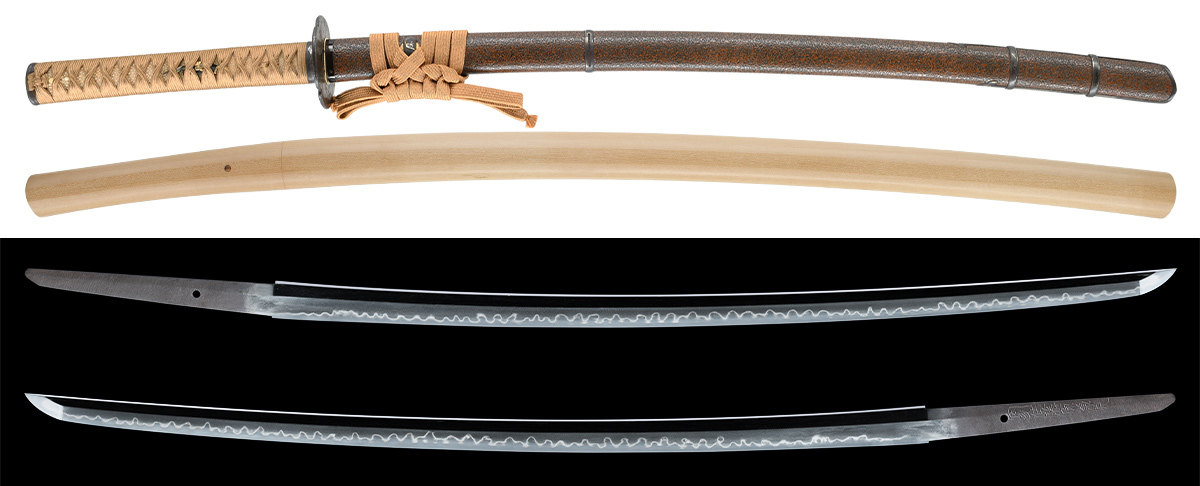

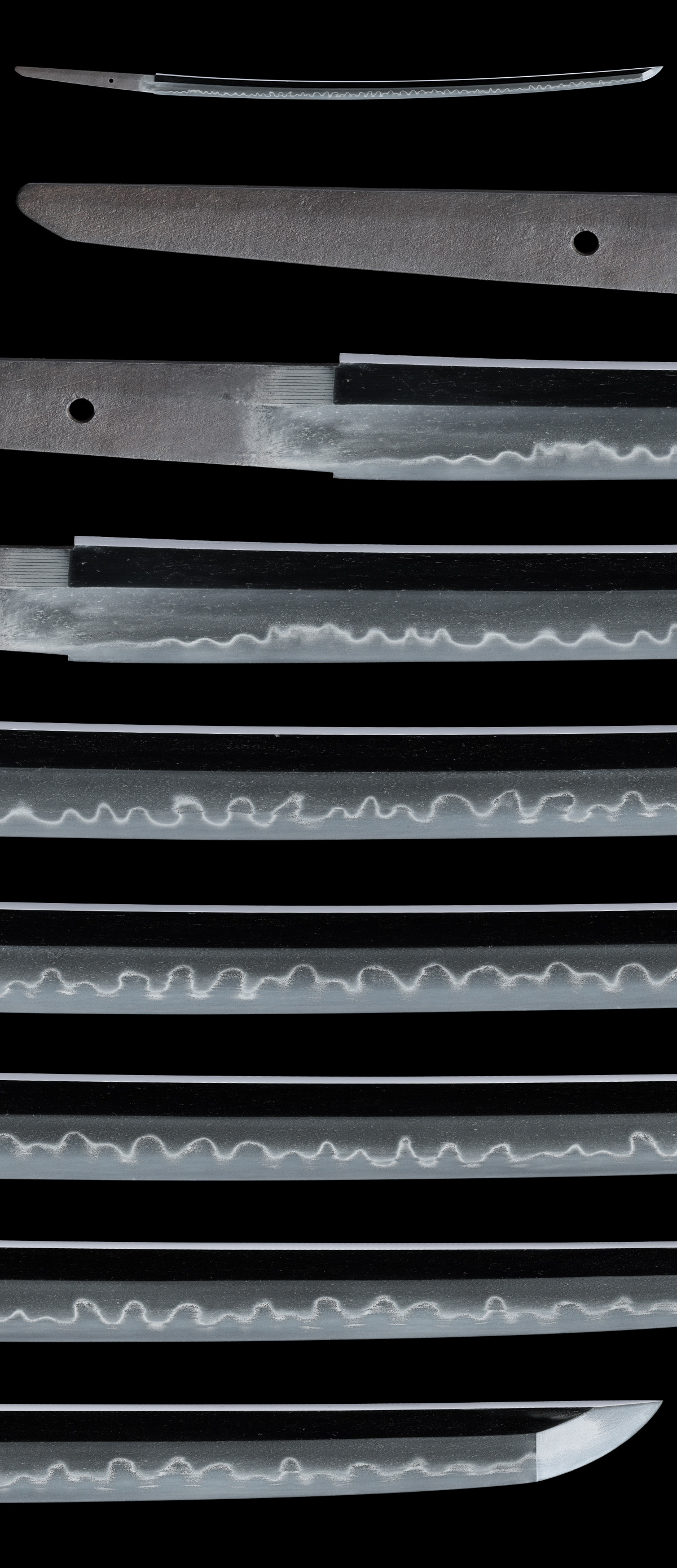
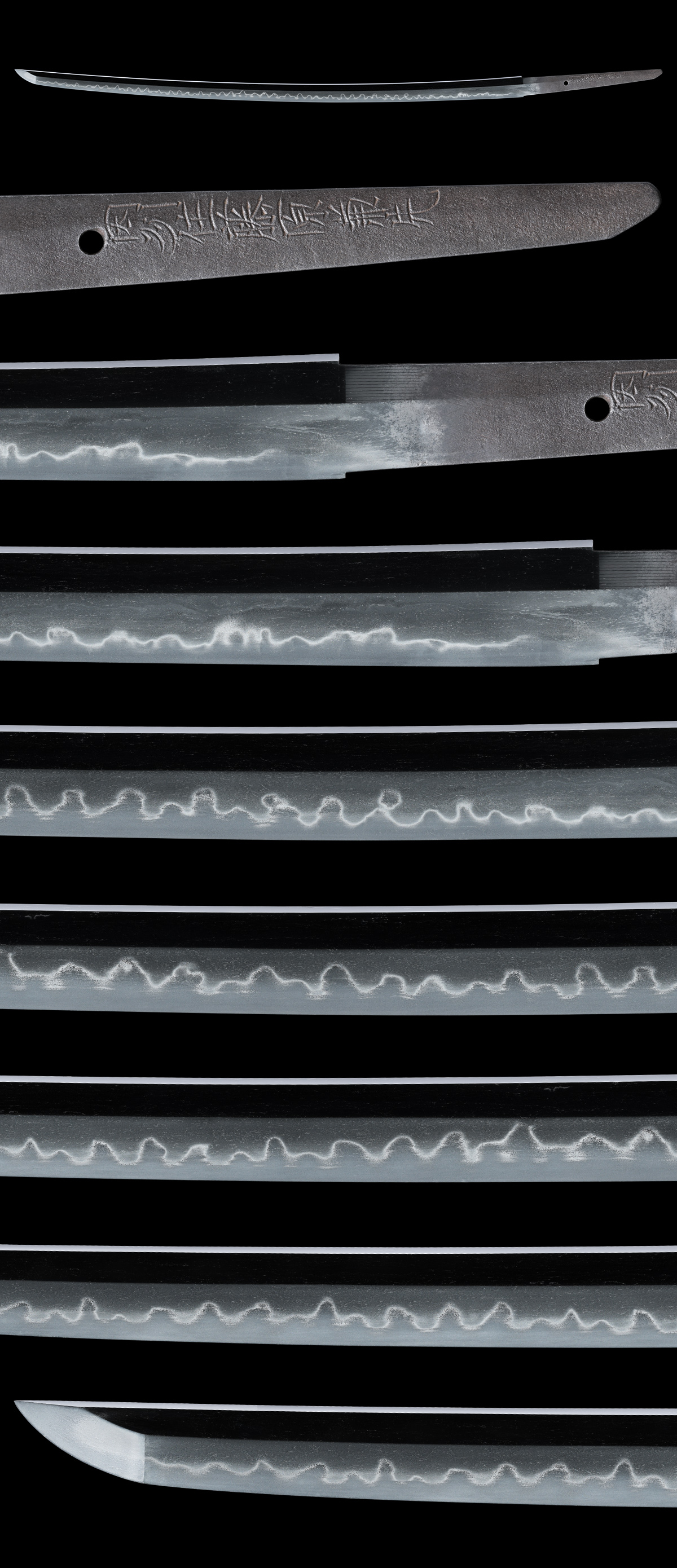
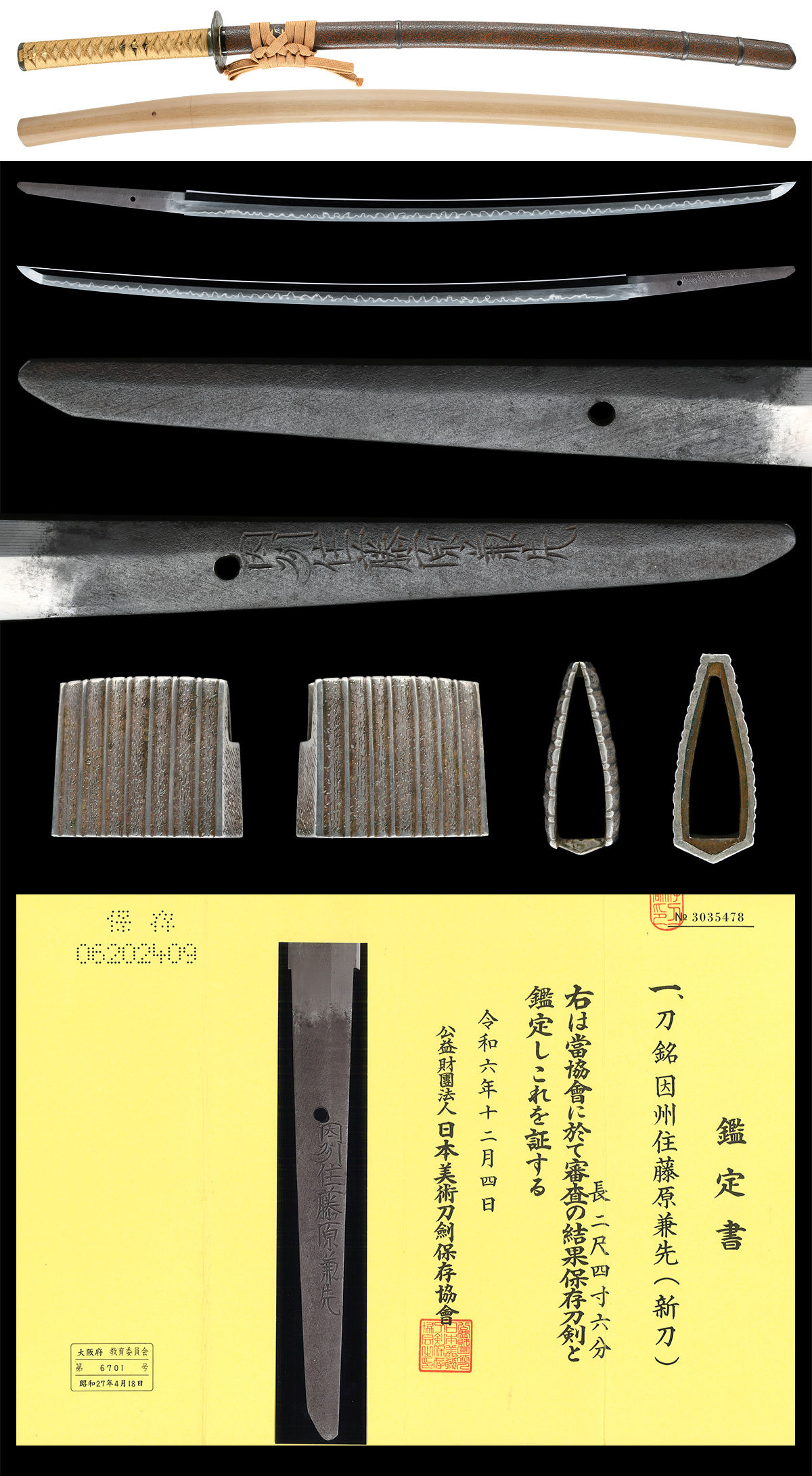
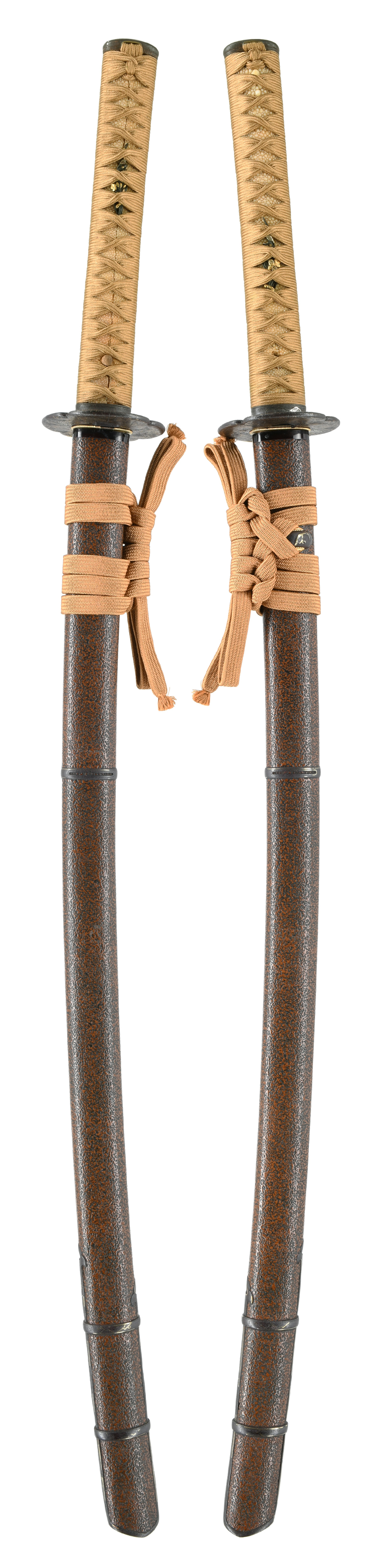
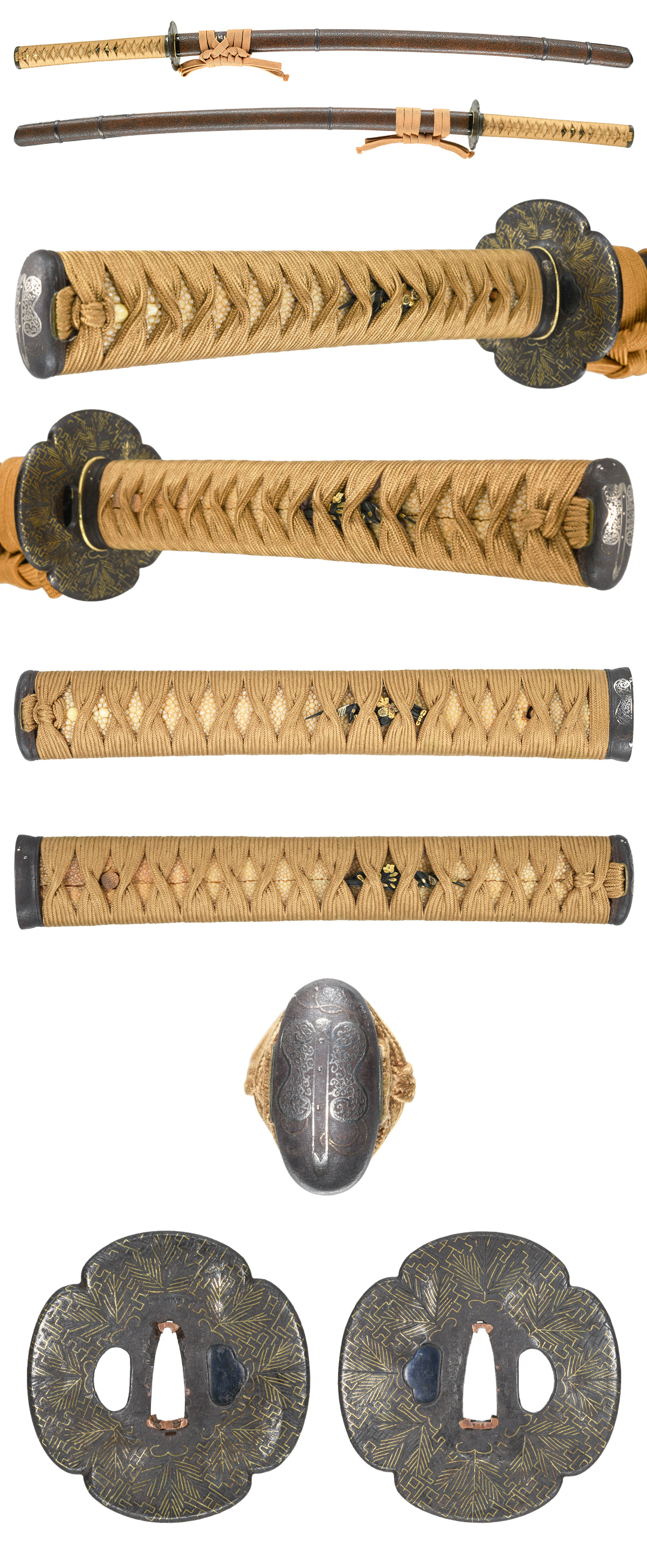
Inaba · around 1624-1644
Tōken Taikan top 91%
3 pieces on the market now
The Edo period (1615 to 1868)
Edo was the sword’s age of connoisseurship: the Hon’ami appraisers, the shogunal register of famous blades of 1719, and a thriving literature turned the sword into an object of study even as it ceased to be drawn in war.
Certifies a genuine blade worth preserving: a signature confirmed correct, or, if unsigned, an era, province, and school that the NBTHK can reliably identify.
The NBTHK (Nihon Bijutsu Tōken Hozon Kyōkai, the Society for the Preservation of Japanese Art Swords) is a public-interest incorporated foundation founded in 1948 and supervised by Japan’s Agency for Cultural Affairs (Bunkachō); it is based at the Japanese Sword Museum in Tokyo. Its expert panels physically examine each submitted work (shinsa) and issue a certificate (kanteishō) ranking it by artistic and historical merit. NBTHK papers are the most widely recognized standard of authentication for Japanese swords and fittings.
NBTHK official siteNo cooling-off period or returns; refund only if the purchased sword is proven fake, capped at purchase price (excludes commission sales, accessories, auction items).