Edo was the sword’s age of connoisseurship: the Hon’ami appraisers, the shogunal register of famous blades of 1719, and a thriving literature turned the sword into an object of study even as it ceased to be drawn in war.
 NihontoWatchNihontoWatch
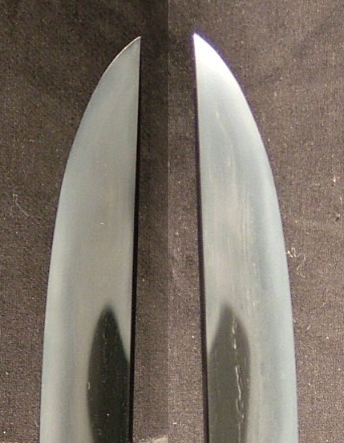
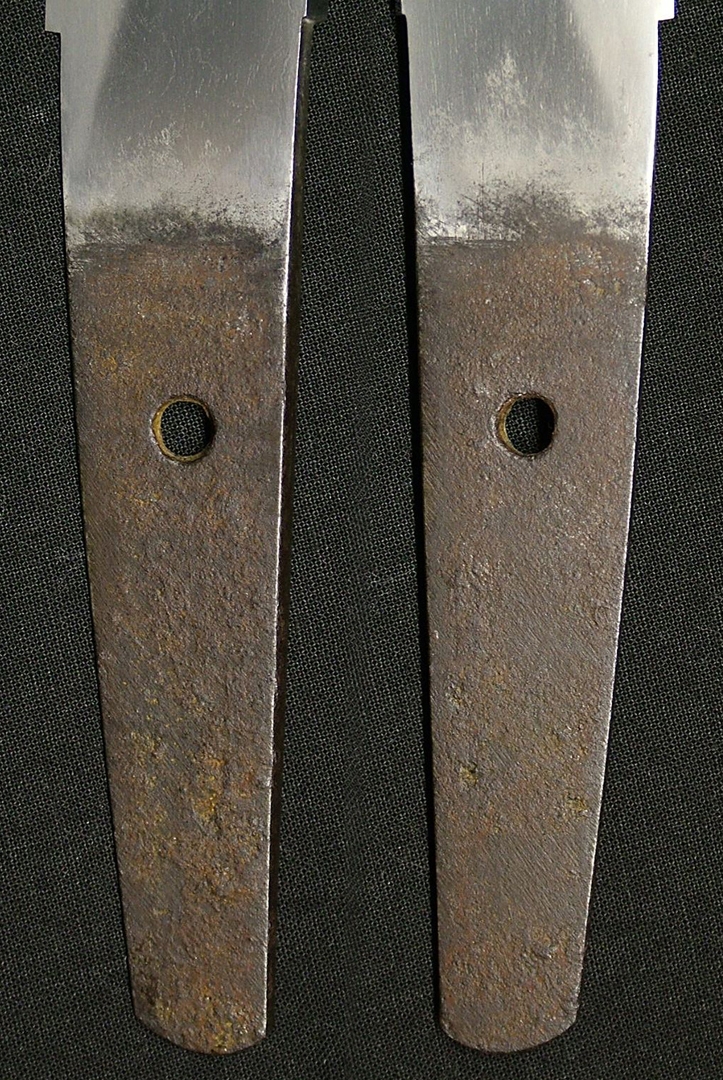
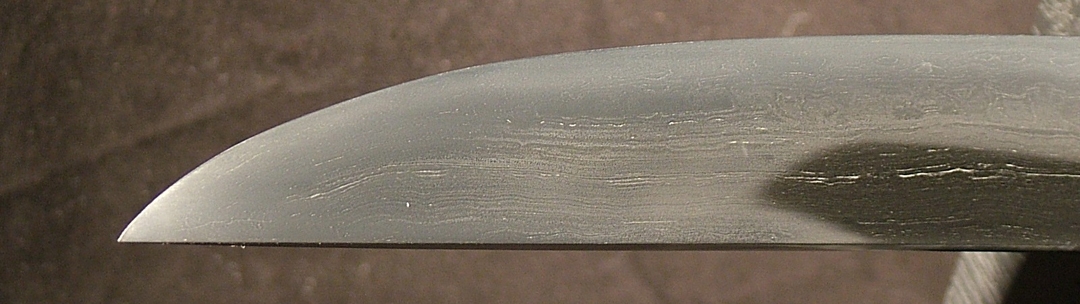
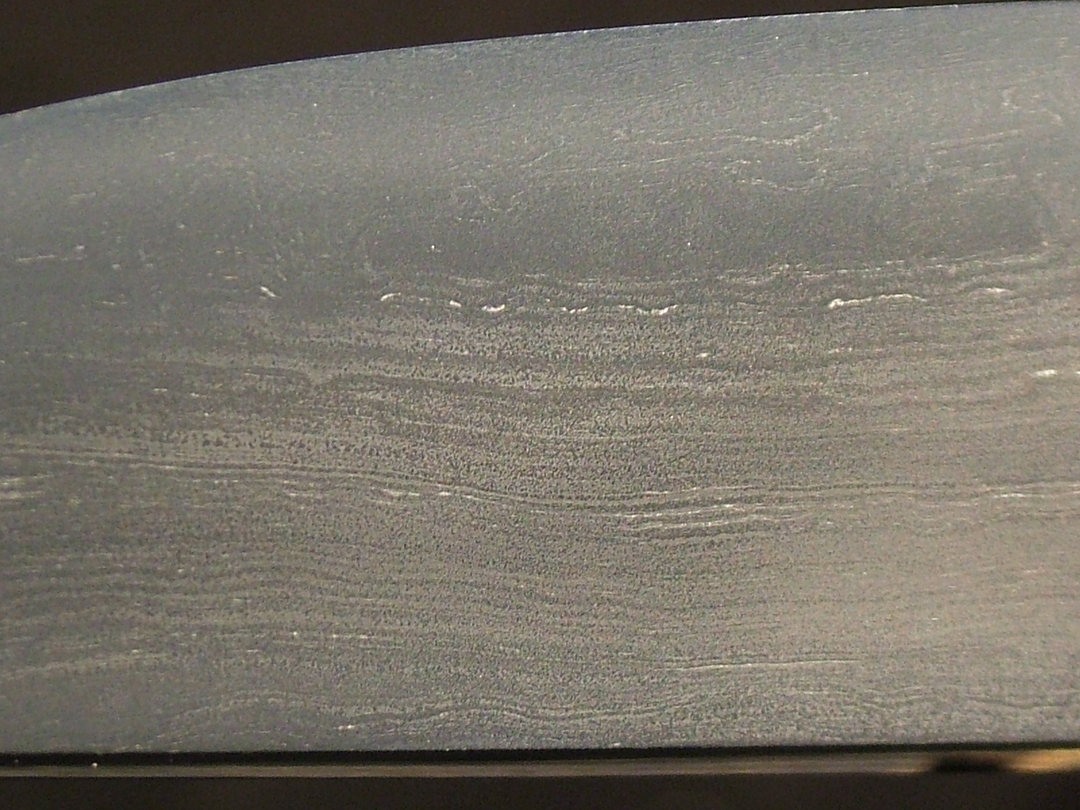
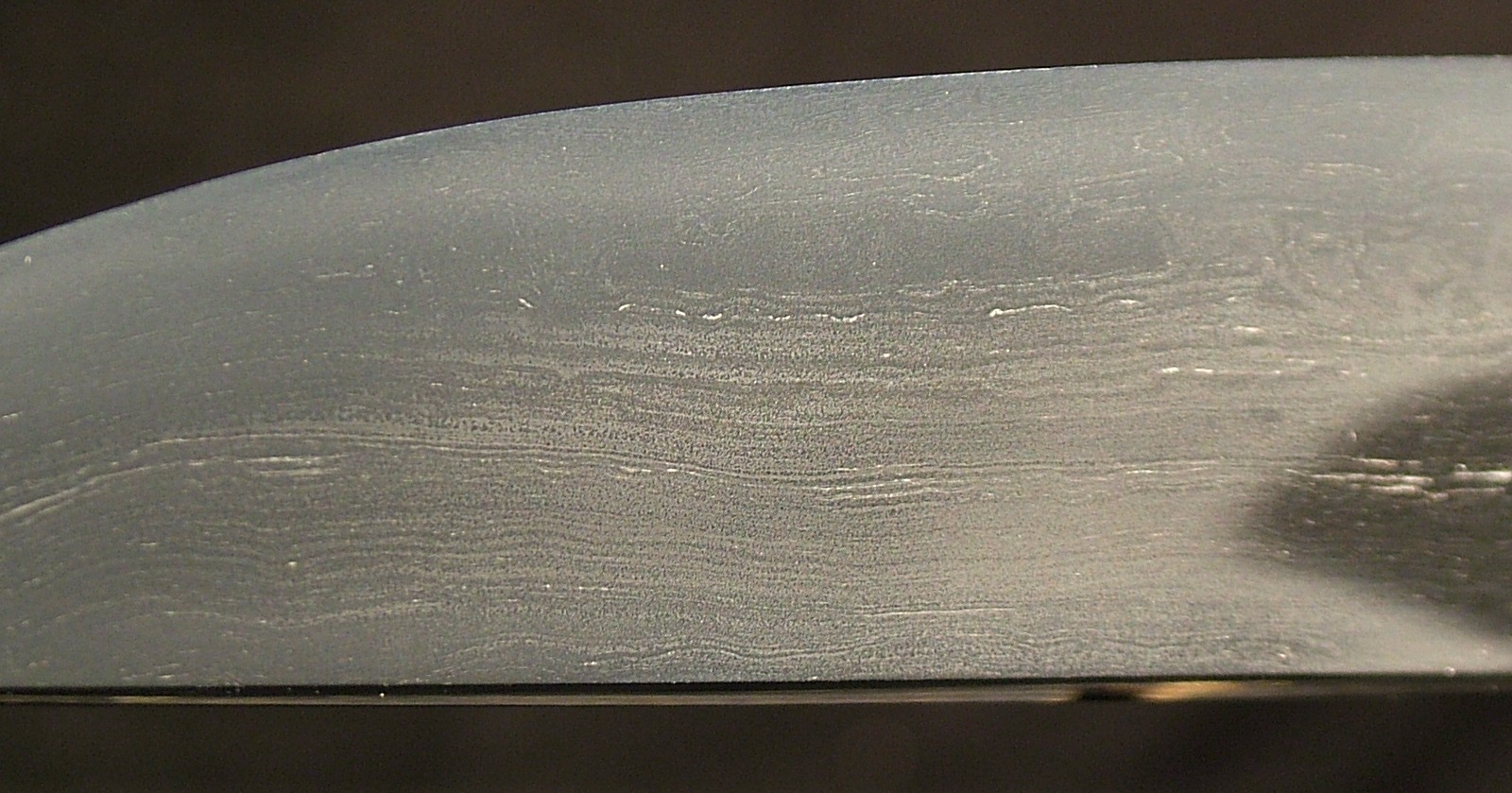
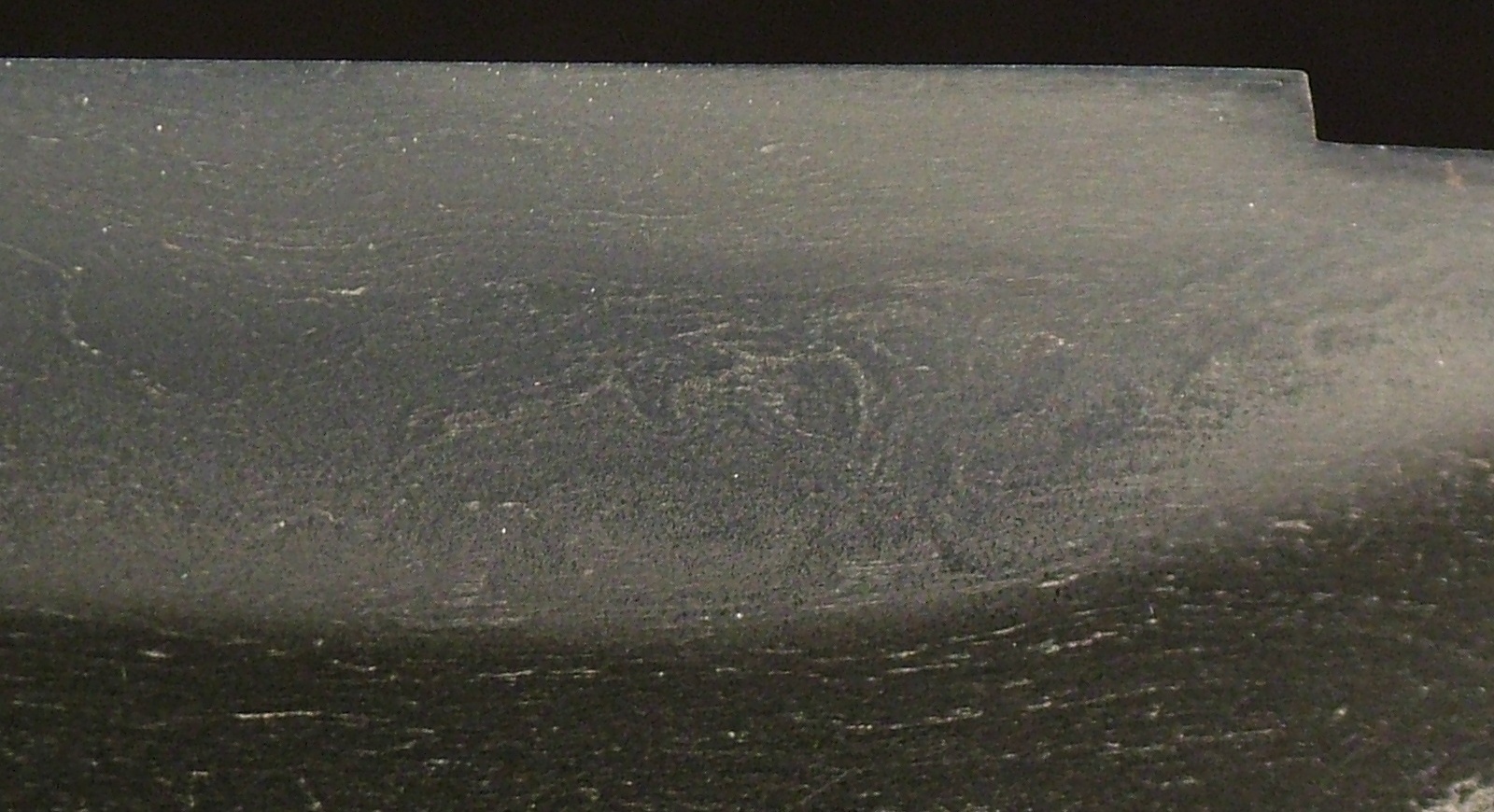
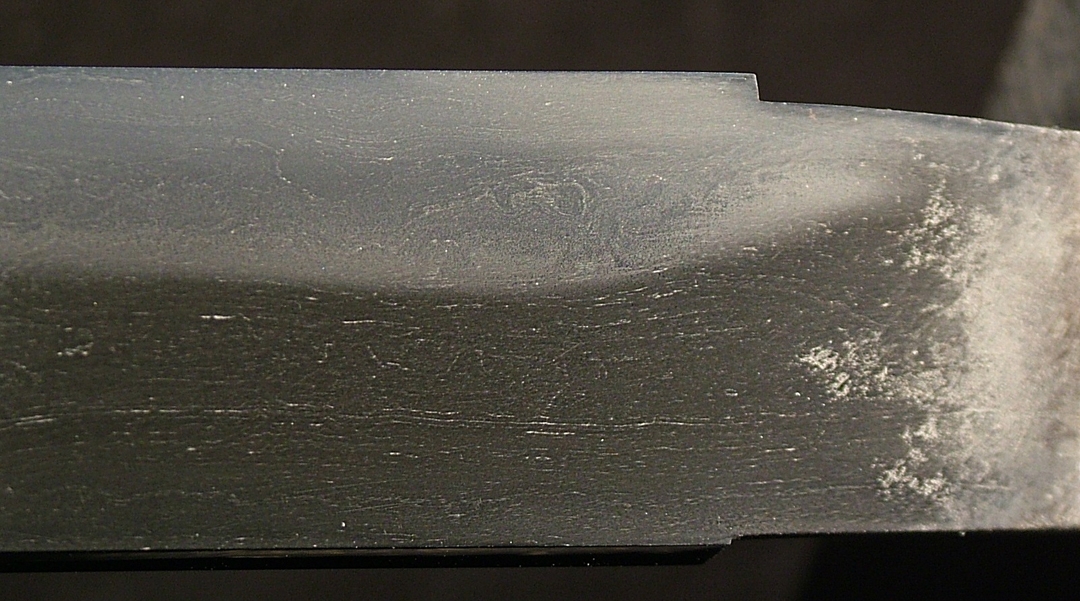
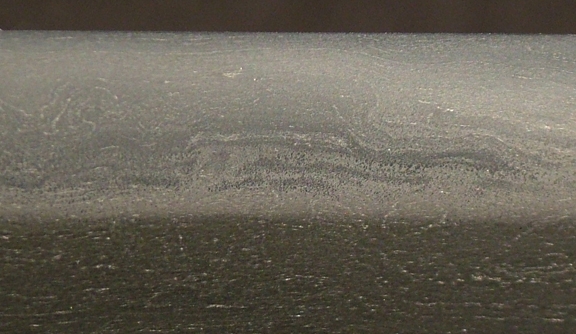
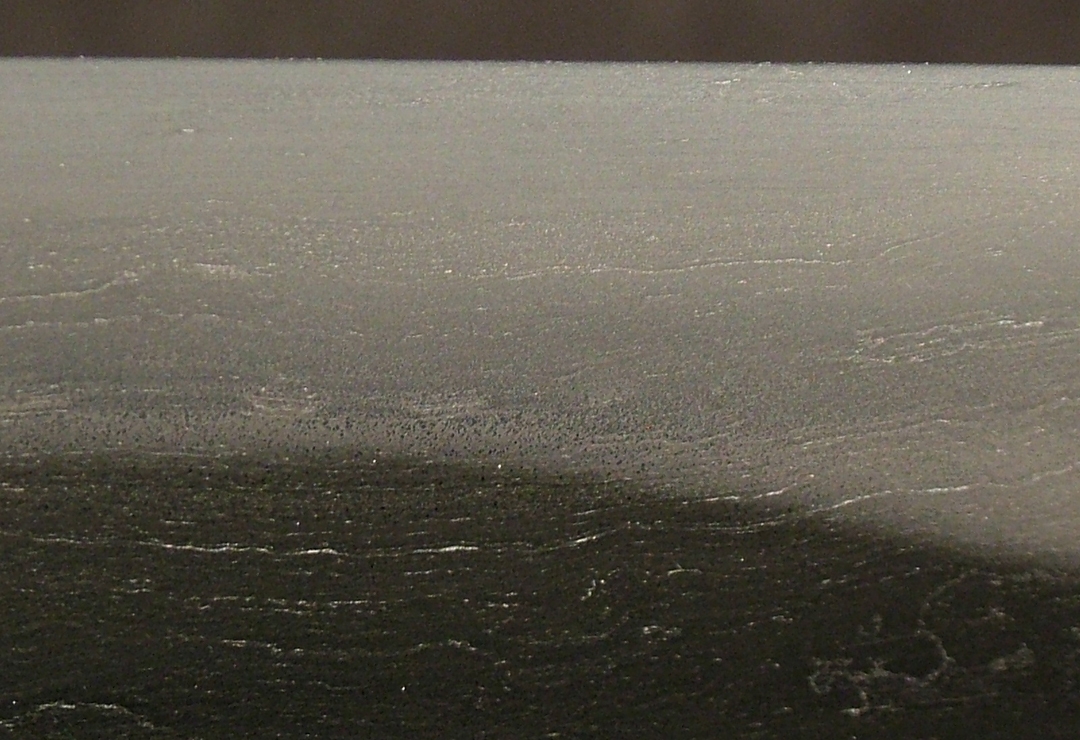
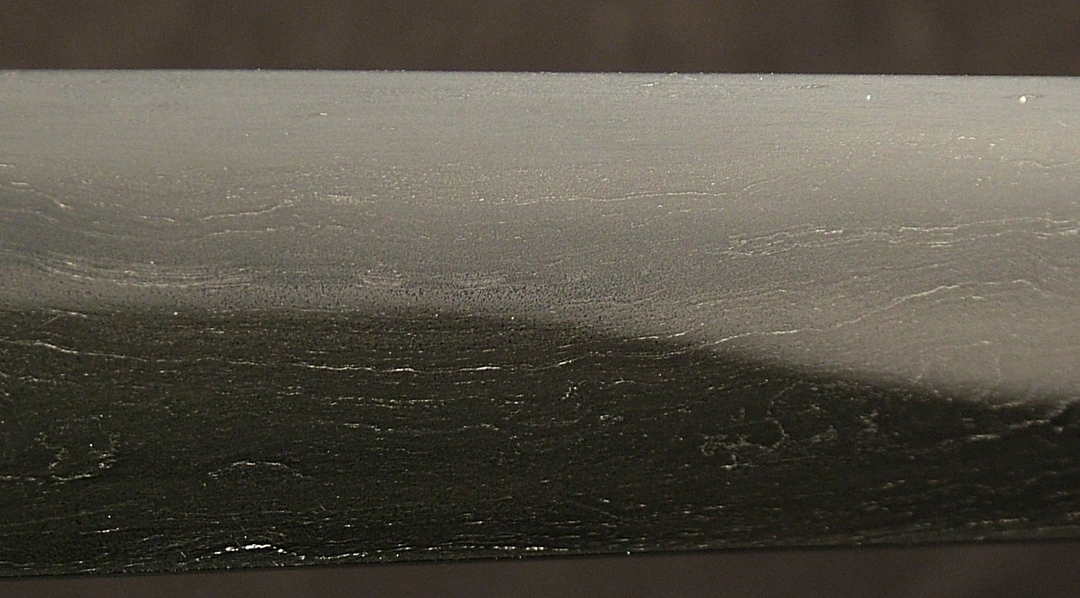
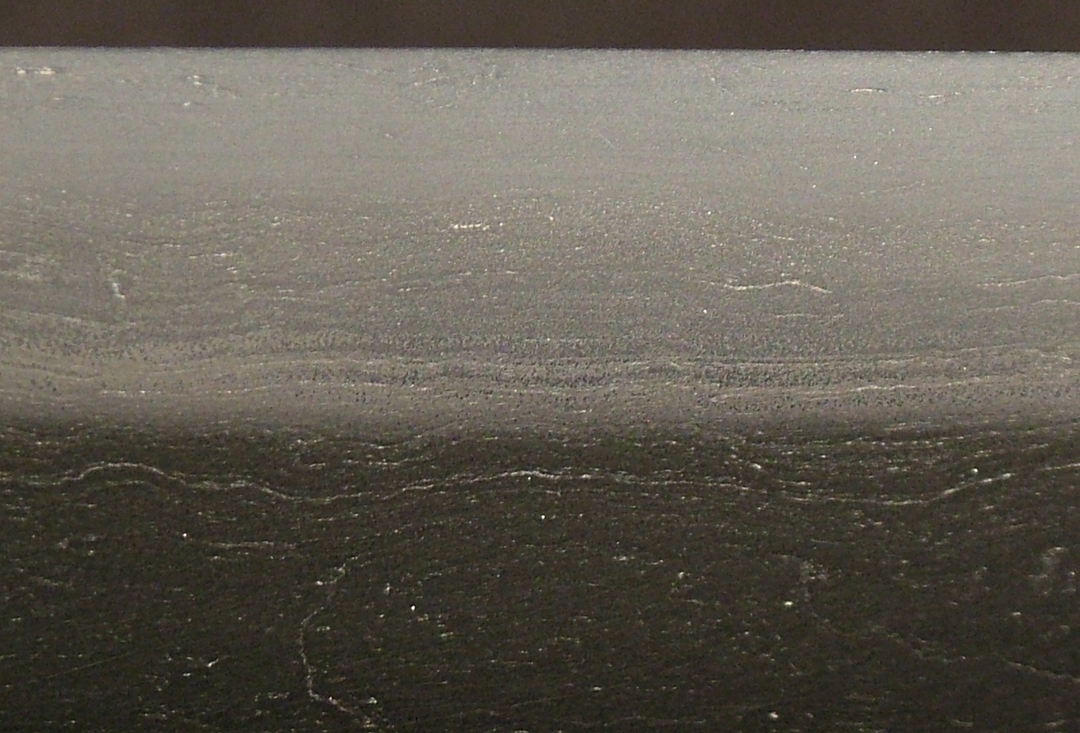
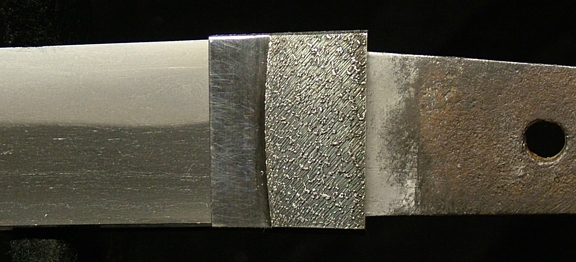
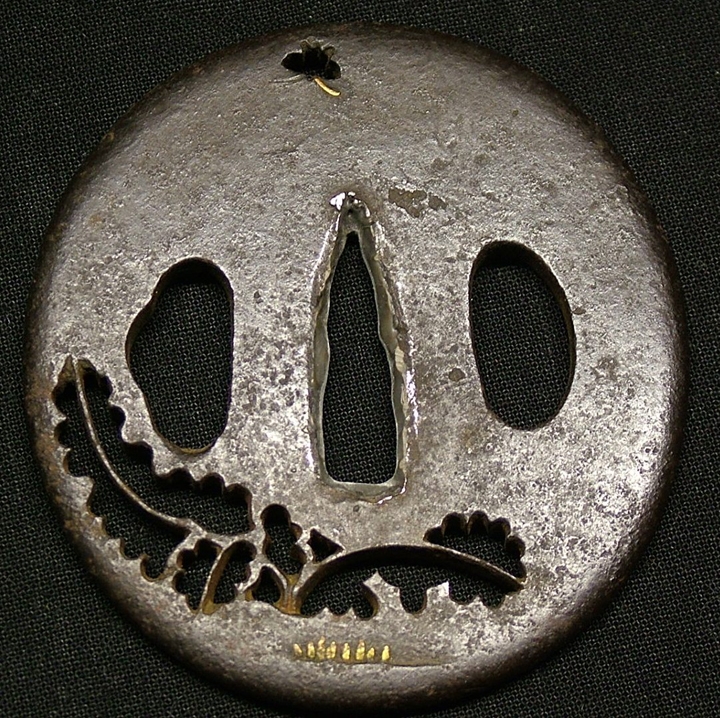
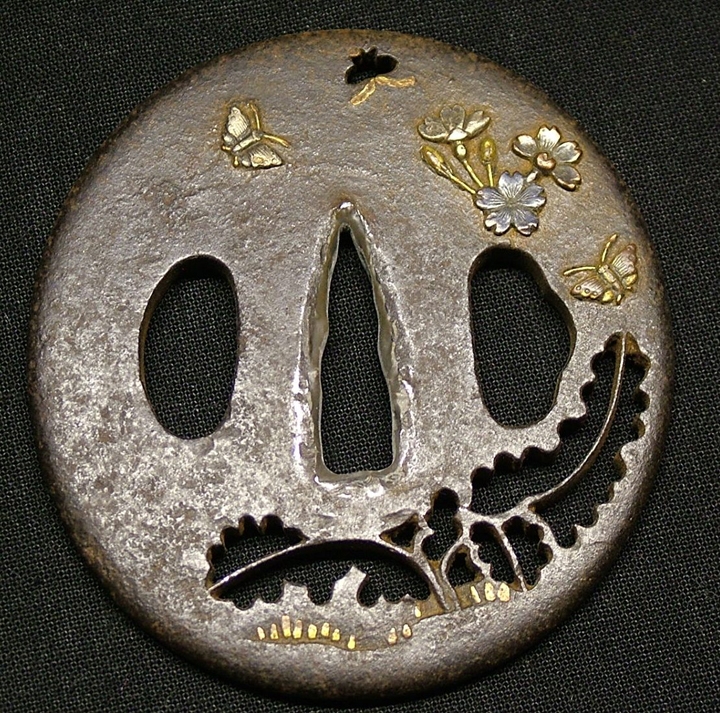
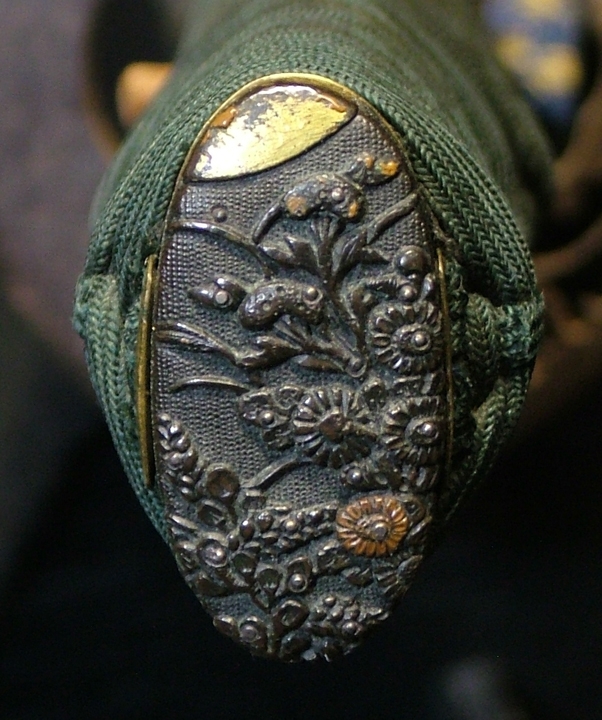
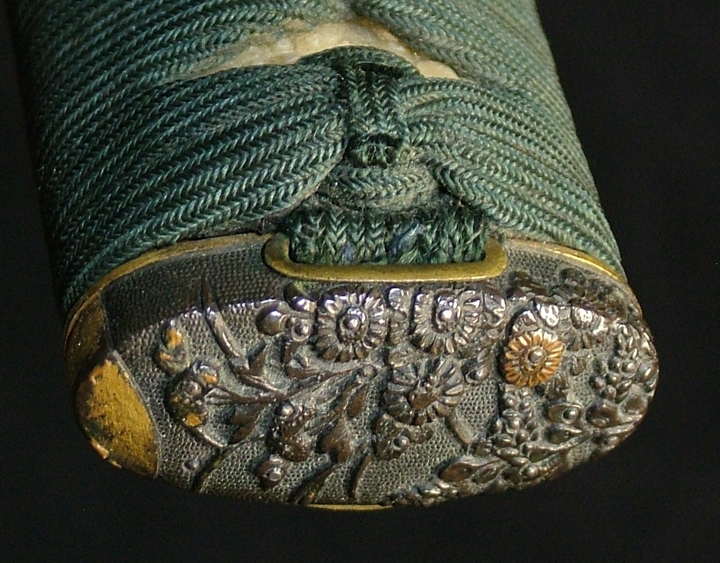
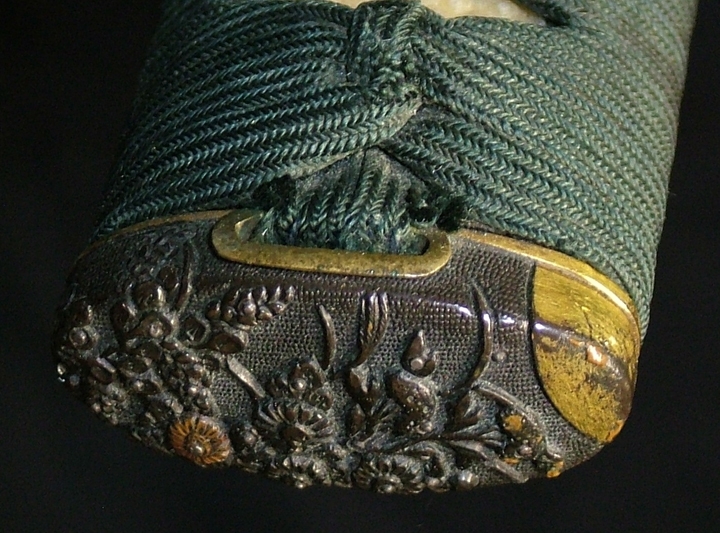
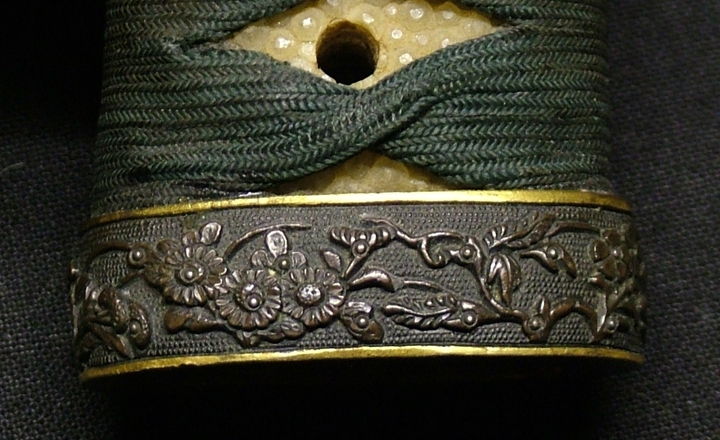
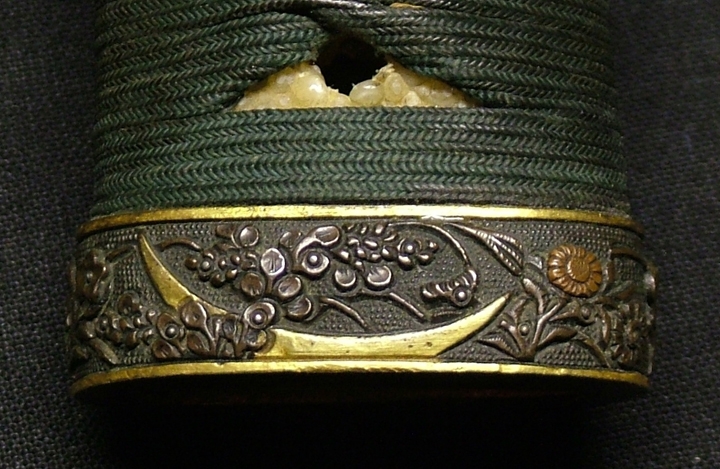
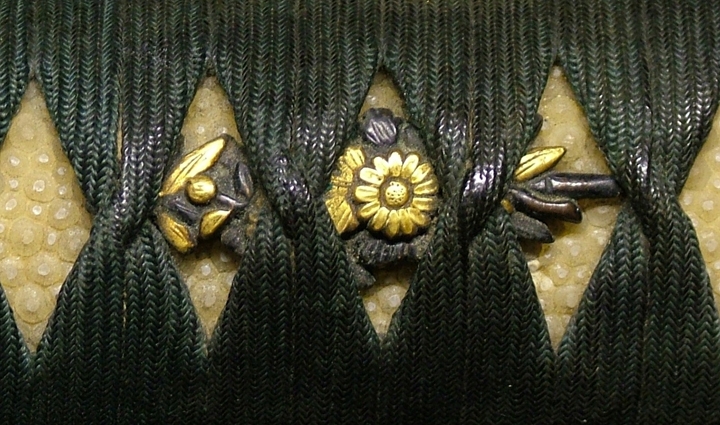
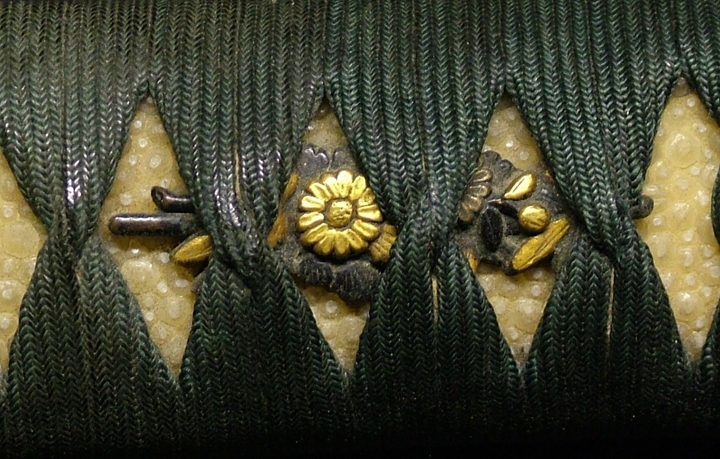
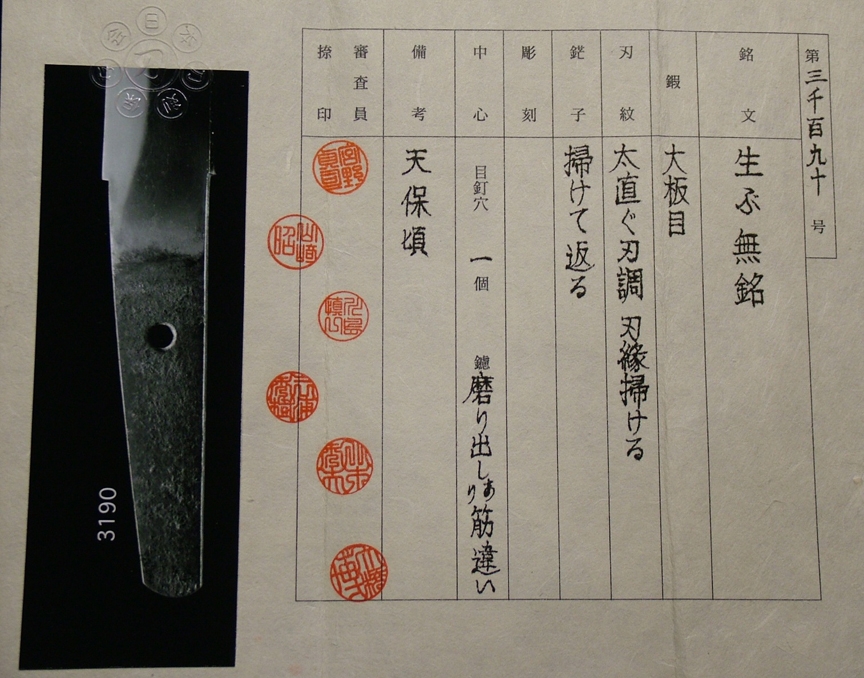
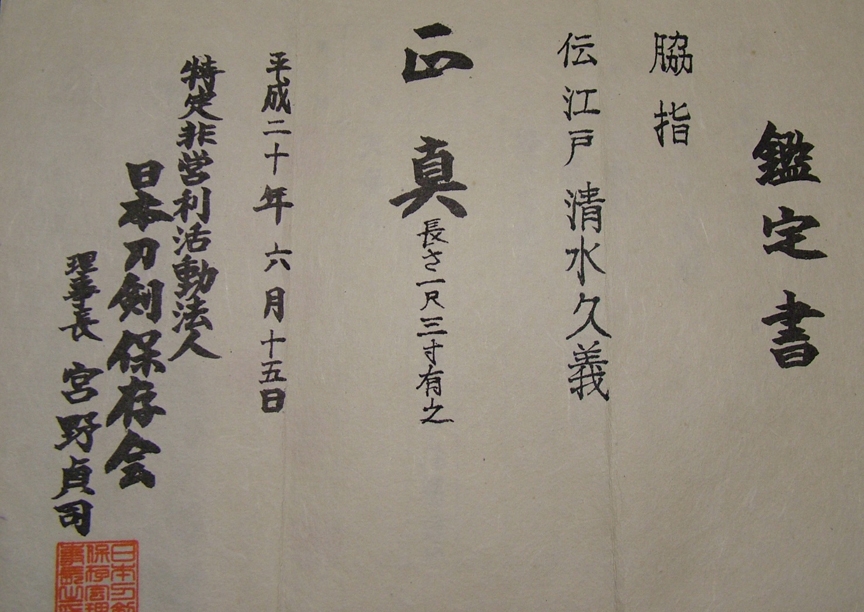
WAKIZASHI (O-TANTO) TENPO c. 1830 MUSASHI PROVINCE HIRASAYA / KOSHIRAE WAKIZASHI (O-TANTO) NTHK KANTEISHO SHIMIZU HISAYOSHI Wakizashi (O-Tanto) attributed to Shimizu Hisayoshi per the NTHK. I refer to this sword as a Tanto as it is mounted as tanto, however due to its nagasa it is technically a wakizashi and is papered as a wakizashi. Hisayoshi’s real name was Shimizu Sogoro. He relocated to Shimizu from Odawara of Sagami province. He worked mostly in the Soshu tradition and often exhibited an o-midare as seen in this example. Hisayoshi was considered to be the best student of Hosokawa Masayoshi. His blades are generally robust in order to penetrate harder targets such as armor – a clear influence of Masayoshi. Two of Hisayoshi’s greatest personal accomplishments came as a master himself having trained both the great Sa Yukihide and Kawai Hisayuki. He died on September 15th, 1868. Hisayoshi is a direct descendent of Soshu Masamune which is obviously why he was fond of Soshu Den. And as seen in this example he excelled in the Soshu den tradition of O-Midare. The blade itself is gorgeous. The large undulating O-notare hamon with its midare komi boshi and long turn back give it a very powerful feel. The Masame hada runs through the hamon creating beautiful sunagashi throughout. There is sprinkled nie and ji-nie over the entire blade. There are chikei and areas of swirling itame, almost mokume. There are a few small areas of loose grain which is almost inevitable when forging Masame Hada. The blade is mounted in shirasaya with a one-piece solid silver habaki. Additionally, it comes with its Koshirae (see photos). The Koshirae is done in a floral motif. The tsuba is iron and depicts leaves and butterflies. Floral menuki and the Fuchi/Kashira depict plants under the moon in various stages. For additional details please see photos. An O-Tanto, done in Soshu Den by a Chujosaku rated smith! Polished, Papered and comes with both shirasaya and a very nice Koshirae.
Offered by Yakiba






Musashi · around 1830-1844
Fujishiro Chu-jo saku · Tōken Taikan top 76%
2 pieces on the market now
The Edo period (1615 to 1868)
Edo was the sword’s age of connoisseurship: the Hon’ami appraisers, the shogunal register of famous blades of 1719, and a thriving literature turned the sword into an object of study even as it ceased to be drawn in war.
The NTHK’s principal certificate, issued for a blade of considerable quality. It confirms a genuine signature, or, for an unsigned (mumei) work, records the judges’ attribution to a smith or school. The paper carries a detailed worksheet with a numerical point score.
The NTHK (Nihon Tōken Hozon Kai, the Society for the Preservation of the Japanese Sword) is the oldest of Japan’s sword-appraisal bodies, founded in 1910, decades before the NBTHK. After the death of its long-serving head it divided into two successor societies, the NTHK and the NTHK-NPO, both of which continue to hold shinsa. NTHK certificates are known for a detailed worksheet that records a numerical point score alongside the judges’ written opinion, and the society is especially respected for its attribution of unsigned (mumei) work.
All swords sold for $5000 USD or less are considered final! Swords above the $5000 range may be returned for any reason within 48 hrs. Buyer will receive a full refund minus shipping/handling, insurance and or any fees incurred in shipping or sale.
$3,375