 NihontoWatchNihontoWatch
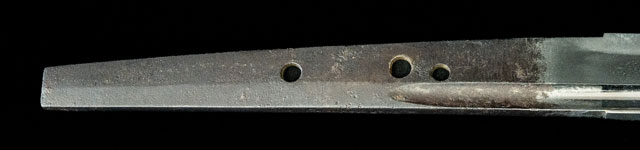
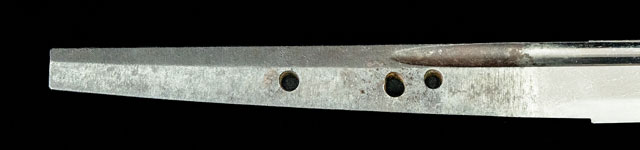
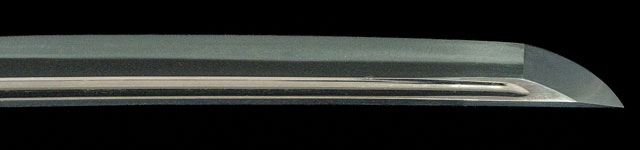
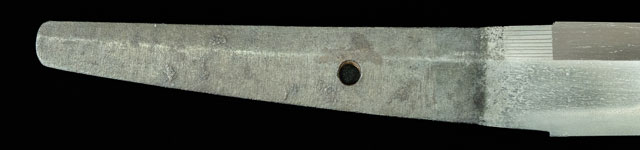
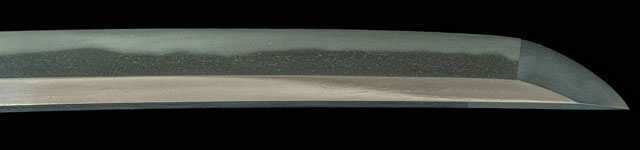
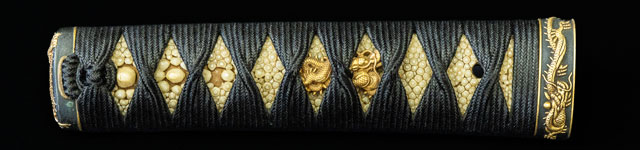
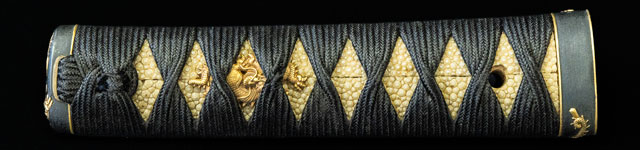
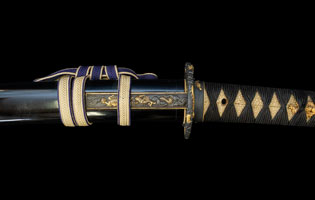
Katana Country/Period - /Nanbokucho / Wakizashi Country/Period Yamashiro/Early Edo Keicho period Katana It is said to be either the child of Rai Kunimitsu or the youngest child of Rai Kunitoshi. The jigane is ko-mokume hada, well-forged. The hamon has thick ko-nie, with nie-ashi entering well across the entire surface, kinsen and imozuru entering, the ha is sae, and the deki is good. Wakizashi A student of Kunihiro; after his teacher Kunihiro passed away, he received a title and signed as Tango no Kami Hiroyuki. Horikawa-ju. The jigane is ko-itame hada with a nagare-gokoro. The hamon is ko-nie deki, applied thickly, with gunome and nie-ashi entering in places. Ashi enters the entire ha, and the deki is good.
NihontoWatchOffered by Touken Hataya







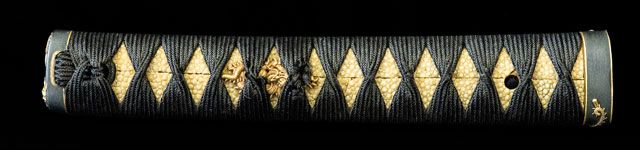
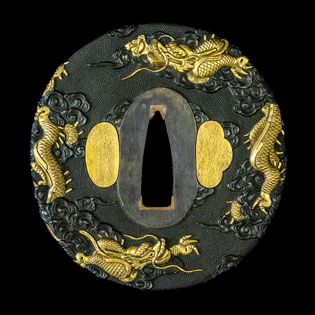
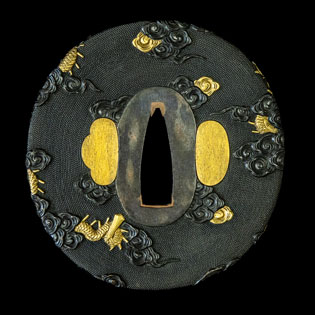
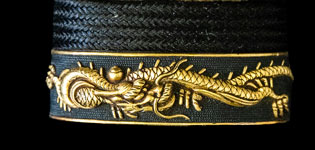
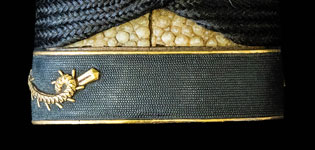
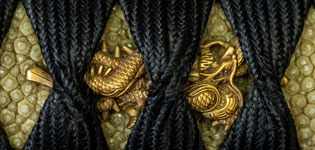
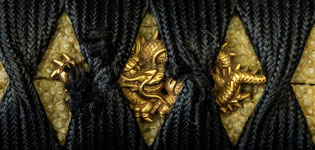
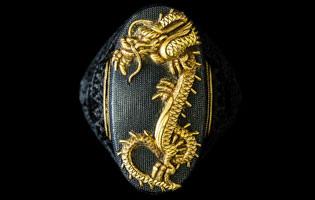
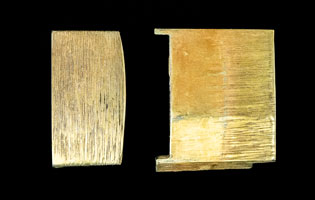
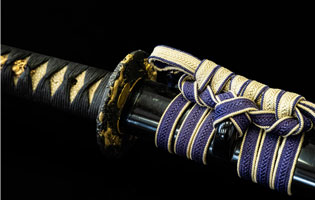
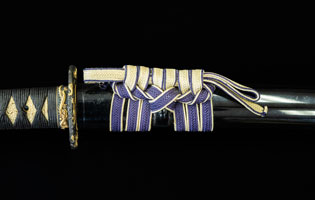



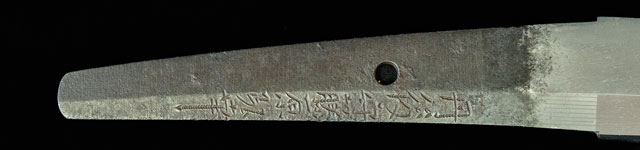
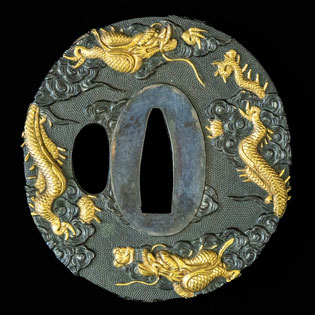
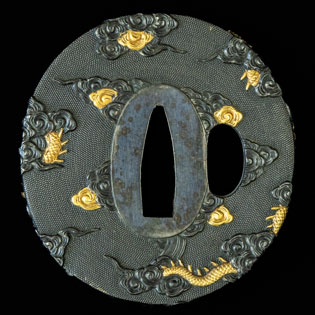
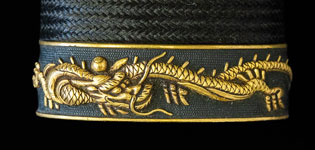
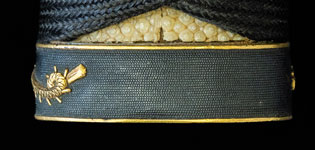

Machine translation of the shop's Japanese ·
Machine translation from the shop's Japanese · may contain errors ·
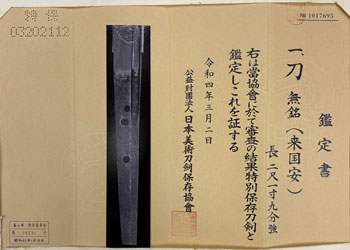
A Hozon-certified blade judged to show notably superior workmanship and a better state of preservation. The bar is higher: re-tempered blades and most unsigned Muromachi/Edo works are excluded.
The NBTHK (Nihon Bijutsu Tōken Hozon Kyōkai, the Society for the Preservation of Japanese Art Swords) is a public-interest incorporated foundation founded in 1948 and supervised by Japan’s Agency for Cultural Affairs (Bunkachō); it is based at the Japanese Sword Museum in Tokyo. Its expert panels physically examine each submitted work (shinsa) and issue a certificate (kanteishō) ranking it by artistic and historical merit. NBTHK papers are the most widely recognized standard of authentication for Japanese swords and fittings.
NBTHK official sitePlease request cooling-off within 8 days of the item's arrival. Items that have been altered cannot be handled. Return shipping is the customer's responsibility. If the destination is overseas, returns and refunds are not available.
Price on request