The twentieth century nearly killed the craft twice: wartime distortion, then the occupation ban. The NBTHK’s founding in 1948 and licensed forging from 1953 rebuilt the sword as an art, crowned by Living National Treasures and the mukansa rank.
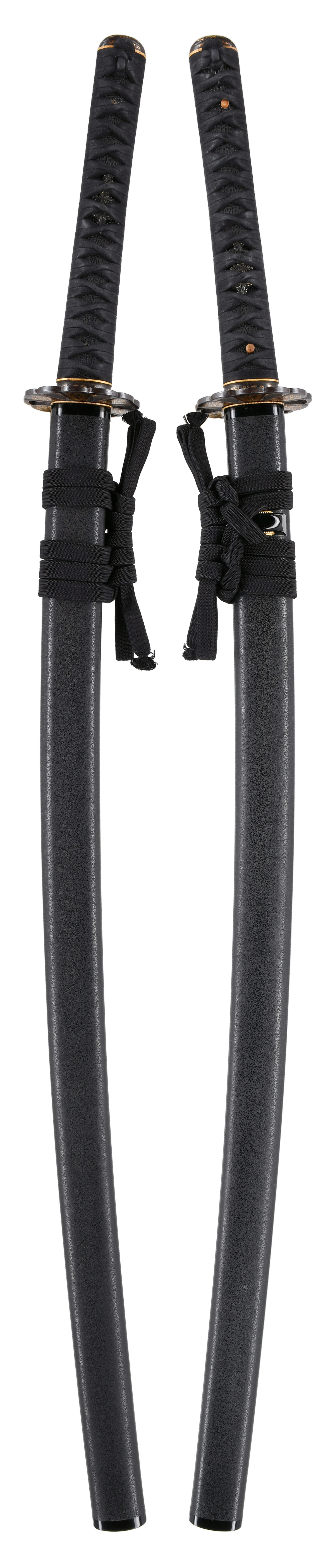
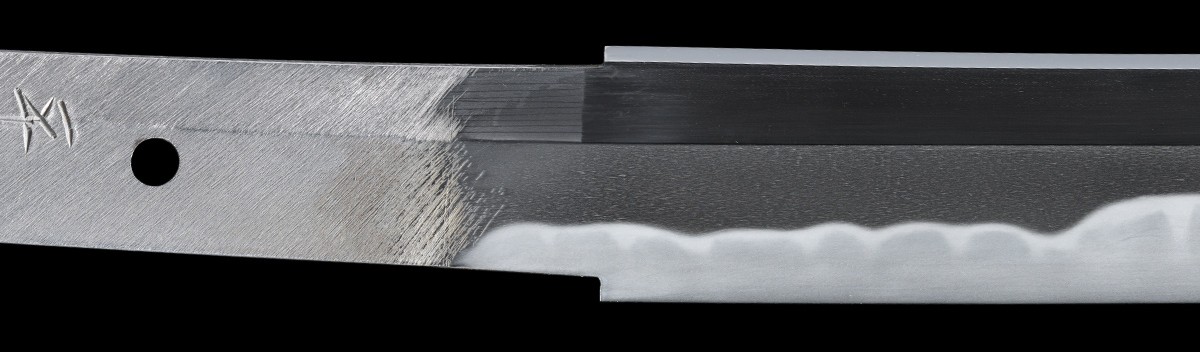
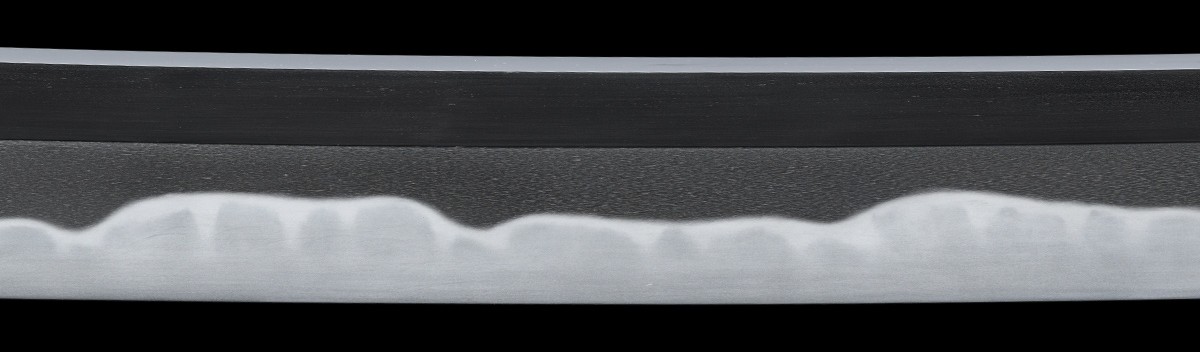
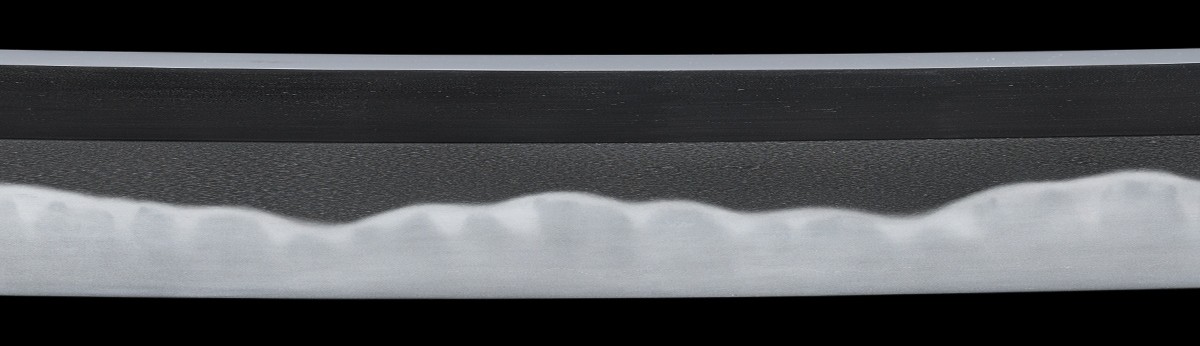
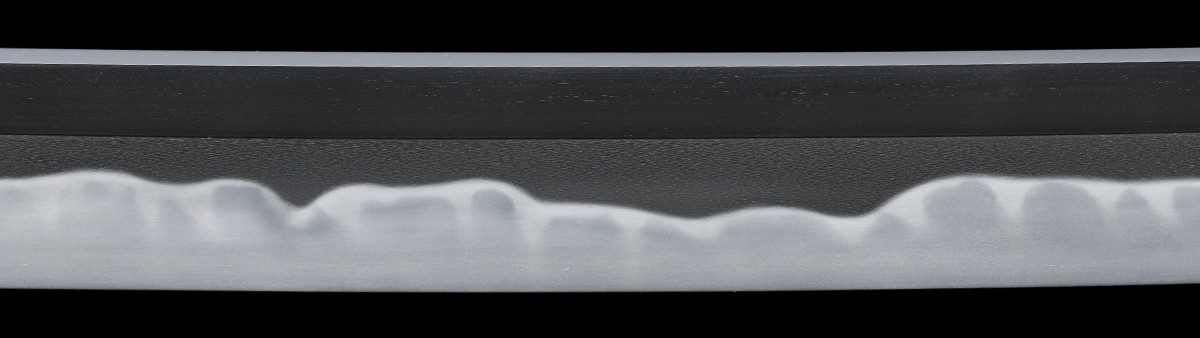
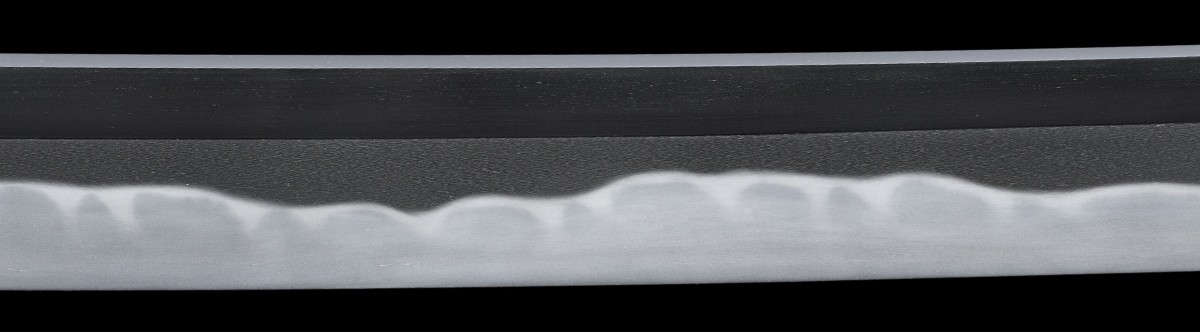
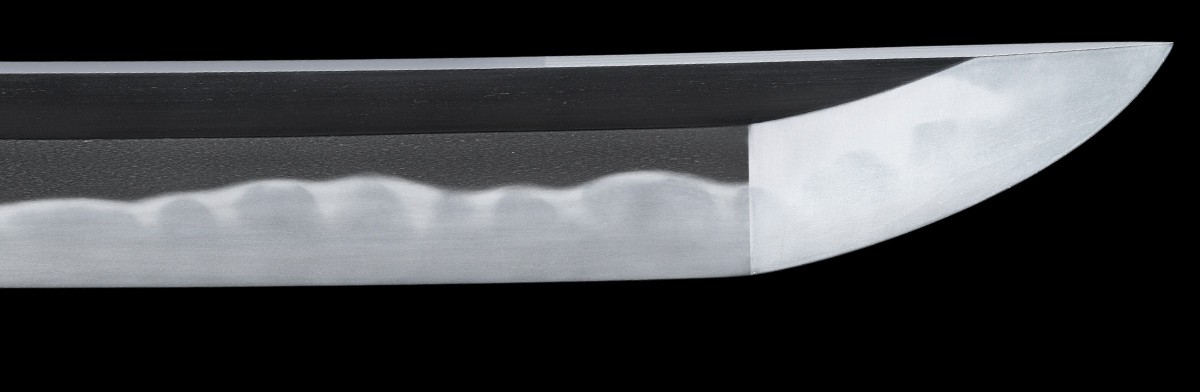
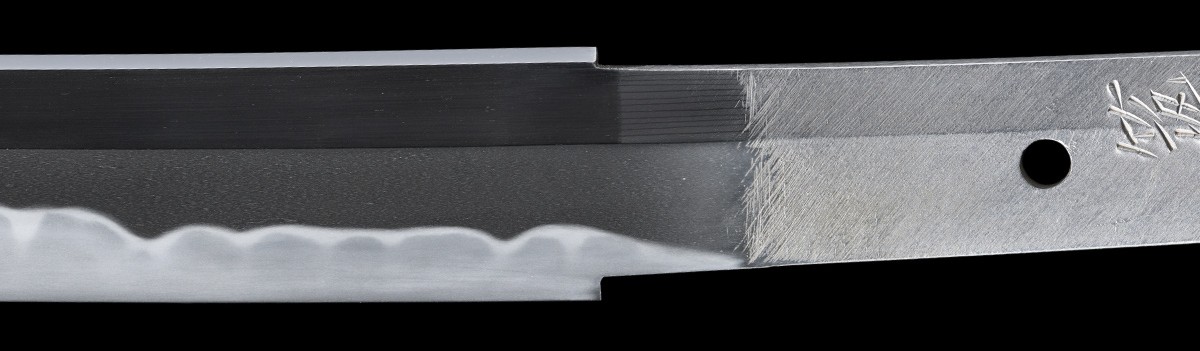
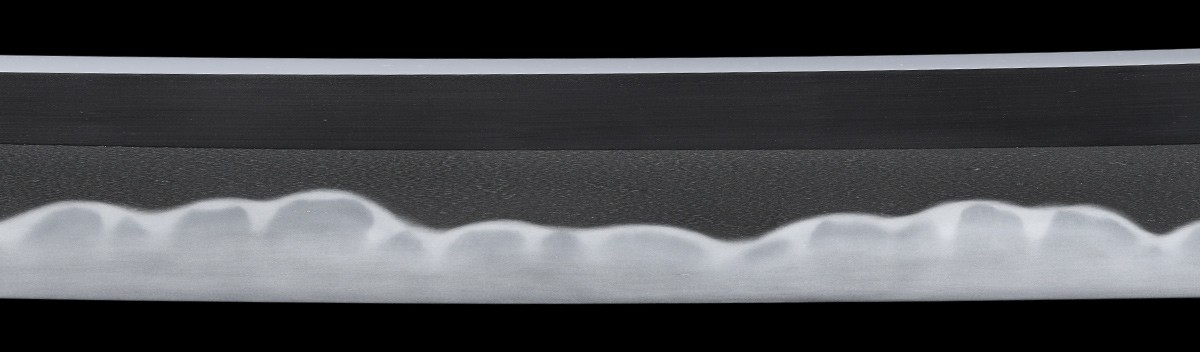
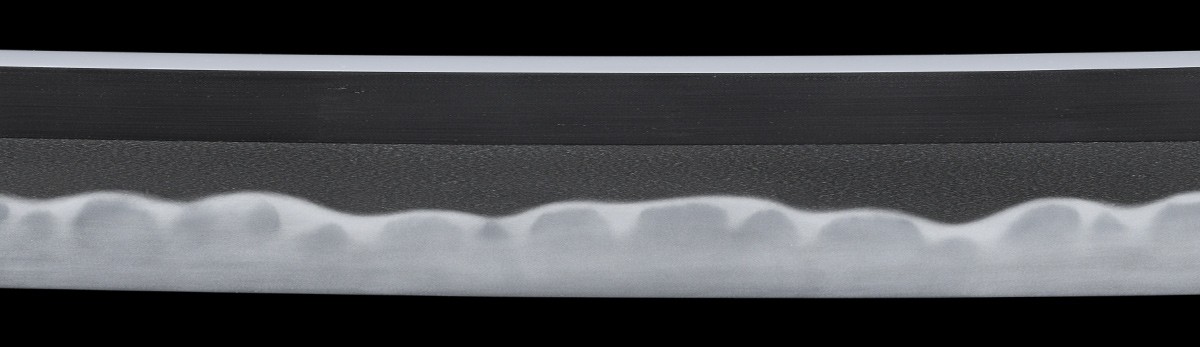
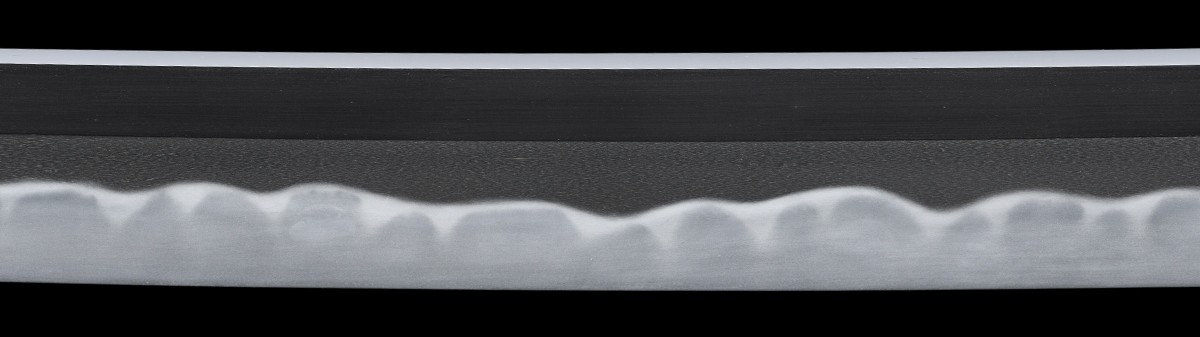
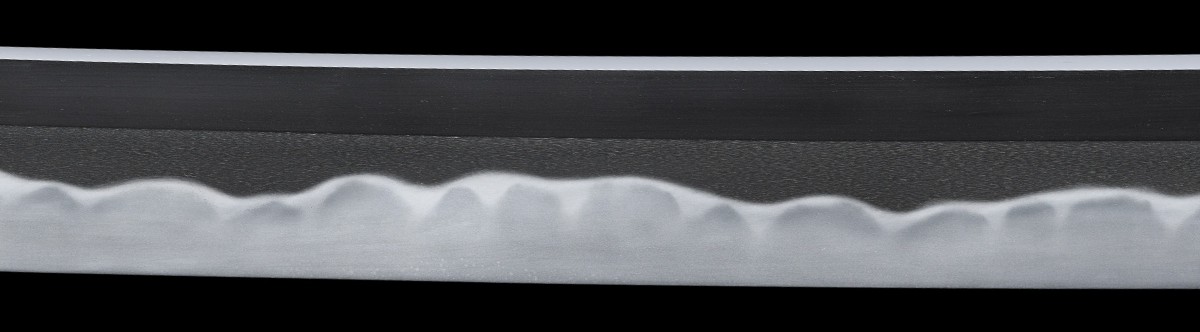
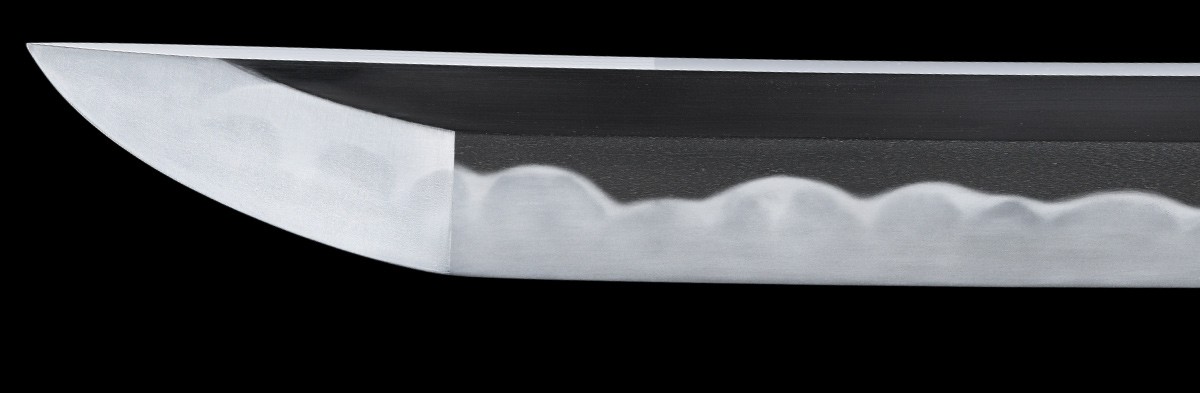
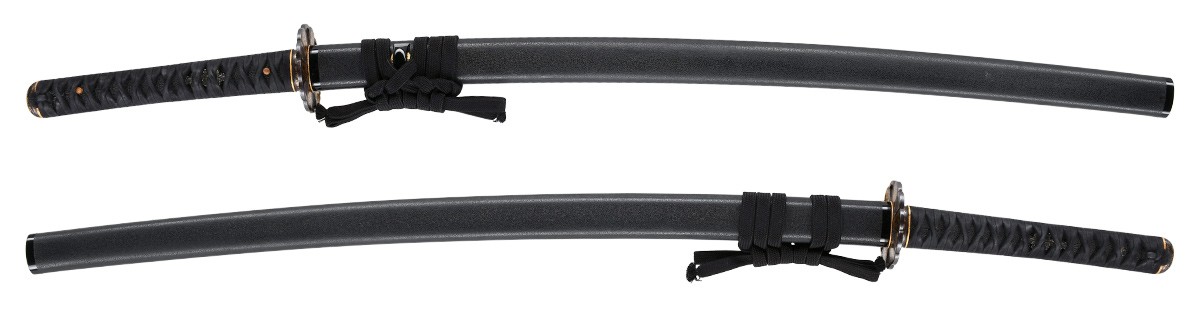
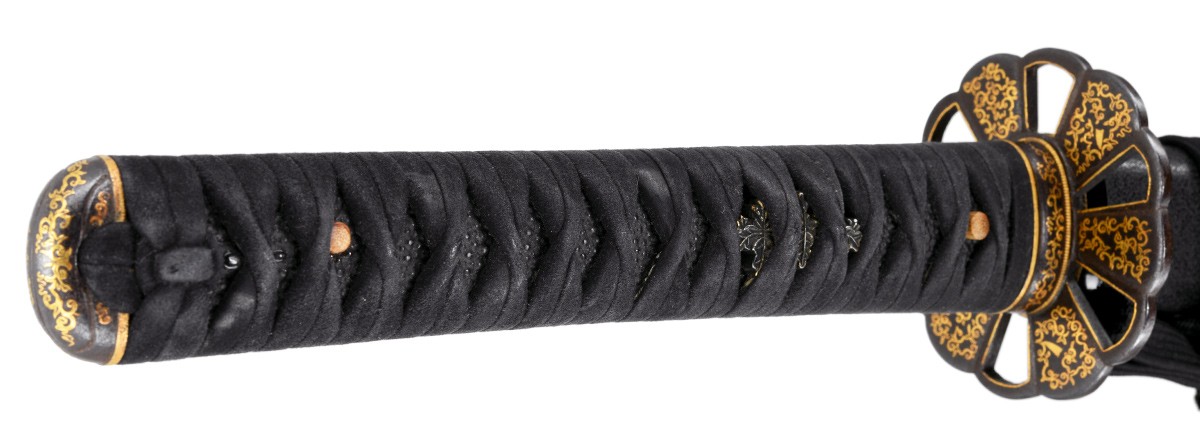
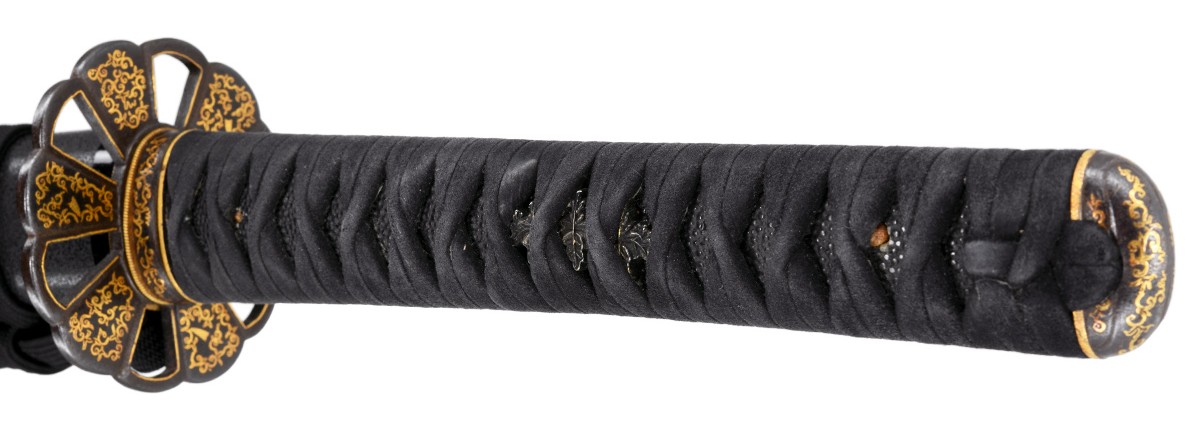
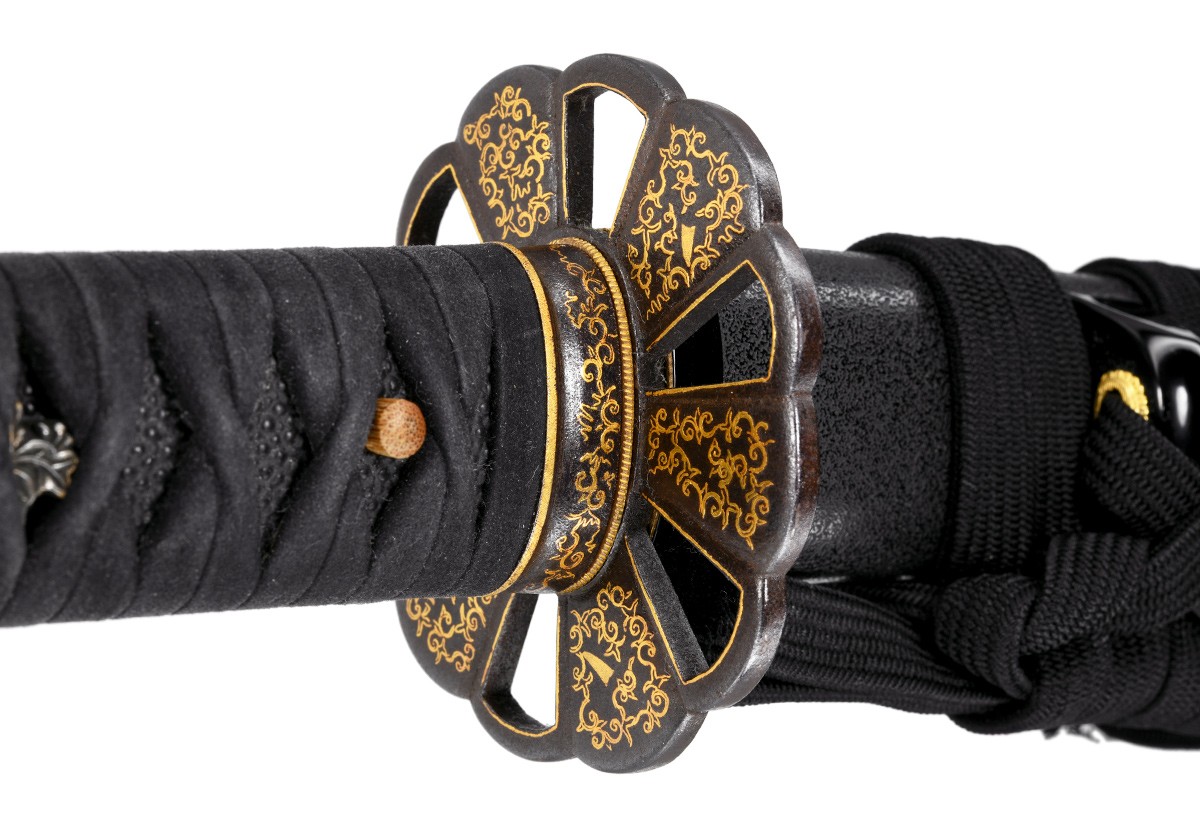
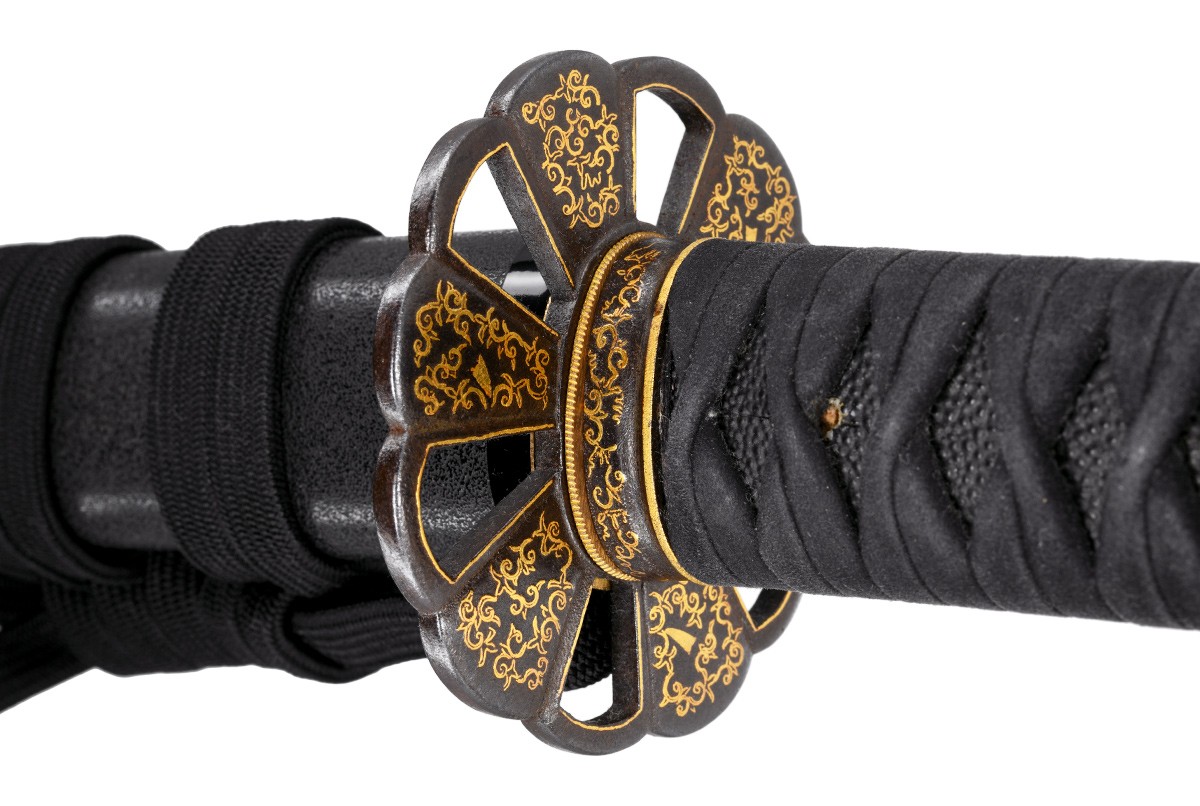
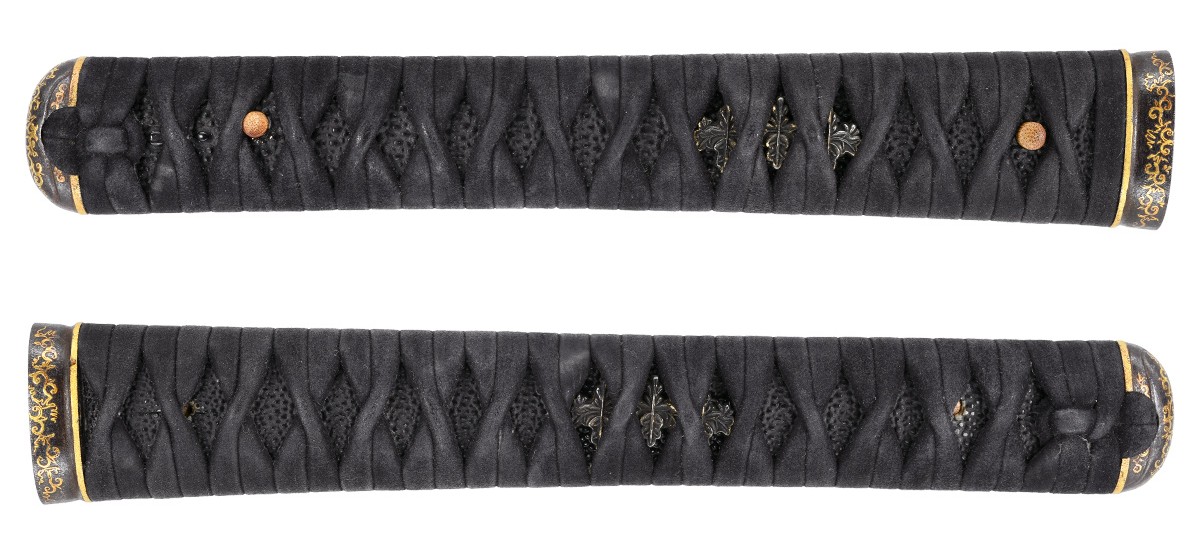
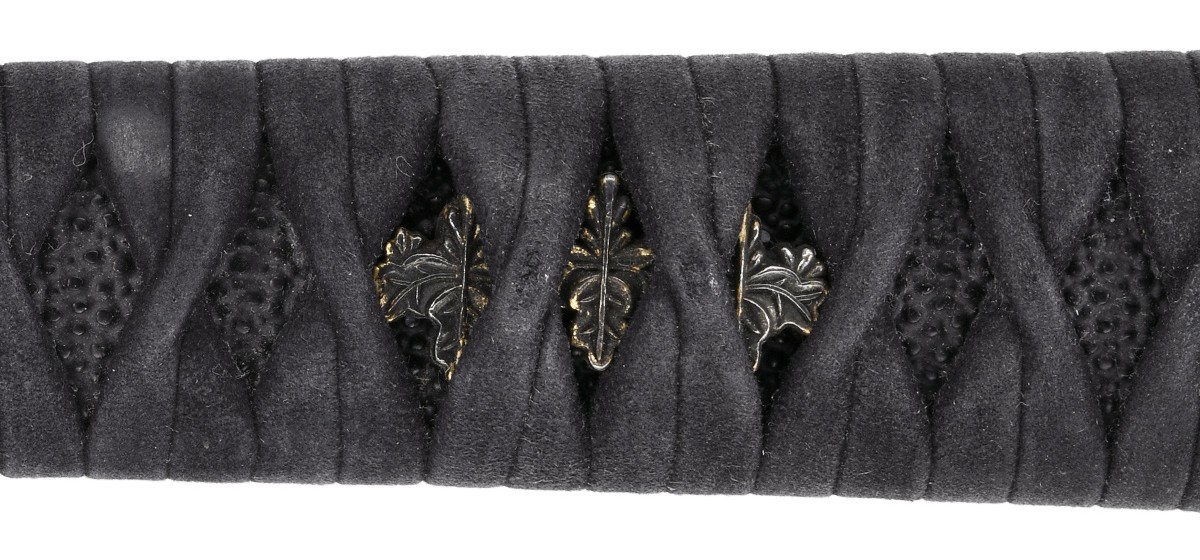
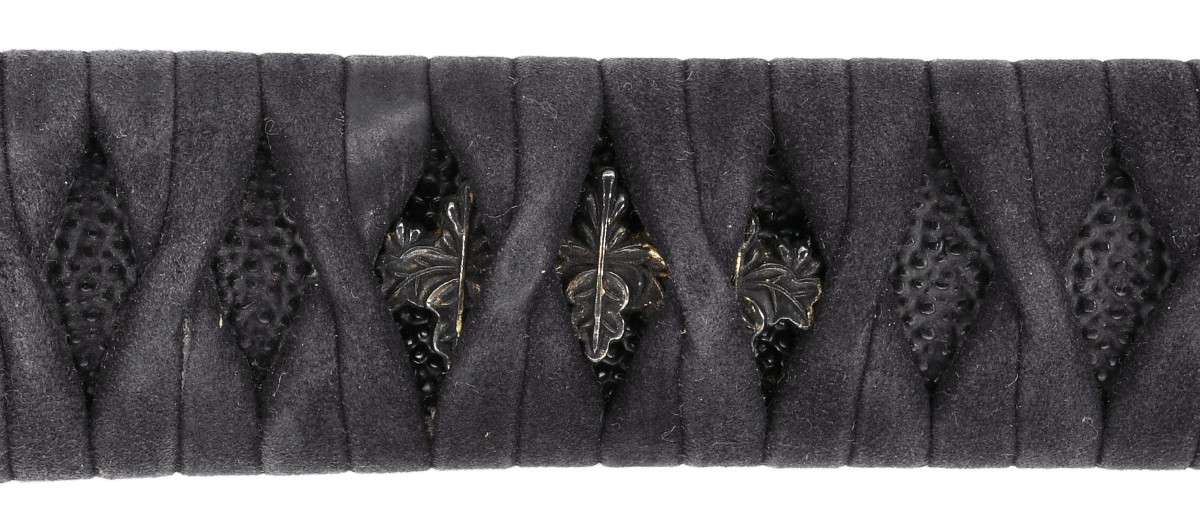
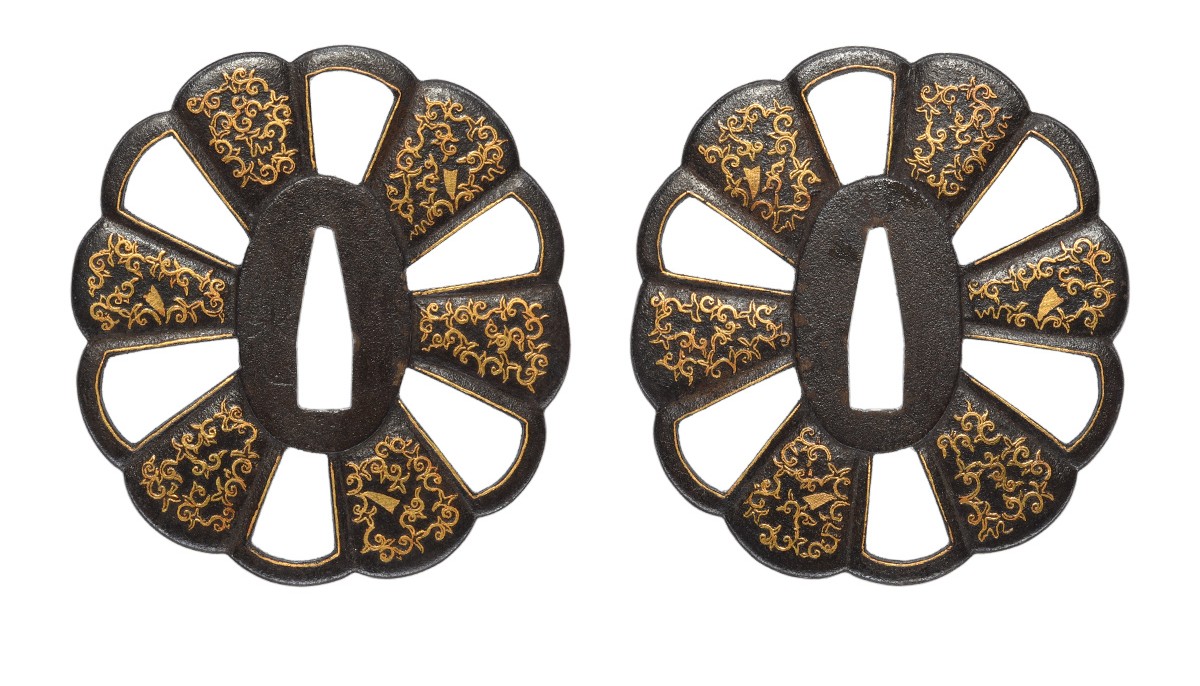
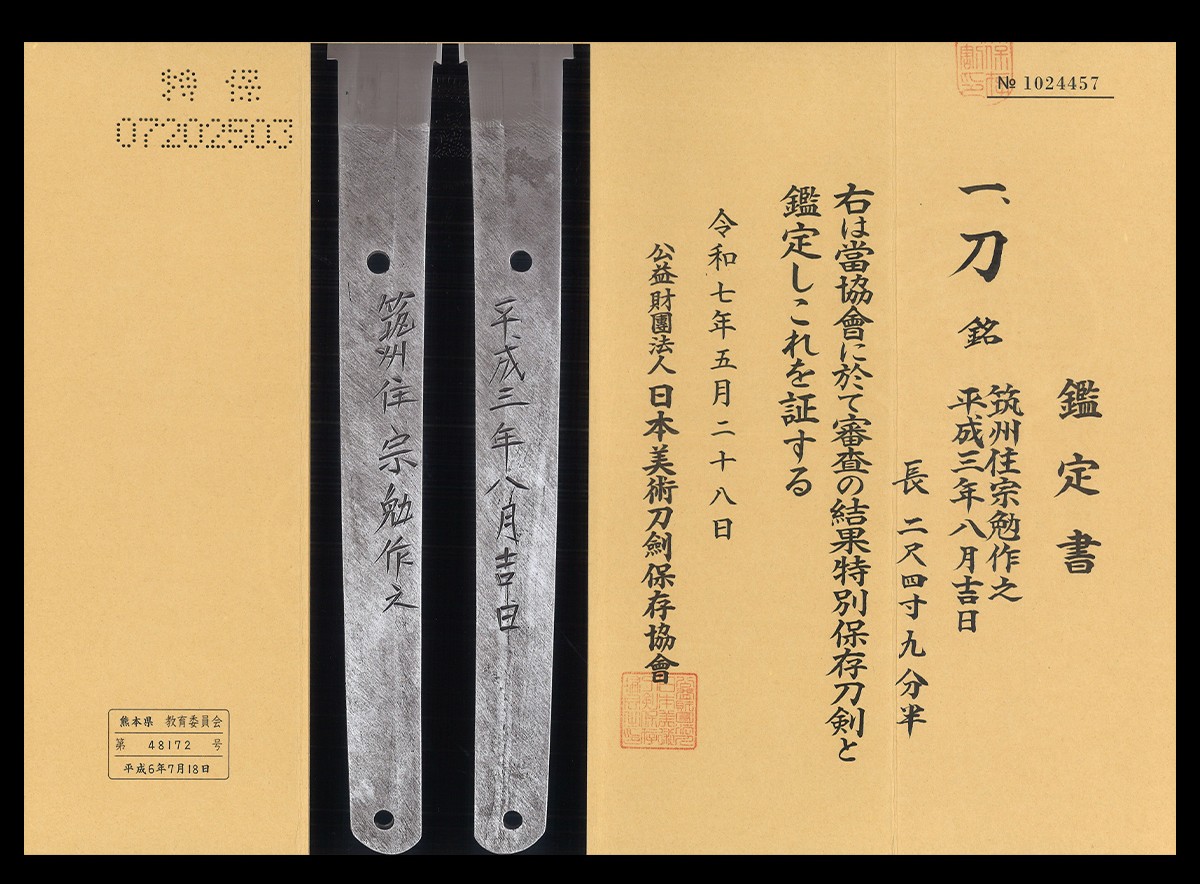
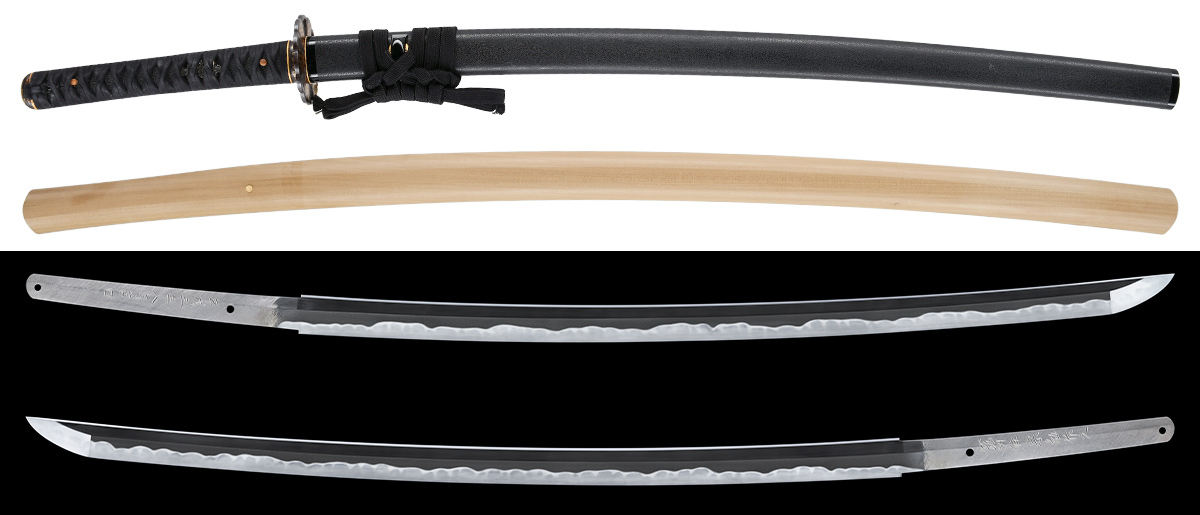
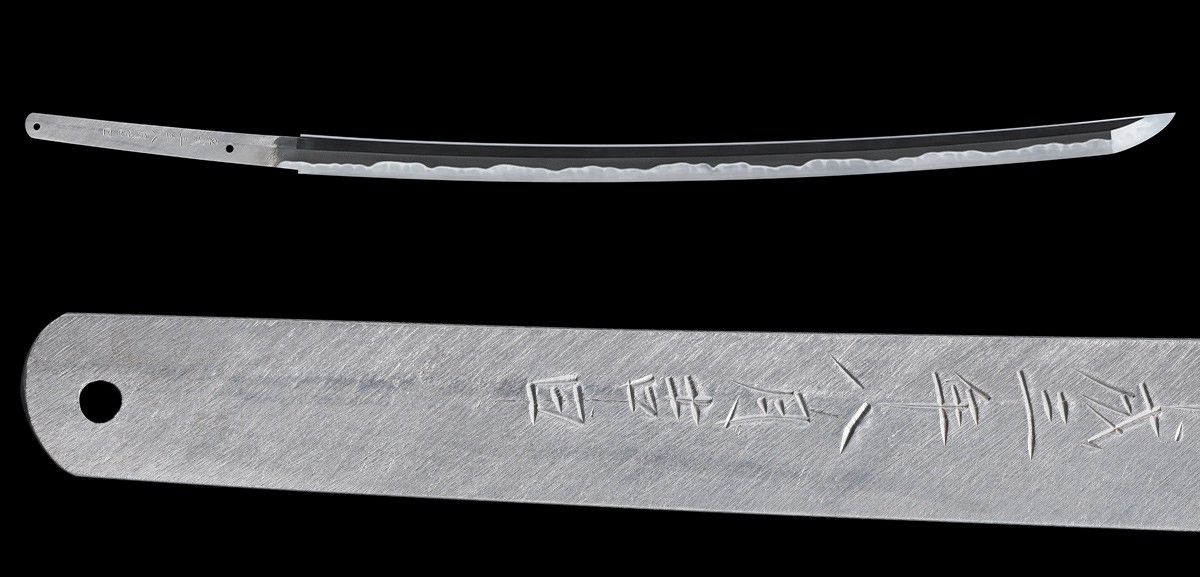
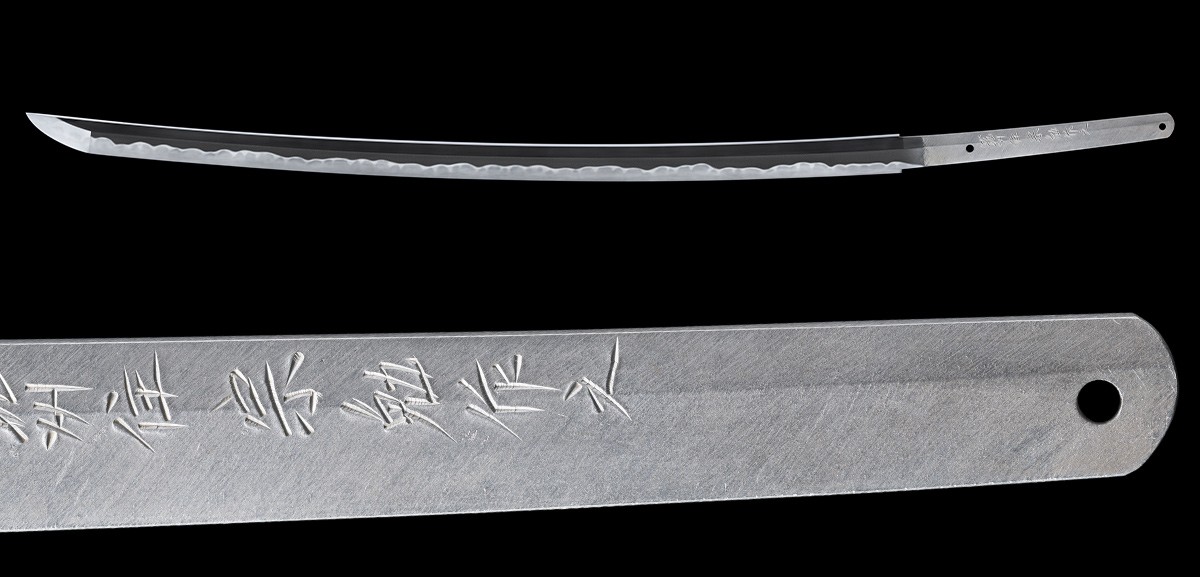
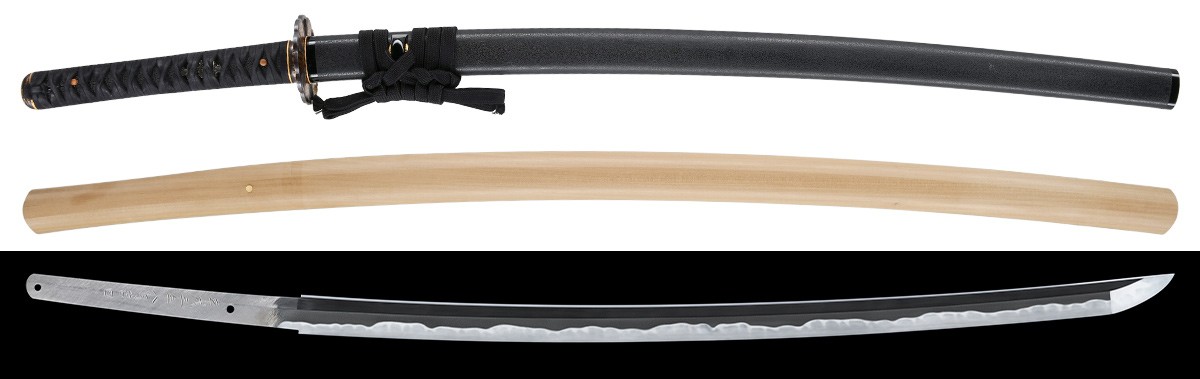
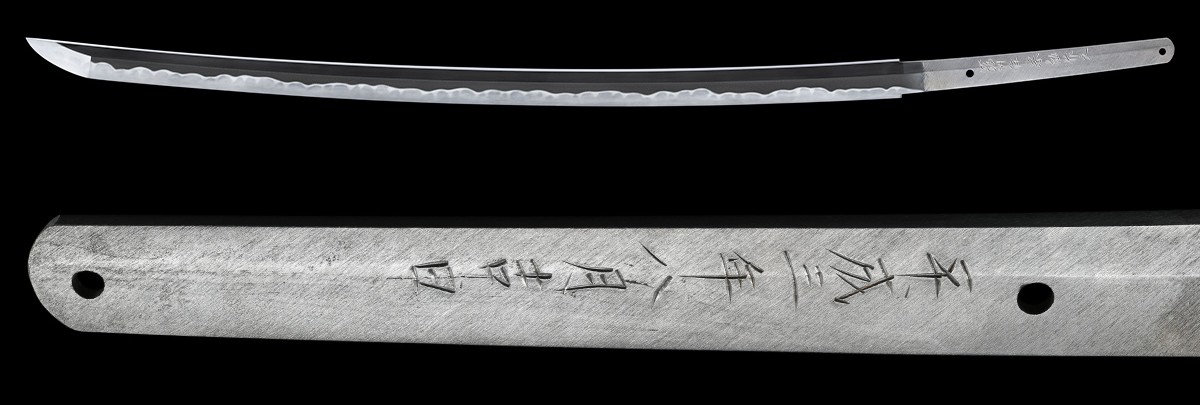
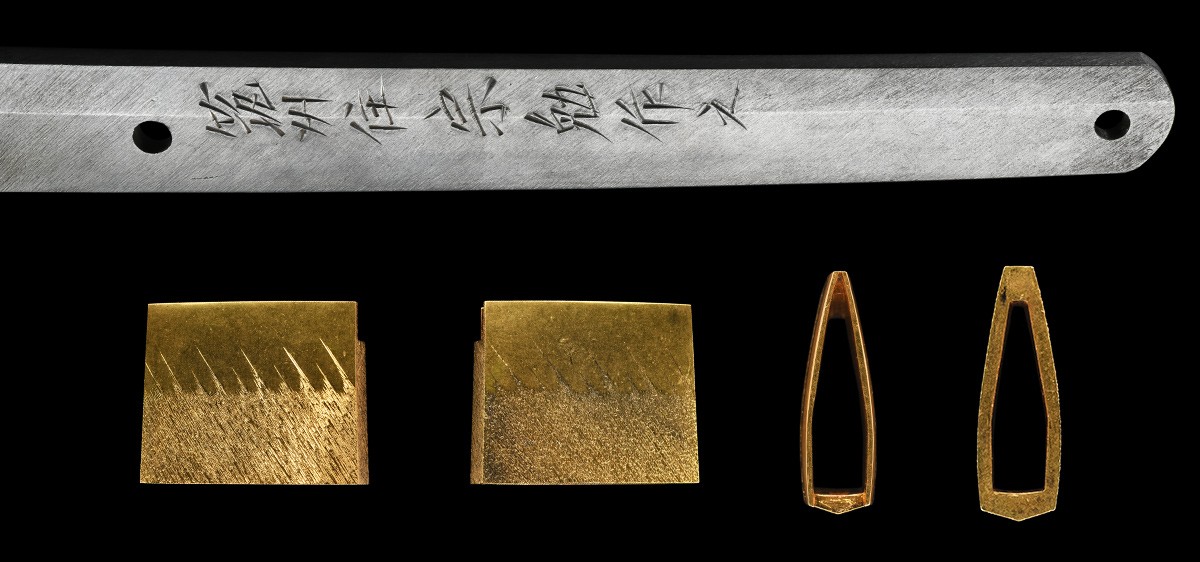
Swordsmith So Tsutomu was born in Showa 2 (1927). He signed his mei as Chikushu Sanno-ju So Tsutomu saku, Chikushu-ju So Tsutomu saku, and others, and specialized in the Soshu-den. He was a Mukansa swordsmith who achieved numerous awards. Until his passing at the age of 88 in Heisei 27 (2015), he was a master of the modern sword world who left behind many masterpieces. The taihai of this work has a nagasa of 2-4-9.5, which is long, with a wide mihaba at the moto and saki, a firm kasane, moderate sori, a sharply defined shinogi-ji, and a grand sugata ending in a chukissaki with a full fukura. The jitetsu is ko-itame hada with thick ji-nie, fine chikei, and is a magnificent kitae-hada without flaws. The hamon is based on gunome mixed with togari-ba and angular blades, with high and low variations in places forming a flamboyant midare, with many ashi in the ha, deep nioiguchi, and a bright and clear nioiguchi. The boshi continues as midare-komi and turns back. A work by the Mukansa swordsmith from Fukuoka Prefecture, So Tsutomu. The imposing sugata has dignity, the carefully forged jitetsu is clear, and the hamon is a flamboyant gunome-midare, making this an outstanding blade that shows the smith's preeminent skill. Shirasaya, gold-plated ichijo habaki, kuro-ishimeji-nuri-saya uchigatana koshirae, Tokubetsu Hozon Token kanteisho.
Offered by World Seiyudo


Machine translation from the shop's Japanese · may contain errors ·
Shōwa to the present: destruction and revival
The twentieth century nearly killed the craft twice: wartime distortion, then the occupation ban. The NBTHK’s founding in 1948 and licensed forging from 1953 rebuilt the sword as an art, crowned by Living National Treasures and the mukansa rank.
A Hozon-certified blade judged to show notably superior workmanship and a better state of preservation. The bar is higher: re-tempered blades and most unsigned Muromachi/Edo works are excluded.
The NBTHK (Nihon Bijutsu Tōken Hozon Kyōkai, the Society for the Preservation of Japanese Art Swords) is a public-interest incorporated foundation founded in 1948 and supervised by Japan’s Agency for Cultural Affairs (Bunkachō); it is based at the Japanese Sword Museum in Tokyo. Its expert panels physically examine each submitted work (shinsa) and issue a certificate (kanteishō) ranking it by artistic and historical merit. NBTHK papers are the most widely recognized standard of authentication for Japanese swords and fittings.
NBTHK official siteNo cooling-off period or returns; refund only if the purchased sword is proven fake, capped at purchase price (excludes commission sales, accessories, auction items).
¥2,500,000