The twentieth century nearly killed the craft twice: wartime distortion, then the occupation ban. The NBTHK’s founding in 1948 and licensed forging from 1953 rebuilt the sword as an art, crowned by Living National Treasures and the mukansa rank.
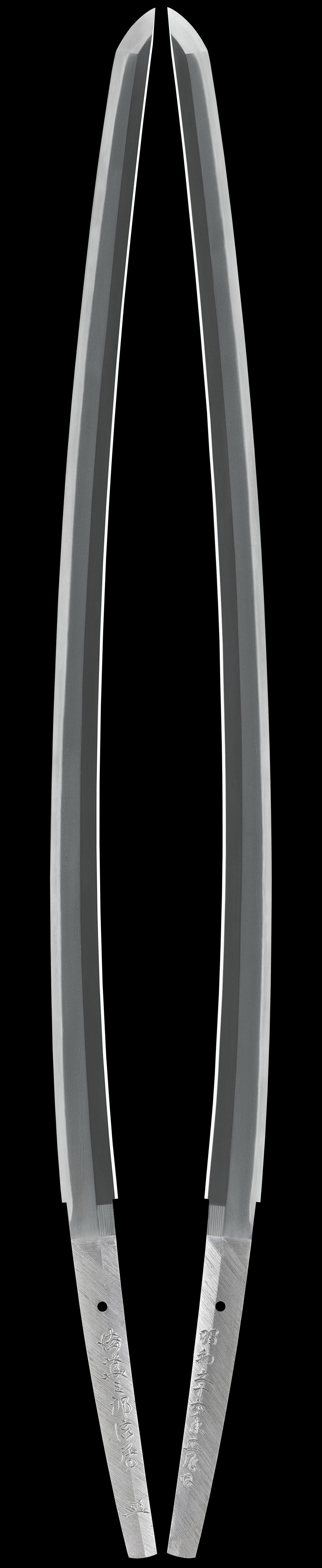
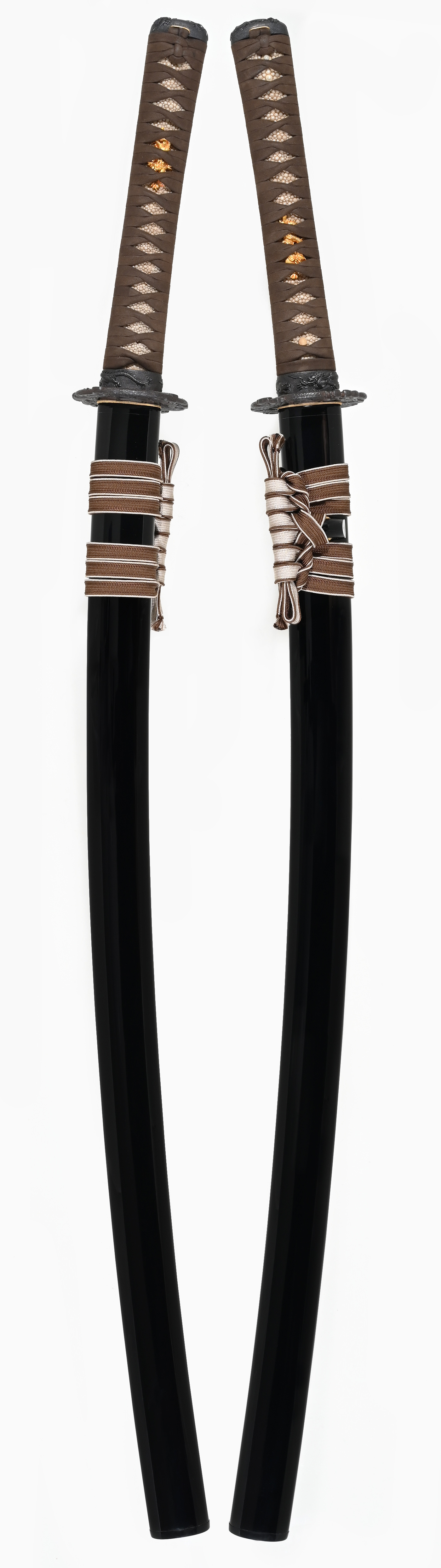
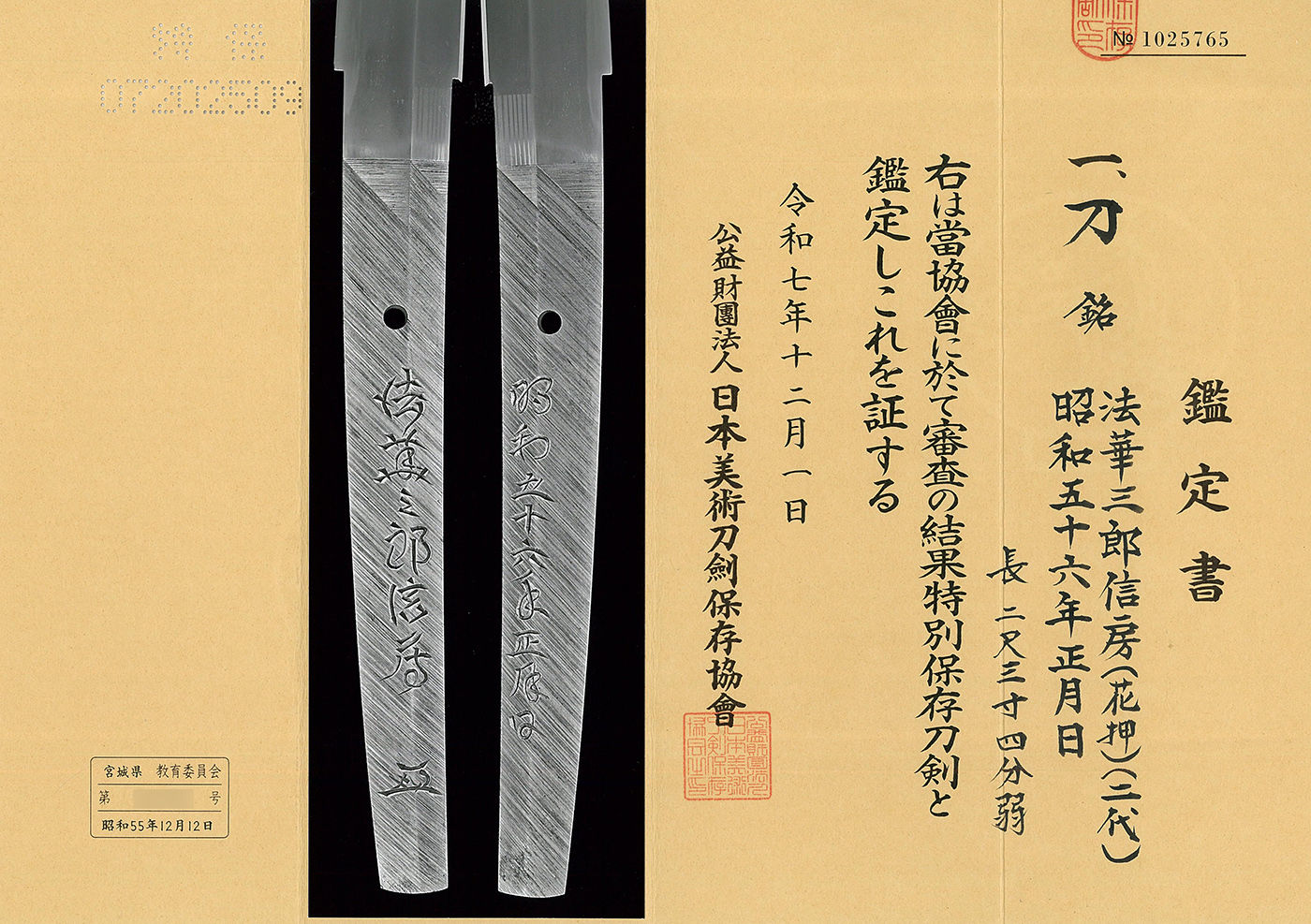
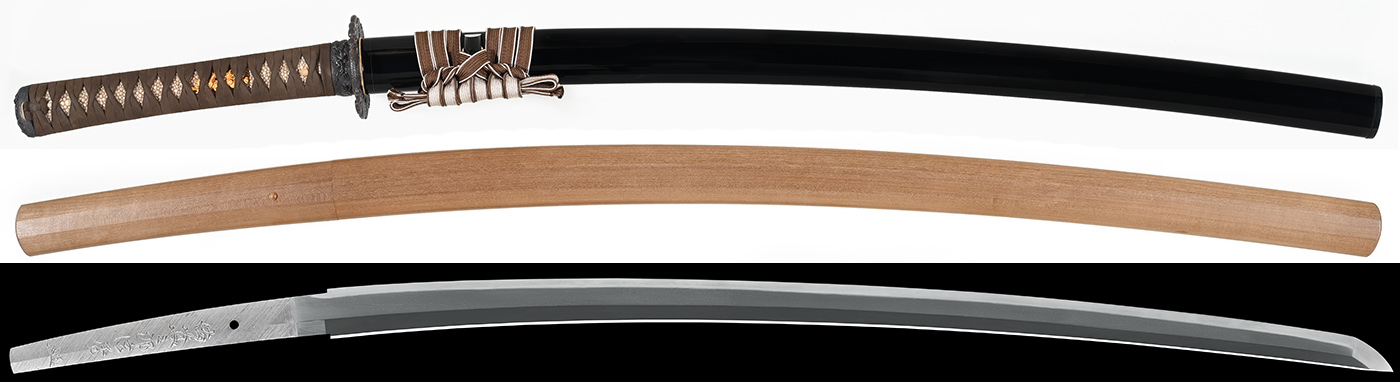
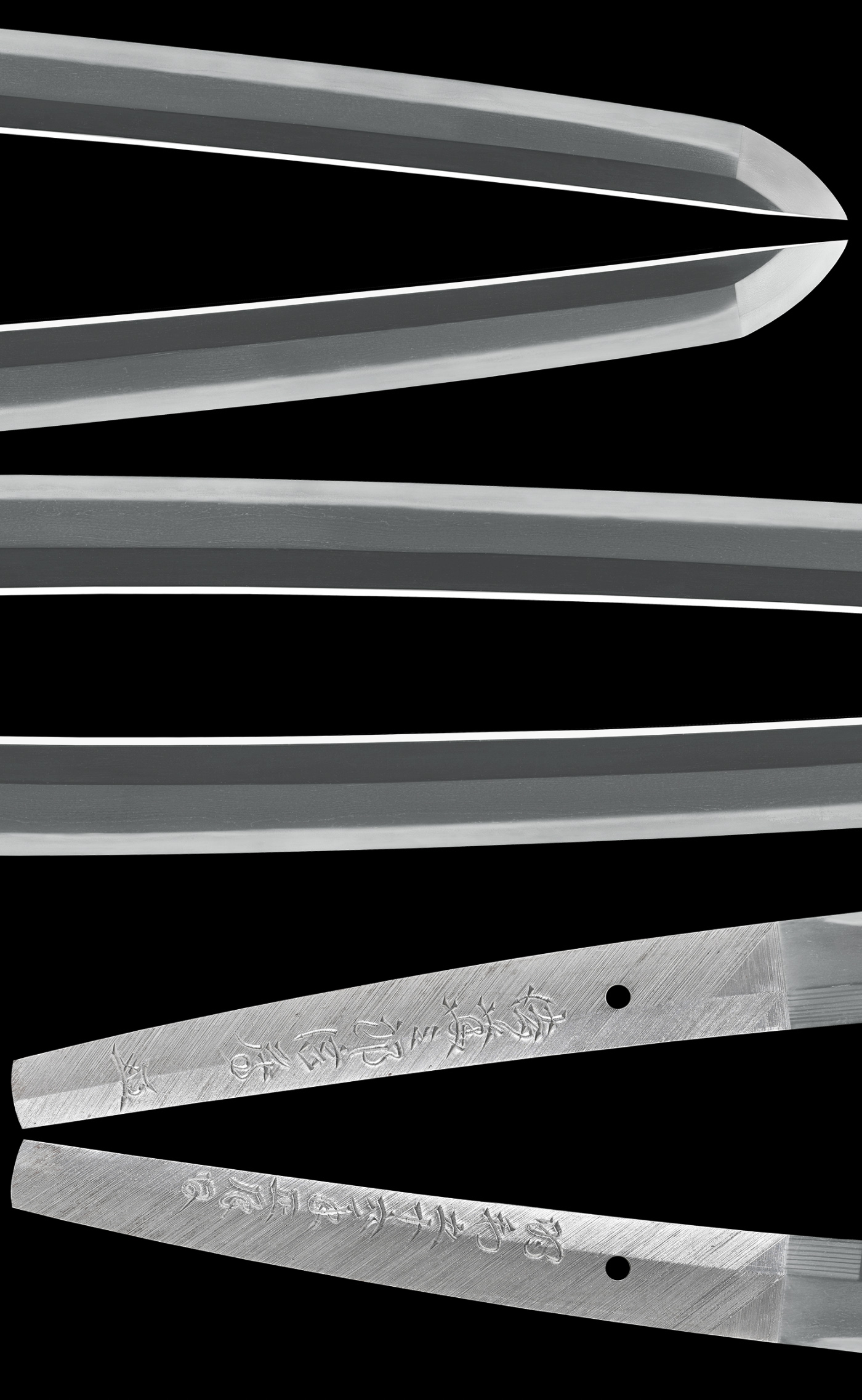
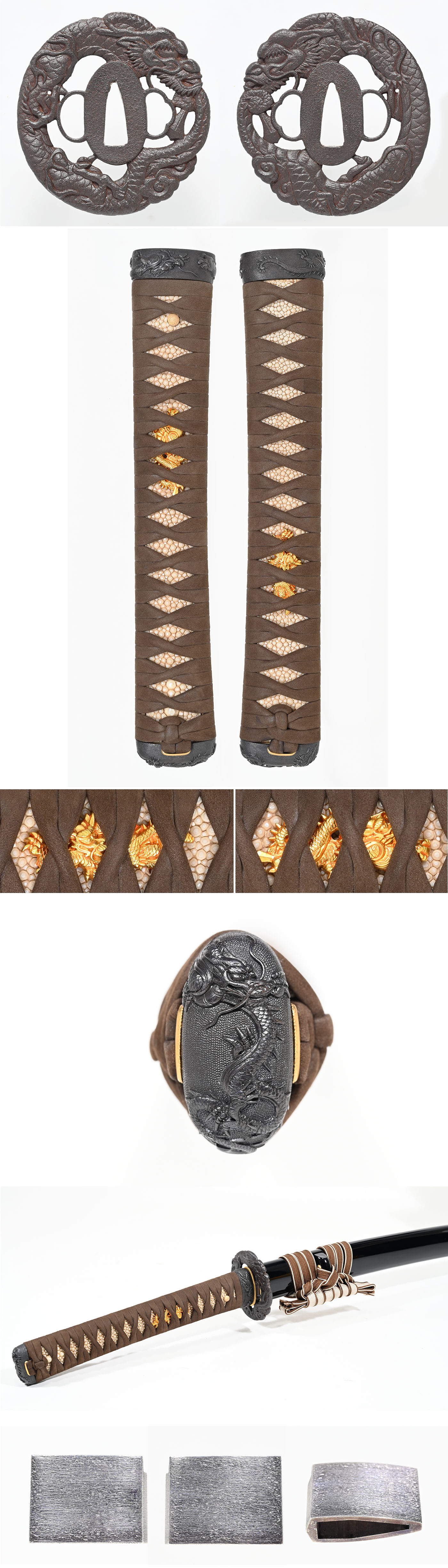
Characteristics: Hokke Saburo Nobufusa (the second generation) was born Takahashi Noboru in Meiji 42 and passed away in Heisei 12; this work is by the second generation Hokke Saburo Nobufusa, who corresponds to the eighth generation of the Hokke Saburo line. The first generation Hokke Saburo learned sword making from the ninth generation Sendai Kunikane during the mid-Edo period (around 1750). While the Hokke family produced Yamato-den until the fourth generation, from the fifth generation onward they began making Bizen-den with flamboyant hamon to suit popular tastes, and Yamato-den was not produced for the following 100 years until the eighth generation, the second generation Hokke Saburo Nobufusa, undertook the restoration of the Yamato-den Hosho school. He sold off ancestral mountains and land to secure ten years' worth of living expenses and devoted all of those years to the restoration of Yamato-den, finally achieving the restoration in Showa 38 (1963) after incessant research and trial and error. The second generation Hokke Saburo Nobufusa's efforts and achievements were recognized, and in Showa 41 (1966), he received the first designation as a "Miyagi Prefecture Designated Important Intangible Cultural Property" as a holder of Japanese sword forging techniques, and in Showa 56 (1981), he was certified as Mukansa.
Nobufusa信房
Offered by Samurai Shokai
5 on the market


Machine translation from the shop's Japanese · may contain errors ·
Rikuzen · around 1926-1989
5 pieces on the market now
Shōwa to the present: destruction and revival
The twentieth century nearly killed the craft twice: wartime distortion, then the occupation ban. The NBTHK’s founding in 1948 and licensed forging from 1953 rebuilt the sword as an art, crowned by Living National Treasures and the mukansa rank.
A Hozon-certified blade judged to show notably superior workmanship and a better state of preservation. The bar is higher: re-tempered blades and most unsigned Muromachi/Edo works are excluded.
The NBTHK (Nihon Bijutsu Tōken Hozon Kyōkai, the Society for the Preservation of Japanese Art Swords) is a public-interest incorporated foundation founded in 1948 and supervised by Japan’s Agency for Cultural Affairs (Bunkachō); it is based at the Japanese Sword Museum in Tokyo. Its expert panels physically examine each submitted work (shinsa) and issue a certificate (kanteishō) ranking it by artistic and historical merit. NBTHK papers are the most widely recognized standard of authentication for Japanese swords and fittings.
NBTHK official siteReturns are possible within 3 days of the item's arrival; however, cooling-off may not apply if any of the notes below applies. Notes: - The item's condition differs from the time of sale - 3 or more days have passed since the item's arrival - A trade-in item was part of the purchase - Items delivered overseas cannot be returned - The item was purchased in our shop - Return shipping and the bank transfer fee for the refund are at the customer's expense Please also note that bank transfer fees, credit card fees and cash-on-delivery fees cannot be refunded. (Refunds for credit card, cash-on-delivery and similar payments are made after the payment has reached us.)
¥1,200,000