NihontoWatch Mon

NihontoWatch

Market
Encyclopedia
Kantei
NihontoWatch Mon

NihontoWatch

Market
Encyclopedia
Kantei

Description

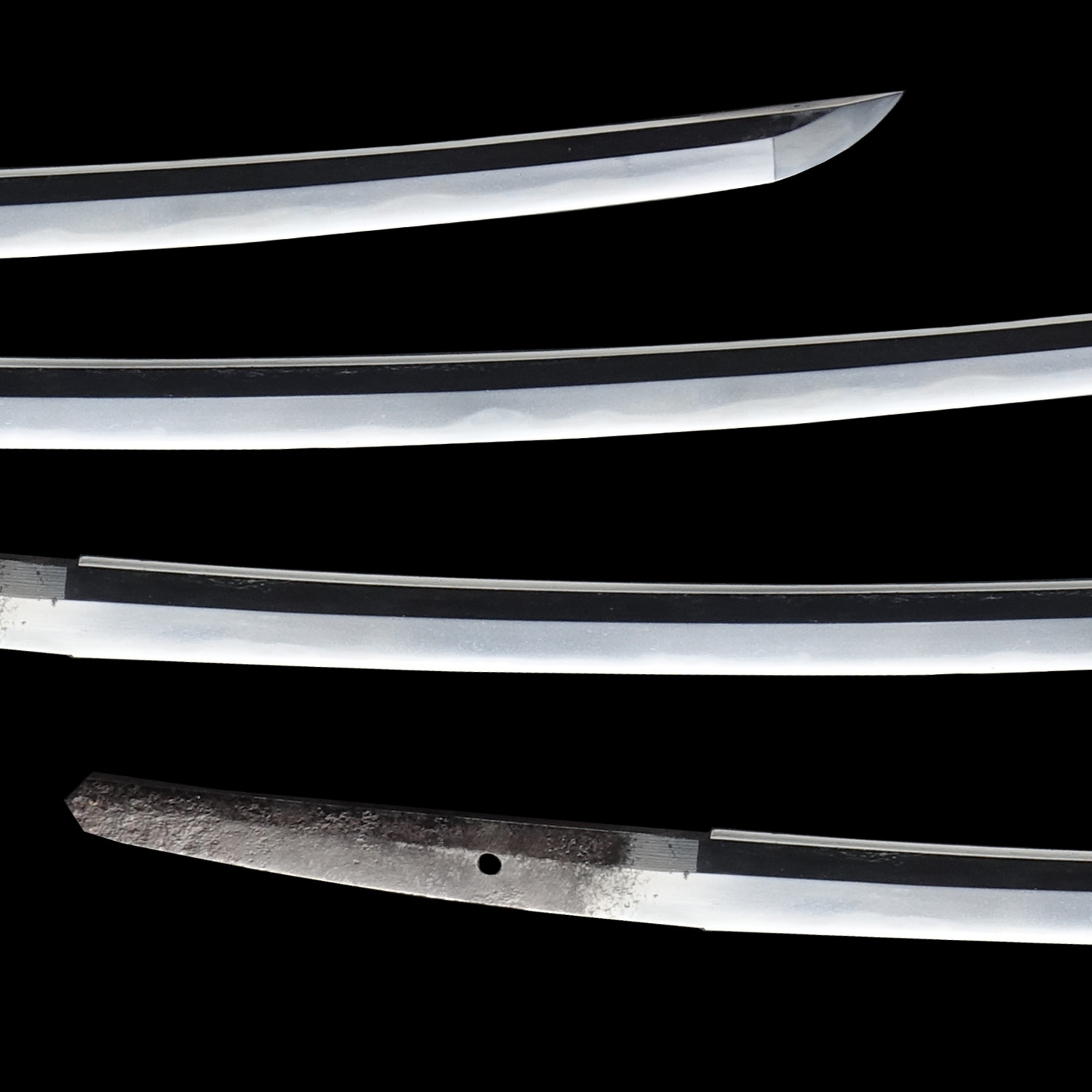
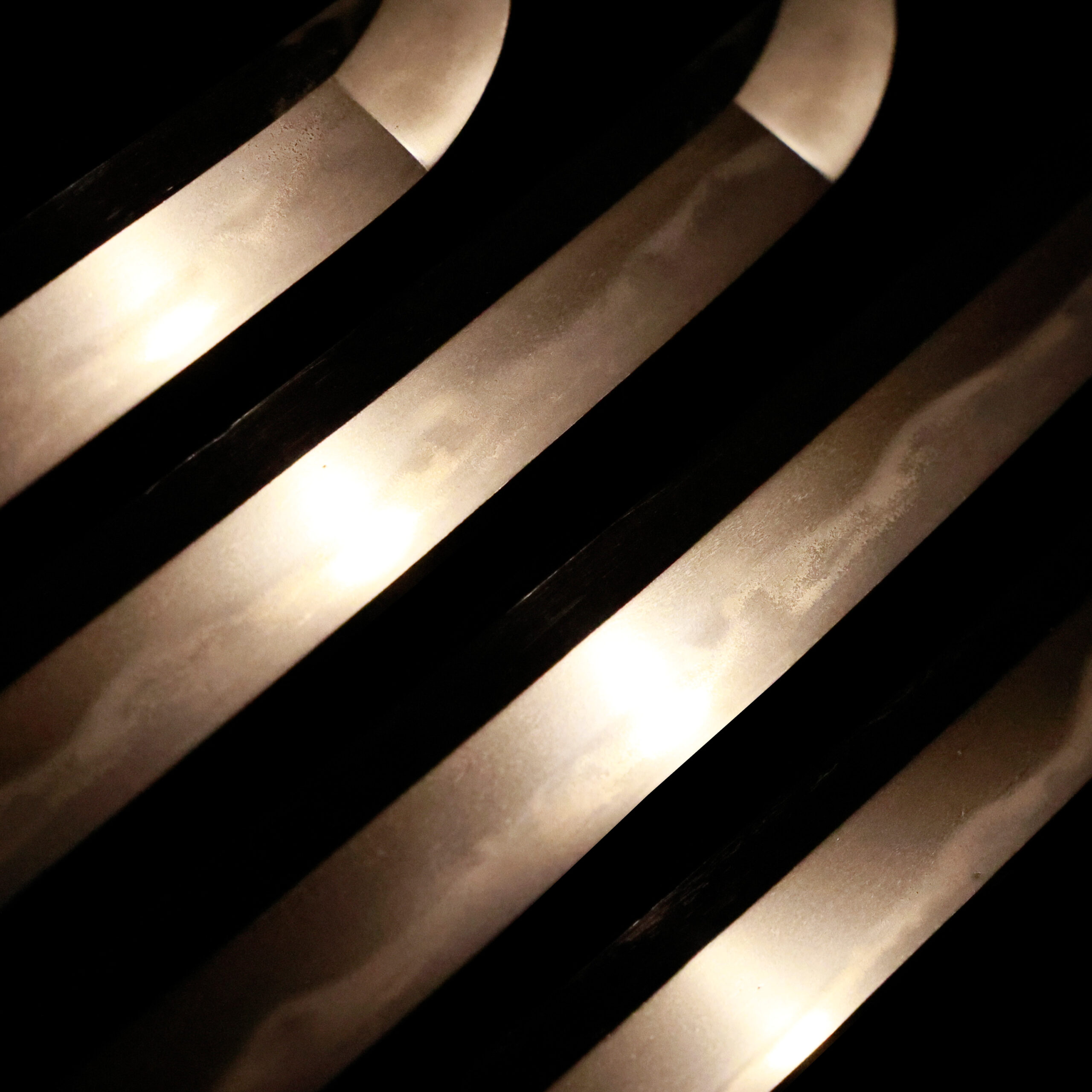
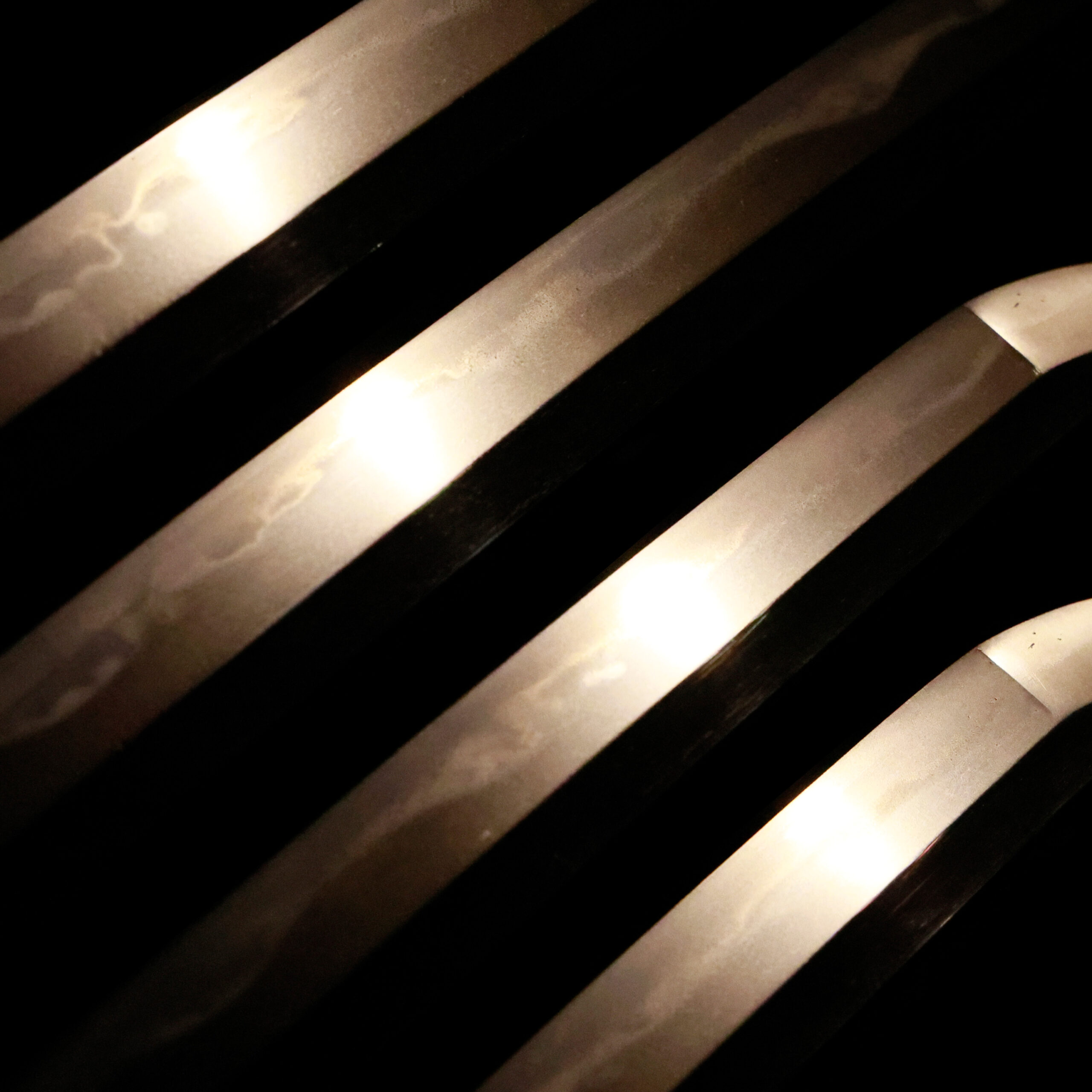
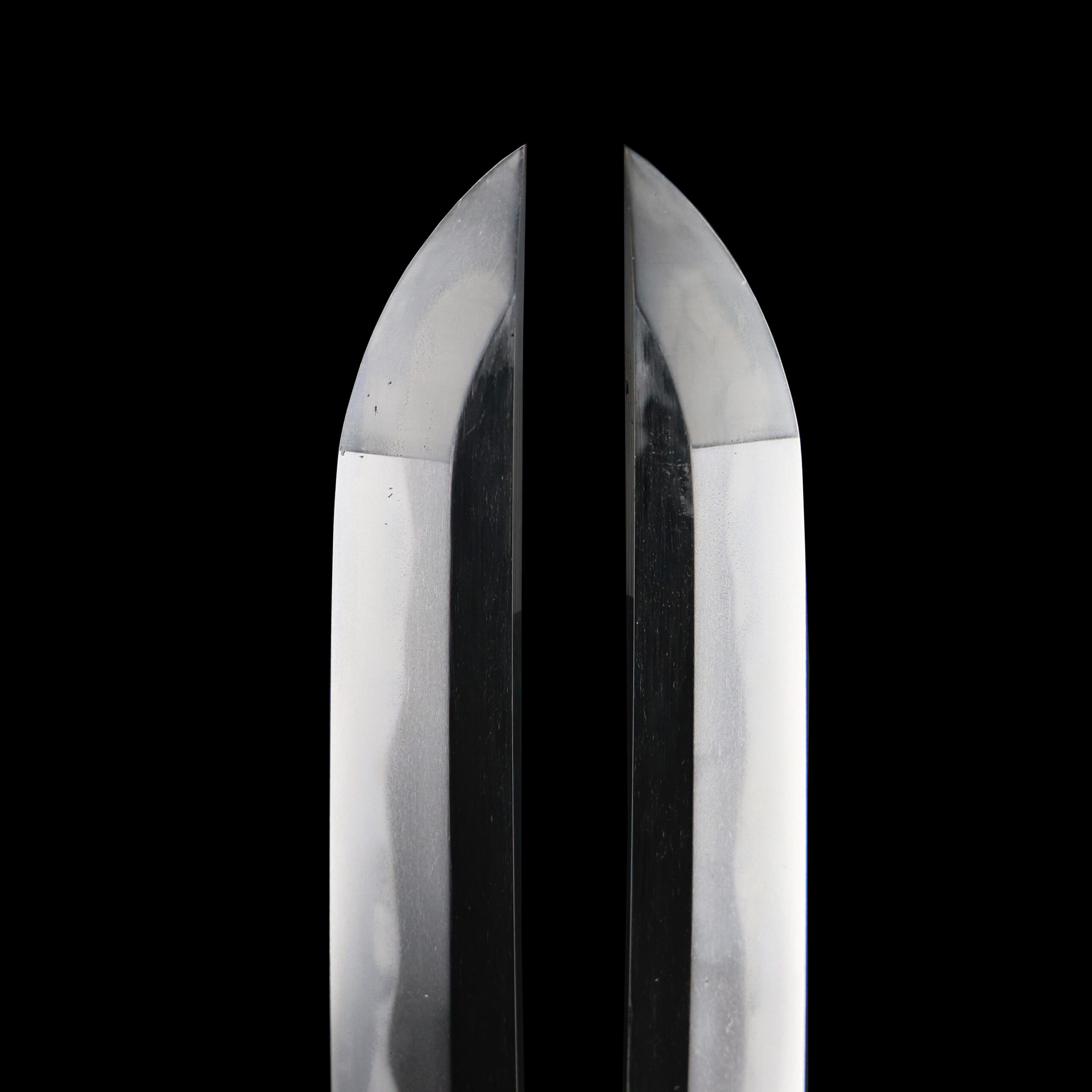
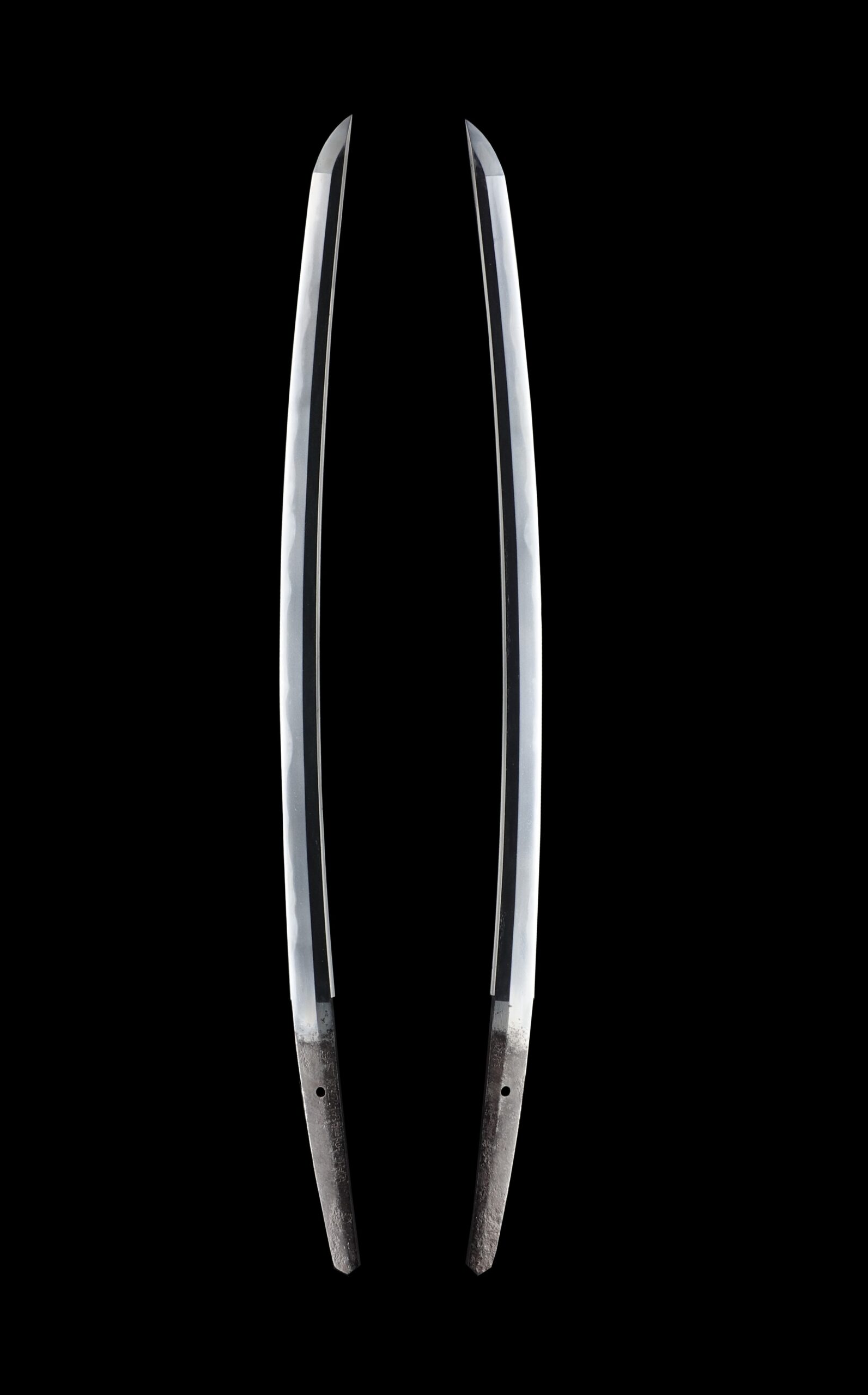
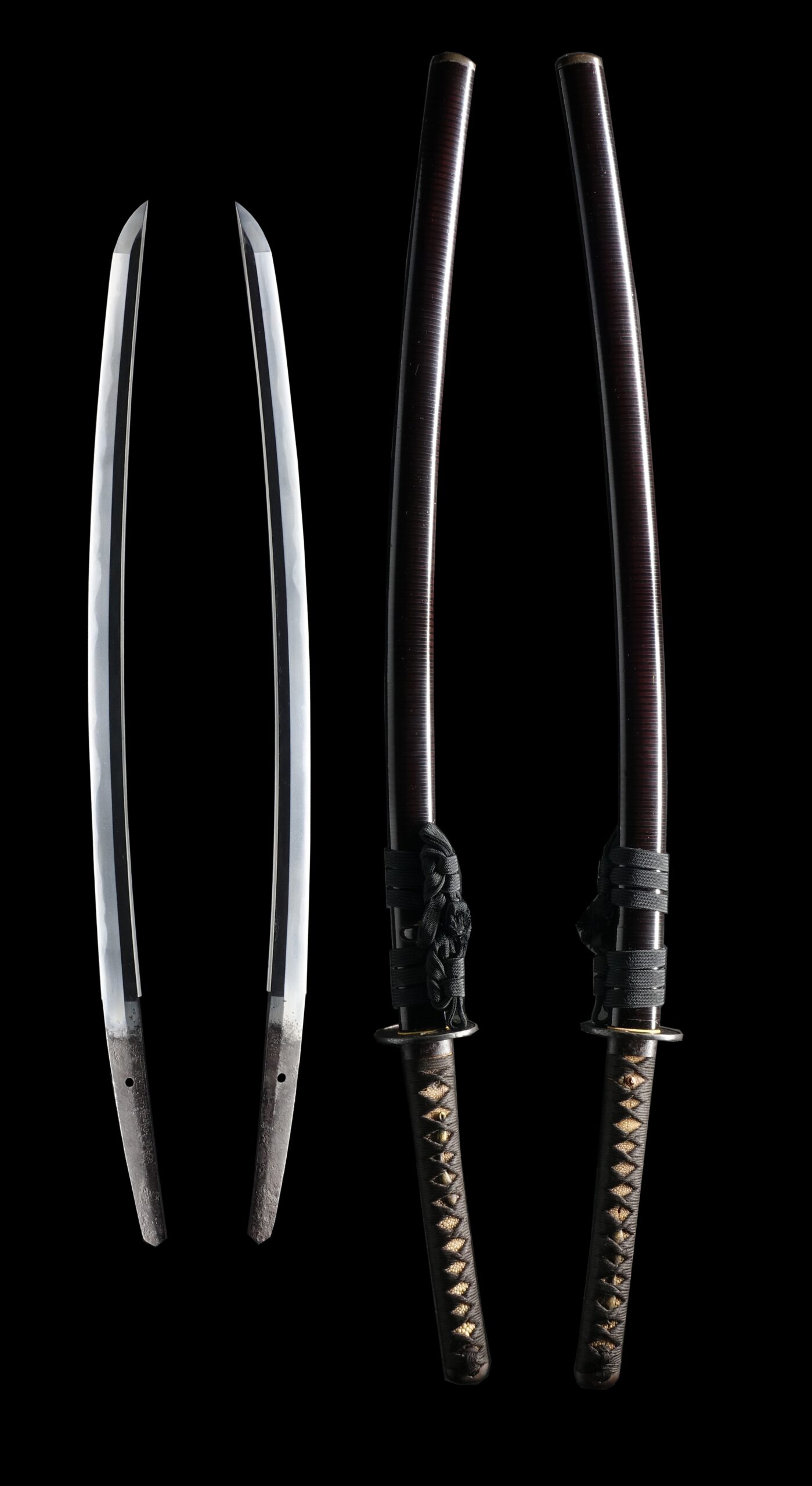
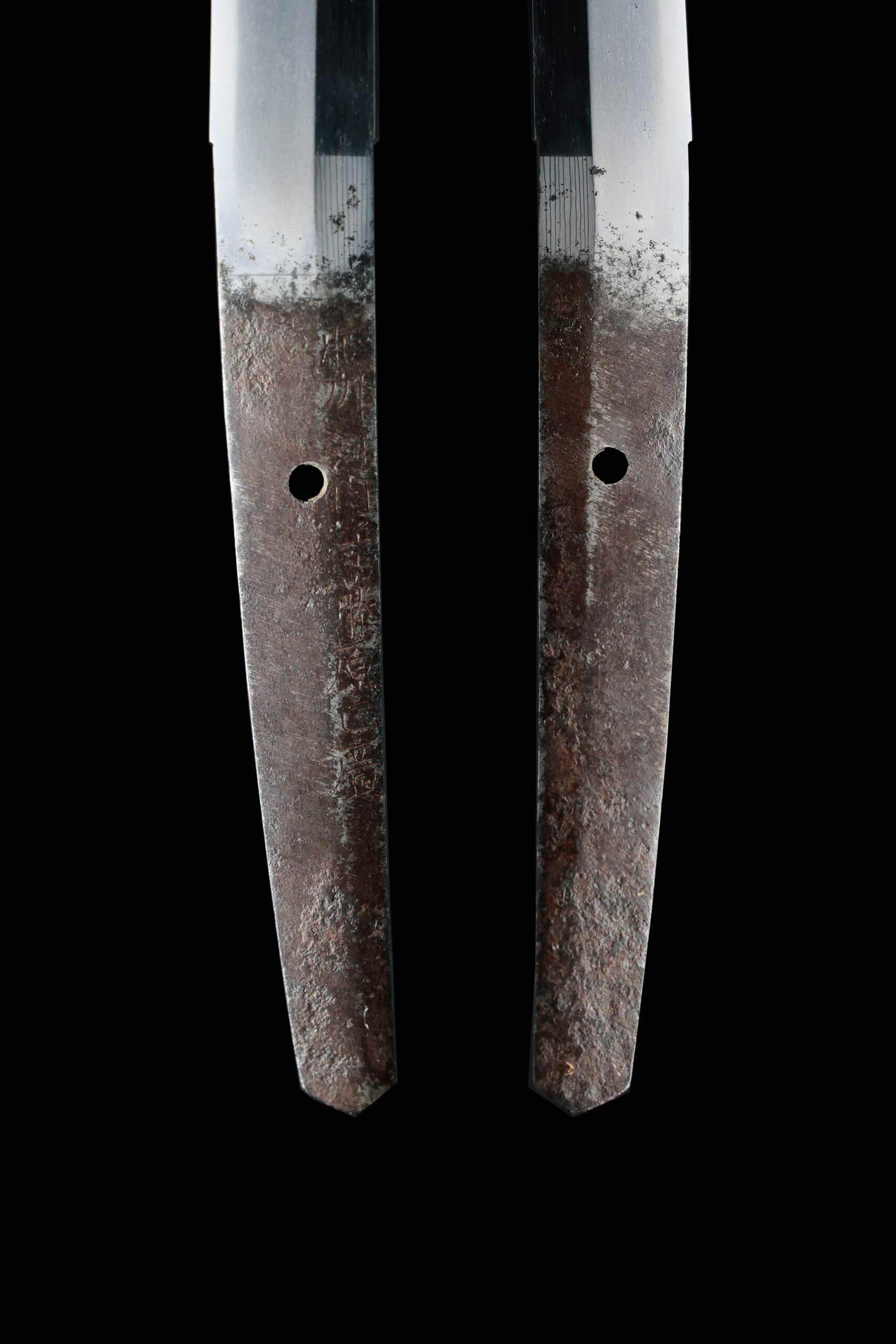
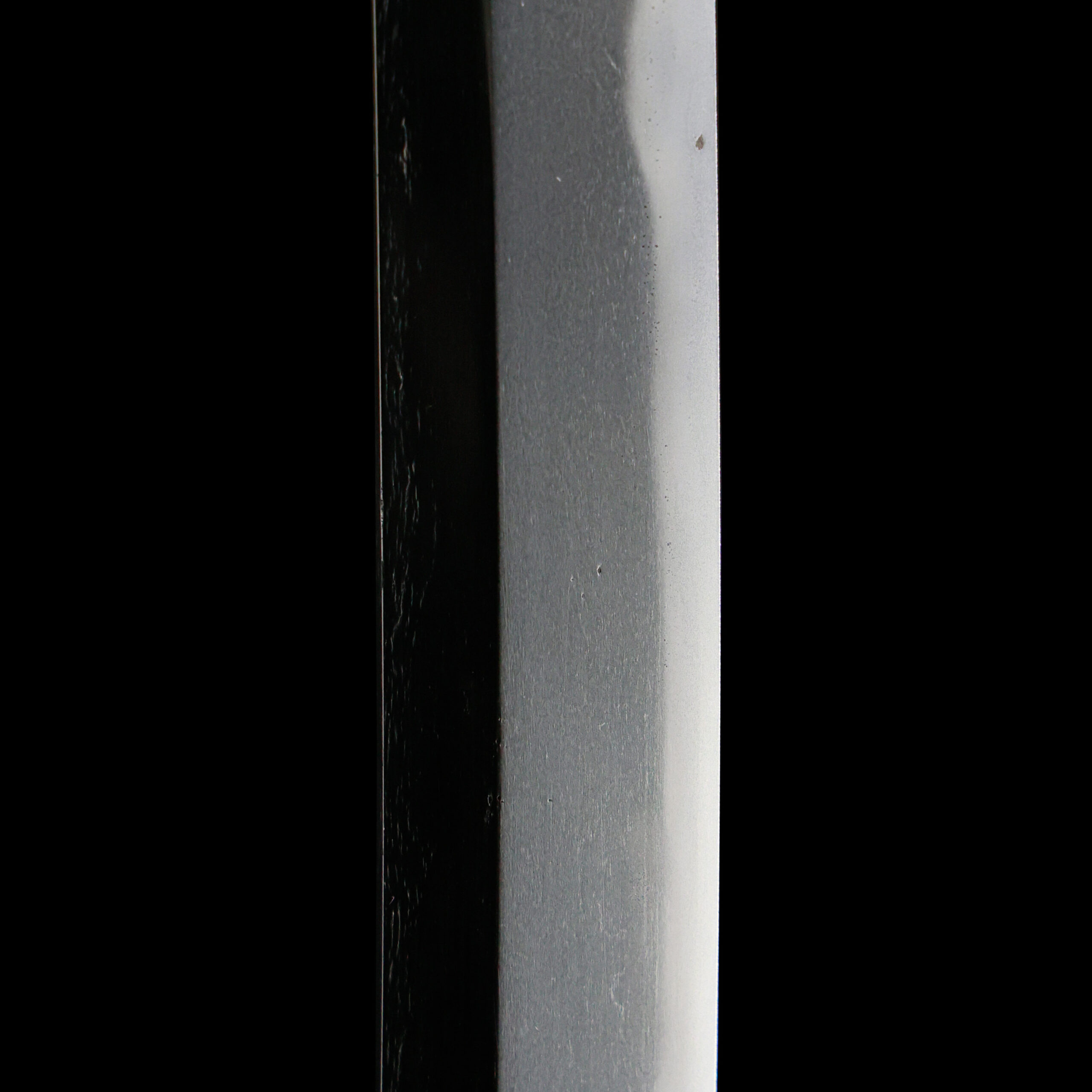
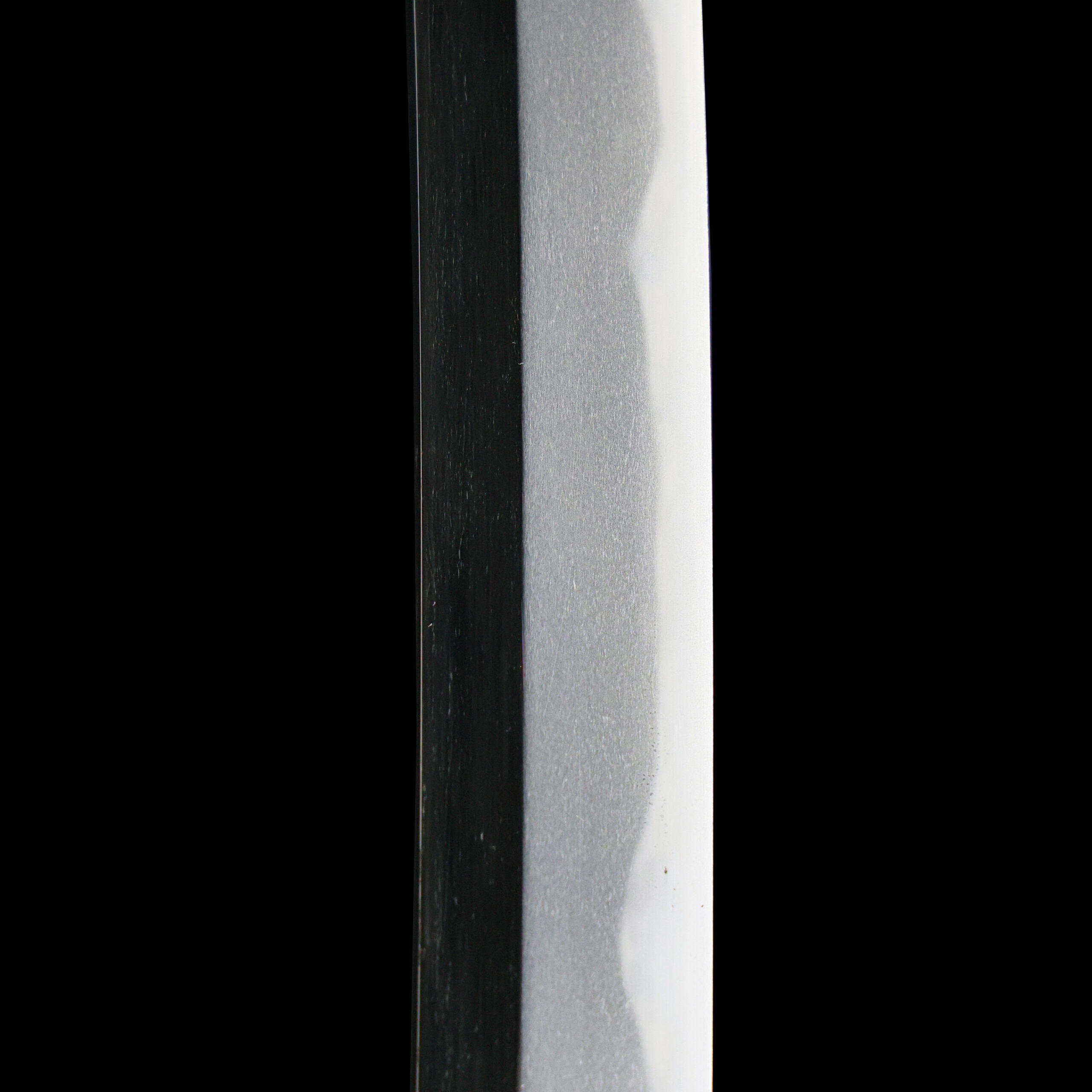
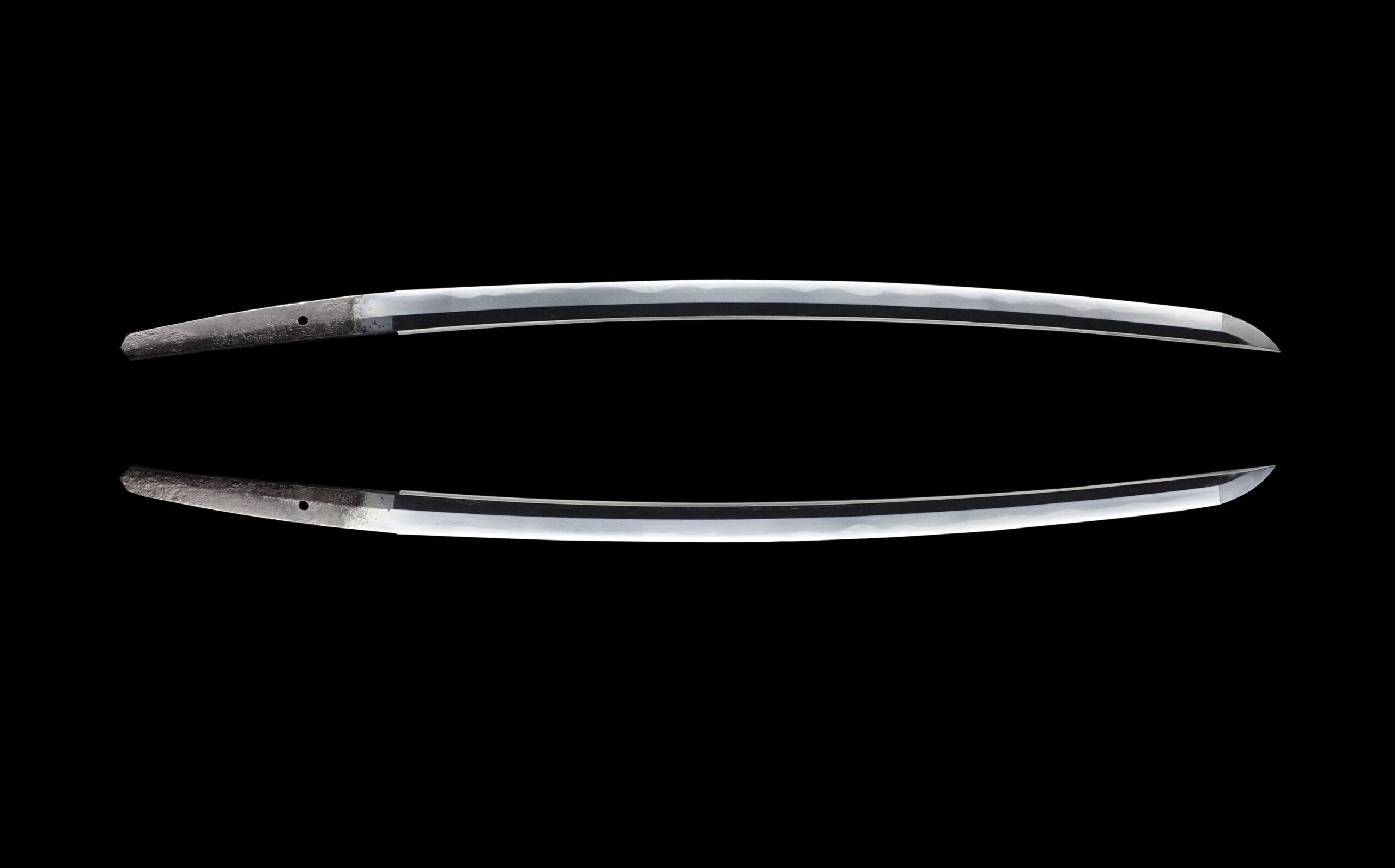
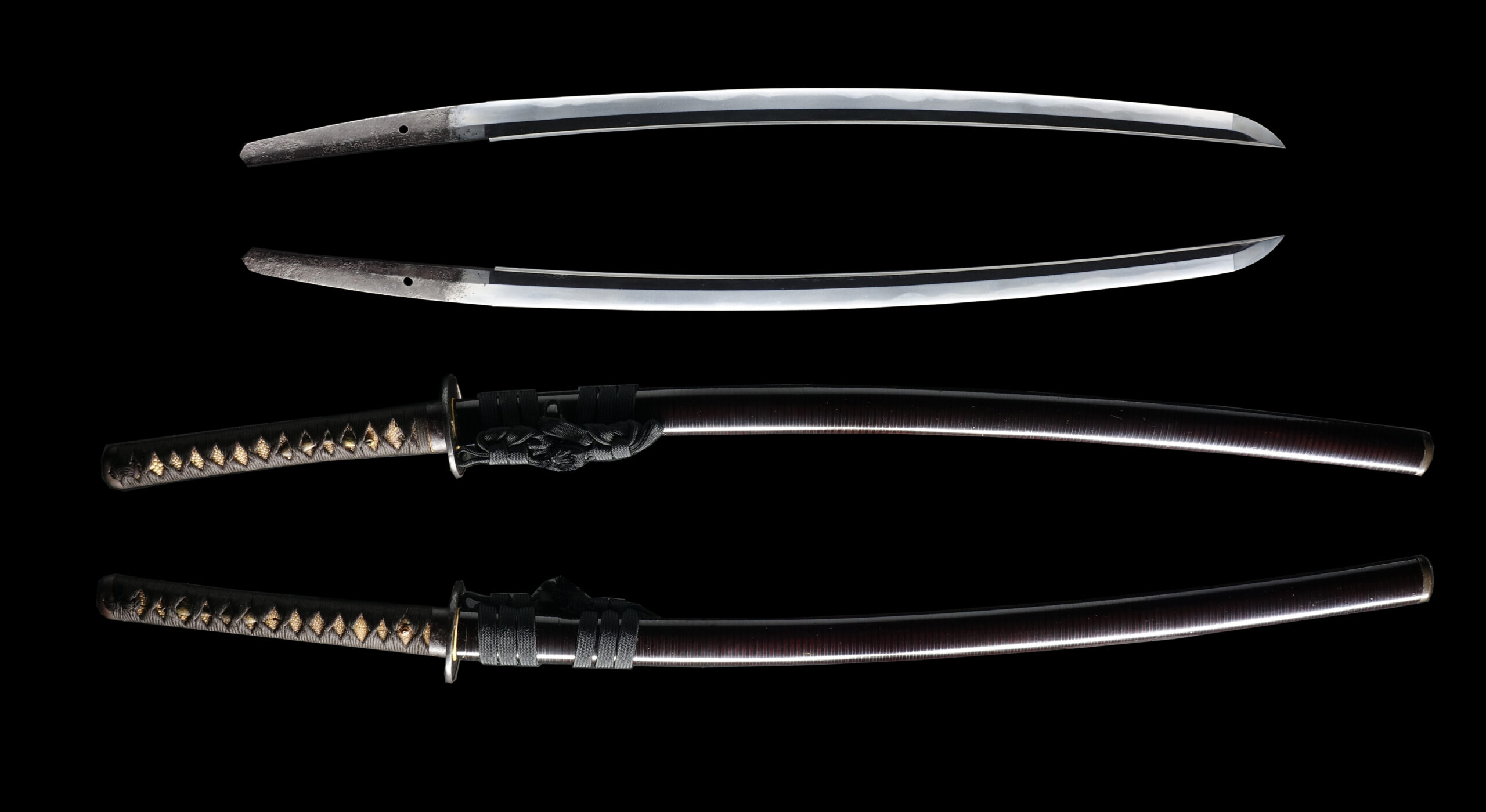
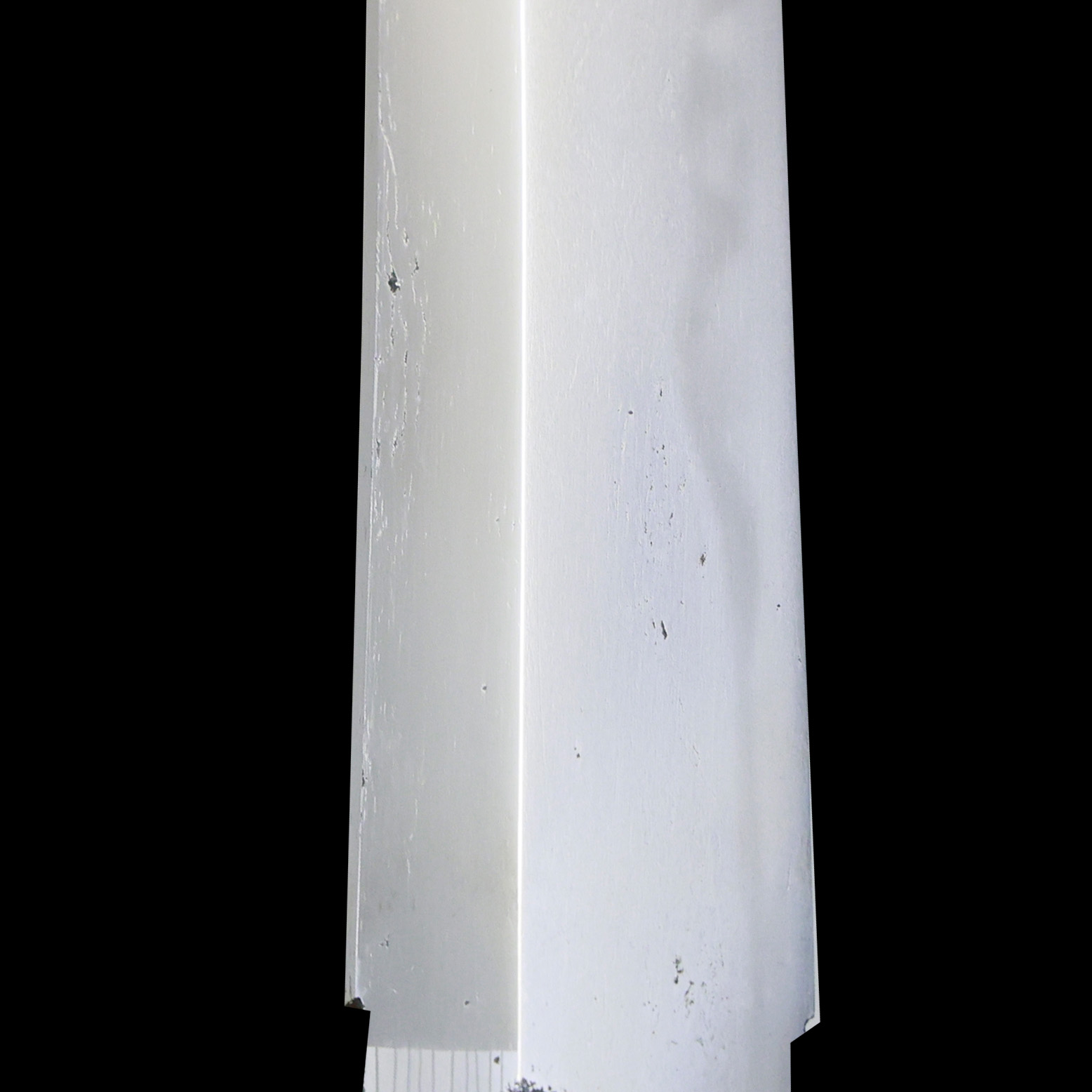
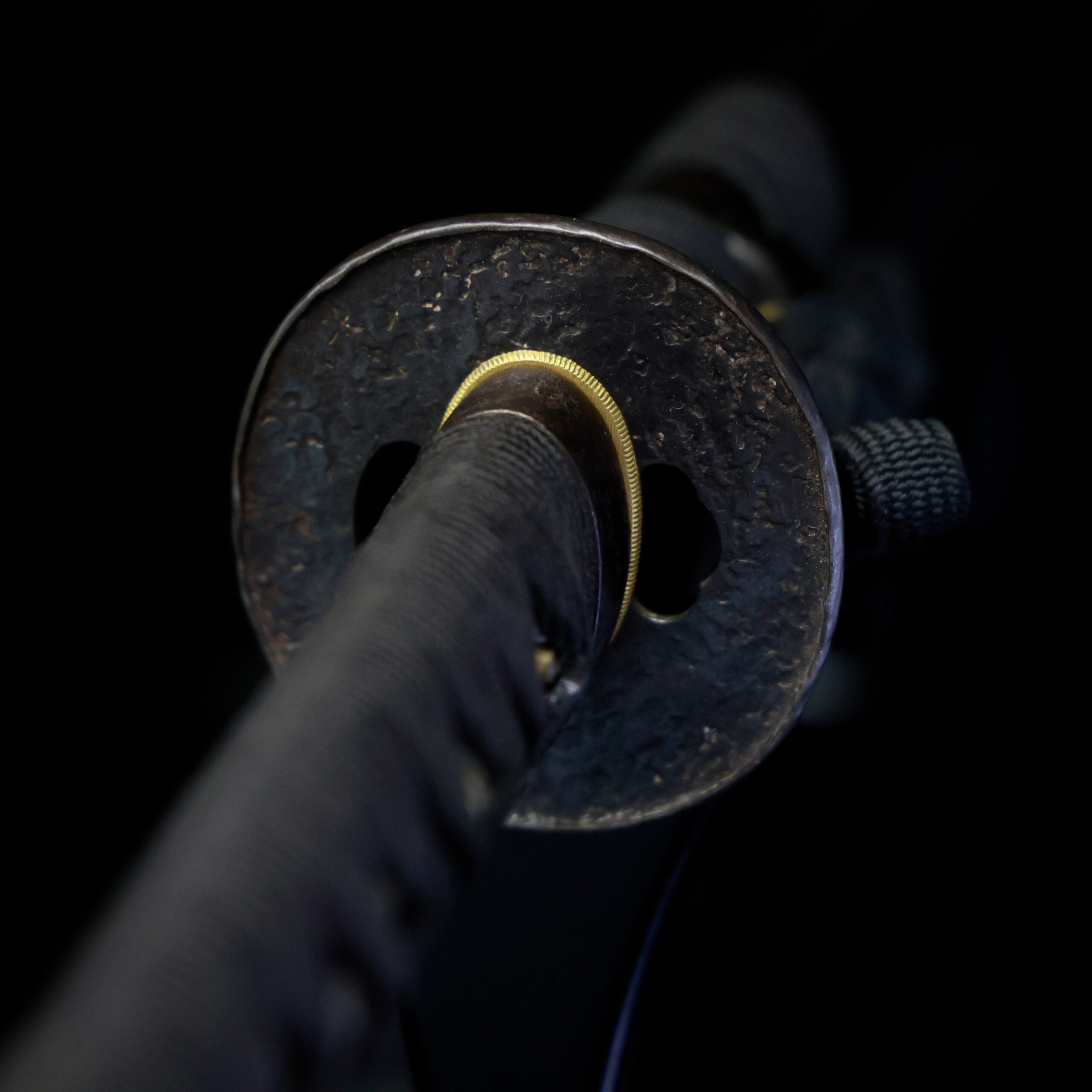
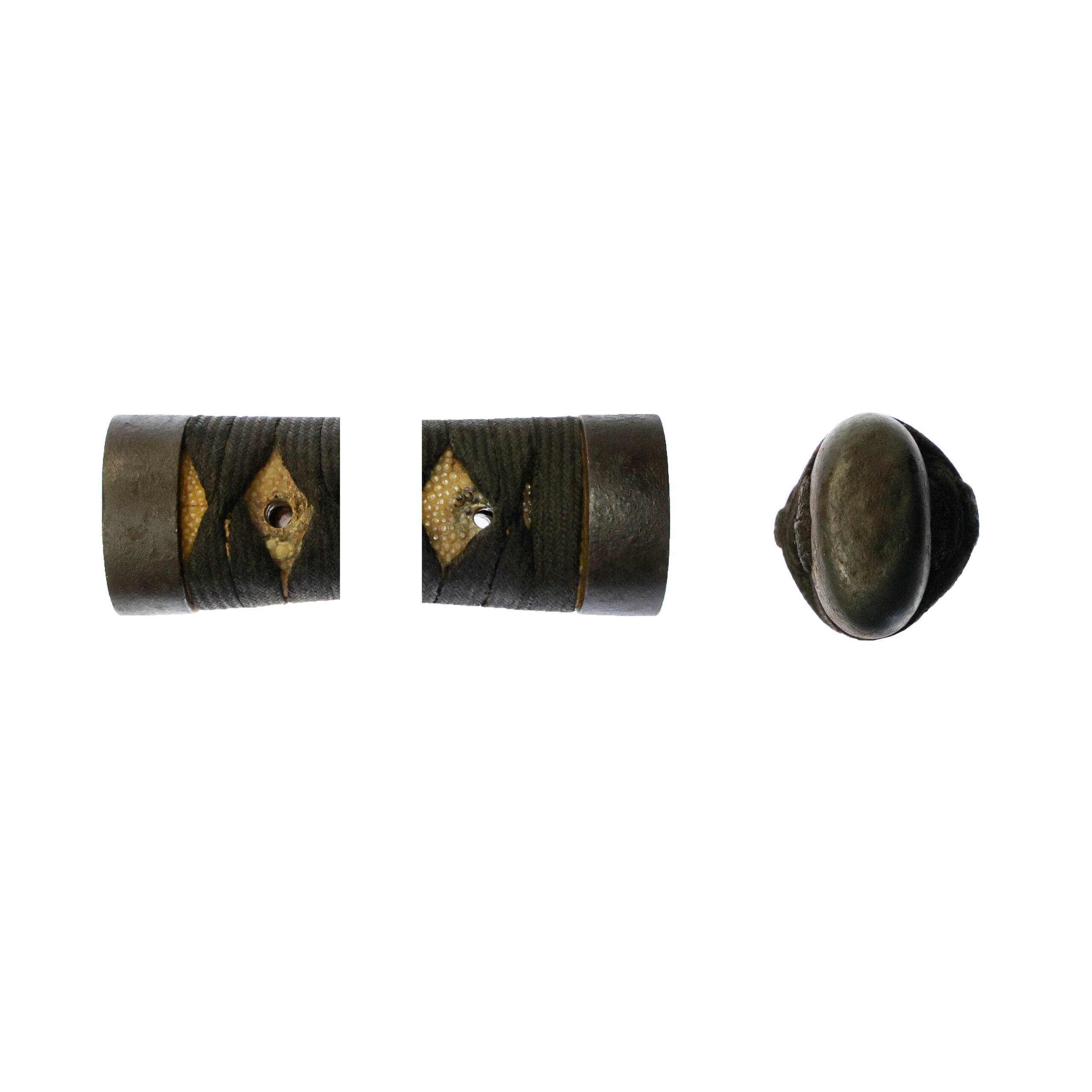
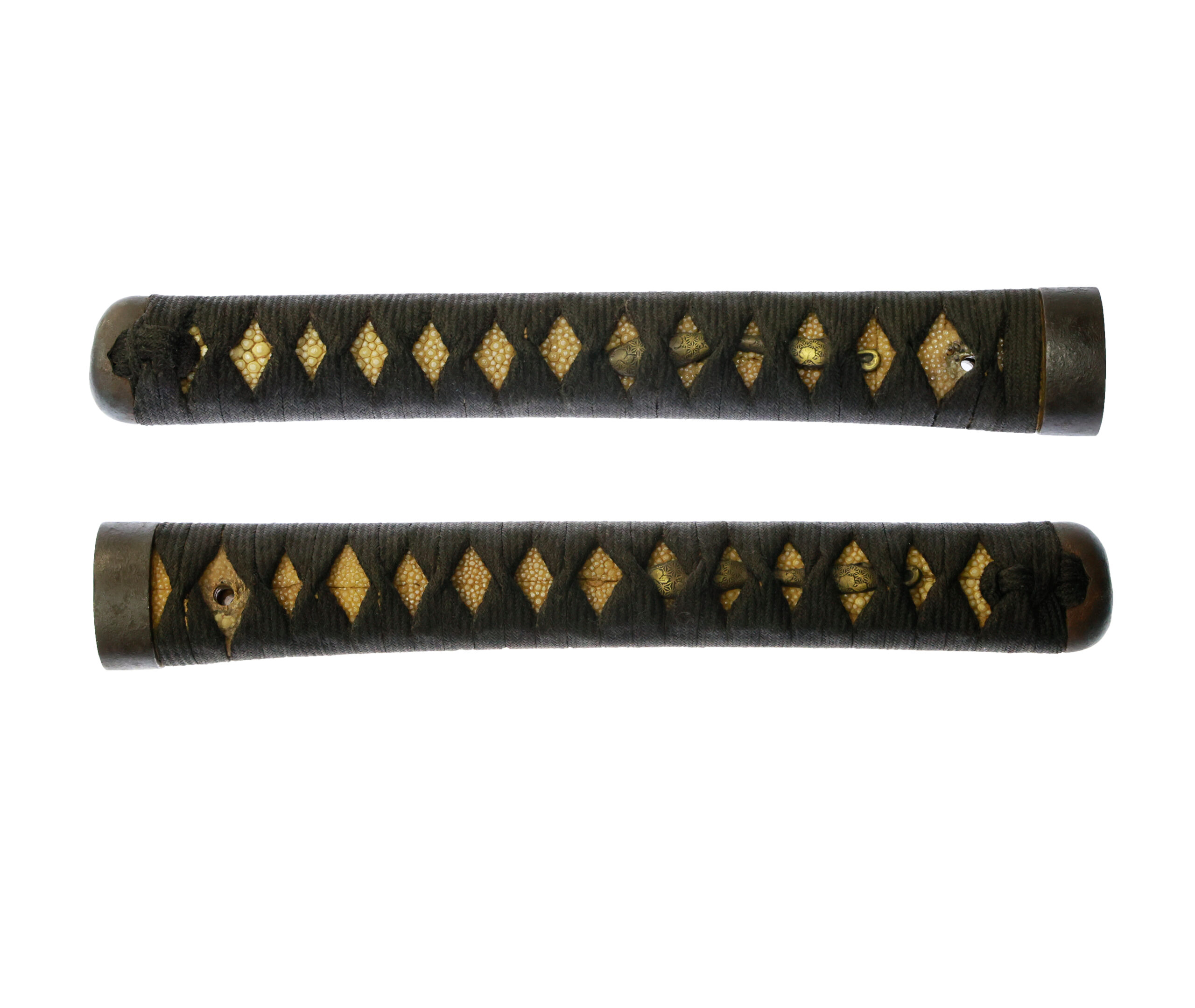
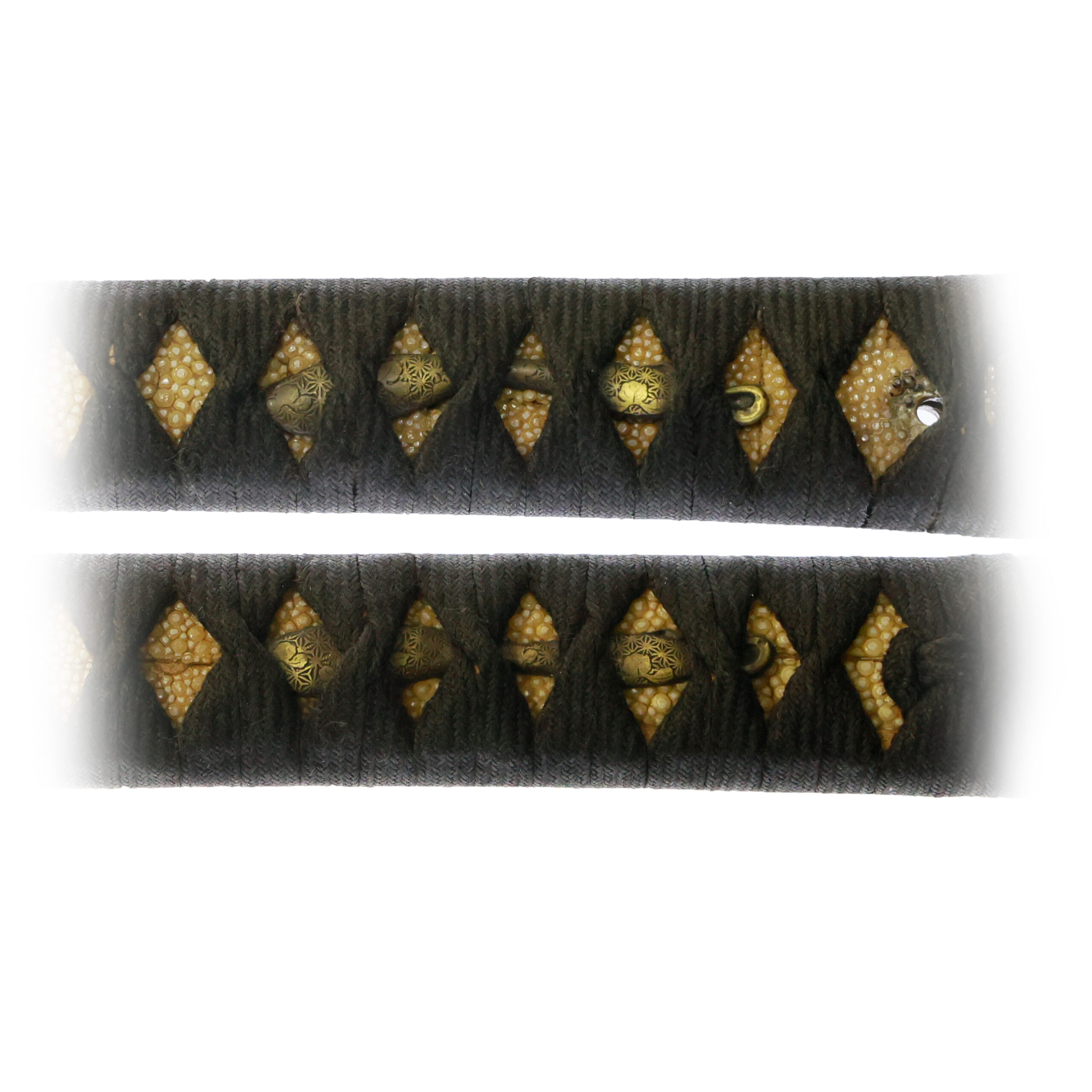
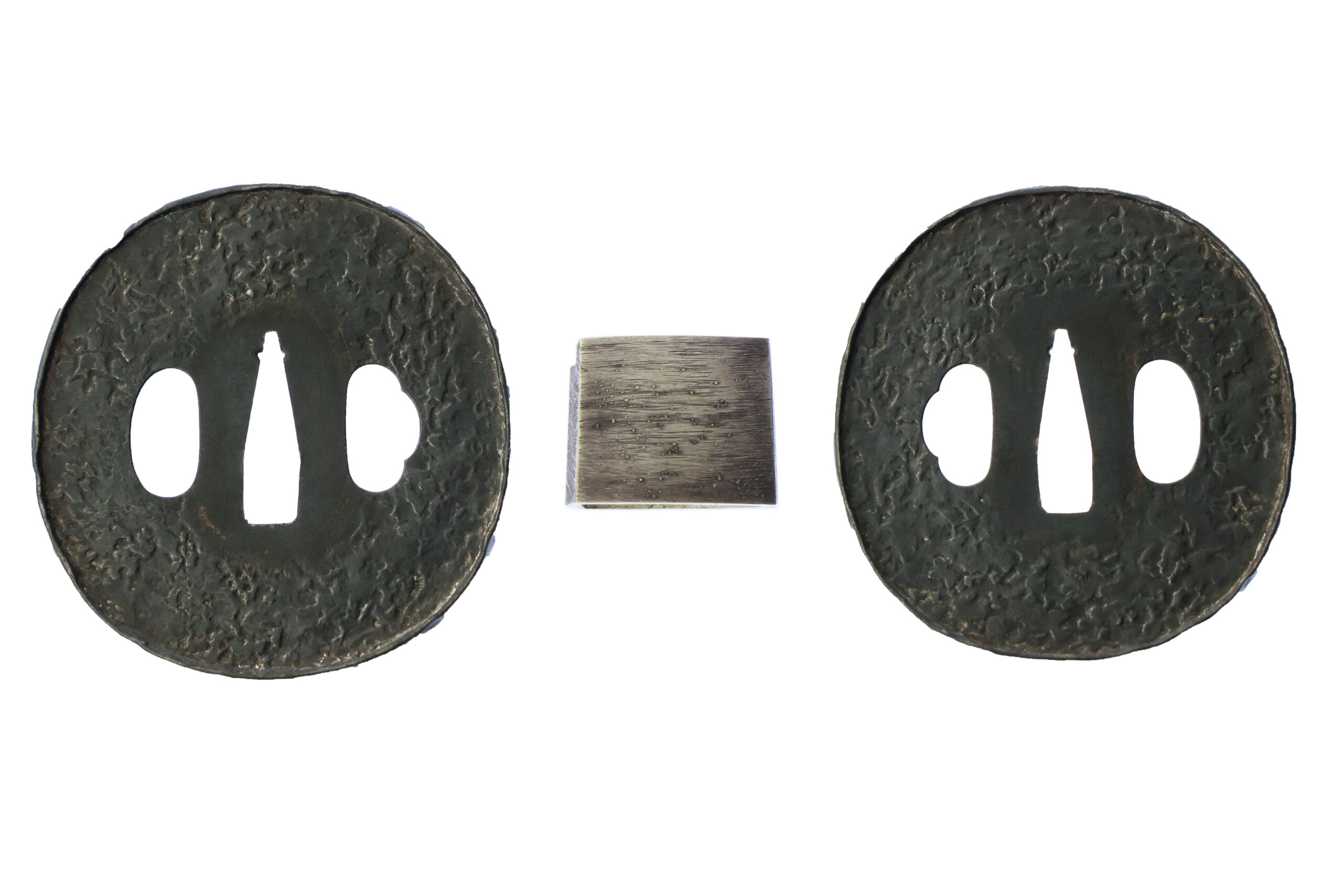
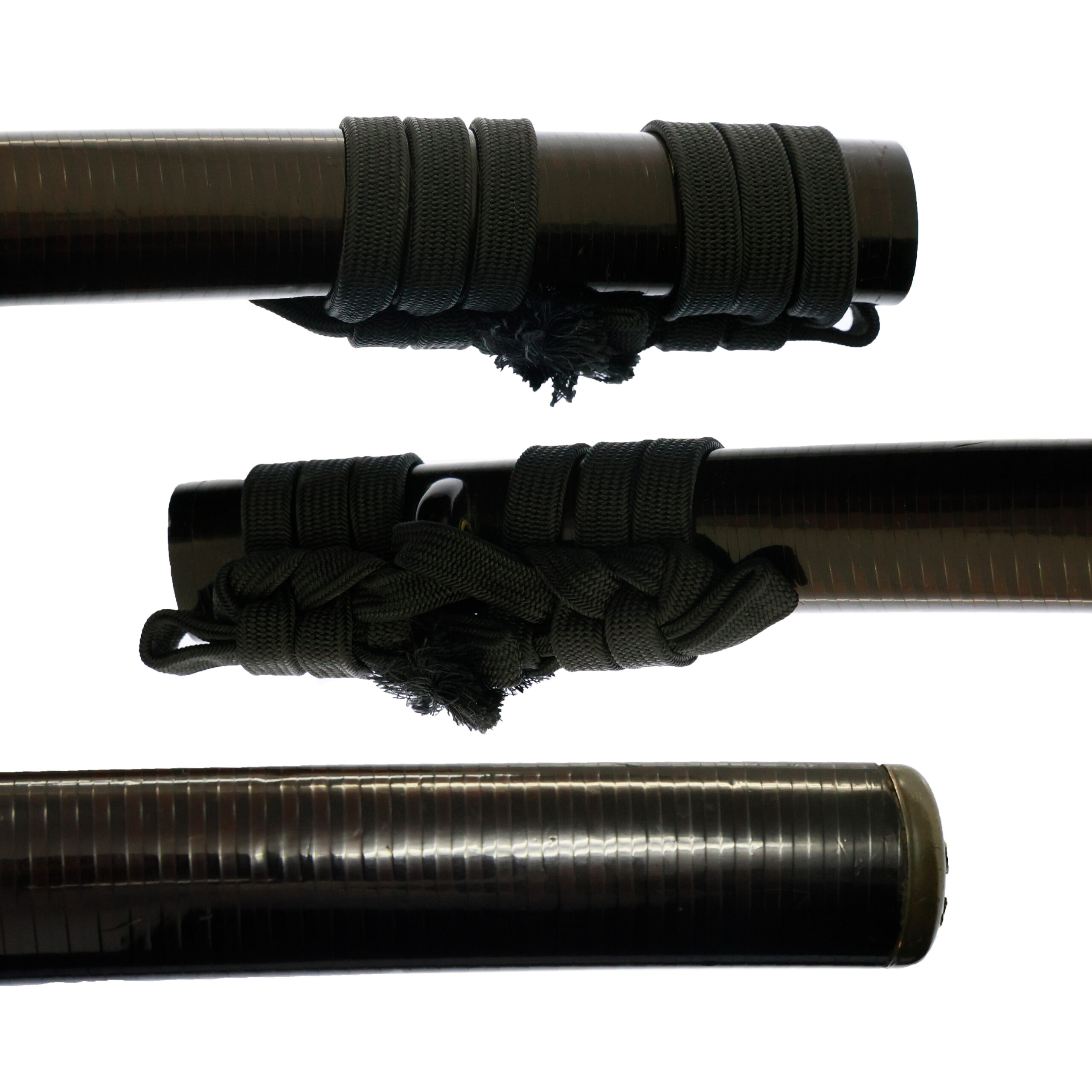
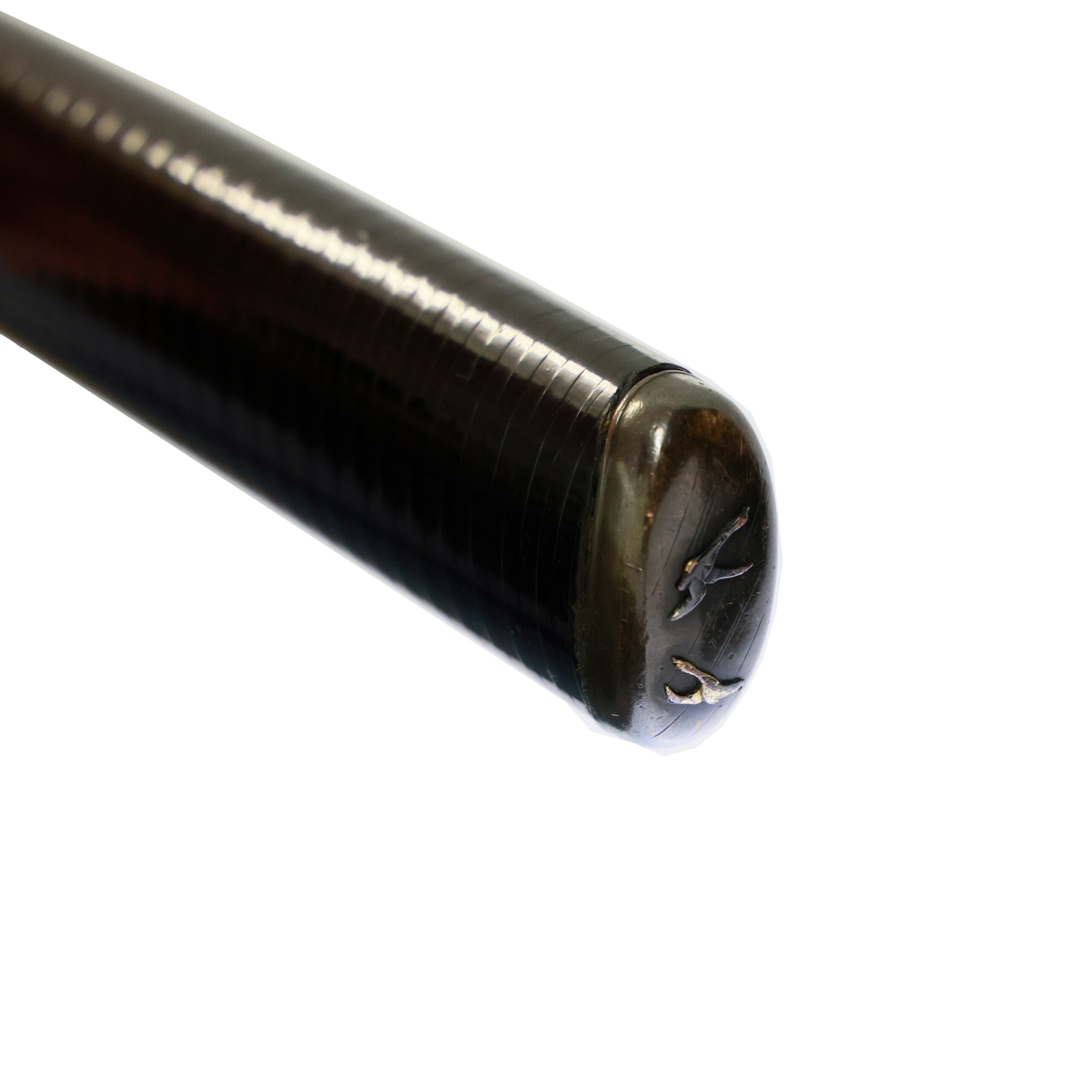
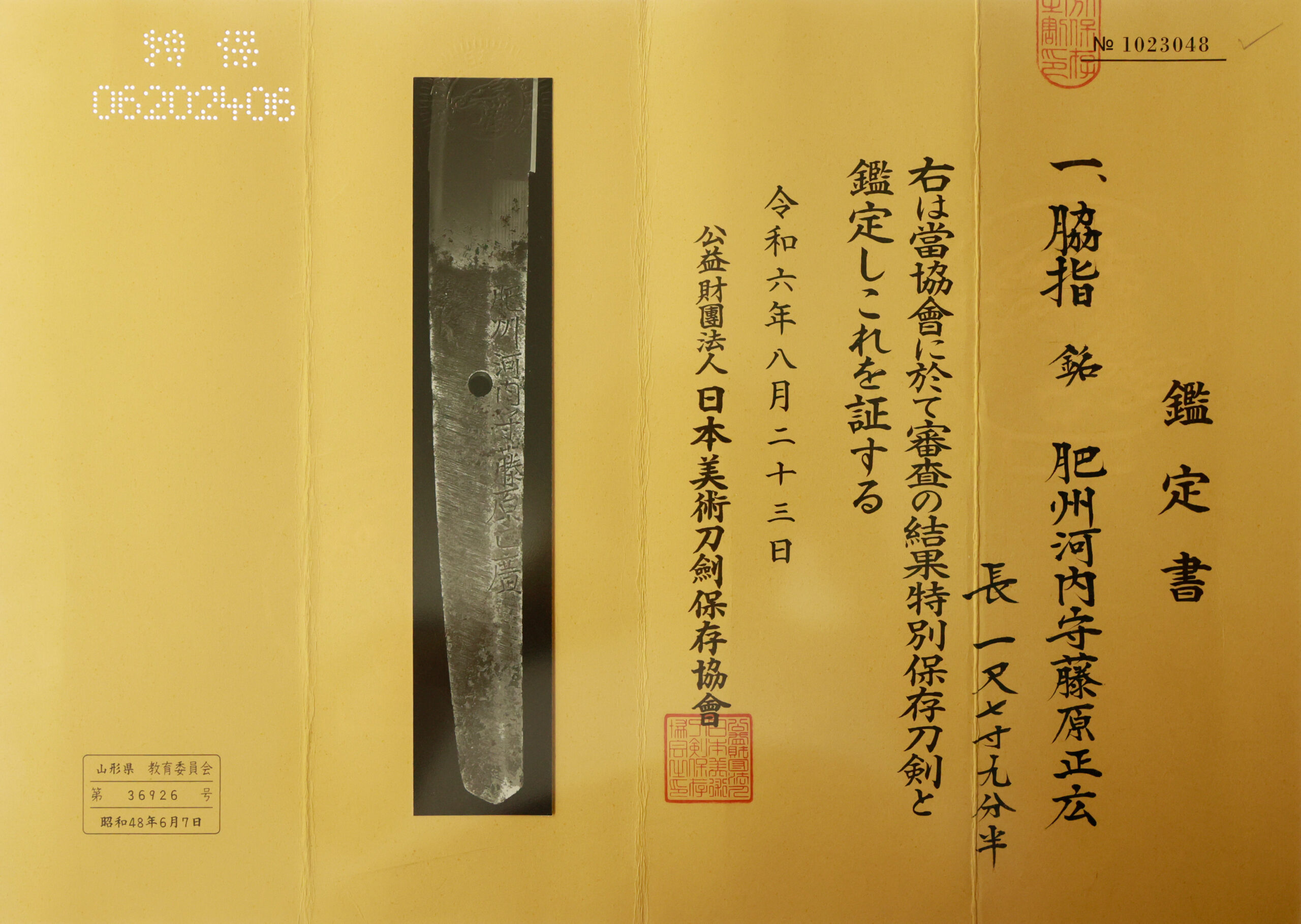
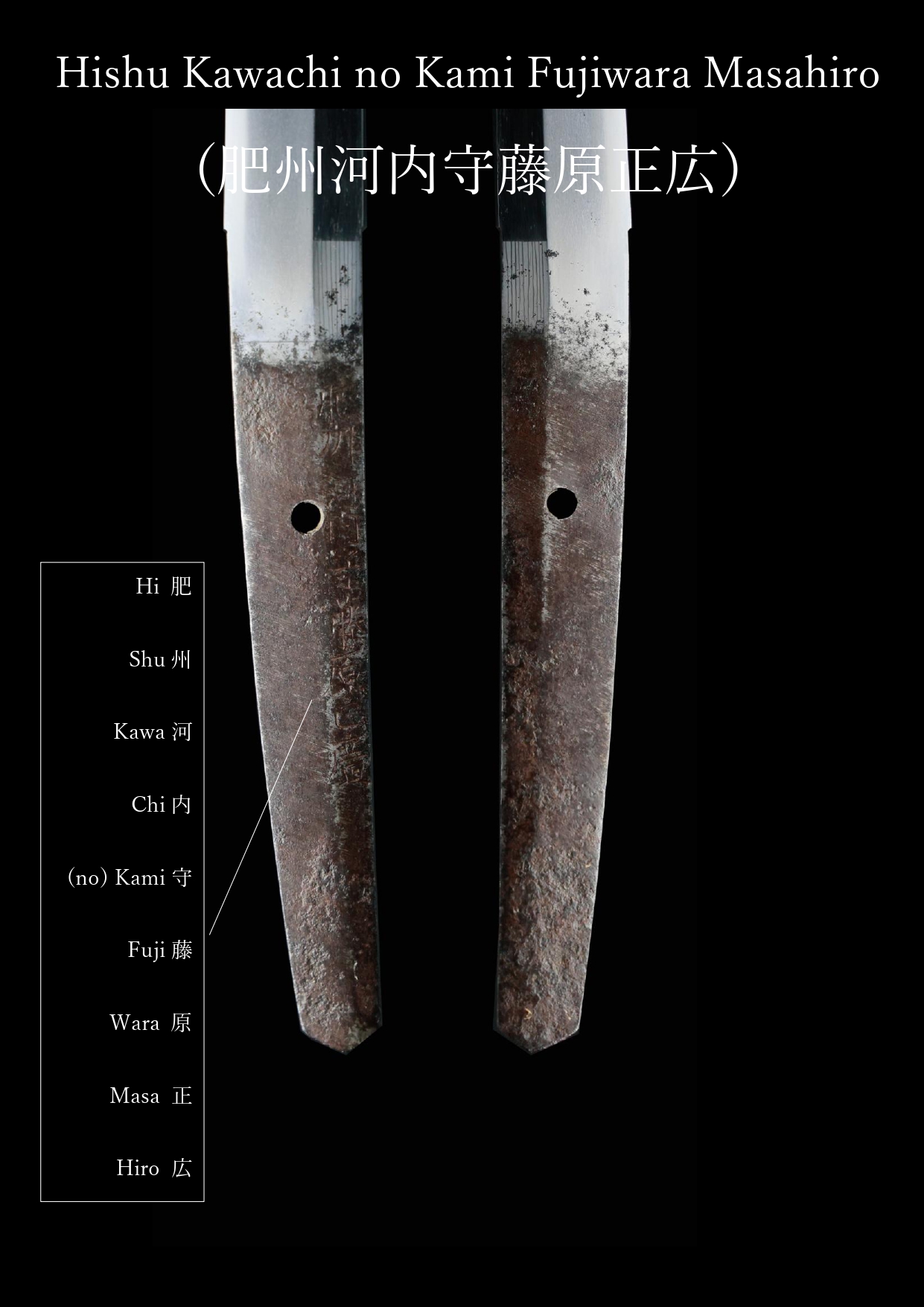
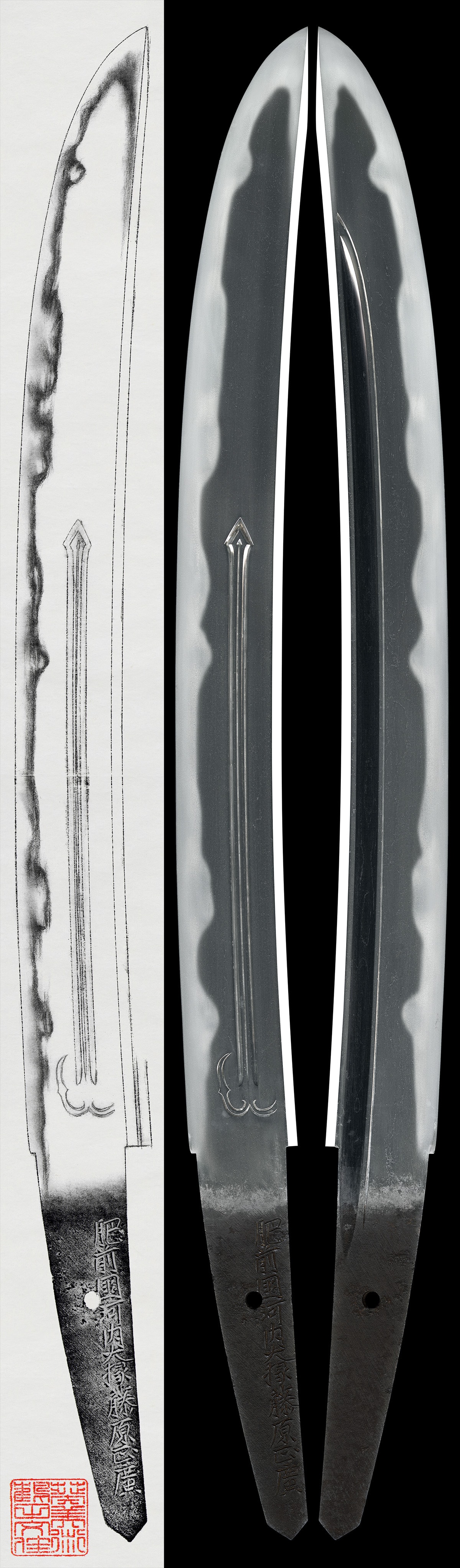
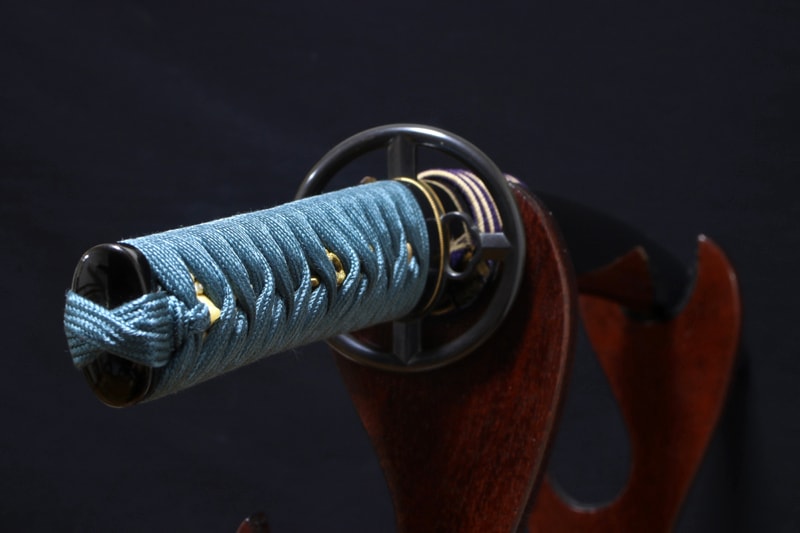
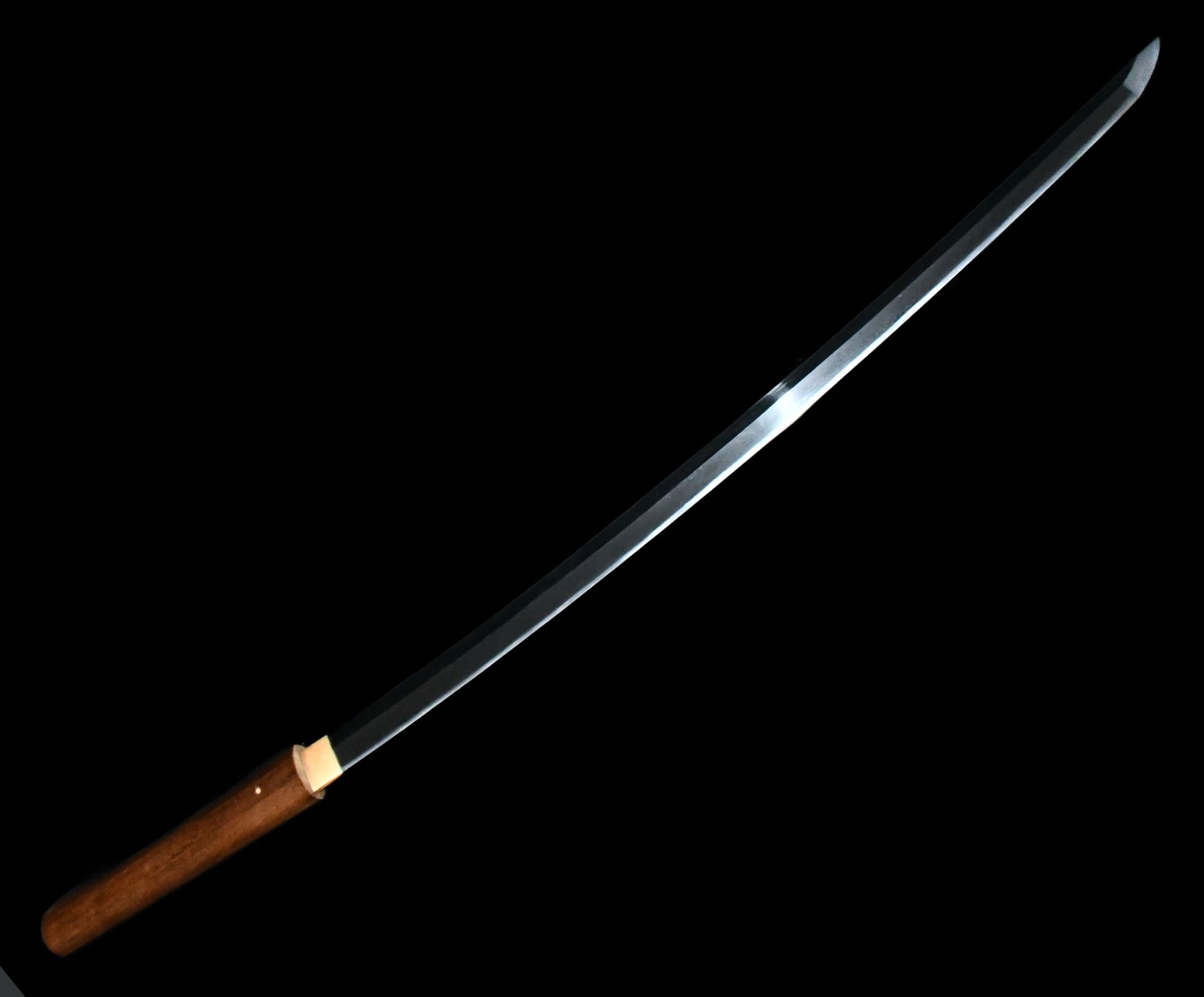
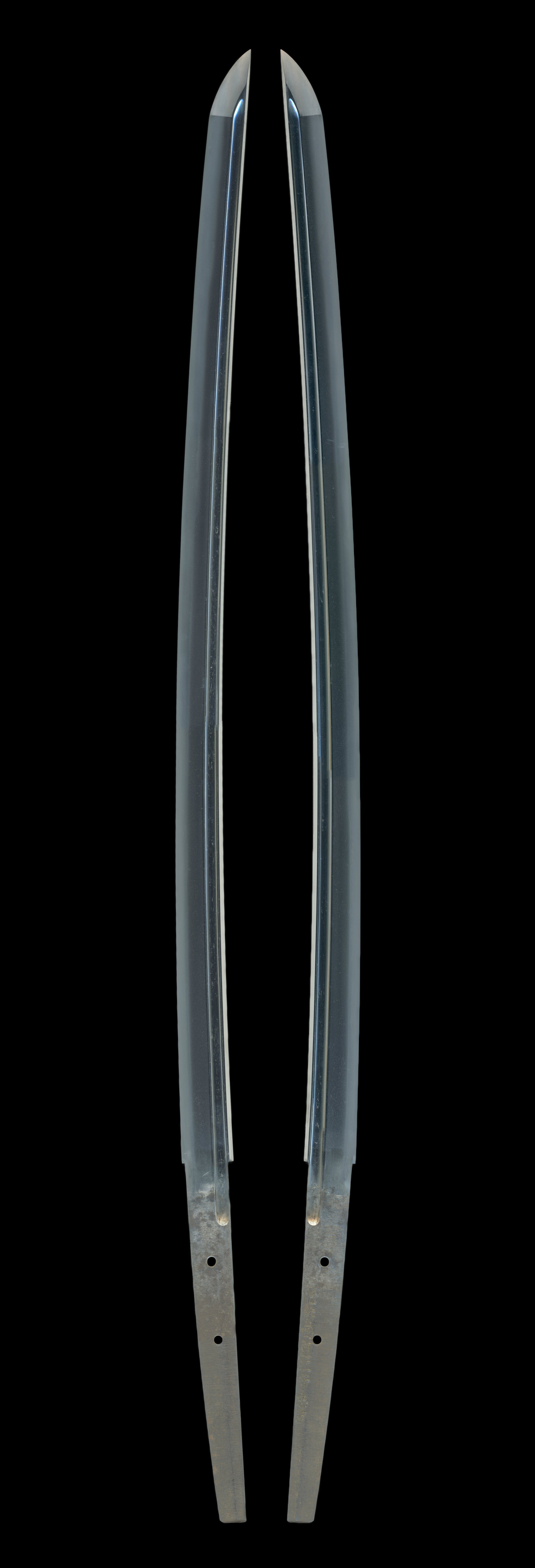
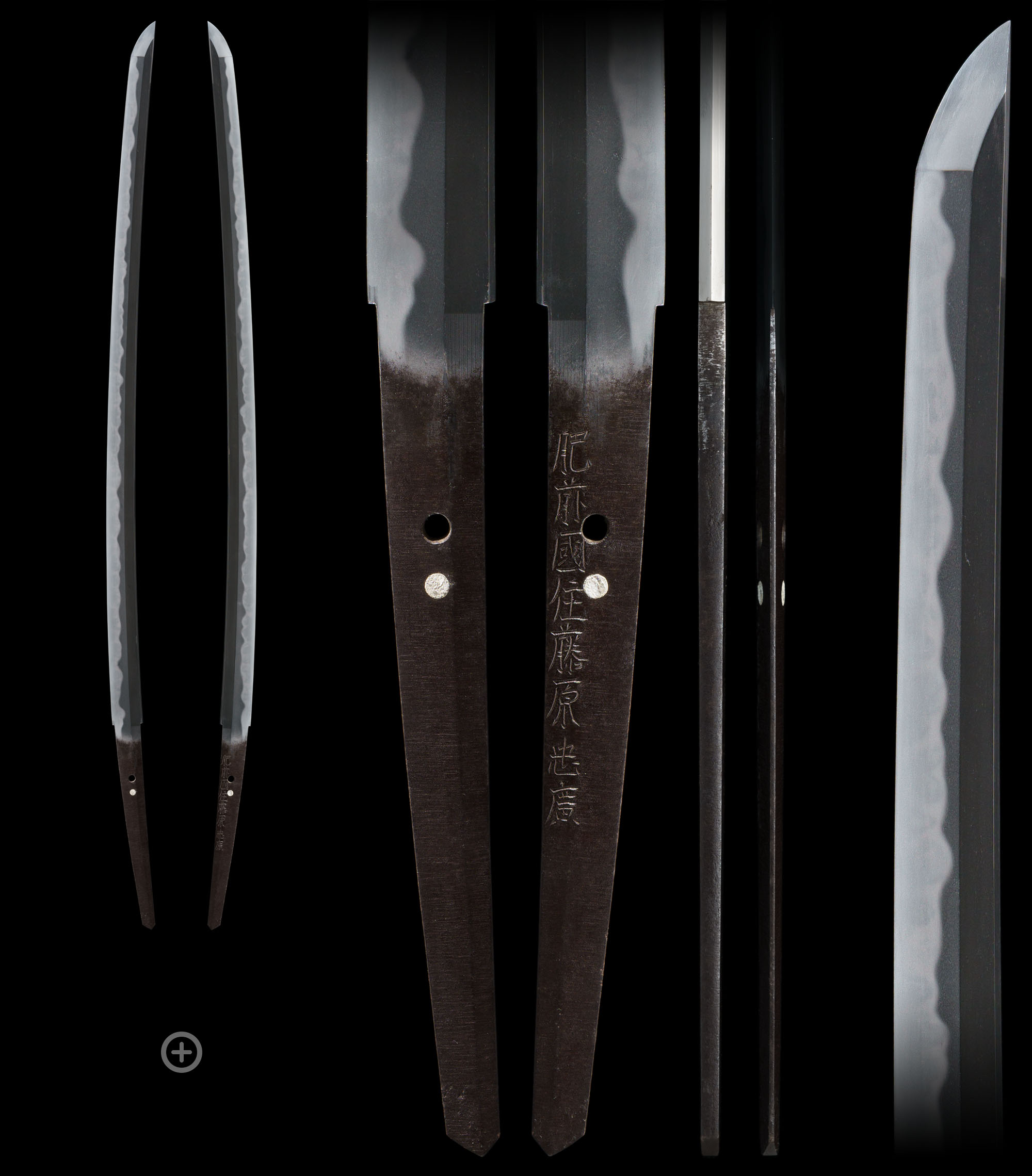
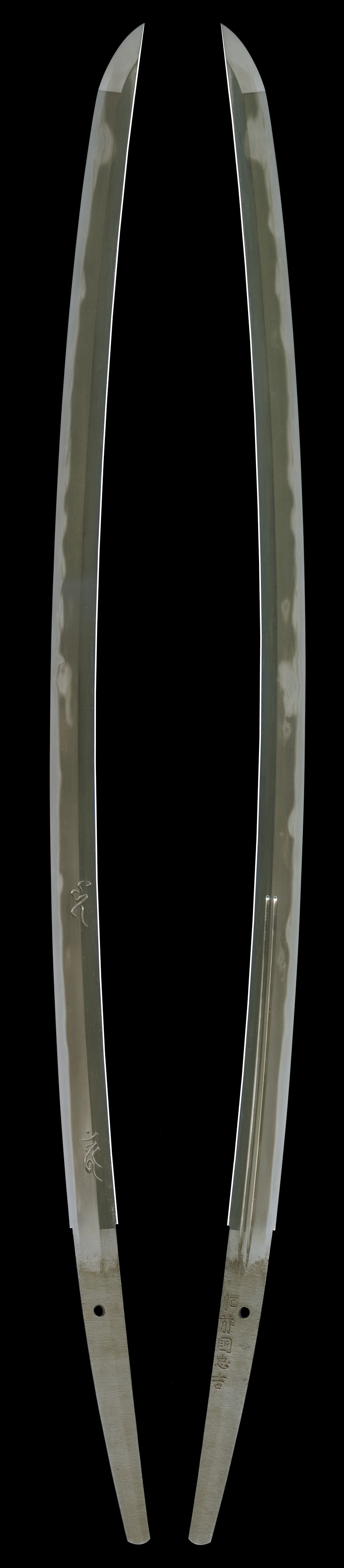
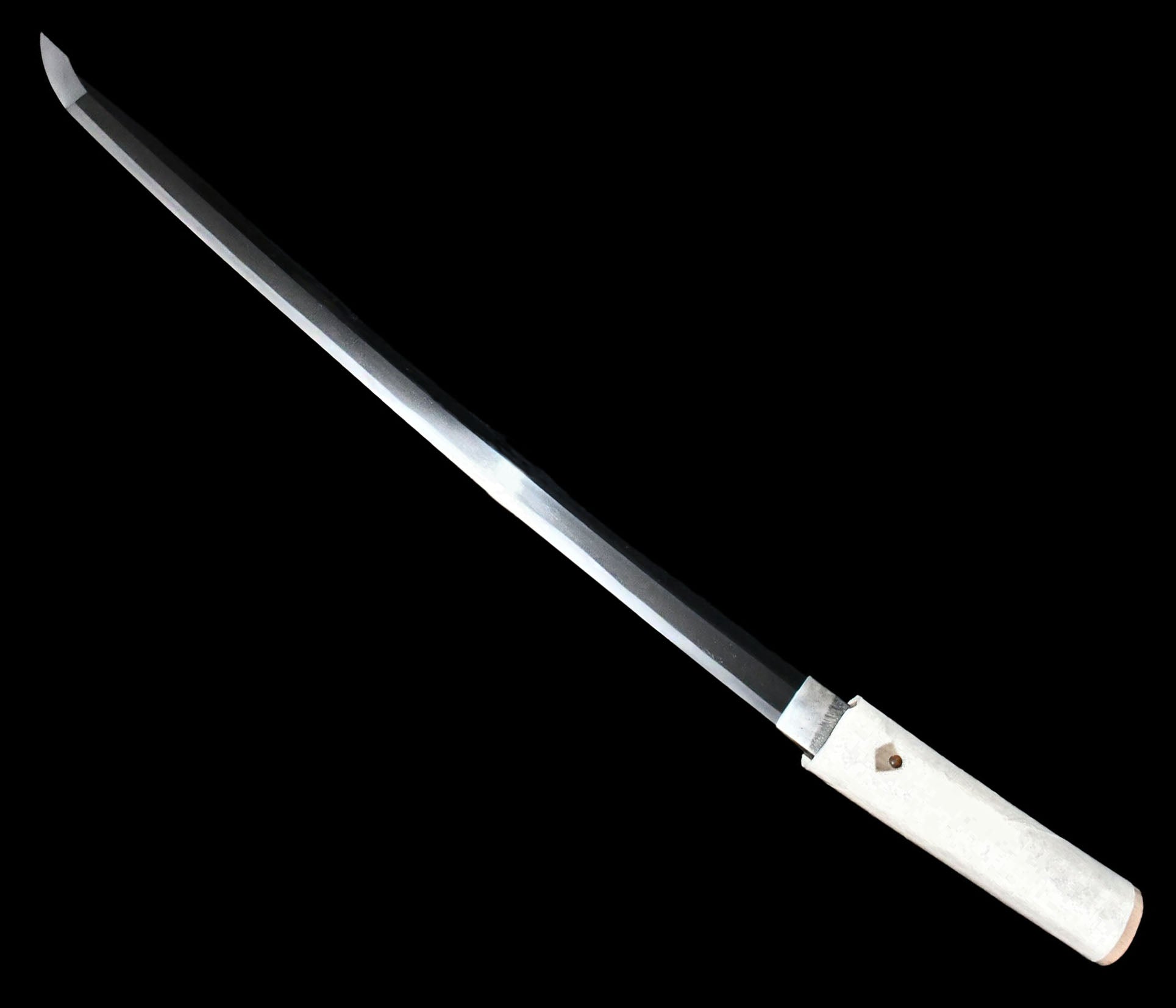
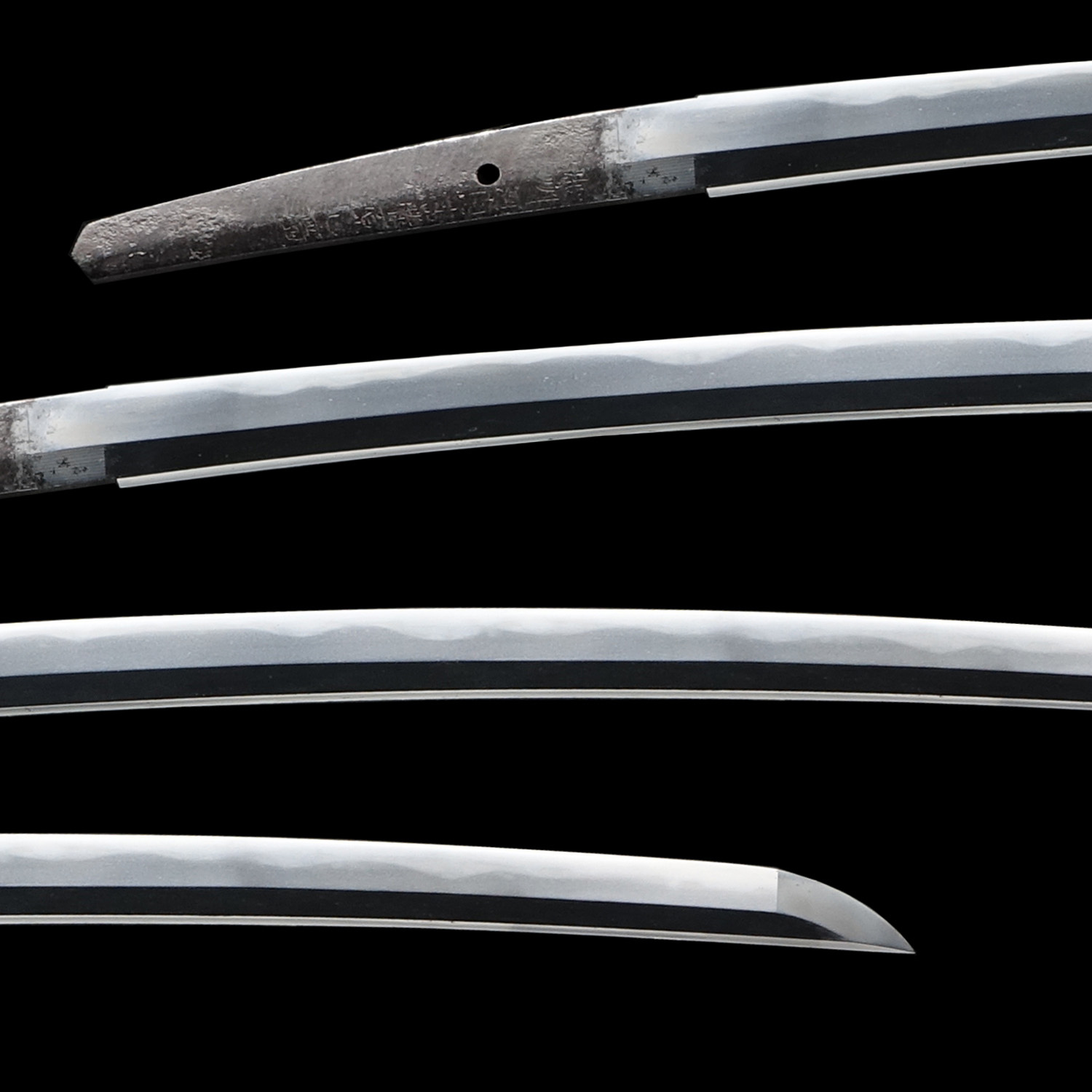
This antique Japanese wakizashi is signed by Hishu Kawachi no Kami Fujiwara Masahiro, the second-generation smith active during the early Edo period (1658-1673). He was an Okakaekaji for the powerful Nabeshima clan in Hizen province. The blade comes with an NBTHK Tokubetsu Hozon Certificate, shirasaya, and koshirae.

NihontoWatch MonNihontoWatch
MarketEncyclopediaKantei
Swords›Hizen Tadayoshi›Masahiro›Antique Japanese Sword Wakizashi Signed by Fujiwara Masahiro NBTHK Tokubetsu Hozon Certificate
wakizashiTokubetsu Hozon
Hizen Masahiro

Antique Japanese Sword Wakizashi Signed by Fujiwara Masahiro NBTHK Tokubetsu Hozon Certificate

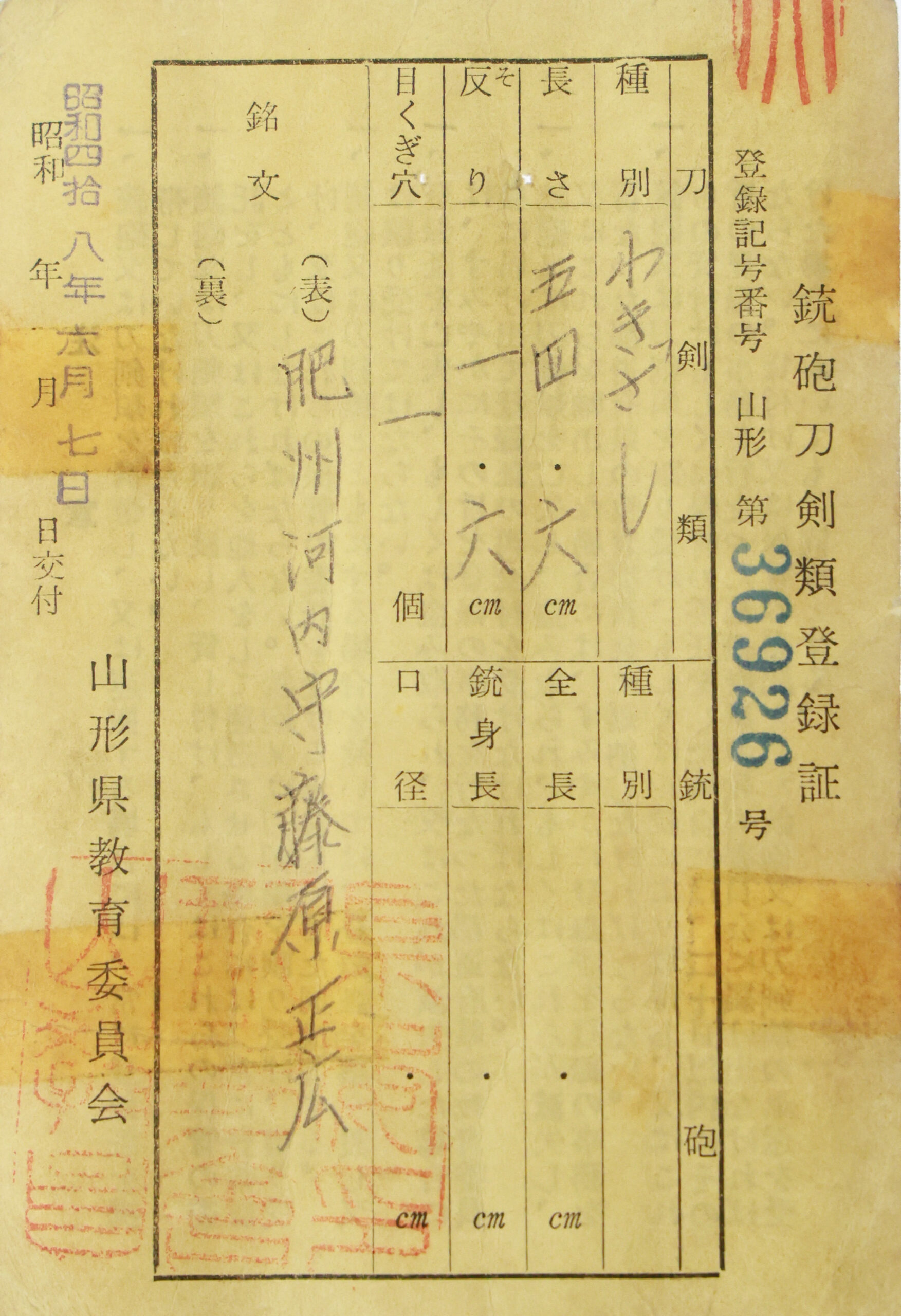
mei · Hizen Tadayoshi · Kanei (1624-1644) · nagasa 54.6cm · sori 1.6cm
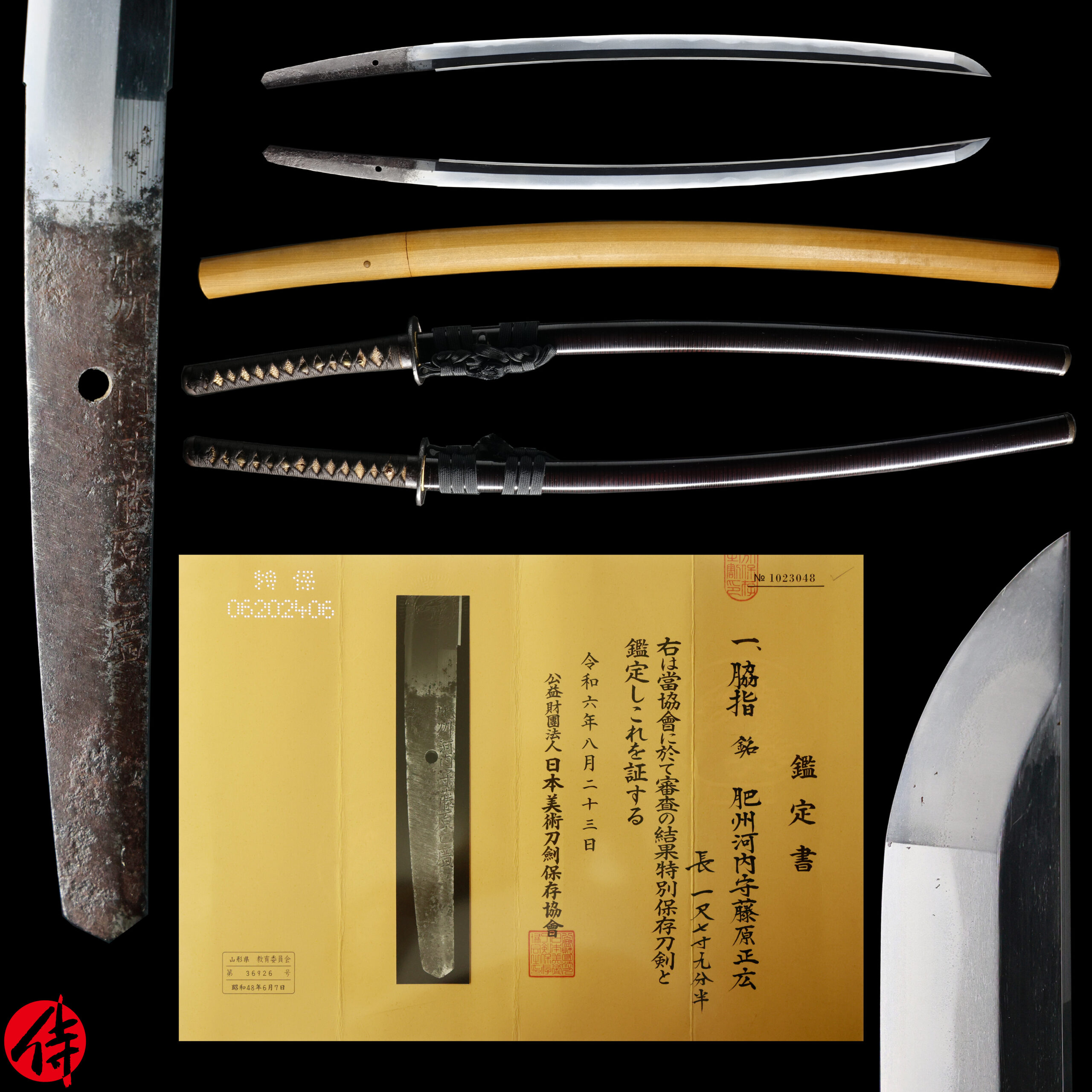
SOLD
Hizen Masahiro — 1 of 25
Hizen Masahiro — 2 of 25
Hizen Masahiro — 3 of 25
Hizen Masahiro — 4 of 25
Hizen Masahiro — 5 of 25
Hizen Masahiro — 6 of 25
Hizen Masahiro — 7 of 25
Hizen Masahiro — 8 of 25
Hizen Masahiro — 9 of 25
Hizen Masahiro — 10 of 25
Hizen Masahiro — 11 of 25
Hizen Masahiro — 12 of 25
Hizen Masahiro — 13 of 25
Hizen Masahiro — 14 of 25
Hizen Masahiro — 15 of 25
Hizen Masahiro — 16 of 25
Hizen Masahiro — 17 of 25
Hizen Masahiro — 18 of 25
Hizen Masahiro — 19 of 25
Hizen Masahiro — 20 of 25
Hizen Masahiro — 21 of 25
Hizen Masahiro — 22 of 25
Hizen Masahiro — 23 of 25
Hizen Masahiro — 24 of 25
Hizen Masahiro — 25 of 25
1 / 25
1 / 25
Hizen Masahiro — 1 of 25Hizen Masahiro — 2 of 25Hizen Masahiro — 3 of 25Hizen Masahiro — 4 of 25Hizen Masahiro — 5 of 25Hizen Masahiro — 6 of 25Hizen Masahiro — 7 of 25Hizen Masahiro — 8 of 25Hizen Masahiro — 9 of 25Hizen Masahiro — 10 of 25Hizen Masahiro — 11 of 25Hizen Masahiro — 12 of 25Hizen Masahiro — 13 of 25Hizen Masahiro — 14 of 25Hizen Masahiro — 15 of 25Hizen Masahiro — 16 of 25Hizen Masahiro — 17 of 25Hizen Masahiro — 18 of 25Hizen Masahiro — 19 of 25Hizen Masahiro — 20 of 25Hizen Masahiro — 21 of 25Hizen Masahiro — 22 of 25Hizen Masahiro — 23 of 25Hizen Masahiro — 24 of 25Hizen Masahiro — 25 of 25
Measurements & details
Smith
Hizen Masahiro
Type
Wakizashi
School
Hizen Tadayoshi
Period
Around 1624–1655(Kanei)
Province
Hizen
Signature
Signed(100% of this smith's designated works are signed)
Measurements
Nagasa 54.6cmSori 1.6cm
Description

This antique Japanese wakizashi is signed by Hishu Kawachi no Kami Fujiwara Masahiro, the second-generation smith active during the early Edo period (1658-1673). He was an Okakaekaji for the powerful Nabeshima clan in Hizen province. The blade comes with an NBTHK Tokubetsu Hozon Certificate, shirasaya, and koshirae.

About the maker

Masahiro

正廣

Hizen Tadayoshi, waki-Hizen (Saga) · Hizen · around 1624-1655

Fujishiro Jo-jo saku · Tōken Taikan top 23%

4 pieces on the market now

›

Masahiro was the son of Yoshinobu, a smith of the collateral Hizen line who first signed Masanaga and took the name Masahiro in Kan'ei 2 (1625). He worked at Saga in the orbit of the Hizen Tadayoshi school, served as a close attendant of the second-generation Omi no Daijo Tadahiro, and after the death of the first-generation Tadayoshi assisted the second generation as, in the words of the published sources, a most able collaborator. Later he received the court title Kawachi Daijo, signing Hizen no Kuni Kawachi Daijo Fujiwara Masahiro. Of the date the published record is candid: although tradition gives Kan'ei 5, works dated as late as Kan'ei 16 still sign only Hizen no Kuni Saga-ju Masahiro, and the title first appears on blades dated the eighth month of Kan'ei 18, so the modern view places the appointment about that year. Among the waki-Hizen, the branch smiths working outside the main Tadayoshi house, the NBTHK holds him the most accomplished of all, 「傍肥前の中でも最も技量が優れており」[[c:1]].

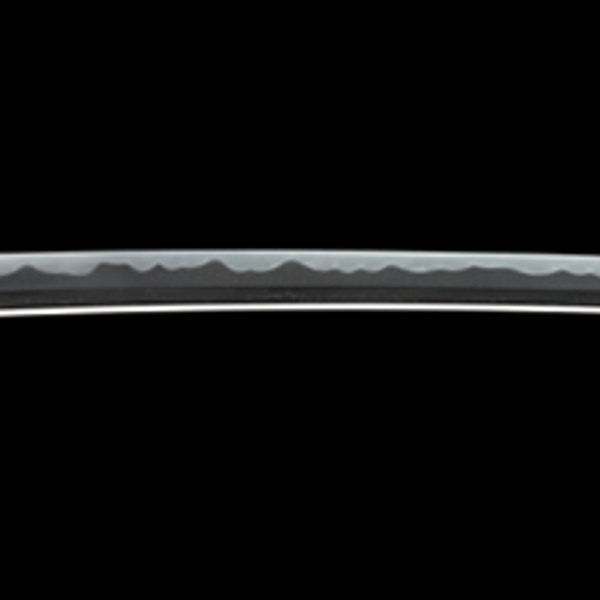
What distinguishes him is exactly what sets him against the main line. Where the Hizen house is read first in its calm, deep-nioi chu-suguha, Masahiro favored the opposite, and the published sources state it plainly: 「作風は乱れた刃を好んで焼き」[[c:2]], his hand favored the irregular temper. His characteristic hamon begins with a suguha yakidashi at the koshimoto and rises into a choji-dominant midare, mixing gunome, gunome-choji and large gunome with ko-notare and at times a togari or angular flavor. The clove pattern the judges liken to that of Musashi no Daijo Tadahiro. The temper is set high and low, in places linking clusters of midare with a quieter suguha-toned line, long ashi and yo entering well; the nioiguchi is deep, with thick ko-nie gathering in the valleys of the midare, a little tobiyaki and at times muneyaki, sunagashi running well and long kinsuji appearing. On one such katana the published sources write that he forges the midareba he excelled in and shows his true ability to full effect.

Beneath that flamboyant edge lies the refined steel he shares with the rest of the school. The jigane is a tightly packed ko-itame becoming the Hizen komenuka-hada, the rice-bran skin: a dense ji with dust-fine ji-nie laid thickly and fine chikei entering well, bright and clear. The boshi runs straight to a ko-maru with hakikake and a long, deep turnback, at times opening into a small midare-komi on the omote. The sugata is the well-balanced Hizen shape, at times wide in body with an extended or large kissaki, powerful and forceful. The nioiguchi stays bright over both his showy and his quiet work, the constant of his ji and ha.

He was not, however, a smith of one manner only. A clear register of his record is the chu-suguha he also commanded, a quiet suguha toned with a shallow notare and mixing ko-gunome, ko-ashi and yo entering, fine kinsuji and sunagashi naturally interwoven, the nioiguchi bright over the same well-packed ko-itame jigane. One Juyo katana of Kan'ei 11, worked in this calmer manner, the published sources name his finest, 「この刀はその白眉である」[[c:3]]. His dated works survive only in small number, running from Kan'ei into Kanbun, and several Juyo pieces whose signatures blend his pre-title and post-title styles are valued for fixing the chronology of his career; he is said to have died at fifty-nine in Kanbun 5 (1665).

His distinction from the main house is drawn by the judges themselves. He is set apart not only by his preference for midareba over suguha but by his sujikai yasurime, which differ from the main line's, and by his consistent practice of signing katana on the sashi-ura. The published sources read his blades as carrying a more natural vigor and driving spirit than the main Tadayoshi house, 「本家忠吉家の作よりも自然, 覇気のある作が多く」[[c:4]], and one entry says of a representative piece that he forges the midareba at which he excelled and displays his true ability without reserve, 「彼が得意とした乱れ刃を焼いて, その本領を遺憾なく発揮している」[[c:5]]. He stands, then, as the most gifted of the Hizen branch hands, the one among the waki-Hizen whose work most readily approaches the main line in quality while keeping a manner distinctly his own.

For the collector Masahiro is a desirable and attainable Hizen name. Fujishiro grades him Jo-jo saku. He has no National Treasures and no Important Cultural Properties; his record runs instead through the Juyo rank, where some thirty of his blades have been designated, the published sources calling his finest powerful and forceful in both ji and ha and richly animated. Documentary interest is high among them: one Juyo wakizashi carries within a koshi-hi a relief of Shigetsu Hotei by the carver Yoshinaga, a design the published sources call extremely rare among Hizen blades and of notable value for the study of the province's carving. Provenance is only partly recorded, so it is best stated quietly: his blades are held in private collections of recorded whereabouts rather than in a roll of famous houses. A signed Masahiro is not beyond the reach of a serious collector as a top main-line Hizen blade can be, and from time to time, with patience, one of his Juyo works comes to light, a chance to hold the flamboyant midareba of the most accomplished of the waki-Hizen.

Historical importance

Where Masahiro stands among comparable artisans: across all of nihontō, and within tradition, era, and period. The tiers (Foremost · Leading · Major · Notable) weigh official designations from the NBTHK and Japan's Agency for Cultural Affairs, together with historical honors of lasting repute such as the Sansaku and Meibutsu-chō.

随一
Foremost
屈指
Leading
有数
Major
著名
Notable

Select a lens to see how it's measured.

Designation record
32 designated works
Jūyō
32
4 works by Masahiro on the market→
Masahiro — full profileHizen Tadayoshi, waki-Hizen (Saga) school

Dated Works

Years he was demonstrably active, proven by signed-and-dated blades

Active period
1632–1664Editorial estimate: 1624–1655
11 of 32 designated works carry a date
1630
1640
1650
1660
1670
About the school

Hizen Tadayoshi

肥前忠吉

Shinto · Hizen

130 pieces on the market now

›

The Hizen Tadayoshi school began with a single domain commission. In Keicho 1 (1596) the Nabeshima of Hizen ordered Hashimoto Shinzaemon, the smith who would sign Tadayoshi, up to Kyoto with the carver Munenaga; there he entered the gate of Umetada Myoju and studied forging while Munenaga learned the chisel. The two returned to the province in Keicho 3 (1598), and Tadayoshi settled in the castle town below Saga, where under the domain's patronage the line grew into the dominant sword-making house of Kyushu. His own work runs from Keicho 5 (1600) to his death in Kan'ei 9 (1632); in Genna 10 (1624) he received the court title Musashi Daijo, changed his name to Tadahiro, and shifted his clan name from Minamoto to Fujiwara, so that the late Musashi Daijo blades are the founder under a second name. From him the house became a true generational institution: his son the second-generation Omi Daijo Tadahiro carried it forward as its most prolific hand, the third-generation Mutsu no Kami Tadayoshi returned its highest finish, and a Tosa no Kami branch took the founder's signature when he set it aside. Around this main line grew a circle of disciples and collateral hands, the waki-Hizen or Soba-Hizen smiths, several of them, like Yoshiie and Hironori, working as daisaku substitute makers whose own signed pieces are therefore scarce. The school's signature is its steel. Over a ko-itame forged so tightly it shows no slackness, fine ji-nie gathers in minute particles until the surface takes on the rice-bran konuka-hada (also written komenuka-hada) that no other school produces, fine chikei entering throughout and the ji notably clear and bright.

The orthodox temper laid upon it is a chu-suguha or hiro-suguha, sometimes tinged with a shallow notare and ko-gunome, the nioiguchi deep with finely clustered ko-nie and tightened to a bright clarity, the boshi running straight to a quiet ko-maru. The founder aimed this suguha toward the Rai school yet departed from it, his nioiguchi tighter and his forging carrying more vigor; the third generation refined it to what the published sources call the strongest and most precise hand of the first three generations. Against that calm register the house also worked a showier one, the Hizen choji-midare mixing gunome, long ashi, kinsuji and sunagashi, ordered clove the founder himself had not attempted but the second generation made his own. The branches pushed further from the suguha standard: Tadakuni of the Ogi domain ran sunagashi more conspicuously than any other Hizen hand and reached toward old Ichimonji in his o-choji; Masahiro and Yukihiro favored a flamboyant long-ashi choji over the calm main line; and the Iyo no Jo Munetsugu line worked apart in the Soshu-den, building a midareba on notare with a pointed togariba and a jihada that tends to stand and tone slightly blackish. A collector seeks Hizen-to first for that steel, and reads it the same way the appraiser does: a bright suguha lying over a clear, tight konuka-hada identifies the school before the signature is consulted, and the quiet ko-maru boshi on the ura-signed tang confirms the main-line practice. Generation and branch are then told within that frame, the third generation's powerful sugata recalling not his father but his grandfather, the waki-Hizen hands set apart by their irregular temper, their sujikai file marks and a sashi-ura signature, the Munetsugu line by its Soshu togari. The main line, made in real numbers across so long a span, reaches the market more readily than any Kamakura master, so a papered example is within reach of a patient collector, while the founder's own work and the finest konuka-suguha of the third generation come to open hands only from time to time. Provenance runs back through the house the school served, blades recorded to Nabeshima Katsushige and Nabeshima Naomoto and passing onward to the Owari Tokugawa, the Satake and the Imperial families; documentary inscriptions sharpen the picture further, a Myoju soemei attesting the founder's discipleship, Umetada carving adding flowers to brocade on his late blades, and the gold-inlaid cutting tests of Yamano Kanjuro and Yamano Ka'emon, rare on Hizen work, naming the edge as well as the hand. Learn more →

27 recorded smiths510 designated works
Leading smiths
SmithEraDesignated
Tadayoshi忠吉1596-1632123
Tadayoshi忠吉1662-168158
Tadahiro忠廣1624-1693169
Masahiro正廣1624-165532
Tadakuni忠國1648-165232
Explore the Hizen Tadayoshi school →

Historical context

Hizen swords were a domain enterprise: the Nabeshima sent Tadayoshi to study under Umetada Myōju around 1596, then built a licensed school around him. Nine generations carried its famously consistent konuka-hada work into the Meiji era.

Hizen: a domain enterprise →

NBTHK Certificate
Tokubetsu Hozon Tōken特別保存刀剣
Sword Especially Worthy of Preservation
›

A Hozon-certified blade judged to show notably superior workmanship and a better state of preservation. The bar is higher: re-tempered blades and most unsigned Muromachi/Edo works are excluded.

About the NBTHK›

The NBTHK (Nihon Bijutsu Tōken Hozon Kyōkai, the Society for the Preservation of Japanese Art Swords) is a public-interest incorporated foundation founded in 1948 and supervised by Japan’s Agency for Cultural Affairs (Bunkachō); it is based at the Japanese Sword Museum in Tokyo. Its expert panels physically examine each submitted work (shinsa) and issue a certificate (kanteishō) ranking it by artistic and historical merit. NBTHK papers are the most widely recognized standard of authentication for Japanese swords and fittings.

NBTHK official site→
Seller
S
Samurai Museum
🇯🇵Ships from Japan
›
✓Verified dealersamuraimuseum.jp
✓Ships worldwide✓English supportPayPalCredit card
Return policy

Returns/exchanges limited to defects caused by shipping (except willful misconduct or gross negligence by the company); customers must contact within 72 hours of receiving the product.

View all of Samurai Museum’s listings→View this item on the dealer’s site→

More works by Hizen Masahiro

View all →
Choshuya
Jūyō
Katana - Jūyō - by Hizen Masahiro - Signed. Hizen no kuni Kawachi daijo Fujiwara no MASAHIRO (Wazamono)Katana - Jūyō - by Hizen Masahiro - Signed. Hizen no kuni Kawachi daijo Fujiwara no MASAHIRO (Wazamono)

Katana

ByHizen Masahiro
¥7,500,000
Samurai Shokai
Hozon
Katana - Hozon - by Hizen Masahiro - Hizenkoku Sagaju Masahiro (1st Gen.)Katana - Hozon - by Hizen Masahiro - Hizenkoku Sagaju Masahiro (1st Gen.)

Katana

ByHizen Masahiro
¥680,000
Choshuya
Katana - by Hizen Masahiro - Japanese Sword for Sale | Ginza Choshuya | Signed: Hizen Kuni Kawachi Daijo Fujiwara Masahiro (Wazamono), 1409Katana - by Hizen Masahiro - Japanese Sword for Sale | Ginza Choshuya | Signed: Hizen Kuni Kawachi Daijo Fujiwara Masahiro (Wazamono), 1409

Katana

ByHizen Masahiro
Ask
Katana Ando
太刀Photos not published
Tachi - by Hizen Masahiro - Tachi Hizen no Kuni Kawachi no Kami Fujiwara Masahiro

Tachi

ByHizen Masahiro
¥1,400,000

Previously sold by Hizen Masahiro

World Seiyudo
Tokuho
Katana - Tokuho - by Hizen Masahiro - Masahiro (1st Generation) - Tokubetsu Hozon TokenKatana - Tokuho - by Hizen Masahiro - Masahiro (1st Generation) - Tokubetsu Hozon Token
Sold

Katana

ByHizen Masahiro
SOLD
World Seiyudo
Tokuho
Wakizashi - Tokuho - by Hizen Masahiro - Hizen Kawachi no Kami Fujiwara Masahiro - Tokubetsu Hozon TokenWakizashi - Tokuho - by Hizen Masahiro - Hizen Kawachi no Kami Fujiwara Masahiro - Tokubetsu Hozon Token
Sold

Wakizashi

ByHizen Masahiro
SOLD
Japanese Sword Books and Tsuba
Hozon
Katana - Hozon - by Hizen Masahiro - Katana with Hozon Paper to Kawachi Daijo MasahiroKatana - Hozon - by Hizen Masahiro - Katana with Hozon Paper to Kawachi Daijo Masahiro
Sold

Katana

ByHizen Masahiro
SOLD
Kusanagi
Tokuho
Katana - Tokuho - by Hizen Masahiro - Tokuhozon Katana by Tadayoshi of HizenKatana - Tokuho - by Hizen Masahiro - Tokuhozon Katana by Tadayoshi of Hizen
Sold

Katana

ByHizen Masahiro
SOLD
Giheiya
Tokuho
Daisho - Tokuho - by Hizen Masahiro - Daisho: Hizen Kawachi no Kami Fujiwara Masahiro with Red Bronze Fittings Koshirae and ShirasayaDaisho - Tokuho - by Hizen Masahiro - Daisho: Hizen Kawachi no Kami Fujiwara Masahiro with Red Bronze Fittings Koshirae and Shirasaya
Sold

Daishō

ByHizen Masahiro
SOLD
Choshuya
Katana - by Hizen Masahiro - Hizen Kuni Kawachi Daijo Fujiwara Masahiro (Wazamono), 875Katana - by Hizen Masahiro - Hizen Kuni Kawachi Daijo Fujiwara Masahiro (Wazamono), 875
Sold

Katana

ByHizen Masahiro
SOLD
Token-Net
Tokuho
Wakizashi - Tokuho - by Hizen Masahiro - Hizen Kawachi Daijo Fujiwara MasahiroWakizashi - Tokuho - by Hizen Masahiro - Hizen Kawachi Daijo Fujiwara Masahiro
Sold

Wakizashi

ByHizen Masahiro
SOLD
Choshuya
Wakizashi - by Hizen Masahiro - Daisho Wakizashi: Hizen Kuni Kawachi Daijo Fujiwara MasahiroWakizashi - by Hizen Masahiro - Daisho Wakizashi: Hizen Kuni Kawachi Daijo Fujiwara Masahiro
Sold

Wakizashi

ByHizen Masahiro
SOLD

More from the Hizen Tadayoshi school

View all →
Aoi Art
Tokuho
Katana - Tokuho - by Hizen Tadahiro - Hizen Koku Ju Omi Daijo Fujiwara TadahiroKatana - Tokuho - by Hizen Tadahiro - Hizen Koku Ju Omi Daijo Fujiwara Tadahiro

Katana

ByHizen Tadahiro
Starting Bid¥2,000,000
Choshuya
Tokuho
Katana - Tokuho - by Hizen Tadahiro - Signed Hizen no kuni ju Omi daijo Fujiwara no TADAHIROKatana - Tokuho - by Hizen Tadahiro - Signed Hizen no kuni ju Omi daijo Fujiwara no TADAHIRO

Katana

ByHizen Tadahiro
¥2,500,000
Tozando
Jūyō
Katana - Jūyō - by Hizen Tadahiro - Japanese Katana: Omi Daijo Fujiwara Tadahiro, 2nd Gen. - NBTHK Juyo TokenKatana - Jūyō - by Hizen Tadahiro - Japanese Katana: Omi Daijo Fujiwara Tadahiro, 2nd Gen. - NBTHK Juyo Token

Katana

ByHizen Tadahiro
¥8,500,000
Eirakudo
Jūyō
Katana - Jūyō - by Hizen Tadahiro - Tadahiro - Juyo TokenKatana - Jūyō - by Hizen Tadahiro - Tadahiro - Juyo Token

Katana

ByHizen Tadahiro
Ask
Toukentakarado
Tokuho
Katana - Tokuho - by Hizen Tadahiro - Katana by Hizen no Kuni-jū Ōmi Daijō Fujiwara TadahiroKatana - Tokuho - by Hizen Tadahiro - Katana by Hizen no Kuni-jū Ōmi Daijō Fujiwara Tadahiro

Katana

ByHizen Tadahiro
¥1,800,000
Supein Nihonto
Tokuho
Katana - Tokuho - by Hizen Masahiro - Hizen Masahiro Katana – 2nd Generation | NBTHK Tokubetsu HozonKatana - Tokuho - by Hizen Masahiro - Hizen Masahiro Katana – 2nd Generation | NBTHK Tokubetsu Hozon

Katana

ByHizen Masahiro
¥19,000
Toyuukai
Tokuho
Katana - Tokuho - by Hizen Tadayoshi - Hizenkoku Junin Tadayoshi Saku - NBTHK Tokubetsu Hozon CertificateKatana - Tokuho - by Hizen Tadayoshi - Hizenkoku Junin Tadayoshi Saku - NBTHK Tokubetsu Hozon Certificate

Katana

ByHizen Tadayoshi
¥4,800,000
Giheiya
Tokuho
Katana - Tokuho - by Hizen Yukihiro - Hizen Dewa no Kami Yukihiro with Hantachi Koshirae and ShirasayaKatana - Tokuho - by Hizen Yukihiro - Hizen Dewa no Kami Yukihiro with Hantachi Koshirae and Shirasaya

Katana

ByHizen Yukihiro
¥2,500,000

Swords

  • Katana
  • Wakizashi
  • Tantō
  • Tachi
  • Naginata
  • Yari

Fittings

  • Tsuba
  • Fuchi-Kashira
  • Kozuka
  • Menuki

Armor

  • Kabuto
  • Samurai Armor

By Certification

  • Tokujū
  • Jūyō
  • Tokuho
  • Hozon

Resources

  • Dealer Directory
  • Artist Directory
  • The Daily Kantei
  • Glossary
  • Browse All
Nihontowatch© 2026
TermsPrivacyCookiesAbout

Description

This antique Japanese wakizashi is signed by Hishu Kawachi no Kami Fujiwara Masahiro, the second-generation smith active during the early Edo period (1658-1673). He was an Okakaekaji for the powerful Nabeshima clan in Hizen province. The blade comes with an NBTHK Tokubetsu Hozon Certificate, shirasaya, and koshirae.

NihontoWatch MonNihontoWatch
MarketEncyclopediaKantei
Swords›Hizen Tadayoshi›Masahiro›Antique Japanese Sword Wakizashi Signed by Fujiwara Masahiro NBTHK Tokubetsu Hozon Certificate
wakizashiTokubetsu Hozon
Hizen Masahiro

Antique Japanese Sword Wakizashi Signed by Fujiwara Masahiro NBTHK Tokubetsu Hozon Certificate

mei · Hizen Tadayoshi · Kanei (1624-1644) · nagasa 54.6cm · sori 1.6cm
SOLD
Hizen Masahiro — 1 of 25
Hizen Masahiro — 2 of 25
Hizen Masahiro — 3 of 25
Hizen Masahiro — 4 of 25
Hizen Masahiro — 5 of 25
Hizen Masahiro — 6 of 25
Hizen Masahiro — 7 of 25
Hizen Masahiro — 8 of 25
Hizen Masahiro — 9 of 25
Hizen Masahiro — 10 of 25
Hizen Masahiro — 11 of 25
Hizen Masahiro — 12 of 25
Hizen Masahiro — 13 of 25
Hizen Masahiro — 14 of 25
Hizen Masahiro — 15 of 25
Hizen Masahiro — 16 of 25
Hizen Masahiro — 17 of 25
Hizen Masahiro — 18 of 25
Hizen Masahiro — 19 of 25
Hizen Masahiro — 20 of 25
Hizen Masahiro — 21 of 25
Hizen Masahiro — 22 of 25
Hizen Masahiro — 23 of 25
Hizen Masahiro — 24 of 25
Hizen Masahiro — 25 of 25
1 / 25
1 / 25
Hizen Masahiro — 1 of 25Hizen Masahiro — 2 of 25Hizen Masahiro — 3 of 25Hizen Masahiro — 4 of 25Hizen Masahiro — 5 of 25Hizen Masahiro — 6 of 25Hizen Masahiro — 7 of 25Hizen Masahiro — 8 of 25Hizen Masahiro — 9 of 25Hizen Masahiro — 10 of 25Hizen Masahiro — 11 of 25Hizen Masahiro — 12 of 25Hizen Masahiro — 13 of 25Hizen Masahiro — 14 of 25Hizen Masahiro — 15 of 25Hizen Masahiro — 16 of 25Hizen Masahiro — 17 of 25Hizen Masahiro — 18 of 25Hizen Masahiro — 19 of 25Hizen Masahiro — 20 of 25Hizen Masahiro — 21 of 25Hizen Masahiro — 22 of 25Hizen Masahiro — 23 of 25Hizen Masahiro — 24 of 25Hizen Masahiro — 25 of 25
Measurements & details
Smith
Hizen Masahiro
Type
Wakizashi
School
Hizen Tadayoshi
Period
Around 1624–1655(Kanei)
Province
Hizen
Signature
Signed(100% of this smith's designated works are signed)
Measurements
Nagasa 54.6cmSori 1.6cm
Description

This antique Japanese wakizashi is signed by Hishu Kawachi no Kami Fujiwara Masahiro, the second-generation smith active during the early Edo period (1658-1673). He was an Okakaekaji for the powerful Nabeshima clan in Hizen province. The blade comes with an NBTHK Tokubetsu Hozon Certificate, shirasaya, and koshirae.

About the maker

Masahiro

正廣

Hizen Tadayoshi, waki-Hizen (Saga) · Hizen · around 1624-1655

Fujishiro Jo-jo saku · Tōken Taikan top 23%

4 pieces on the market now

›

Masahiro was the son of Yoshinobu, a smith of the collateral Hizen line who first signed Masanaga and took the name Masahiro in Kan'ei 2 (1625). He worked at Saga in the orbit of the Hizen Tadayoshi school, served as a close attendant of the second-generation Omi no Daijo Tadahiro, and after the death of the first-generation Tadayoshi assisted the second generation as, in the words of the published sources, a most able collaborator. Later he received the court title Kawachi Daijo, signing Hizen no Kuni Kawachi Daijo Fujiwara Masahiro. Of the date the published record is candid: although tradition gives Kan'ei 5, works dated as late as Kan'ei 16 still sign only Hizen no Kuni Saga-ju Masahiro, and the title first appears on blades dated the eighth month of Kan'ei 18, so the modern view places the appointment about that year. Among the waki-Hizen, the branch smiths working outside the main Tadayoshi house, the NBTHK holds him the most accomplished of all, 「傍肥前の中でも最も技量が優れており」[[c:1]].

What distinguishes him is exactly what sets him against the main line. Where the Hizen house is read first in its calm, deep-nioi chu-suguha, Masahiro favored the opposite, and the published sources state it plainly: 「作風は乱れた刃を好んで焼き」[[c:2]], his hand favored the irregular temper. His characteristic hamon begins with a suguha yakidashi at the koshimoto and rises into a choji-dominant midare, mixing gunome, gunome-choji and large gunome with ko-notare and at times a togari or angular flavor. The clove pattern the judges liken to that of Musashi no Daijo Tadahiro. The temper is set high and low, in places linking clusters of midare with a quieter suguha-toned line, long ashi and yo entering well; the nioiguchi is deep, with thick ko-nie gathering in the valleys of the midare, a little tobiyaki and at times muneyaki, sunagashi running well and long kinsuji appearing. On one such katana the published sources write that he forges the midareba he excelled in and shows his true ability to full effect.

Beneath that flamboyant edge lies the refined steel he shares with the rest of the school. The jigane is a tightly packed ko-itame becoming the Hizen komenuka-hada, the rice-bran skin: a dense ji with dust-fine ji-nie laid thickly and fine chikei entering well, bright and clear. The boshi runs straight to a ko-maru with hakikake and a long, deep turnback, at times opening into a small midare-komi on the omote. The sugata is the well-balanced Hizen shape, at times wide in body with an extended or large kissaki, powerful and forceful. The nioiguchi stays bright over both his showy and his quiet work, the constant of his ji and ha.

He was not, however, a smith of one manner only. A clear register of his record is the chu-suguha he also commanded, a quiet suguha toned with a shallow notare and mixing ko-gunome, ko-ashi and yo entering, fine kinsuji and sunagashi naturally interwoven, the nioiguchi bright over the same well-packed ko-itame jigane. One Juyo katana of Kan'ei 11, worked in this calmer manner, the published sources name his finest, 「この刀はその白眉である」[[c:3]]. His dated works survive only in small number, running from Kan'ei into Kanbun, and several Juyo pieces whose signatures blend his pre-title and post-title styles are valued for fixing the chronology of his career; he is said to have died at fifty-nine in Kanbun 5 (1665).

His distinction from the main house is drawn by the judges themselves. He is set apart not only by his preference for midareba over suguha but by his sujikai yasurime, which differ from the main line's, and by his consistent practice of signing katana on the sashi-ura. The published sources read his blades as carrying a more natural vigor and driving spirit than the main Tadayoshi house, 「本家忠吉家の作よりも自然, 覇気のある作が多く」[[c:4]], and one entry says of a representative piece that he forges the midareba at which he excelled and displays his true ability without reserve, 「彼が得意とした乱れ刃を焼いて, その本領を遺憾なく発揮している」[[c:5]]. He stands, then, as the most gifted of the Hizen branch hands, the one among the waki-Hizen whose work most readily approaches the main line in quality while keeping a manner distinctly his own.

For the collector Masahiro is a desirable and attainable Hizen name. Fujishiro grades him Jo-jo saku. He has no National Treasures and no Important Cultural Properties; his record runs instead through the Juyo rank, where some thirty of his blades have been designated, the published sources calling his finest powerful and forceful in both ji and ha and richly animated. Documentary interest is high among them: one Juyo wakizashi carries within a koshi-hi a relief of Shigetsu Hotei by the carver Yoshinaga, a design the published sources call extremely rare among Hizen blades and of notable value for the study of the province's carving. Provenance is only partly recorded, so it is best stated quietly: his blades are held in private collections of recorded whereabouts rather than in a roll of famous houses. A signed Masahiro is not beyond the reach of a serious collector as a top main-line Hizen blade can be, and from time to time, with patience, one of his Juyo works comes to light, a chance to hold the flamboyant midareba of the most accomplished of the waki-Hizen.

Historical importance

Where Masahiro stands among comparable artisans: across all of nihontō, and within tradition, era, and period. The tiers (Foremost · Leading · Major · Notable) weigh official designations from the NBTHK and Japan's Agency for Cultural Affairs, together with historical honors of lasting repute such as the Sansaku and Meibutsu-chō.

随一
Foremost
屈指
Leading
有数
Major
著名
Notable

Select a lens to see how it's measured.

Designation record
32 designated works
Jūyō
32
4 works by Masahiro on the market→
Masahiro — full profileHizen Tadayoshi, waki-Hizen (Saga) school

Dated Works

Years he was demonstrably active, proven by signed-and-dated blades

Active period
1632–1664Editorial estimate: 1624–1655
11 of 32 designated works carry a date
1630
1640
1650
1660
1670
About the school

Hizen Tadayoshi

肥前忠吉

Shinto · Hizen

130 pieces on the market now

›

The Hizen Tadayoshi school began with a single domain commission. In Keicho 1 (1596) the Nabeshima of Hizen ordered Hashimoto Shinzaemon, the smith who would sign Tadayoshi, up to Kyoto with the carver Munenaga; there he entered the gate of Umetada Myoju and studied forging while Munenaga learned the chisel. The two returned to the province in Keicho 3 (1598), and Tadayoshi settled in the castle town below Saga, where under the domain's patronage the line grew into the dominant sword-making house of Kyushu. His own work runs from Keicho 5 (1600) to his death in Kan'ei 9 (1632); in Genna 10 (1624) he received the court title Musashi Daijo, changed his name to Tadahiro, and shifted his clan name from Minamoto to Fujiwara, so that the late Musashi Daijo blades are the founder under a second name. From him the house became a true generational institution: his son the second-generation Omi Daijo Tadahiro carried it forward as its most prolific hand, the third-generation Mutsu no Kami Tadayoshi returned its highest finish, and a Tosa no Kami branch took the founder's signature when he set it aside. Around this main line grew a circle of disciples and collateral hands, the waki-Hizen or Soba-Hizen smiths, several of them, like Yoshiie and Hironori, working as daisaku substitute makers whose own signed pieces are therefore scarce. The school's signature is its steel. Over a ko-itame forged so tightly it shows no slackness, fine ji-nie gathers in minute particles until the surface takes on the rice-bran konuka-hada (also written komenuka-hada) that no other school produces, fine chikei entering throughout and the ji notably clear and bright.

The orthodox temper laid upon it is a chu-suguha or hiro-suguha, sometimes tinged with a shallow notare and ko-gunome, the nioiguchi deep with finely clustered ko-nie and tightened to a bright clarity, the boshi running straight to a quiet ko-maru. The founder aimed this suguha toward the Rai school yet departed from it, his nioiguchi tighter and his forging carrying more vigor; the third generation refined it to what the published sources call the strongest and most precise hand of the first three generations. Against that calm register the house also worked a showier one, the Hizen choji-midare mixing gunome, long ashi, kinsuji and sunagashi, ordered clove the founder himself had not attempted but the second generation made his own. The branches pushed further from the suguha standard: Tadakuni of the Ogi domain ran sunagashi more conspicuously than any other Hizen hand and reached toward old Ichimonji in his o-choji; Masahiro and Yukihiro favored a flamboyant long-ashi choji over the calm main line; and the Iyo no Jo Munetsugu line worked apart in the Soshu-den, building a midareba on notare with a pointed togariba and a jihada that tends to stand and tone slightly blackish. A collector seeks Hizen-to first for that steel, and reads it the same way the appraiser does: a bright suguha lying over a clear, tight konuka-hada identifies the school before the signature is consulted, and the quiet ko-maru boshi on the ura-signed tang confirms the main-line practice. Generation and branch are then told within that frame, the third generation's powerful sugata recalling not his father but his grandfather, the waki-Hizen hands set apart by their irregular temper, their sujikai file marks and a sashi-ura signature, the Munetsugu line by its Soshu togari. The main line, made in real numbers across so long a span, reaches the market more readily than any Kamakura master, so a papered example is within reach of a patient collector, while the founder's own work and the finest konuka-suguha of the third generation come to open hands only from time to time. Provenance runs back through the house the school served, blades recorded to Nabeshima Katsushige and Nabeshima Naomoto and passing onward to the Owari Tokugawa, the Satake and the Imperial families; documentary inscriptions sharpen the picture further, a Myoju soemei attesting the founder's discipleship, Umetada carving adding flowers to brocade on his late blades, and the gold-inlaid cutting tests of Yamano Kanjuro and Yamano Ka'emon, rare on Hizen work, naming the edge as well as the hand. Learn more →

27 recorded smiths510 designated works
Leading smiths
SmithEraDesignated
Tadayoshi忠吉1596-1632123
Tadayoshi忠吉1662-168158
Tadahiro忠廣1624-1693169
Masahiro正廣1624-165532
Tadakuni忠國1648-165232
Explore the Hizen Tadayoshi school →

Historical context

Hizen swords were a domain enterprise: the Nabeshima sent Tadayoshi to study under Umetada Myōju around 1596, then built a licensed school around him. Nine generations carried its famously consistent konuka-hada work into the Meiji era.

Hizen: a domain enterprise →

NBTHK Certificate
Tokubetsu Hozon Tōken特別保存刀剣
Sword Especially Worthy of Preservation
›

A Hozon-certified blade judged to show notably superior workmanship and a better state of preservation. The bar is higher: re-tempered blades and most unsigned Muromachi/Edo works are excluded.

About the NBTHK›

The NBTHK (Nihon Bijutsu Tōken Hozon Kyōkai, the Society for the Preservation of Japanese Art Swords) is a public-interest incorporated foundation founded in 1948 and supervised by Japan’s Agency for Cultural Affairs (Bunkachō); it is based at the Japanese Sword Museum in Tokyo. Its expert panels physically examine each submitted work (shinsa) and issue a certificate (kanteishō) ranking it by artistic and historical merit. NBTHK papers are the most widely recognized standard of authentication for Japanese swords and fittings.

NBTHK official site→
Seller
S
Samurai Museum
🇯🇵Ships from Japan
›
✓Verified dealersamuraimuseum.jp
✓Ships worldwide✓English supportPayPalCredit card
Return policy

Returns/exchanges limited to defects caused by shipping (except willful misconduct or gross negligence by the company); customers must contact within 72 hours of receiving the product.

View all of Samurai Museum’s listings→View this item on the dealer’s site→

More works by Hizen Masahiro

View all →
Choshuya
Jūyō
Katana - Jūyō - by Hizen Masahiro - Signed. Hizen no kuni Kawachi daijo Fujiwara no MASAHIRO (Wazamono)Katana - Jūyō - by Hizen Masahiro - Signed. Hizen no kuni Kawachi daijo Fujiwara no MASAHIRO (Wazamono)

Katana

ByHizen Masahiro
¥7,500,000
Samurai Shokai
Hozon
Katana - Hozon - by Hizen Masahiro - Hizenkoku Sagaju Masahiro (1st Gen.)Katana - Hozon - by Hizen Masahiro - Hizenkoku Sagaju Masahiro (1st Gen.)

Katana

ByHizen Masahiro
¥680,000
Choshuya
Katana - by Hizen Masahiro - Japanese Sword for Sale | Ginza Choshuya | Signed: Hizen Kuni Kawachi Daijo Fujiwara Masahiro (Wazamono), 1409Katana - by Hizen Masahiro - Japanese Sword for Sale | Ginza Choshuya | Signed: Hizen Kuni Kawachi Daijo Fujiwara Masahiro (Wazamono), 1409

Katana

ByHizen Masahiro
Ask
Katana Ando
太刀Photos not published
Tachi - by Hizen Masahiro - Tachi Hizen no Kuni Kawachi no Kami Fujiwara Masahiro

Tachi

ByHizen Masahiro
¥1,400,000

Previously sold by Hizen Masahiro

World Seiyudo
Tokuho
Katana - Tokuho - by Hizen Masahiro - Masahiro (1st Generation) - Tokubetsu Hozon TokenKatana - Tokuho - by Hizen Masahiro - Masahiro (1st Generation) - Tokubetsu Hozon Token
Sold

Katana

ByHizen Masahiro
SOLD
World Seiyudo
Tokuho
Wakizashi - Tokuho - by Hizen Masahiro - Hizen Kawachi no Kami Fujiwara Masahiro - Tokubetsu Hozon TokenWakizashi - Tokuho - by Hizen Masahiro - Hizen Kawachi no Kami Fujiwara Masahiro - Tokubetsu Hozon Token
Sold

Wakizashi

ByHizen Masahiro
SOLD
Japanese Sword Books and Tsuba
Hozon
Katana - Hozon - by Hizen Masahiro - Katana with Hozon Paper to Kawachi Daijo MasahiroKatana - Hozon - by Hizen Masahiro - Katana with Hozon Paper to Kawachi Daijo Masahiro
Sold

Katana

ByHizen Masahiro
SOLD
Kusanagi
Tokuho
Katana - Tokuho - by Hizen Masahiro - Tokuhozon Katana by Tadayoshi of HizenKatana - Tokuho - by Hizen Masahiro - Tokuhozon Katana by Tadayoshi of Hizen
Sold

Katana

ByHizen Masahiro
SOLD
Giheiya
Tokuho
Daisho - Tokuho - by Hizen Masahiro - Daisho: Hizen Kawachi no Kami Fujiwara Masahiro with Red Bronze Fittings Koshirae and ShirasayaDaisho - Tokuho - by Hizen Masahiro - Daisho: Hizen Kawachi no Kami Fujiwara Masahiro with Red Bronze Fittings Koshirae and Shirasaya
Sold

Daishō

ByHizen Masahiro
SOLD
Choshuya
Katana - by Hizen Masahiro - Hizen Kuni Kawachi Daijo Fujiwara Masahiro (Wazamono), 875Katana - by Hizen Masahiro - Hizen Kuni Kawachi Daijo Fujiwara Masahiro (Wazamono), 875
Sold

Katana

ByHizen Masahiro
SOLD
Token-Net
Tokuho
Wakizashi - Tokuho - by Hizen Masahiro - Hizen Kawachi Daijo Fujiwara MasahiroWakizashi - Tokuho - by Hizen Masahiro - Hizen Kawachi Daijo Fujiwara Masahiro
Sold

Wakizashi

ByHizen Masahiro
SOLD
Choshuya
Wakizashi - by Hizen Masahiro - Daisho Wakizashi: Hizen Kuni Kawachi Daijo Fujiwara MasahiroWakizashi - by Hizen Masahiro - Daisho Wakizashi: Hizen Kuni Kawachi Daijo Fujiwara Masahiro
Sold

Wakizashi

ByHizen Masahiro
SOLD

More from the Hizen Tadayoshi school

View all →
Aoi Art
Tokuho
Katana - Tokuho - by Hizen Tadahiro - Hizen Koku Ju Omi Daijo Fujiwara TadahiroKatana - Tokuho - by Hizen Tadahiro - Hizen Koku Ju Omi Daijo Fujiwara Tadahiro

Katana

ByHizen Tadahiro
Starting Bid¥2,000,000
Choshuya
Tokuho
Katana - Tokuho - by Hizen Tadahiro - Signed Hizen no kuni ju Omi daijo Fujiwara no TADAHIROKatana - Tokuho - by Hizen Tadahiro - Signed Hizen no kuni ju Omi daijo Fujiwara no TADAHIRO

Katana

ByHizen Tadahiro
¥2,500,000
Tozando
Jūyō
Katana - Jūyō - by Hizen Tadahiro - Japanese Katana: Omi Daijo Fujiwara Tadahiro, 2nd Gen. - NBTHK Juyo TokenKatana - Jūyō - by Hizen Tadahiro - Japanese Katana: Omi Daijo Fujiwara Tadahiro, 2nd Gen. - NBTHK Juyo Token

Katana

ByHizen Tadahiro
¥8,500,000
Eirakudo
Jūyō
Katana - Jūyō - by Hizen Tadahiro - Tadahiro - Juyo TokenKatana - Jūyō - by Hizen Tadahiro - Tadahiro - Juyo Token

Katana

ByHizen Tadahiro
Ask
Toukentakarado
Tokuho
Katana - Tokuho - by Hizen Tadahiro - Katana by Hizen no Kuni-jū Ōmi Daijō Fujiwara TadahiroKatana - Tokuho - by Hizen Tadahiro - Katana by Hizen no Kuni-jū Ōmi Daijō Fujiwara Tadahiro

Katana

ByHizen Tadahiro
¥1,800,000
Supein Nihonto
Tokuho
Katana - Tokuho - by Hizen Masahiro - Hizen Masahiro Katana – 2nd Generation | NBTHK Tokubetsu HozonKatana - Tokuho - by Hizen Masahiro - Hizen Masahiro Katana – 2nd Generation | NBTHK Tokubetsu Hozon

Katana

ByHizen Masahiro
¥19,000
Toyuukai
Tokuho
Katana - Tokuho - by Hizen Tadayoshi - Hizenkoku Junin Tadayoshi Saku - NBTHK Tokubetsu Hozon CertificateKatana - Tokuho - by Hizen Tadayoshi - Hizenkoku Junin Tadayoshi Saku - NBTHK Tokubetsu Hozon Certificate

Katana

ByHizen Tadayoshi
¥4,800,000
Giheiya
Tokuho
Katana - Tokuho - by Hizen Yukihiro - Hizen Dewa no Kami Yukihiro with Hantachi Koshirae and ShirasayaKatana - Tokuho - by Hizen Yukihiro - Hizen Dewa no Kami Yukihiro with Hantachi Koshirae and Shirasaya

Katana

ByHizen Yukihiro
¥2,500,000

Swords

  • Katana
  • Wakizashi
  • Tantō
  • Tachi
  • Naginata
  • Yari

Fittings

  • Tsuba
  • Fuchi-Kashira
  • Kozuka
  • Menuki

Armor

  • Kabuto
  • Samurai Armor

By Certification

  • Tokujū
  • Jūyō
  • Tokuho
  • Hozon

Resources

  • Dealer Directory
  • Artist Directory
  • The Daily Kantei
  • Glossary
  • Browse All
Nihontowatch© 2026
TermsPrivacyCookiesAbout
NihontoWatch Mon

NihontoWatch

Market
Encyclopedia
Kantei
NihontoWatch Mon

NihontoWatch

Market
Encyclopedia
Kantei