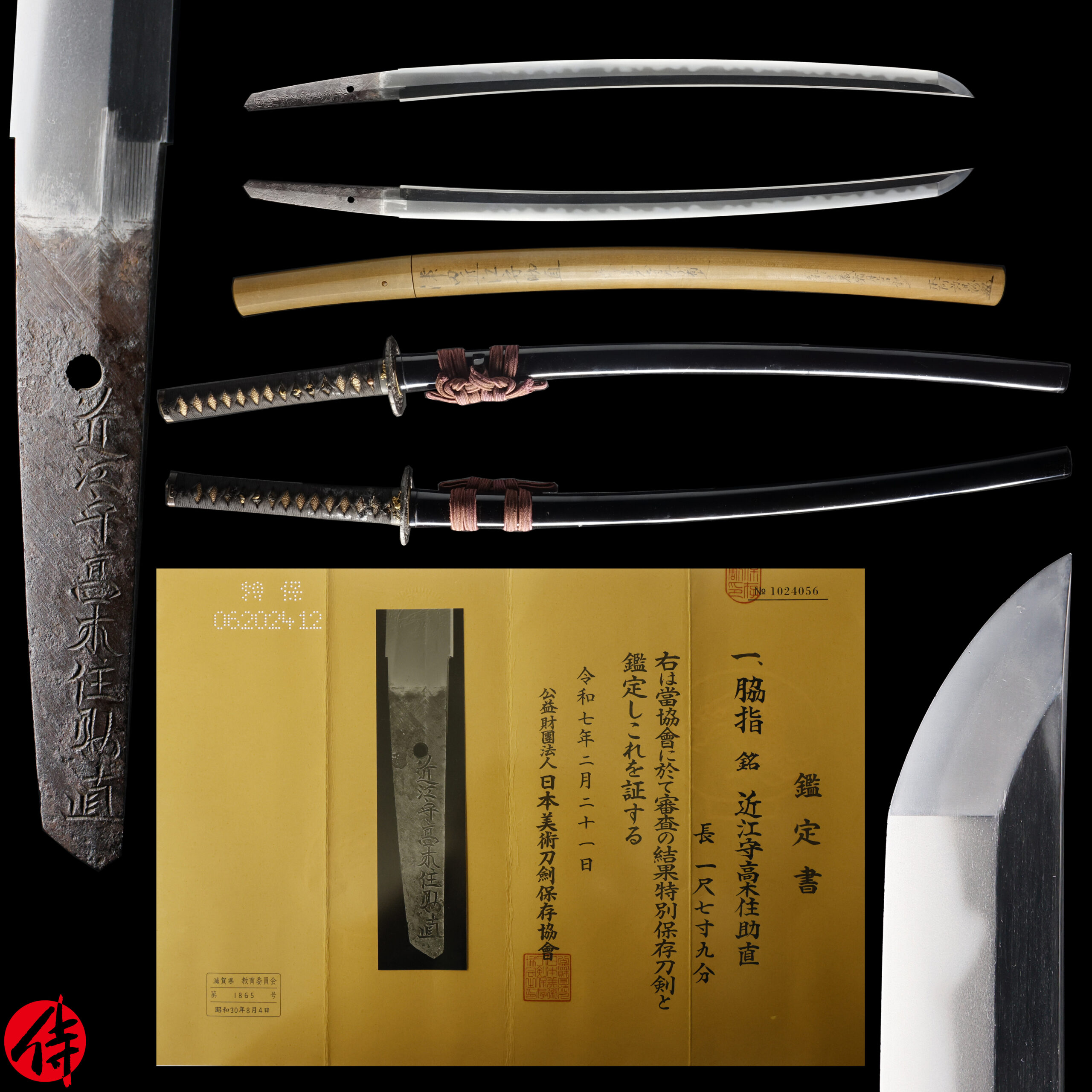
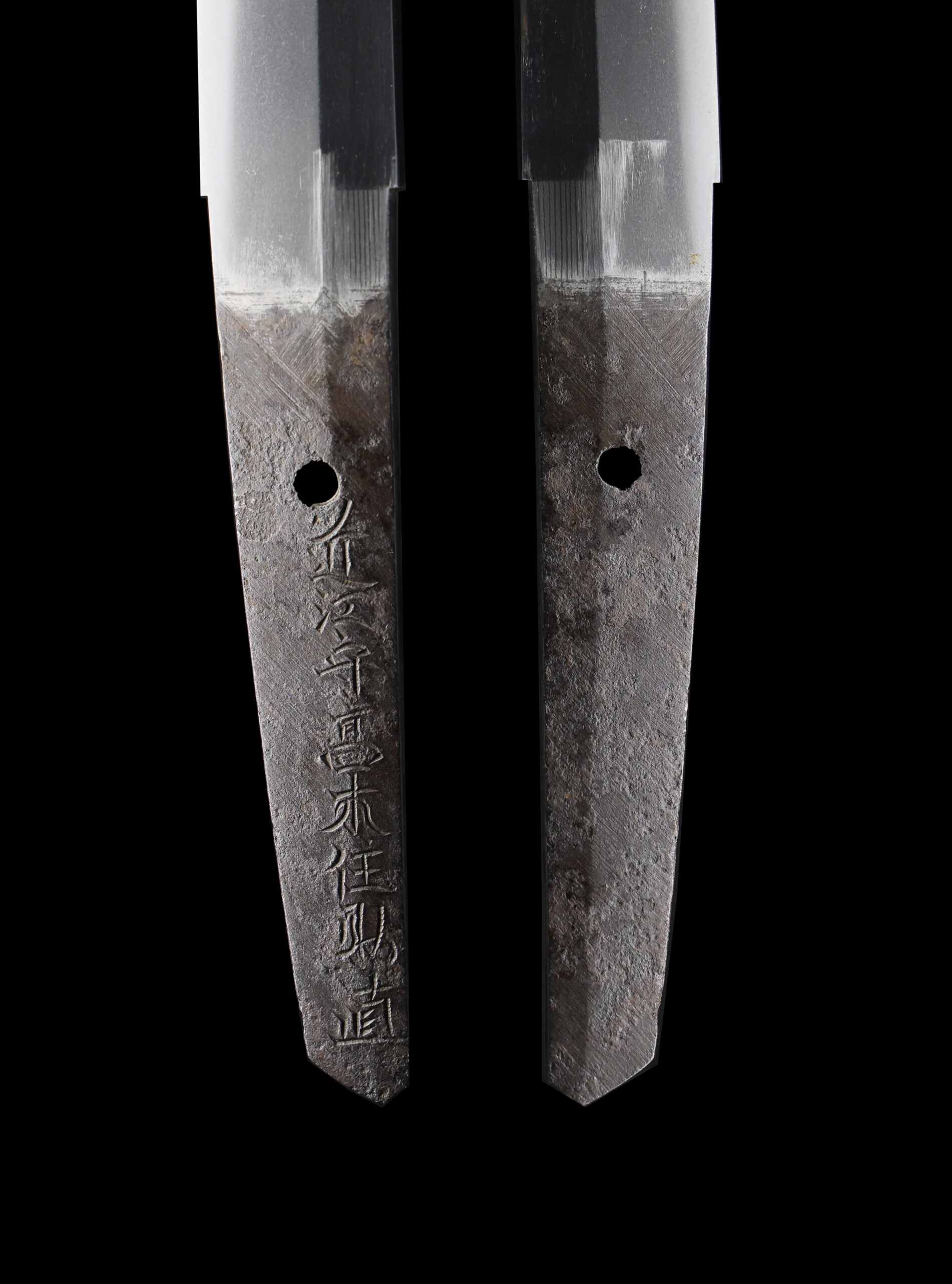
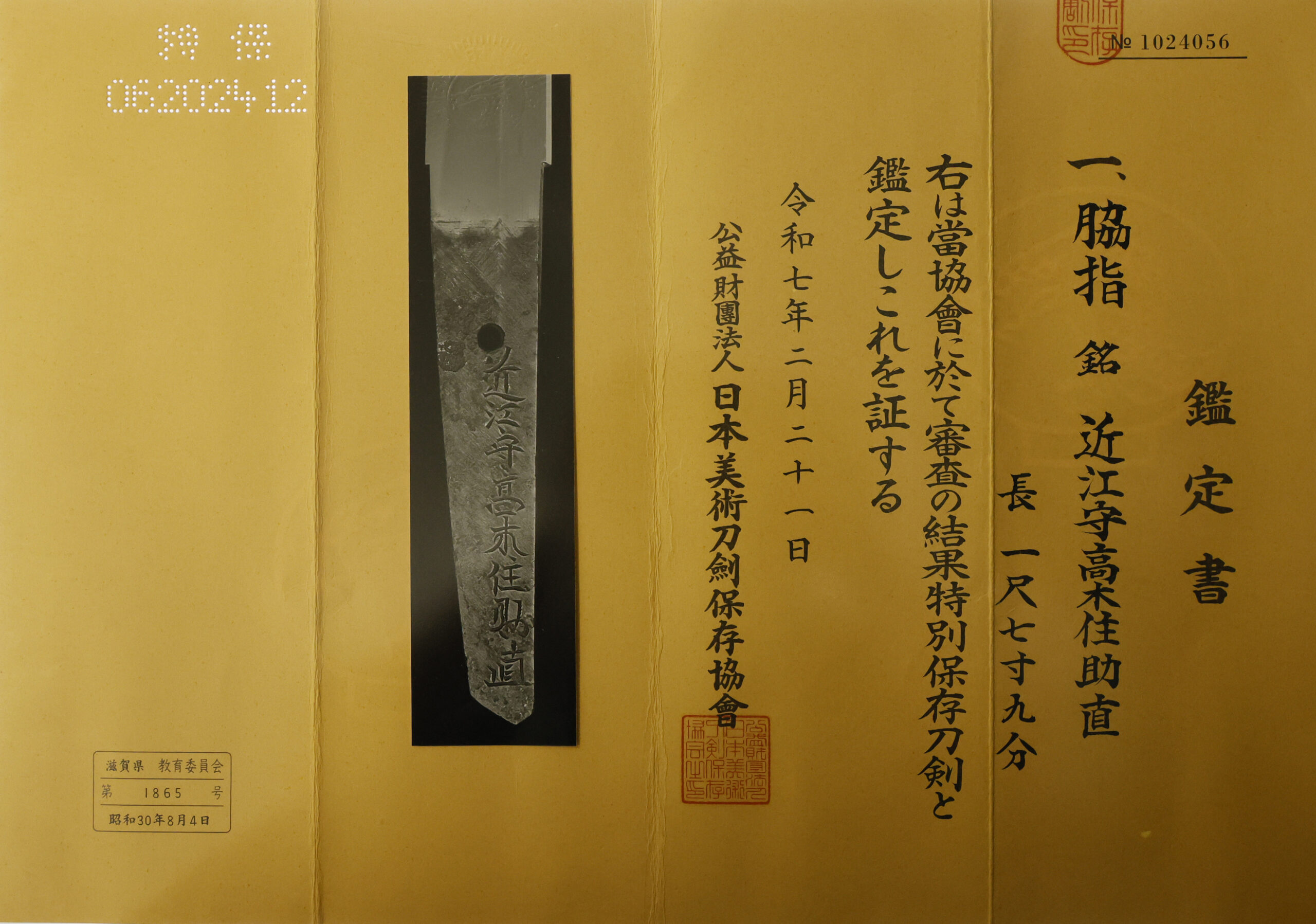
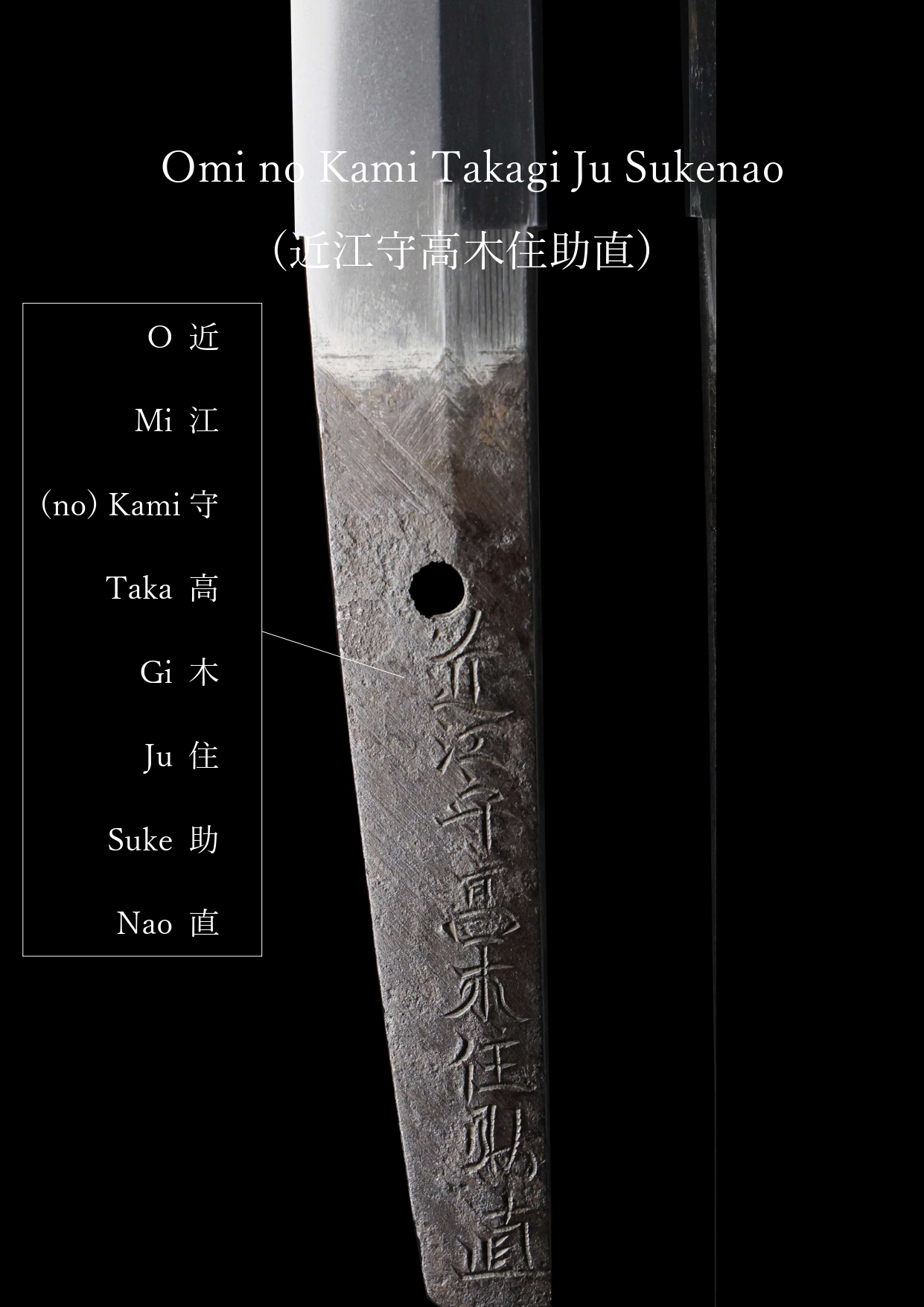
Sukenao was born in Kan'ei 16 (1639) at Takagi in Yasu District of Ōmi Province, known by the common name Magotarō or, in other entries, Magodayū, and his dated blades run from Kanbun 8 (1668) to Genroku 6 (1693), the year he turned fifty-five. The published sources record that he first entered the school of the first-generation Soboro Sukehiro and then perfected his craft under the second, Tsuda Echizen no Kami Sukehiro, that he became Sukehiro's brother-in-law and so prefixed the Tsuda surname to his signature, and that after the master died in Tenna 2 (1682) he settled permanently in Osaka as his successor. Through the Enpō years many of his blades are signed Takagi-jū, which the published sources read as a return to his native village once his training was complete. Among the Tsuda pupils his hand stands closest to the master, and the commentary on a Tokubetsu Jūyō katana from his last years calls it so well made as to be "difficult to tell apart from his master Sukehiro"[[c:1]], a work of fully matured technique.
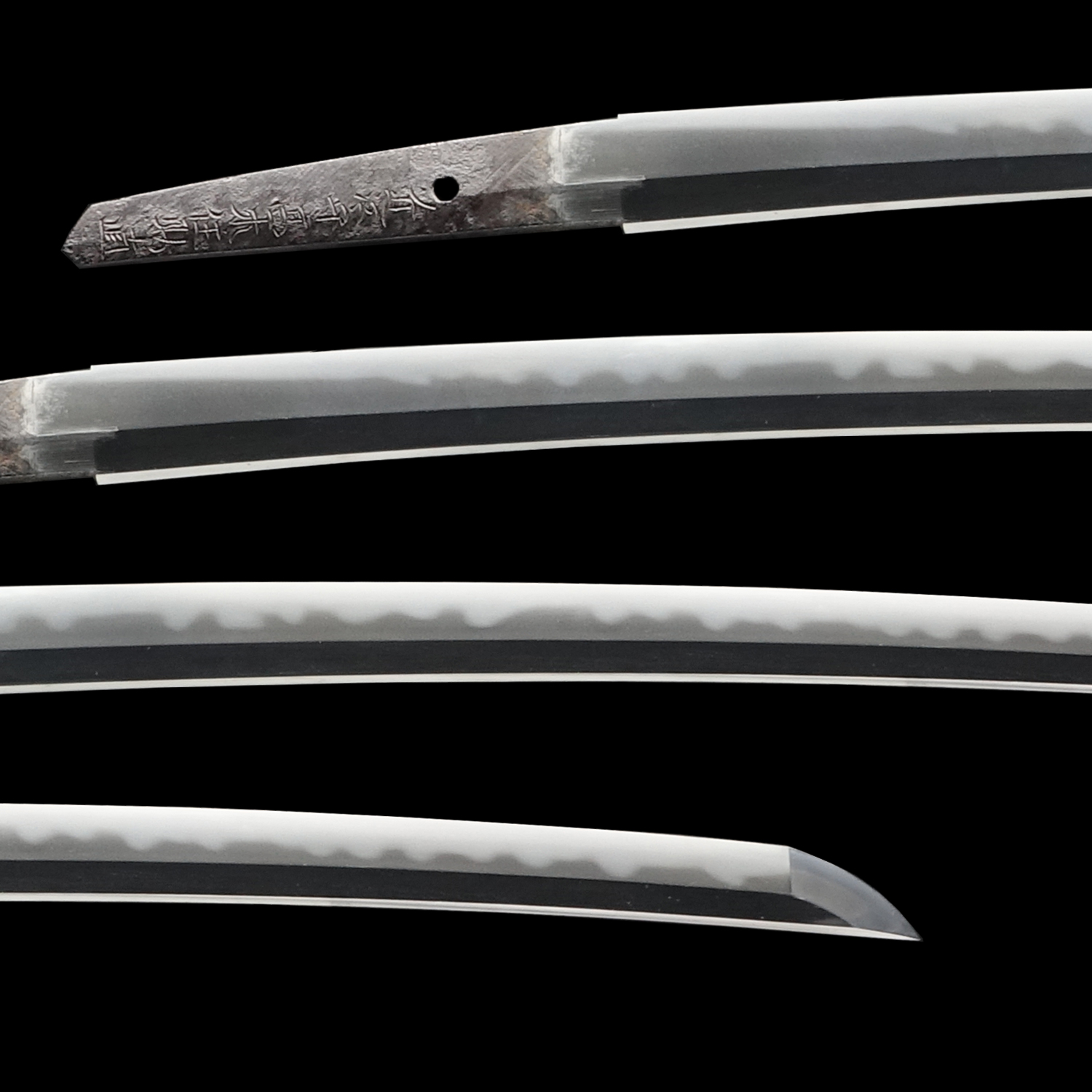
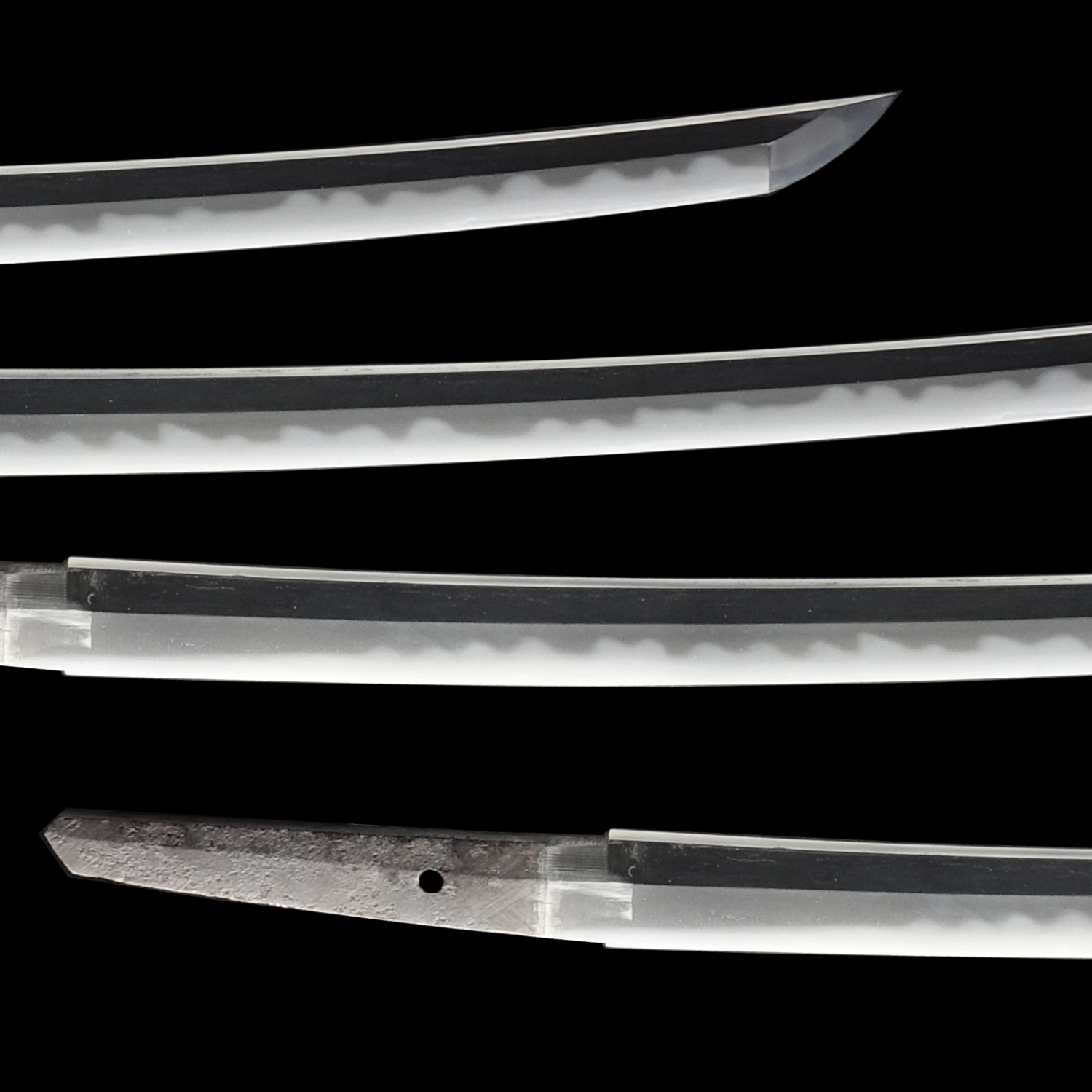
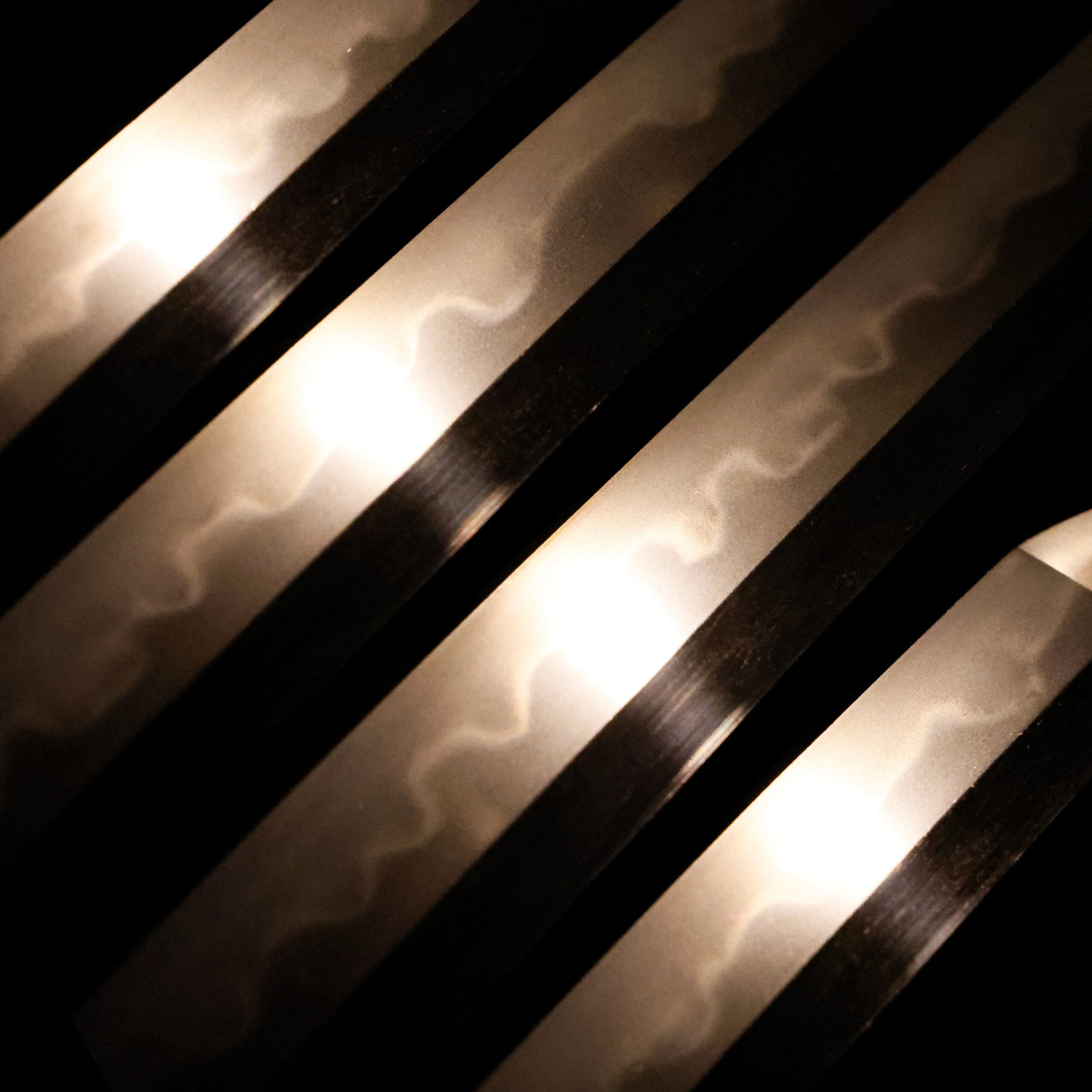
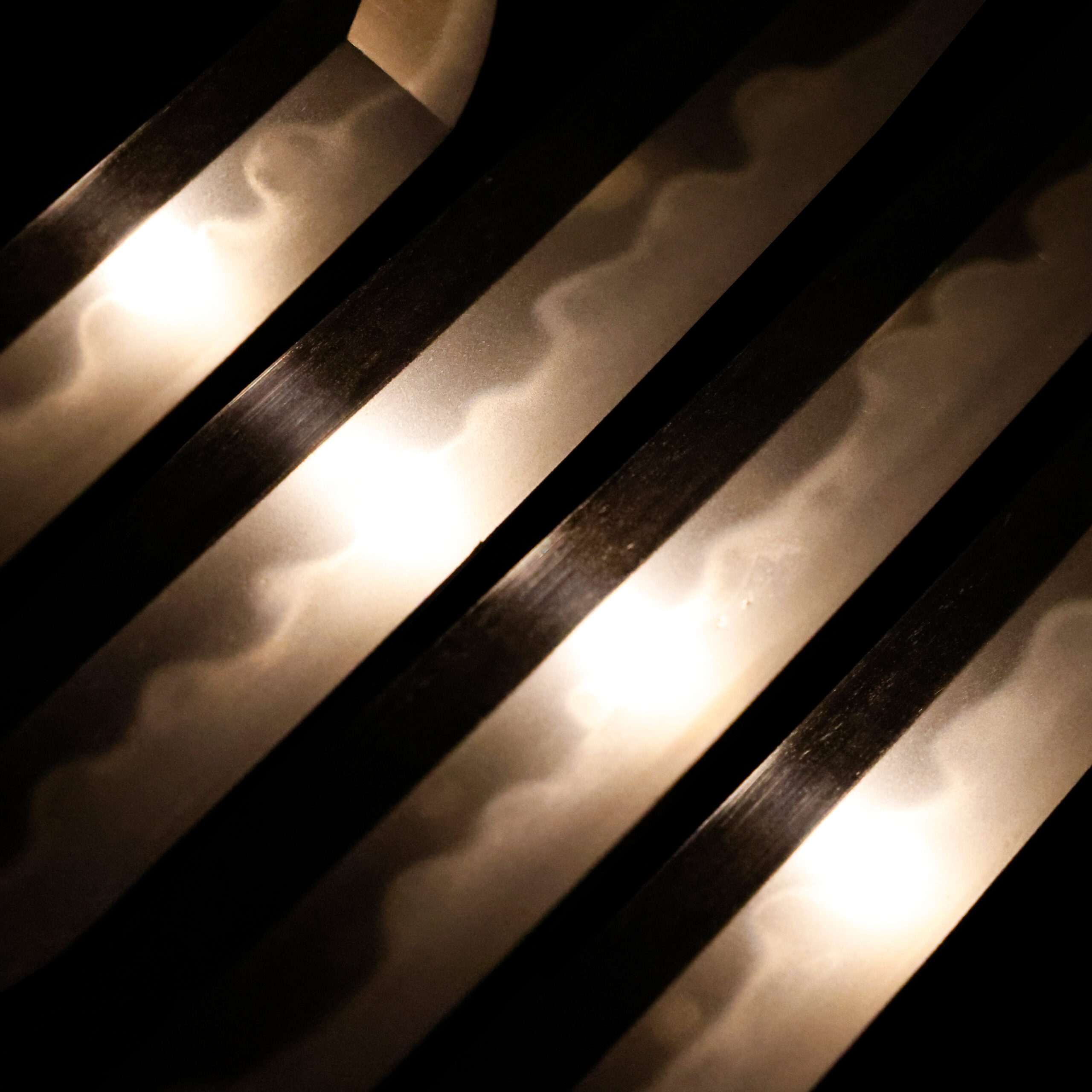
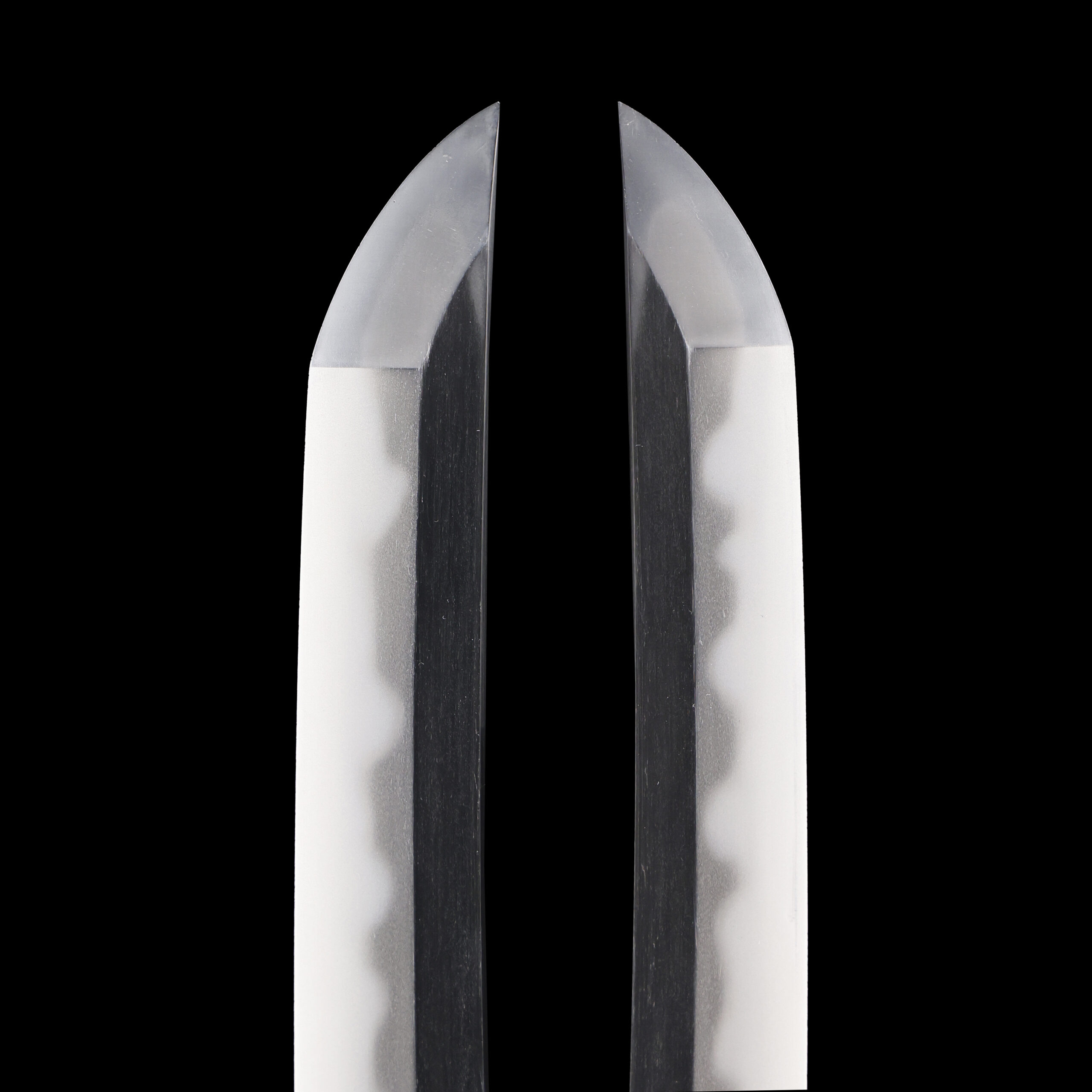
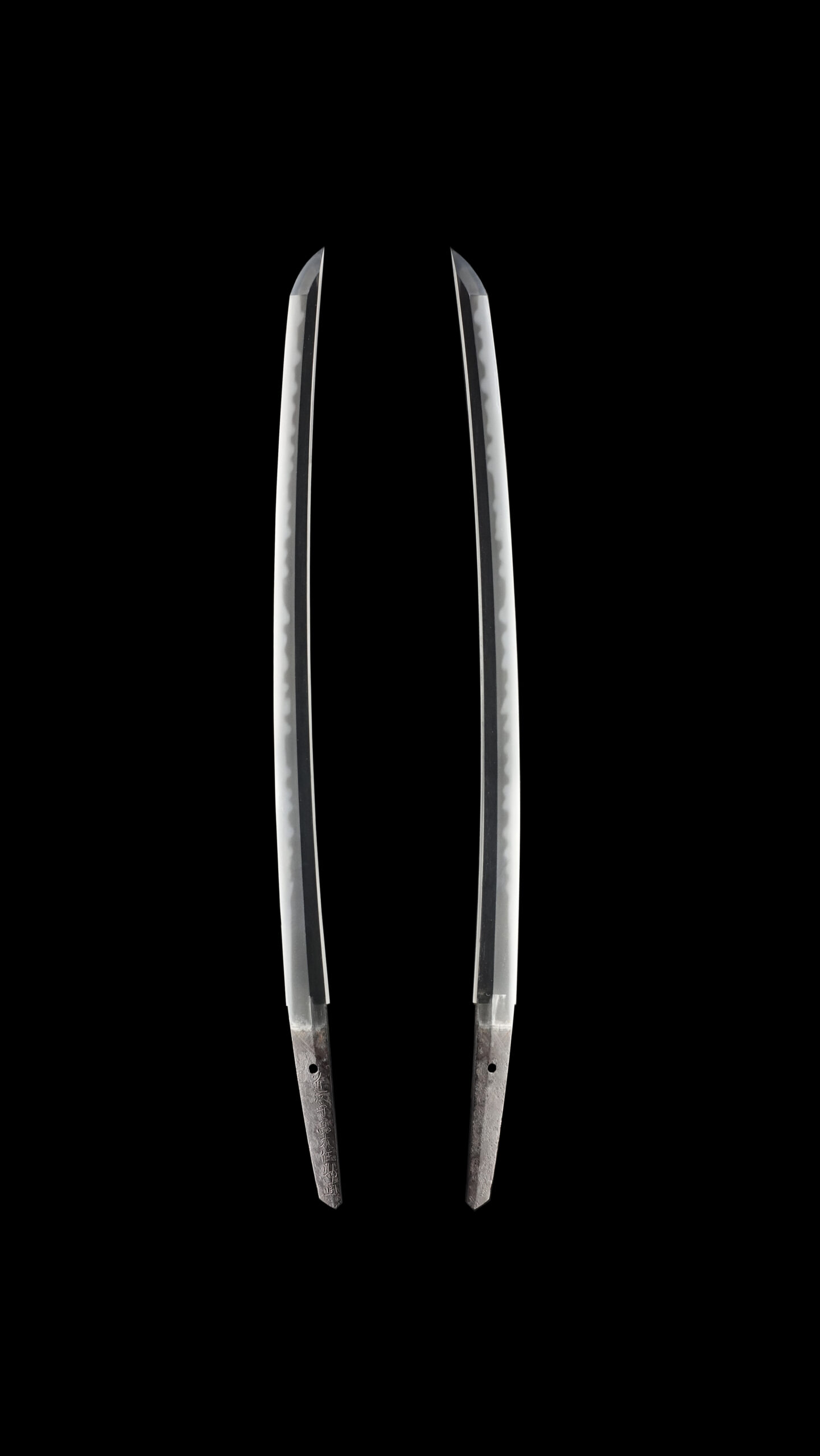
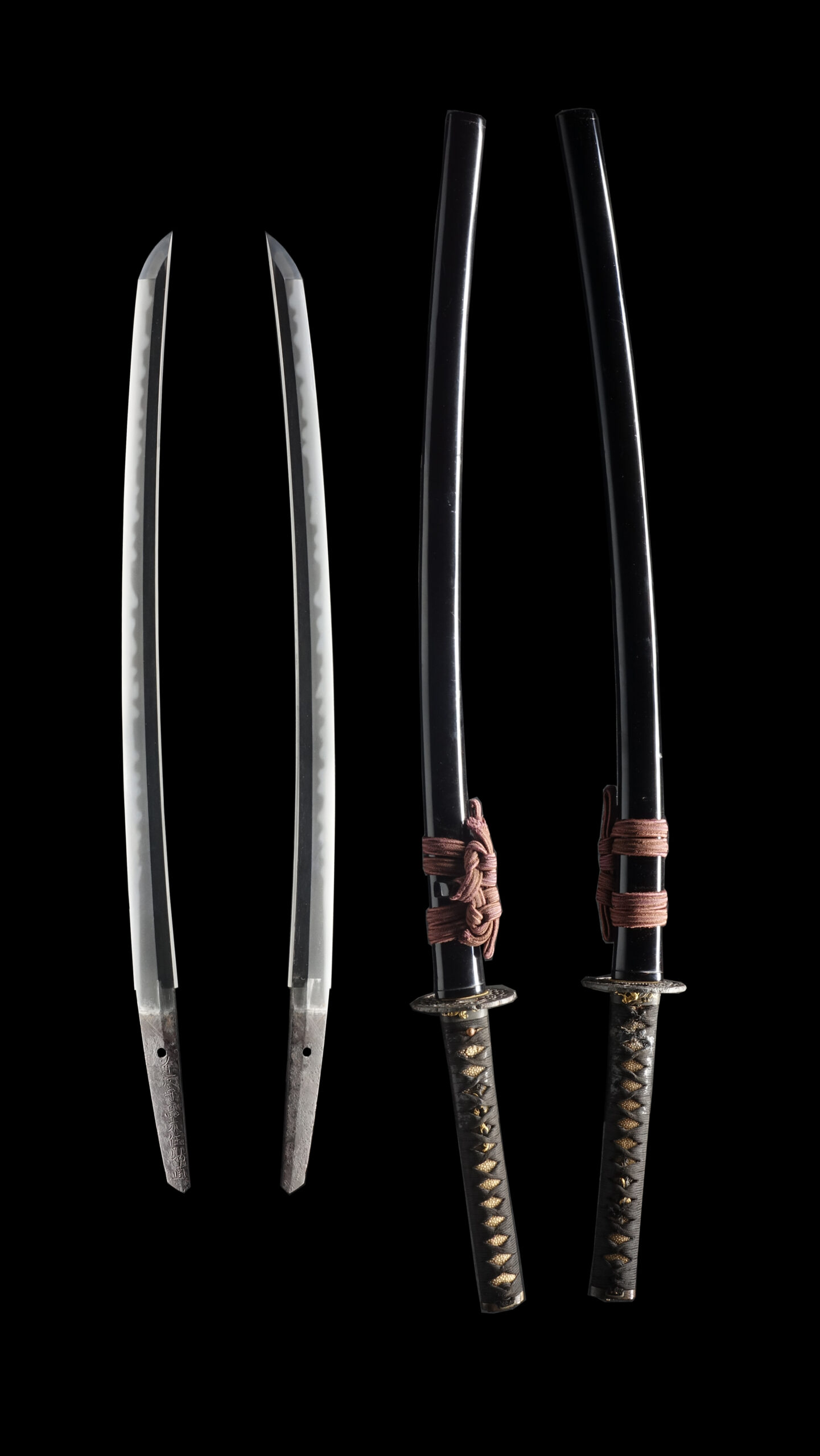
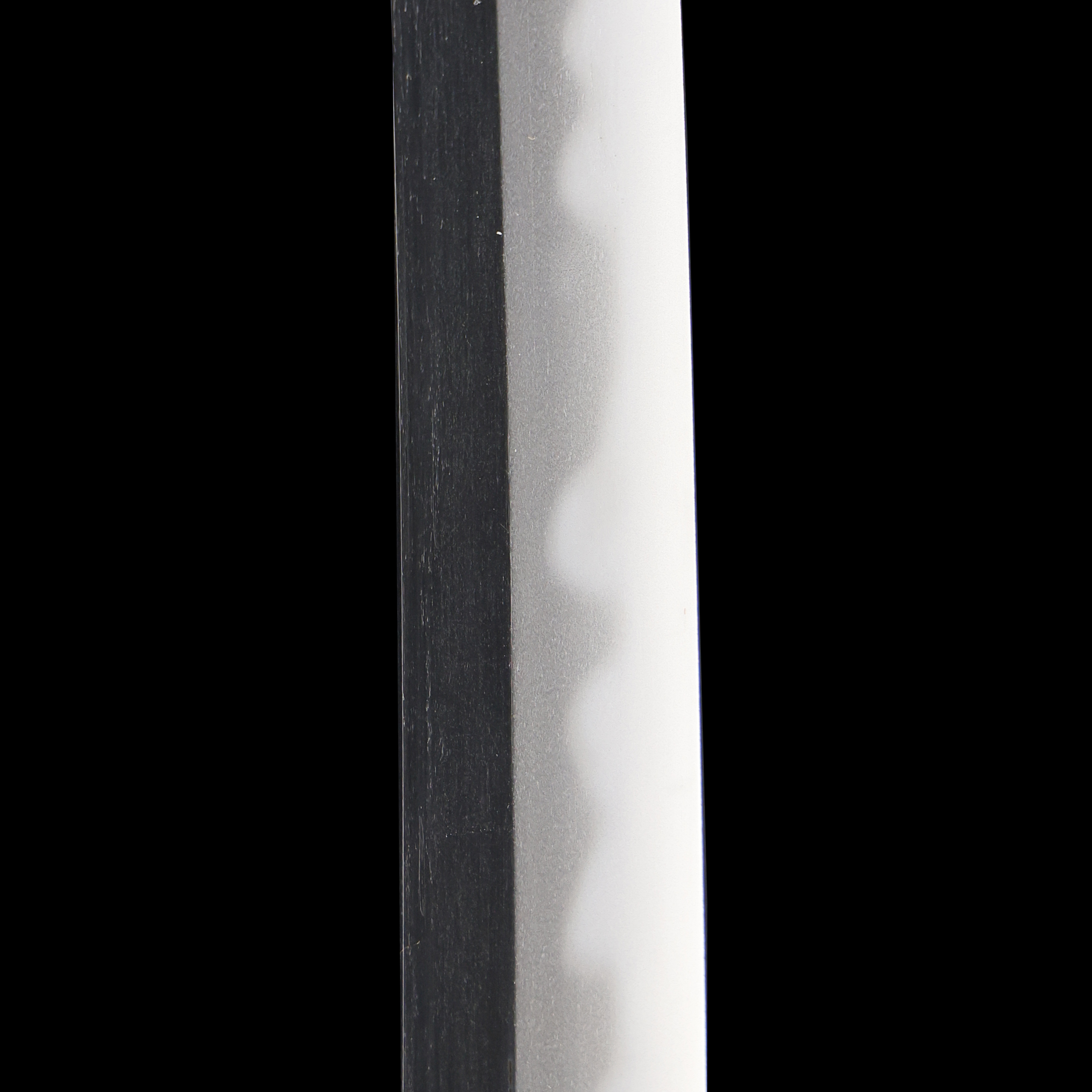
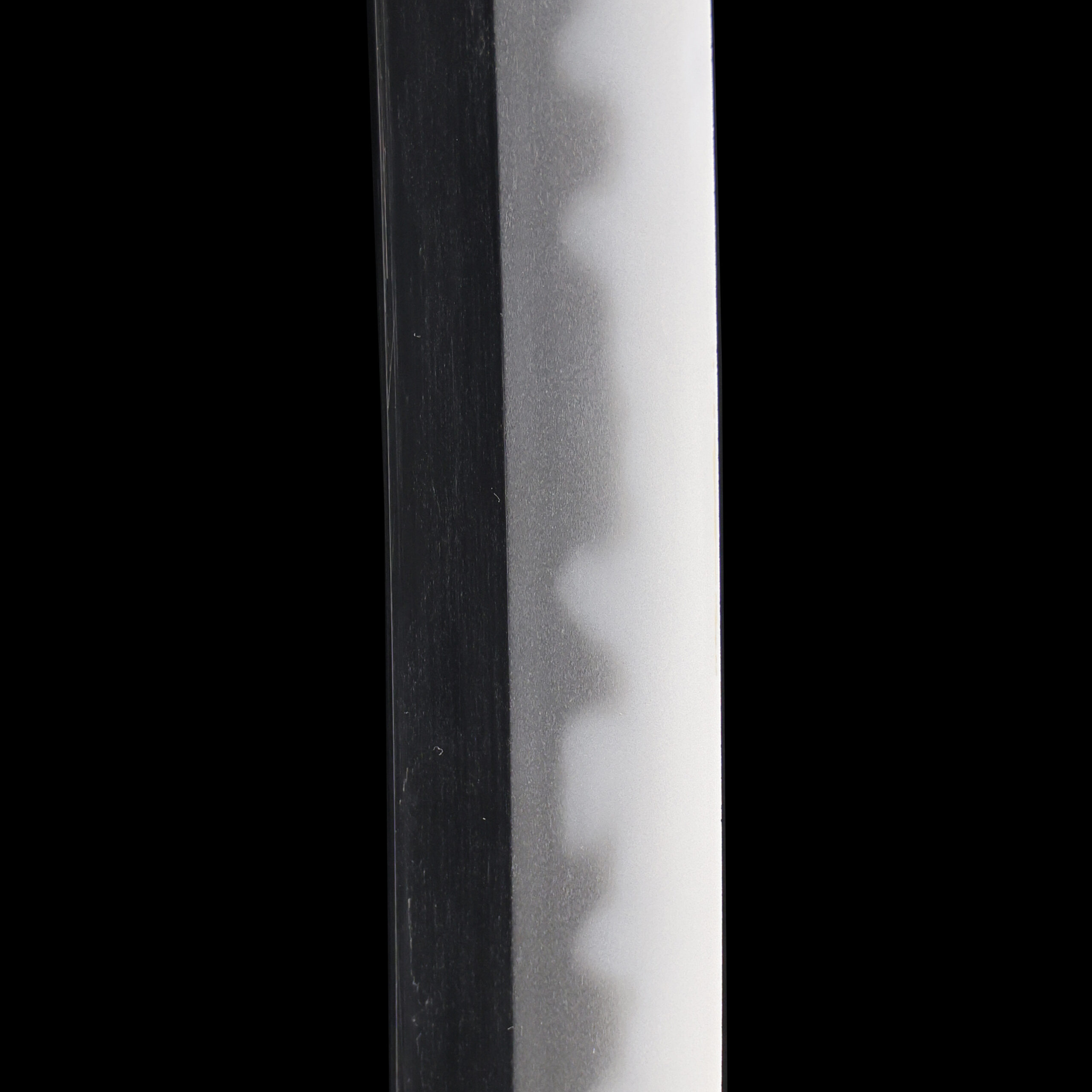
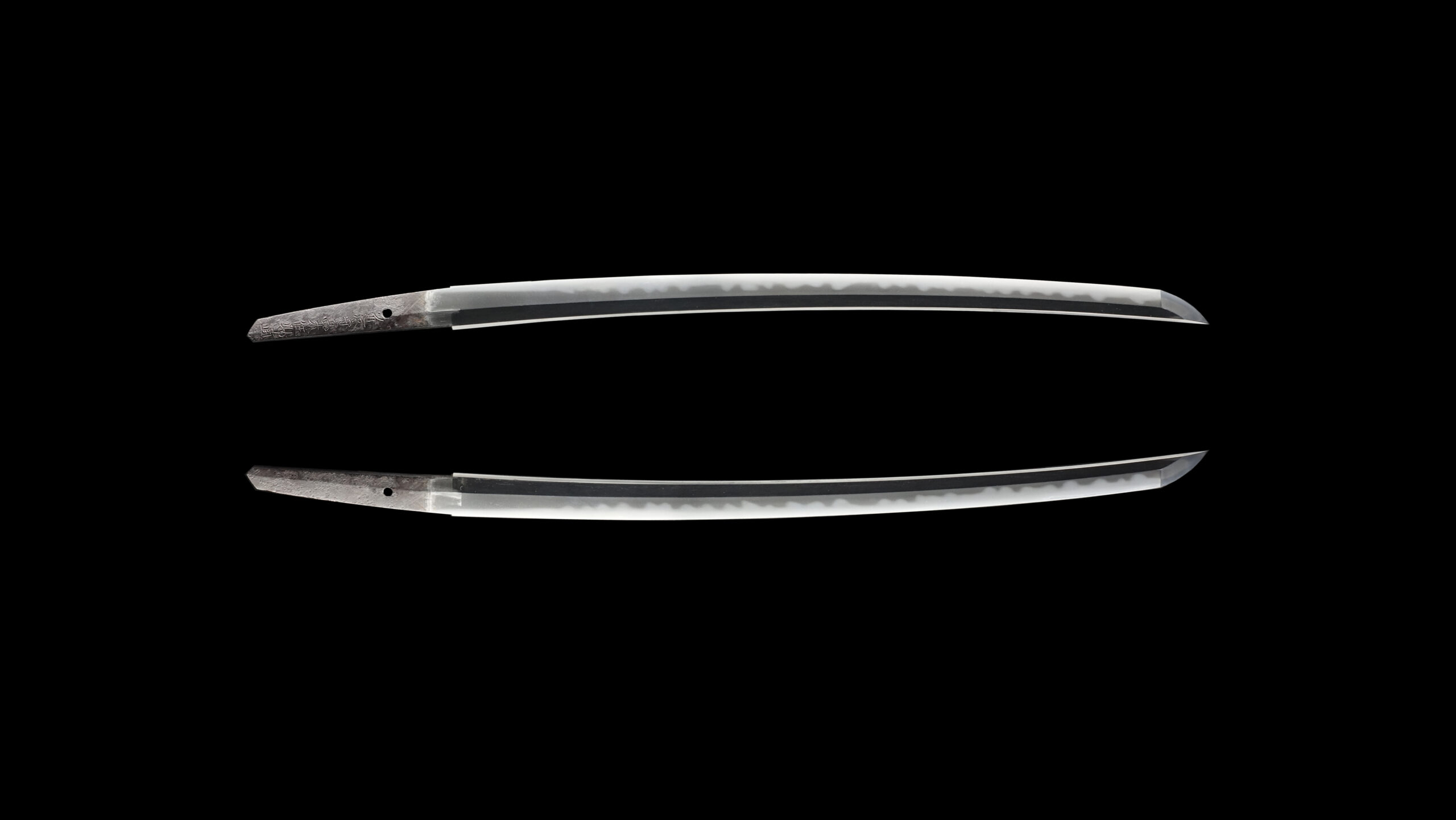
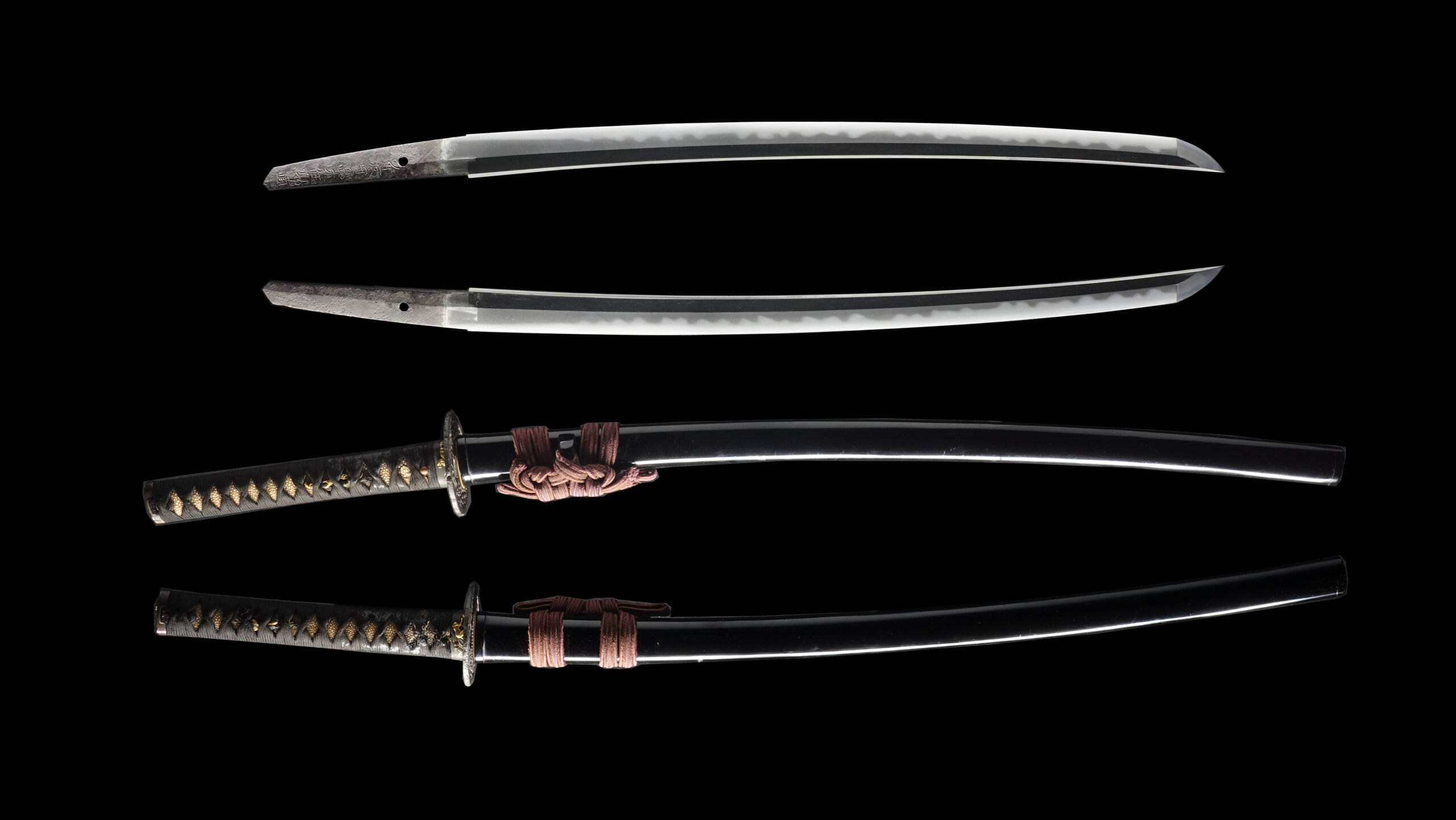
The manner for which Sukenao is known is the tōran-midare, the surging large-wave temper that the published sources say Sukehiro originated and Sukenao faithfully inherited. He opens the edge at the base with a straight yakidashi, then raises large gunome mixed with chōji and ko-notare that roll into the wave. Long ashi enter, the nioi is deep, and ko-nie adheres thickly, with sunagashi and fine kinsuji running through and at times a few tobiyaki above the line. The published record describes the usual result in nearly the same words on blade after blade: deep in nioi, well covered in ko-nie, the nioiguchi bright and clear, and among the works some that approach Sukehiro[[c:2]].
The jigane beneath the wave is a tightly packed ko-itame in which fine ji-nie gathers densely and chikei enters, the steel clear. On the finest pieces it tightens almost to nashiji. A Tokubetsu Jūyō of his maturity shows exactly this forging under a tōran-midare mixed with gunome, deep in nioiguchi with thick ko-nie, fine kinsuji and sunagashi, and the commentary concludes that "the distinctive features and merits of Sukenao are fully displayed in both ji and ha"[[c:3]]. The bōshi across his work runs straight to a ko-maru with a small return, at times with hakikake at the tip.
Beside the full tōran the published sources name further registers, so that his work is read in more than one face. One is a gunome-midare and notare, the large gunome standing without rising fully into the wave. Another is a calm suguha or broad suguha, which he handled with skill even as the wave remained his renown. A Jūyō katana of Enpō 3, made while he was still at Takagi, is tempered in a broad suguha, and the commentary, granting it is quiet, adds that "it is a dignified work all the same"[[c:4]]. Of a dated wakizashi the judges write that besides the wave he "handles a suguha like this one with great skill"[[c:5]]. His own carving stays to a simple bō-hi; on a blade of Jōkyō 3 the kurikara and hataboko were cut, as an inscription records, by the carver Nagasaka Yūhōken.
Where his hand parts from the master's, the published sources say so plainly. His katana tend to be broader in body, and one Tokubetsu Jūyō is called his typical work, "broader than Sukehiro, a dignified shape"[[c:6]] with a deep nioiguchi that approaches the master's best. His tōran can carry sunagashi along the edge and somewhat coarser nie than Sukehiro's[[c:7]]. Two blades recorded in Honma's inventory of the Imperial collection show both sides of this judgment. A katana of Genroku 3, made at fifty-two, is called a masterpiece of his work that "nearly reaches the level of his master"[[c:8]]. A wakizashi of Enpō 5, signed Takagi-jū and inscribed as forged from refined steel, shows that he excelled in suguha as his master did, yet Honma adds that "the quality of its jigane falls far short of the master"[[c:9]].
Sukenao is graded Jō-jō saku by Fujishiro and ranks among the leading names of Osaka Shintō. He has no National Treasures and no Important Cultural Properties. His record runs through the modern tiers instead, with four blades at Tokubetsu Jūyō and fifty-nine at Jūyō, sixty-three across the two tiers, every one of them signed and many of them dated. Provenance is recorded for only a few, among them a katana from a Matsudaira line and another once owned by a retainer of the Matsumoto domain in Shinano. Most designated work of his standing is held rather than traded, so a signed and dated Sukenao comes to market only from time to time, and a katana in his full tōran-midare is the more sought when it does: the work of the pupil who came closest to Tsuda Sukehiro.
 NihontoWatch