NihontoWatch Mon

NihontoWatchBETA

MarketAuctions
Encyclopedia
NihontoWatch Mon

NihontoWatchBETA

MarketAuctions
Encyclopedia

Description

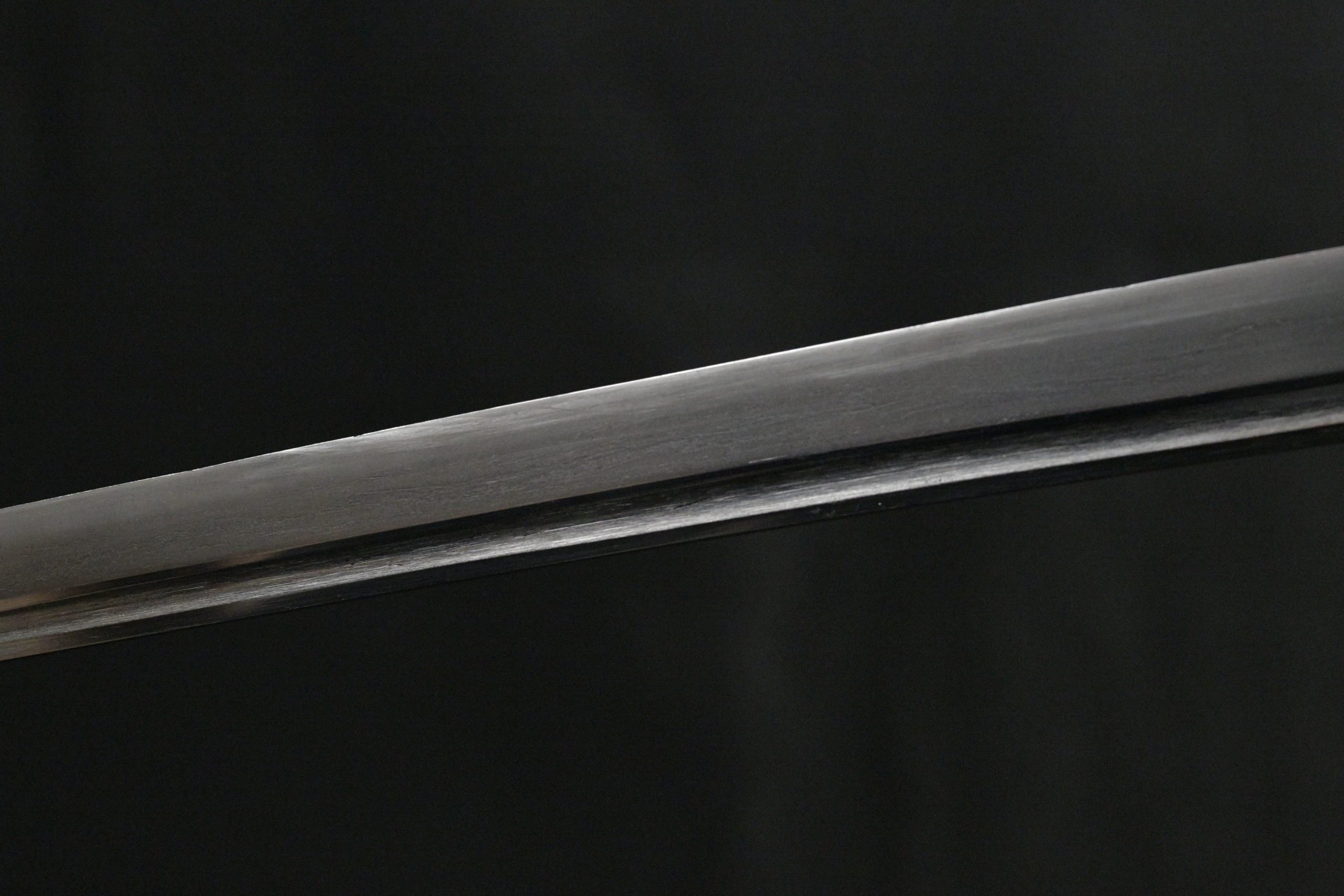
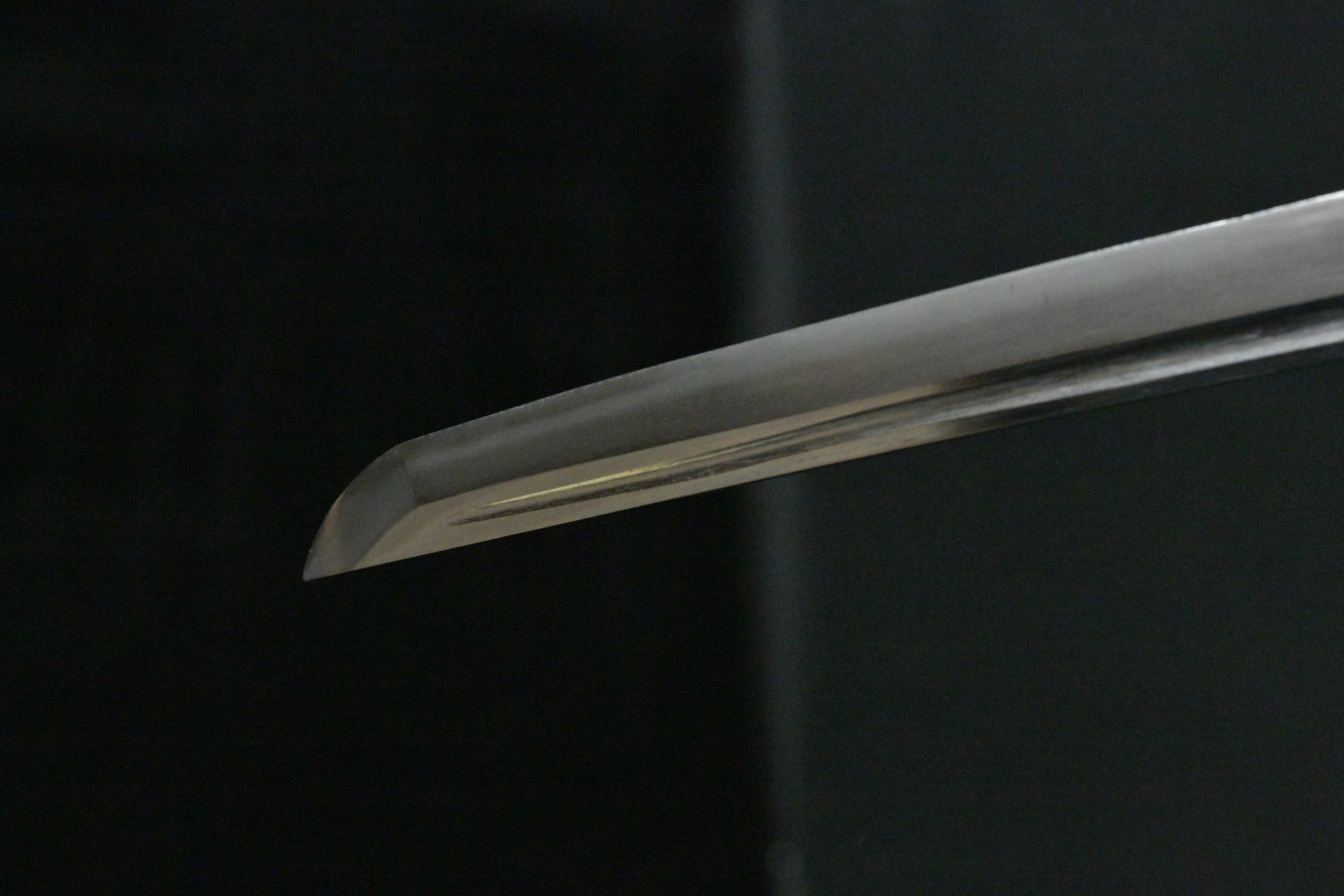
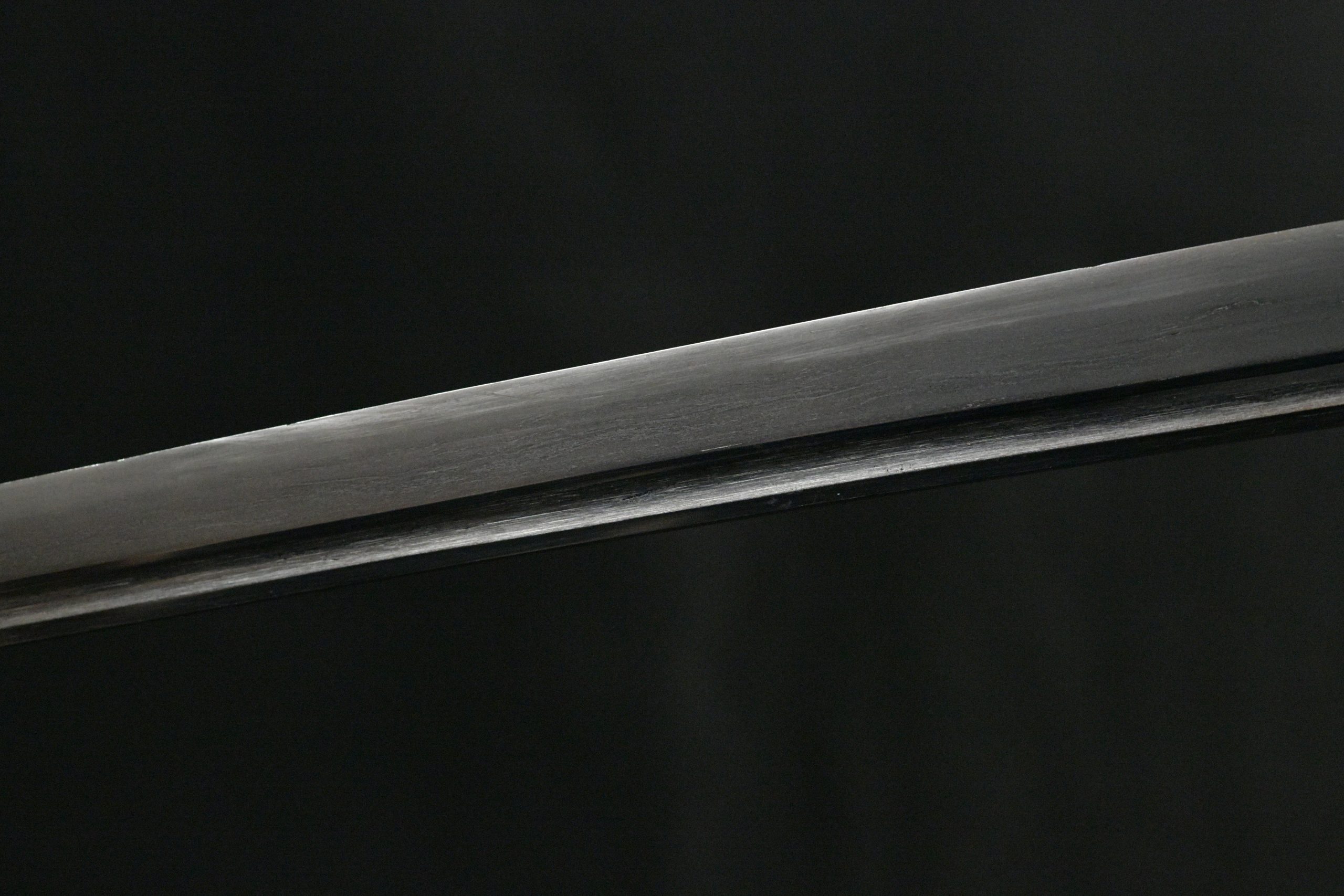
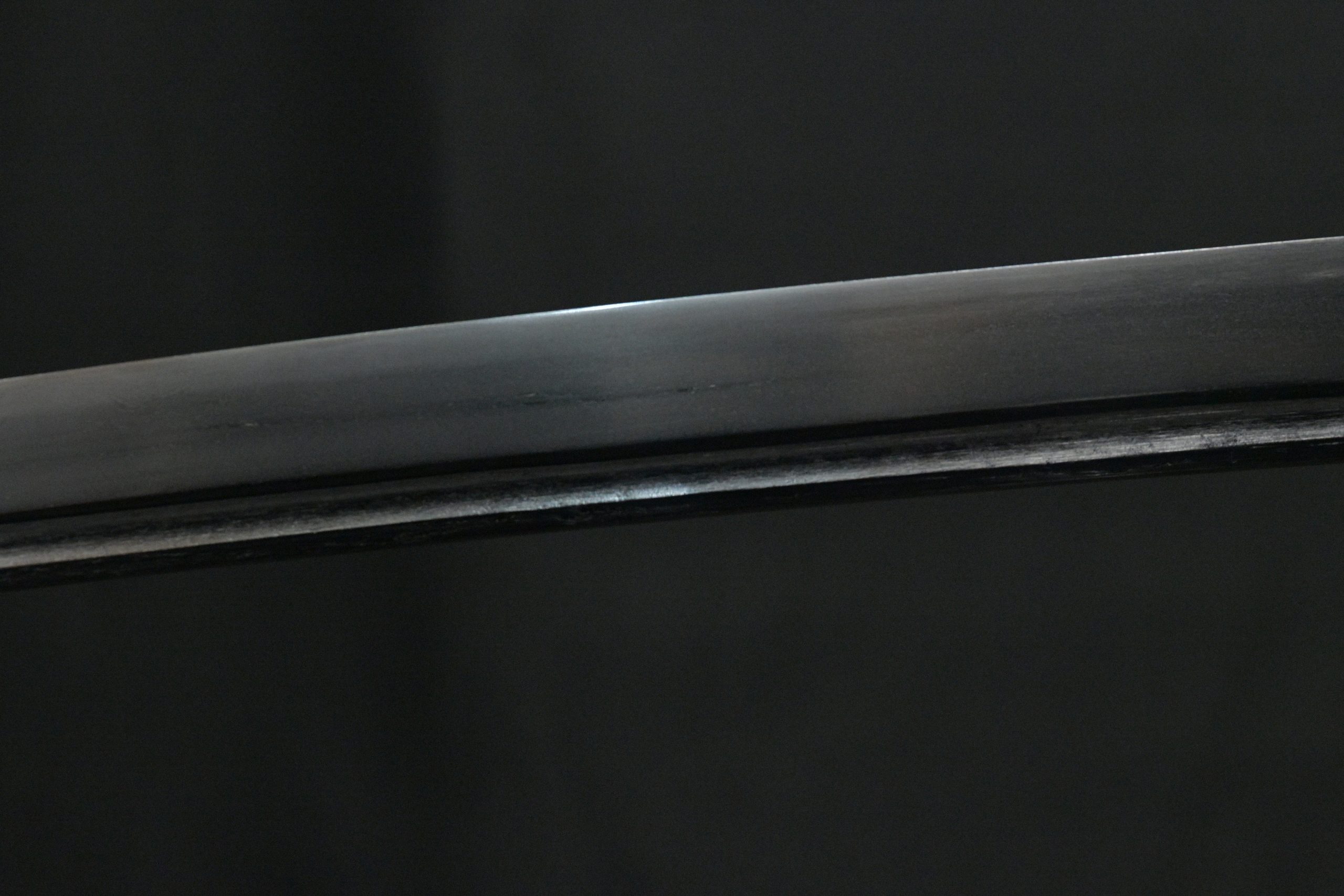
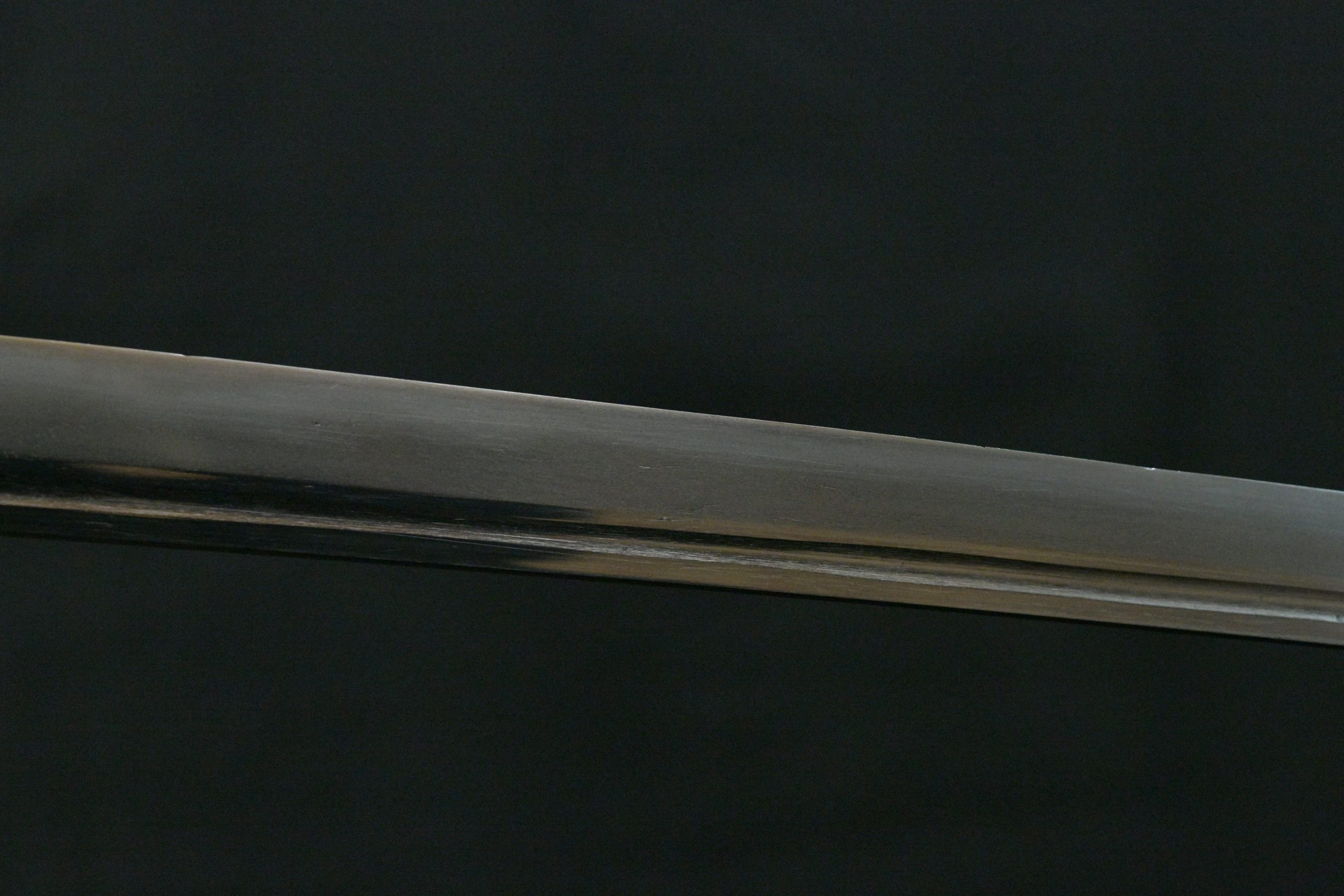
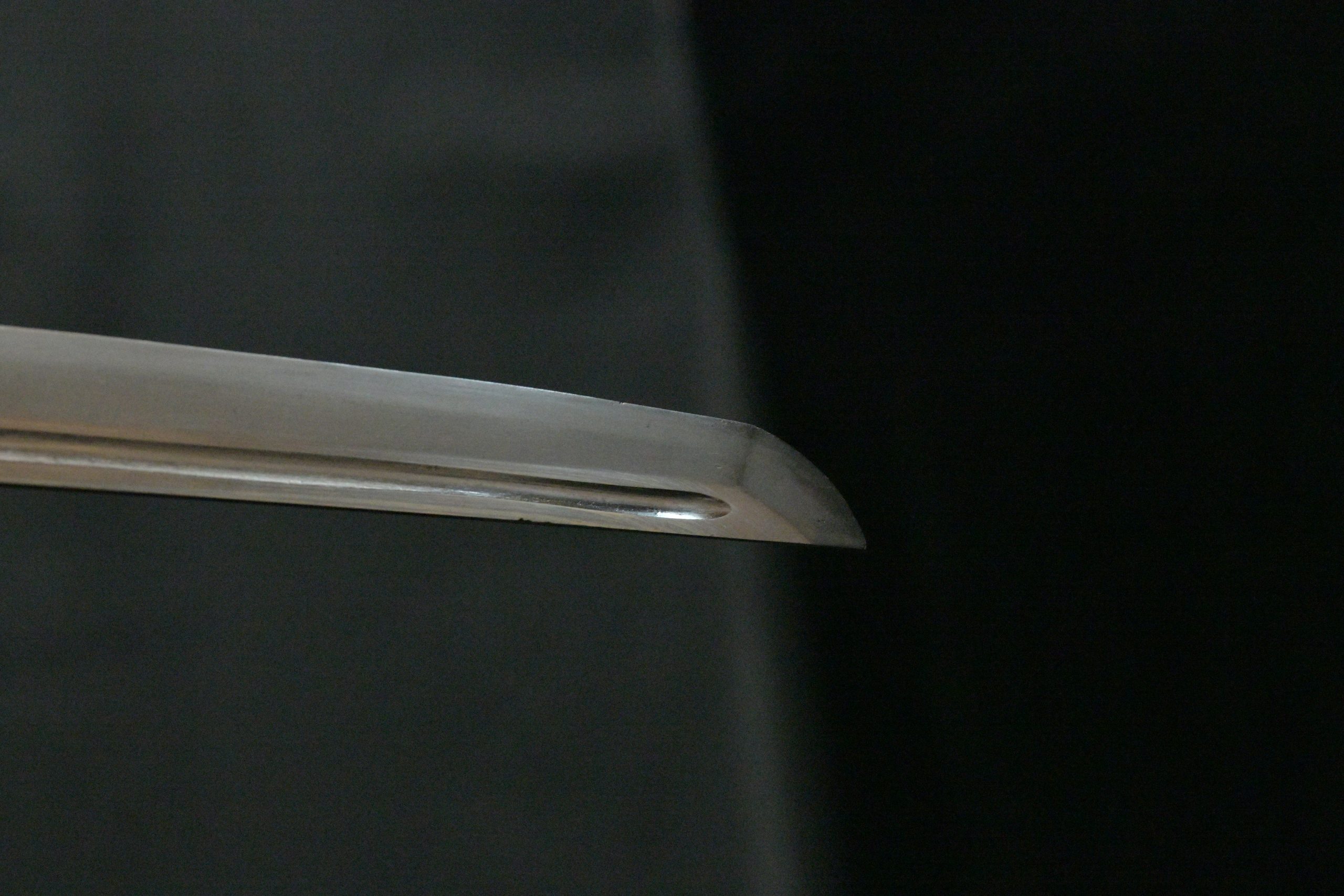
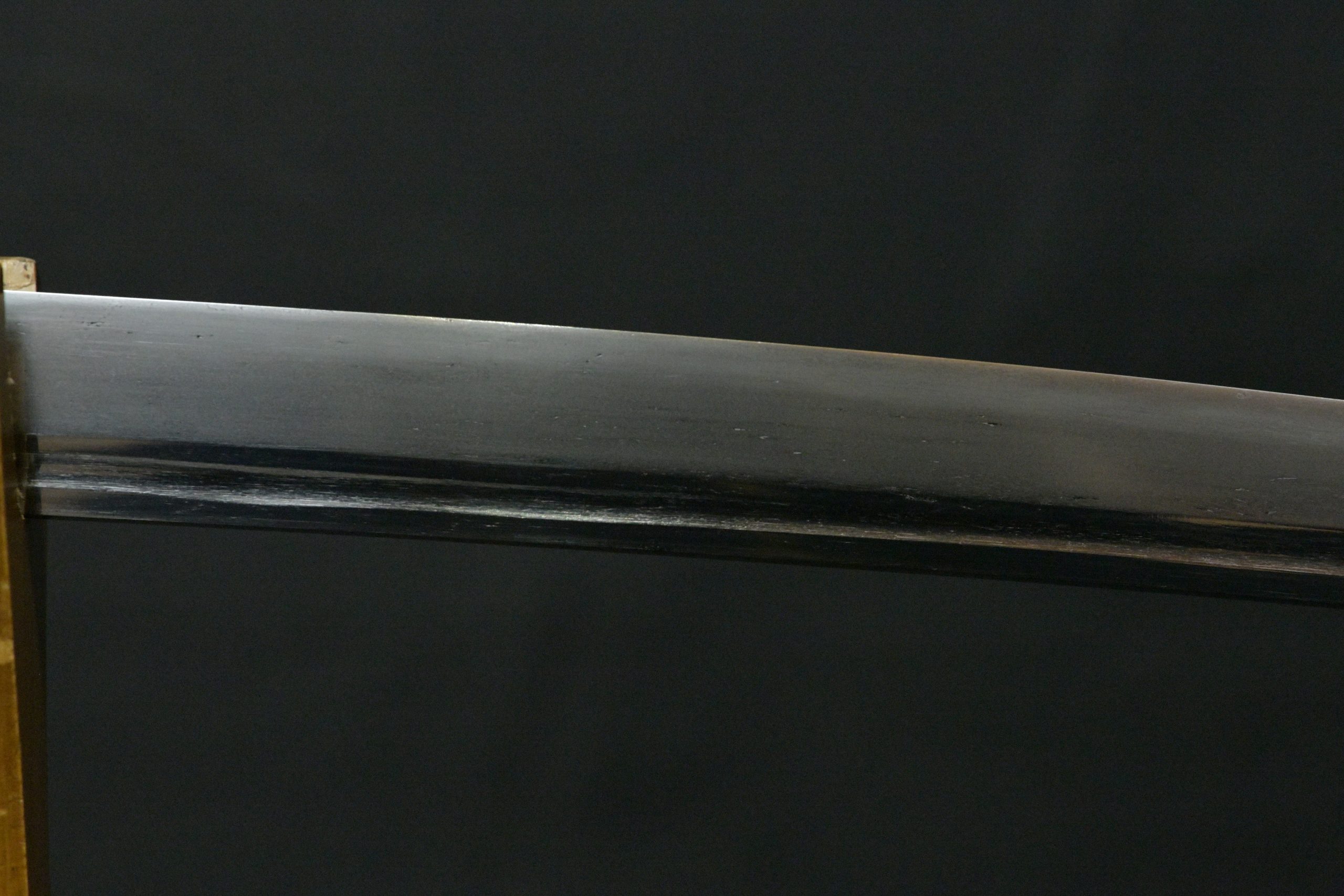
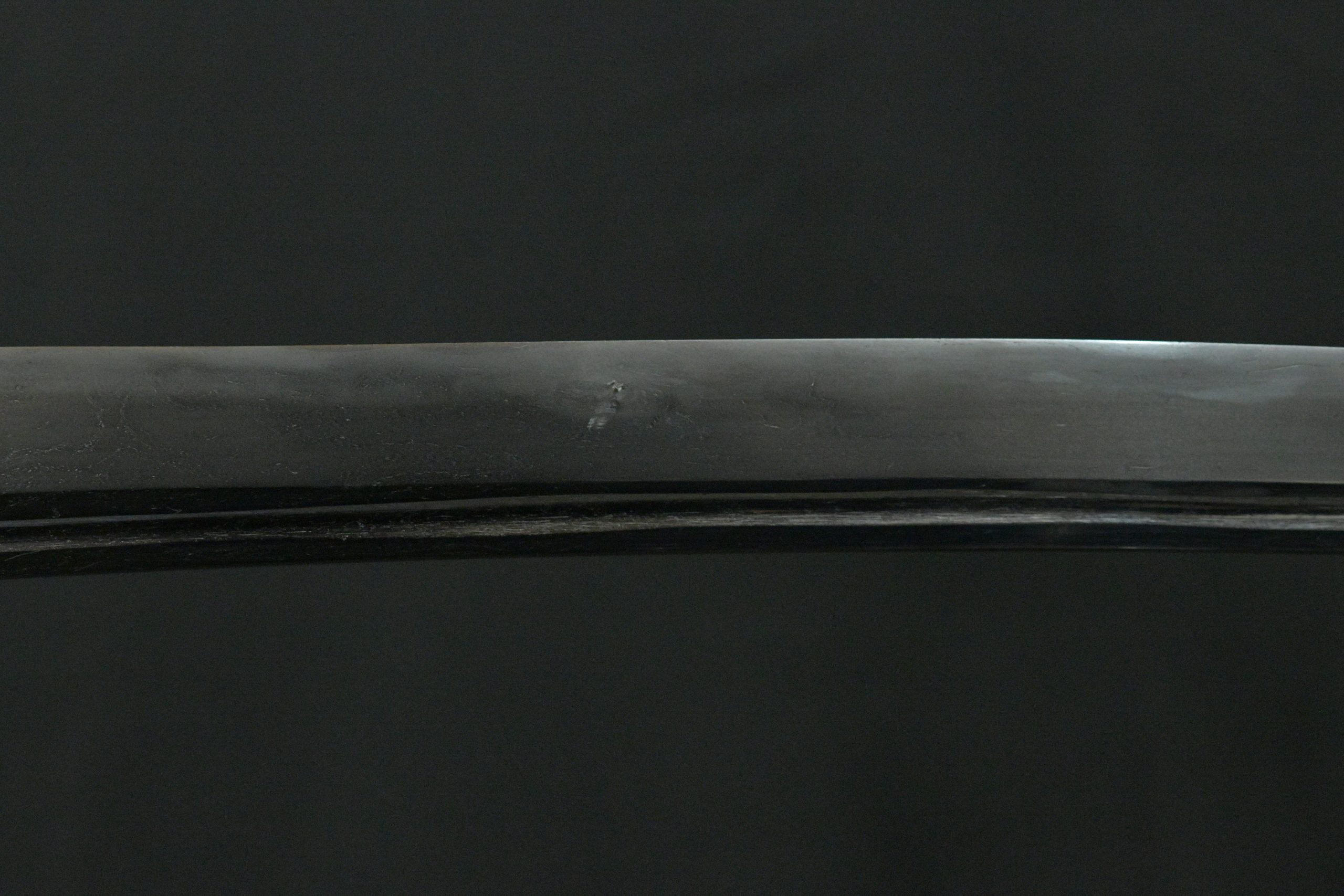
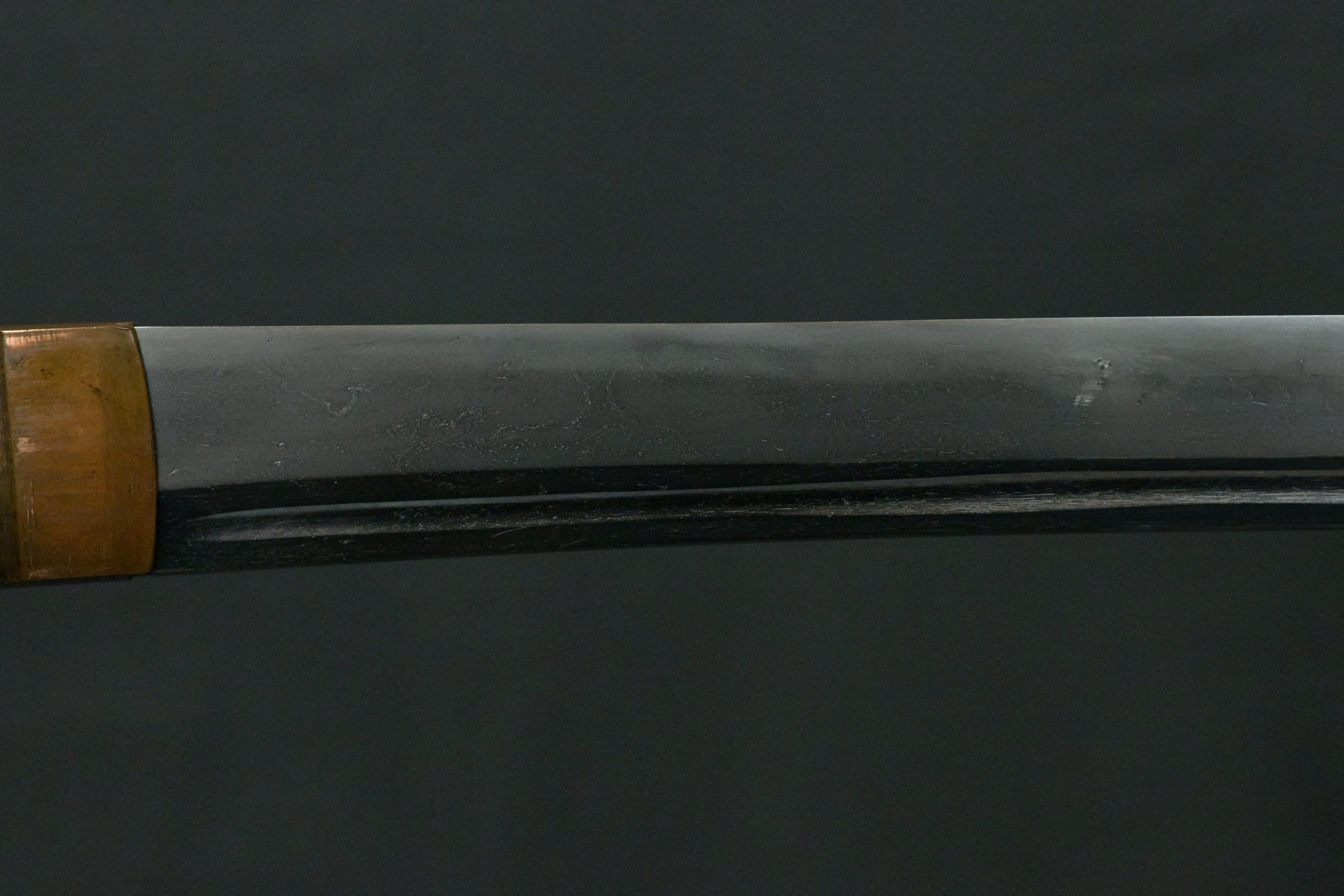
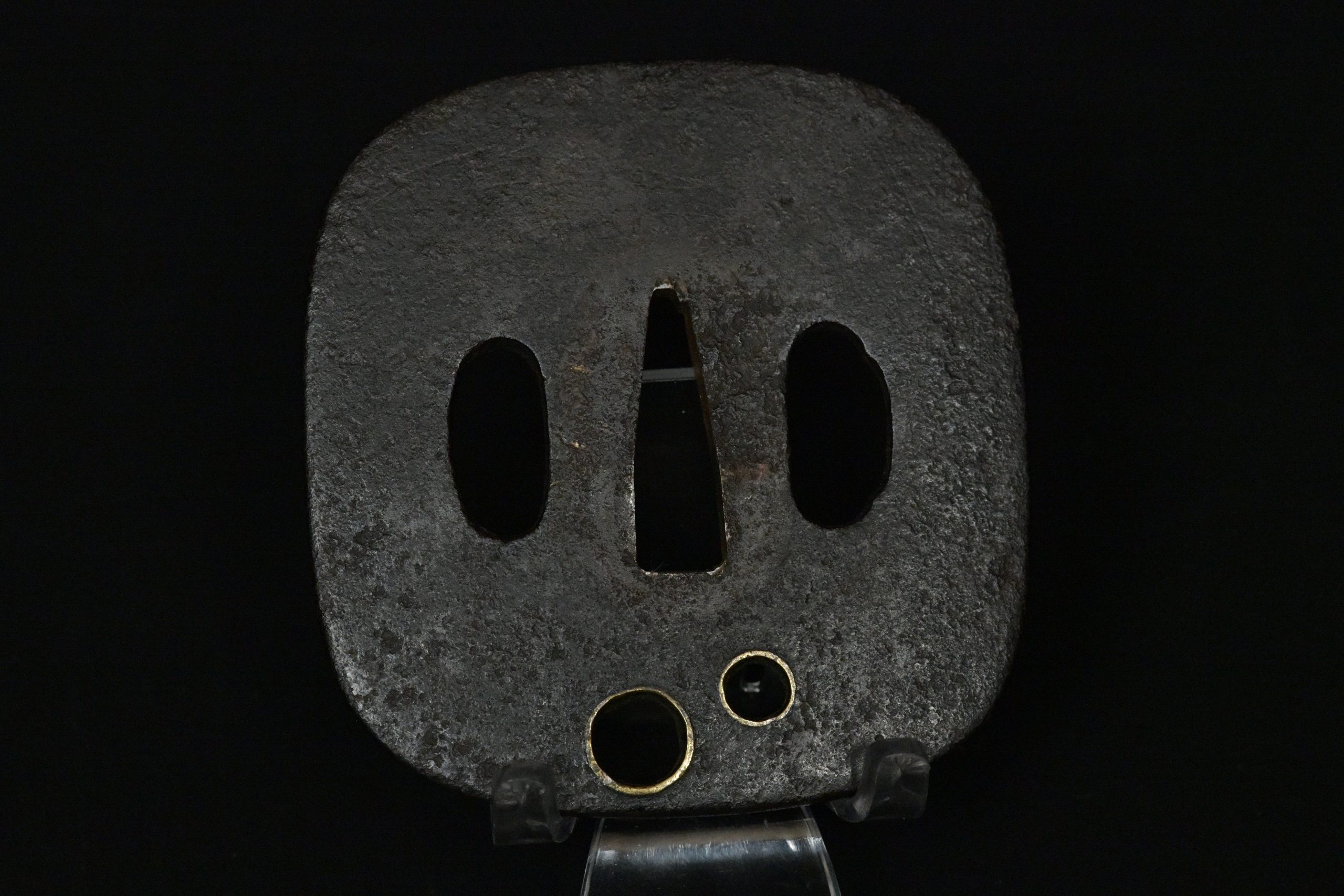
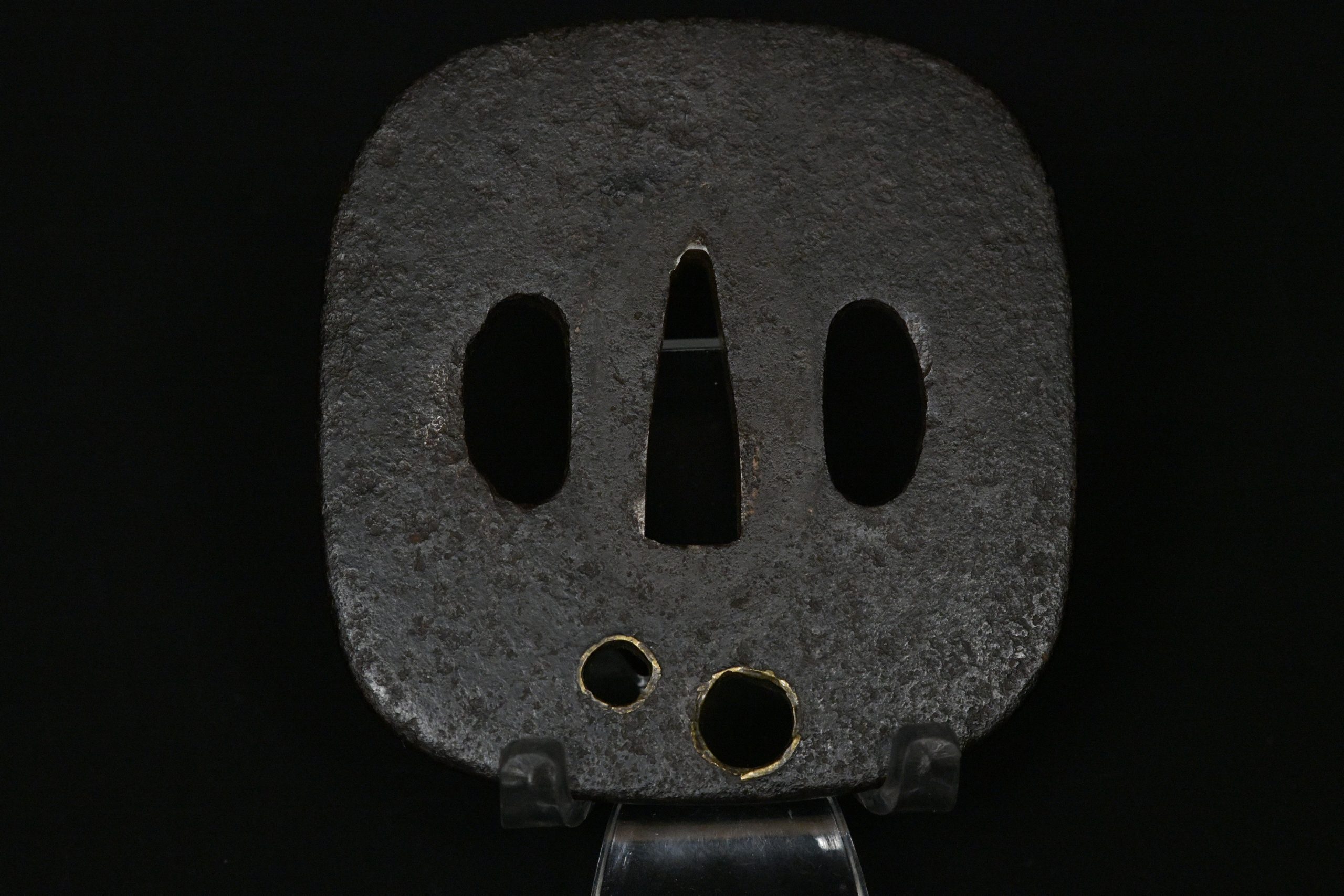
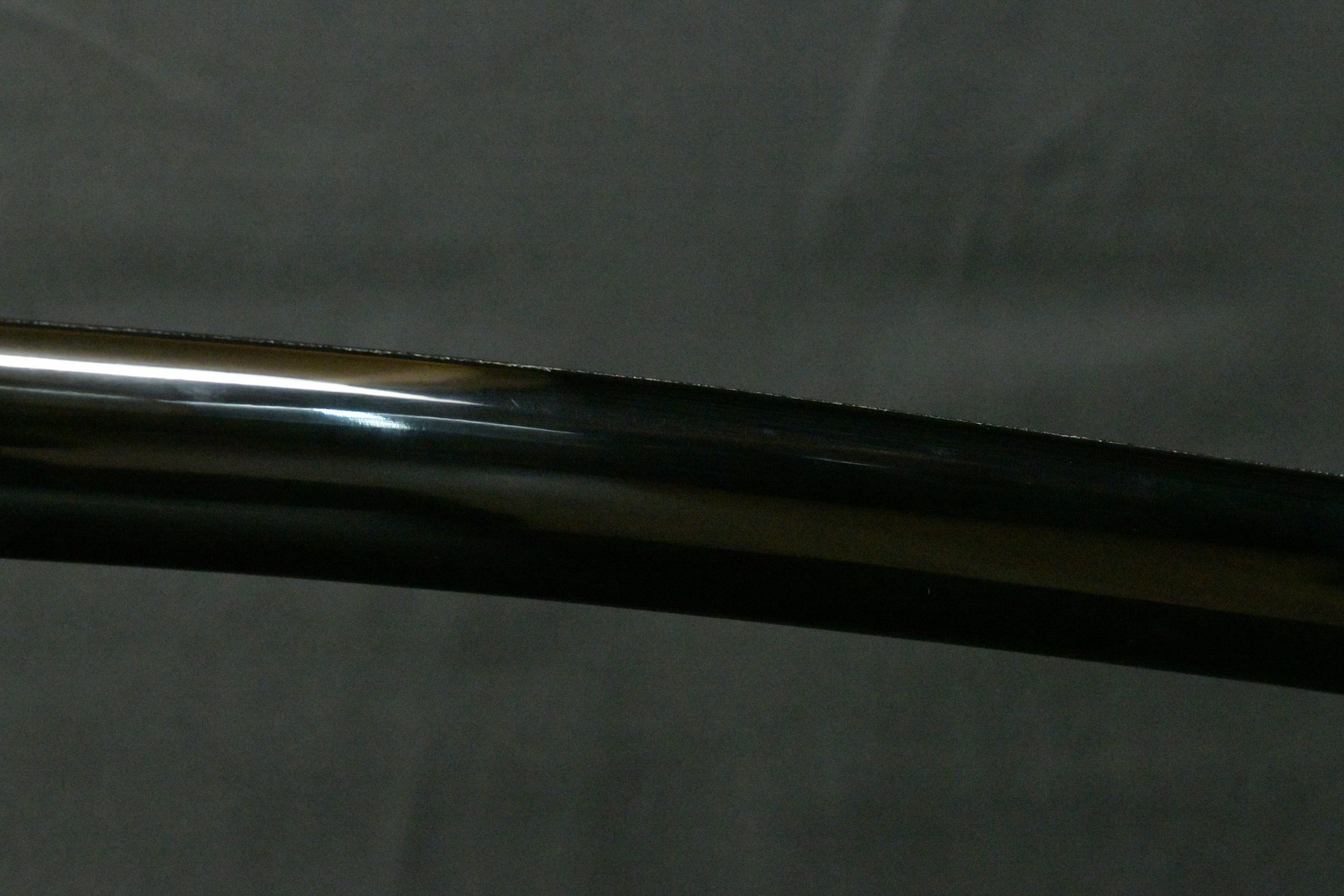
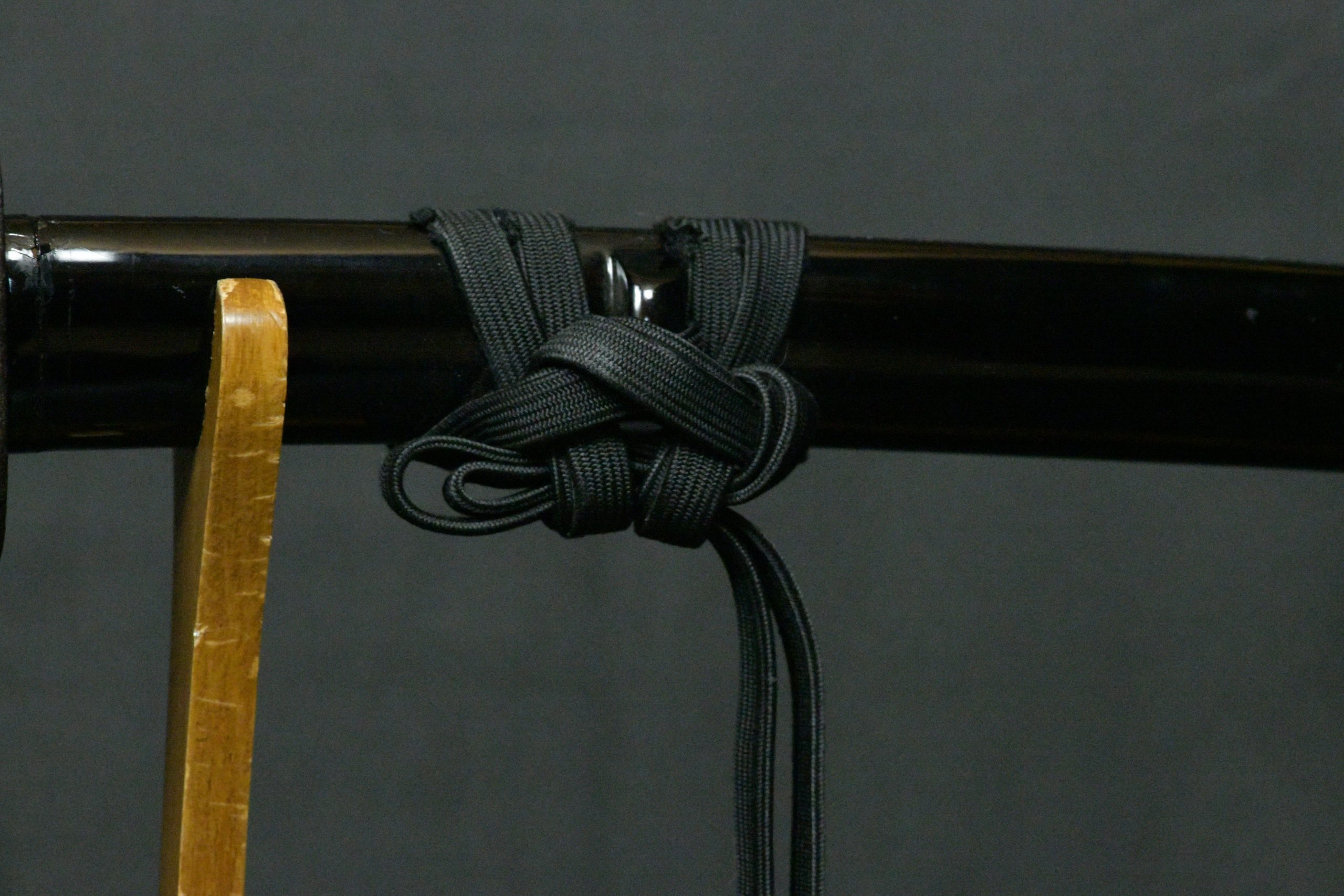
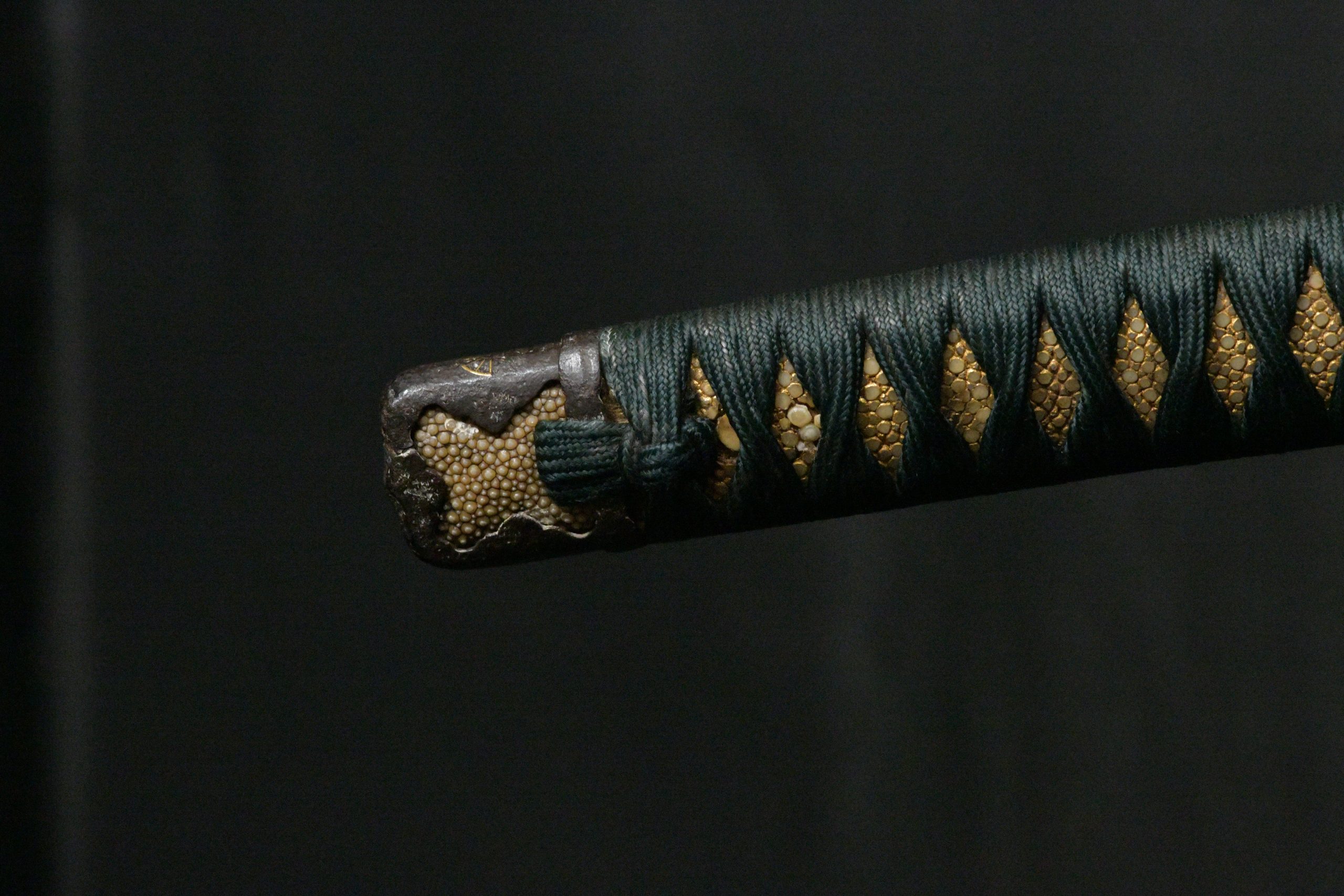
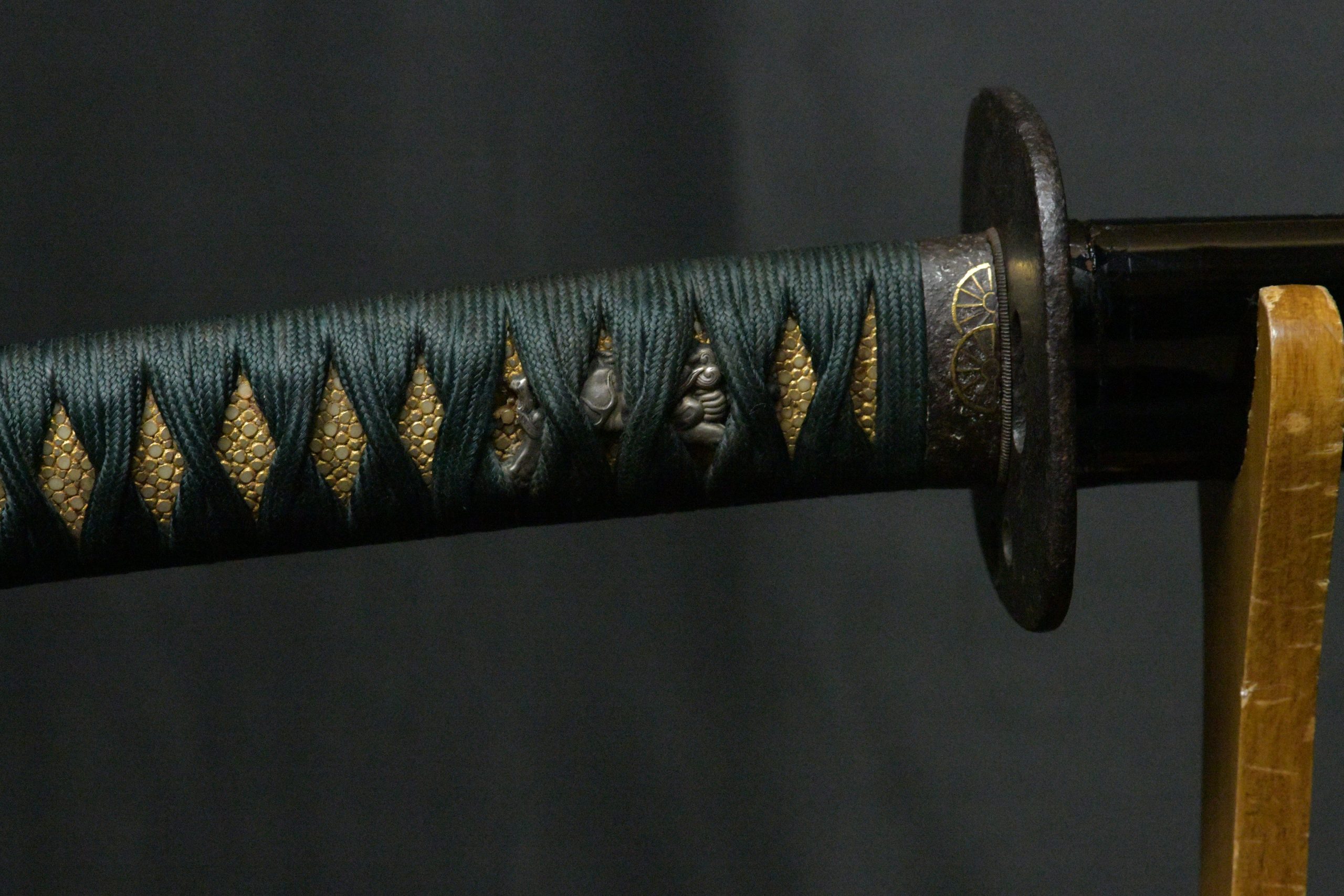
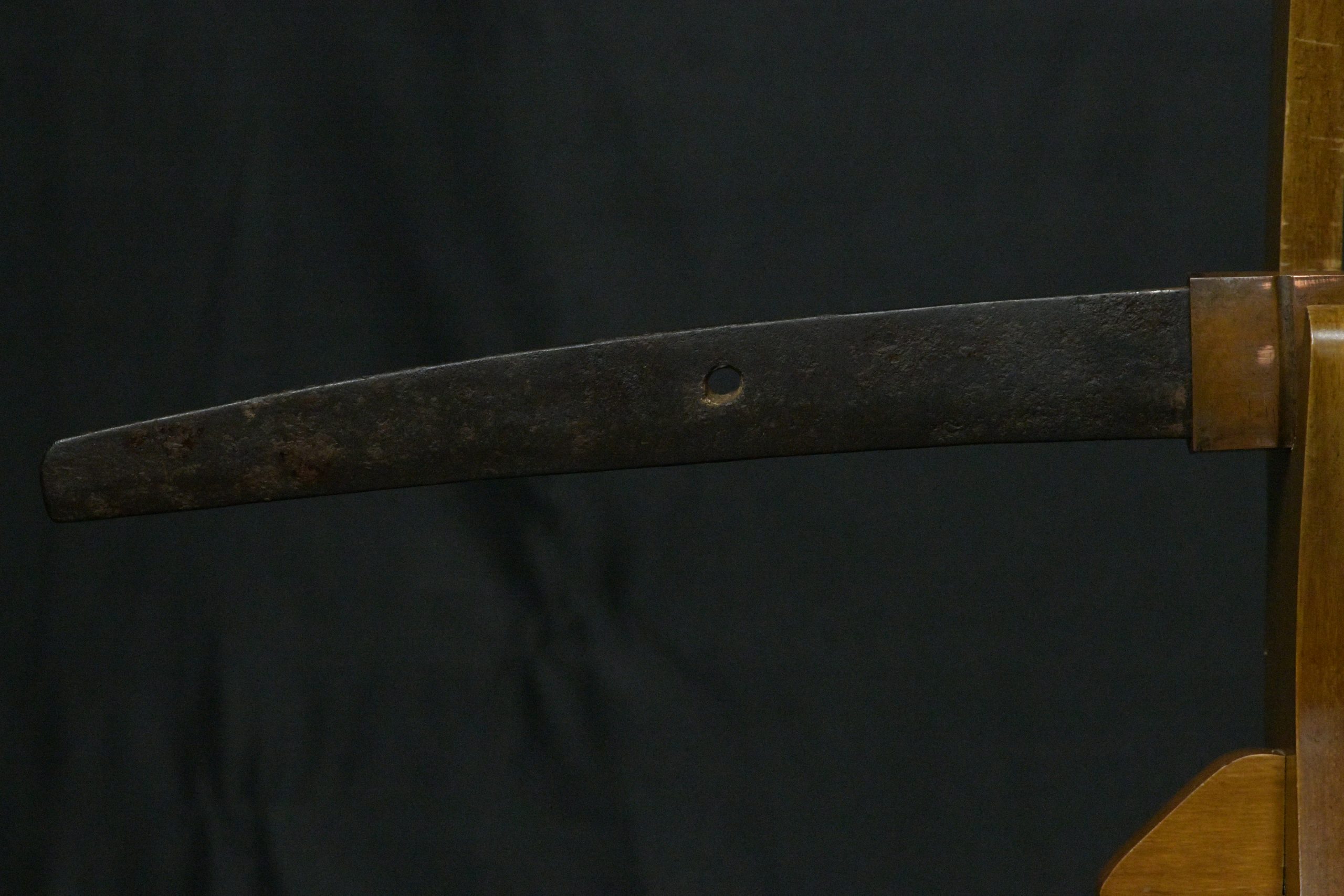
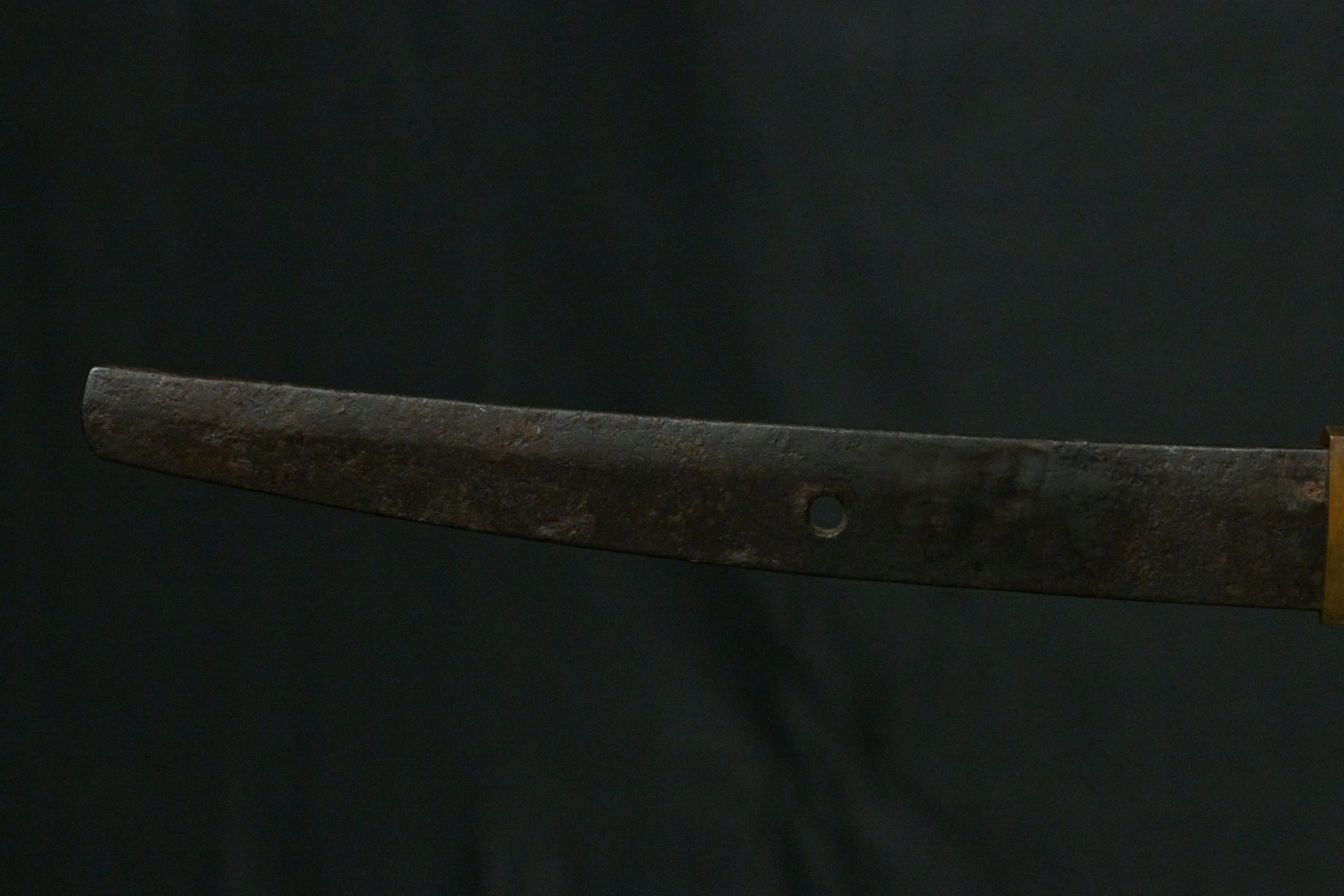
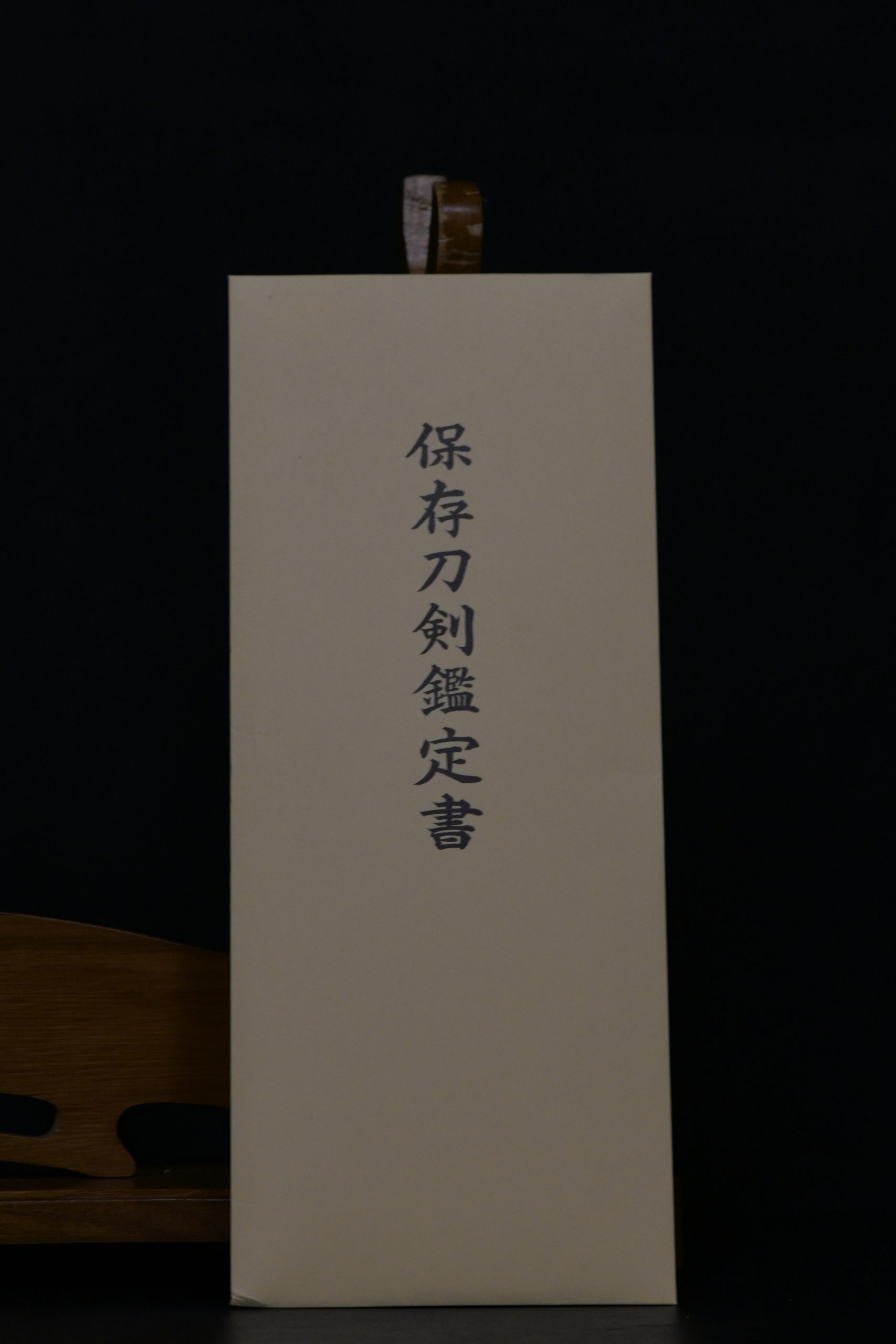
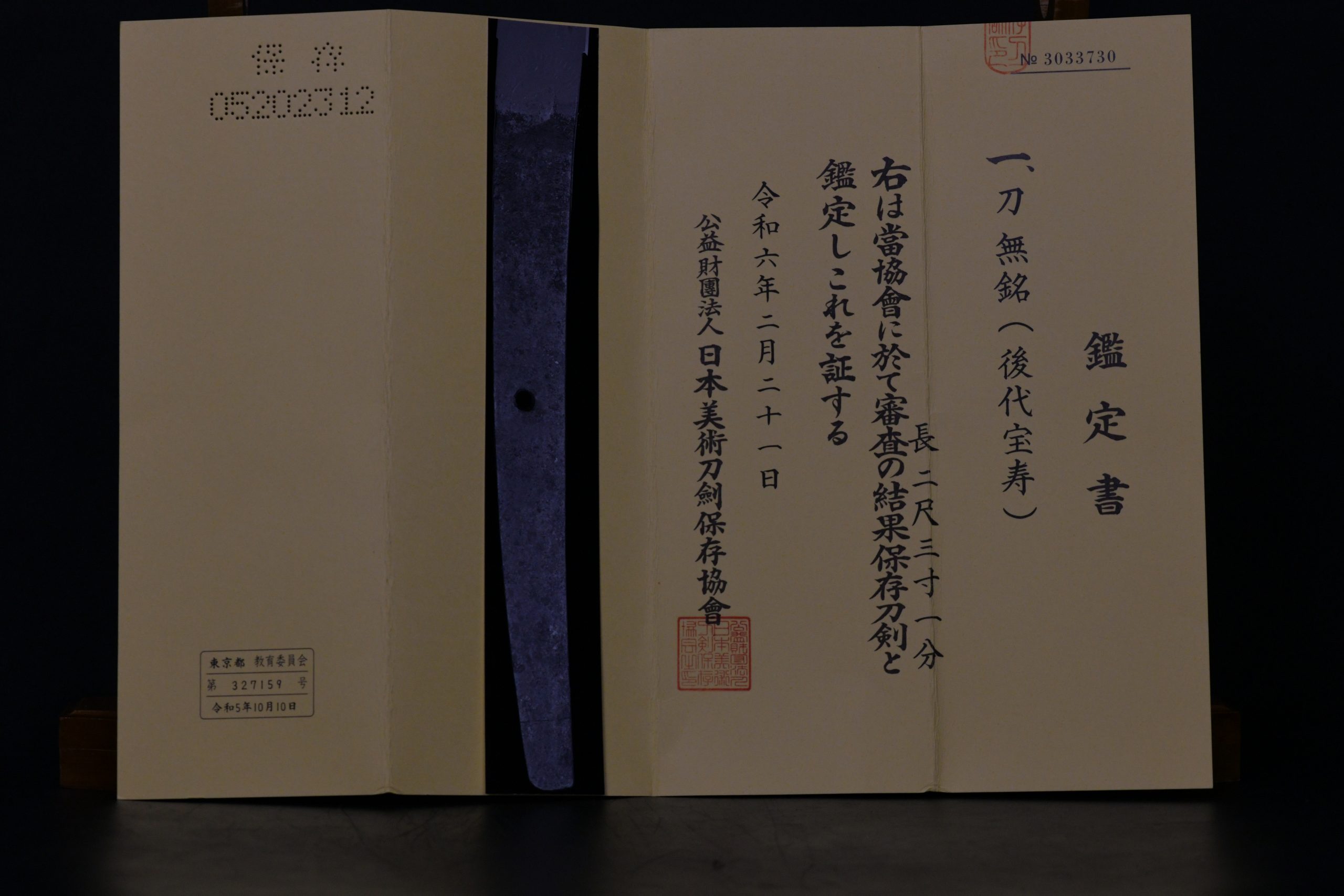
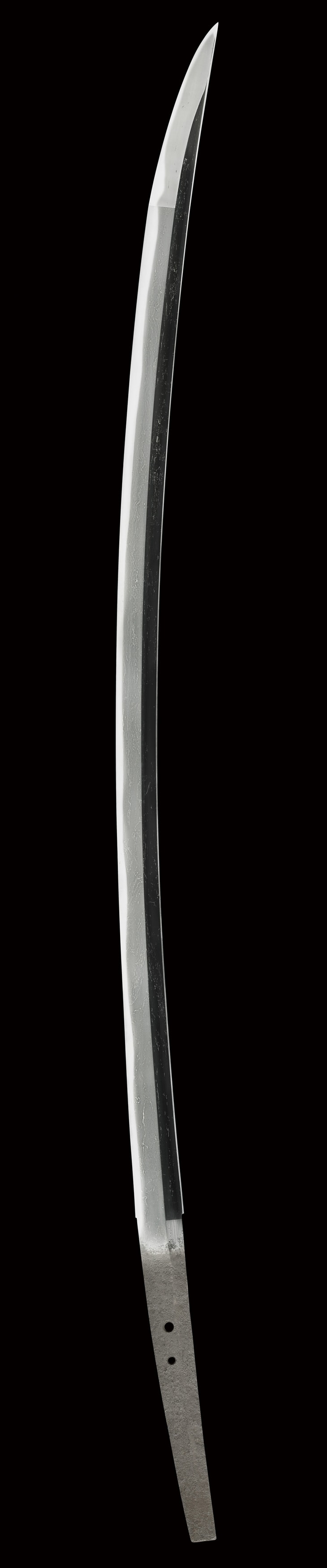
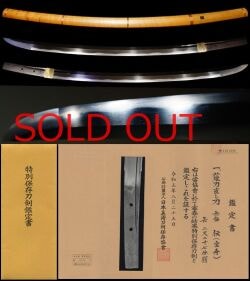
This is a tachi made by Hoju from the late Kamakura or early Muromachi period. The blade is ubu and comes with NBTHK Hozon origami. It is mounted in an elegant and old handachi koshirae with gold inlaid details.

NihontoWatch MonNihontoWatchBETA
MarketAuctionsEncyclopedia
Swords›Hoju›Tachi: Hoju
katana
Hoju

ubu · Tokuji (1306-1308) · nagasa 70.1cm · sori 1.5cm

SOLD
Hoju — 1 of 19
Hoju — 2 of 19
Hoju — 3 of 19
Hoju — 4 of 19
Hoju — 5 of 19
Hoju — 6 of 19
Hoju — 7 of 19
Hoju — 8 of 19
Hoju — 9 of 19
Hoju — 10 of 19
Hoju — 11 of 19
Hoju — 12 of 19
Hoju — 13 of 19
Hoju — 14 of 19
Hoju — 15 of 19
Hoju — 16 of 19
Hoju — 17 of 19
Hoju — 18 of 19
Hoju — 19 of 19
1 / 19
1 / 19
Hoju — 1 of 19Hoju — 2 of 19Hoju — 3 of 19Hoju — 4 of 19Hoju — 5 of 19Hoju — 6 of 19Hoju — 7 of 19Hoju — 8 of 19Hoju — 9 of 19Hoju — 10 of 19Hoju — 11 of 19Hoju — 12 of 19Hoju — 13 of 19Hoju — 14 of 19Hoju — 15 of 19Hoju — 16 of 19Hoju — 17 of 19Hoju — 18 of 19Hoju — 19 of 19
Measurements & details
Smith
Hoju
Type
Katana
Period
Around 1306–1308(Tokuji)
Signature
ubu
Measurements
Nagasa 70.1cmSori 1.5cm
Description
About the maker

Hoju

寳壽

Rikuchu · around 1306-1308

Tōken Taikan top 14%

1 piece on the market now

›

Hoju is a name that appears in documentary sources from as early as the Heian period and is regarded as a representative smith among the swordmakers of Oshu (Mutsu province). The lineage belongs to a branch of the Maikusa smiths, a group that continued from the early Kamakura period through the Nanbokucho and into the Muromachi period. Old traditional records transmit that many swordsmiths were active in Oshu from the Nara period onward; however, among works that survive today, only those of Hoju are extant. Signed examples bearing date inscriptions from the Shochu and Kenmu eras establish a working period spanning the mid- to late Kamakura era. Of particular significance is a tachi signed "Yamato-kuni-ju Tomoto Hoju" with a date of Enkyo 4 (1311), which raises the question of whether there was migration between Oshu and Yamato, possibly through connections with Shugendo (mountain asceticism), though the matter remains unresolved.

The forging of Hoju's works characteristically shows itame-hada mixed with mokume and nagare-hada, with the grain tending to stand prominently; the jihada often appears whitish overall, and the steel surface frequently lacks pronounced sae (clarity). The tempering is founded upon suguha, at times incorporating ko-midare and gunome, with ko-nie adhering along a nioiguchi that tends toward shizumi (a subdued quality). Sunagashi may be observed, and at the machi the boundary of the hardened zone is occasionally finished with a small yaki-otoshi. The boshi is typically straight, turning back in ko-maru, though certain works display midare-komi with hakikake. Carved blade ornamentation (horimono) is common, including bo-hi, suken, and katana-hi with tsure-men.

In both ji and ha, Hoju's works clearly exhibit the distinctive characteristics of this tradition, and the NBTHK has noted that many examples give an overall quiet impression. Among his surviving oeuvre, quality varies appreciably; certain tachi are recognized as possessing particularly splendid workmanship and superior quality compared to the more subdued examples. One such work, held within the Imperial Household collection, is described as ranking among the finest examples of this smith's output. The preservation of signed and dated blades from the Shochu era renders them especially valuable for research on the Hoju lineage and its place among the swordmaking traditions of Oshu.

1 work by Hoju on the market→
Hoju — full profile
Warning — certificate not found

We could not find an authenticity certificate on the seller’s listing. Japanese swords and fittings are normally papered by the NBTHK (or the NTHK). Without one, the attribution is the seller’s own assessment and has not been independently verified — treat it with caution and ask the dealer about certification before buying.

Seller
S
Supein Nihonto
🇪🇸Ships from Spain
›
✓Verified dealersupeinnihonto.com
Credit card
Return policy

14-day return if items arrive damaged or in unexpected condition; customer bears return shipping + insurance; items returned in original condition with all accessories; antique armour non-returnable; only regular priced items refundable; shipping costs non-refundable.

View all of Supein Nihonto’s listings→View this item on the dealer’s site→

More works by Hoju

View all →
Choshuya
Katana - by Hoju - O-suriage Mumei HojuKatana - by Hoju - O-suriage Mumei Hoju

Katana

ByHoju
¥3,000,000

Swords

  • Katana
  • Wakizashi
  • Tantō
  • Tachi
  • Naginata
  • Yari

Fittings

  • Tsuba
  • Fuchi-Kashira
  • Kozuka
  • Menuki

By Certification

  • Tokujū
  • Jūyō
  • Tokuho
  • Hozon

Resources

  • Dealer Directory
  • Artist Directory
  • Glossary
  • Browse All
Nihontowatch© 2026
TermsPrivacyCookiesAbout

Description

This is a tachi made by Hoju from the late Kamakura or early Muromachi period. The blade is ubu and comes with NBTHK Hozon origami. It is mounted in an elegant and old handachi koshirae with gold inlaid details.

NihontoWatch MonNihontoWatchBETA
MarketAuctionsEncyclopedia
Swords›Hoju›Tachi: Hoju
katana
Hoju

ubu · Tokuji (1306-1308) · nagasa 70.1cm · sori 1.5cm

SOLD
Hoju — 1 of 19
Hoju — 2 of 19
Hoju — 3 of 19
Hoju — 4 of 19
Hoju — 5 of 19
Hoju — 6 of 19
Hoju — 7 of 19
Hoju — 8 of 19
Hoju — 9 of 19
Hoju — 10 of 19
Hoju — 11 of 19
Hoju — 12 of 19
Hoju — 13 of 19
Hoju — 14 of 19
Hoju — 15 of 19
Hoju — 16 of 19
Hoju — 17 of 19
Hoju — 18 of 19
Hoju — 19 of 19
1 / 19
1 / 19
Hoju — 1 of 19Hoju — 2 of 19Hoju — 3 of 19Hoju — 4 of 19Hoju — 5 of 19Hoju — 6 of 19Hoju — 7 of 19Hoju — 8 of 19Hoju — 9 of 19Hoju — 10 of 19Hoju — 11 of 19Hoju — 12 of 19Hoju — 13 of 19Hoju — 14 of 19Hoju — 15 of 19Hoju — 16 of 19Hoju — 17 of 19Hoju — 18 of 19Hoju — 19 of 19
Measurements & details
Smith
Hoju
Type
Katana
Period
Around 1306–1308(Tokuji)
Signature
ubu
Measurements
Nagasa 70.1cmSori 1.5cm
Description
About the maker

Hoju

寳壽

Rikuchu · around 1306-1308

Tōken Taikan top 14%

1 piece on the market now

›

Hoju is a name that appears in documentary sources from as early as the Heian period and is regarded as a representative smith among the swordmakers of Oshu (Mutsu province). The lineage belongs to a branch of the Maikusa smiths, a group that continued from the early Kamakura period through the Nanbokucho and into the Muromachi period. Old traditional records transmit that many swordsmiths were active in Oshu from the Nara period onward; however, among works that survive today, only those of Hoju are extant. Signed examples bearing date inscriptions from the Shochu and Kenmu eras establish a working period spanning the mid- to late Kamakura era. Of particular significance is a tachi signed "Yamato-kuni-ju Tomoto Hoju" with a date of Enkyo 4 (1311), which raises the question of whether there was migration between Oshu and Yamato, possibly through connections with Shugendo (mountain asceticism), though the matter remains unresolved.

The forging of Hoju's works characteristically shows itame-hada mixed with mokume and nagare-hada, with the grain tending to stand prominently; the jihada often appears whitish overall, and the steel surface frequently lacks pronounced sae (clarity). The tempering is founded upon suguha, at times incorporating ko-midare and gunome, with ko-nie adhering along a nioiguchi that tends toward shizumi (a subdued quality). Sunagashi may be observed, and at the machi the boundary of the hardened zone is occasionally finished with a small yaki-otoshi. The boshi is typically straight, turning back in ko-maru, though certain works display midare-komi with hakikake. Carved blade ornamentation (horimono) is common, including bo-hi, suken, and katana-hi with tsure-men.

In both ji and ha, Hoju's works clearly exhibit the distinctive characteristics of this tradition, and the NBTHK has noted that many examples give an overall quiet impression. Among his surviving oeuvre, quality varies appreciably; certain tachi are recognized as possessing particularly splendid workmanship and superior quality compared to the more subdued examples. One such work, held within the Imperial Household collection, is described as ranking among the finest examples of this smith's output. The preservation of signed and dated blades from the Shochu era renders them especially valuable for research on the Hoju lineage and its place among the swordmaking traditions of Oshu.

1 work by Hoju on the market→
Hoju — full profile
Warning — certificate not found

We could not find an authenticity certificate on the seller’s listing. Japanese swords and fittings are normally papered by the NBTHK (or the NTHK). Without one, the attribution is the seller’s own assessment and has not been independently verified — treat it with caution and ask the dealer about certification before buying.

Seller
S
Supein Nihonto
🇪🇸Ships from Spain
›
✓Verified dealersupeinnihonto.com
Credit card
Return policy

14-day return if items arrive damaged or in unexpected condition; customer bears return shipping + insurance; items returned in original condition with all accessories; antique armour non-returnable; only regular priced items refundable; shipping costs non-refundable.

View all of Supein Nihonto’s listings→View this item on the dealer’s site→

More works by Hoju

View all →
Choshuya
Katana - by Hoju - O-suriage Mumei HojuKatana - by Hoju - O-suriage Mumei Hoju

Katana

ByHoju
¥3,000,000

Swords

  • Katana
  • Wakizashi
  • Tantō
  • Tachi
  • Naginata
  • Yari

Fittings

  • Tsuba
  • Fuchi-Kashira
  • Kozuka
  • Menuki

By Certification

  • Tokujū
  • Jūyō
  • Tokuho
  • Hozon

Resources

  • Dealer Directory
  • Artist Directory
  • Glossary
  • Browse All
Nihontowatch© 2026
TermsPrivacyCookiesAbout
NihontoWatch Mon

NihontoWatchBETA

MarketAuctions
Encyclopedia
NihontoWatch Mon

NihontoWatchBETA

MarketAuctions
Encyclopedia