The twentieth century nearly killed the craft twice: wartime distortion, then the occupation ban. The NBTHK’s founding in 1948 and licensed forging from 1953 rebuilt the sword as an art, crowned by Living National Treasures and the mukansa rank.
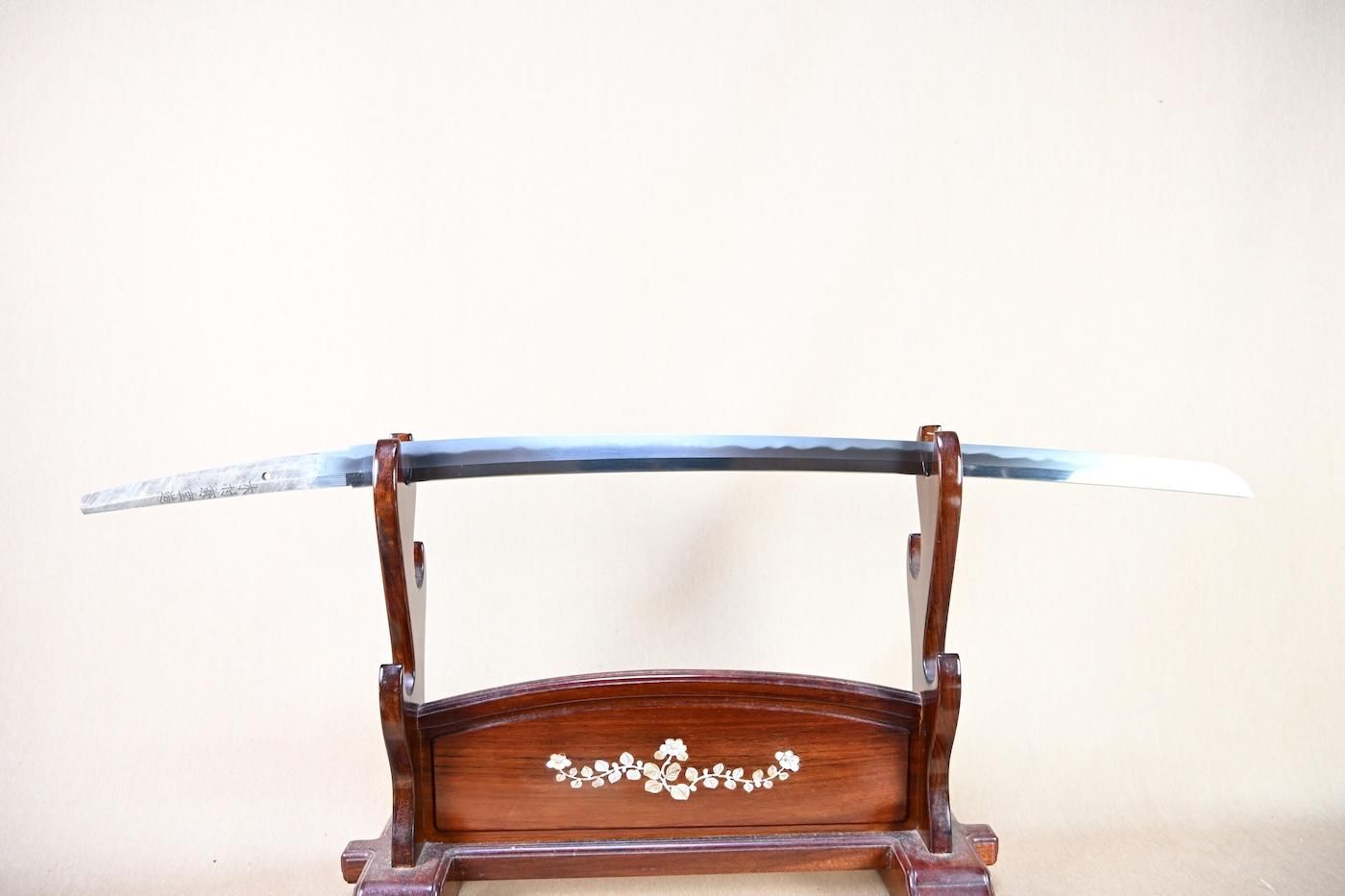
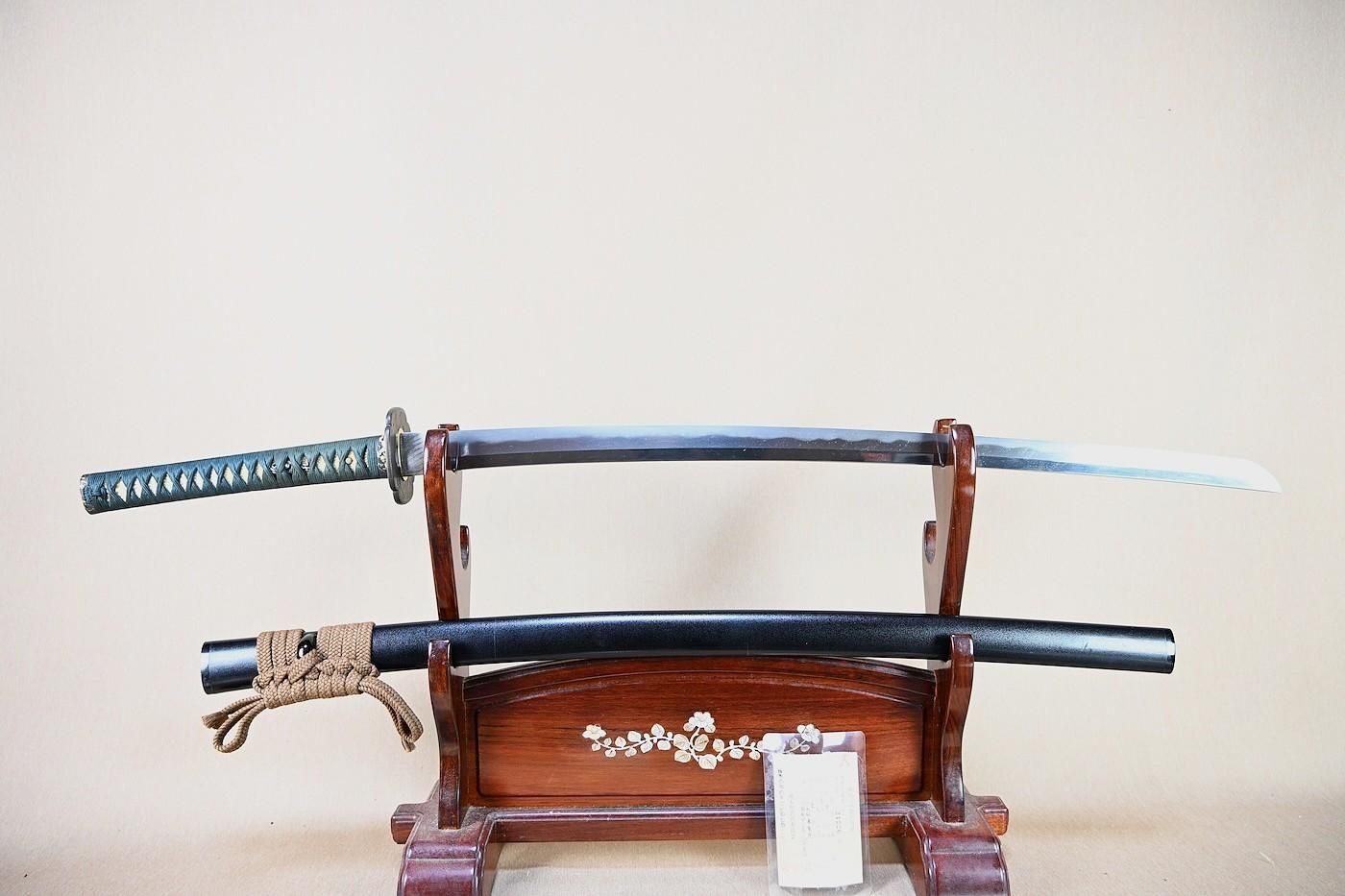
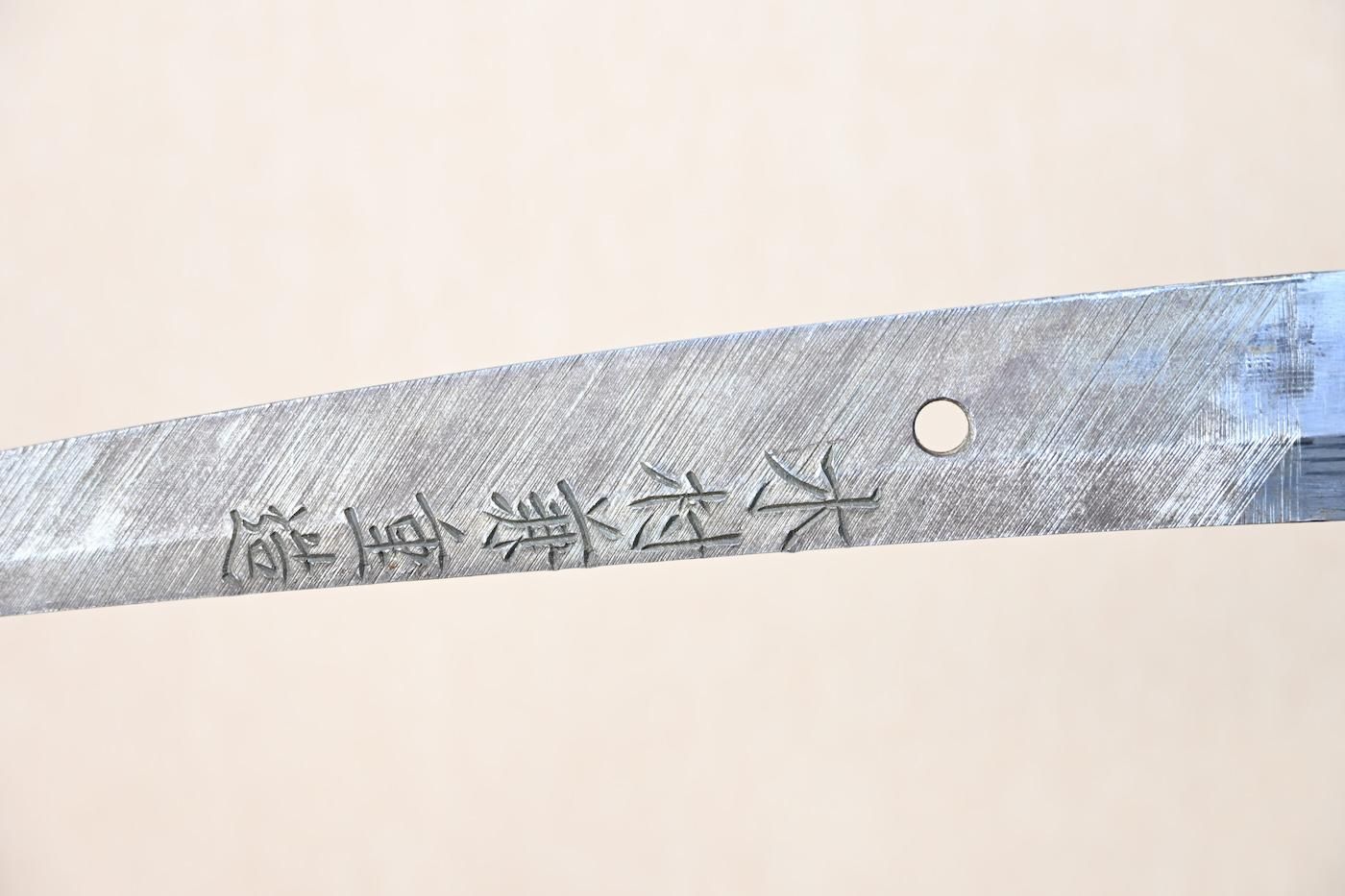
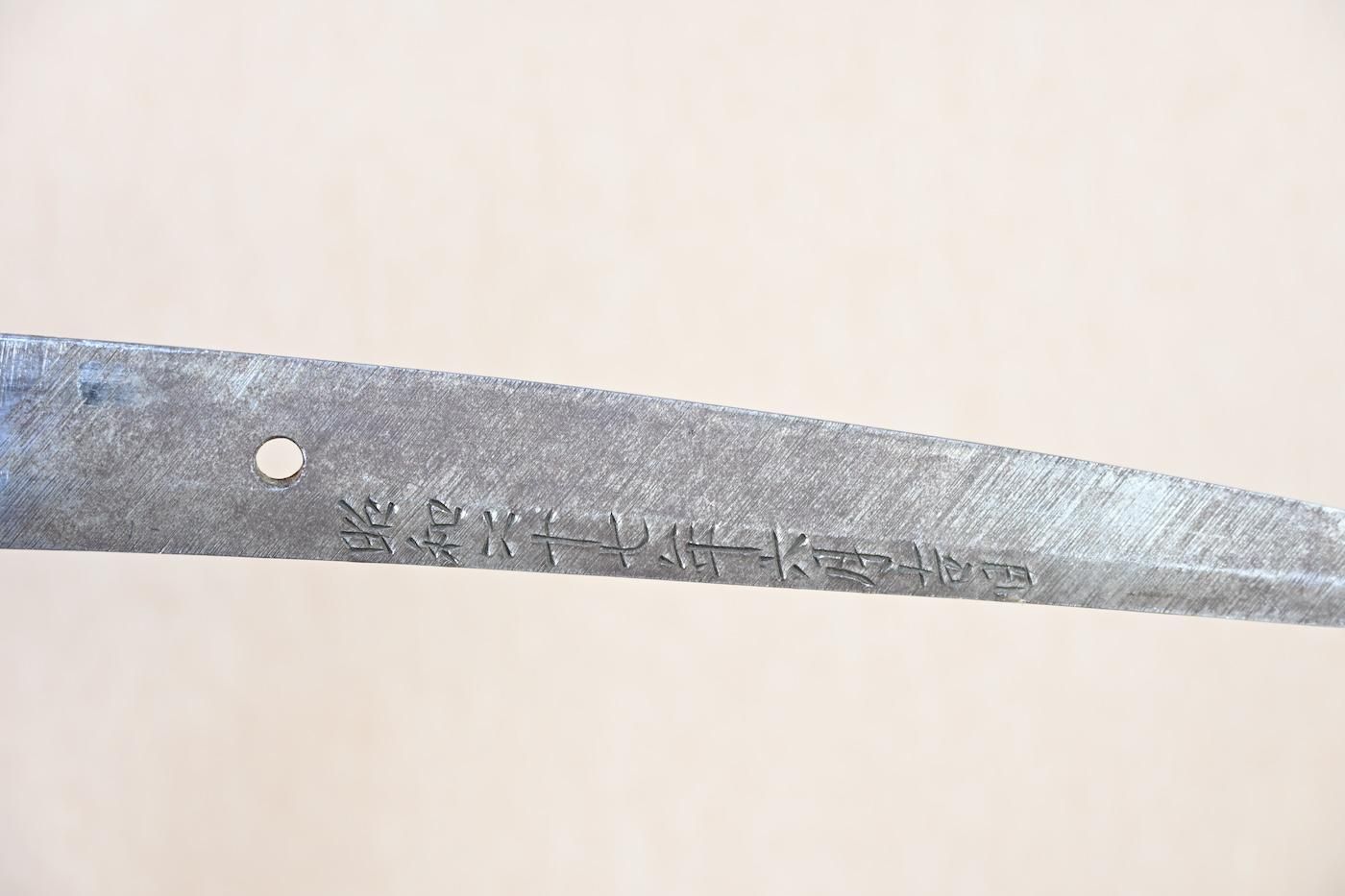
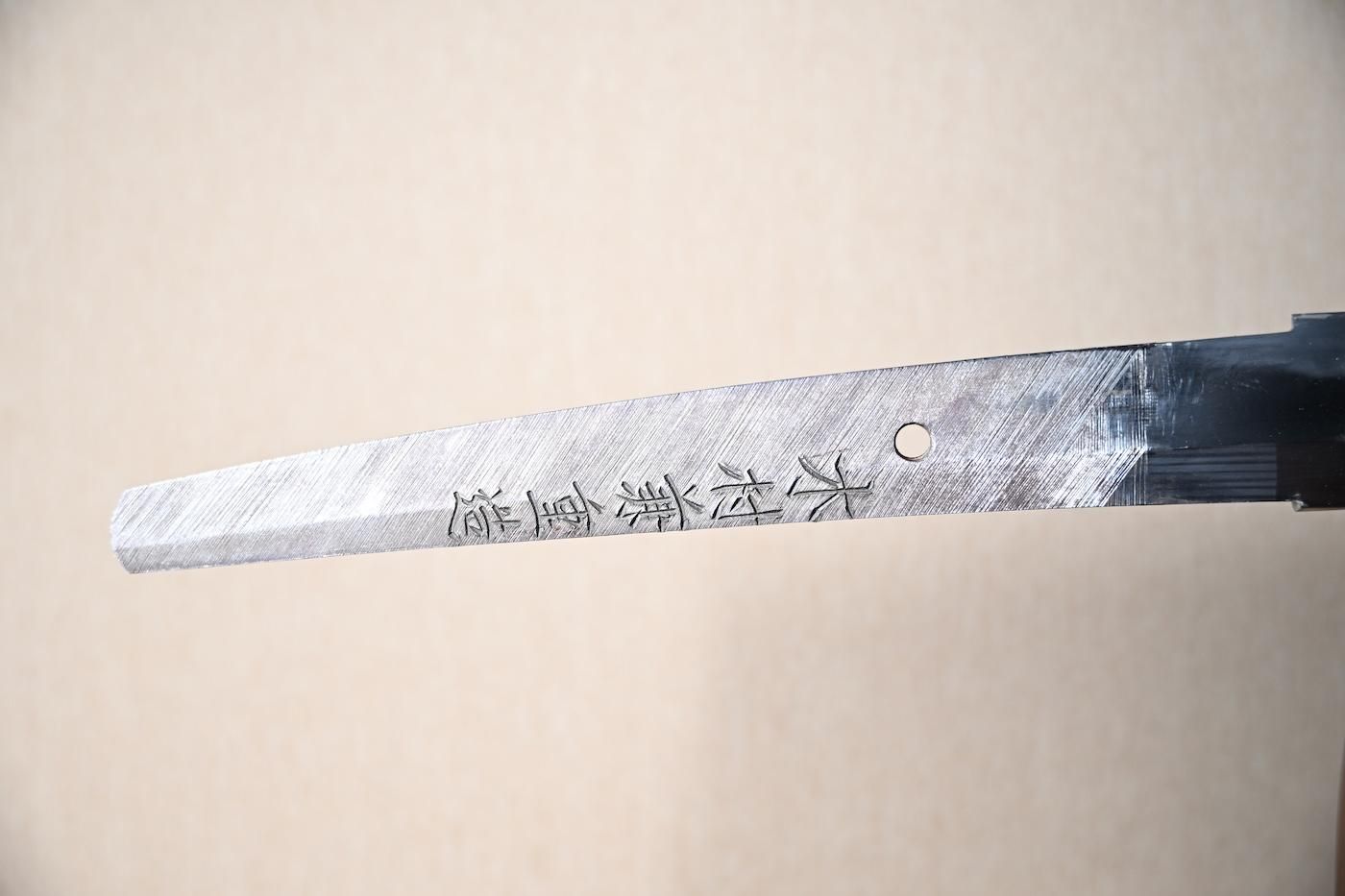
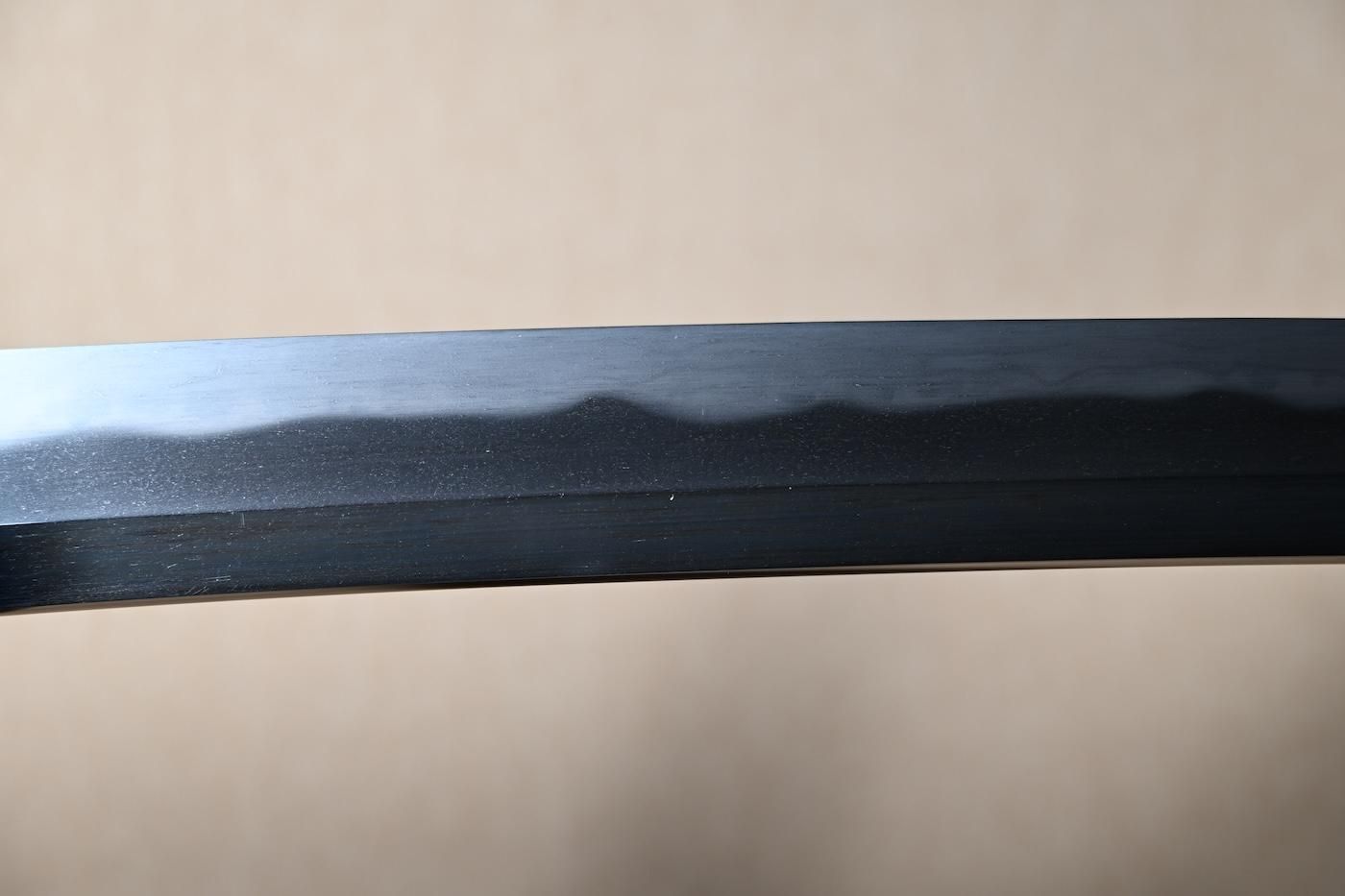
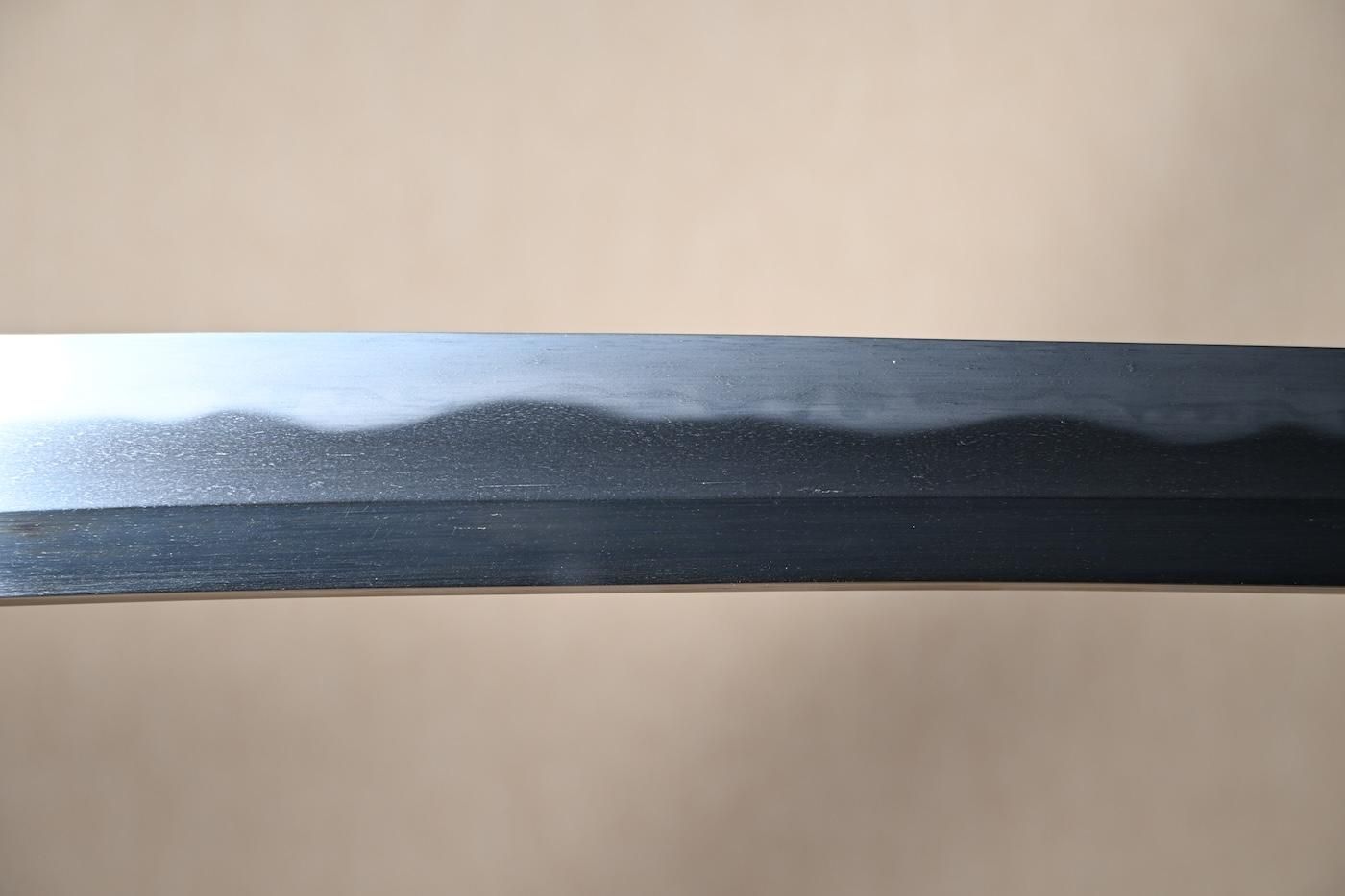
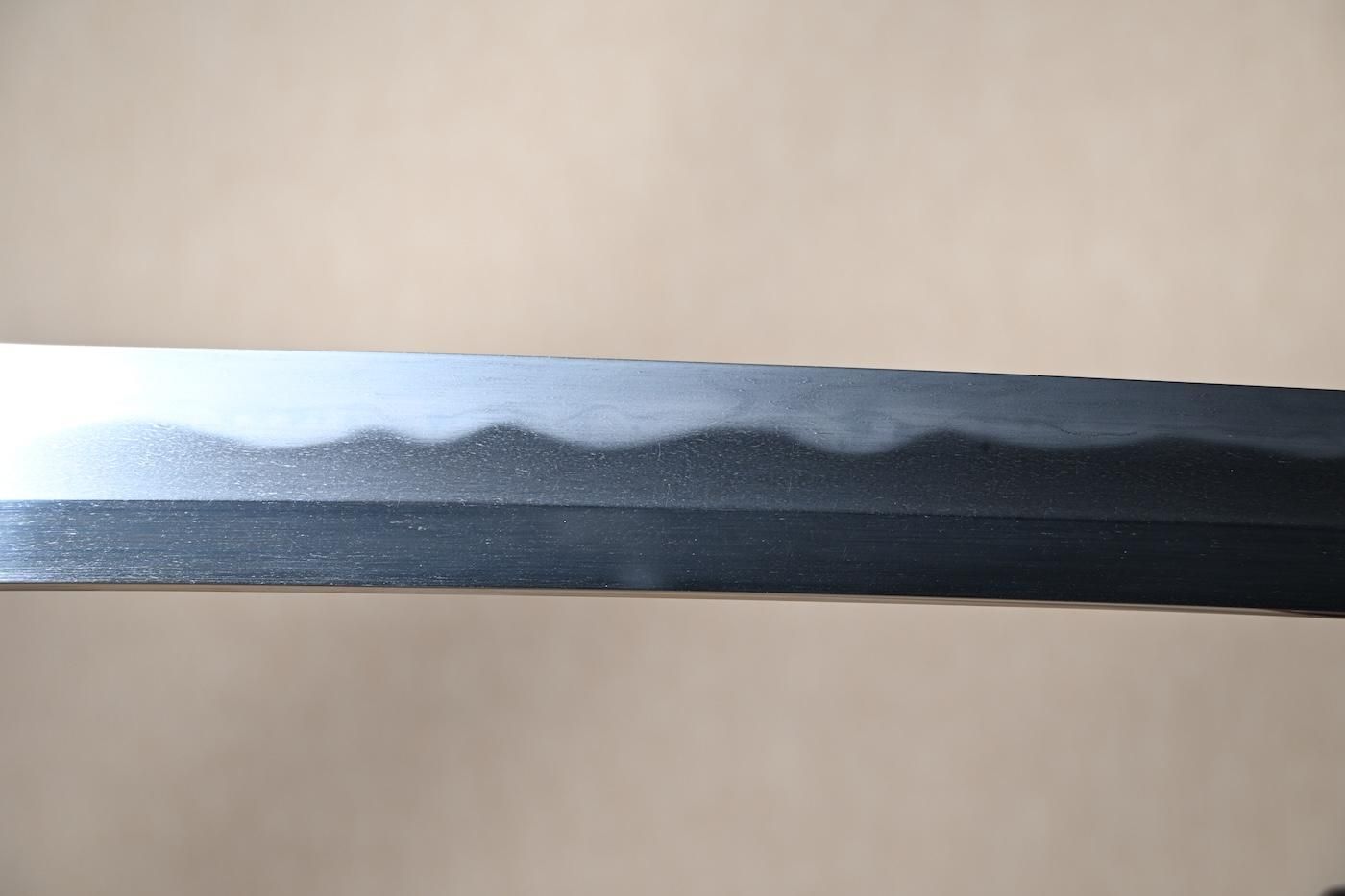
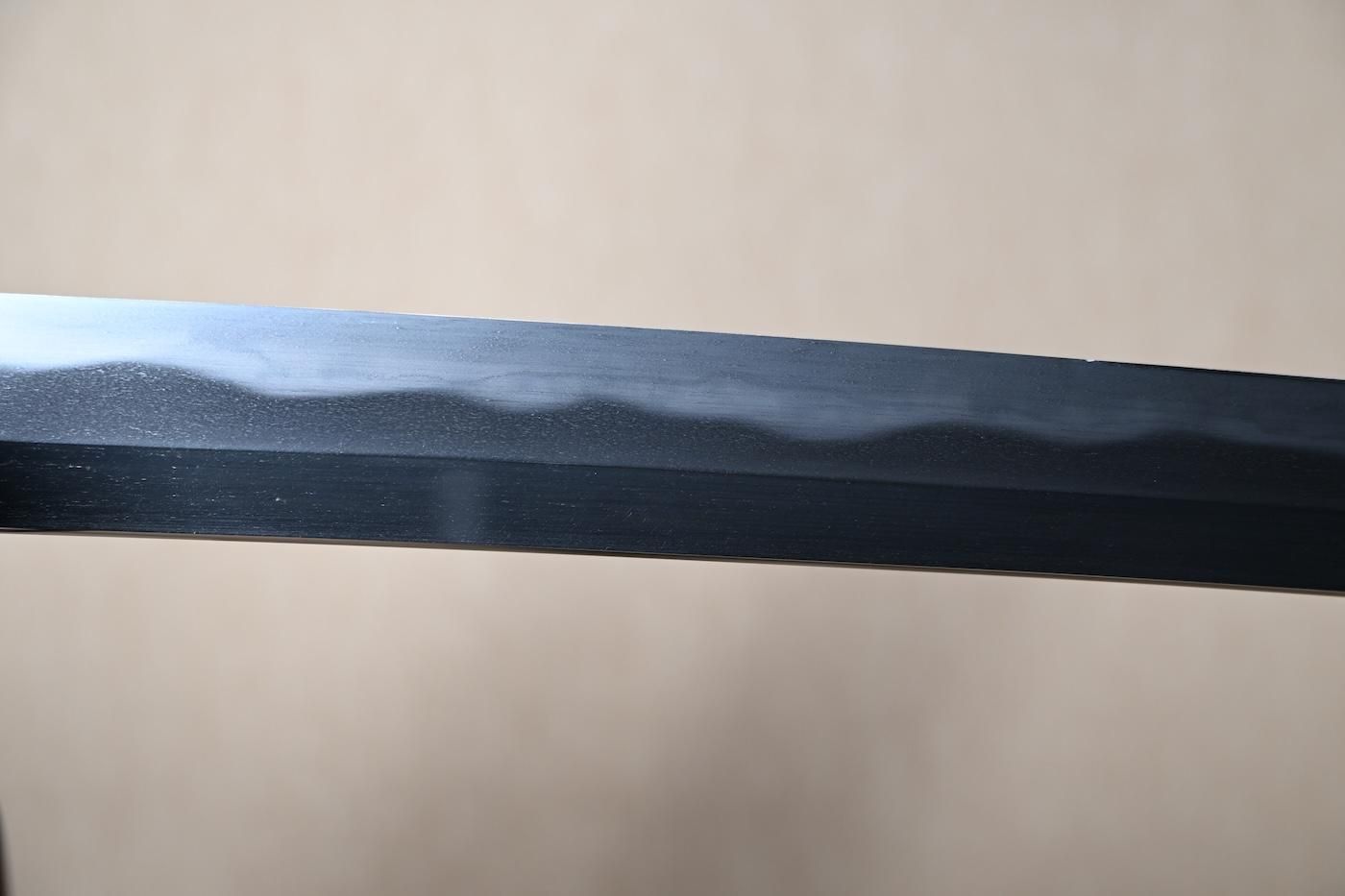
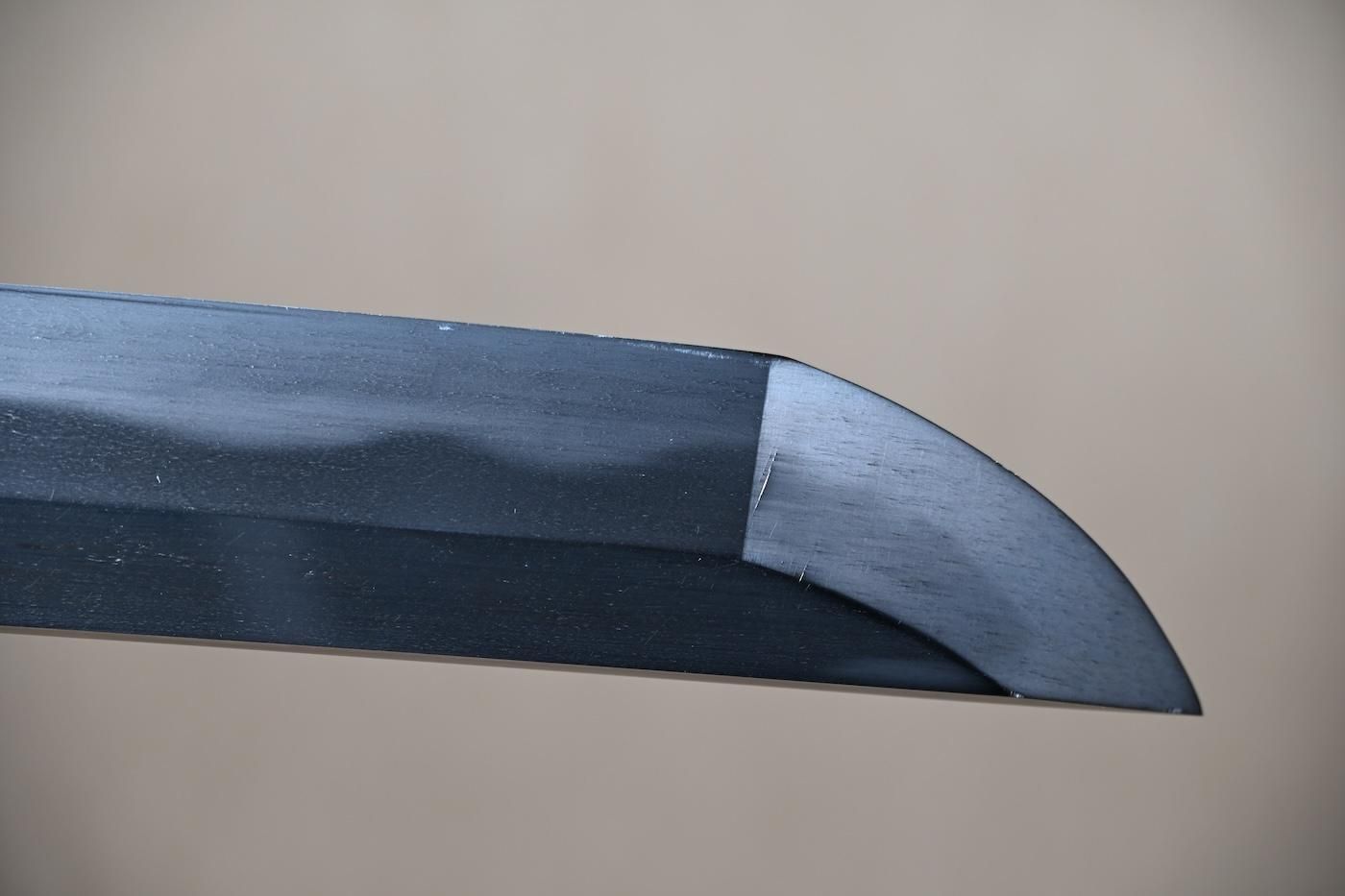
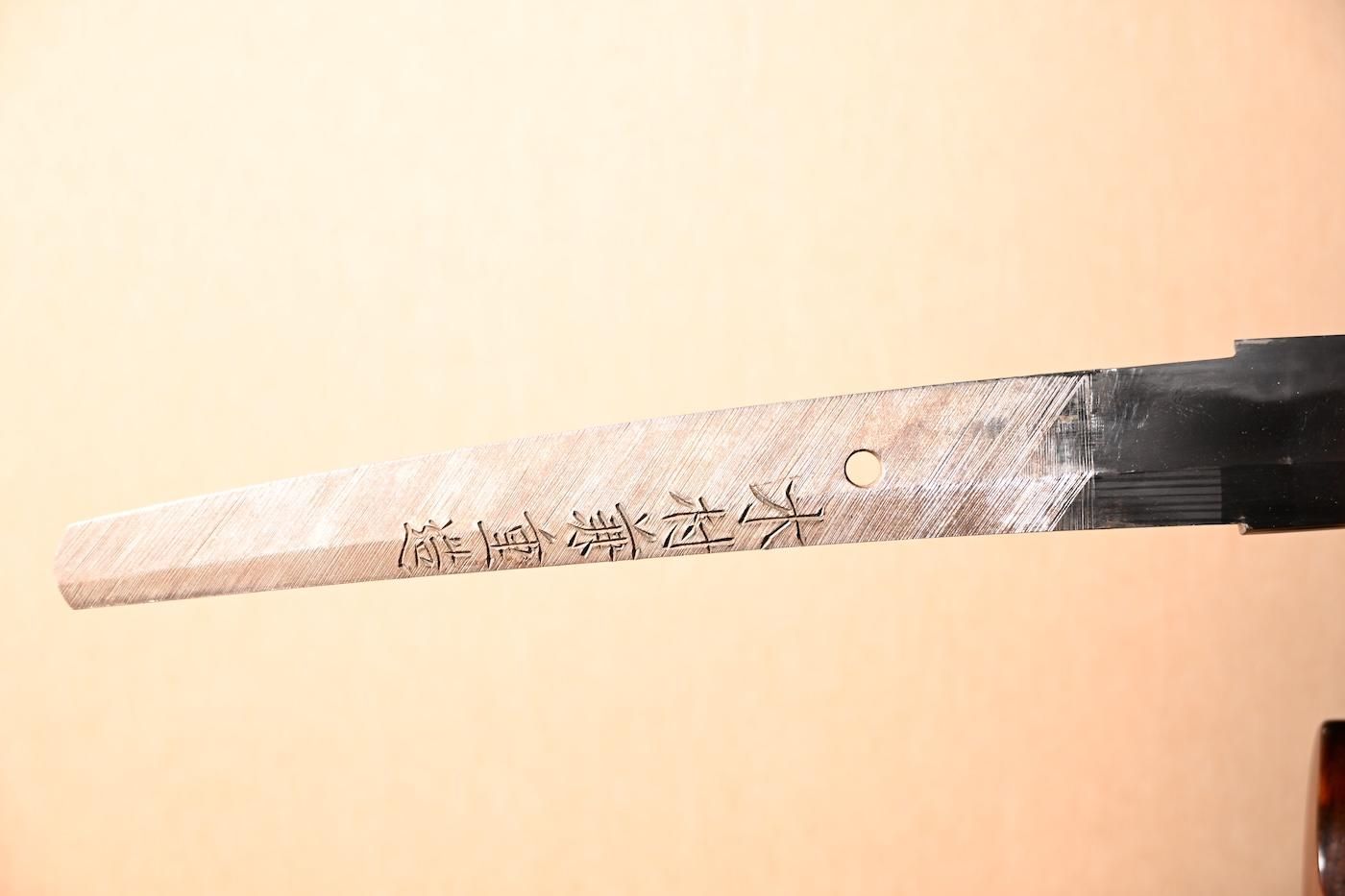
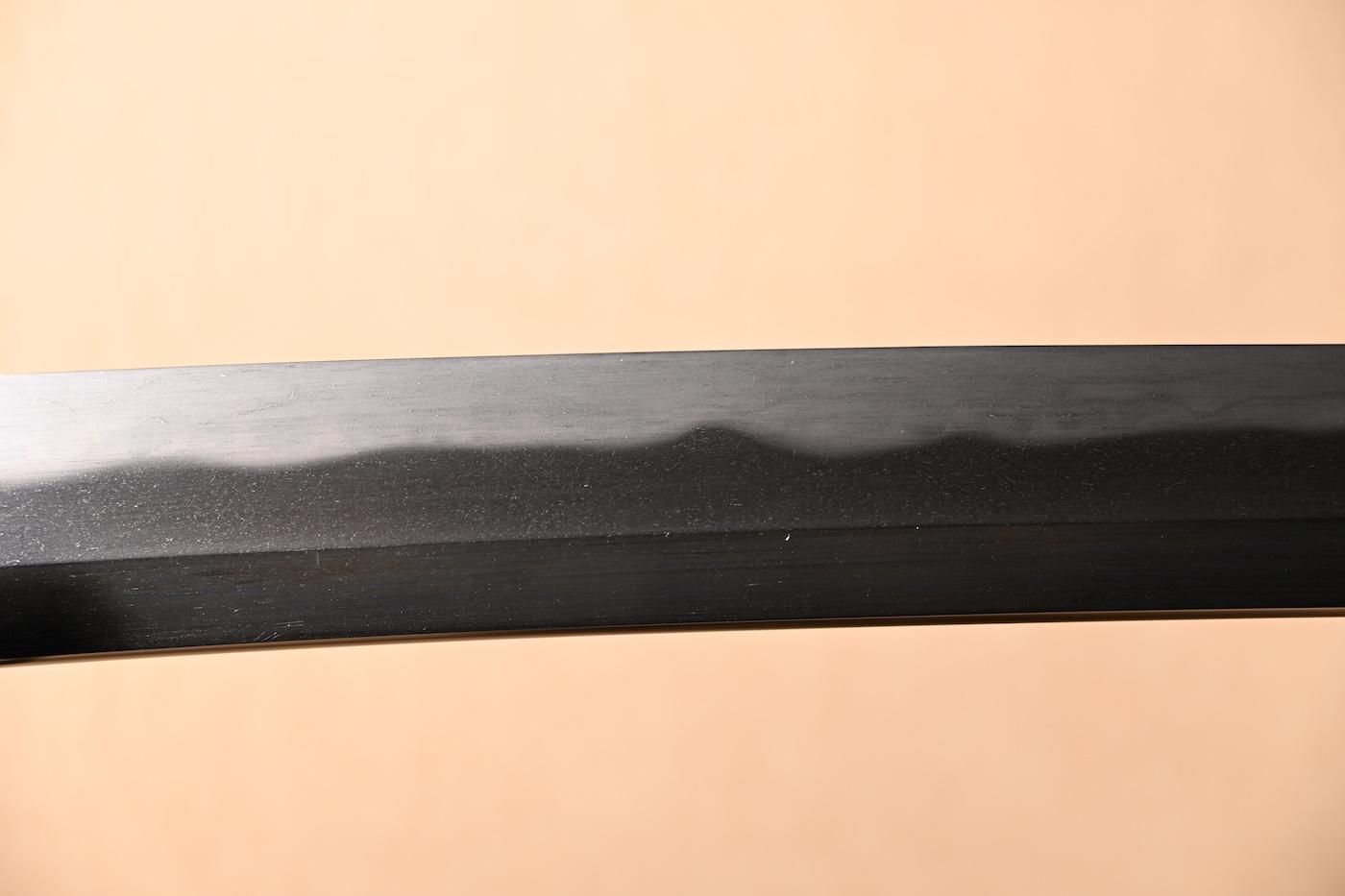
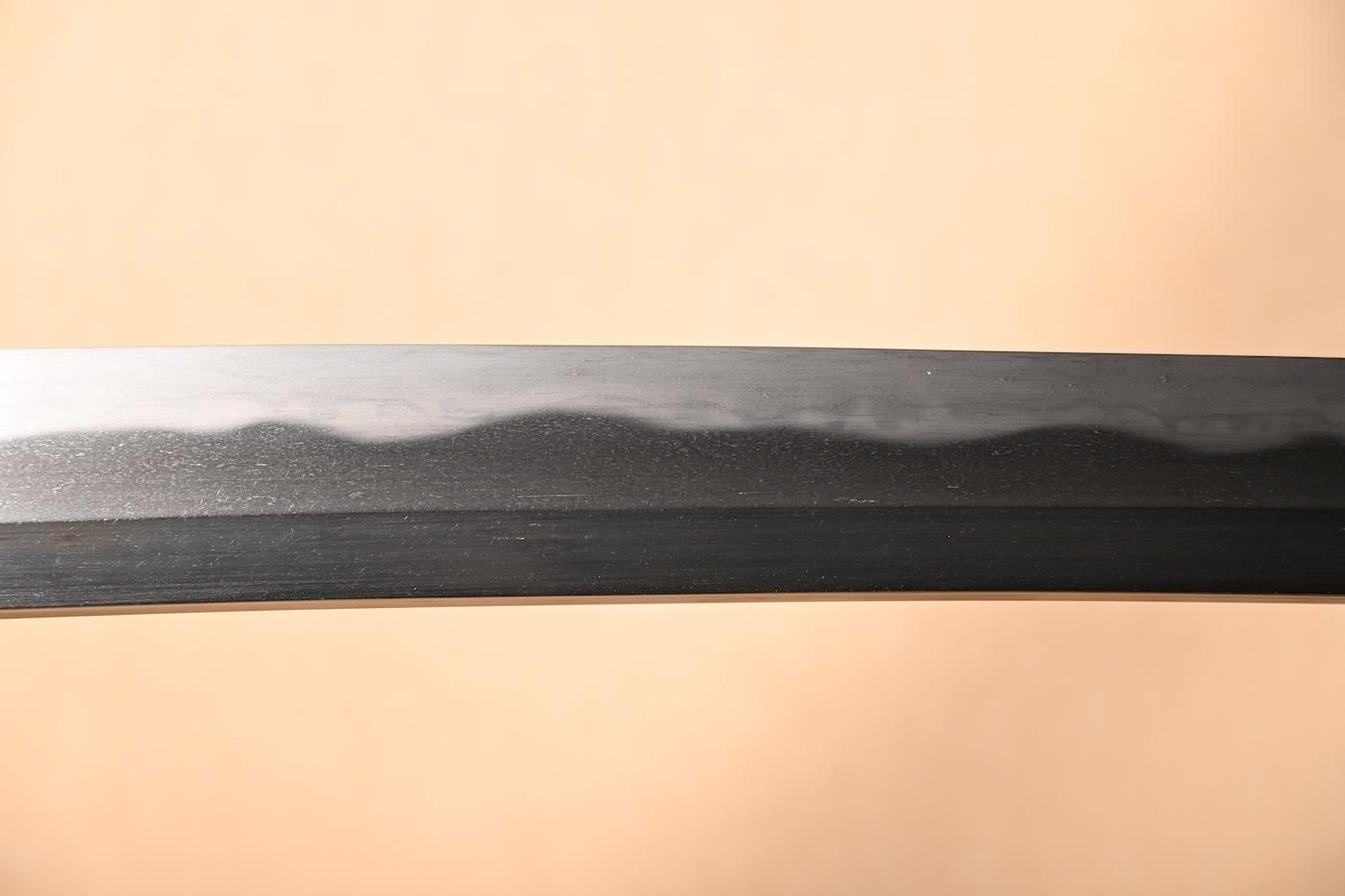
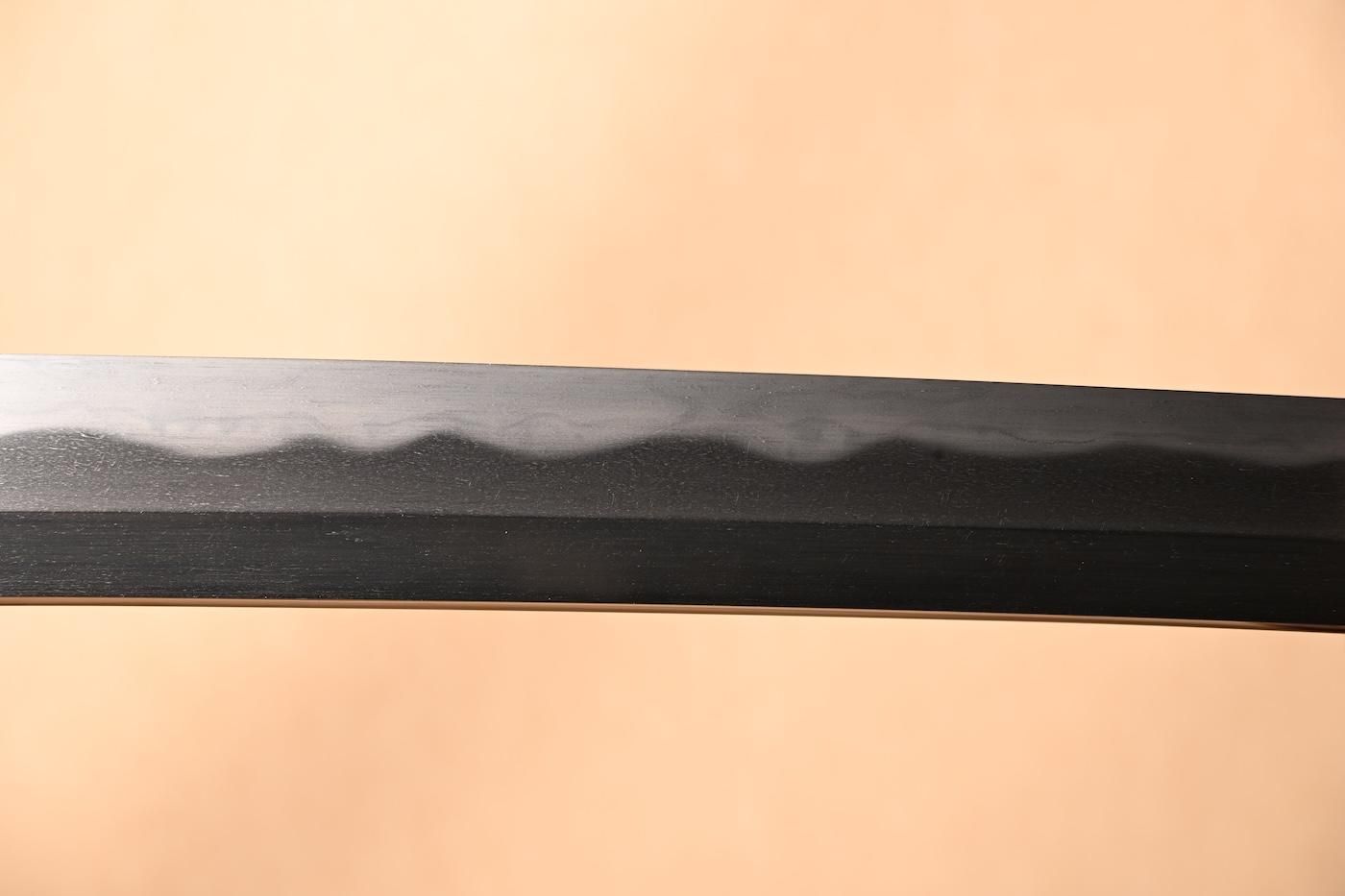
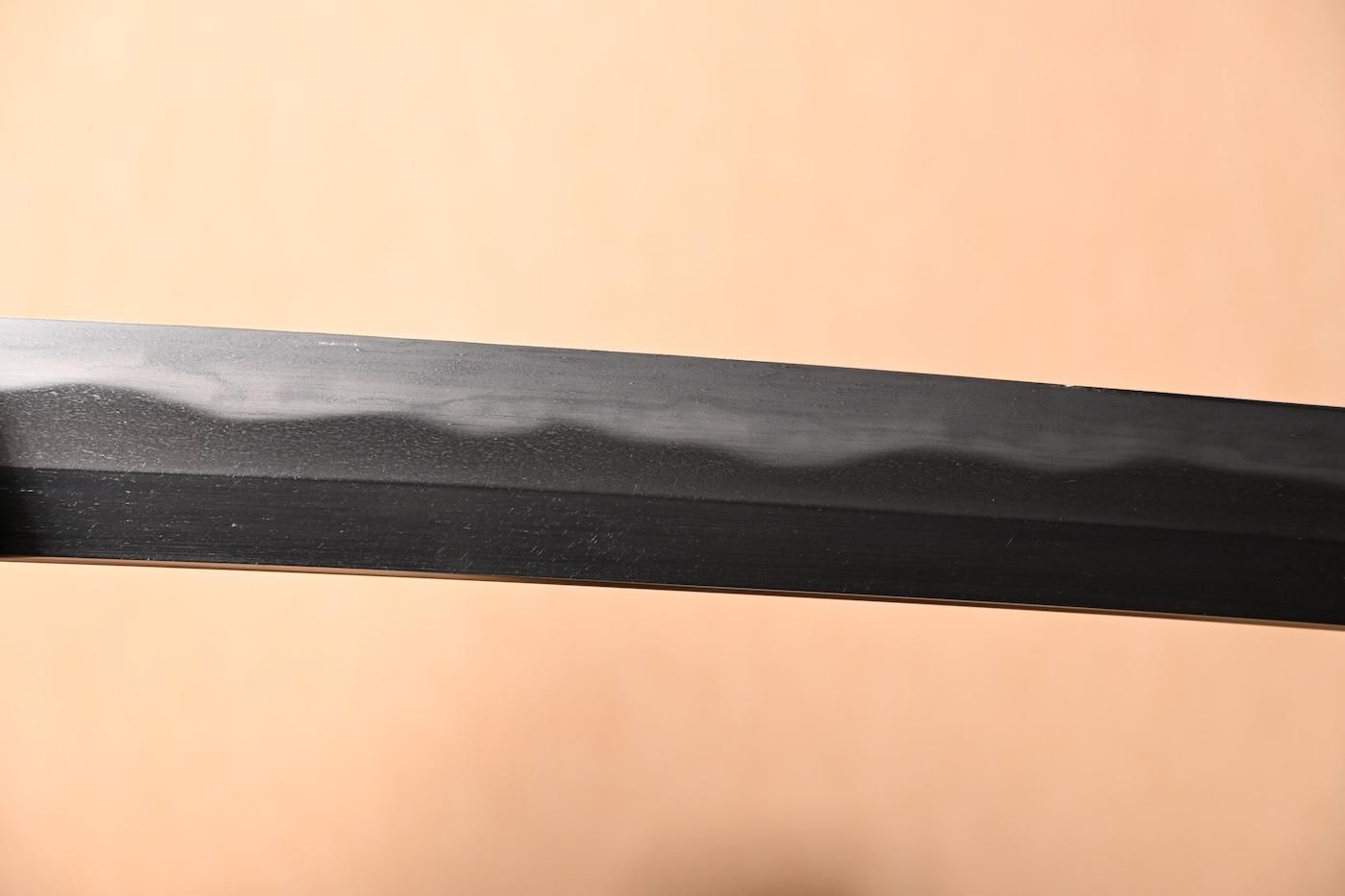
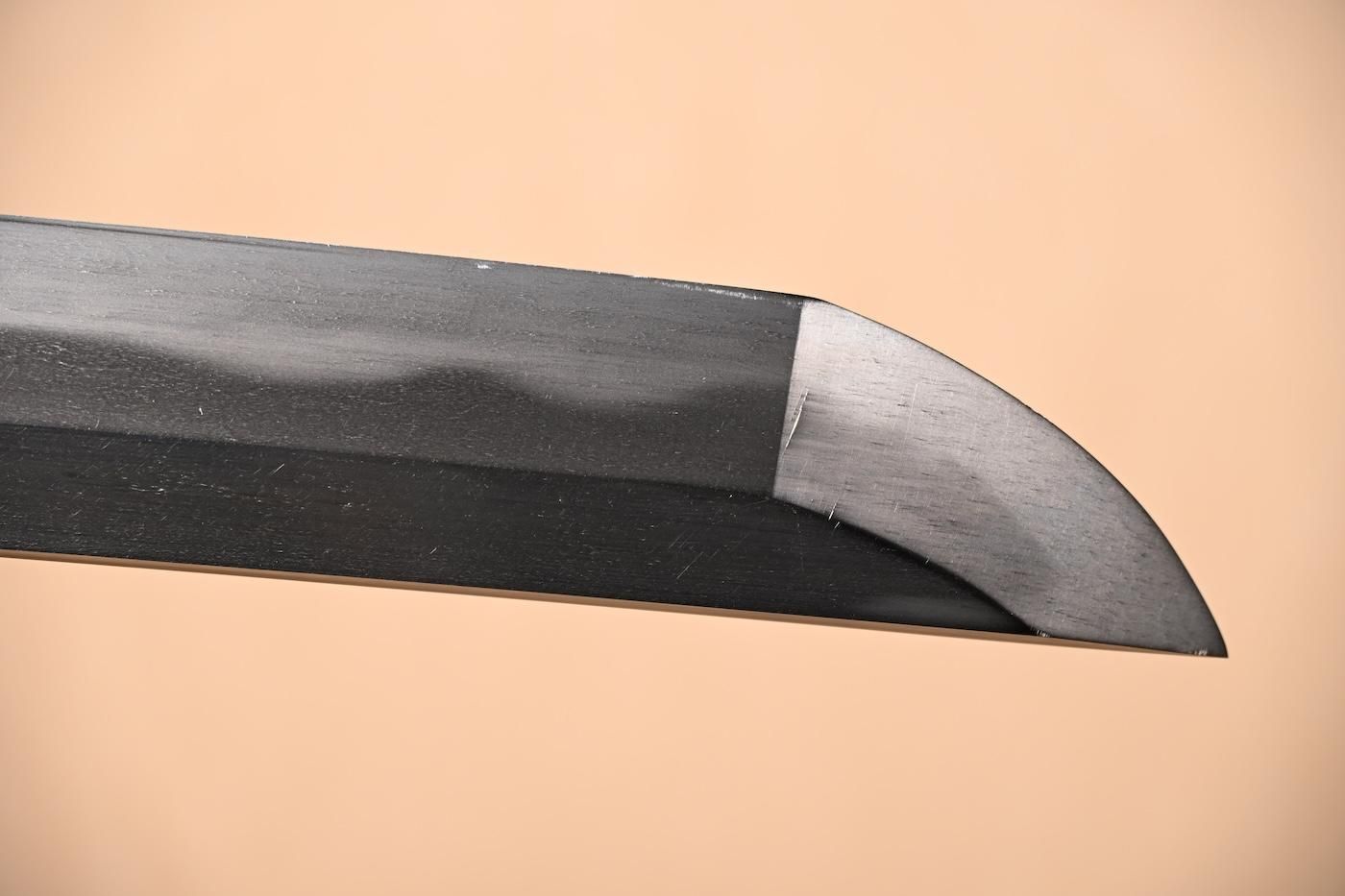
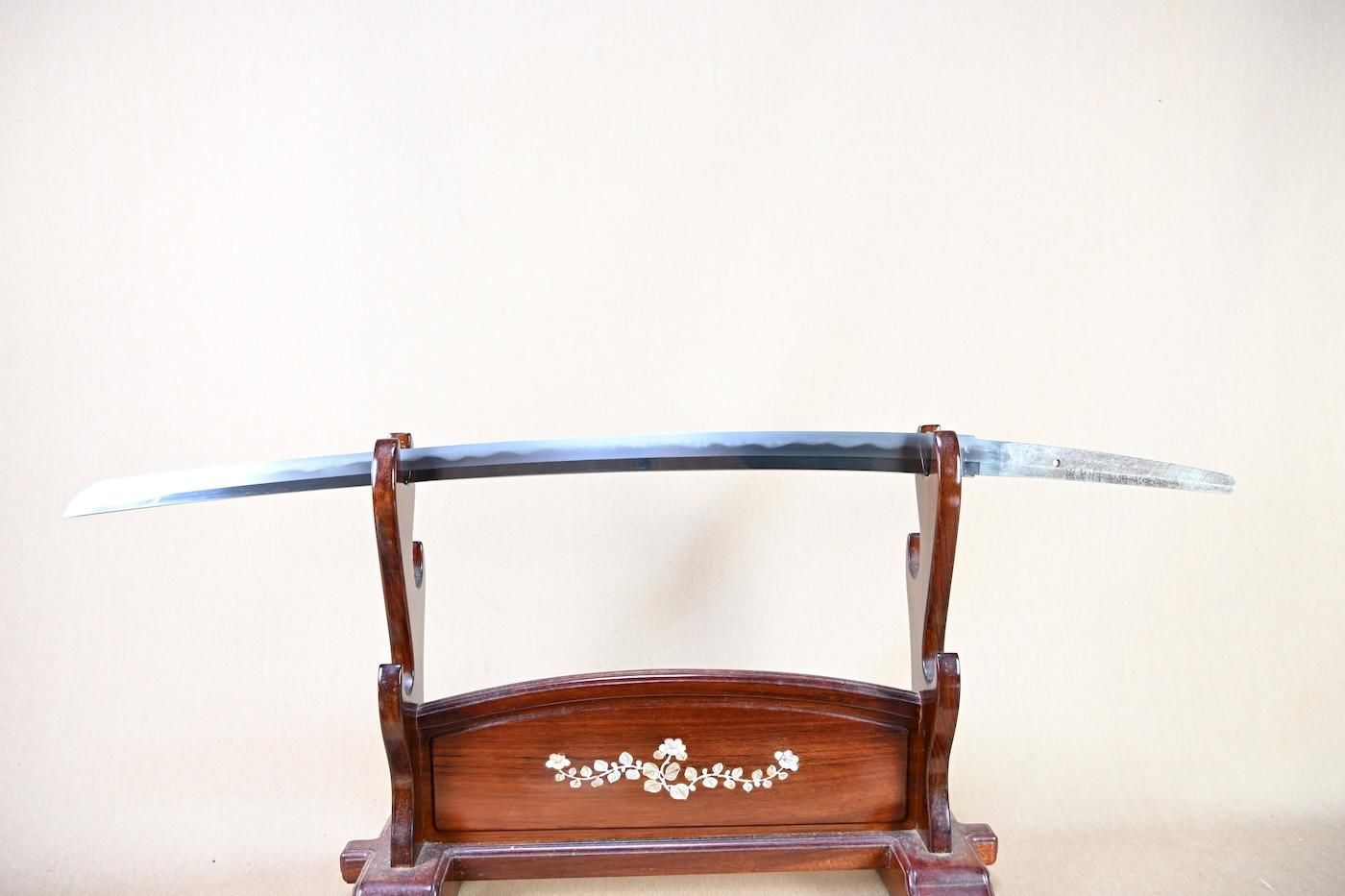
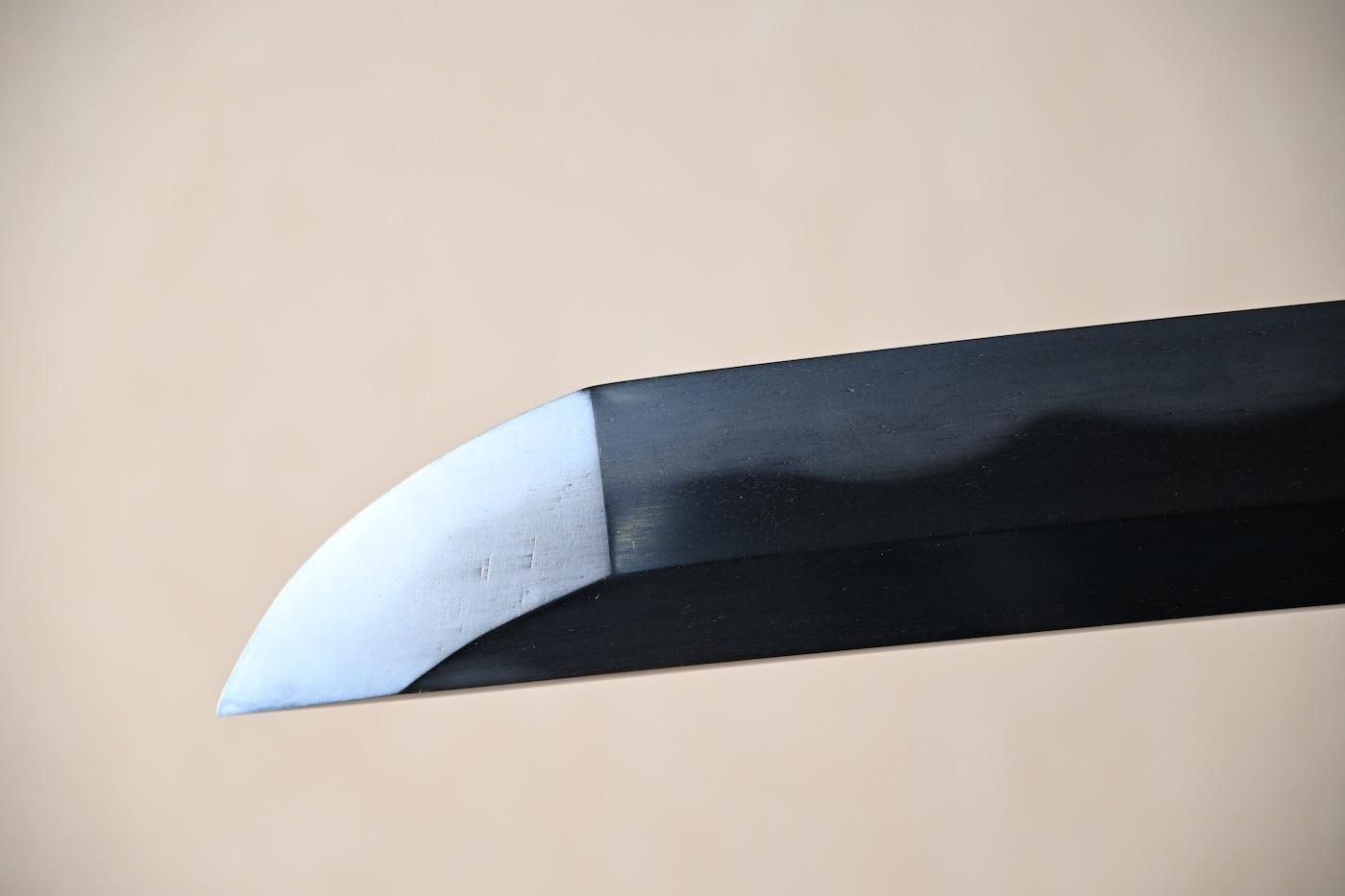
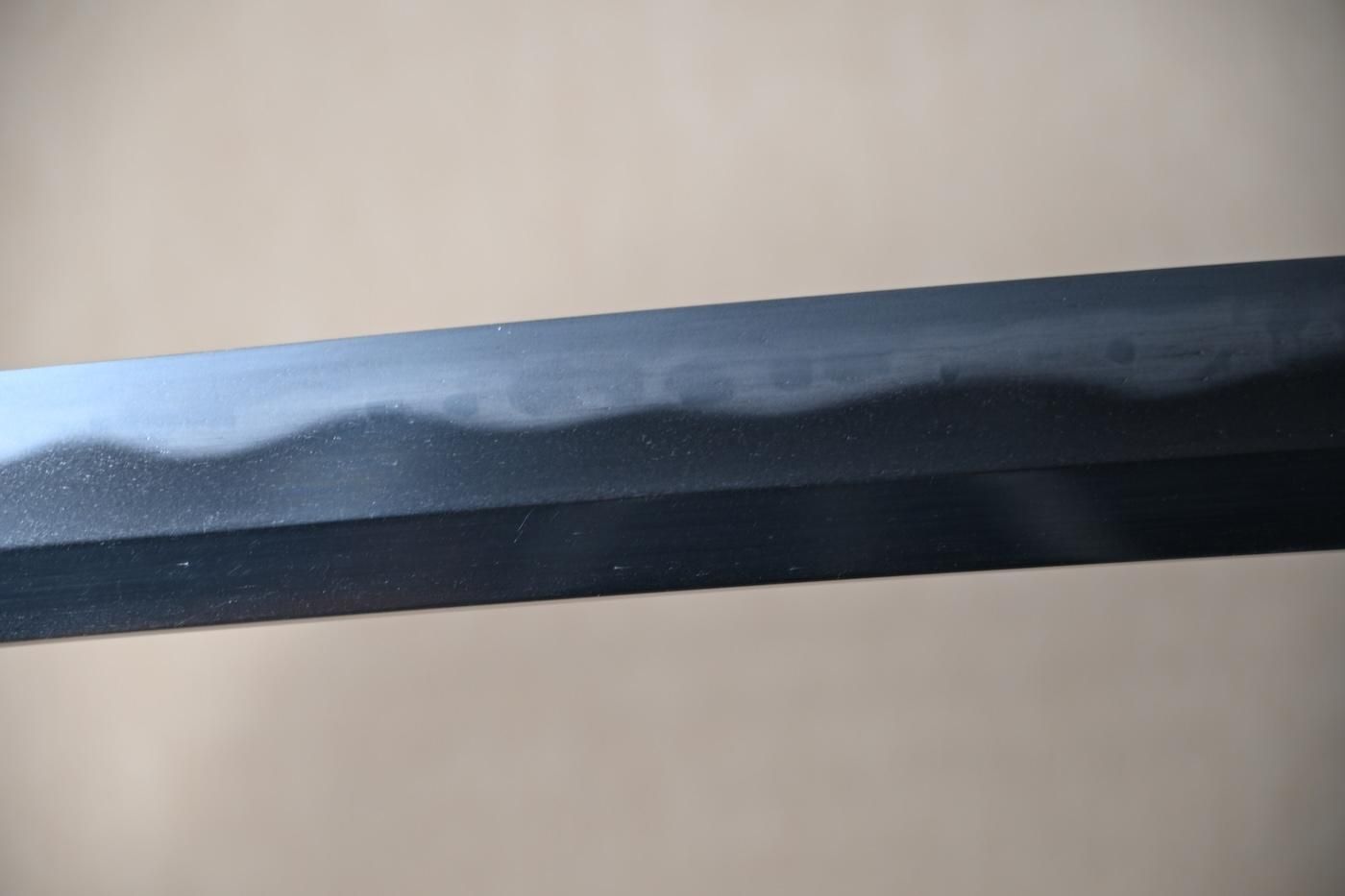
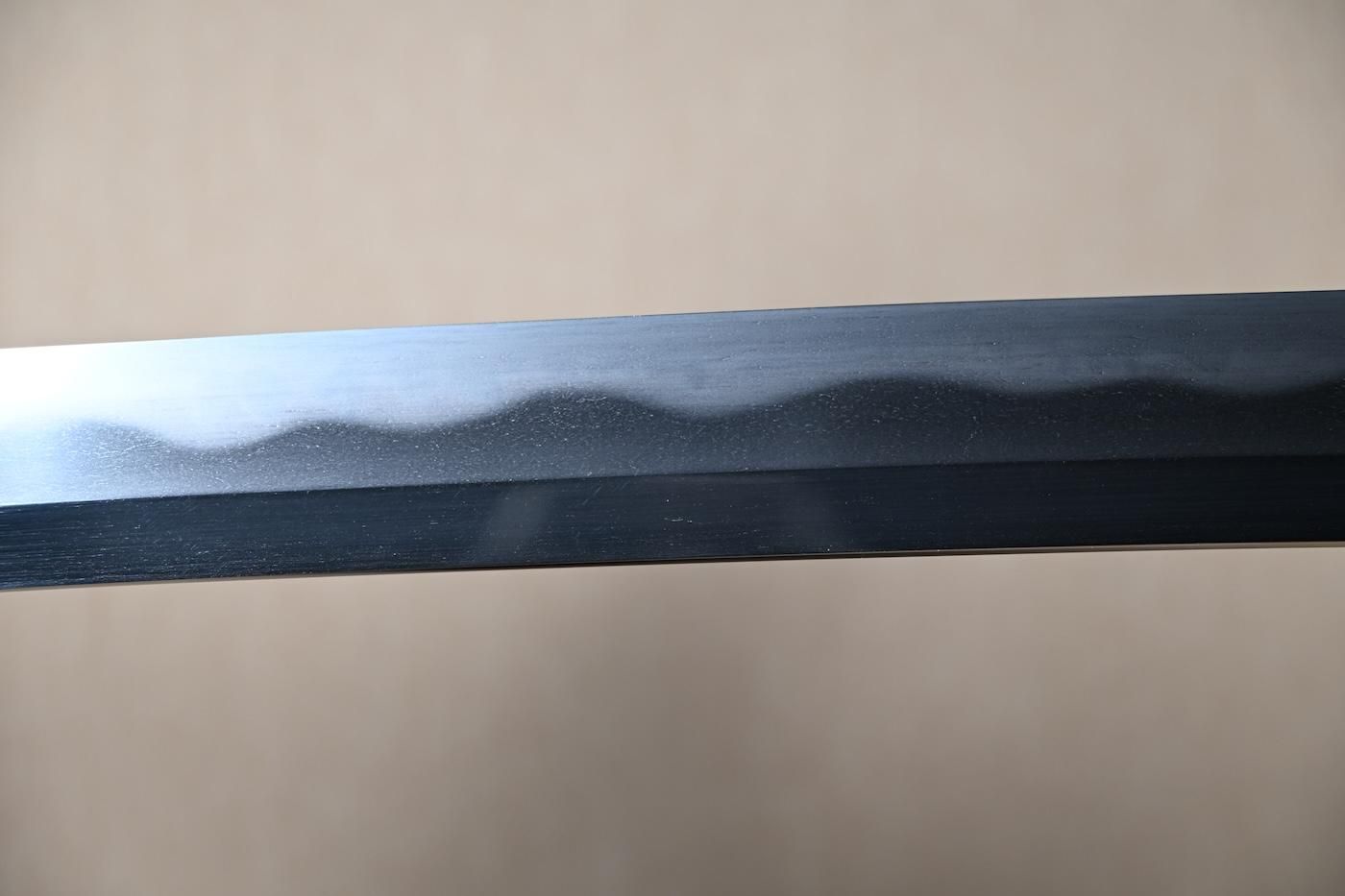
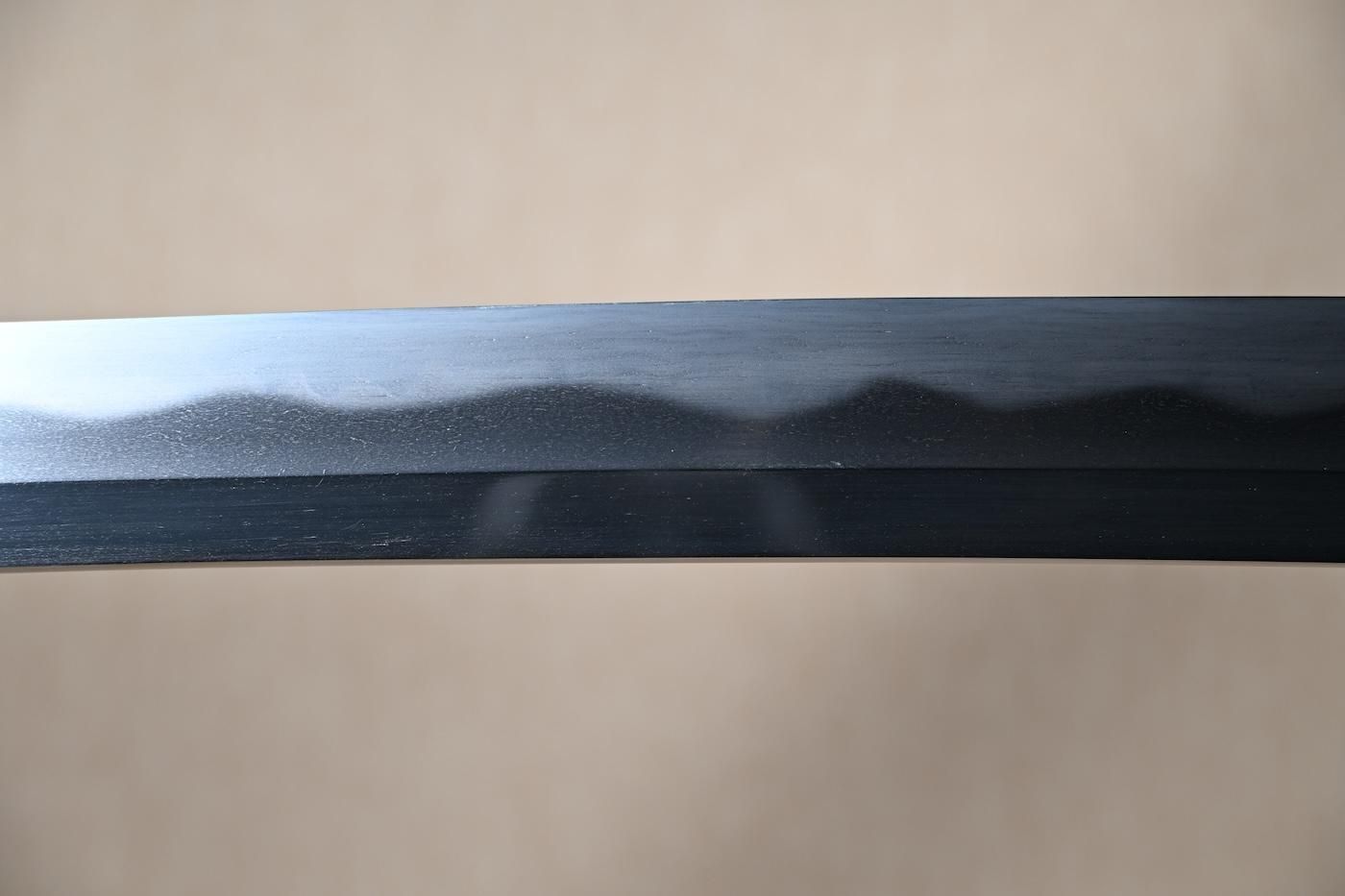
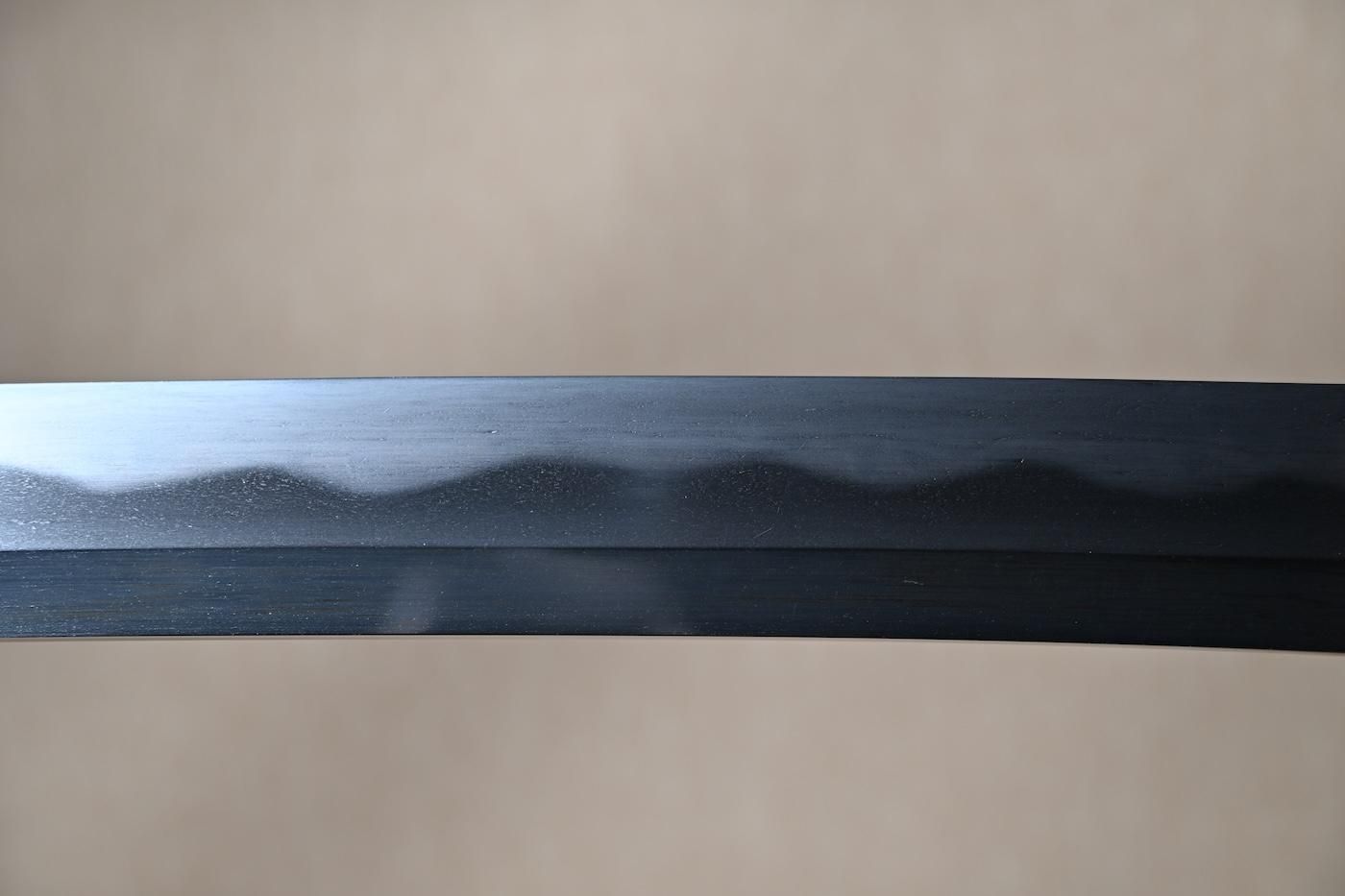
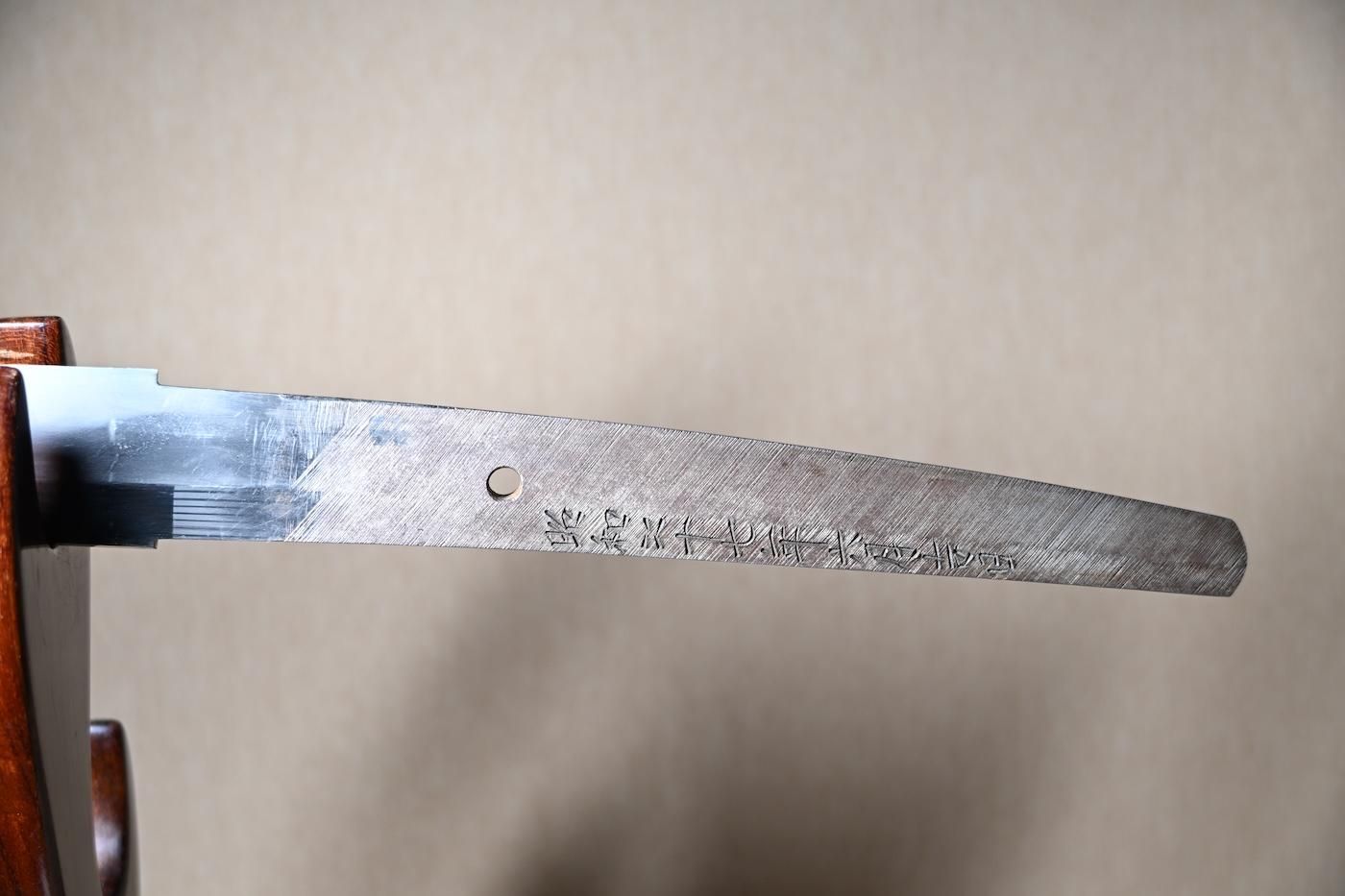
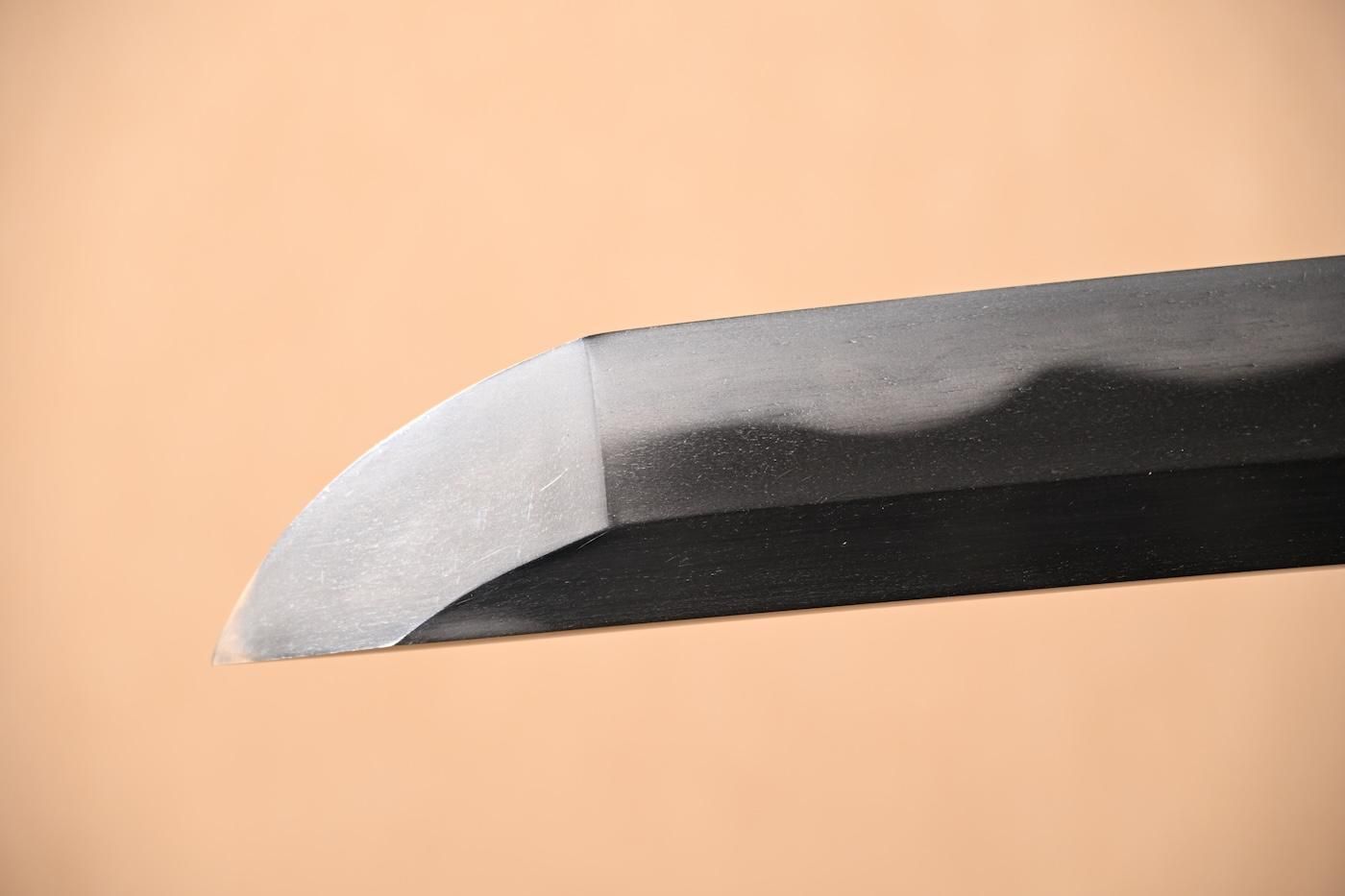
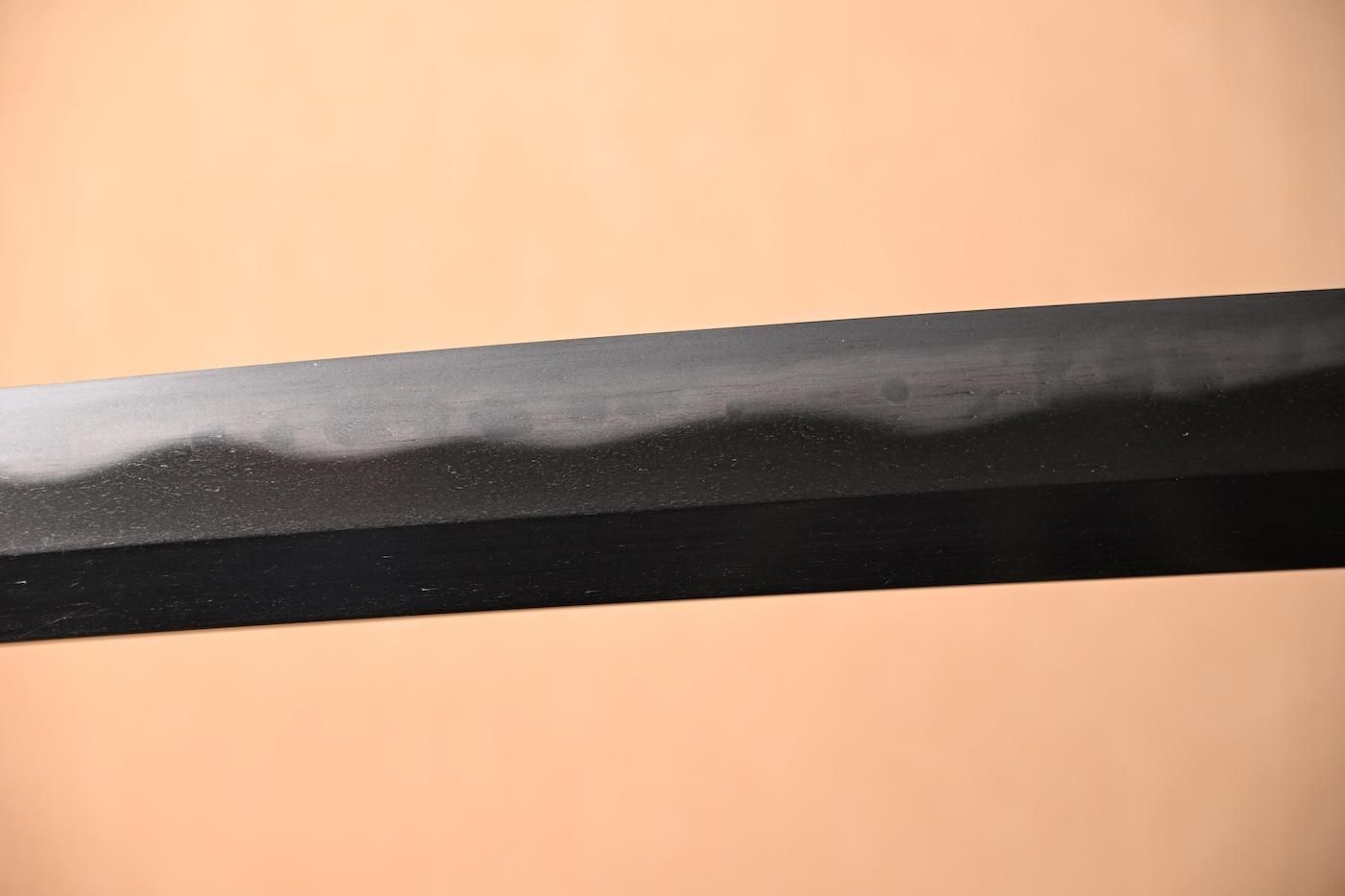
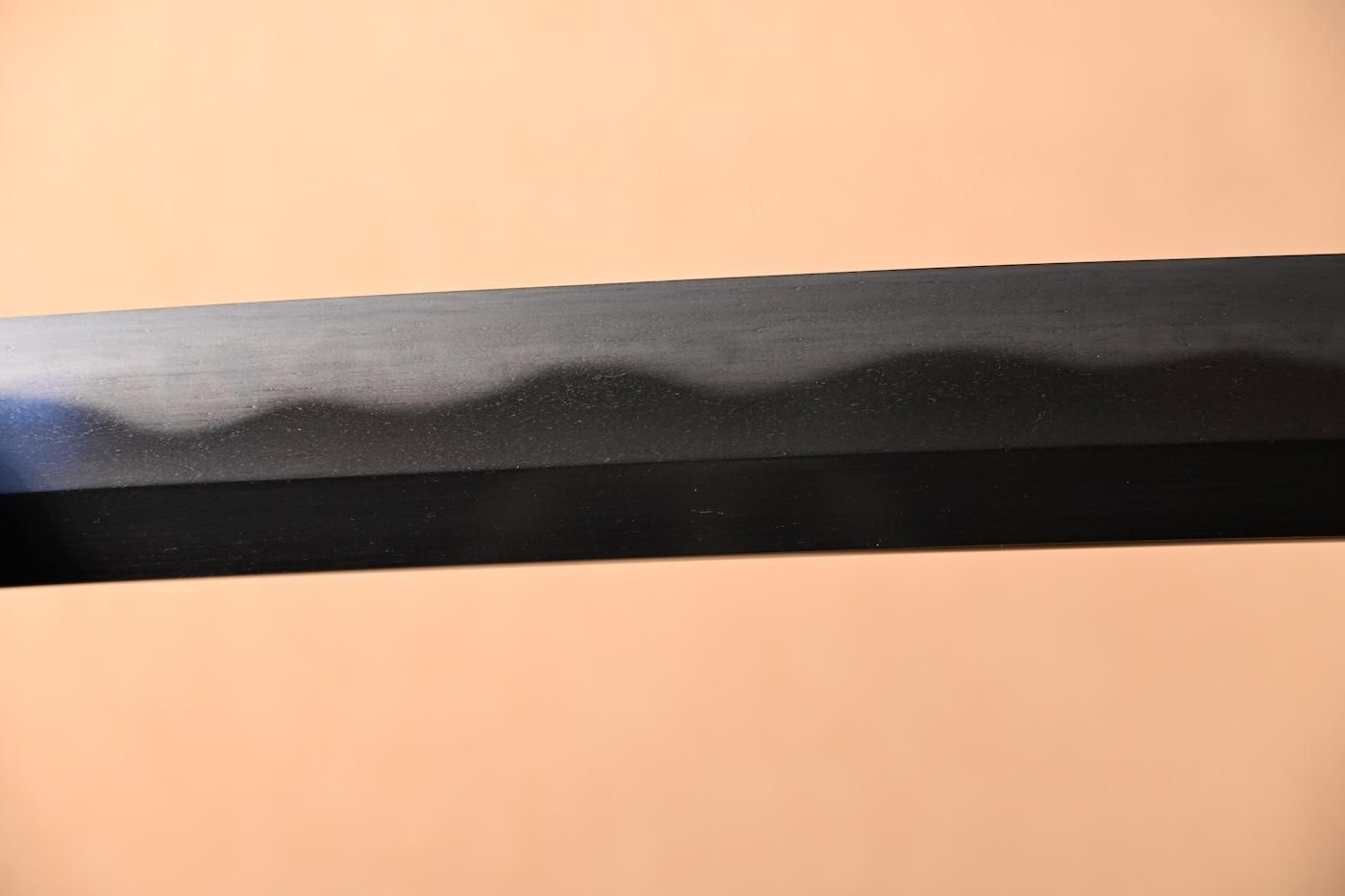
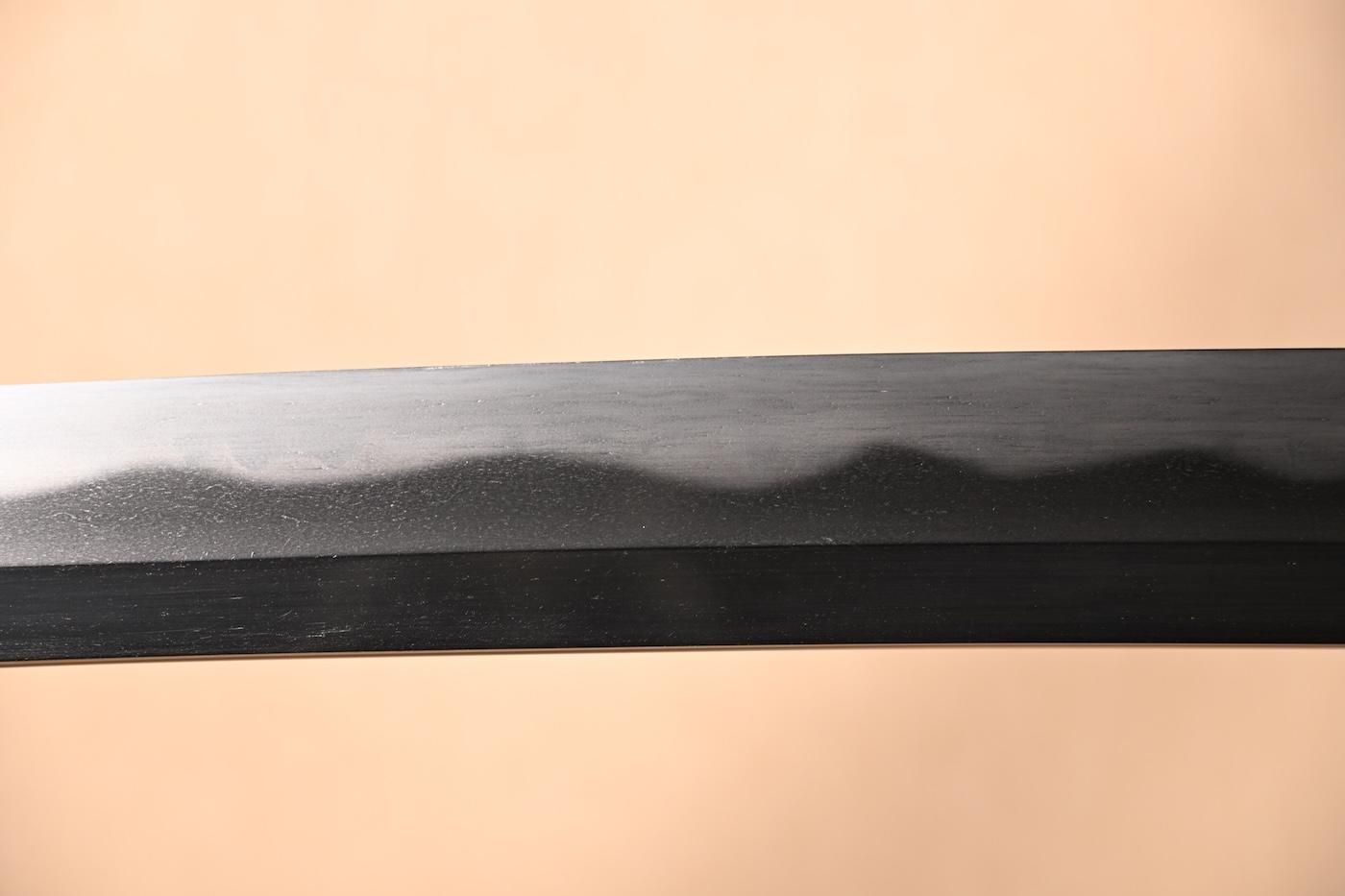
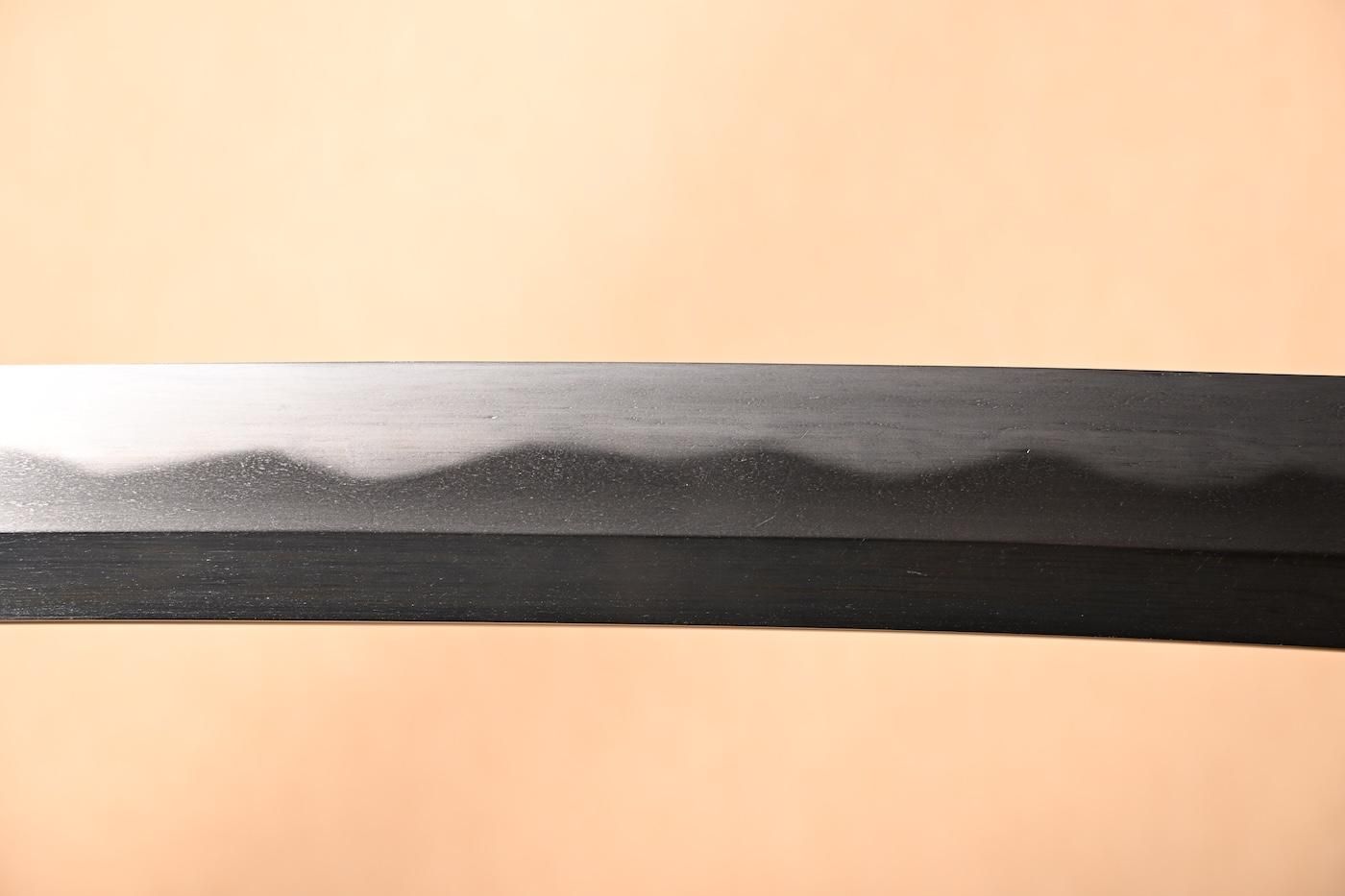
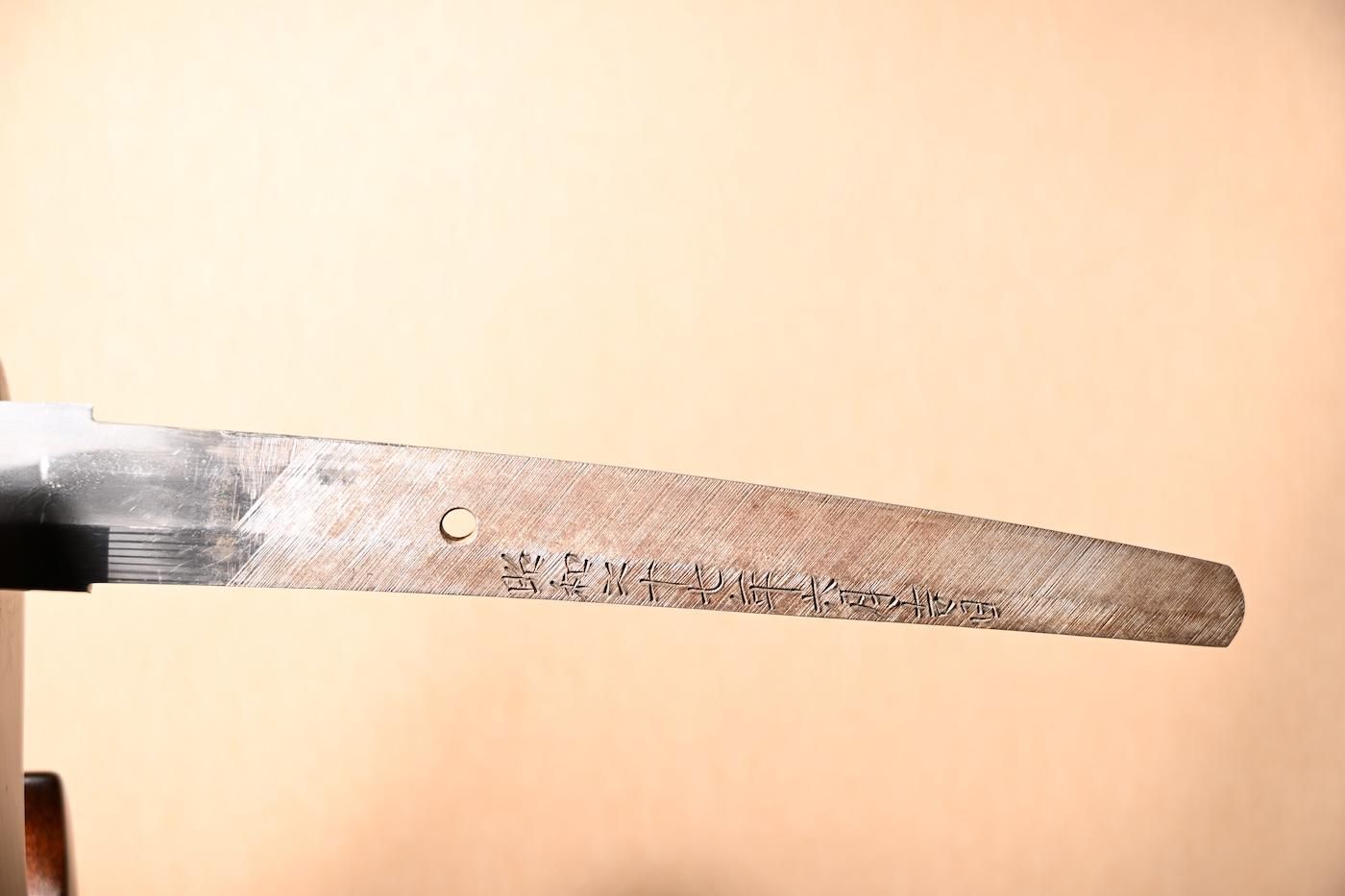
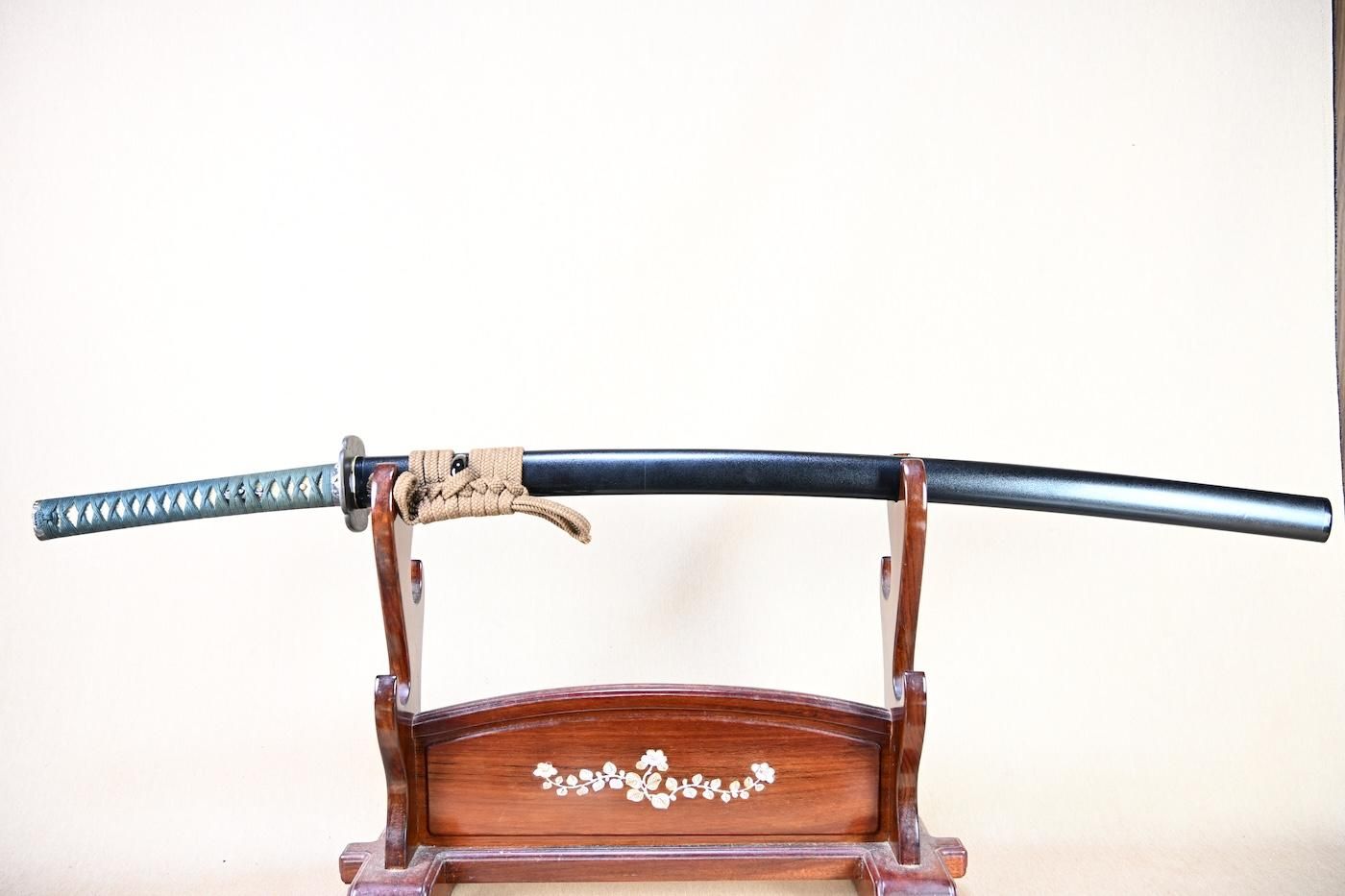
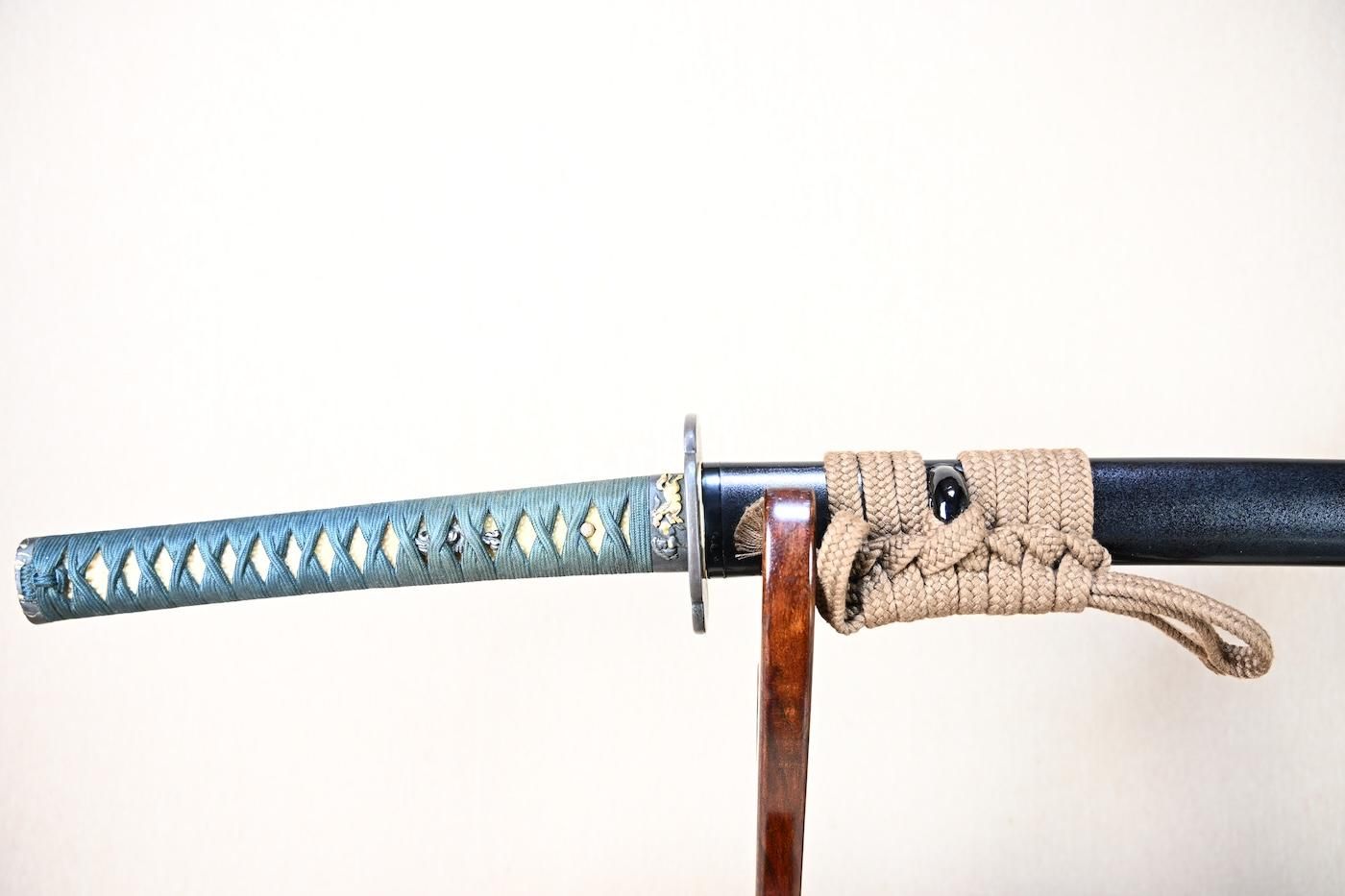
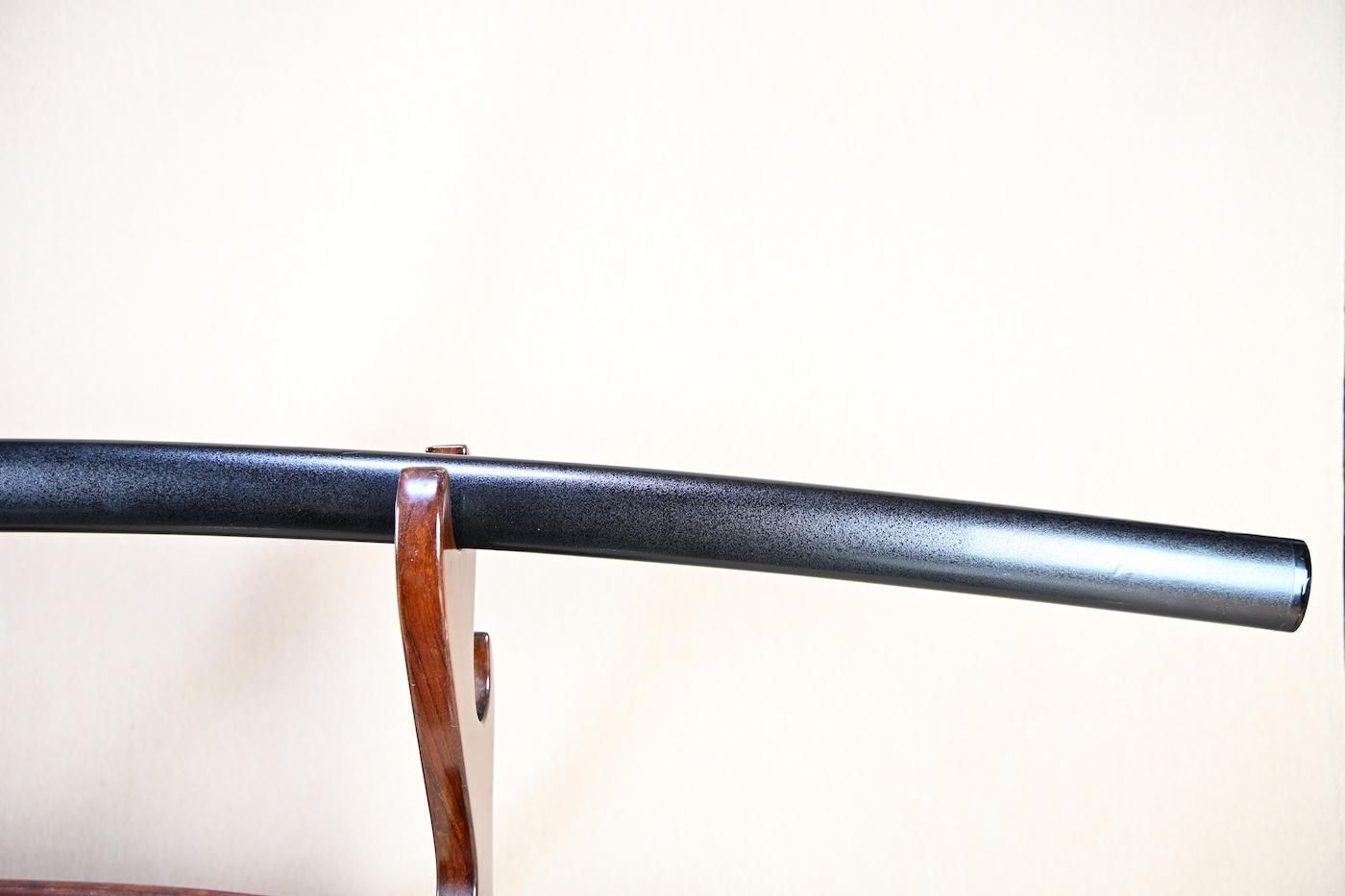
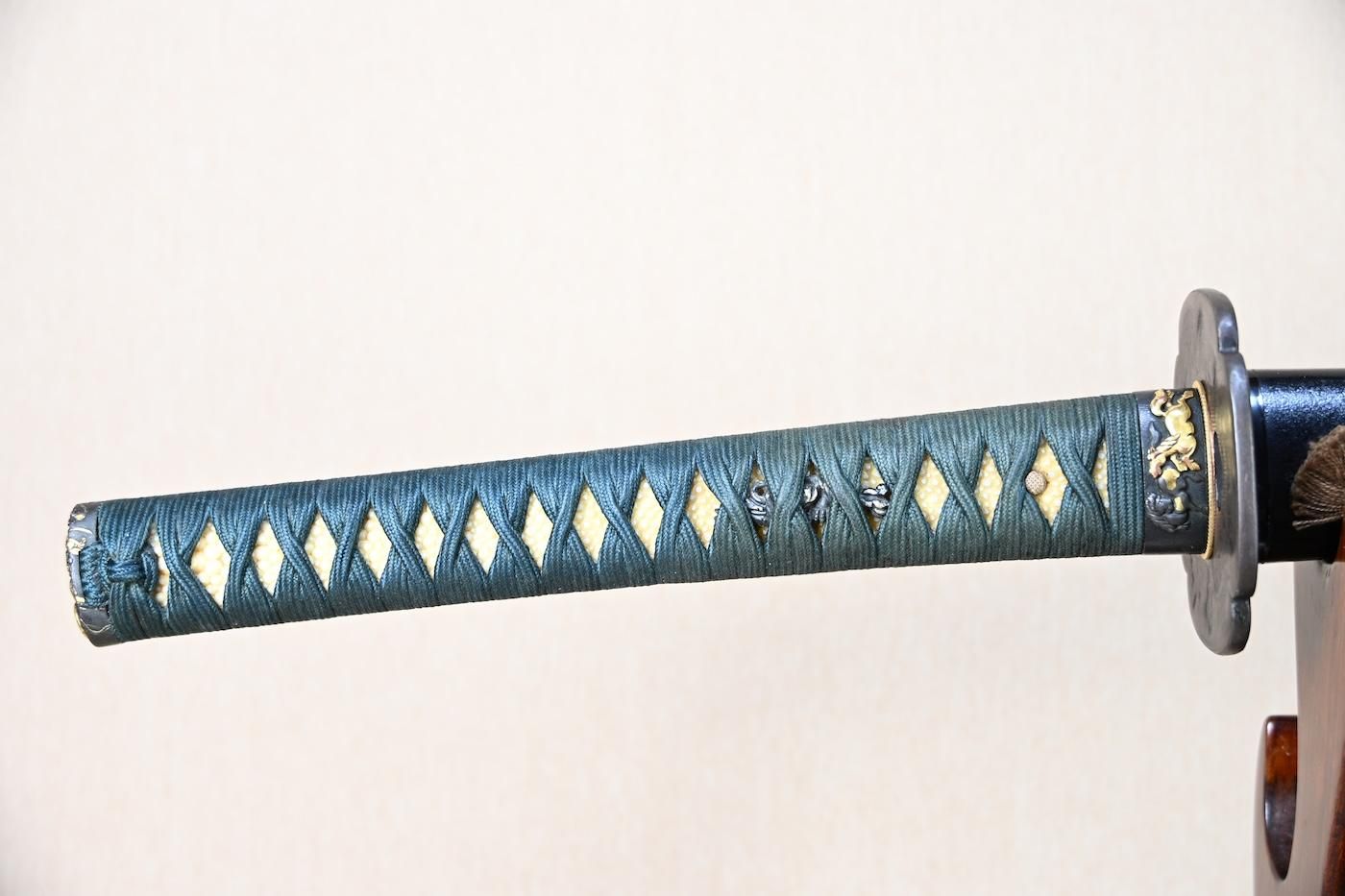
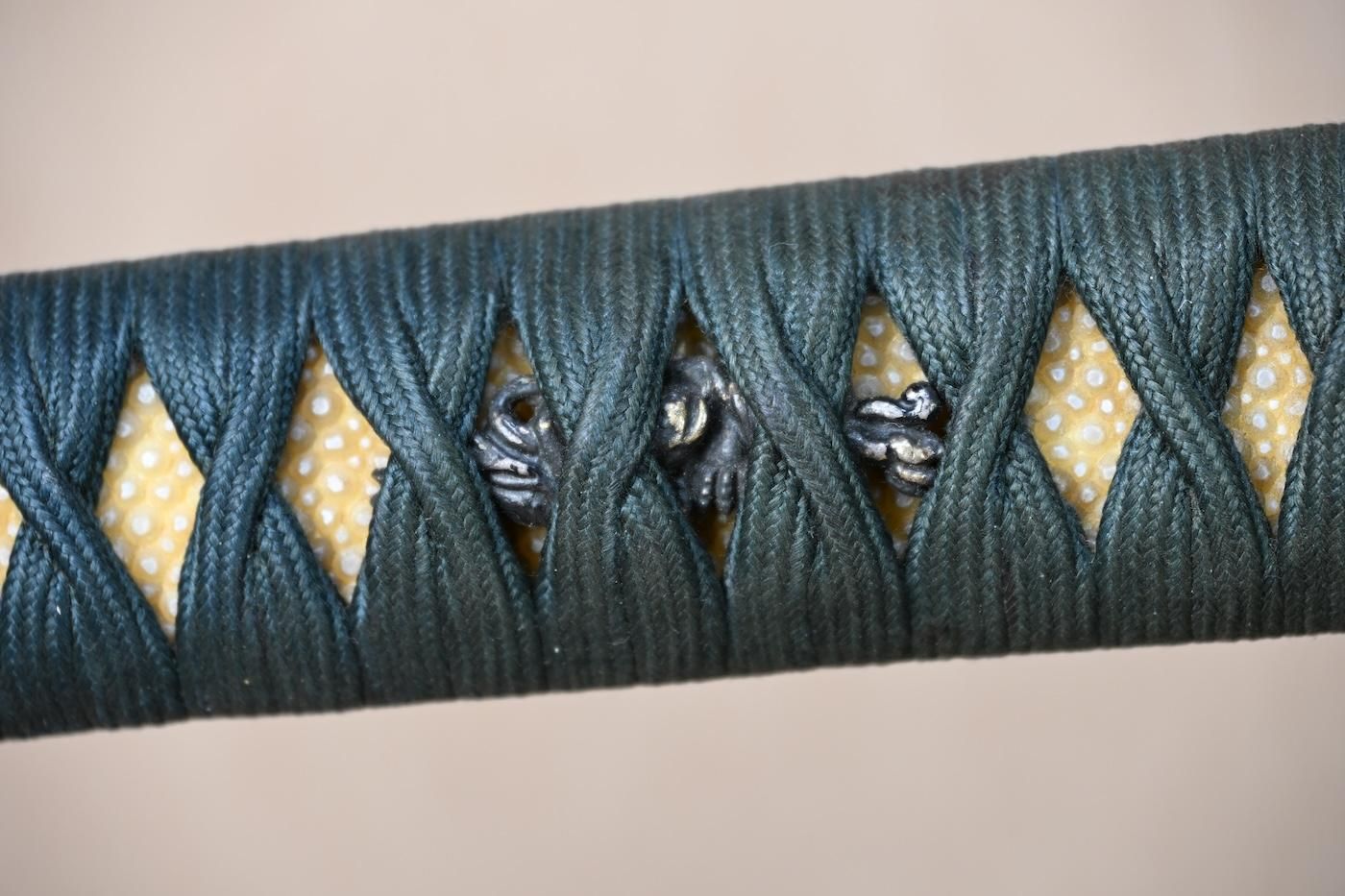
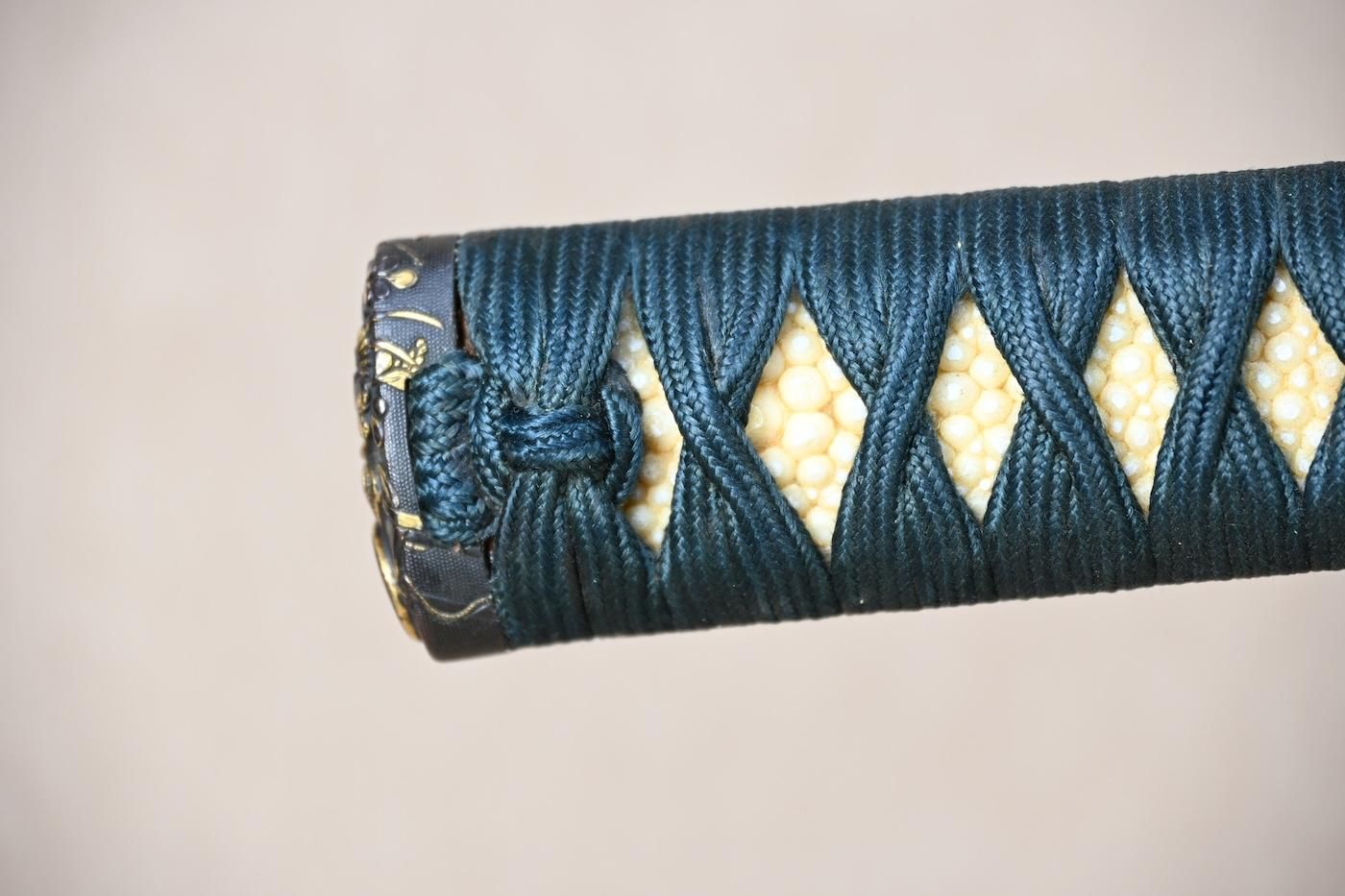
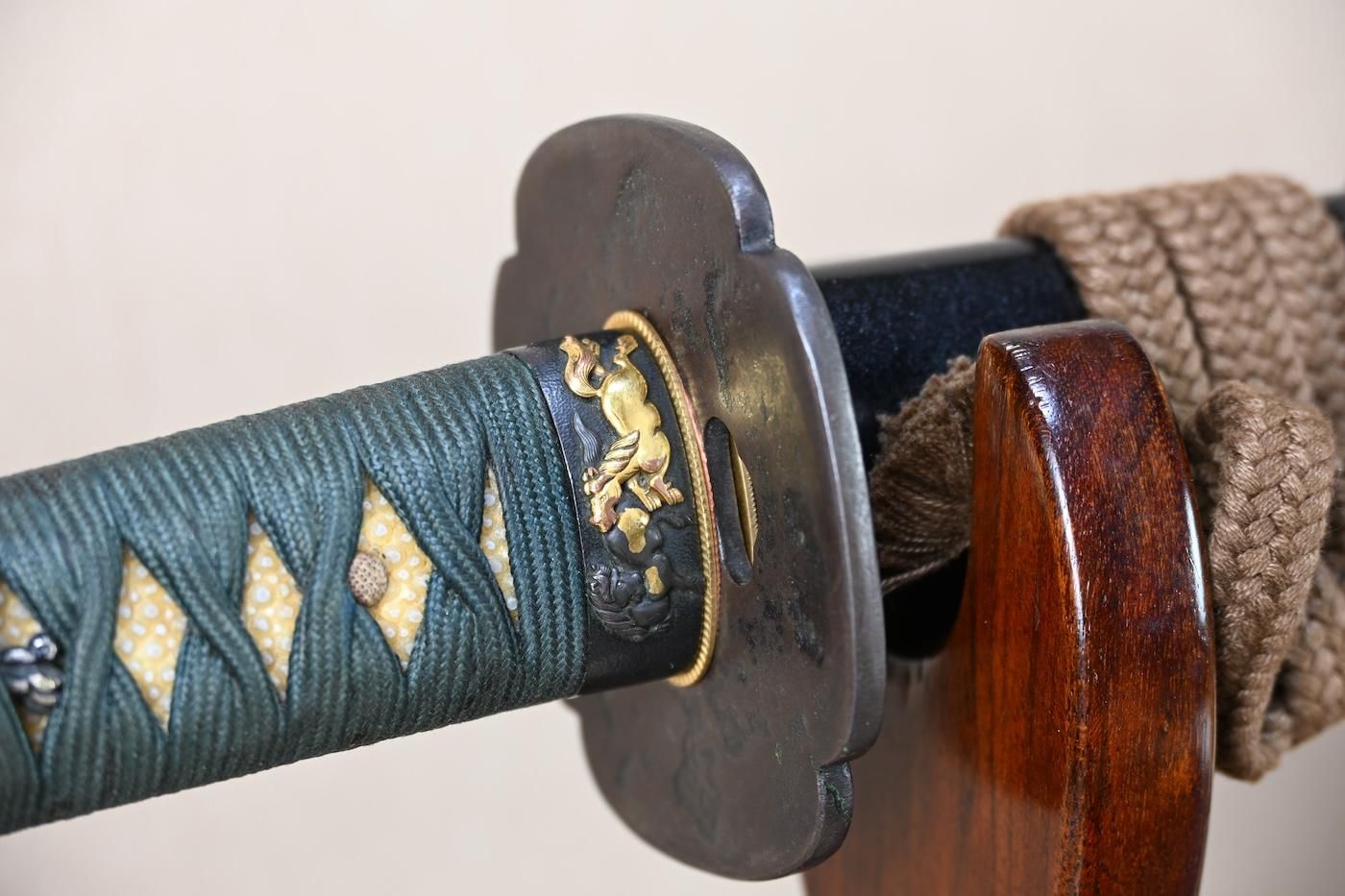
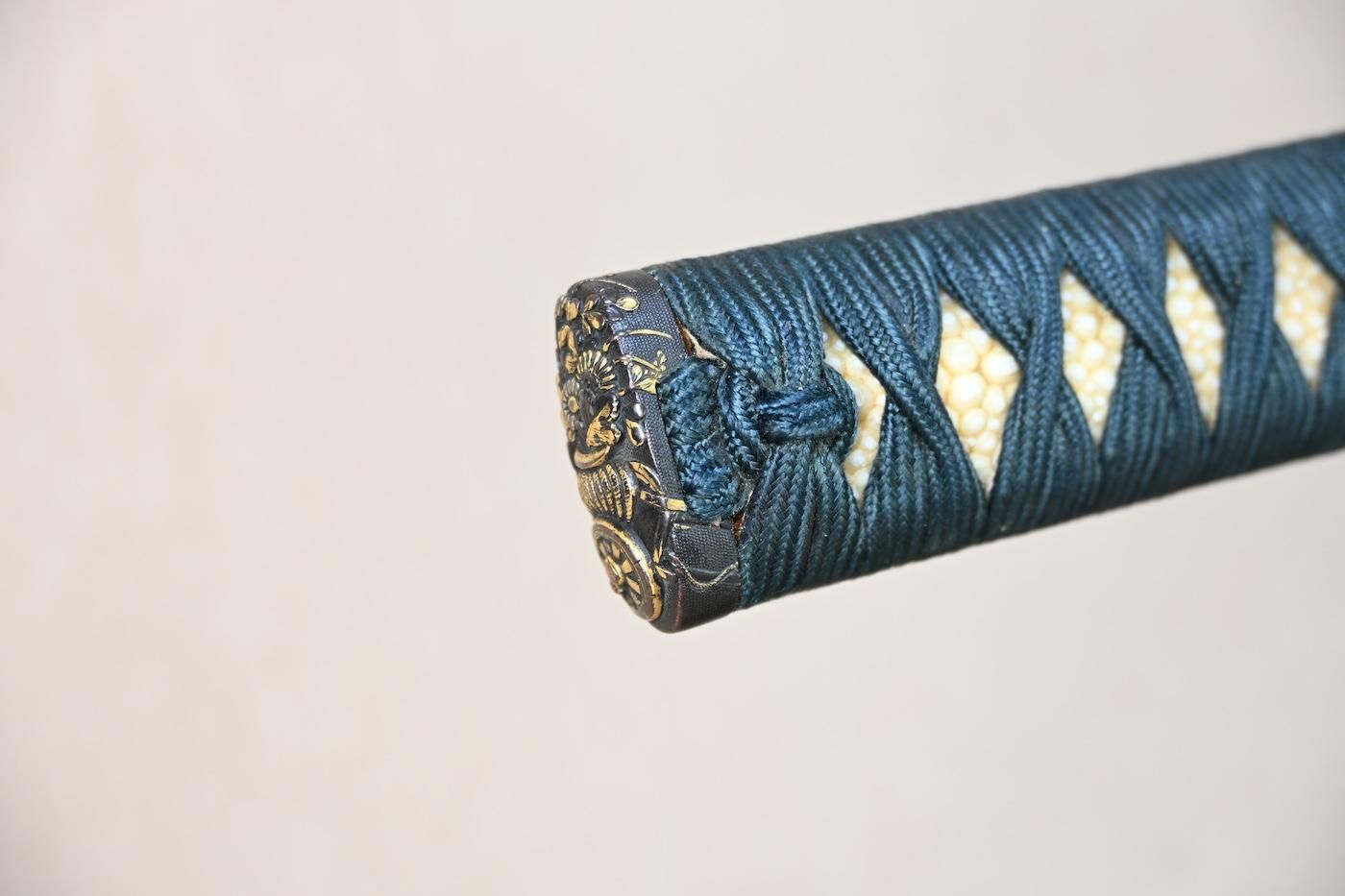
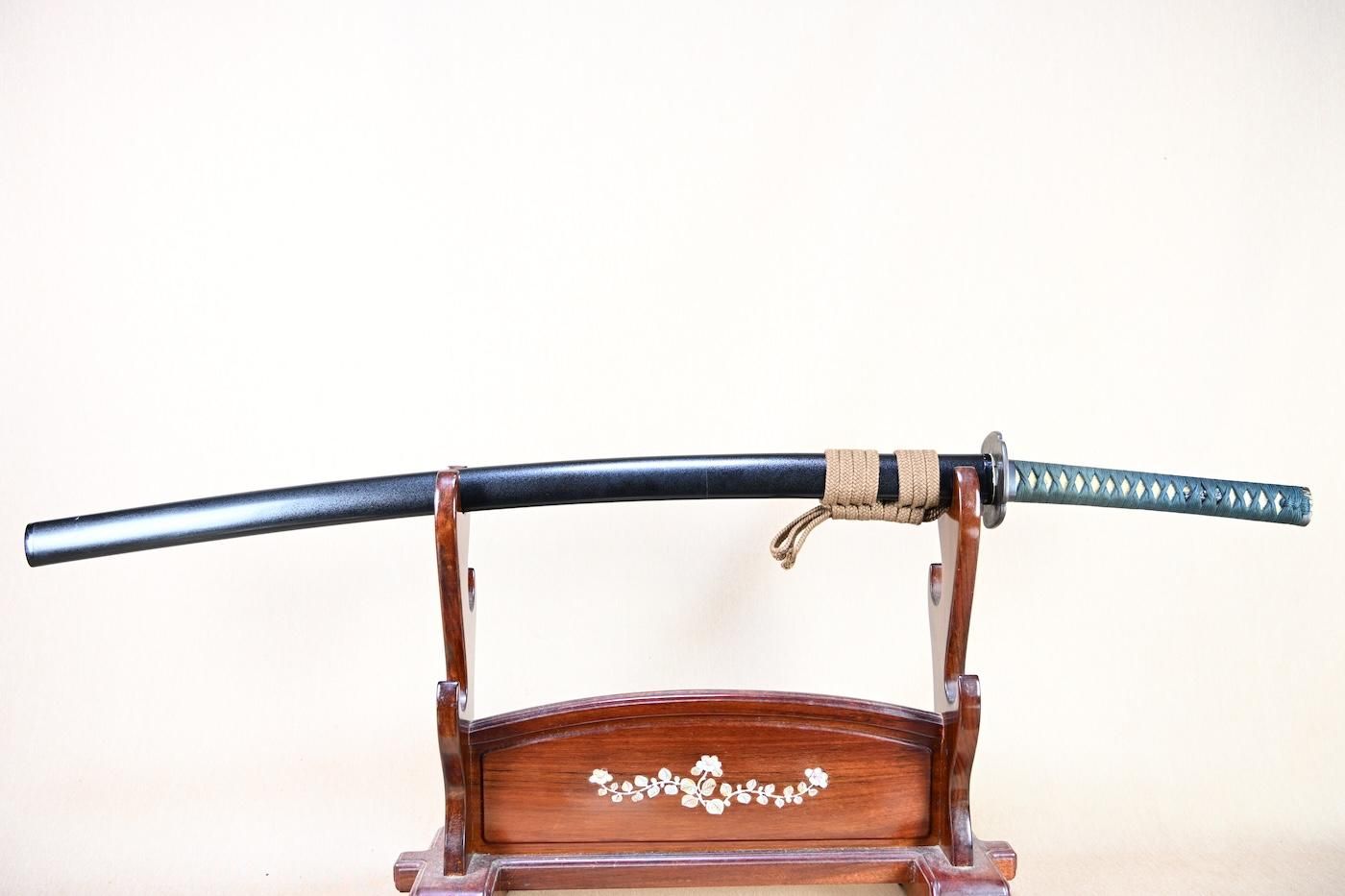
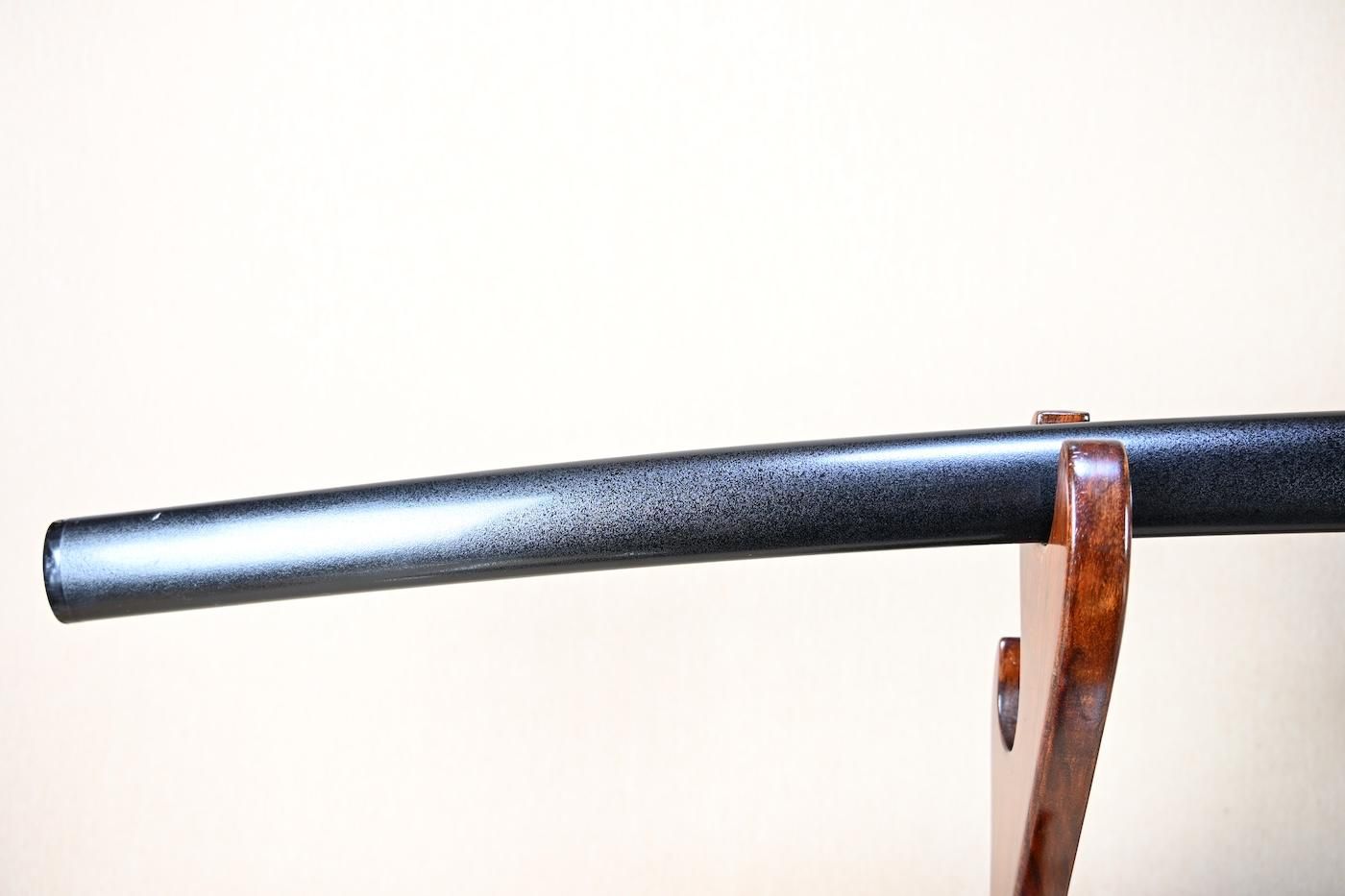
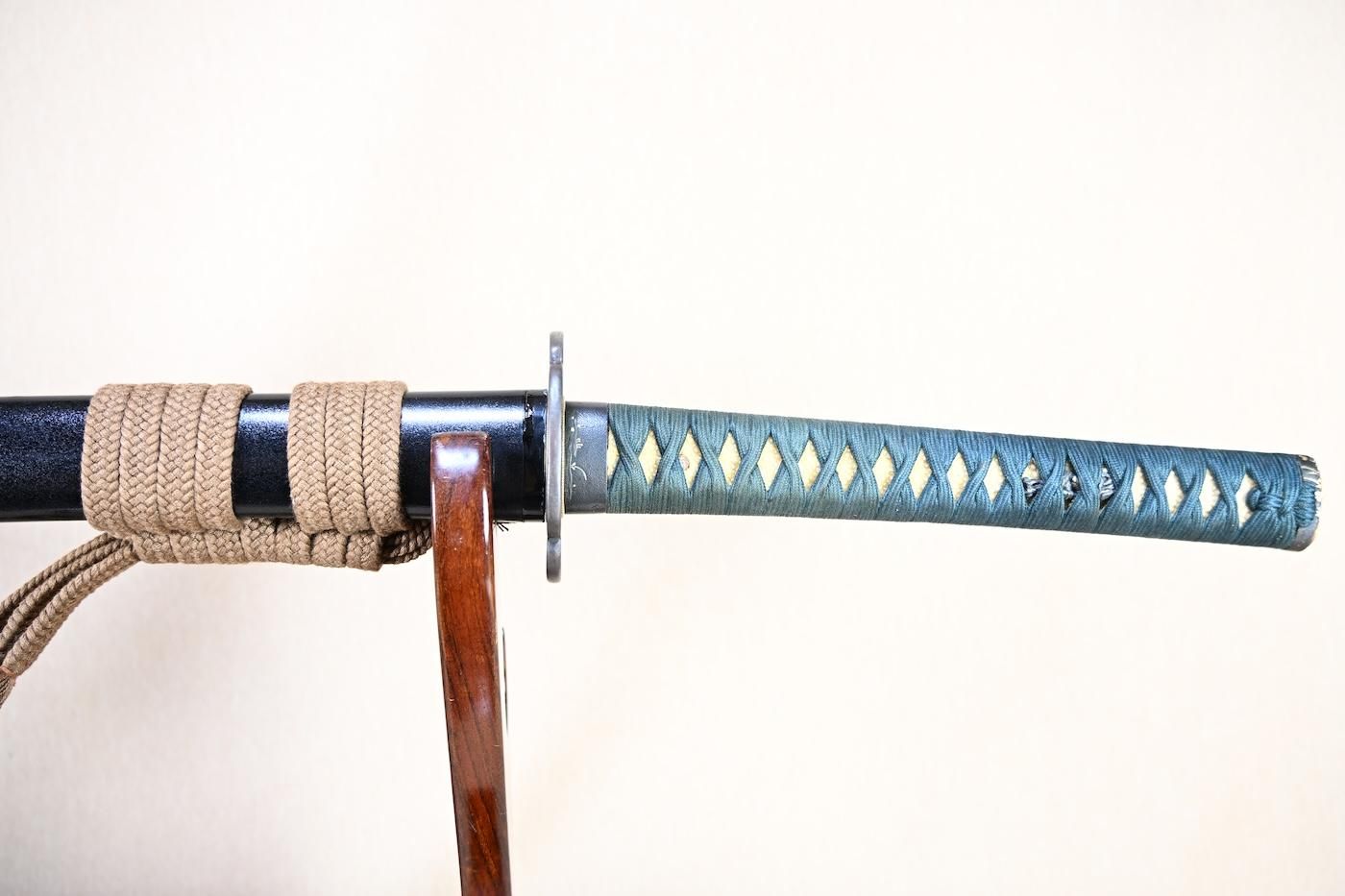
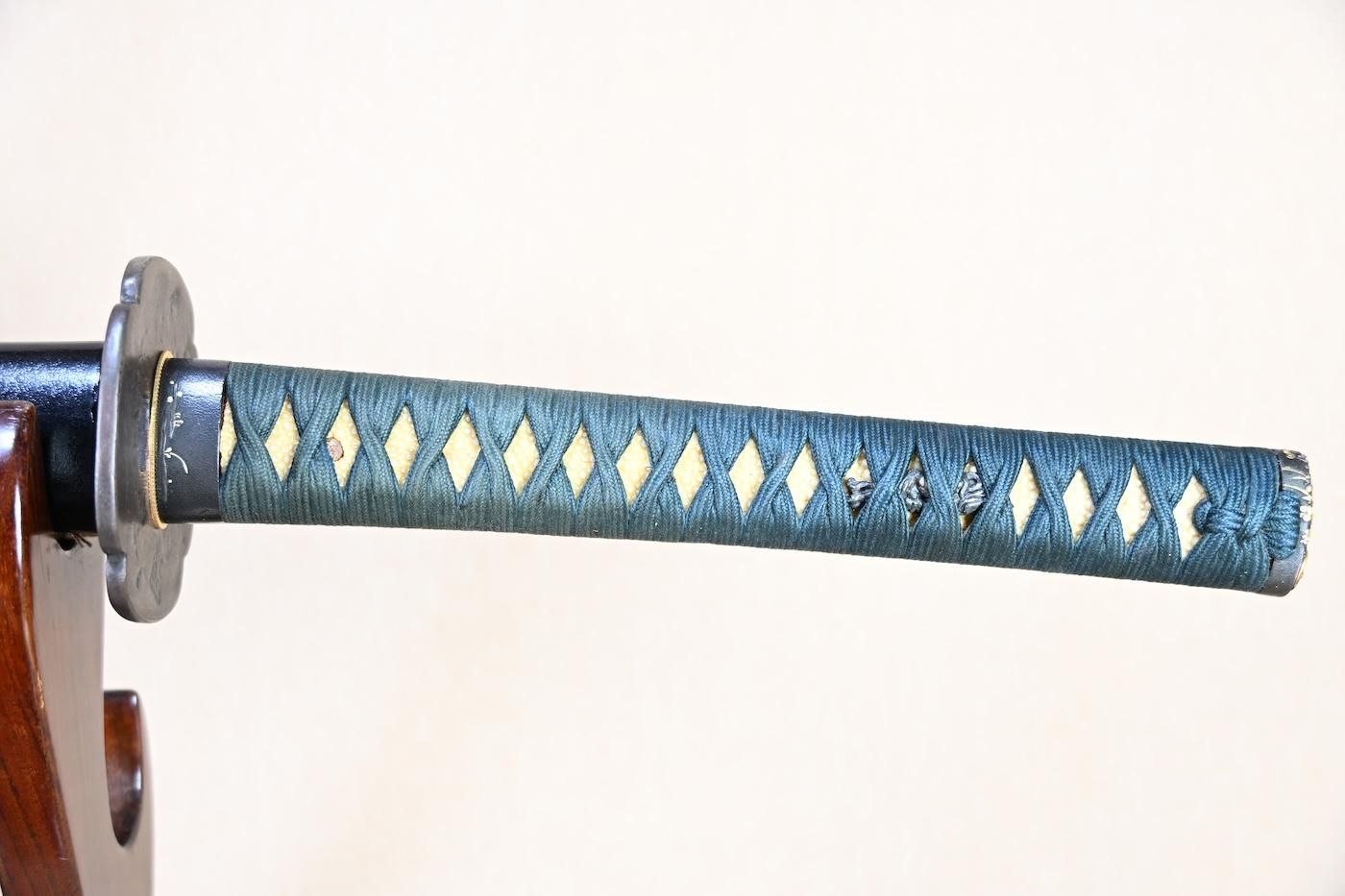
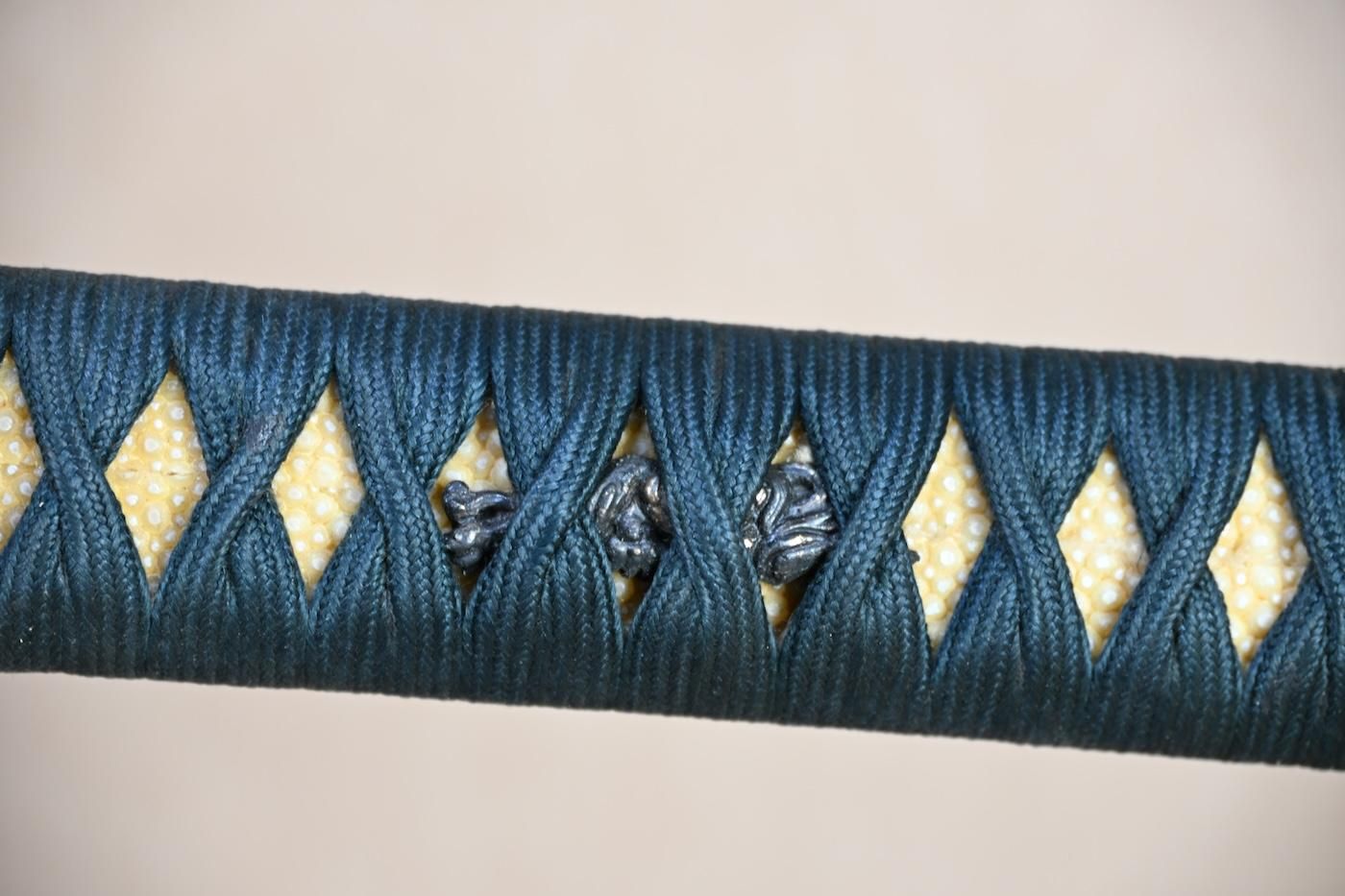
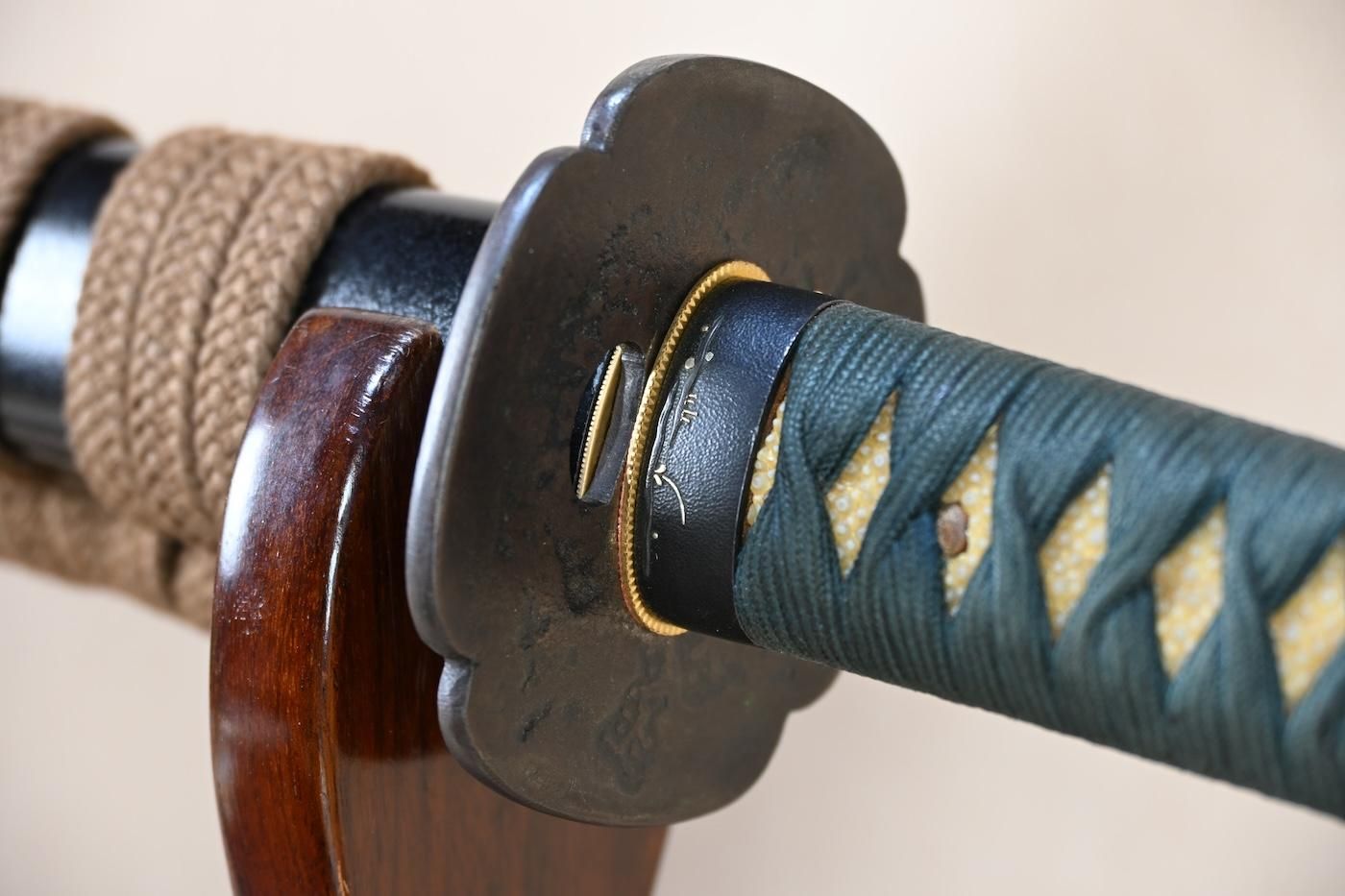
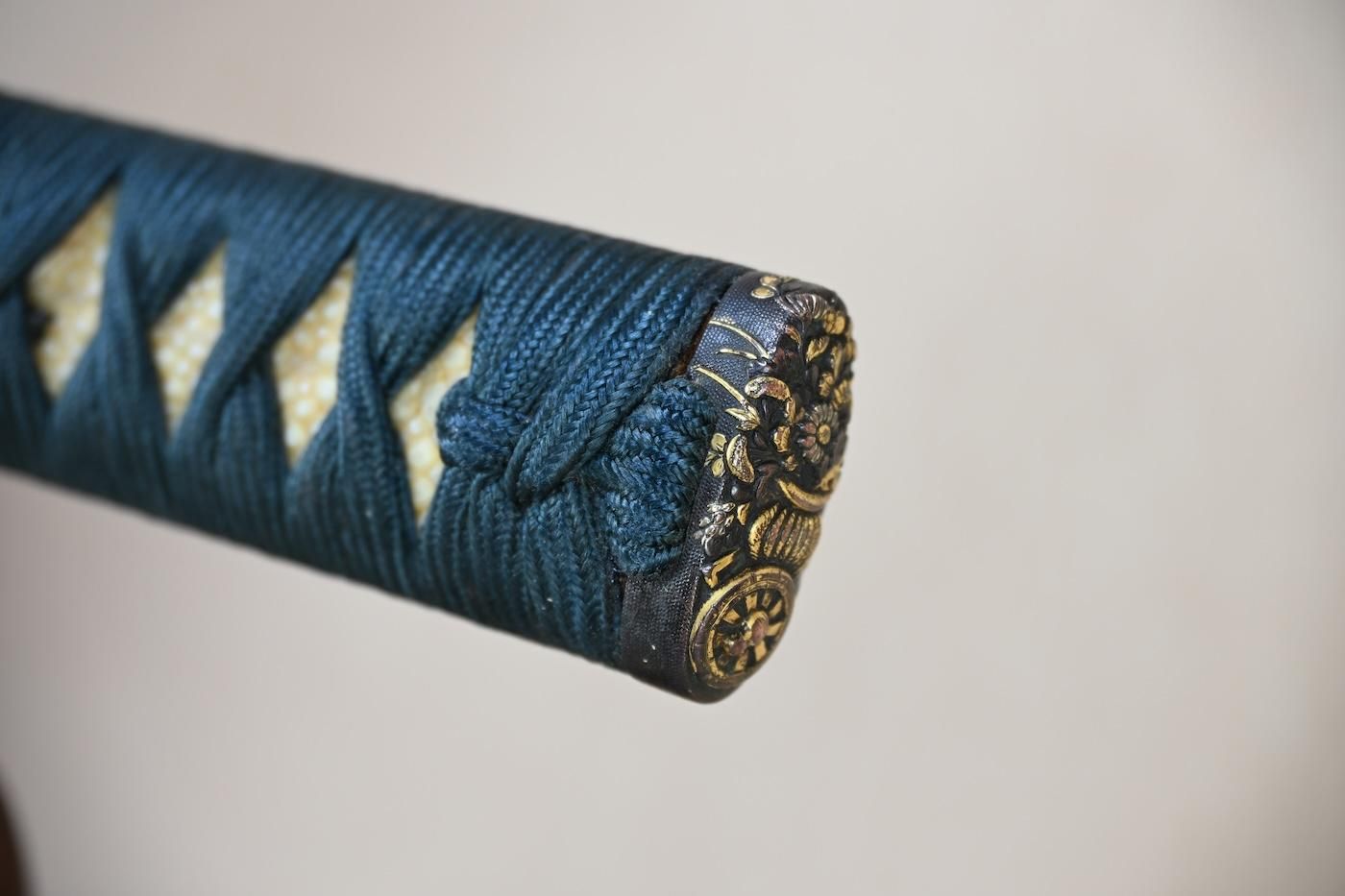
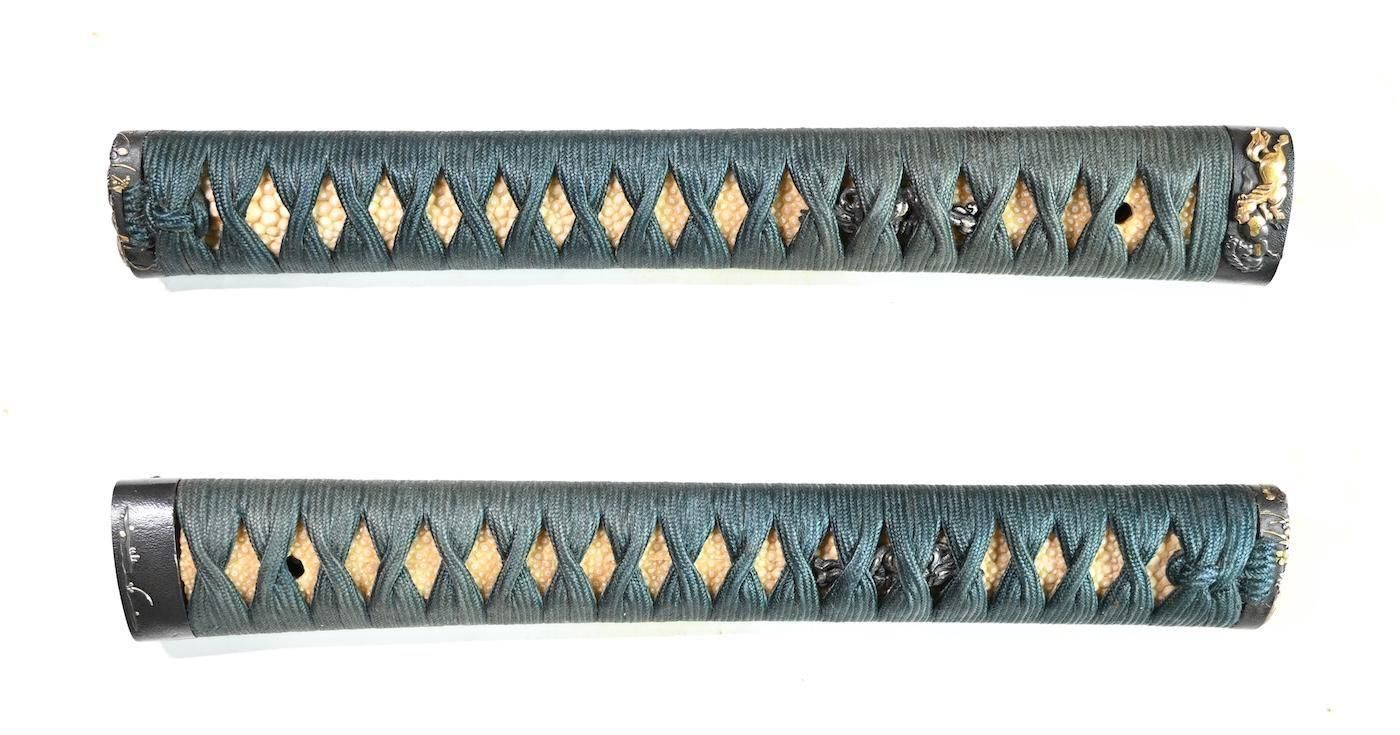
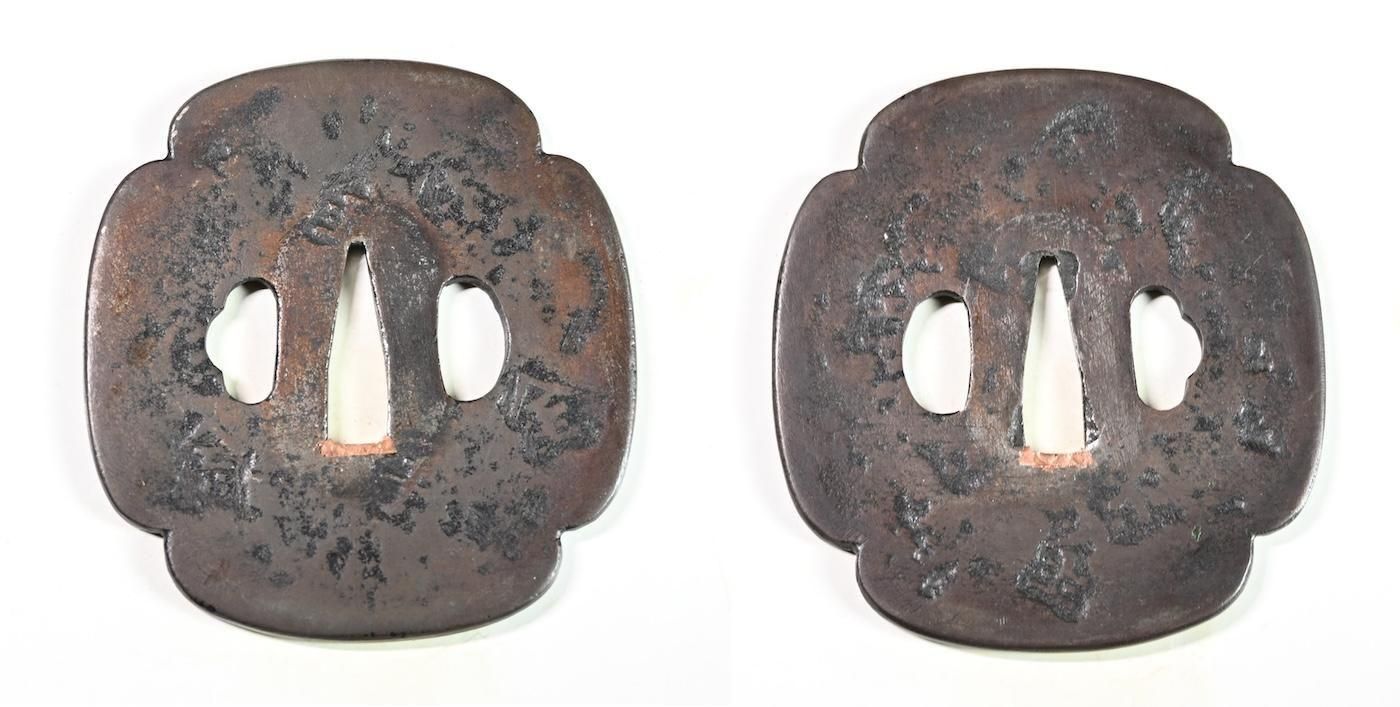
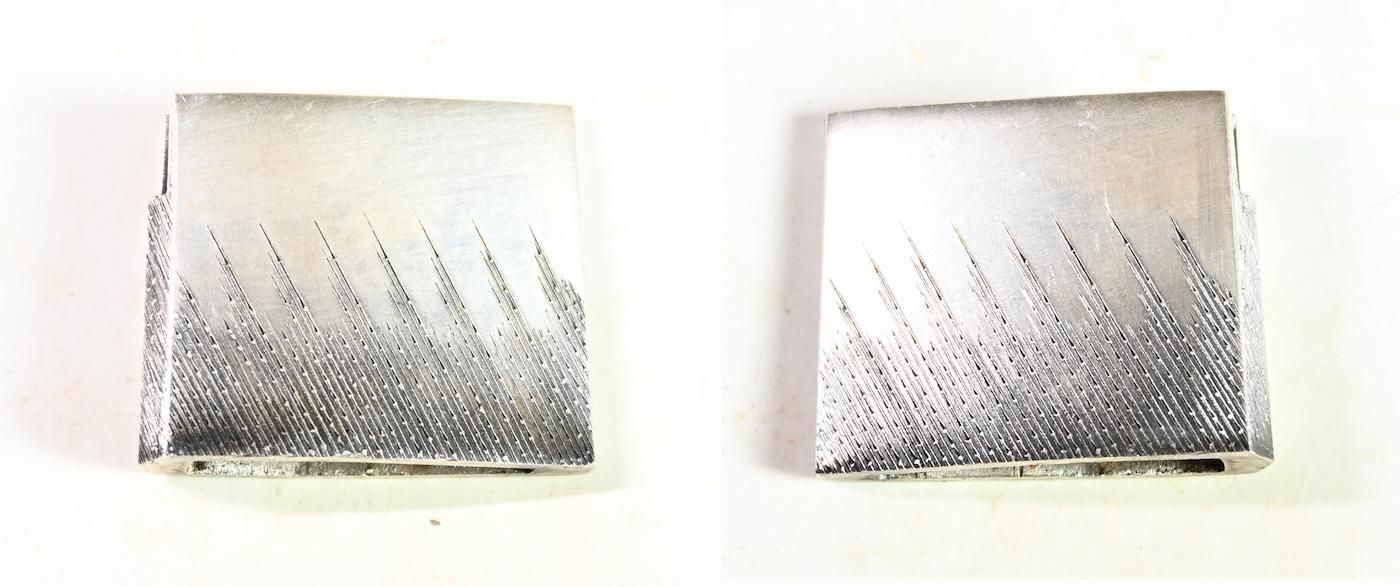
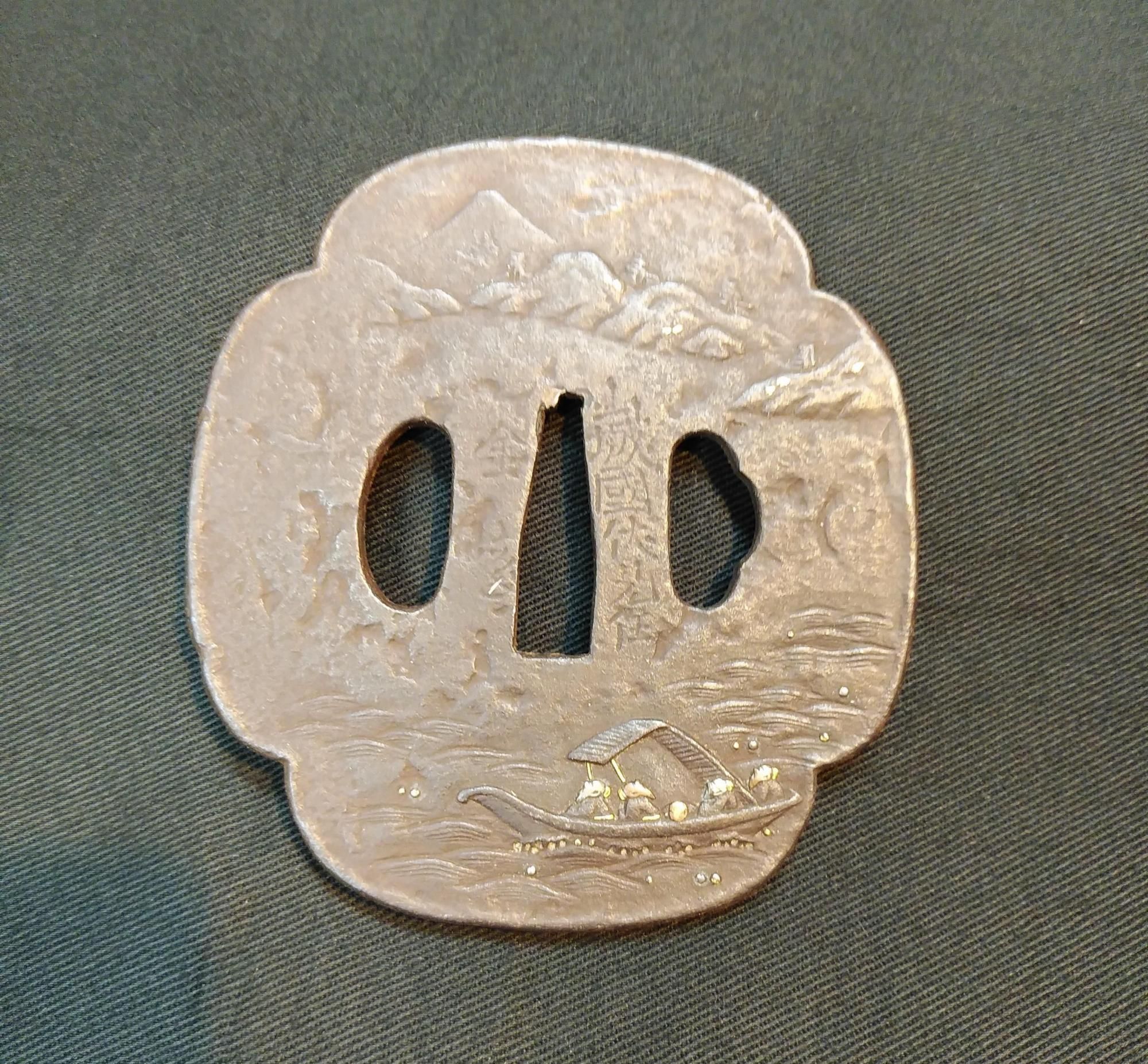
A swordsmith known as the founder of the Akamatsu Taro school who forged swords from the Showa to the Heisei era, although his lineage served as swordmakers for generations, they turned to cutlery smithing due to the Meiji Haitorei, and later he entered the tutelage of Kurihara Akihide (Kurihara Hikosaburo), reviving the family as swordsmiths in the generation of Kaneshige. A swordsmith active since before the war, he was highly regarded to the extent of being designated as Sekiwake rank, Owazamono, and among the Jo-ko in the Showa 17 provisional ranking of contemporary swordsmiths by Kurihara Hikosaburo Sensei. The current head of the Akamatsu Taro school, the swordsmith Akamatsu Taro Kanemitsu, is the grandson of the swordsmith Kaneshige. - Condition of the Toshin In a goso姿 with a wide mihaba and somewhat thick kasane, the jigane is forged in a dense, moist muji-hada, the hamon is tempered in nioi-deki with choji mixed with gunome, and on the chu-kissaki, the boshi has a sharp quality with a deep kaeri. It has a heavy, substantial weight and is a recommended sword as a robust shizanto. - Koshirae The kanagu consist of fuchi-kashira with plating, the tsuka is made slim with the tsuka-ito tightly wrapped, a mokko-gata tsuba is fitted, and it is a koshirae housed in a kuro-ishime saya.
Offered by Ikeda Art


As written by the shop
Machine translation from the shop's Japanese · may contain errors ·
Shōwa to the present: destruction and revival
The twentieth century nearly killed the craft twice: wartime distortion, then the occupation ban. The NBTHK’s founding in 1948 and licensed forging from 1953 rebuilt the sword as an art, crowned by Living National Treasures and the mukansa rank.
We could not find an authenticity certificate on the seller’s listing. Japanese swords and fittings are normally papered by the NBTHK (or the NTHK). Without one, the attribution is the seller’s own assessment and has not been independently verified — treat it with caution and ask the dealer about certification before buying.
Please contact us promptly after the item's arrival. Except where the item is defective, we cannot accept returns. For returns due to customer circumstances, the cost is the customer's responsibility. In the case of a defective item, we bear the cost.
¥385,000