二十世紀は二度この工芸を殺しかけた。戦時の歪みと、占領下の禁令である。1948年の日刀保設立と1953年の作刀再開が刀を美術として再建し、人間国宝と無鑑査がその頂に立つ。
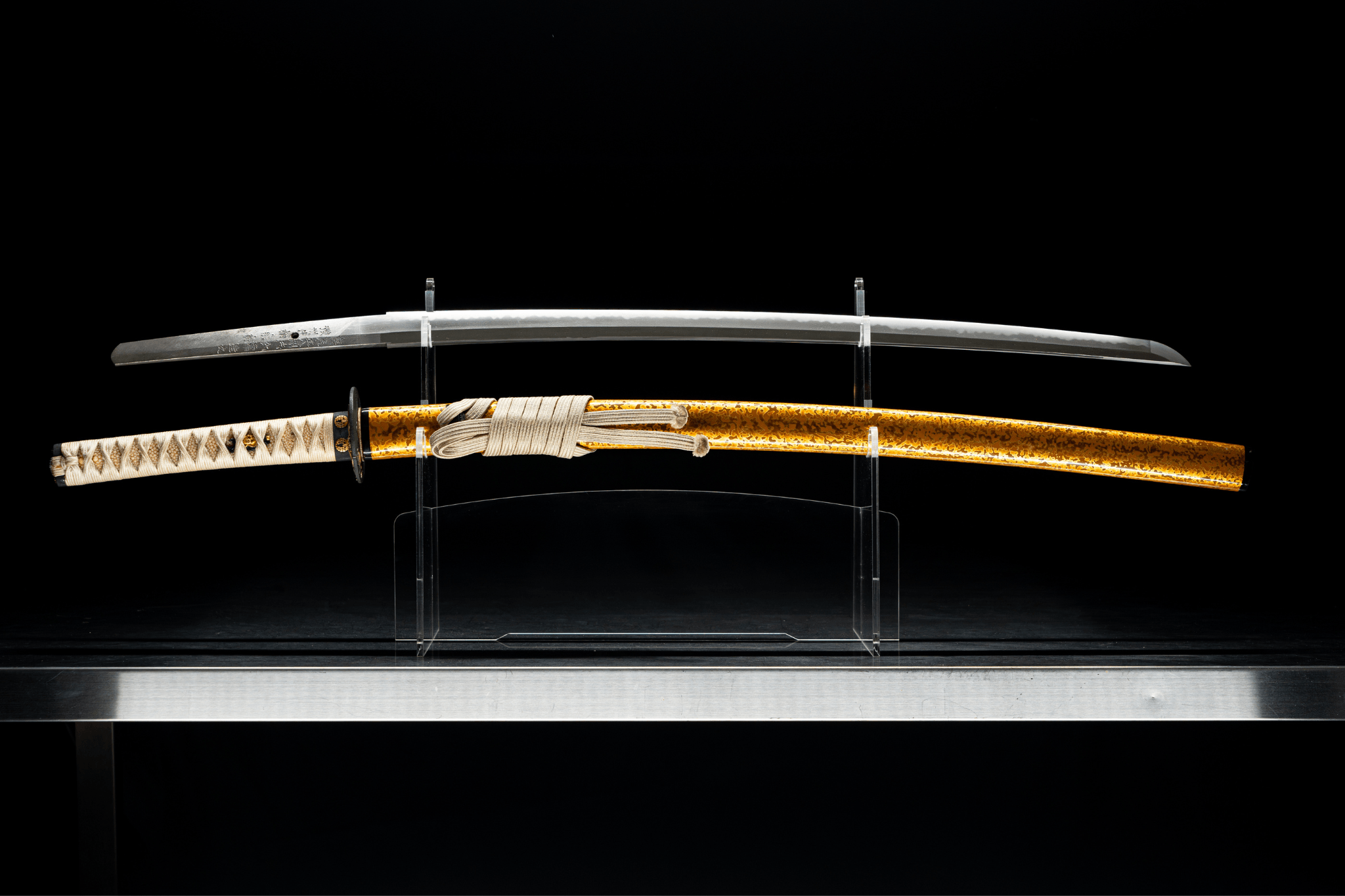
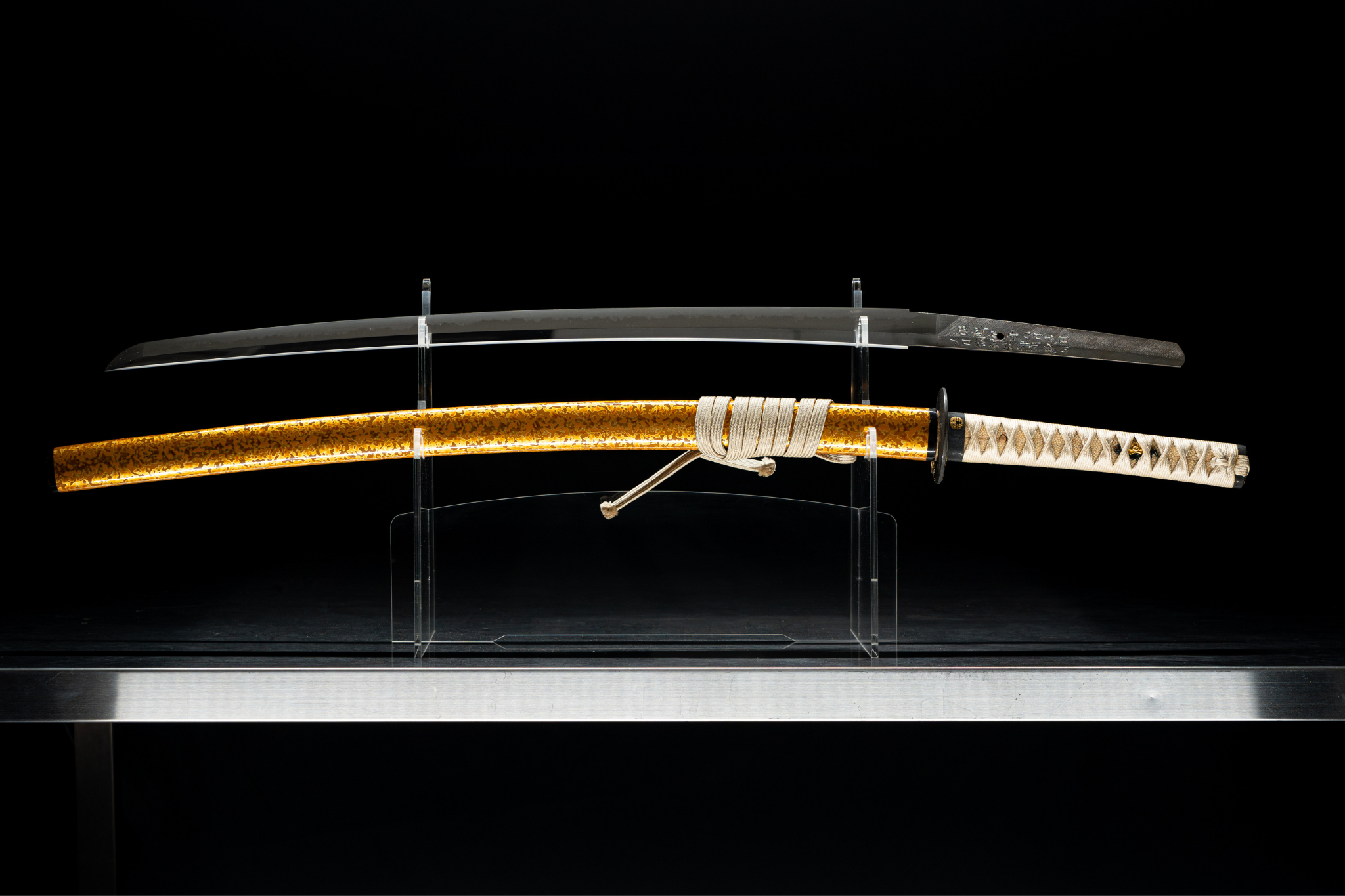
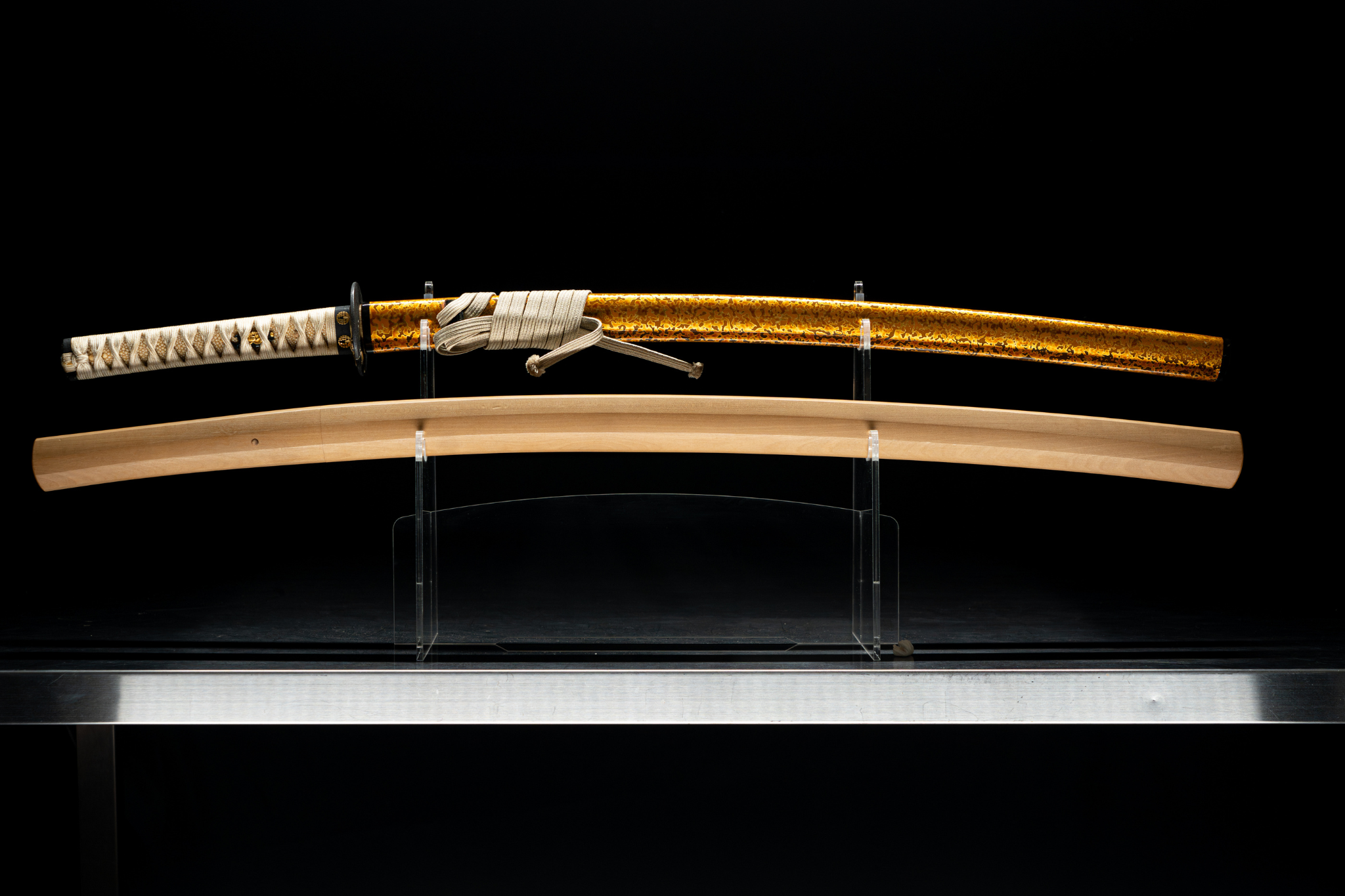
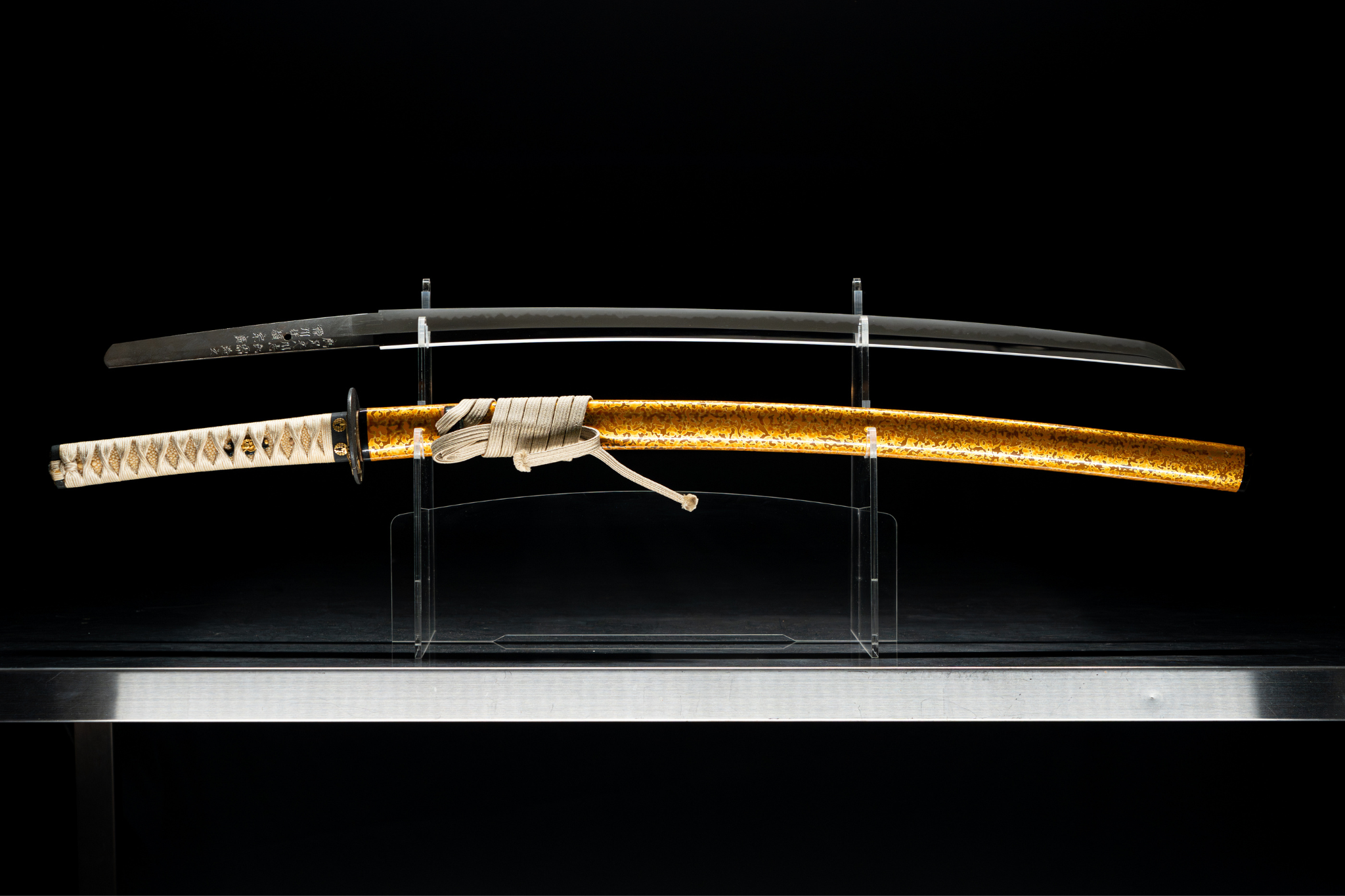
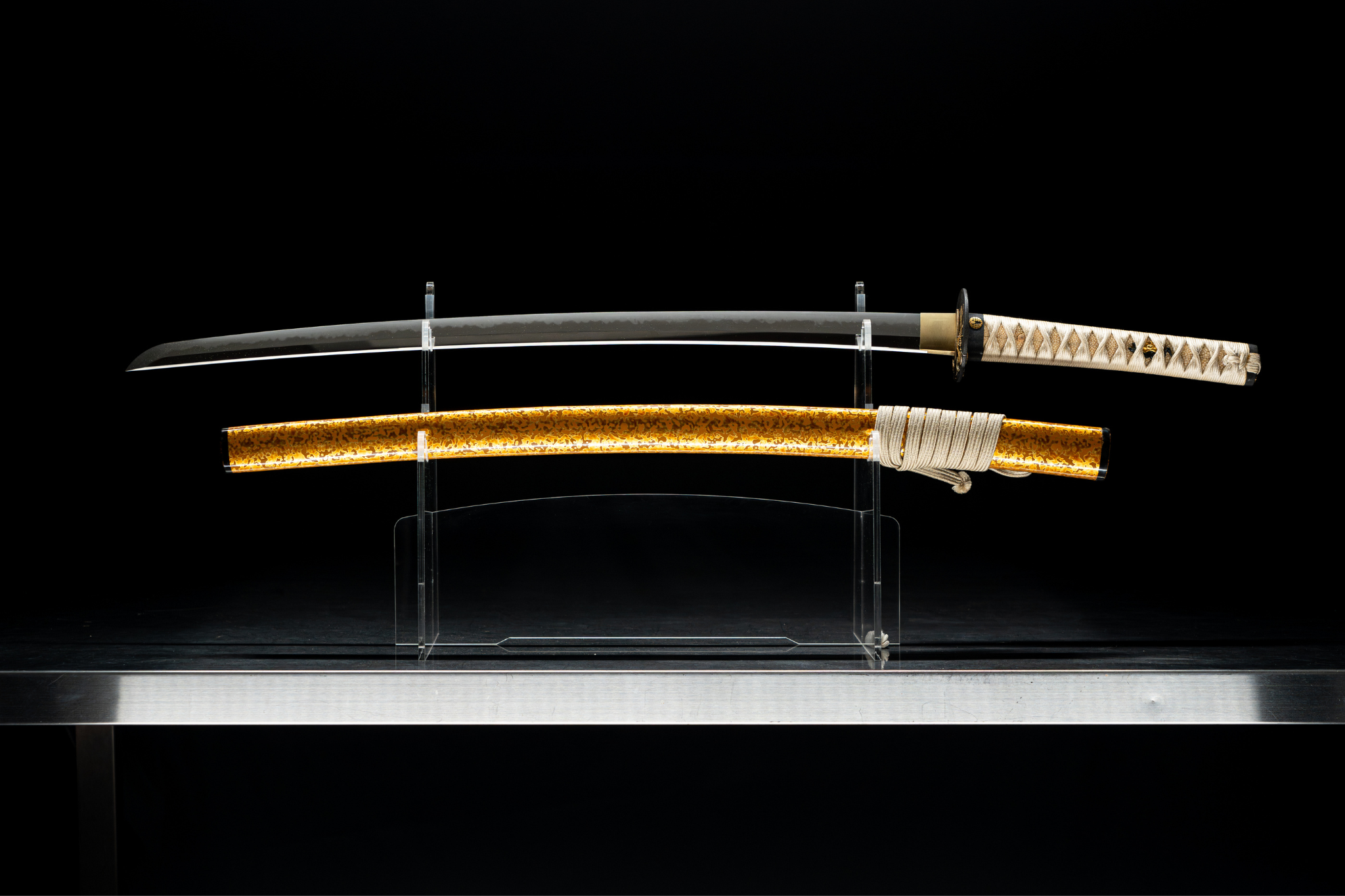
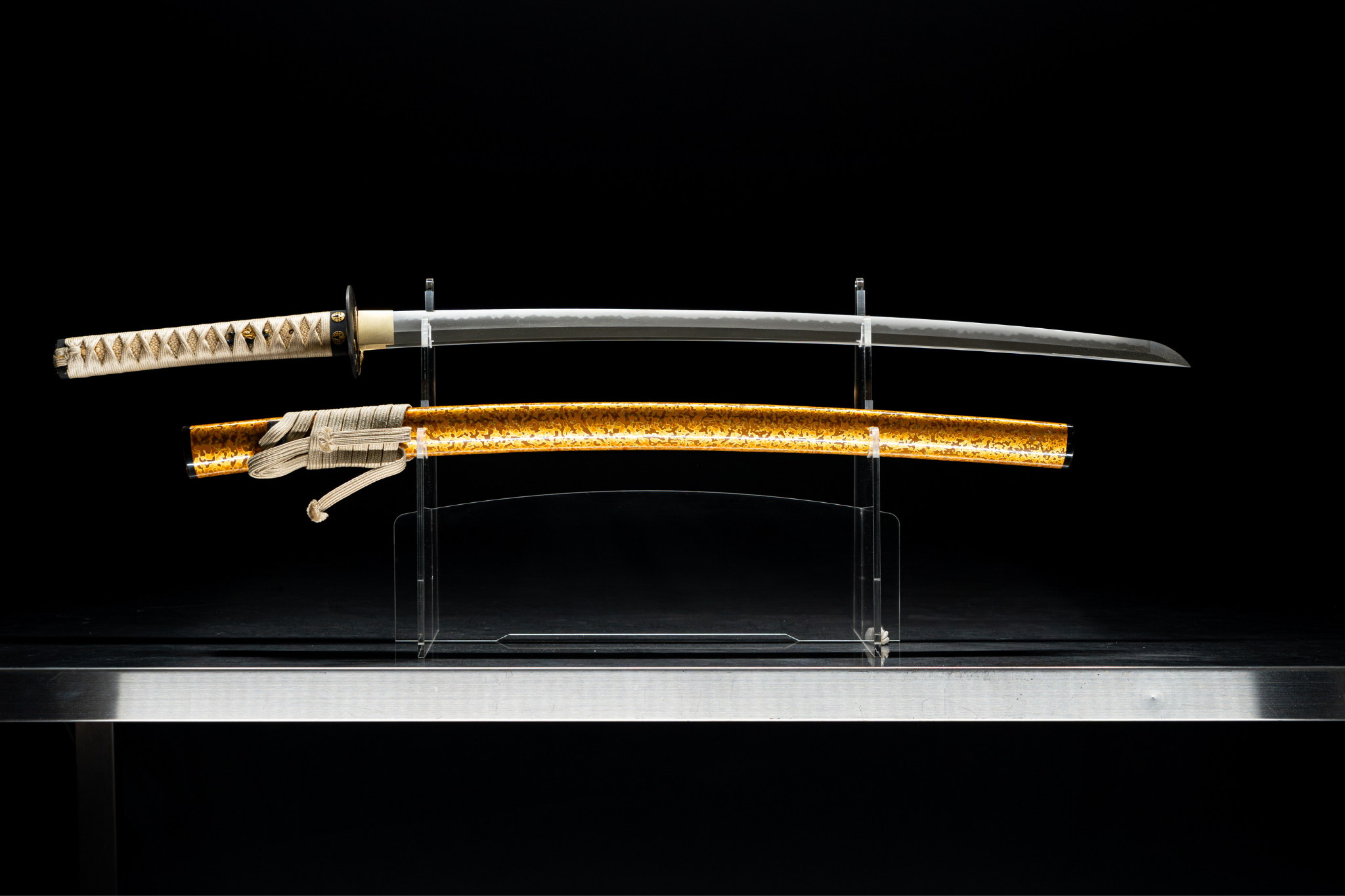
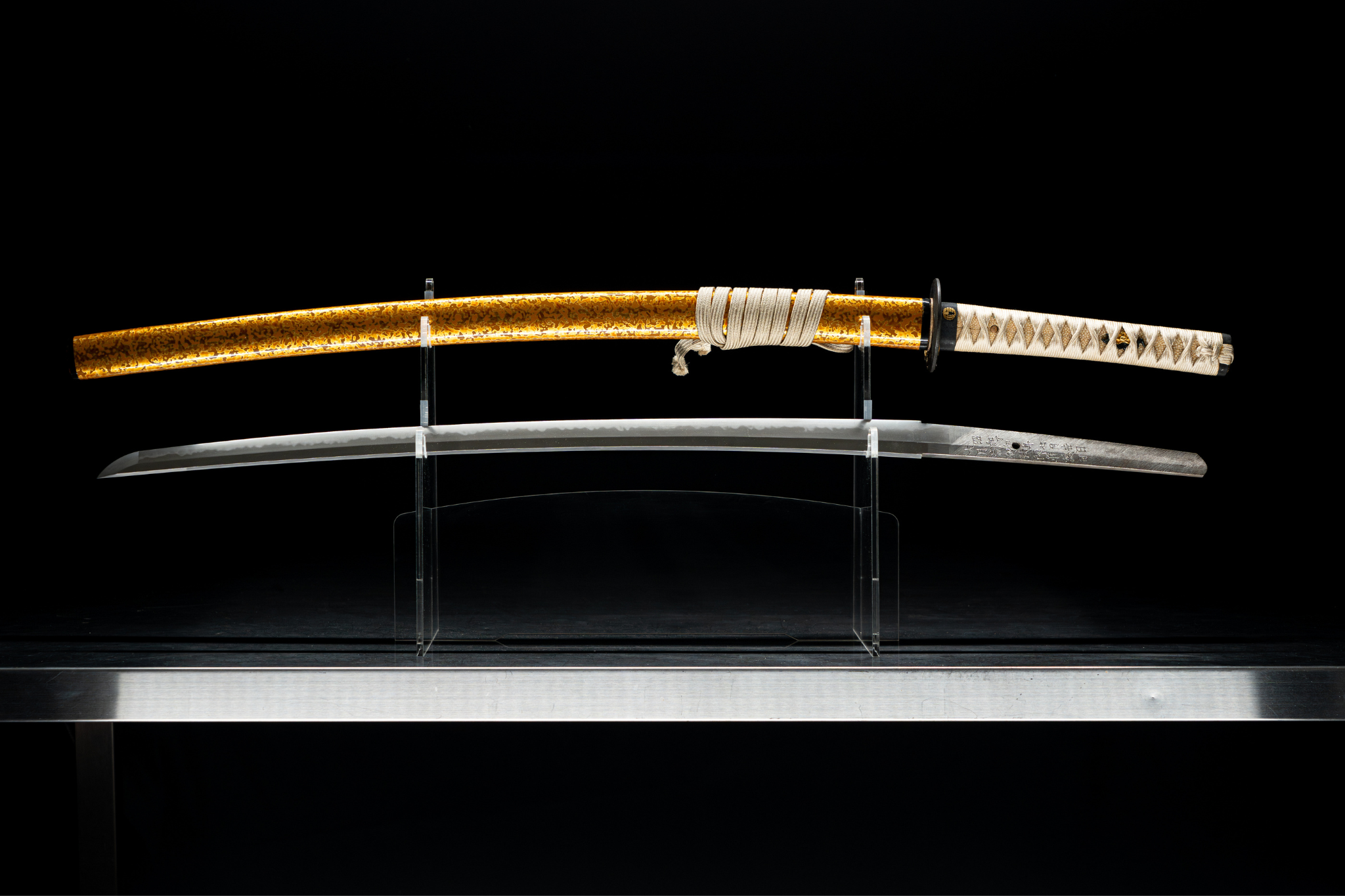
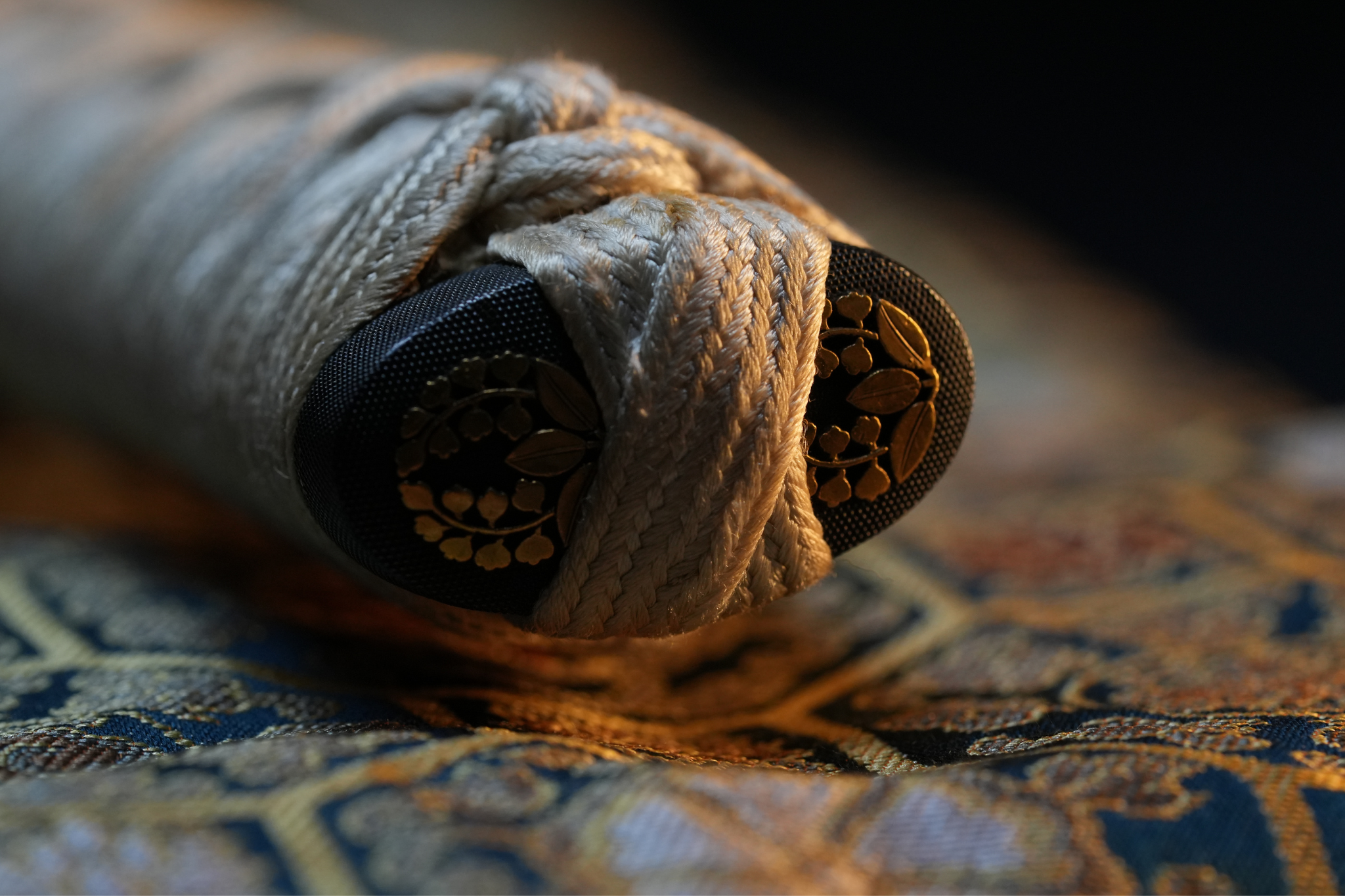
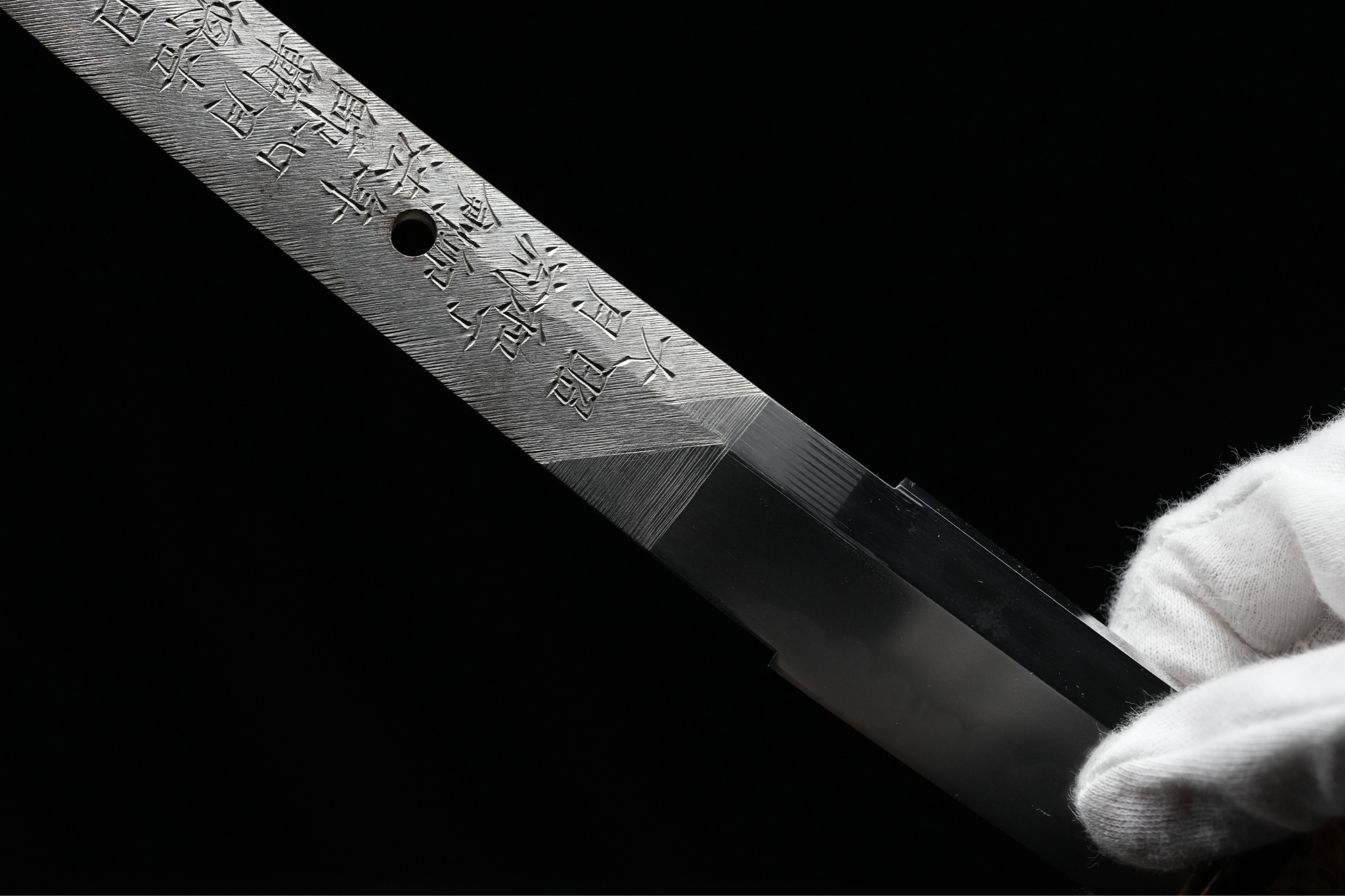
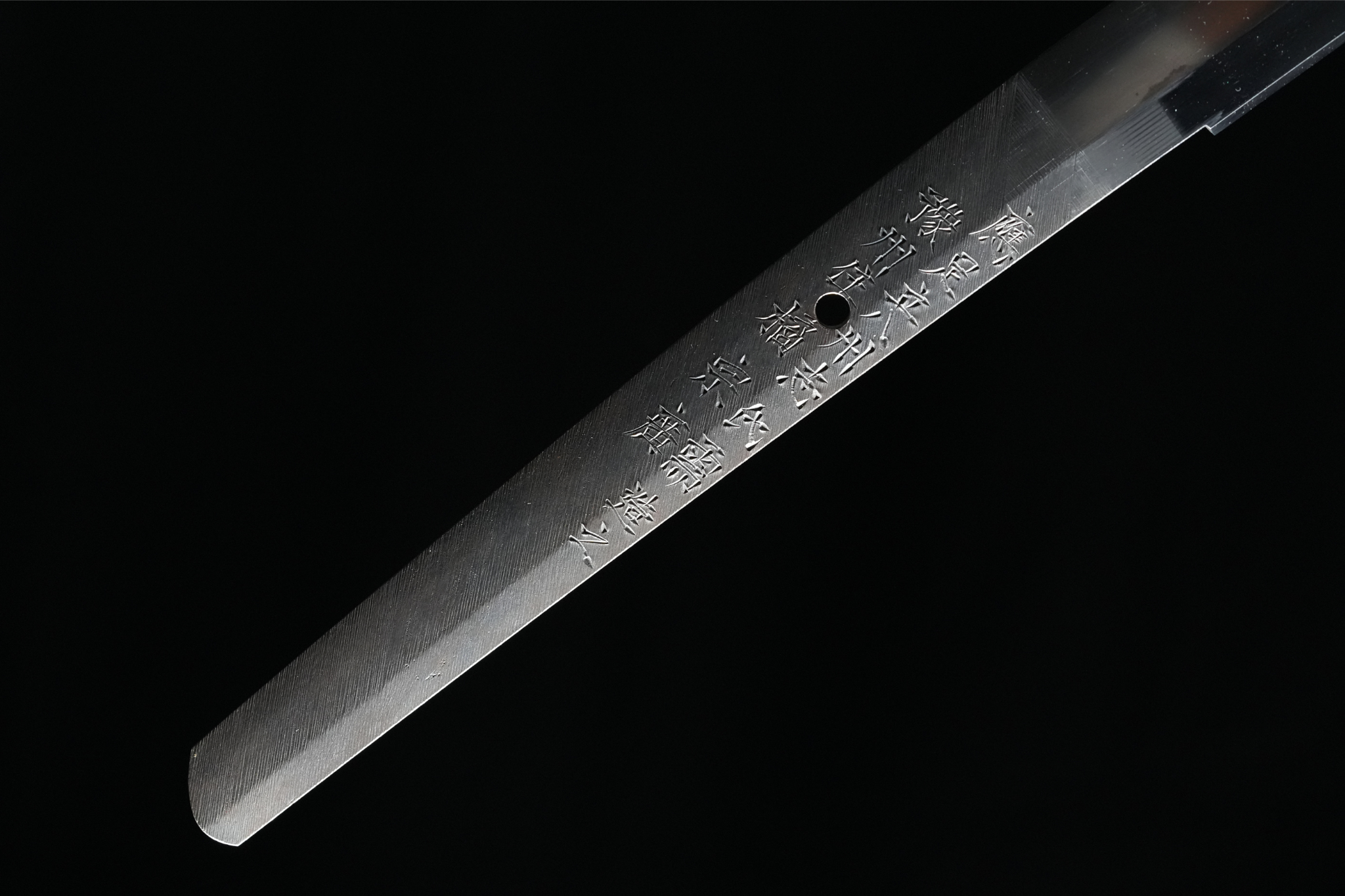
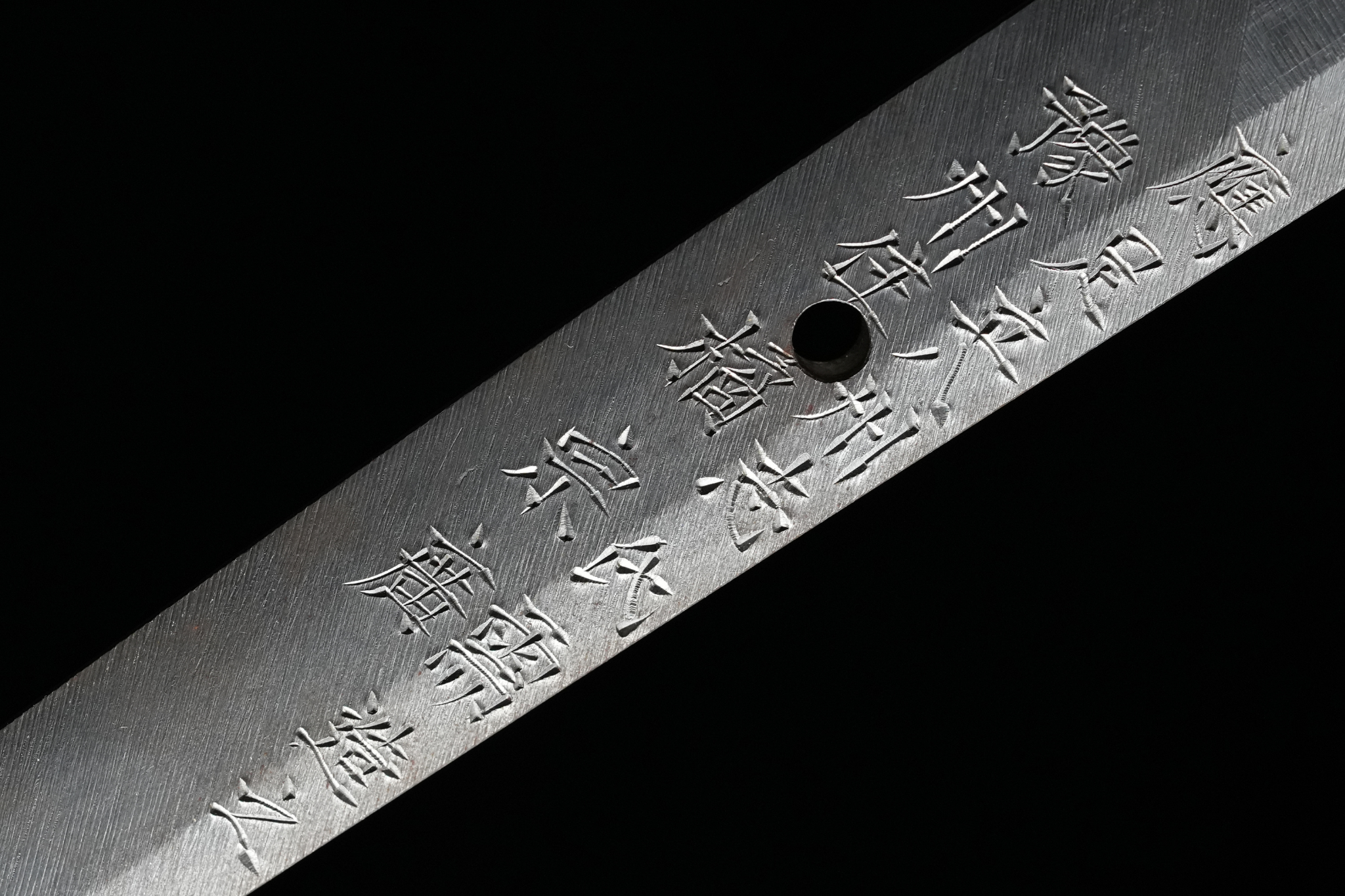
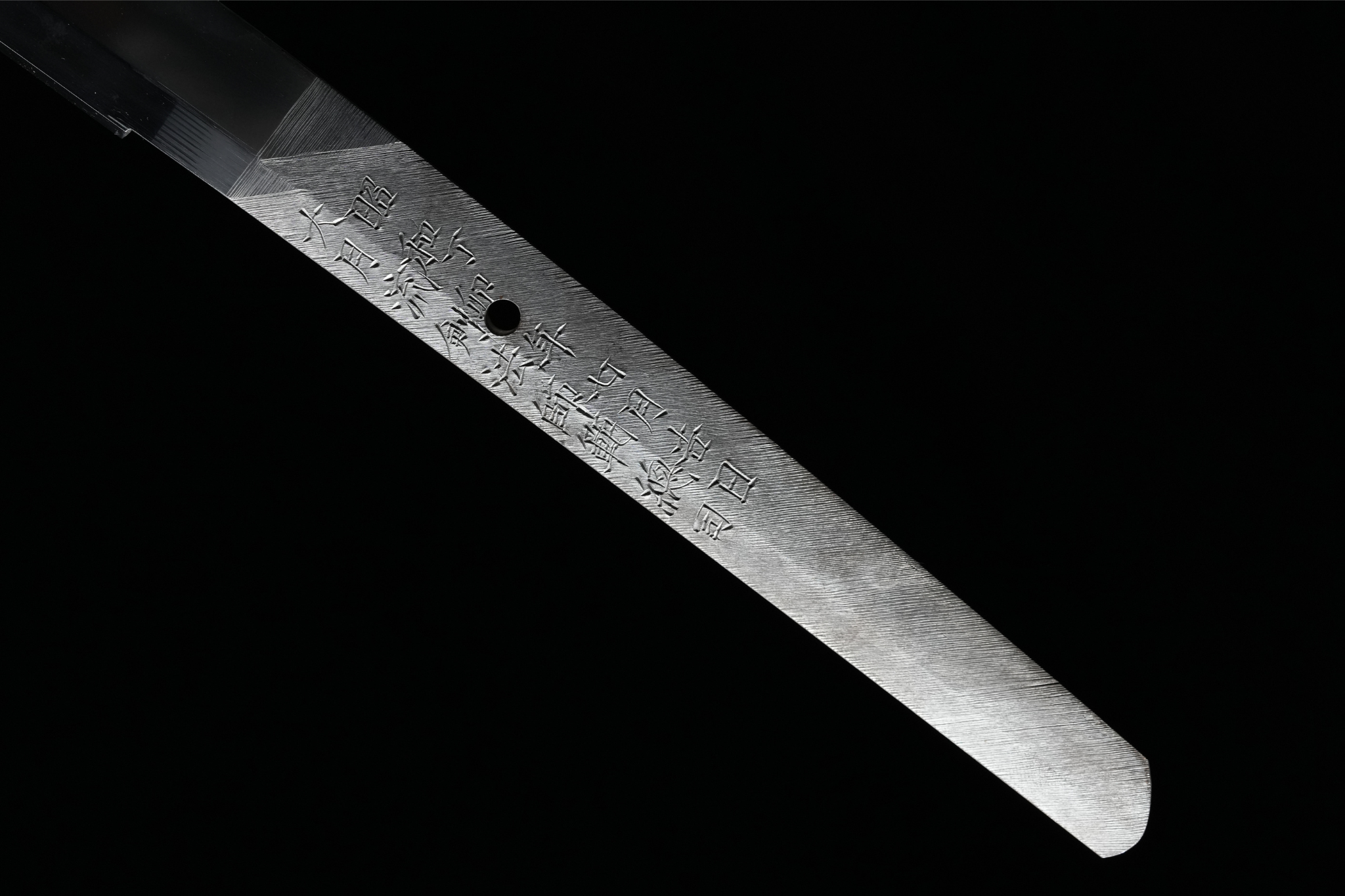
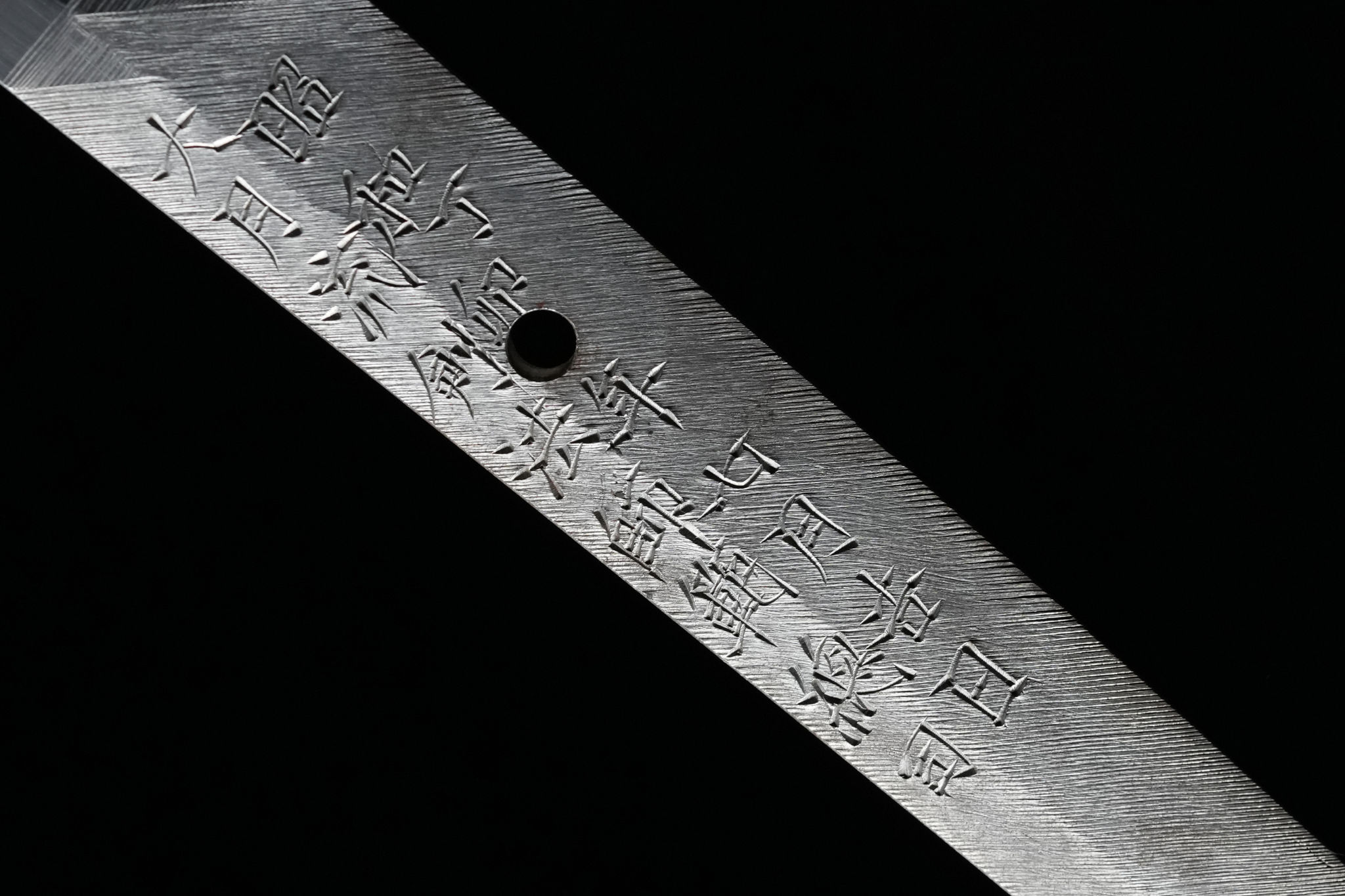
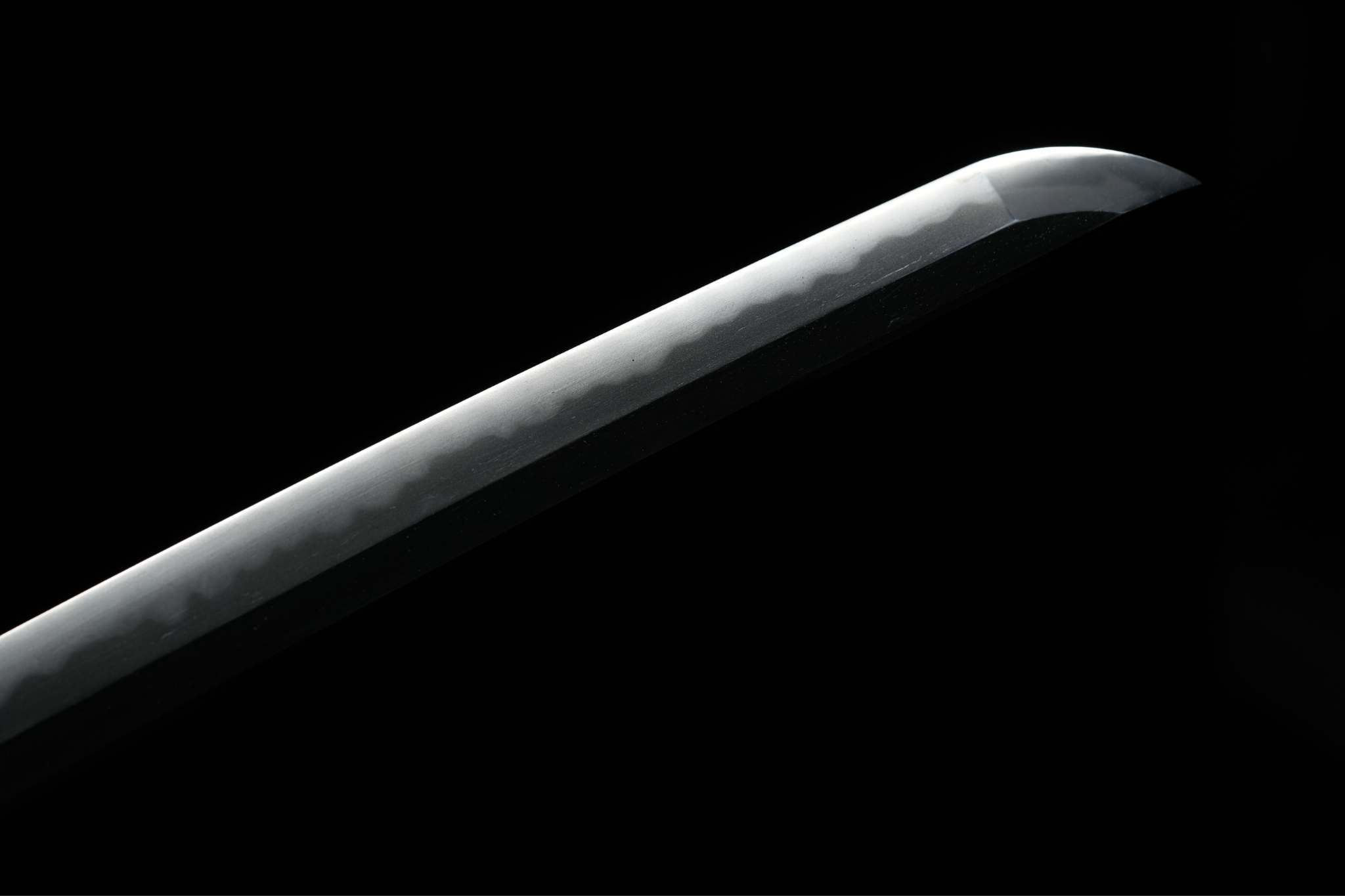
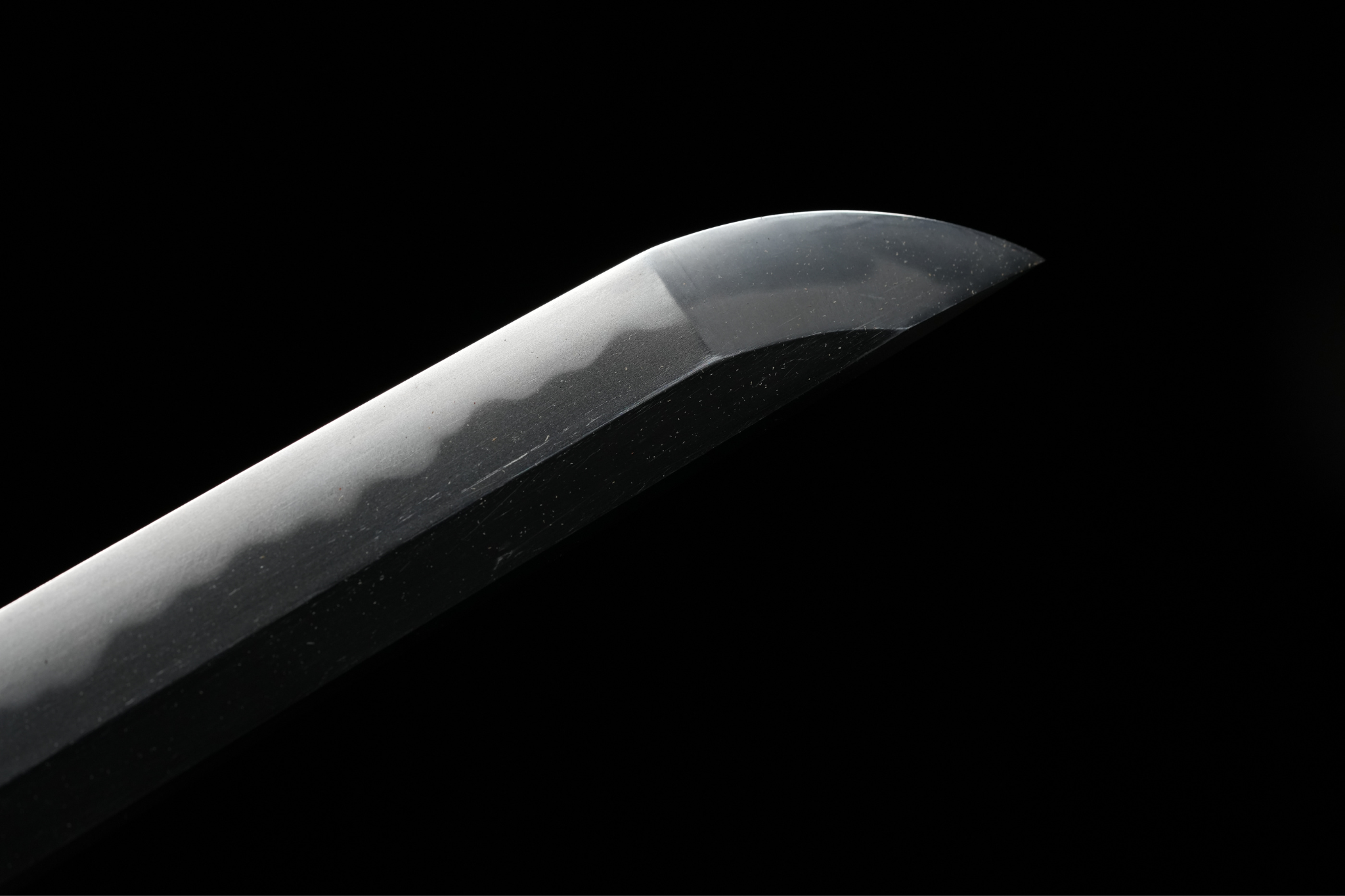
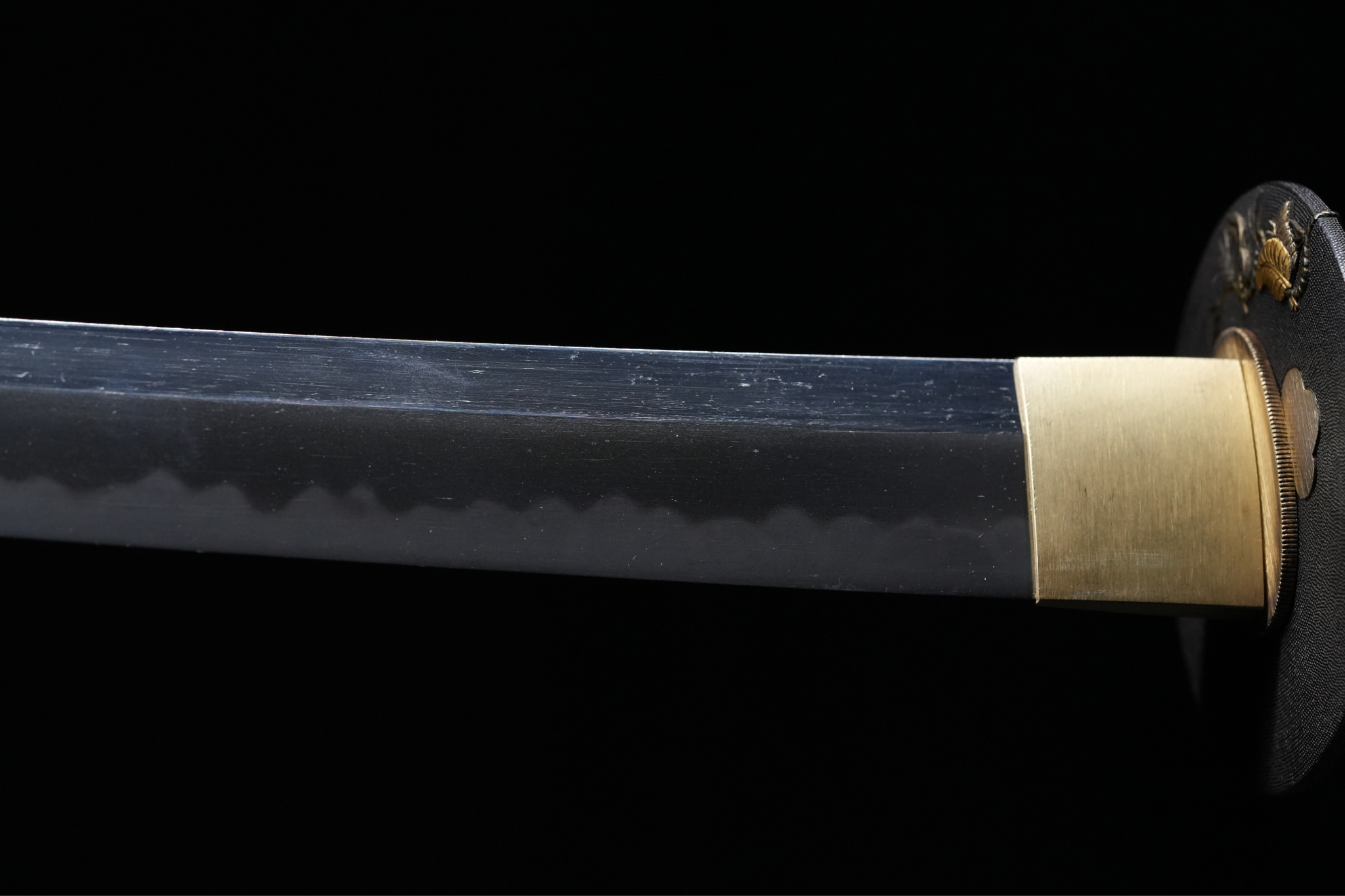
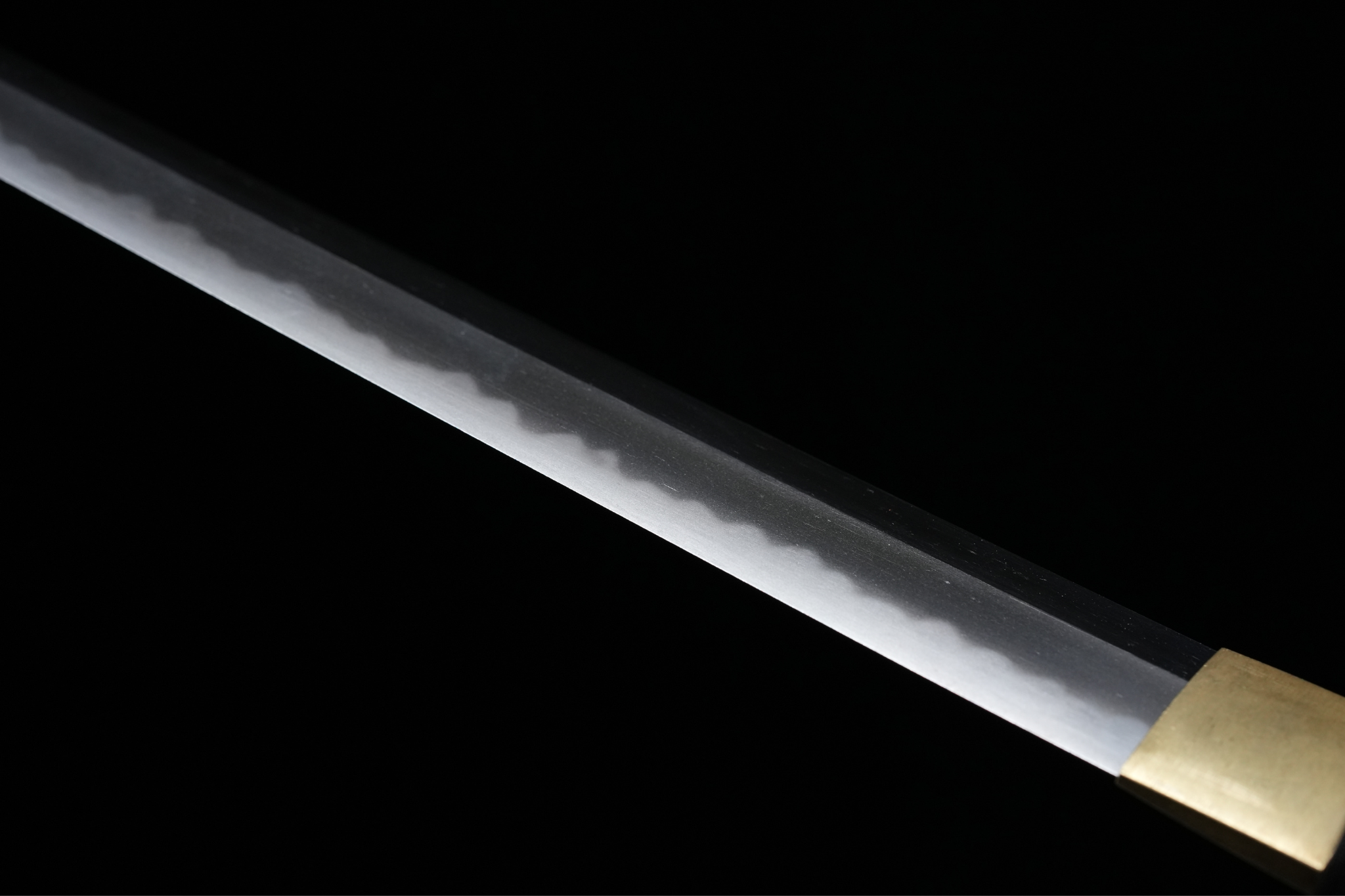
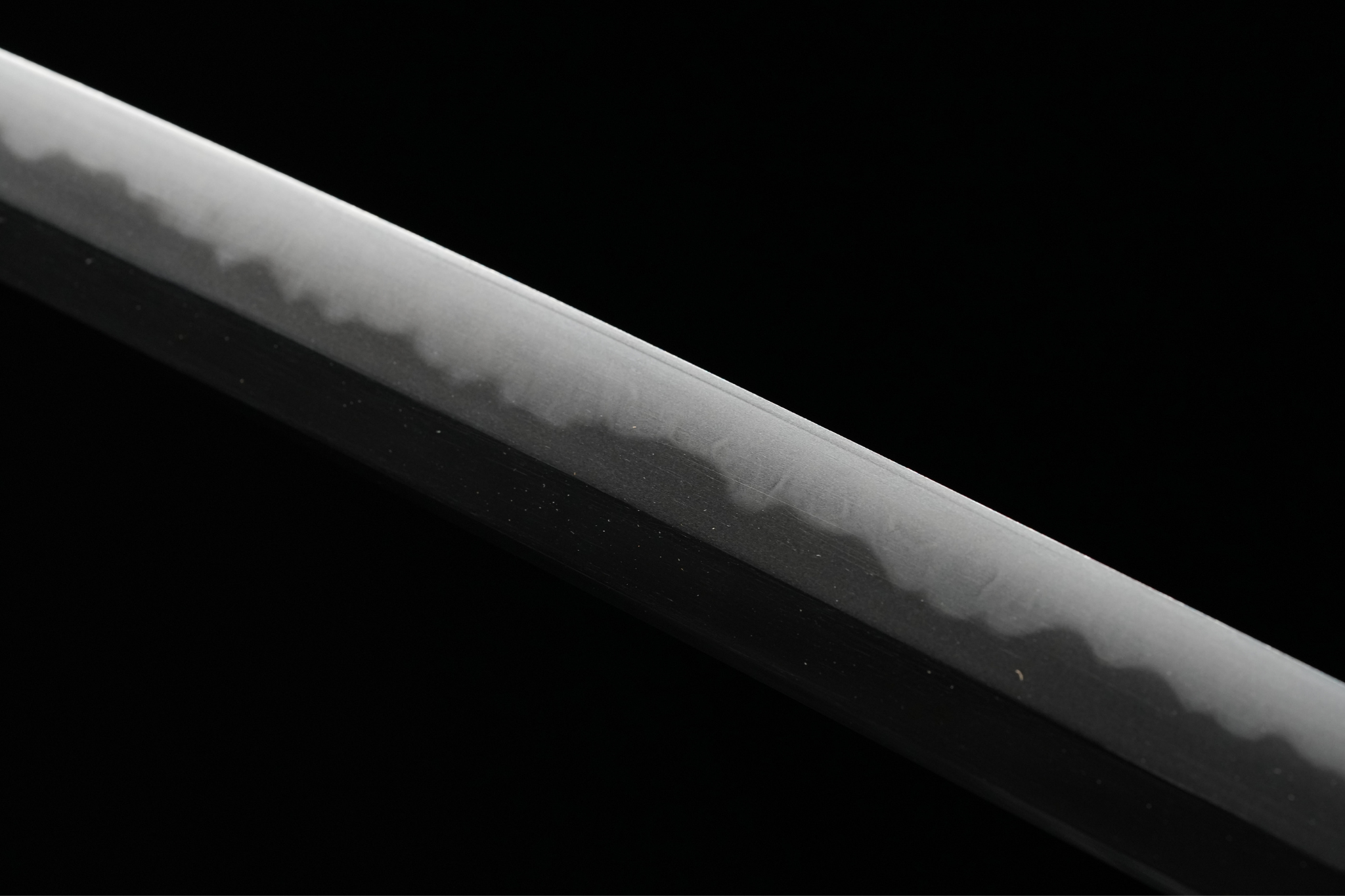
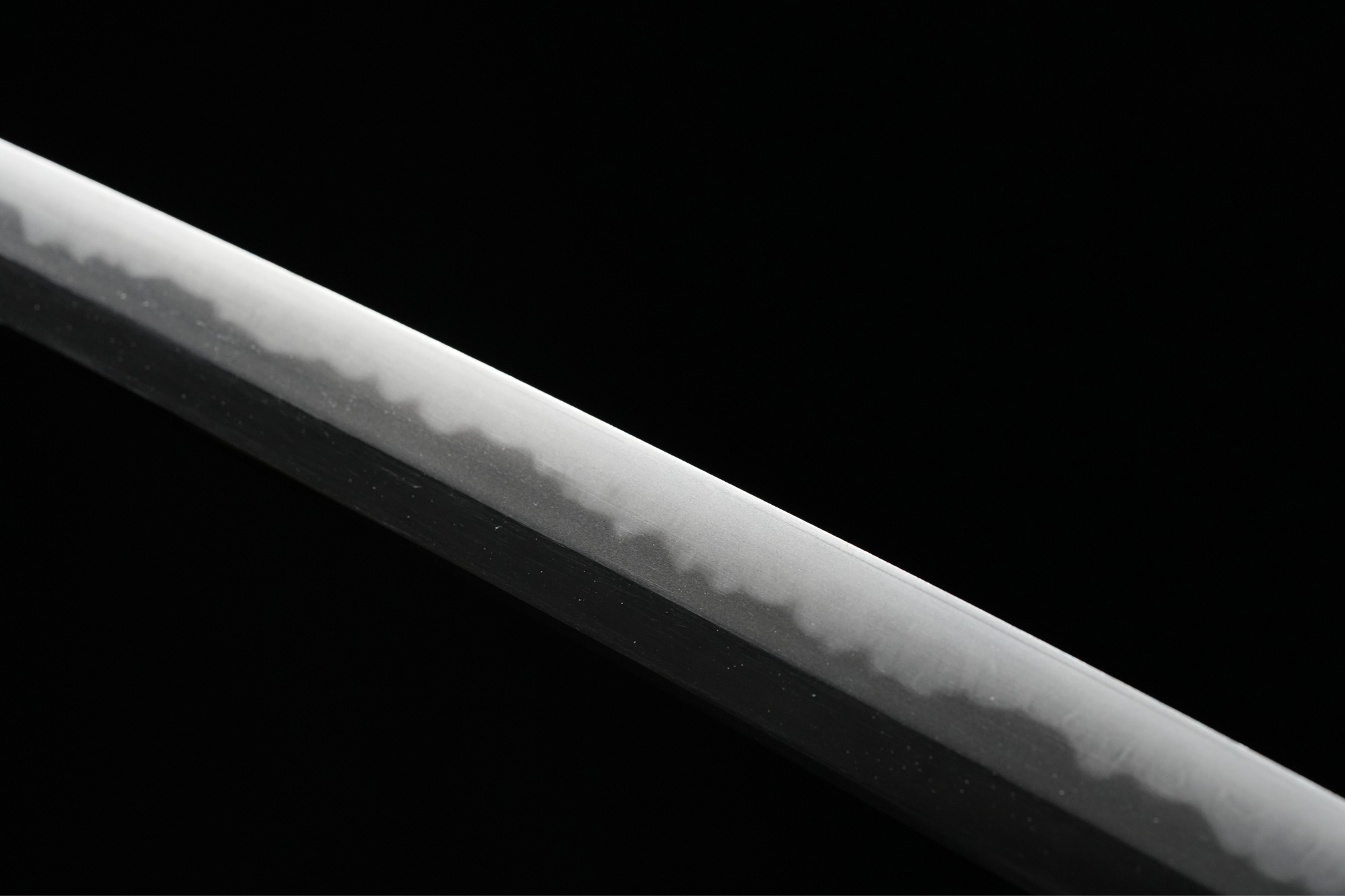
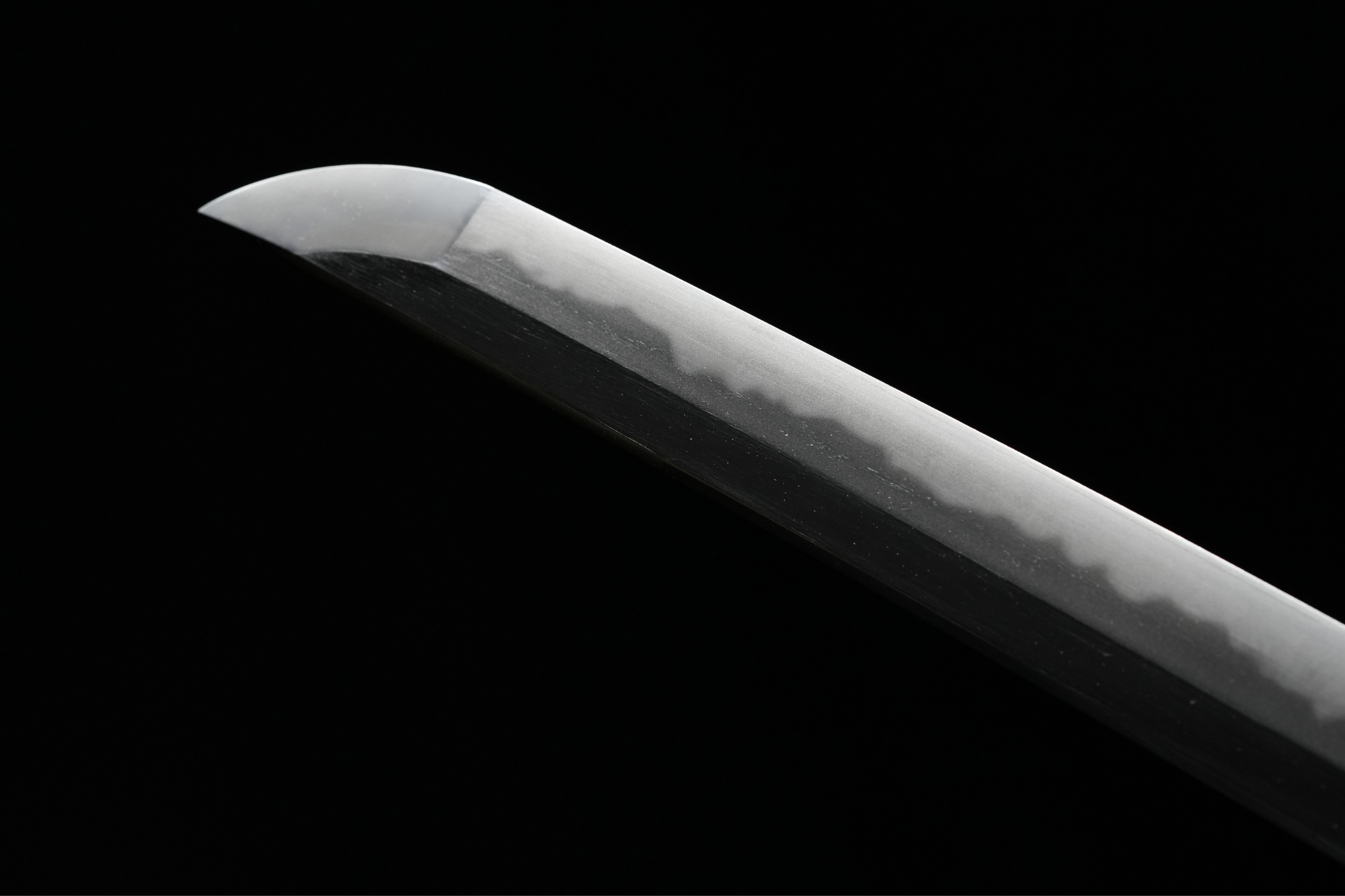
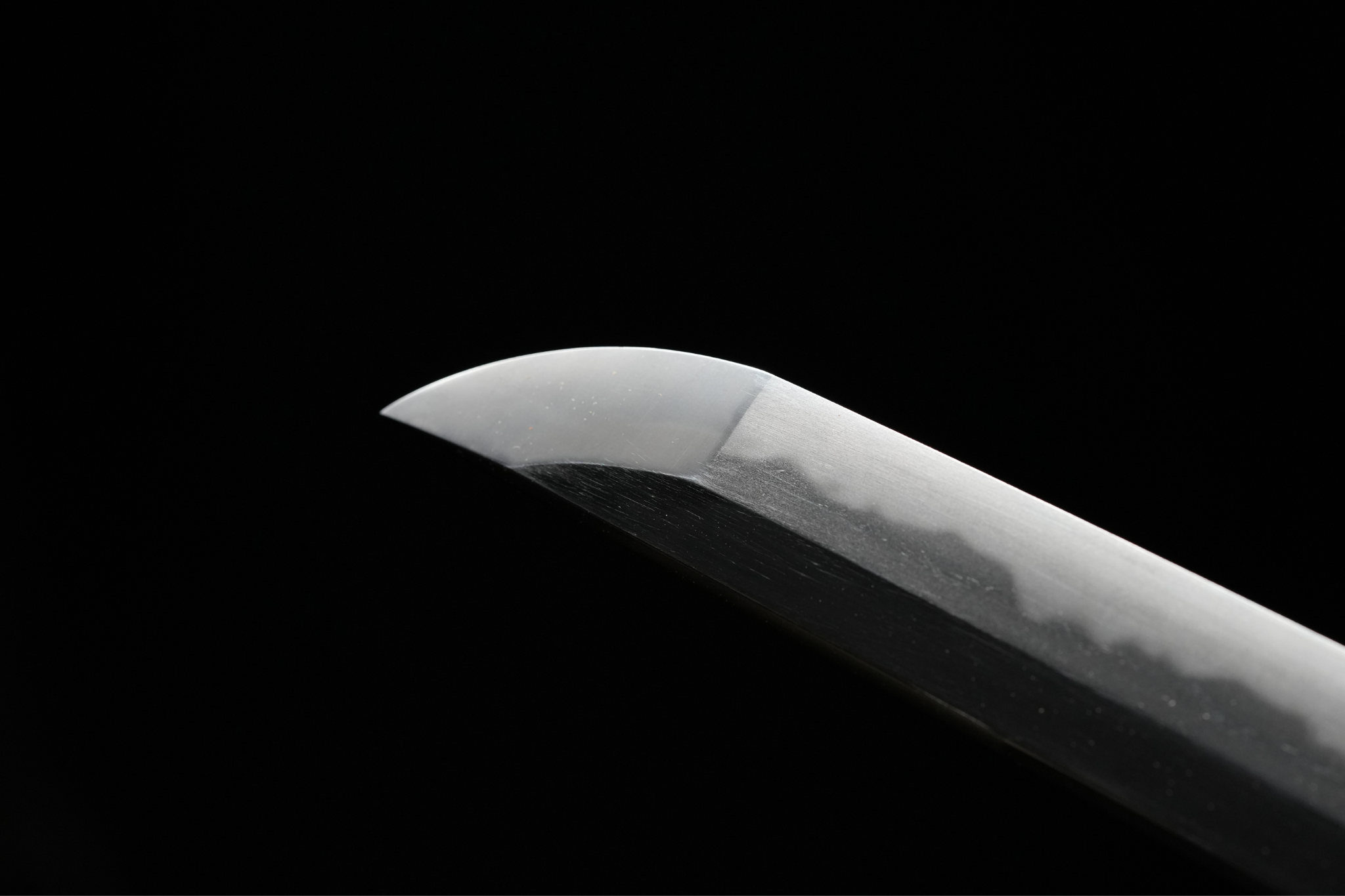
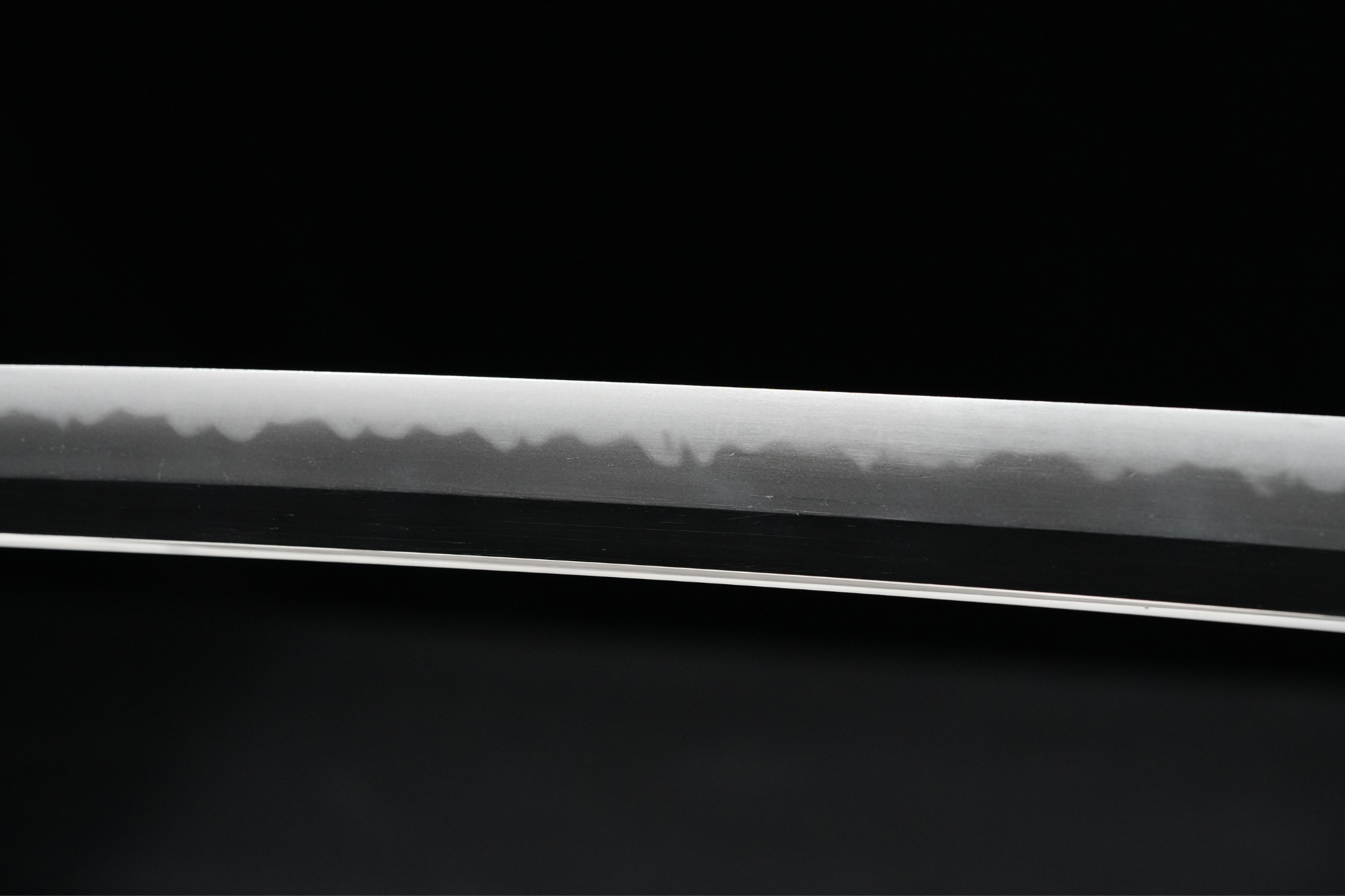
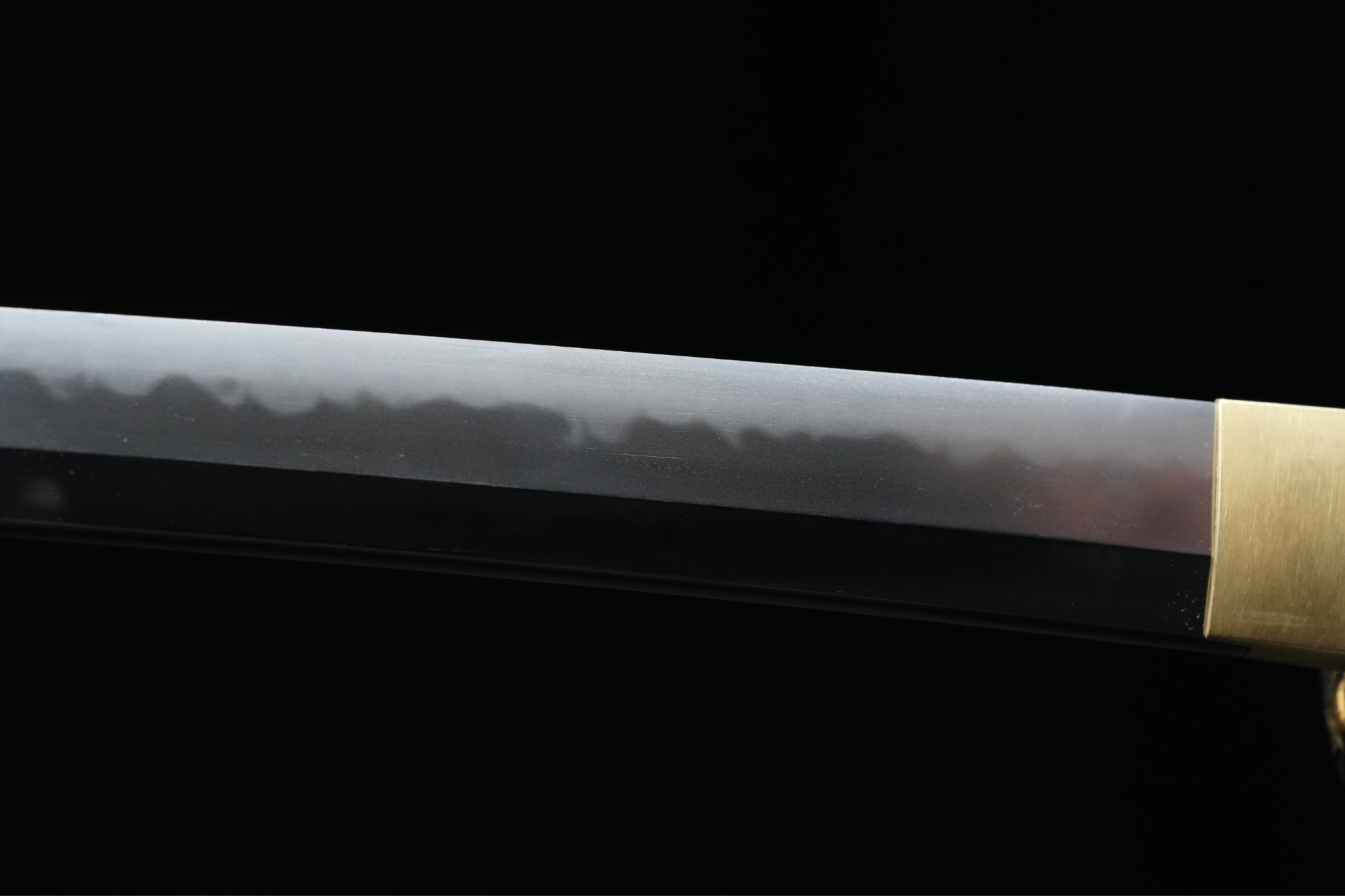
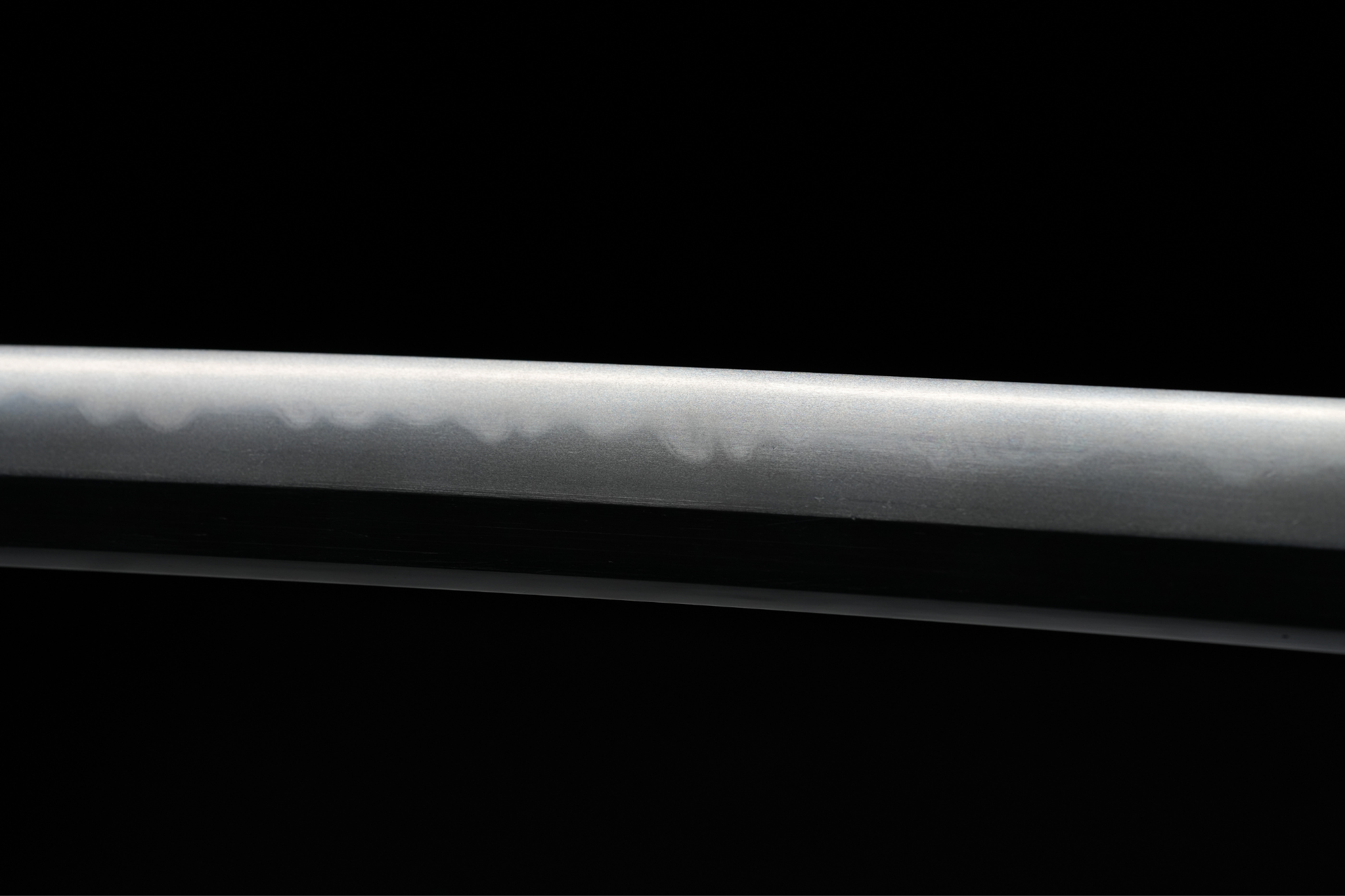
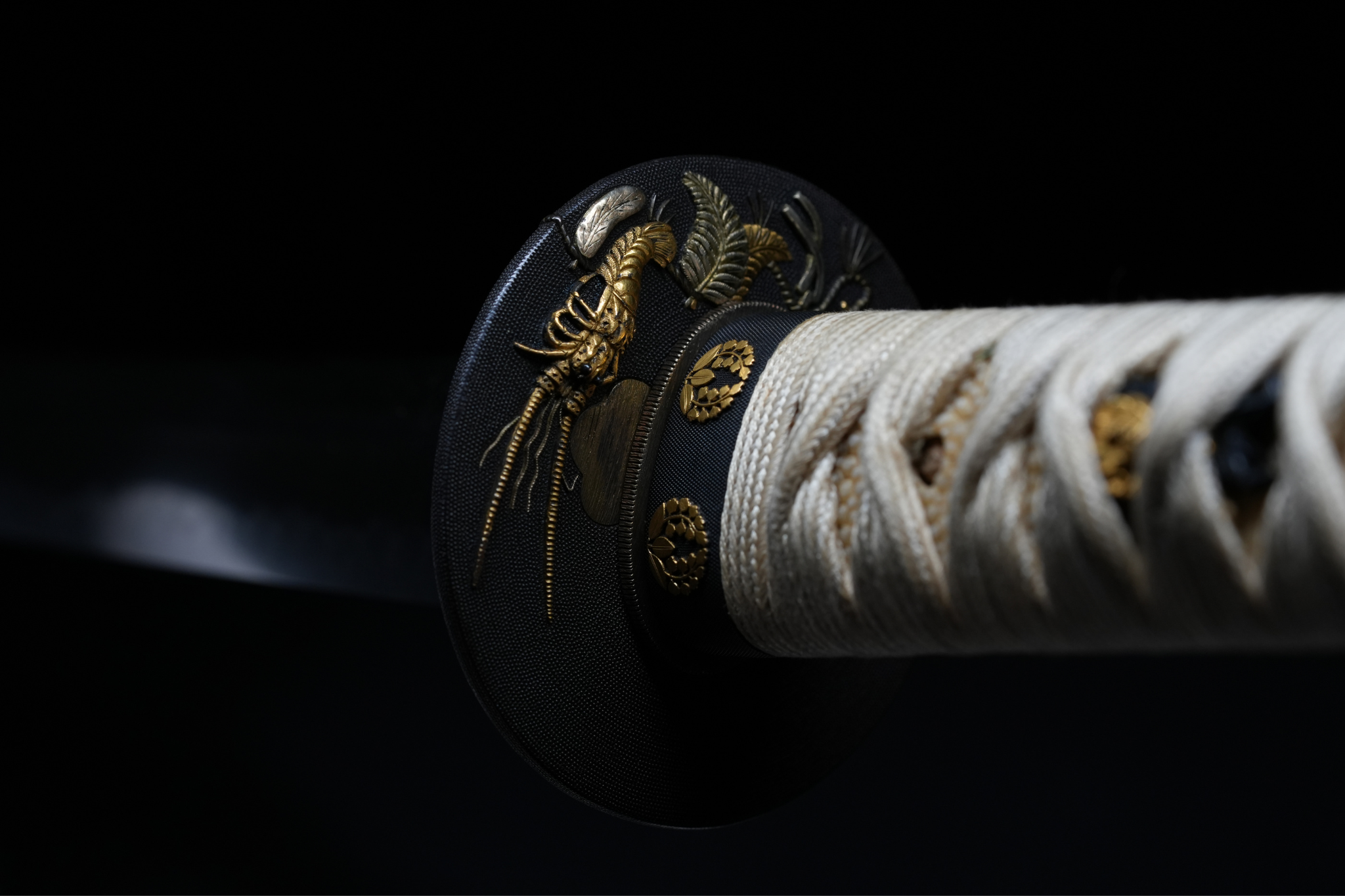
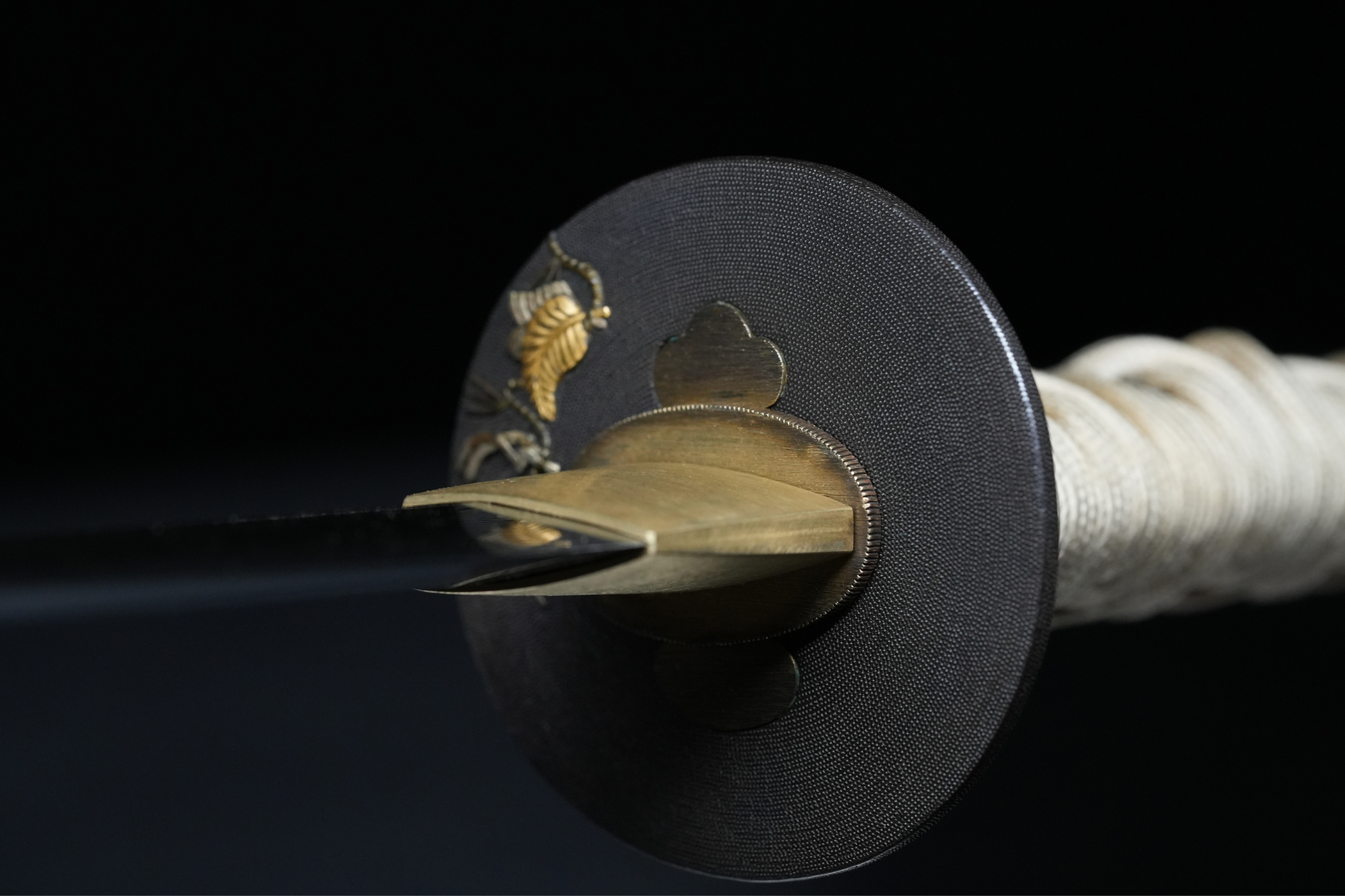
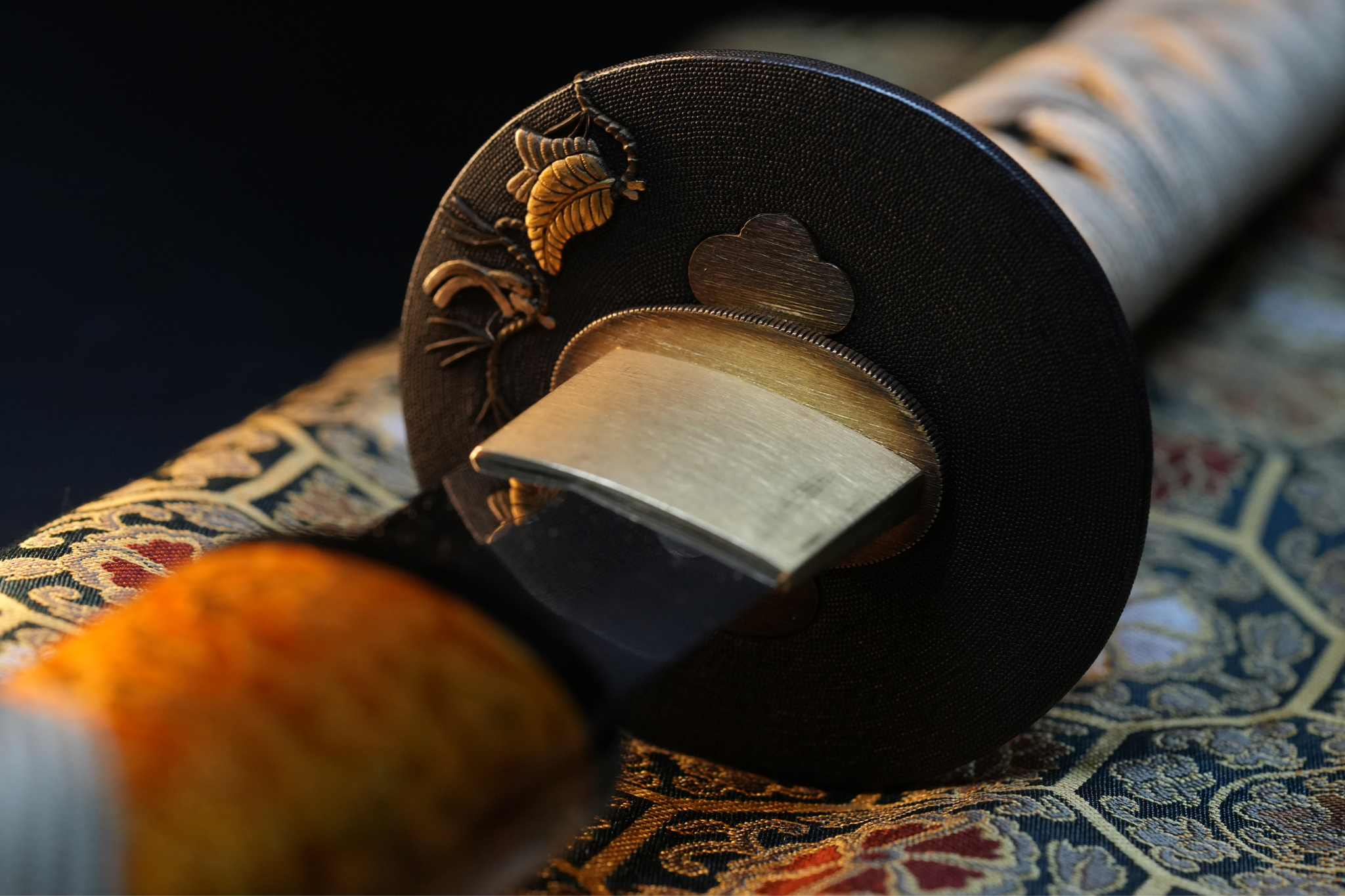
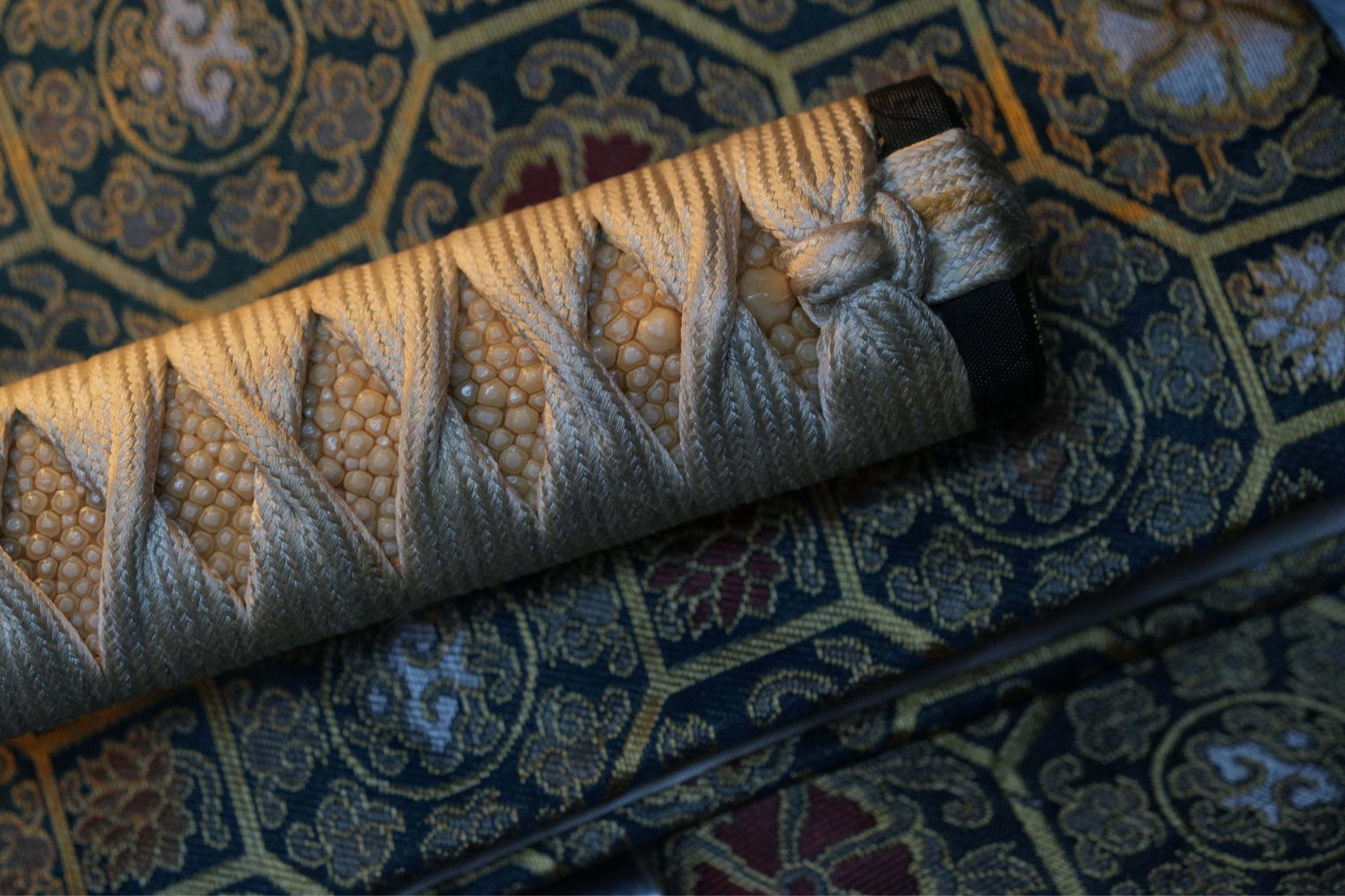
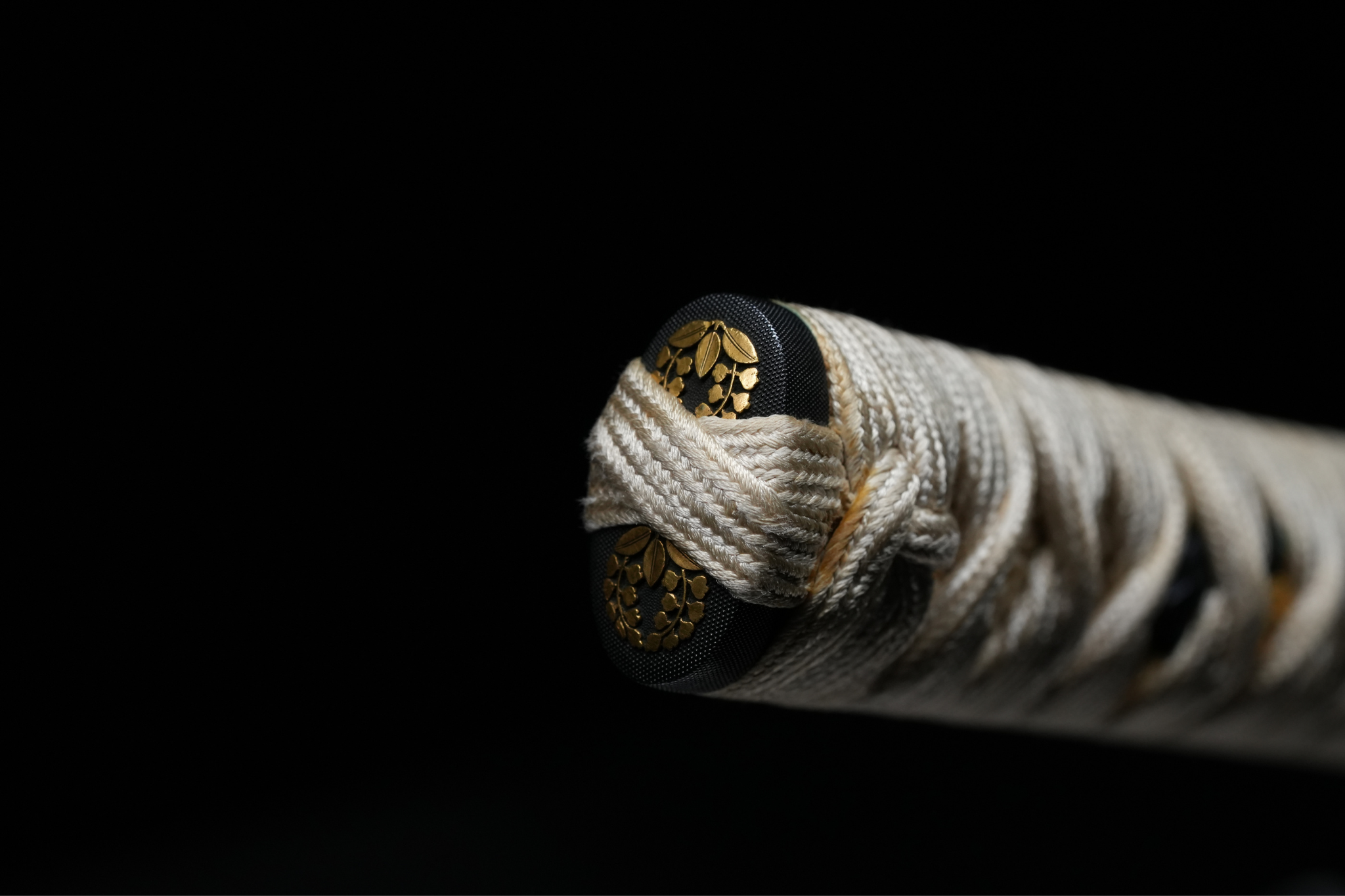
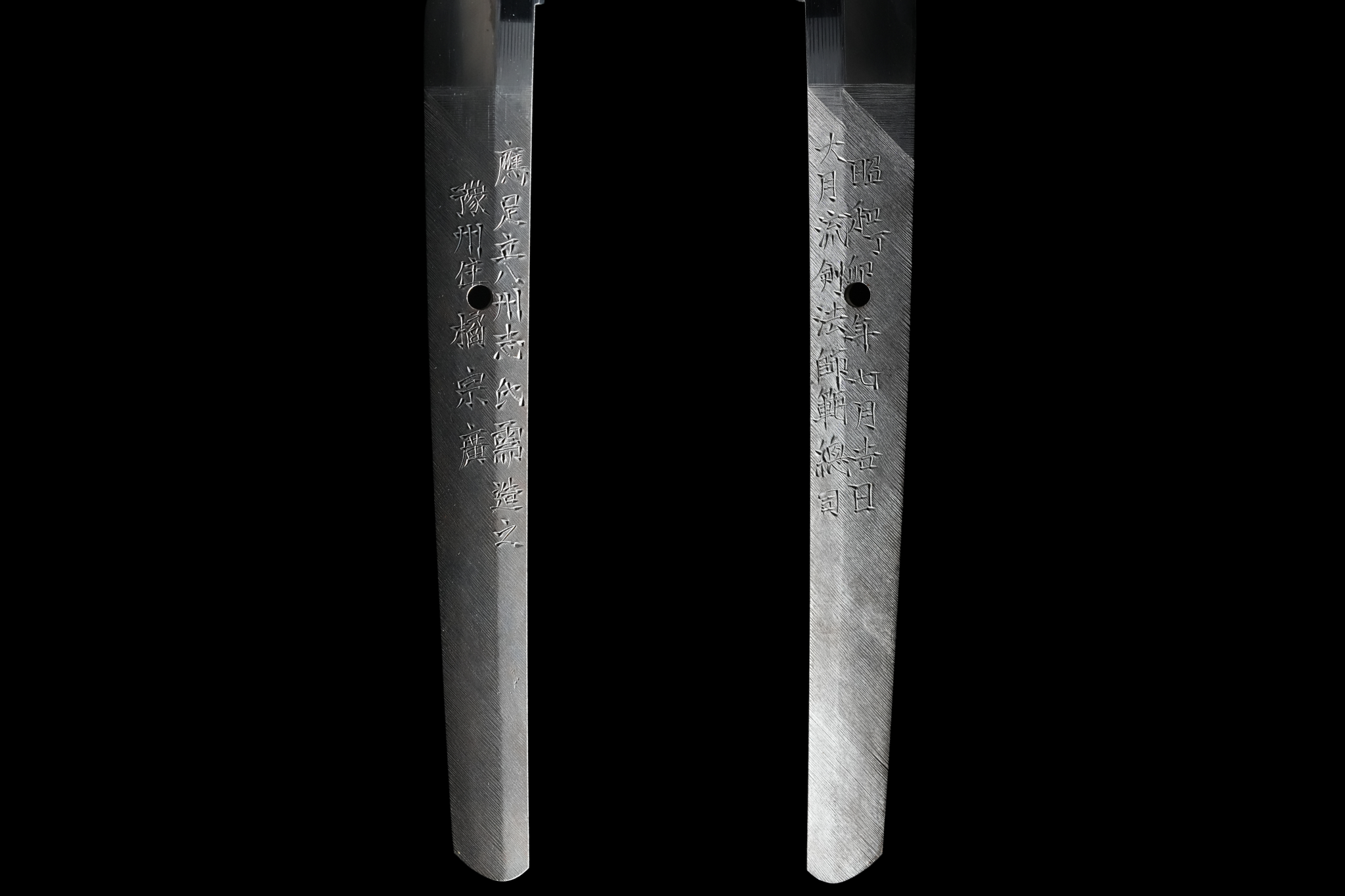
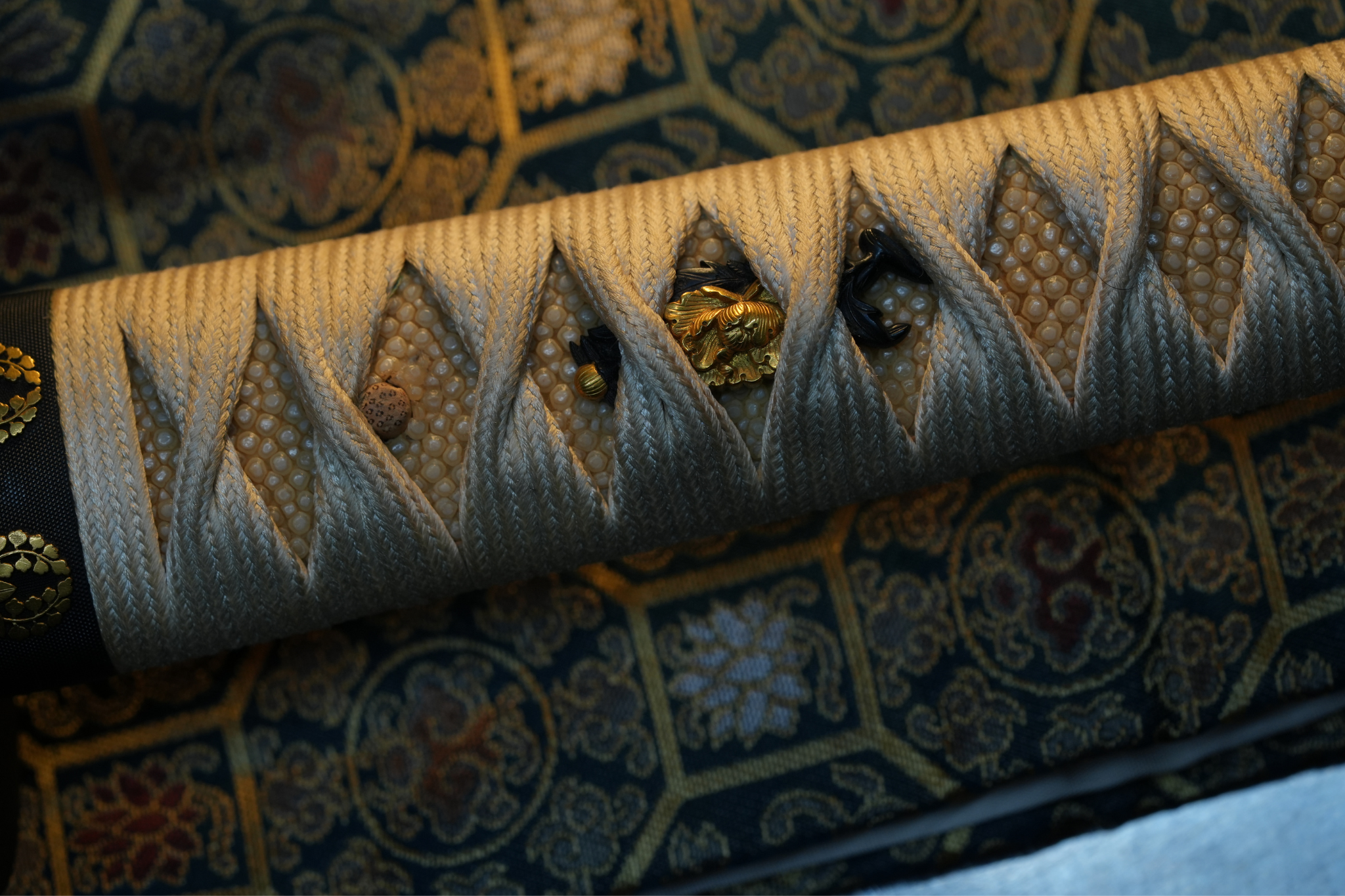
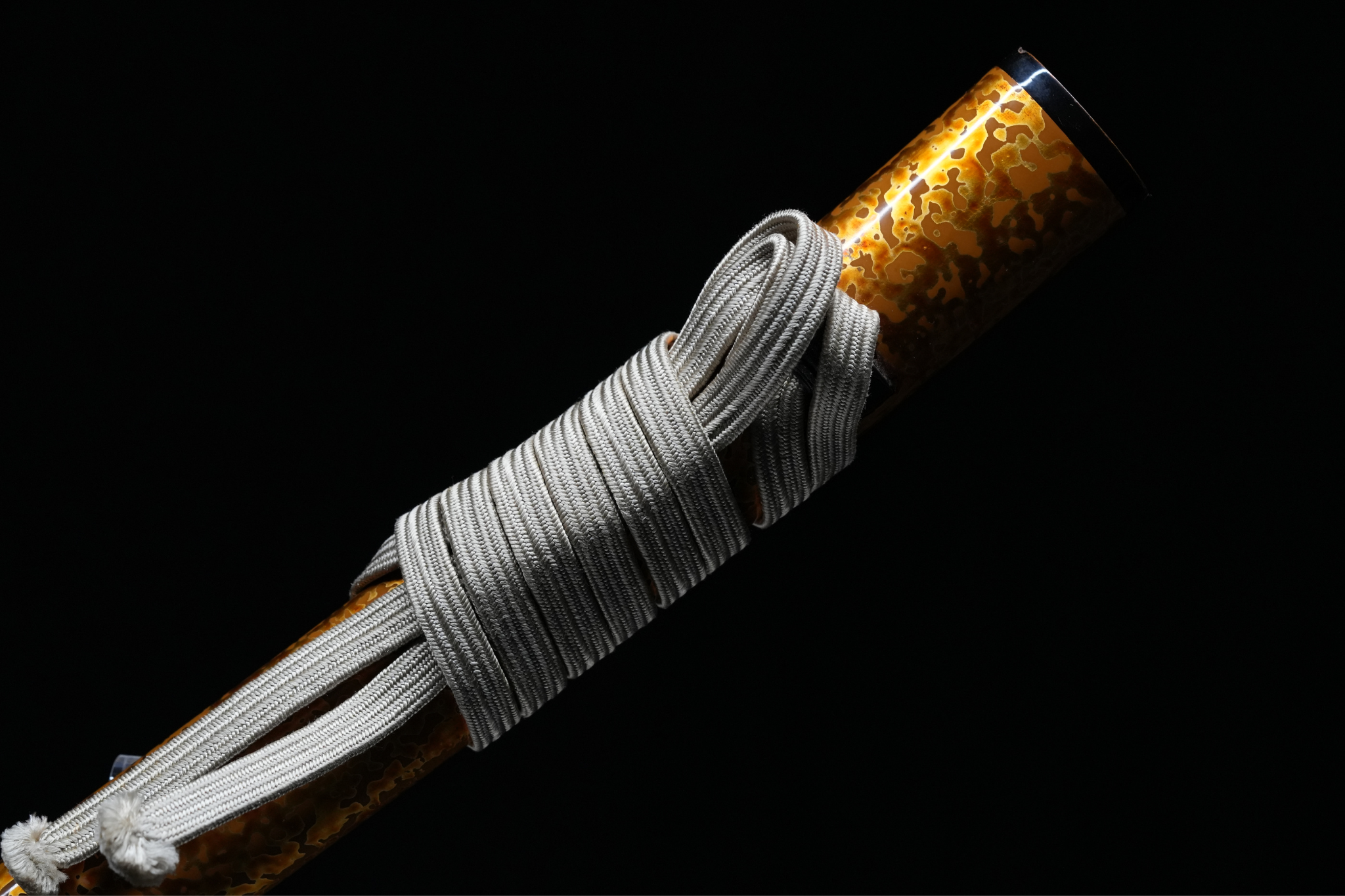
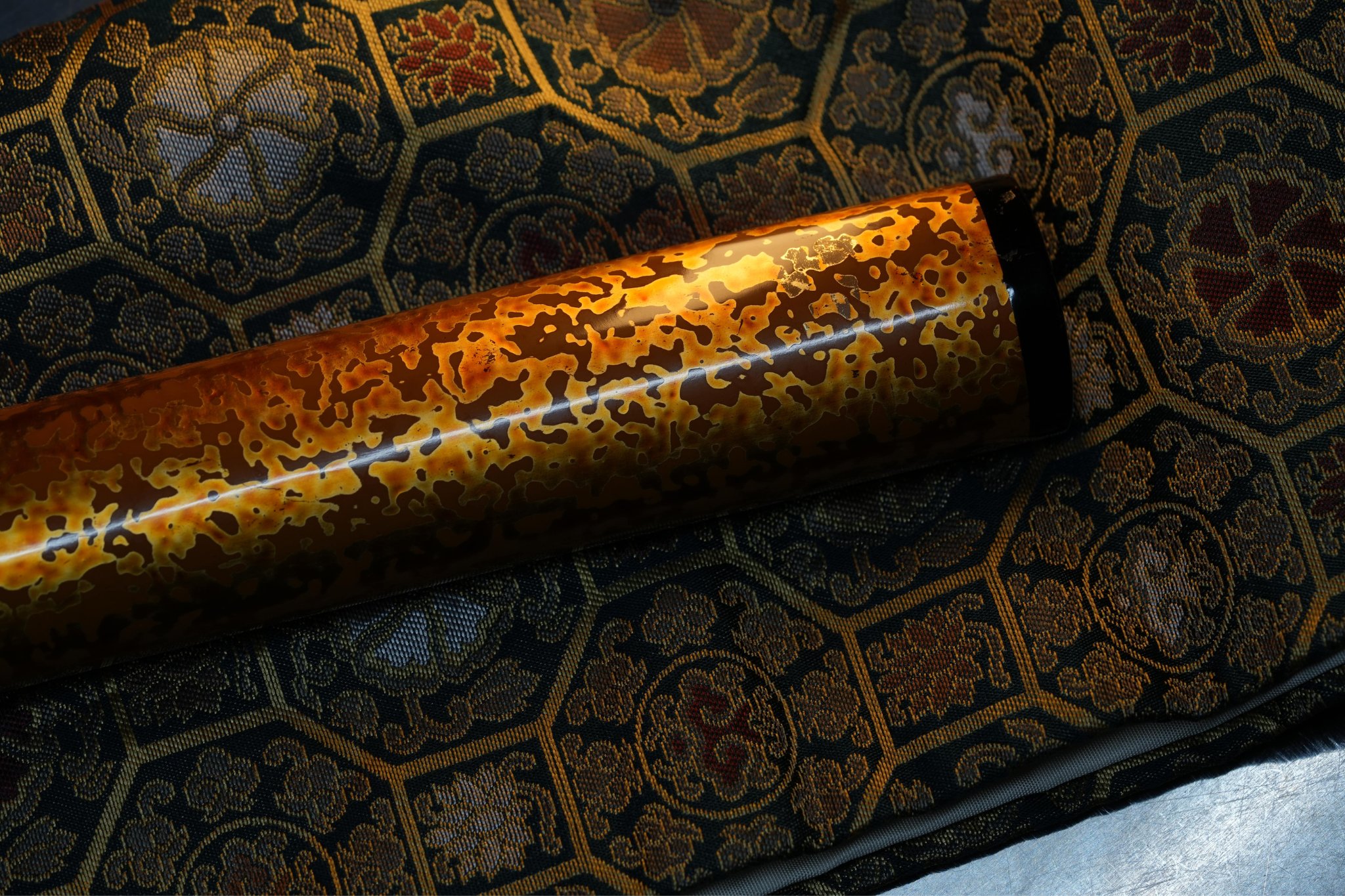
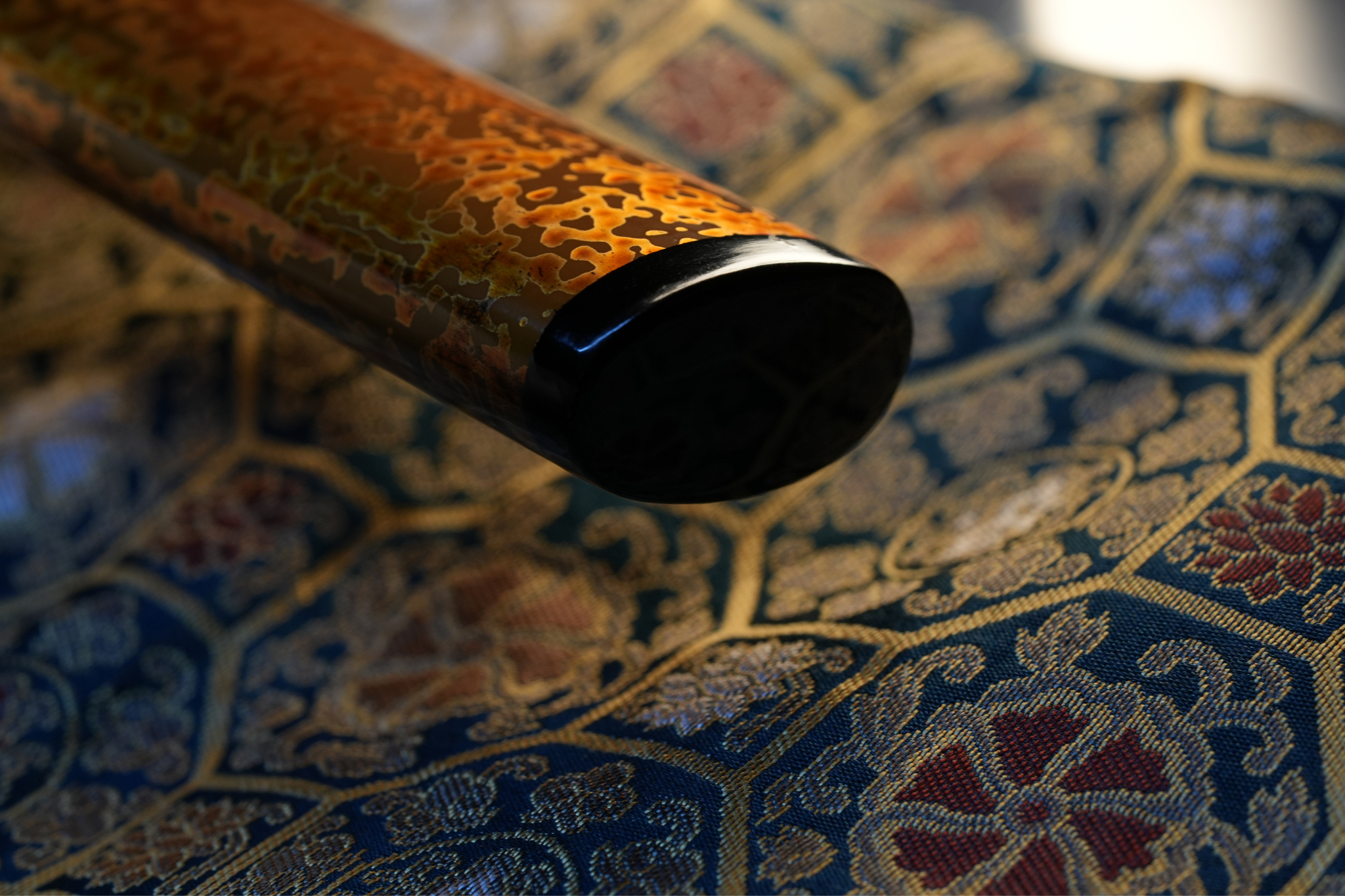
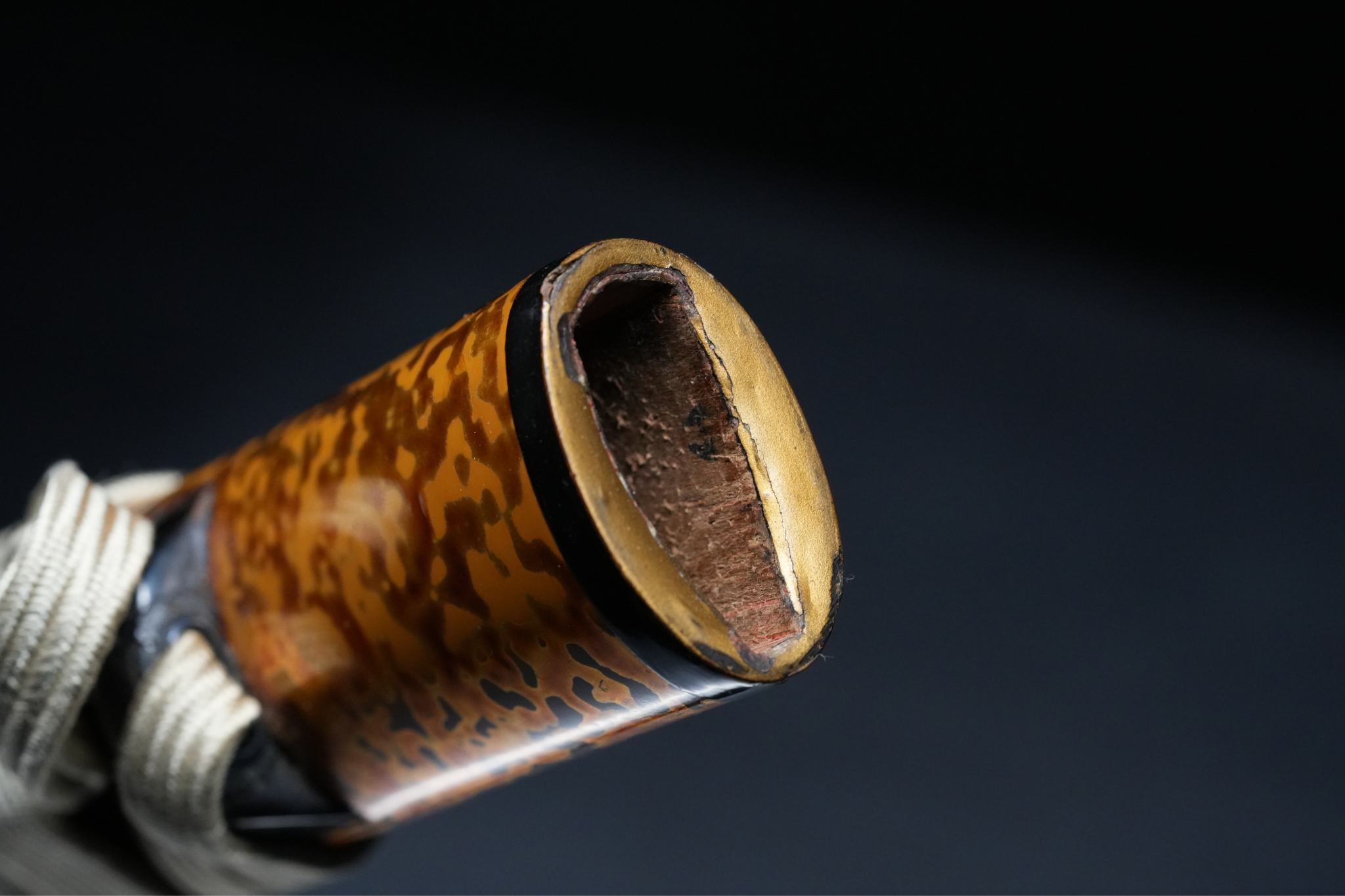
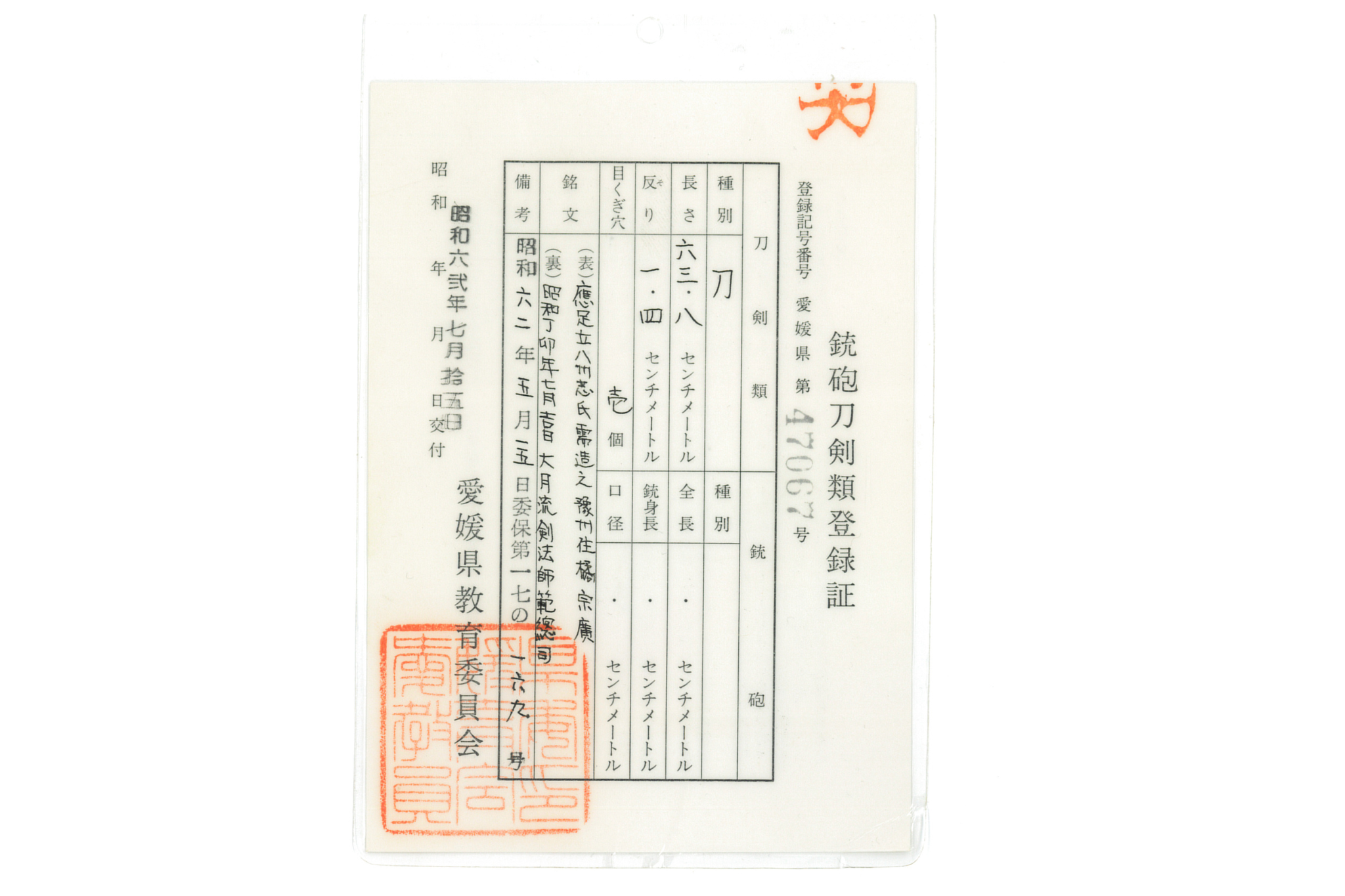
This exquisite katana represents a modern convergence of traditional craftsmanship and historical lineage, carrying forth the spirit of Japanese sword-making. Crafted in the Showa era , the blade is the work of Tachibana Munehiro , an accomplished smith from Yo Shu (modern-day Ehime Prefecture ). Created in July 1987 at the behest of Ashitate Yasushi , the General Director of the Otsuki School of Swordsmanship, this katana evokes the strength and discipline of a time-honored martial tradition. The katana's nagasa, measures 2 shaku 1 sun 5 rin (63.8 cm/ 25.11 inches), with a sori (curve) of 1.4 cm / 0.55 inches. Rendered in the iconic shinogi-zukuri style with an iori-mune and chu-gissaki , the blade features an ubu nakago , skillfully finished with kesho yasuri-me , and one mekugi-ana. The The total length of the Katana is 93 cm (36,6 inches). Munehiro’s meticulous craftsmanship is on full display through the blade's Gunome-choji-midare hamon , characterized by a play of deep ashi and fine sunagashi , over a bed of tight itame covered in delicate ji-nie that contributes to a textured and vibrant landscape. Tachibana Munehiro Background : Tachibana Munehiro, whose real name was Toriu Hiromu, was born on September 5, 1925, in Ehime Prefecture. His sword smithing journey began in 1939 under his father Hiromasa's guidance, a student of the celebrated smith Takahashi Yoshimune. Munehiro thus carries the lineage of Takahashi Yoshimune, whose brother, Takahashi Sadatsugu, was the first to receive the distinguished title of "Ningen Kokuho" or "Living National Treasure." This lineage fostered many exceptional smiths, highly regarded for their work. During World War II, in 1942, Munehiro further honed his skills in the Kokura Rikugun Zoheisho, an Imperial Army Factory located in Kokura city, Kyushu. Post-war, he transitioned to blacksmithing, crafting farming tools, before returning to his passion for swordsmithing in 1969. Munehiro’s sword displays the Bizen style of his lin
 NihontoWatch
在銘 · 昭和 · 長さ 63.8cm · 反り 1.4cm
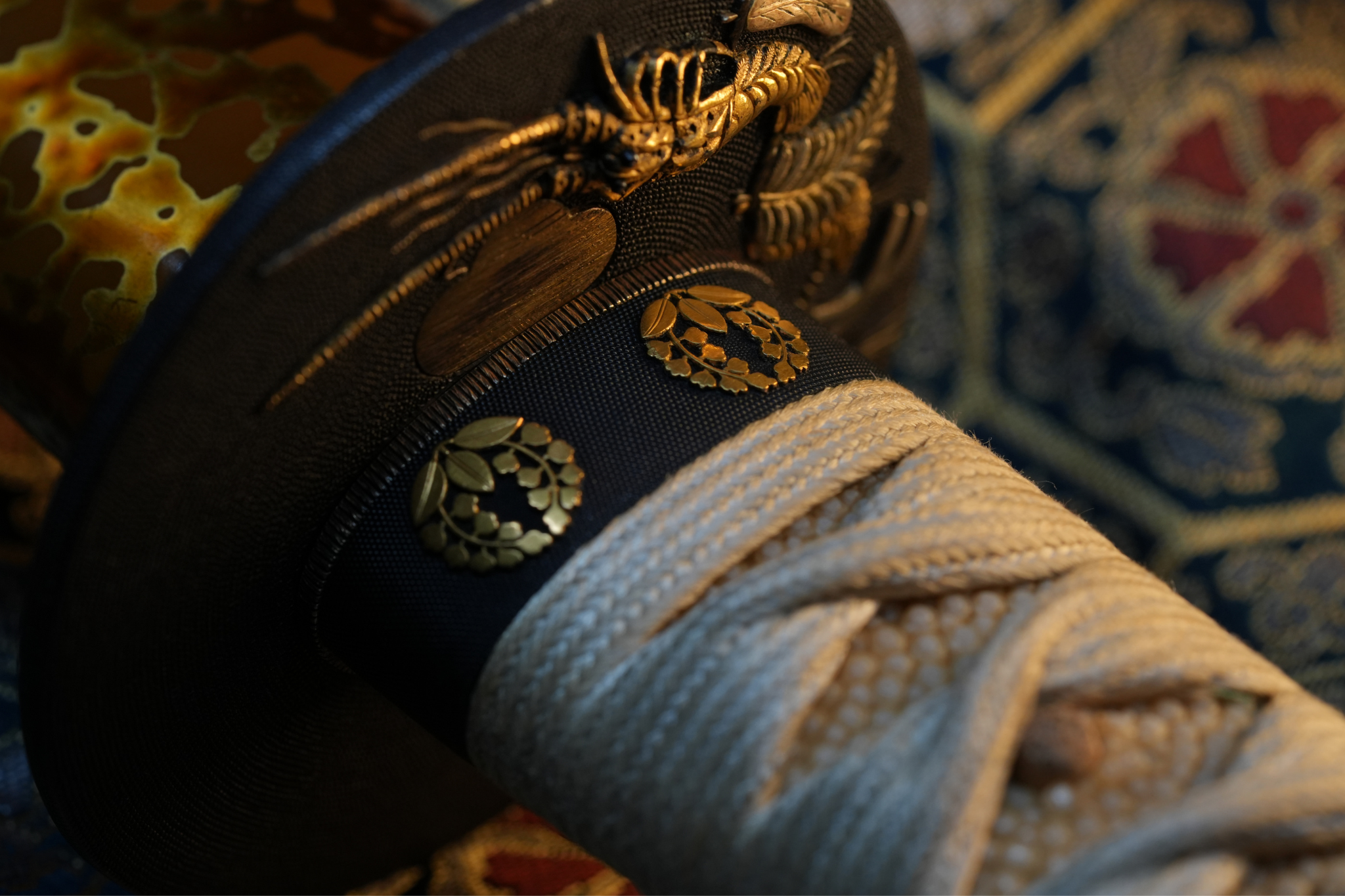
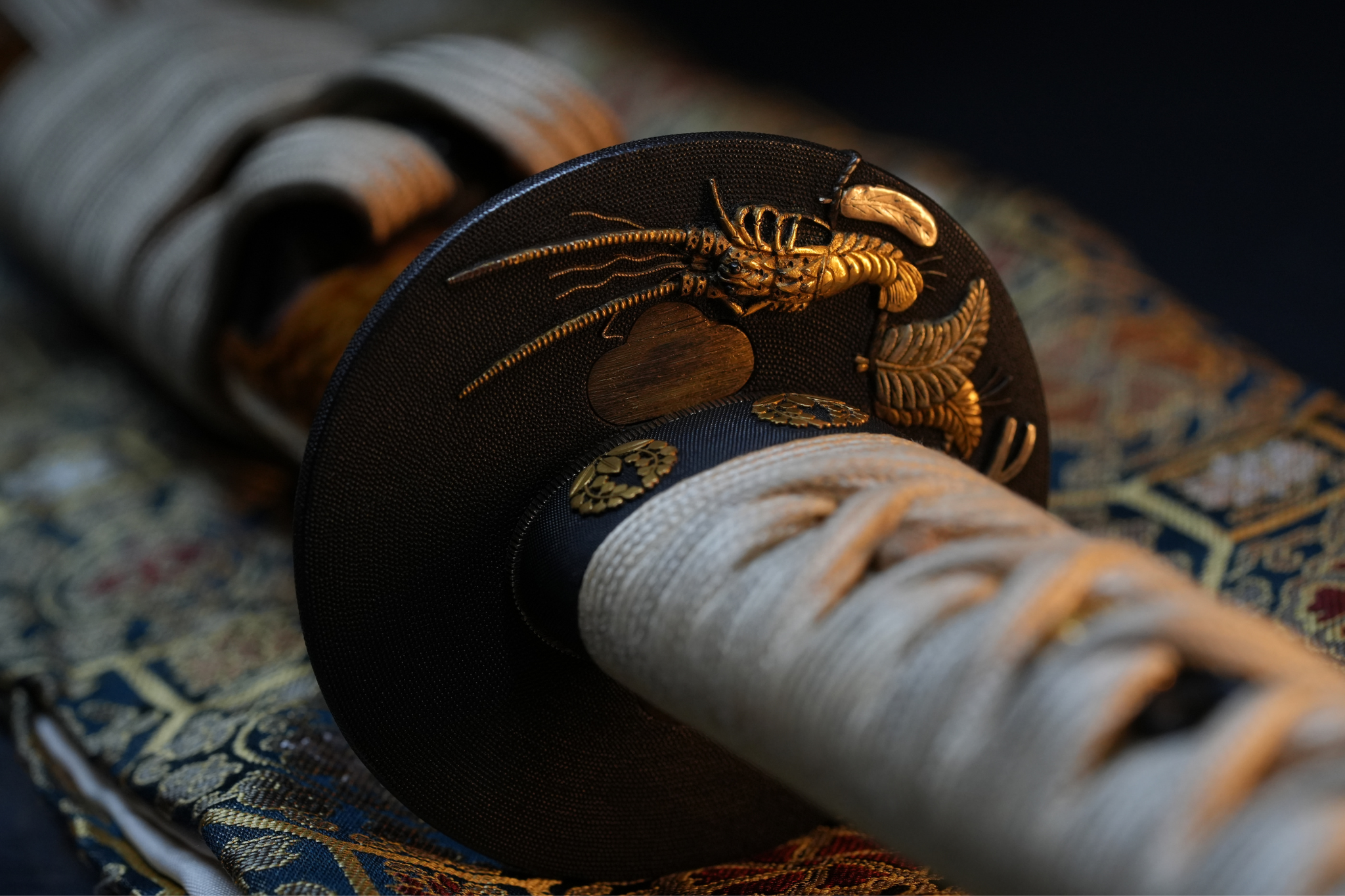
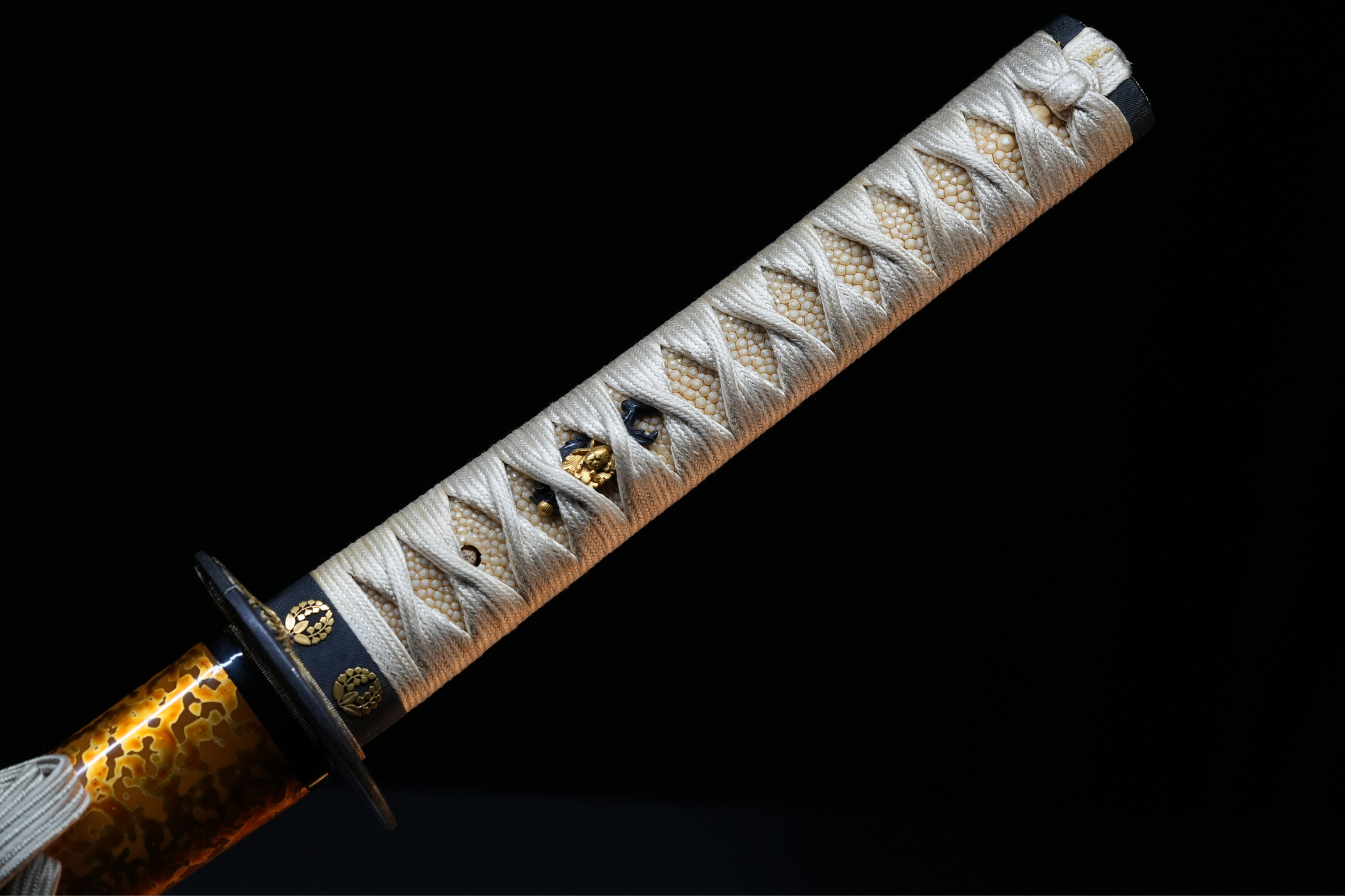
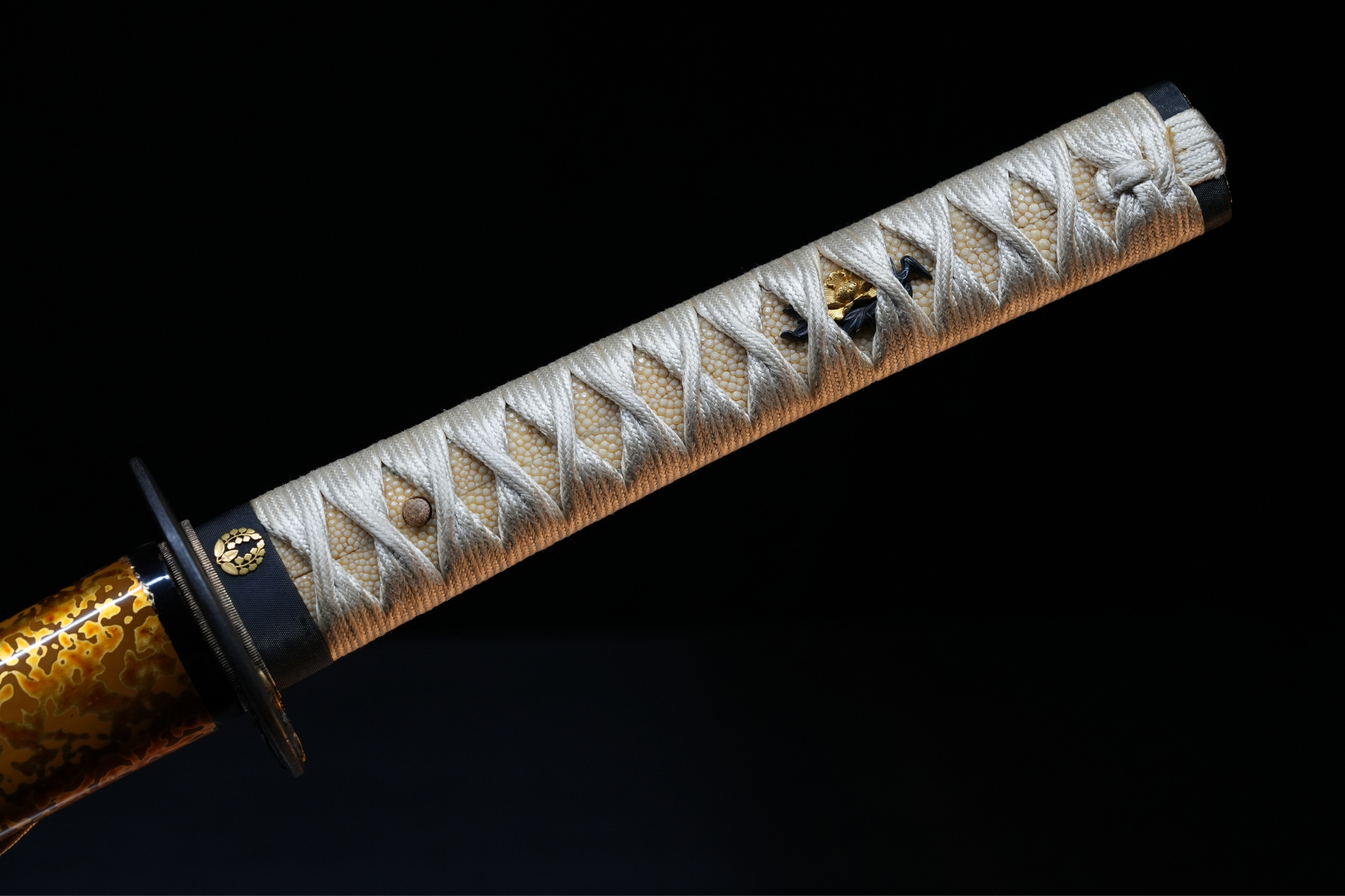
Ehime · 1926-1989頃
現在2点販売中
昭和から現代へ 断絶と再生
二十世紀は二度この工芸を殺しかけた。戦時の歪みと、占領下の禁令である。1948年の日刀保設立と1953年の作刀再開が刀を美術として再建し、人間国宝と無鑑査がその頂に立つ。
販売店の出品ページで鑑定書を確認できませんでした。日本刀および刀装具は通常、NBTHK(または NTHK)の鑑定を受けます。鑑定書がない場合、極めは販売店の見解にとどまり、第三者による確認は行われていません。ご購入前に販売店へ鑑定書の有無をお問い合わせのうえ、慎重にご判断ください。
30-day money-back guarantee from receipt; items must be unused, complete, in original packaging. Sale items Final Sale. Antique swords non-returnable (Japanese export law). Damage reported within 72 hours. Customer pays return shipping unless seller error/defect. Refunds within 14 days of inspection.
This exquisite katana represents a modern convergence of traditional craftsmanship and historical lineage, carrying forth the spirit of Japanese sword-making. Crafted in the Showa era , the blade is the work of Tachibana Munehiro , an accomplished smith from Yo Shu (modern-day Ehime Prefecture ). Created in July 1987 at the behest of Ashitate Yasushi , the General Director of the Otsuki School of Swordsmanship, this katana evokes the strength and discipline of a time-honored martial tradition. The katana's nagasa, measures 2 shaku 1 sun 5 rin (63.8 cm/ 25.11 inches), with a sori (curve) of 1.4 cm / 0.55 inches. Rendered in the iconic shinogi-zukuri style with an iori-mune and chu-gissaki , the blade features an ubu nakago , skillfully finished with kesho yasuri-me , and one mekugi-ana. The The total length of the Katana is 93 cm (36,6 inches). Munehiro’s meticulous craftsmanship is on full display through the blade's Gunome-choji-midare hamon , characterized by a play of deep ashi and fine sunagashi , over a bed of tight itame covered in delicate ji-nie that contributes to a textured and vibrant landscape. Tachibana Munehiro Background : Tachibana Munehiro, whose real name was Toriu Hiromu, was born on September 5, 1925, in Ehime Prefecture. His sword smithing journey began in 1939 under his father Hiromasa's guidance, a student of the celebrated smith Takahashi Yoshimune. Munehiro thus carries the lineage of Takahashi Yoshimune, whose brother, Takahashi Sadatsugu, was the first to receive the distinguished title of "Ningen Kokuho" or "Living National Treasure." This lineage fostered many exceptional smiths, highly regarded for their work. During World War II, in 1942, Munehiro further honed his skills in the Kokura Rikugun Zoheisho, an Imperial Army Factory located in Kokura city, Kyushu. Post-war, he transitioned to blacksmithing, crafting farming tools, before returning to his passion for swordsmithing in 1969. Munehiro’s sword displays the Bizen style of his lin
NihontoWatch在銘 · 昭和 · 長さ 63.8cm · 反り 1.4cm
Ehime · 1926-1989頃
現在2点販売中
昭和から現代へ 断絶と再生
二十世紀は二度この工芸を殺しかけた。戦時の歪みと、占領下の禁令である。1948年の日刀保設立と1953年の作刀再開が刀を美術として再建し、人間国宝と無鑑査がその頂に立つ。
販売店の出品ページで鑑定書を確認できませんでした。日本刀および刀装具は通常、NBTHK(または NTHK)の鑑定を受けます。鑑定書がない場合、極めは販売店の見解にとどまり、第三者による確認は行われていません。ご購入前に販売店へ鑑定書の有無をお問い合わせのうえ、慎重にご判断ください。
30-day money-back guarantee from receipt; items must be unused, complete, in original packaging. Sale items Final Sale. Antique swords non-returnable (Japanese export law). Damage reported within 72 hours. Customer pays return shipping unless seller error/defect. Refunds within 14 days of inspection.