NihontoWatch MonNihontoWatch
マーケット
事典
鑑定

説明

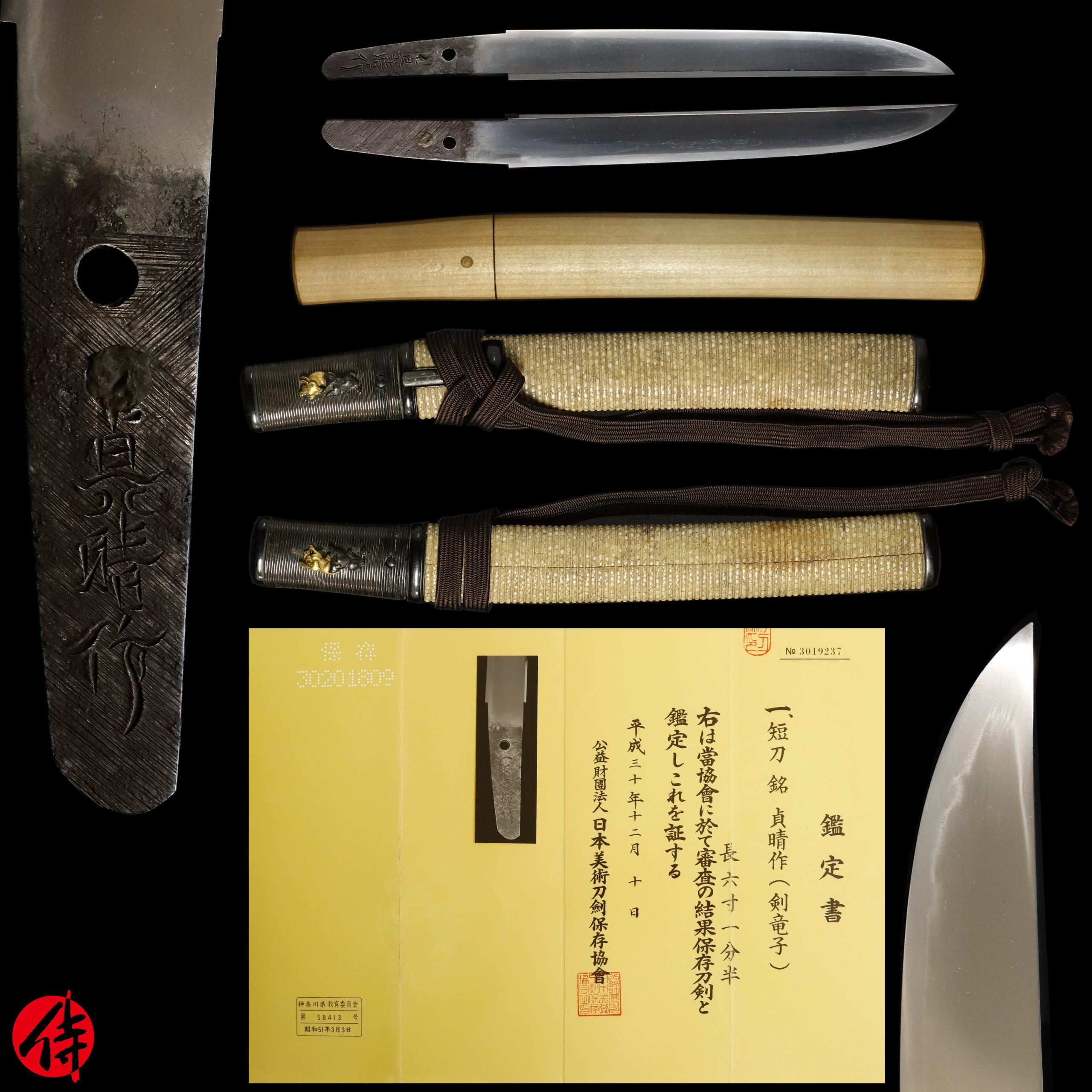
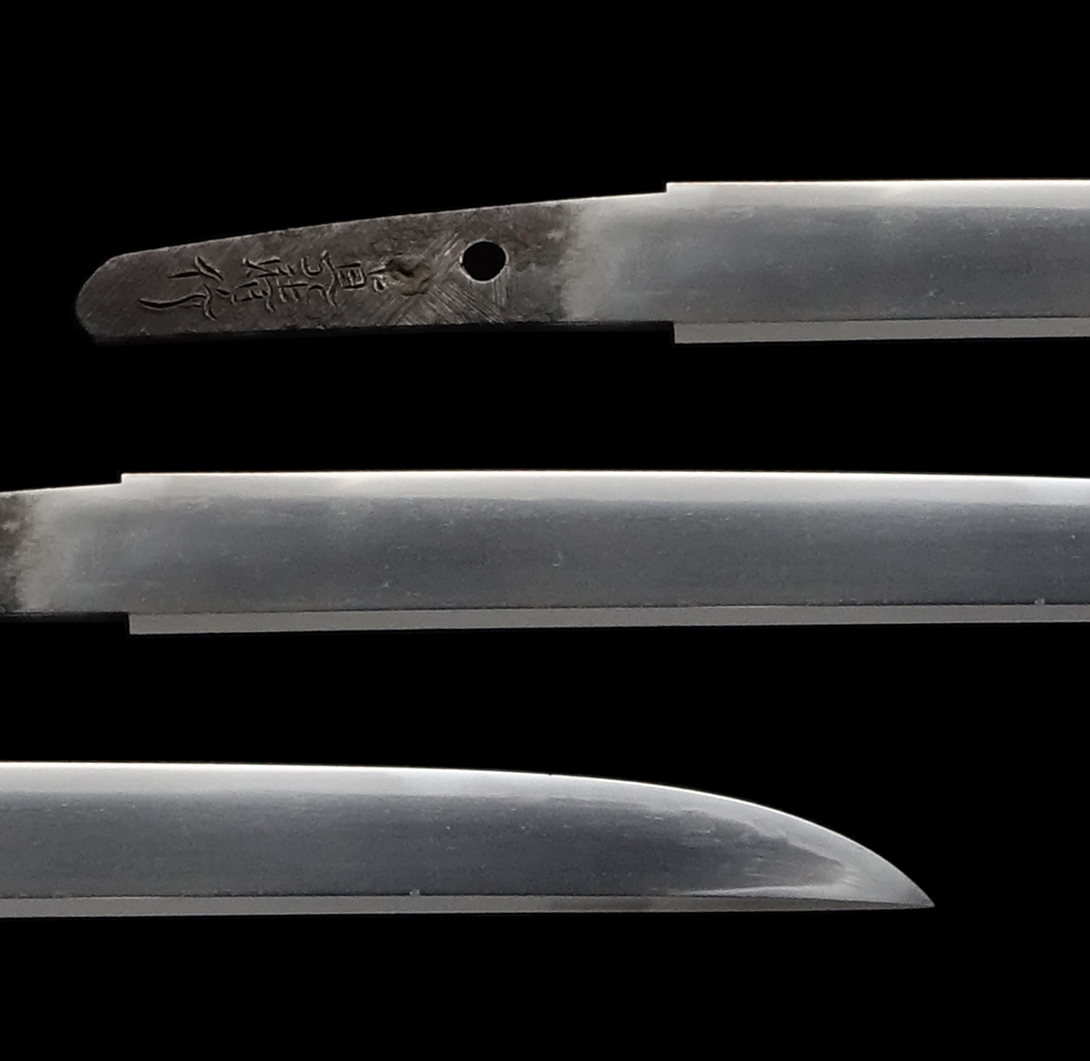
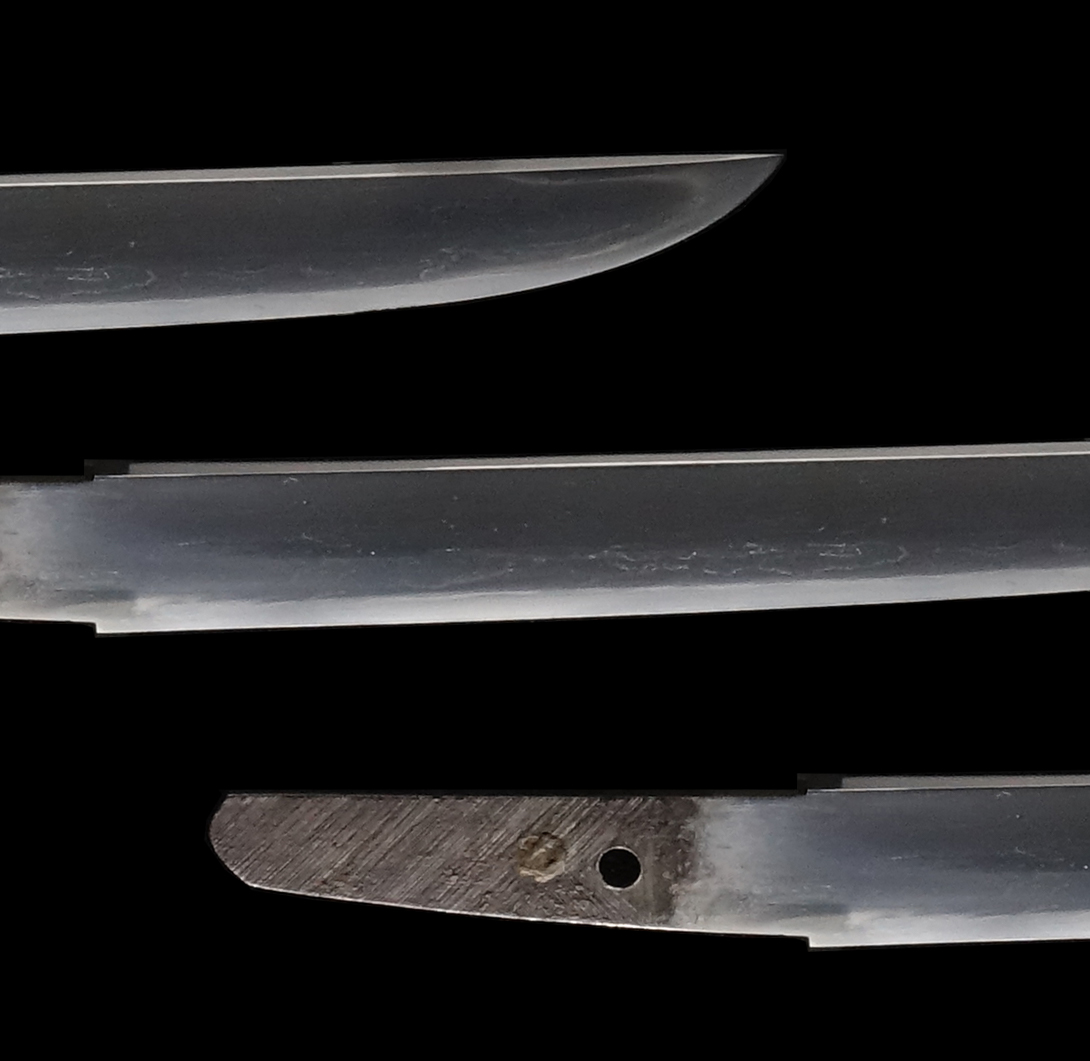
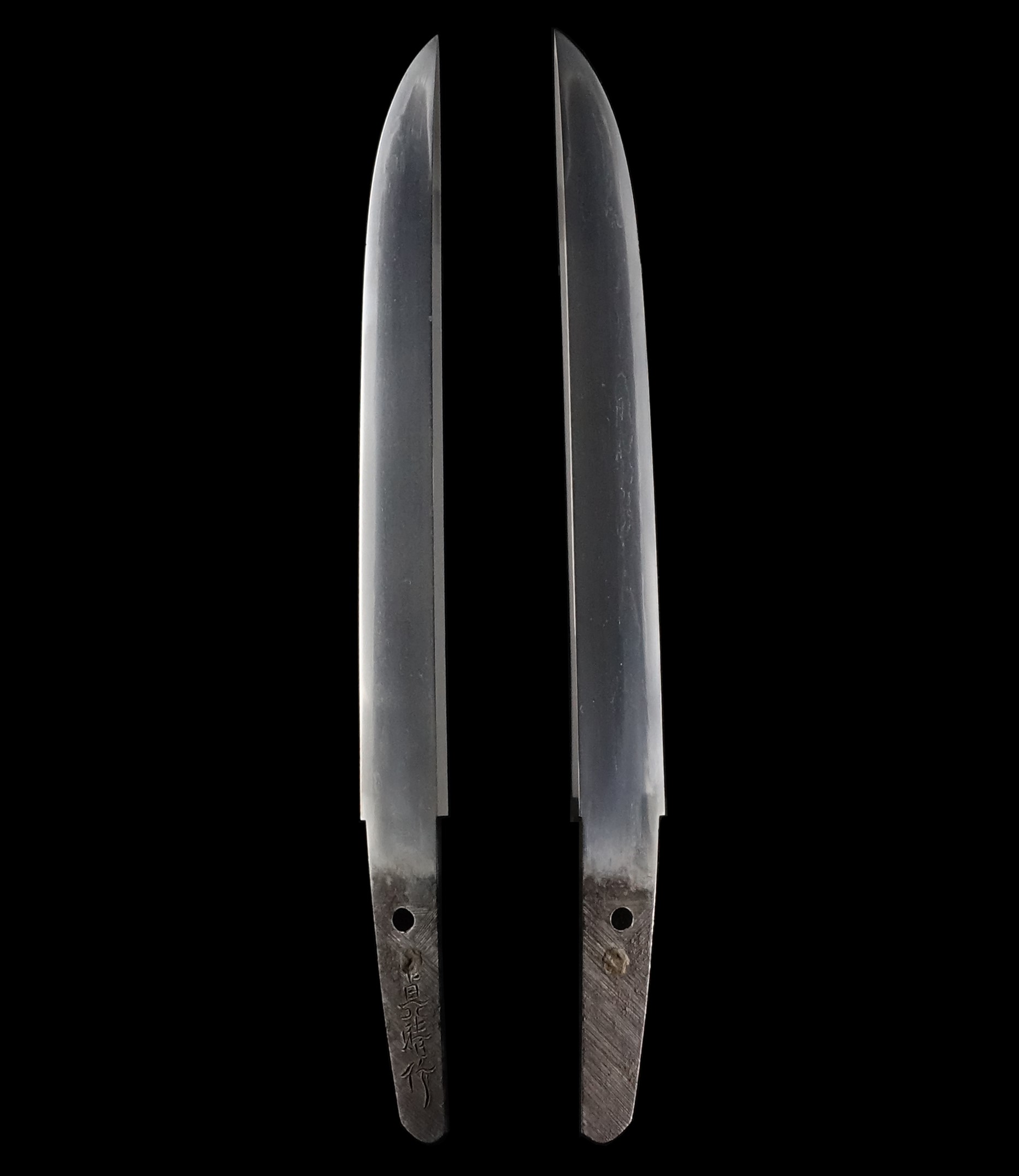
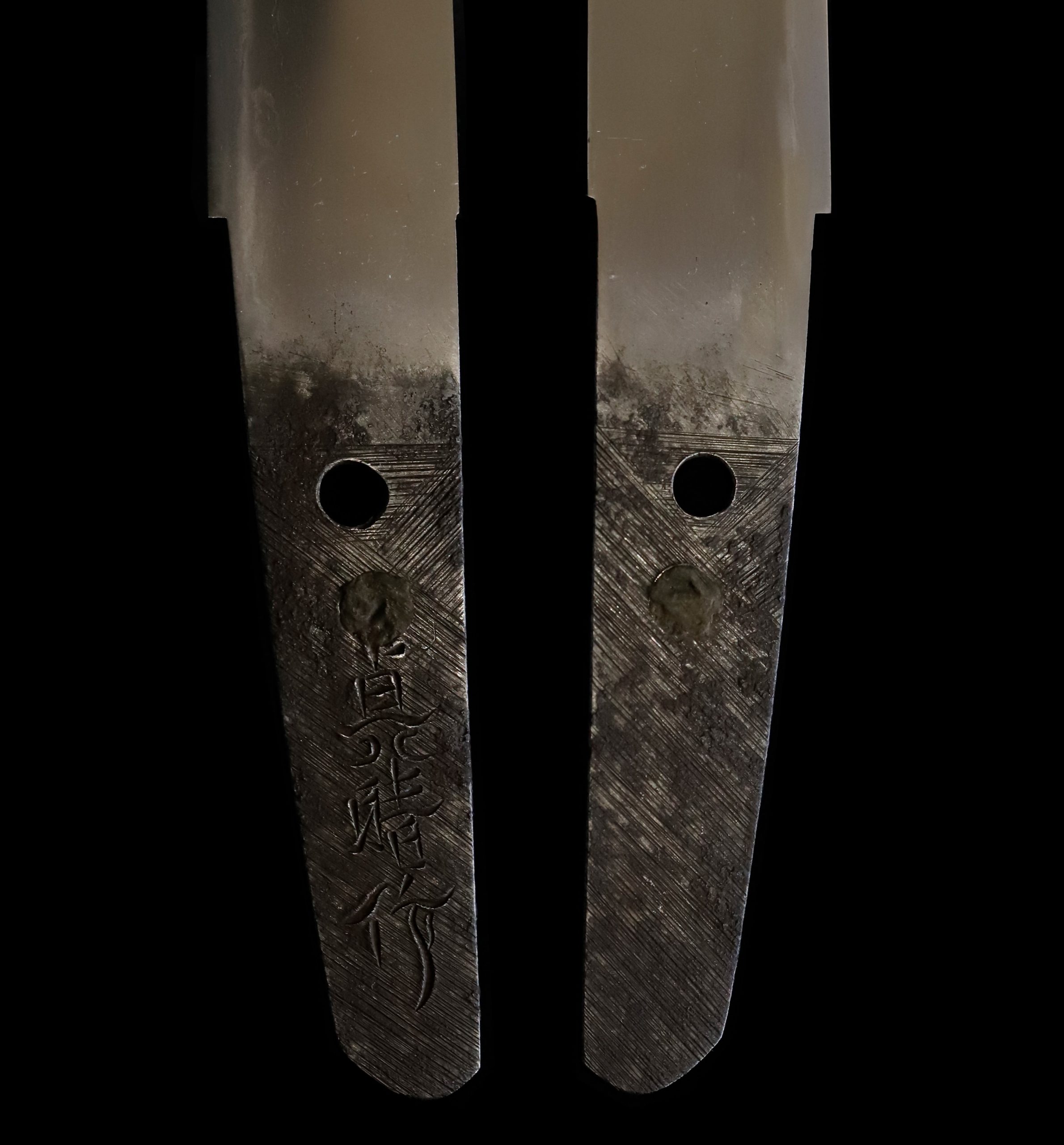
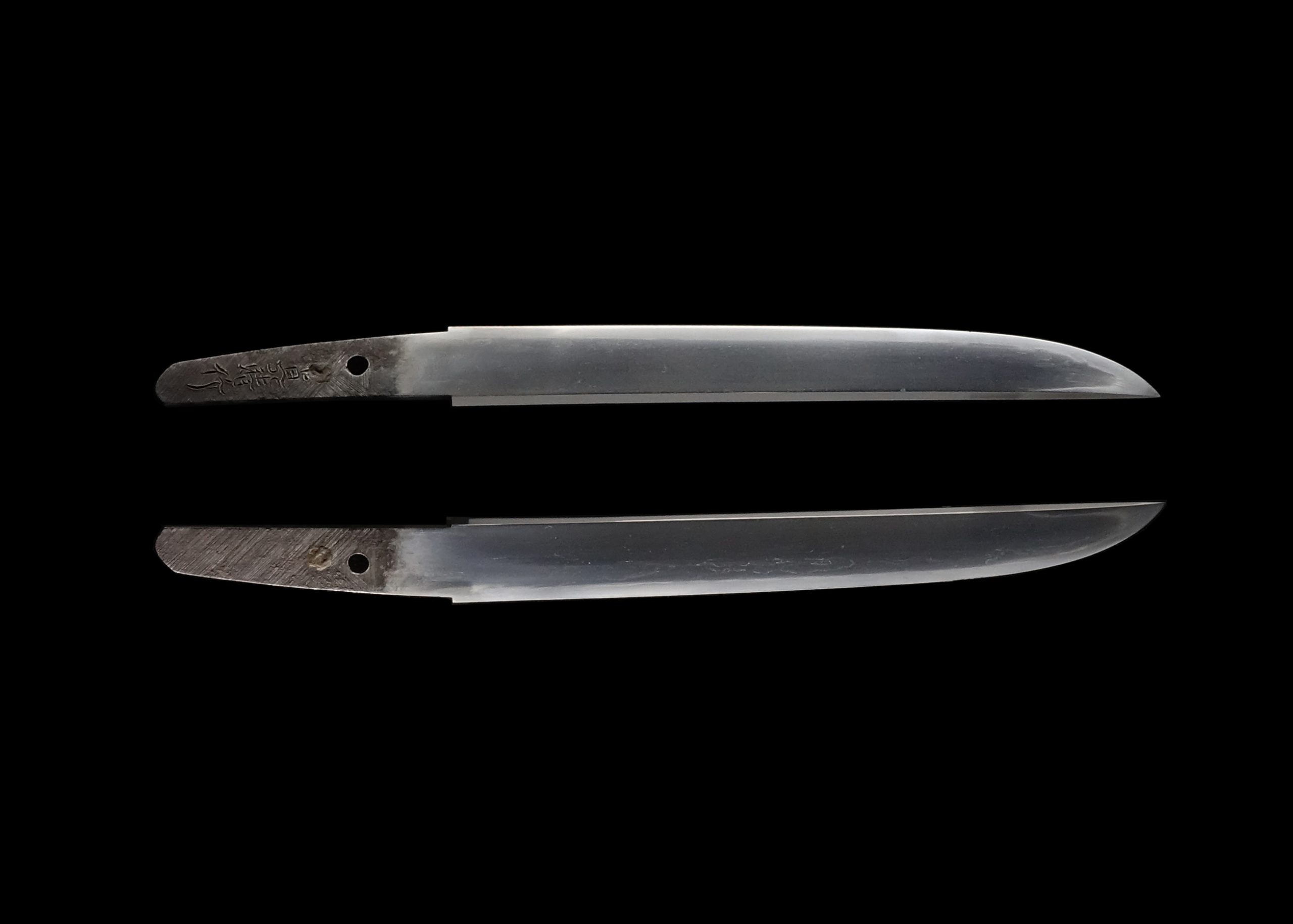
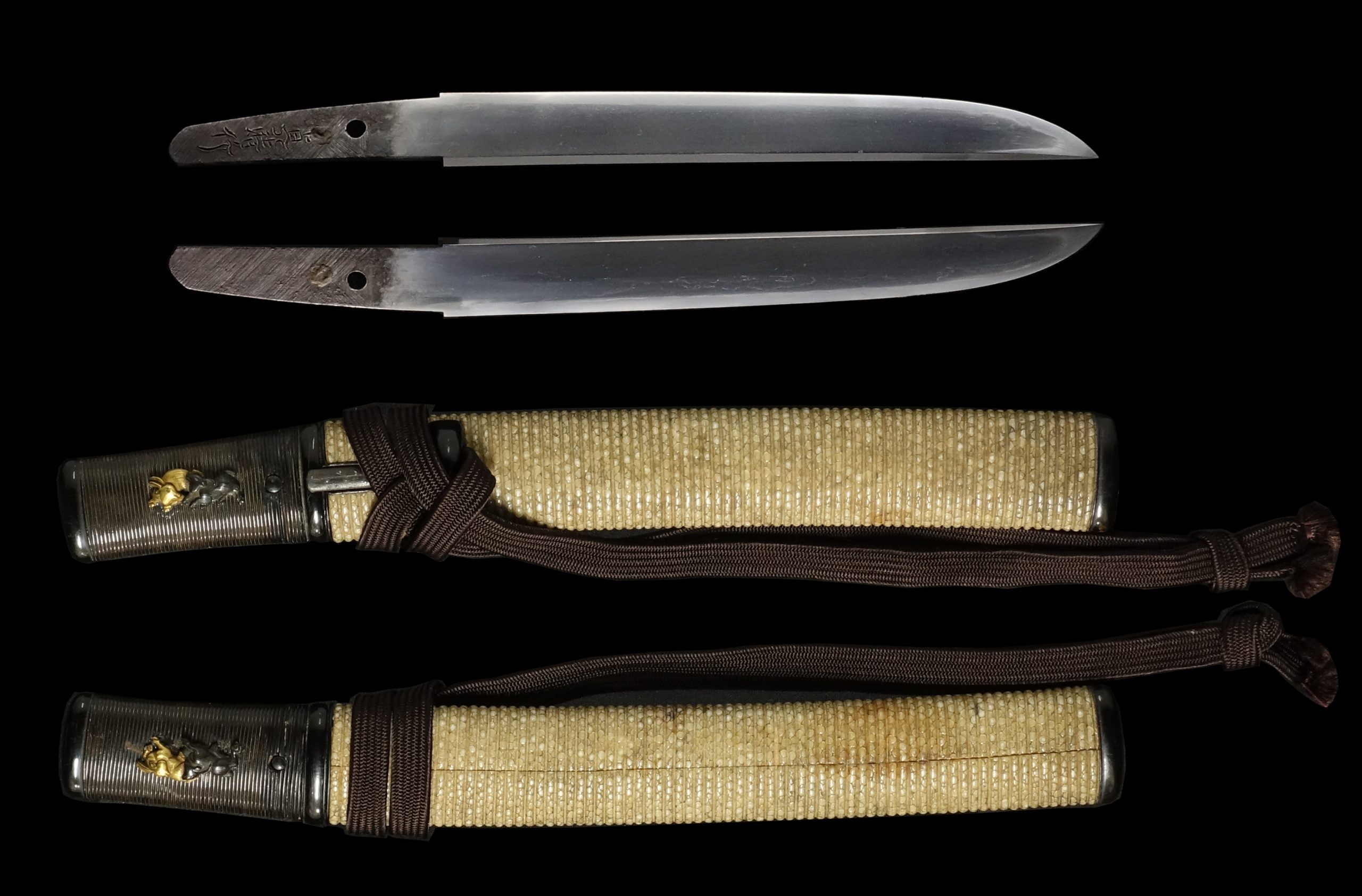
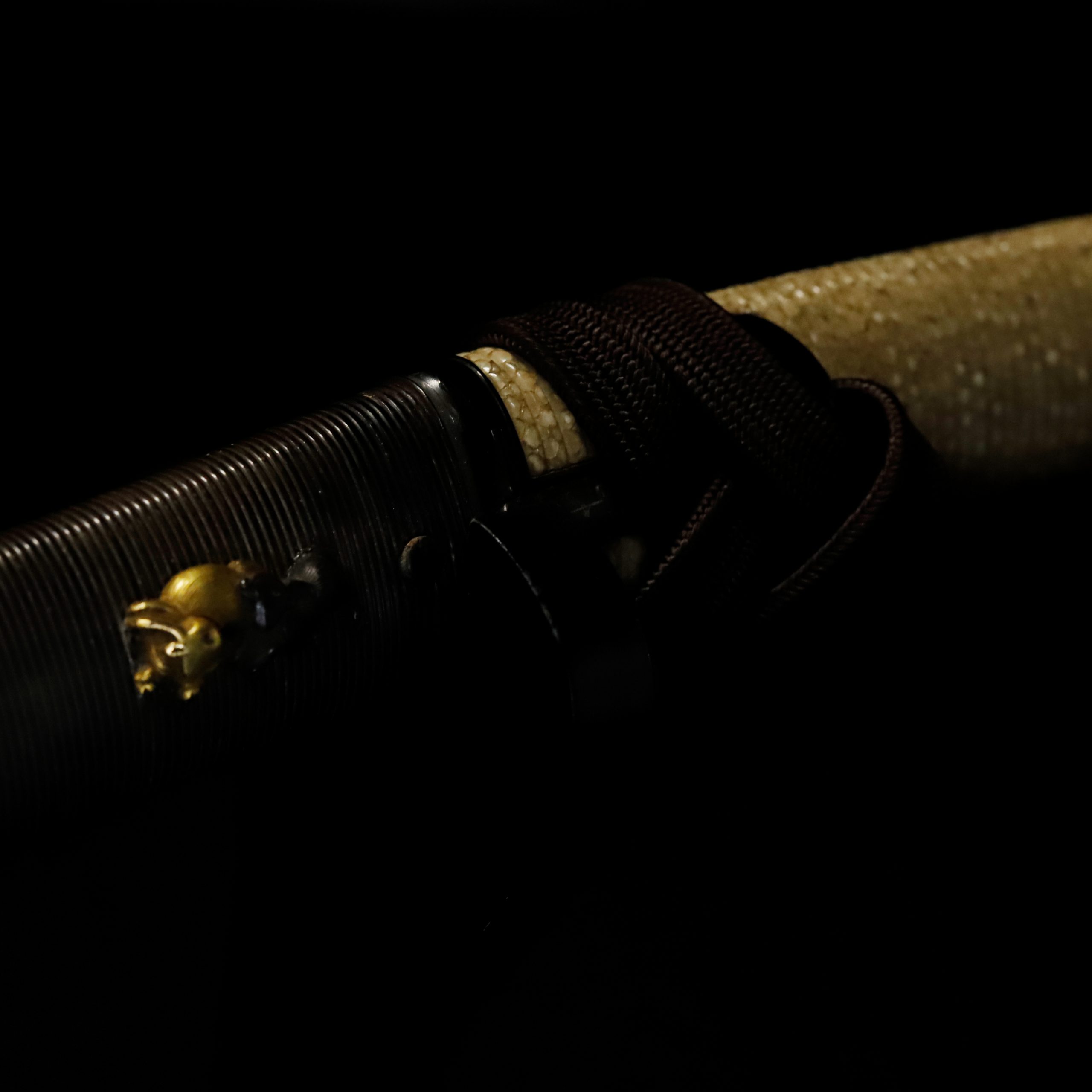
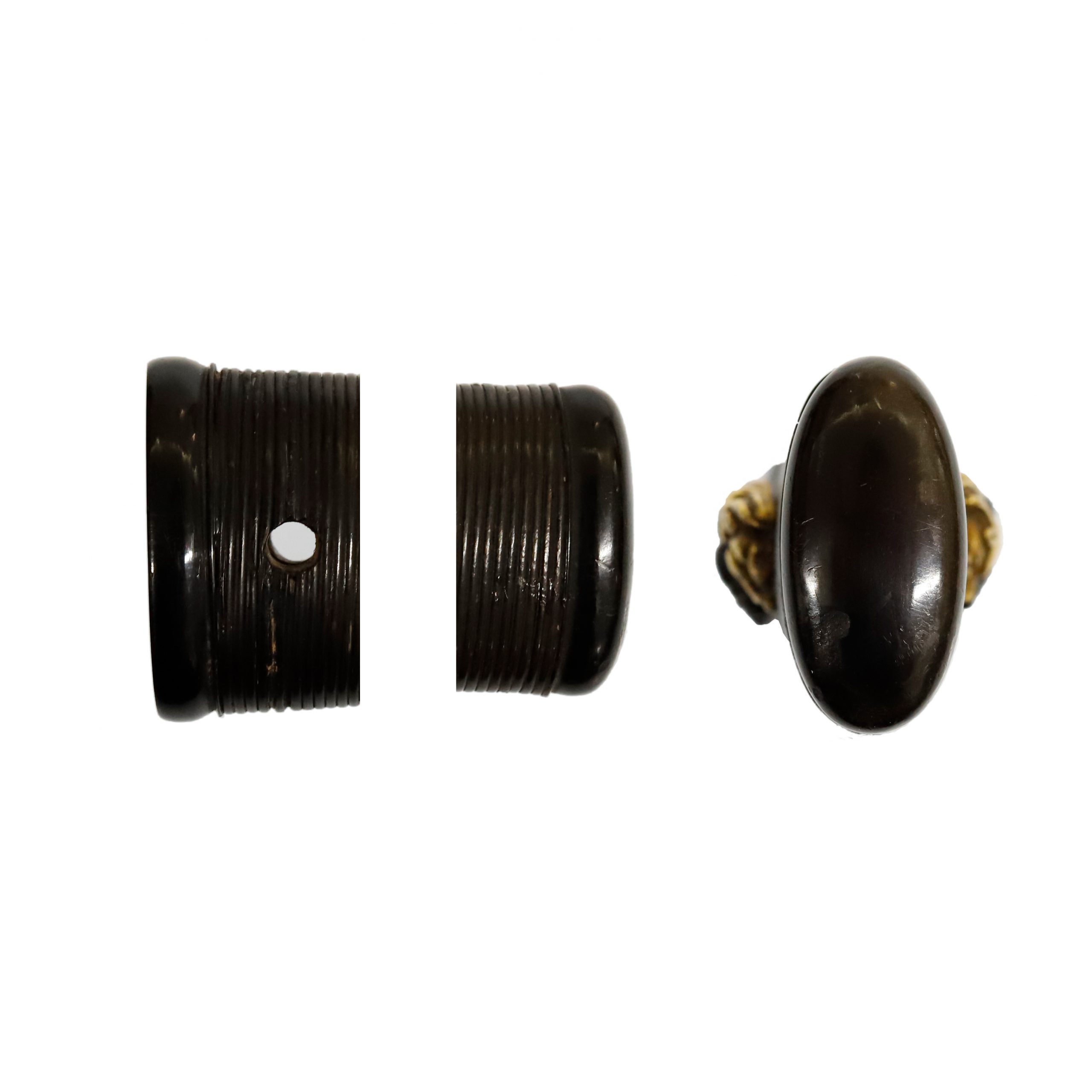
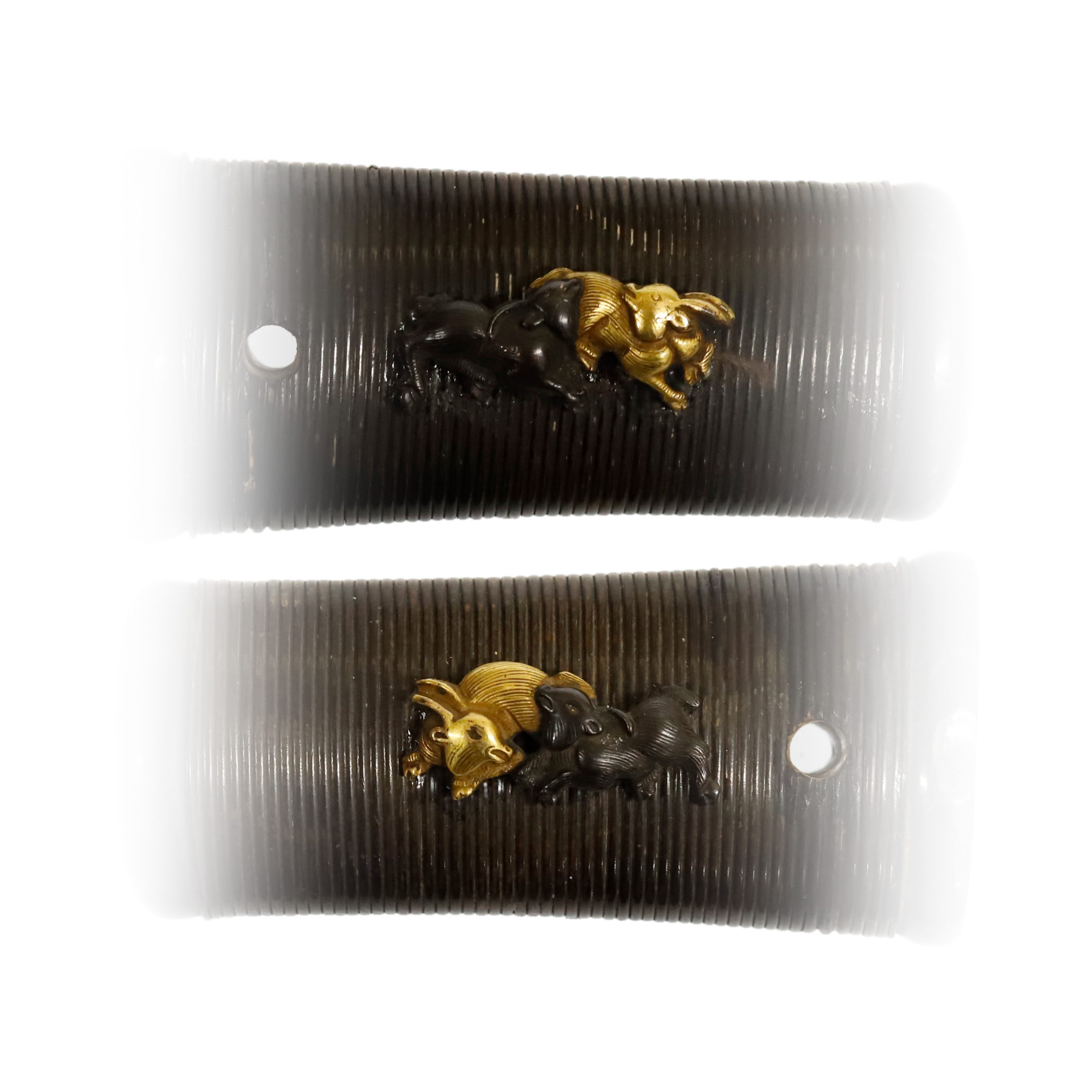
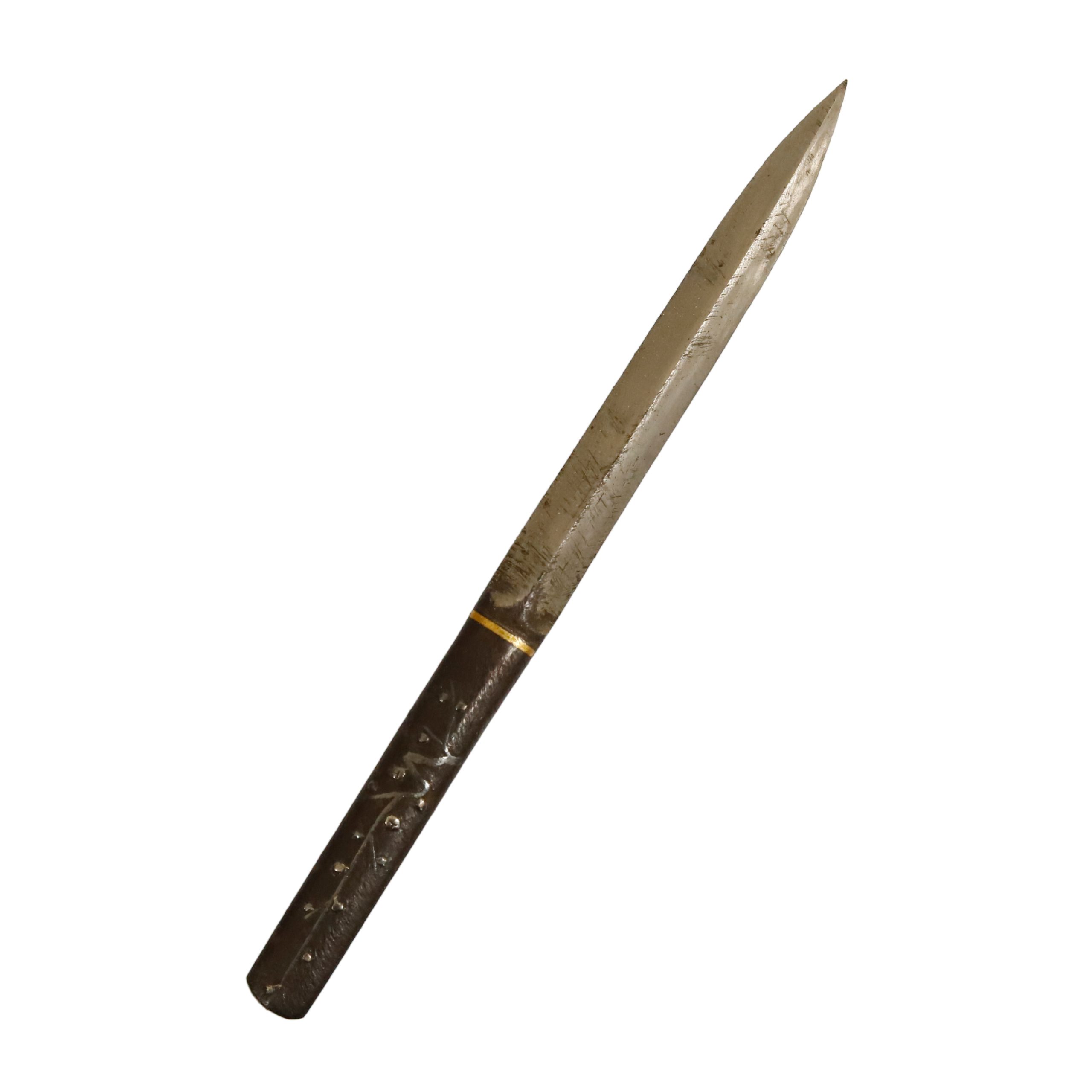
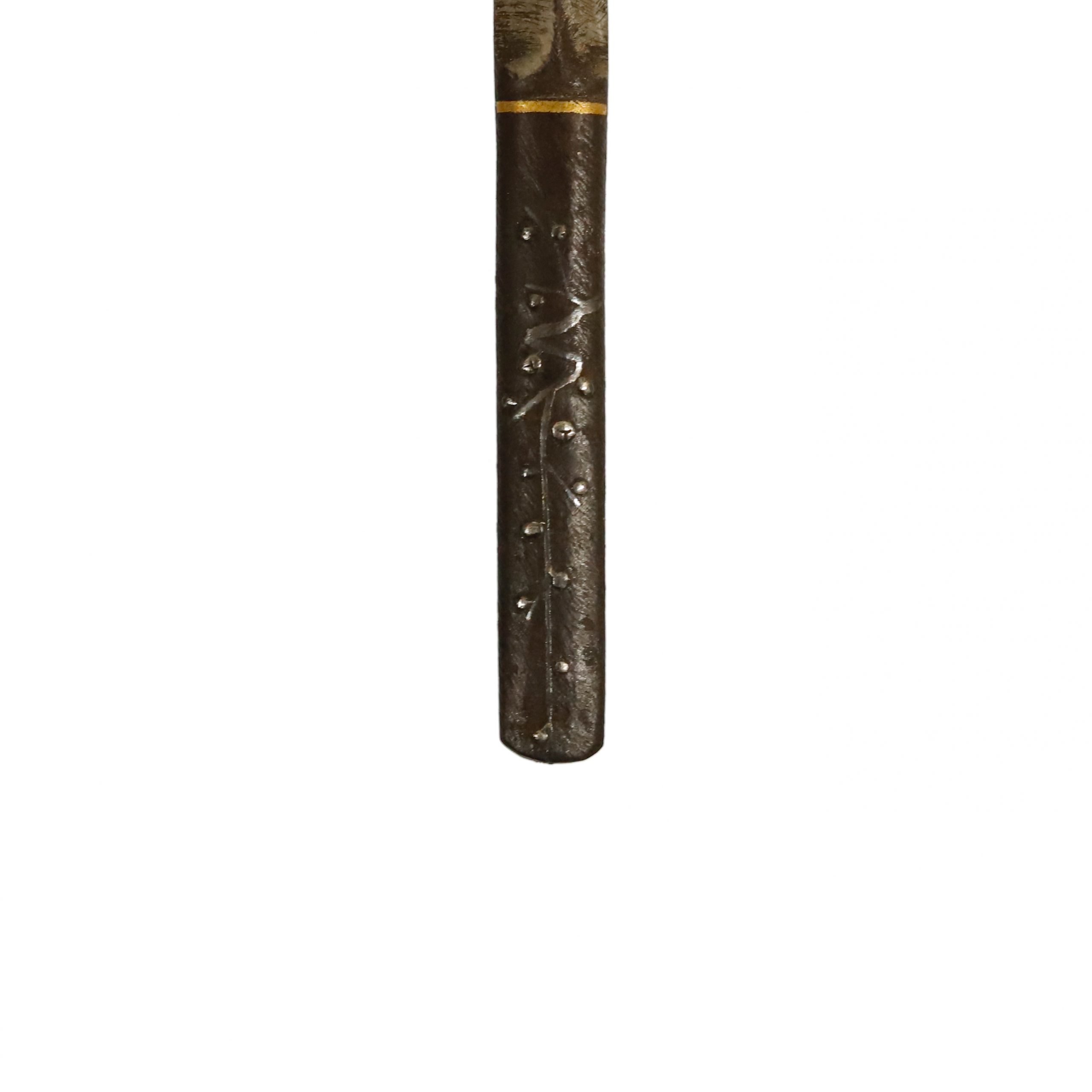
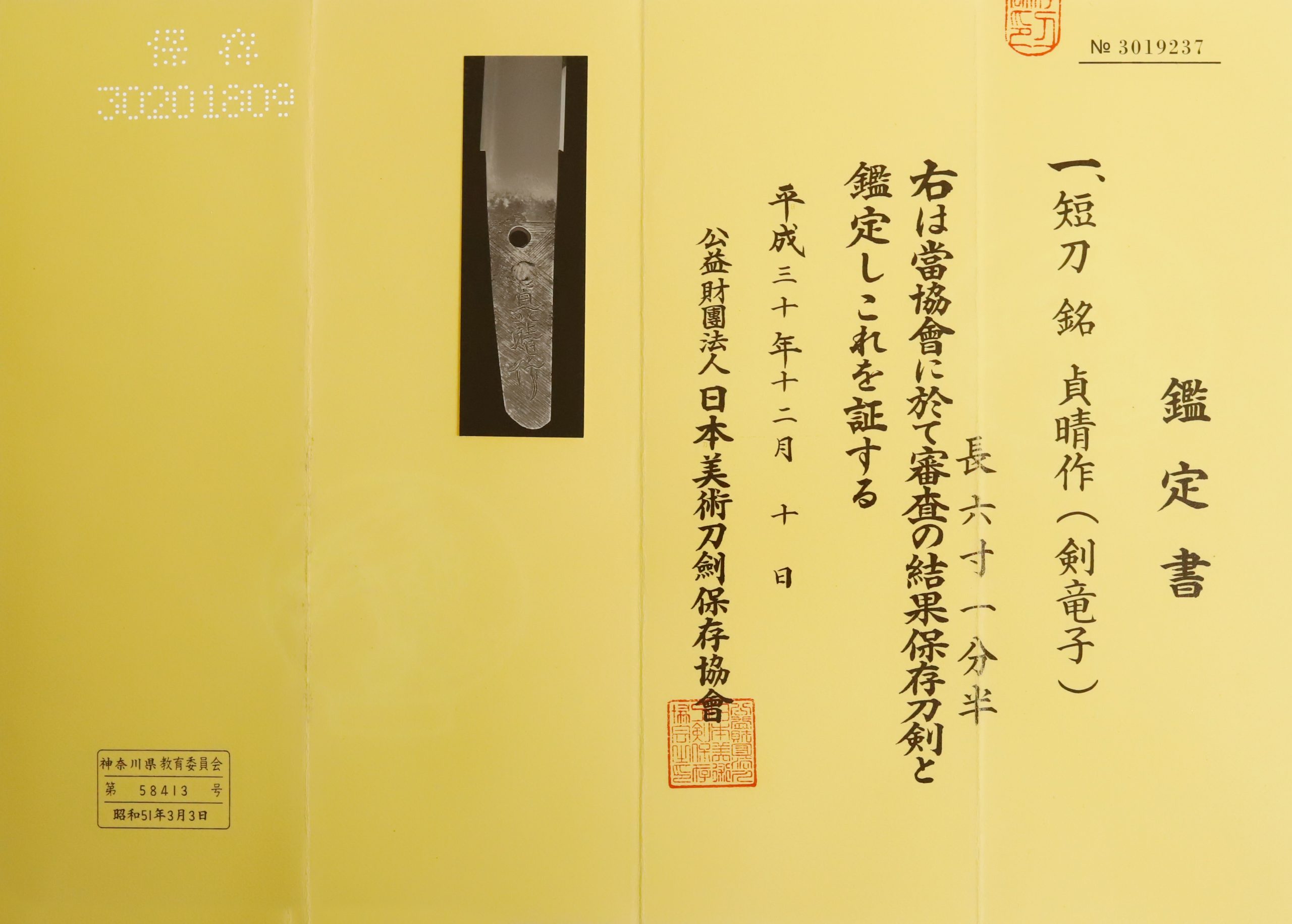
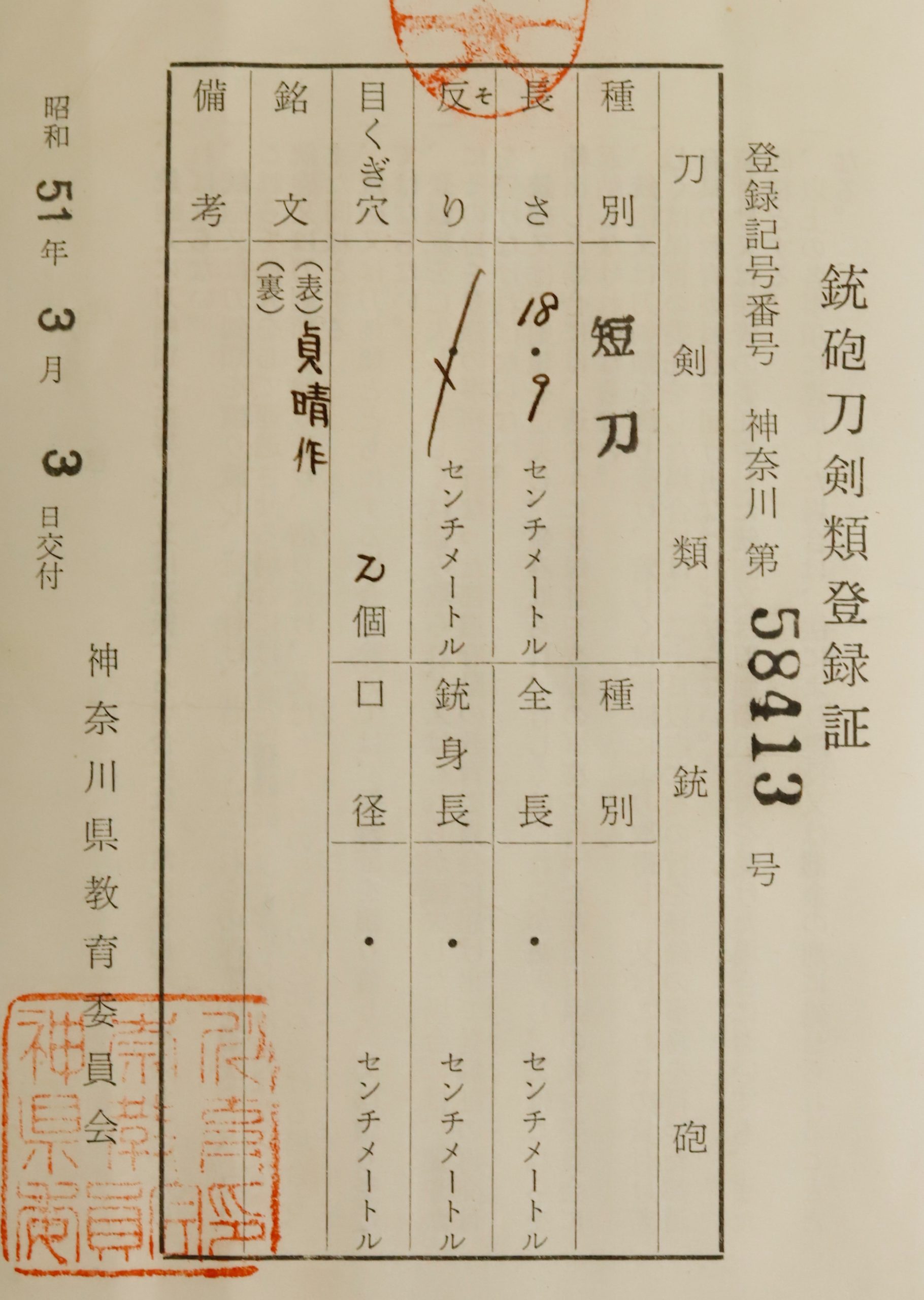
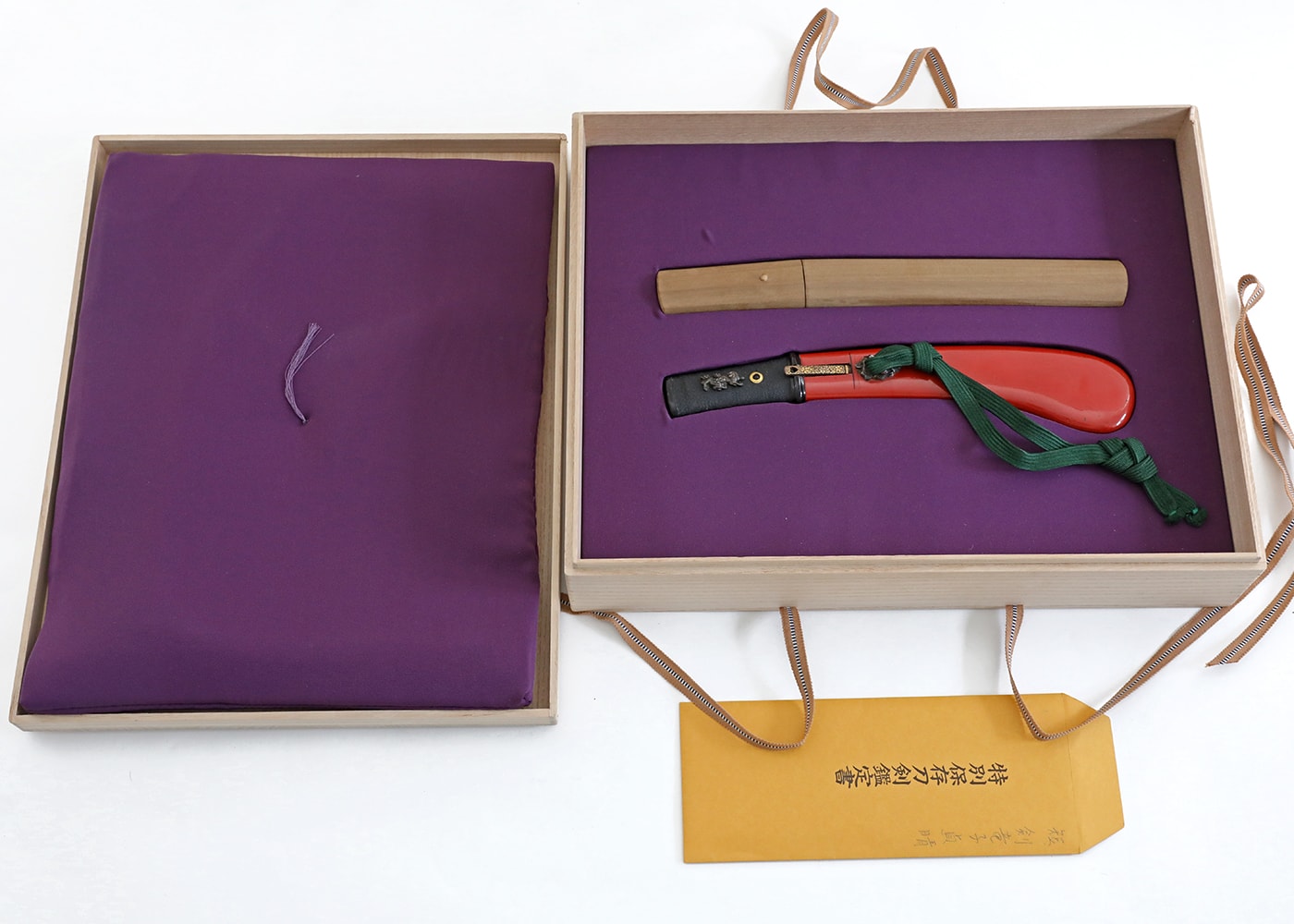
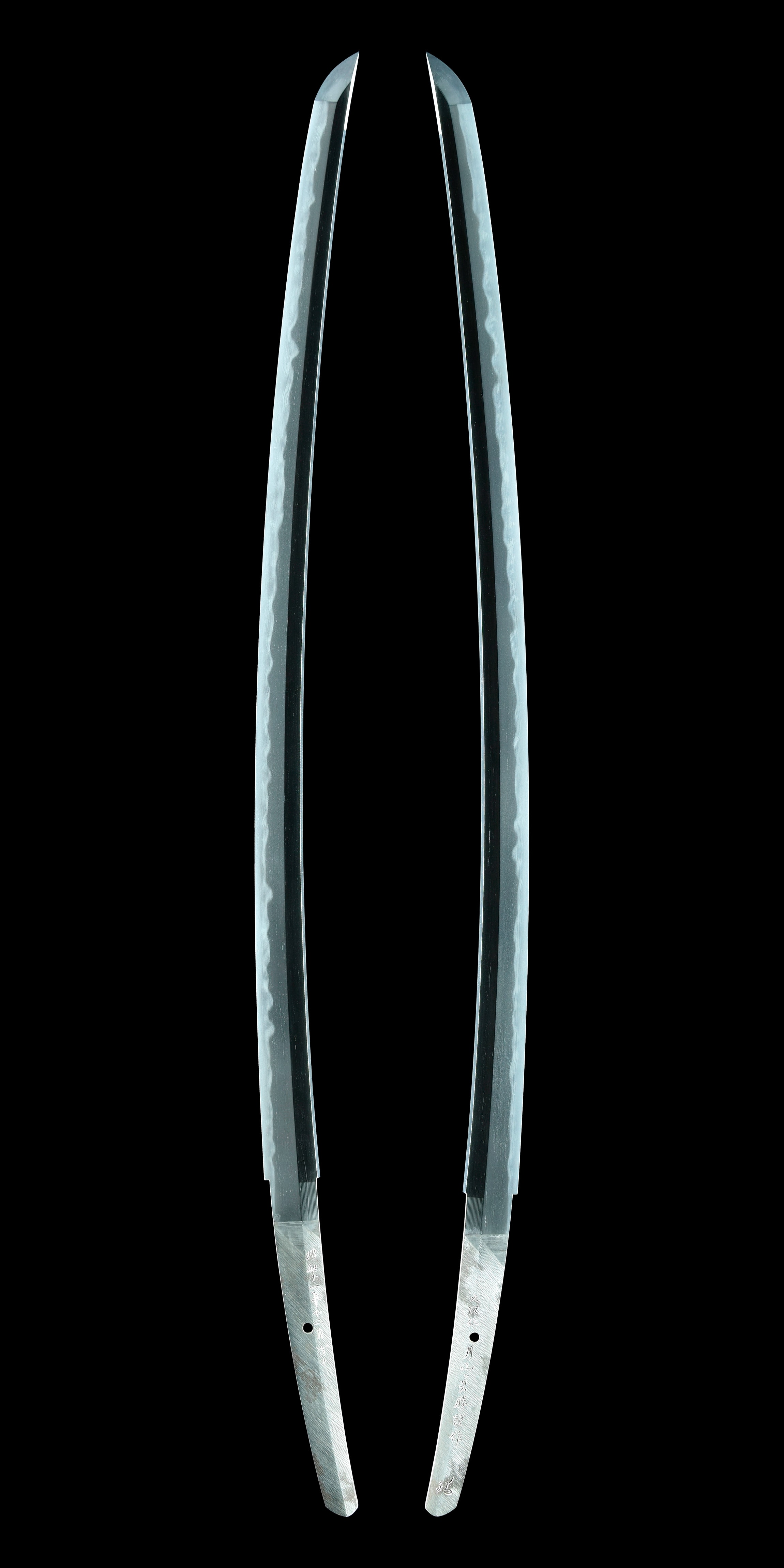
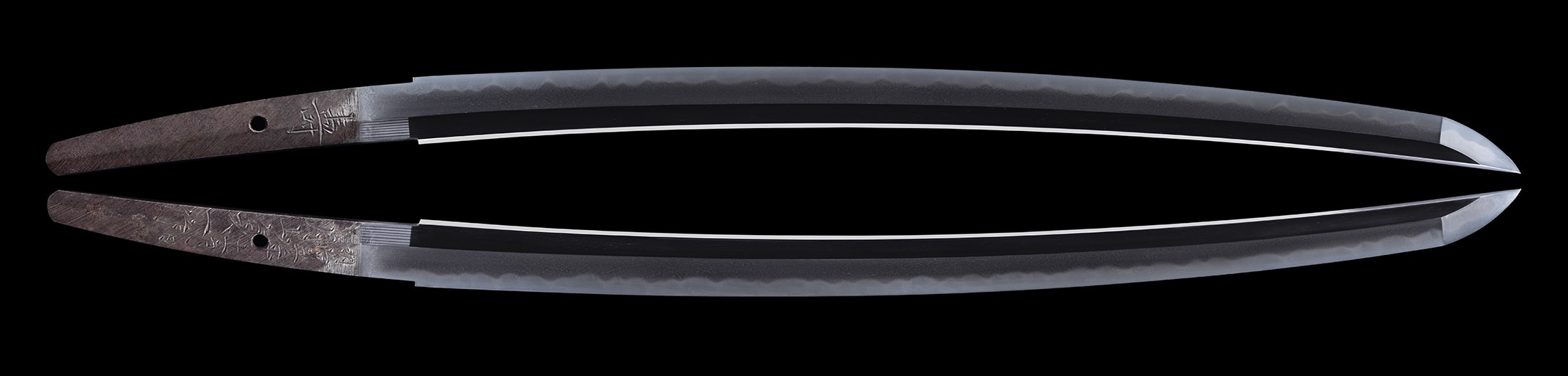
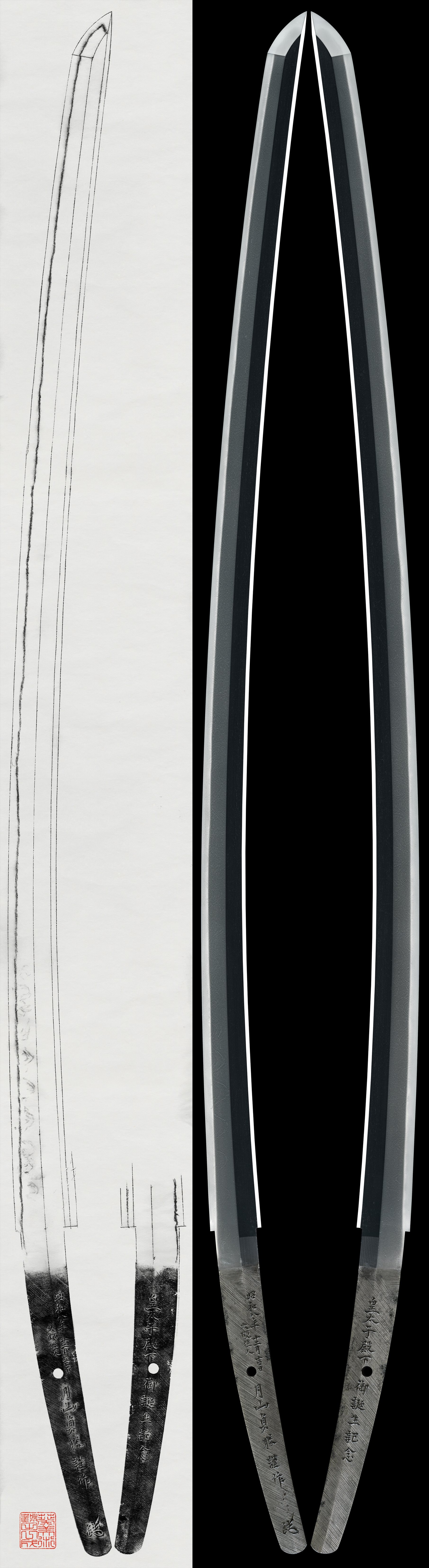
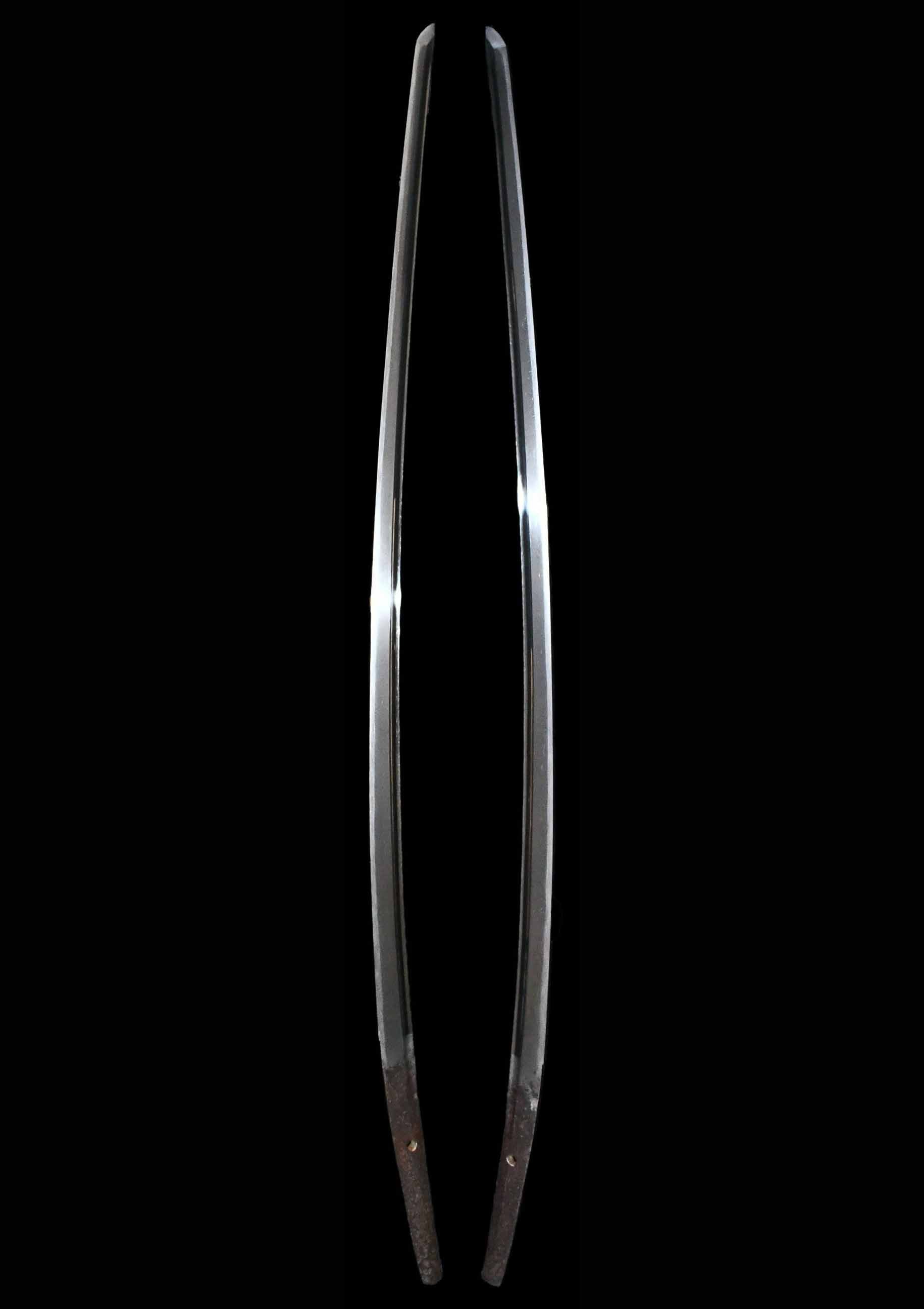
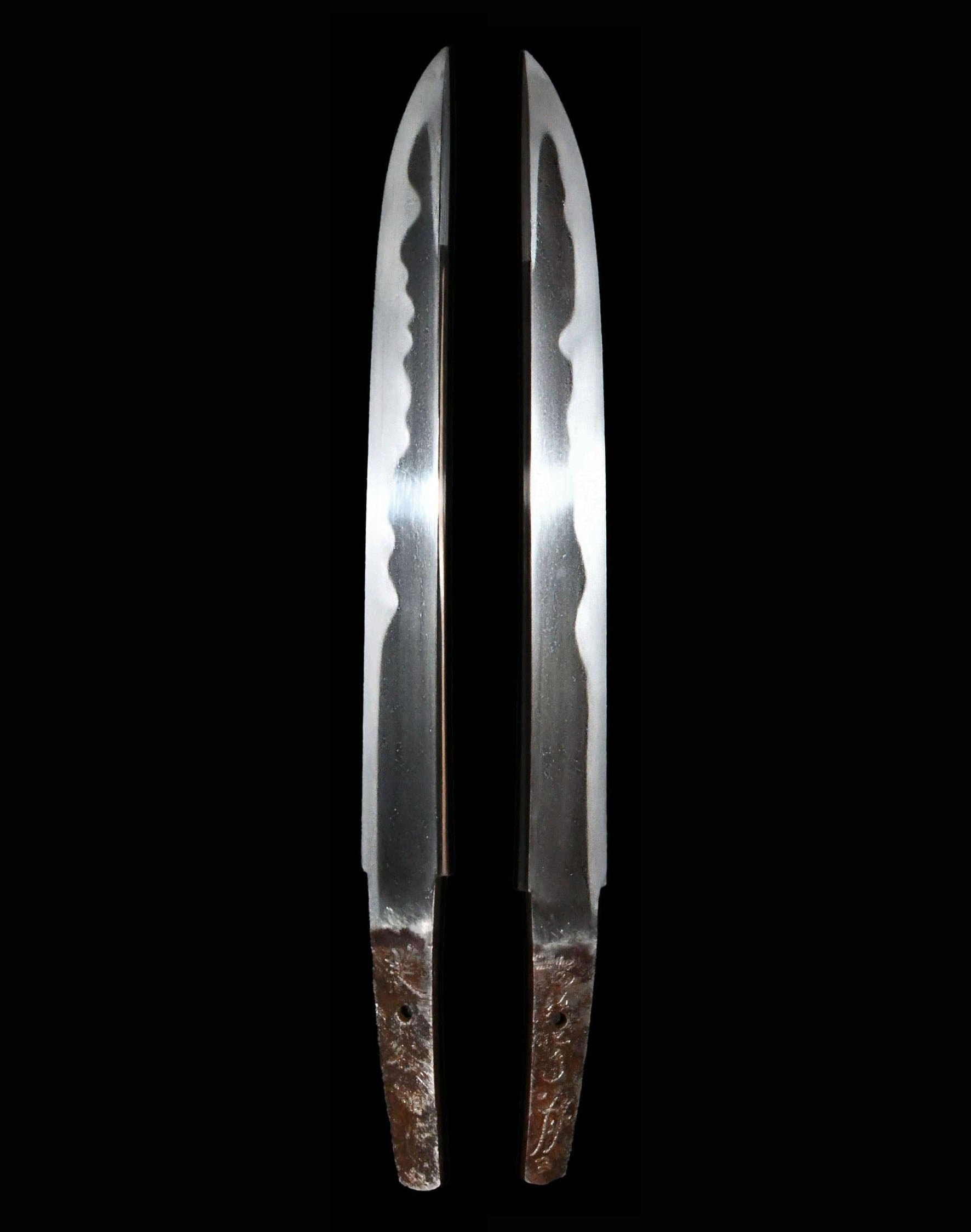
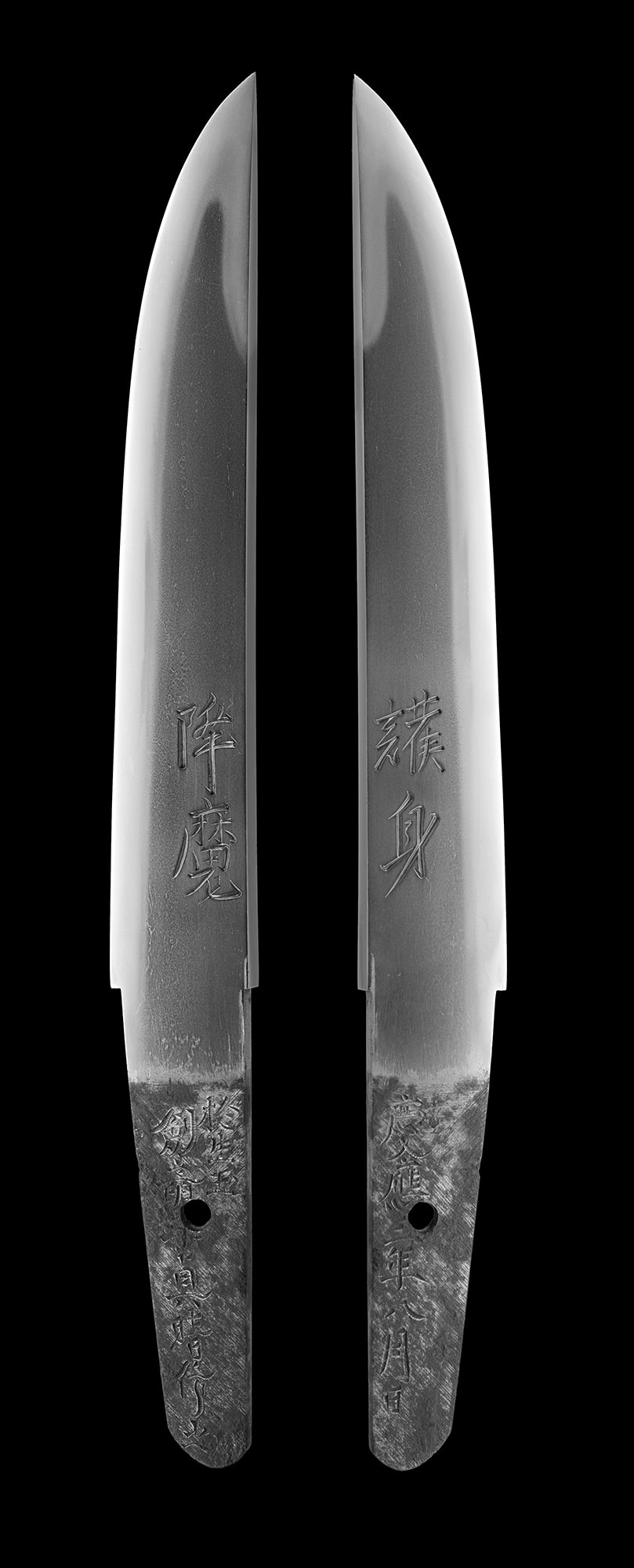
Antique Japanese Sword Tanto Signed by Sadaharu with NBTHK Hozon Certificate 【Description】 Summary This blade was signed by Sadaharu (貞晴) in Settsu (Today’s Osaka). Sadaharu was an apprentice of Gassan Sadayoshi, one of the most famous Japanese swordsmiths at the end of the Edo period. Sadaharu named himself Kenryushi (剣竜子), a child of blade and dragon. It is said that Sadaharu often did Daisaku for his master, Sadayoshi. Sadaharu was active during the Keio-early Meiji era (Late 19th-early 20th century). Daisaku is a regular act where an apprentice or a child of the swordsmith signed his master’s name with his master’s permission, being involved in a sword-forging. That means that his master highly acknowledged Sadaharu’s craftmanship. Who is Gassan Sadayoshi? Gassan Sadayoshi’s real name is Gassan Yahachiro. He was born in Dewakoku(Yamagata prefecture today) in 1781. Gassan is the name of the school he belonged to. It was initially founded during the Heian period(late 12th century). It is said that the school name “Gassan” (月山) came from the fact that they forged swords near the mountain called Gassan in Dewakoku. In Sadayoshi’s early career, he learned sword forging technique from his father, Okuyama Yasaburo Sadachika(山弥三郎貞近), who is said to have been a descendant of a member of O-Shu Gassan school (奥州月山), one of the oldest Gassan schools. When Sadayoshi became about 20 years old, he went to Edo city(today’s Tokyo) to serve Suishinshi Masahide(水心子正秀) as an apprentice. Sushinshi Masahide is known as one of the most skilled and famous swordsmiths at the end of the Edo period(150-200 years ago). After ten years of apprenticeship under Masahide, Sadayoshi mastered excellent craftsmanship. And he moved to Osaka in 1833 when he was 30 years old. He founded Osaka Gassan school there, improving his sword-forging technique and eventually settling there. He also trained many apprentices, who later became notable swordsmiths at the end of the Edo period. While Gassan school was known as one of the most prestigious schools from the Kamakura period(late 12th century), its presence faded in the early-mid Edo period. However, after Sadayoshi became a highly-regarded swordsmith at the end of the Edo period, the whole school revitalized and flourished again because of his continuous effort. Sadayoshi adopted a son from Tsukamoto family and named him Sadakazu, who later became one of the most famous swordsmiths in the post Samurai period(Meiji era). Father and son spent many years researching traditional Gassan style swords and finally made Ayasugihada, the signature design of Gassan school. Ayasguhihada looks undulating grain pattern in the Jihada(steel surface), which resembles a Japanese cedar grain. Gassan Sadayoshi also forged other styles of swords aside from Ayasugi Hada Jihada. Gassan Sadayoshi died at the age of 71 in the third year of the Meiji era(1870). His son, Sadakazu, preserved the tradition of Gassan, and he passed it down to Sadakatsu. Sadakazu and Sadaharu both learned sword-forging techniques from Gassan Sadayoshi. The Gassan school has been running for the 6th generation. The current Gassan alive is Gassan Kazutoshi, and his son is Gassan Sadanobu. They still keep forging traditional Japanese swords in Nara prefecture today. This blade is appraised as a Hozon Token(保存刀剣) issued by NBTHK(Nihon Bijutsu Touken Hozon Kyokai:日本美術刀剣保存協会). This authentication paper was only given to authentic Japanese swords, well preserved with artistic value. 【Blade】 Cutting Edge Length(Nagasa) : 18.9 cm(7.44 inches) Curvature(Sori) : 0 cm (0 inches) Hamon : The crystalline structure which forms along the cutting edge of a blade as a result of the hardening process Jimon(Jihada) : visible steel surface pattern created by folding and hammering during forging process Nakago : Nakago is the tang of the Japanese sword. Japanese swordsmiths left the black rust on the tang because it prevents red rust while the tang is in its handle. And the discol

NihontoWatch MonNihontoWatch
MarketEncyclopediaKantei
刀剣›月山›大阪月山›貞晴›Antique Japanese Sword Tanto Signed by Sadaharu NBTHK Hozon Certificate
短刀保存
貞晴

Antique Japanese Sword Tanto Signed by Sadaharu NBTHK Hozon Certificate

在銘 · Gassan · 慶応 · 長さ 18.9cm
売却済
貞晴 · Gassan · 慶応販売中 7点 · 中央値 ¥1,100,000 →
短刀保存
刀身だけで刀工を見抜けますか? 本日の鑑定 →
貞晴 — 1 of 19
貞晴 — 2 of 19
貞晴 — 3 of 19
貞晴 — 4 of 19
貞晴 — 5 of 19
貞晴 — 6 of 19
貞晴 — 7 of 19
貞晴 — 8 of 19
貞晴 — 9 of 19
貞晴 — 10 of 19
貞晴 — 11 of 19
貞晴 — 12 of 19
貞晴 — 13 of 19
貞晴 — 14 of 19
貞晴 — 15 of 19
貞晴 — 16 of 19
貞晴 — 17 of 19
貞晴 — 18 of 19
貞晴 — 19 of 19
1 / 19
1 / 19
貞晴 — 1 of 19貞晴 — 2 of 19貞晴 — 3 of 19貞晴 — 4 of 19貞晴 — 5 of 19貞晴 — 6 of 19貞晴 — 7 of 19貞晴 — 8 of 19貞晴 — 9 of 19貞晴 — 10 of 19貞晴 — 11 of 19貞晴 — 12 of 19貞晴 — 13 of 19貞晴 — 14 of 19貞晴 — 15 of 19貞晴 — 16 of 19貞晴 — 17 of 19貞晴 — 18 of 19貞晴 — 19 of 19
貞晴 · Gassan · 慶応販売中 7点 · 中央値 ¥1,100,000 →
短刀保存
刀身だけで刀工を見抜けますか? 本日の鑑定 →
法量・詳細
刀工
貞晴
種別
短刀
流派
大阪月山
活動期
1865–1868年頃(慶応)
国
摂津
銘
在銘
法量
長さ 18.9cm
説明

Antique Japanese Sword Tanto Signed by Sadaharu with NBTHK Hozon Certificate 【Description】 Summary This blade was signed by Sadaharu (貞晴) in Settsu (Today’s Osaka). Sadaharu was an apprentice of Gassan Sadayoshi, one of the most famous Japanese swordsmiths at the end of the Edo period. Sadaharu named himself Kenryushi (剣竜子), a child of blade and dragon. It is said that Sadaharu often did Daisaku for his master, Sadayoshi. Sadaharu was active during the Keio-early Meiji era (Late 19th-early 20th century). Daisaku is a regular act where an apprentice or a child of the swordsmith signed his master’s name with his master’s permission, being involved in a sword-forging. That means that his master highly acknowledged Sadaharu’s craftmanship. Who is Gassan Sadayoshi? Gassan Sadayoshi’s real name is Gassan Yahachiro. He was born in Dewakoku(Yamagata prefecture today) in 1781. Gassan is the name of the school he belonged to. It was initially founded during the Heian period(late 12th century). It is said that the school name “Gassan” (月山) came from the fact that they forged swords near the mountain called Gassan in Dewakoku. In Sadayoshi’s early career, he learned sword forging technique from his father, Okuyama Yasaburo Sadachika(山弥三郎貞近), who is said to have been a descendant of a member of O-Shu Gassan school (奥州月山), one of the oldest Gassan schools. When Sadayoshi became about 20 years old, he went to Edo city(today’s Tokyo) to serve Suishinshi Masahide(水心子正秀) as an apprentice. Sushinshi Masahide is known as one of the most skilled and famous swordsmiths at the end of the Edo period(150-200 years ago). After ten years of apprenticeship under Masahide, Sadayoshi mastered excellent craftsmanship. And he moved to Osaka in 1833 when he was 30 years old. He founded Osaka Gassan school there, improving his sword-forging technique and eventually settling there. He also trained many apprentices, who later became notable swordsmiths at the end of the Edo period. While Gassan school was known as one of the most prestigious schools from the Kamakura period(late 12th century), its presence faded in the early-mid Edo period. However, after Sadayoshi became a highly-regarded swordsmith at the end of the Edo period, the whole school revitalized and flourished again because of his continuous effort. Sadayoshi adopted a son from Tsukamoto family and named him Sadakazu, who later became one of the most famous swordsmiths in the post Samurai period(Meiji era). Father and son spent many years researching traditional Gassan style swords and finally made Ayasugihada, the signature design of Gassan school. Ayasguhihada looks undulating grain pattern in the Jihada(steel surface), which resembles a Japanese cedar grain. Gassan Sadayoshi also forged other styles of swords aside from Ayasugi Hada Jihada. Gassan Sadayoshi died at the age of 71 in the third year of the Meiji era(1870). His son, Sadakazu, preserved the tradition of Gassan, and he passed it down to Sadakatsu. Sadakazu and Sadaharu both learned sword-forging techniques from Gassan Sadayoshi. The Gassan school has been running for the 6th generation. The current Gassan alive is Gassan Kazutoshi, and his son is Gassan Sadanobu. They still keep forging traditional Japanese swords in Nara prefecture today. This blade is appraised as a Hozon Token(保存刀剣) issued by NBTHK(Nihon Bijutsu Touken Hozon Kyokai:日本美術刀剣保存協会). This authentication paper was only given to authentic Japanese swords, well preserved with artistic value. 【Blade】 Cutting Edge Length(Nagasa) : 18.9 cm(7.44 inches) Curvature(Sori) : 0 cm (0 inches) Hamon : The crystalline structure which forms along the cutting edge of a blade as a result of the hardening process Jimon(Jihada) : visible steel surface pattern created by folding and hammering during forging process Nakago : Nakago is the tang of the Japanese sword. Japanese swordsmiths left the black rust on the tang because it prevents red rust while the tang is in its handle. And the discol

作者について

貞晴

新々刀 · 摂津 · 1865-1868頃

刀剣大鑑 上位95%

現在7点販売中

›
貞晴の作 7点が現在販売中→
貞晴 — 詳細新々刀派

この作者について学ぶ →

流派について

大阪月山

新々刀 · 摂津

現在36点販売中

›
1名の刀工指定2口
主要刀工
刀工時代指定
貞晴1865-18680
貞吉1926-19890
吉明1844-18480
直信1854-18600
貞吉1830-18630
大阪月山流派を見る →

歴史的背景

幕末 最後の需要

›

1853年のペリー来航は徳川の泰平をほどき、二世紀ぶりに実用刀の大量需要を生んだ。四谷正宗と呼ばれた清麿はその前夜に世を去り、宗次や行秀が最後の好況を担った。

幕末 最後の需要 →

NBTHK鑑定書
保存刀剣Hozon Tōken
›

銘が正しい、または無銘でも年代・国・系統を確実に指摘できる、保存に値する真正の作と鑑定されたものです。

NBTHKについて›

日本美術刀剣保存協会(NBTHK)は、1948年に設立され、文化庁の監督を受ける公益財団法人で、東京・刀剣博物館に本部を置きます。専門の審査員が出品作を直接審査し、美術的・歴史的価値に応じた鑑定書を発行します。NBTHKの鑑定書は、日本刀および刀装具の真正性を示す最も広く認知された基準です。

NBTHK公式サイト→
販売店
サ
サムライミュージアム
🇯🇵日本から発送
›
✓認証販売店samuraimuseum.jp
✓海外発送可✓英語対応PayPalクレジットカード
返品ポリシー

Returns/exchanges limited to defects caused by shipping (except willful misconduct or gross negligence by the company); customers must contact within 72 hours of receiving the product.
サムライミュージアムの出品一覧を見る→

貞晴の他の作

すべて見る →
Nihontocraft
特別保存
Tanto - Tokuho - 作 貞晴 - 月山貞晴 短刀Tanto - Tokuho - 作 貞晴 - 月山貞晴 短刀
拵付

短刀

作貞晴
18.2cm·慶応
¥8,500
刀心
保存
Wakizashi - Hozon - 作 貞晴 - 浪花住剣龍子貞晴(刻印) 慶應元乙丑歳八月 -Naniwa ju Kenryushi Sadaharu- 3-699Wakizashi - Hozon - 作 貞晴 - 浪花住剣龍子貞晴(刻印) 慶應元乙丑歳八月 -Naniwa ju Kenryushi Sadaharu- 3-699

脇差

作貞晴
31.6cm·慶応
¥1,100,000
銀座長州屋
特別保存
Katana - Tokuho - 作 貞晴 - 刀 銘 於浪華永口貞晴造之[刻印] 應松本藩増田氏好 慶應元乙丑歳菊月Katana - Tokuho - 作 貞晴 - 刀 銘 於浪華永口貞晴造之[刻印] 應松本藩増田氏好 慶應元乙丑歳菊月

刀

作貞晴
68.48cm·慶応
お問い合わせ
美術刀剣松本
特別保存
Katana - Tokuho - 作 貞晴 - 銘 表: 於浪花永口剣龍子藤原貞晴鍛之(刻印) 裏: 慶応元乙丑歳十二月吉日Katana - Tokuho - 作 貞晴 - 銘 表: 於浪花永口剣龍子藤原貞晴鍛之(刻印) 裏: 慶応元乙丑歳十二月吉日

刀

作貞晴
74.5cm·慶応
¥1,000,000
銀座長州屋
特別保存
Katana - Tokuho - 作 貞晴 - 刀 銘 於浪華永口貞晴造之〔刻印〕應松本藩増田氏好 慶應元乙丑歳菊月Katana - Tokuho - 作 貞晴 - 刀 銘 於浪華永口貞晴造之〔刻印〕應松本藩増田氏好 慶應元乙丑歳菊月

刀

作貞晴
68.5cm·新々刀
お問い合わせ
明倫産業
保存
Daisho - Hozon - 作 貞晴 - 浪花住永口剣竜子貞晴作(刻印)・剣竜子貞晴作(刻印) 慶応二丙寅歳六月日(大小) Naniwaju Nagaguchi Kenryushi SadaharuDaisho - Hozon - 作 貞晴 - 浪花住永口剣竜子貞晴作(刻印)・剣竜子貞晴作(刻印) 慶応二丙寅歳六月日(大小) Naniwaju Nagaguchi Kenryushi Sadaharu

大小

作貞晴
74.1cm·慶応
¥1,800,000
明倫産業
Tanto - 作 貞晴 - 剣龍子貞晴 於摂津国生玉造之 Kenryushi Sadaharu Settsunokuni IkutamaTanto - 作 貞晴 - 剣龍子貞晴 於摂津国生玉造之 Kenryushi Sadaharu Settsunokuni Ikutama
拵付

短刀

作貞晴
23.8cm·江戸
¥380,000

貞晴の売約済み

すべて見る →
銀座長州屋
Tanto - 作 貞晴 - 銘 剣竜子貞晴 明治四年二月日Tanto - 作 貞晴 - 銘 剣竜子貞晴 明治四年二月日
売切れ

短刀

作貞晴
明治
売却済
銀座長州屋
Katana - 作 貞晴 - 銘 於浪華永口貞晴造之[刻印] 応松本藩増田氏好 慶応元乙丑歳菊月Katana - 作 貞晴 - 銘 於浪華永口貞晴造之[刻印] 応松本藩増田氏好 慶応元乙丑歳菊月
売切れ

刀

作貞晴
江戸
売却済
刀剣 はせ川
保存
Tanto - Hozon - 作 貞晴 - 【販売済】 短刀 貞晴 (剣竜子) 新々刀 保存刀剣鑑定付き 【18.9cm 6寸3分 馬針付】 YKT-2 本体0万円Tanto - Hozon - 作 貞晴 - 【販売済】 短刀 貞晴 (剣竜子) 新々刀 保存刀剣鑑定付き 【18.9cm 6寸3分 馬針付】 YKT-2 本体0万円
売切れ

短刀

作貞晴
18.9cm·慶応
売却済
Nihonto Art
特別保存
Tanto - Tokuho - 作 貞晴 - 月山 短刀 慶応四年(1868年) 拵付 - 日本刀アートTanto - Tokuho - 作 貞晴 - 月山 短刀 慶応四年(1868年) 拵付 - 日本刀アート
売切れ

短刀

作貞晴
慶応
売却済

大阪月山派の作

すべて見る →
美術刀剣松本
特別保存
Katana - Tokuho - 作 直信 - 商品番号 KA-0767Katana - Tokuho - 作 直信 - 商品番号 KA-0767

刀

作直信
70cm·安政
¥550,000
銀座長州屋
特別保存
Tanto - Tokuho - 作 貞勝 - 短刀 銘 日本砂鐡以精錬鋼 大阪住月山貞勝(花押)Tanto - Tokuho - 作 貞勝 - 短刀 銘 日本砂鐡以精錬鋼 大阪住月山貞勝(花押)

短刀

作貞勝
19.7cm·昭和
¥600,000
刀心
特別保存
Tachi - Tokuho - 作 貞勝 - 大阪住月山貞勝謹作 昭和十一年十二月吉日- Osaka ju Gassan Sadakatsu - 1-070Tachi - Tokuho - 作 貞勝 - 大阪住月山貞勝謹作 昭和十一年十二月吉日- Osaka ju Gassan Sadakatsu - 1-070

太刀

作貞勝
68.2cm·昭和
¥2,420,000
刀剣徳川
現代刀
Katana - 作 竜義 - 刀 銘 伊豆国龍義作 平成九年申年春吉日Katana - 作 竜義 - 刀 銘 伊豆国龍義作 平成九年申年春吉日

刀

作竜義
74.5cm·平成
¥650,000
銀座長州屋
特別保存
Katana - Tokuho - 作 貞一 - 刀:浪華住月山雲龍子貞一造[刻印]Katana - Tokuho - 作 貞一 - 刀:浪華住月山雲龍子貞一造[刻印]

刀

作貞一
69.99cm·元治
¥2,500,000
刀剣小町
特別保存
Katana - Tokuho - 作 貞一 - 雛刀 白鞘入り 拵付きKatana - Tokuho - 作 貞一 - 雛刀 白鞘入り 拵付き
拵付

刀

作貞一
29.4cm·元治
¥1,200,000
葵美術
特別保存
Katana - Tokuho - 作 貞勝 - 刀:月山貞勝(昭和八年)皇太子殿下御誕生奉祝記念(日本美術刀剣保存協会 特別保存刀剣)Katana - Tokuho - 作 貞勝 - 刀:月山貞勝(昭和八年)皇太子殿下御誕生奉祝記念(日本美術刀剣保存協会 特別保存刀剣)

刀

作貞勝
68.6cm·昭和
¥1,800,000
銀座誠友堂
保存
Tanto - Hozon - 作 貞勝 - 短刀[月山貞勝(花押)][日本美術刀剣保存協会]保存刀剣Tanto - Hozon - 作 貞勝 - 短刀[月山貞勝(花押)][日本美術刀剣保存協会]保存刀剣
拵付

短刀

作貞勝
25.8cm·昭和
¥2,800,000

月山派の作

すべて見る →
サムライ商会
保存
Katana - Hozon - 作 月山 - 刀 (金粉銘)月山Katana - Hozon - 作 月山 - 刀 (金粉銘)月山
拵付

刀

作月山
64.4cm·応永
¥980,000
コレクション情報
現代刀
Katana - 作 竜義 - 刀 竜義作Katana - 作 竜義 - 刀 竜義作
拵付

刀

作竜義
75.8cm·昭和
¥598,000
明倫産業
Katana - 作 大阪月山派 - 伝森岡正吉 Den Morioka MasayoshiKatana - 作 大阪月山派 - 伝森岡正吉 Den Morioka Masayoshi
拵付

刀

作大阪月山派
69.5cm·昭和
¥290,000
つるぎの屋
現代刀
Katana - 作 貞吉 - 刀 榎本貞吉 昭和53年紀Katana - 作 貞吉 - 刀 榎本貞吉 昭和53年紀

刀

作貞吉
80.8cm·現代刀
¥850,000
銀座長州屋
Katana - 作 貞一 - 銘 浪華住月山雲竜子貞一造〔刻印〕 慶応元年十一月日Katana - 作 貞一 - 銘 浪華住月山雲竜子貞一造〔刻印〕 慶応元年十一月日

刀

作貞一
元治
お問い合わせ
刀友会
保存
Katana - Hozon - 作 月山派 - 刀 無銘(月山) 日本美術刀剣保存協会 保存刀剣鑑定書付Katana - Hozon - 作 月山派 - 刀 無銘(月山) 日本美術刀剣保存協会 保存刀剣鑑定書付
拵付

刀

作月山派
69.9cm·室町
¥2,500,000
刀友会
保存
Tanto - Hozon - 作 貞吉 - 短刀 芙蓉旭 安政巳年八月日(伝月山貞吉)日本刀保存会鑑定書付Tanto - Hozon - 作 貞吉 - 短刀 芙蓉旭 安政巳年八月日(伝月山貞吉)日本刀保存会鑑定書付
拵付

短刀

作貞吉
27.4cm·天保
¥400,000
サムライ商会
現代刀
Katana - 作 貞人 - 刀 伊豆住貞人作 昭和六拾年三月(榎本貞人)Katana - 作 貞人 - 刀 伊豆住貞人作 昭和六拾年三月(榎本貞人)
拵付

刀

作貞人
74.7cm·昭和
¥750,000

刀剣

  • 刀
  • 脇差
  • 短刀
  • 太刀
  • 薙刀
  • 槍
  • 日本刀の販売
  • サムライソード

刀装具

  • 鍔
  • 縁頭
  • 小柄
  • 目貫
  • 鍔(ソードガード)

甲冑武具

  • 兜
  • 甲冑
  • 甲冑・武具一覧

鑑定別

  • 特重
  • 重要
  • 特別保存
  • 保存

リソース

  • 刀剣商一覧
  • 刀工一覧
  • 誌上鑑定
  • すべて見る
Nihontowatch© 2026
利用規約プライバシーCookie運営者情報
売切れ
NihontoWatch MonNihontoWatch
マーケット
事典
鑑定