江戸は刀の目利きの時代である。本阿弥の鑑定、1719年の享保名物帳、盛んな刀剣書が、戦で抜かれることのなくなった刀を学問の対象へと変えていった。
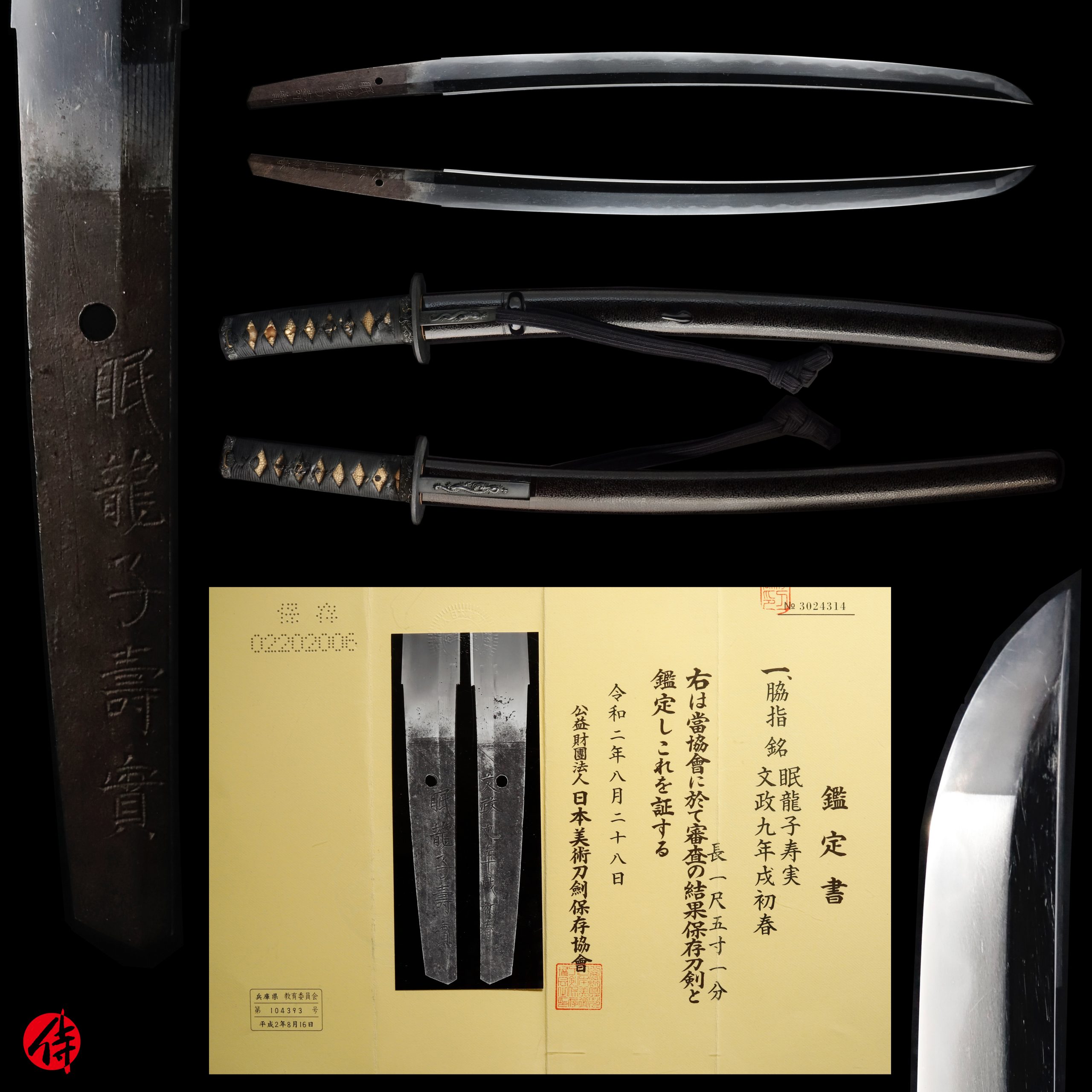
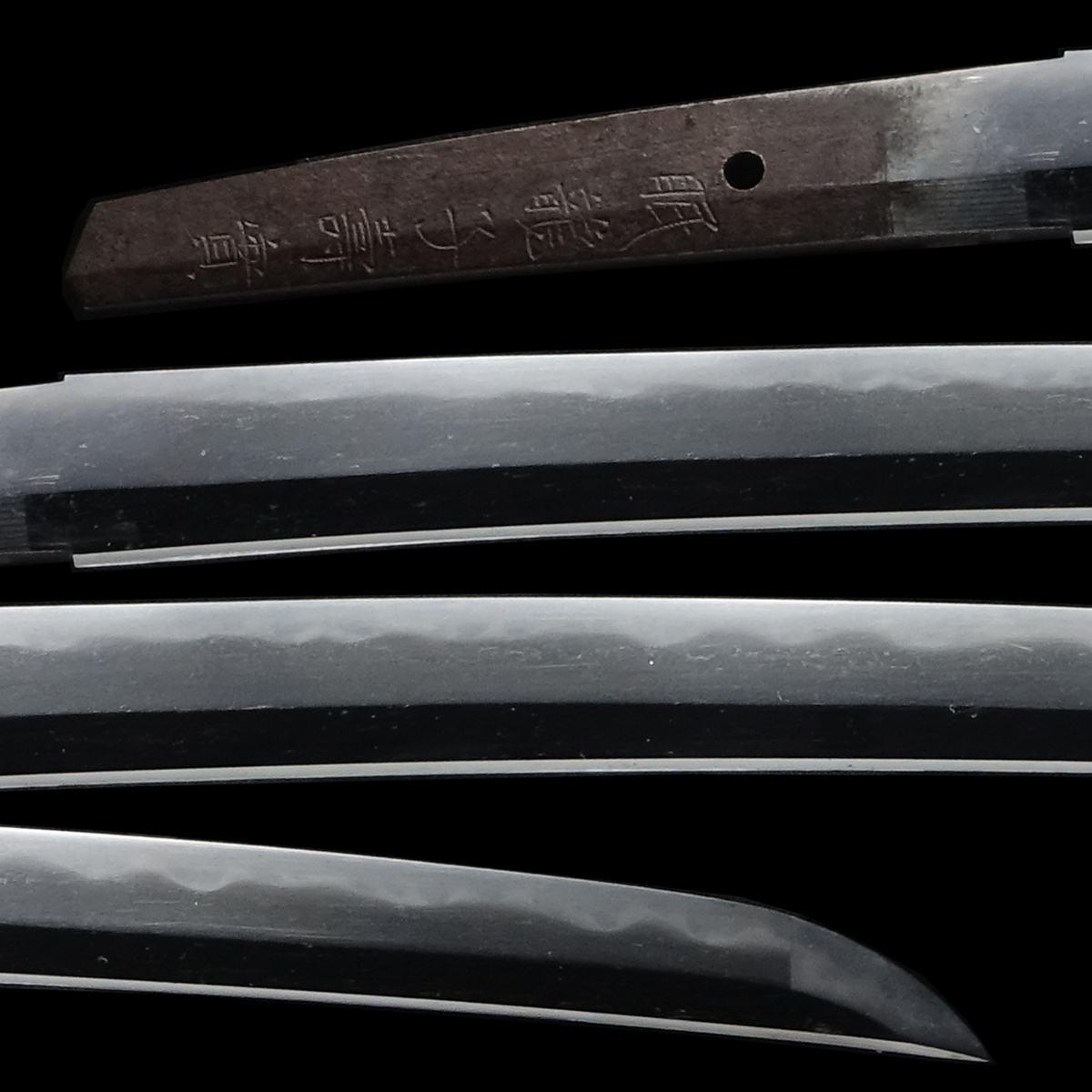
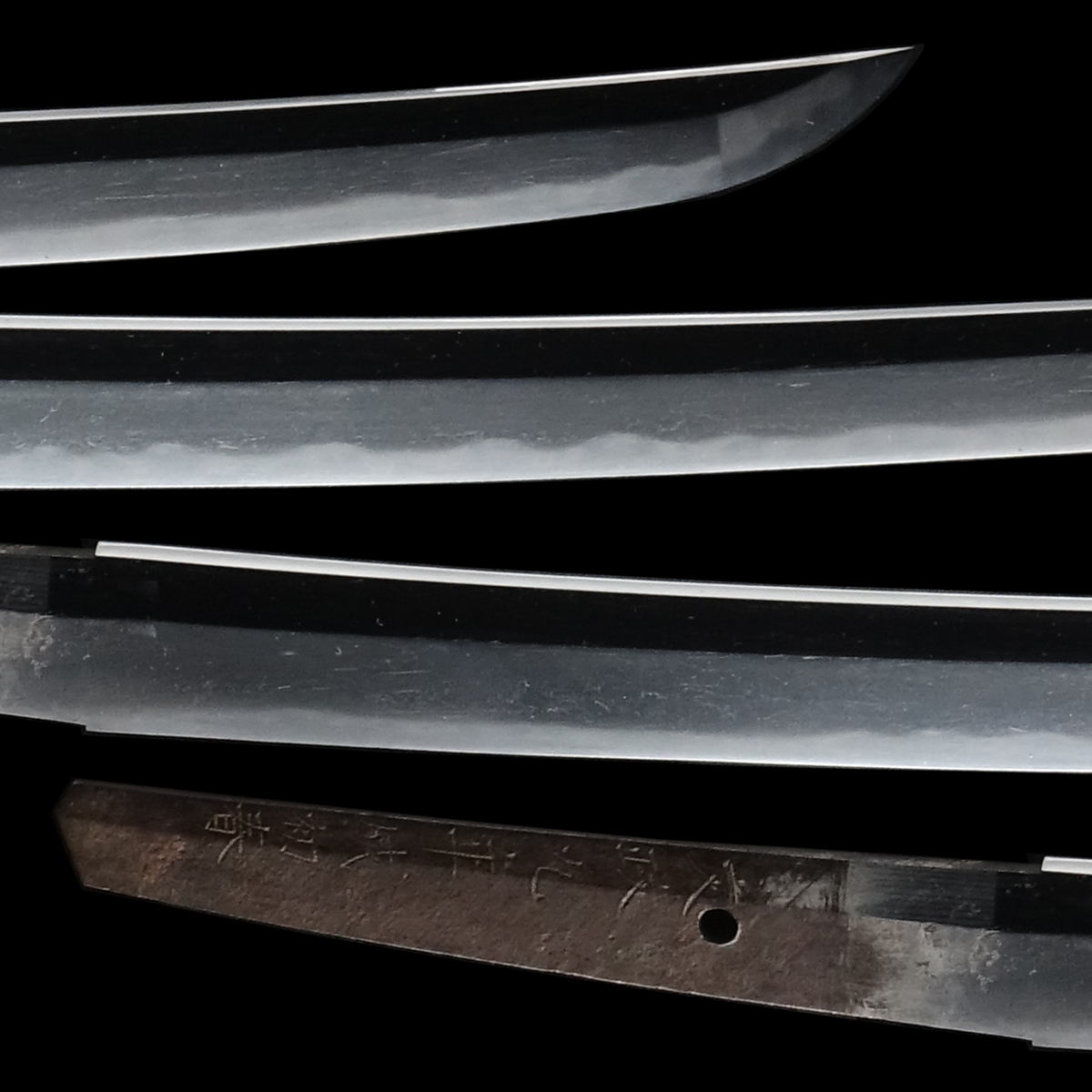
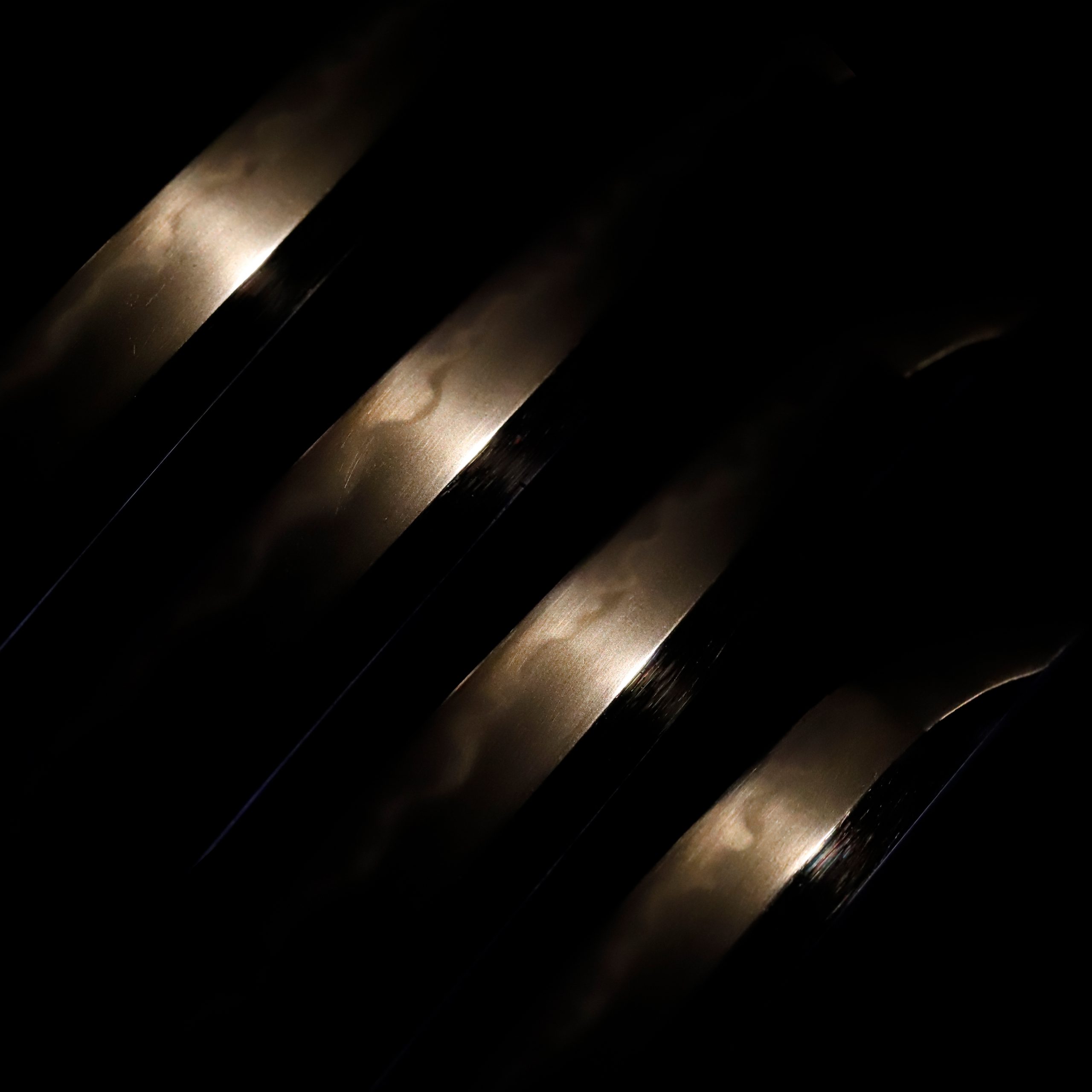
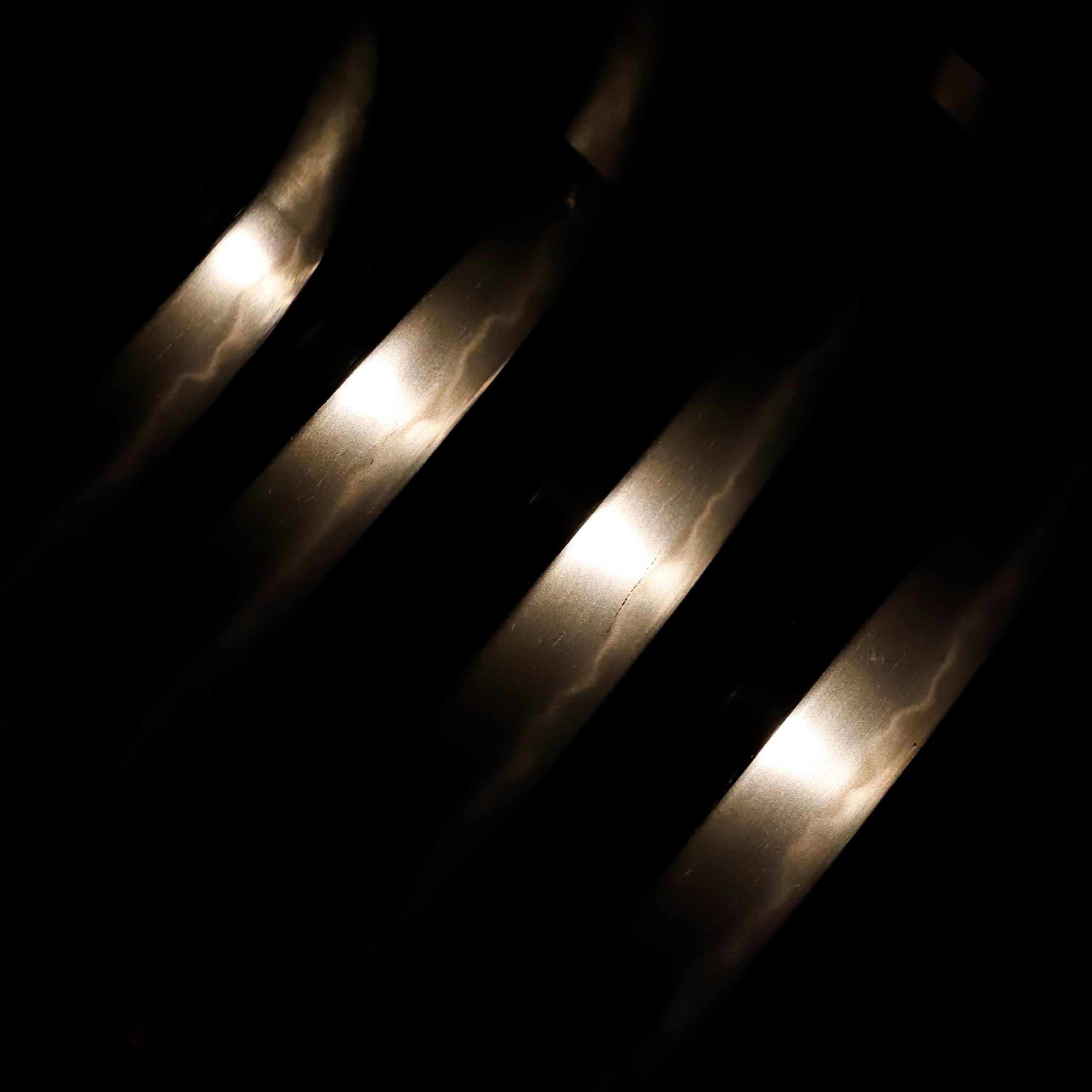
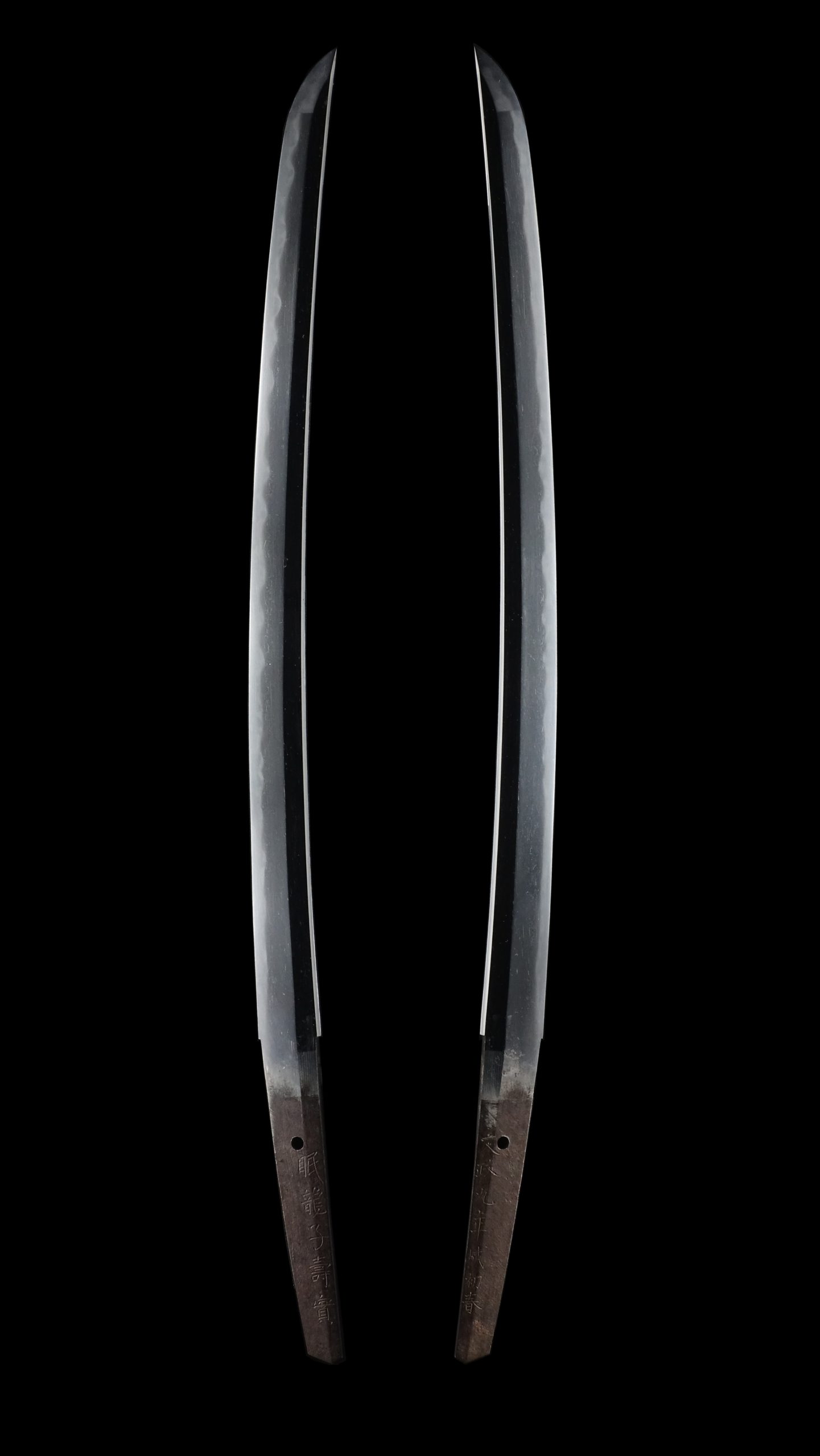
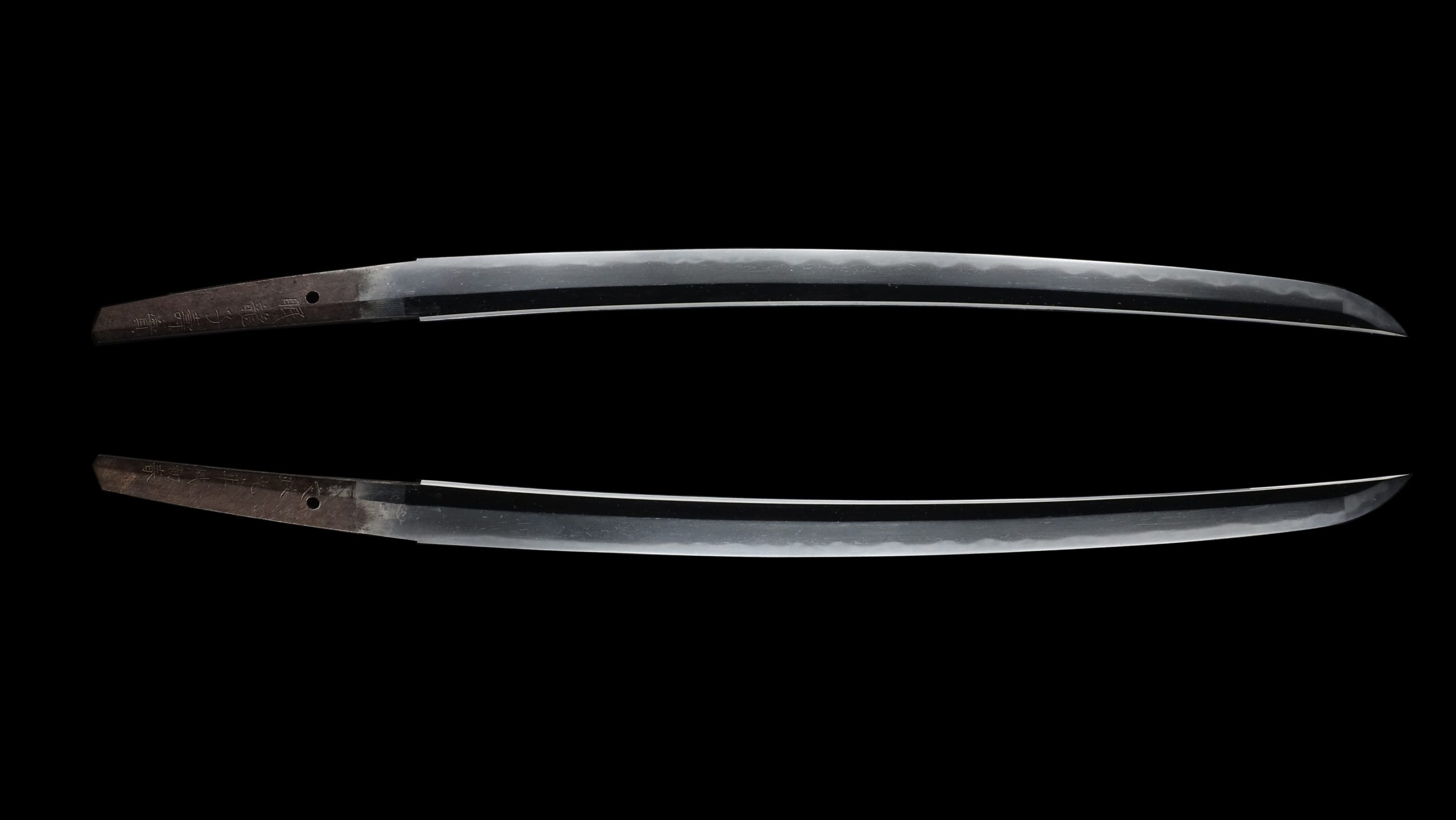
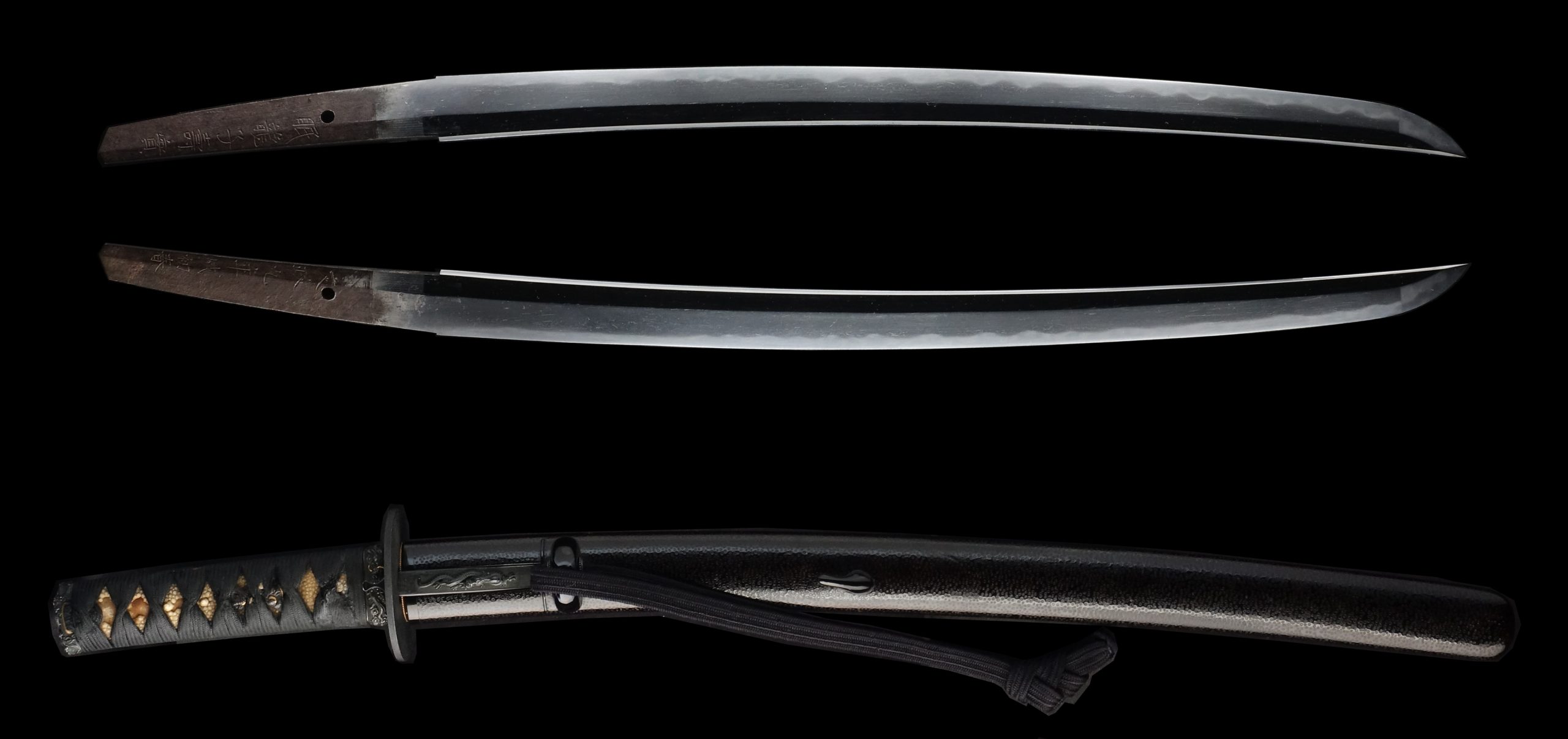
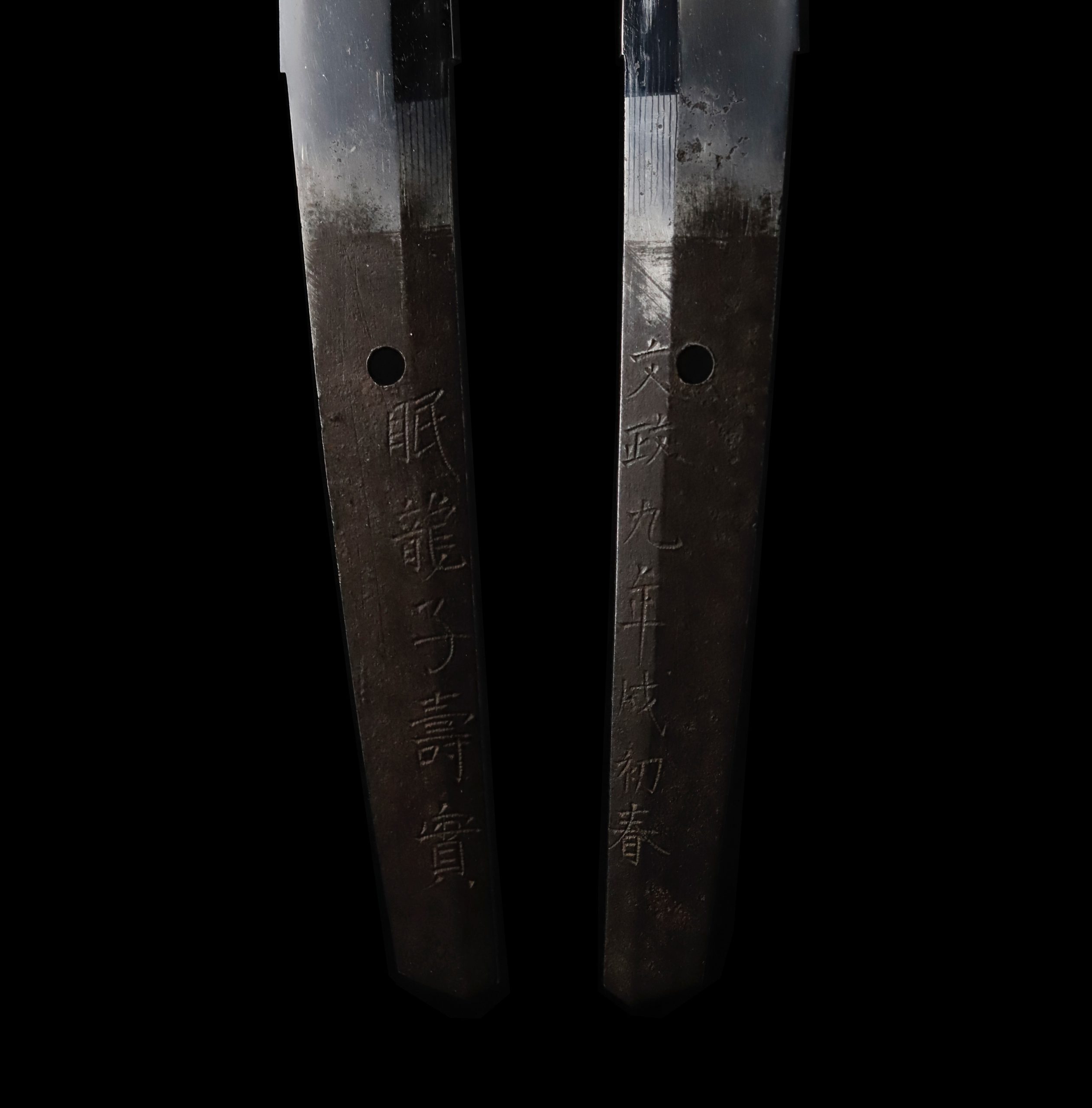
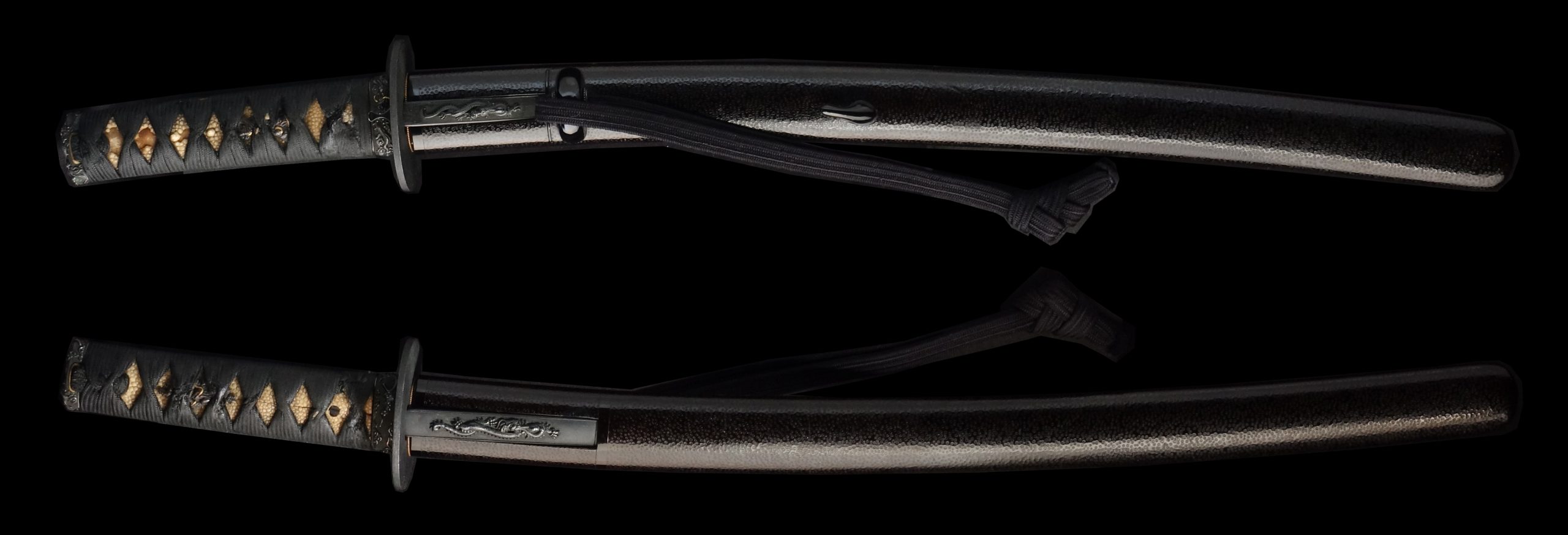
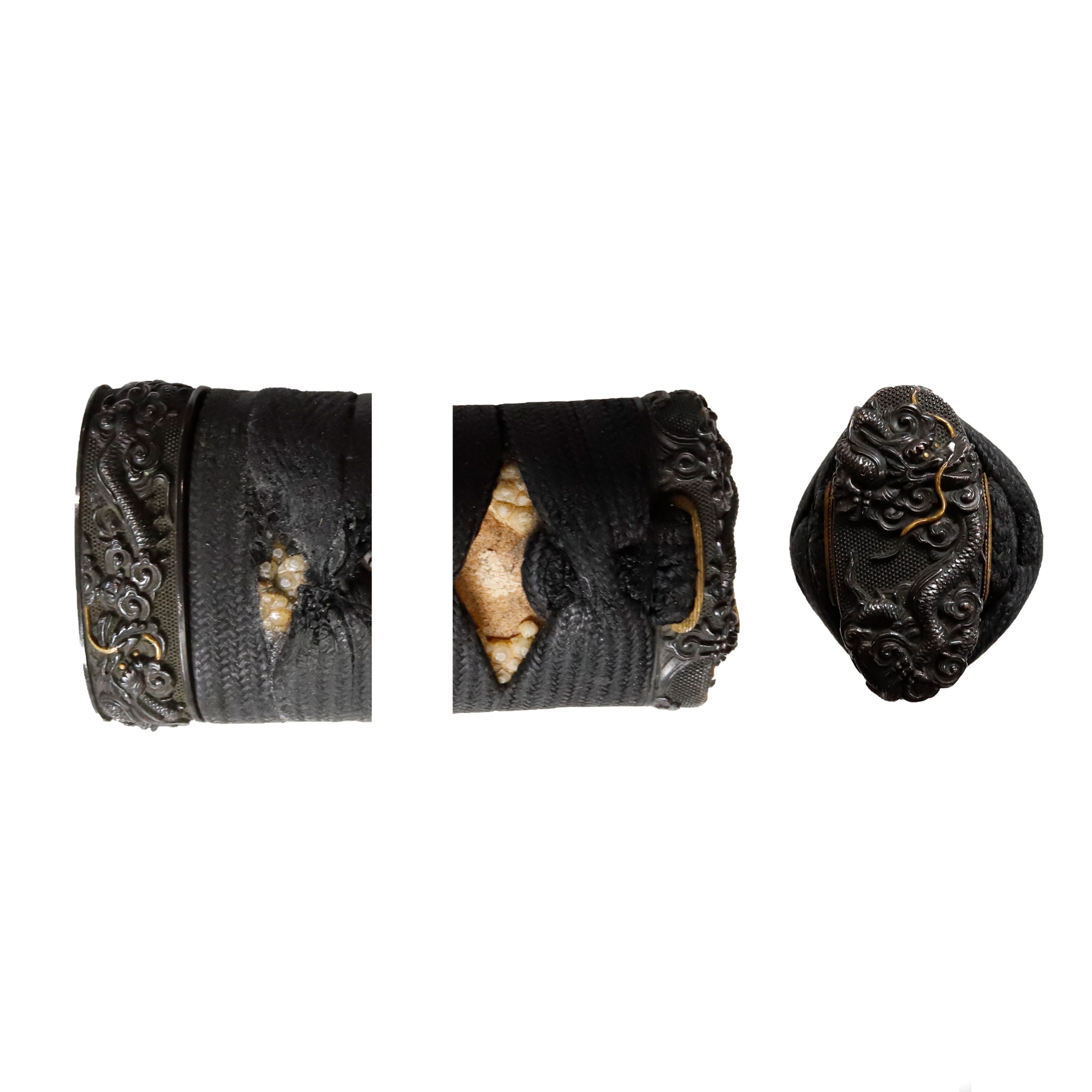
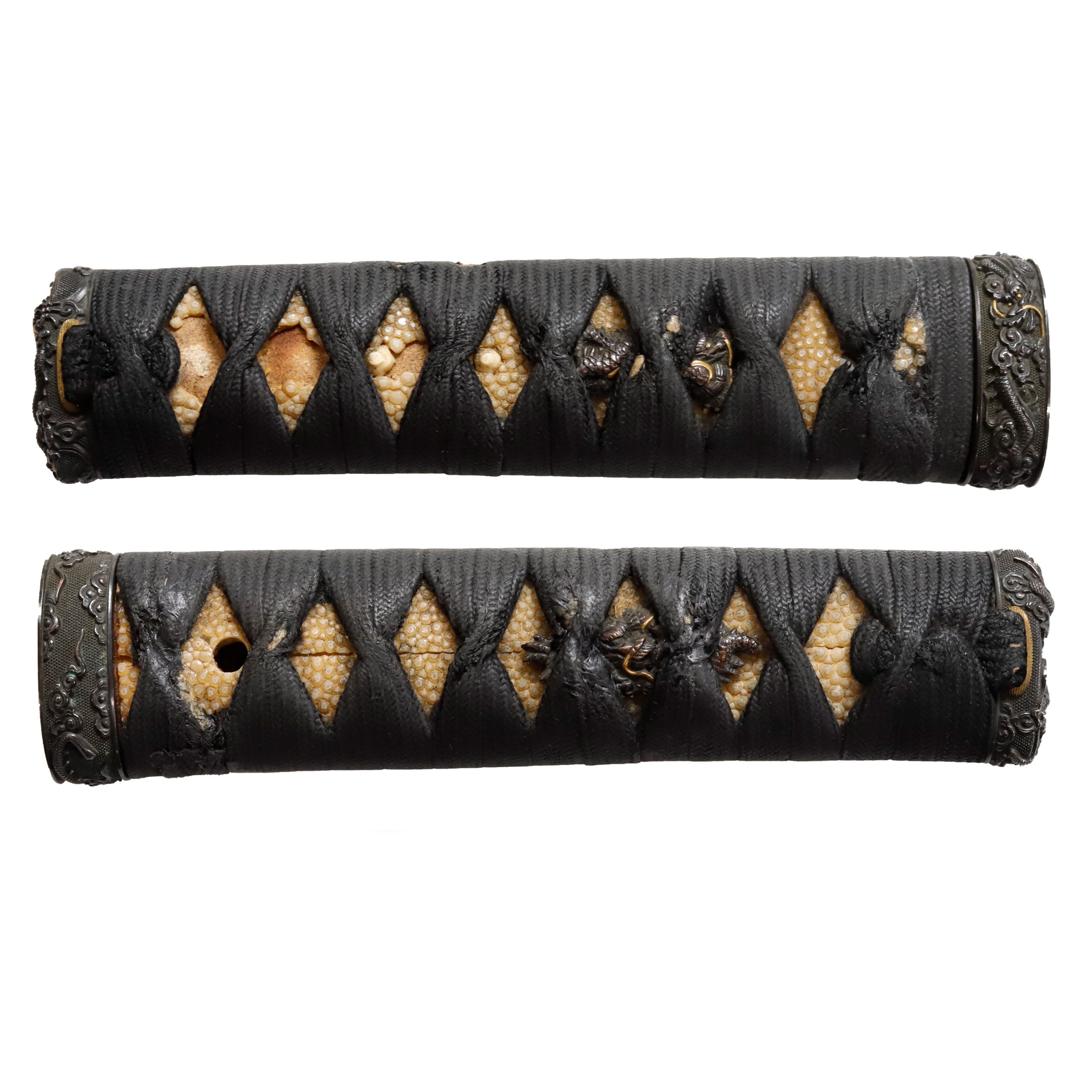
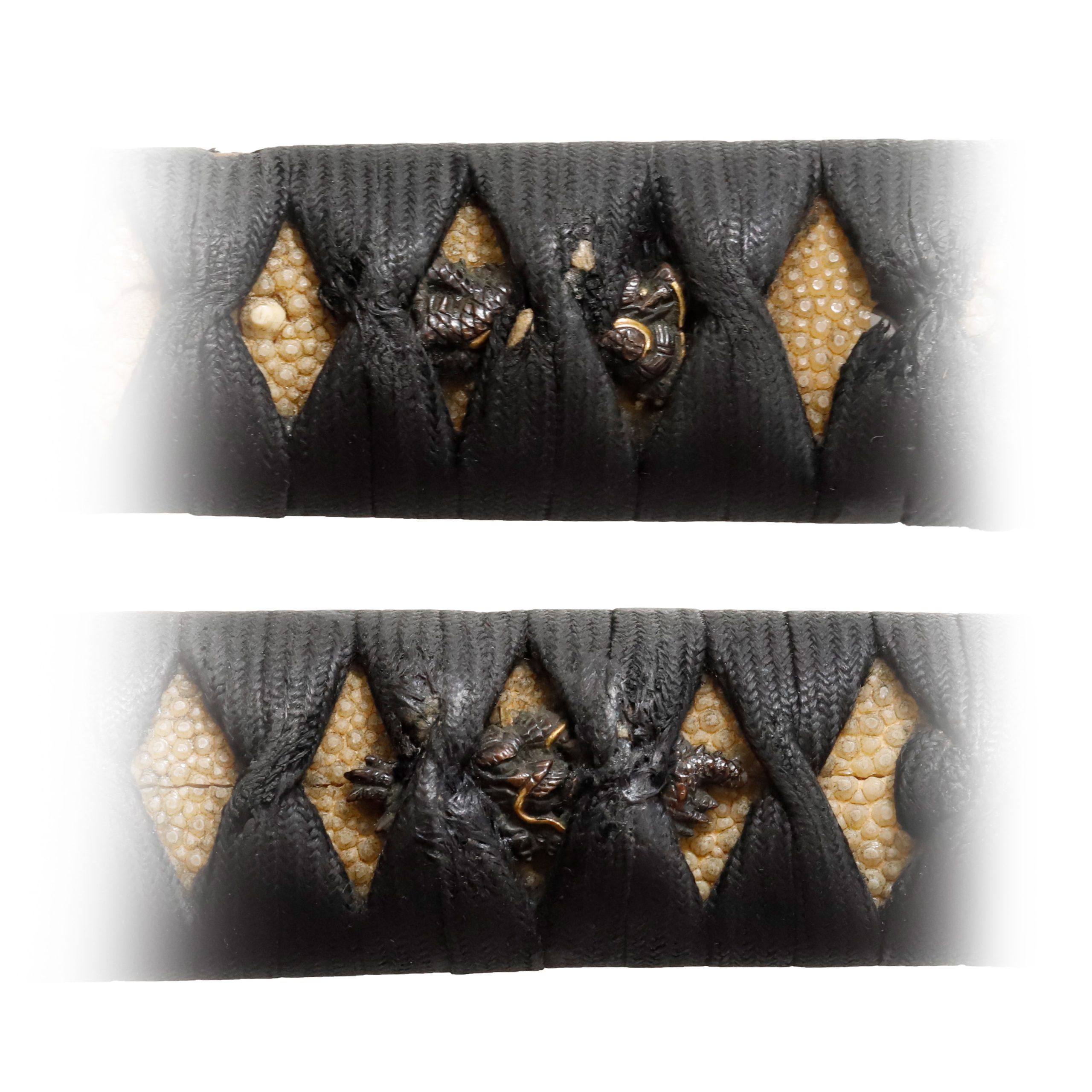
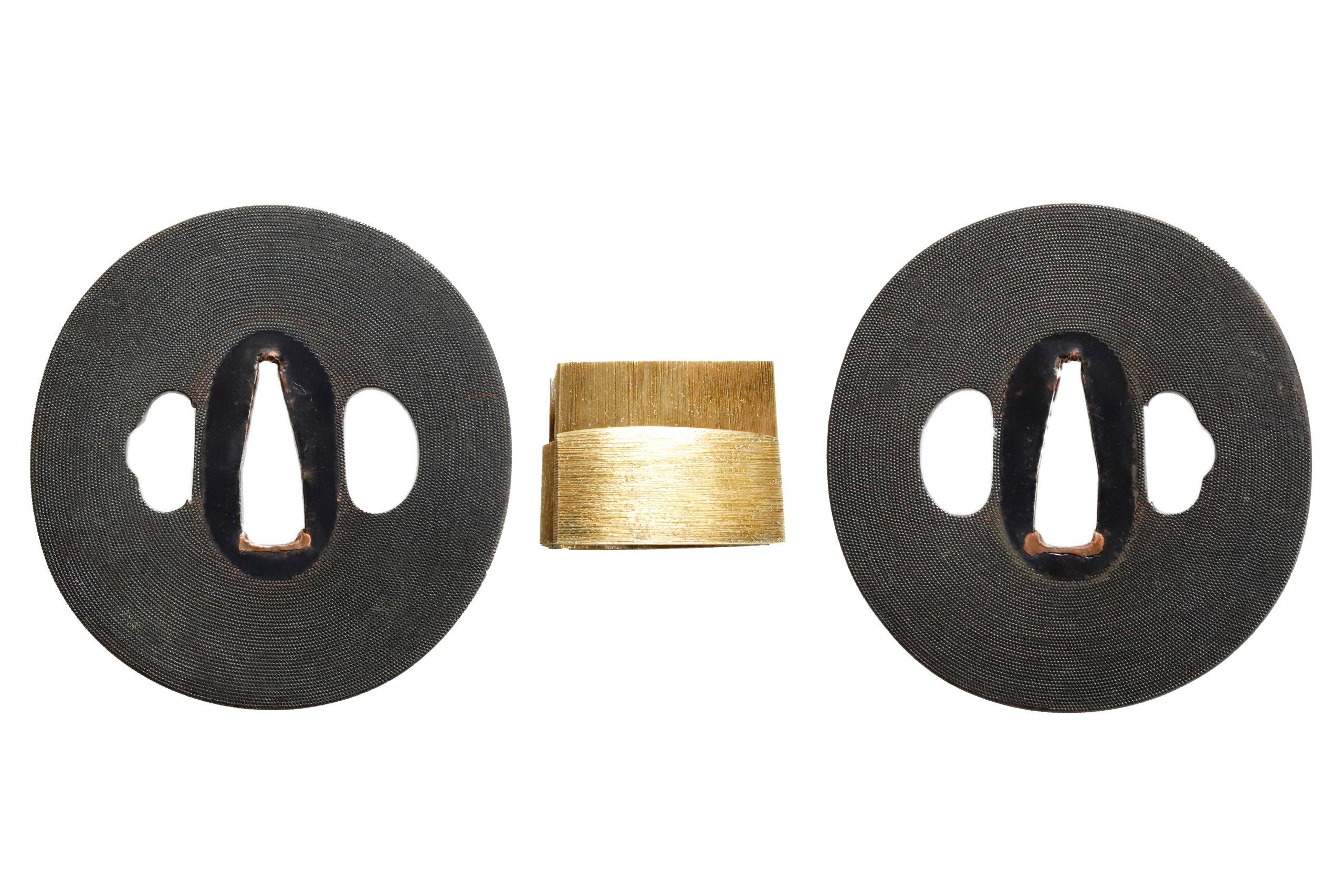
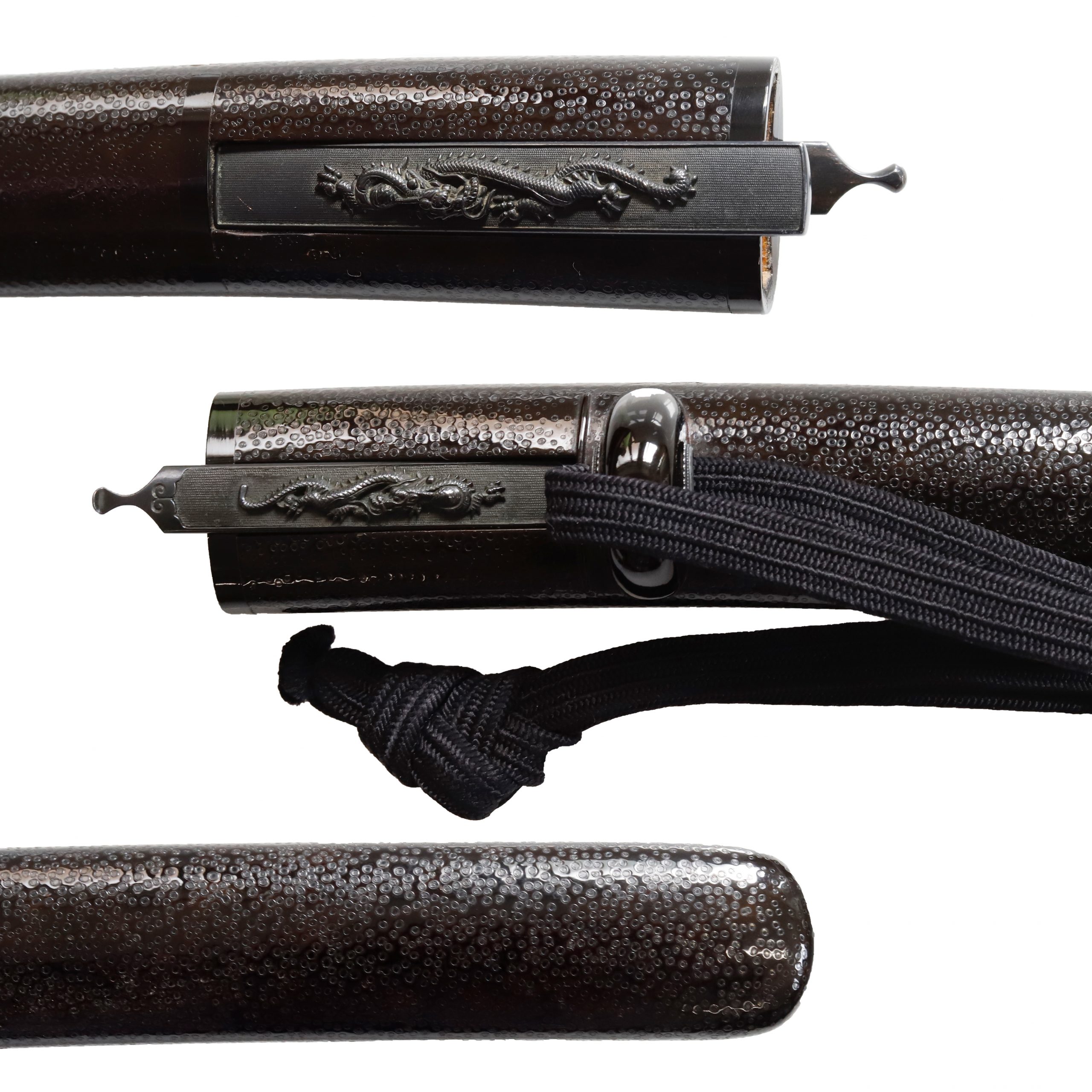
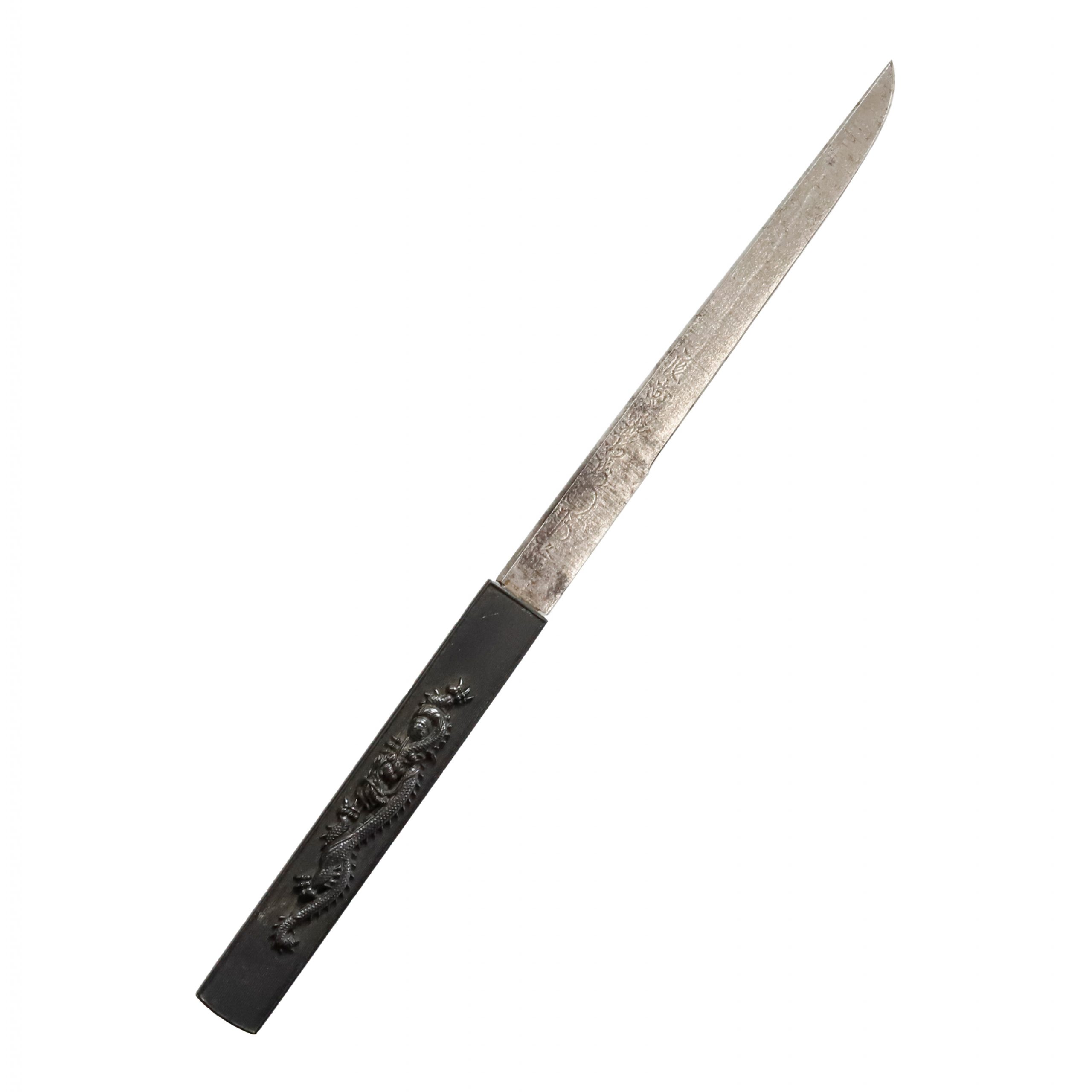
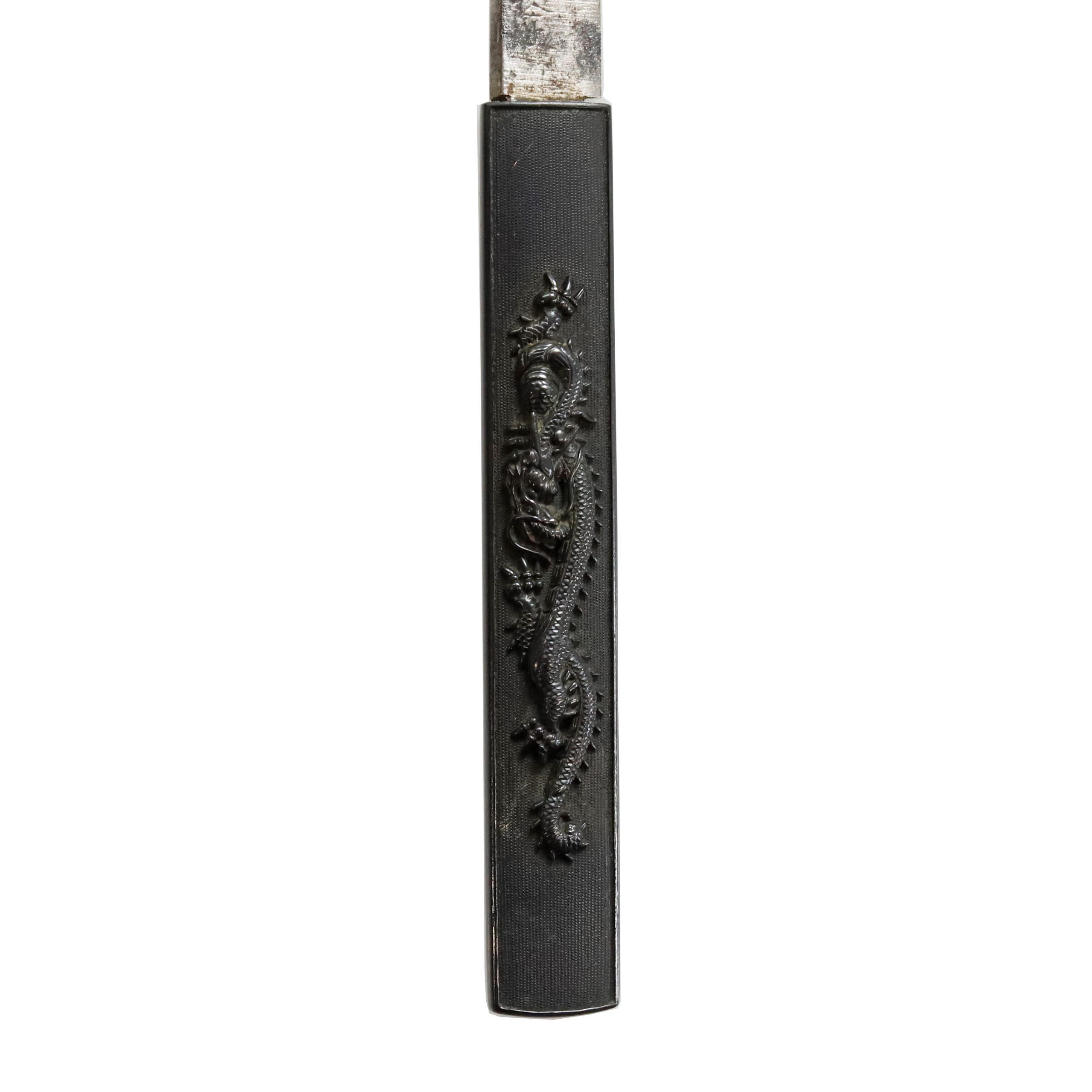
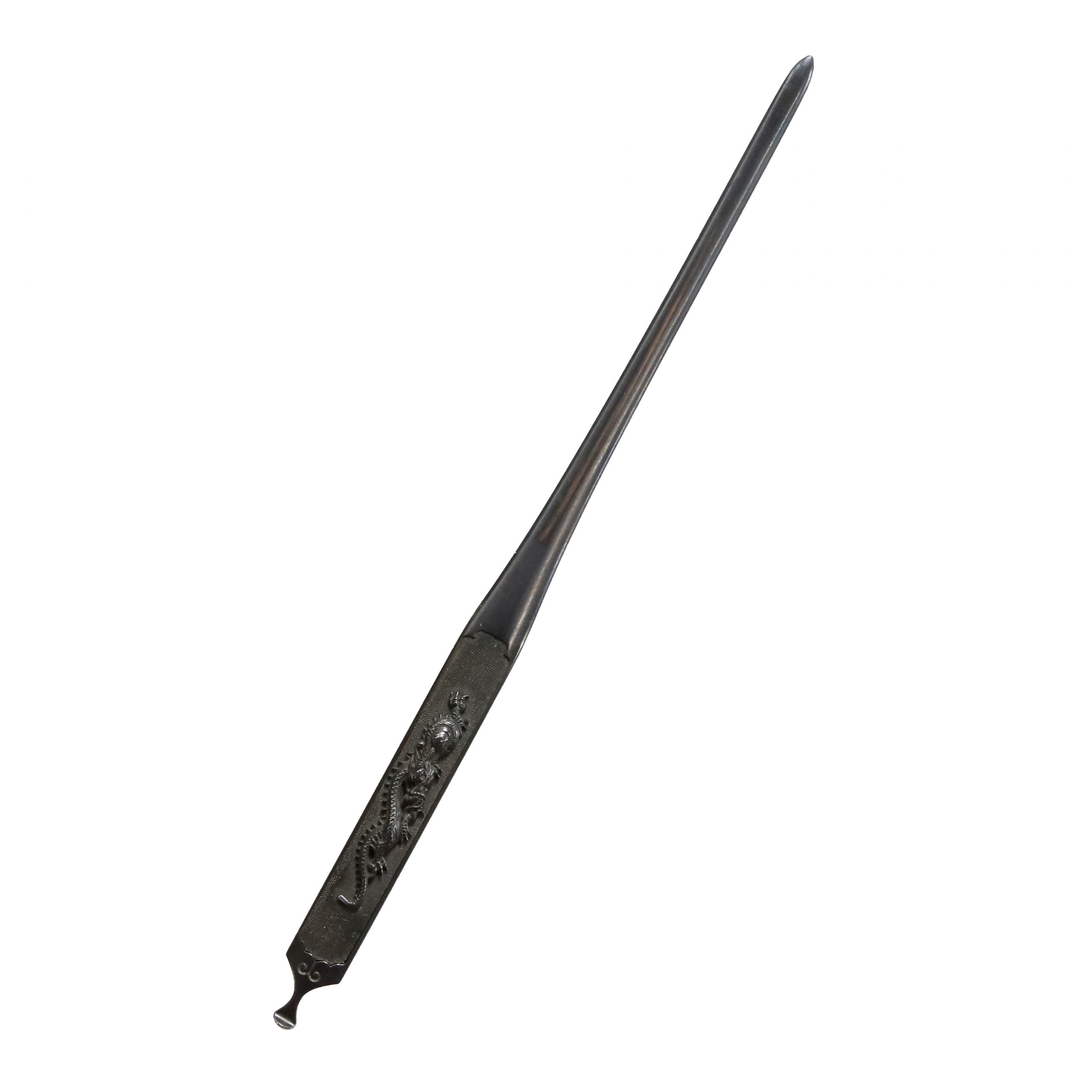
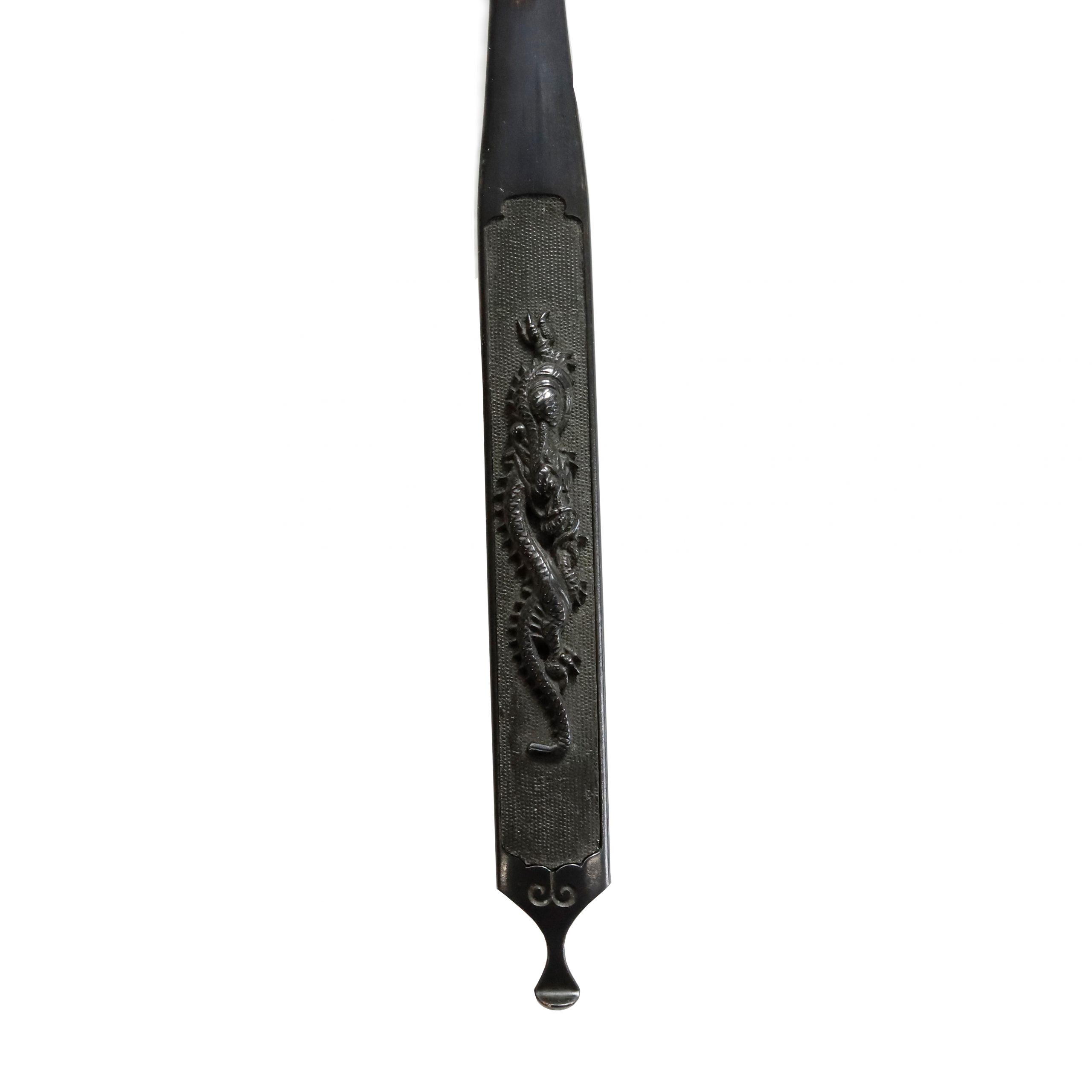
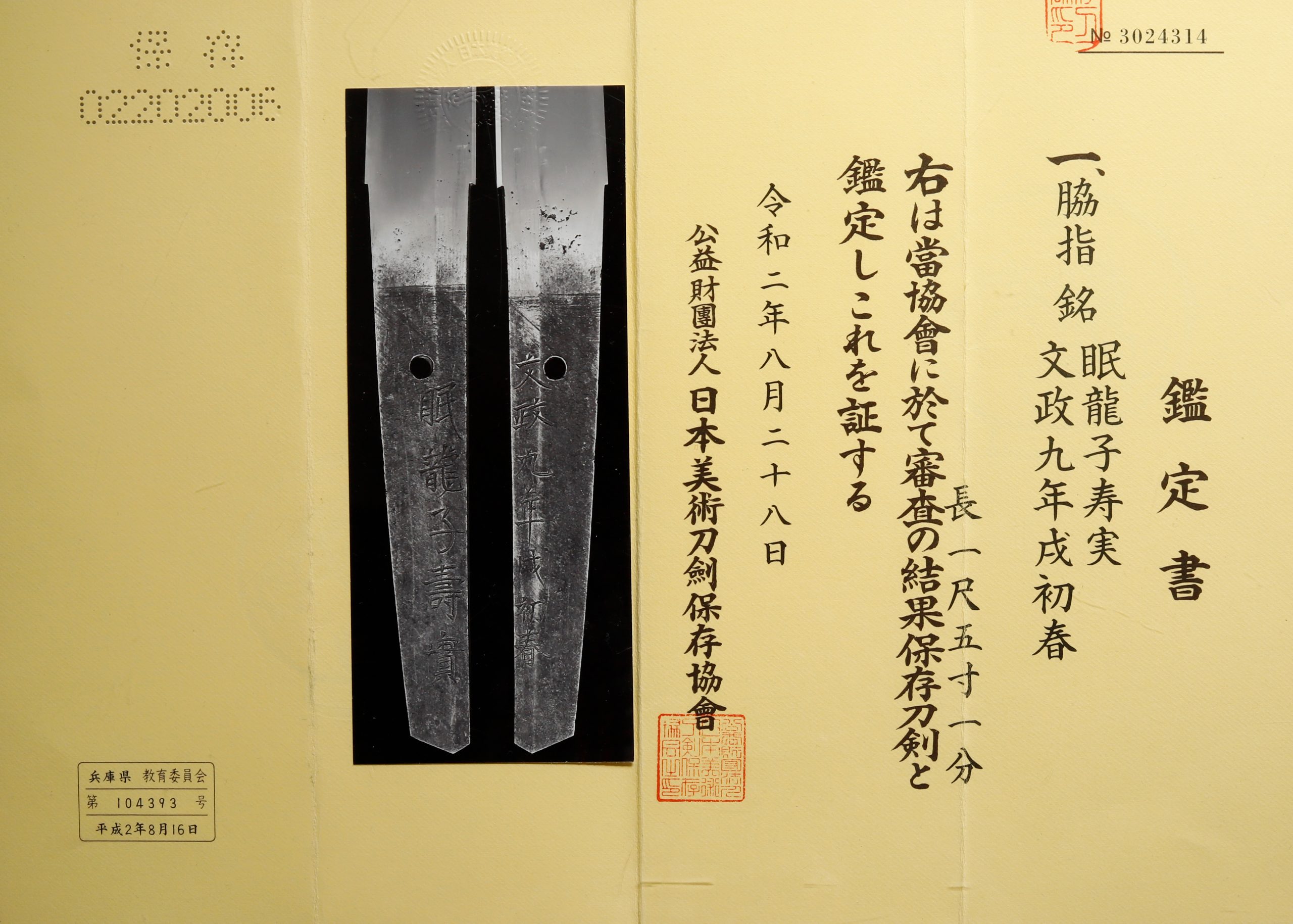
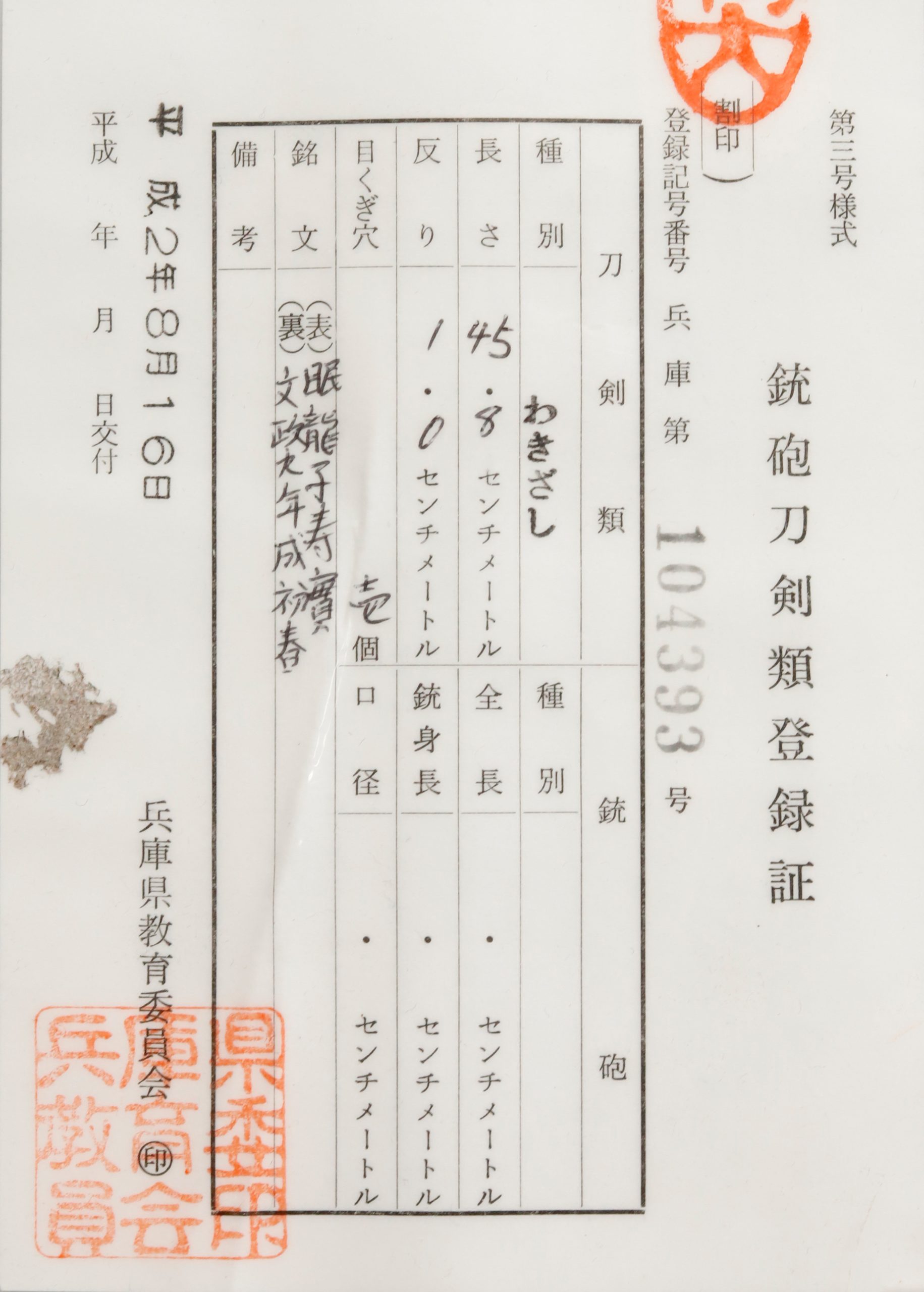
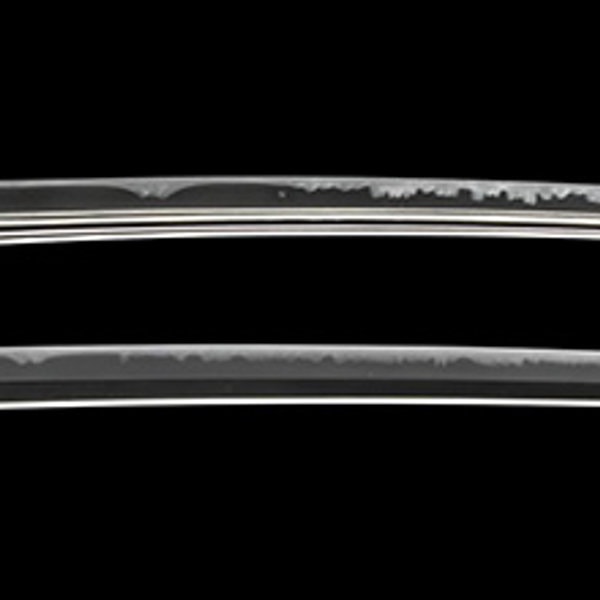
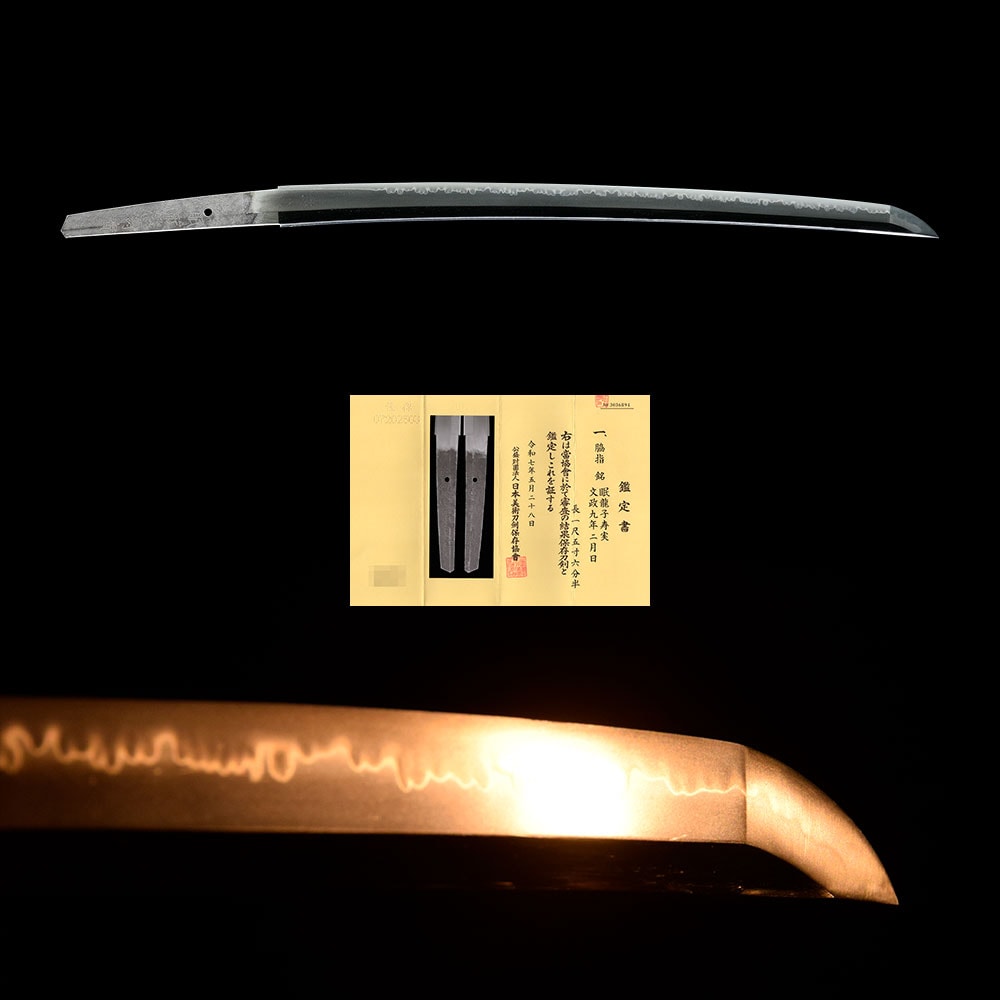
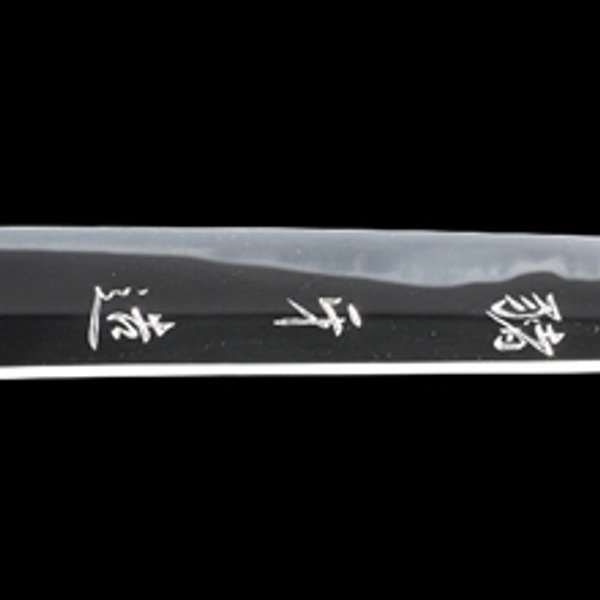
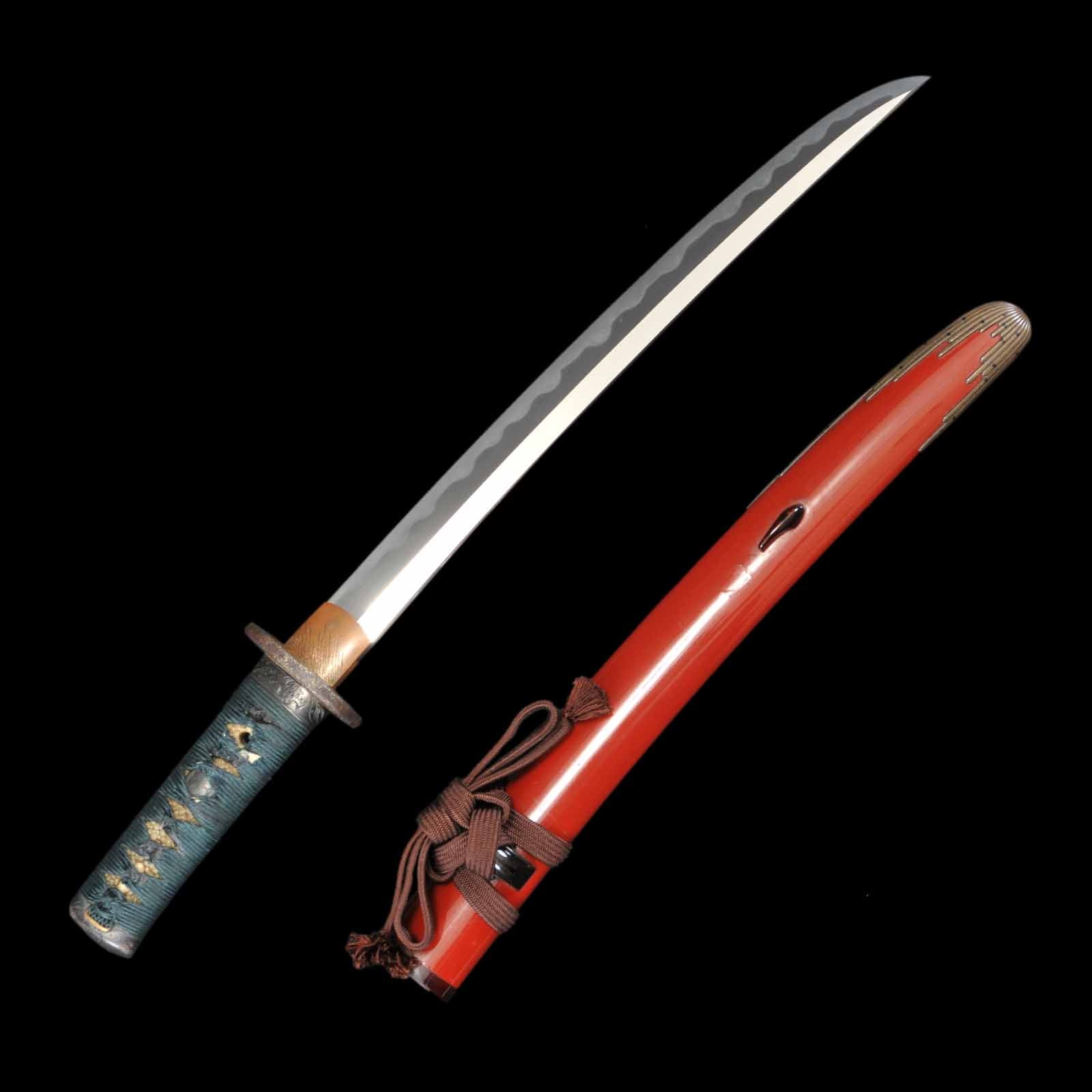
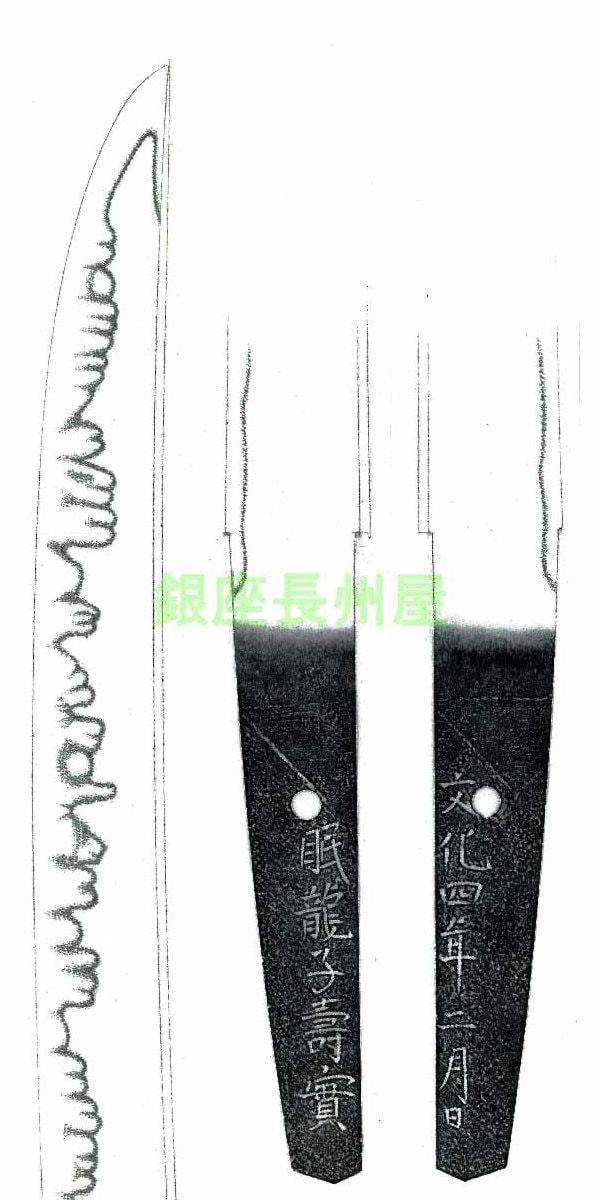
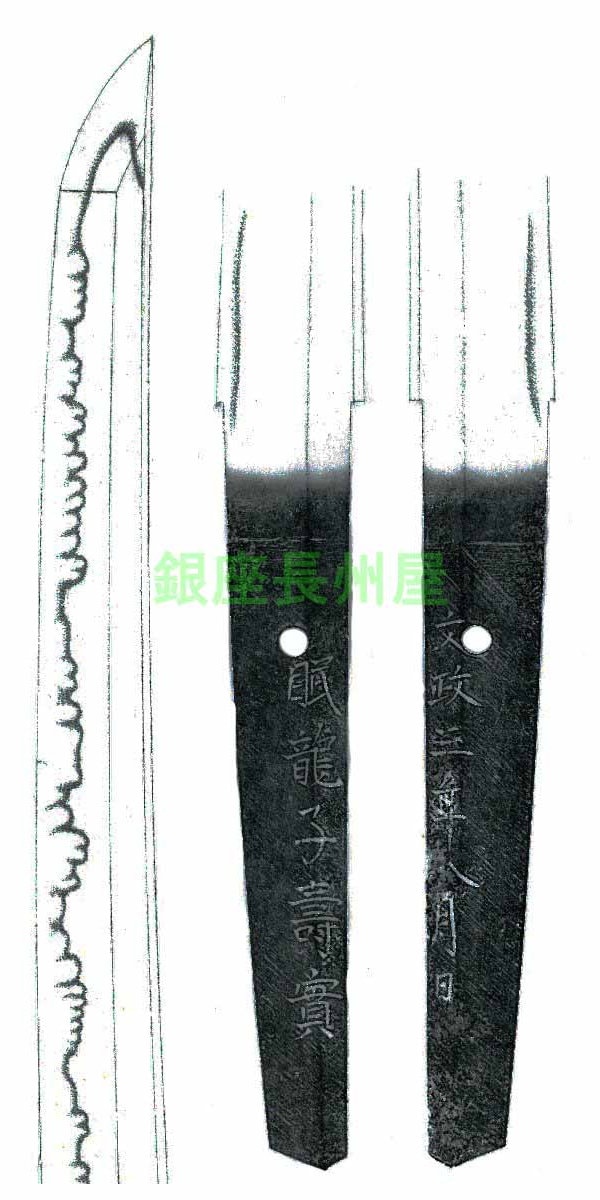
Antique Japanese Sword Wakizashi Signed by Toshizane with NBTHK Hozon Certificate 【Description】 This Wakizashi was made by Minryushi Toshizane(眠龍子寿実) in the 9th year of Bunsei era(1826), based on the signature on the tang. NBTHK, one of the most trusted Japanese sword appraisers, validated that the signature is authentic. Toshizane was born as the first son of Hamabe Toshinori(浜部寿格) in 1777 in Tottori prefecture. His father, Toshinori, is also a well-known swordsmith who served the Inaba domain, specifically Ikeda Clan in Tottori prefecture. Toshinori learned the sword-forging technique in Bizen province(Okayama prefecture today). It is said that Toshinori was a friend of Suishinshi Masahide, one of the greatest swordsmiths at the end of the Edo period. The oldest remaining work created by Toshizane dates back to the seventh year of Kansei(1795), when he was 19 years old. He first signed as 寿国(Toshikuni). When he was 20 years old, he and his father were ordered by Tokugawa Shogunate to examine swords and sword books stored in the Edo government. They stayed in Edo for an extended time. While he was there, he researched many excellent blades forged by historically significant swordsmiths. He also had a technological exchange with the swordsmiths in Edo city. He changed his maker’s name to Minryushi Toshizane in the first year of Kyowa(1801). It is said that Toshizan took over his father’s school in 1801 as his father didn’t forge so many swords after that. His father died in the seventh year of Bunka(1810). Toshizane had had many apprentices who later became famous swordsmiths, such as Kawamura Toshitaka, the master of Kiyomaro, one of the most renowned swordsmiths in Japanese history. Toshizane forged swords for about 30 years and died at the age of 70 in the third year of Koka(1846). He passed down his outstanding craftsmanship to his son Toshiyuki(寿幸). His school lasted until the end of the Edo period. Toshizane was great at forging swords with Choji Midare Hamon. You can see a great example of his highly skilled technique from this Wakizashi. Based on when he was born, this Wakizashi was forged later in his career. We are sure you will be able to appreciate this blade very much. This blade has a Hozon certificate issued by NBTHK. This authentication paper was only given to Japanese swords, worth preserving by Nihon Bijutsu Touken Hozon Kyokai(the Society for the Preservation of the Japan Art Sword). 【 Blade】 Cutting Edge Length(Nagasa) : 45.8 cm (18.0 inches) Curvature(Sori) : 1.0 cm(0.39 inches) Hamon: The crystalline structure which forms along the cutting edge of a blade as a result of the hardening process Jimon(Jihada): visible steel surface pattern created by folding and hammering during forging process Nakago : Nakago is the tang of the Japanese sword. Japanese swordsmiths left the black rust on the tang on purpose to prevent red rust while the tang is in its handle. And the discoloration of the tang was created over time, which is a great indicator for a Japanese sword specialist to estimate when the sword was forged. Koshirae: Koshirae is the mounting of the Japanese sword. There are several parts that consist of Koshirae such as Saya(Sabbard), Tsuka( Handle), Tsuba(Handguard). Fuchi-Kashira : A pair of matching sword fittings that cover the upper and bottom parts of its sword hilt. Ryu (龍, dragon) is designed for this Fuchi Kashira. Its slender body is peeking through the clouds. Initially, the dragon is an imaginary creature found in ancient traditions or myths. Furthermore, the dragon is a symbolic beast of auspicious signs. The dragon’s body is likened to nine animals: antlers are deer, the head is a camel, eyes are demons, the neck is a snake, belly is Mizuchi (蛟, mythical animal in Japan which looks like a snake and have a horn and four legs), scales are fish, claws are falcons, palms are tigers, and ears are cows. It was thought that the dragon would reign at the top of all animals because of its odd-lookin
 NihontoWatch
在銘 · 寛政 · 長さ 45.8cm · 反り 1cm
因幡 · 1789-1801頃
藤代 Jo saku · 刀剣大鑑 上位49%
現在5点販売中
江戸は刀の目利きの時代である。本阿弥の鑑定、1719年の享保名物帳、盛んな刀剣書が、戦で抜かれることのなくなった刀を学問の対象へと変えていった。
銘が正しい、または無銘でも年代・国・系統を確実に指摘できる、保存に値する真正の作と鑑定されたものです。
日本美術刀剣保存協会(NBTHK)は、1948年に設立され、文化庁の監督を受ける公益財団法人で、東京・刀剣博物館に本部を置きます。専門の審査員が出品作を直接審査し、美術的・歴史的価値に応じた鑑定書を発行します。NBTHKの鑑定書は、日本刀および刀装具の真正性を示す最も広く認知された基準です。
NBTHK公式サイトReturns/exchanges limited to defects caused by shipping (except willful misconduct or gross negligence by the company); customers must contact within 72 hours of receiving the product.
Antique Japanese Sword Wakizashi Signed by Toshizane with NBTHK Hozon Certificate 【Description】 This Wakizashi was made by Minryushi Toshizane(眠龍子寿実) in the 9th year of Bunsei era(1826), based on the signature on the tang. NBTHK, one of the most trusted Japanese sword appraisers, validated that the signature is authentic. Toshizane was born as the first son of Hamabe Toshinori(浜部寿格) in 1777 in Tottori prefecture. His father, Toshinori, is also a well-known swordsmith who served the Inaba domain, specifically Ikeda Clan in Tottori prefecture. Toshinori learned the sword-forging technique in Bizen province(Okayama prefecture today). It is said that Toshinori was a friend of Suishinshi Masahide, one of the greatest swordsmiths at the end of the Edo period. The oldest remaining work created by Toshizane dates back to the seventh year of Kansei(1795), when he was 19 years old. He first signed as 寿国(Toshikuni). When he was 20 years old, he and his father were ordered by Tokugawa Shogunate to examine swords and sword books stored in the Edo government. They stayed in Edo for an extended time. While he was there, he researched many excellent blades forged by historically significant swordsmiths. He also had a technological exchange with the swordsmiths in Edo city. He changed his maker’s name to Minryushi Toshizane in the first year of Kyowa(1801). It is said that Toshizan took over his father’s school in 1801 as his father didn’t forge so many swords after that. His father died in the seventh year of Bunka(1810). Toshizane had had many apprentices who later became famous swordsmiths, such as Kawamura Toshitaka, the master of Kiyomaro, one of the most renowned swordsmiths in Japanese history. Toshizane forged swords for about 30 years and died at the age of 70 in the third year of Koka(1846). He passed down his outstanding craftsmanship to his son Toshiyuki(寿幸). His school lasted until the end of the Edo period. Toshizane was great at forging swords with Choji Midare Hamon. You can see a great example of his highly skilled technique from this Wakizashi. Based on when he was born, this Wakizashi was forged later in his career. We are sure you will be able to appreciate this blade very much. This blade has a Hozon certificate issued by NBTHK. This authentication paper was only given to Japanese swords, worth preserving by Nihon Bijutsu Touken Hozon Kyokai(the Society for the Preservation of the Japan Art Sword). 【 Blade】 Cutting Edge Length(Nagasa) : 45.8 cm (18.0 inches) Curvature(Sori) : 1.0 cm(0.39 inches) Hamon: The crystalline structure which forms along the cutting edge of a blade as a result of the hardening process Jimon(Jihada): visible steel surface pattern created by folding and hammering during forging process Nakago : Nakago is the tang of the Japanese sword. Japanese swordsmiths left the black rust on the tang on purpose to prevent red rust while the tang is in its handle. And the discoloration of the tang was created over time, which is a great indicator for a Japanese sword specialist to estimate when the sword was forged. Koshirae: Koshirae is the mounting of the Japanese sword. There are several parts that consist of Koshirae such as Saya(Sabbard), Tsuka( Handle), Tsuba(Handguard). Fuchi-Kashira : A pair of matching sword fittings that cover the upper and bottom parts of its sword hilt. Ryu (龍, dragon) is designed for this Fuchi Kashira. Its slender body is peeking through the clouds. Initially, the dragon is an imaginary creature found in ancient traditions or myths. Furthermore, the dragon is a symbolic beast of auspicious signs. The dragon’s body is likened to nine animals: antlers are deer, the head is a camel, eyes are demons, the neck is a snake, belly is Mizuchi (蛟, mythical animal in Japan which looks like a snake and have a horn and four legs), scales are fish, claws are falcons, palms are tigers, and ears are cows. It was thought that the dragon would reign at the top of all animals because of its odd-lookin
NihontoWatch在銘 · 寛政 · 長さ 45.8cm · 反り 1cm
因幡 · 1789-1801頃
藤代 Jo saku · 刀剣大鑑 上位49%
現在5点販売中
江戸は刀の目利きの時代である。本阿弥の鑑定、1719年の享保名物帳、盛んな刀剣書が、戦で抜かれることのなくなった刀を学問の対象へと変えていった。
銘が正しい、または無銘でも年代・国・系統を確実に指摘できる、保存に値する真正の作と鑑定されたものです。
日本美術刀剣保存協会(NBTHK)は、1948年に設立され、文化庁の監督を受ける公益財団法人で、東京・刀剣博物館に本部を置きます。専門の審査員が出品作を直接審査し、美術的・歴史的価値に応じた鑑定書を発行します。NBTHKの鑑定書は、日本刀および刀装具の真正性を示す最も広く認知された基準です。
NBTHK公式サイトReturns/exchanges limited to defects caused by shipping (except willful misconduct or gross negligence by the company); customers must contact within 72 hours of receiving the product.

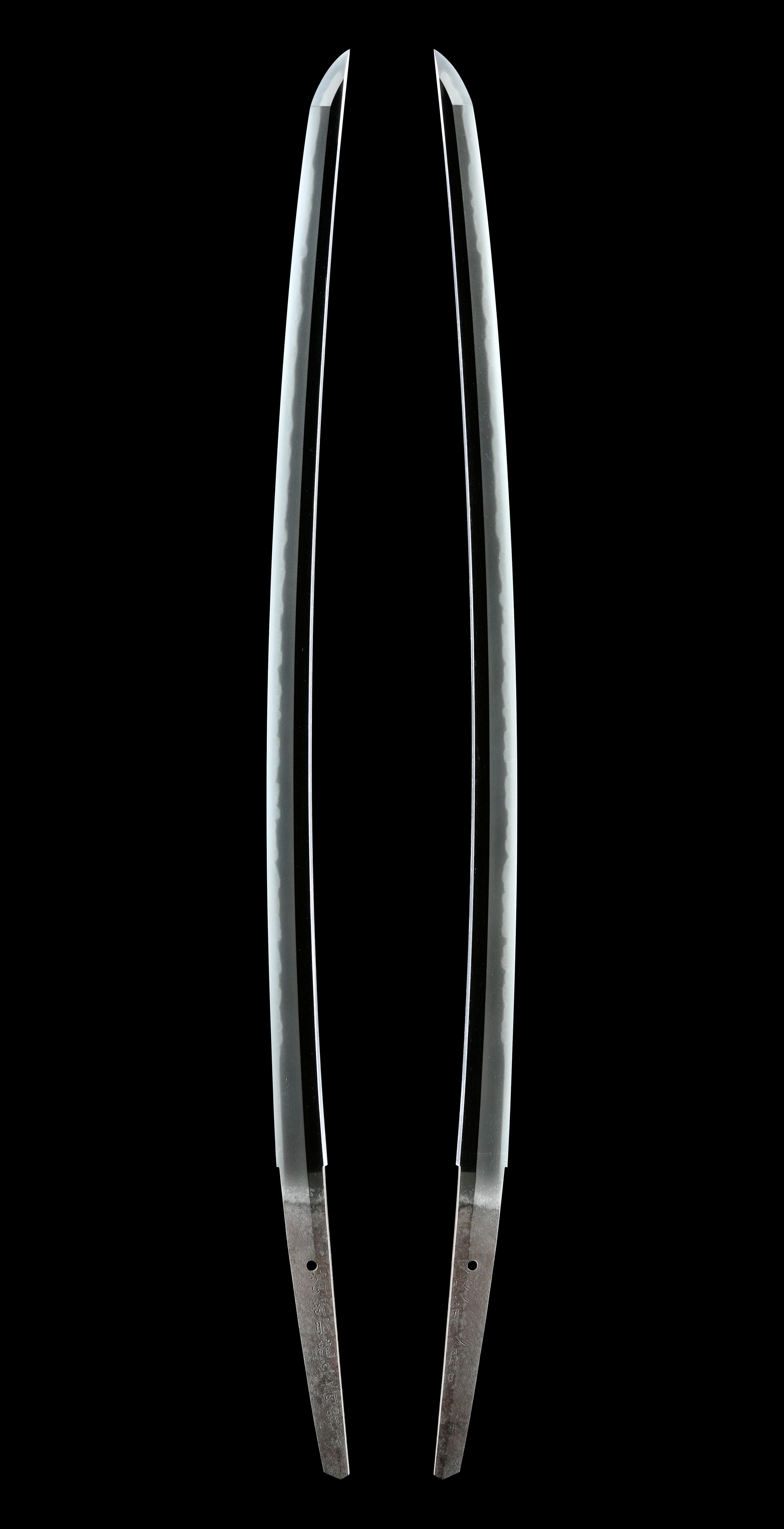

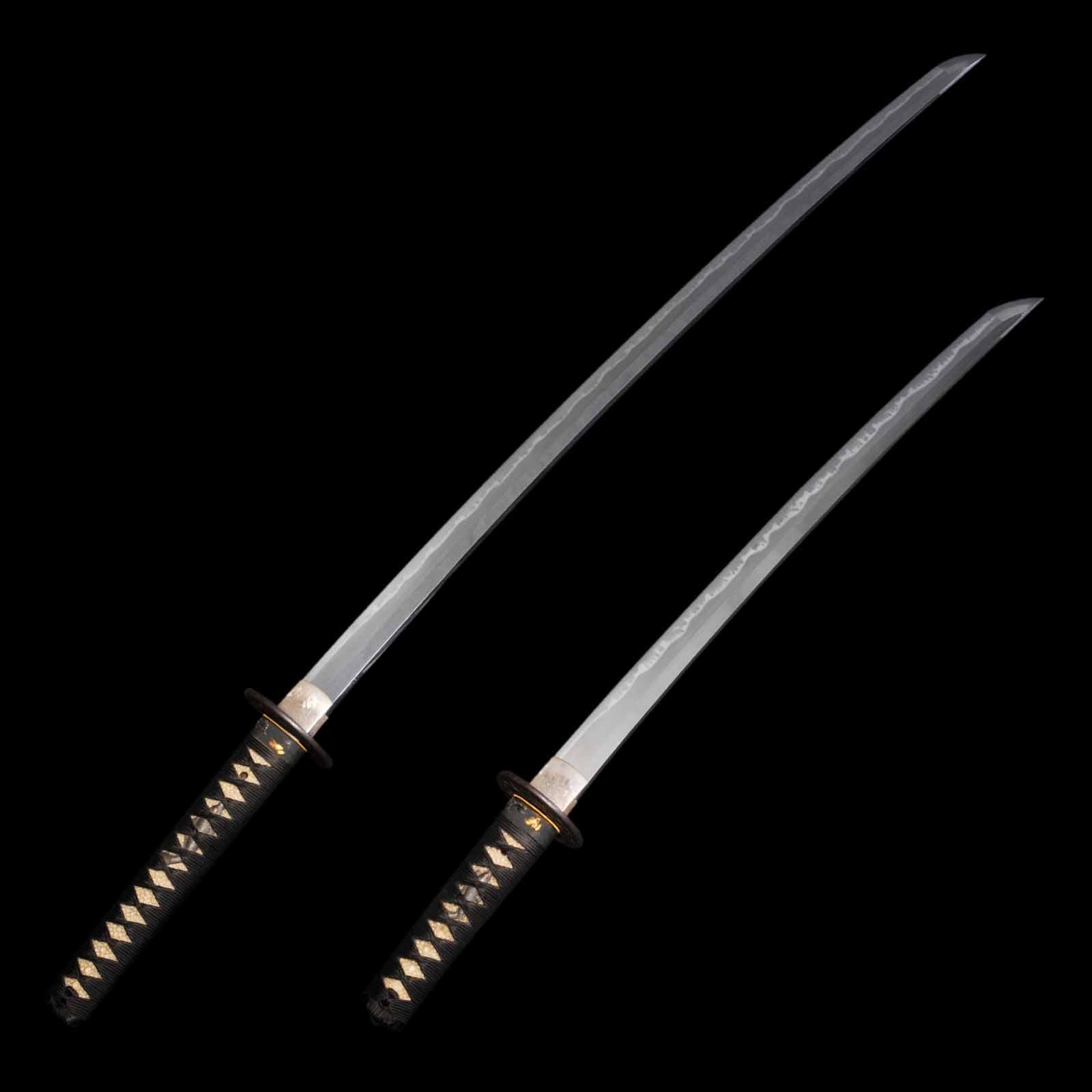
![Wakizashi - Tokuho - by Toshizane - 脇差[因幡国寿実(眠龍子寿実)][日本美術刀剣保存協会]特別保存刀剣](/_next/image?url=https%3A%2F%2Fitbhfhyptogxcjbjfzwx.supabase.co%2Fstorage%2Fv1%2Fobject%2Fpublic%2Flisting-images%2Fworld-seiyudo%2FL31364%2F00.jpg&w=2560&q=90)
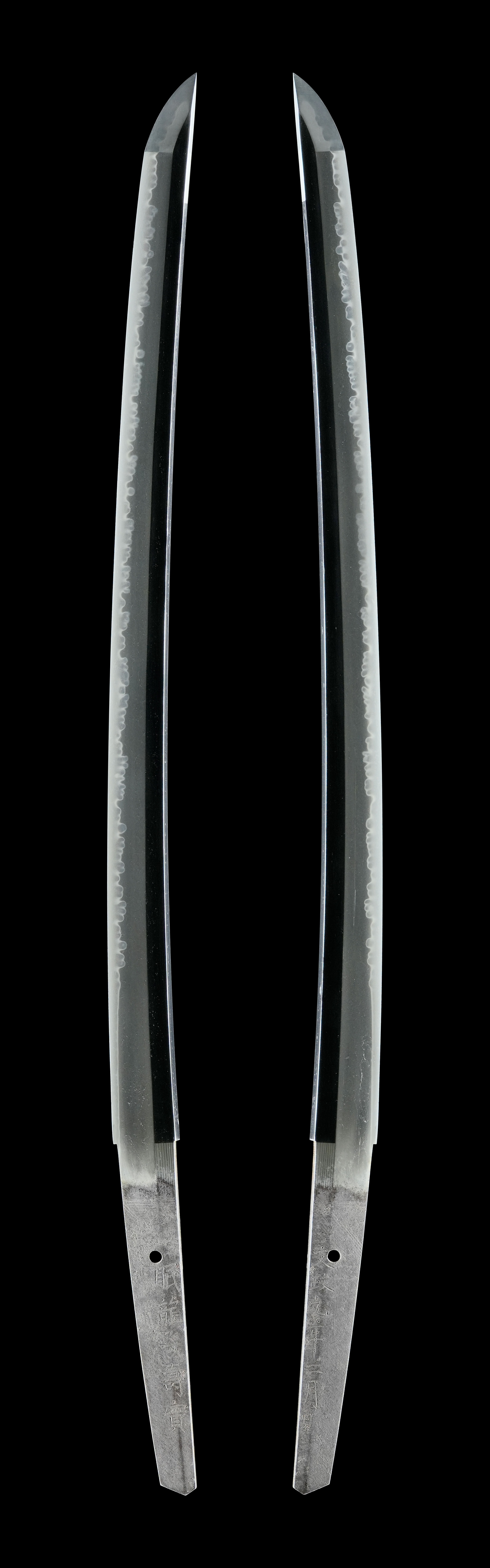
![Daisho - Hozon - by Toshizane - 刀・脇差[眠龍子寿実][日本美術刀剣保存協会]特別保存刀剣](/_next/image?url=https%3A%2F%2Fitbhfhyptogxcjbjfzwx.supabase.co%2Fstorage%2Fv1%2Fobject%2Fpublic%2Flisting-images%2Fworld-seiyudo%2FL31790%2F00.jpg&w=2560&q=90)