売切れ
Tokuho売切れ
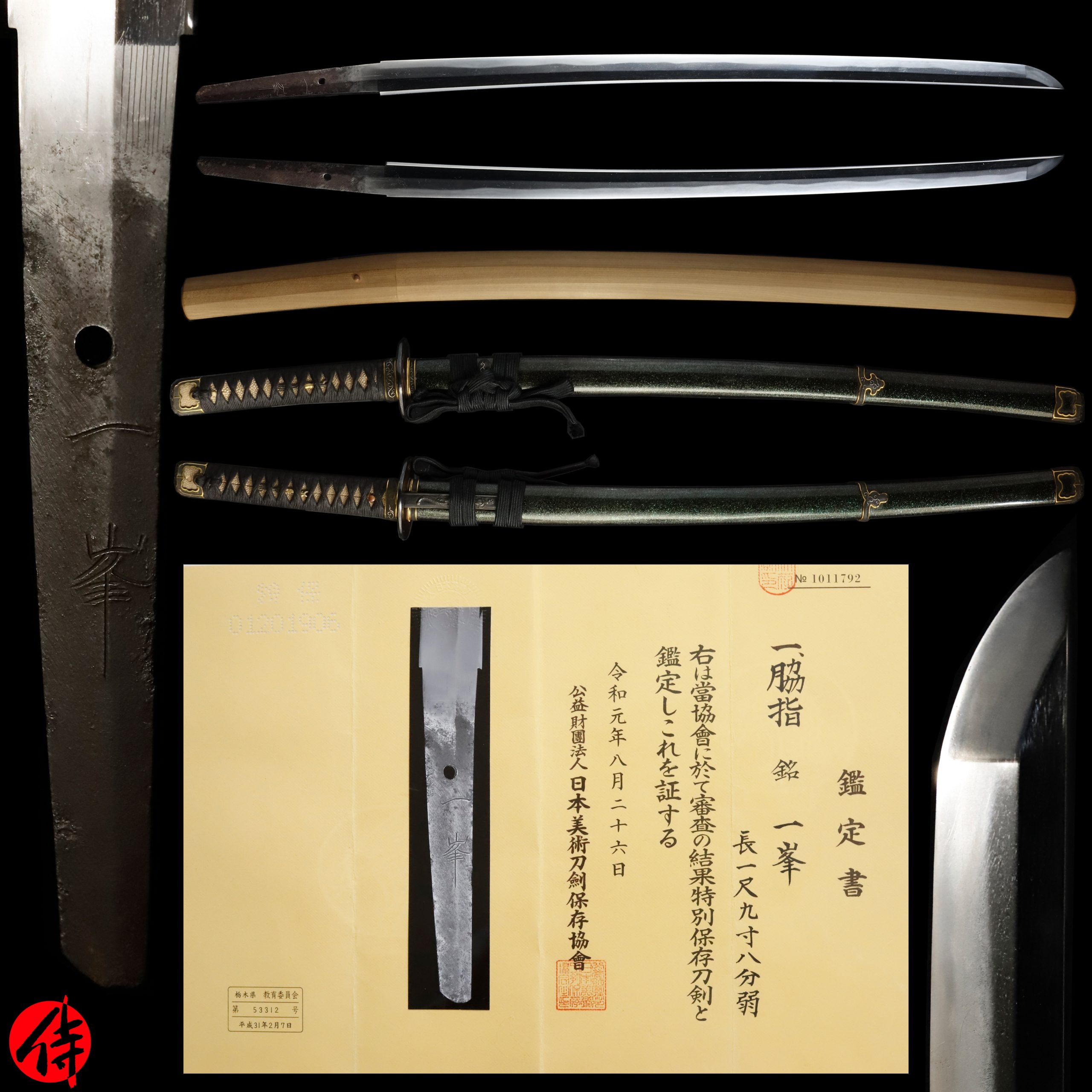
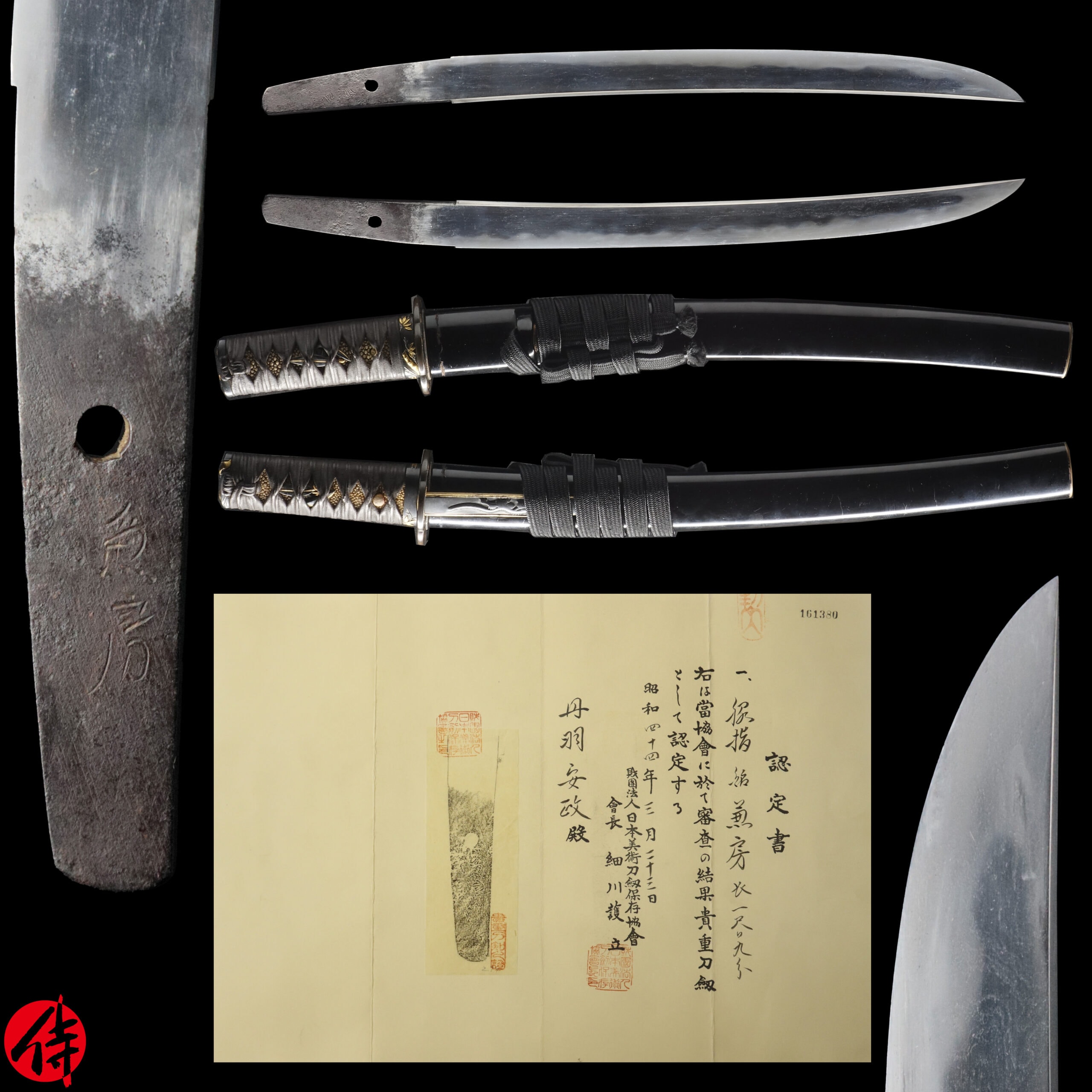
Antique Japanese Sword Wakizashi Signed by Ippo NBTHK Tokubetsu Hozon Certificate
売却済
世界81社の刀剣商を横断追跡 · 価格履歴 · 売却アーカイブ
仕様
長さ
60 cm
反り
1 cm
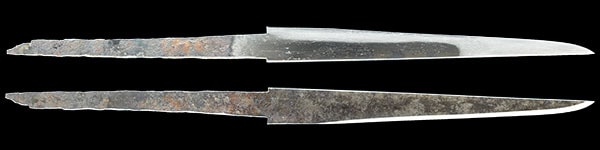
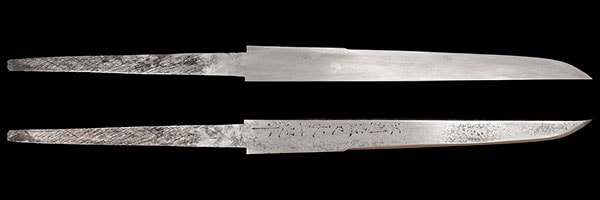
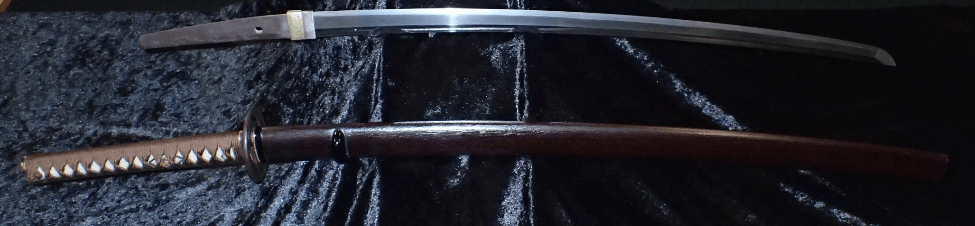
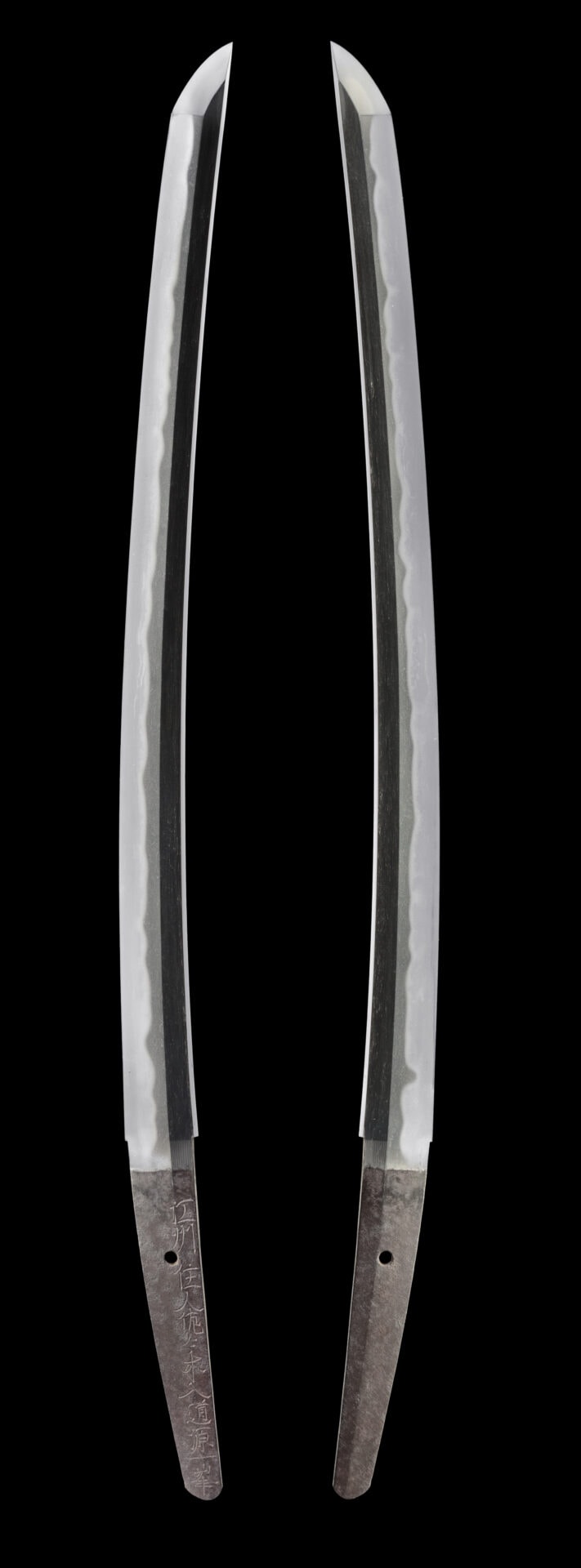
Antique Japanese Sword Wakizashi Signed by Ippo with NBTHK Tokubetsu Hozon Certificate 【Description】 Ippo(一峯) is a renowned swordsmith who belonged to Omi Ishido school during the early Edo period. There are two generations of the smith named Ippo. We believe the first-gen forged it based on the signature. The first-gen Ippo was born in Takagi village in Omi province(Today’s Shiga prefecture). While the first-gen Ippo forged swords in Omi province for the rest of his life, his son, second-gen Ippo, also forged in Edo city(Today’s Tokyo). The first-gen Ippo was active at sword-forging at the beginning of the Edo period(1648-1652). Ishido school was initially founded by Sukenaga, an offspring of Ichimonji Sukemune, who made Fukuoka Ichimonji school in Bizen province(Today’s Okayama prefecture). During 1492-1501(Mid Muromachi period), Sukenaga and his school moved to Omi province from Bizen province after being summoned by Gamou family, a powerful feudal line in that region. Sukenaga started to live in front of Ishido temple, and he changed his surname to Ishido. As of the early Edo period, many Ishido swordsmiths moved to other parts of Japan. There are mainly four areas: Edo, Osaka, Kishu(Wakayama prefecture), and Chikuzen(Fukuoka prefecture). Omi Ishido school is the origin of whole other Ishido branches that flourished during the Edo period. While this blade is categorized as Wakizashi, its length is very close to Katana. In Japanese sword terminology, when the blade is more than two Shaku, it is considered Katana. One Shaku is an old measurement, which is equivalent to 30.3 cm. Therefore, two Shaku means 60.6 cm. This blade’s cutting edge length is 60.0 cm. This blade has a Tokubetsu Hozon certificate issued by NBTHK. This authentication paper was only given to Japanese swords, especially worth preserving by Nihon Bijutsu Touken Hozon Kyokai(the Society for the Preservation of the Japan Art Sword). This sword has beautiful Suguha(straight tempering line) and Jigane. It comes with a beautifully Raden(crushed oyster shell) crafted scabbard with gorgeous sword mounting. 【 Blade】 Cutting Edge Length(Nagasa) : 60.0 cm ( 23.6 inches) Curvature(Sori) : 1.0 cm(0.39 inches) Hamon: The crystalline structure which forms along the cutting edge of a blade as a result of the hardening process Jimon(Jihada): visible steel surface pattern created by folding and hammering during forging process Nakago : Nakago is the tang of the Japanese sword. Japanese swordsmiths left the black rust on the tang on purpose to prevent red rust while the tang is in its handle. And the discoloration of the tang was created over time, which is a great indicator for a Japanese sword specialist to estimate when the sword was forged. Koshirae: Koshirae is the mounting of the Japanese sword. There are several parts that consist of Koshirae such as Saya(Sabbard), Tsuka( Handle), Tsuba(Handguard). Fuchi-Kashira : A pair of matching sword fittings that cover the upper and bottom parts of its sword hilt. The Karakusa (唐草, arabesque) pattern is inlaid with silver on this Fuchi Kashira. A pattern in which stems and leaves of vines are twined and make curves. Since ivy has a strong vitality and grows up without interruption, people regarded this design as a symbol of prosperity and longevity. Also, the Nanako-Ji (魚子地) technique decorates the surface of this Fuchi Kashira. The ground was hit by the Nanako-Ji Tagane (魚子地鏨, chisel used for this technique). It makes delicate fish egg-shaped protrusions on the entire surface of the Tsuba. The Nanako-Ji with the same size of particles lined up regularly makes us feel the maker’s expert skill. Tsuka and Menuki : Tsuka is the handle of the Japanese sword and Menuki is its decoration. It might be the Kabura-Ya (鏑矢) that is the motif of this Menuki. Ya (矢) means an arrow in Japanese. Kabura-Ya is a type of arrow which is attached to Kabura (鏑, a kind of weapon) to the tip of an arrow. Kabura-Ya whistles when it is shot. Therefore,
 NihontoWatchBETA
売却済
世界81社の刀剣商を横断追跡 · 価格履歴 · 売却アーカイブ
60 cm
1 cm
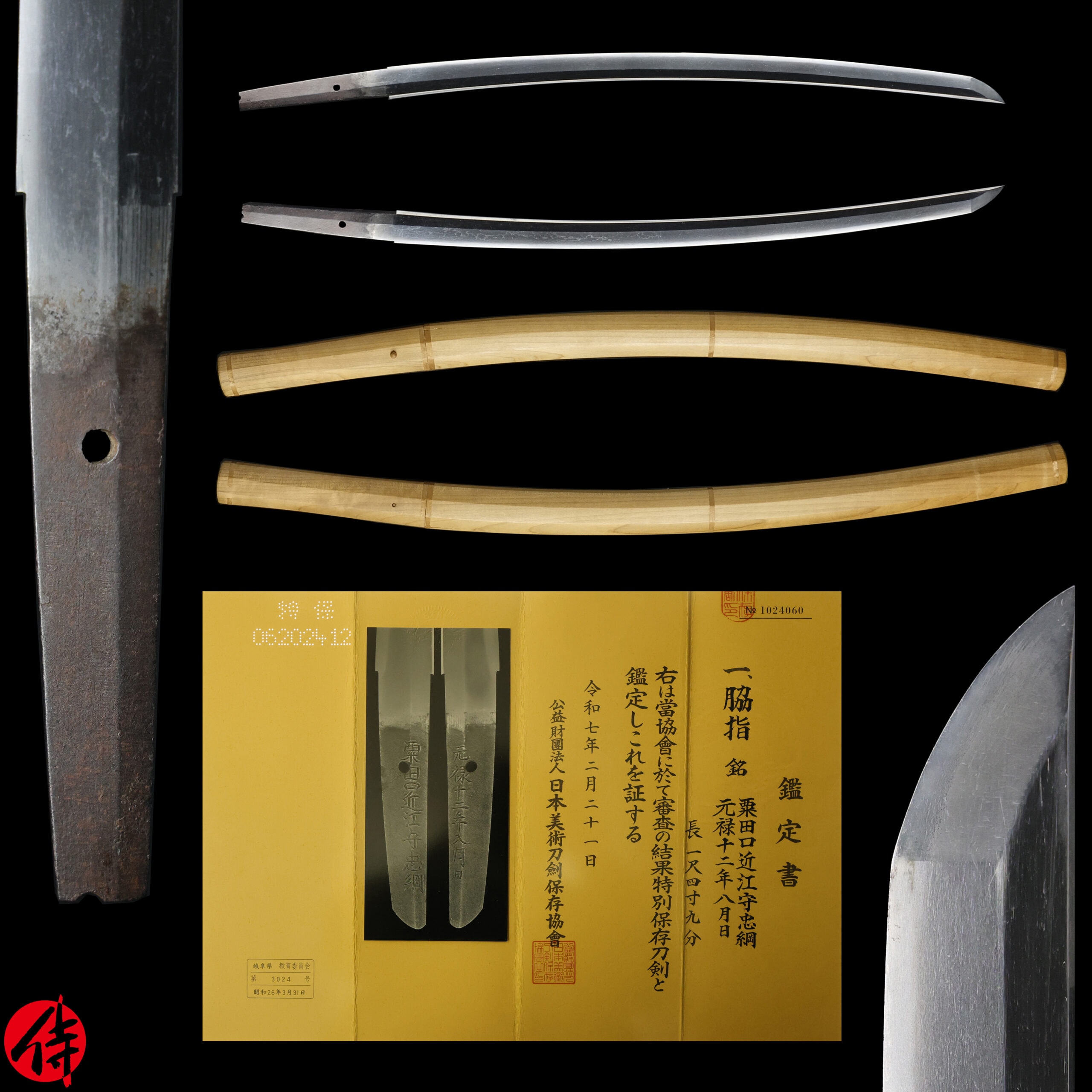
Antique Japanese Sword Wakizashi Attributed to Mihara NBTHK Hozon Certificate
$2,170
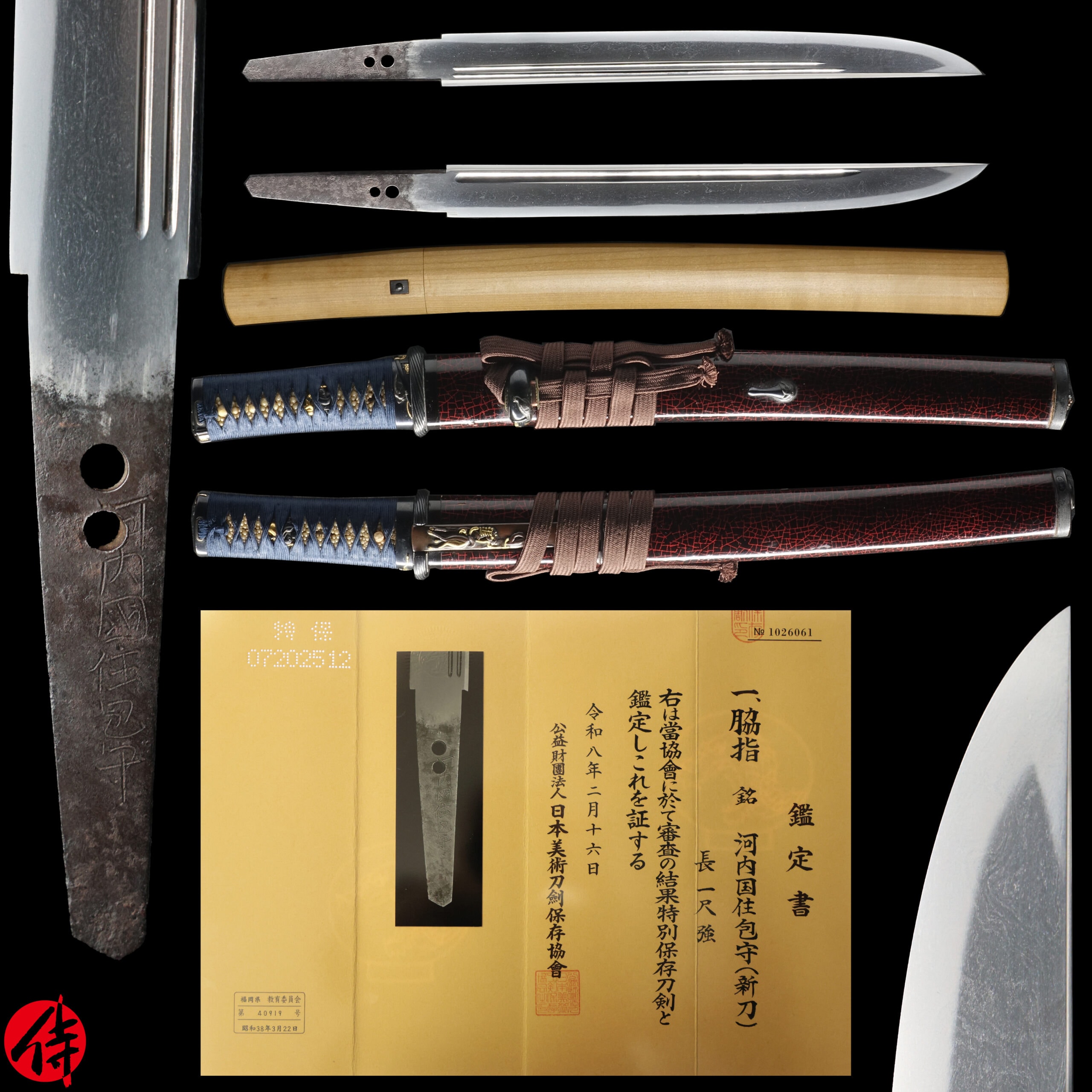
Antique Japanese Sword Wakizashi Signed by Kanemori NBTHK Tokubetsu Hozon Certificate
$5,881
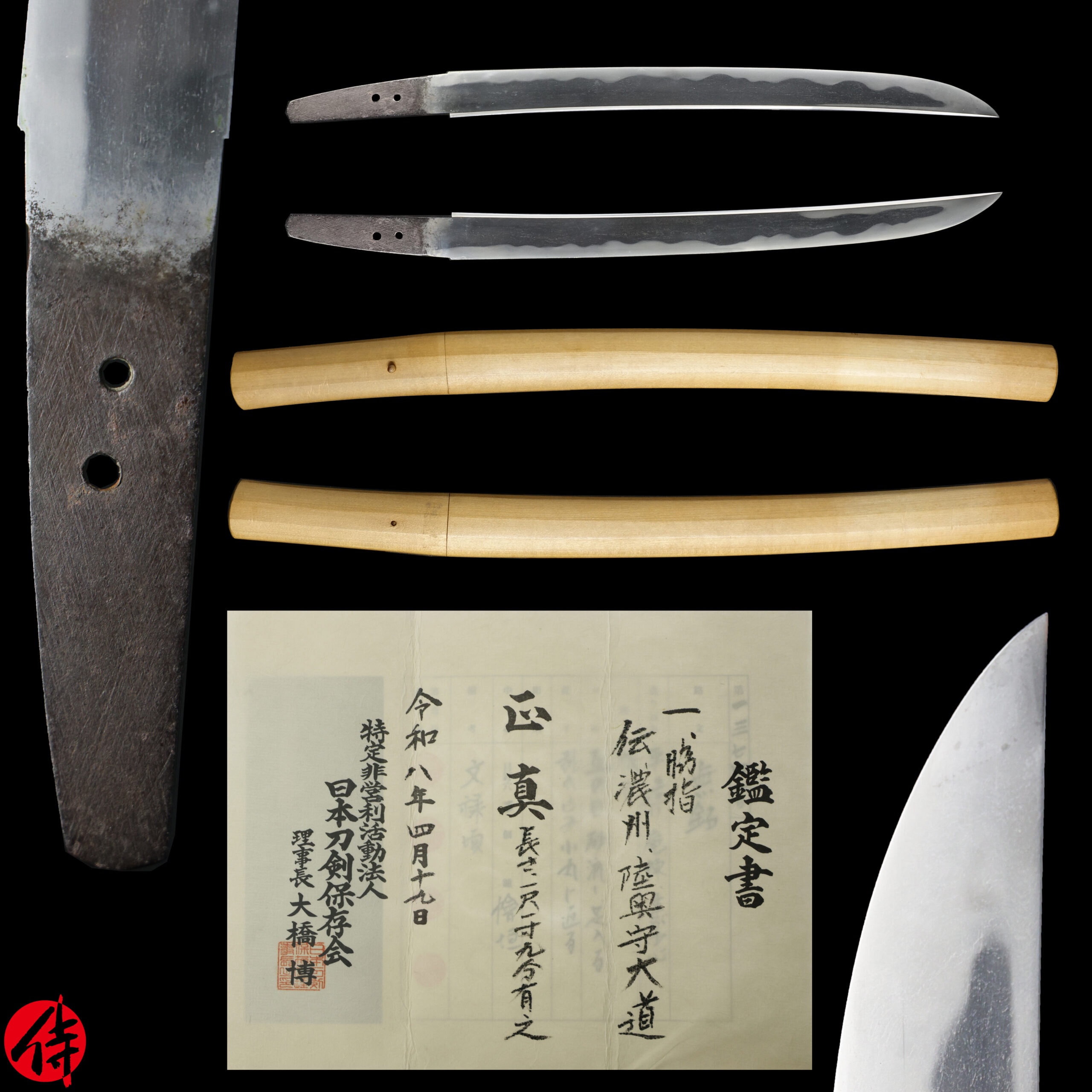
Antique Japanese Sword Wakizashi Attributed to Den Nohshu Daido NTHK Kanteisho for the blade
$1,984
Antique Japanese Sword Wakizashi Signed by Kanefusa with NBTHK Kicho Certificate
$2,971
Antique Japanese Sword Wakizashi Signed by Ippo with NBTHK Tokubetsu Hozon Certificate 【Description】 Ippo(一峯) is a renowned swordsmith who belonged to Omi Ishido school during the early Edo period. There are two generations of the smith named Ippo. We believe the first-gen forged it based on the signature. The first-gen Ippo was born in Takagi village in Omi province(Today’s Shiga prefecture). While the first-gen Ippo forged swords in Omi province for the rest of his life, his son, second-gen Ippo, also forged in Edo city(Today’s Tokyo). The first-gen Ippo was active at sword-forging at the beginning of the Edo period(1648-1652). Ishido school was initially founded by Sukenaga, an offspring of Ichimonji Sukemune, who made Fukuoka Ichimonji school in Bizen province(Today’s Okayama prefecture). During 1492-1501(Mid Muromachi period), Sukenaga and his school moved to Omi province from Bizen province after being summoned by Gamou family, a powerful feudal line in that region. Sukenaga started to live in front of Ishido temple, and he changed his surname to Ishido. As of the early Edo period, many Ishido swordsmiths moved to other parts of Japan. There are mainly four areas: Edo, Osaka, Kishu(Wakayama prefecture), and Chikuzen(Fukuoka prefecture). Omi Ishido school is the origin of whole other Ishido branches that flourished during the Edo period. While this blade is categorized as Wakizashi, its length is very close to Katana. In Japanese sword terminology, when the blade is more than two Shaku, it is considered Katana. One Shaku is an old measurement, which is equivalent to 30.3 cm. Therefore, two Shaku means 60.6 cm. This blade’s cutting edge length is 60.0 cm. This blade has a Tokubetsu Hozon certificate issued by NBTHK. This authentication paper was only given to Japanese swords, especially worth preserving by Nihon Bijutsu Touken Hozon Kyokai(the Society for the Preservation of the Japan Art Sword). This sword has beautiful Suguha(straight tempering line) and Jigane. It comes with a beautifully Raden(crushed oyster shell) crafted scabbard with gorgeous sword mounting. 【 Blade】 Cutting Edge Length(Nagasa) : 60.0 cm ( 23.6 inches) Curvature(Sori) : 1.0 cm(0.39 inches) Hamon: The crystalline structure which forms along the cutting edge of a blade as a result of the hardening process Jimon(Jihada): visible steel surface pattern created by folding and hammering during forging process Nakago : Nakago is the tang of the Japanese sword. Japanese swordsmiths left the black rust on the tang on purpose to prevent red rust while the tang is in its handle. And the discoloration of the tang was created over time, which is a great indicator for a Japanese sword specialist to estimate when the sword was forged. Koshirae: Koshirae is the mounting of the Japanese sword. There are several parts that consist of Koshirae such as Saya(Sabbard), Tsuka( Handle), Tsuba(Handguard). Fuchi-Kashira : A pair of matching sword fittings that cover the upper and bottom parts of its sword hilt. The Karakusa (唐草, arabesque) pattern is inlaid with silver on this Fuchi Kashira. A pattern in which stems and leaves of vines are twined and make curves. Since ivy has a strong vitality and grows up without interruption, people regarded this design as a symbol of prosperity and longevity. Also, the Nanako-Ji (魚子地) technique decorates the surface of this Fuchi Kashira. The ground was hit by the Nanako-Ji Tagane (魚子地鏨, chisel used for this technique). It makes delicate fish egg-shaped protrusions on the entire surface of the Tsuba. The Nanako-Ji with the same size of particles lined up regularly makes us feel the maker’s expert skill. Tsuka and Menuki : Tsuka is the handle of the Japanese sword and Menuki is its decoration. It might be the Kabura-Ya (鏑矢) that is the motif of this Menuki. Ya (矢) means an arrow in Japanese. Kabura-Ya is a type of arrow which is attached to Kabura (鏑, a kind of weapon) to the tip of an arrow. Kabura-Ya whistles when it is shot. Therefore,
NihontoWatchBETA売却済
世界81社の刀剣商を横断追跡 · 価格履歴 · 売却アーカイブ
60 cm
1 cm
Antique Japanese Sword Wakizashi Attributed to Mihara NBTHK Hozon Certificate
$2,170
Antique Japanese Sword Wakizashi Signed by Kanemori NBTHK Tokubetsu Hozon Certificate
$5,881
Antique Japanese Sword Wakizashi Attributed to Den Nohshu Daido NTHK Kanteisho for the blade
$1,984
Antique Japanese Sword Wakizashi Signed by Kanefusa with NBTHK Kicho Certificate
$2,971