説明

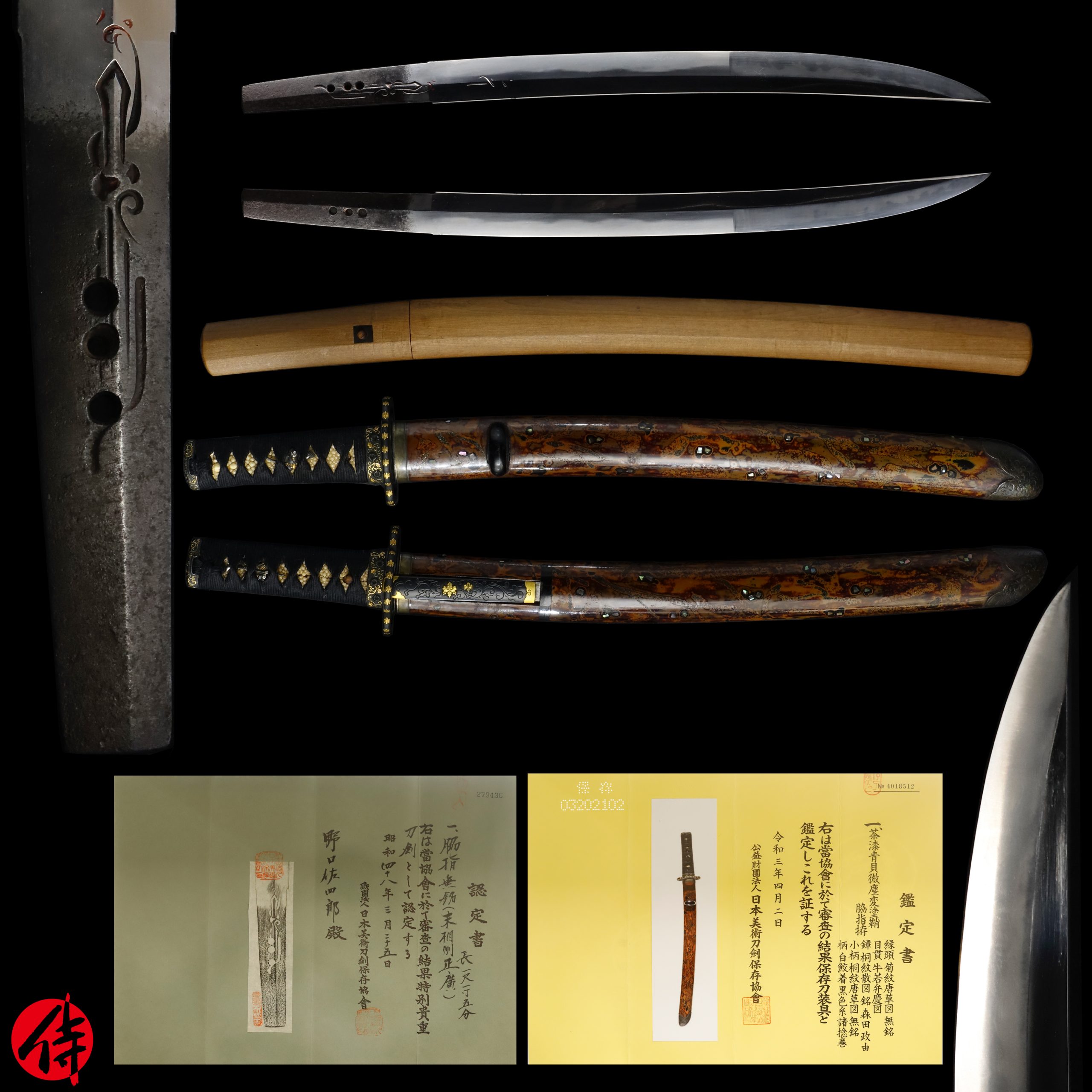
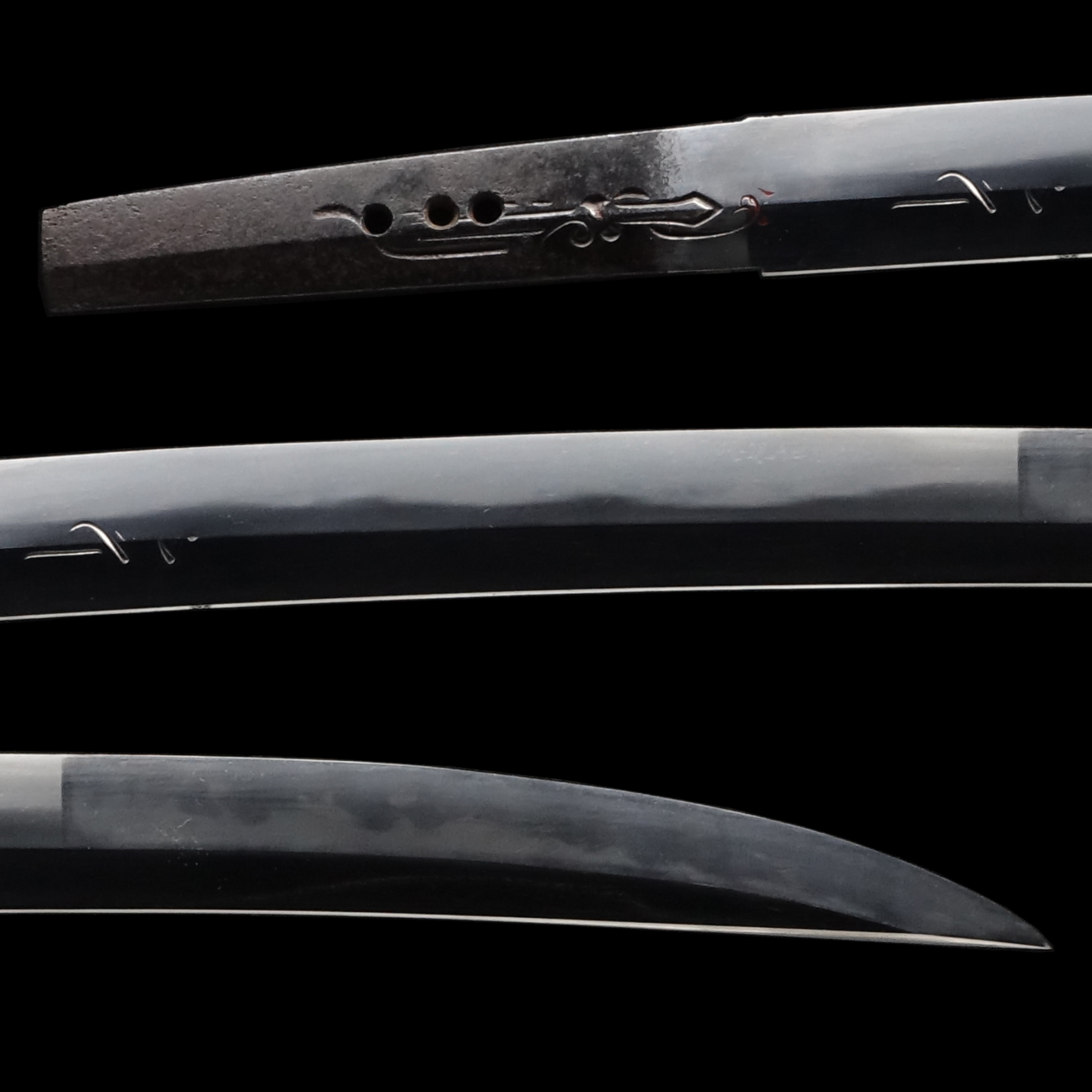
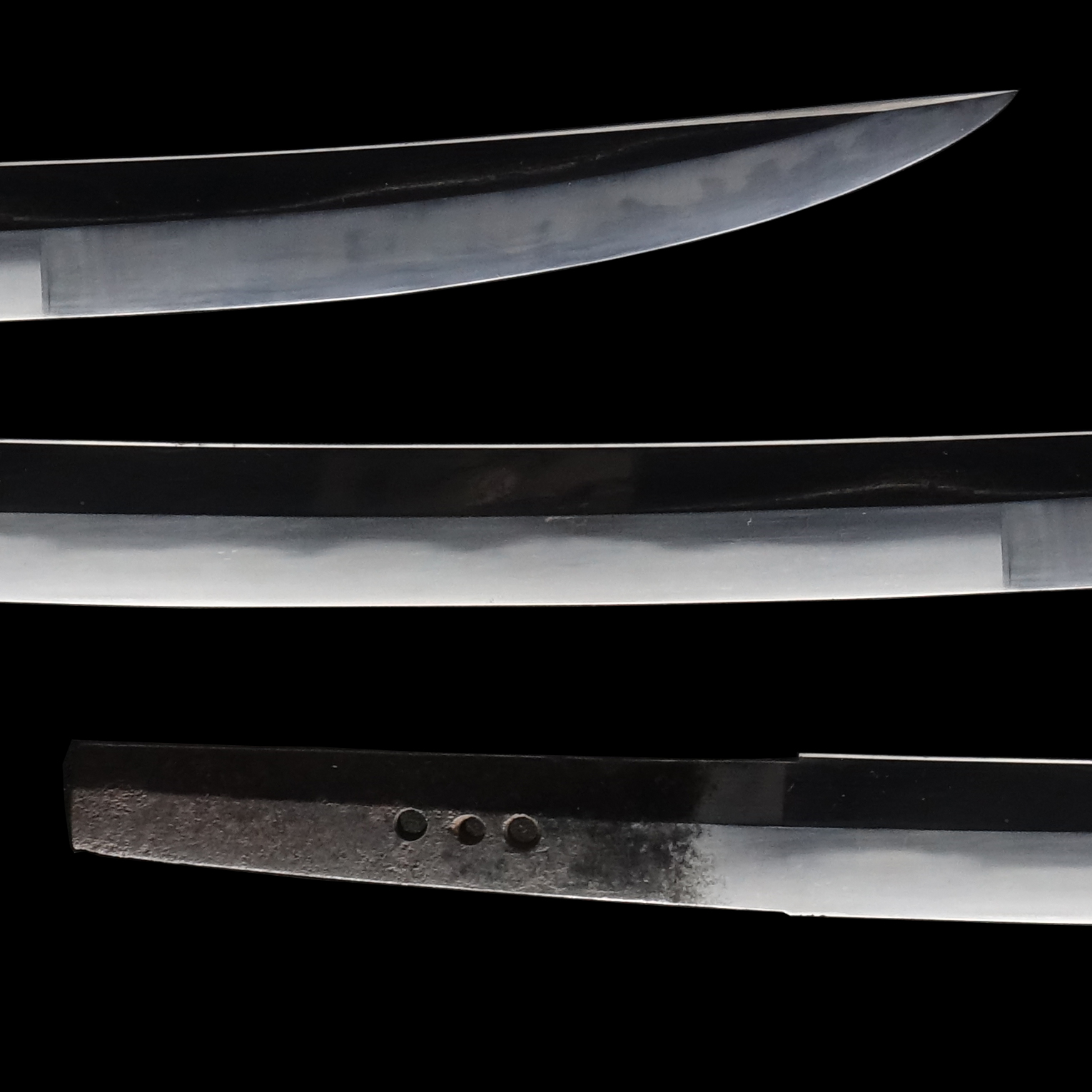
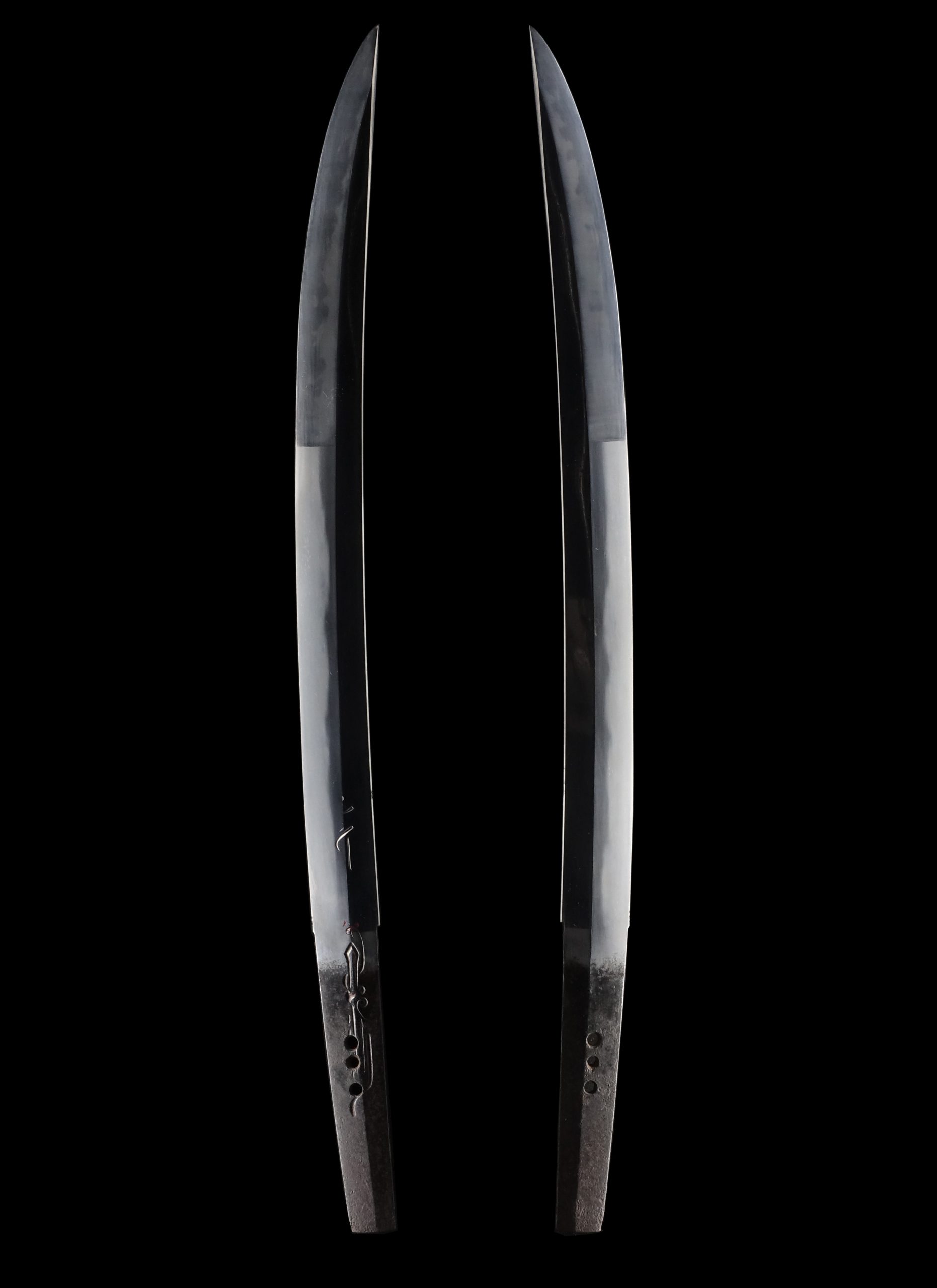
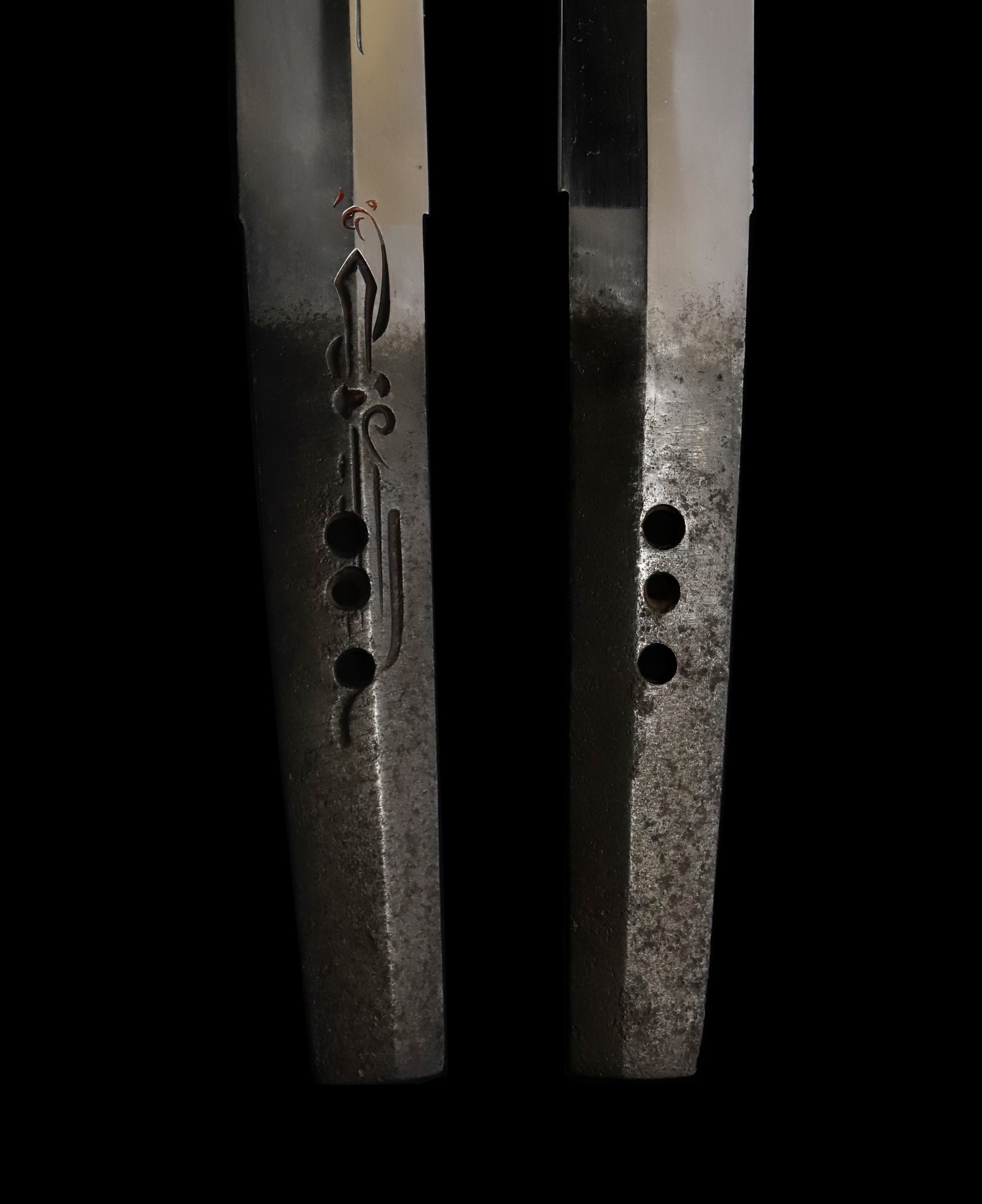
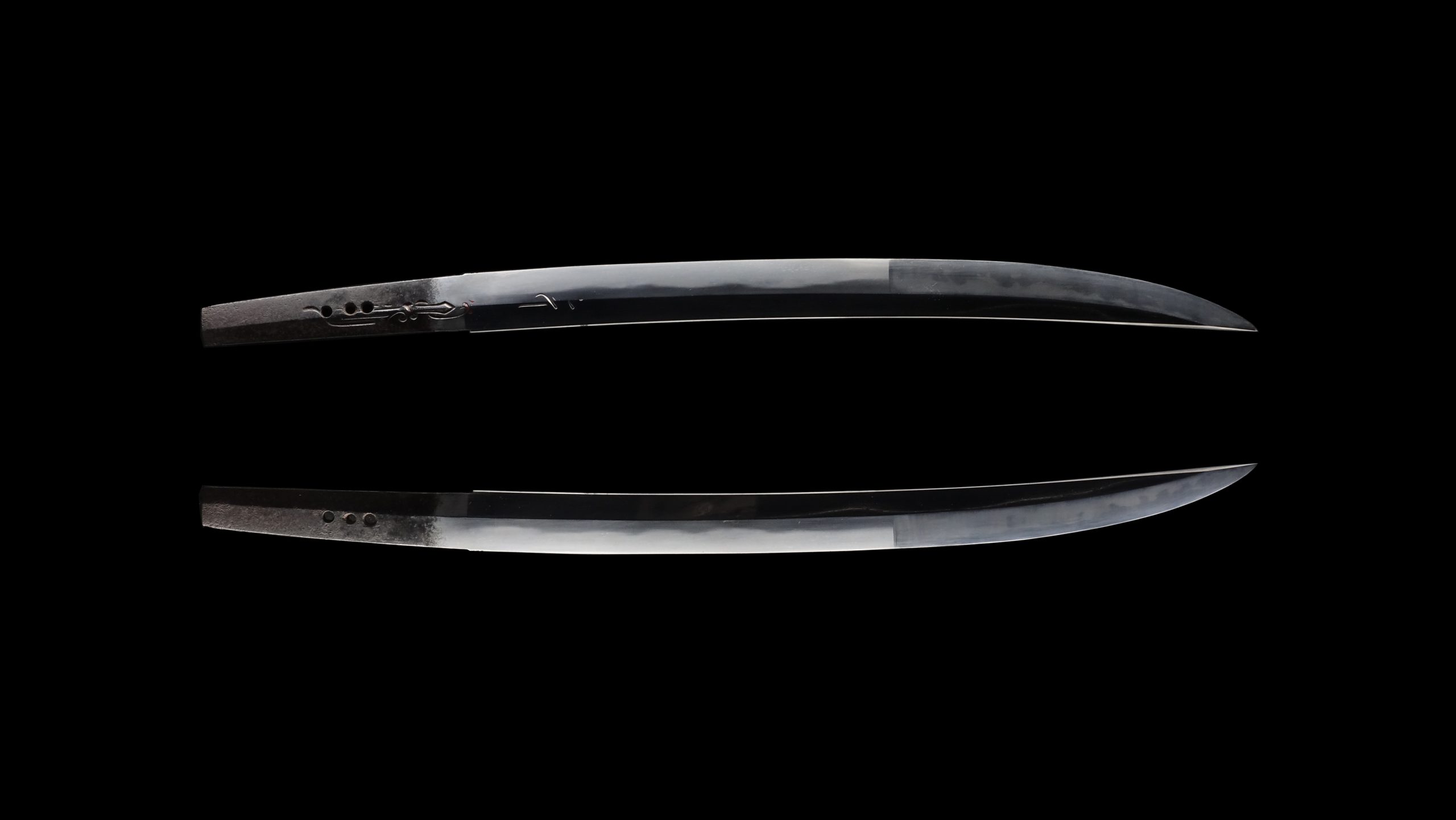
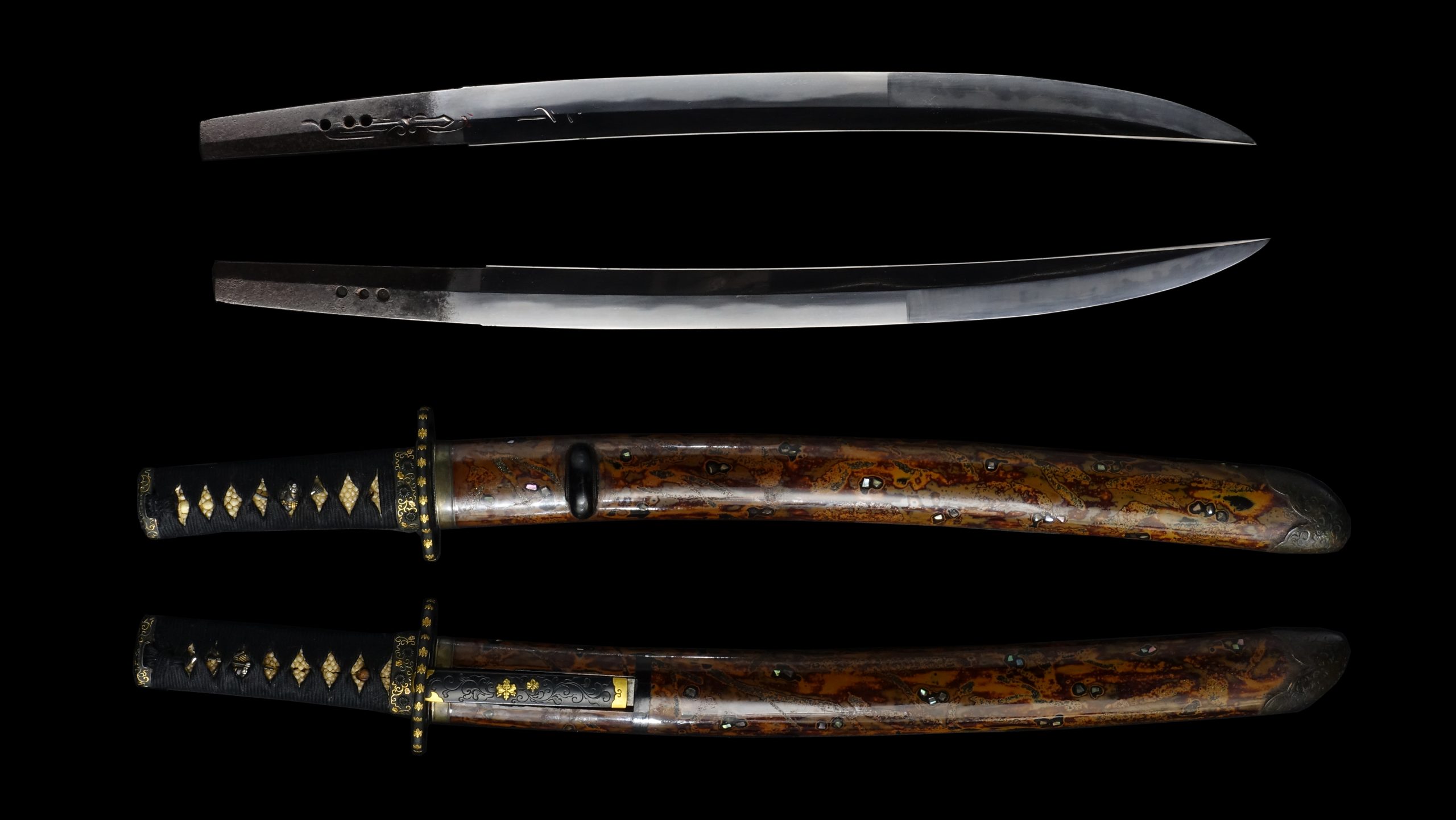
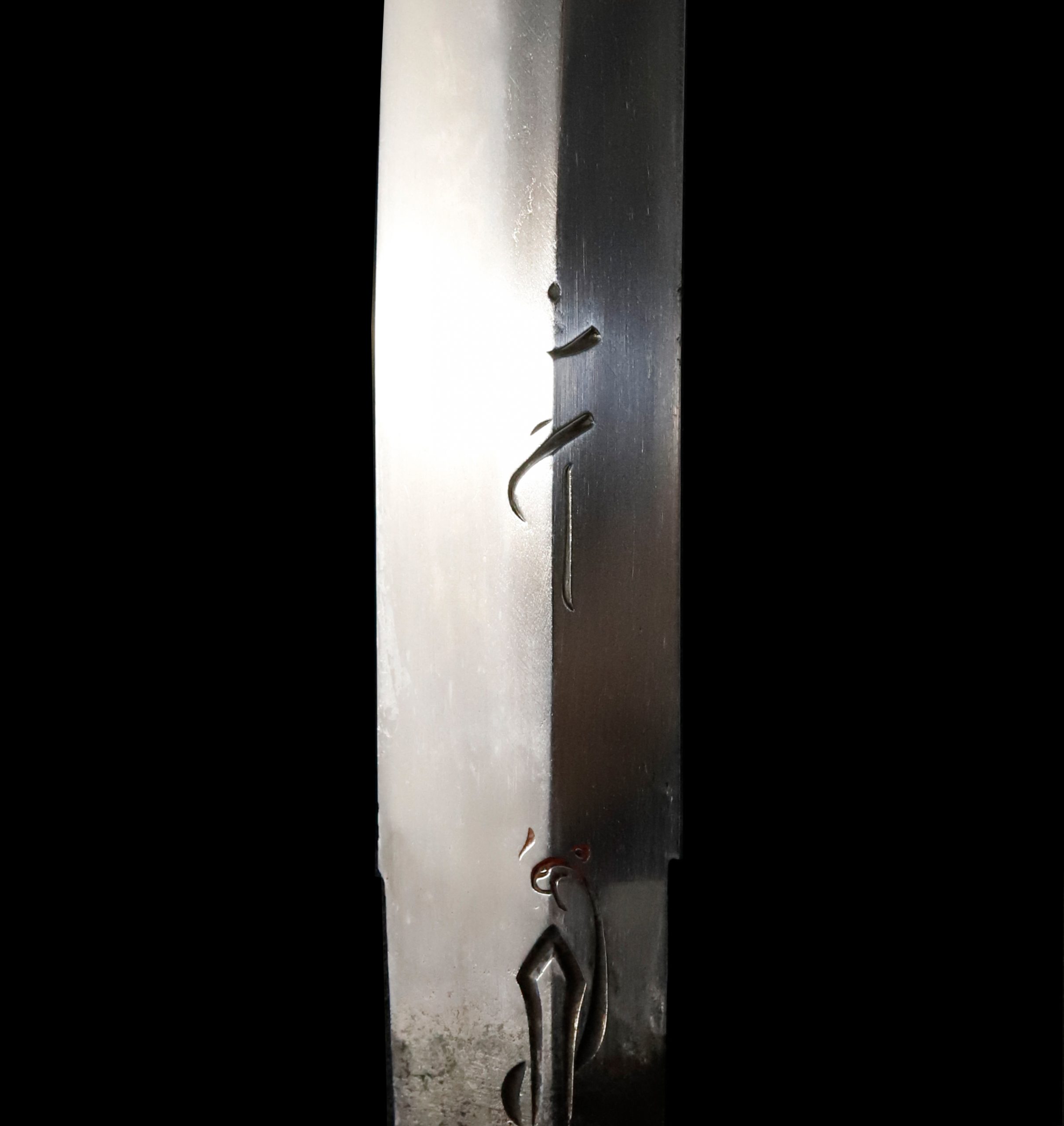
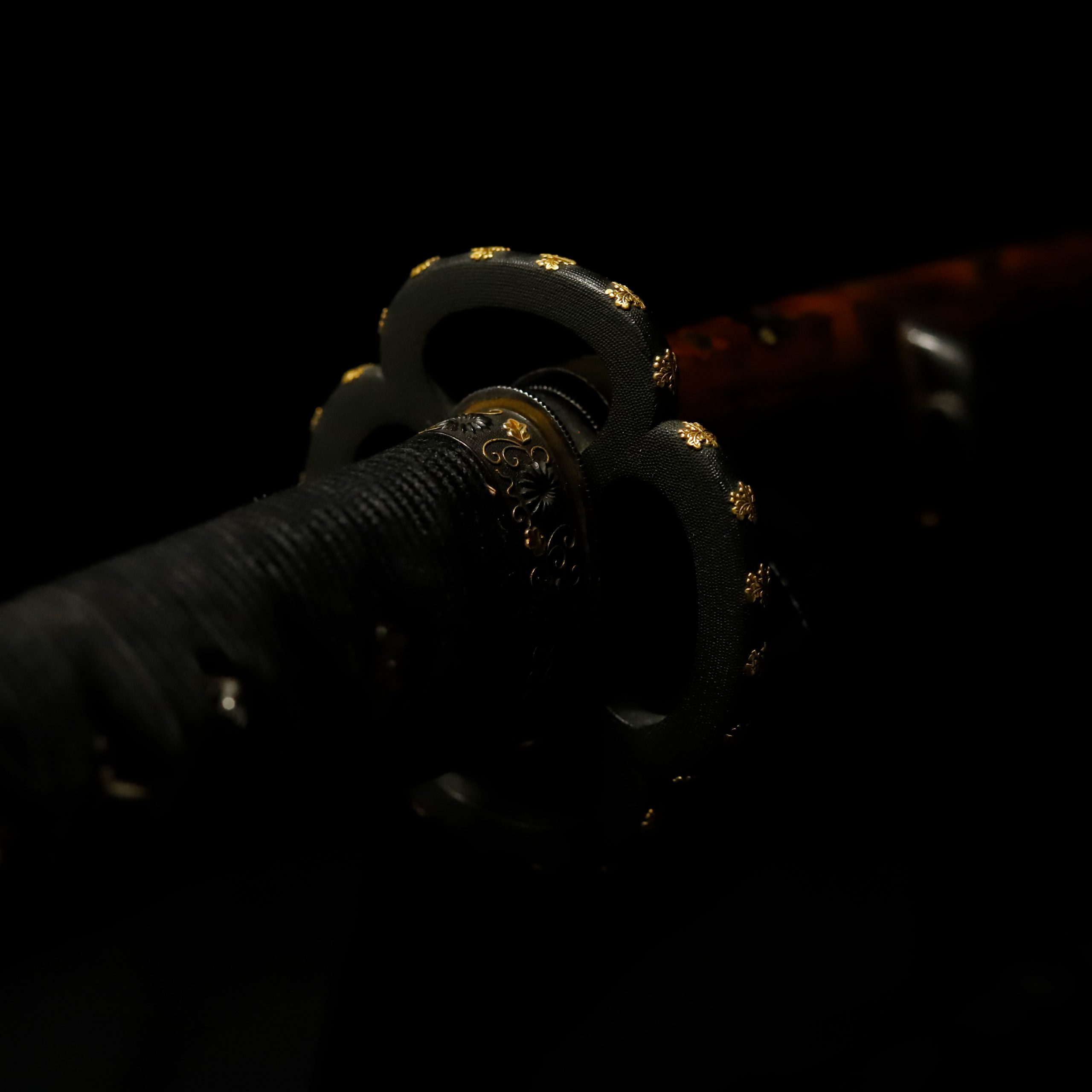
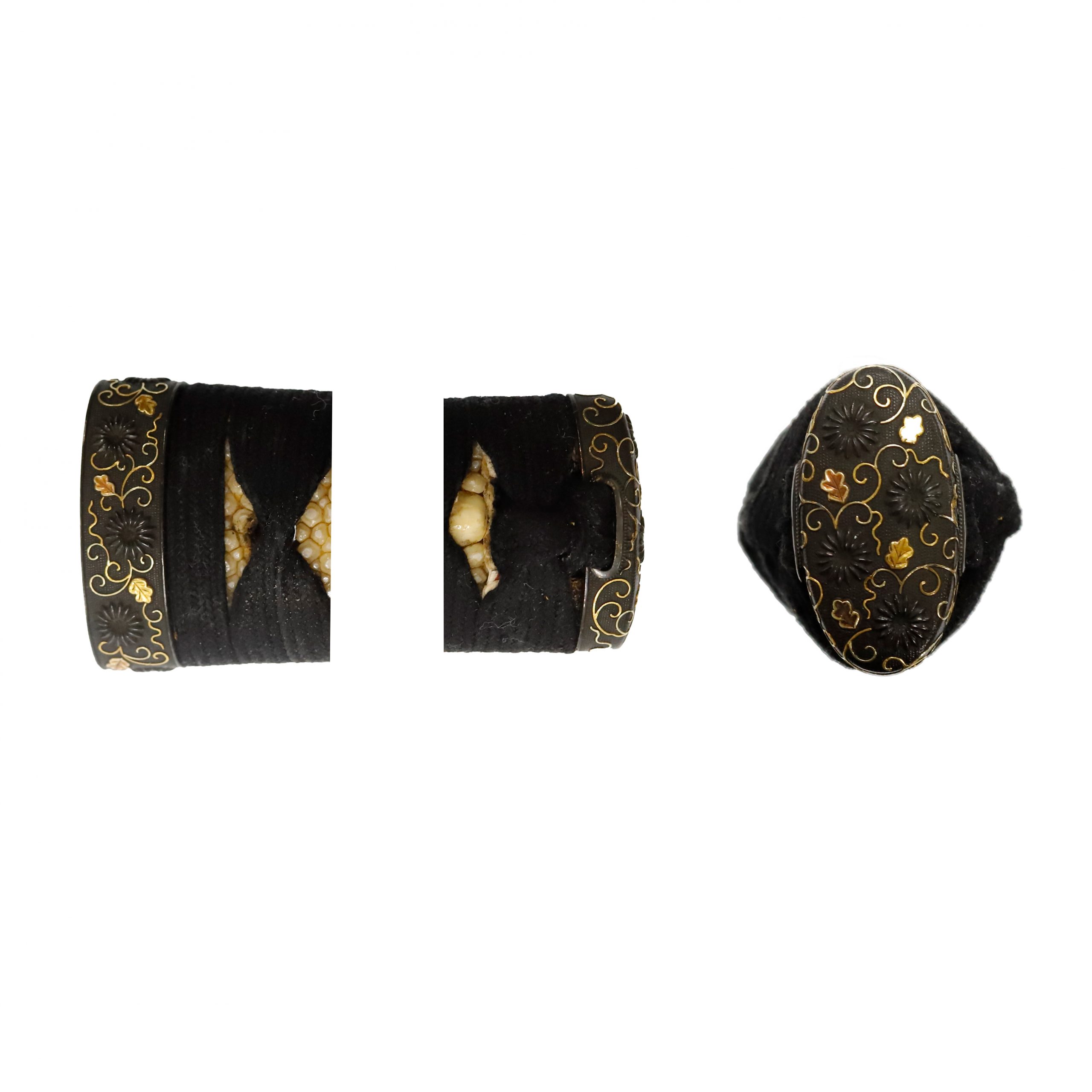
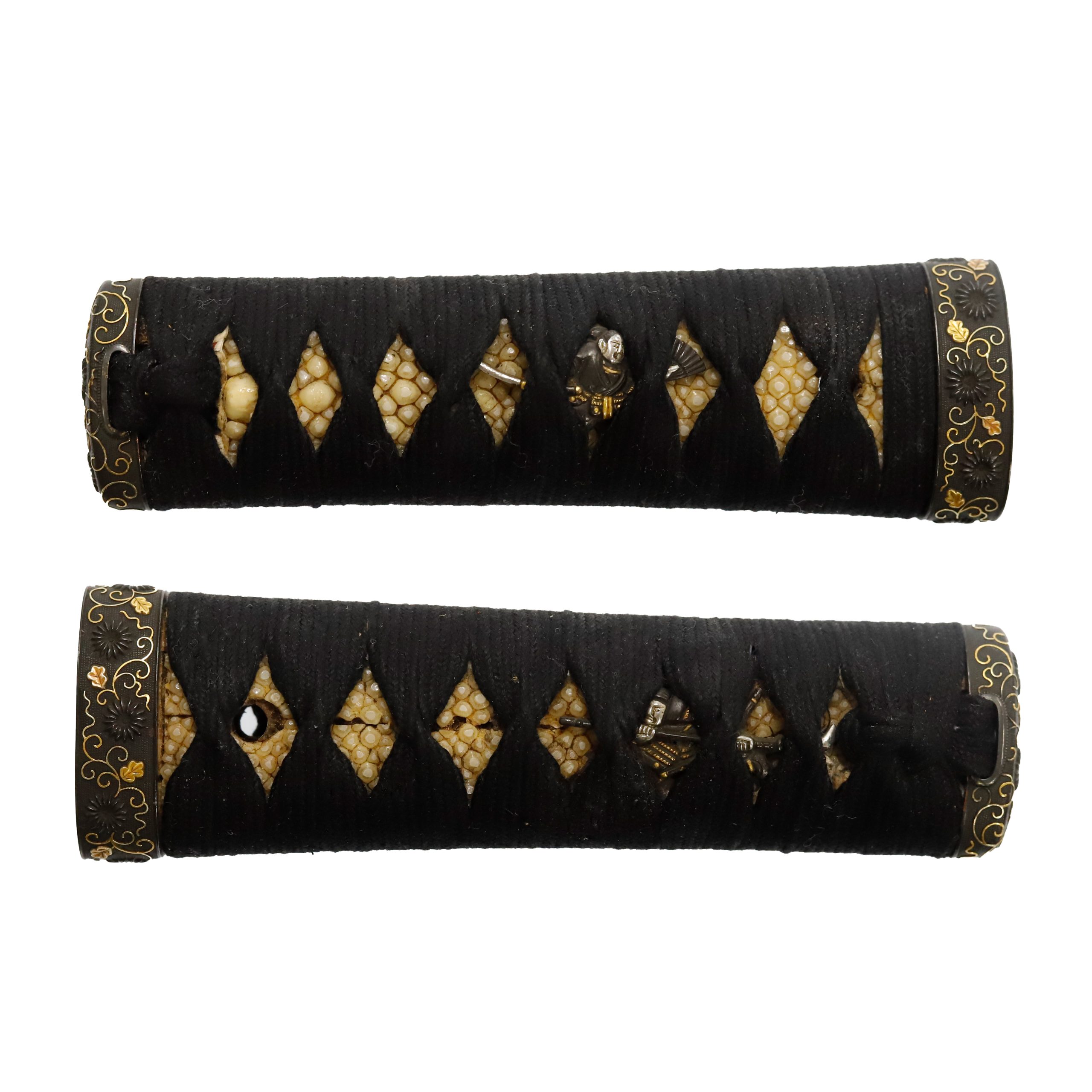
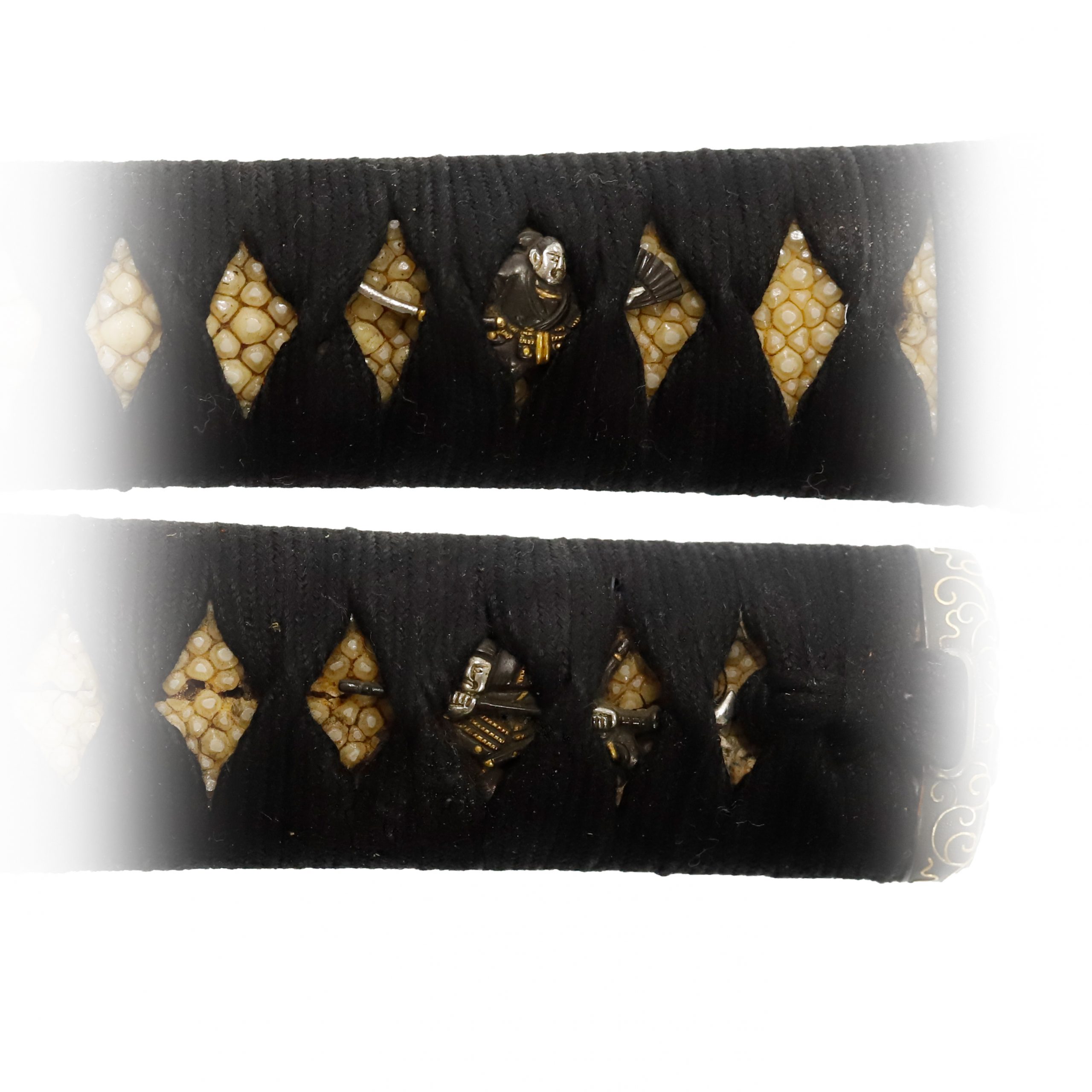
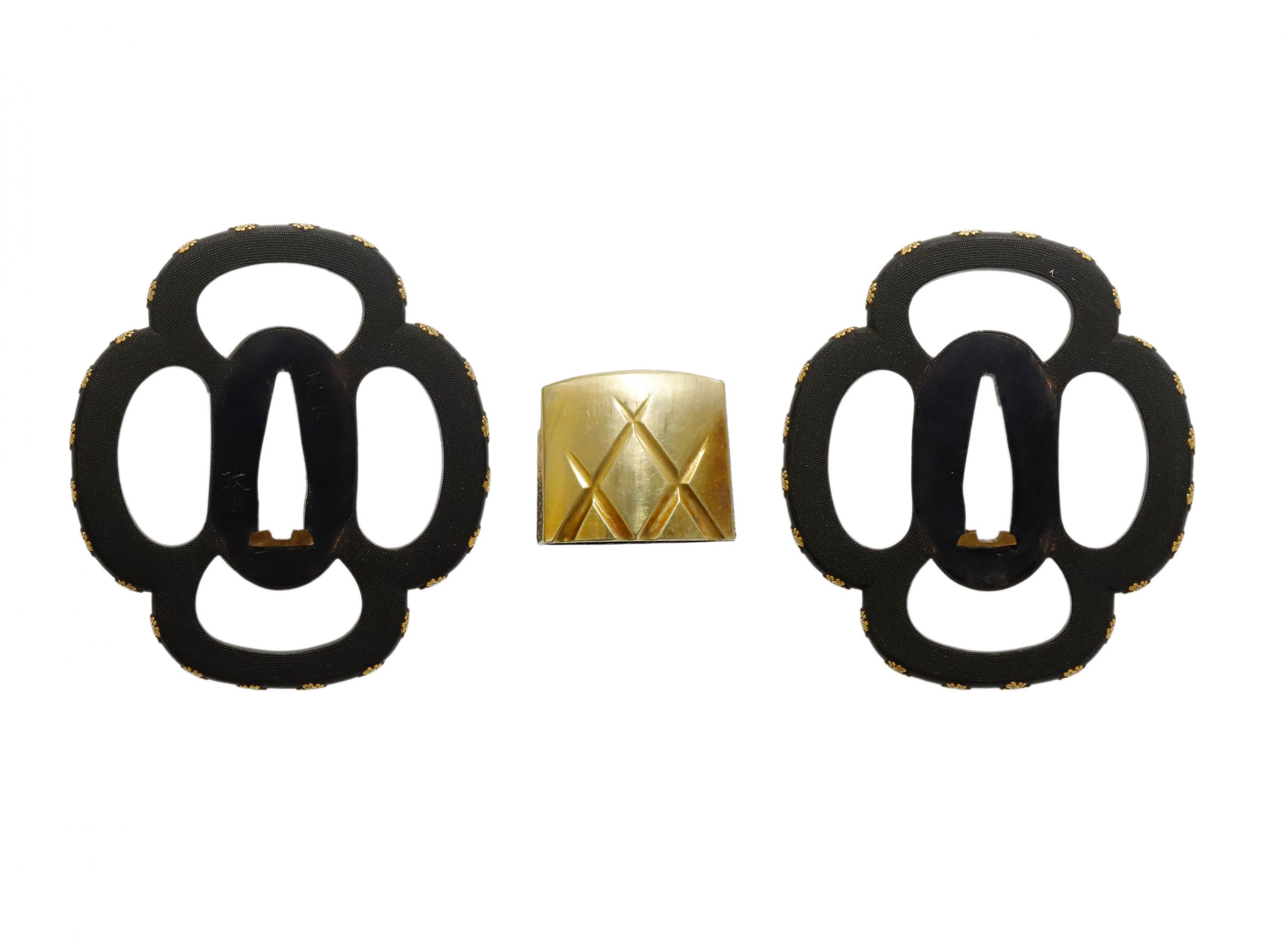
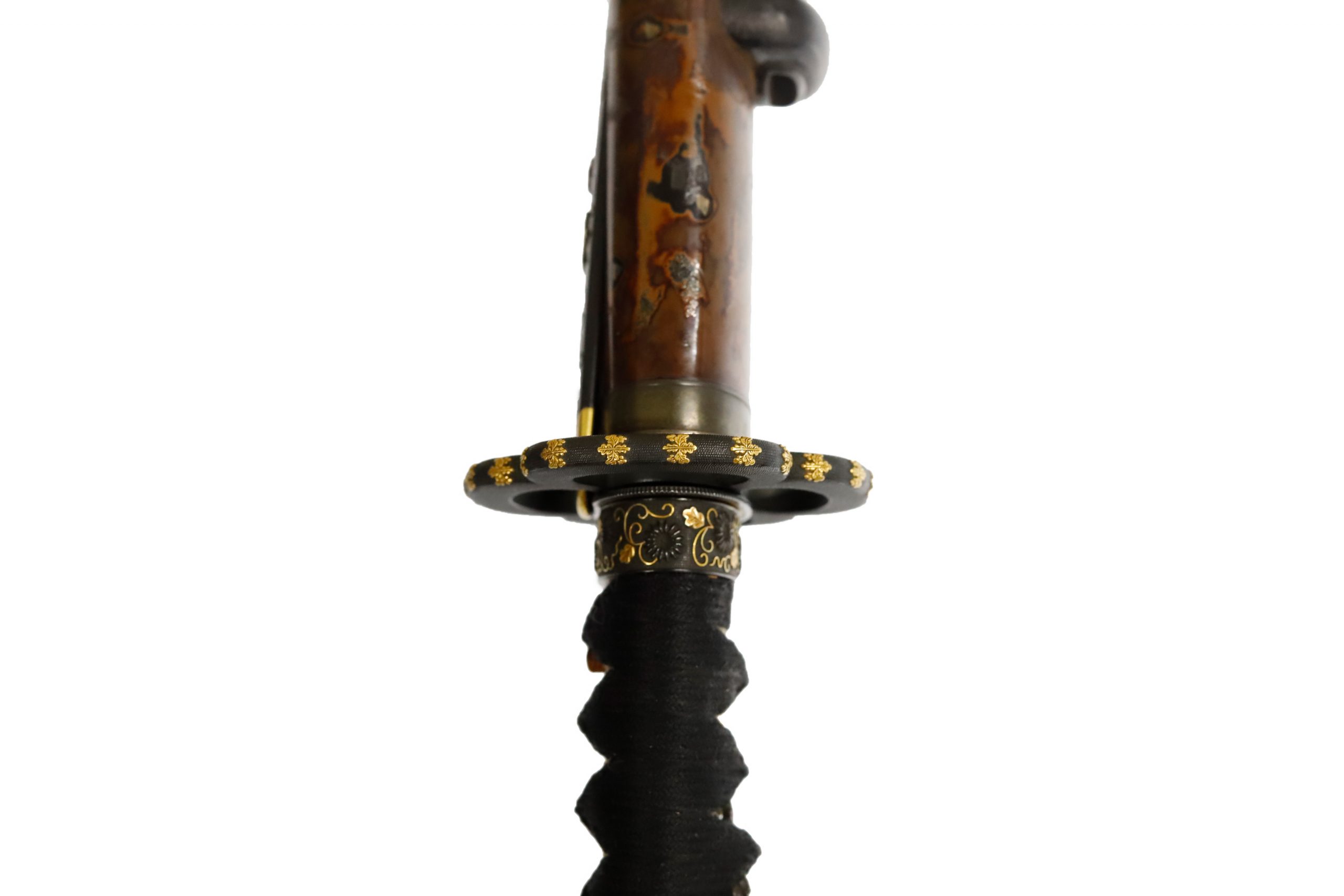
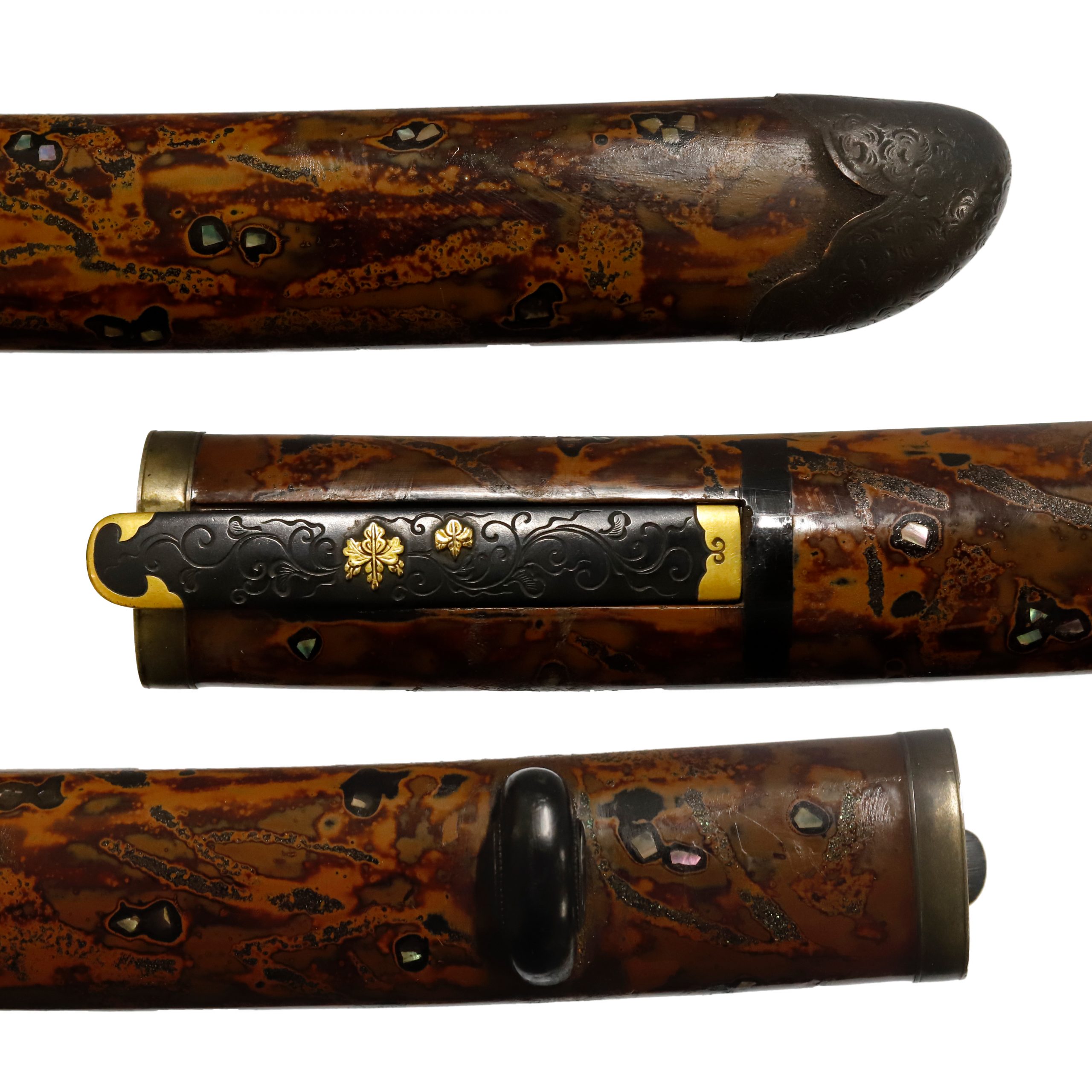
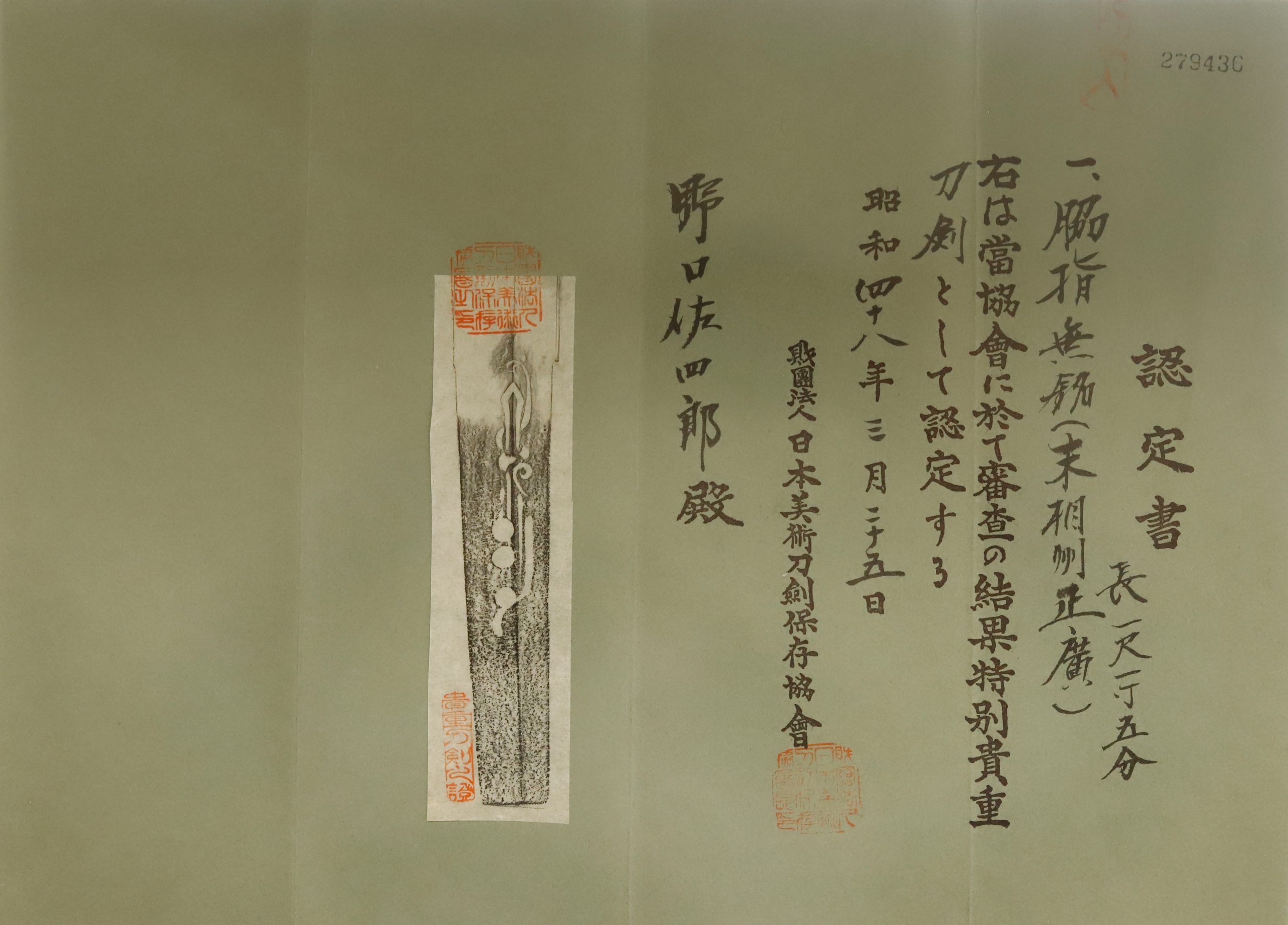
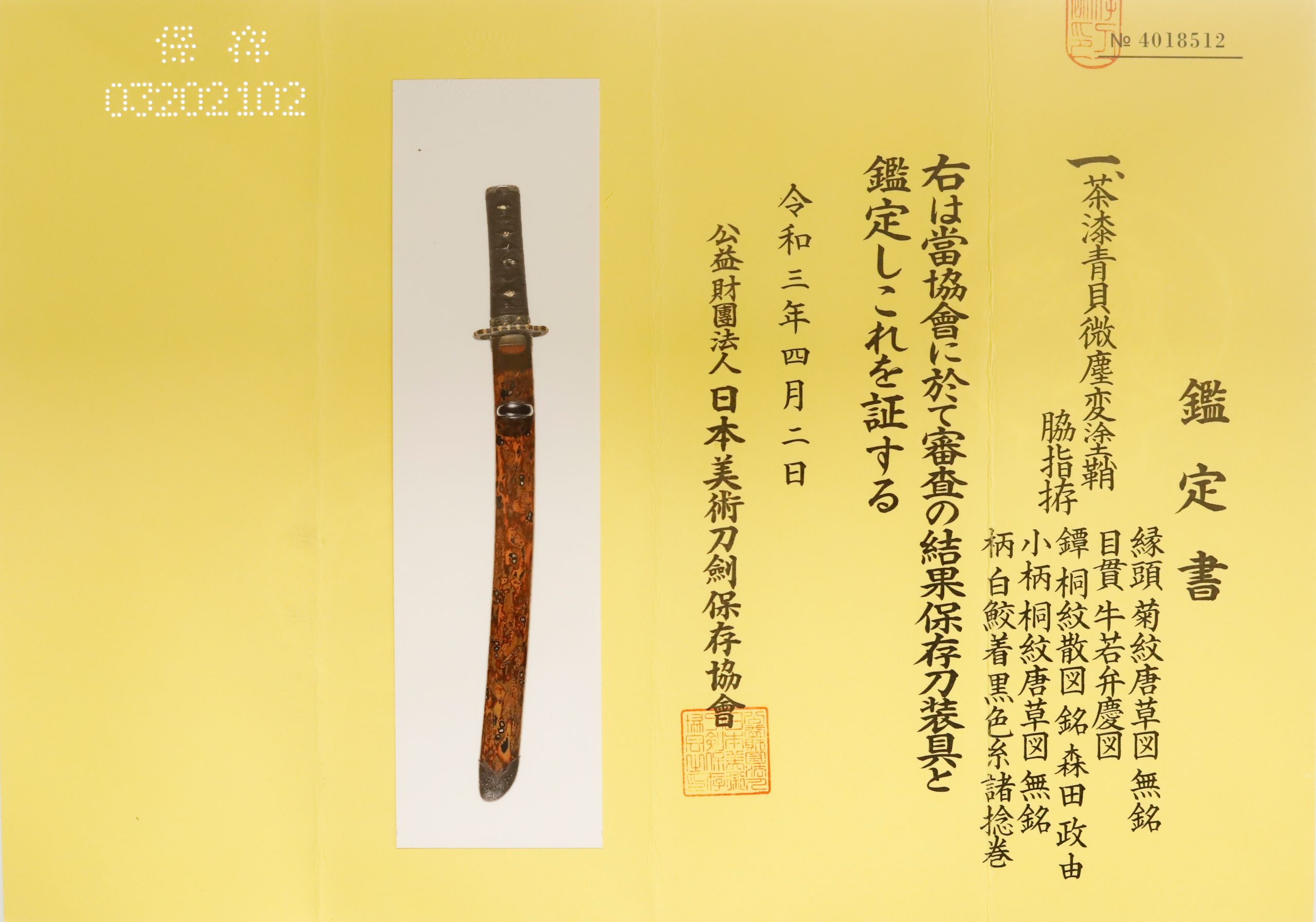
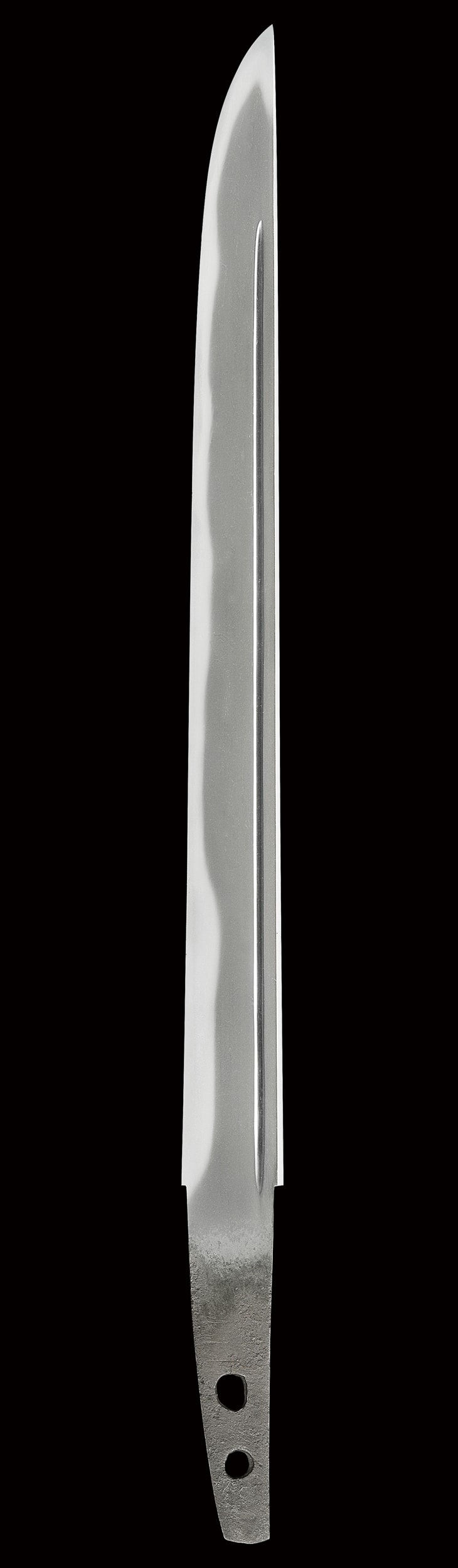
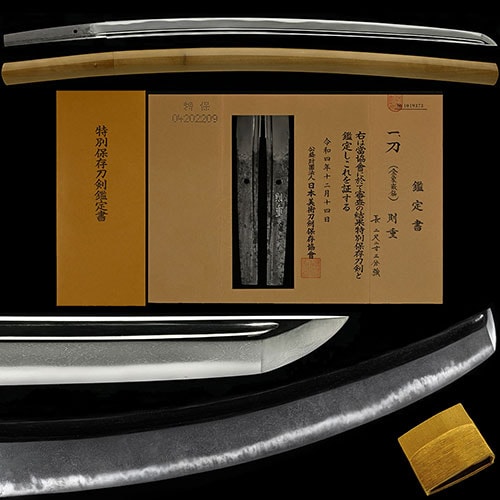
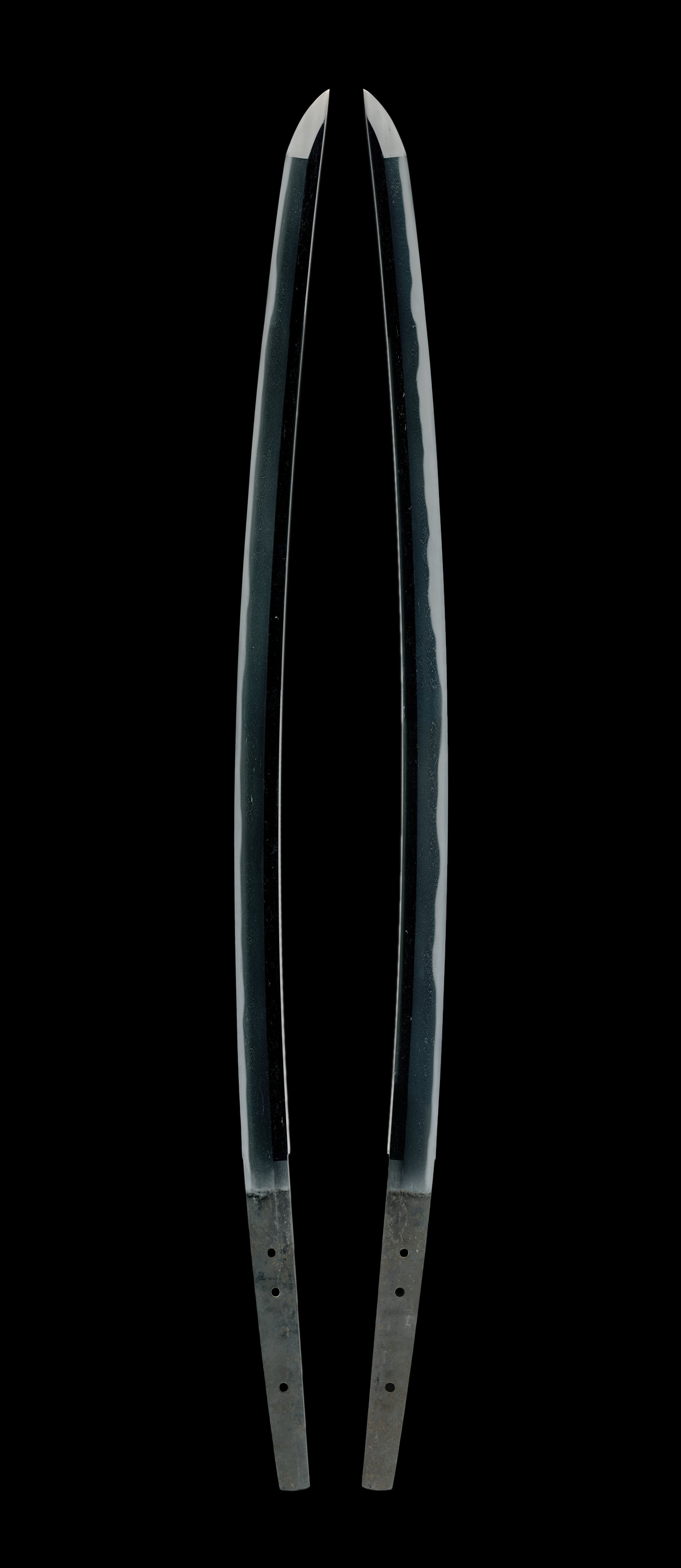
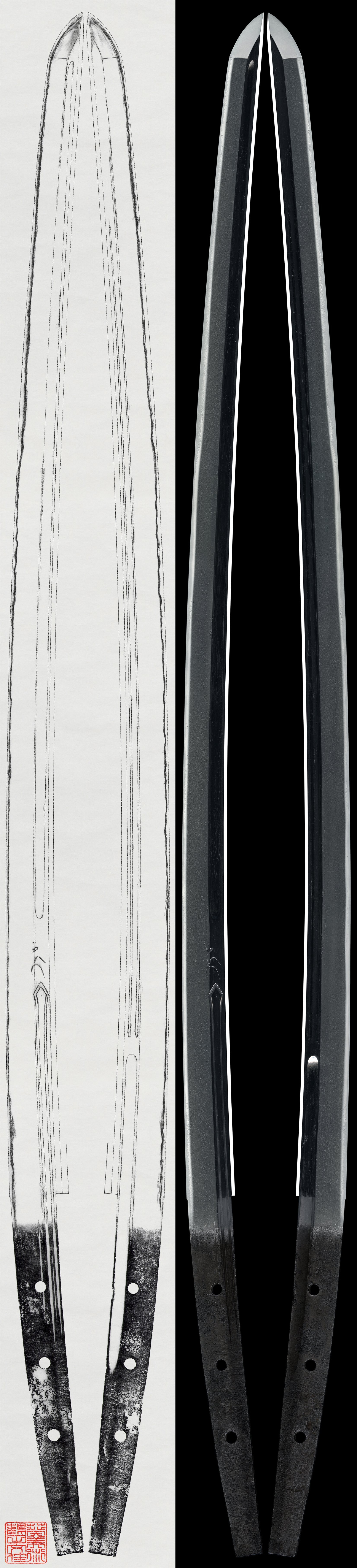
Antique Japanese Sword Wakizashi Attributed to Masahiro with NBTHK Tokubetsu Kicho Certificate 【Description】 About swordsmith This blade is attributed to the work of Sue Soshu Masahiro(末相州正広) by NBTHK, one of the most reputable Japanese sword appraising organizations in modern time. Sue Soshu refers to the blades forged by the swordsmiths in Sagami province during the mid-late Muromachi period(late 14th-late 16th century). According to available records, the maker’s name Masahiro lasted seventh generations from the Nanbokucho-late Muromachi period(mid 14th -late 16th century). Based on the characteristic of this blade, we assume it could have been forged by the fourth-gen Masahiro, who was active around the Kosho era(1455-1457). The first-gen Masahiro is said to have been an apprentice of Masamune, one of the most famous swordsmiths in Japanese history. Masahiro served the Hojyo clan during Sengoku Jidai(Warring state period) to meet the high demand for weapons. Masahiro was one of the most famous swordsmiths who mastered Soshu traditions(Soshu DEN) along with Sadamune, Hiromitsu Masamune. Soshu Den The foundation of Soshu traditions (Soshu DEN) dates back to the establishment of the Kamakura government(1185-1333). The Shogun at the time, Hojo Tokiyori, gathered swordsmiths of Yamashiro-Den and Bizen-Den to create a new tradition named Soshu-Den. Following the Mongolian Invasion caused in 1274 and 1281, they had to improve the strength of their swords. Skilled swordsmiths such as Shintougo Kunimitsu, Yukimitsu, and Masamune pursued their craft to bring Soshu-Den to the exquisite level, achieving both beauty and practicality that they had not seen before. Horimono This blade also has Horimono(the inscription) of Sanscrit letter and Kurikara Ken. Kurikara-Ken (倶利伽羅剣) is the sword that Fudo Myo-O (不動明王, acalanātha) holds with his right hand(you can see it on the tang part). Fudo Myo-O is one of the objects of worship in Buddhism. According to a theory, it is the incarnation of Dainichi Nyorai (大日如来, Mahāvairocana, the principal image of esoteric Buddhism). Kurikara-ken was named due to its appearance that Kurikara Ryu-O (倶利伽羅龍王, dragon) is winding around the sword. It is believed Kurikara-Ken could cut off worldly desires: Sandoku (三毒). Sandoku is the three fundamental earthly desires; Ton (貪, greed), Jin (瞋, anger, grudge), Chi (癡, delusion, complaint). Construction of this blade The construction of this blade is called Osoraku Zukuri. It has a very long tip whose length is close to the rest of the cutting edge in the sword. This construction has been very popular among Japanese sword collectors because of its elegant yet muscular appearance. Please keep in mind that there is a partial black rust on Mune area(back bone of the blade). If you like to know the detail condition, please feel free to contact us. 【 Blade】 Cutting Edge Length(Nagasa) : 33.6 cm (13.2 inches) Curvature(Sori) : 1.66 c m(0.65 inches) Hamon: The crystalline structure which forms along the cutting edge of a blade as a result of the hardening process Jimon(Jihada): visible steel surface pattern created by folding and hammering during forging process Nakago : Nakago is the tang of the Japanese sword. Japanese swordsmiths left the black rust on the tang on purpose to prevent red rust while the tang is in its handle. And the discoloration of the tang was created over time, which is a great indicator for a Japanese sword specialist to estimate when the sword was forged. Horimono: Horimono is an inscription or sculpture on Japanese swords. Koshirae: Koshirae is the mounting of the Japanese sword. There are several parts that consist of Koshirae such as Saya(Scabbard), Tsuka( Handle), Tsuba(Handguard). Fuchi-Kashira : A pair of matching sword fittings that cover the upper and bottom parts of its sword hilt. The Kiku Mon (菊紋, chrysanthemum pattern) and the Karakusa Zu (唐草, arabesque motif) are designed for this Fuchi Kashira. Chrysanthemums are engraved semi three-di

Antique Japanese Sword Wakizashi Attributed to Soshu Masahiro NBTHK Tokubetsu Kicho Certificate
売切れ
Tokubetsu Kichō歴史的認定(1982年以前)売切れ

Antique Japanese Sword Wakizashi Attributed to Soshu Masahiro NBTHK Tokubetsu Kicho Certificate

脇差

売却済

世界81社の刀剣商を横断追跡 · 価格履歴 · 売却アーカイブ

刀工

Masahiro

流派

Soshu

時代

Muromachi

仕様

長さ

33.6 cm

反り

1.66 cm

作者について

Sue-Soshu Masahiro正廣

1 重要美術品7 重要刀剣

相州住正広は、南北朝時代から室町時代にかけて相州鎌倉で活躍した刀工である。初代は貞治年間(1362-1368)に年紀のあるものが確認されており、室町時代末期まで四、五代続いたとされる。銘鑑には正宗の門人と記載されることもあるが、年代的に考慮すると正宗との直接的な師弟関係は疑問視され、間に一人を介在させる必要があろう。作風から広光、秋広との関連性も指摘されている。政広と銘を切る刀工も存在する。 正広の作風は、板目肌に地沸がよくつく地鉄に特徴がある。刃文は、互の目乱れを基調とし、丁子刃、小湾れなどが交じる。飛焼、湯走り、金筋、砂流しが見られるものもあり、皆焼風となる作もある。帽子は乱れ込み、尖りごころに返るもの、掃きかけて小丸ごころに返るものなどがある。姿は、平造、鎬造があり、寸延びで身幅が広く、重ね薄く、反りの浅いものが多く見られる。彫物は、倶利迦羅、梵字、三鈷剣などを表裏に施す。茎は生ぶが多く、先栗尻、鑢目は切り、勝手下りがある。銘は指表の目釘孔の下、棟寄りに五字銘を切るものが多い。「相州住」と在銘するものが多いが、「鎌倉住」と切るものもある。 正広の刀は、地刃の出来が優れ、彫物も見事であると評される。健全なものが多く、資料的価値も高い。南北朝時代の年紀のあるものは珍重される。各代の区別は明らかではないものの、室町時代の相州物の典型として位置づけられている。

刀剣商

サムライミュージアム

samuraimuseum.jp

売切れ