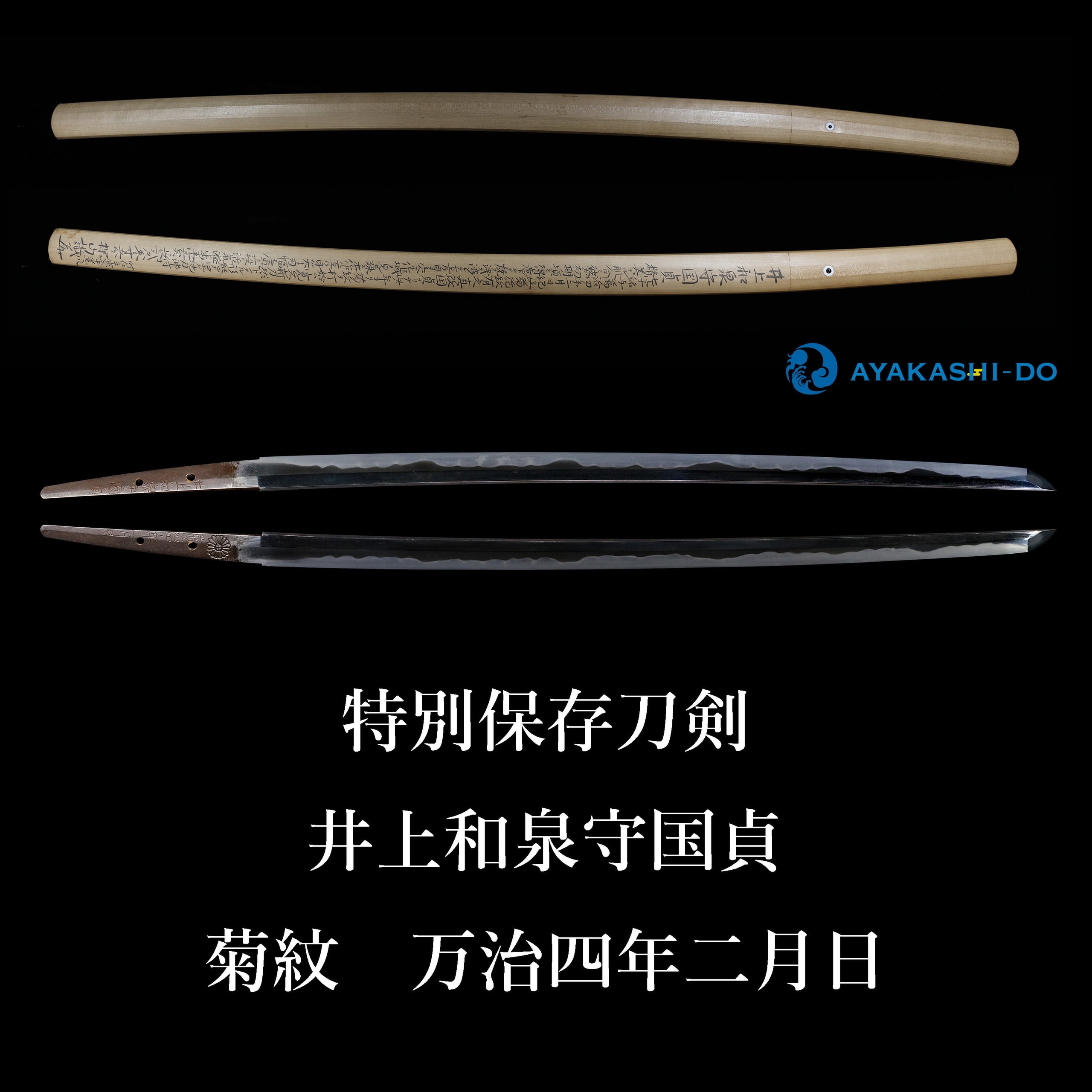
新刀の時代は、その大部分が京都で発明された。埋忠明寿の工房が運動を育て、堀川国広が一世代を鍛え、鎚を持たぬ本阿弥家が名刀の意味を司った。
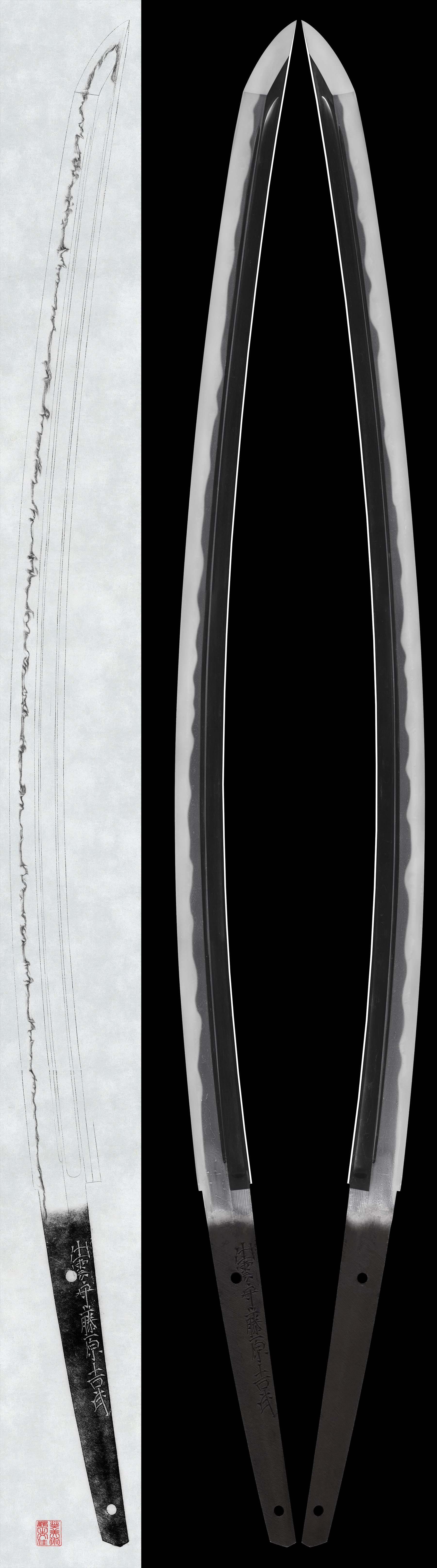
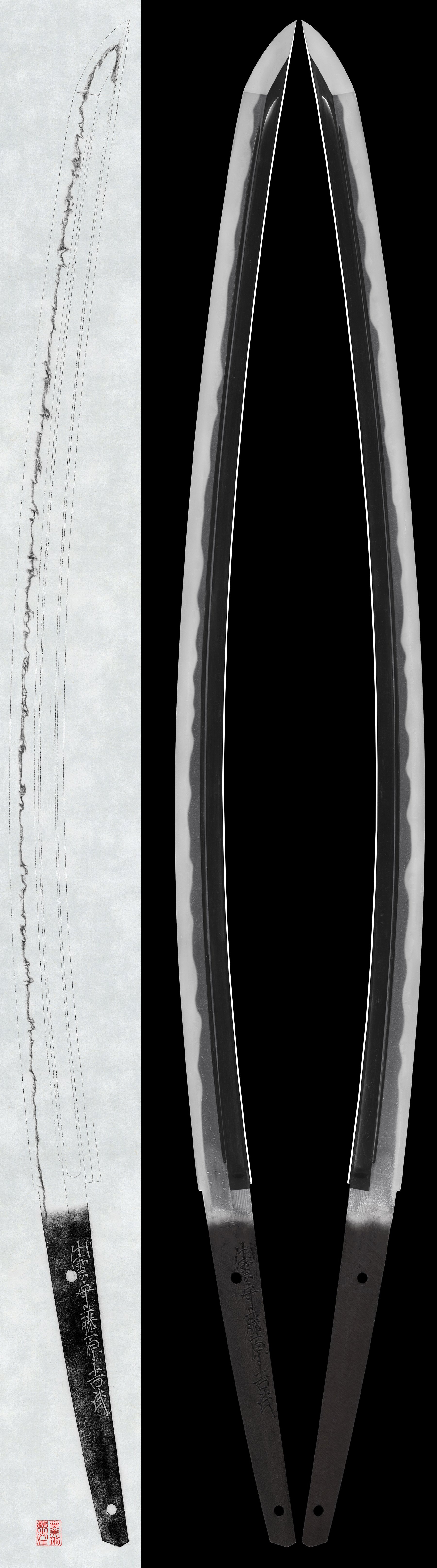
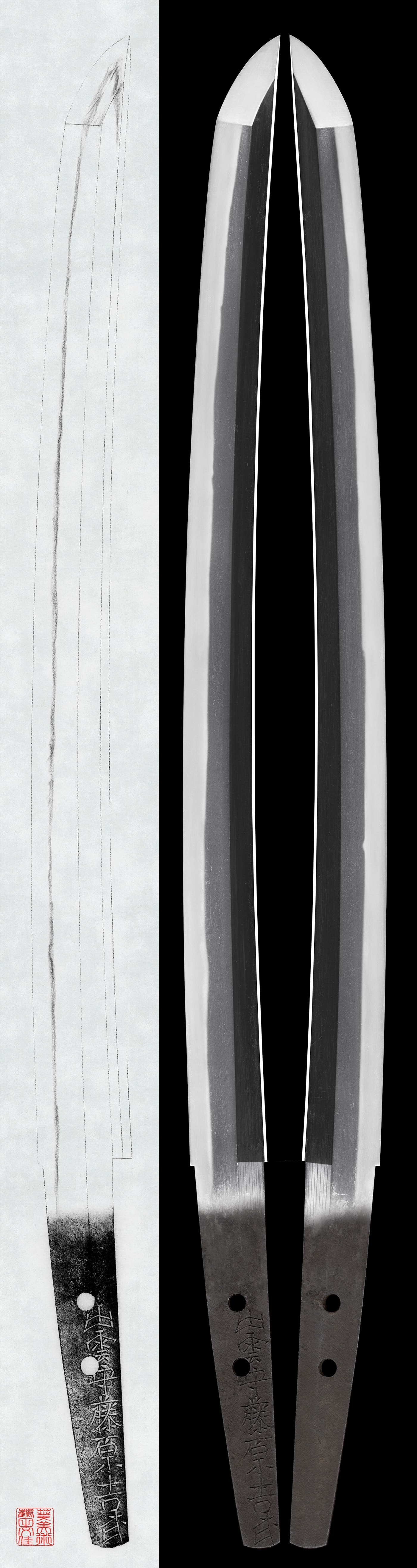
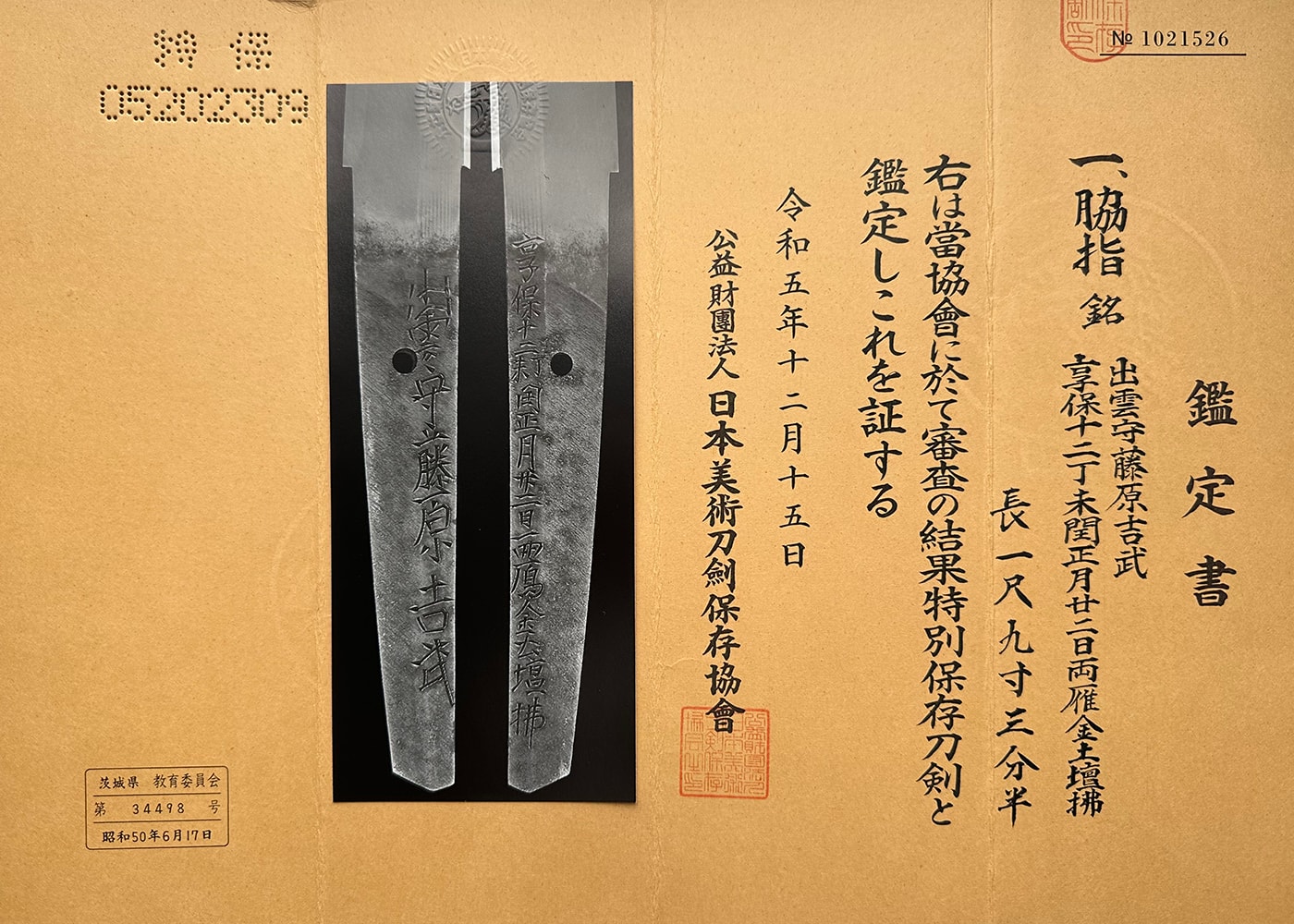
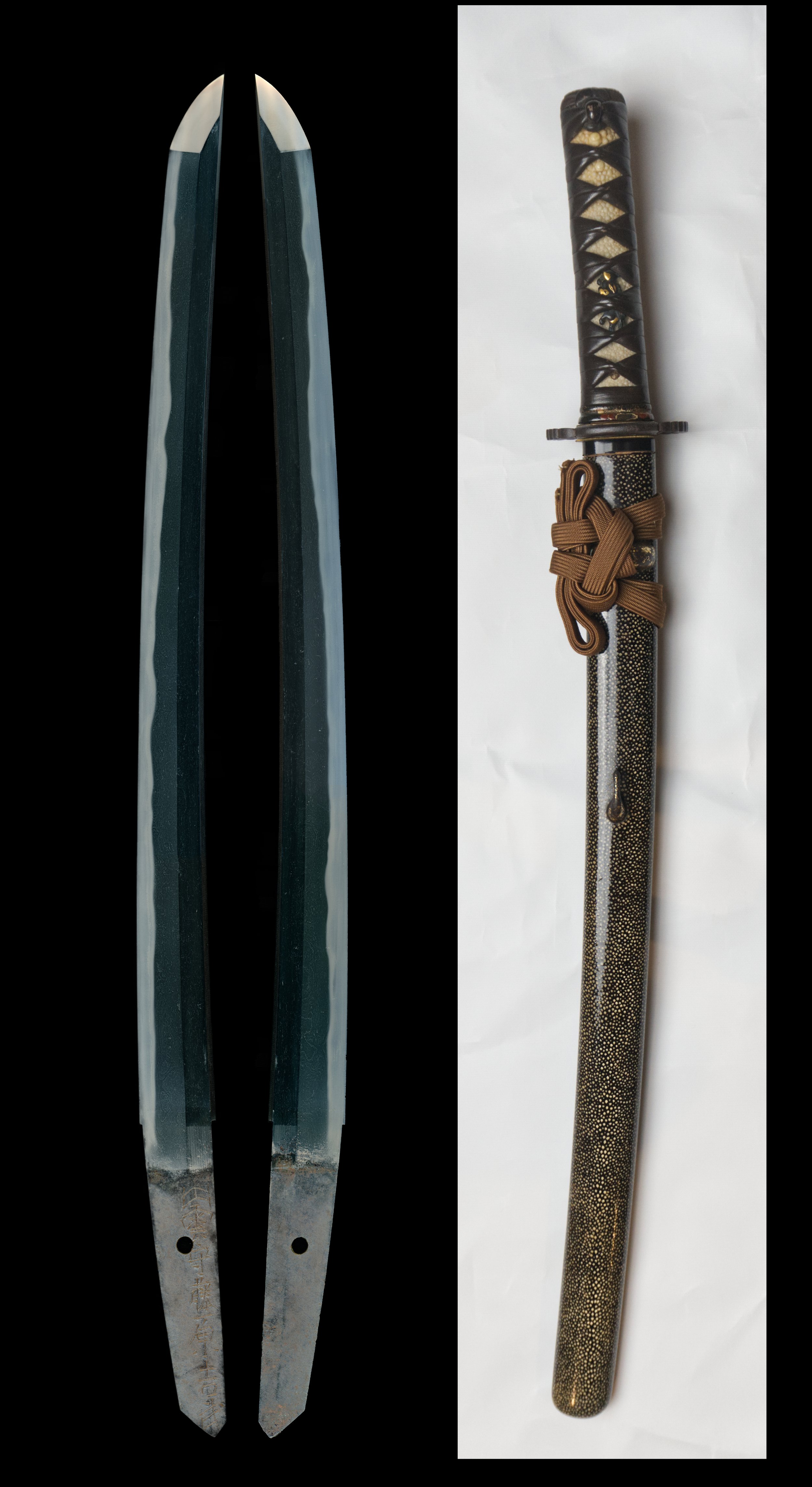
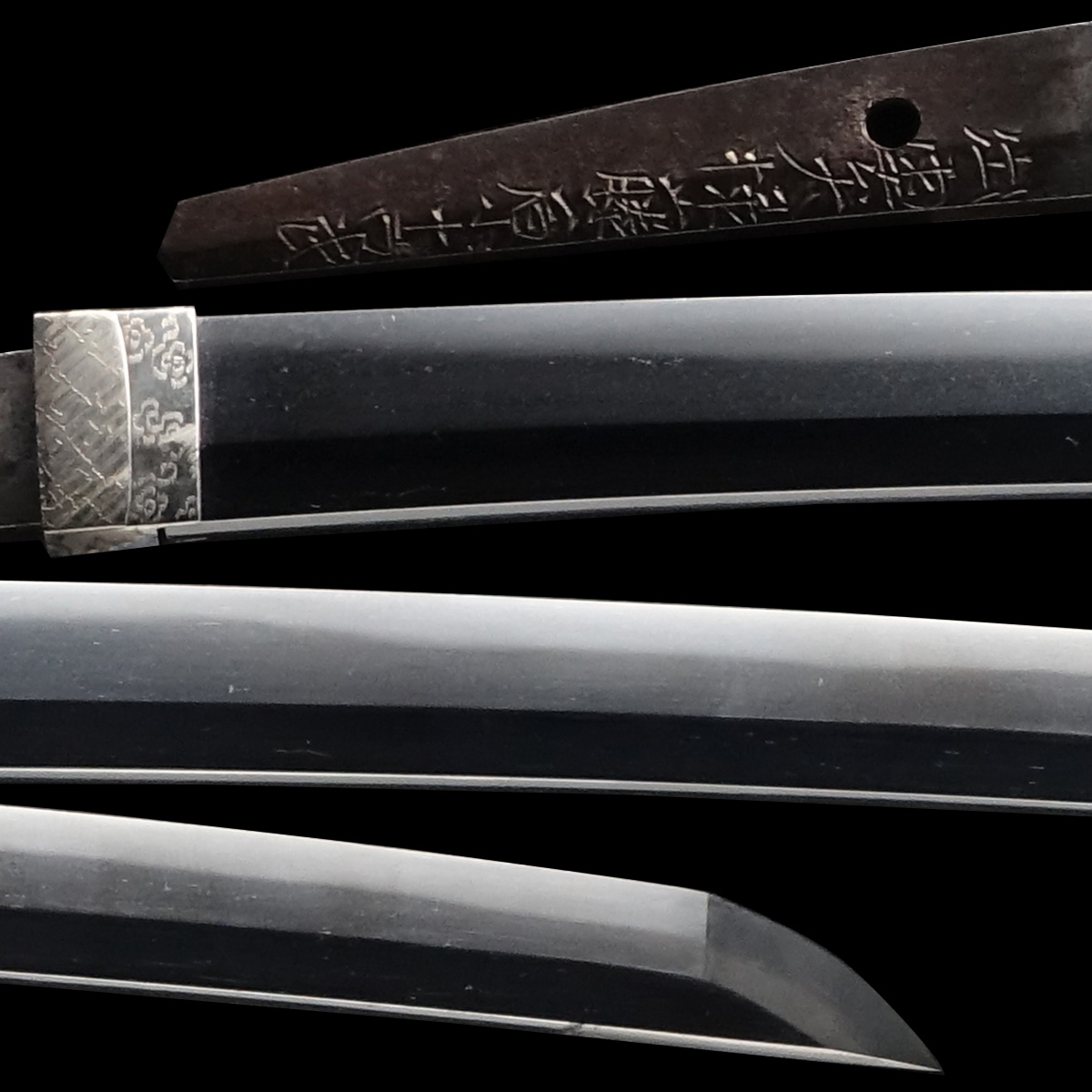
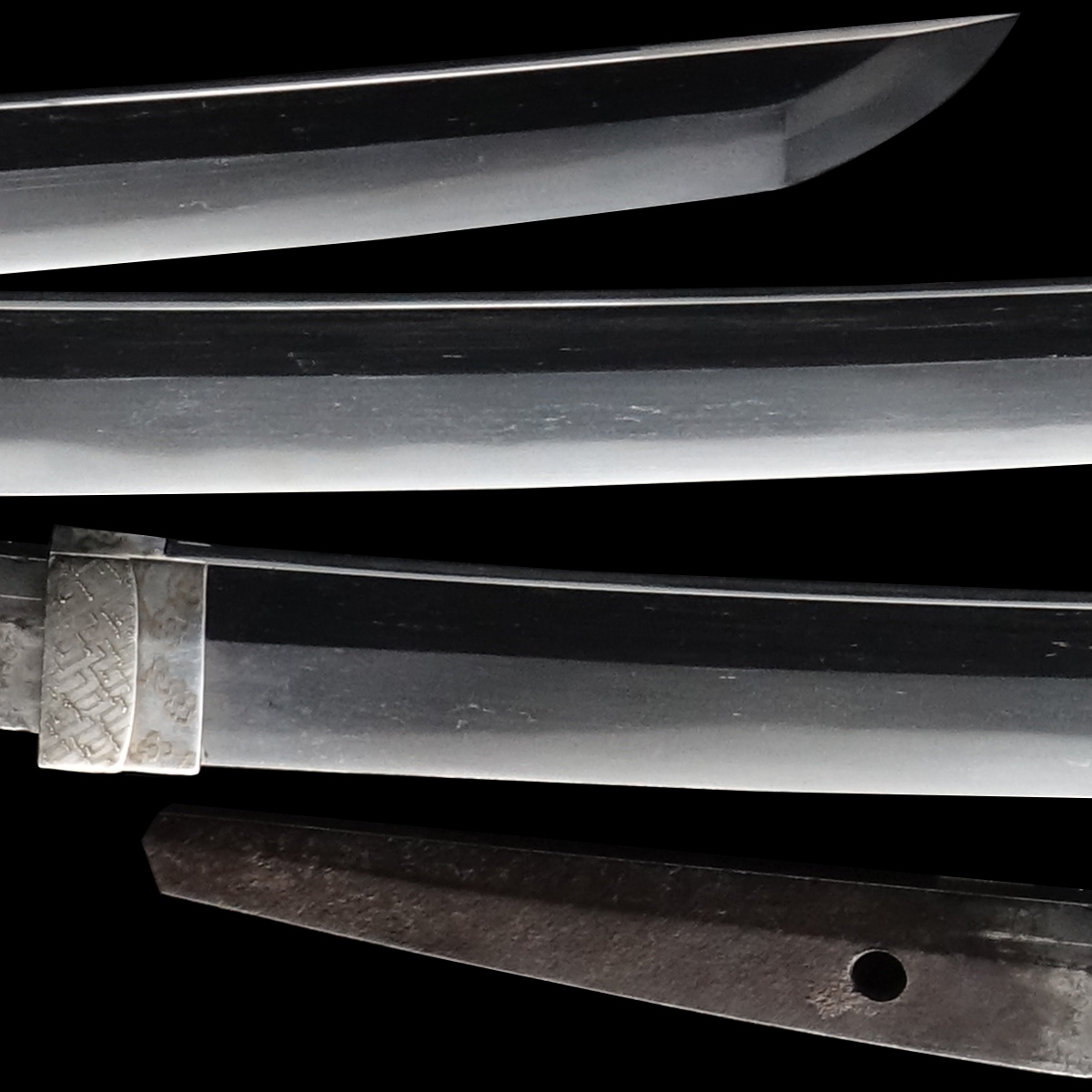
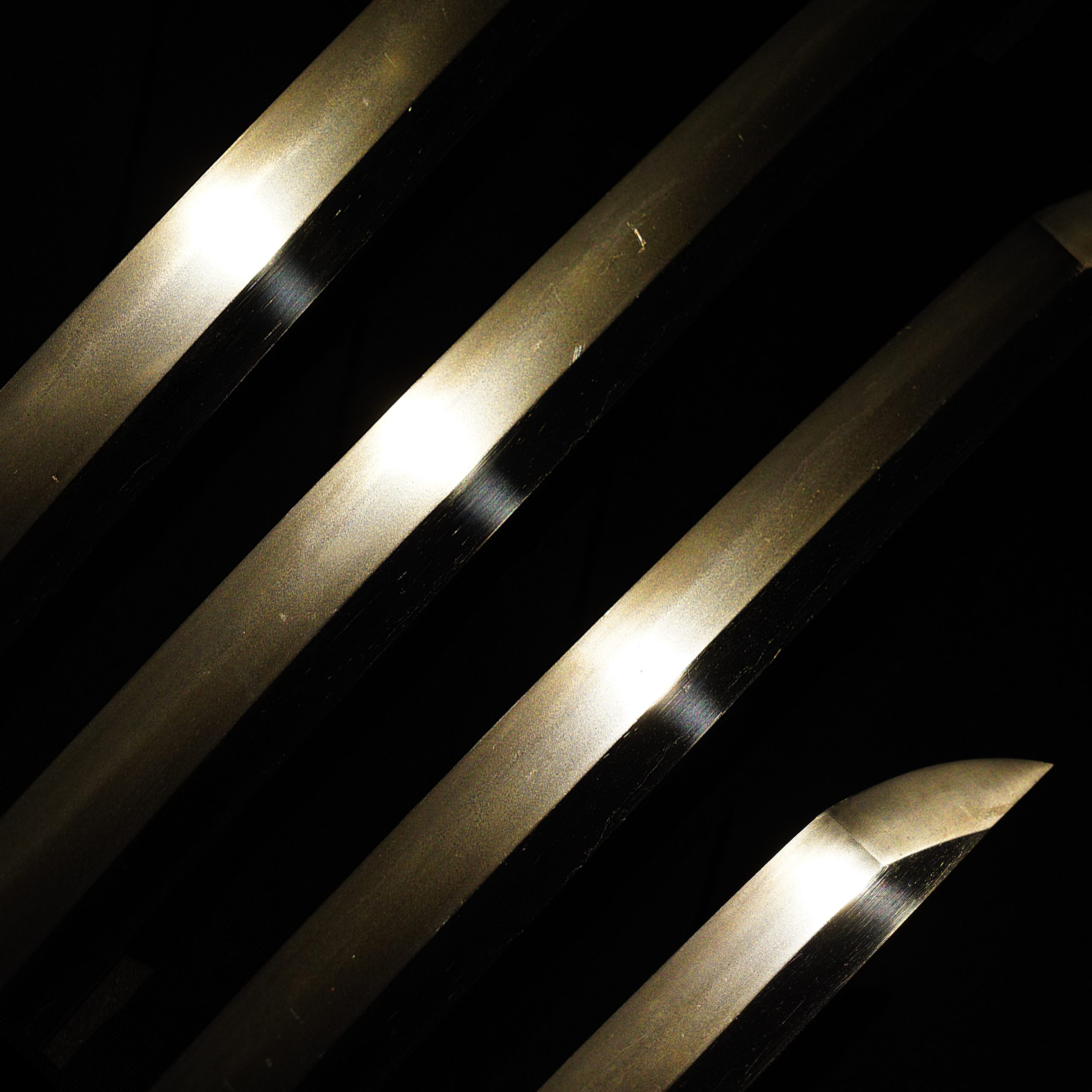
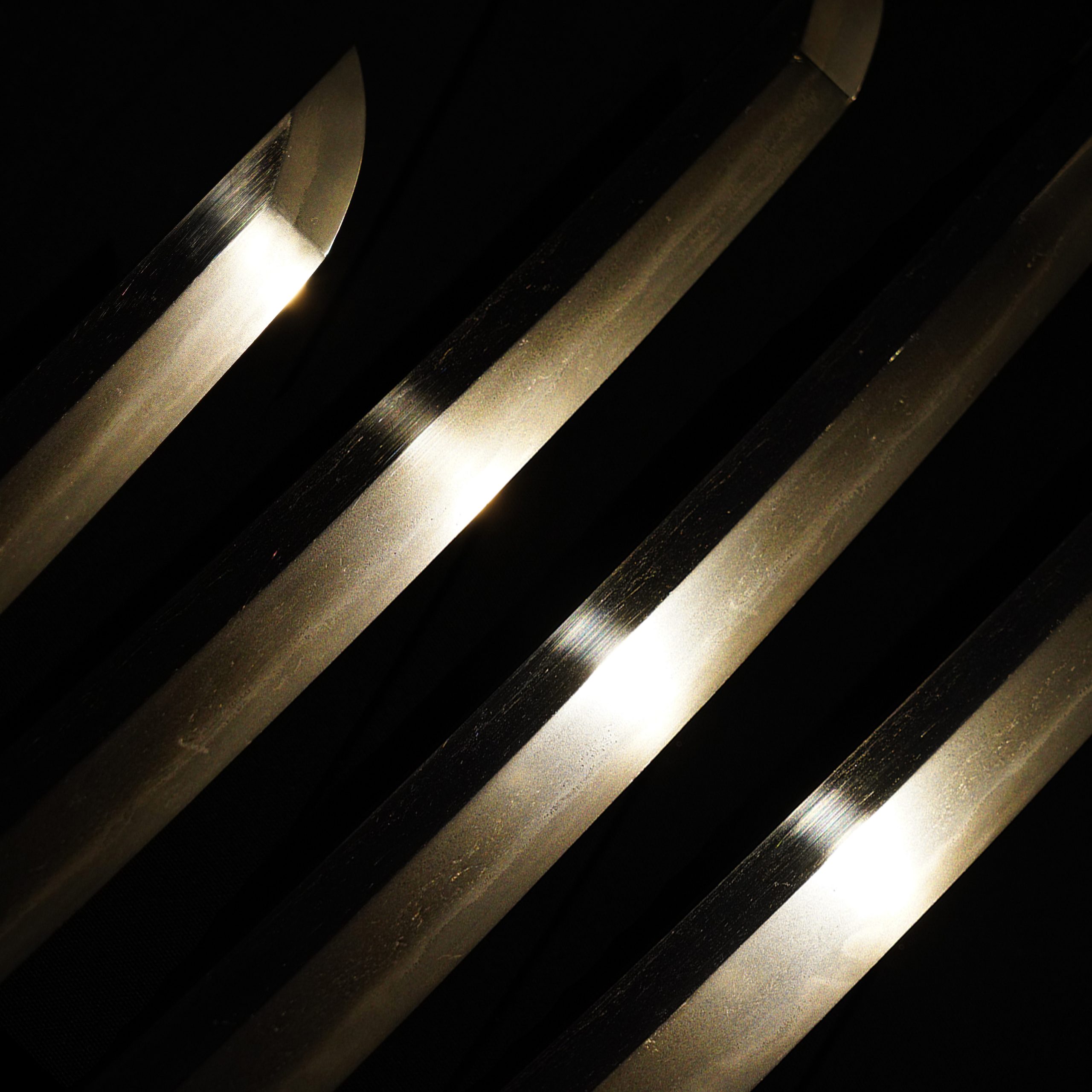
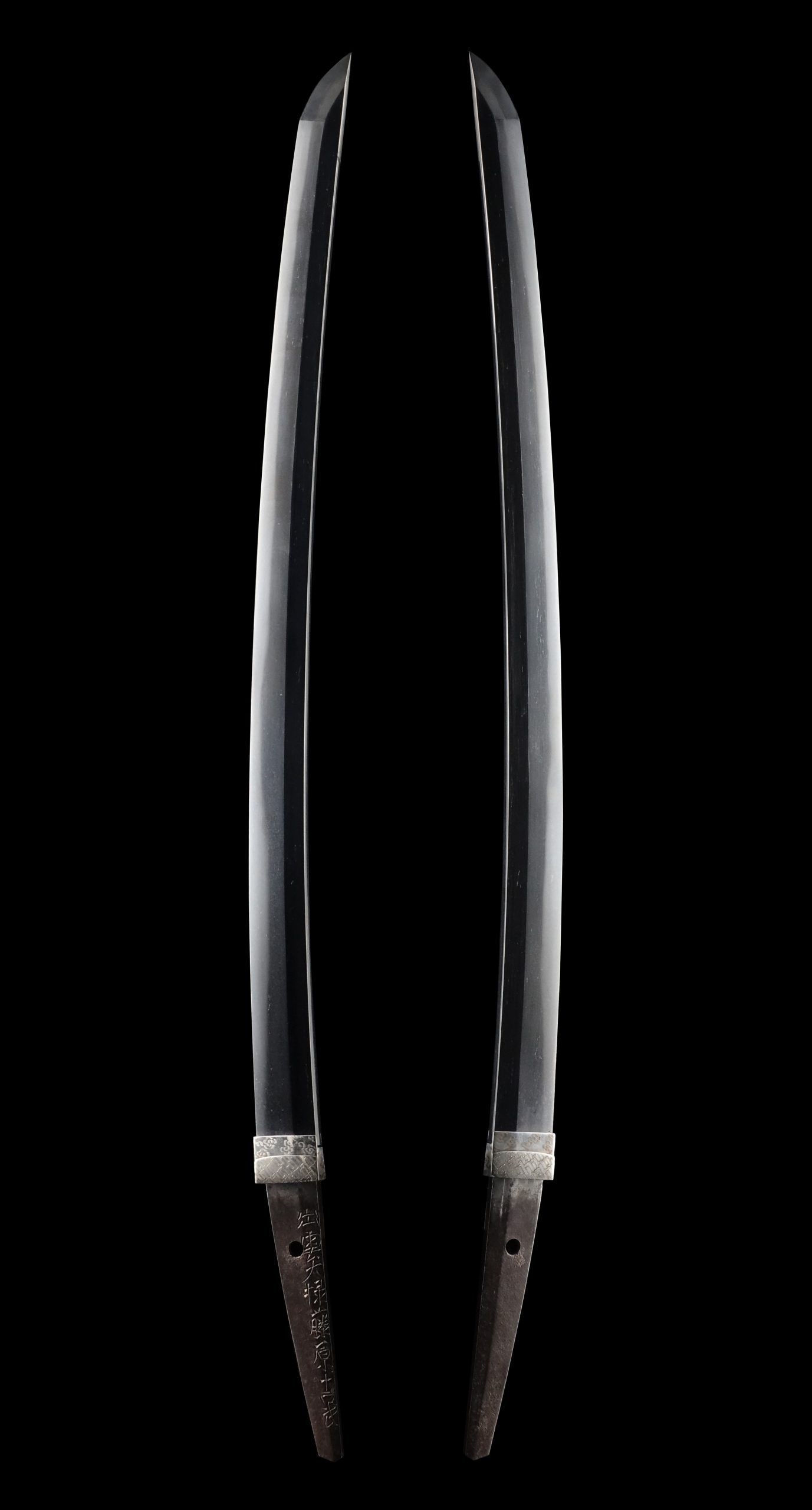
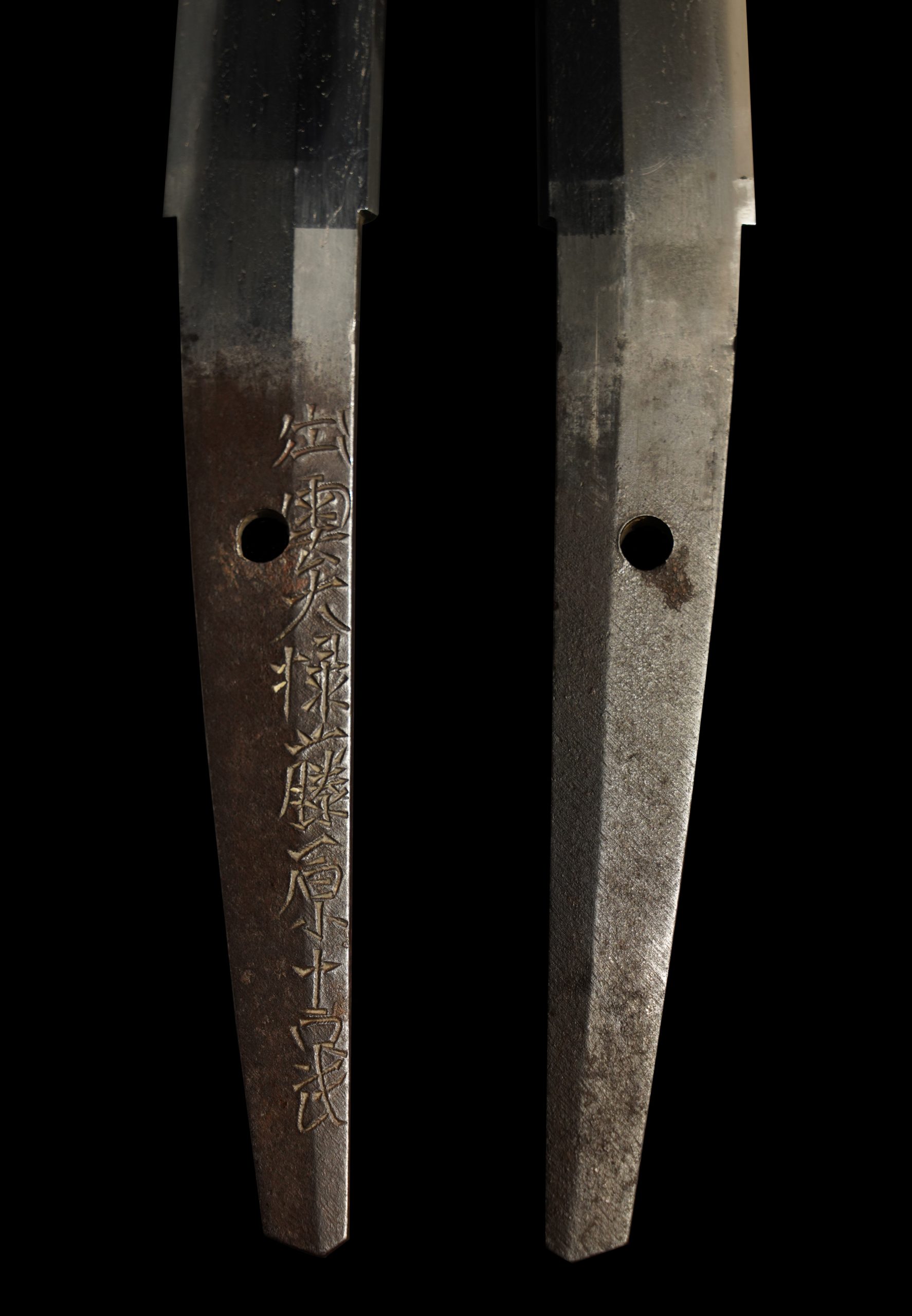
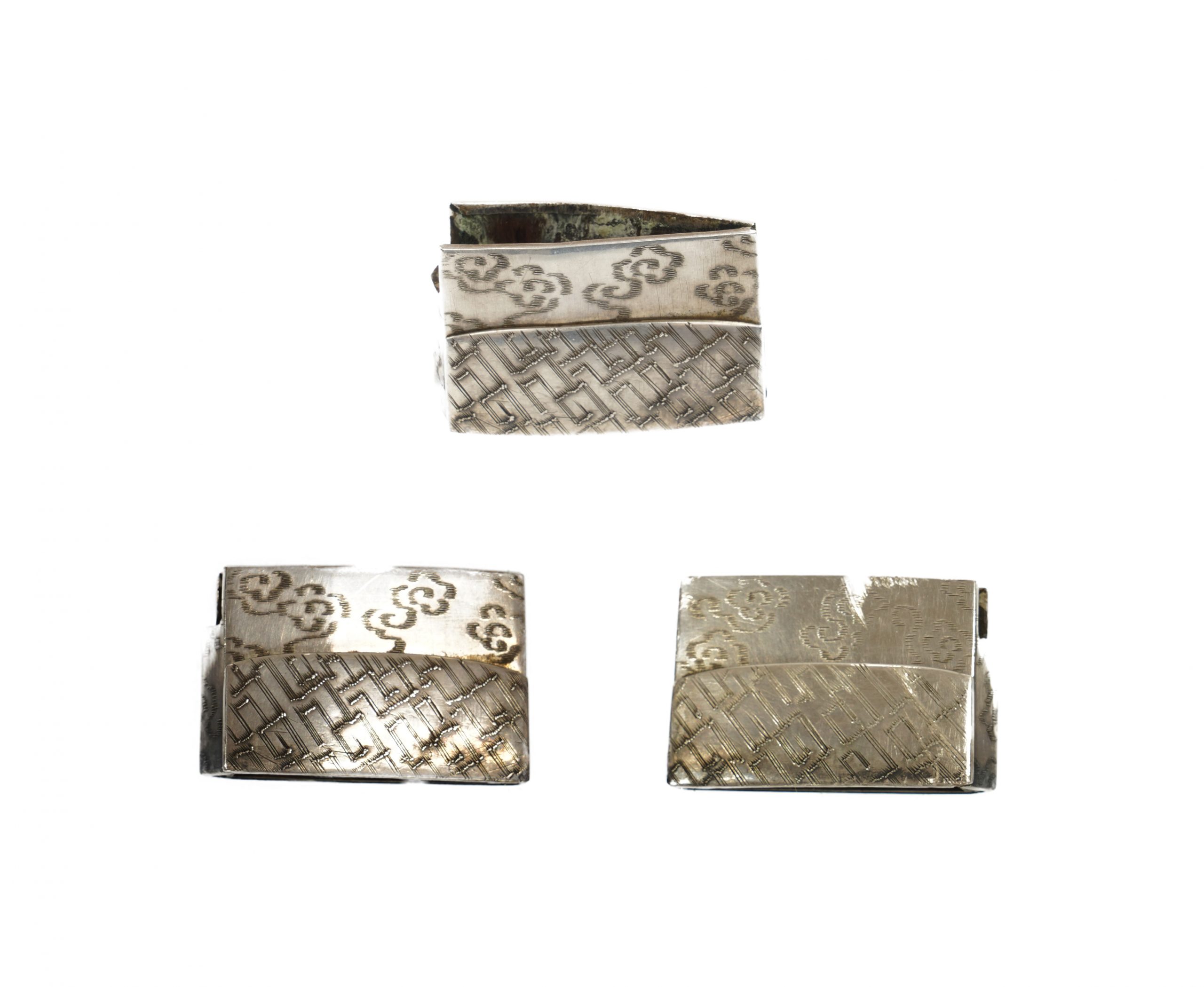
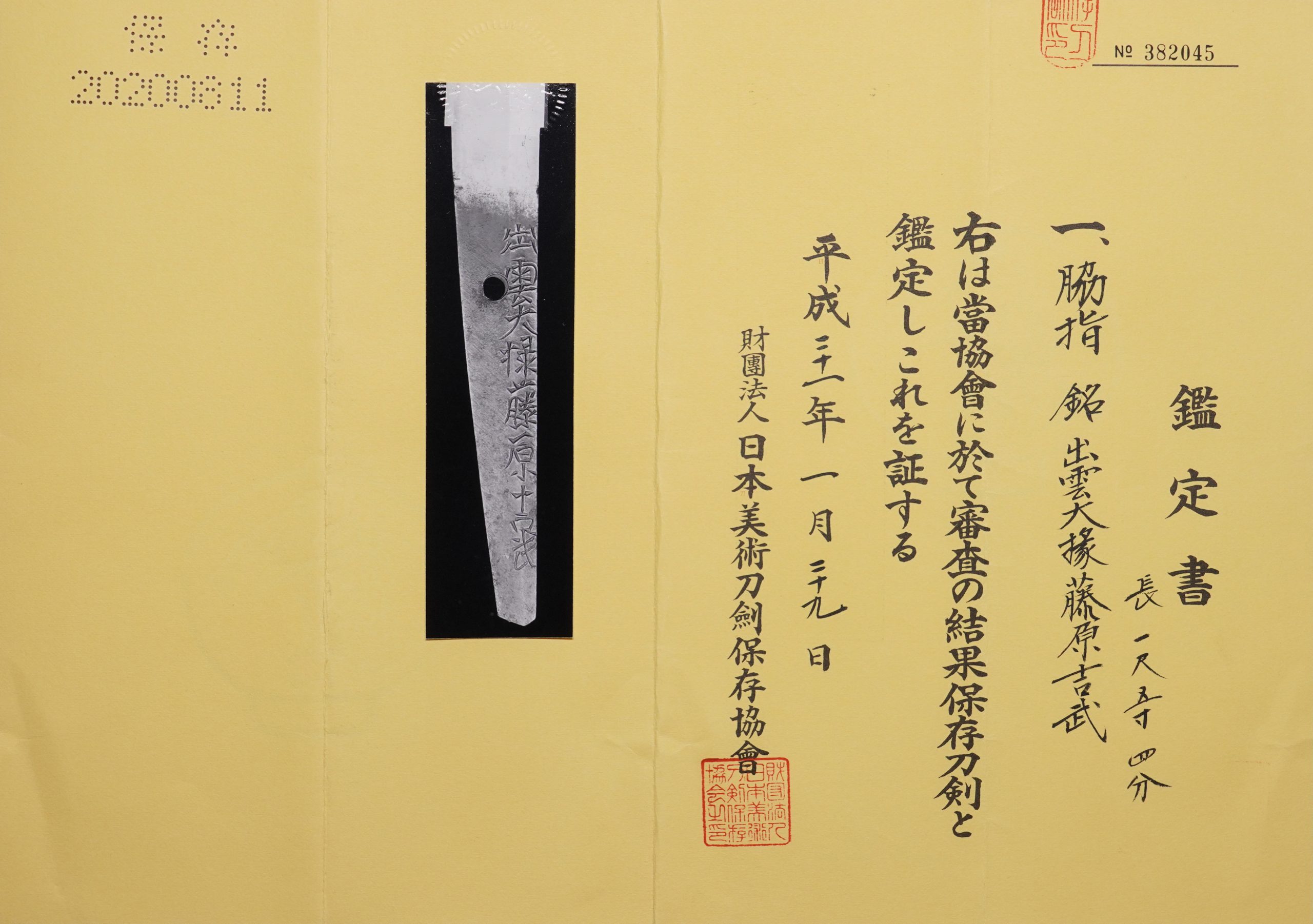
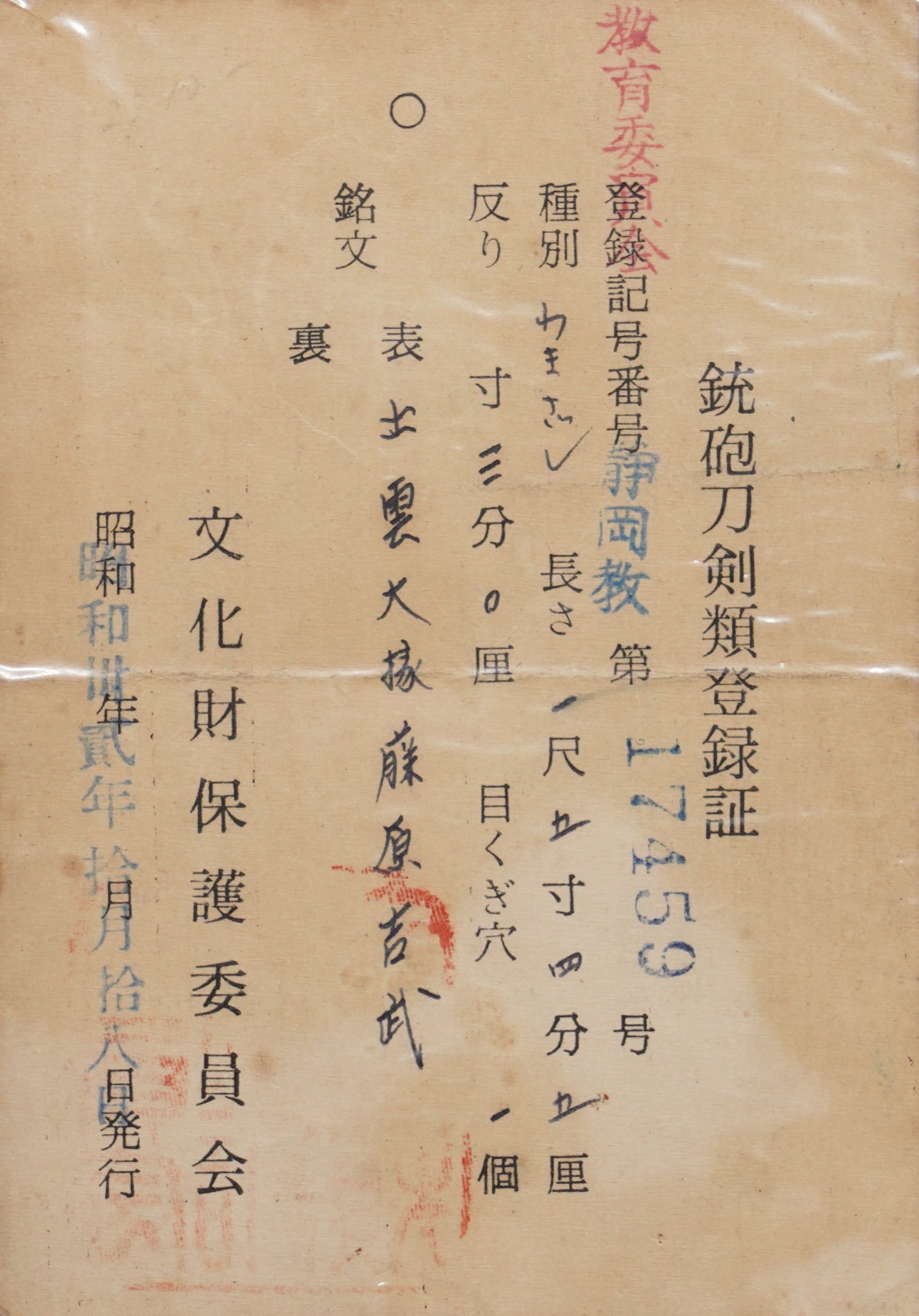
骨董日本刀 脇差 銘:出雲大掾藤原吉武(日本美術刀剣保存協会 保存刀剣鑑定書付) 【説明】 本作は「出雲大掾藤原吉武」と銘のある一振りです。吉武の名は三代にわたり受け継がれていますが、本作は江戸時代前期(万治・天和頃:1658-1681年)に活躍した初代の手によるものと推測されます。 吉武は、安土桃山時代の高名な刀工、三条吉則の末裔である堀河国武の子として生まれました。父・国武とともに、名工・堀河国路に師事し、その鍛刀技術を学びました。 堀河派に属した吉武は、当初山城国(現在の京都)で作刀していましたが、後に江戸へ移住。朝廷より「出雲大掾」を受領し、晩年には「出雲守」へと昇進しました。江戸移住後は、当時江戸で隆盛を極めた法城寺派の刀工らとも交流を深めています。 本作は、日本美術刀剣保存協会(NBTHK)により「保存刀剣」として鑑定された一振りです。この鑑定書は、美術的価値が高く、保存状態の優れた真正の日本刀にのみ与えられるものです。 【刀身】 長さ(刃長):46.6 cm 反り:0.91 cm 刃文:焼入れによって刃先に現れる結晶構造 地肌:鍛錬の過程で折り返し、叩き延ばされることで現れる鋼の表面模様 茎(なかご): 茎は刀身の柄に収まる部分です。日本の刀工は、柄の中での赤錆を防ぐため、意図的に黒錆(酸化皮膜)を残します。この茎の経年変化は、専門家が作刀年代を特定する際の重要な指標となります。 鎺(はばき): 鎺は刀身が鞘の内側に直接触れるのを防ぐための金具です。刀身の錆や欠けを防止する役割を果たします。 鑑定書: 日本美術刀剣保存協会(NBTHK)保存刀剣鑑定書(第382045号) NBTHKは、現代日本において最も権威ある刀剣鑑定機関の一つです。本作は平成21年(2009年)1月29日に「保存刀剣」として認定されました。ご購入者様にはこの鑑定書の原本をお渡しいたします。ご希望に応じて、記載内容の英訳PDFも作成可能です。 登録証番号: 静岡県 第17459号 静岡県教育委員会より交付された「銃砲刀剣類登録証」が付随しています。文化庁はこの登録証を持つ日本刀を、美術品として認めています。 この制度により、玉鋼を用い伝統的な手打ちで鍛造された日本刀のみが、日本国内で合法的に所有を認められます。海外輸出の際は、この登録証に基づき輸出監査官の許可を申請いたします。 輸出時に登録証原本は教育委員会へ返納されますが、写しをお渡しすることが可能です。ご希望により英訳も承ります。 —————————————————————– 【当館について】 侍ミュージアム(東京)では、侍の歴史に関する古美術品を展示しております。オンラインショップでは、日本文化や職人技に興味をお持ちの方へ、アンティークの日本刀や甲冑、伝統工芸品をご紹介しております。 【日本刀と輸出手続きについて】 当館で扱う日本刀は、すべて日本国内で伝統的な炭素鋼「玉鋼」を使用し、手作業で鍛造された真剣です。侍ミュージアムは、真正の古美術刀剣を輸出するための適正な法的基準・手続きを熟知しております。
 NihontoWatch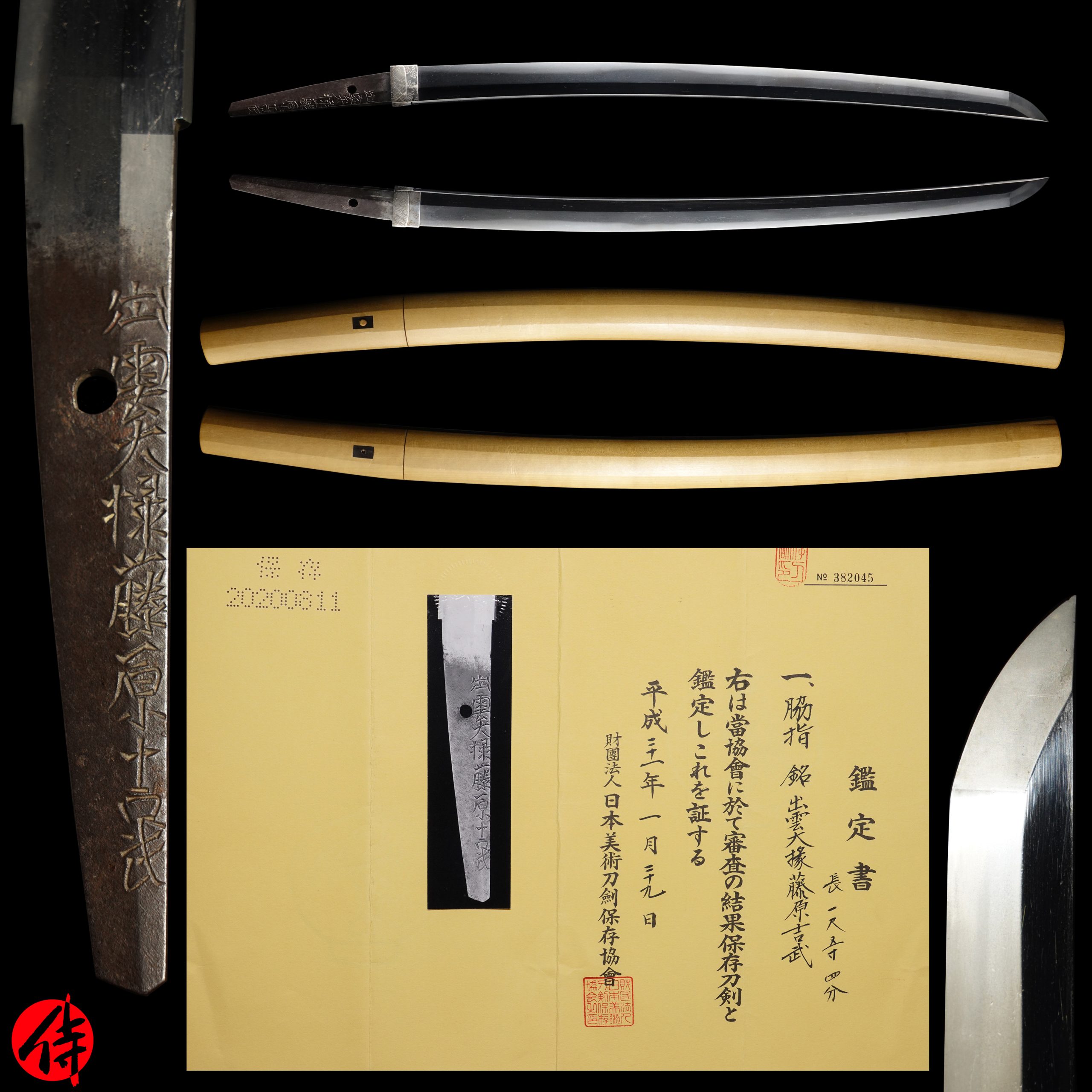
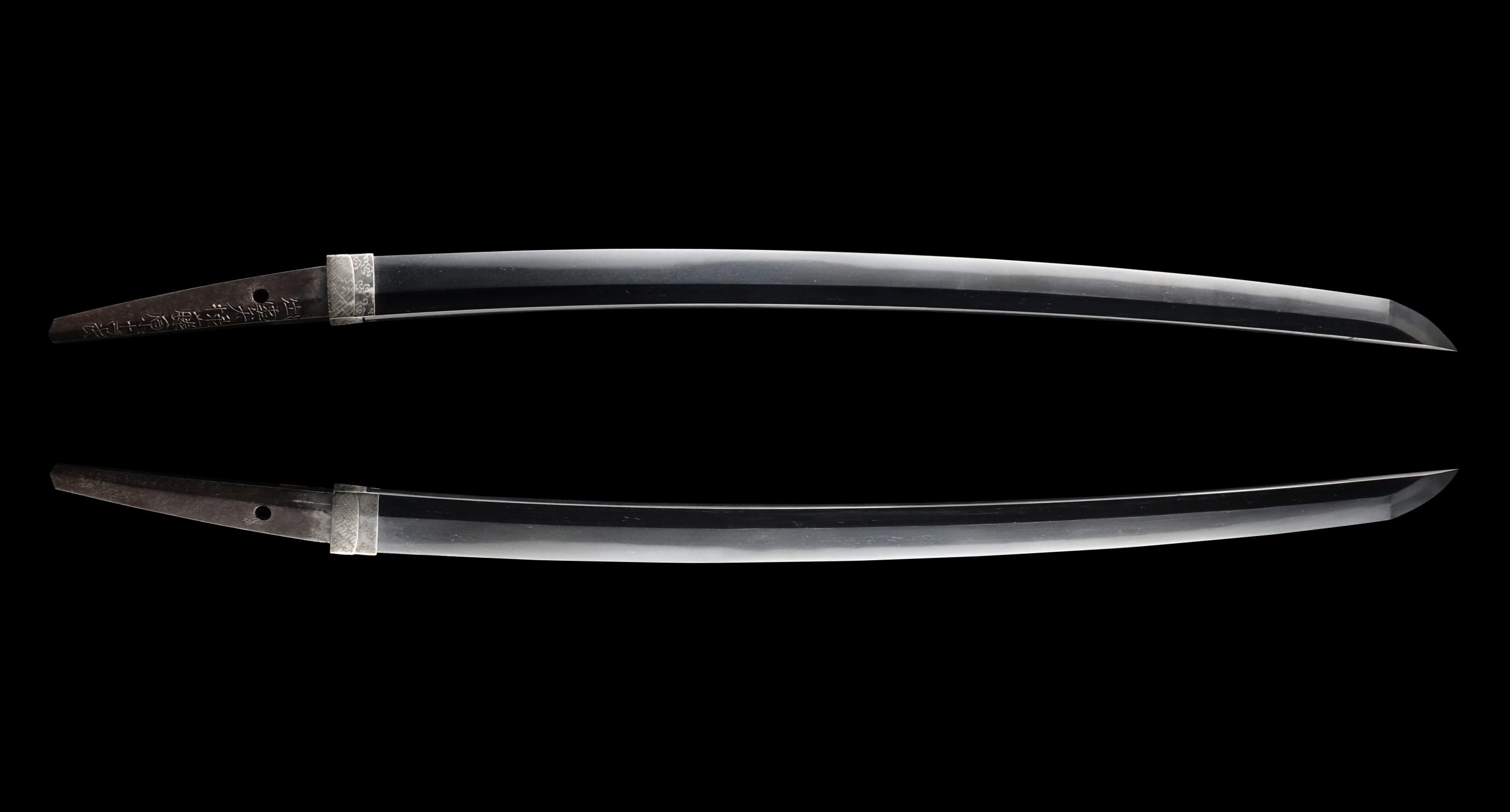
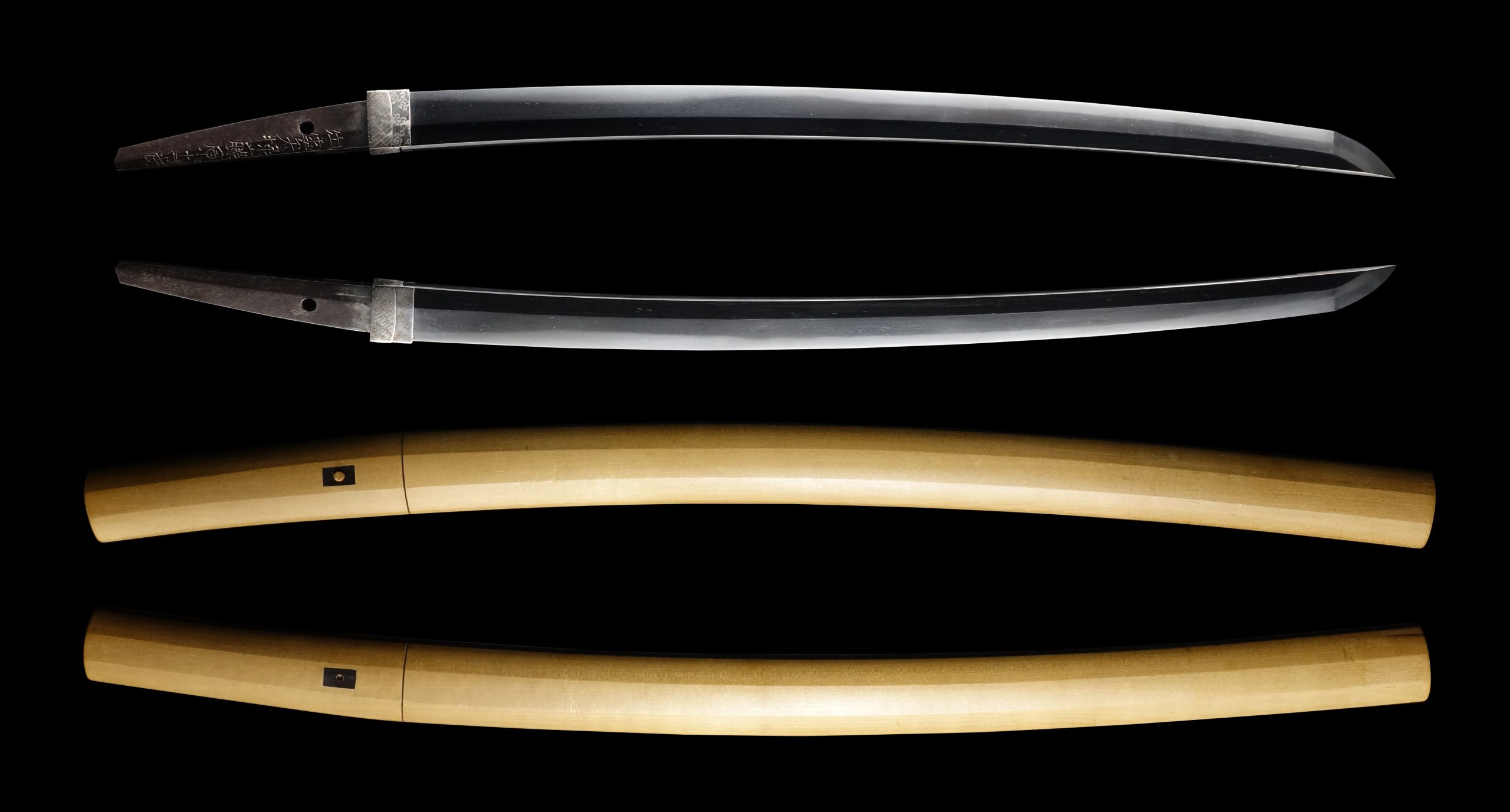
Horikawa (Yamashiro / Edo, Shinto) · 山城 · 1658-1661頃
藤代 Jo saku · 刀剣大鑑 上位37%
現在3点販売中
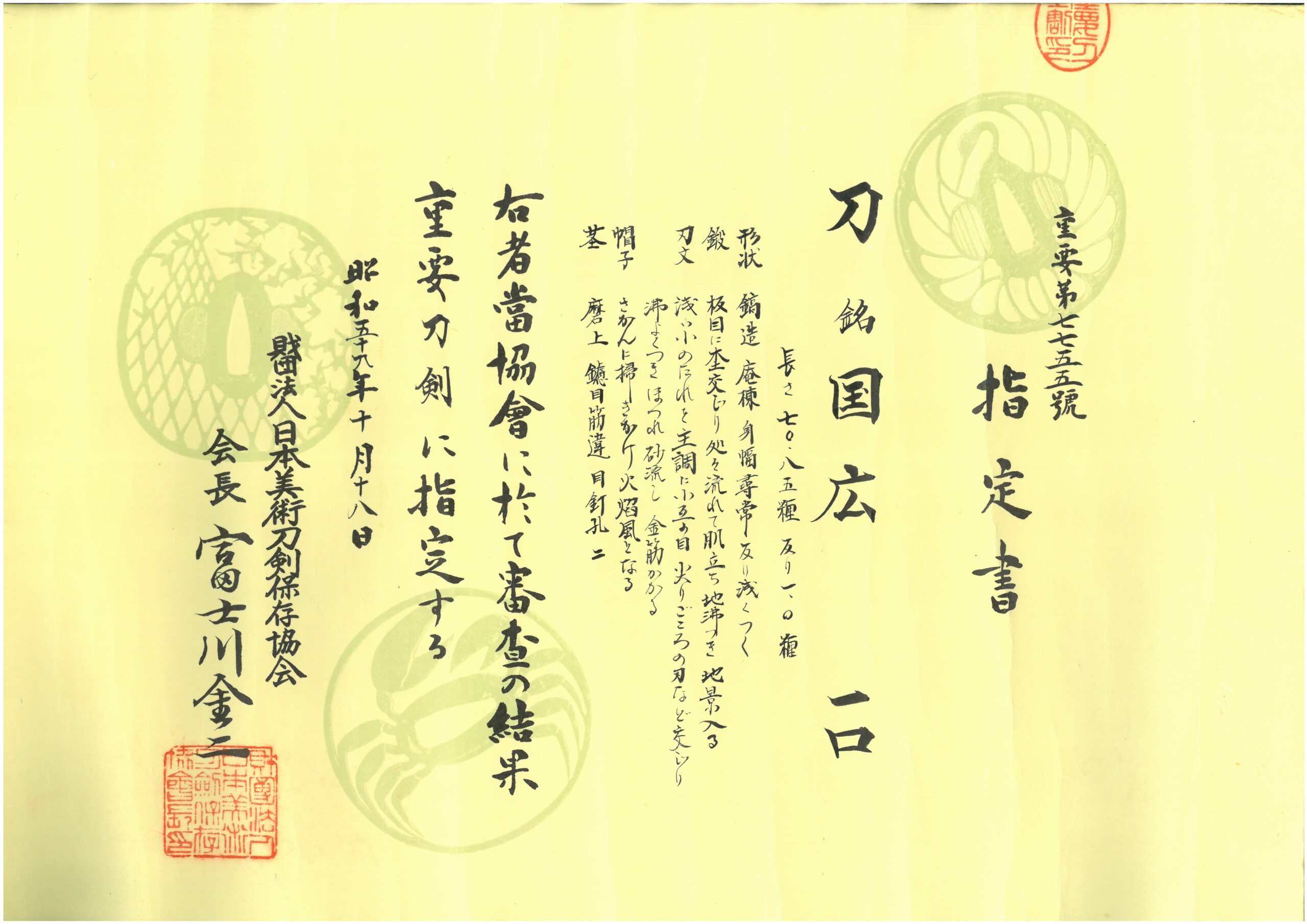
延宝三年(一六七五)六月晦日紀の刀の裏には、棟寄りに切られた吉武の銘に応えて、富田重綱が三ッ胴を両度に切断したことを記す金象嵌の截断銘がある。吉武は山城、のちに江戸の堀川一門の刀工で、堀川国広の門人である平安城国武の子である。俗称を川手市太夫と云い、出雲大掾を受領して後に出雲守に転じ、晩年は入道して法哲と号した。国広は京都新刀の堀川一派の祖である。説明書は、父国武が堀川一門でも最も平凡な刀工であった一方、吉武は「父に優る名工」であり、よき地鉄の上に「堀川物の豪放さを伝え」[[c:1]]るとする。その紀年作は延宝三年から天和を経て正徳元年(一七一一)に及び、京都から新府の江戸へと移った歩みをたどる。
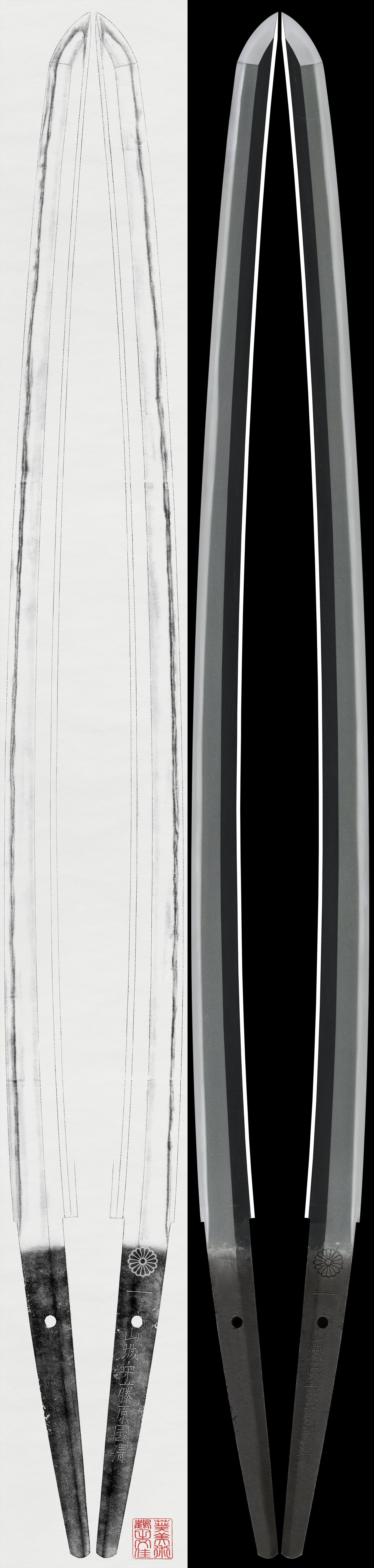
本工の認める本領は、広く落ち着いた直刃である。説明書は「直刃調の出来を得意としている」[[c:2]]と明記し、その作風を法城寺一派に並べて、多くの作に同派に見るような直刃があるとする。紀年のある延宝三年の刀では、焼刃は広直刃調に互の目を交え、足入り小沸つき、匂口深く、地鉄は杢を交えてよくつんだ小板目に地沸つく。姿は身幅広く反り浅く中鋒の堂々たる鎬造、茎は生ぶで先入山形、鑢目は筋違ないし勝手下り、截断銘の作では棟寄りの長銘の裏に重綱の金象嵌截断銘が応える。帽子は直ぐに小丸へと返る。
この落ち着いた一面の傍らに、いま一段の活気ある出来が走る。杢を交えた小板目・板目の地鉄は時に肌立ちごころとなり、腰元に大肌を交え、総体に地沸つく。これが説明書の認める良き堀川の地鉄である。説明書が彼の最高作の一本に挙げる天和の刀では、刃文は小のたれに互の目・耳形の刃を交え、足・葉入り、匂口深く冴え、小沸よくつき砂流しかかる。帽子は直ぐに小丸、掃かけかかる。いま一口の最高作では、のたれ調に互の目・大互の目を交え、匂い深く沸よくつき、僅かに砂流しが下半を渡る。この一面はやがて説明書が「濤欄風の乱れ刃」と評するところに及び、静かな直刃よりもむしろこの互の目出来にこそ、本工の手の広がりが最もよく見える。
二様の出来は、彼の生涯の前後と交わりとに応じている。説明書は、吉武が元来は堀川一門の流れを汲みながら、江戸ではその作が法城寺一派に近づいたことを記し、その証として法城寺正照との合作を挙げる。そこから同派と相当に深い関係にあったことを察し、乱れ刃の互の目出来にもその結びつきが裏づけられると読む。本領の直刃は、彼らの説くところ、まさに法城寺一派の作風である。銘もまた同じ弧を描く。最初期の紀年作は出雲大掾藤原吉武と大振りの長銘を棟寄りに切り、後の作には正徳元年紀があって「法哲入道」と銘し、この頃には出雲守に転じている。
四口の指定刀のすべてを通じて説明書が押すのは、吉武がその出自たる父を凌いだ点である。国武は堀川一門の平凡な工に数えられ、説明書は子を父に直に比して、吉武を父に優る名工とし、堀川の豪放さを健全な地鉄の上に伝えた工とする。ゆえに本工の見どころは二重である。説明書がその得意とする広い直刃と、その傍らに据える江戸期の濤欄調の互の目乱れ、一は静かに一は活気あり、いずれもよくつんだ小板目・杢の地鉄に地沸つく地に焼かれる。説明書は個々の刀を「傑出の一口」とし、また最高作と評する。それは一派の亜流ではなく、その出自を抜け出た一個の手として貴ぶ言葉である。
吉武の記録上の作は少なく、悉く在銘である。すなわち四口の刀、いずれも重要刀剣の位で、国宝も重要文化財もなく、大名家伝来の記録もない。四口のうち二口には富田重綱の金象嵌截断銘があり、一は二ッ胴、一は三ッ胴を記して、作を延宝三年に結びつけ、焼刃を超えた資料的な重みを添える。藤代は本工を上作とし、第一流というよりは確かな技倆を量る。指定刀は私蔵にあり、審査の頃には埼玉・茨城・東京の所蔵を経ていた。この位の在銘吉武は、国宝のように手の届かぬものではないが、僅かな数しか残らず、截断銘の作はことに稀で、市場に現れることは稀である。截断銘の一口が出れば、それは目に留まる出来事である。
吉武の位置づけを、日本刀全体および伝統・時代・時期ごとに示します。各位(随一・屈指・有数・著名)は、NBTHK および文化庁による指定に加え、三作や名物帳などの歴史的栄誉を加味したものです。
各項目を選ぶと評価方法が表示されます。
新刀 · 山城
現在76点販売中
堀川派は、山城国京都の一条堀川を本拠として、十六世紀末から十七世紀初頭にかけて成立した新刀期の一門である。祖の堀川国広はもと日向飫肥の城主伊東家に仕えた武士で、主家没落の後は諸国を遍歴して鍛刀の技を磨き、足利学校打や美濃大道との合作などにその足跡を銘文へ残した。慶長四年(一五九九)以後は京一条堀川に定住し、多くの俊秀を糾合してこれを育てた。その門からは出羽大掾国路、和泉守国貞(親国貞)、河内守国助、越後守国儔、大隅掾正弘、堀川国安らが輩出する。国広以前の関や末相州の作風を経て、定住後の一門は相州伝、就中、志津や貞宗、左文字の復興を共通の理想に掲げた。慶長新刀の姿に南北朝期の大太刀を磨上げた趣を写し、明寿と並んで新刀の創始を称えられる祖を戴いて、この派は京の鍛冶を改めた起点に立つ。 一門の作風は、地鉄にまず標識を持つ。板目に杢や大板目を交えて肌立つ、いわゆる「ザングリとした」枯れた肌合を呈し、地沸が微塵に厚くつき、地景が細かに頻りに入る。区際より斜めに立つ水影は国広自身の手癖で、正弘や国安、国正にも伝わる。刃は浅いのたれを基調に互の目や尖り刃を交えて沸厚く、金筋や砂流しがかかり、処々に湯走りや飛焼を見せ、匂口が沈みごころとなるのが一派に通じる癖である。刃区を深く焼き込む態も国広に始まり門弟へ及ぶ。この共通の地刃の上に、各工は己の差を置く。国路は肌立ちザングリと枯れた地に厚く荒い沸の志津写しを焼き、浅くのたれ込んで先の尖る三品帽子を見せて、一門中随一の器用人と称された。国安は受領銘を用いず必ず二字に切り、左利きゆえに逆筋違の鑢目を切る唯一の工で、その手は最も祖に近い。正弘は大乱れを焼かず、焼を低く刃取りを抑えて目立つ杢を交え、作風も銘字の藤原の二字に至るまで祖に酷似する。国儔はかえって末関に向かい、頭の丸い互の目と締った匂口に兼之を思わせる美濃の一脈を担った。弘幸は一門ただ一人切り鑢を用い、黒みをおびた鉄に古作大和を想わせる直刃を本領とした。 蒐集家が堀川派を求める理由は、鑑定の勘所と、祖と高弟の格にある。在銘作を主体とし、慶長打は太鏨肩落の大振り二字銘や、日州古屋住から洛陽一条堀川住に至る受領銘を交えるため、銘そのものが工と時を定める手懸りとなる。国広の刀は、ザングリの地、斜めの水影、沈む匂口という手癖を写し物の中にすら宿し、相州伝復興の理想を最も高く体現する。高弟もまた、それぞれの極めの言うところで分かたれる。国路の三品帽子と長い金筋、国安の二字銘と逆鑢、正弘の抑えた焼と目立つ杢、国儔の頭の丸い互の目、弘幸の切り鑢と黒い鉄は、いずれも対手から借りた特徴ではなく己の地刃から引かれた標識である。代表作には伝後水尾天皇御寄進の拵を具して幡枝八幡宮に伝わる奉納太刀があり、伝来は日向伊東家、岡山藩家老伊木家、土佐山内家、大島津家、豊臣秀頼、皇室に及ぶ。最晩年の国広作は弟子の代作代銘と読まれるが、師の監督は厳重で偽物とは全く異なる。そして親国貞と河内守国助は国儔に学んで大坂へ下り、大坂新刀の草創に立った。国貞の嗣は井上真改として、その名を一層名高い世代へと継ぐ。京の堀川に始まった相州伝復興の手は、かくして後世の新刀へと流れていった。 詳しく見る →
京 新刀の源流
新刀の時代は、その大部分が京都で発明された。埋忠明寿の工房が運動を育て、堀川国広が一世代を鍛え、鎚を持たぬ本阿弥家が名刀の意味を司った。
銘が正しい、または無銘でも年代・国・系統を確実に指摘できる、保存に値する真正の作と鑑定されたものです。
日本美術刀剣保存協会(NBTHK)は、1948年に設立され、文化庁の監督を受ける公益財団法人で、東京・刀剣博物館に本部を置きます。専門の審査員が出品作を直接審査し、美術的・歴史的価値に応じた鑑定書を発行します。NBTHKの鑑定書は、日本刀および刀装具の真正性を示す最も広く認知された基準です。
NBTHK公式サイトReturns/exchanges limited to defects caused by shipping (except willful misconduct or gross negligence by the company); customers must contact within 72 hours of receiving the product.