新刀の時代は、その大部分が京都で発明された。埋忠明寿の工房が運動を育て、堀川国広が一世代を鍛え、鎚を持たぬ本阿弥家が名刀の意味を司った。
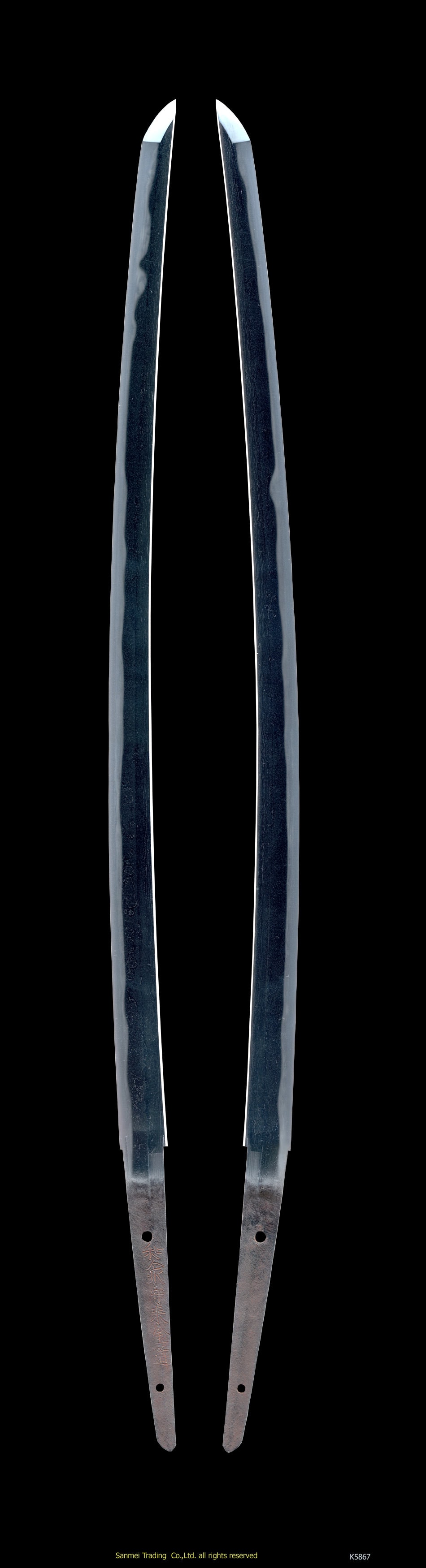
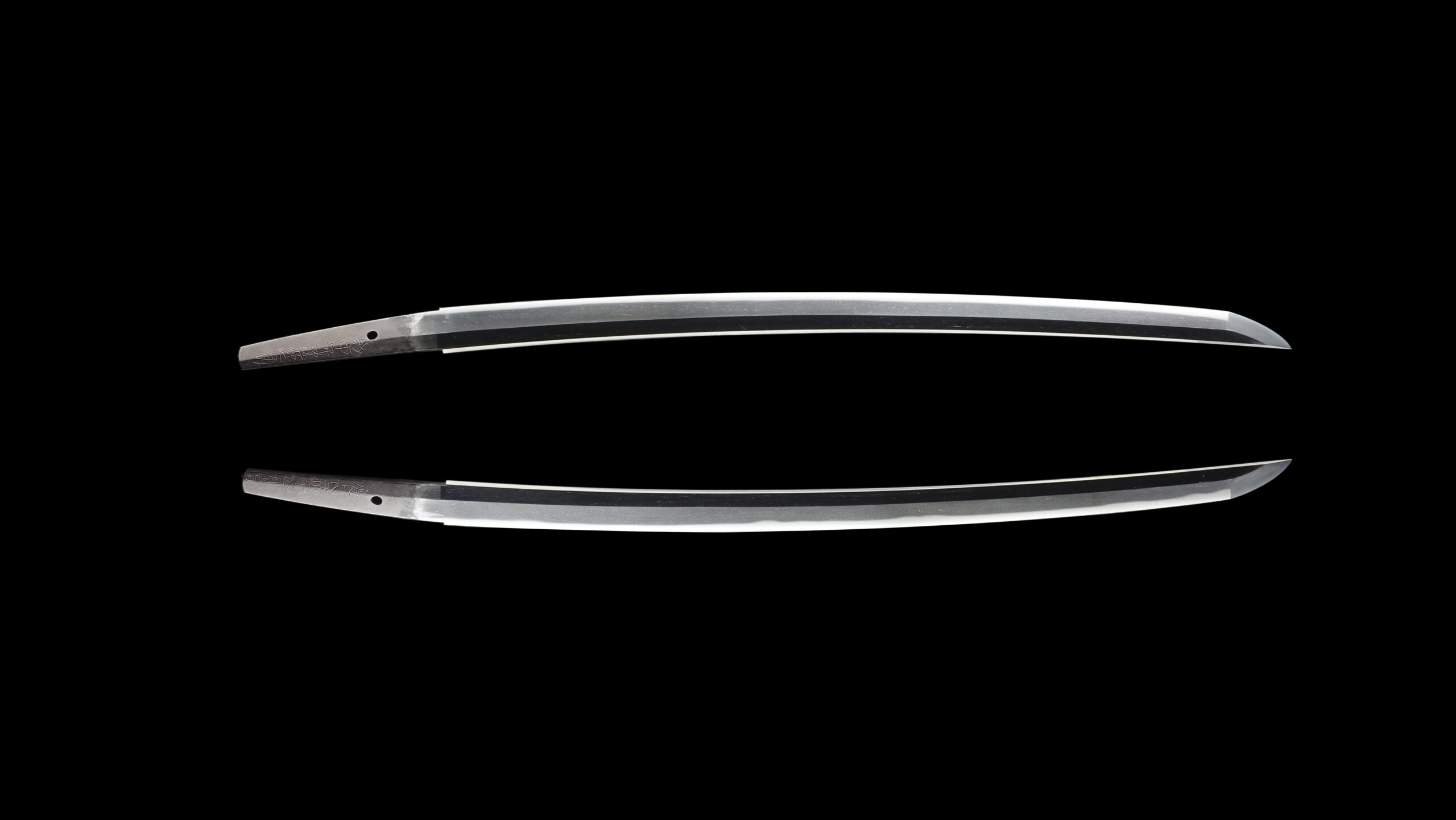
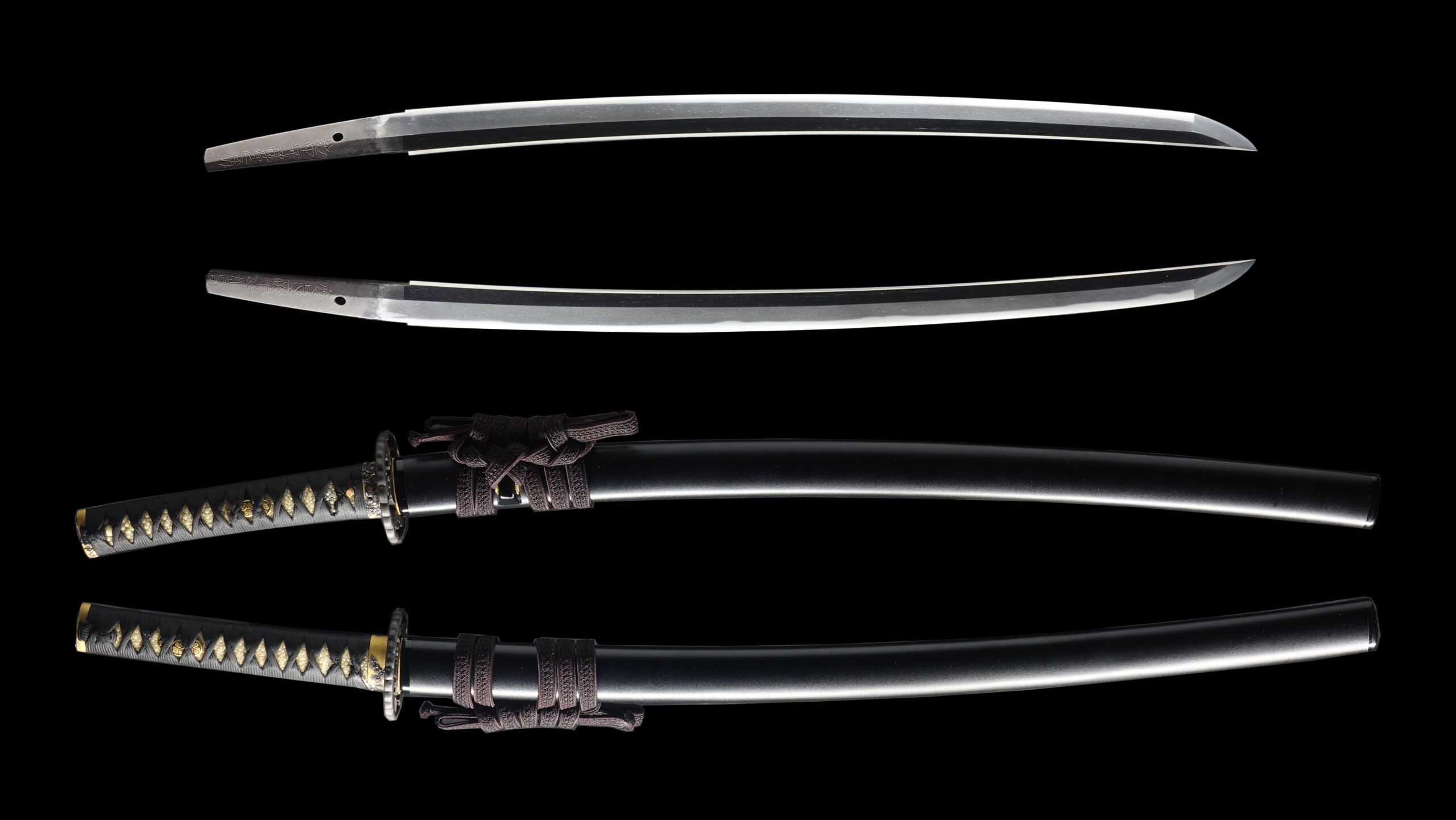
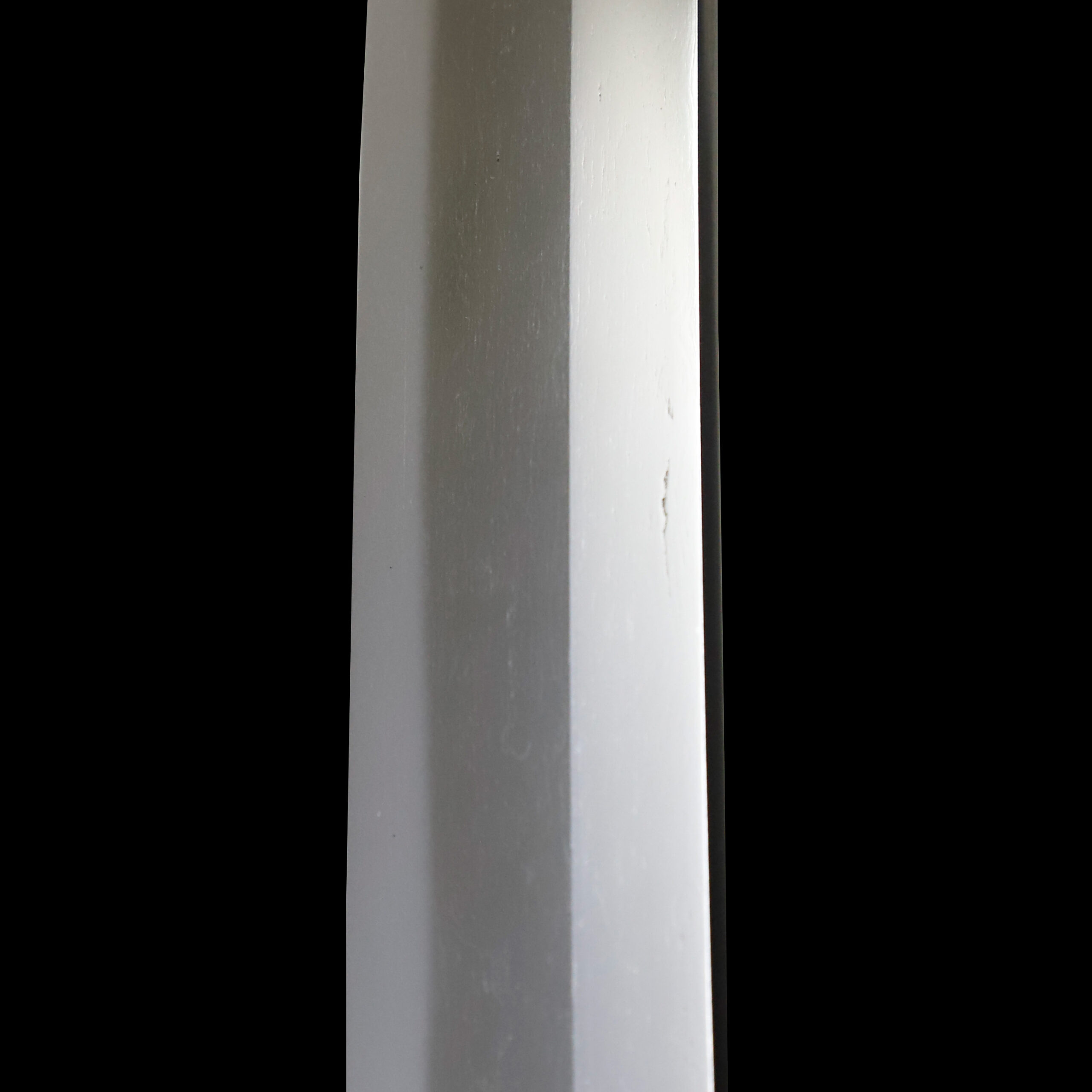
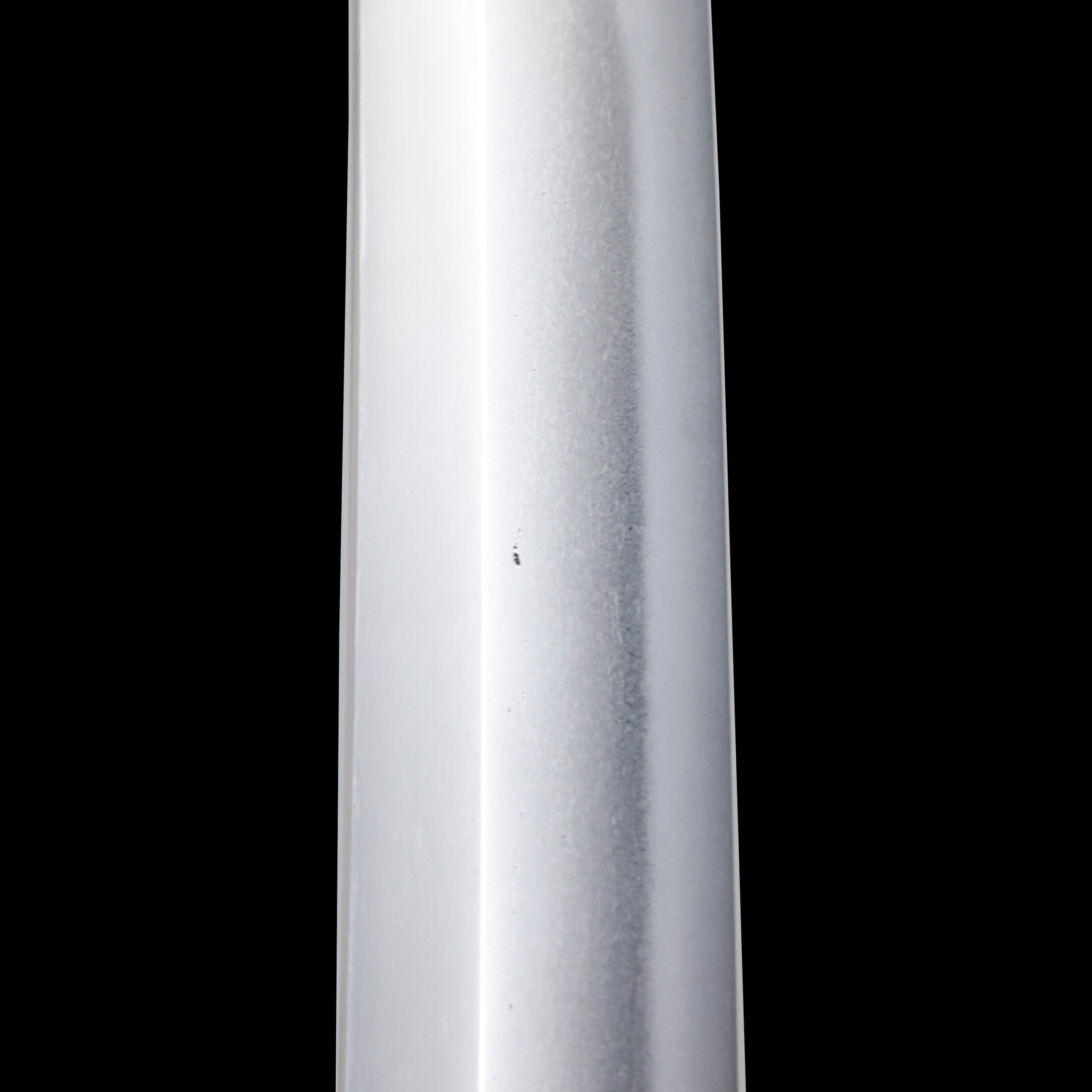
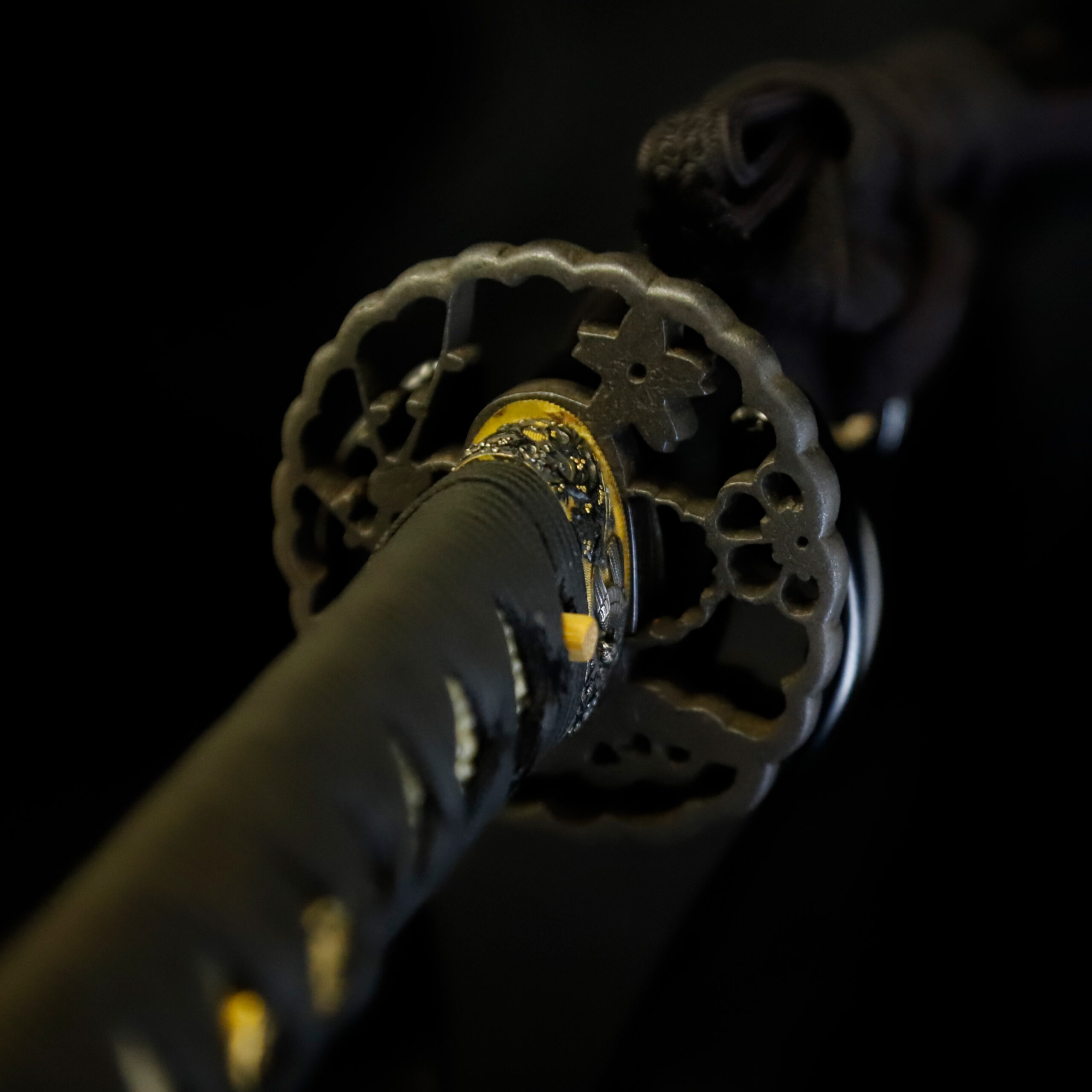
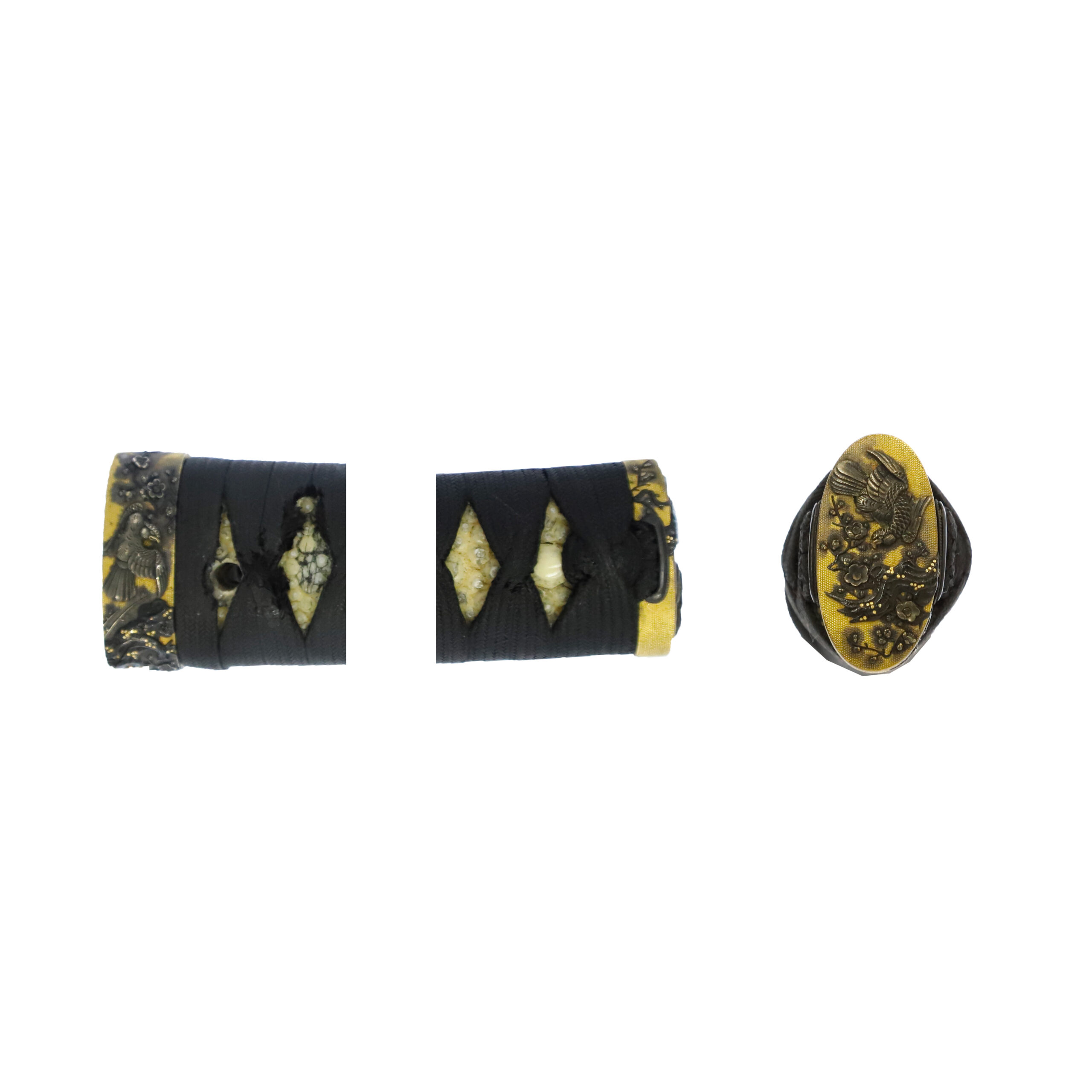
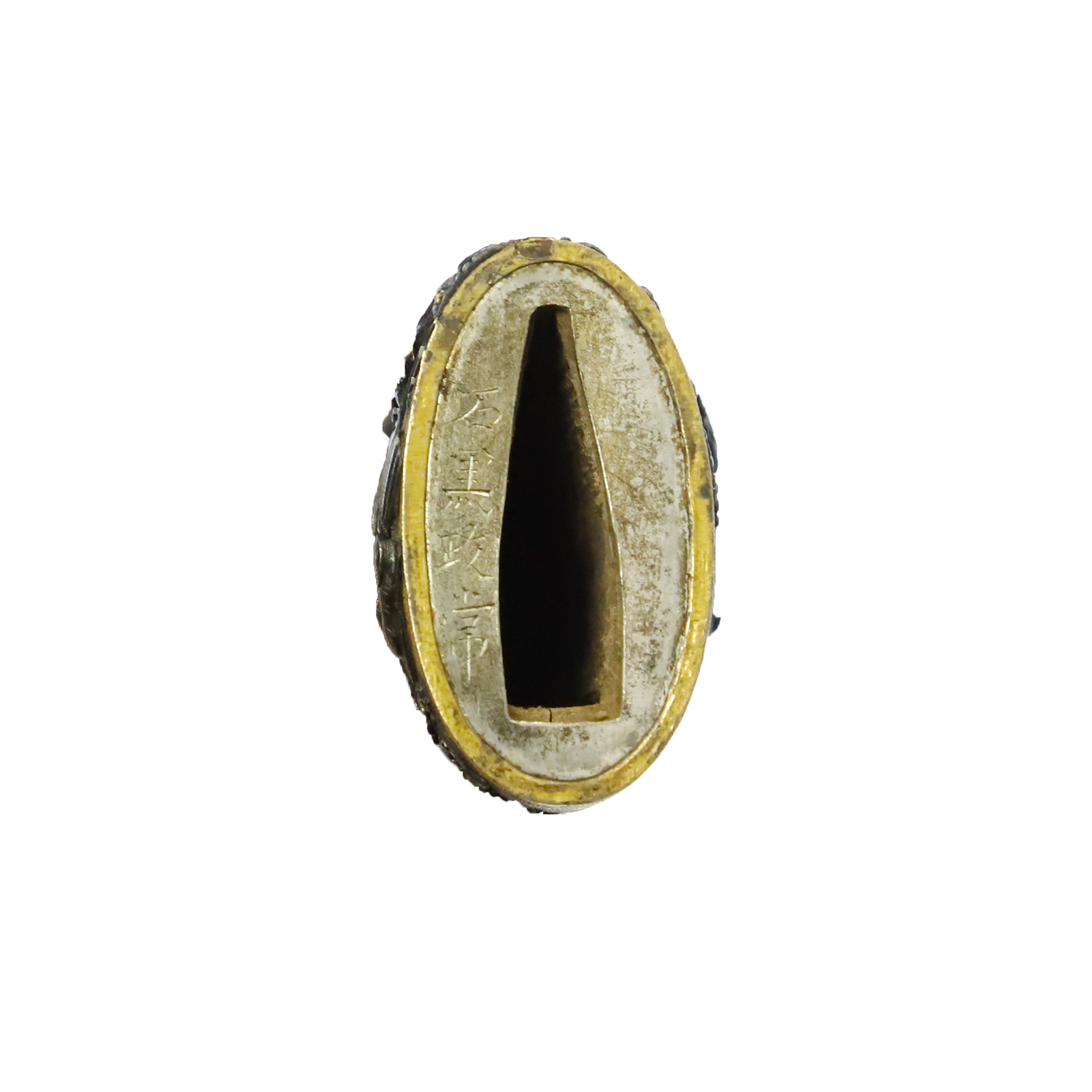
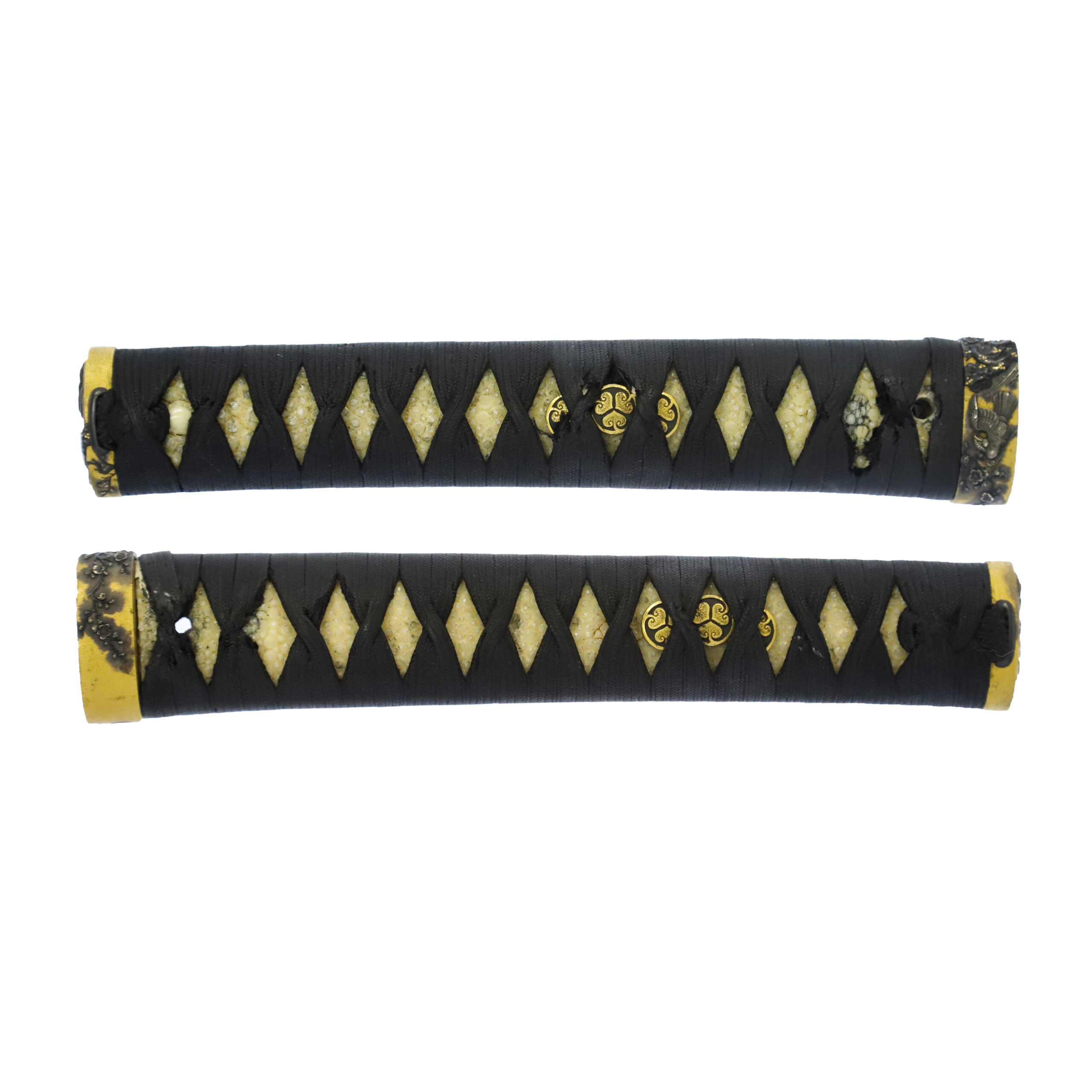
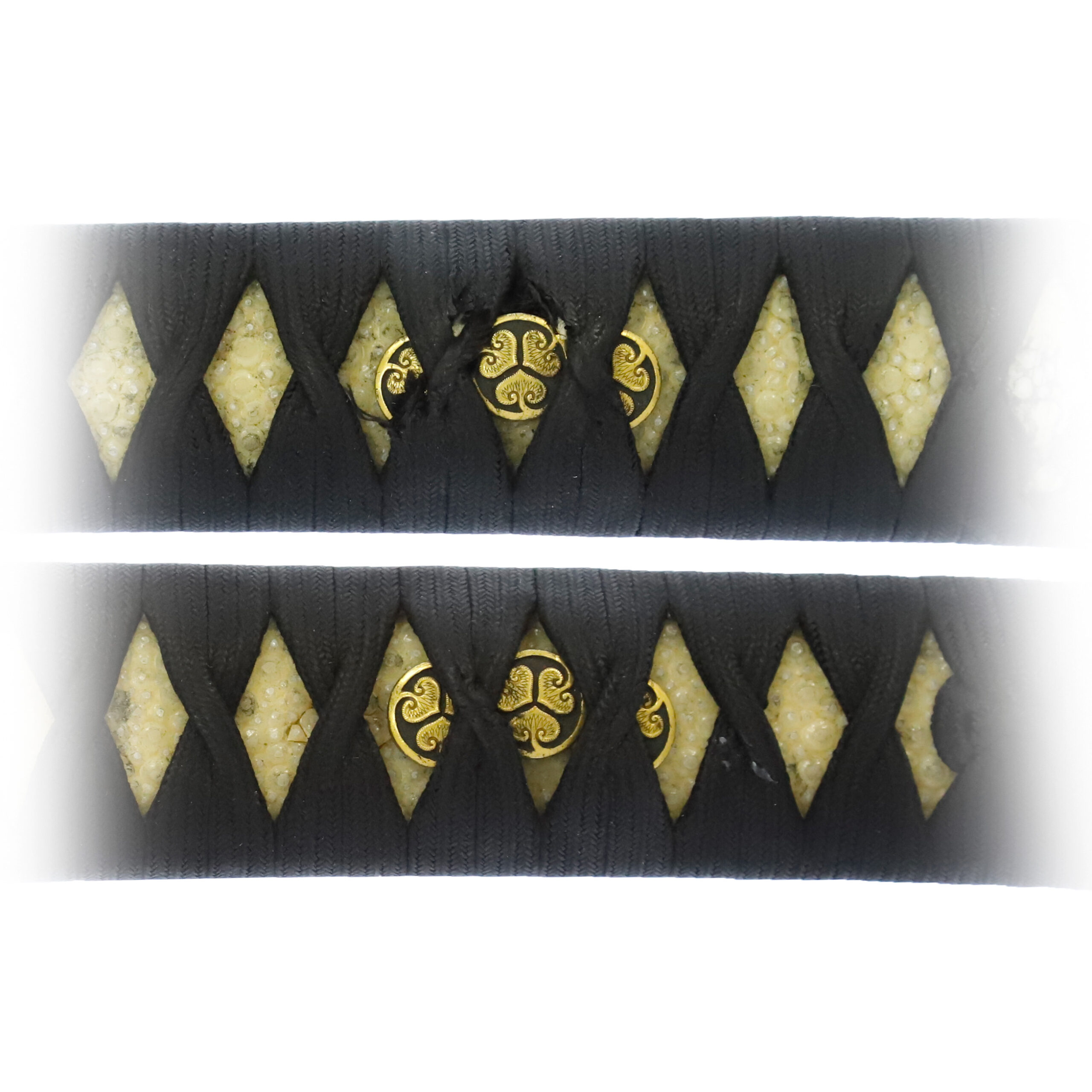
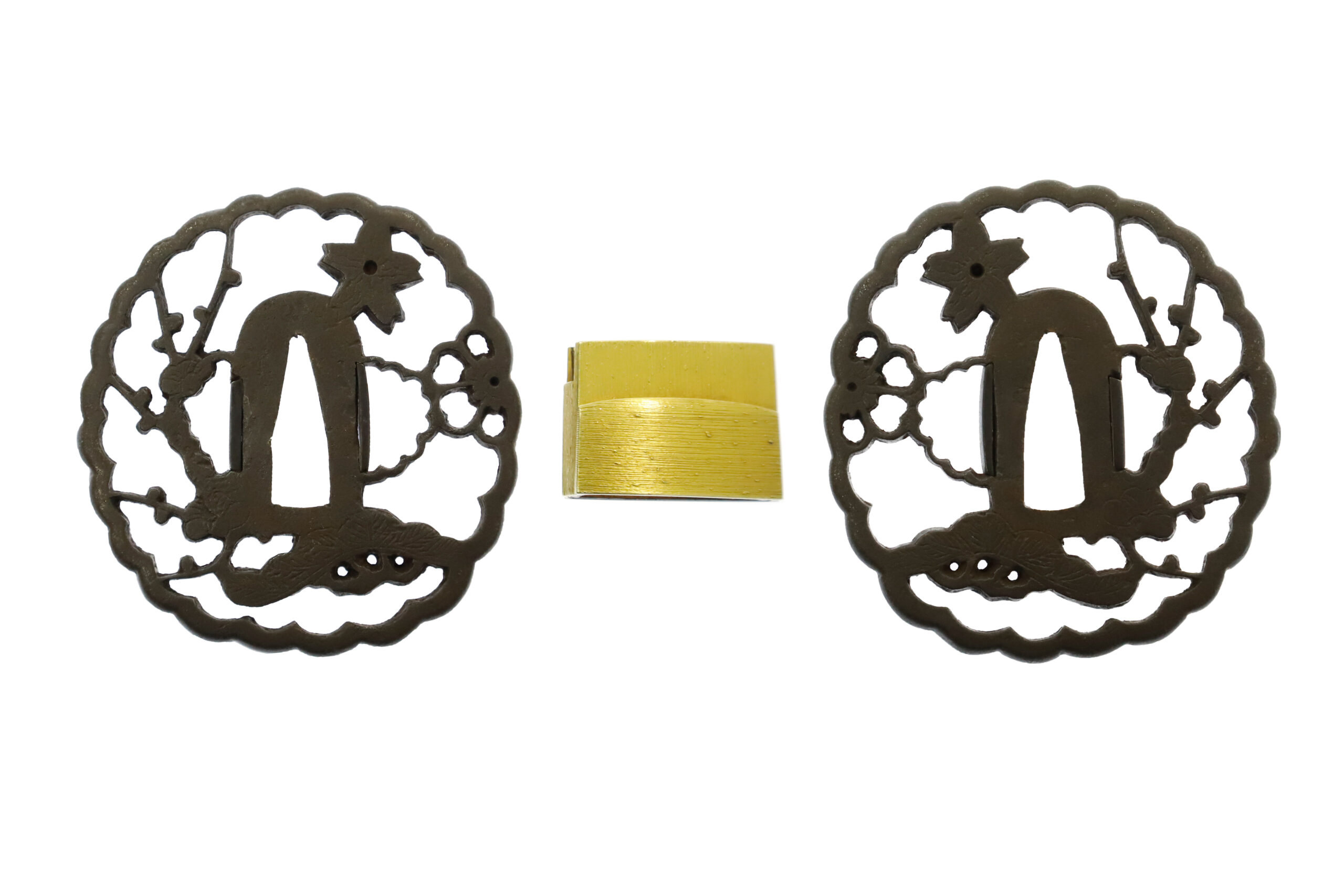
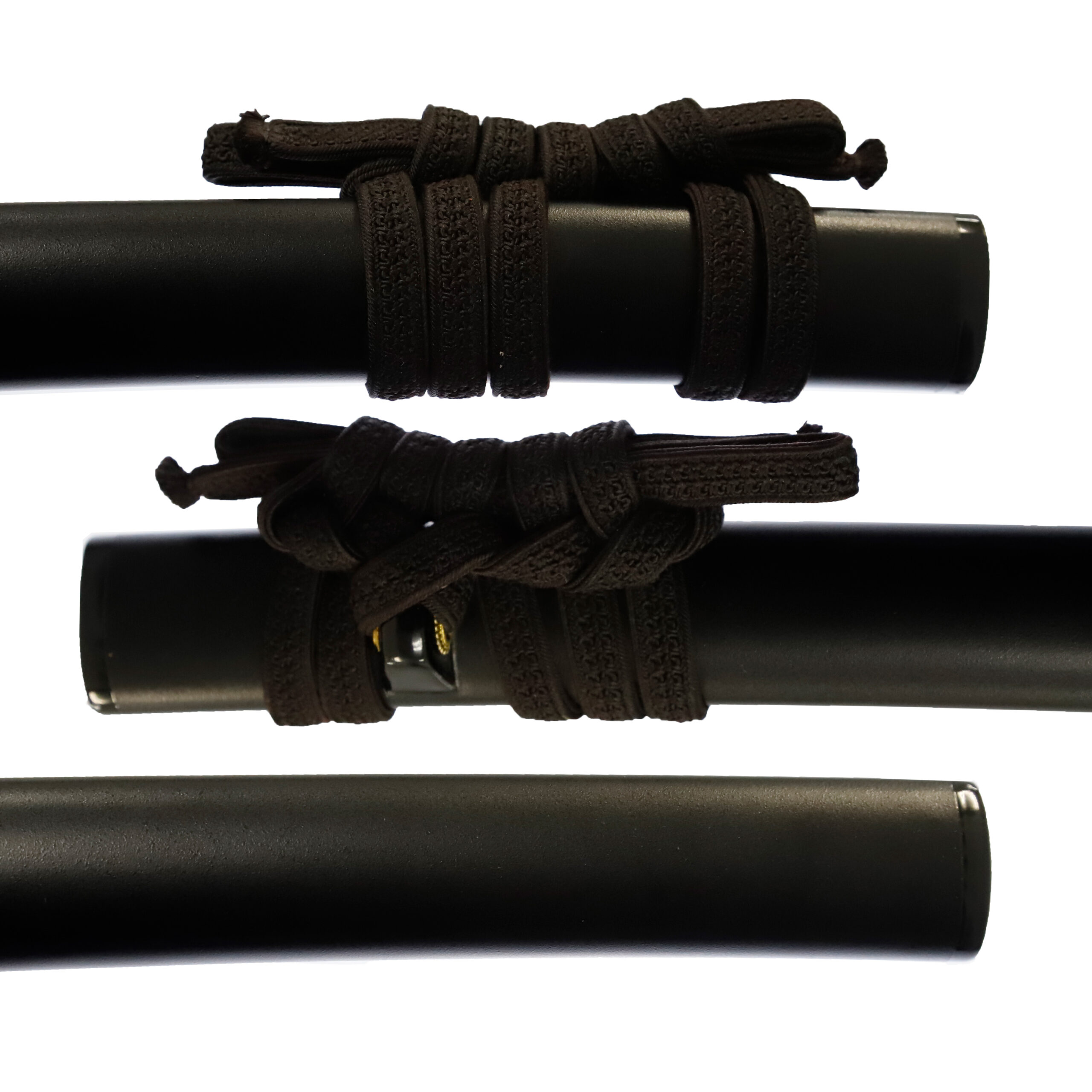
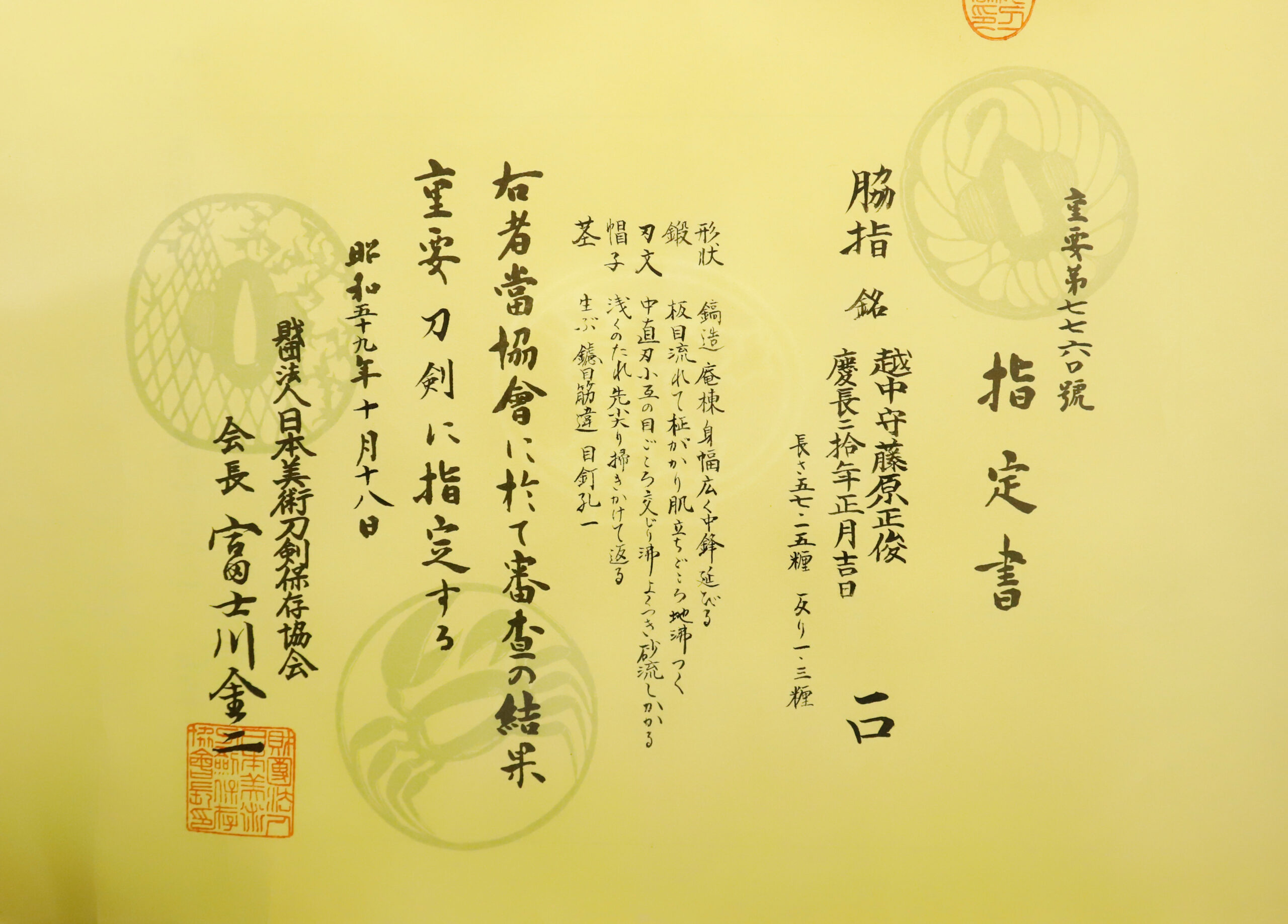
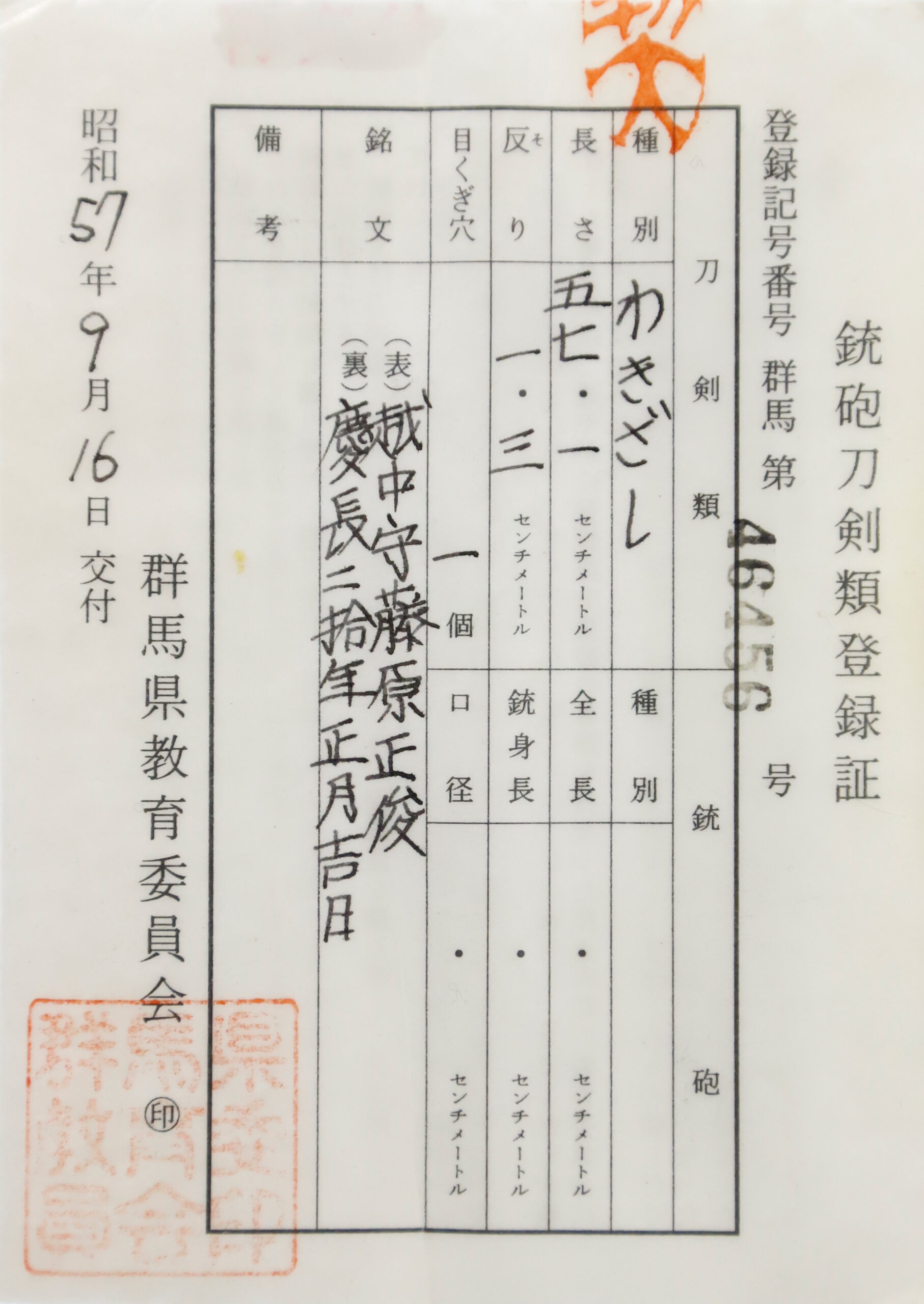
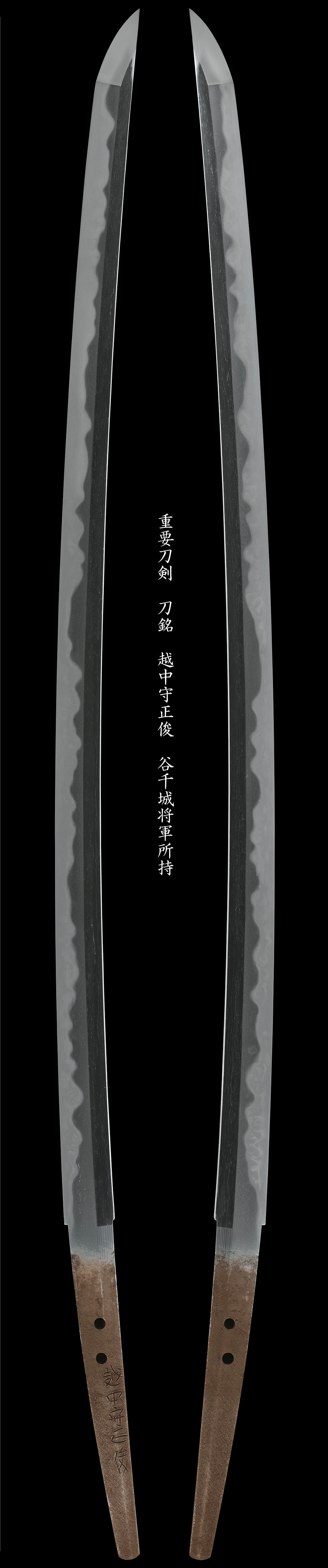
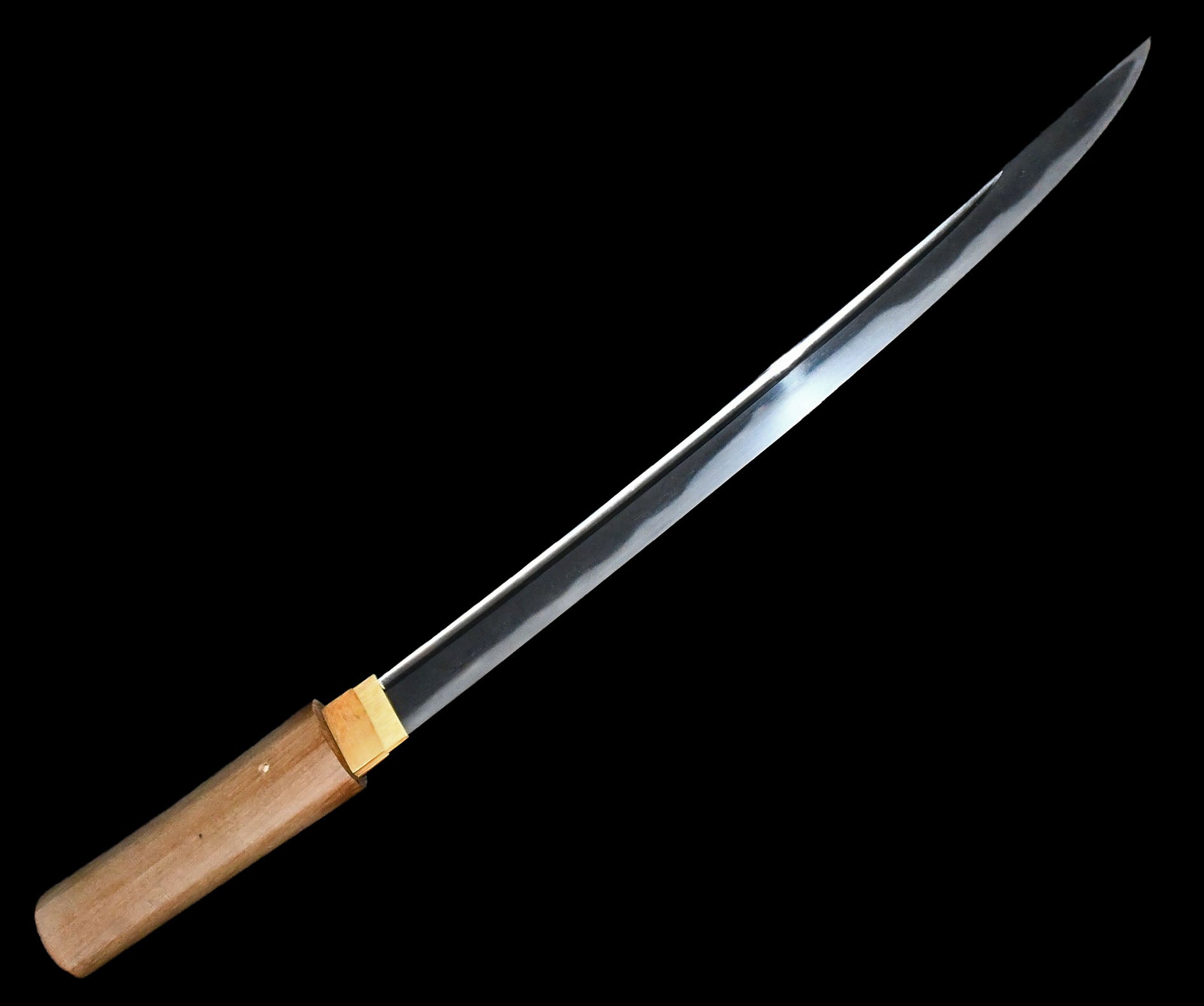
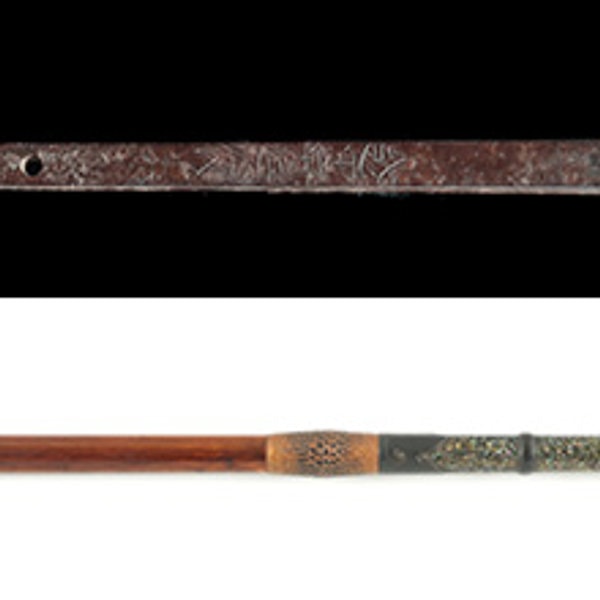
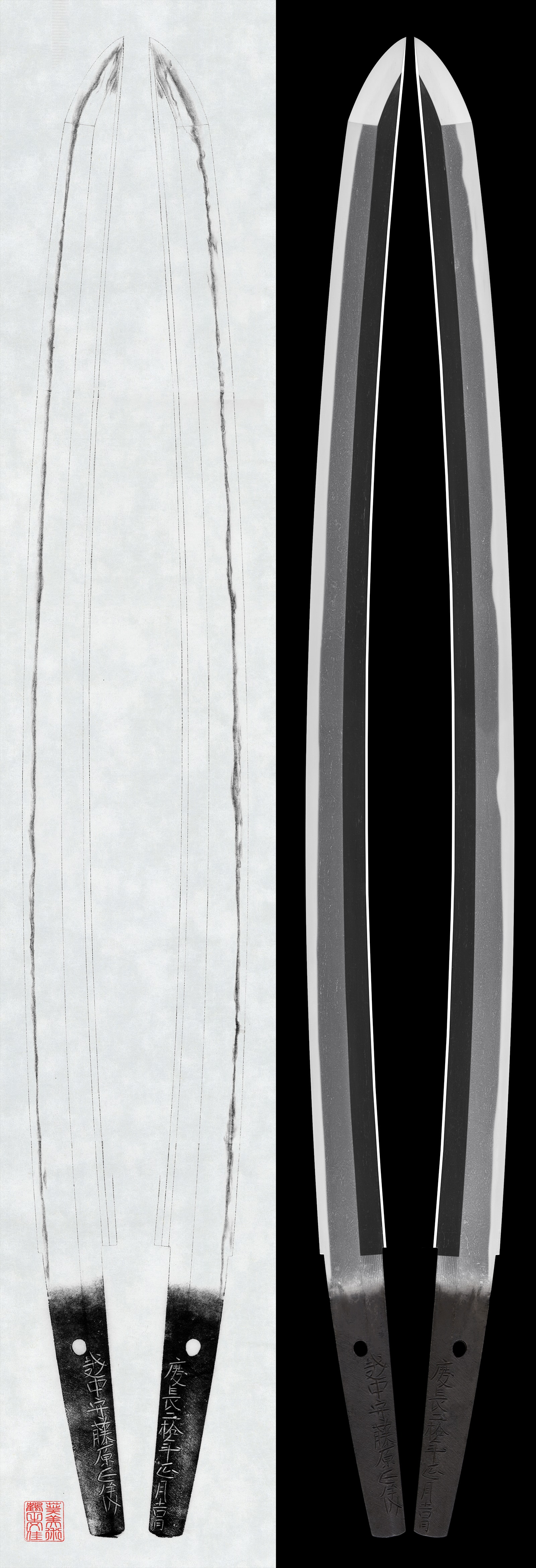
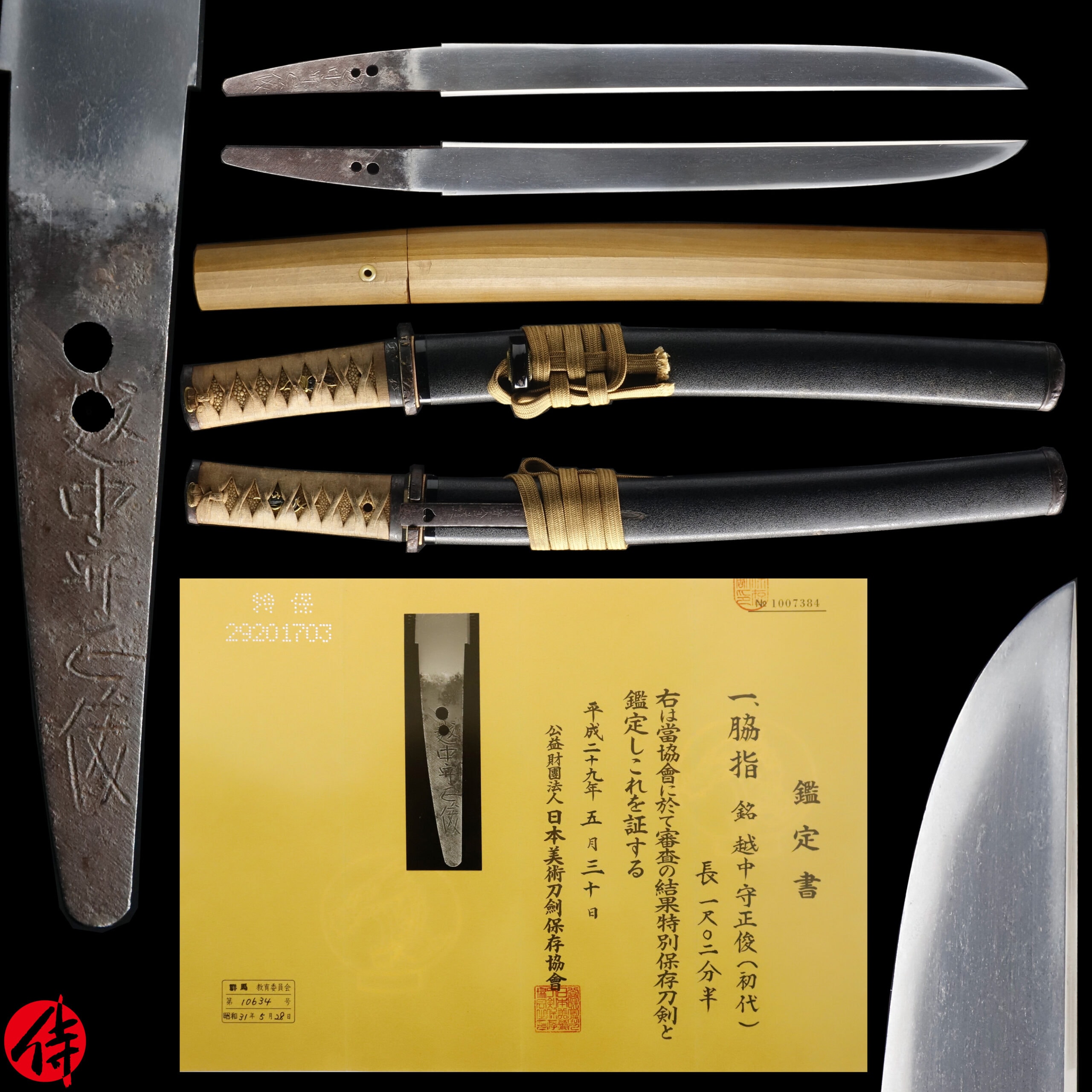
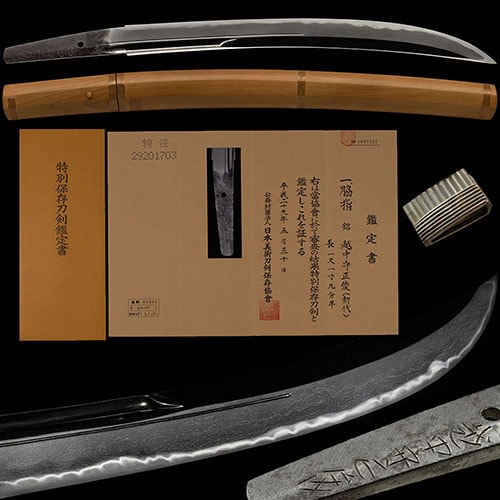
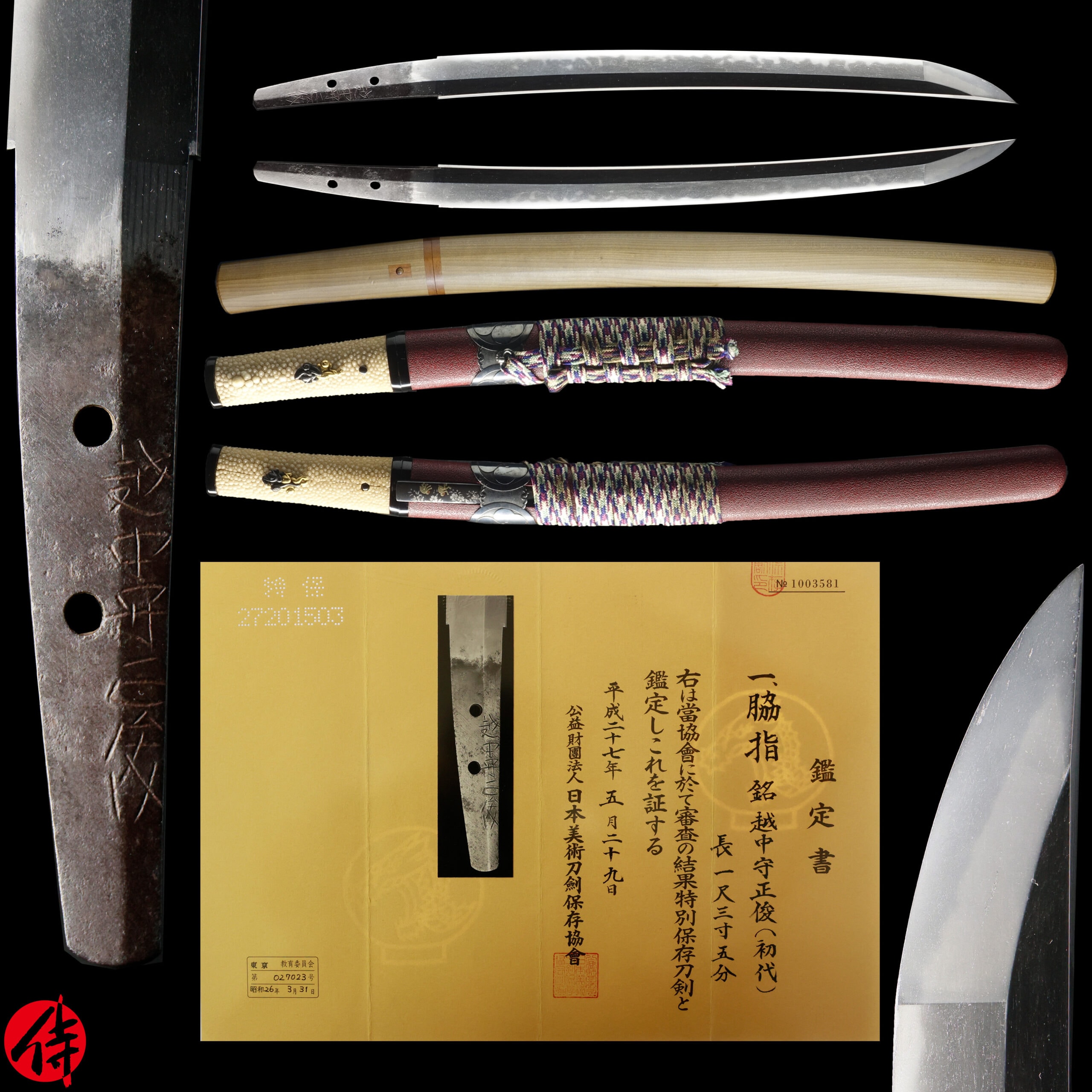
日本刀 脇差 銘 越中守藤原正俊(初代) 日本美術刀剣保存協会(NBTHK) 重要刀剣指定品 【解説】 概要 本作は慶長二十年(1615年:江戸時代初期)に越中守藤原正俊によって制作された一振りです。正俊は関兼道の四男であり、初代正俊として知られています。慶長二年(1597年)に越中守を受領し、特に慶長から元和年間(1600-1624年)にかけて活躍しました。 父である関兼道は元々美濃の出身で、名将・武田信玄の抱え鍛冶として作刀していました。文禄二年(1593年)、兼道は四人の息子(伊賀守金道、和泉守来金道、丹波守吉道、越中守正俊)を連れて京へ上洛。江戸時代初期に隆盛を極めた「三品派」を京都の地で確立しました。 初代越中守正俊は「京都五鍛冶」の一人に数えられ、兄弟の中でも最も技量に優れていたと評されています。その卓越した技術は二代目正俊へと継承されました。二代正俊は、その技量の高さから朝廷より菊紋(皇室の紋章)を刻むことを許されており、これは刀工にとって極めて名誉なことでした。 鑑定 本作は、日本美術刀剣保存協会(NBTHK)により「重要刀剣」に指定されています。この鑑定書は、保存状態が極めて良好であり、かつ美術的価値が極めて高い真筆の日本刀にのみ与えられるものです。「重要刀剣」は「特別保存刀剣」の上位ランクに位置し、指定を受けるにはまず特別保存刀剣であることが条件となります。重要刀剣に指定される刀剣は非常に稀少であり、愛好家やコレクターの間で極めて高く評価されています。 ※本作には僅かな鍛え傷がございます。詳細なコンディションを確認されたい場合は、お気軽にお問い合わせください。 【刀身】 長さ(Nagasa):57.1 cm 反り(Sori):1.3 cm 刃文(Hamon):焼入れによって刃先に現れる結晶構造 地鉄(Jihada):折り返し鍛錬によって現れる鋼の表面模様 切先(Kissaki):刀身の先端部分 茎(Nakago):柄に収まる持ち手部分。日本の刀工は、柄内部での赤錆を防ぐために茎に黒錆を残します。この茎の錆色は経年によって生じるものであり、専門家が制作年代を推定する際の重要な指標となります。 【外装】 拵(Koshirae):日本刀の外装。鞘、柄、鍔などの諸工作で構成されます。 縁頭(Fuchi-Kashira):柄の両端に取り付けられる一対の金具。 本作の縁頭は魚子地(ななこじ)の技法で装飾されています。これは魚子地鏨(たがね)を用いて金属表面に均一な微細な粒を打ち出す技法で、刀装具によく見られる伝統的な装飾です。さらに金の色絵が施され、華やかさを添えています。 意匠については、梅の木とそこを飛び交う鳥が描かれています。この鳥の画題については、日本では古来より「梅に鶯(うぐいす)」という伝統的な組み合わせが親しまれてきました。和歌や絵画において、これらは「取り合わせの良いもの」「調和の取れた仲」の象徴とされています。
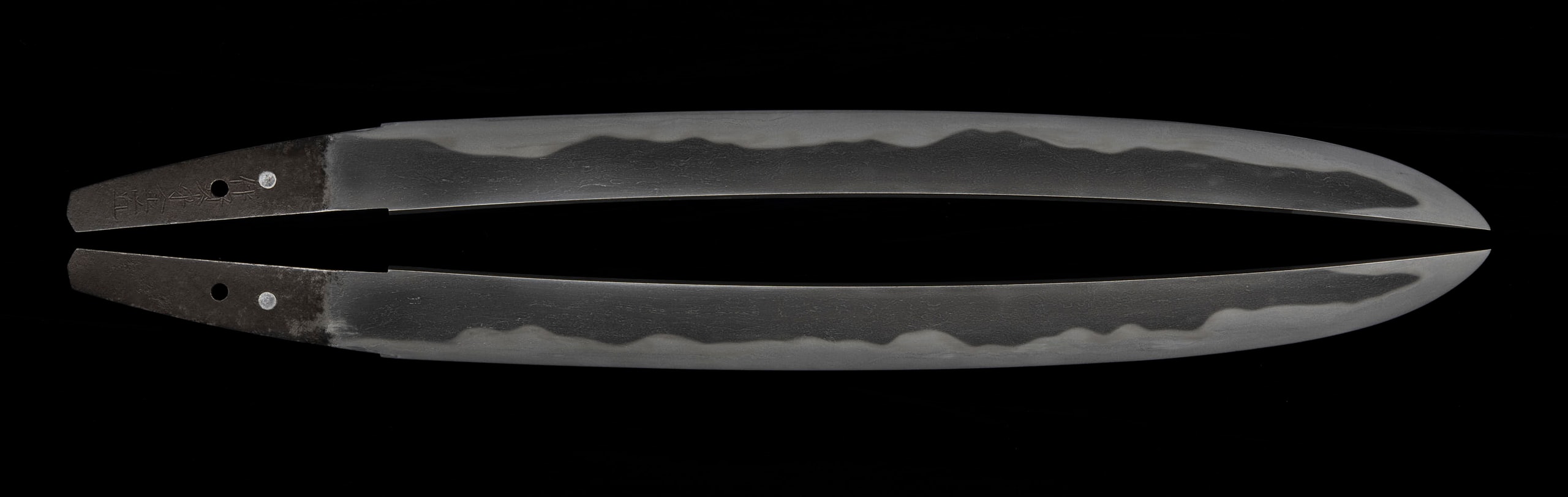
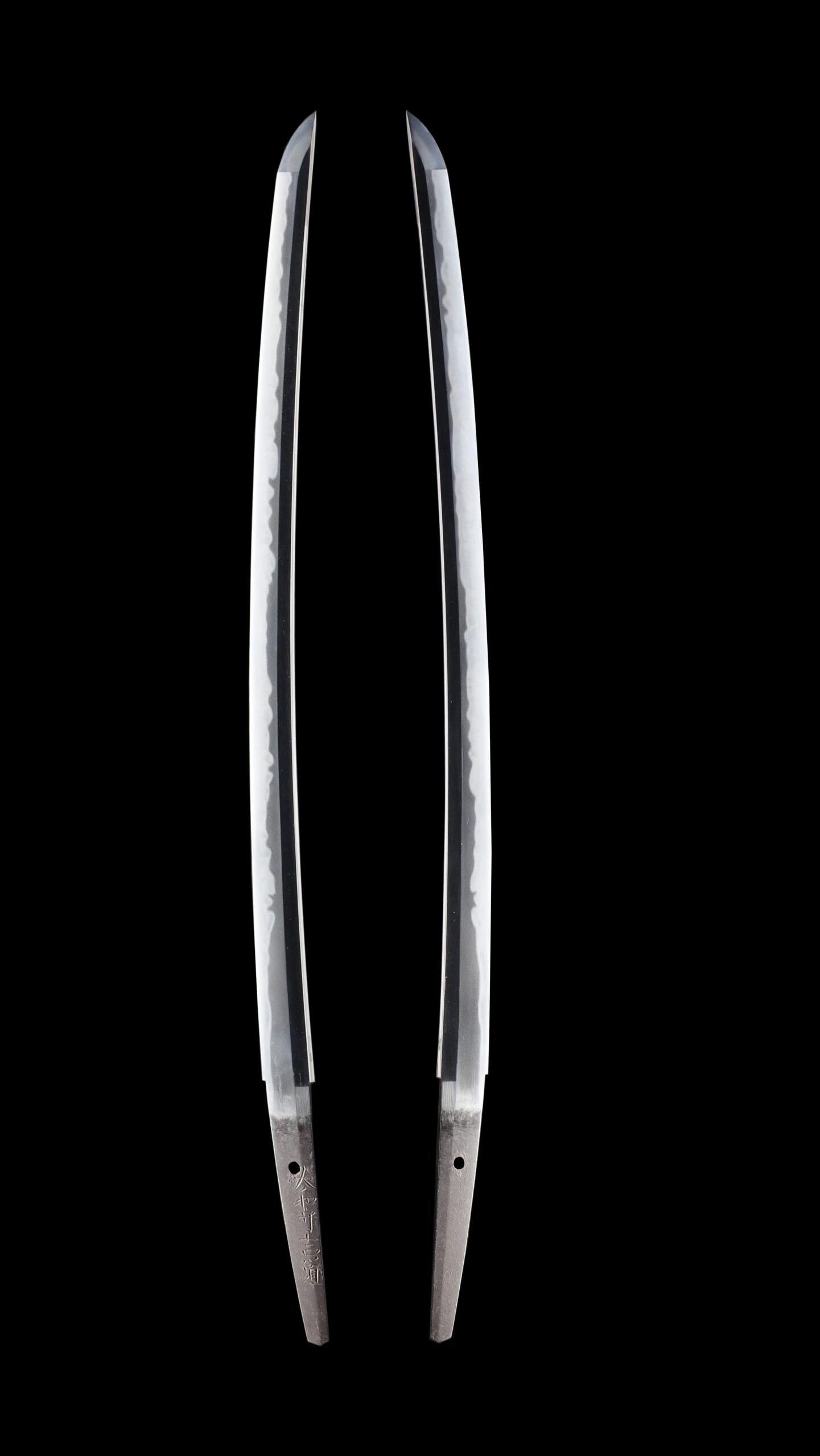
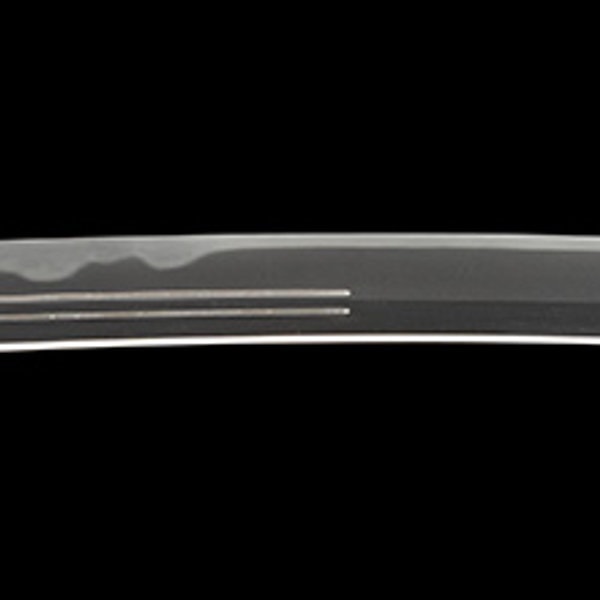
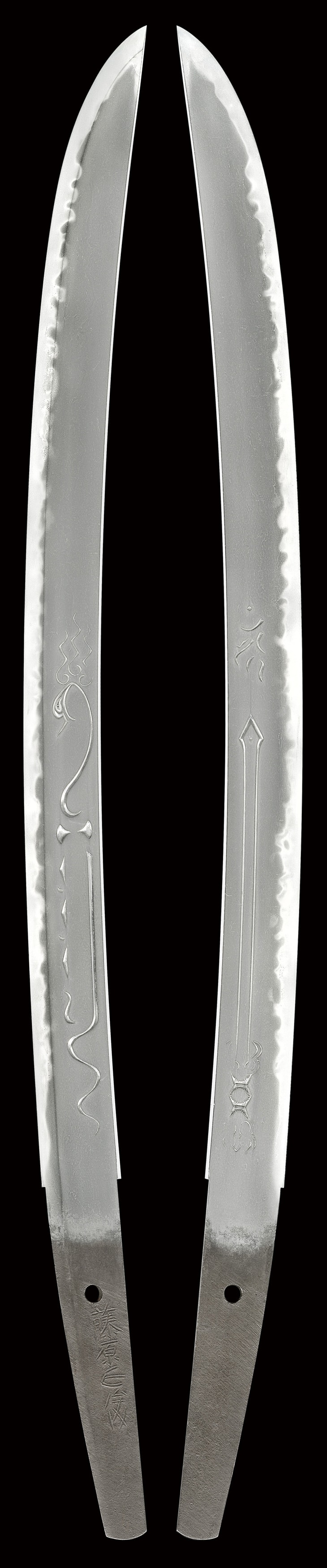
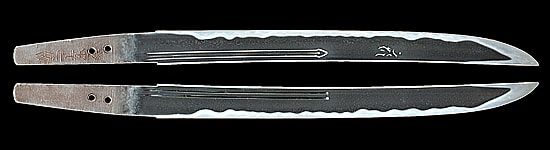
初代越中守正俊は、関の兼道の四男で、兄に伊賀守金道・来金道・丹波守吉道がいる。永禄年間に父や兄等と共に美 濃から京に移住し、一門大いに活躍繁栄した。彼の作刀に見る年紀で最も古いものは慶長五年であり、寛永六年が最終で ある。作風は、相州伝の皆焼や互の目に小のたれを交えた志津風の作、兼之風の互の目丁子、孫六兼元に見られる三本杉 風の尖り刃、また本刀の如く直刃を焼いたものなど、その作或は一門の中でも最も広く、極めて器用人である。 この脇指は、板目が流れて刃寄りが柾がかった鍛えに、直刃に小互の目を交え、 沸がよくつき、砂流しがかかり、刃縁 には打のけが見られるなど大和伝の作柄を示して珍しく、しかも出来がよい。 また、彼の作品で年紀作は稀有であるが、 殊に「越中守」の守の字の第六画の打ち方が従来の「守」から「守」と変化が見られるのが本脇指の慶長二十年からであ り、正俊研究上貴重な資料でもある。
 NihontoWatch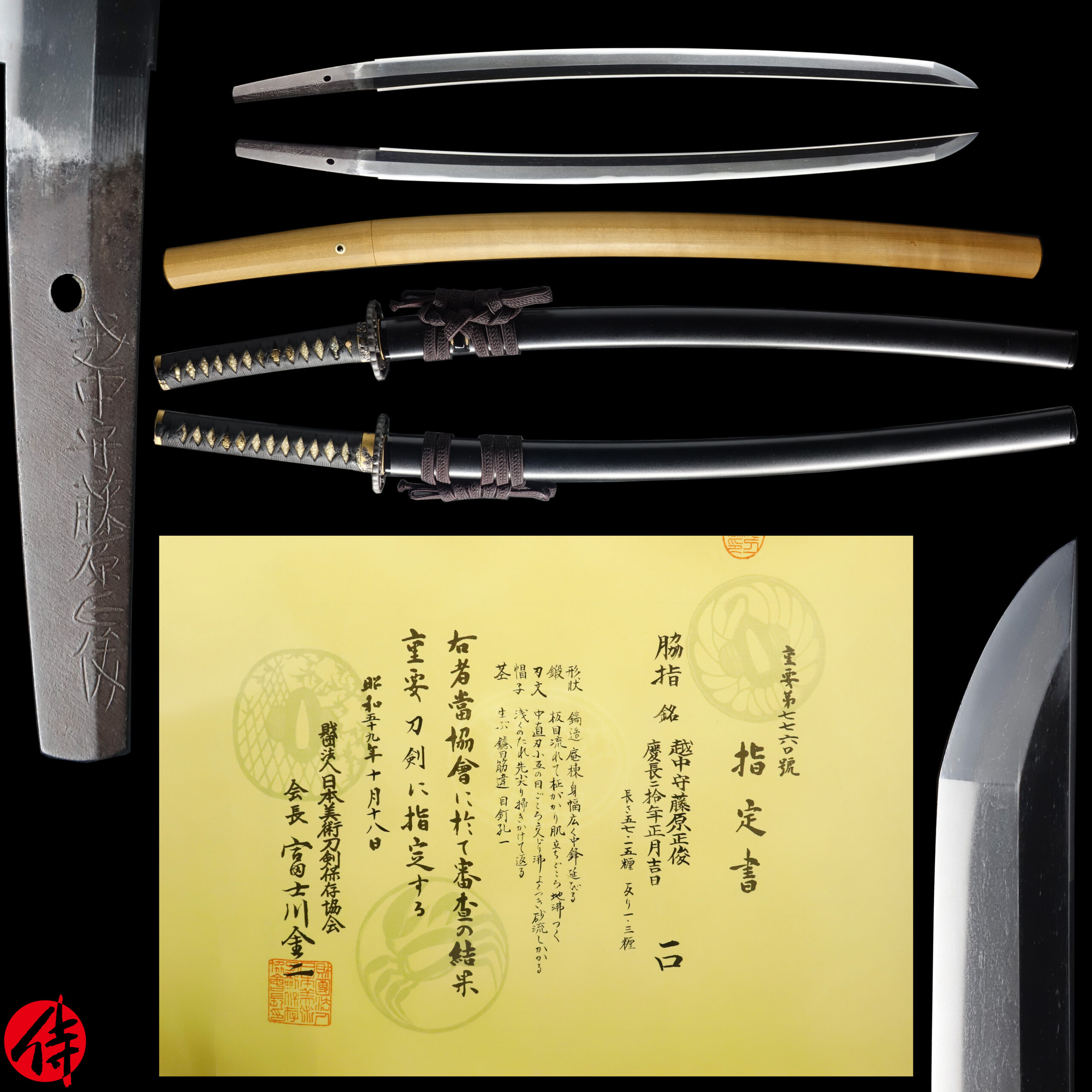
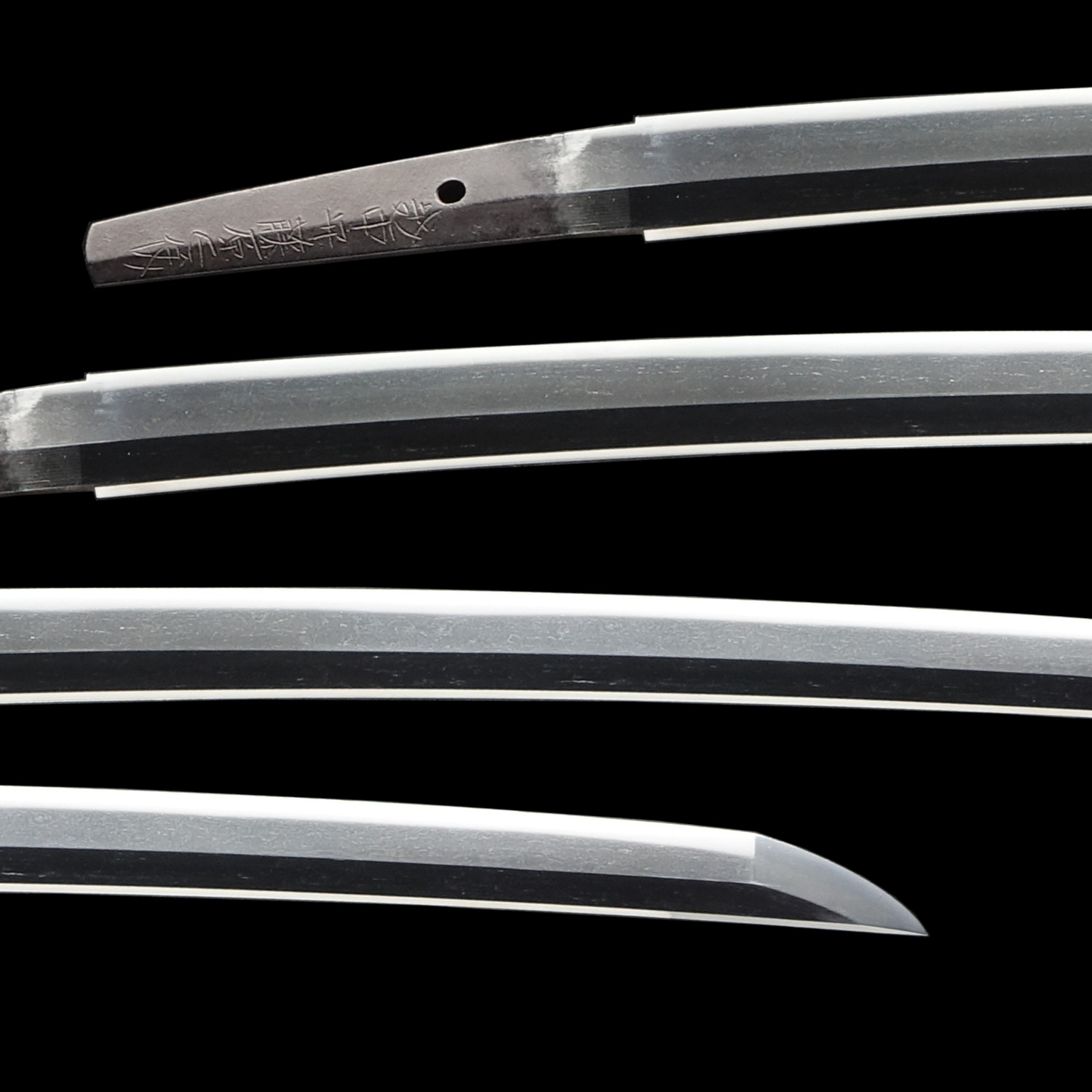
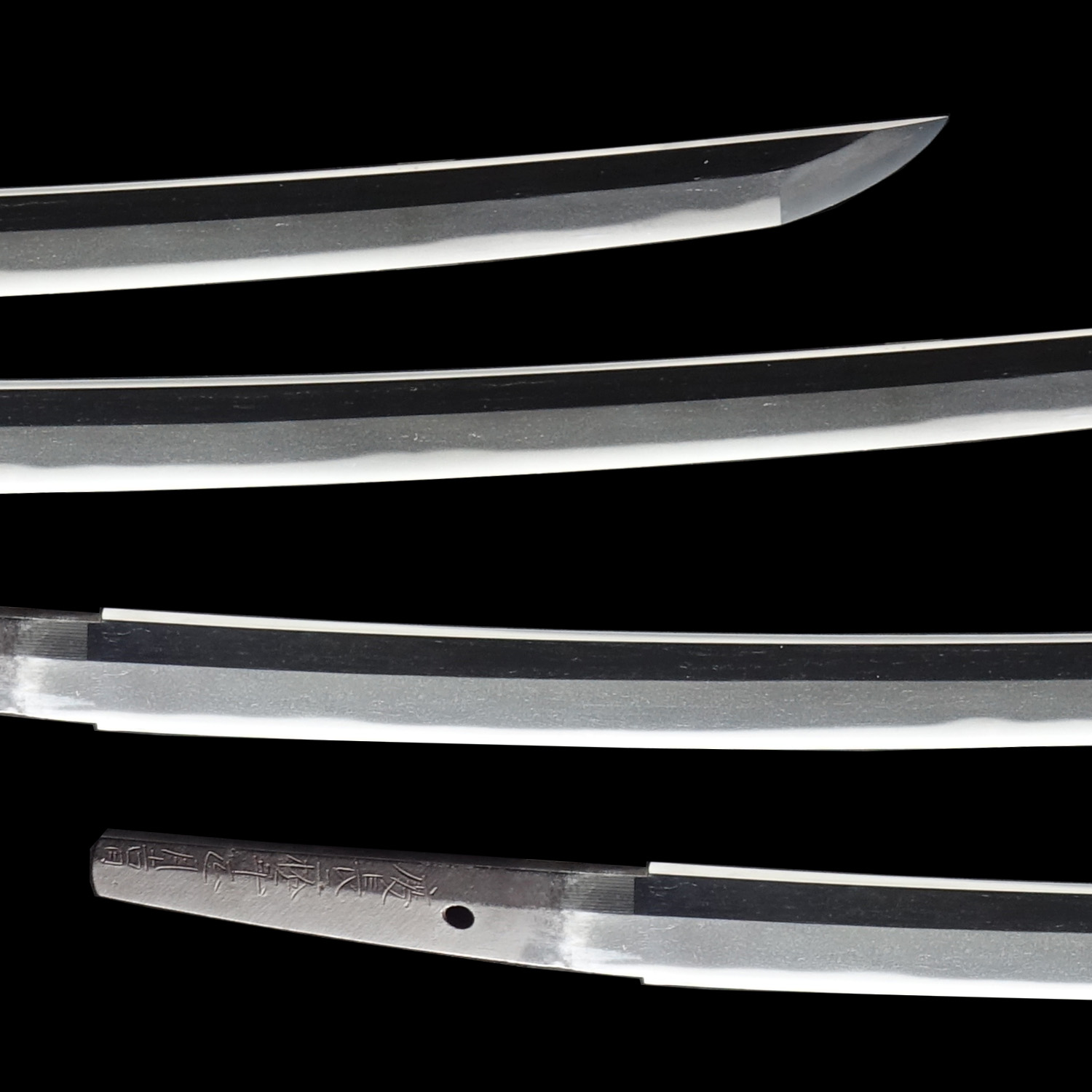

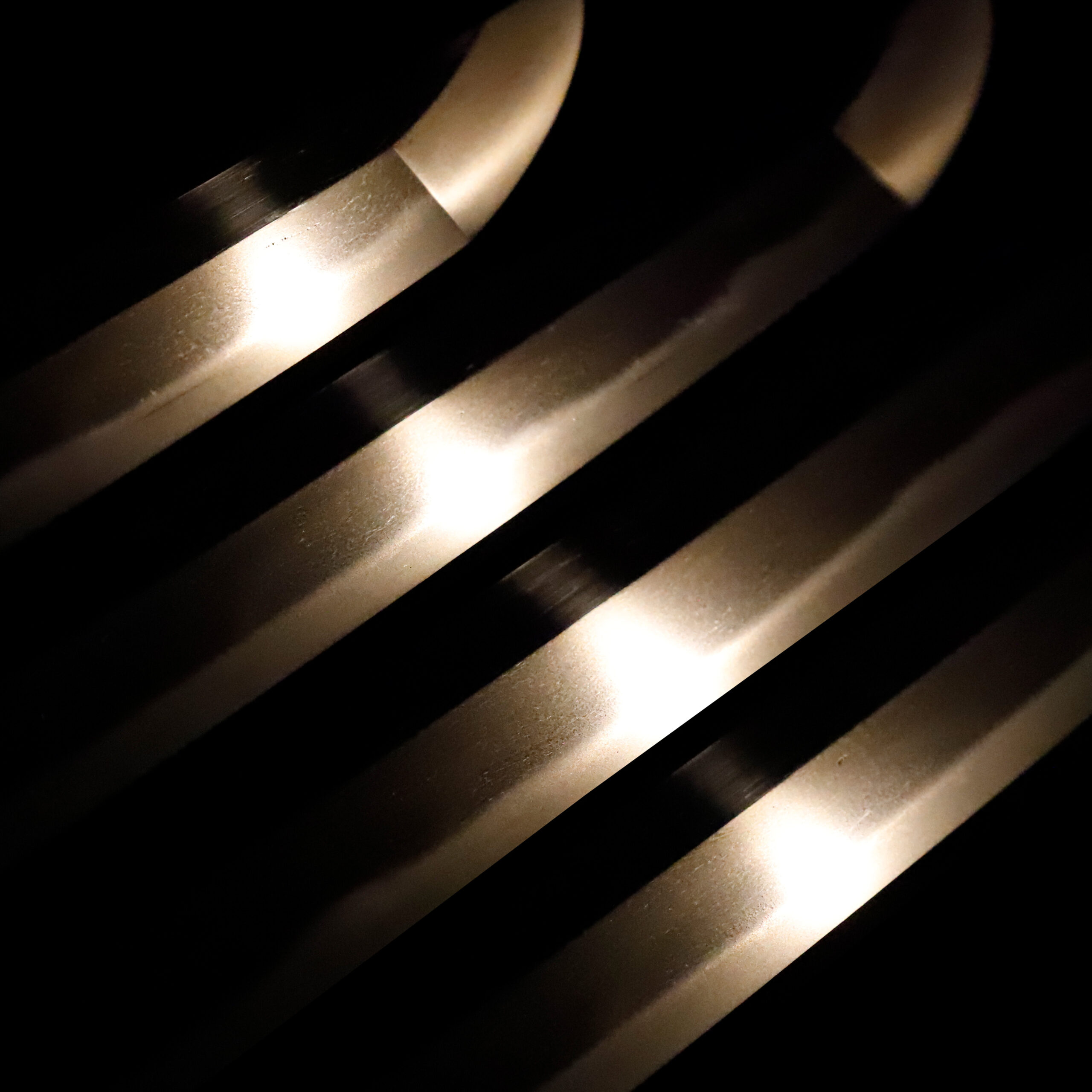
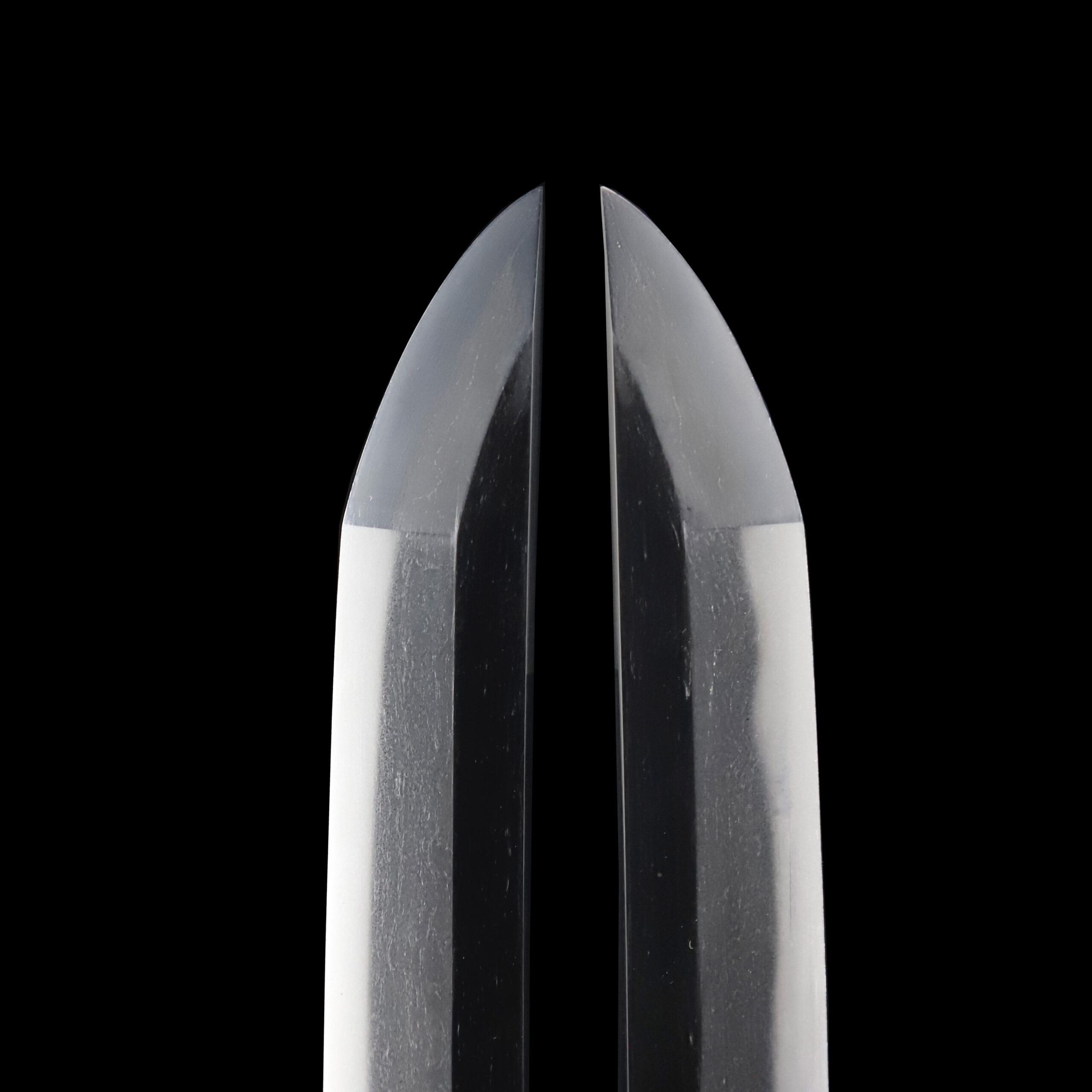
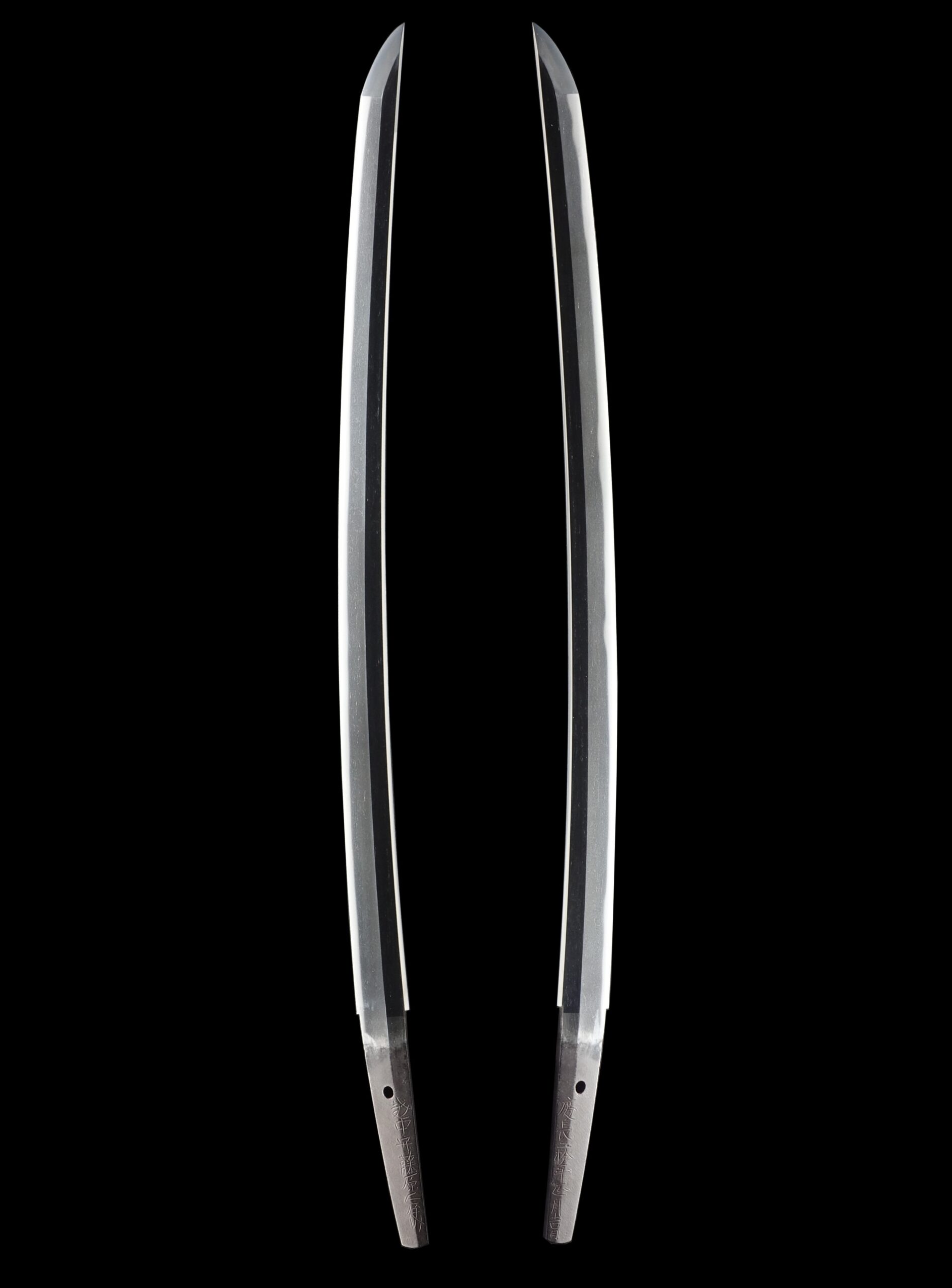
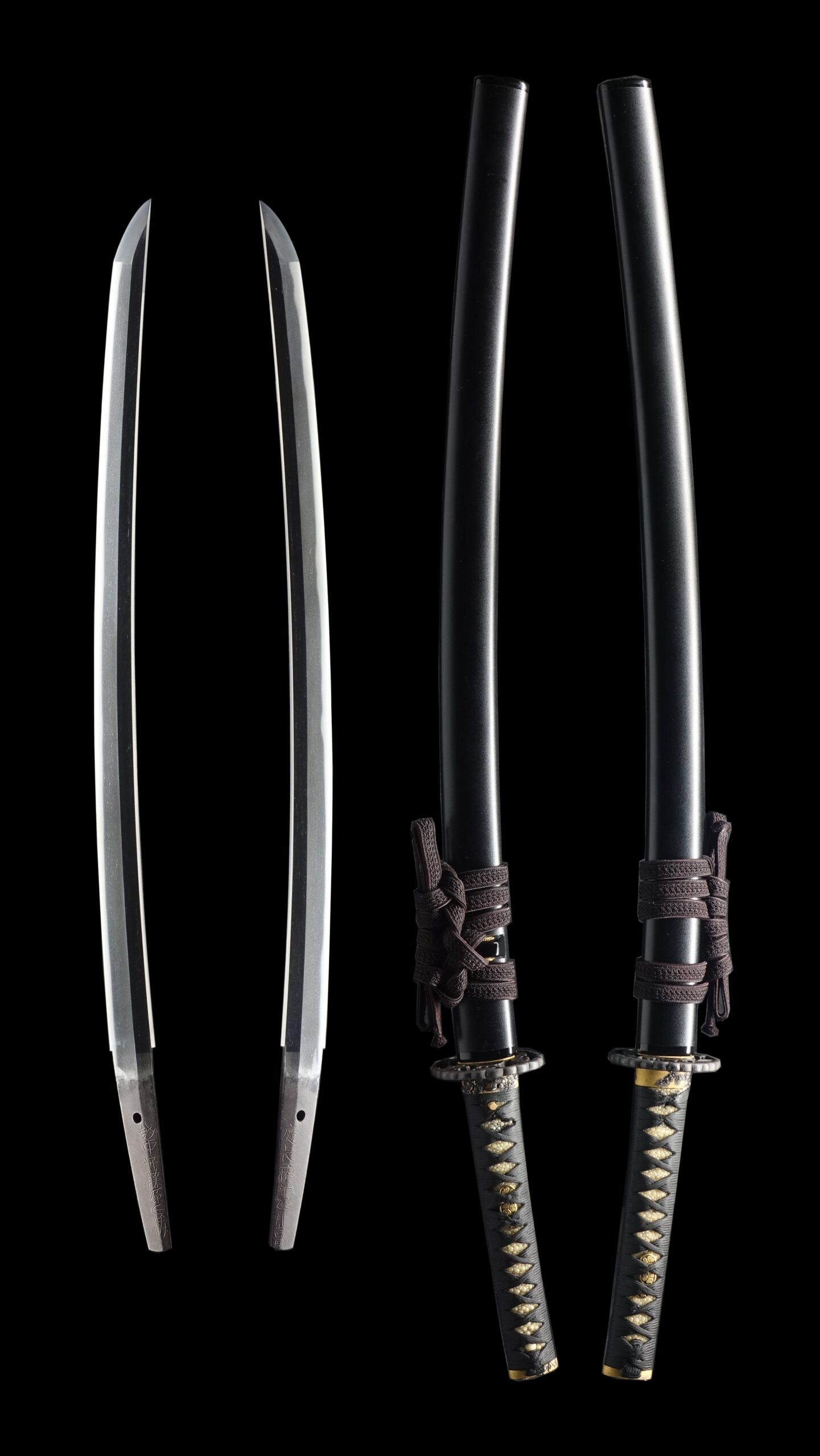
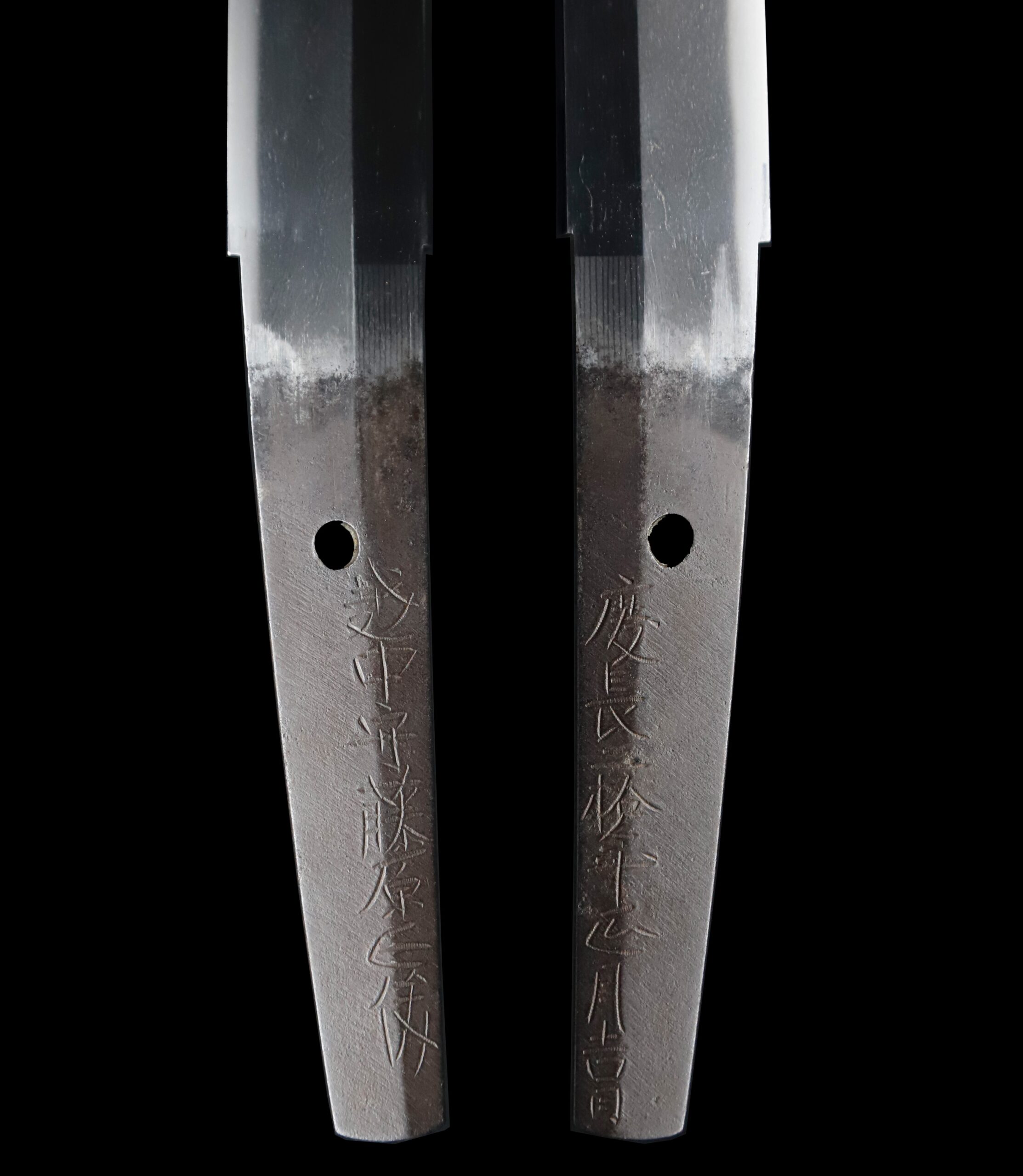
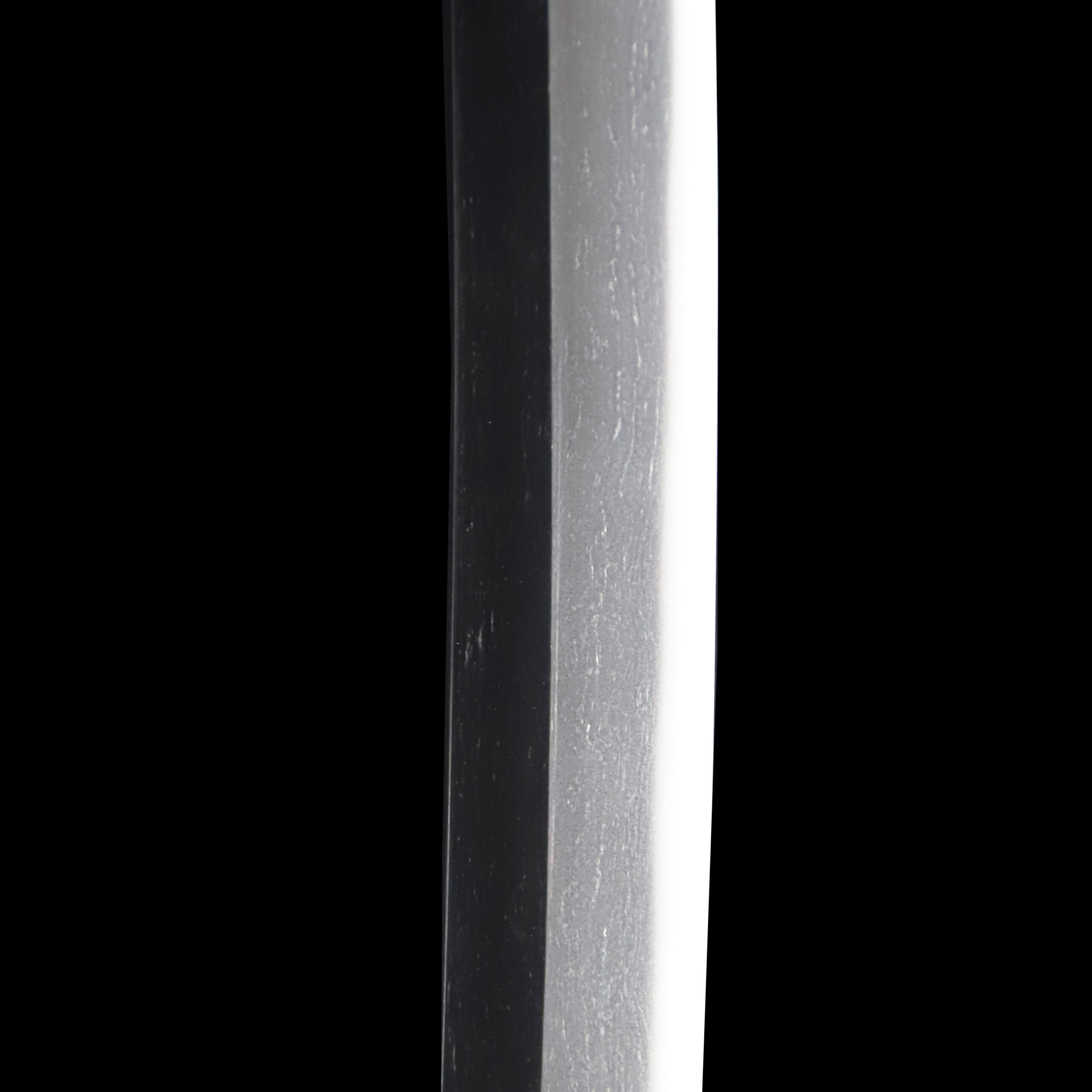
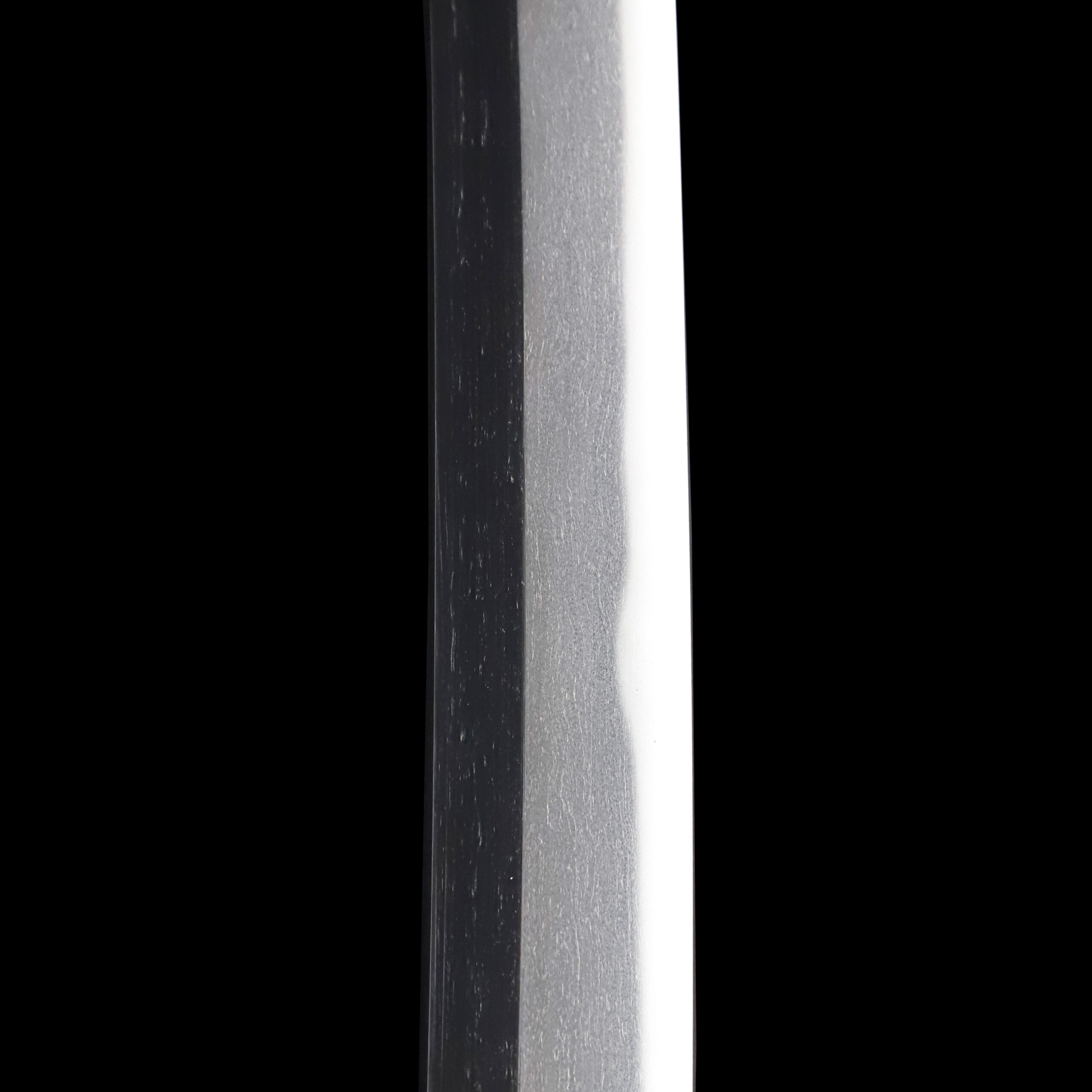
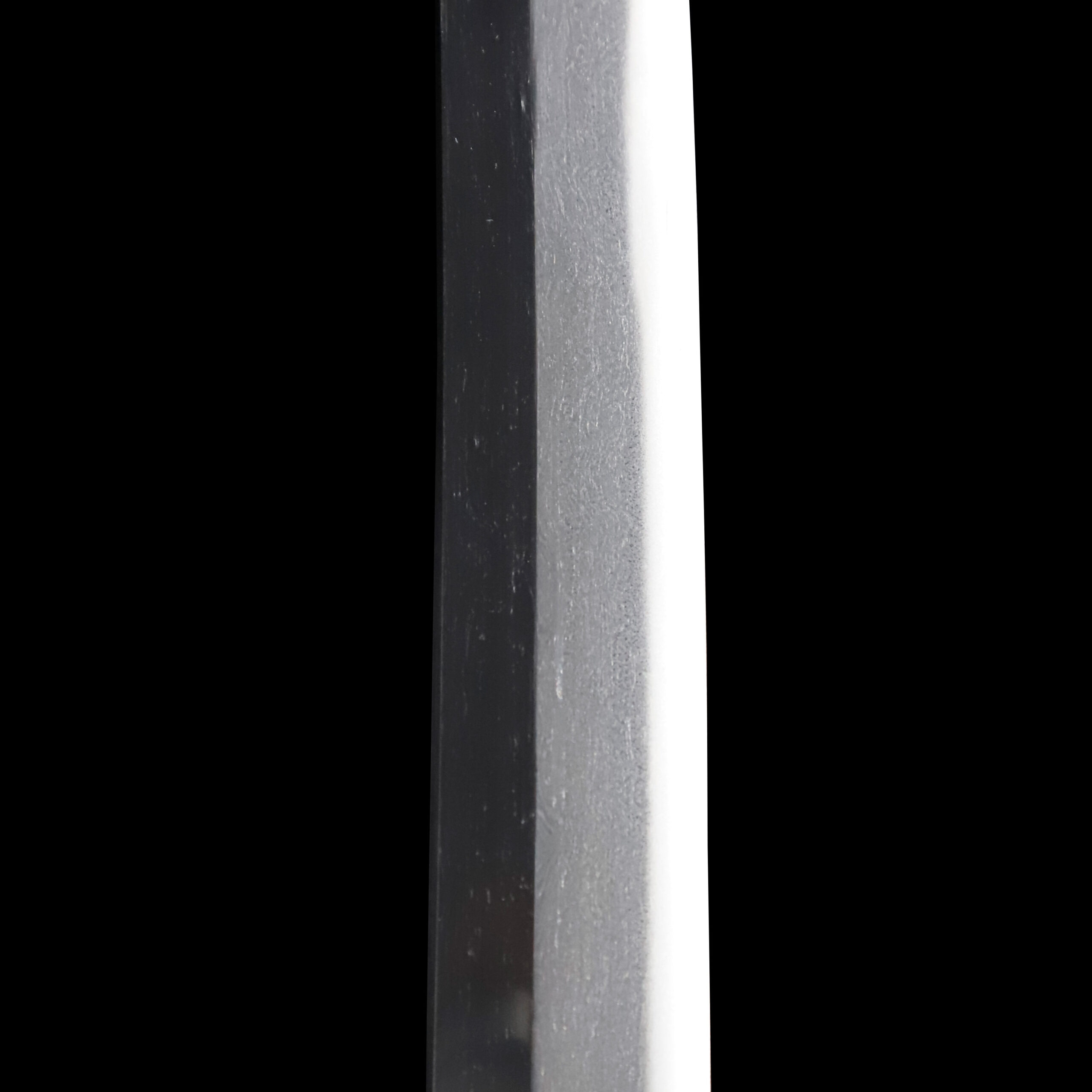
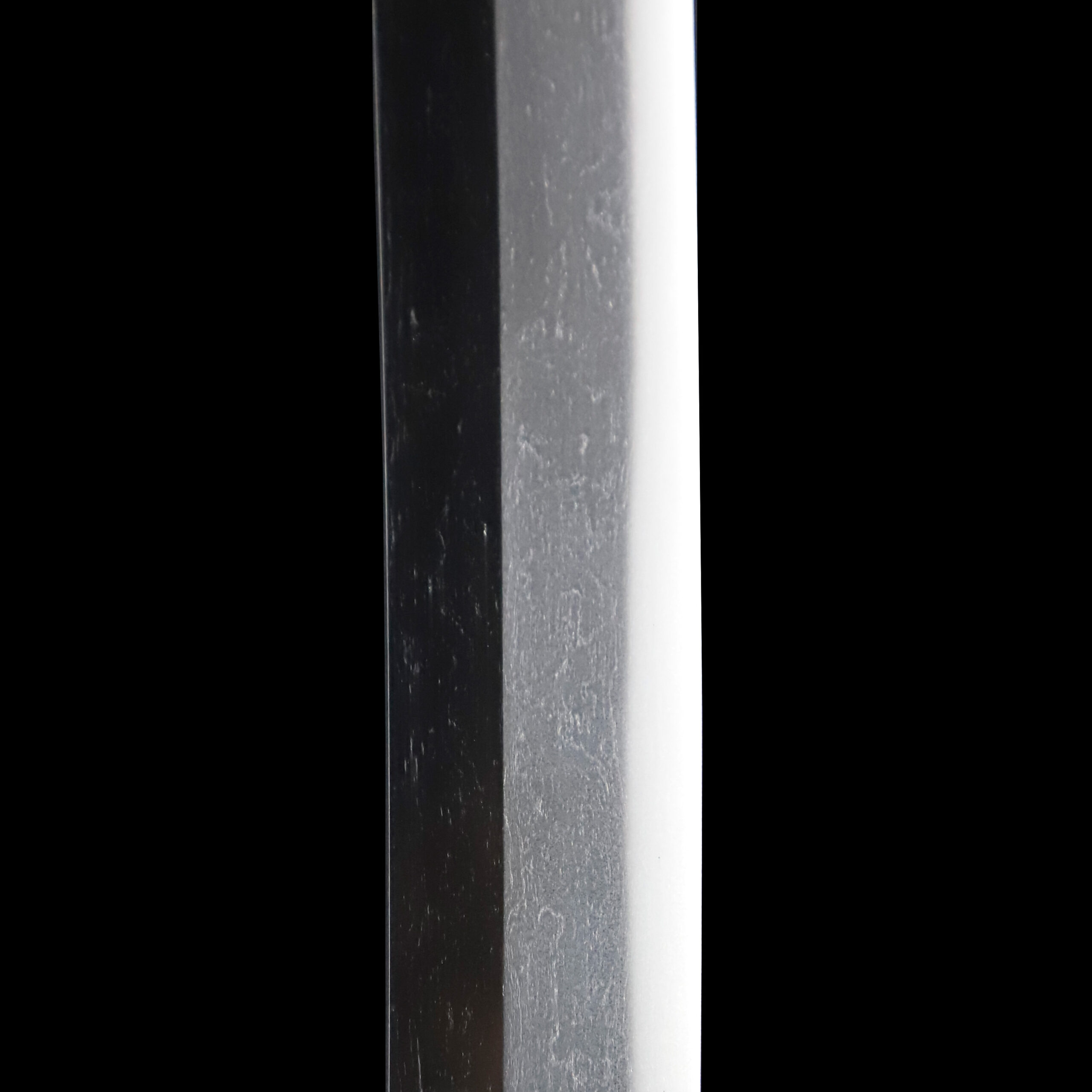
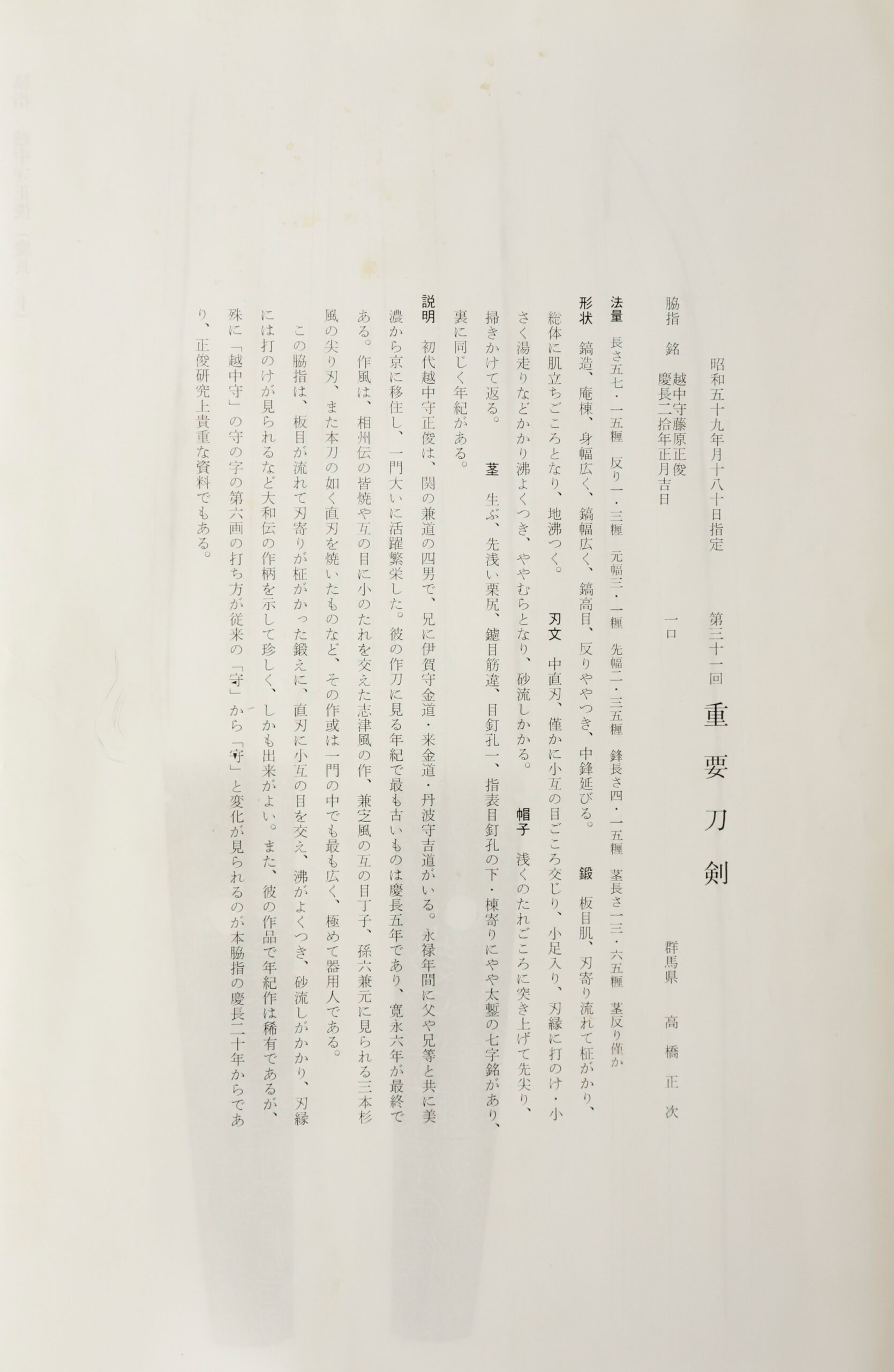
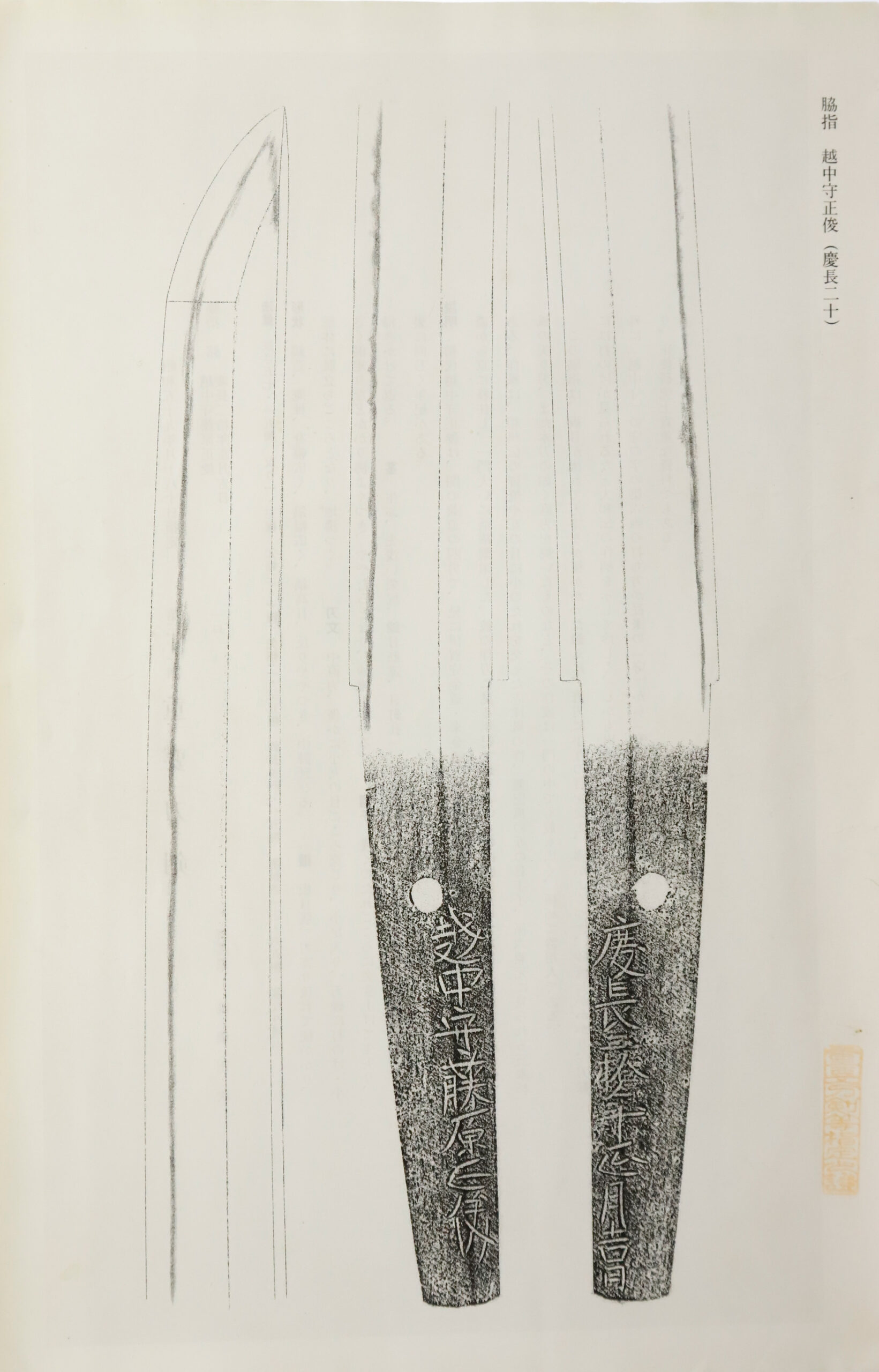
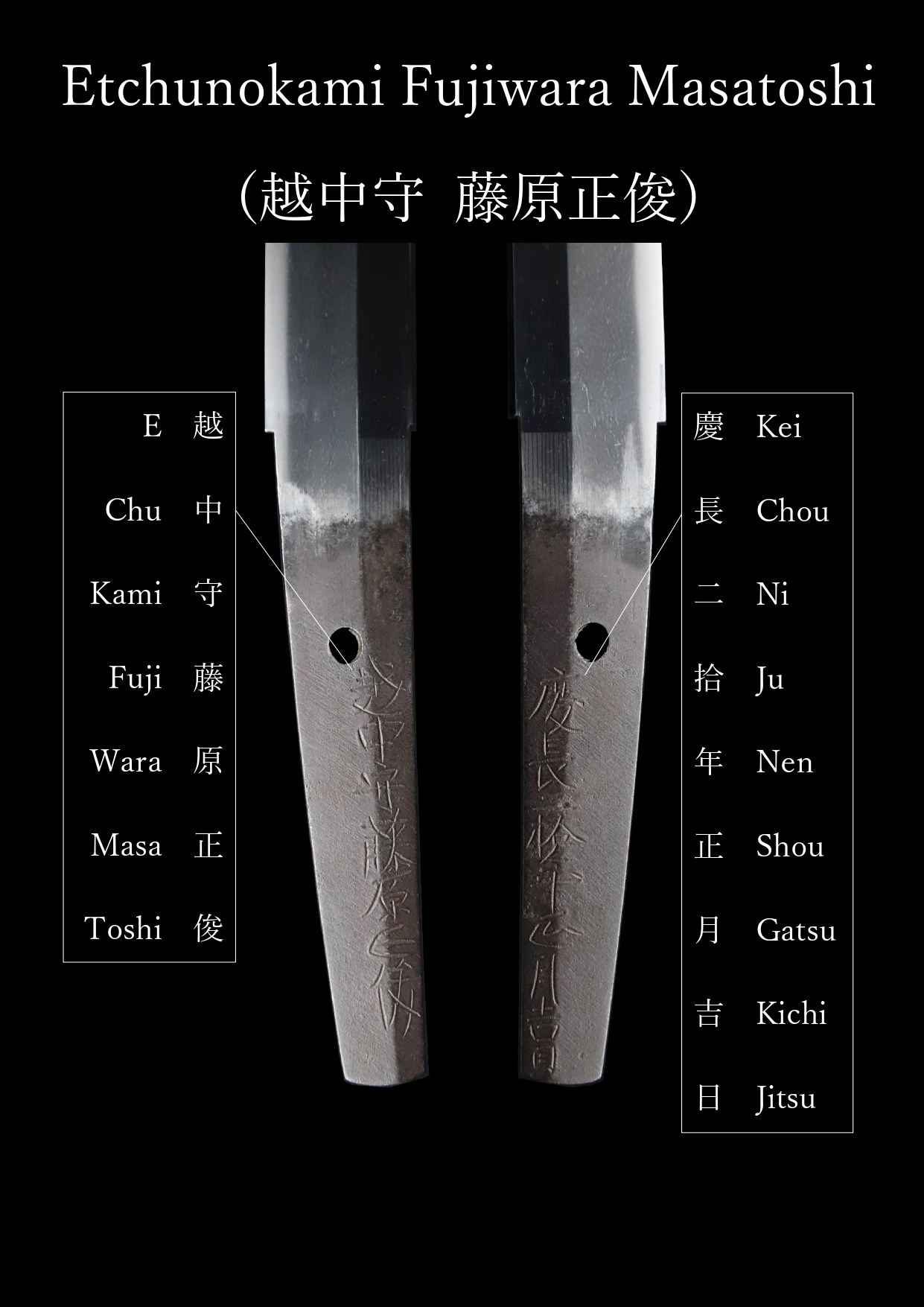
初代越中守正俊は、関の兼道の四男で、兄に伊賀守金道・来金道・丹波守吉道がいる。永禄年間に父や兄等と共に美 濃から京に移住し、一門大いに活躍繁栄した。彼の作刀に見る年紀で最も古いものは慶長五年であり、寛永六年が最終で ある。作風は、相州伝の皆焼や互の目に小のたれを交えた志津風の作、兼之風の互の目丁子、孫六兼元に見られる三本杉 風の尖り刃、また本刀の如く直刃を焼いたものなど、その作或は一門の中でも最も広く、極めて器用人である。 この脇指は、板目が流れて刃寄りが柾がかった鍛えに、直刃に小互の目を交え、 沸がよくつき、砂流しがかかり、刃縁 には打のけが見られるなど大和伝の作柄を示して珍しく、しかも出来がよい。 また、彼の作品で年紀作は稀有であるが、 殊に「越中守」の守の字の第六画の打ち方が従来の「守」から「守」と変化が見られるのが本脇指の慶長二十年からであ り、正俊研究上貴重な資料でもある。
Mishina (Sanpin) school, Kyoto Shinto · 山城 · 1596-1615頃
藤代 Jo-jo saku · 刀剣大鑑 上位8%
現在5点販売中
初代越中守正俊は美濃関の兼道の四男、すなわち末子であり、その作刀に見る最も古い年紀は慶長五年、最終は寛永六年である。父および三兄の伊賀守金道・来金道・丹波守吉道と共に美濃より京に上り、堀川派と並ぶ京新刀の一大勢力として三品派を興した。四兄弟のうち説明書は末弟を最も高く評し、「器用さは兄弟中第一」[[c:1]]とし、作風も「その作域は一門中最も広く、極めて器用人である」[[c:2]]と記して、その多彩を堀川派の国路に比す向きもある。藤代の極めは上々作。その記録は一つの作風を全力で押し通したものではなく、幾通りもの手を一人の器用な工が修めたものであり、まさにそのように読まれる。
その記録の中心は、説明書が「最も得意とした志津」[[c:3]]とする作域にある。板目に杢・大板目・流れ肌を交えてやや肌立ち、かねが時にやや黒みをおびる地に、浅いのたれを基調とした大乱れを焼き、互の目・小互の目・角がかった刃・尖りごころの刃を交える。沸は強く時に荒く、むら立って凝り、砂流しさかんに金筋長く入り、小さな飛焼・湯走りを交えて二重刃状を呈し、匂口は沈みごころとなる。説明書はこれらを彼が好んだ志津の作域に範をとったものとし、野趣に富み古色を帯びるとして、その最上手を同作中の出色と称える。
地鉄は全ての手を支える終始変わらぬところである。流れて流れ肌となり肌立ち、しばしば刃寄りで柾となる板目は、美濃関の継承を京の作にまで伝え、地沸微塵に厚くつき地景のよく入る。その上の働きこそ見どころで、砂流しはほぼ常にあって備前の地よりはるかに豊富であり、本工は帽子と焼頭の二所に己を刻む。帽子は尖りごころに突き上げ、時に小丸に返り、先に掃きかけをみせるものが多く、説明書はこの浅くのたれ込んで尖り掃きかける形を三品帽子とし、四兄弟中正俊に最も顕著とし、しばしば「絵に書いたような典型的な三品帽子」[[c:4]]と評する。焼頭の上には強い沸が飛焼・湯走りを伴って凝り縞をなす「簾刃の萌」を見せ、極めはこれを「正俊にまま見受けられる」[[c:5]]と記す。後代の三品派を特徴づける簾刃の見どころの種である。
器用なるがゆえに、その記録は段階というよりむしろ作域に分かれる。志津の典型の傍らには濃い美濃色の手が立ち、下半は華やかな互の目丁子に互の目を交え、説明書が孫六兼元に範をとったとする三本杉風の尖り刃を見せ、刃寄りは柾に流れ、刃中には焼がぬけたような丸い玉が凝る。第三の静かな手は大和で、板目が柾に流れて締まった中直刃を焼き、刃縁に打のけ・小さな二重刃・ほつれを交え、一口の直刃の刀は尻懸則長を意識した作と読まれる。これに相州伝の皆焼が加わり、一つの刃文が彼を定めることはない。彼を定めるのは、全てを貫く帽子と砂流しと流れる地鉄である。年紀作は稀ながら、一門の上京、文禄年中の越中守受領、そして慶長二十年頃よりの銘中「越中守」の「守」の第六画の変化が、在銘作に確かな年代の手掛りを与える。
一派の中での位置は極めが明らかに言うところである。三品四兄弟中最も器用で作域が広く、志津風を共有した長兄伊賀守金道に対し、正俊はこれを最も推し進め、一門の帽子をその最も明快な形に示す。名は数代続くが、説明書は「二代以下は技術が頗る劣っている」[[c:6]]とし、初代を一派中の手本、他の世代が比較される手とする。その特色は借り物の類似ではなく、本工自身の広い見どころの広がりであり、説明書が繰り返し上手・堅実と評する技をもって担われている。
収集の観点では、京新刀草創の世代に属する、在銘で知りうる名である。国宝はなく重要文化財もなく、その記録は特別重要刀剣二口・重要刀剣二十六口および戦前の重要美術品、特別重要刀剣・重要刀剣の級で合わせて二十八口を通じ、そのほとんどが在銘である。来歴は数こそ少ないが立派で、織田有楽斎・織田家、皇室、北野天満宮の手を経ている。彫物の稀な一門にあって本工には数口に彫物が見られ、不動明王・倶利迦羅などは彼の手の研究に貴重と極められる。指定を受けた作の多くは私蔵か否かを問わず保たれて流通せず、その記録のうち市場に出うる級はわずかであるから、在銘の越中守正俊が世に出るのは時折のことで容易ではない。されど一たび出れば、三品派がその最も器用な草創の手と認めた工を、健全かつ多彩に語る一口である。
正俊の位置づけを、日本刀全体および伝統・時代・時期ごとに示します。各位(随一・屈指・有数・著名)は、NBTHK および文化庁による指定に加え、三作や名物帳などの歴史的栄誉を加味したものです。
各項目を選ぶと評価方法が表示されます。
在銘年紀作が示す、確実に活動していた年代
新刀 · 山城
現在76点販売中
三品派は、美濃国関の兼道を源流とし、その子らが京へ上って興した新刀の一門である。説明書は、兼道の四子すなわち長兄伊賀守金道、来金道、丹波守吉道、末弟越中守正俊が父と共に美濃より上京し、西洞院夷川に住して三品派の名を大いに高めたと記す。長兄金道は京五鍛冶の頭領にして、その家は刀工の受領を朝廷に推薦する権を世襲し、銘に「日本鍛冶宗匠」と添えて幕末に及んだ。やがて一門は京にとどまらず大坂へも枝を張り、京初代丹波守吉道の子が大坂に移って大坂丹波の祖となり、その周囲に大和守吉道が連なり、丹後守兼道のごとく大坂に住して元禄頃に活躍した工も出た。末関の量産地に発しながら、堀川派と並ぶ京新刀の一大勢力に育ち、さらに大坂へと展開した点に、この一門の歩みがある。 作風を貫くのは、工と世代の差を越えて繰り返される三品の共通語法である。地鉄は板目に杢や流れ肌を交えて棟寄りに強く流れ、刃寄りで柾がかって肌立ち、地沸微塵に厚くつき地景のよく入るもので、美濃関の継承を京の作にまで伝える。京の古い手が肌立つ板目を見せるのに対し、大坂の系では小板目をよくつめ清く澄んだ地に転ずる差がある。刃文は美濃由来の互の目と尖り刃を基調に、これを京風に洗練して小のたれの大乱れに展開し、沸が強く時に荒くむら立ち、砂流しさかんに金筋長く入る。最も明快な見どころは帽子で、のたれ込みに先尖って掃きかける三品帽子は一門の標識をなし、末弟正俊にことに顕著である。いま一つの標識が丹波守吉道の創案した簾刃で、湯走り・飛焼・砂流しが幾重にも縞がかって簾の如く焼かれる。金道と正俊が志津風を共に得意として作域広く、吉道はこの簾刃の一手に己を結び、大坂の系はその簾刃を最もよく継いだ。同じ語法のうちに、各工の手が読み分けられる。 収集の観点では、三品派は新刀草創の格と明快な鑑定の勘所をあわせ持つ一門である。先尖って掃きかける三品帽子と、縞がかって平行に焼かれる簾刃の二つの見どころは、地と刃のいずれにも紛れなく現れて工と作域を定める手懸りとなり、大坂の直ぐで均一の焼出しは京の手と分かつ目印となる。主要工の格は説明書の評にそのまま現れ、初代伊賀守金道は一派中最も優れた手とされ、初代丹波守吉道は初期新刀屈指の名工に数えられ、末弟正俊は器用さ兄弟中第一と評される。一門の作はおおむね在銘で、銘そのものが時の標識となり、由緒の確かさをもって賞翫される。来歴の知られる作は谷干城の愛刀、佐竹家、織田有楽斎、北野天満宮、皇室、大坂城代青山家の蔵を経て伝わり、一口は京都国立博物館に納まる。最上手の在銘作が市に現れるのは折々のことで容易ではないが、一たび相見えれば、三品派が美濃関より京・大坂へいかに展開したかを語る確かな証となる。 詳しく見る →
京 新刀の源流
新刀の時代は、その大部分が京都で発明された。埋忠明寿の工房が運動を育て、堀川国広が一世代を鍛え、鎚を持たぬ本阿弥家が名刀の意味を司った。
特別保存刀剣の中から、特に出来が優れ、国認定の重要美術品に準ずると判断された名品です。年に一度の重要刀剣審査で選ばれます。
極めて選別的で、日本に登録された約250万口の刀剣のうち、重要刀剣に達したものは12,307口(約203口に1口)にすぎません。
日本美術刀剣保存協会(NBTHK)は、1948年に設立され、文化庁の監督を受ける公益財団法人で、東京・刀剣博物館に本部を置きます。専門の審査員が出品作を直接審査し、美術的・歴史的価値に応じた鑑定書を発行します。NBTHKの鑑定書は、日本刀および刀装具の真正性を示す最も広く認知された基準です。
NBTHK公式サイトReturns/exchanges limited to defects caused by shipping (except willful misconduct or gross negligence by the company); customers must contact within 72 hours of receiving the product.
日本刀 脇差 銘 越中守藤原正俊(初代) 日本美術刀剣保存協会(NBTHK) 重要刀剣指定品 【解説】 概要 本作は慶長二十年(1615年:江戸時代初期)に越中守藤原正俊によって制作された一振りです。正俊は関兼道の四男であり、初代正俊として知られています。慶長二年(1597年)に越中守を受領し、特に慶長から元和年間(1600-1624年)にかけて活躍しました。 父である関兼道は元々美濃の出身で、名将・武田信玄の抱え鍛冶として作刀していました。文禄二年(1593年)、兼道は四人の息子(伊賀守金道、和泉守来金道、丹波守吉道、越中守正俊)を連れて京へ上洛。江戸時代初期に隆盛を極めた「三品派」を京都の地で確立しました。 初代越中守正俊は「京都五鍛冶」の一人に数えられ、兄弟の中でも最も技量に優れていたと評されています。その卓越した技術は二代目正俊へと継承されました。二代正俊は、その技量の高さから朝廷より菊紋(皇室の紋章)を刻むことを許されており、これは刀工にとって極めて名誉なことでした。 鑑定 本作は、日本美術刀剣保存協会(NBTHK)により「重要刀剣」に指定されています。この鑑定書は、保存状態が極めて良好であり、かつ美術的価値が極めて高い真筆の日本刀にのみ与えられるものです。「重要刀剣」は「特別保存刀剣」の上位ランクに位置し、指定を受けるにはまず特別保存刀剣であることが条件となります。重要刀剣に指定される刀剣は非常に稀少であり、愛好家やコレクターの間で極めて高く評価されています。 ※本作には僅かな鍛え傷がございます。詳細なコンディションを確認されたい場合は、お気軽にお問い合わせください。 【刀身】 長さ(Nagasa):57.1 cm 反り(Sori):1.3 cm 刃文(Hamon):焼入れによって刃先に現れる結晶構造 地鉄(Jihada):折り返し鍛錬によって現れる鋼の表面模様 切先(Kissaki):刀身の先端部分 茎(Nakago):柄に収まる持ち手部分。日本の刀工は、柄内部での赤錆を防ぐために茎に黒錆を残します。この茎の錆色は経年によって生じるものであり、専門家が制作年代を推定する際の重要な指標となります。 【外装】 拵(Koshirae):日本刀の外装。鞘、柄、鍔などの諸工作で構成されます。 縁頭(Fuchi-Kashira):柄の両端に取り付けられる一対の金具。 本作の縁頭は魚子地(ななこじ)の技法で装飾されています。これは魚子地鏨(たがね)を用いて金属表面に均一な微細な粒を打ち出す技法で、刀装具によく見られる伝統的な装飾です。さらに金の色絵が施され、華やかさを添えています。 意匠については、梅の木とそこを飛び交う鳥が描かれています。この鳥の画題については、日本では古来より「梅に鶯(うぐいす)」という伝統的な組み合わせが親しまれてきました。和歌や絵画において、これらは「取り合わせの良いもの」「調和の取れた仲」の象徴とされています。
初代越中守正俊は、関の兼道の四男で、兄に伊賀守金道・来金道・丹波守吉道がいる。永禄年間に父や兄等と共に美 濃から京に移住し、一門大いに活躍繁栄した。彼の作刀に見る年紀で最も古いものは慶長五年であり、寛永六年が最終で ある。作風は、相州伝の皆焼や互の目に小のたれを交えた志津風の作、兼之風の互の目丁子、孫六兼元に見られる三本杉 風の尖り刃、また本刀の如く直刃を焼いたものなど、その作或は一門の中でも最も広く、極めて器用人である。 この脇指は、板目が流れて刃寄りが柾がかった鍛えに、直刃に小互の目を交え、 沸がよくつき、砂流しがかかり、刃縁 には打のけが見られるなど大和伝の作柄を示して珍しく、しかも出来がよい。 また、彼の作品で年紀作は稀有であるが、 殊に「越中守」の守の字の第六画の打ち方が従来の「守」から「守」と変化が見られるのが本脇指の慶長二十年からであ り、正俊研究上貴重な資料でもある。
NihontoWatch初代越中守正俊は、関の兼道の四男で、兄に伊賀守金道・来金道・丹波守吉道がいる。永禄年間に父や兄等と共に美 濃から京に移住し、一門大いに活躍繁栄した。彼の作刀に見る年紀で最も古いものは慶長五年であり、寛永六年が最終で ある。作風は、相州伝の皆焼や互の目に小のたれを交えた志津風の作、兼之風の互の目丁子、孫六兼元に見られる三本杉 風の尖り刃、また本刀の如く直刃を焼いたものなど、その作或は一門の中でも最も広く、極めて器用人である。 この脇指は、板目が流れて刃寄りが柾がかった鍛えに、直刃に小互の目を交え、 沸がよくつき、砂流しがかかり、刃縁 には打のけが見られるなど大和伝の作柄を示して珍しく、しかも出来がよい。 また、彼の作品で年紀作は稀有であるが、 殊に「越中守」の守の字の第六画の打ち方が従来の「守」から「守」と変化が見られるのが本脇指の慶長二十年からであ り、正俊研究上貴重な資料でもある。
Mishina (Sanpin) school, Kyoto Shinto · 山城 · 1596-1615頃
藤代 Jo-jo saku · 刀剣大鑑 上位8%
現在5点販売中
初代越中守正俊は美濃関の兼道の四男、すなわち末子であり、その作刀に見る最も古い年紀は慶長五年、最終は寛永六年である。父および三兄の伊賀守金道・来金道・丹波守吉道と共に美濃より京に上り、堀川派と並ぶ京新刀の一大勢力として三品派を興した。四兄弟のうち説明書は末弟を最も高く評し、「器用さは兄弟中第一」[[c:1]]とし、作風も「その作域は一門中最も広く、極めて器用人である」[[c:2]]と記して、その多彩を堀川派の国路に比す向きもある。藤代の極めは上々作。その記録は一つの作風を全力で押し通したものではなく、幾通りもの手を一人の器用な工が修めたものであり、まさにそのように読まれる。
その記録の中心は、説明書が「最も得意とした志津」[[c:3]]とする作域にある。板目に杢・大板目・流れ肌を交えてやや肌立ち、かねが時にやや黒みをおびる地に、浅いのたれを基調とした大乱れを焼き、互の目・小互の目・角がかった刃・尖りごころの刃を交える。沸は強く時に荒く、むら立って凝り、砂流しさかんに金筋長く入り、小さな飛焼・湯走りを交えて二重刃状を呈し、匂口は沈みごころとなる。説明書はこれらを彼が好んだ志津の作域に範をとったものとし、野趣に富み古色を帯びるとして、その最上手を同作中の出色と称える。
地鉄は全ての手を支える終始変わらぬところである。流れて流れ肌となり肌立ち、しばしば刃寄りで柾となる板目は、美濃関の継承を京の作にまで伝え、地沸微塵に厚くつき地景のよく入る。その上の働きこそ見どころで、砂流しはほぼ常にあって備前の地よりはるかに豊富であり、本工は帽子と焼頭の二所に己を刻む。帽子は尖りごころに突き上げ、時に小丸に返り、先に掃きかけをみせるものが多く、説明書はこの浅くのたれ込んで尖り掃きかける形を三品帽子とし、四兄弟中正俊に最も顕著とし、しばしば「絵に書いたような典型的な三品帽子」[[c:4]]と評する。焼頭の上には強い沸が飛焼・湯走りを伴って凝り縞をなす「簾刃の萌」を見せ、極めはこれを「正俊にまま見受けられる」[[c:5]]と記す。後代の三品派を特徴づける簾刃の見どころの種である。
器用なるがゆえに、その記録は段階というよりむしろ作域に分かれる。志津の典型の傍らには濃い美濃色の手が立ち、下半は華やかな互の目丁子に互の目を交え、説明書が孫六兼元に範をとったとする三本杉風の尖り刃を見せ、刃寄りは柾に流れ、刃中には焼がぬけたような丸い玉が凝る。第三の静かな手は大和で、板目が柾に流れて締まった中直刃を焼き、刃縁に打のけ・小さな二重刃・ほつれを交え、一口の直刃の刀は尻懸則長を意識した作と読まれる。これに相州伝の皆焼が加わり、一つの刃文が彼を定めることはない。彼を定めるのは、全てを貫く帽子と砂流しと流れる地鉄である。年紀作は稀ながら、一門の上京、文禄年中の越中守受領、そして慶長二十年頃よりの銘中「越中守」の「守」の第六画の変化が、在銘作に確かな年代の手掛りを与える。
一派の中での位置は極めが明らかに言うところである。三品四兄弟中最も器用で作域が広く、志津風を共有した長兄伊賀守金道に対し、正俊はこれを最も推し進め、一門の帽子をその最も明快な形に示す。名は数代続くが、説明書は「二代以下は技術が頗る劣っている」[[c:6]]とし、初代を一派中の手本、他の世代が比較される手とする。その特色は借り物の類似ではなく、本工自身の広い見どころの広がりであり、説明書が繰り返し上手・堅実と評する技をもって担われている。
収集の観点では、京新刀草創の世代に属する、在銘で知りうる名である。国宝はなく重要文化財もなく、その記録は特別重要刀剣二口・重要刀剣二十六口および戦前の重要美術品、特別重要刀剣・重要刀剣の級で合わせて二十八口を通じ、そのほとんどが在銘である。来歴は数こそ少ないが立派で、織田有楽斎・織田家、皇室、北野天満宮の手を経ている。彫物の稀な一門にあって本工には数口に彫物が見られ、不動明王・倶利迦羅などは彼の手の研究に貴重と極められる。指定を受けた作の多くは私蔵か否かを問わず保たれて流通せず、その記録のうち市場に出うる級はわずかであるから、在銘の越中守正俊が世に出るのは時折のことで容易ではない。されど一たび出れば、三品派がその最も器用な草創の手と認めた工を、健全かつ多彩に語る一口である。
正俊の位置づけを、日本刀全体および伝統・時代・時期ごとに示します。各位(随一・屈指・有数・著名)は、NBTHK および文化庁による指定に加え、三作や名物帳などの歴史的栄誉を加味したものです。
各項目を選ぶと評価方法が表示されます。
在銘年紀作が示す、確実に活動していた年代
新刀 · 山城
現在76点販売中
三品派は、美濃国関の兼道を源流とし、その子らが京へ上って興した新刀の一門である。説明書は、兼道の四子すなわち長兄伊賀守金道、来金道、丹波守吉道、末弟越中守正俊が父と共に美濃より上京し、西洞院夷川に住して三品派の名を大いに高めたと記す。長兄金道は京五鍛冶の頭領にして、その家は刀工の受領を朝廷に推薦する権を世襲し、銘に「日本鍛冶宗匠」と添えて幕末に及んだ。やがて一門は京にとどまらず大坂へも枝を張り、京初代丹波守吉道の子が大坂に移って大坂丹波の祖となり、その周囲に大和守吉道が連なり、丹後守兼道のごとく大坂に住して元禄頃に活躍した工も出た。末関の量産地に発しながら、堀川派と並ぶ京新刀の一大勢力に育ち、さらに大坂へと展開した点に、この一門の歩みがある。 作風を貫くのは、工と世代の差を越えて繰り返される三品の共通語法である。地鉄は板目に杢や流れ肌を交えて棟寄りに強く流れ、刃寄りで柾がかって肌立ち、地沸微塵に厚くつき地景のよく入るもので、美濃関の継承を京の作にまで伝える。京の古い手が肌立つ板目を見せるのに対し、大坂の系では小板目をよくつめ清く澄んだ地に転ずる差がある。刃文は美濃由来の互の目と尖り刃を基調に、これを京風に洗練して小のたれの大乱れに展開し、沸が強く時に荒くむら立ち、砂流しさかんに金筋長く入る。最も明快な見どころは帽子で、のたれ込みに先尖って掃きかける三品帽子は一門の標識をなし、末弟正俊にことに顕著である。いま一つの標識が丹波守吉道の創案した簾刃で、湯走り・飛焼・砂流しが幾重にも縞がかって簾の如く焼かれる。金道と正俊が志津風を共に得意として作域広く、吉道はこの簾刃の一手に己を結び、大坂の系はその簾刃を最もよく継いだ。同じ語法のうちに、各工の手が読み分けられる。 収集の観点では、三品派は新刀草創の格と明快な鑑定の勘所をあわせ持つ一門である。先尖って掃きかける三品帽子と、縞がかって平行に焼かれる簾刃の二つの見どころは、地と刃のいずれにも紛れなく現れて工と作域を定める手懸りとなり、大坂の直ぐで均一の焼出しは京の手と分かつ目印となる。主要工の格は説明書の評にそのまま現れ、初代伊賀守金道は一派中最も優れた手とされ、初代丹波守吉道は初期新刀屈指の名工に数えられ、末弟正俊は器用さ兄弟中第一と評される。一門の作はおおむね在銘で、銘そのものが時の標識となり、由緒の確かさをもって賞翫される。来歴の知られる作は谷干城の愛刀、佐竹家、織田有楽斎、北野天満宮、皇室、大坂城代青山家の蔵を経て伝わり、一口は京都国立博物館に納まる。最上手の在銘作が市に現れるのは折々のことで容易ではないが、一たび相見えれば、三品派が美濃関より京・大坂へいかに展開したかを語る確かな証となる。 詳しく見る →
京 新刀の源流
新刀の時代は、その大部分が京都で発明された。埋忠明寿の工房が運動を育て、堀川国広が一世代を鍛え、鎚を持たぬ本阿弥家が名刀の意味を司った。
特別保存刀剣の中から、特に出来が優れ、国認定の重要美術品に準ずると判断された名品です。年に一度の重要刀剣審査で選ばれます。
極めて選別的で、日本に登録された約250万口の刀剣のうち、重要刀剣に達したものは12,307口(約203口に1口)にすぎません。
日本美術刀剣保存協会(NBTHK)は、1948年に設立され、文化庁の監督を受ける公益財団法人で、東京・刀剣博物館に本部を置きます。専門の審査員が出品作を直接審査し、美術的・歴史的価値に応じた鑑定書を発行します。NBTHKの鑑定書は、日本刀および刀装具の真正性を示す最も広く認知された基準です。
NBTHK公式サイトReturns/exchanges limited to defects caused by shipping (except willful misconduct or gross negligence by the company); customers must contact within 72 hours of receiving the product.
![Wakizashi - Tokuho - 作 正俊 - 脇差[越中守藤原正俊(和物)][日本美術刀剣保存協会]特別保存刀剣](/_next/image?url=https%3A%2F%2Fitbhfhyptogxcjbjfzwx.supabase.co%2Fstorage%2Fv1%2Fobject%2Fpublic%2Flisting-images%2Fworld-seiyudo%2FL31359%2F00.jpg&w=2560&q=90)


![Katana - Tokuho - 作 兼道 - 刀[丹後守兼道(良武公)][日本美術刀剣保存協会]特別保存刀剣](/_next/image?url=https%3A%2F%2Fitbhfhyptogxcjbjfzwx.supabase.co%2Fstorage%2Fv1%2Fobject%2Fpublic%2Flisting-images%2Fworld-seiyudo%2FL868801%2F01.jpg&w=2560&q=90)
![Katana - Tokuho - 作 吉道 - 刀 [丹波守吉道(京四代目)(良工)][日本美術刀剣保存協会]特別保存刀剣](/_next/image?url=https%3A%2F%2Fitbhfhyptogxcjbjfzwx.supabase.co%2Fstorage%2Fv1%2Fobject%2Fpublic%2Flisting-images%2Fworld-seiyudo%2FL873488%2F01.jpg&w=2560&q=90)
![Wakizashi - Tokuho - 作 吉道 - 脇差[大和守吉道(良武公)][日本美術刀剣保存協会]特別保存刀剣](/_next/image?url=https%3A%2F%2Fitbhfhyptogxcjbjfzwx.supabase.co%2Fstorage%2Fv1%2Fobject%2Fpublic%2Flisting-images%2Fworld-seiyudo%2FL837552%2F01.jpg&w=2560&q=90)