二十世紀は二度この工芸を殺しかけた。戦時の歪みと、占領下の禁令である。1948年の日刀保設立と1953年の作刀再開が刀を美術として再建し、人間国宝と無鑑査がその頂に立つ。
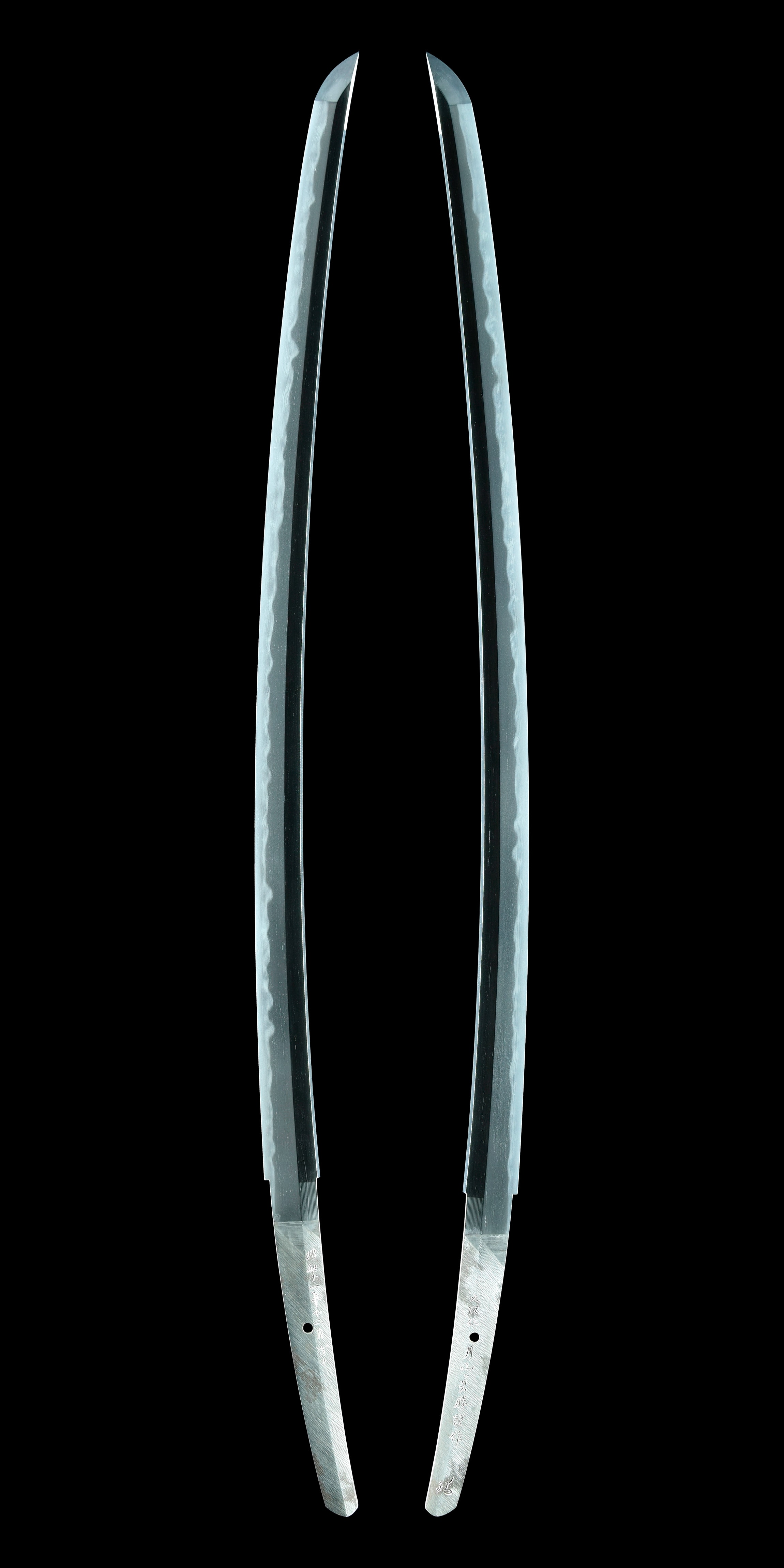
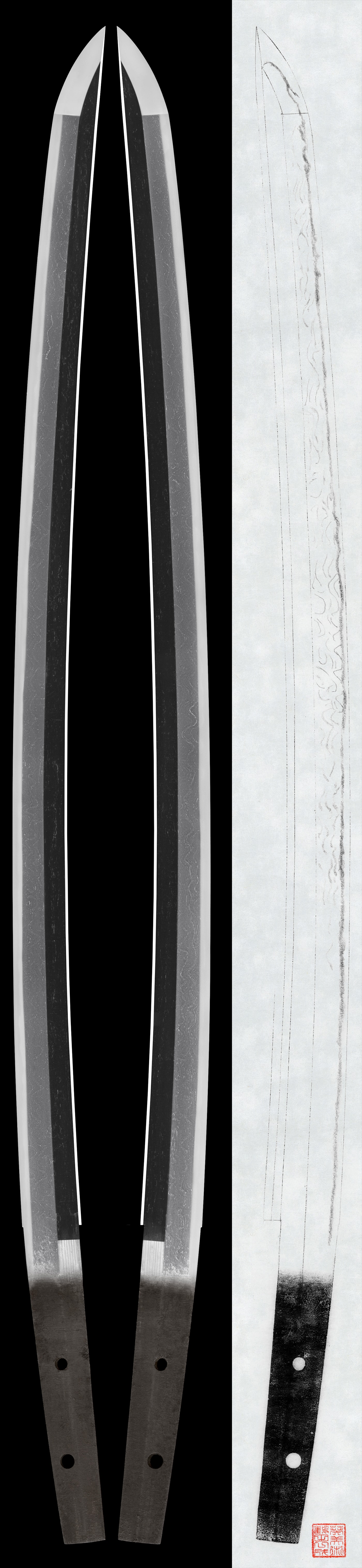
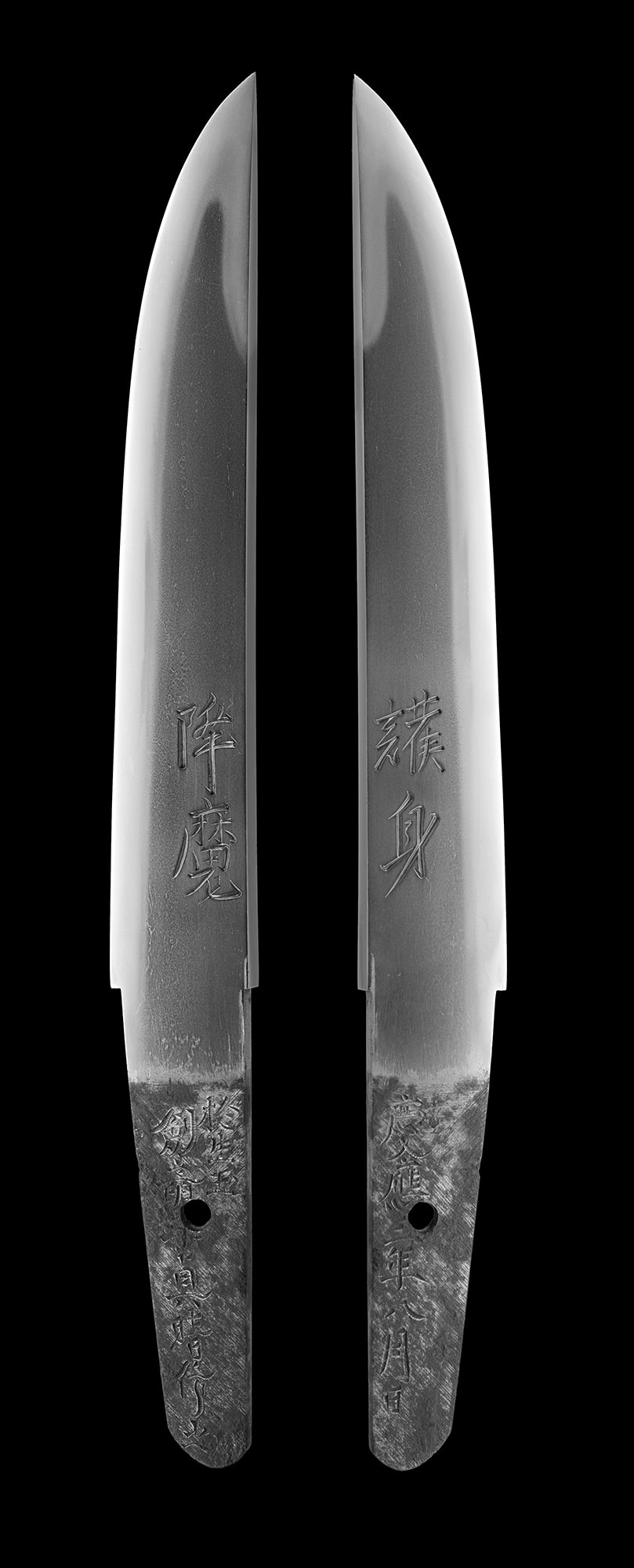
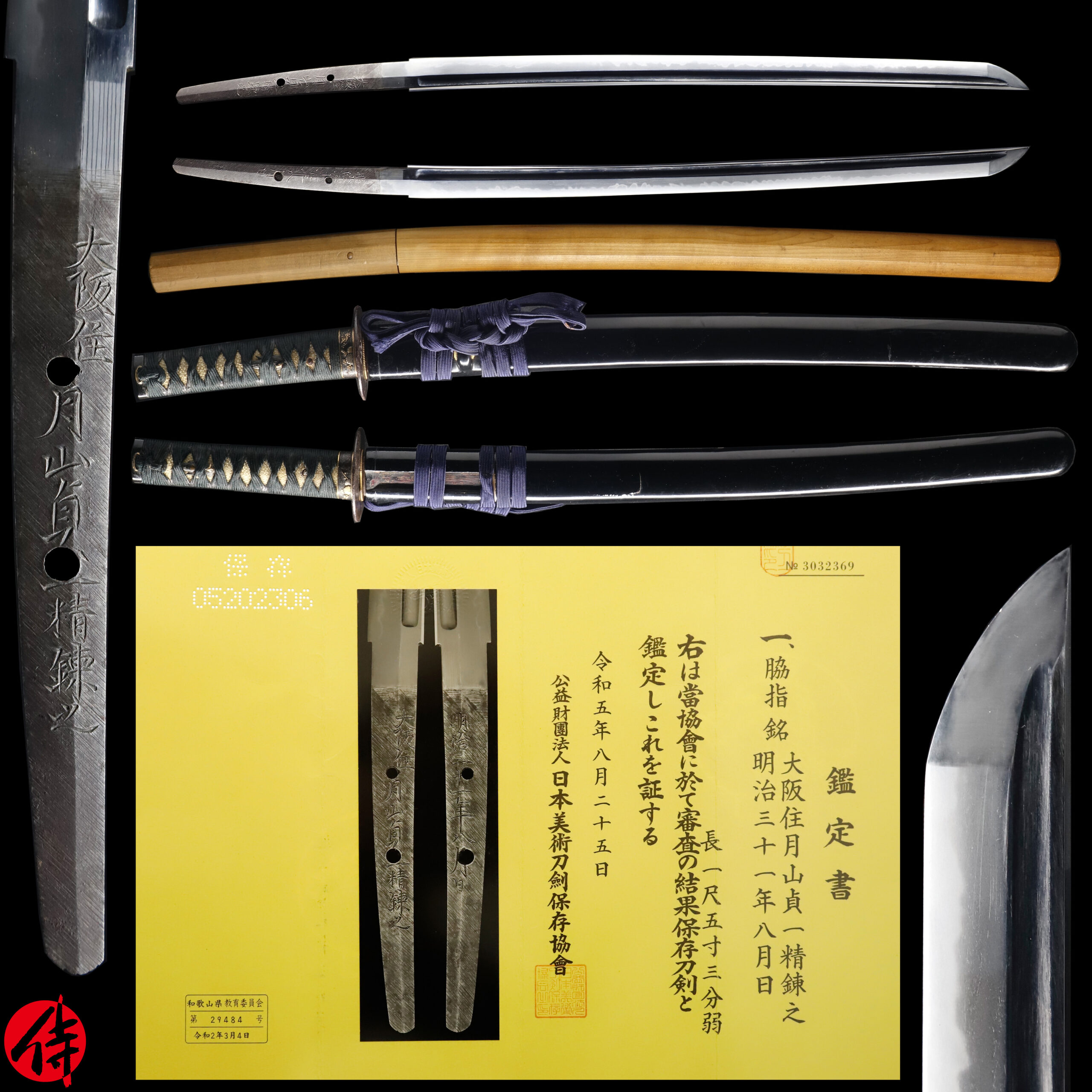
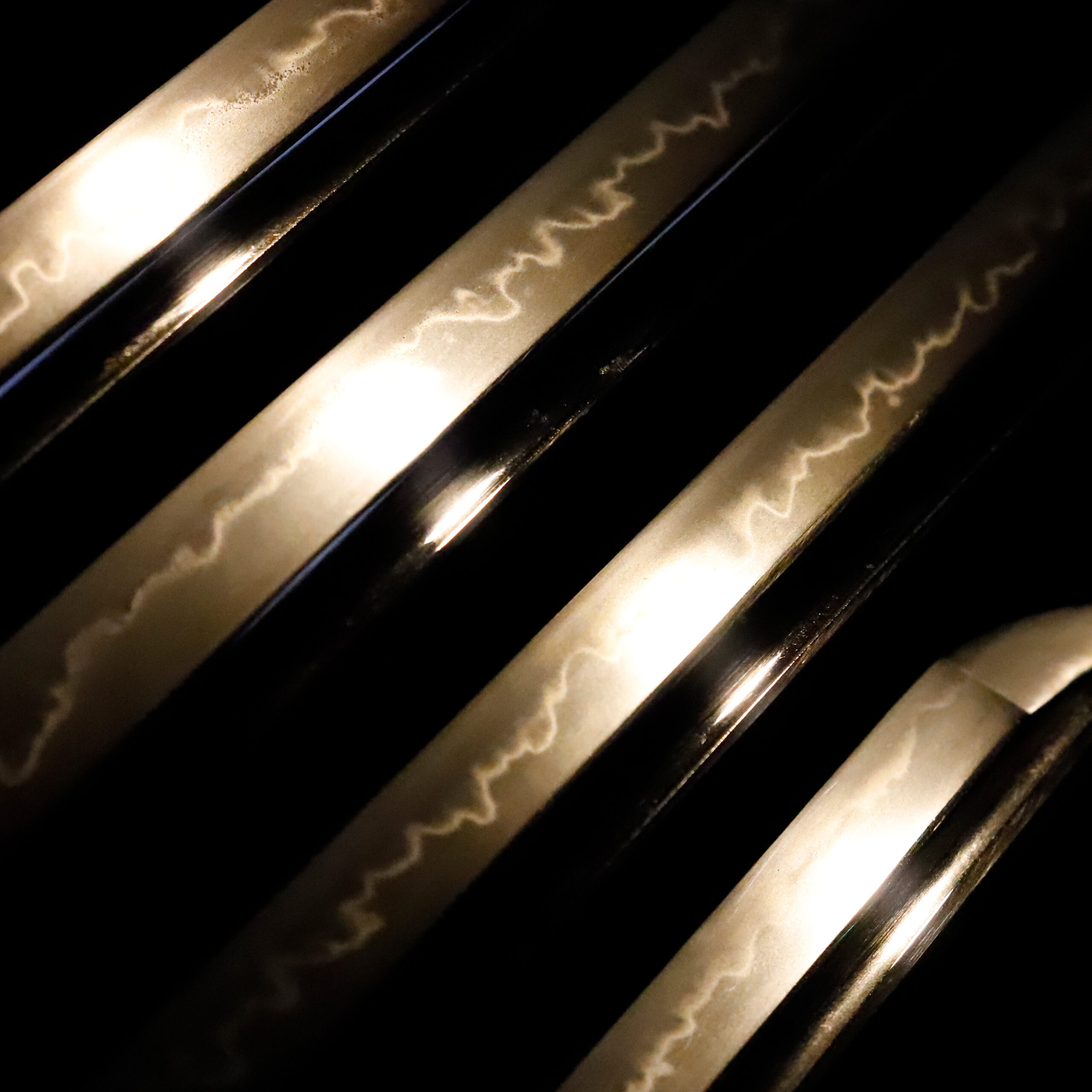
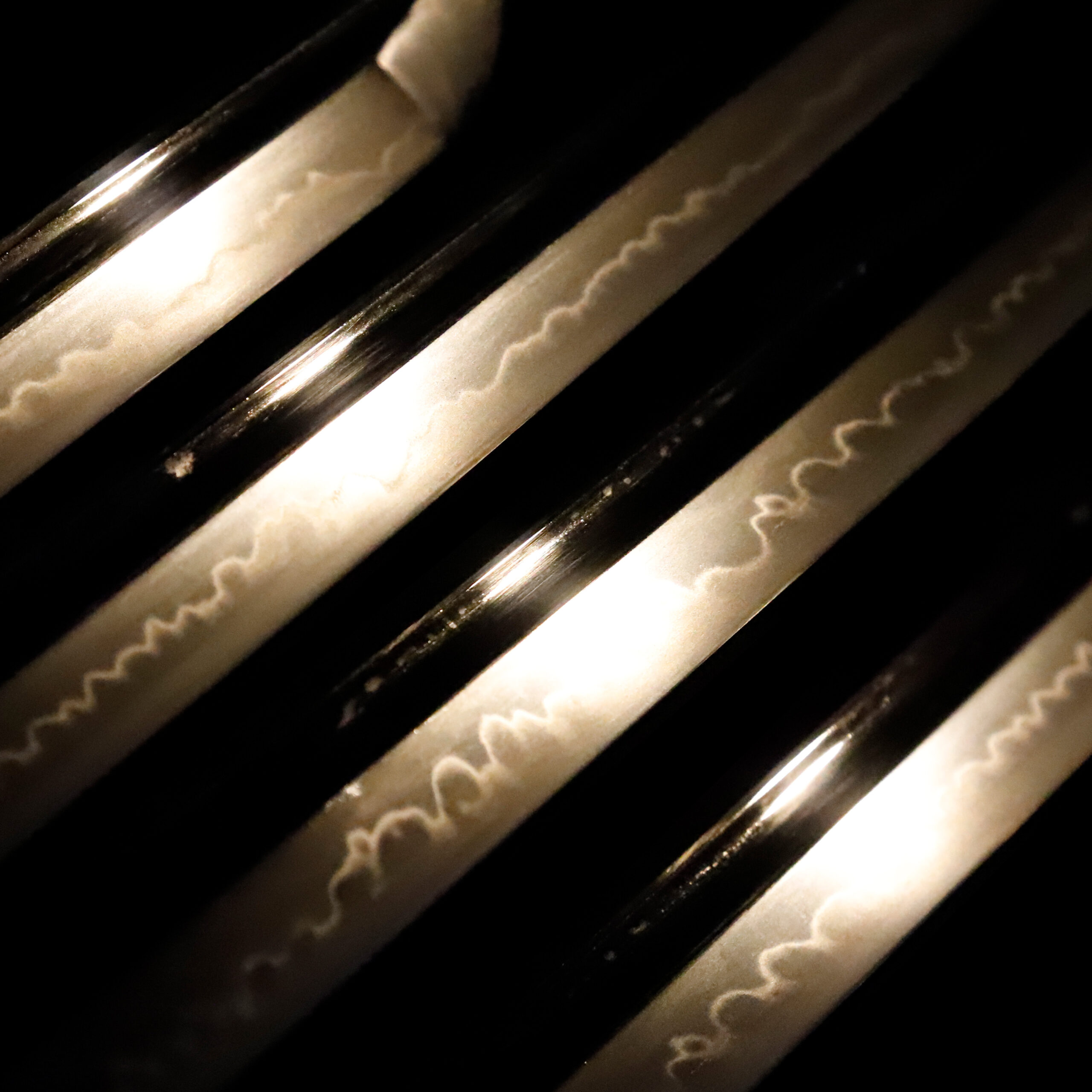
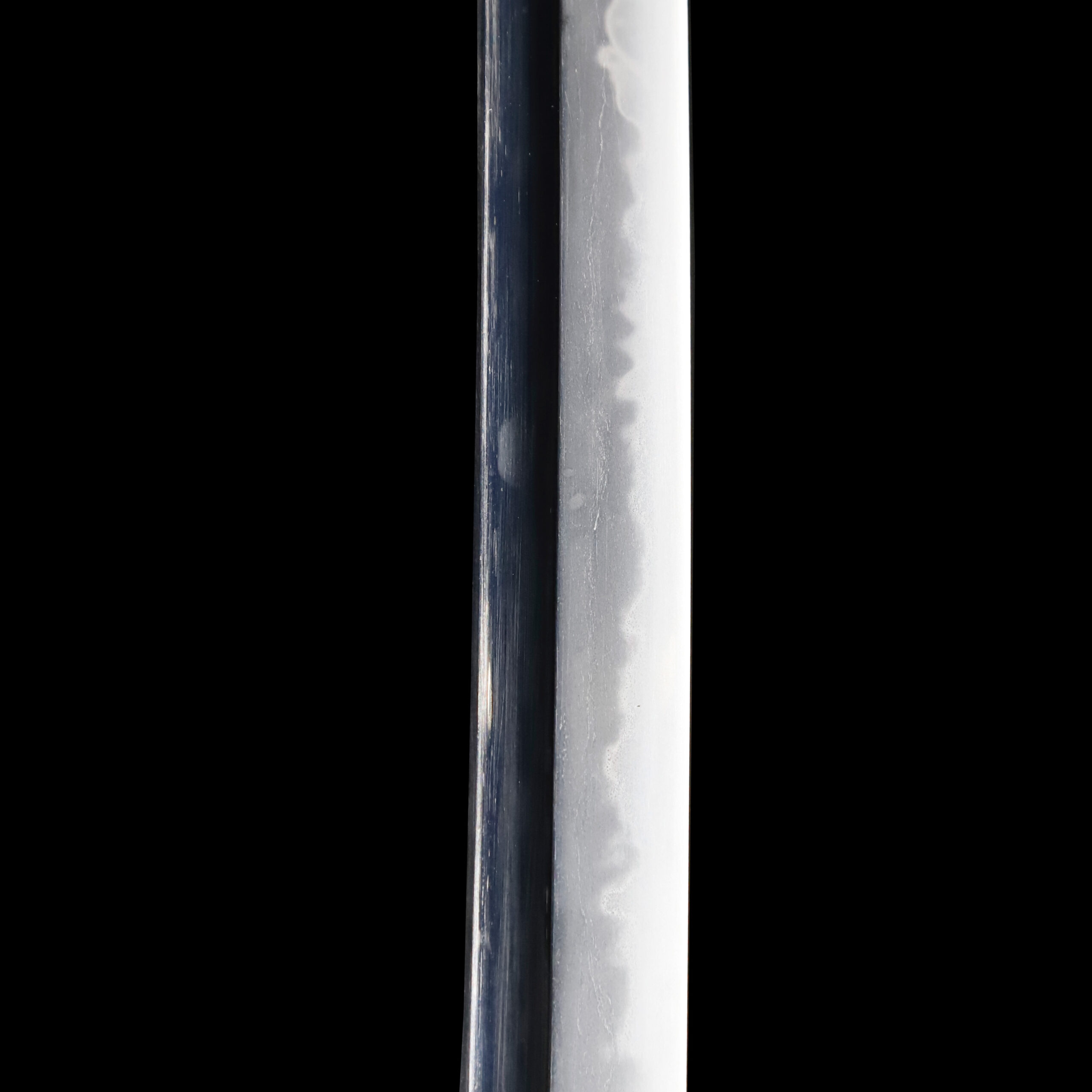
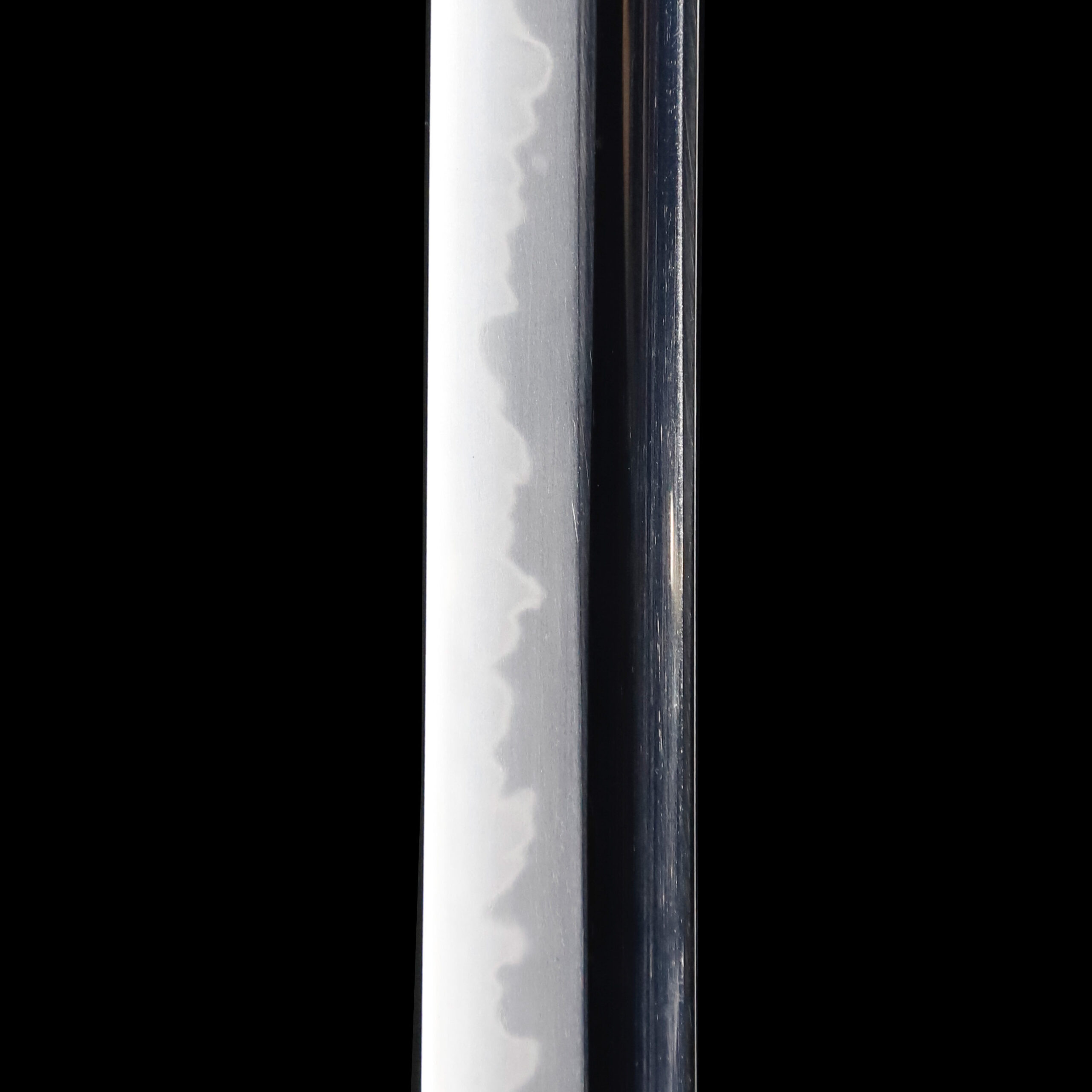
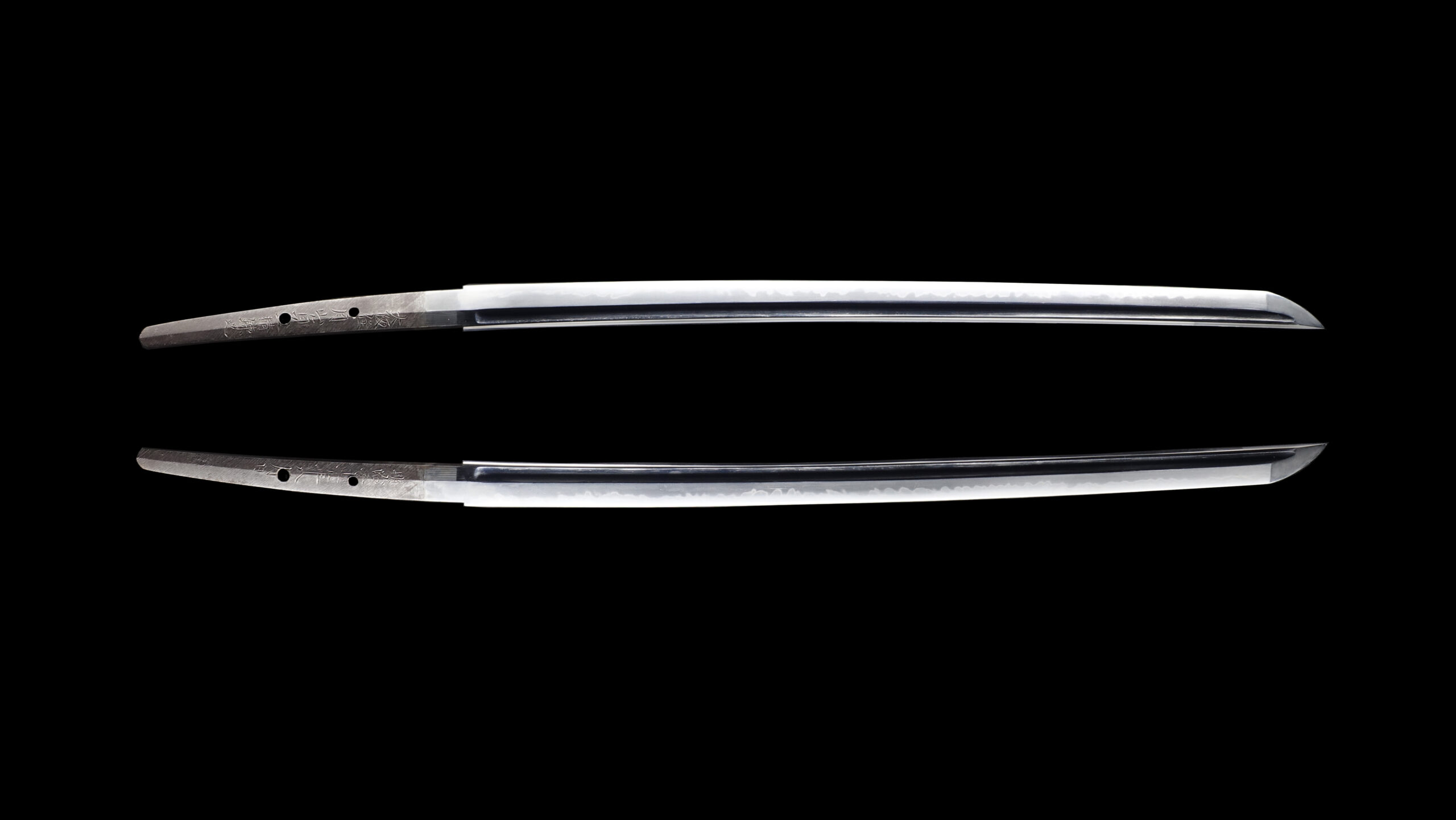
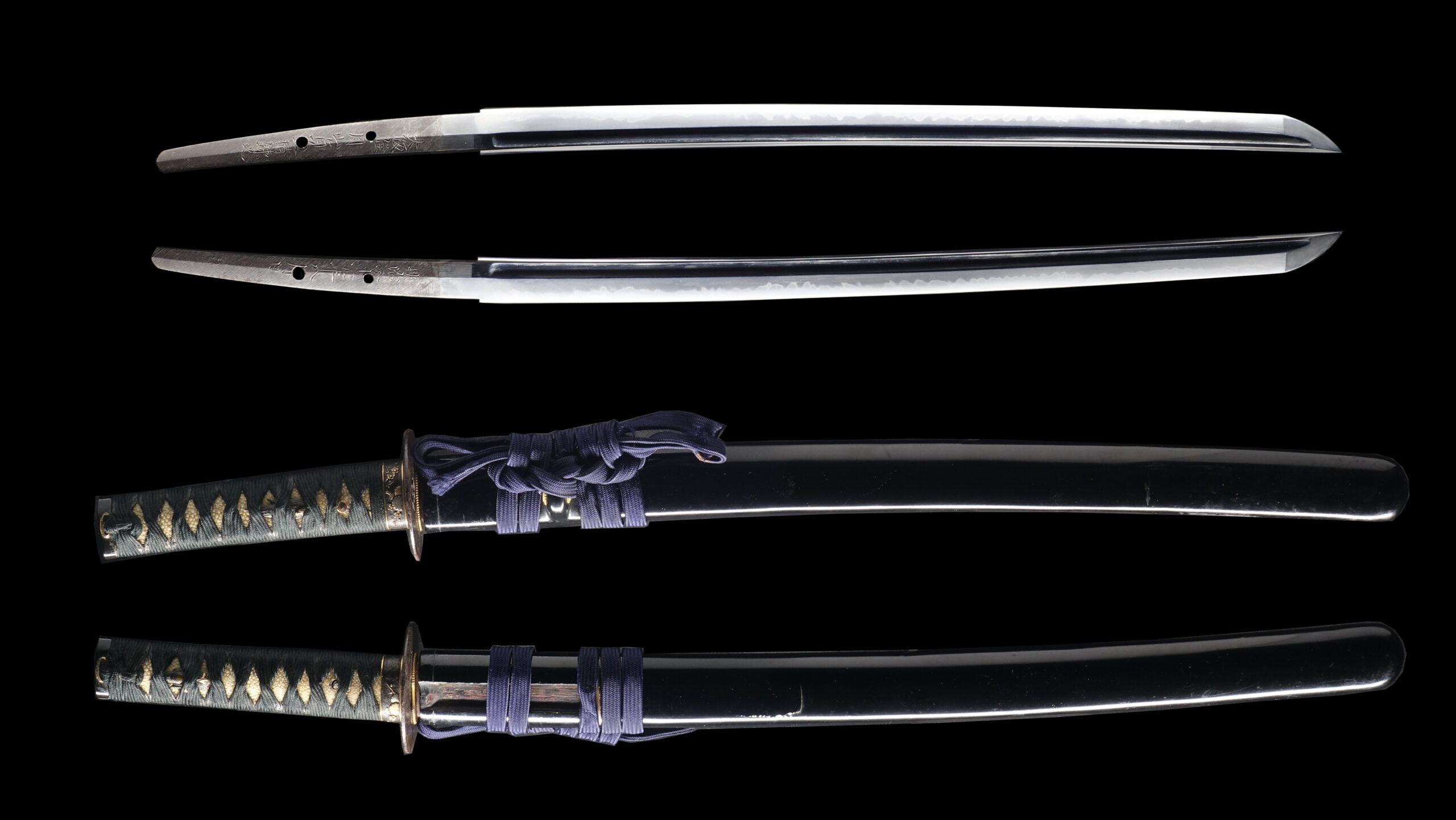
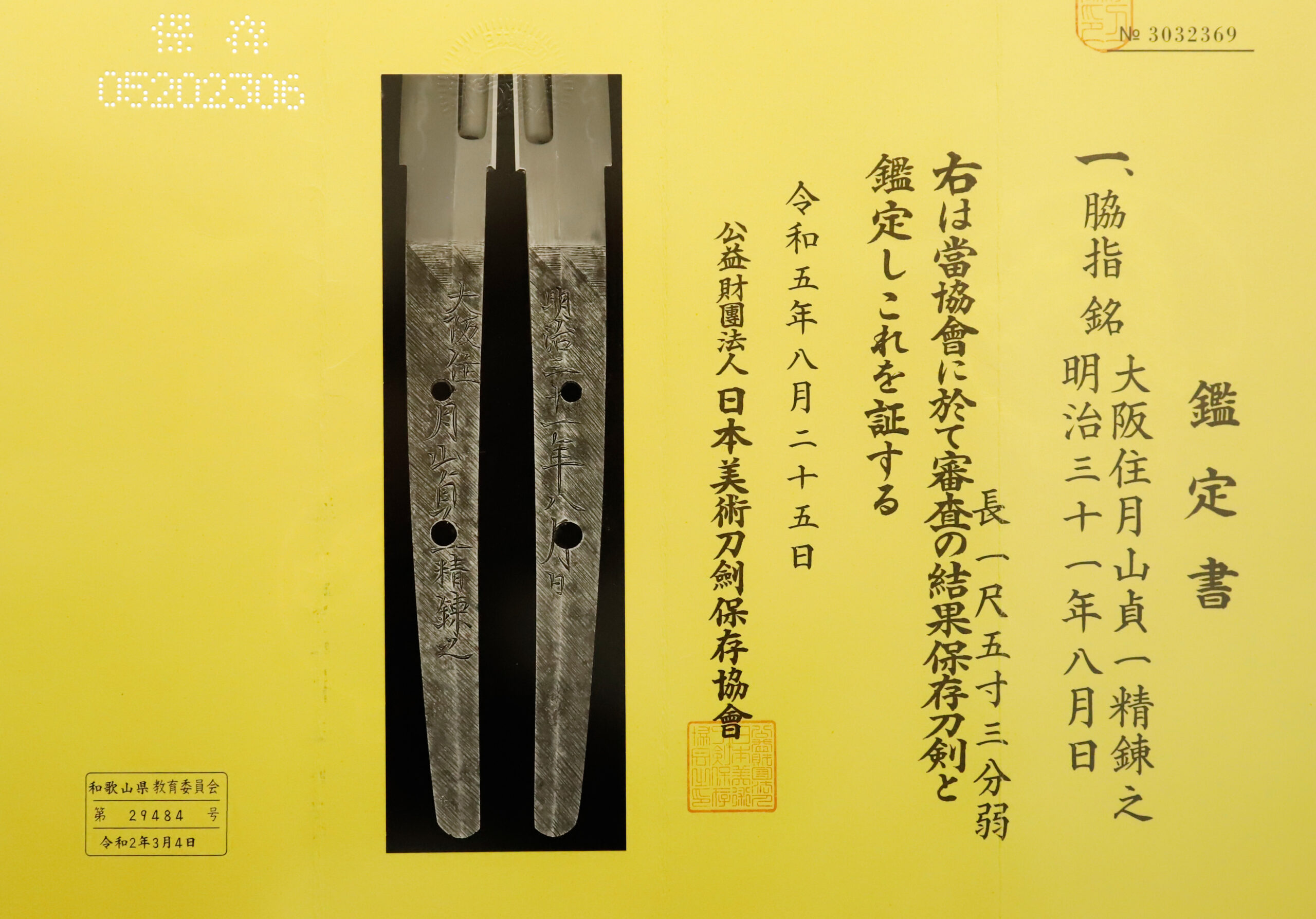
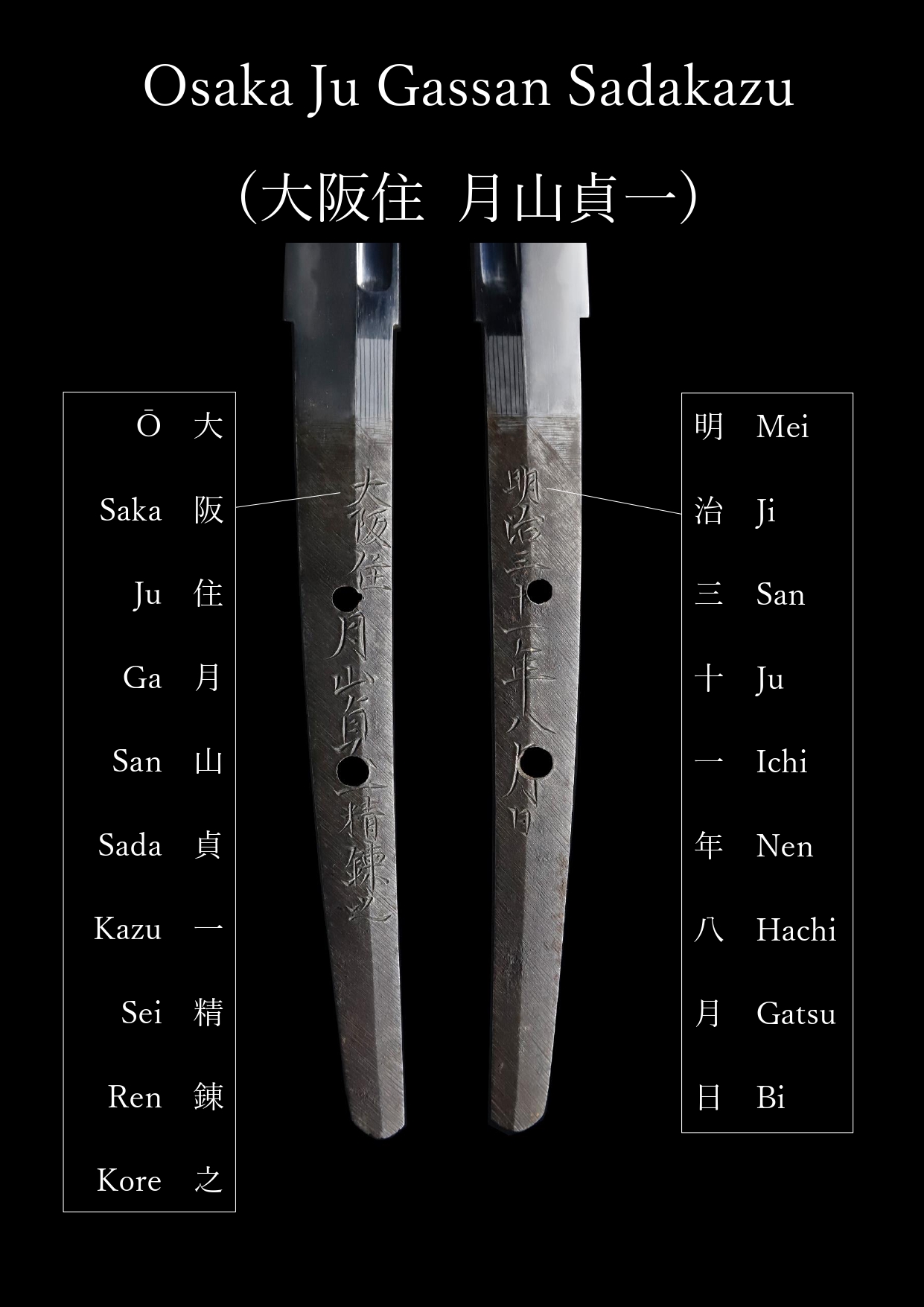
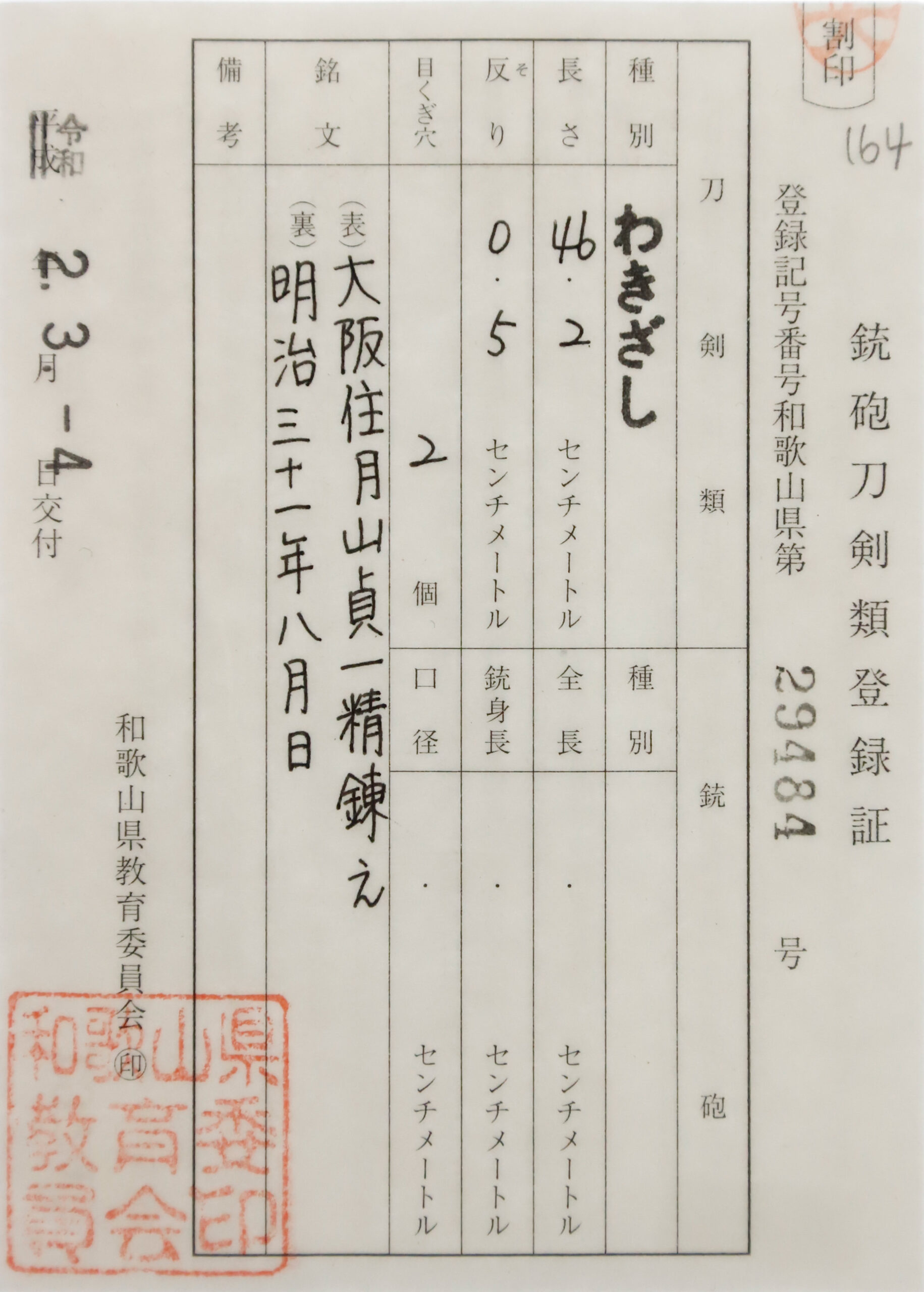
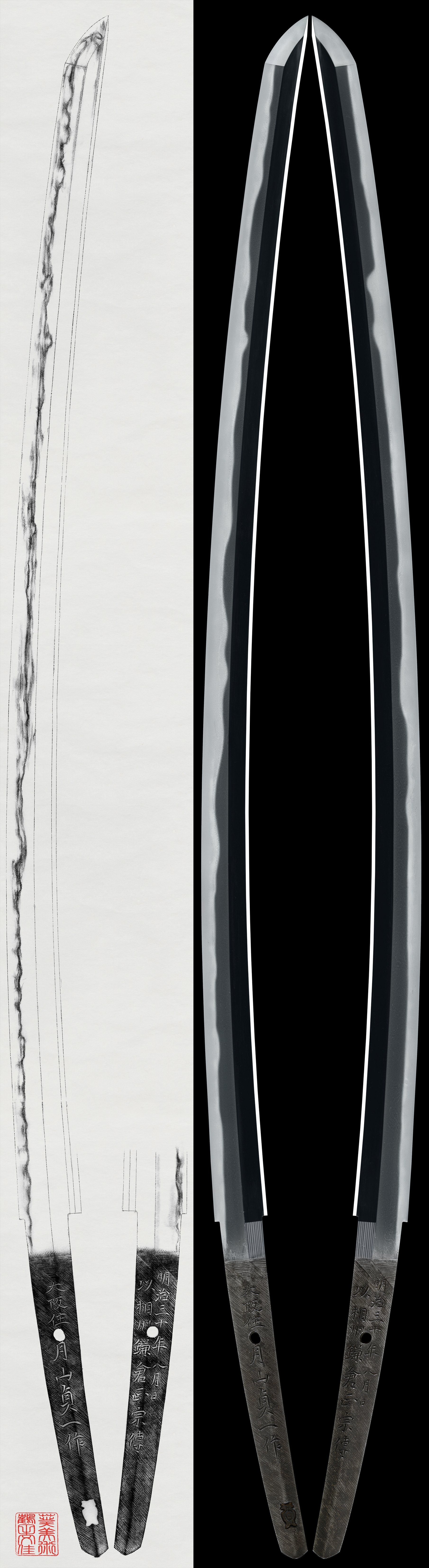
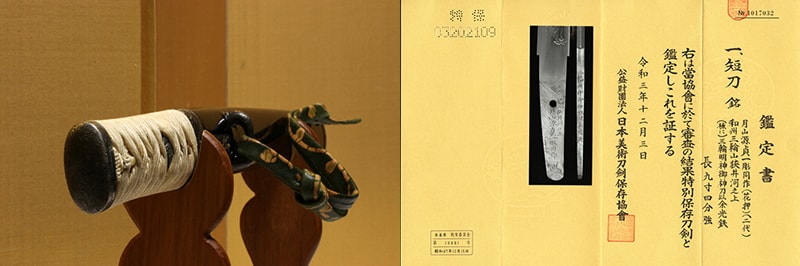
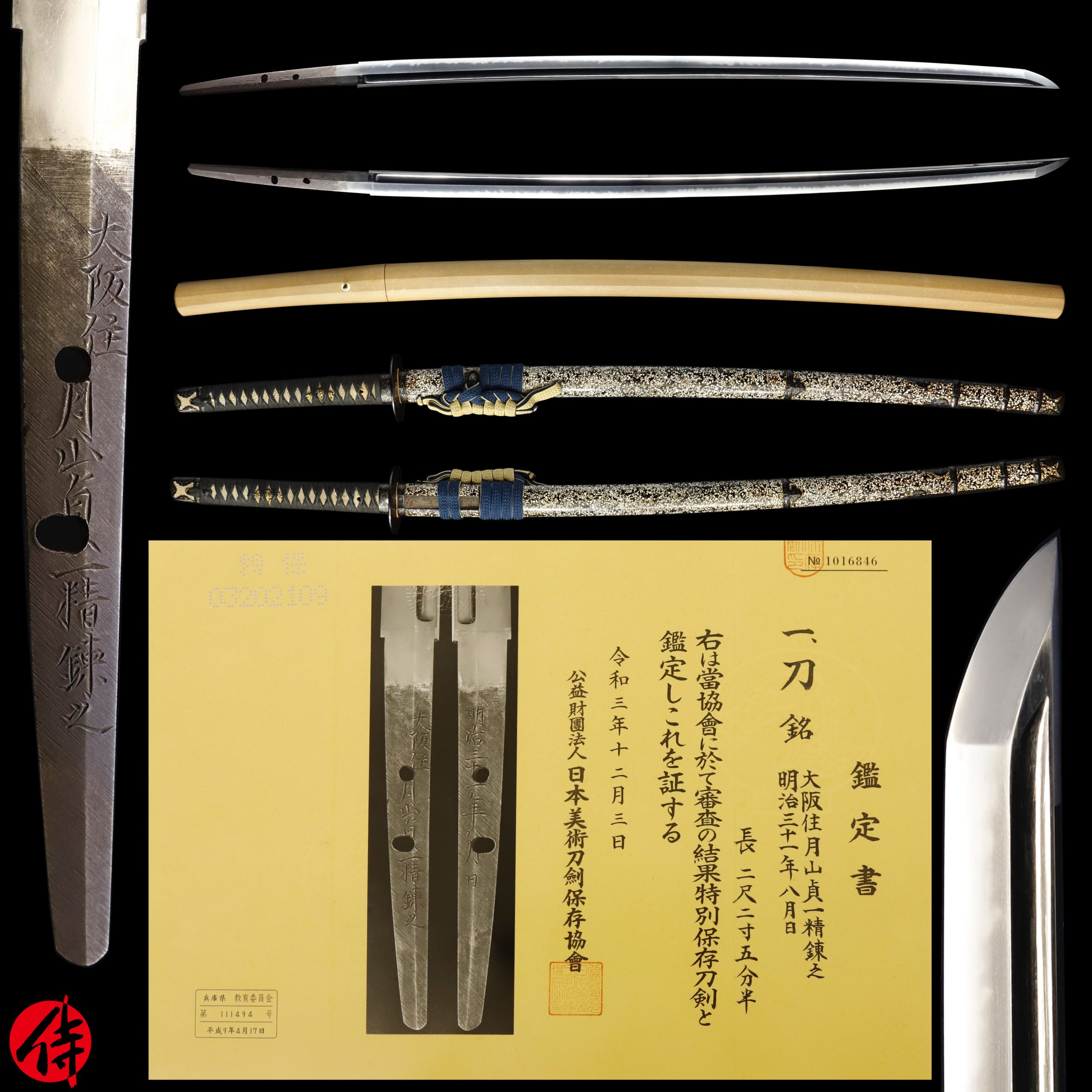
Antique Japanese Sword Wakizashi Signed by Gassan Sadakazu with NBTHK Hozon Certificate 【Description】 This blade was signed by Osaka Jyu Gassan Sadakazu in the 30th year of the Meiji era (1898). Sadakazu was born as the son of the Tsukamoto family in Omi province(today’s Shiga prefecture) in 1836. Sadakazu was adopted by Gassan Sadayoshi(月山貞吉), one of the most famous swordsmiths in Osaka prefecture, when he was seven years. Sadakazu started his training under Gassan Sadayoshi when he was 11 years old. And at incredible speed, he was able to master a lot of complex techniques. According to available records, his first blade was created in 1851 when he was 16 years old. Gassan is the name of the school he belonged to. It was initially founded during the Heian period(late 12th century). It is said that the school name “Gassan” (月山) came from the fact that they forged swords near the mountain called Gassan in Dewakoku. His master, Gassan Sadayoshi, founded Gassan school in Osaka in 1833. While Gassan school had been known as one of the most prestigious schools from the Kamakura period(late 12th century), its presence faded in the early-mid Edo period. However, after Sadayoshi became a highly-regarded swordsmith at the end of the Edo period, the whole school revitalized and flourished again because of his continuous effort and superb craftsmanship. Gassan Sadakazu supported Sadayoshi, and they spent many years researching traditional Gassan style swords and finally made Ayasugihada, the signature design of Gassan school. Ayasguhihada looks undulating grain pattern in the Jihada(steel surface), which resembles a Japanese cedar grain. At the end of Sadayoshi’s career, Sadakazu often did Daimei for his master. Daimei is a regular act where an apprentice or a child of the swordsmith signed his master’s name with his master’s permission, being involved in a sword-forging. This fact proves that the level of artistry Sadakazu mastered was closed to his master, Sadayoshi. It is said that Sadakazu was able to create various styles of blades by using different sword traditions. And, he was also famous for having beautiful sculptures on his work. When Sadakazu started his career, it was the end of the Edo period when the military government of Samurai(Tokugawa Shogunate)controlled Japan, and feudal society was the norm. There was plenty of demand of weapons from Samurais back then. However, in 1868, there was a civil war between Tokugawa’s shogunate government and the new Meiji imperial government. After this battle, the Tokugawa shogunate was ousted, and the imperial government gained control. The whole feudal system was dismantled, and the new government took the social status of Samurai. The demand for Japanese swords decreased dramatically from the beginning of the Meiji era. Many swordsmiths lost their jobs or changed their career. However, Sadakazu kept forging swords until he died at the age of 84(1918). In the post-Samurai period, he played an important role for the Japanese sword. The government recognized his contribution to his preserving the tradition of Japanese sword-forging. In 1906(the 39th year of Meiji), he received Teishitsu Gigeiin(帝室技芸員: Nationally-designated Important intangible cultural property). He also submitted his work to the Chicago expo in 1893 and received an honorable award. Emperor Meiji purchased this award-winning sword one year after the expo. His son is Gassan Sadakatsu, his grandson, Gassan Sadakazu(the-second gen Sadakazu), and Gassan Sadatoshi(Great-grandson) were famous and skilled swordsmiths. Gassan Sadatoshi and his son still keep creating beautiful swords for Japanese sword collectors today. This blade is appraised as a Hozon Token(保存刀剣) issued by NBTHK(Nihon Bijutsu Touken Hozon Kyokai:日本美術刀剣保存協会). This authentication paper was only given to authentic Japanese swords, well preserved with artistic value. 【 Blade】 Cutting Edge Length(Nagasa) : 46.2 cm ( 18.2 inches) Curvature(Sori) : 0.5 cm (0.19 in
 NihontoWatch
在銘 · Gassan · 現代刀 · 長さ 46.2cm · 反り 0.5cm
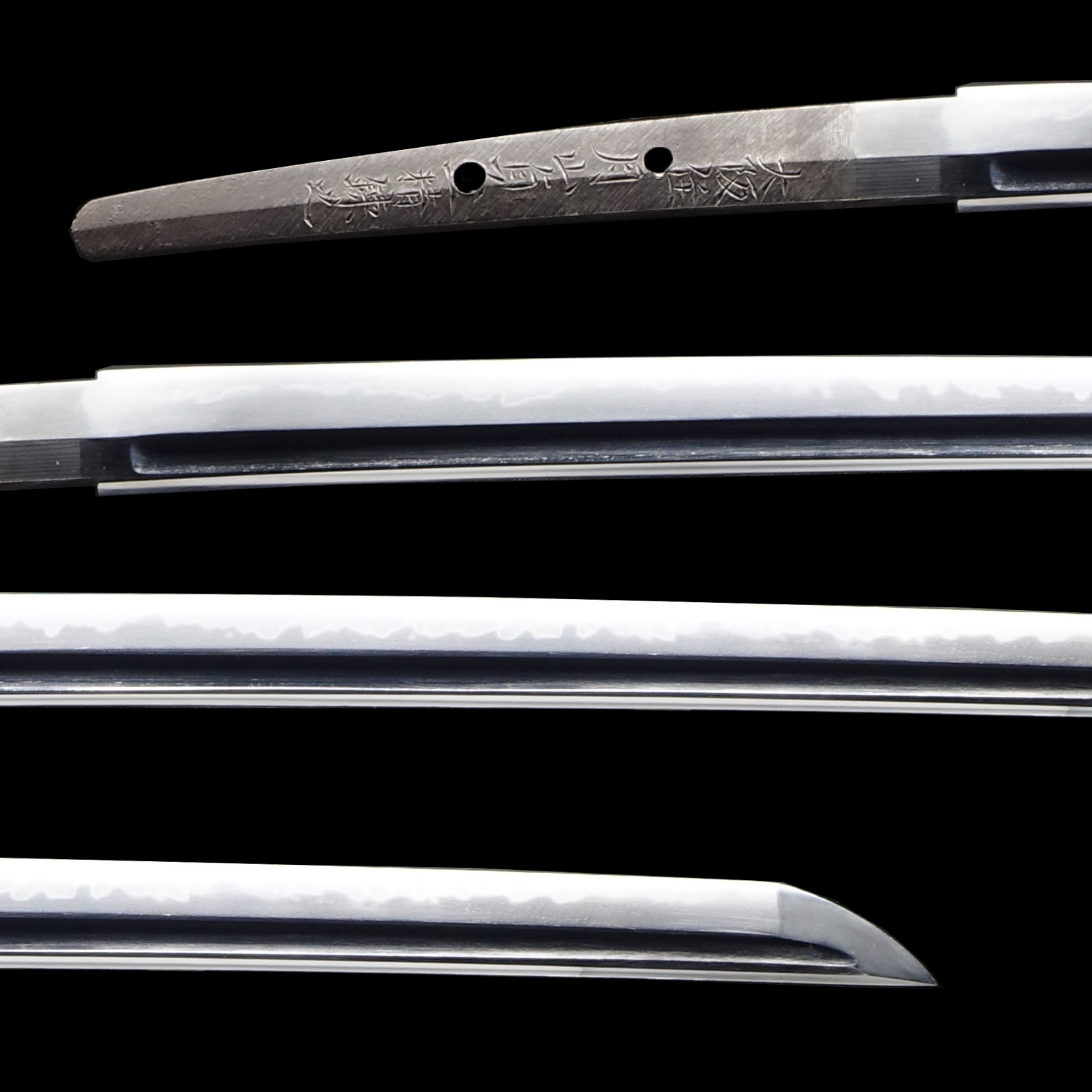
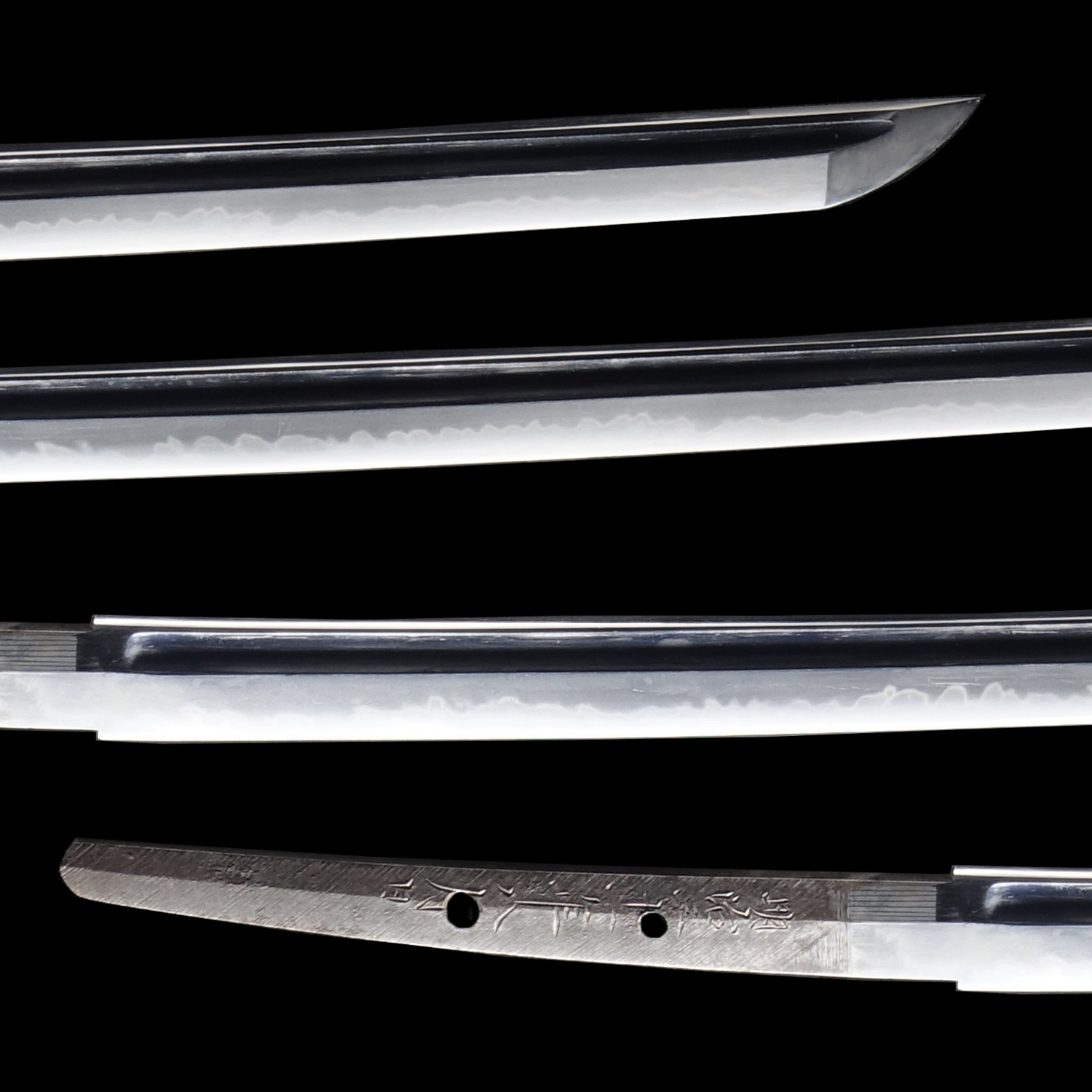
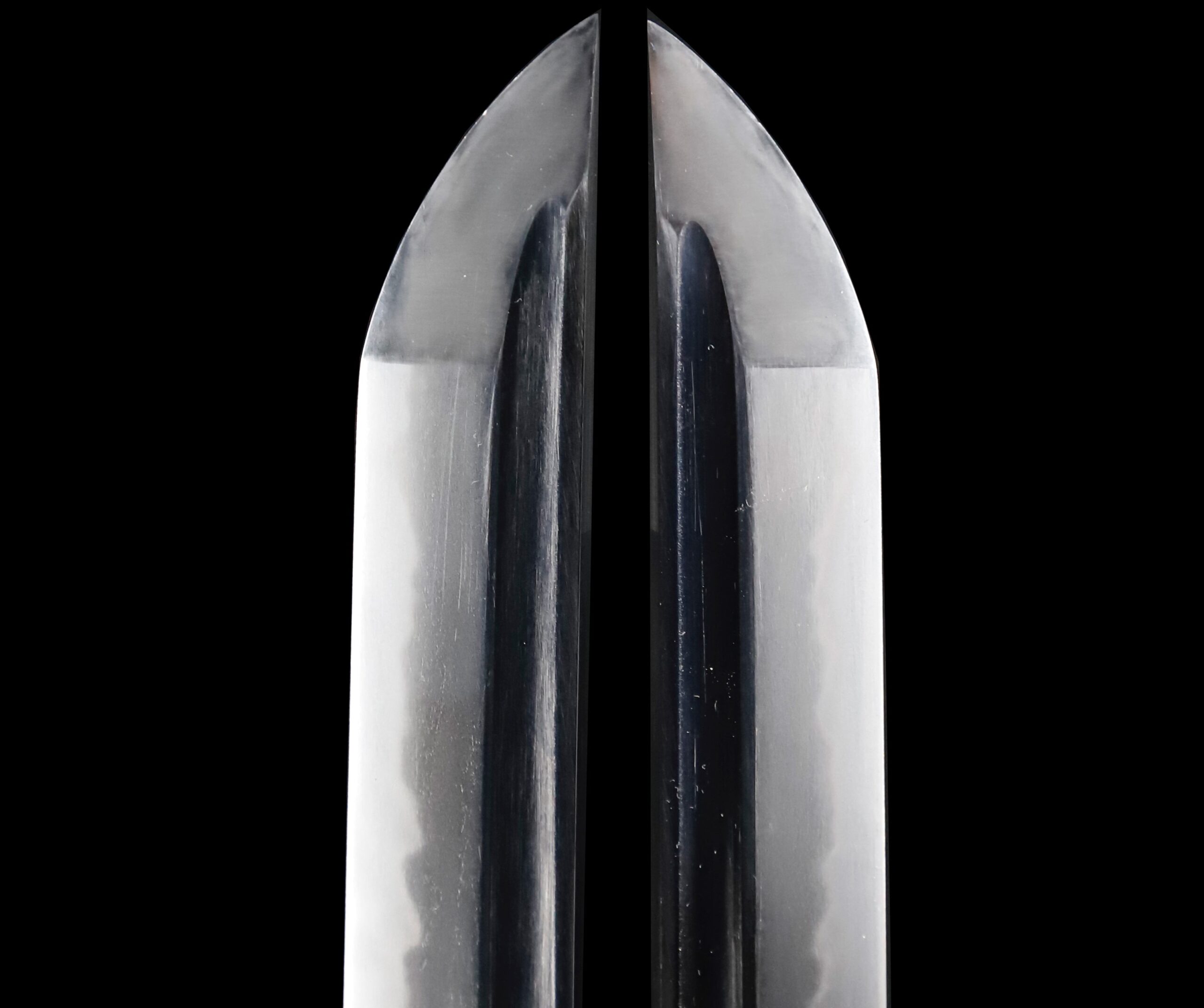
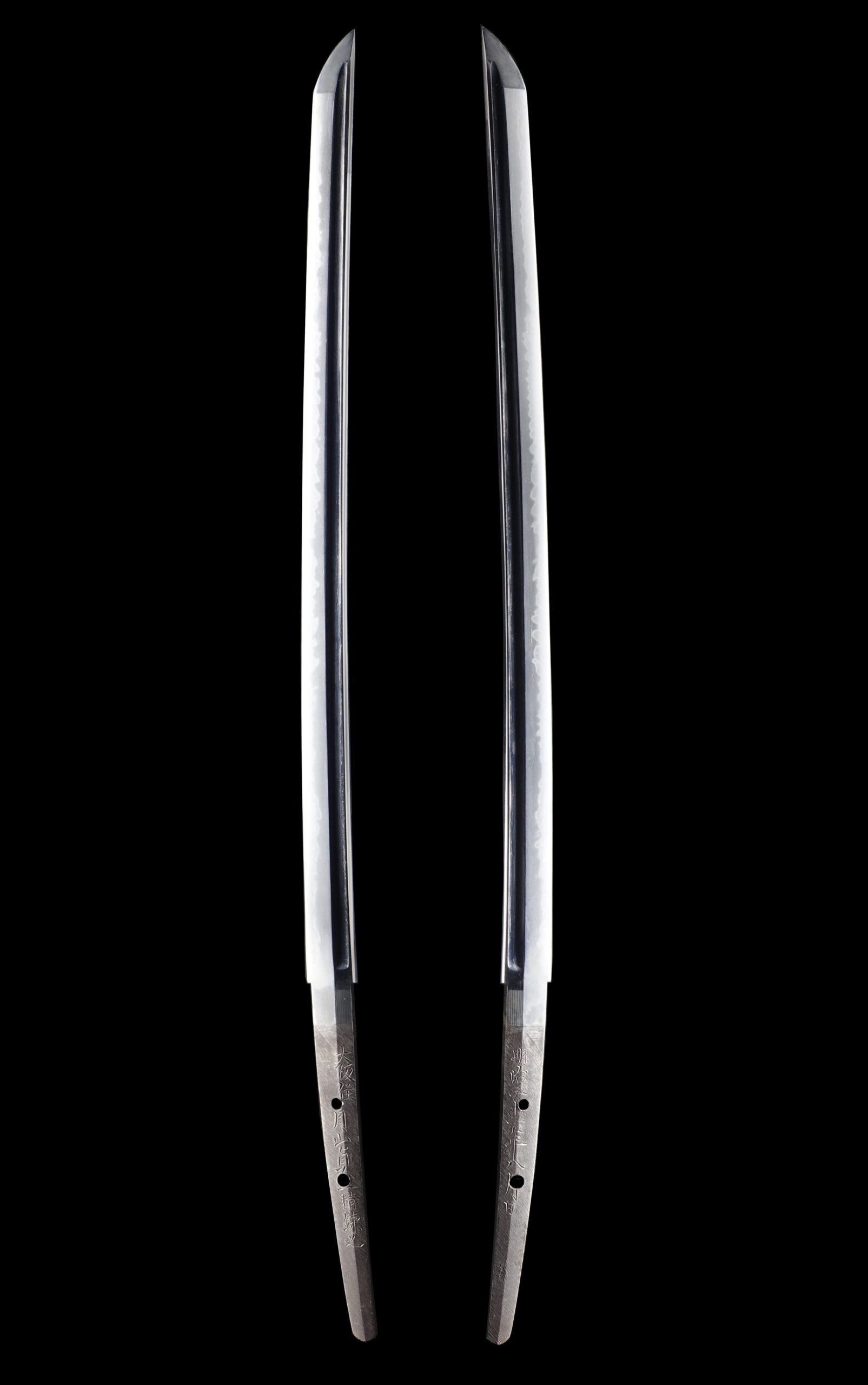
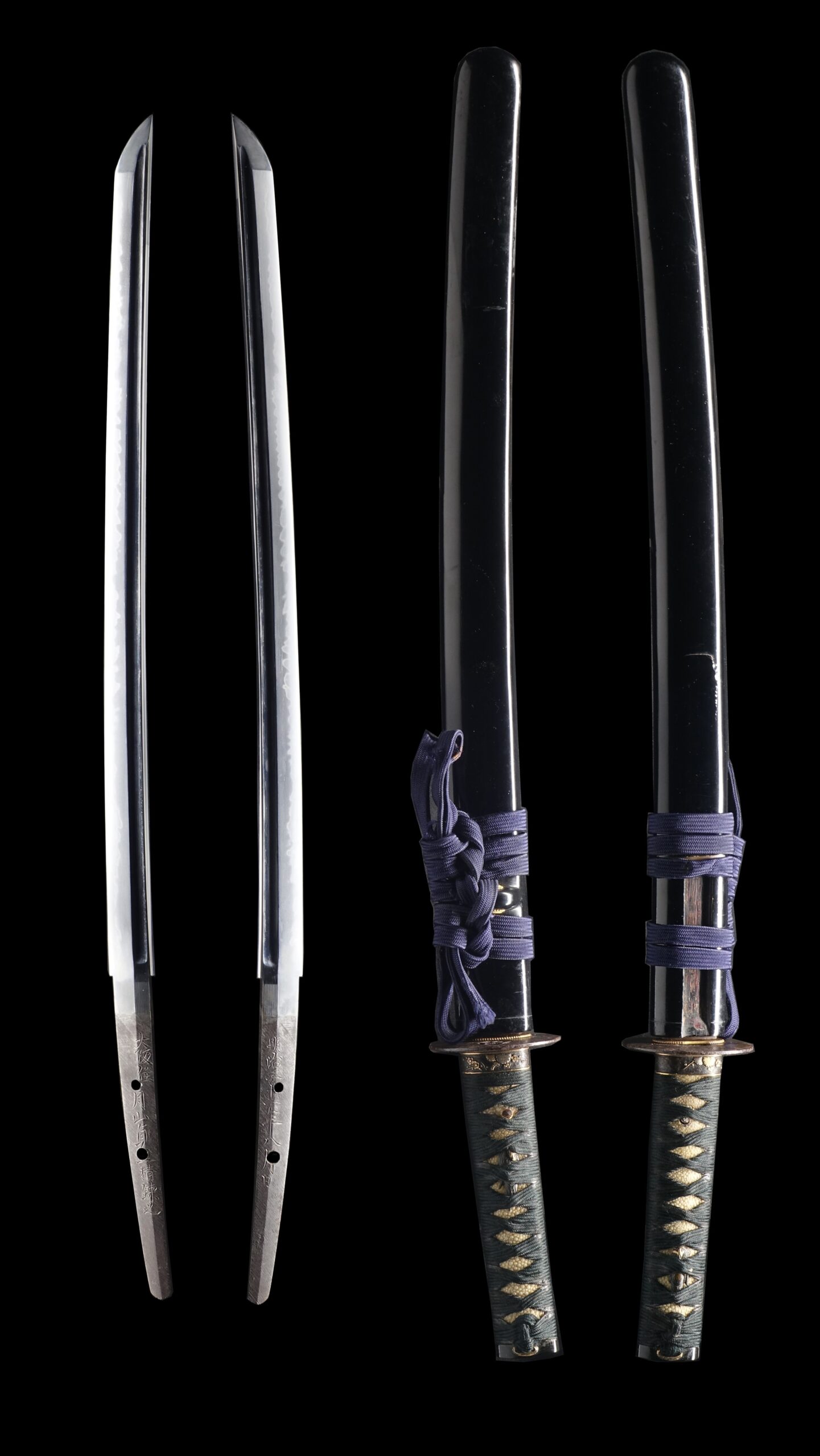
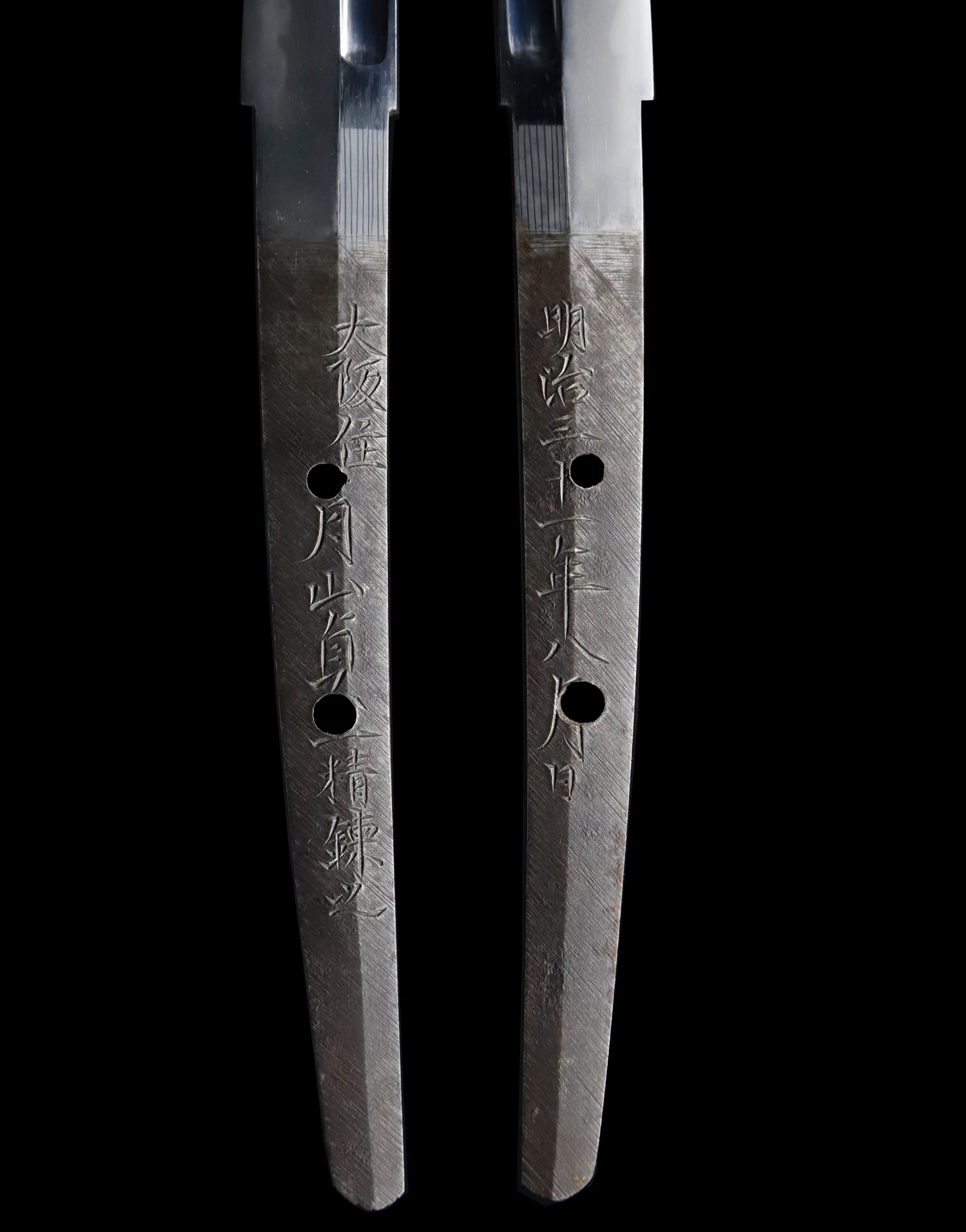
大和 · 1907-1995頃
刀剣大鑑 上位49%
現在5点販売中
二十世紀は二度この工芸を殺しかけた。戦時の歪みと、占領下の禁令である。1948年の日刀保設立と1953年の作刀再開が刀を美術として再建し、人間国宝と無鑑査がその頂に立つ。
銘が正しい、または無銘でも年代・国・系統を確実に指摘できる、保存に値する真正の作と鑑定されたものです。
日本美術刀剣保存協会(NBTHK)は、1948年に設立され、文化庁の監督を受ける公益財団法人で、東京・刀剣博物館に本部を置きます。専門の審査員が出品作を直接審査し、美術的・歴史的価値に応じた鑑定書を発行します。NBTHKの鑑定書は、日本刀および刀装具の真正性を示す最も広く認知された基準です。
NBTHK公式サイトReturns/exchanges limited to defects caused by shipping (except willful misconduct or gross negligence by the company); customers must contact within 72 hours of receiving the product.
Antique Japanese Sword Wakizashi Signed by Gassan Sadakazu with NBTHK Hozon Certificate 【Description】 This blade was signed by Osaka Jyu Gassan Sadakazu in the 30th year of the Meiji era (1898). Sadakazu was born as the son of the Tsukamoto family in Omi province(today’s Shiga prefecture) in 1836. Sadakazu was adopted by Gassan Sadayoshi(月山貞吉), one of the most famous swordsmiths in Osaka prefecture, when he was seven years. Sadakazu started his training under Gassan Sadayoshi when he was 11 years old. And at incredible speed, he was able to master a lot of complex techniques. According to available records, his first blade was created in 1851 when he was 16 years old. Gassan is the name of the school he belonged to. It was initially founded during the Heian period(late 12th century). It is said that the school name “Gassan” (月山) came from the fact that they forged swords near the mountain called Gassan in Dewakoku. His master, Gassan Sadayoshi, founded Gassan school in Osaka in 1833. While Gassan school had been known as one of the most prestigious schools from the Kamakura period(late 12th century), its presence faded in the early-mid Edo period. However, after Sadayoshi became a highly-regarded swordsmith at the end of the Edo period, the whole school revitalized and flourished again because of his continuous effort and superb craftsmanship. Gassan Sadakazu supported Sadayoshi, and they spent many years researching traditional Gassan style swords and finally made Ayasugihada, the signature design of Gassan school. Ayasguhihada looks undulating grain pattern in the Jihada(steel surface), which resembles a Japanese cedar grain. At the end of Sadayoshi’s career, Sadakazu often did Daimei for his master. Daimei is a regular act where an apprentice or a child of the swordsmith signed his master’s name with his master’s permission, being involved in a sword-forging. This fact proves that the level of artistry Sadakazu mastered was closed to his master, Sadayoshi. It is said that Sadakazu was able to create various styles of blades by using different sword traditions. And, he was also famous for having beautiful sculptures on his work. When Sadakazu started his career, it was the end of the Edo period when the military government of Samurai(Tokugawa Shogunate)controlled Japan, and feudal society was the norm. There was plenty of demand of weapons from Samurais back then. However, in 1868, there was a civil war between Tokugawa’s shogunate government and the new Meiji imperial government. After this battle, the Tokugawa shogunate was ousted, and the imperial government gained control. The whole feudal system was dismantled, and the new government took the social status of Samurai. The demand for Japanese swords decreased dramatically from the beginning of the Meiji era. Many swordsmiths lost their jobs or changed their career. However, Sadakazu kept forging swords until he died at the age of 84(1918). In the post-Samurai period, he played an important role for the Japanese sword. The government recognized his contribution to his preserving the tradition of Japanese sword-forging. In 1906(the 39th year of Meiji), he received Teishitsu Gigeiin(帝室技芸員: Nationally-designated Important intangible cultural property). He also submitted his work to the Chicago expo in 1893 and received an honorable award. Emperor Meiji purchased this award-winning sword one year after the expo. His son is Gassan Sadakatsu, his grandson, Gassan Sadakazu(the-second gen Sadakazu), and Gassan Sadatoshi(Great-grandson) were famous and skilled swordsmiths. Gassan Sadatoshi and his son still keep creating beautiful swords for Japanese sword collectors today. This blade is appraised as a Hozon Token(保存刀剣) issued by NBTHK(Nihon Bijutsu Touken Hozon Kyokai:日本美術刀剣保存協会). This authentication paper was only given to authentic Japanese swords, well preserved with artistic value. 【 Blade】 Cutting Edge Length(Nagasa) : 46.2 cm ( 18.2 inches) Curvature(Sori) : 0.5 cm (0.19 in
NihontoWatch在銘 · Gassan · 現代刀 · 長さ 46.2cm · 反り 0.5cm
大和 · 1907-1995頃
刀剣大鑑 上位49%
現在5点販売中
二十世紀は二度この工芸を殺しかけた。戦時の歪みと、占領下の禁令である。1948年の日刀保設立と1953年の作刀再開が刀を美術として再建し、人間国宝と無鑑査がその頂に立つ。
銘が正しい、または無銘でも年代・国・系統を確実に指摘できる、保存に値する真正の作と鑑定されたものです。
日本美術刀剣保存協会(NBTHK)は、1948年に設立され、文化庁の監督を受ける公益財団法人で、東京・刀剣博物館に本部を置きます。専門の審査員が出品作を直接審査し、美術的・歴史的価値に応じた鑑定書を発行します。NBTHKの鑑定書は、日本刀および刀装具の真正性を示す最も広く認知された基準です。
NBTHK公式サイトReturns/exchanges limited to defects caused by shipping (except willful misconduct or gross negligence by the company); customers must contact within 72 hours of receiving the product.
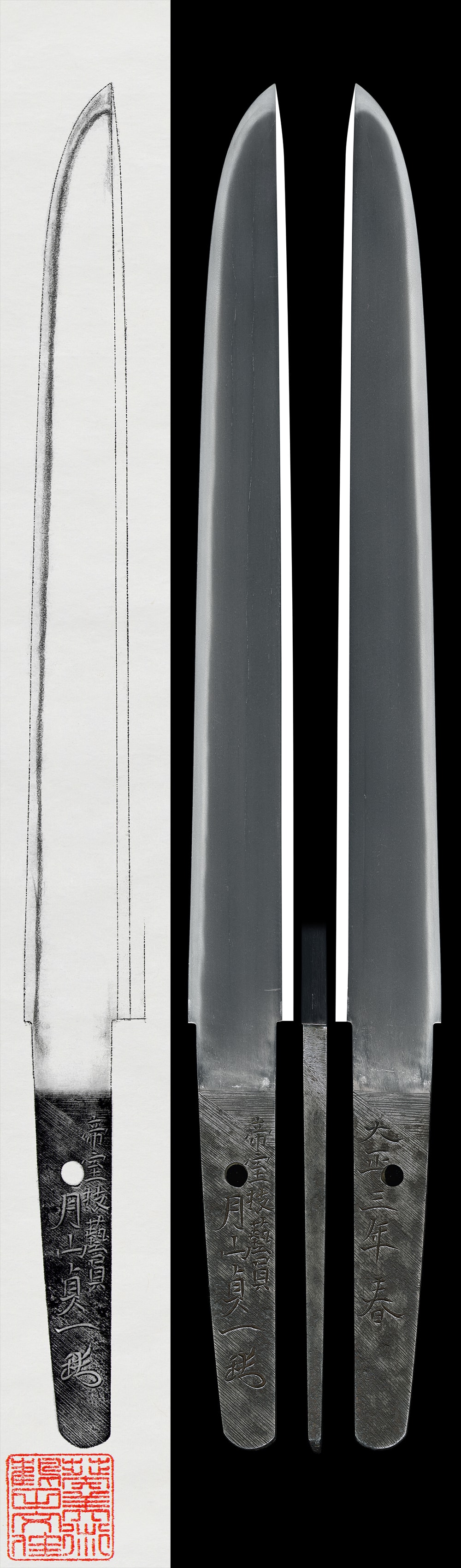

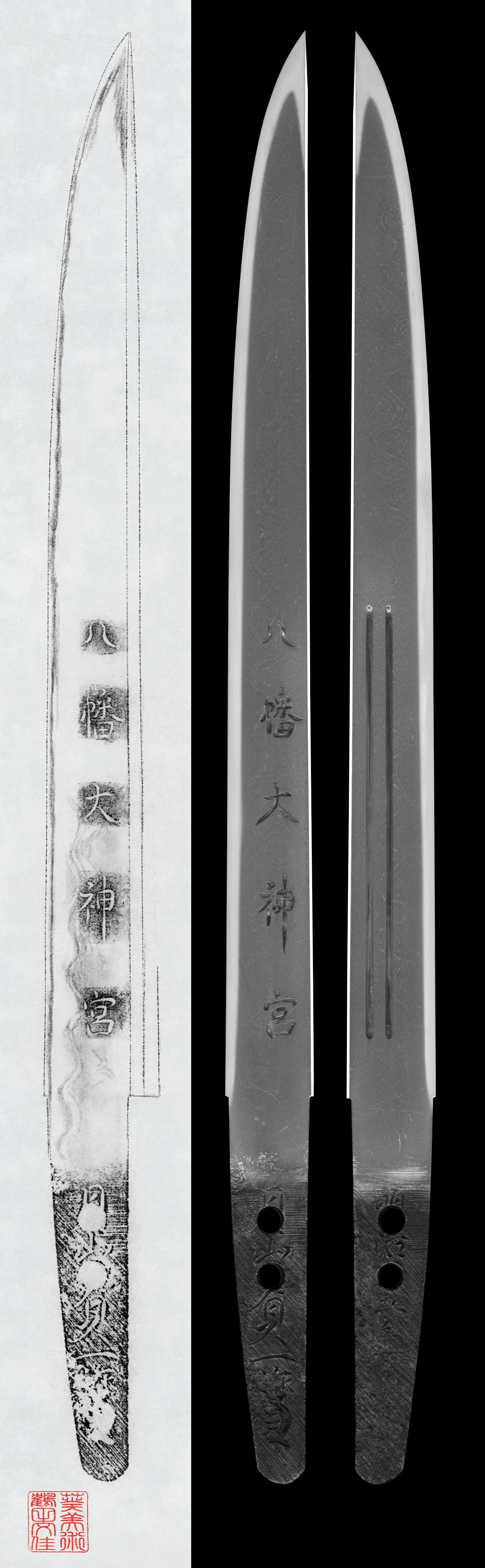

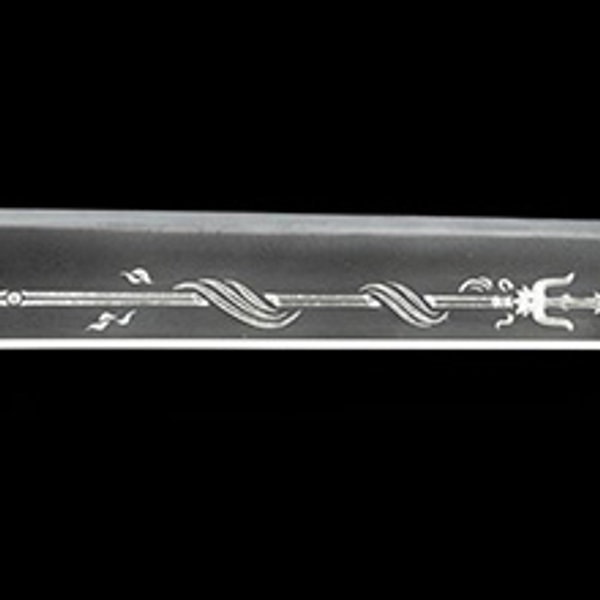
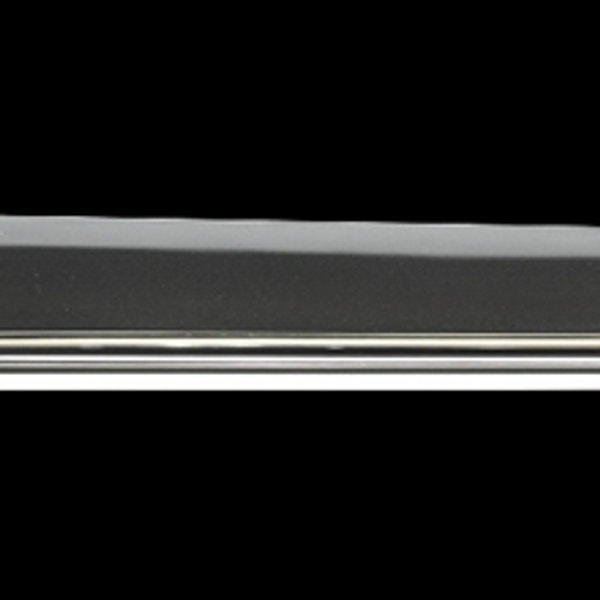


![Tachi - Hozon - by Gassan Sadakazu - 新刀 鑑定書内容:財)日本美術刀剣保存協会 保存刀剣[N.B.T.H.K]Hozon Token NO.797 銘文:大阪住月山貞一造之 応水澤将雄君属 明治三十四年三月日](/_next/image?url=https%3A%2F%2Fitbhfhyptogxcjbjfzwx.supabase.co%2Fstorage%2Fv1%2Fobject%2Fpublic%2Flisting-images%2Fiida-koendo%2FL500235%2F00.jpg&w=2560&q=90)
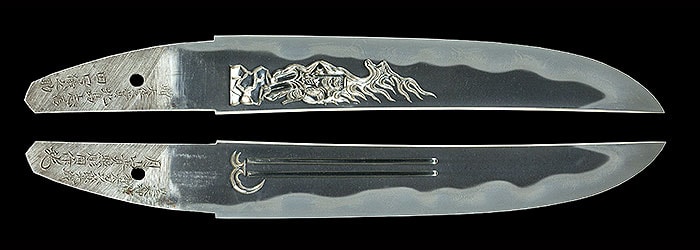
![Tanto - Hozon - by Gassan Sadakatsu - 短刀[月山貞勝(花押)][日本美術刀剣保存協会]保存刀剣](/_next/image?url=https%3A%2F%2Fitbhfhyptogxcjbjfzwx.supabase.co%2Fstorage%2Fv1%2Fobject%2Fpublic%2Flisting-images%2Fworld-seiyudo%2FL678000%2F01.jpg&w=2560&q=90)