鎌倉時代は備前の頂点である。伝えでは一文字派の工が後鳥羽上皇の御番鍛冶に列し、世紀の半ばには光忠が長船派を興して、注文は公家からも武家政権からも流れ込んだ。国宝刀剣の数で備前に並ぶ国はない。
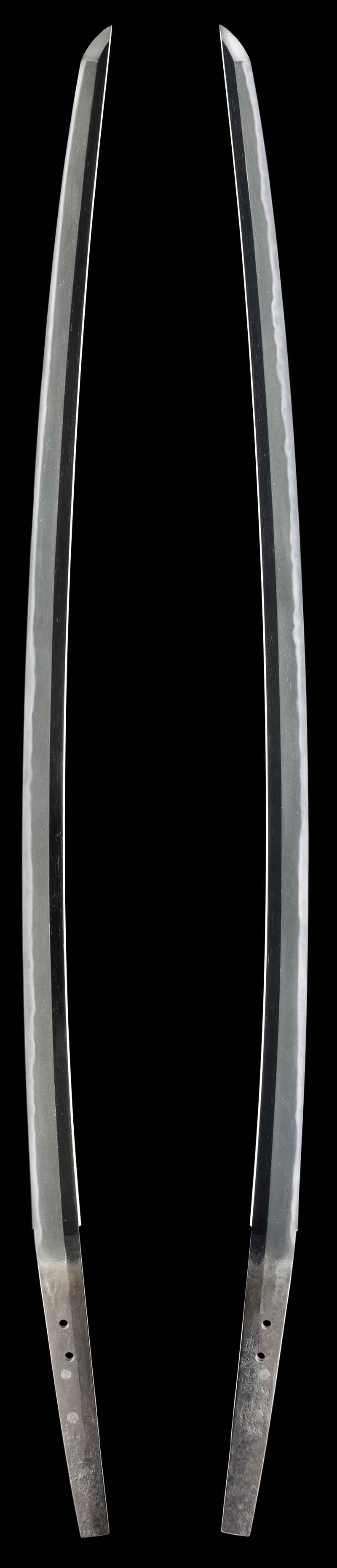
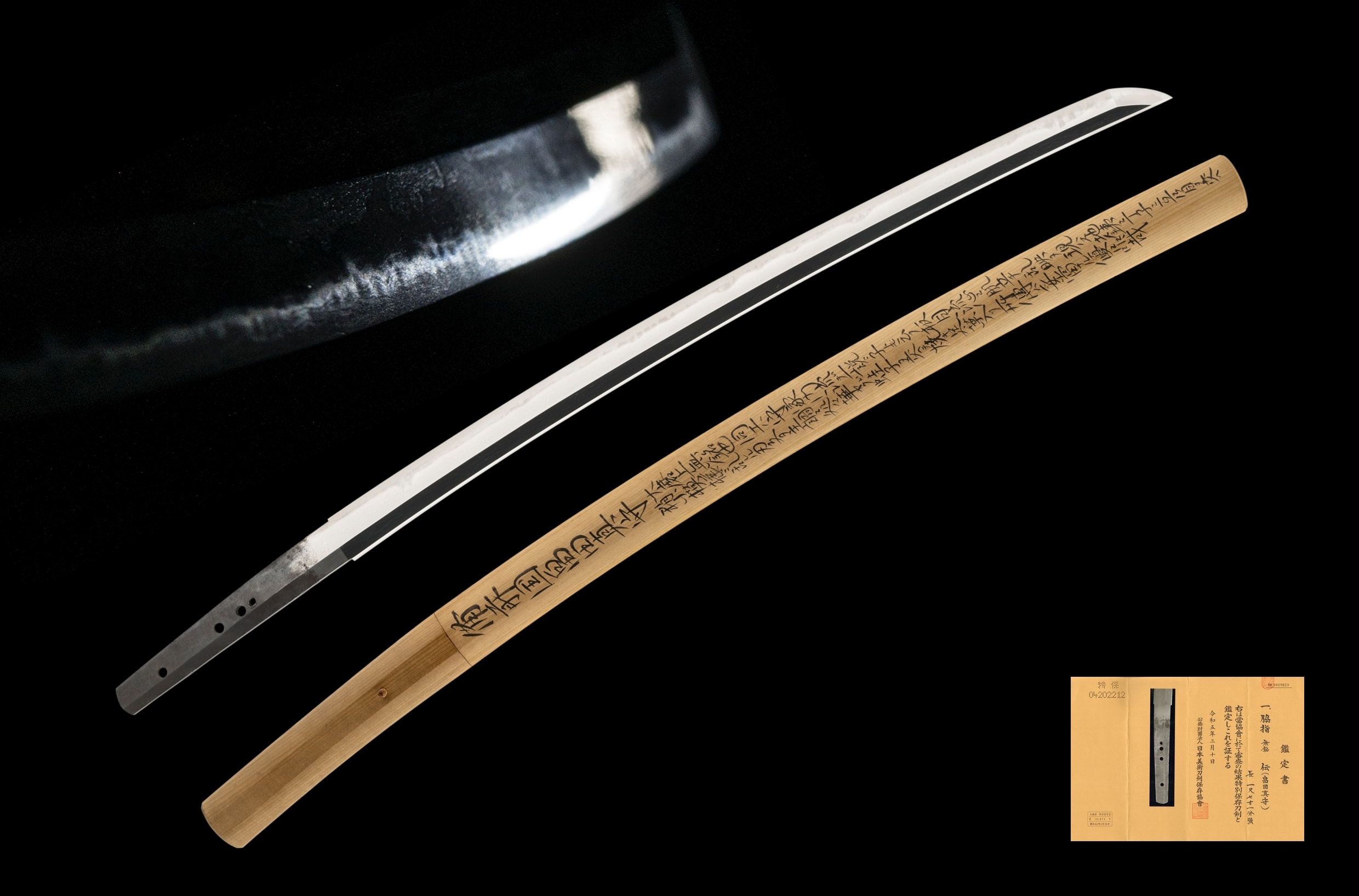
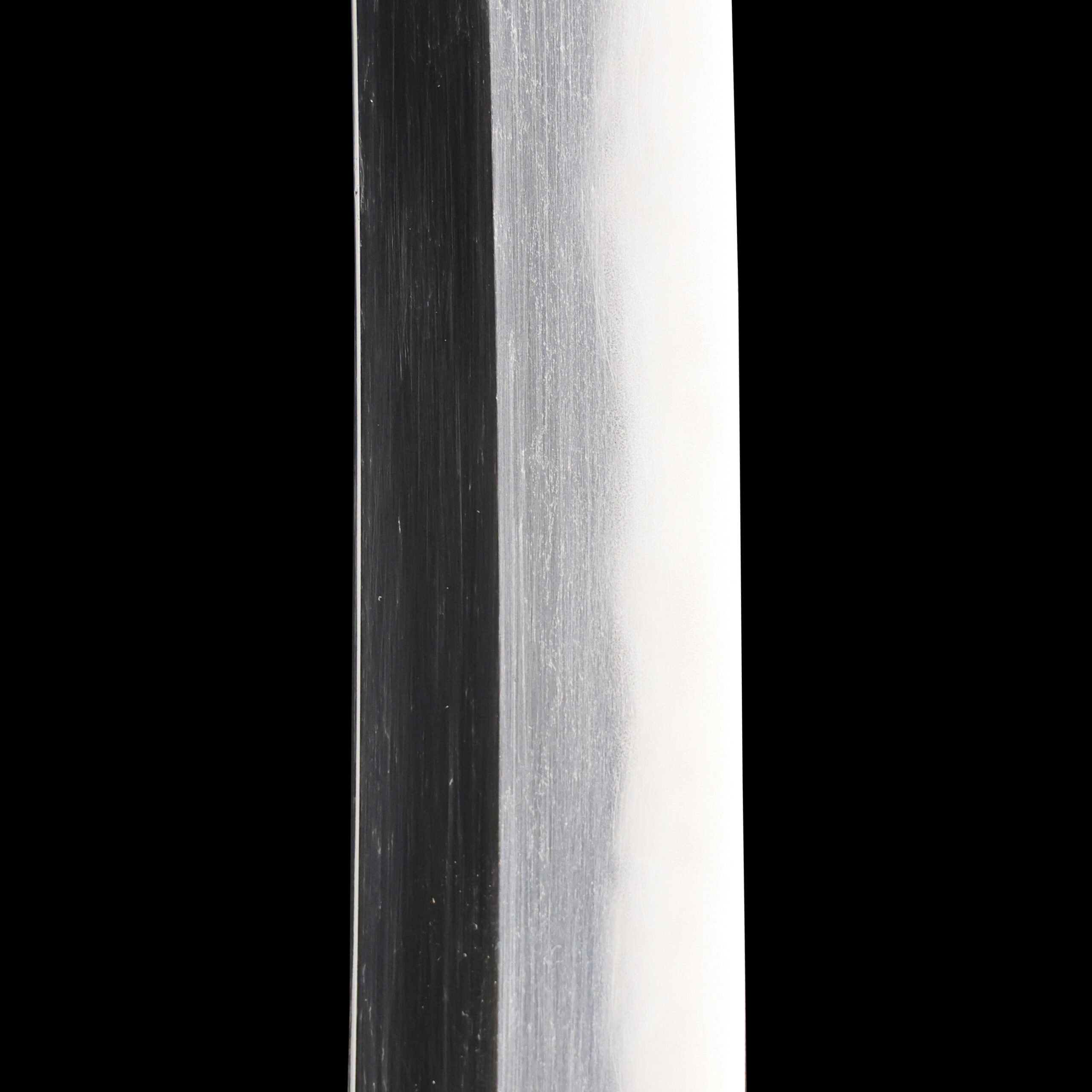
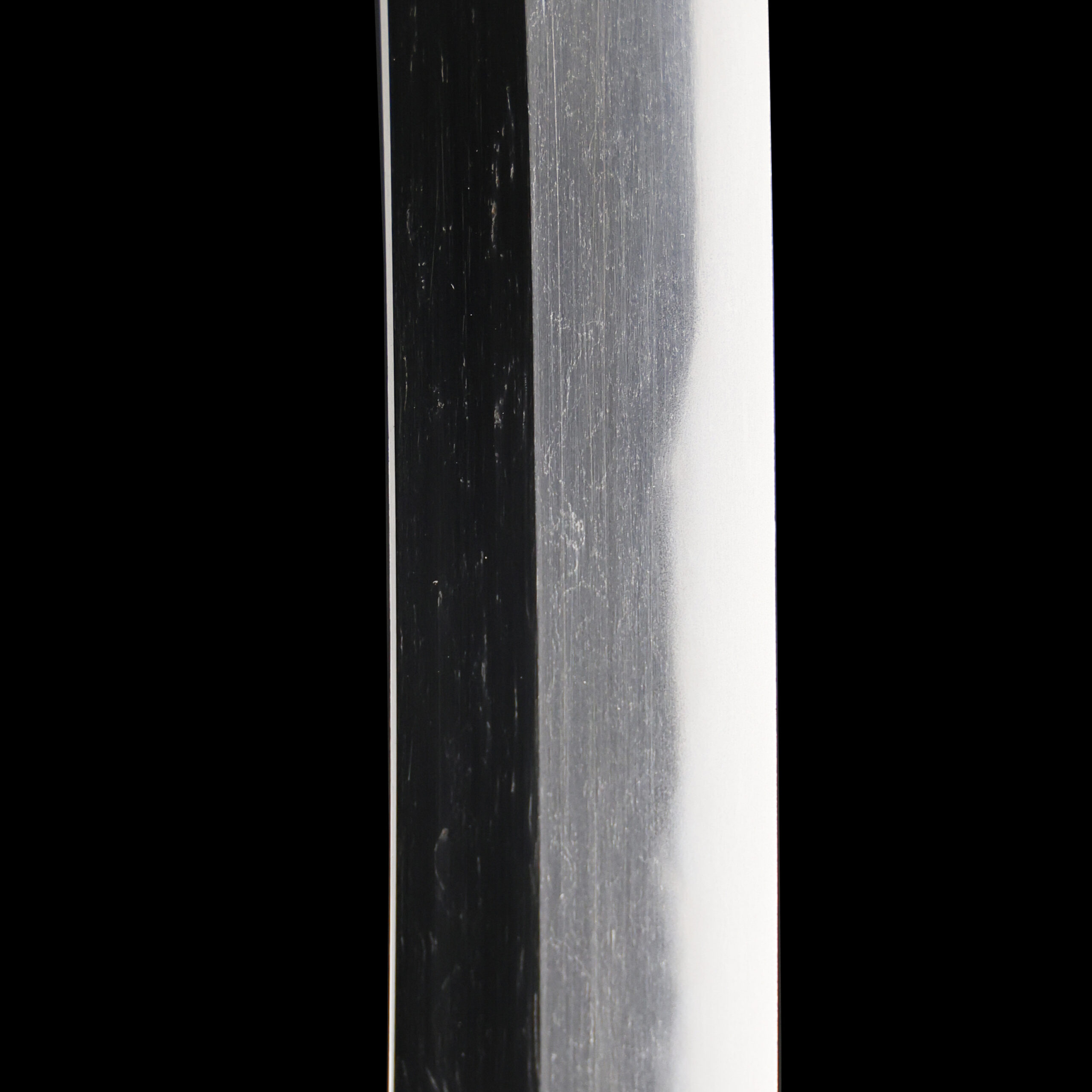
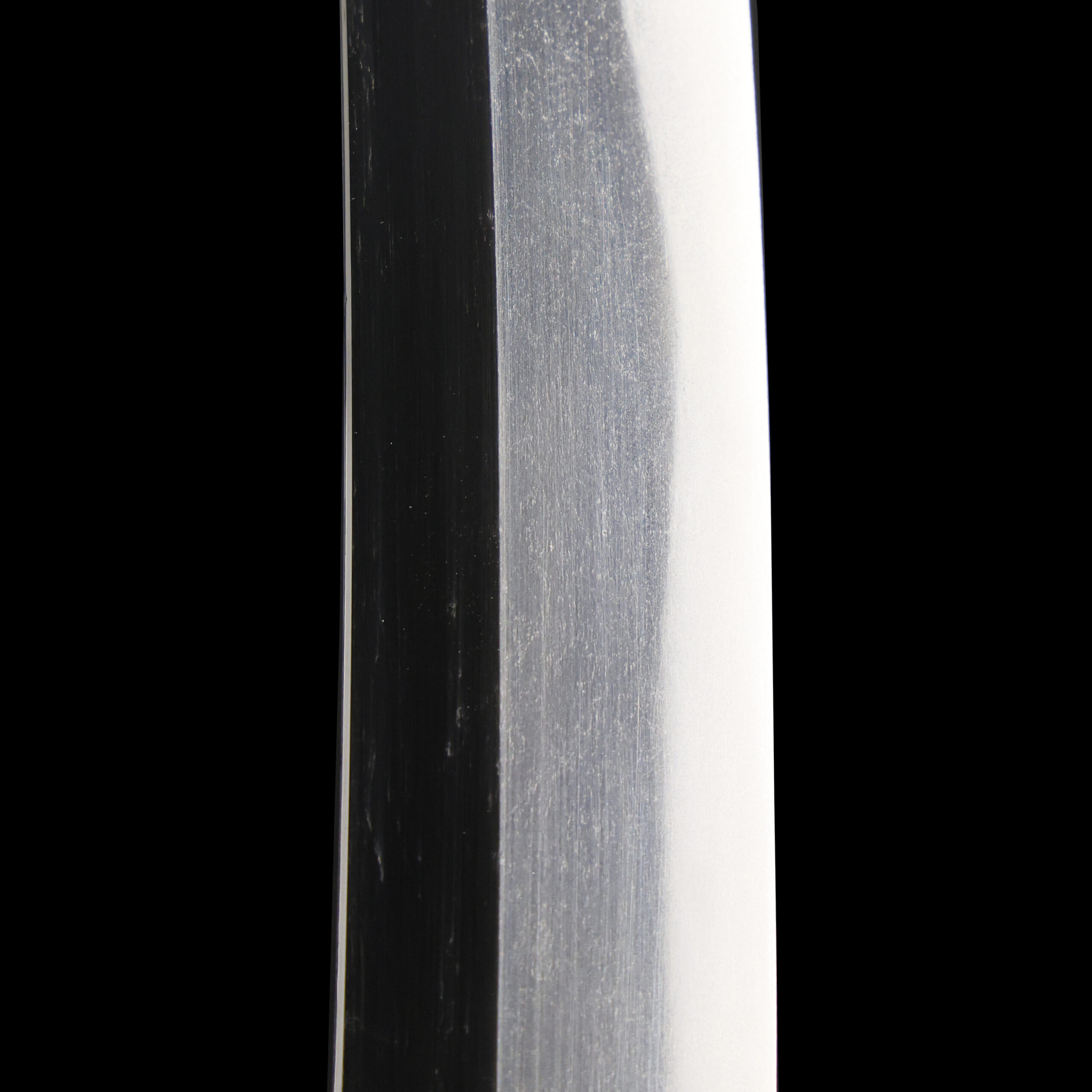
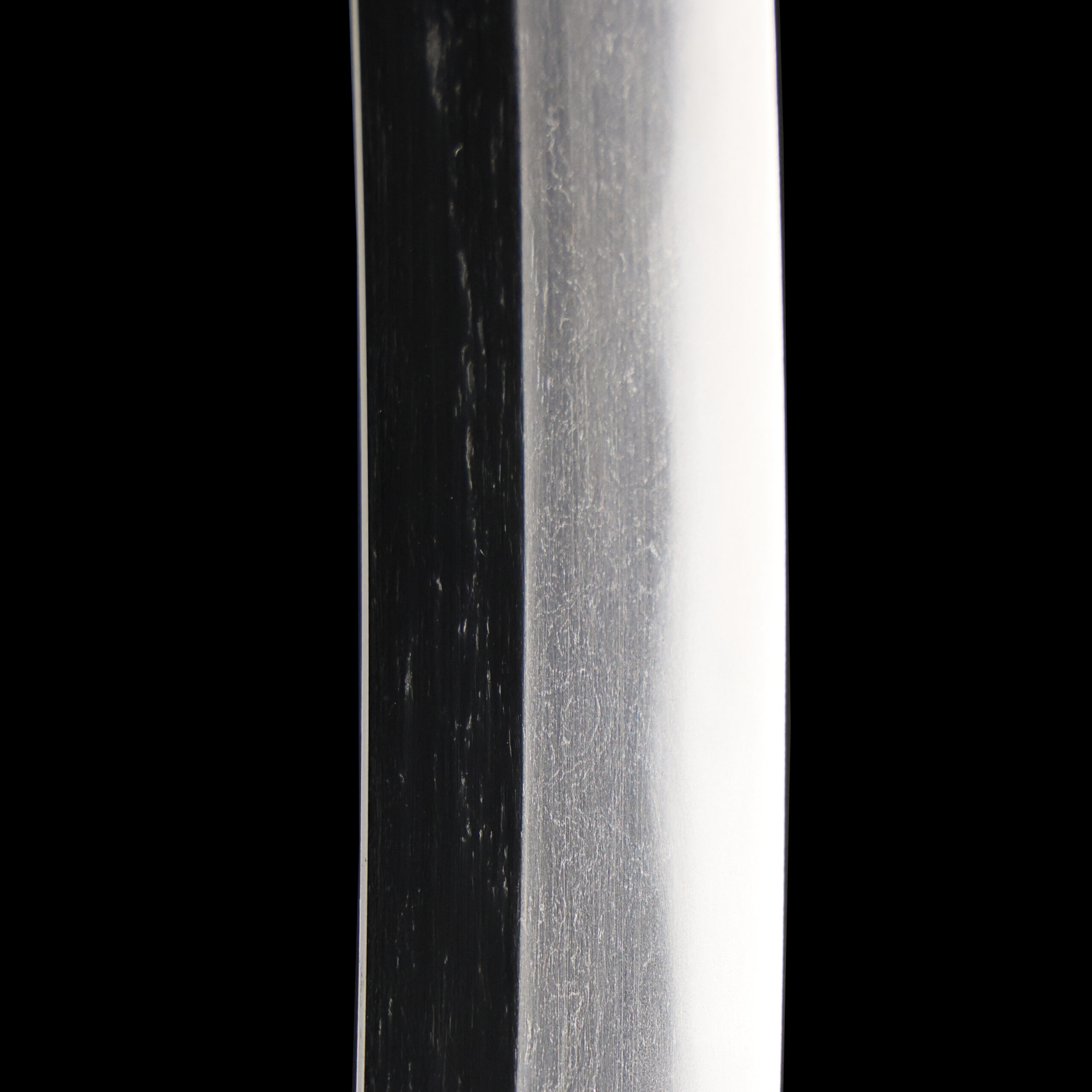
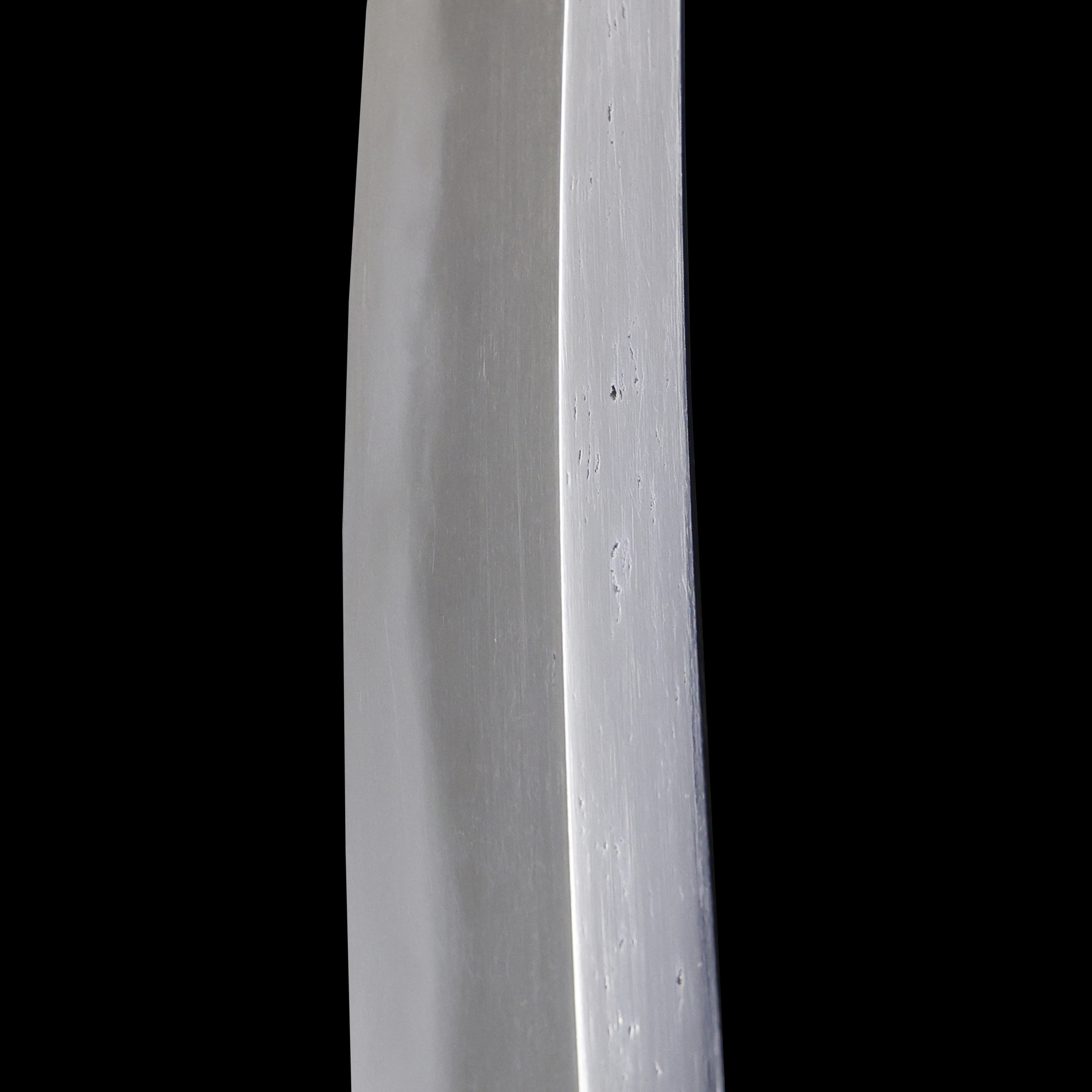
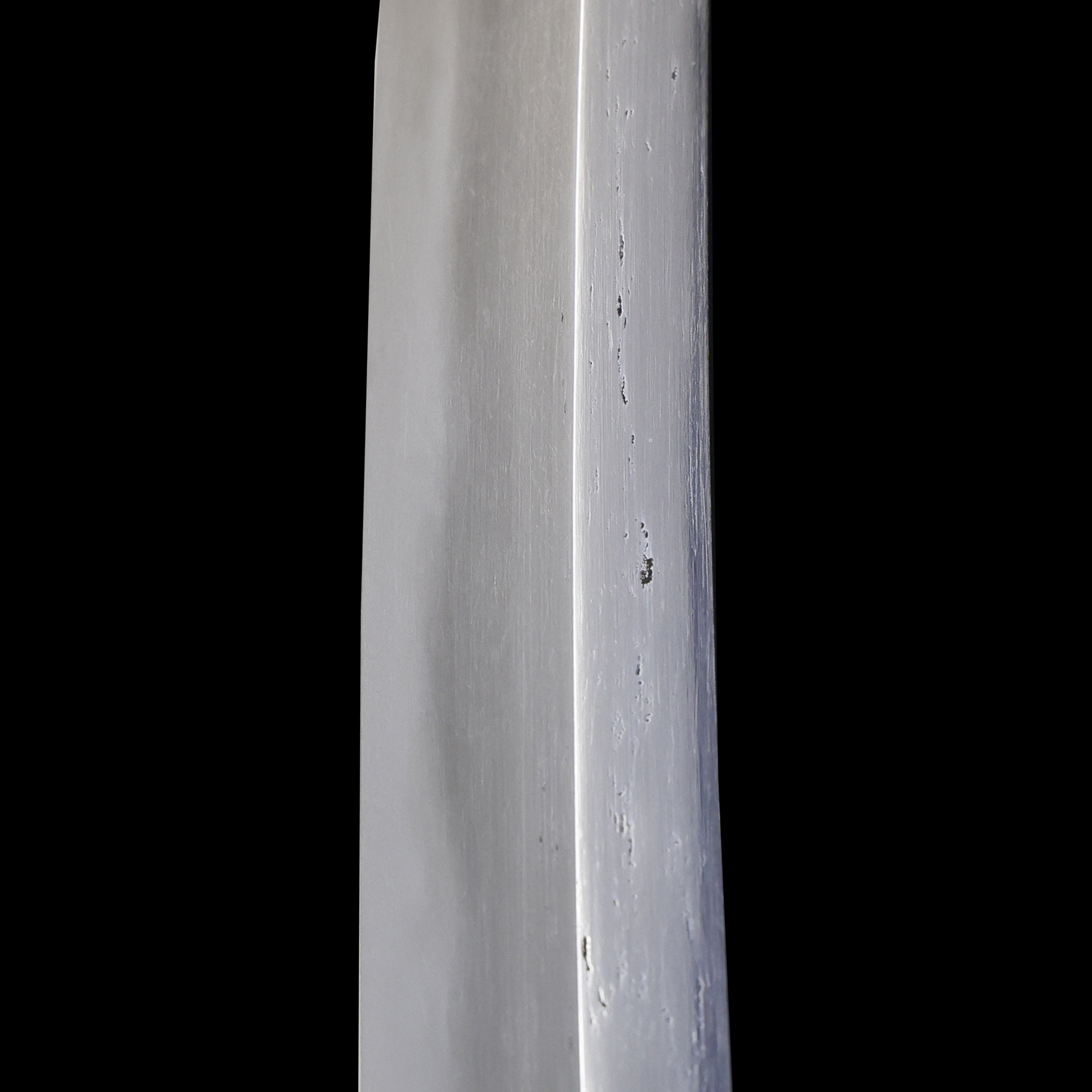
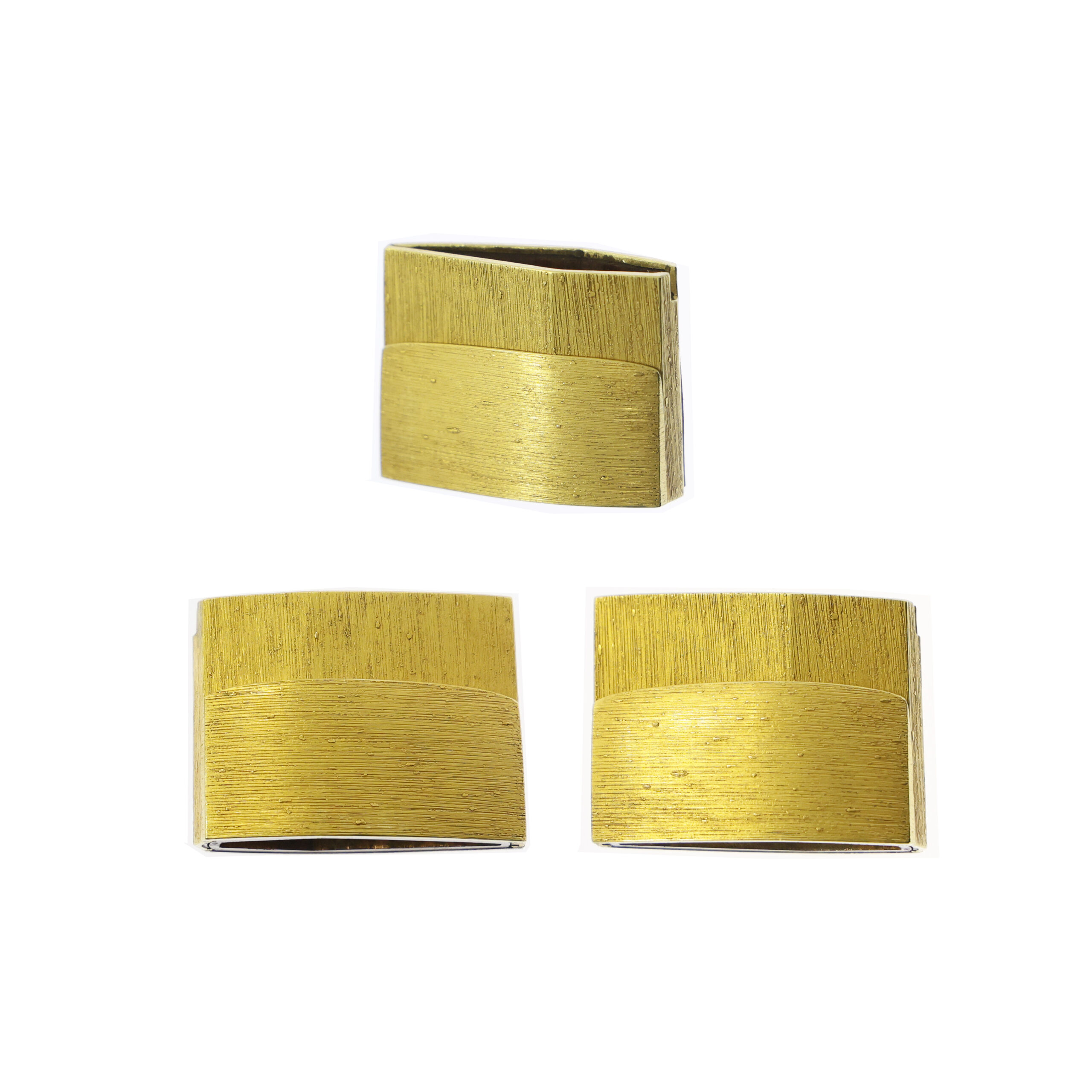
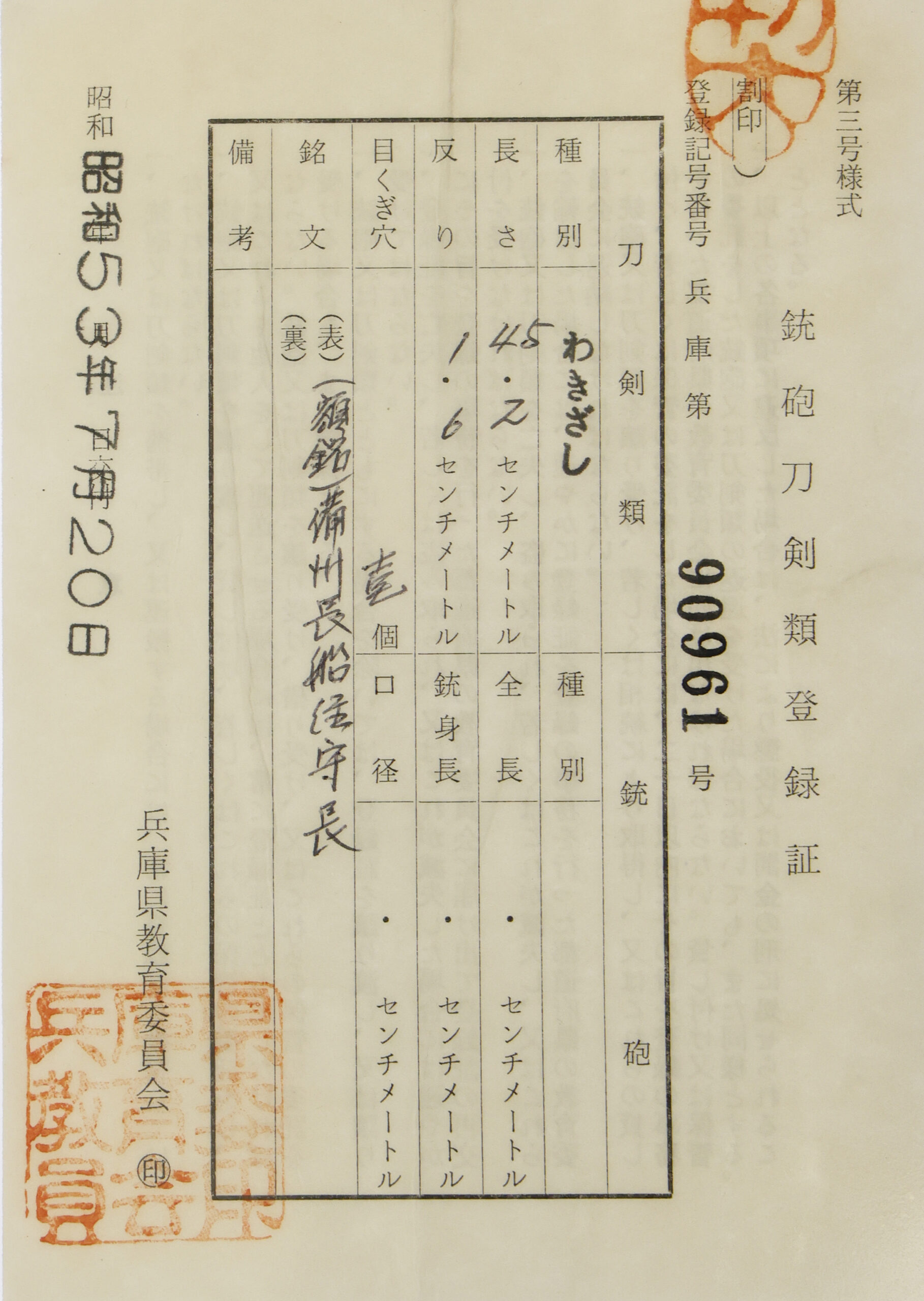
重要刀剣 備州長船住守長(脇指) 日本美術刀剣保存協会(NBTHK)重要刀剣指定品 【解説】 本作品は、備前国(現在の岡山県)長船派の刀工、備州長船住守長による一振りです。伝承によれば、守長は畠田派の祖である守家を祖父に、守重を父に持ち、畠田派の正系を継ぐ名工として知られています。その活躍時期は鎌倉時代末期、正中年間(1324〜1326年)頃と推定されます。 本作は、古来の長柄武器である「薙刀」を後世に切り詰め、脇指へと仕立て直した「薙刀直し(なぎなたなおし)」の傑作です。薙刀は平安時代後期から戦場で多用され、武蔵坊弁慶の得物としても名高い武器です。 薙刀直しの大きな特徴は、先反りが強く、区(まち)から切先にかけて優美な曲線を描くその姿にあります。通常の刀と異なり、鎬筋(しのぎすじ)が残りつつも、切先と平地を隔てる「横手」を持たない独特の造り込みが魅力です。戦術の変化に伴い、実戦的な打刀や脇指へと姿を変えたこれらの刀剣は、室町時代以降の近接戦闘において重宝されました。 【備前長船派の歴史】 備前長船派は、鎌倉時代中期の光忠を始祖とする、備前国で最大の勢力を誇った流派です。その作品は「長船物」として全国の有力大名や名だたる武士たちから絶大な支持を受けました。 歴代の工の中でも、長光・真長・景光の三名は「長船三作」と称され、さらに長光・兼光・長義・元重の四名は「長船四天王」として、その名を轟かせています。 備前国は中国山地に近く、刀剣制作に不可欠な良質の砂鉄が豊富に採れ、さらに吉井川の清流と燃料となる炭にも恵まれていました。この地政学的な利点が、高品質な鉄の精錬と優れた名刀の量産を可能にしました。平安時代後期の「古備前」に端を発する備前伝の伝統は、鎌倉時代中期以降、この長船の地で大いなる繁栄を遂げたのです。 【鑑定】 本刀は、公益財団法人 日本美術刀剣保存協会(NBTHK)により「重要刀剣」に指定されています。重要刀剣とは、特別保存刀剣の中でも特に出来映えが優れ、保存状態が良好であり、かつ資料的・芸術的価値が極めて高い名品にのみ与えられる格付けです。審査基準は非常に厳格であり、愛刀家にとって垂涎の的となる、真に価値ある一振りです。 ※鎬地に若干の鍛え傷が見受けられます。詳細なコンディションについては、お気軽にお問い合わせください。 【刀身】 長さ(長さ):45.2 cm 反り(反り):1.6 cm 刃文(刃文):焼入れによって刃先に現れる結晶構造 地文(地肌):地鉄の表面に現れる鍛え目模様
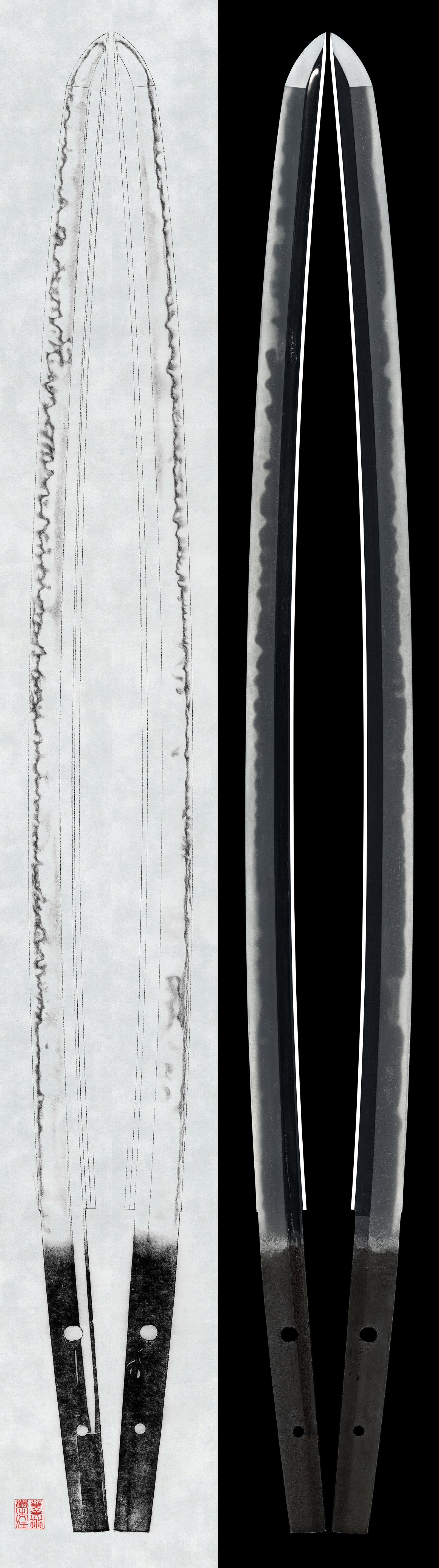
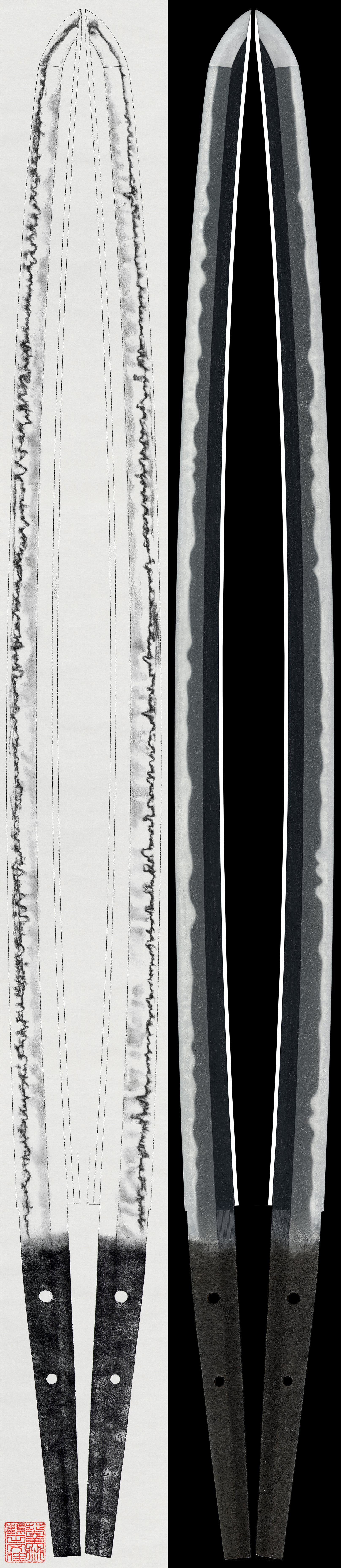
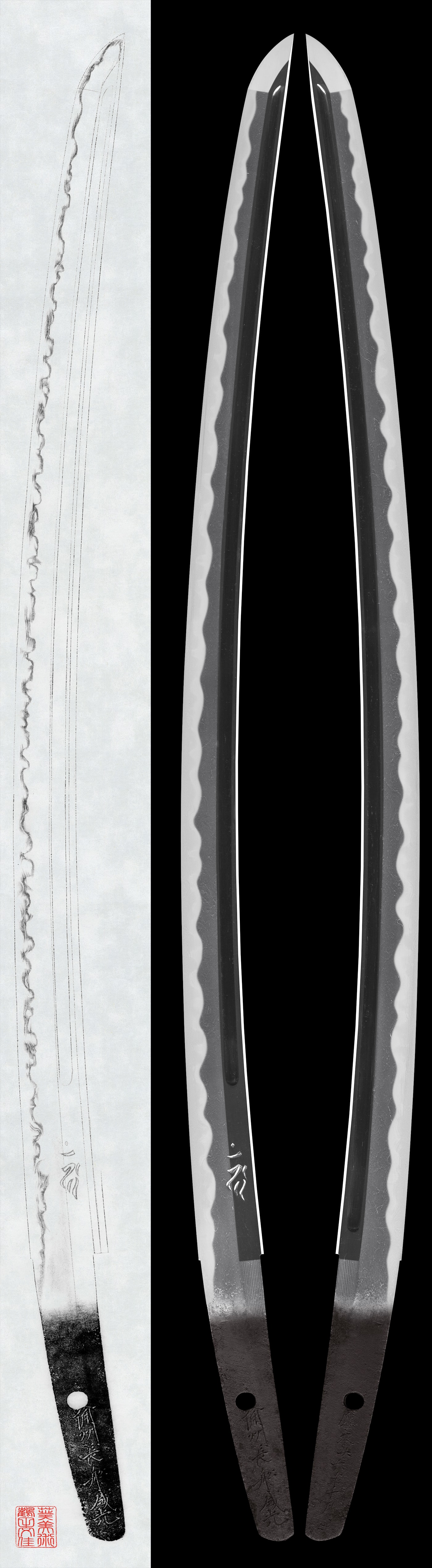
守長額銘の薙刀直し脇指である。 守長は銘鑑によれば畠田派の守重の子とある。作刀の現存するものはそれ程多くないので作風の特色は詳細には言い得 ないが、他にも長巻があるので長巻が得意であったのかも知れない。 この脇指は地刃に沸がよくつきのたれ調に互の目、 丁子ごころが交じった刃には荒めの沸も交じり、地刃の出来がよ 一口である。
 NihontoWatch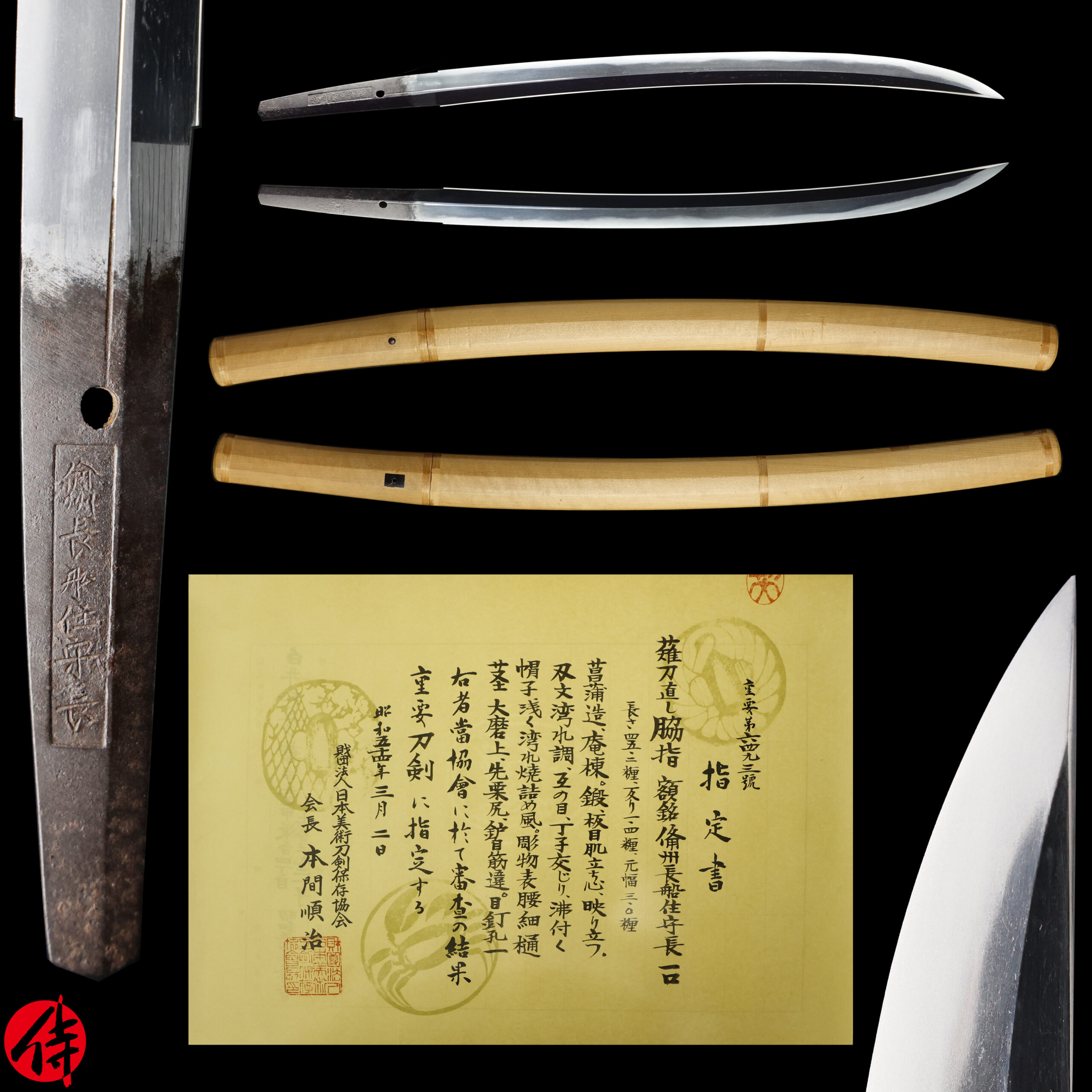
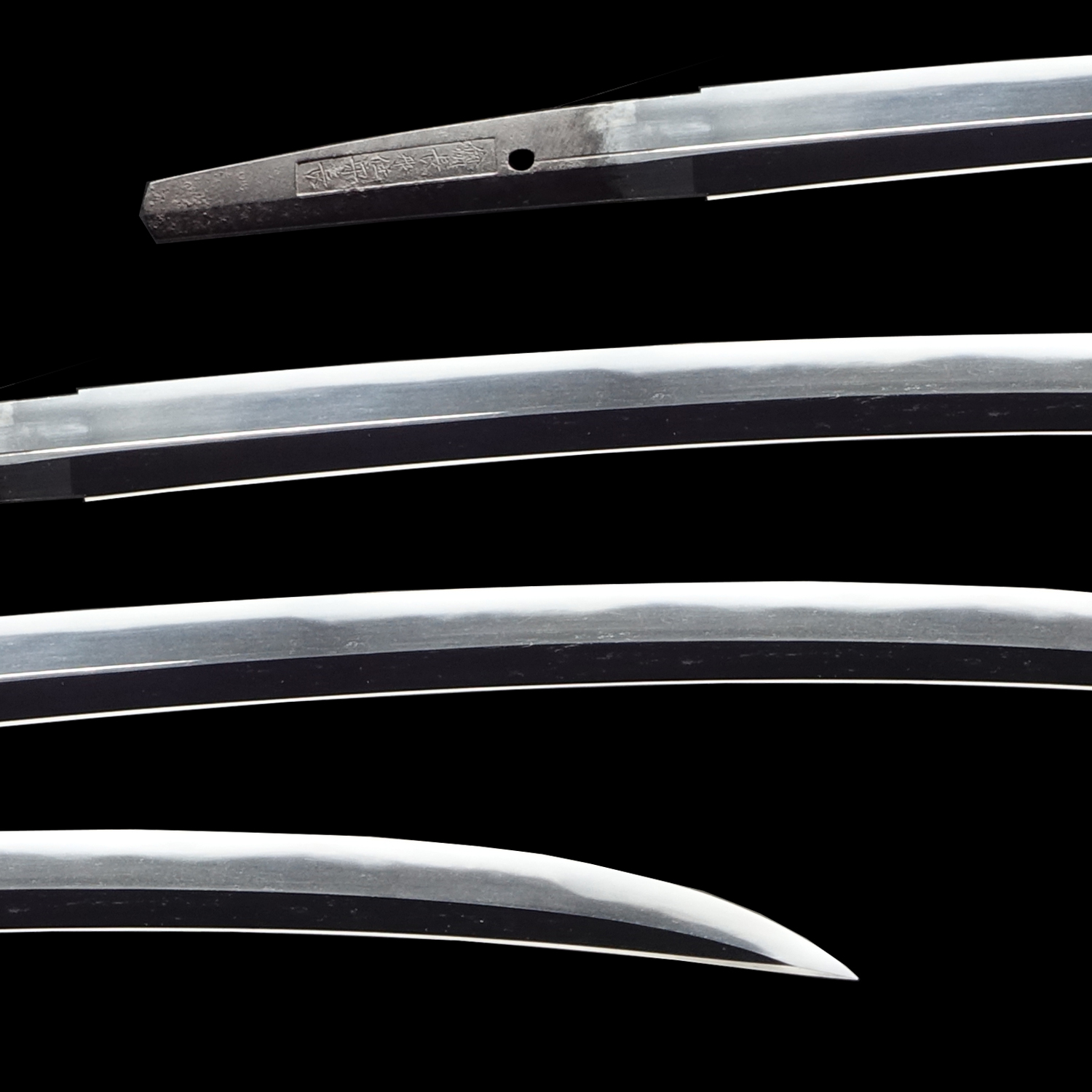
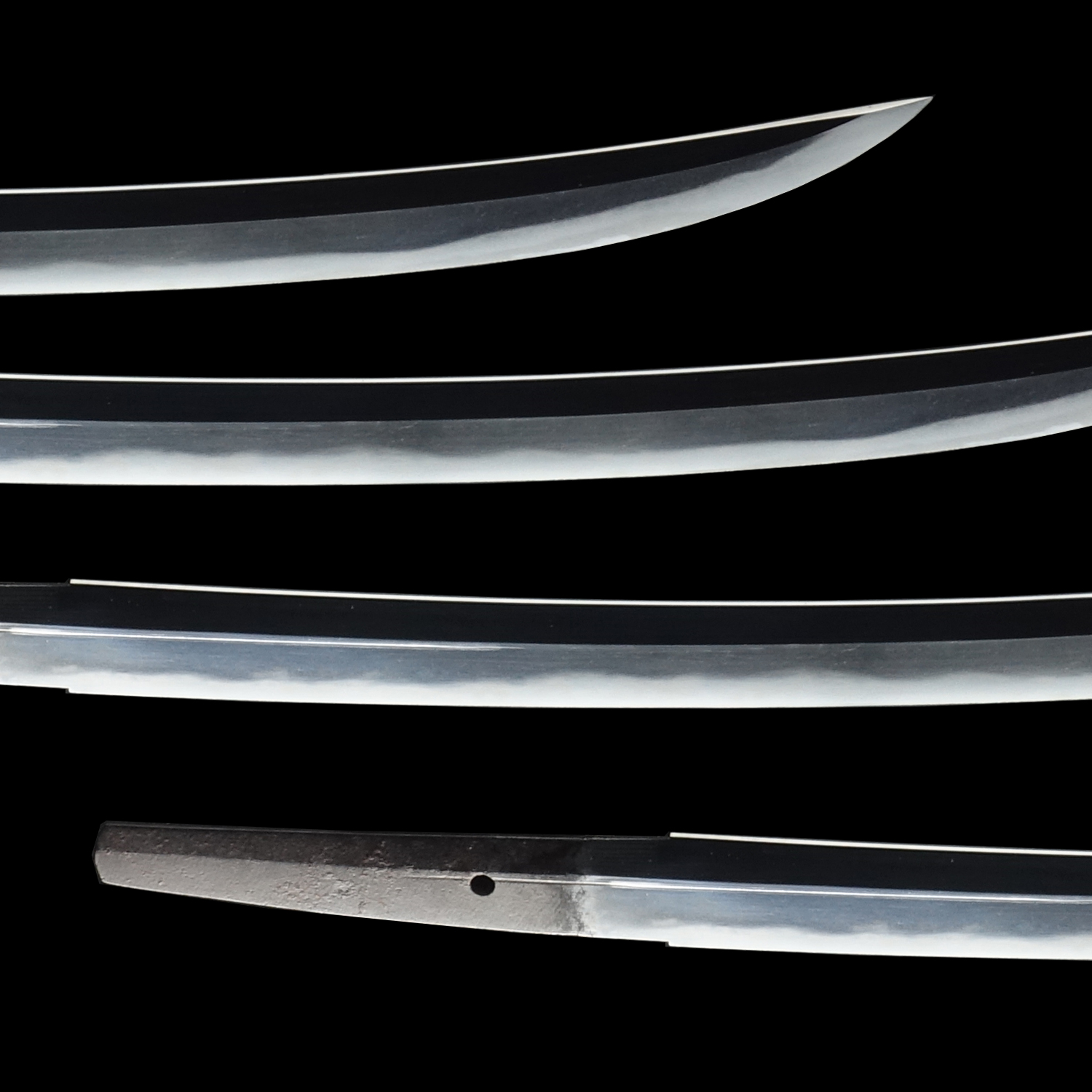


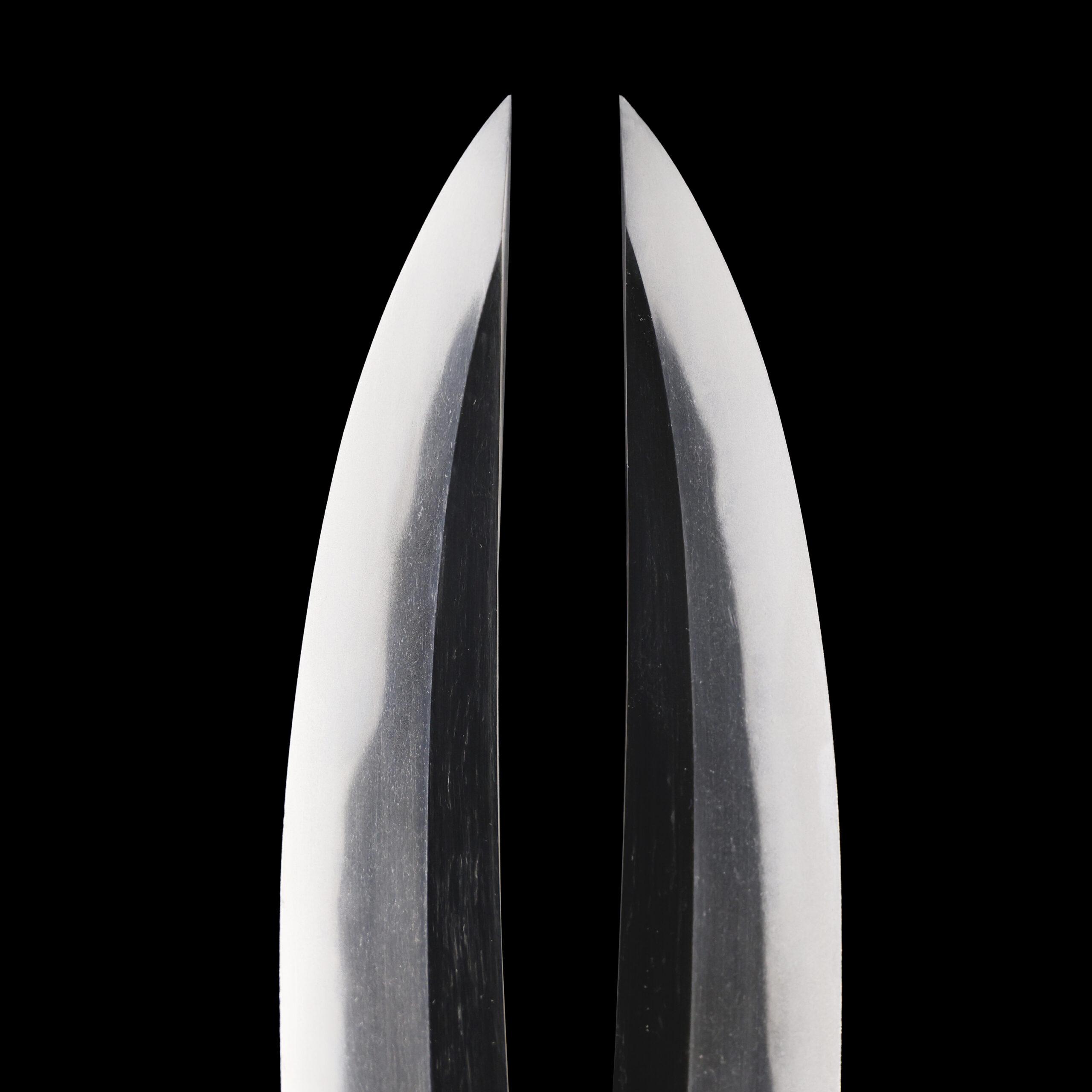
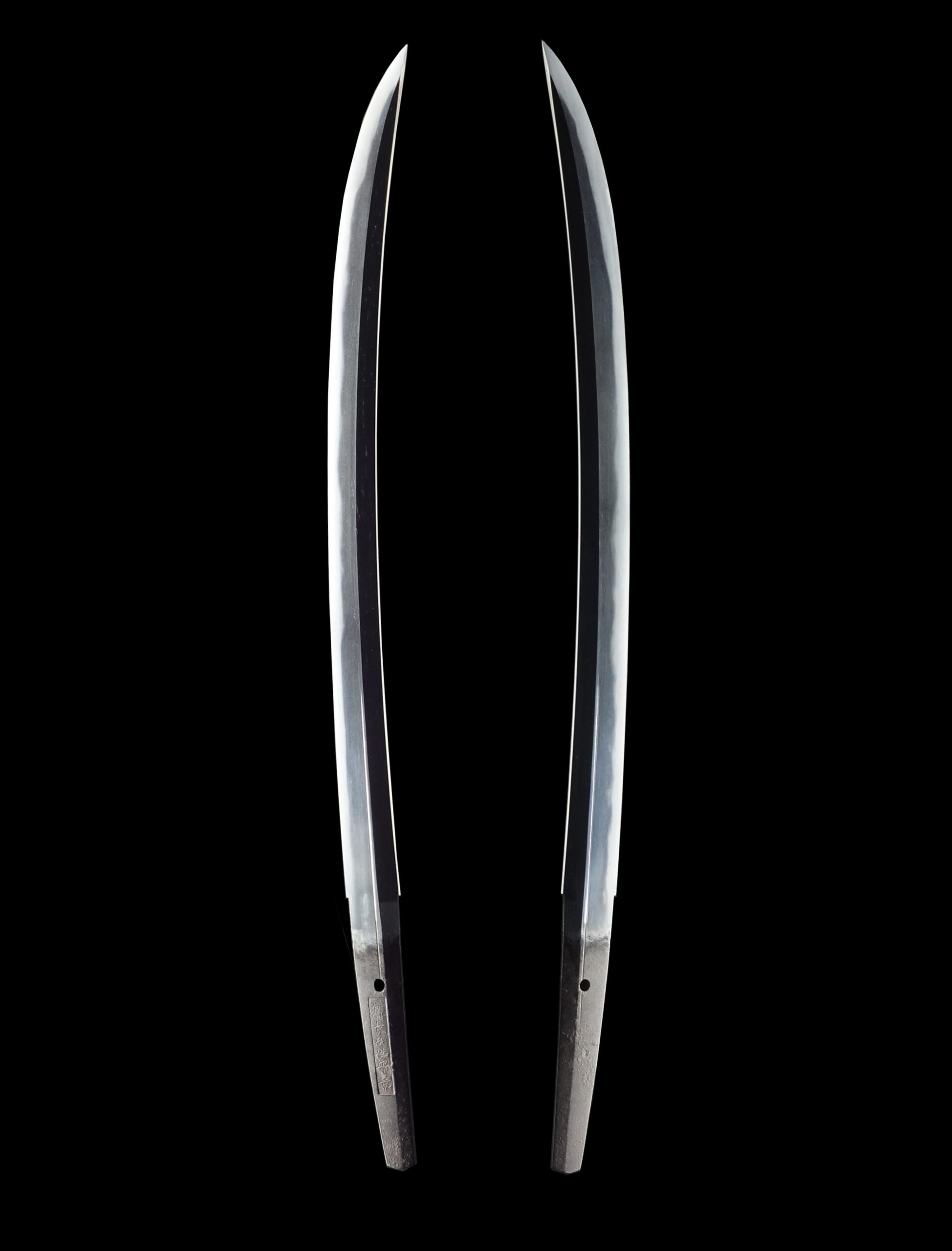
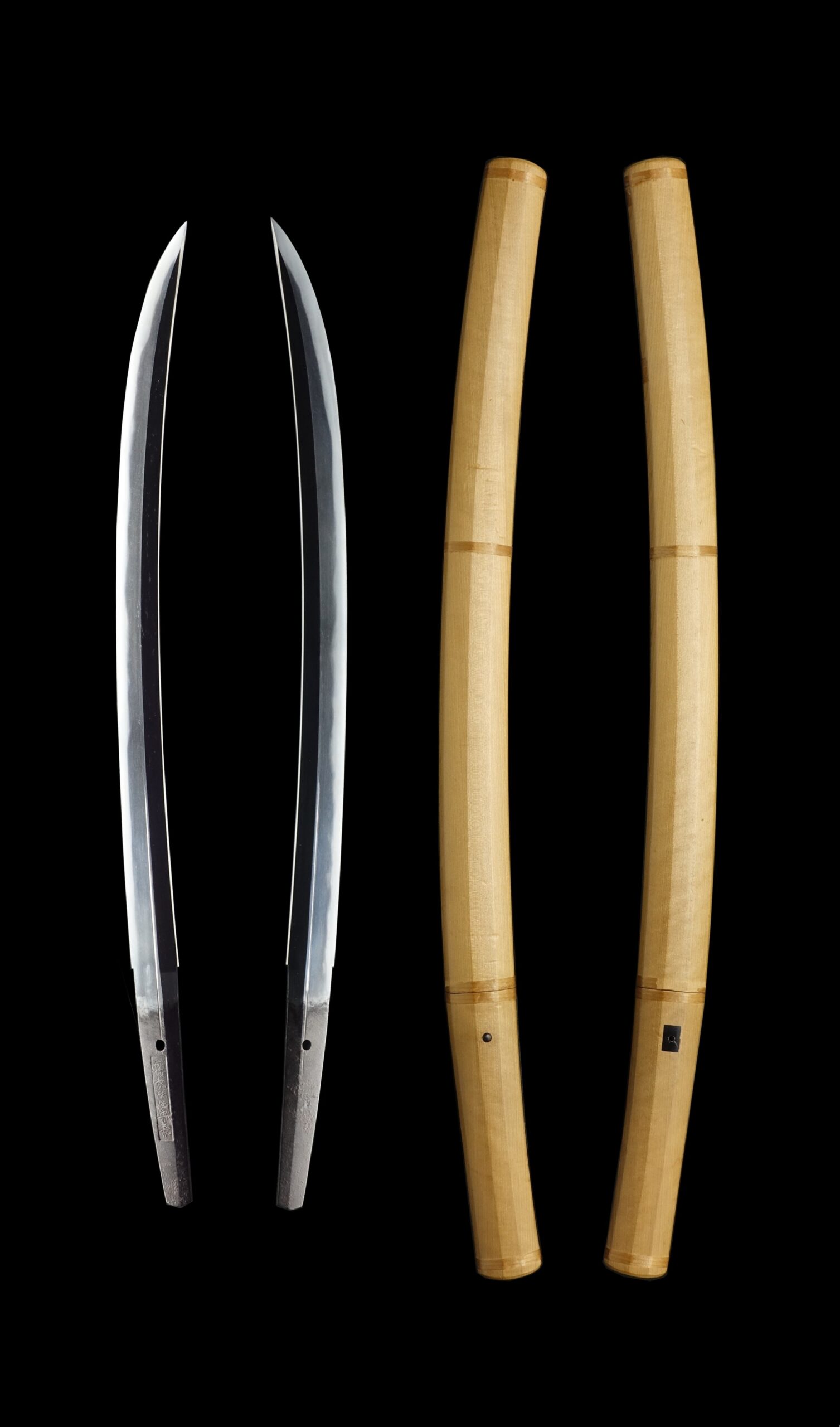
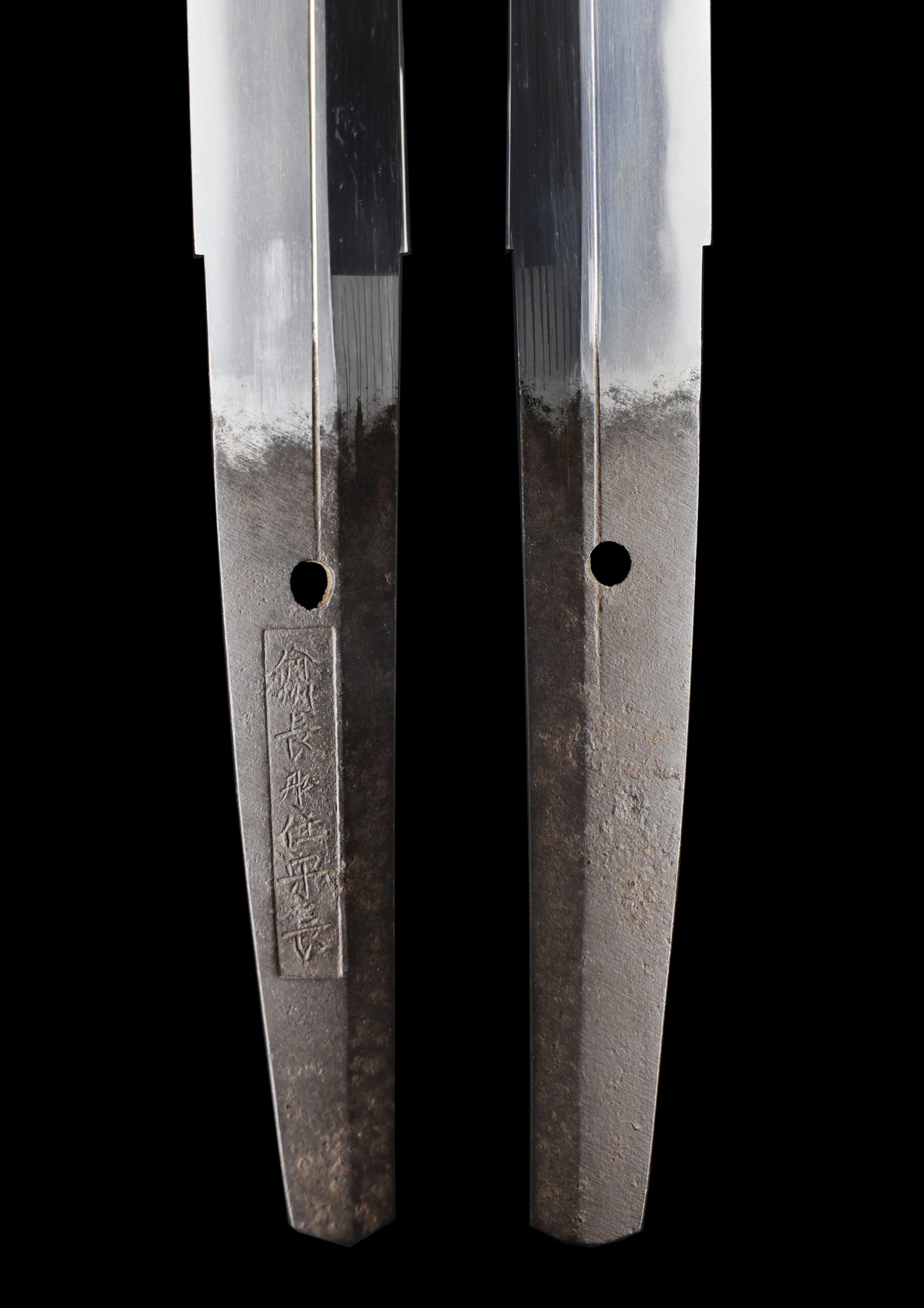
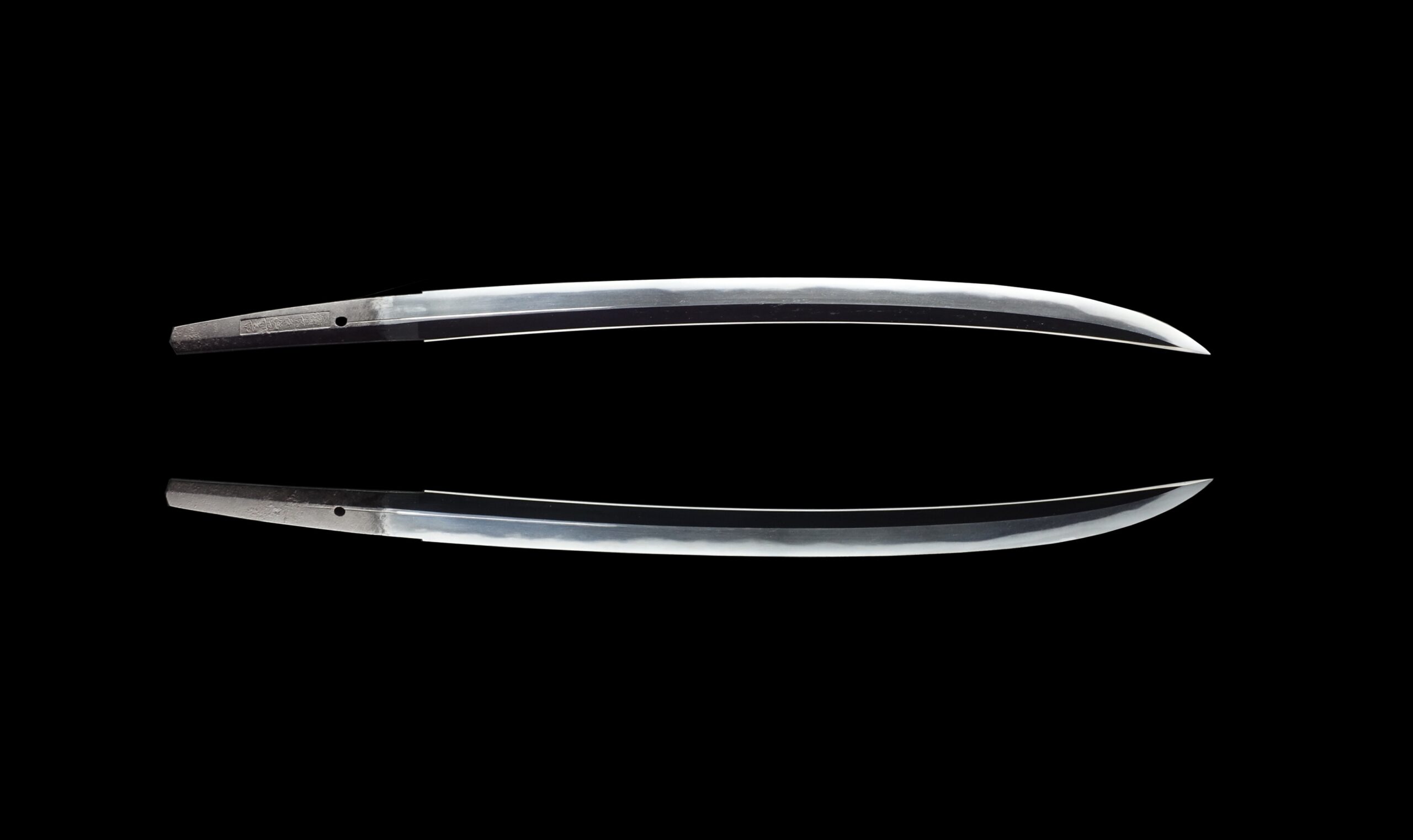
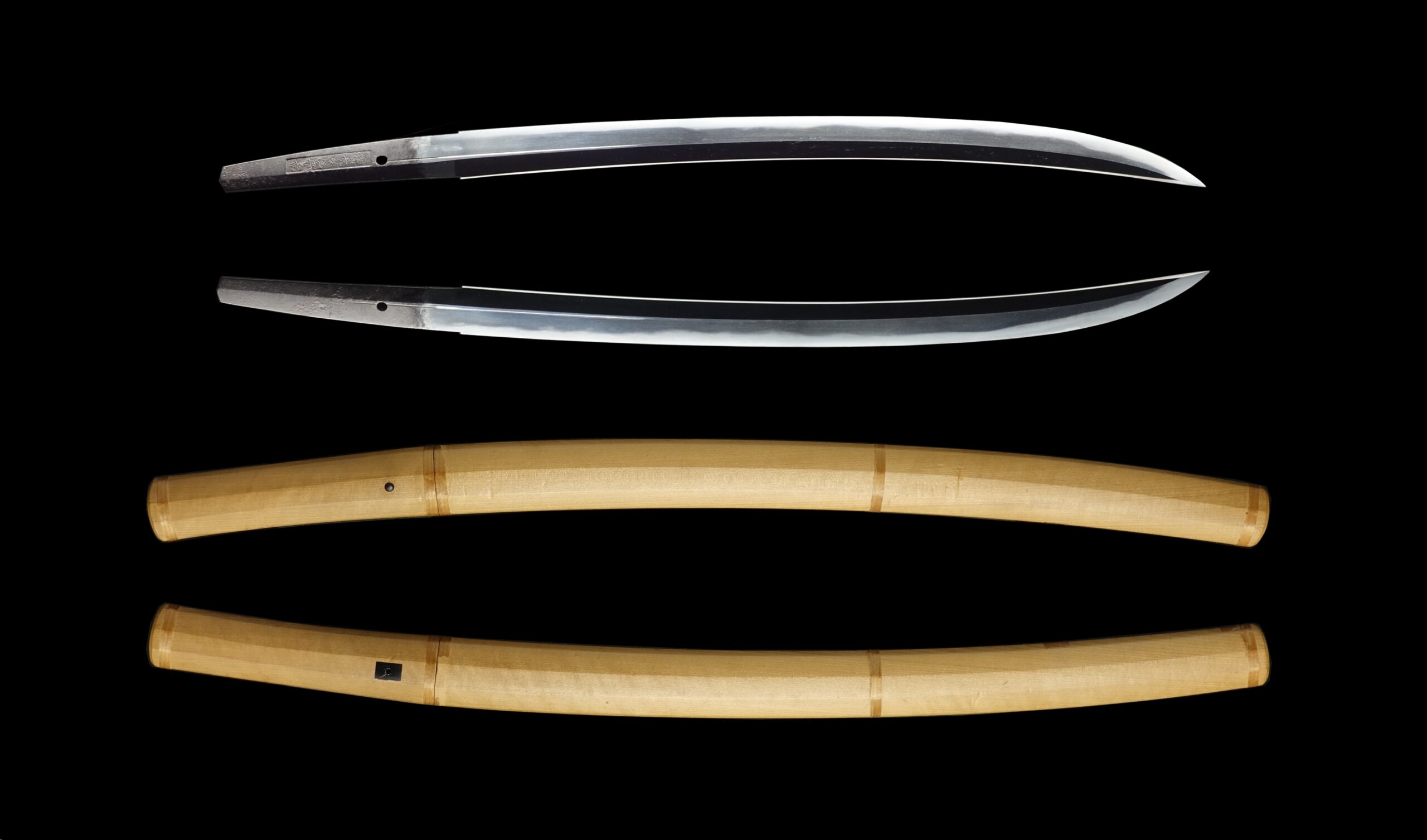
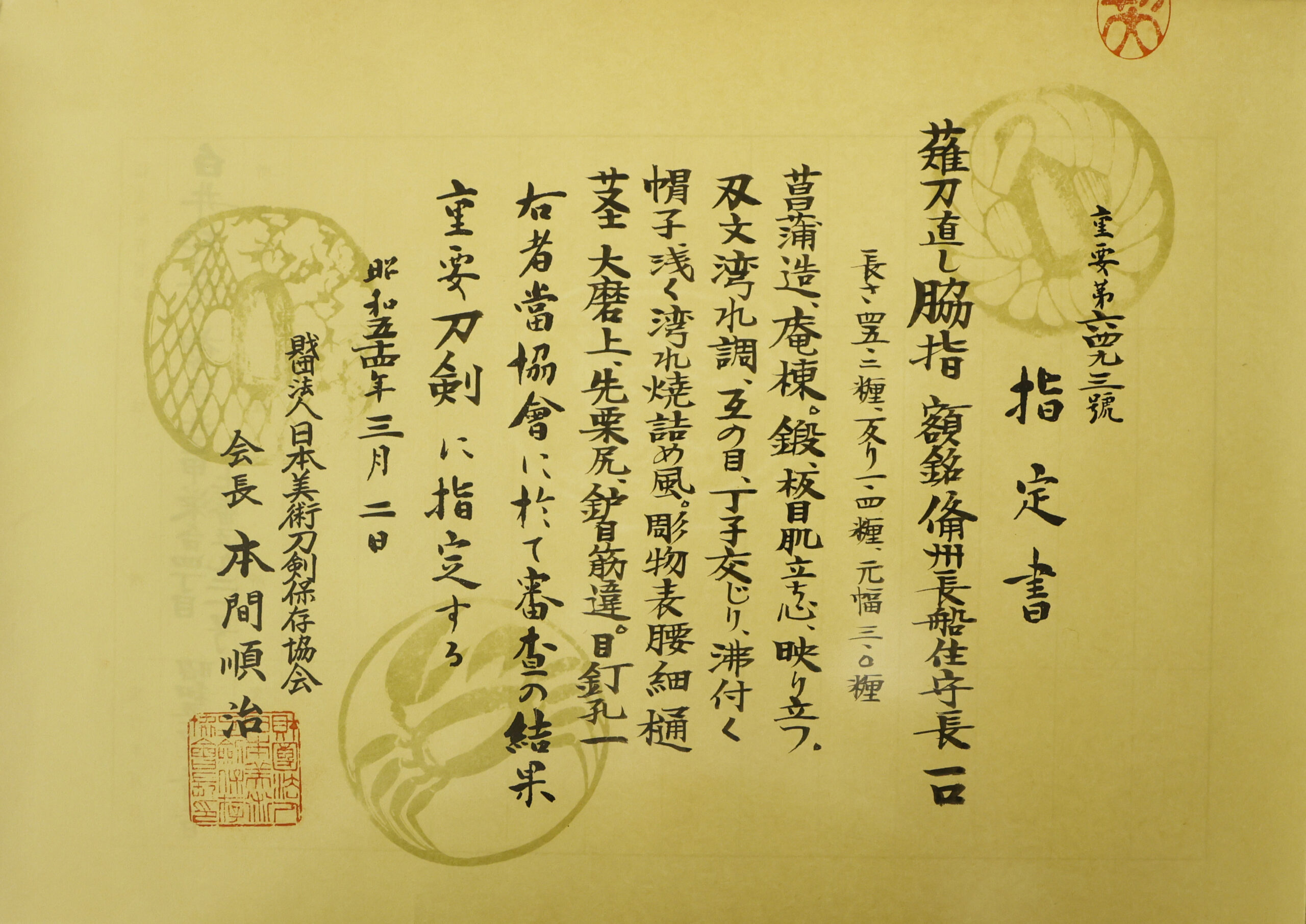
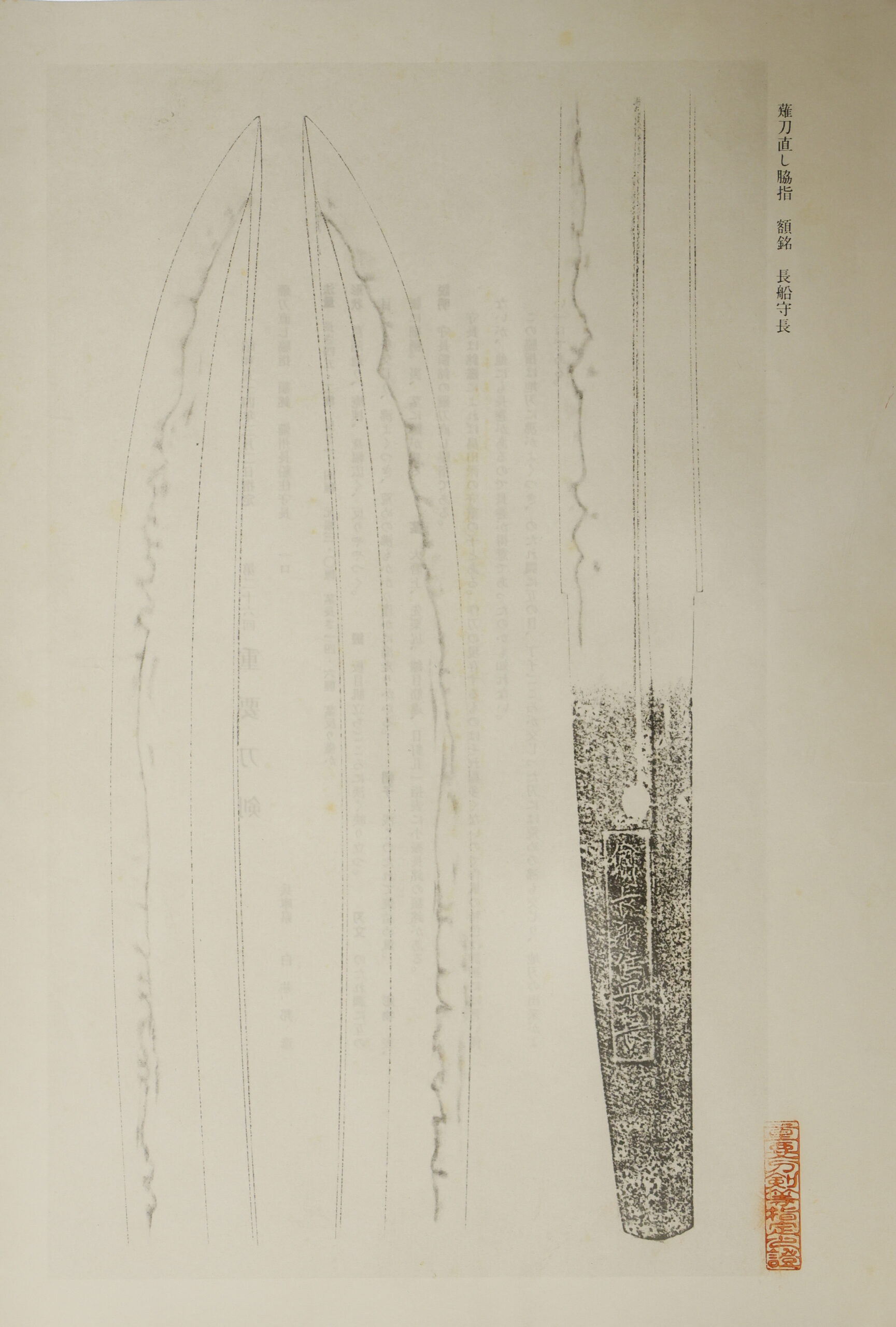
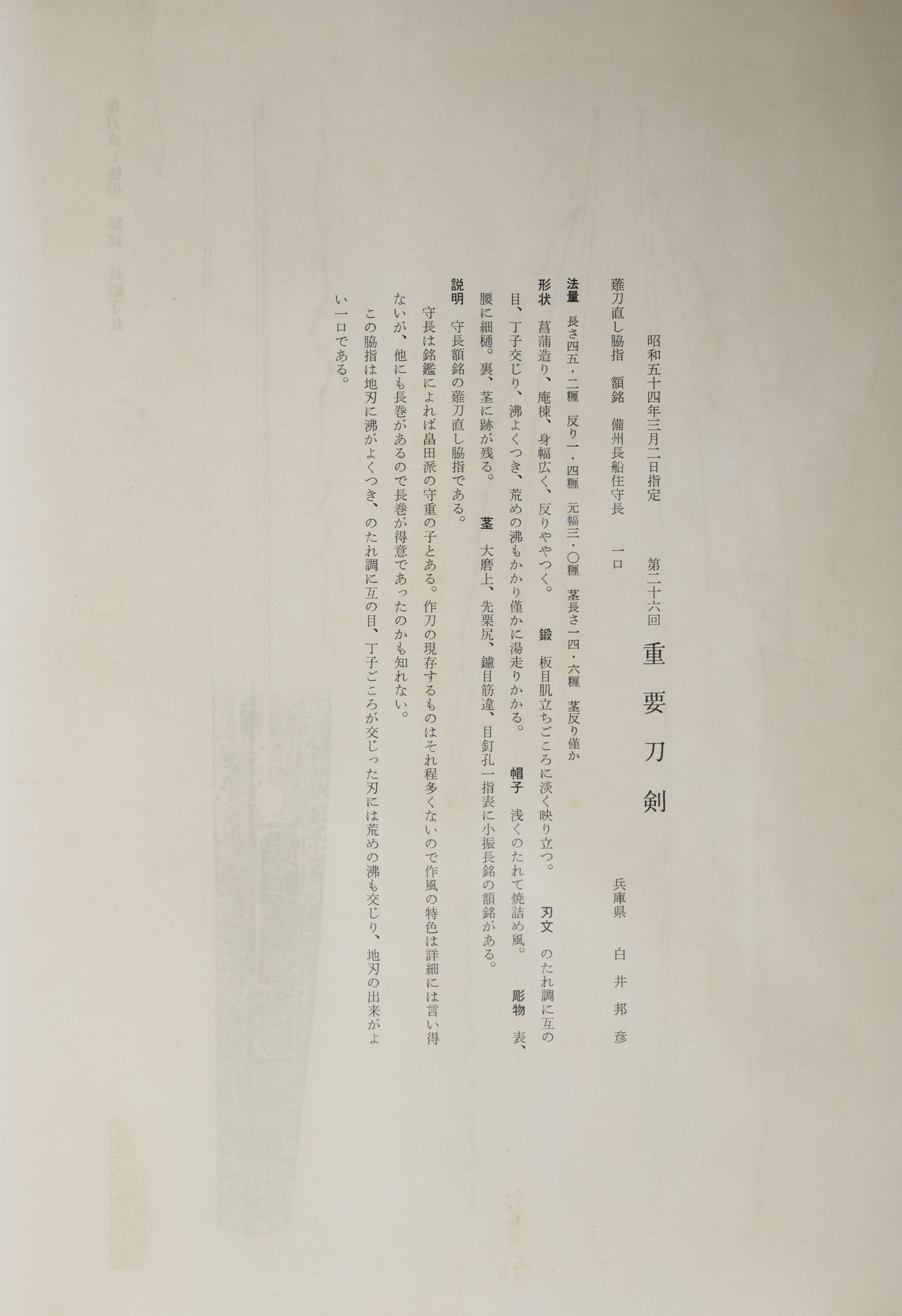
守長額銘の薙刀直し脇指である。 守長は銘鑑によれば畠田派の守重の子とある。作刀の現存するものはそれ程多くないので作風の特色は詳細には言い得 ないが、他にも長巻があるので長巻が得意であったのかも知れない。 この脇指は地刃に沸がよくつきのたれ調に互の目、 丁子ごころが交じった刃には荒めの沸も交じり、地刃の出来がよ 一口である。
Hatakeda (Osafune, Bizen) · 備前 · 1326-1358頃
刀剣大鑑 上位18%
畠田の守長には年紀の確かな作が一口あり、表に備州長船住守長、裏に正平十二年(一三五七)五月の銘を刻む短刀で、この年紀が本工を備前の南北朝の代に定める。剣書は本工を長船畠田派に置き、守重の子とし、一説に長船村に隣接して鍛えた畠田の名工二代守家の孫とも伝える。同名二代を立てて初代を正中の頃、二代を正平に置き、この短刀は二代と読まれる。銘は備州長船住守長と長銘に切り、在銘の作は少ない。長巻直しの太刀について説明書は、在銘の守長としては「守長の在銘のものは他に比類がない」[[c:1]]と明記する。
説明書がまず挙げるのは備前の特色ではない。本工の刃は沸の盛んについた覇気ある乱れで、説明書はこれを「一見備前物とは思われない盛んな乱」[[c:2]]と評する。文様はのたれを主に互の目を交えた乱れで、丁子は長船本流のように主調とはならず僅かに交じるに留まり、その上に沸が厚くつき、砂流し頻りにかかり、金筋が刃に入る。長寸の一口には荒めの沸が交じり僅かに湯走りがかかり、年紀の短刀では刃が濡れて処々二重刃ごころとなる。帽子も同じ覇気をもって乱れ込み、掃きかけて焼詰め、短刀では突き上げて尖り長く返る。本工を位置づけるとき説明書が頼むのは、この沸づいた相州風の乱れであって、丁子乱れではない。
地鉄が見どころの後半をなす。本工は流れてやや肌立つ板目、しばしば大板目を鍛え、長船の名手のつんだ小板目のように締まらず、肌立つ地に地沸がつく。薙刀直しの脇指では淡き映りが地に立ち、相州風の手の中に古備前の明るい映りが残り、開いて流れる地が、厚い刃沸と流れる砂流しを読む地となる。長船の丁子乱れがつんだ冴えた地に乱れ映りを立てようとするのに対し、守長はより働きのある鉄を求め、説明書は地刃ともに健全とし、沸のよくついたことを「所謂相伝備前の作風である」[[c:3]]と記す。
本工の現存作は時代よりも造込みによって分かれる。年紀のある作はいずれも南北朝の幅に収まるからである。現存する在銘作の多くは長巻直しで、長巻を太刀・脇指に直したもので、鎬造あるいは菖蒲造に重ねを卸し、反り浅く鋒は大鋒となり、茎尻寄りの棟側に長銘を切る。これが幾口も揃うことから、説明書は「長巻が得意であったのかも知れない」[[c:4]]と推し、現存作が多くないため作風の特色を詳細には言い得ぬと加える。これに対して正平十二年の生ぶ短刀は平造に三ッ棟、中央目釘孔にかけて長銘を切り裏に年紀があり、表に護摩箸を彫る上手の作で、その年紀を説明書は好資料とする。
説明書が比較を求めるとき、その手は長船には向かわない。年紀の短刀は「一見長義などの作に通じ」[[c:5]]と読まれ、長義は自らも相州風に転じた南北朝の備前の名工であり、別の一口は作そのものからこの繋がりを見て長義一派との縁を認める。長寸の一口はこの比較をさらに進め、掃きかけて尖る帽子から左の一類に近いとされる。左は相伝備前の中核をなす南北朝主流の筑前の系である。それゆえ守長を分かつものは、他派から借りた特徴ではなく本工自身の地刃に語られる。肌立って流れる板目、地刃をともに覆う沸、のたれ・互の目の乱れを貫く砂流しと金筋、焼詰めに納まる掃きかけの帽子こそ、説明書が本工を鑑する見どころであり、備前の脈は相州風の手の中に丁子の交じりとして残る。
守長は市場よりも指定の記録を通じて出会う工である。四口が各回にわたり重要刀剣に指定され、いずれも在銘で、その中に説明書が比類なしとする長巻直しの太刀と、好資料とする正平年紀の短刀がある。国宝も重要文化財もなく、本工の名の位置は、この少数の在銘重要刀剣に拠る。所在の記録は部分的だが、本工の名に連なる中に塩竈神社に納まる一口がある。私蔵の側から見れば、像は説明書自身の述べる稀少さに従う。在銘作がこれほど少なく、その僅かが上位の指定に集まる以上、守長は売立に出るのを期し得る刀ではなく、在銘の作が市に現れることは繰り返す好機ではなく稀な出来事である。現れるとすれば多くは本工が得意としたとされる長巻直しで、備州長船住守長の長銘と、説明書が本工の手の恒数として書き留めた沸の盛んな相伝備前の乱れを帯びている。
守長の位置づけを、日本刀全体および伝統・時代・時期ごとに示します。各位(随一・屈指・有数・著名)は、NBTHK および文化庁による指定に加え、三作や名物帳などの歴史的栄誉を加味したものです。
各項目を選ぶと評価方法が表示されます。
在銘年紀作が示す、確実に活動していた年代
備前伝 · 備前
現在6点販売中
畠田派は鎌倉時代中期の備前国に興った一門で、長船村に直に隣接する畠田の地に住したことから、その祖を畠田守家と呼ぶ。守家および一門の真守らに「畠田住」と銘したものは未見で、いずれも「備前国長船住守家造」[[c:1]]などと長船住に切ることから、畠田はおそらく長船村のなかの小字であったと推察されている。守家には文永九年(一二七二)紀の太刀を最古として在銘作があり、長船光忠・長光と同時代に鍛えた工としてその名を立てる。銘鑑はその系を福岡一文字の守恒系に置くが、守家の作はすでに福岡一文字の古調を離れ、長船一派が古典の姿を結ぶその近き圏内に位置する。守家の代別はなお定まらず、通説は初代を光忠、二代を長光と同年代の刀工とする二代説を伝えるが、初二代を銘字のみで明確に分けることは難しく、一人説を唱える向きもあって、今後の研究課題とされている。 一門の作風は同時代の長船刀工に近似するが、地鉄が肌立ち、焼刃に蛙子丁子が目立つところに共通の特色がある。鍛えは板目に杢を交え、処々流れて肌立ちごころとなり、地沸が微塵に厚くつき、地景が細かに入り、その上に乱れ映りが鮮やかに立つ。この肌立つ備前地に立つ冴えた映りは、ほぼ全作に挙げられる確かな見どころである。刃文は華やかな丁子乱れを主とし、腰のくびれた頭の丸い蛙子丁子を交え、袋丁子・重花丁子・互の目・尖りごころの刃を加え、足・葉さかんに入り、小沸つき、処々飛焼・湯走りを見せ、金筋・砂流し細かにかかり、匂口明るい。帽子は乱れ込んで小丸となり、しばしば尖りごころに掃きかける。蛙子丁子こそ最大の鑑識点で、光忠も交えるが、これほど中心に据えた同時代工はなく、長光には稀である。祖守家はこの華やかさをもっとも強く示し、地の肌立ちと刃沸の強さにおいて隣人の長船物を凌ぐ。子と伝える真守はその見どころをよく受け継ぐが、乱れがやや小模様となる傾向があり、銘も太字の華やかな作と、長光・景光に近い小振りの作とに分かれる。光守もまた焼幅の広い匂出来の丁子乱れを焼いて守家系に近く、いずれも蛙子丁子と鮮やかな乱れ映りという同じ作域から読まれる。 鑑定の勘所は、この一門を福岡一文字や長船嫡流から分かつ点にある。長船の名手の丁子が丸く豊かに張るところを、畠田のそれは腰でくびれ、そのくびれこそ畠田の刀の運ぶ最も確かな一事である。地もまた、光忠のつむ地に対して守家の地は肌立ち、刃沸はより強く集まる。それゆえ上作が長船に紛れるとき、極めの拠るのはまさにこの肌立つ鍛えと蛙子丁子であり、無銘作では蛙子が大房に乱れるところに極めどころがあるとされる。華やかな丁子乱れの傍らに、一門は穏やかな作域も持つ。守家後期の一群は片落ち互の目・角互の目を主調とし、鎌倉後期の長船正系に通い、子守重に至っては直刃調に互の目を交える手と、景光・元重を思わせる片落ち互の目とがあって、畠田派よりむしろ長船色が濃い。守重の子と伝える守長は南北朝の代に下り、沸の盛んな相伝備前風の乱れに転じて、もはや備前の脈は丁子の交じりとして残るのみとなる。かくして一派は次第に長船派へ溶け込んでいく。守家は藤代の極めで最上作とされ、その作は重要文化財・重要美術品に及び、徳川家・細川家・上杉家・三井家・奥平家、さらに皇室の手を経て、京都国立博物館・徳川美術館・静嘉堂文庫・永青文庫などに蔵される。真守・光守の作にも紀州徳川家・薩摩島津家・伊予西条松平家・堀田家・秋元家などの伝来が録され、名家の歴史を負って今日に伝わっている。 詳しく見る →
鎌倉時代の備前
鎌倉時代は備前の頂点である。伝えでは一文字派の工が後鳥羽上皇の御番鍛冶に列し、世紀の半ばには光忠が長船派を興して、注文は公家からも武家政権からも流れ込んだ。国宝刀剣の数で備前に並ぶ国はない。
特別保存刀剣の中から、特に出来が優れ、国認定の重要美術品に準ずると判断された名品です。年に一度の重要刀剣審査で選ばれます。
極めて選別的で、日本に登録された約250万口の刀剣のうち、重要刀剣に達したものは12,307口(約203口に1口)にすぎません。
日本美術刀剣保存協会(NBTHK)は、1948年に設立され、文化庁の監督を受ける公益財団法人で、東京・刀剣博物館に本部を置きます。専門の審査員が出品作を直接審査し、美術的・歴史的価値に応じた鑑定書を発行します。NBTHKの鑑定書は、日本刀および刀装具の真正性を示す最も広く認知された基準です。
NBTHK公式サイトReturns/exchanges limited to defects caused by shipping (except willful misconduct or gross negligence by the company); customers must contact within 72 hours of receiving the product.
重要刀剣 備州長船住守長(脇指) 日本美術刀剣保存協会(NBTHK)重要刀剣指定品 【解説】 本作品は、備前国(現在の岡山県)長船派の刀工、備州長船住守長による一振りです。伝承によれば、守長は畠田派の祖である守家を祖父に、守重を父に持ち、畠田派の正系を継ぐ名工として知られています。その活躍時期は鎌倉時代末期、正中年間(1324〜1326年)頃と推定されます。 本作は、古来の長柄武器である「薙刀」を後世に切り詰め、脇指へと仕立て直した「薙刀直し(なぎなたなおし)」の傑作です。薙刀は平安時代後期から戦場で多用され、武蔵坊弁慶の得物としても名高い武器です。 薙刀直しの大きな特徴は、先反りが強く、区(まち)から切先にかけて優美な曲線を描くその姿にあります。通常の刀と異なり、鎬筋(しのぎすじ)が残りつつも、切先と平地を隔てる「横手」を持たない独特の造り込みが魅力です。戦術の変化に伴い、実戦的な打刀や脇指へと姿を変えたこれらの刀剣は、室町時代以降の近接戦闘において重宝されました。 【備前長船派の歴史】 備前長船派は、鎌倉時代中期の光忠を始祖とする、備前国で最大の勢力を誇った流派です。その作品は「長船物」として全国の有力大名や名だたる武士たちから絶大な支持を受けました。 歴代の工の中でも、長光・真長・景光の三名は「長船三作」と称され、さらに長光・兼光・長義・元重の四名は「長船四天王」として、その名を轟かせています。 備前国は中国山地に近く、刀剣制作に不可欠な良質の砂鉄が豊富に採れ、さらに吉井川の清流と燃料となる炭にも恵まれていました。この地政学的な利点が、高品質な鉄の精錬と優れた名刀の量産を可能にしました。平安時代後期の「古備前」に端を発する備前伝の伝統は、鎌倉時代中期以降、この長船の地で大いなる繁栄を遂げたのです。 【鑑定】 本刀は、公益財団法人 日本美術刀剣保存協会(NBTHK)により「重要刀剣」に指定されています。重要刀剣とは、特別保存刀剣の中でも特に出来映えが優れ、保存状態が良好であり、かつ資料的・芸術的価値が極めて高い名品にのみ与えられる格付けです。審査基準は非常に厳格であり、愛刀家にとって垂涎の的となる、真に価値ある一振りです。 ※鎬地に若干の鍛え傷が見受けられます。詳細なコンディションについては、お気軽にお問い合わせください。 【刀身】 長さ(長さ):45.2 cm 反り(反り):1.6 cm 刃文(刃文):焼入れによって刃先に現れる結晶構造 地文(地肌):地鉄の表面に現れる鍛え目模様
守長額銘の薙刀直し脇指である。 守長は銘鑑によれば畠田派の守重の子とある。作刀の現存するものはそれ程多くないので作風の特色は詳細には言い得 ないが、他にも長巻があるので長巻が得意であったのかも知れない。 この脇指は地刃に沸がよくつきのたれ調に互の目、 丁子ごころが交じった刃には荒めの沸も交じり、地刃の出来がよ 一口である。
NihontoWatch守長額銘の薙刀直し脇指である。 守長は銘鑑によれば畠田派の守重の子とある。作刀の現存するものはそれ程多くないので作風の特色は詳細には言い得 ないが、他にも長巻があるので長巻が得意であったのかも知れない。 この脇指は地刃に沸がよくつきのたれ調に互の目、 丁子ごころが交じった刃には荒めの沸も交じり、地刃の出来がよ 一口である。
Hatakeda (Osafune, Bizen) · 備前 · 1326-1358頃
刀剣大鑑 上位18%
畠田の守長には年紀の確かな作が一口あり、表に備州長船住守長、裏に正平十二年(一三五七)五月の銘を刻む短刀で、この年紀が本工を備前の南北朝の代に定める。剣書は本工を長船畠田派に置き、守重の子とし、一説に長船村に隣接して鍛えた畠田の名工二代守家の孫とも伝える。同名二代を立てて初代を正中の頃、二代を正平に置き、この短刀は二代と読まれる。銘は備州長船住守長と長銘に切り、在銘の作は少ない。長巻直しの太刀について説明書は、在銘の守長としては「守長の在銘のものは他に比類がない」[[c:1]]と明記する。
説明書がまず挙げるのは備前の特色ではない。本工の刃は沸の盛んについた覇気ある乱れで、説明書はこれを「一見備前物とは思われない盛んな乱」[[c:2]]と評する。文様はのたれを主に互の目を交えた乱れで、丁子は長船本流のように主調とはならず僅かに交じるに留まり、その上に沸が厚くつき、砂流し頻りにかかり、金筋が刃に入る。長寸の一口には荒めの沸が交じり僅かに湯走りがかかり、年紀の短刀では刃が濡れて処々二重刃ごころとなる。帽子も同じ覇気をもって乱れ込み、掃きかけて焼詰め、短刀では突き上げて尖り長く返る。本工を位置づけるとき説明書が頼むのは、この沸づいた相州風の乱れであって、丁子乱れではない。
地鉄が見どころの後半をなす。本工は流れてやや肌立つ板目、しばしば大板目を鍛え、長船の名手のつんだ小板目のように締まらず、肌立つ地に地沸がつく。薙刀直しの脇指では淡き映りが地に立ち、相州風の手の中に古備前の明るい映りが残り、開いて流れる地が、厚い刃沸と流れる砂流しを読む地となる。長船の丁子乱れがつんだ冴えた地に乱れ映りを立てようとするのに対し、守長はより働きのある鉄を求め、説明書は地刃ともに健全とし、沸のよくついたことを「所謂相伝備前の作風である」[[c:3]]と記す。
本工の現存作は時代よりも造込みによって分かれる。年紀のある作はいずれも南北朝の幅に収まるからである。現存する在銘作の多くは長巻直しで、長巻を太刀・脇指に直したもので、鎬造あるいは菖蒲造に重ねを卸し、反り浅く鋒は大鋒となり、茎尻寄りの棟側に長銘を切る。これが幾口も揃うことから、説明書は「長巻が得意であったのかも知れない」[[c:4]]と推し、現存作が多くないため作風の特色を詳細には言い得ぬと加える。これに対して正平十二年の生ぶ短刀は平造に三ッ棟、中央目釘孔にかけて長銘を切り裏に年紀があり、表に護摩箸を彫る上手の作で、その年紀を説明書は好資料とする。
説明書が比較を求めるとき、その手は長船には向かわない。年紀の短刀は「一見長義などの作に通じ」[[c:5]]と読まれ、長義は自らも相州風に転じた南北朝の備前の名工であり、別の一口は作そのものからこの繋がりを見て長義一派との縁を認める。長寸の一口はこの比較をさらに進め、掃きかけて尖る帽子から左の一類に近いとされる。左は相伝備前の中核をなす南北朝主流の筑前の系である。それゆえ守長を分かつものは、他派から借りた特徴ではなく本工自身の地刃に語られる。肌立って流れる板目、地刃をともに覆う沸、のたれ・互の目の乱れを貫く砂流しと金筋、焼詰めに納まる掃きかけの帽子こそ、説明書が本工を鑑する見どころであり、備前の脈は相州風の手の中に丁子の交じりとして残る。
守長は市場よりも指定の記録を通じて出会う工である。四口が各回にわたり重要刀剣に指定され、いずれも在銘で、その中に説明書が比類なしとする長巻直しの太刀と、好資料とする正平年紀の短刀がある。国宝も重要文化財もなく、本工の名の位置は、この少数の在銘重要刀剣に拠る。所在の記録は部分的だが、本工の名に連なる中に塩竈神社に納まる一口がある。私蔵の側から見れば、像は説明書自身の述べる稀少さに従う。在銘作がこれほど少なく、その僅かが上位の指定に集まる以上、守長は売立に出るのを期し得る刀ではなく、在銘の作が市に現れることは繰り返す好機ではなく稀な出来事である。現れるとすれば多くは本工が得意としたとされる長巻直しで、備州長船住守長の長銘と、説明書が本工の手の恒数として書き留めた沸の盛んな相伝備前の乱れを帯びている。
守長の位置づけを、日本刀全体および伝統・時代・時期ごとに示します。各位(随一・屈指・有数・著名)は、NBTHK および文化庁による指定に加え、三作や名物帳などの歴史的栄誉を加味したものです。
各項目を選ぶと評価方法が表示されます。
在銘年紀作が示す、確実に活動していた年代
備前伝 · 備前
現在6点販売中
畠田派は鎌倉時代中期の備前国に興った一門で、長船村に直に隣接する畠田の地に住したことから、その祖を畠田守家と呼ぶ。守家および一門の真守らに「畠田住」と銘したものは未見で、いずれも「備前国長船住守家造」[[c:1]]などと長船住に切ることから、畠田はおそらく長船村のなかの小字であったと推察されている。守家には文永九年(一二七二)紀の太刀を最古として在銘作があり、長船光忠・長光と同時代に鍛えた工としてその名を立てる。銘鑑はその系を福岡一文字の守恒系に置くが、守家の作はすでに福岡一文字の古調を離れ、長船一派が古典の姿を結ぶその近き圏内に位置する。守家の代別はなお定まらず、通説は初代を光忠、二代を長光と同年代の刀工とする二代説を伝えるが、初二代を銘字のみで明確に分けることは難しく、一人説を唱える向きもあって、今後の研究課題とされている。 一門の作風は同時代の長船刀工に近似するが、地鉄が肌立ち、焼刃に蛙子丁子が目立つところに共通の特色がある。鍛えは板目に杢を交え、処々流れて肌立ちごころとなり、地沸が微塵に厚くつき、地景が細かに入り、その上に乱れ映りが鮮やかに立つ。この肌立つ備前地に立つ冴えた映りは、ほぼ全作に挙げられる確かな見どころである。刃文は華やかな丁子乱れを主とし、腰のくびれた頭の丸い蛙子丁子を交え、袋丁子・重花丁子・互の目・尖りごころの刃を加え、足・葉さかんに入り、小沸つき、処々飛焼・湯走りを見せ、金筋・砂流し細かにかかり、匂口明るい。帽子は乱れ込んで小丸となり、しばしば尖りごころに掃きかける。蛙子丁子こそ最大の鑑識点で、光忠も交えるが、これほど中心に据えた同時代工はなく、長光には稀である。祖守家はこの華やかさをもっとも強く示し、地の肌立ちと刃沸の強さにおいて隣人の長船物を凌ぐ。子と伝える真守はその見どころをよく受け継ぐが、乱れがやや小模様となる傾向があり、銘も太字の華やかな作と、長光・景光に近い小振りの作とに分かれる。光守もまた焼幅の広い匂出来の丁子乱れを焼いて守家系に近く、いずれも蛙子丁子と鮮やかな乱れ映りという同じ作域から読まれる。 鑑定の勘所は、この一門を福岡一文字や長船嫡流から分かつ点にある。長船の名手の丁子が丸く豊かに張るところを、畠田のそれは腰でくびれ、そのくびれこそ畠田の刀の運ぶ最も確かな一事である。地もまた、光忠のつむ地に対して守家の地は肌立ち、刃沸はより強く集まる。それゆえ上作が長船に紛れるとき、極めの拠るのはまさにこの肌立つ鍛えと蛙子丁子であり、無銘作では蛙子が大房に乱れるところに極めどころがあるとされる。華やかな丁子乱れの傍らに、一門は穏やかな作域も持つ。守家後期の一群は片落ち互の目・角互の目を主調とし、鎌倉後期の長船正系に通い、子守重に至っては直刃調に互の目を交える手と、景光・元重を思わせる片落ち互の目とがあって、畠田派よりむしろ長船色が濃い。守重の子と伝える守長は南北朝の代に下り、沸の盛んな相伝備前風の乱れに転じて、もはや備前の脈は丁子の交じりとして残るのみとなる。かくして一派は次第に長船派へ溶け込んでいく。守家は藤代の極めで最上作とされ、その作は重要文化財・重要美術品に及び、徳川家・細川家・上杉家・三井家・奥平家、さらに皇室の手を経て、京都国立博物館・徳川美術館・静嘉堂文庫・永青文庫などに蔵される。真守・光守の作にも紀州徳川家・薩摩島津家・伊予西条松平家・堀田家・秋元家などの伝来が録され、名家の歴史を負って今日に伝わっている。 詳しく見る →
鎌倉時代の備前
鎌倉時代は備前の頂点である。伝えでは一文字派の工が後鳥羽上皇の御番鍛冶に列し、世紀の半ばには光忠が長船派を興して、注文は公家からも武家政権からも流れ込んだ。国宝刀剣の数で備前に並ぶ国はない。
特別保存刀剣の中から、特に出来が優れ、国認定の重要美術品に準ずると判断された名品です。年に一度の重要刀剣審査で選ばれます。
極めて選別的で、日本に登録された約250万口の刀剣のうち、重要刀剣に達したものは12,307口(約203口に1口)にすぎません。
日本美術刀剣保存協会(NBTHK)は、1948年に設立され、文化庁の監督を受ける公益財団法人で、東京・刀剣博物館に本部を置きます。専門の審査員が出品作を直接審査し、美術的・歴史的価値に応じた鑑定書を発行します。NBTHKの鑑定書は、日本刀および刀装具の真正性を示す最も広く認知された基準です。
NBTHK公式サイトReturns/exchanges limited to defects caused by shipping (except willful misconduct or gross negligence by the company); customers must contact within 72 hours of receiving the product.