二世紀半の泰平のあいだ、刀は武器である以上に武士の身分の標章であった。江戸の実証と大坂の華やぎのように都市ごとの作風が育ち、時代の末には需要も細っていく。
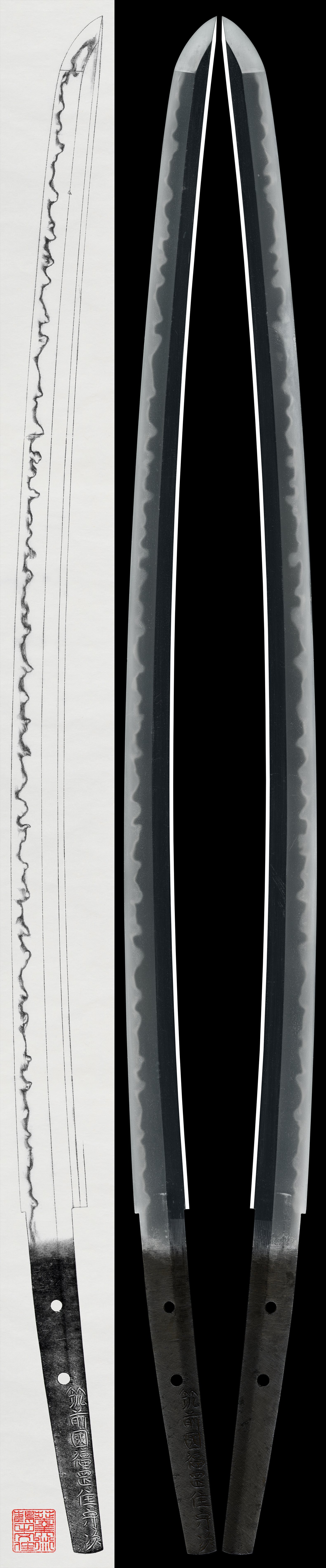
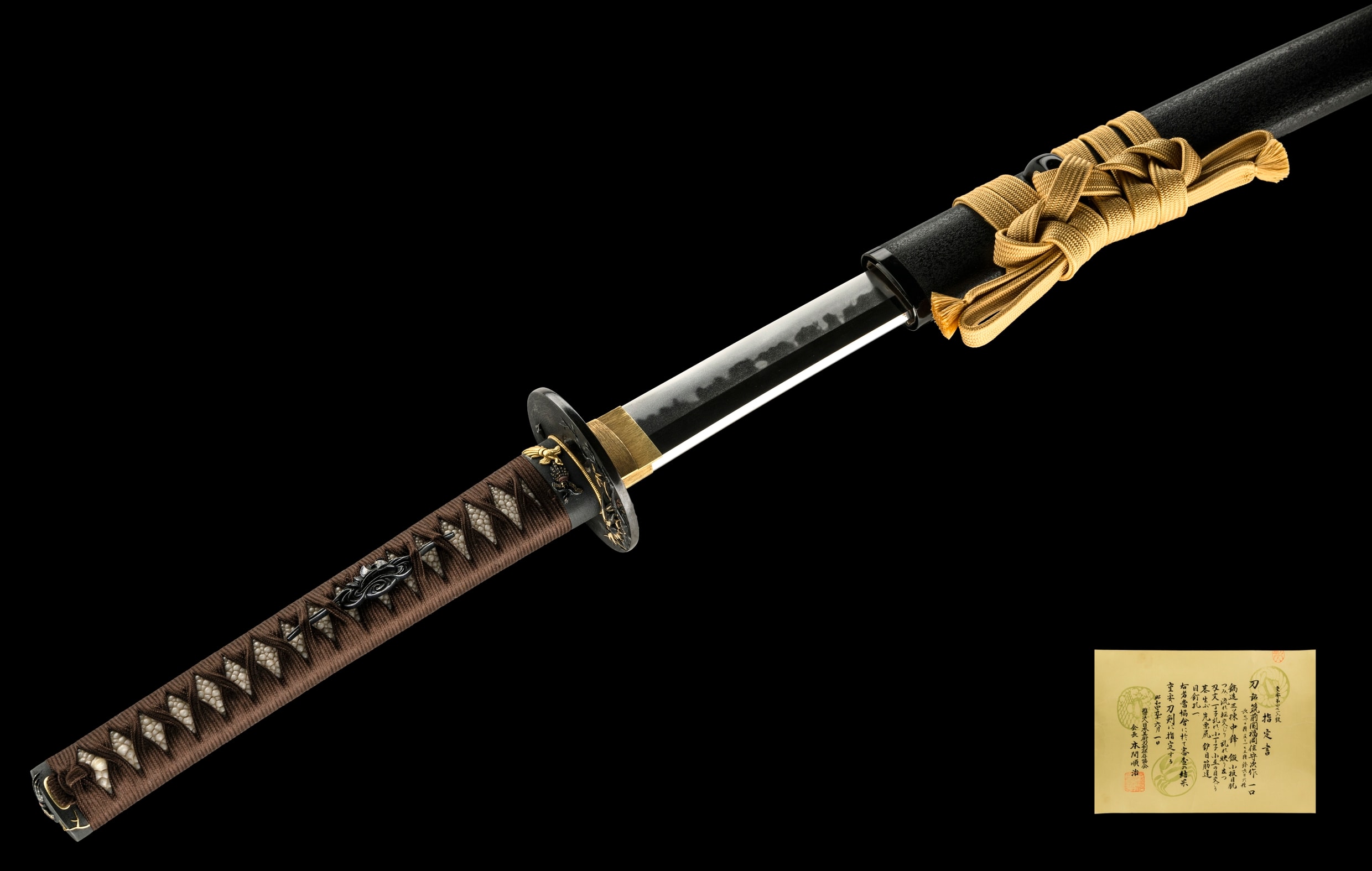
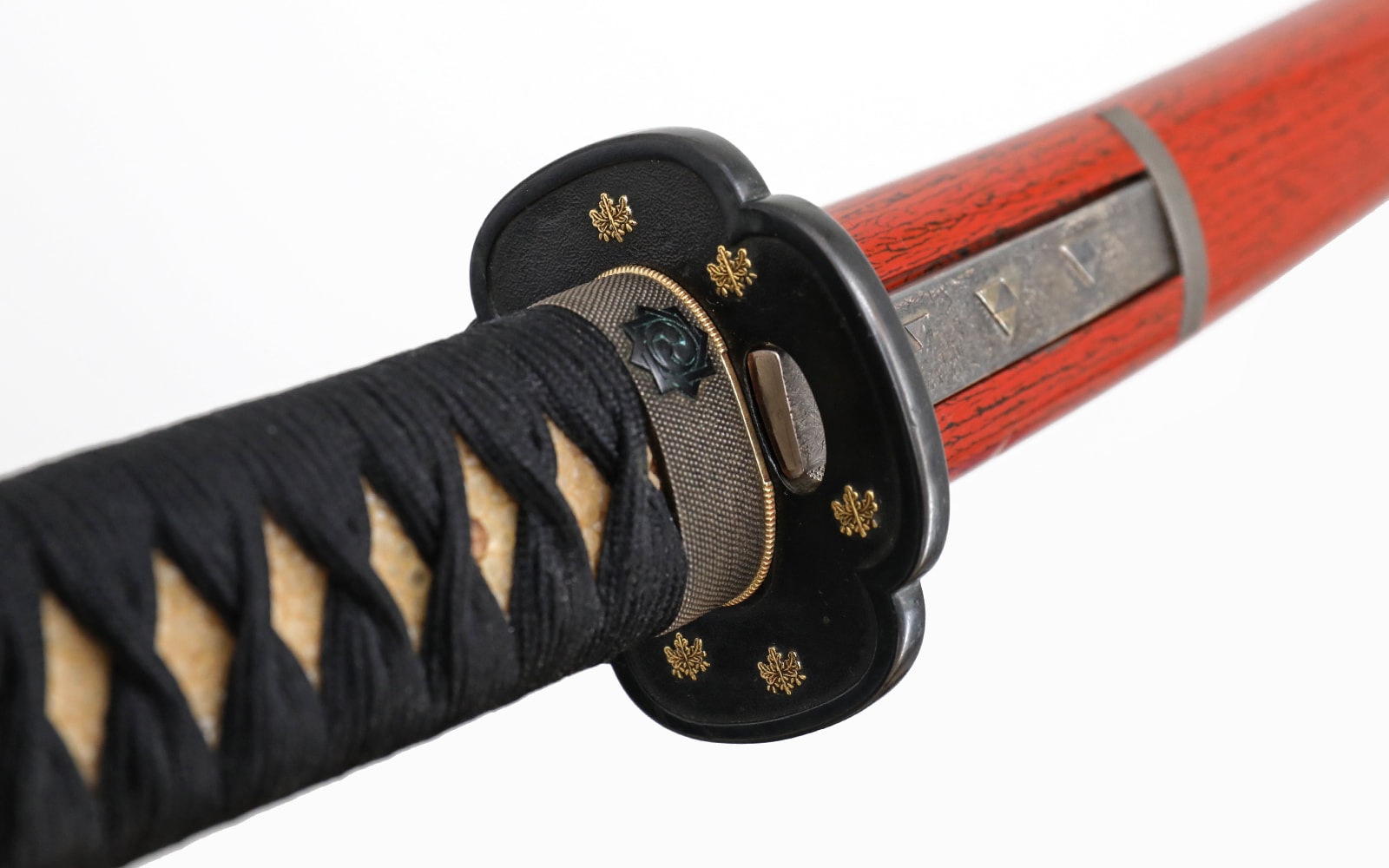
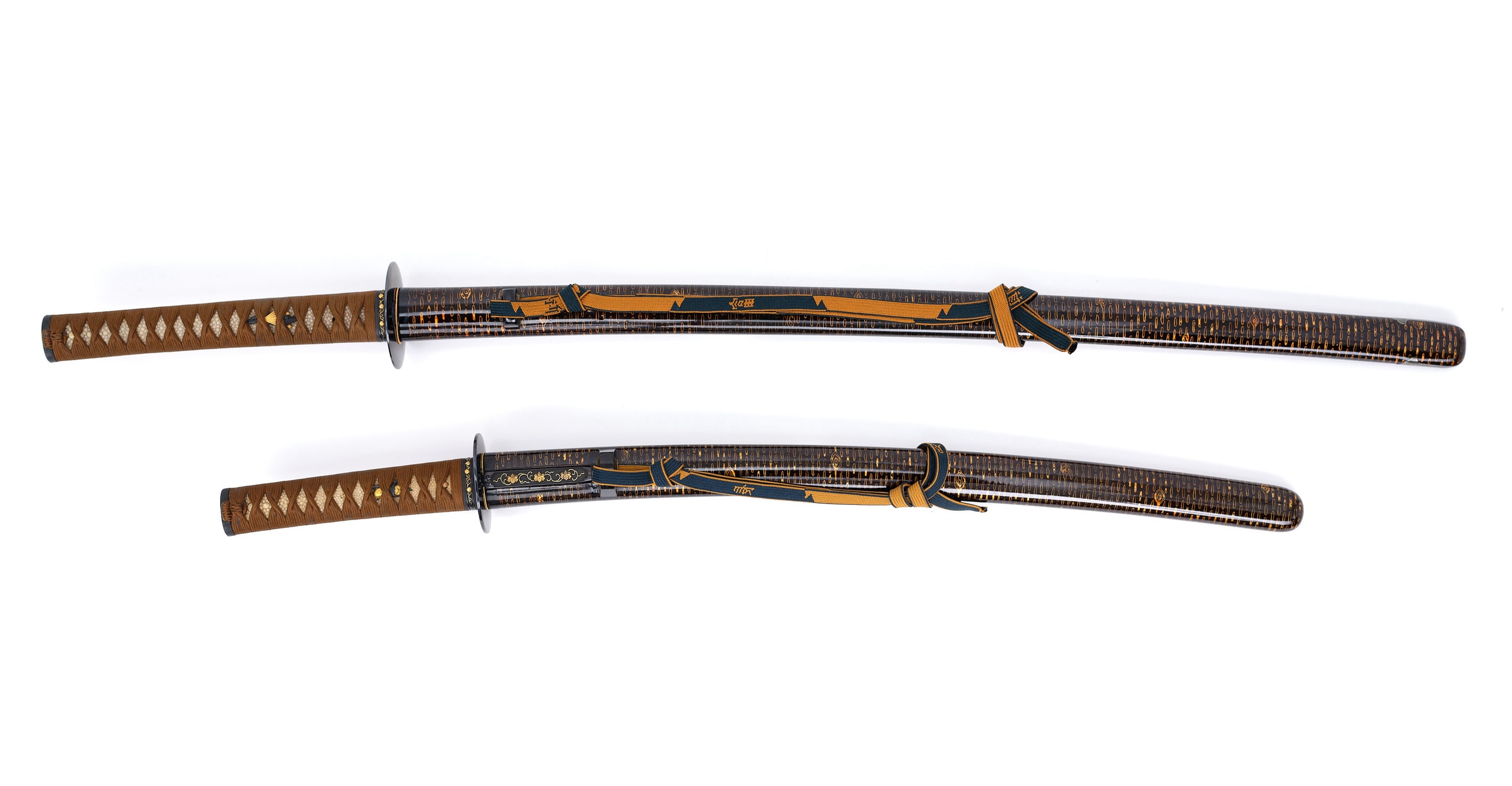
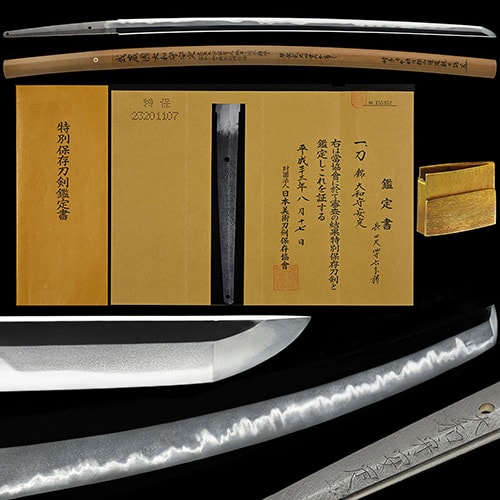
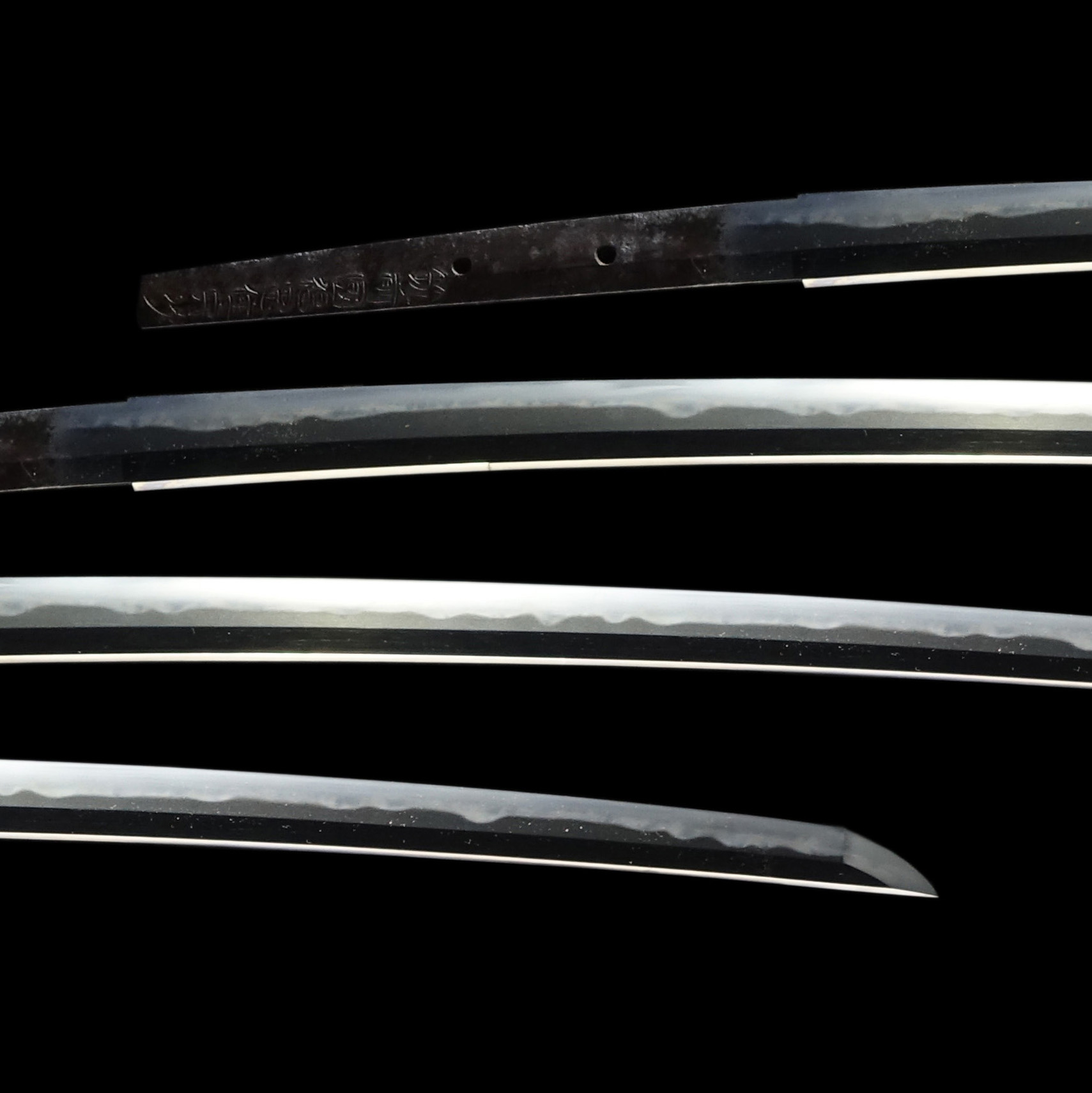
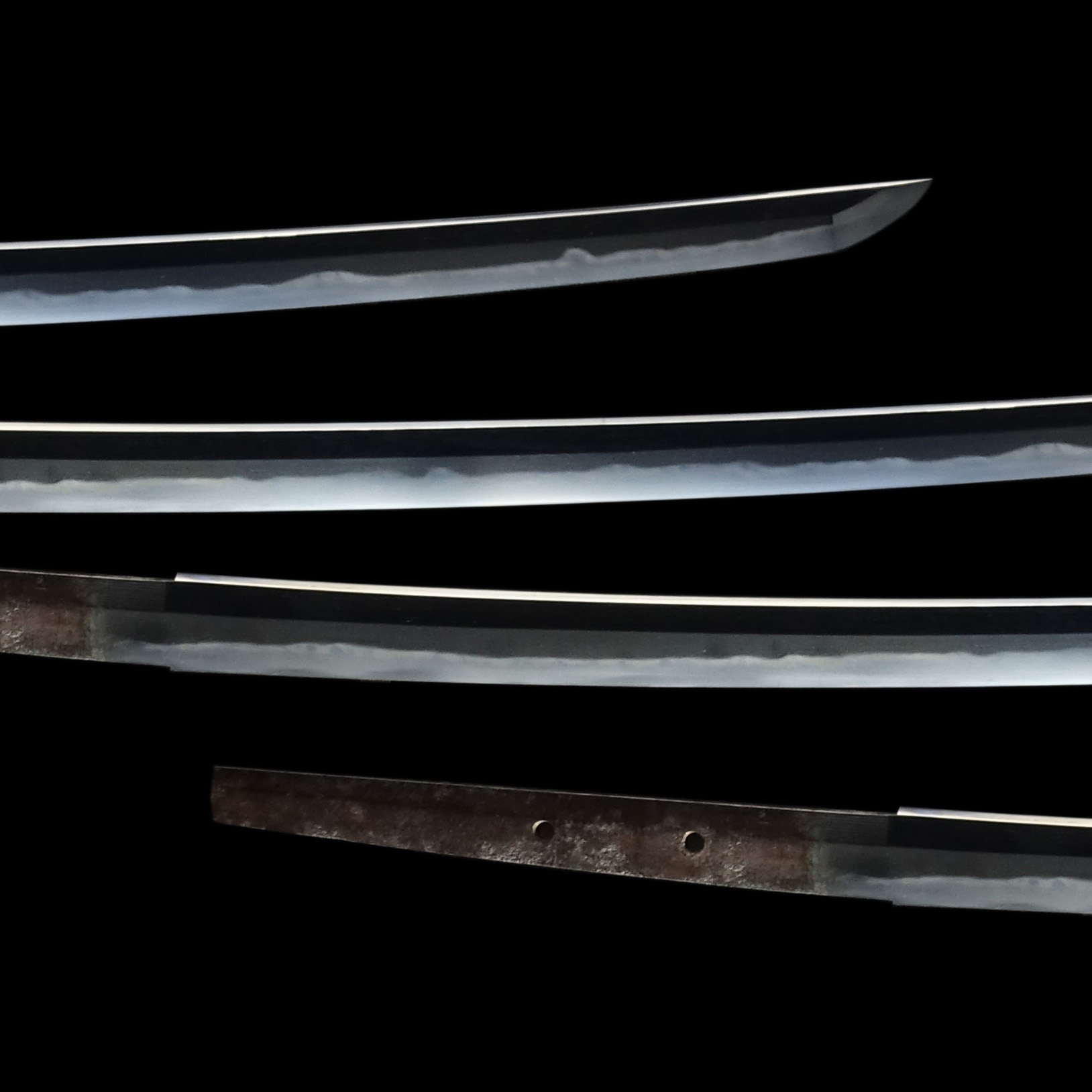
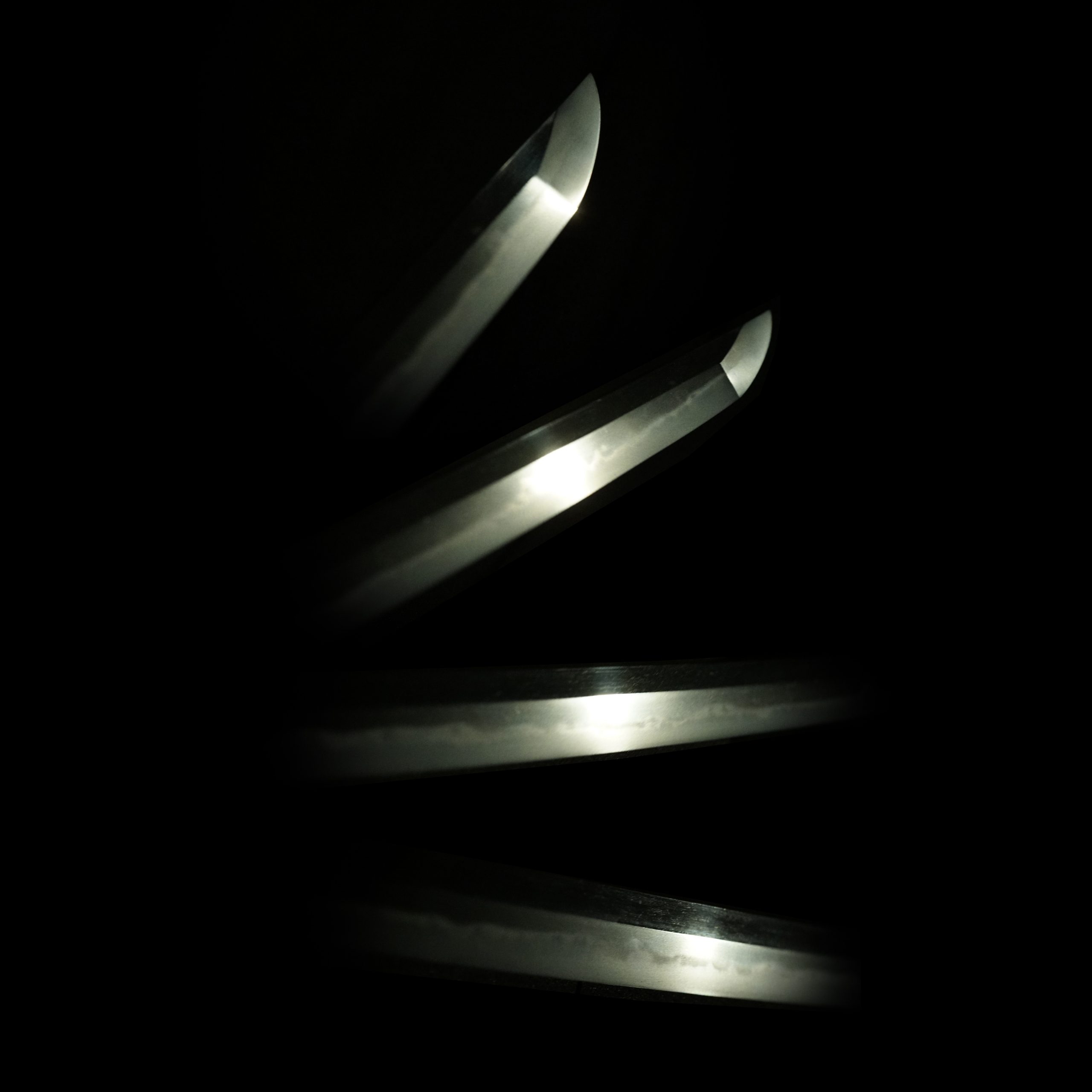
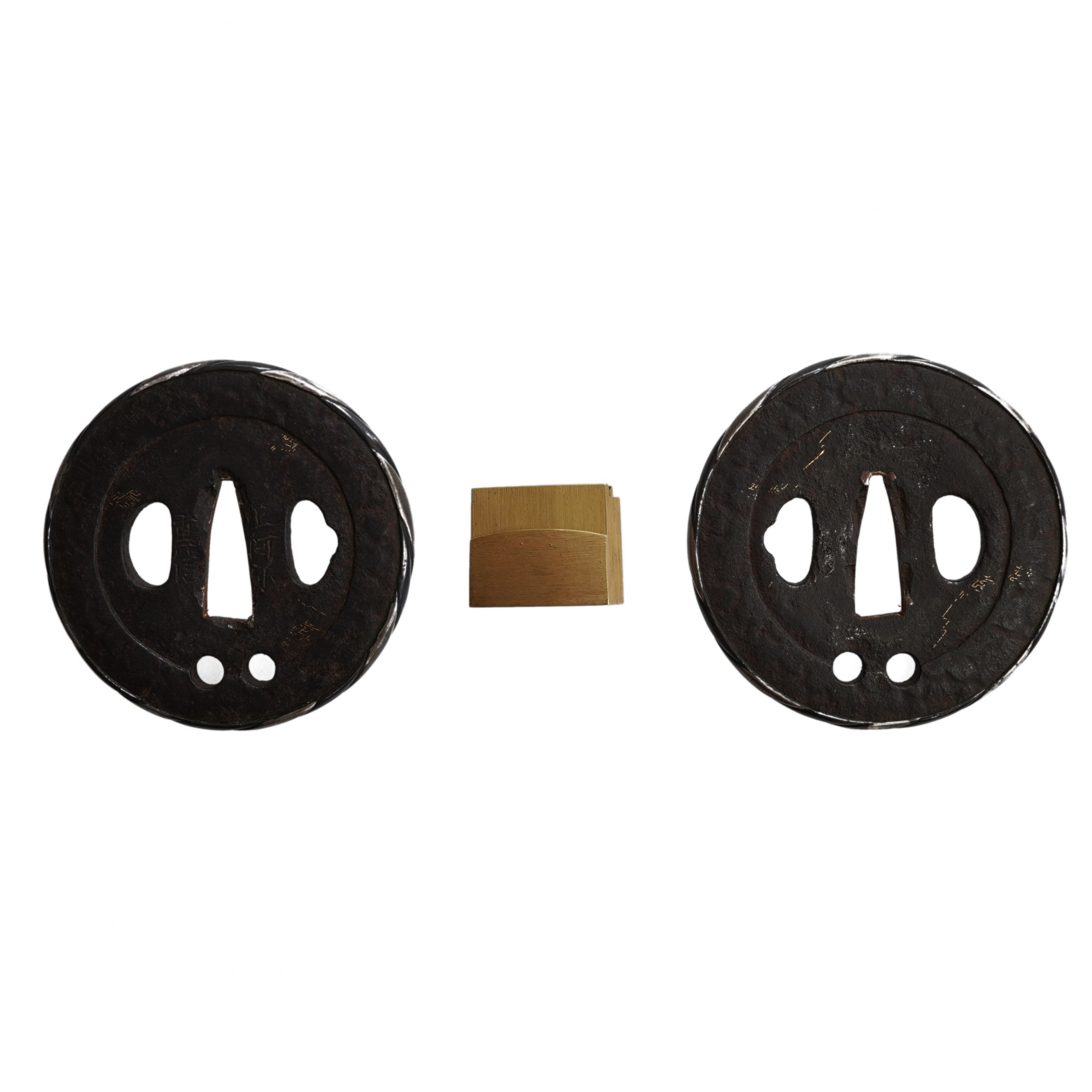
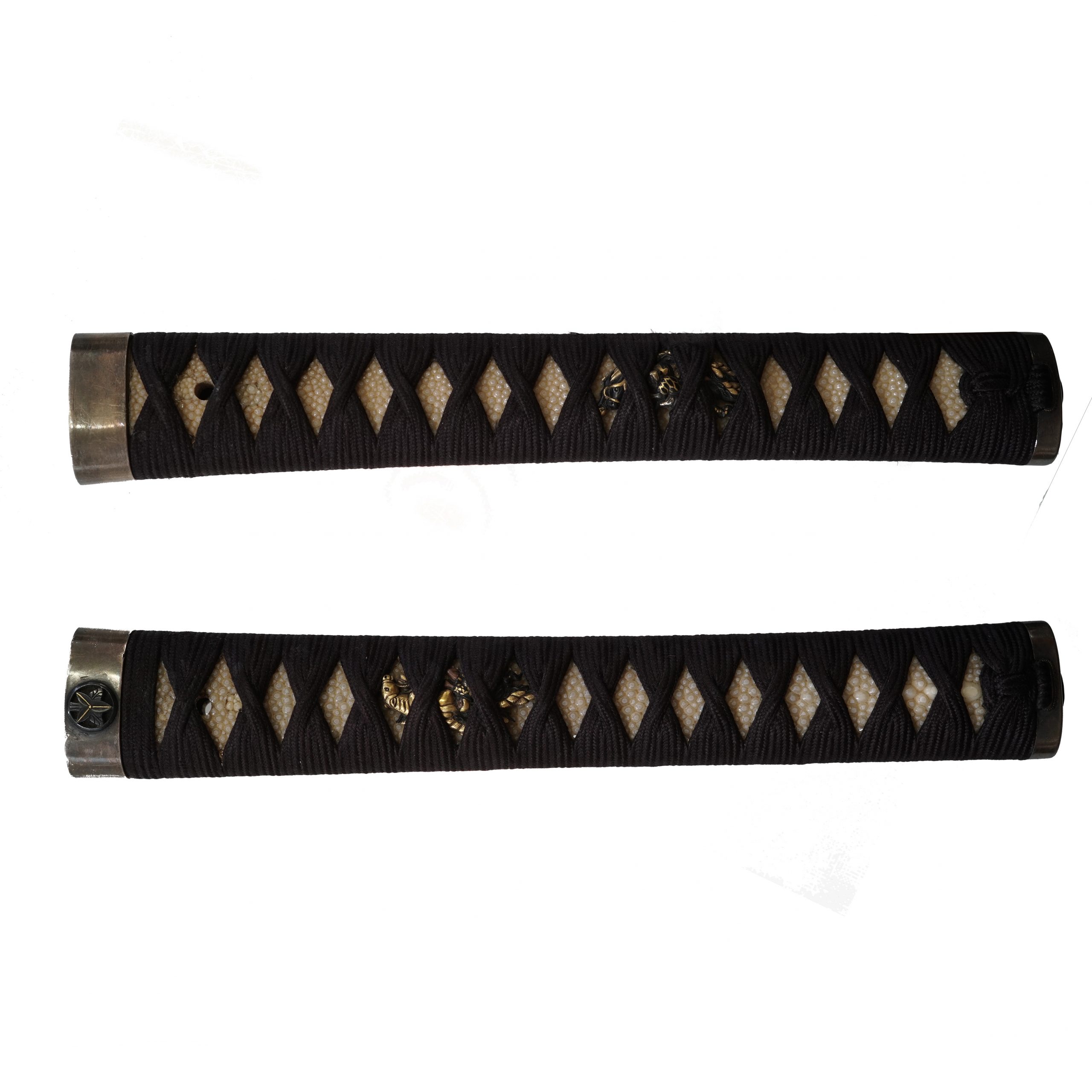
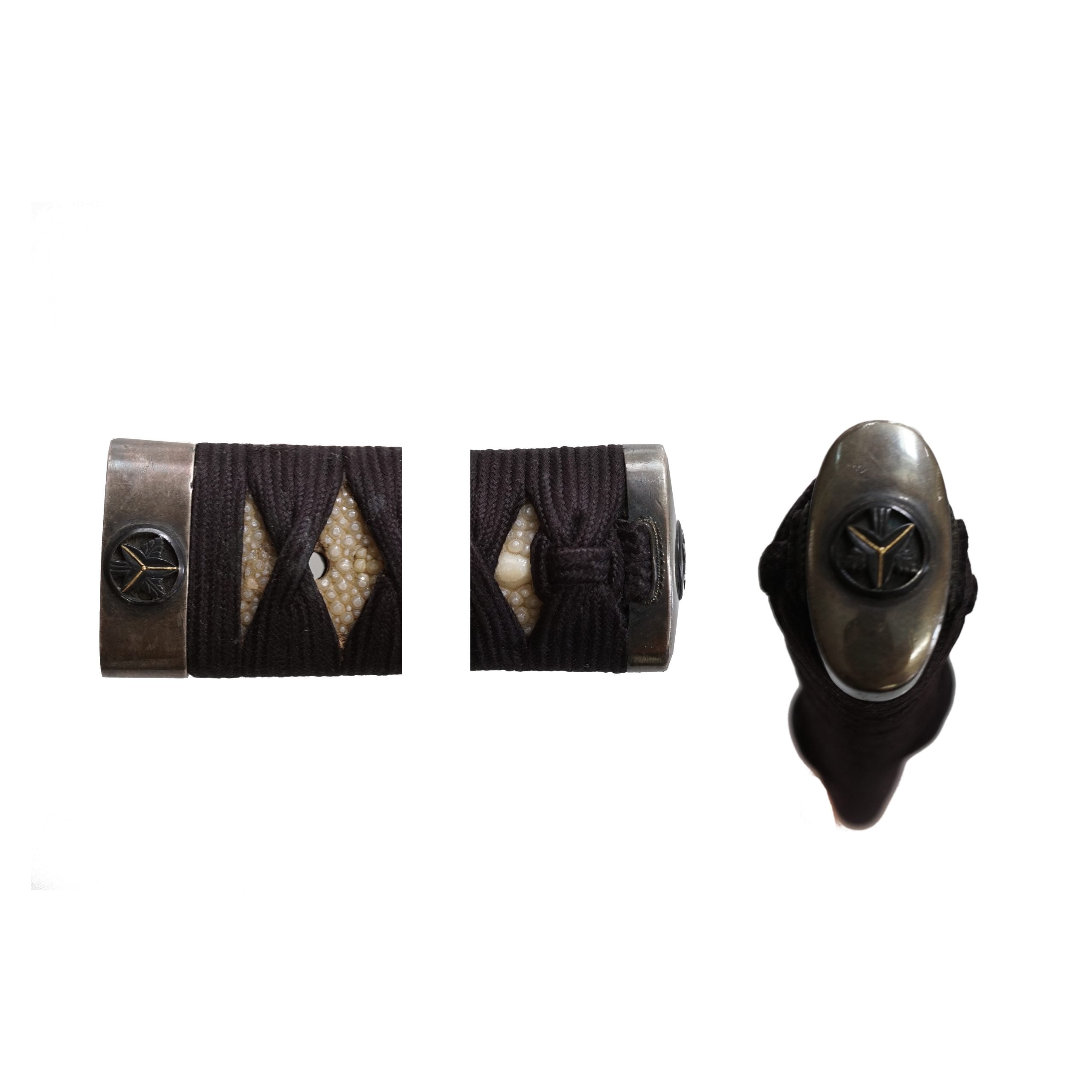
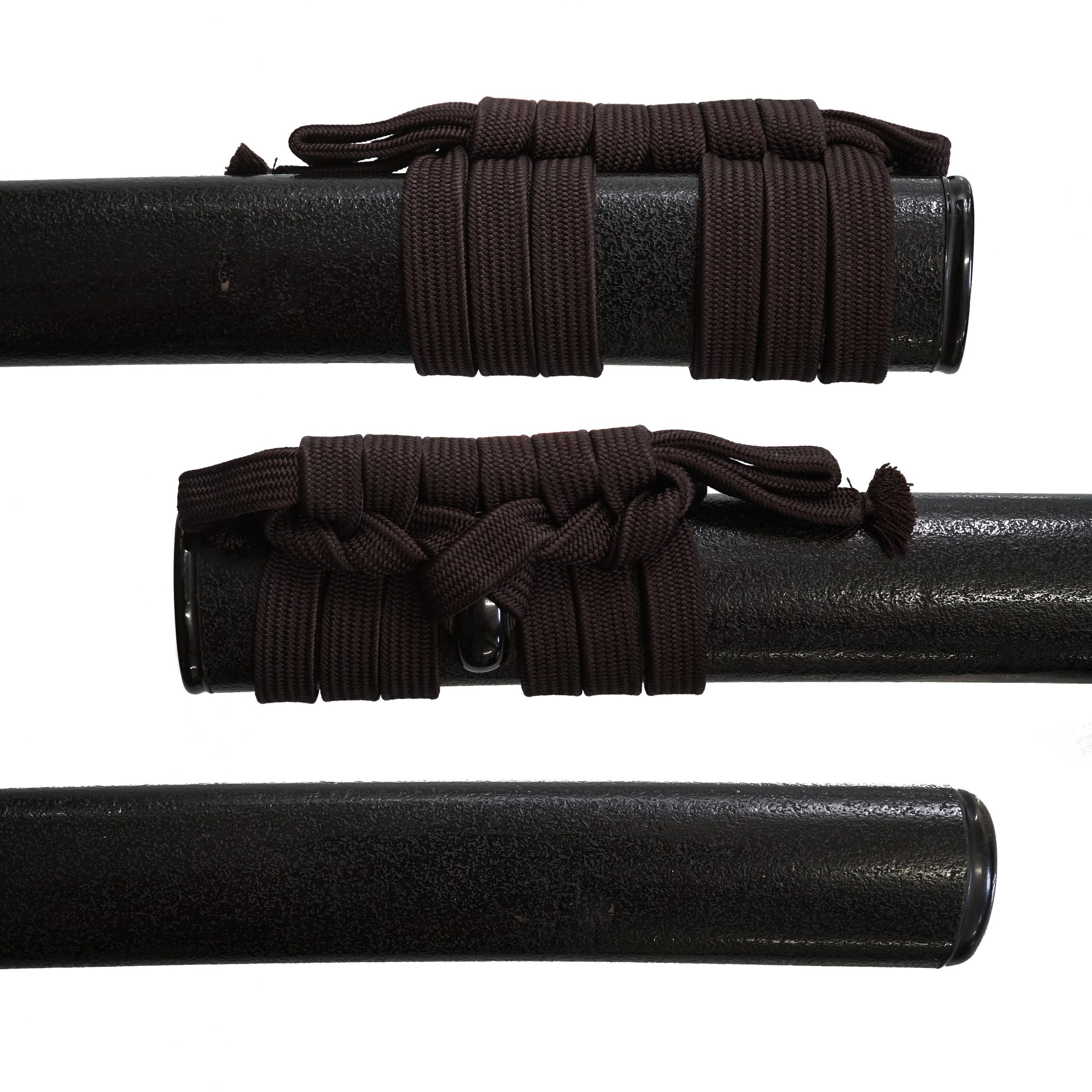
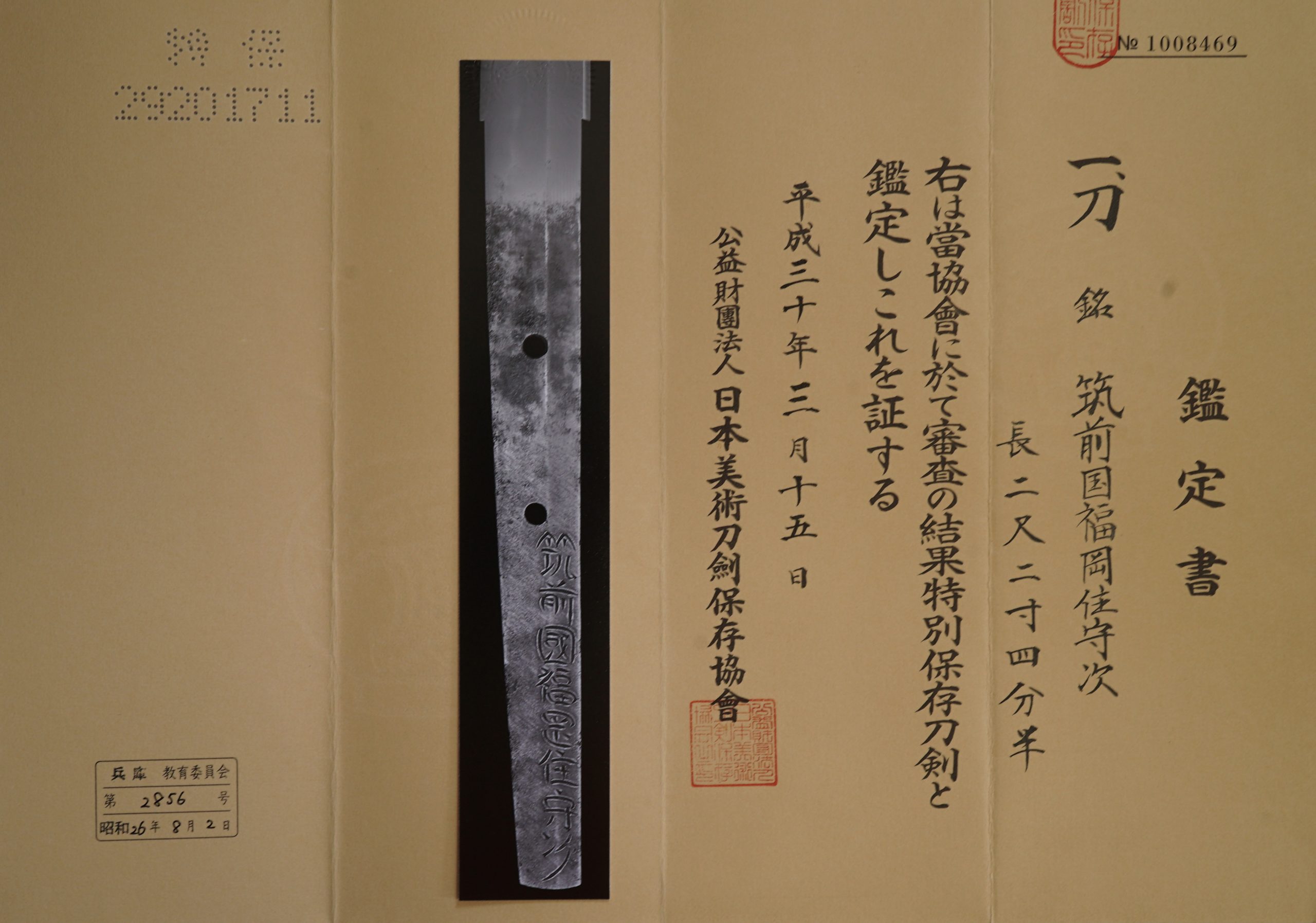
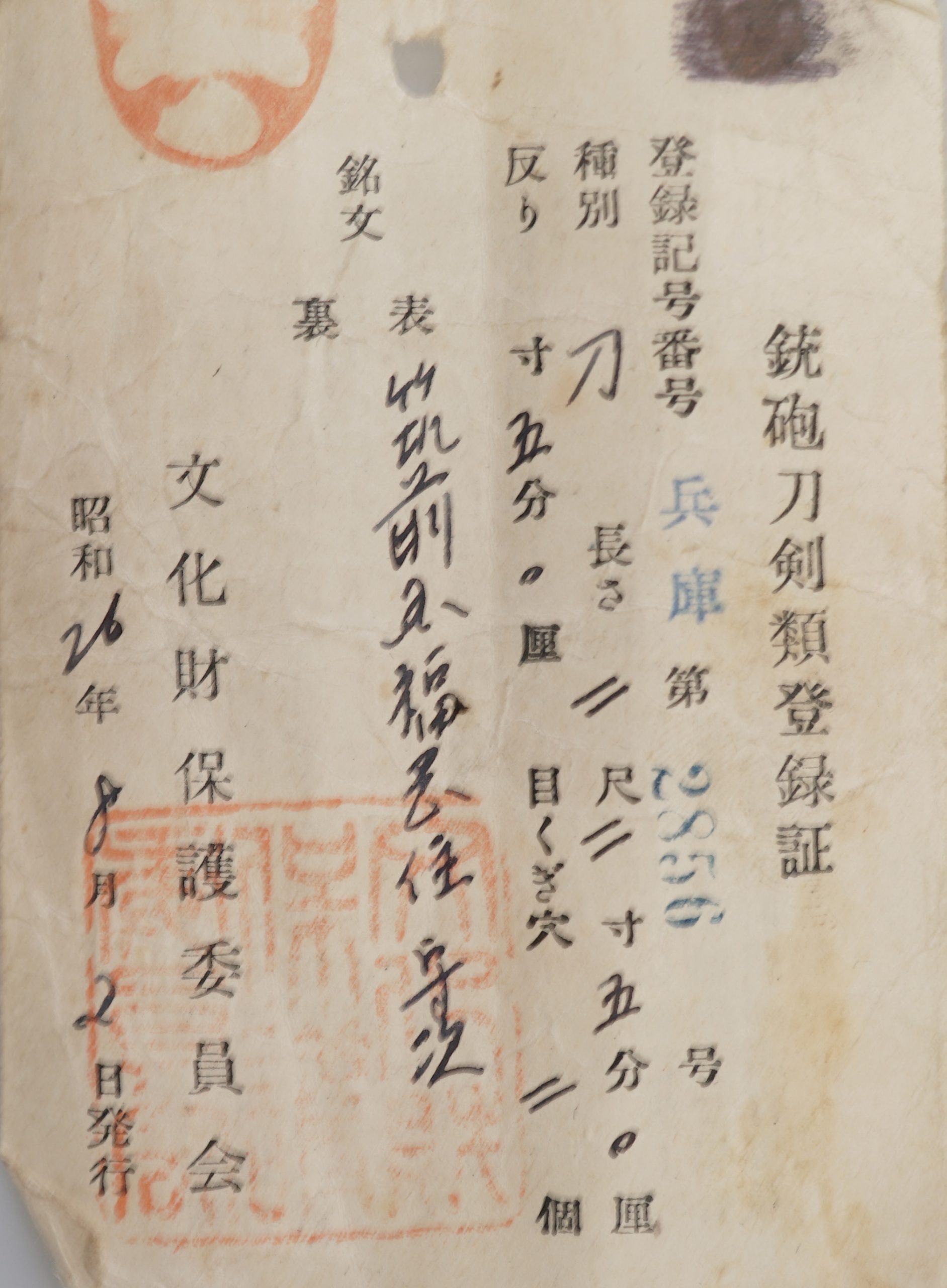
日本刀 筑前国福岡住守次(特別保存刀剣鑑定書付) 【解説】 筑前国福岡住守次(ちくぜんのくに ふくおかじゅう もりつぐ)は、江戸時代初期に筑前国(現在の福岡県)で活躍した名工です。彼は当時、筑前信国派と並び同国で隆盛を極めた「福岡石堂派」に属していました。 関ヶ原の戦いの後、筑前に入封した名将・黒田長政は、軍事力強化のため各地から腕利きの工匠を招聘しました。長政の家臣である竹森貞幸の推挙により、石堂派の是次・歳比良兄弟が黒田家に仕えることとなります。是次の子である守次は、江戸へ向かい石堂是一のもとで備前伝の真髄を学びました。帰国後、彼は福岡石堂派の繁栄に大きく貢献しました。本作の作者である守次は是次の従兄弟にあたり、共に黒田家の御用鍛冶としてその技を振るいました。 本作には、公益財団法人 日本美術刀剣保存協会(NBTHK)が発行する「特別保存刀剣」の鑑定書が付属しています。これは保存状態が良く、美術的価値が極めて高い刀剣にのみ与えられるものです。また、意匠を凝らした美しい拵(こしらえ)が附随しています。 【刀身】 刃長(長さ):68.1 cm(2寸2尺5分) 反り:1.51 cm(5分) 刃文:焼入れによって生じる刃の文様 地鉄:鍛錬によって現れる鋼の表面模様 茎(銘):筑前国福岡住守次 【拵】 縁頭:柄の両端を保護する金具の一対。 本作の縁頭には「面高紋(おもだかもん)」が施されています。面高は古くから「勝ち草」と呼ばれ、その葉の形が矢尻に似ていることから、武運長久を願う武士の間で家紋として広く愛用されました。また、クワイの仲間であることから「芽が出る」縁起物としても尊ばれ、現代でも正月料理などに用いられています。 柄・目貫: 柄は一般的な「菱巻」で仕立てられています。目貫には「馬」の図が精巧に彫り込まれています。 鍔・鎺(はばき): 鉄地丸形の鍔で、縁には「覆輪(ふくりん)」が施されています。銘によれば、室町将軍家に仕えた名門「正阿弥派」の手によるものです。正阿弥派は鉄地の透かし彫りや、金銀の「布目象嵌(ぬのめぞうがん)」を得意とし、本作にもその卓越した技術が反映されています。鎺は刀身を鞘内に固定し、摩耗や錆を防ぐ重要な役割を果たします。 鞘:日本刀を収める外装。 【鑑定書】 NBTHK 特別保存刀剣鑑定書 日本美術刀剣保存協会により、特に保存の価値が高いと認められた刀剣にのみ発行される公的な証明書です。
 NihontoWatch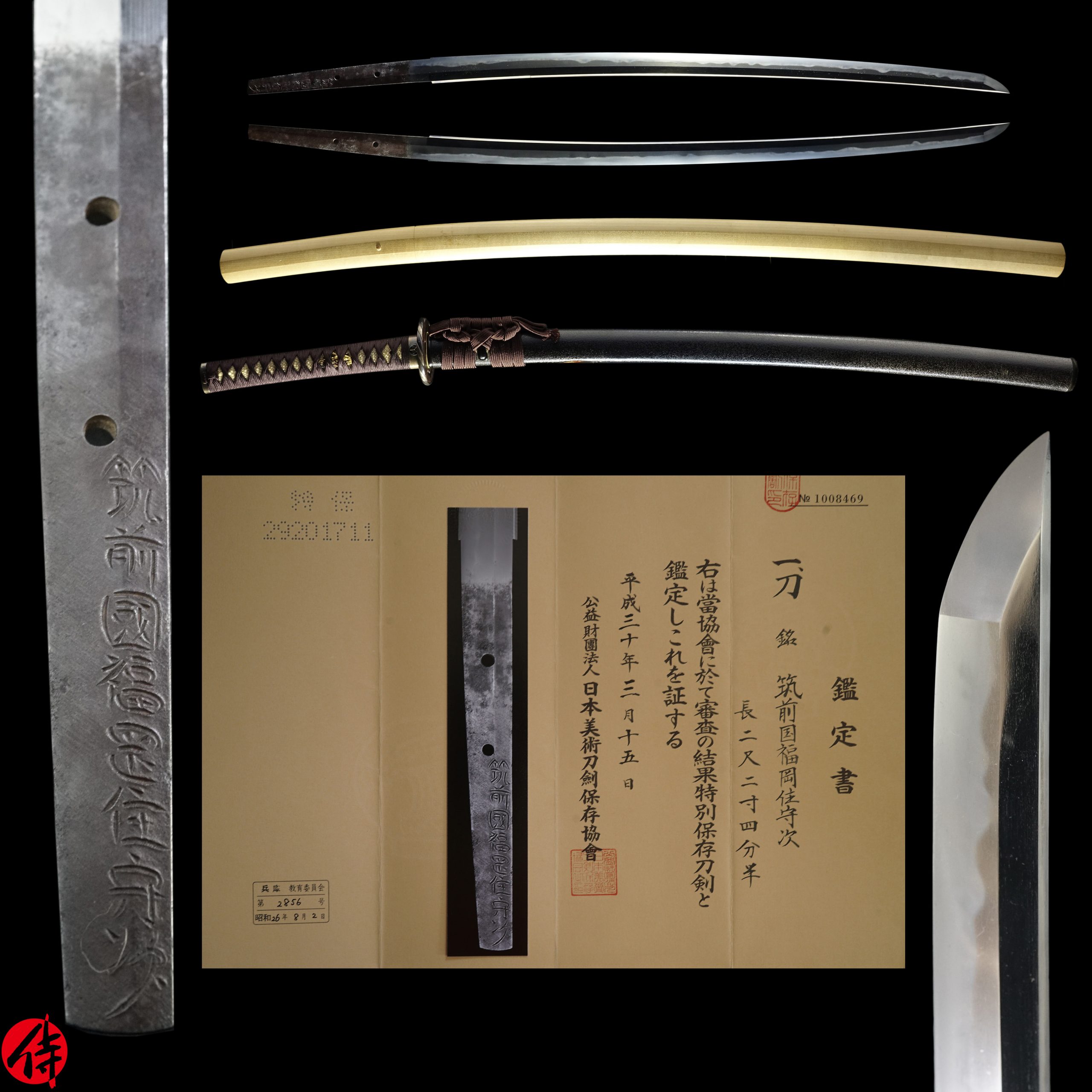
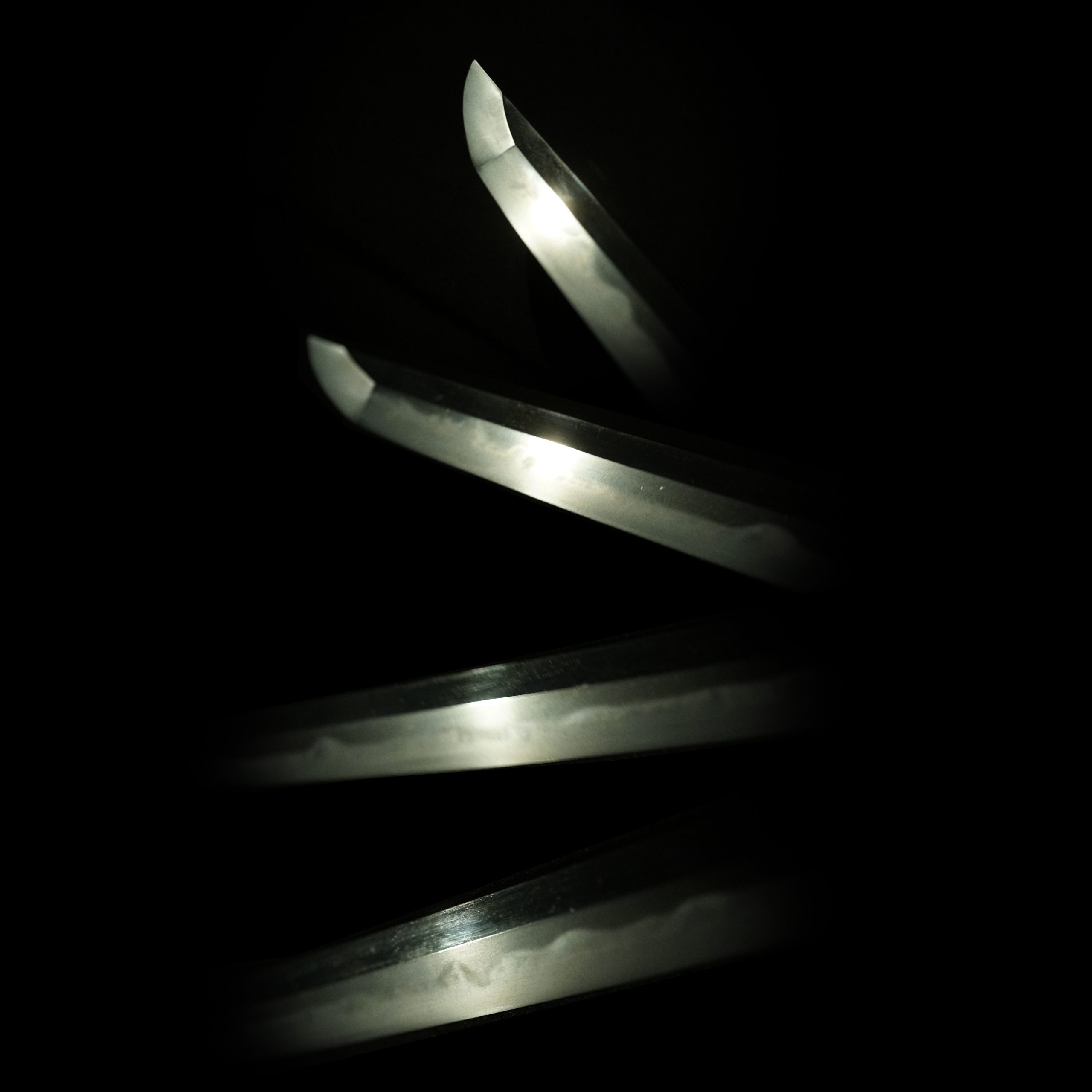
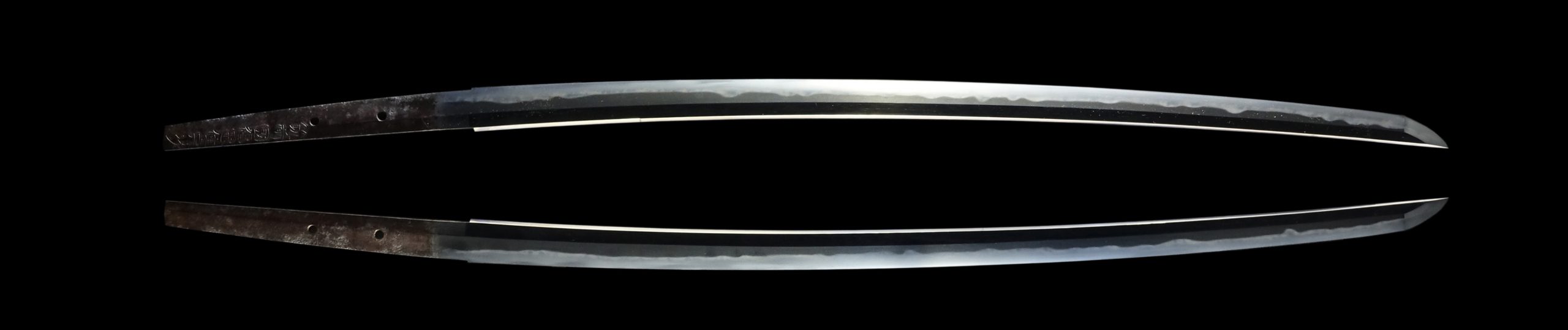
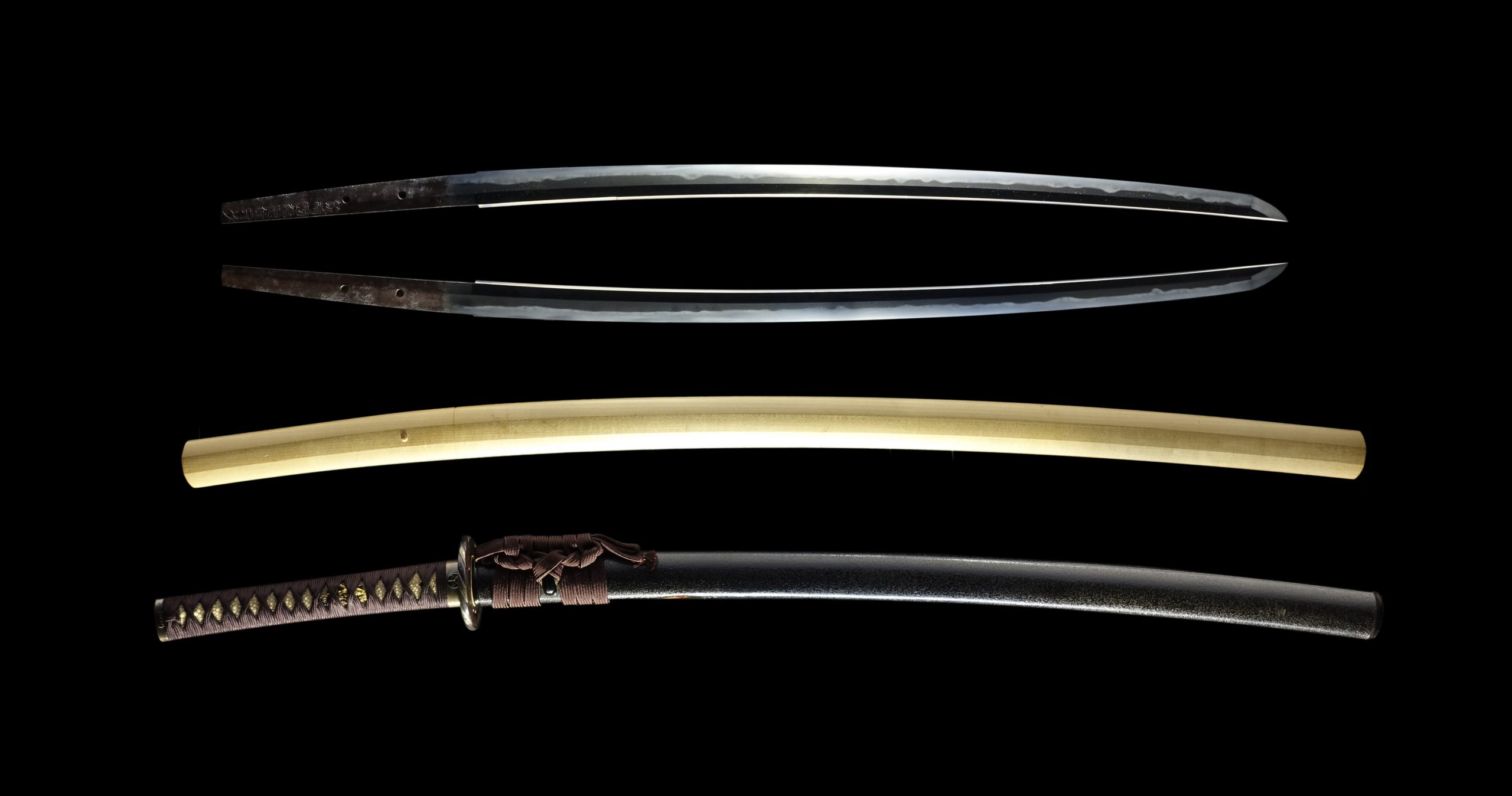
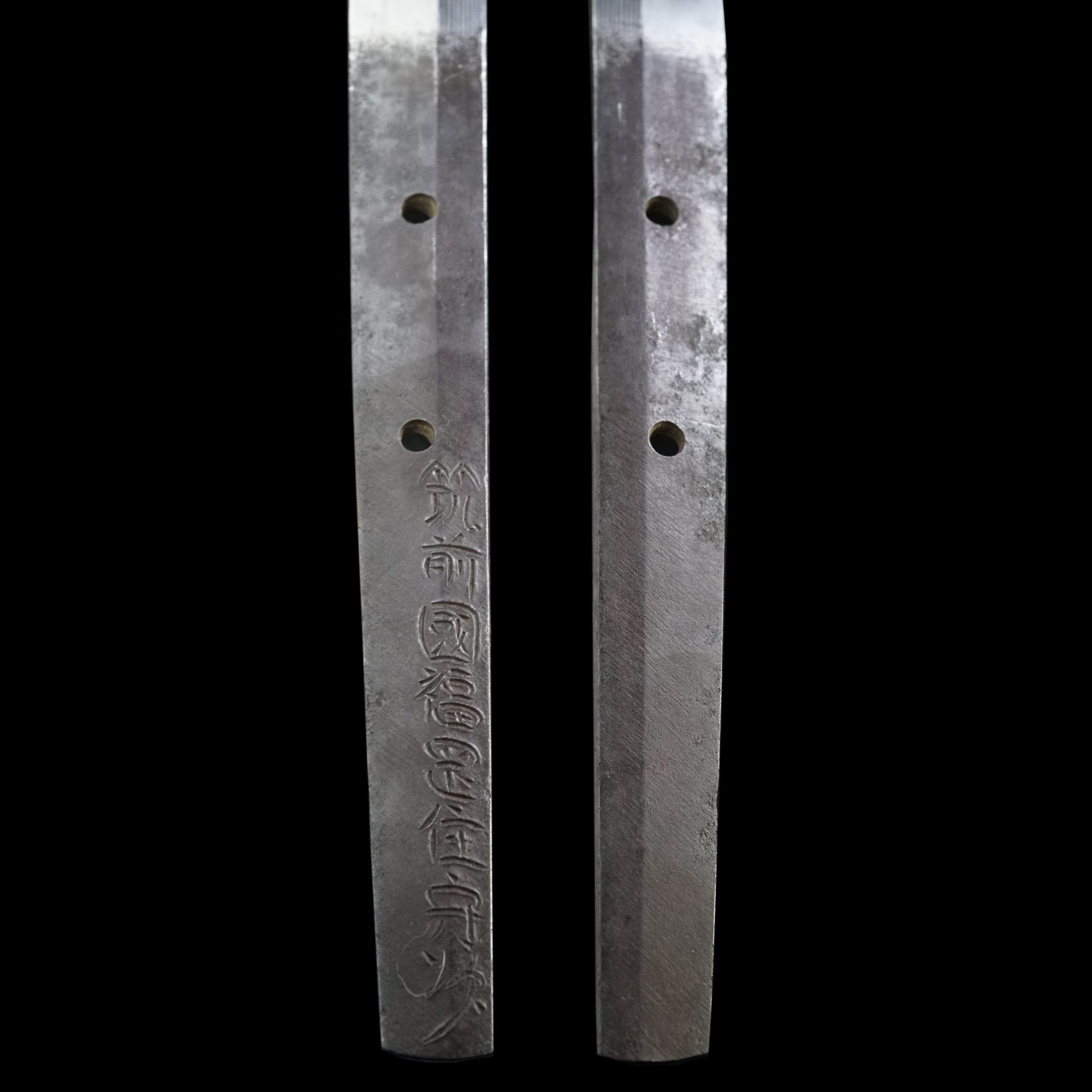
Fukuoka Ishido (Chikuzen, Shinto) · 筑前 · 1673-1684頃
藤代 Jo saku · 刀剣大鑑 上位49%
現在1点販売中
筑前福岡の守次は、石堂利平の子で、父の歿後、従兄の是次に学んだ。是次の嫡男利次が父に先んじて歿した為、守次が嫡家を相続したと伝える。権三兵衛と称し、のち半三兵衛と改め、元禄十四年に六十九歳で歿した。説明書は是次とともに本工を福岡石堂を代表する刀工とし、同派を、新刀期にあって備前往古の福岡一文字の丁子を写し直さんとした石堂一統の筑前の系とする。これを筑前信国一派と並ぶ同国新刀の双璧とし、その最も評価される一口を「守次の本領が余す所なく発揮された出色の一口」[[c:1]]と記す。
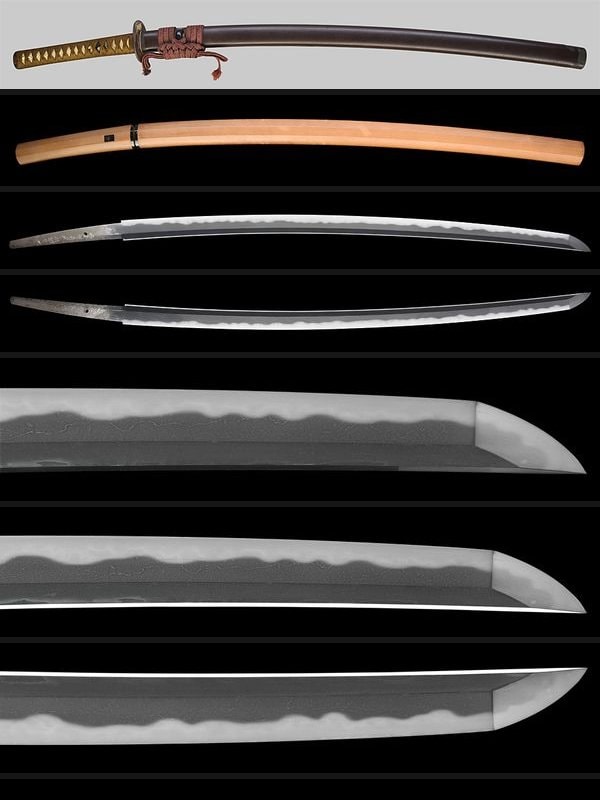
経眼の手は、在銘の刀に終始一貫した一つの作域である。刃文は互の目を交えた焼幅広い丁子乱れで、その支配的な癖は、本来範とすべき鎌倉一文字の起き上がる丁子に逆らって、総体が逆がかることにある。説明書はこの逆がかりと、それに伴う地鉄の柾気とを、是次の江戸石堂左近是一への入門に遡らせ、「鍛えに柾気があり」[[c:2]]と記す。乱れの中に足・葉入り、匂勝ちに小沸つき、砂流し・金筋かかる。説明書が守次自身の見どころとするのは、焼頭が鎬にかかる程広く焼く独得の刃で、俗に「烏賊の頭」と称され、ある初期作ではこれを「イカの袋の如き丁子をみせて特徴がある」[[c:3]]と説く。
その下の地鉄は、強く流れて殊に下半が柾がかる板目で、鉄は止まった肌でなく走る肌として現れる。地沸が細かに付き、よくつんだ作では地景が肌のひらくところに入る。そこに立つのが、一派の名を成し、その擬古を支えた特色である。すなわち、新刀の地鉄から映りの絶えた時代にあえて立てた乱れ映りであり、二百五十年を隔てて呼び戻された福岡一文字の映りそのものである。彼の最も身幅の広い一口では、表は乱れ映り、裏は直ぐ状の映りと、映りが面によって分かれてさえいる。帽子は刃文に静かに応じ、小丸に返って多く掃きかけを伴い、時に小さく乱れ込んでから丸み、処々尖りごころに、また短く地蔵風に返る。
手の一貫性ゆえ、その作風は時期の推移よりも二段の格として読むがよい。常の格は福岡石堂の典型の刀で、鎬造、生ぶ、中鋒となり、寛文の同時代作の浅く硬い反りに対して比較的深い反りがつく。説明書はこれをこそ同派の姿の一徴とする。いま一段は総てを広く取る。焼幅が開いて烏賊の頭の焼頭が鎬にかかり、丁子乱れの中に互の目・小互の目・角ばる刃・尖りごころの刃が交わり、処々に飛焼を置いてさかんに棟を焼き、全体が華やかとなる。身幅広く重ね厚い彼の優品はこの格に属する。いま一筋の軸は銘そのものに通る。長銘は太鏨大振りに、説明書が特に挙げる「楷、行、隷書交じりの特色ある書風に切っている」[[c:4]]手で切られ、数口は「以南蛮鉄造之」の添銘を帯び、うち二口は天和四年の年紀をもつ。
守次を分かつものは、対比よりも彼自身の鉄から引くのがよい。鎌倉の福岡一文字は静かな板目に丁子を起き上がらせて焼いたが、守次は丁子と甦った映りを保ちつつ、これを走る柾気の地に置き、文様の総体を逆にかける。起き上がる古備前の華やぎが、流れる新刀の文法に鋳直されているのである。この鋳直しこそ是次を介して筑前に持ち帰られた江戸石堂の伝であり、烏賊の頭はその上に加えられた在地の訛りである。説明書が彼を一派の筆頭に置くのはまさにこの点による。丁子の刃を得意とし、一派の映りを立て、なおその結果に己の形を捺し得た工だからである。最初期の指定刀について説明書は彼が「丁子の刃文を得意として」[[c:5]]「映り気を見せる」とし、これを「典型的且つ代表作の一口」[[c:6]]とする。
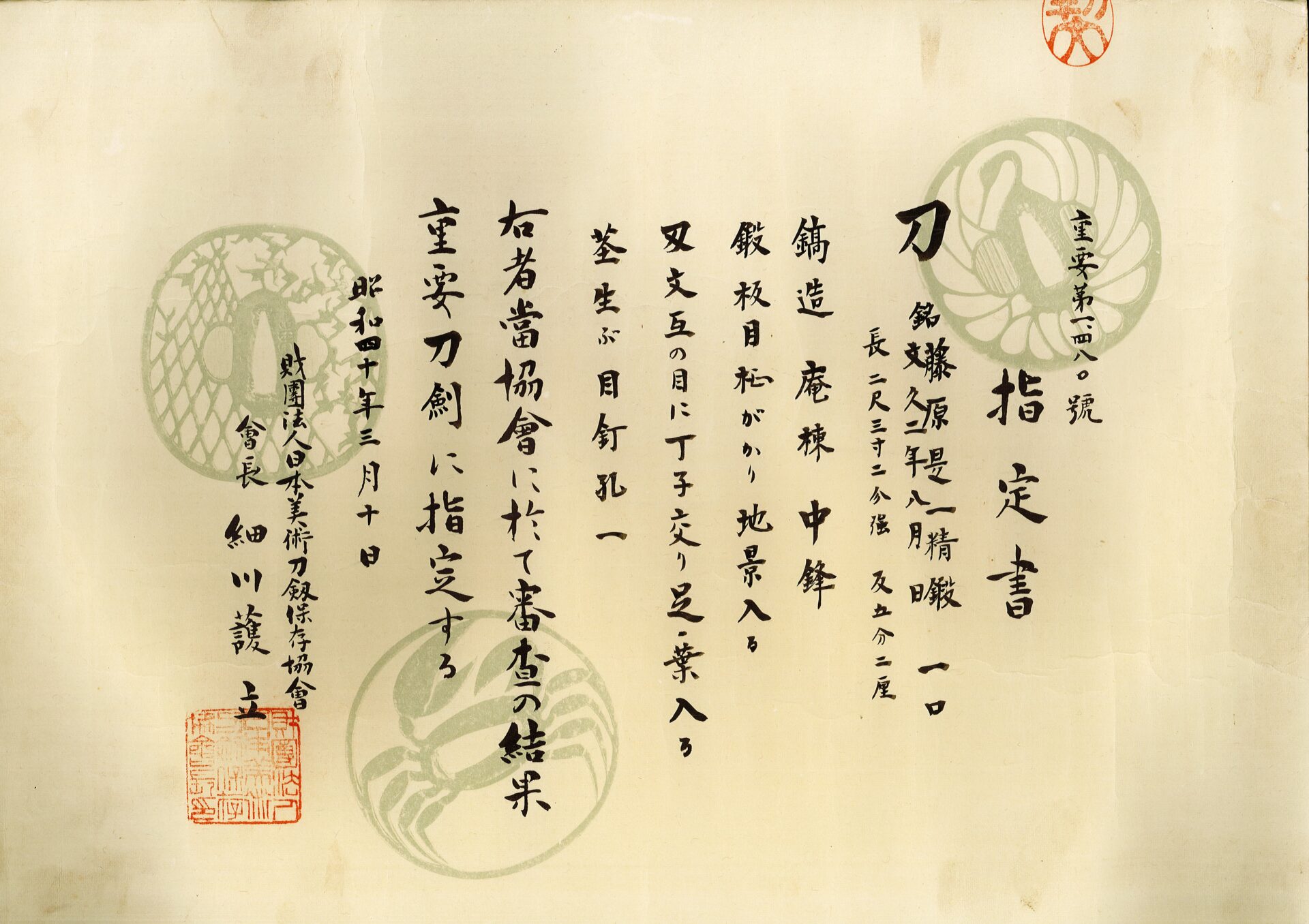
守次の記録は悉く重要刀剣の格にとどまり、一九六〇年代から二〇〇一年に及ぶ長きにわたる各回に計十口、いずれも在銘の刀で、国宝・重要文化財はなく、いずれにも伝来の記録は付かない。日本刀講座は彼を頂ではなく上工の確かな一段に置く。これがその正直な目安である。すなわち、名家を巡る大名ではなく、敬すべき地方一派の代表的上手である。十口の一は殊なる稀品で、守次と子の守昌の合作銘に「切物同作」の添銘を帯び、説明書は、同国信国吉政の作に守次の彫を施したものが遺ることから、彫物をも得意としたと記す。蒐集家にとって同派は、写しの本歌たる鎌倉一文字とは異なり手の届くものである。在銘の刀は時に市に現れ、第一級の名工のものより出会いやすく、逆がかる焼幅広い丁子、立つ映り、多書体の太鏨大振りの長銘によって一見して知れるゆえ、確かな一口は語り聞くのみの品ではなく、忍耐をもってすれば現実に求め得る作である。
守次の位置づけを、日本刀全体および伝統・時代・時期ごとに示します。各位(随一・屈指・有数・著名)は、NBTHK および文化庁による指定に加え、三作や名物帳などの歴史的栄誉を加味したものです。
各項目を選ぶと評価方法が表示されます。
在銘年紀作が示す、確実に活動していた年代
新刀 · 筑前
現在3点販売中
福岡石堂は、筑前国福岡を本拠として新刀期に興った一派である。説示はこれを、筑前信国一派と並んで筑前新刀の双璧をなすものと位置づけ、是次・守次の二工をもって一派を代表する上手と記している。その出自は江戸石堂に遡る。代表工是次は寛永五年に生まれ、明暦元年に藩公黒田光之の命を受けて江戸へ上り、武蔵大掾左近是一の門に入って備前伝を修め、三年の後に帰国して黒田家に仕えた。守次は父利平の歿後、従兄の是次に師事し、是次の嫡男利次が父に先んじて歿したため嫡家を相続したと伝えられる。すなわち福岡石堂は、黒田藩の庇護のもとで是一を介して石堂の備前伝を承け、筑前の地に古一文字風の丁子を再興した分派にほかならない。是次は天和元年に五十三歳で歿し、守次は元禄十四年に六十九歳で歿したと説示は記す。 作風について説示が繰り返し挙げるのは、是一の影響を受けて鍛えに柾気を帯びる点である。地鉄は小板目あるいは板目がよくつみ、総体に流れて下半が強く流れ柾がかり、地沸が微塵につき、乱れ映り、ないし直ぐ状の映りが立つ。刃文は焼幅を広く取り、丁子乱れに互の目・小互の目・角ばる刃・尖りごころの刃など多種の刃を交えて華やかに乱れ、足・葉がよく入り、匂勝ちに小沸がつく。重花丁子や蛙子を交えるものもある。最も顕著な見どころは、丁子の乱れが総体に逆がかること、そして処々で焼頭が鎬にかかるほど焼幅が広く、刃中に俗に「烏賊の頭」と称される独特の丸い刃が交じる点である。さらに帽子の焼が深く、物打より上に飛焼・棟焼をさかんに交えること、銘を楷・行・隷書を交えた特色ある書風に切ることも見どころに数えられる。説示が名を挙げる工は、是次・守次のほか、守次とその子守昌の合作、そして守次の父利平である。 伝承と鑑定の要点として、説示は是次と守次の姿の差をしばしば注意する。是次には反りの浅い寛文新刀然とした造込みが多く、守次には比較的反りの深いものがよく見られるとし、これを同派の姿の特色とする。一方で、逆がかりが顕著でない作もあり、その場合でも柾がかる鍛え・立つ映り・「烏賊の頭」・深い帽子の焼によって同工同派と判ぜられる。代表作としては、寛文九年紀の長銘・年紀・注文者銘を備えた一口(注文者を讃岐香西氏の一族かと推する)、寛文六年紀の身幅極めて広い長寸の奉納刀、截断銘を伴う是次の作、「以南蛮鉄造之」の添銘を持つ守次の作、守次・守昌の合作で彫物を伴う一口などが説示に記され、年紀や截断銘・南蛮鉄銘はいずれも同派研究上の好資料とされる。かくして福岡石堂は、江戸石堂を介して備前伝を承け、柾がかる地鉄と逆がかる丁子という独自の風を筑前の地に確立した一派として位置づけられている。 詳しく見る →
江戸時代
二世紀半の泰平のあいだ、刀は武器である以上に武士の身分の標章であった。江戸の実証と大坂の華やぎのように都市ごとの作風が育ち、時代の末には需要も細っていく。
保存刀剣のうち、出来が一層優れ、保存状態も良好と認められたものです。再刃や、室町・江戸期の多くの無銘作は対象外となり、保存刀剣より高い基準が課されます。
日本美術刀剣保存協会(NBTHK)は、1948年に設立され、文化庁の監督を受ける公益財団法人で、東京・刀剣博物館に本部を置きます。専門の審査員が出品作を直接審査し、美術的・歴史的価値に応じた鑑定書を発行します。NBTHKの鑑定書は、日本刀および刀装具の真正性を示す最も広く認知された基準です。
NBTHK公式サイトReturns/exchanges limited to defects caused by shipping (except willful misconduct or gross negligence by the company); customers must contact within 72 hours of receiving the product.