説明

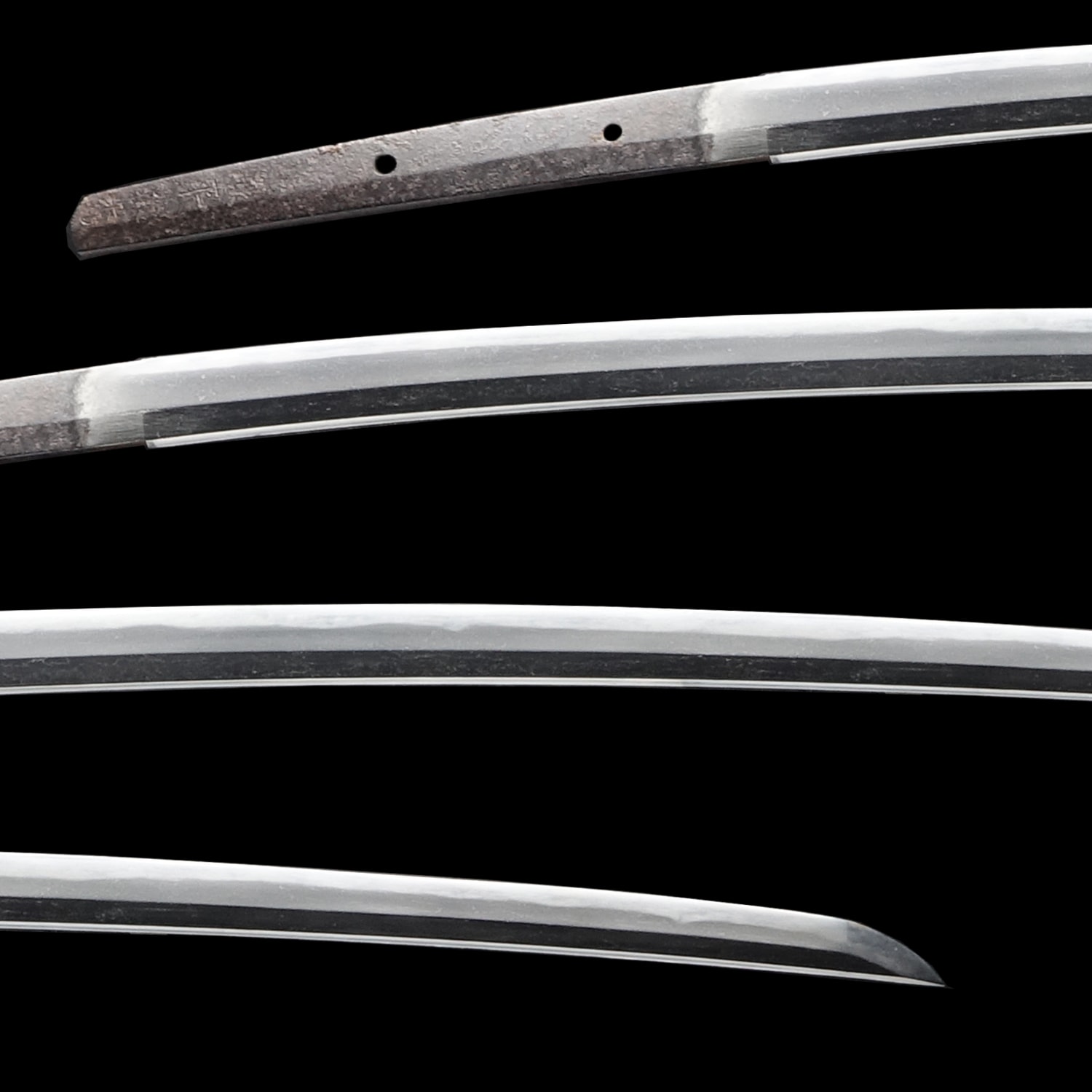
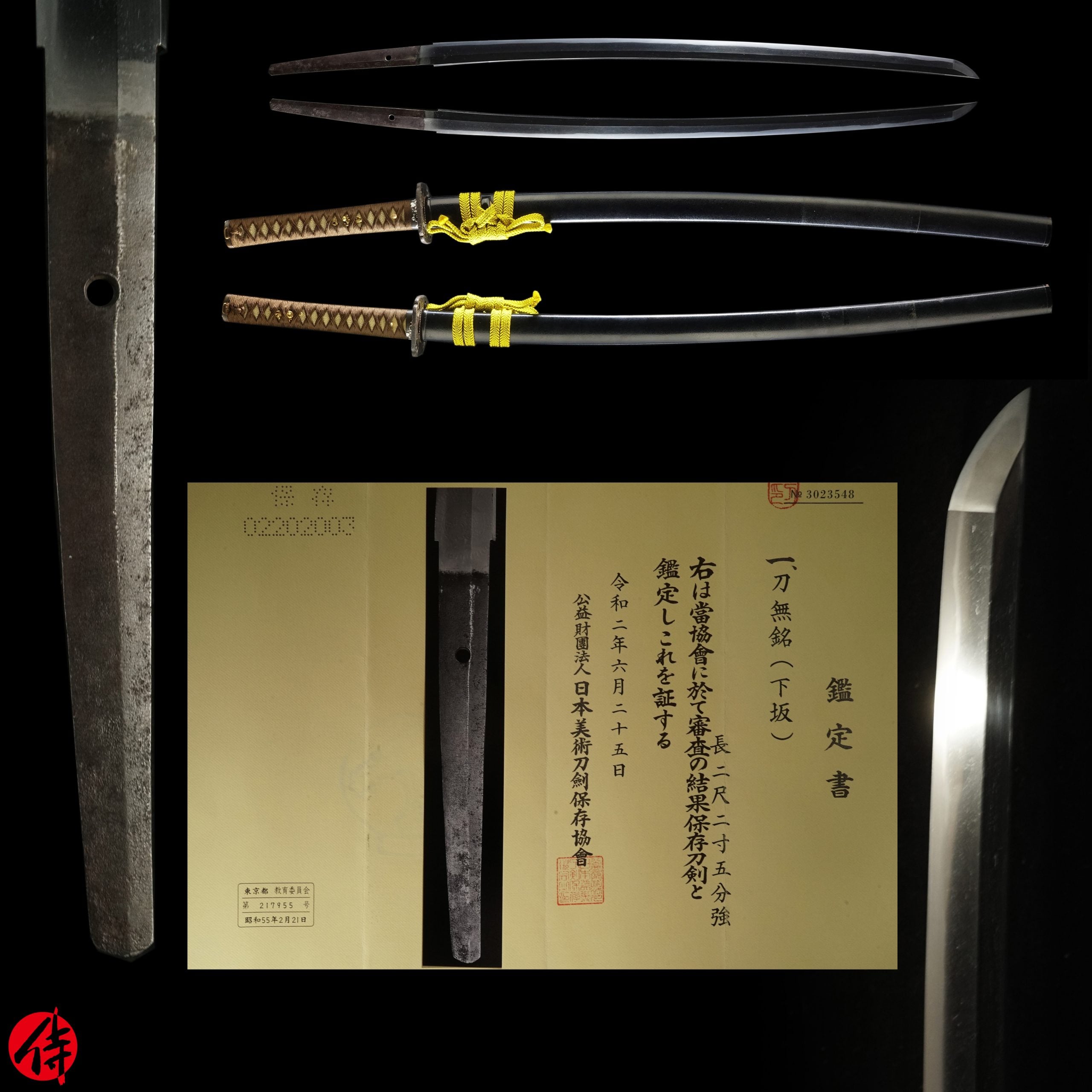
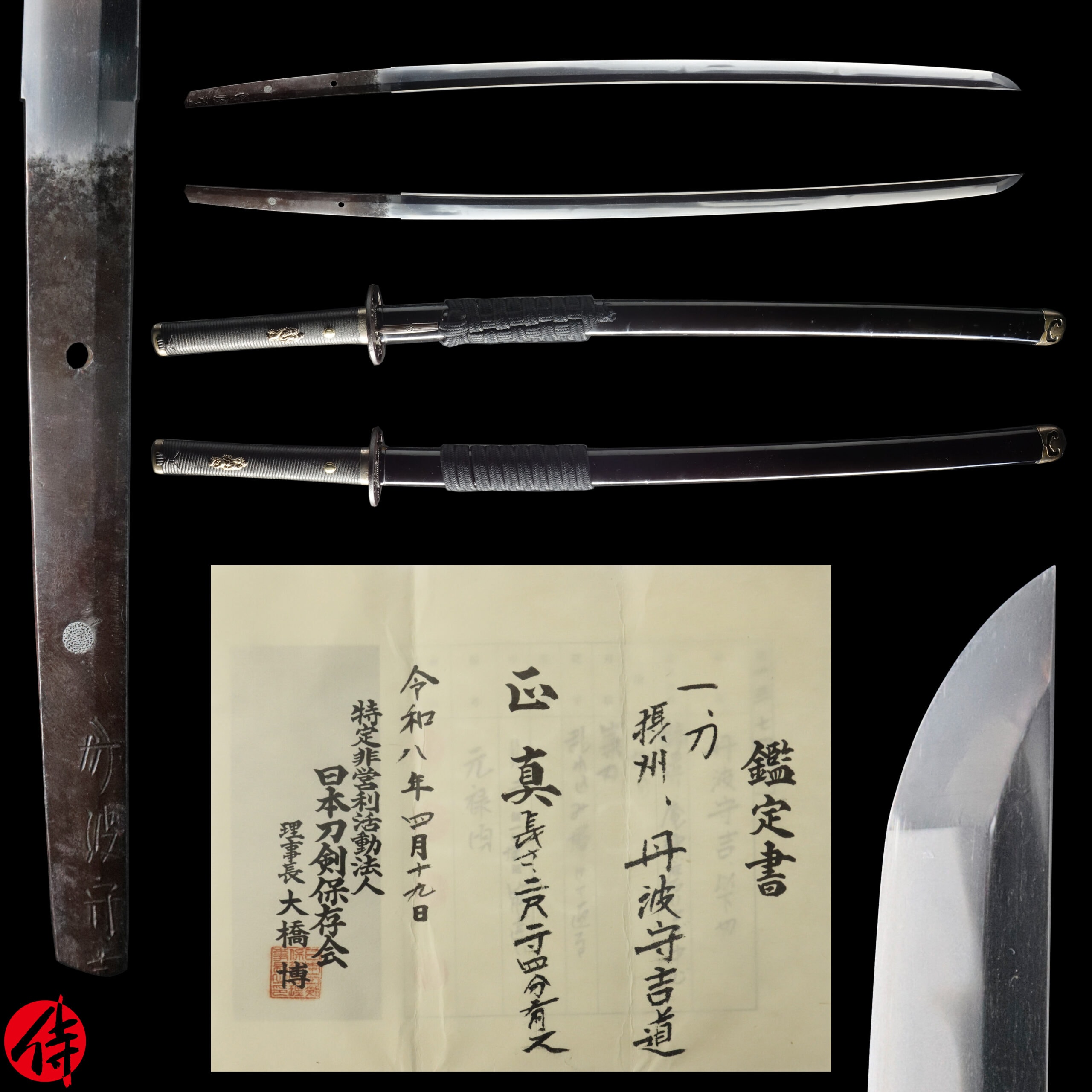
Antique Japanese Sword Katana Unsigned Shimosaka with NBTHK Hozon Certificate 【Description】 This blade was forged by one of Shimosaka swordsmiths in the early Edo period according to NBTHK, a reputable Japanese sword appraising committee that authenticated this blade. The founder of Shimosaka school was the first-gen, Yasutsugu. It was initially founded in Shimosaka town in Shiga prefecture at the end of the Muromachi period. During the early Edo period, Yuki Hideyasu, the second son of Tokugawa Ieyasu, arranged the place in Kitanosho castle town in Echizen for Yasutsugu and his apprentices to move there to organize the school. Echizen Province was famous for forging razor-sharp, practically-designed swords. The Edo government, run by the Tokugawa clan, ordered many blades from the swordsmiths in this province during the Edo period(1603-1868). There were so many swordsmiths originally from the Mino province(Gifu prefecture) in Echizen province, which is known as one of the five great Japanese sword styles MINO-DEN. This blade is appraised as Hozon certificate issued by NBTHK. This authentication paper was only given to Japanese swords, worth preserving by Nihon Bijutsu Touken Hozon Kyokai(the Society for the Preservation of the Japan Art Sword). You can see beautiful Suguha Hamon(straight tempering line) with intricate Jihada. It comes with a beautiful set of sword mountings. 【 Blade】 Cutting Edge Length(Nagasa) : 68.8 cm( 27.1 inches) Curvature(Sori) : 1.2 cm(0.47 inches) Hamon: The crystalline structure which forms along the cutting edge of a blade as a result of the hardening process Jimon(Jihada): visible steel surface pattern created by folding and hammering during forging process Nakago : Nakago is the tang of the Japanese sword. Japanese swordsmiths left the black rust on the tang on purpose to prevent red rust while the tang is in its handle. And the discoloration of the tang was created over time, which is a great indicator for a Japanese sword specialist to estimate when the sword was forged. Koshirae: Koshirae is the mounting of the Japanese sword. There are several parts that consist of Koshirae such as Saya(Sabbard), Tsuka( Handle), Tsuba(Handguard). Fuchi-Kashira : A pair of matching sword fittings that cover the upper and bottom parts of its sword hilt. Hozuki (鬼灯) is designed for this Fuchi Kashira. Hozuki means Physalis alkekengi in Japanese. Hozuki is a kind of good-luck item in Japan. When its name is written in Kanji (a type of Japanese characters), it is expressed as “light of Oni (Japanese monster with the human body).” Some people believe it will protect them from evil spirits. Also, Hozuki is treated as a good omen to hope safety and good health. Tsuka and Menuki : Tsuka is the handle of the Japanese sword and Menuki is its decoration. This Menuki is decorated with a combination of chrysanthemum and running water designs. The color contrast of Fuchi Kashira’s silver and Menuki’s gold makes a gorgeous appearance for this sword’s handle. Chrysanthemum is one of the flowers which symbolizes fall, and people appreciate it very much since ancient times. As its petals form radially, the chrysanthemum has been likened to the sun. That is why this flower pattern is treated as the symbol of perpetual youth and longevity or good health. This plant pattern is used as the emperor’s crest and the royal family in Japan; therefore, it is well-known as a noble pattern. Tsuba and Habaki : Tsuba is the handguard for the Japanese Sword and Habaki is the equipment to make the blade not touch its scabbard inside.It prevents the blade from getting rusty and chipped. Although this Tsuba has deteriorated over time, it could be considered that it was originally decorated with beautiful brass inlay. The Karakusa (唐草, arabesque) pattern and flower motifs are seen. Saya : Saya is the scabbard for the Japanese sword. Authentication Paper : NBTHK Hozon Certificate for the blade NBTHK , also known as Nihon Bijutsu Touken Hozon Kyokai

Antique Japanese Sword Katana Unsigned Shimosaka NBTHK Hozon Certificate
売切れ
Hozon売切れ

Antique Japanese Sword Katana Unsigned Shimosaka NBTHK Hozon Certificate

売却済

世界81社の刀剣商を横断追跡 · 価格履歴 · 売却アーカイブ

仕様

長さ

68.8 cm

反り

1.2 cm

作者について

Shimosaka下坂

肥後大掾藤原下坂・越前住と銘する第十四回重要刀剣の一刀を、説明は「康継前銘」と読み、康継を慶長十一、二年に銘し始める以前の作とする。そしてそれがこの名の中心の事実へと開く。下坂は一人の刀工ではない。新刀初頭の越前において一団の鍛冶が用いた商標銘であり、指定の記録はその作をこの一銘の下にまとめる。説明はこれを明示する。これらの銘を一人とみるよりは「同人とみるよりは幾人かの鍛冶者の一団であり」、下坂を商標として「下坂を商標として鍛刀していたと解することが妥当であろう」、その初期においては初代康継が「康継がその代表者」であったとする。この名は越前康継家の源流であり、越前が我がものとした深い浮彫の源流でもある。 一派を貫く手は静かで、同時代の華やかな新刀の多くに対置される。記録の悉くが板目に鍛えられ、多くは杢を交え刃寄り棟寄りに流れて肌立ち、地に総体に地沸つき、時にかね黒味がかり地景入る。その上に刃は中直刃から浅いのたれに互の目を交えるまでに及び、小足入り、沸つき、しばしばむらにつき、刃中に砂流しかかり、優れた作には金筋がかかり刃縁が頻りにほつれる。帽子は最も恒常の見どころで、直ぐに小丸となり、多くは先に掃きかける。これは刃の輪郭の豪壮さよりも刃中の働きによって読まれる作風であり、刃中を流れる砂流しが一派の最も恒常的な見どころである。 彫物がいま一つの恒常で、説明が最も進んで地方の特色と名指すものである。深い浮彫・透彫の彫物が corpus を通じて繰り返し現れる。櫃中に真の倶利迦羅を浮彫にし、ある刀は櫃中に毘沙門天と梵字を、ある短刀は竜虎を力強く彫り、ある薙刀は腰元に摩利支天を彫る。説明はこれを越前独特の彫物「越前彫」と呼び、後の作には越前記内彫「記内彫」と呼んで、一派の手を示す鏨のさらいのやや荒びた感じを記す。肥後大掾藤原の書付はこれに細直刃を加え、匂口しまりごころに沈み、地に白け映り立ち、説明がこの初期の手を康継の作に通じる点があると読む。 この名が商標であるため、corpus は一様式によってよりも、説明自身が分かつ書付によって読むのがよい。最も古いのは肥後大掾藤原下坂の銘で、従来康継自身の初銘とされ、説明はこれを「康継前銘」と呼ぶ。しかし肥後大掾の受領は同時に数工の越前刀工が冠したもので、説明は「肥後大掾下坂銘は、従来初代康継の初銘とされてきた」としつつ「康継一人とは限らない」とし、初代康継・貞国・兼法・国康・正勝を、鏨運びも筆意も作風も酷似して現時点で分かち得ぬ手として挙げる。この書付と並ぶのが一般の越前国下坂の作で、説明が「康継とは全くの別人の作」と判じ「個名を明らかにし得ないが一門の上手」と呼ぶ手であり、上手ながら名を明かさず、年代は慶長元和を下らない。説明があえて名指す手は二つある。茎まで通る片切刃の短刀を、慶長十一年紀の同手と下坂兼先銘に通じる銘振りより兼先と読み、反り深い薙刀もまた恐らく兼先とする。 いま一つの名指された手は商標を越前の外へと運び、一派の置きどころを示す。下坂八郎左衛門を説明は「下坂八郎左衛門は本国が近江であり」、生国を一にする久留米藩主田中吉政に抱えられて筑後に移ったとする。その長銘ある筑後打ちの慶長八年紀の薙刀は、頭の張った反り深い造込みに前時代の特色を継承した姿を見せ、説明はその茎の銘文を「下坂鍛冶研究の貴重な好資料である」とする。説明の引く区別は作風のみならず名と経歴によるもので、個名は銘と記録された生涯より読まれ、それが読み得ぬ作の悉くにおいては評は一つである。すなわち「下坂一門の作として優品であることには異論はない」、個名がいかであれ下坂一門の優品である。 この名は記録上九口の重要刀剣に伝わり、短刀四口・薙刀二口・刀二口・脇指一口、いずれも在銘で無銘はなく、出来は藤代の上々作とされる。国宝も重要文化財もなく、一派は名だたる蔵伝ではなく指定の重要刀剣を通して出会われる。所在の知れるもののうち一口は東京国立博物館にあり、ある薙刀は三ツ葉葵紋を蒔絵にした金梨子地の拵を伴って残り、説明はこれを大名の御腰入れ道具の一つと見る。伝来はその他に記録がなく、これは作が一人の名工の手としてよりも新刀初期の鍛冶集団の資料として価され、そのいくつかが説明に一派の手を定める資料と称えられるためでもある。在銘の越前下坂は収集家のもとに稀に現れ、重要刀剣の短刀か薙刀がその現実の出会いであり、より得難いのは肥後大掾藤原の康継前銘の書付、あるいは越前康継家の興った一団のうちに置かれる、兼先か八郎左衛門の名指された一口である。

刀剣商

サムライミュージアム

samuraimuseum.jp

売切れ